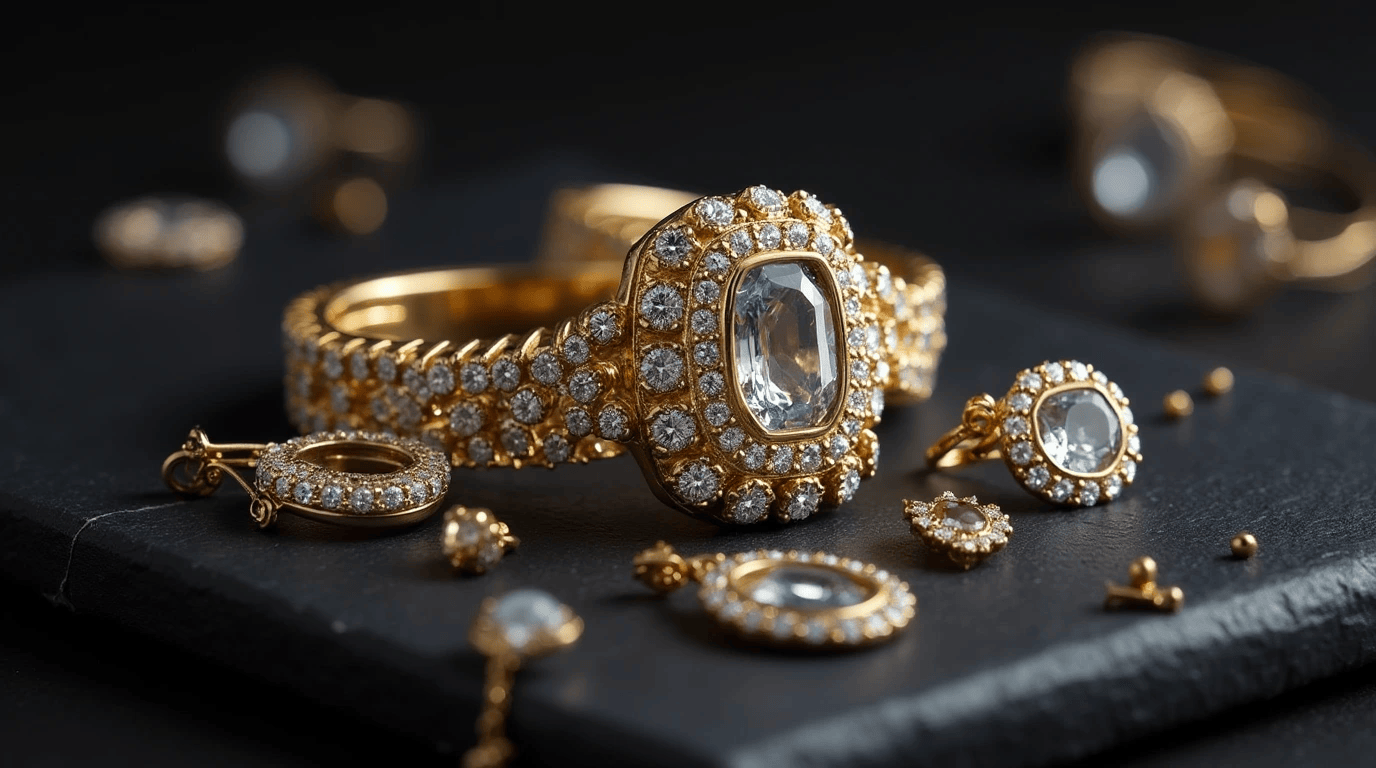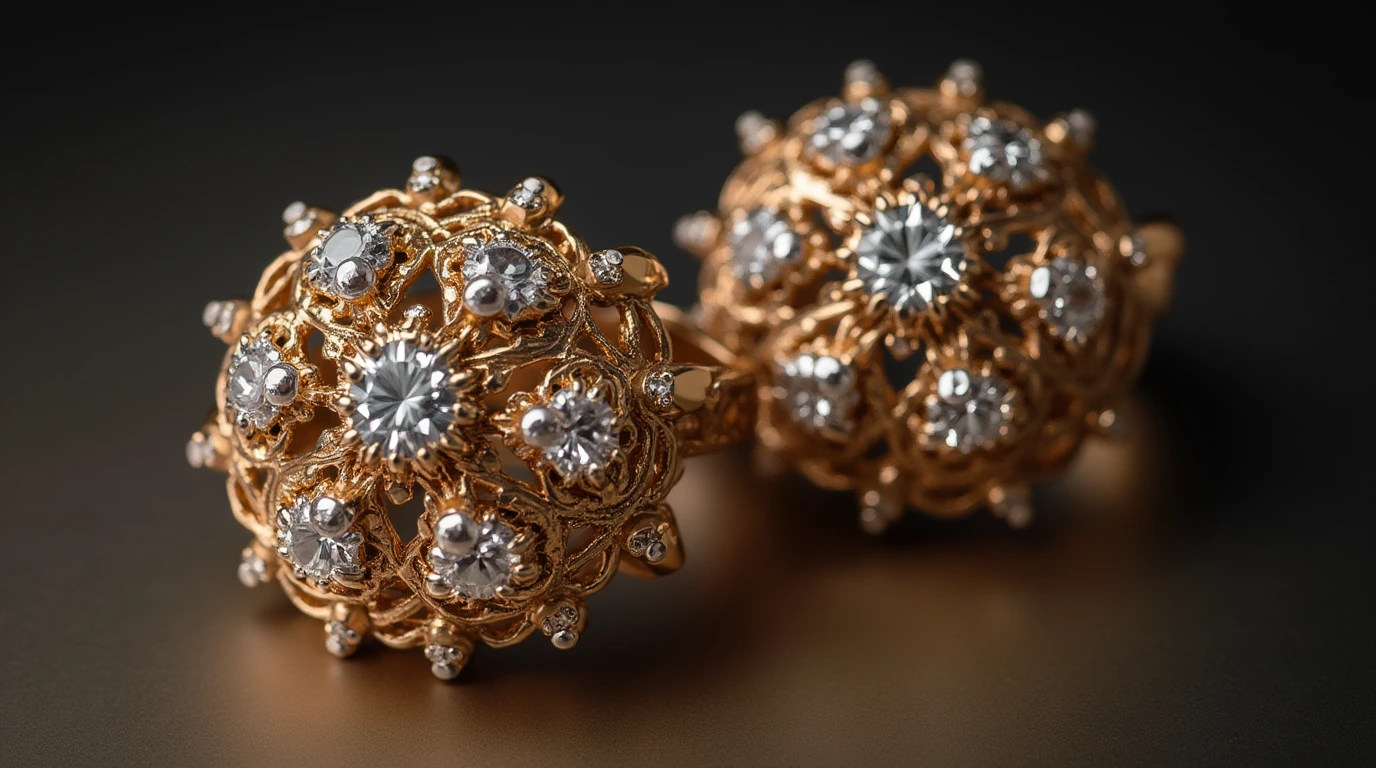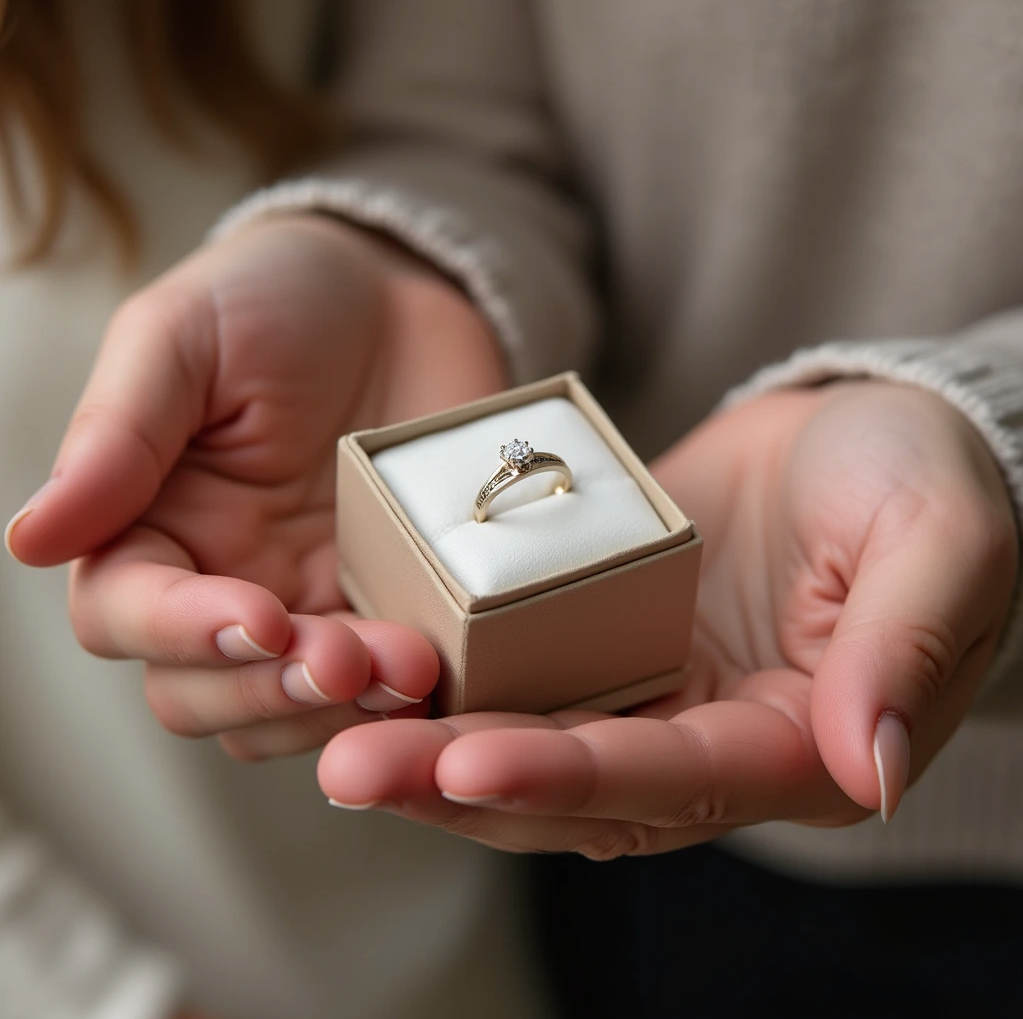

Gold is one of the most valuable and sought-after metals, used by humankind for thousands of years. This noble metal is prized not only for its beauty but also for its unique physical properties, such as resistance to corrosion and malleability. However, gold pieces can differ considerably in their characteristics. One of the key factors that determine the properties of gold is its fineness.
Gold fineness is a measure of its purity, expressed in parts per thousand. It shows how much pure gold an alloy contains. The higher the fineness, the softer the material, which means it requires more careful handling. In the jewelry industry pure gold is rarely used on its own because it is too malleable and deforms easily. To make pieces more durable, various alloying metals are added, such as silver, copper, nickel and palladium. They not only increase strength but also affect the color of the gold.
Hallmarking is mandatory in many countries around the world. It gives buyers confidence in the quality of the gold they purchase. In this article we will look at the different gold standards, how they affect the properties and color of the metal, and how to check the authenticity of gold jewelry.
Types of gold purity and their characteristics
Gold pieces differ in karat, which determines the content of precious metal in the alloy. The higher the percentage of gold, the softer and more pliable the metal becomes. That is why jewelry made of pure gold is practically never seen, and for everyday wear alloys with additional elements are more often used.
The main gold purities:
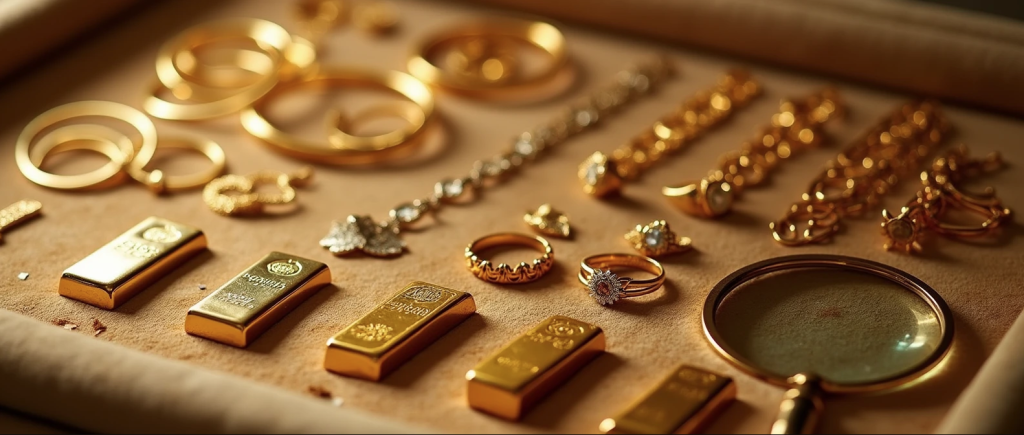
- 999 purity (24 karat) – practically pure gold (99.9%). Because it is soft, it is rarely used in jewelry, as it deforms and scratches easily. It is more often found in investment bars and coins, where high fineness matters.
- 958 fineness – contains 95.8% gold. Found in collectible jewelry and antique pieces, especially in the work of old masters. It has a rich color but requires careful handling, as it remains quite soft.
- 916 purity (22 karat) contains 91.6% gold. It is popular in Asia and the Middle East, where high-fineness gold is prized. It has a bright yellow shade and a characteristic shine, but is less resistant to mechanical damage than lower-fineness alloys.
- 875 fineness It contains 87.5% gold. It is often found in jewelry from the Soviet period, because it combines good strength with a high content of precious metal. Gold of this fineness has a less saturated color than 916, but it is more wear-resistant.
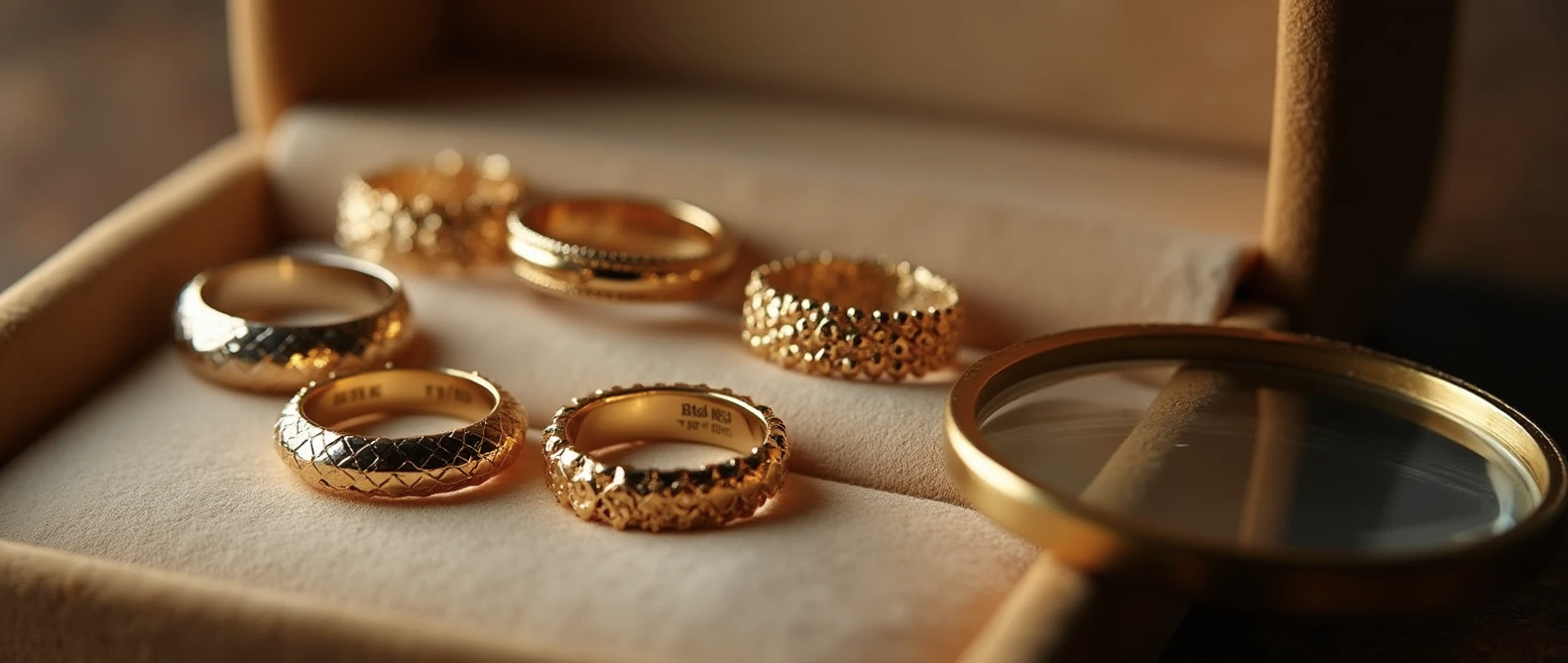
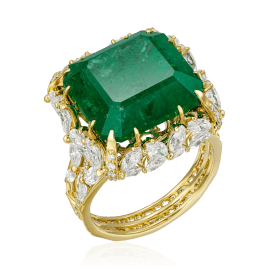
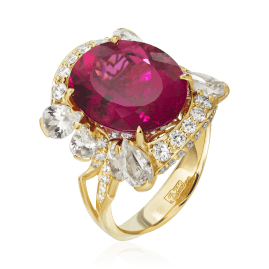
- 750 purity (18 karat) It contains 75% gold. It is one of the most sought-after options for premium jewelry making, because it combines high strength, durability and a noble shade. It suits jewelry with gemstones, as it is hard enough to hold stones securely.
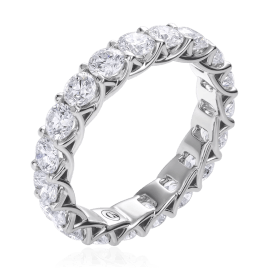
Rings in 18K gold (750)
- 585 purity (14 karat) 58.5% gold. This is the most popular karat in the modern jewelry industry thanks to its good balance of strength, cost and appearance. It wears well and keeps an attractive color for a long time.
- 500 fineness - contains 50% gold. It is rarely used in the jewelry industry because of its tendency to oxidize and change color. It can be used in budget jewelry but needs a coating or regular care.
- 375 purity (9 karat) is 37.5% gold. An affordable option more often found in budget jewelry. Because of the high content of alloying metals (impurities), it loses its shine over time and can darken, so it needs careful care and regular polishing.
How impurities affect gold's color
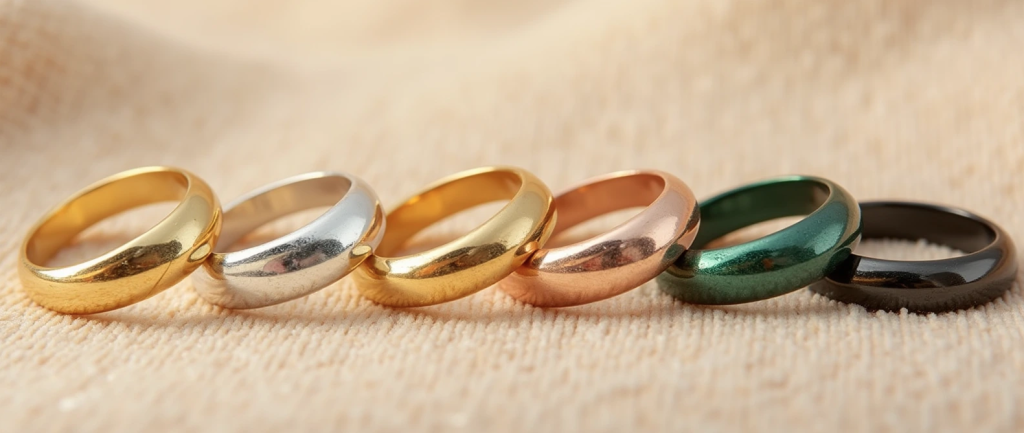
Various impurities added to the alloy have a significant effect on the color of gold:
- Yellow gold is the traditional shade, achieved with silver and copper.
- White gold is made with the addition of nickel, palladium or platinum and has a cool, light shade.
- Rose gold contains more copper, which gives the alloy a pinkish tone.
- Green gold contains a large amount of silver, which gives it a slightly olive tone.
- Black gold – achieved through special coatings or by adding cobalt.
Can gold be unmarked?
Some gold items may carry no hallmark, but this doesn’t always mean a fake. Possible reasons for a missing assay mark:
- Handmade jewelry – some pieces created by independent craftsmen may not go through certification.
- Antique jewelry: old pieces may have lost their hallmark through long use.
- Foreign standards – hallmarking systems differ from country to country.
- Counterfeits: if a piece raises doubts, it is advisable to have it checked by a specialist.
How to verify gold's authenticity?
There are several ways to check gold jewelry:
- The assay hallmark is the most reliable and official way to confirm the quality of gold. State assay offices stamp jewelry to certify that the alloy meets the established standard. The hallmark shows the fineness, as well as the mark of the manufacturer or the country of origin.
- The magnet test is a simple method you can use at home. Real gold is not magnetic, so it should not be attracted to a magnet. If a piece reacts to a magnet, it indicates ferromagnetic impurities such as iron or nickel in its composition, which points to a low karat or a fake.
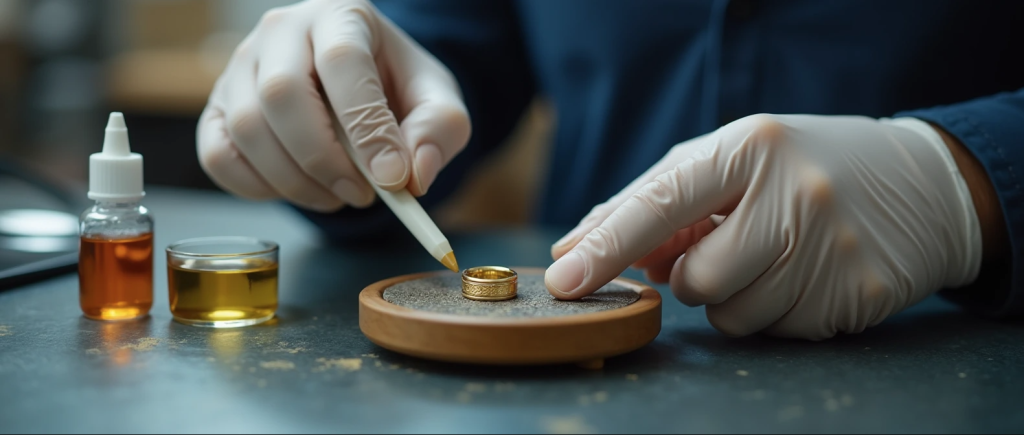
- Professional analysis is the most accurate and reliable method, carried out in jewelry workshops or specialized laboratories. It includes chemical analysis with reagents, spectral analysis, X-ray fluorescence analysis and other methods. These methods make it possible to determine the gold purity precisely and to detect the presence of additional elements in the alloy.
Gold karat plays an important role in determining its price, strength and appearance. If you are looking for jewelry for everyday wear, 585 or 18K gold (750) is the best choice, as it combines strength with a noble shade. High-karat gold (999, 916) is better suited to investment purposes and collectible pieces.
When buying gold, it is important to pay attention to the karat, check the piece for authenticity and buy jewelry only from reliable sellers. Understanding the characteristics of the different karats will help you make an informed choice and find a piece that will delight you for many years.