
411 000 ₽
We use cookies to improve the site and give you more options. By continuing to use the site, you agree to cookie usage terms.We use cookies. Learn more


By popularity
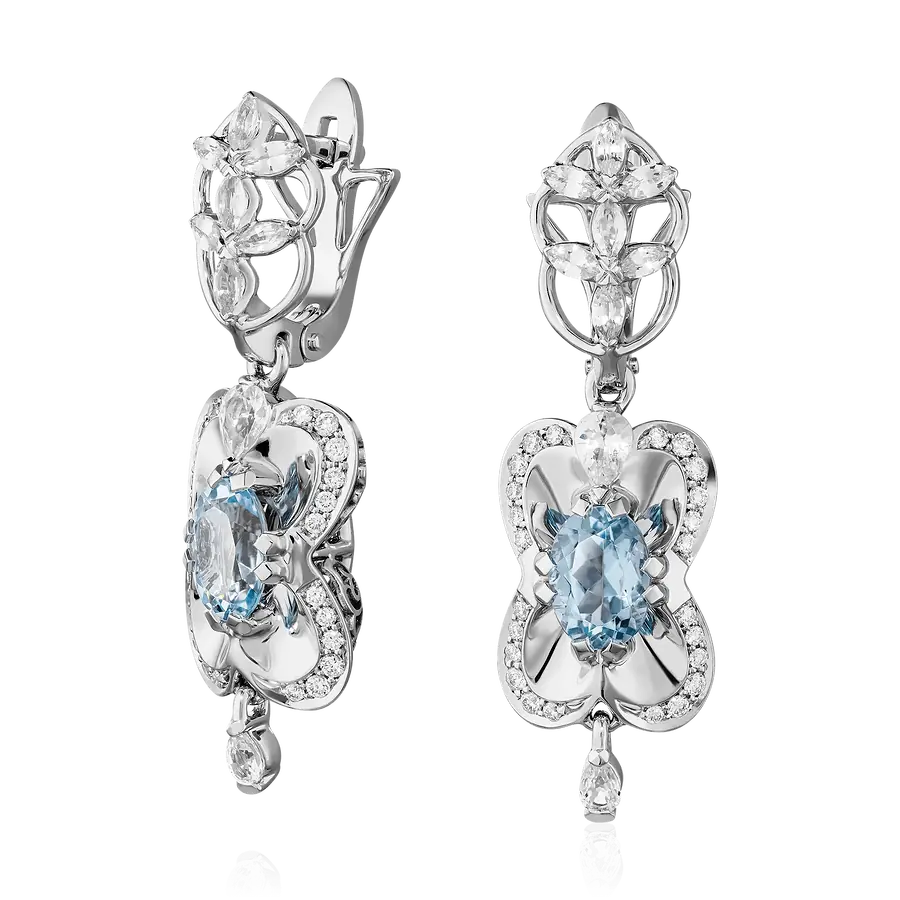

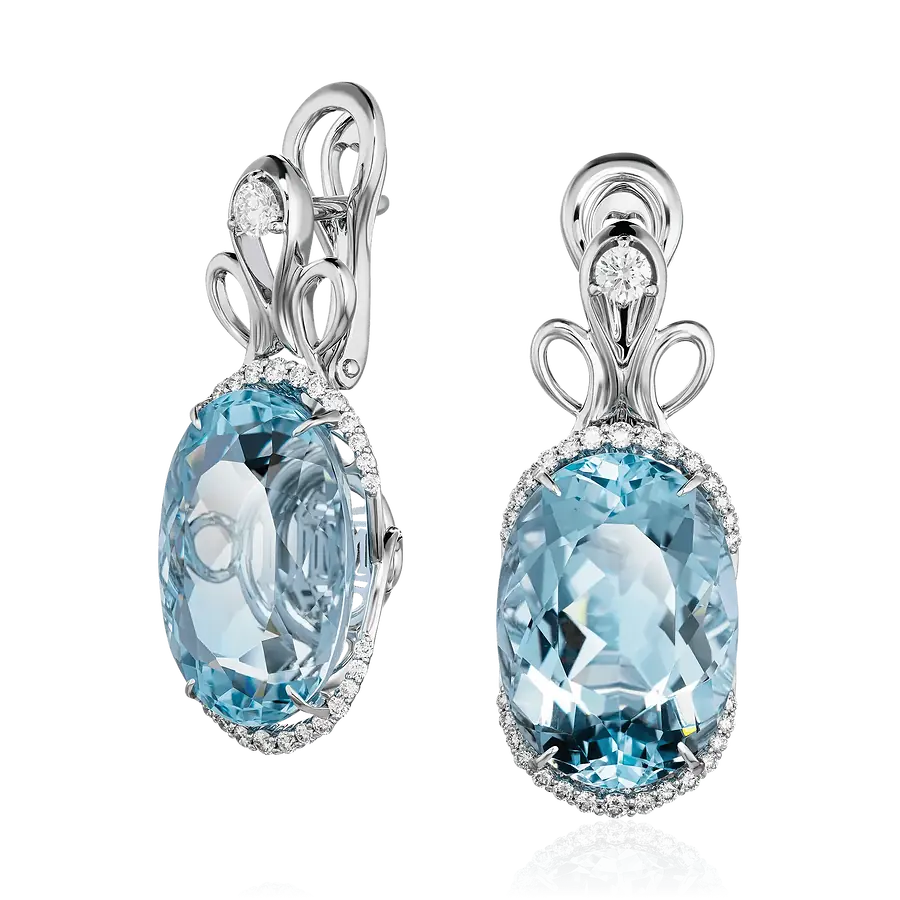
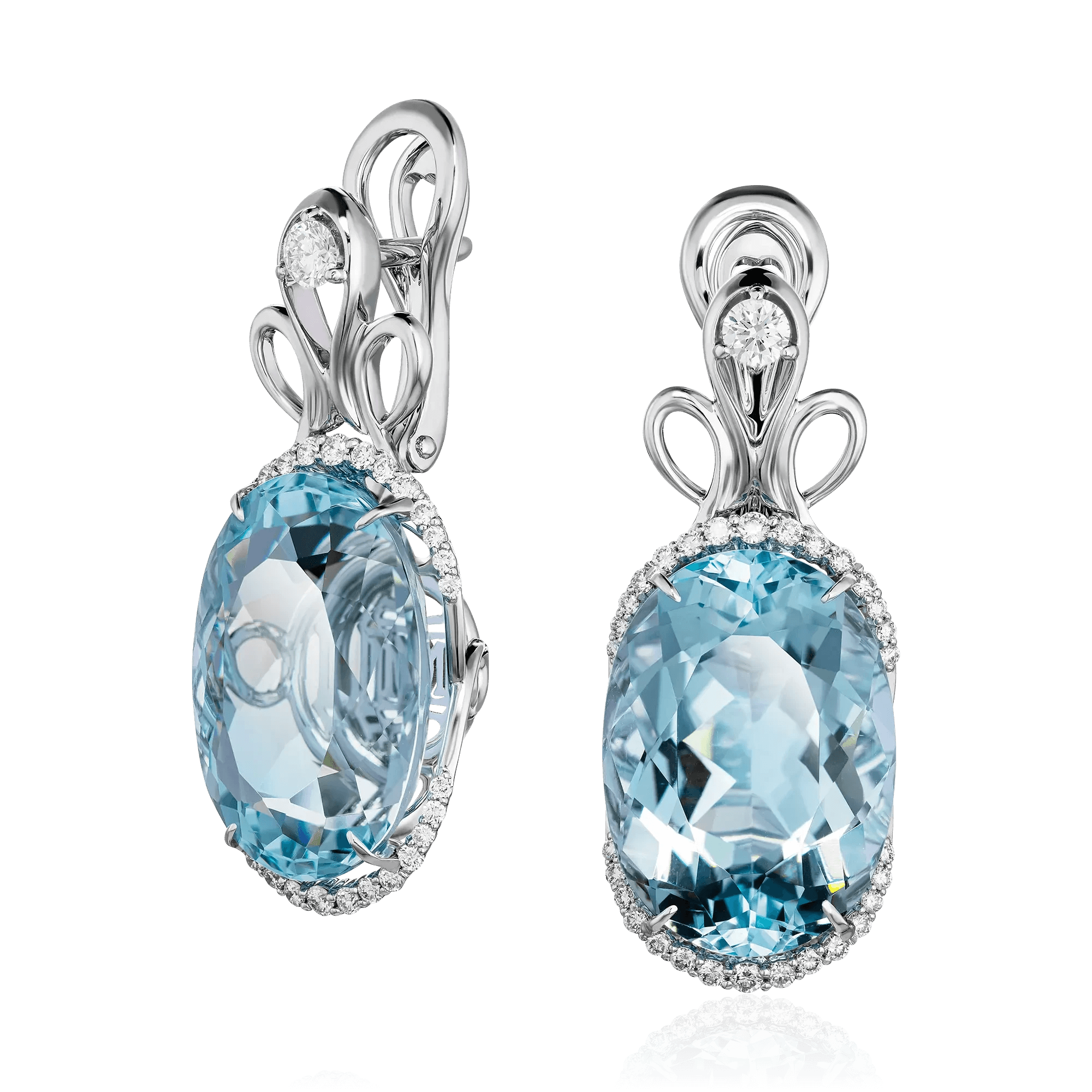
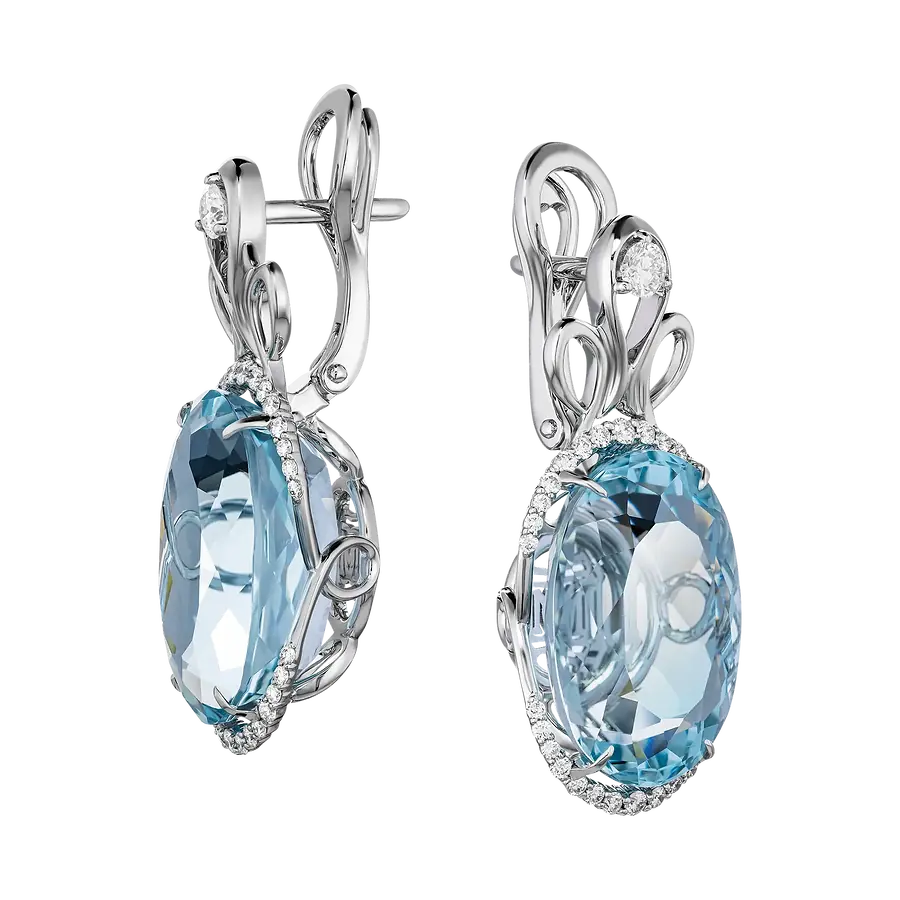

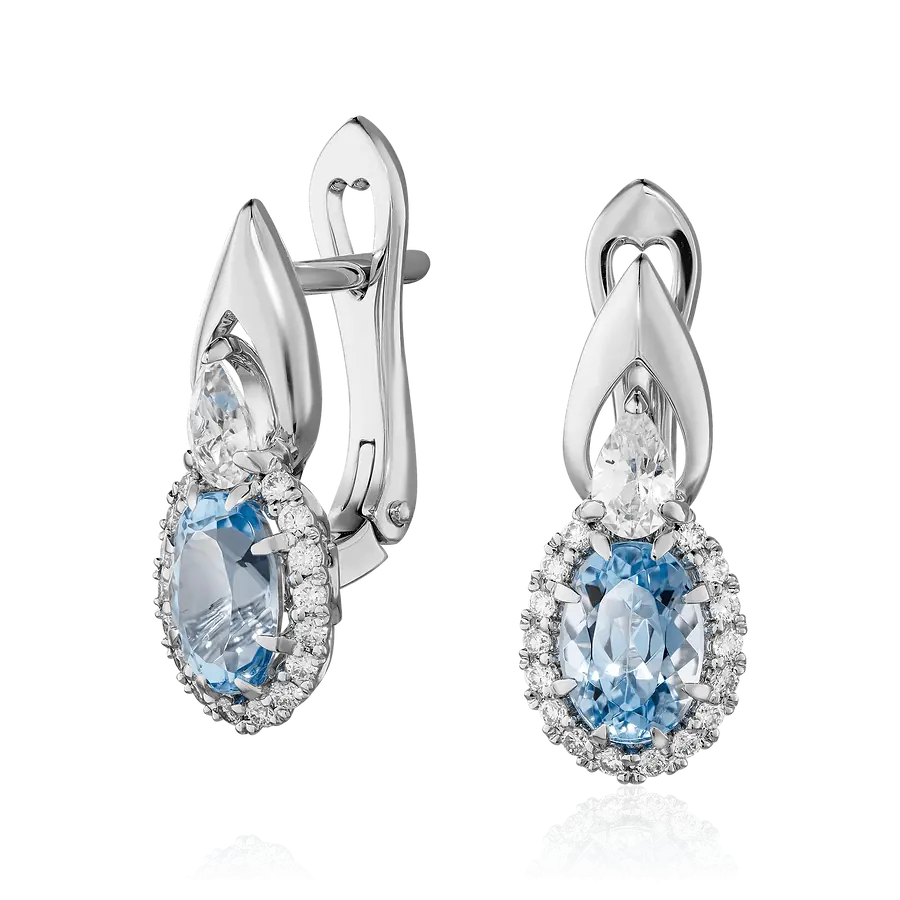
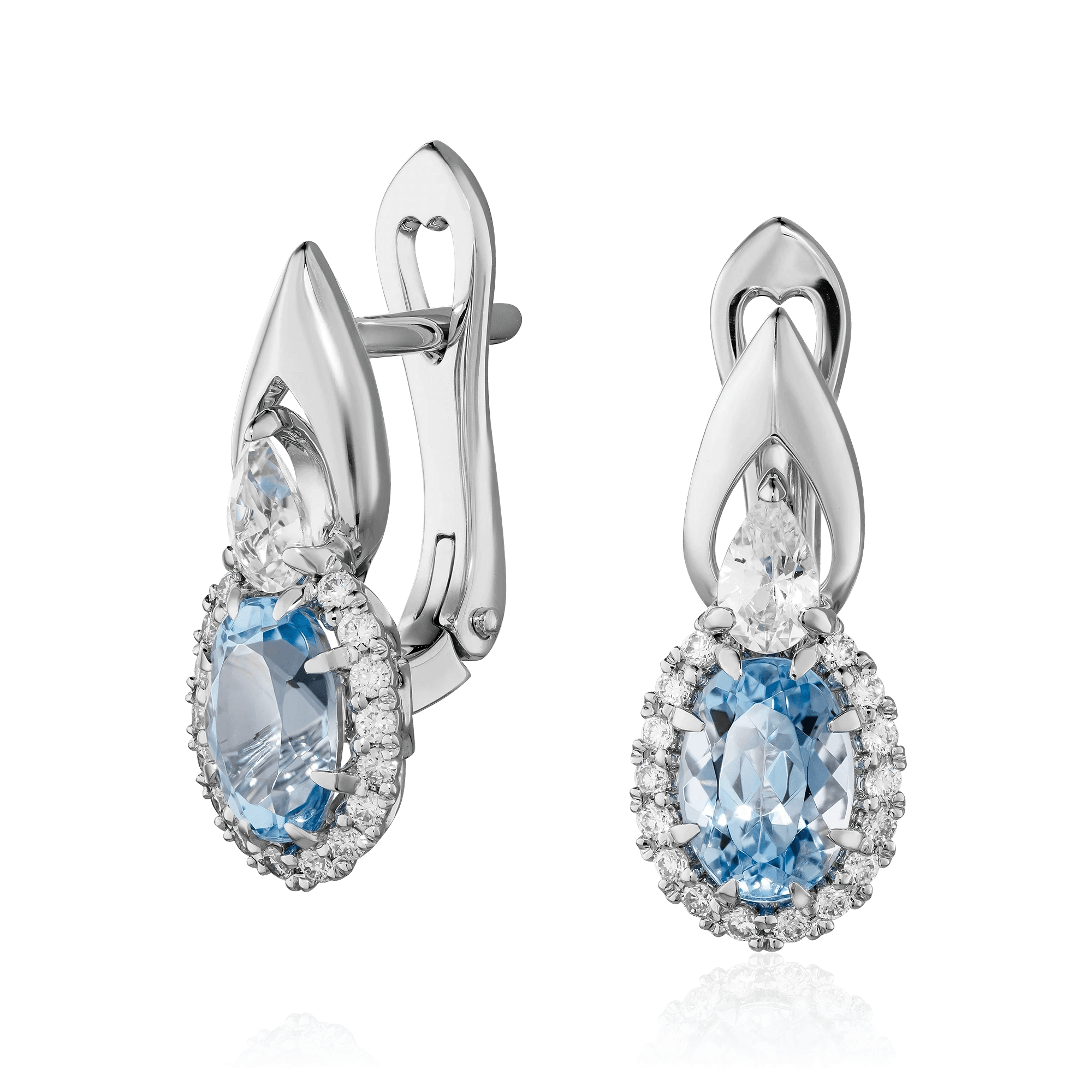

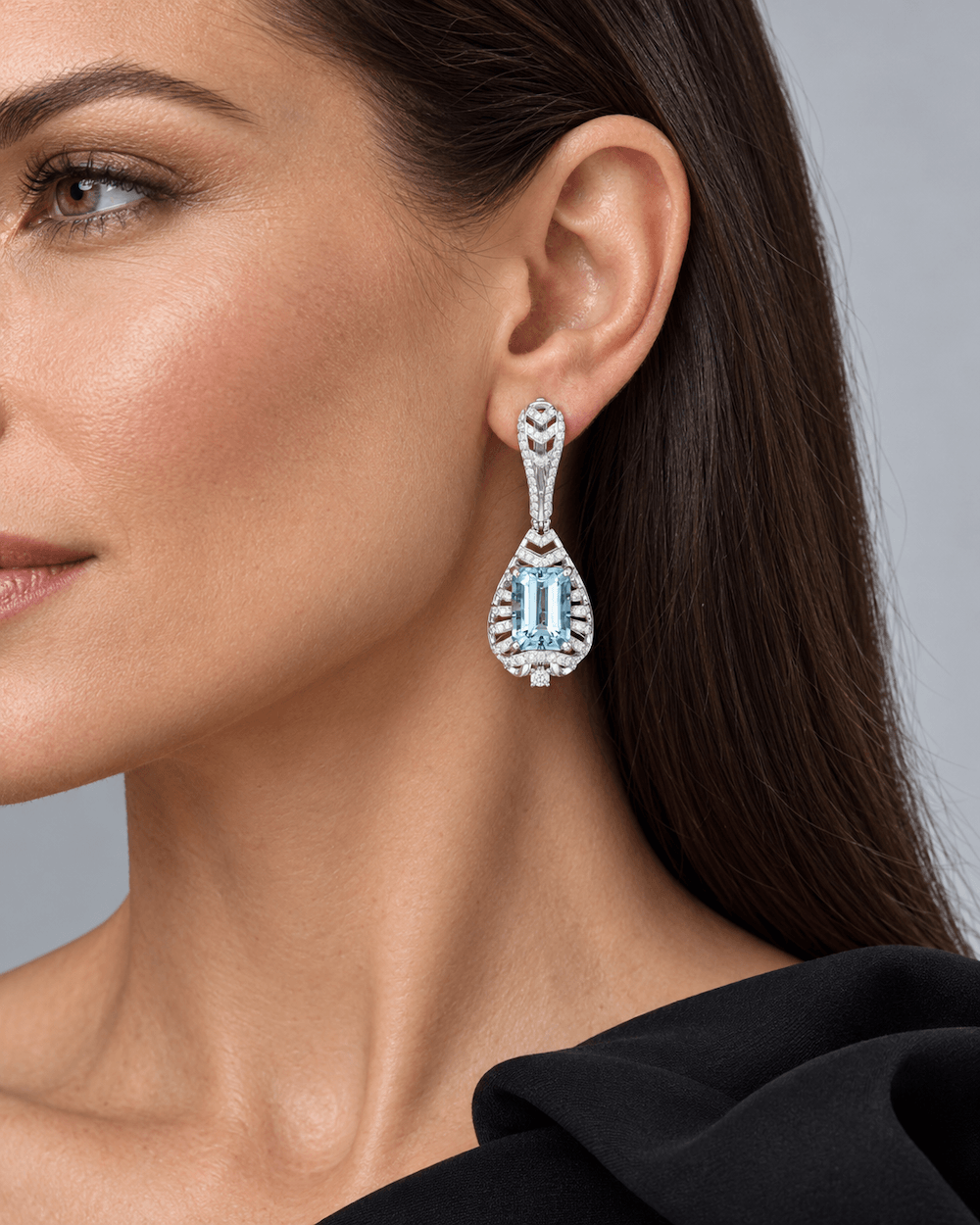
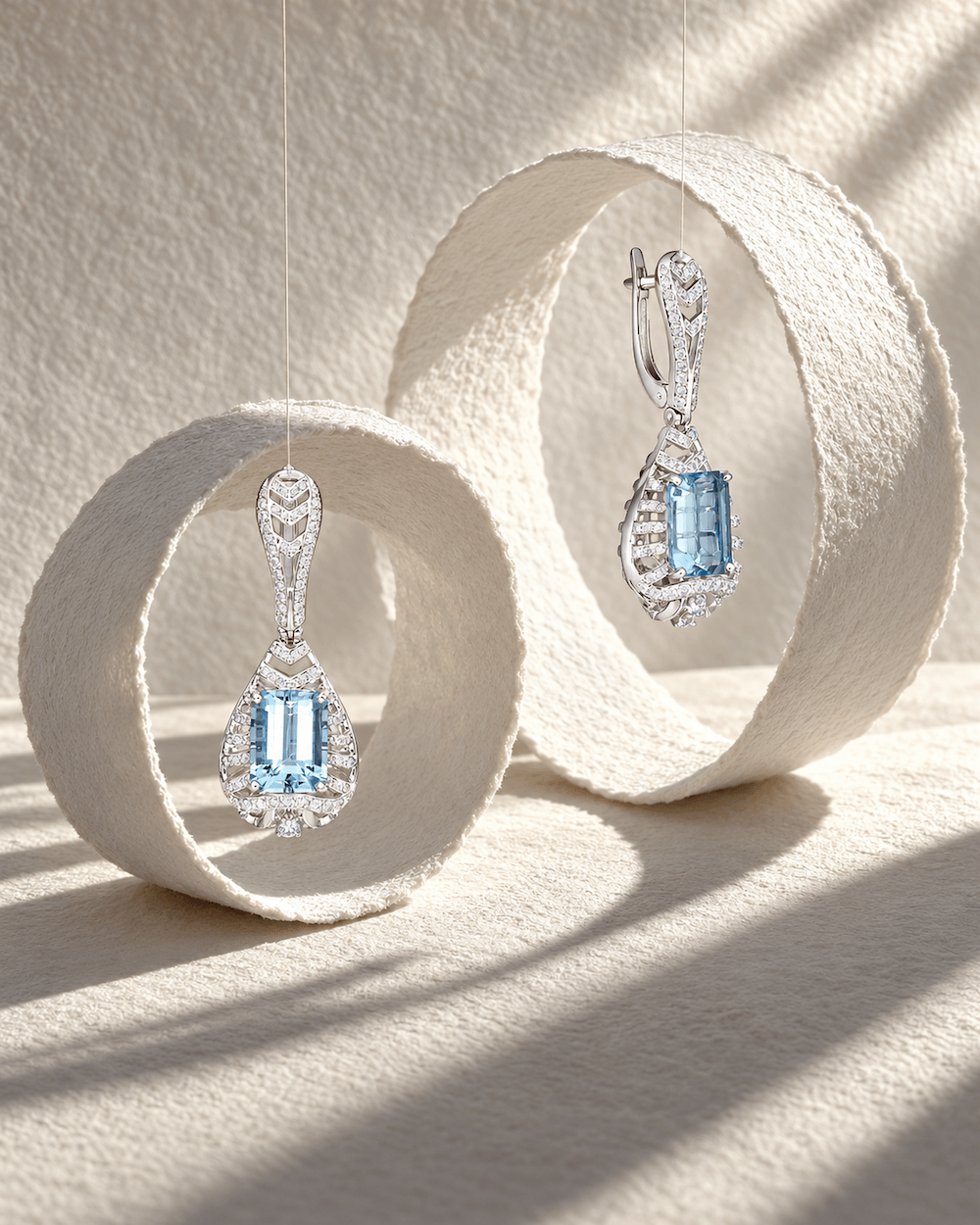



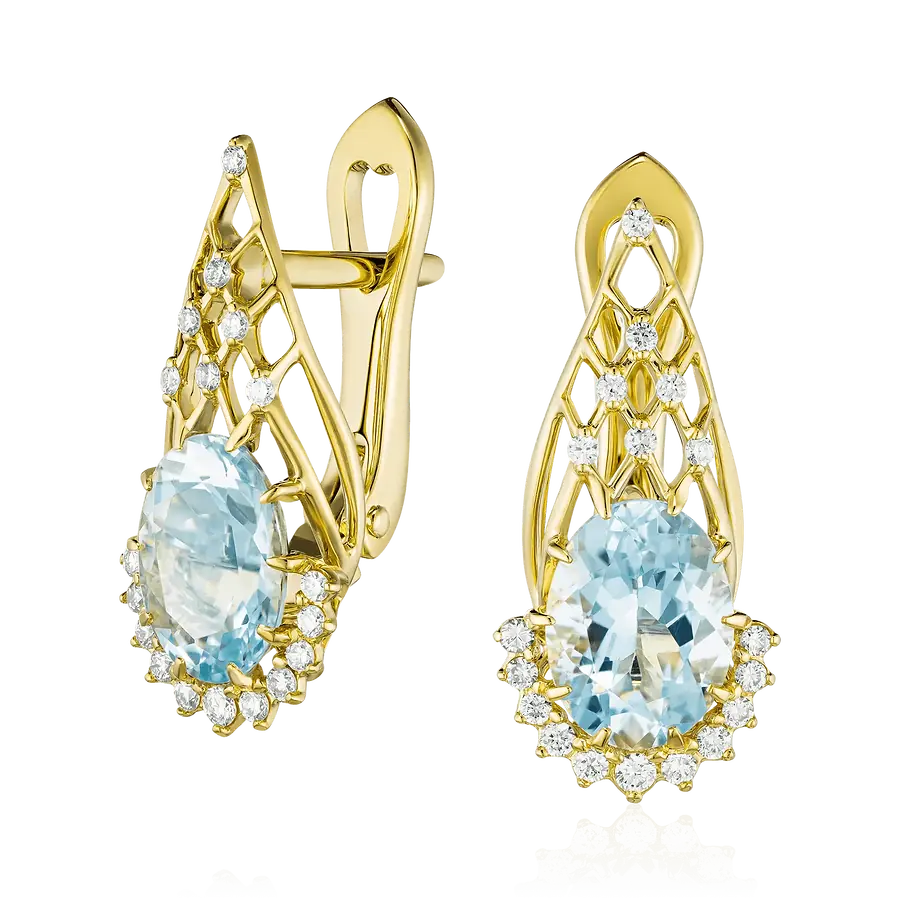
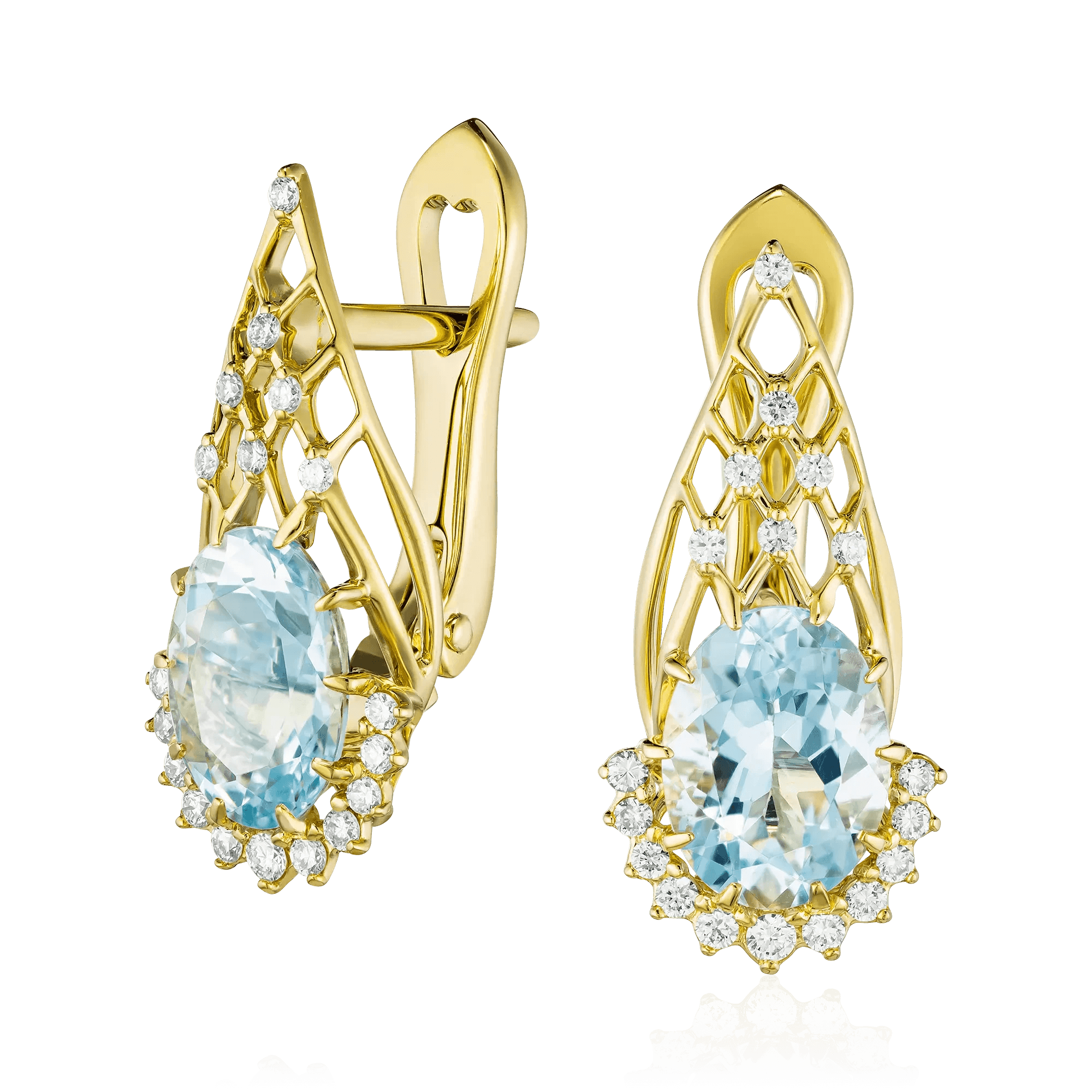
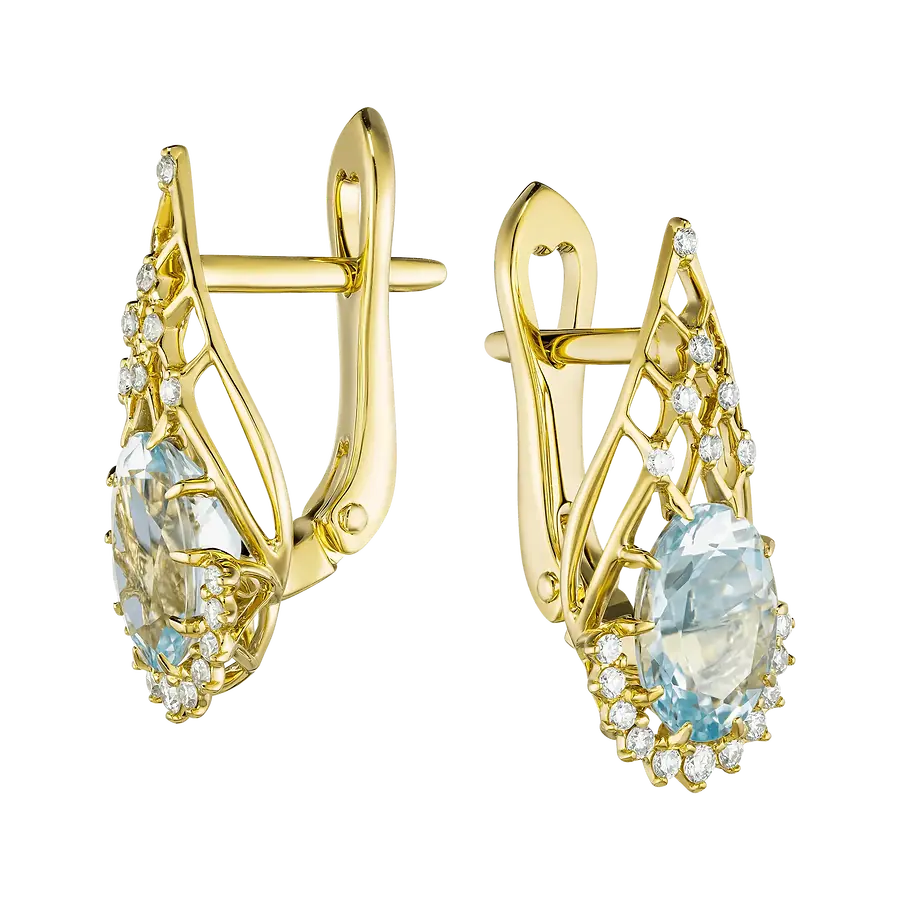


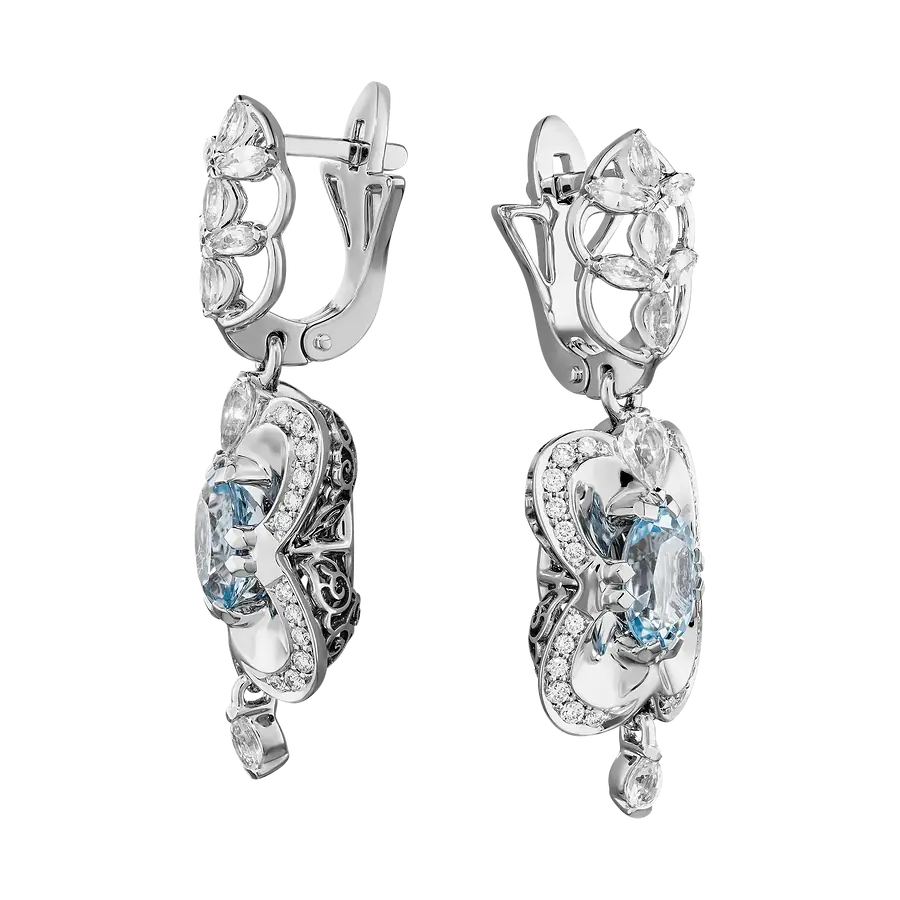
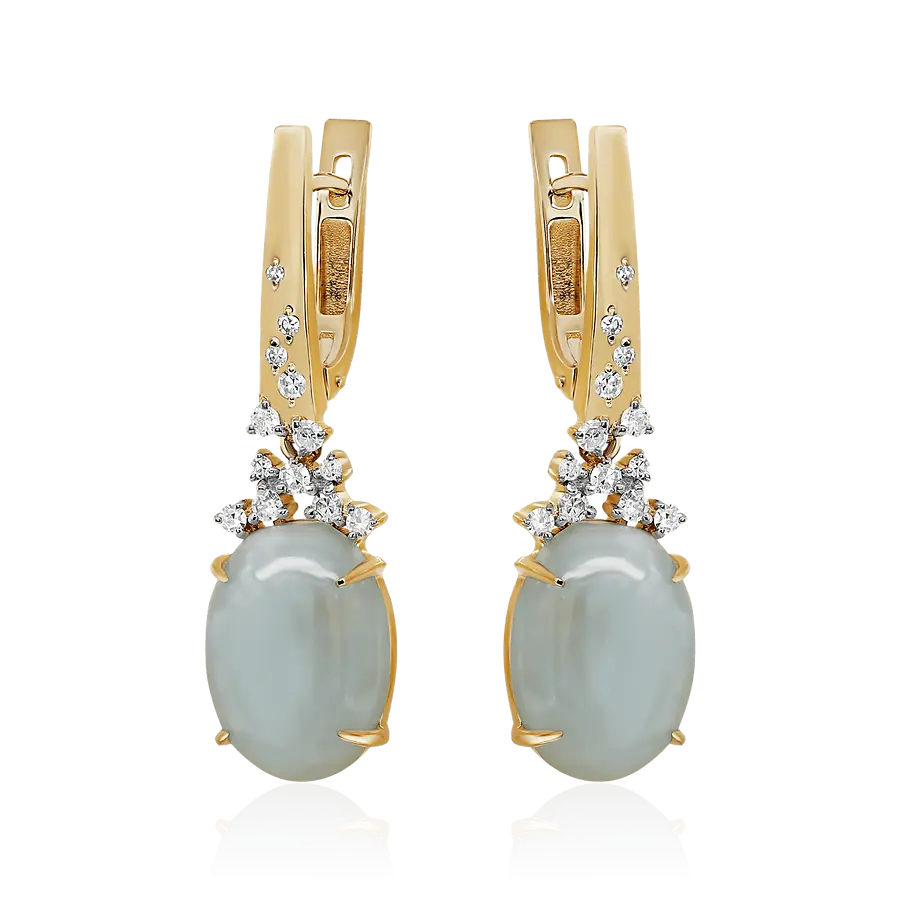
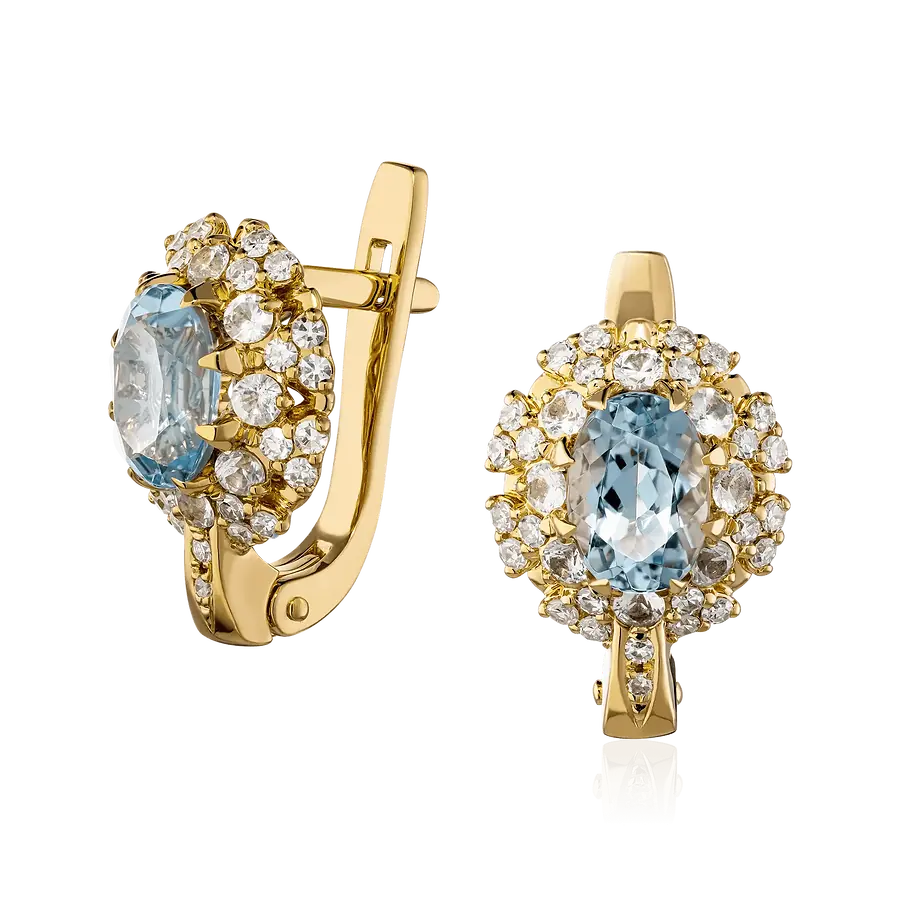
Earrings shaped like bows with aquamarine, emerald and diamonds in 14K yellow gold (585) ( 76627)
In stock


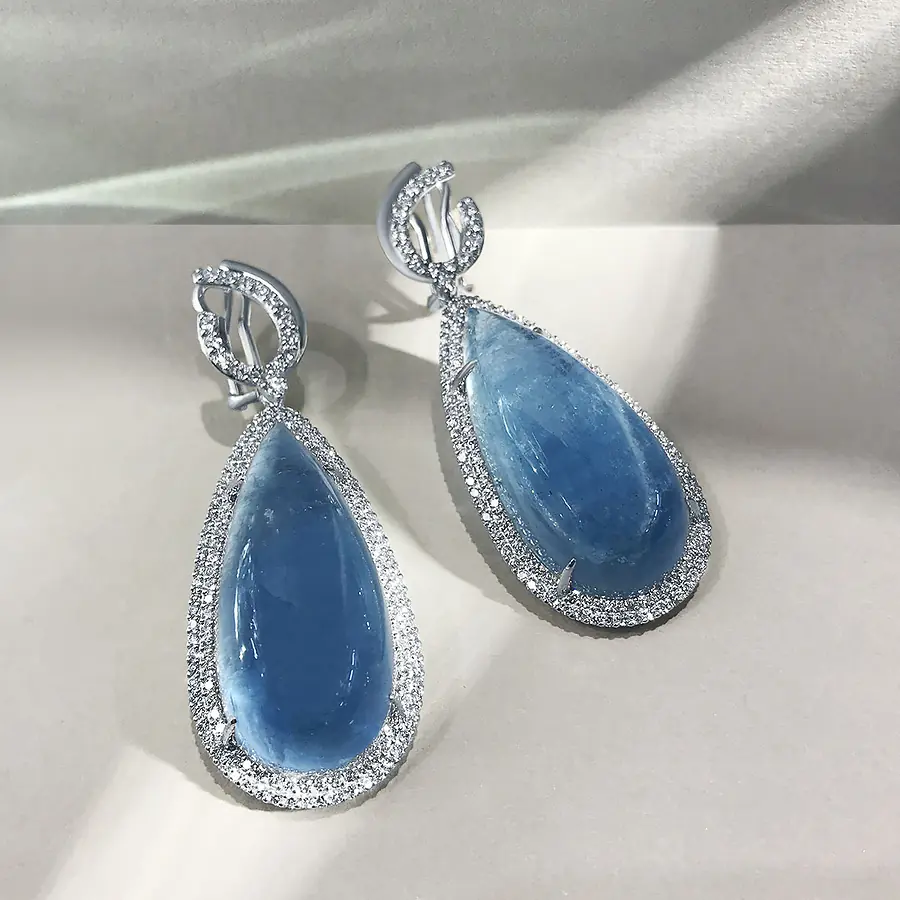
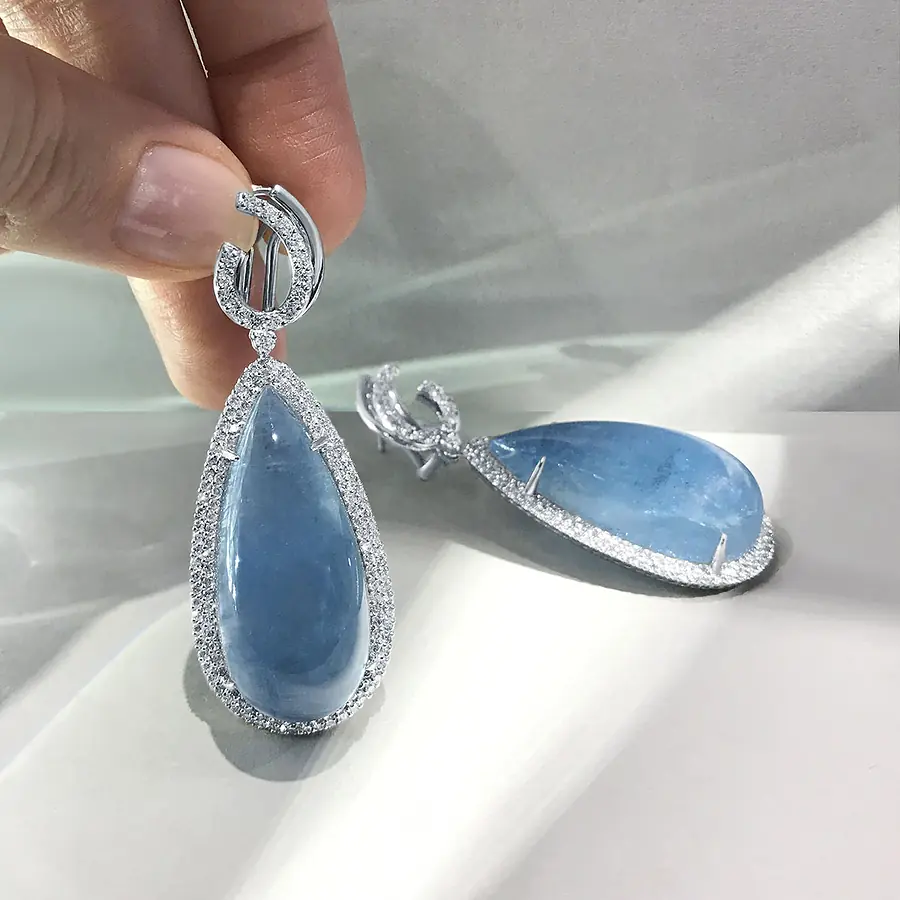
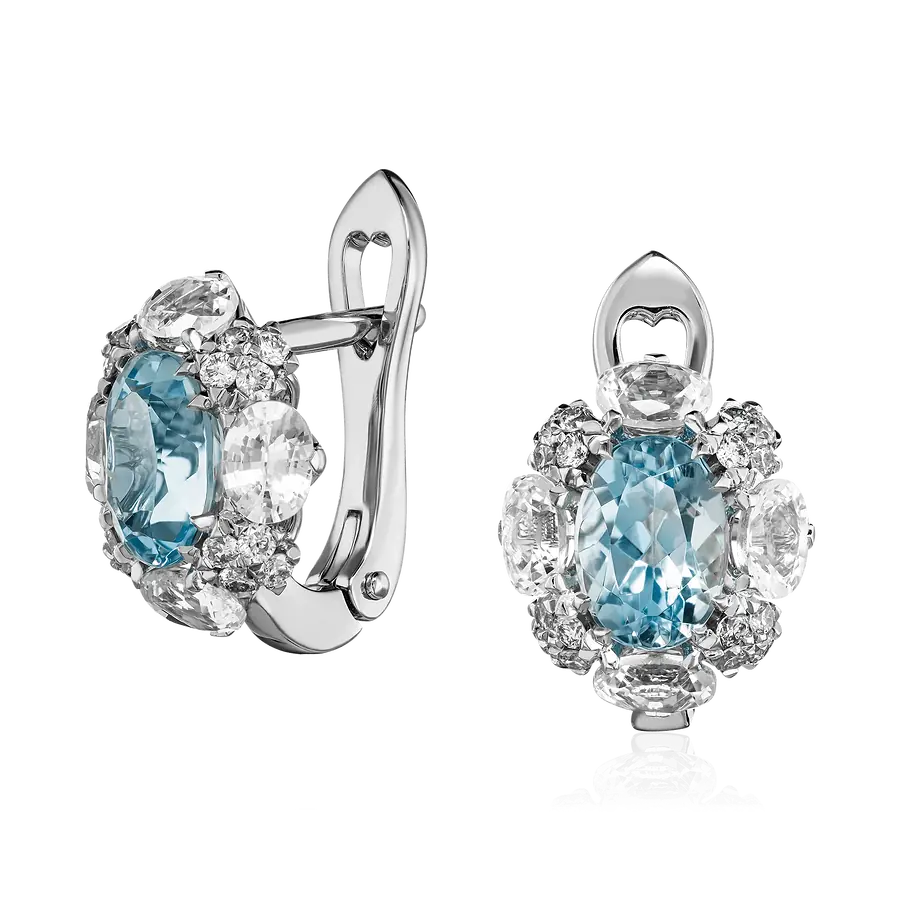
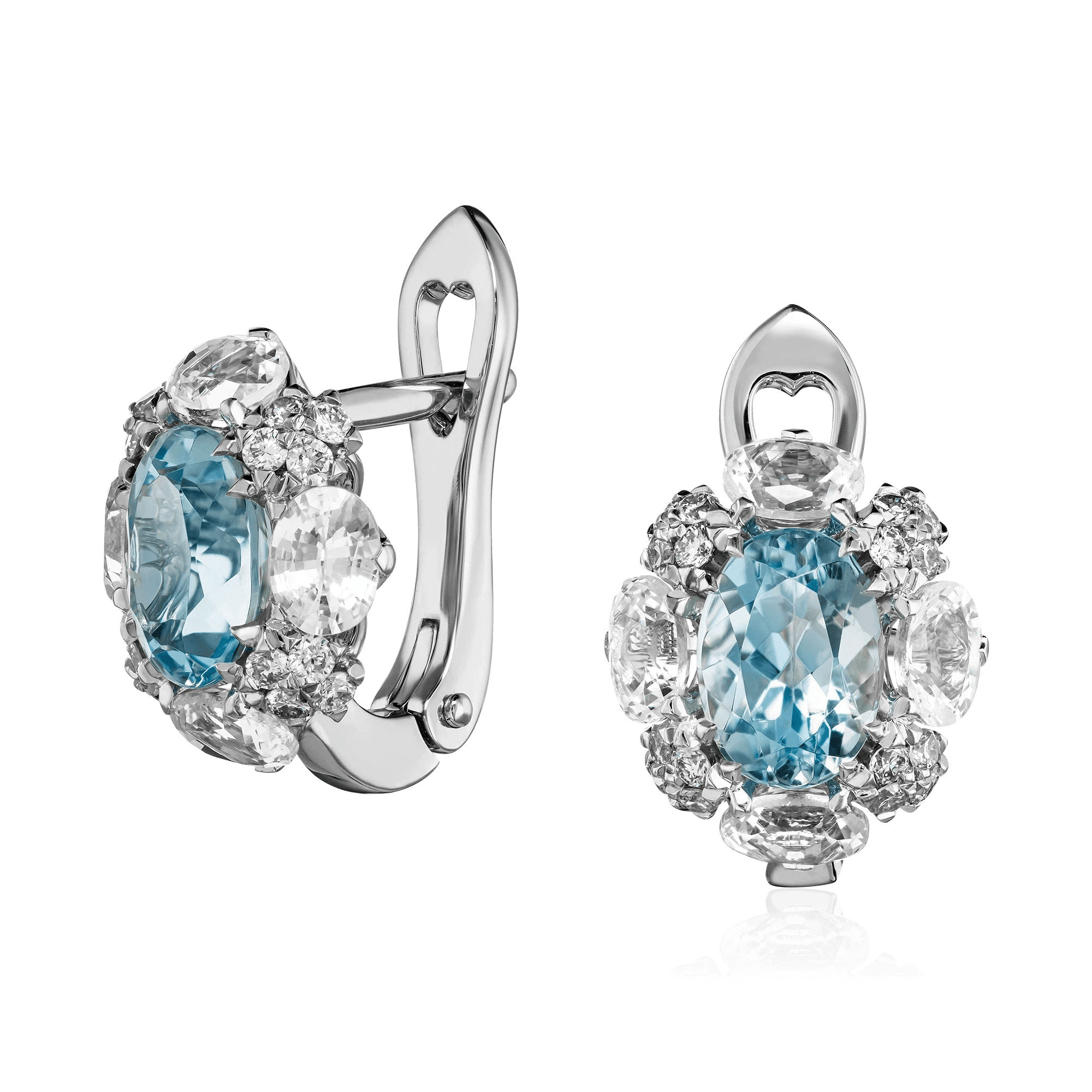
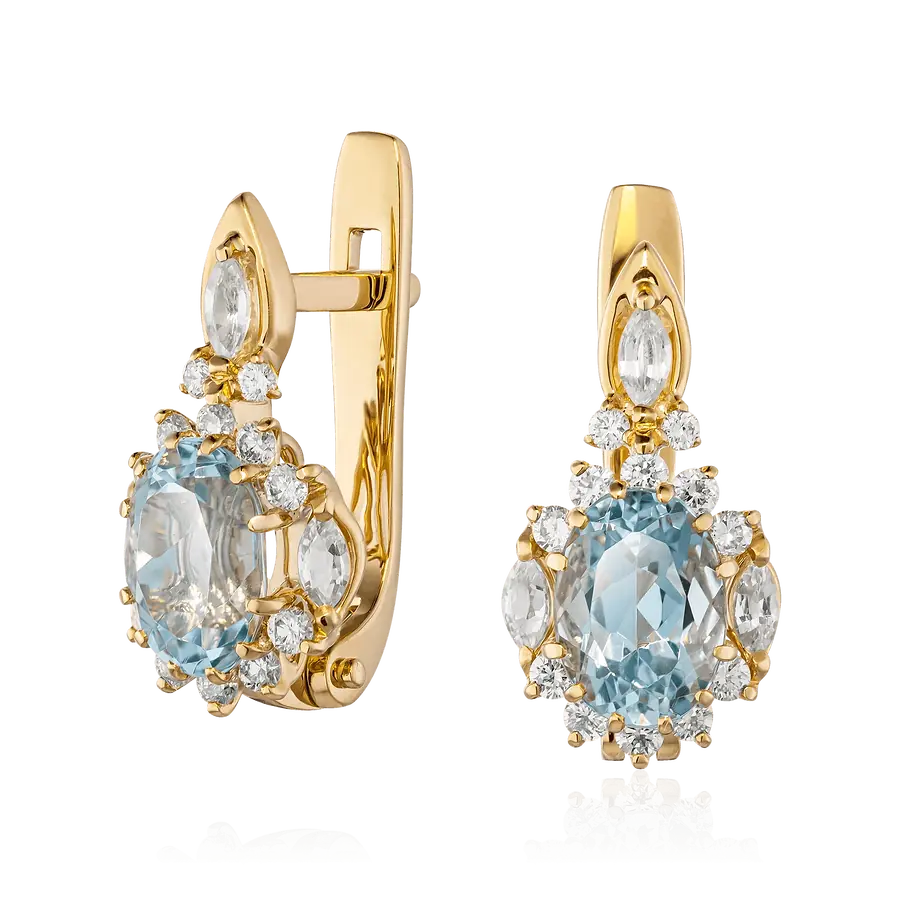
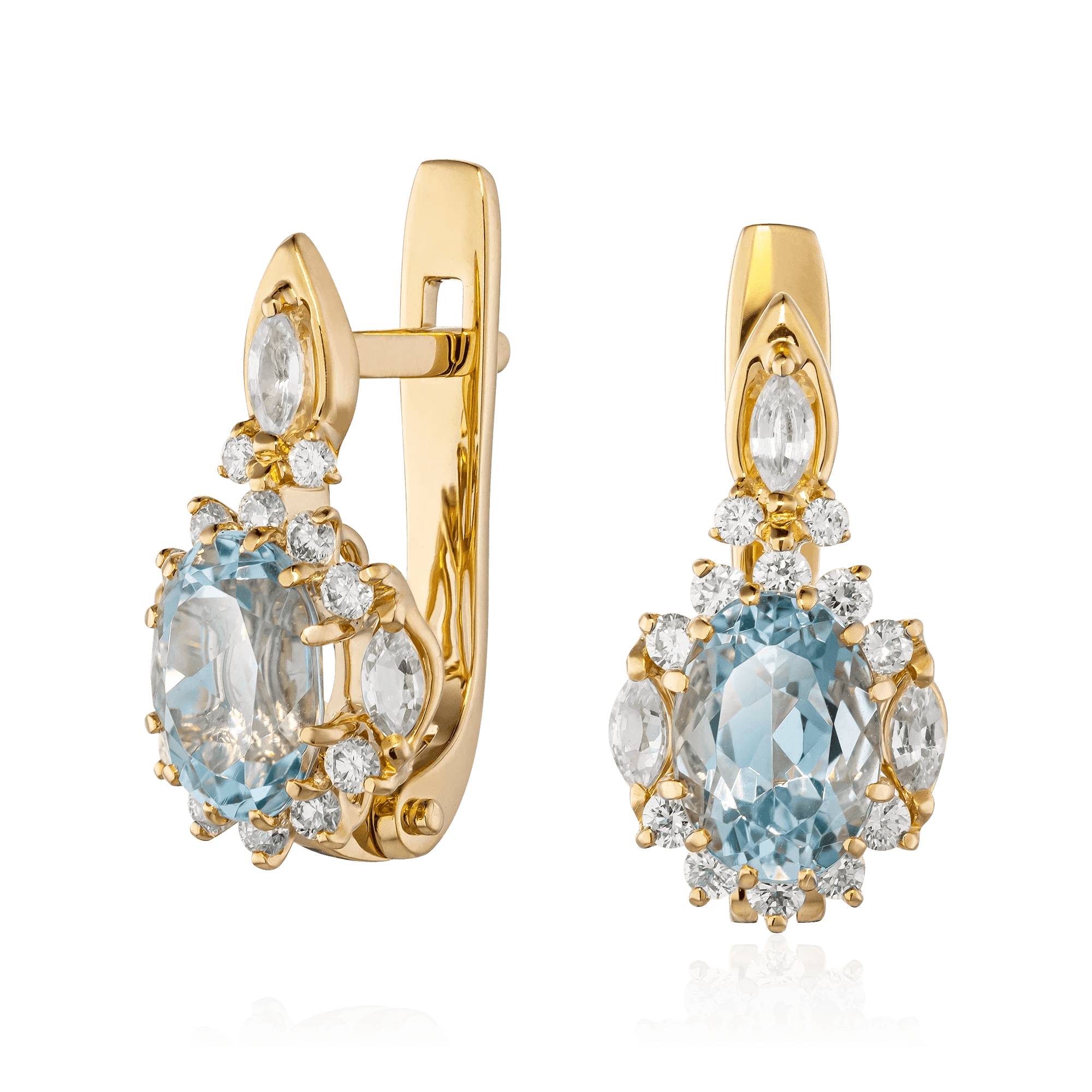

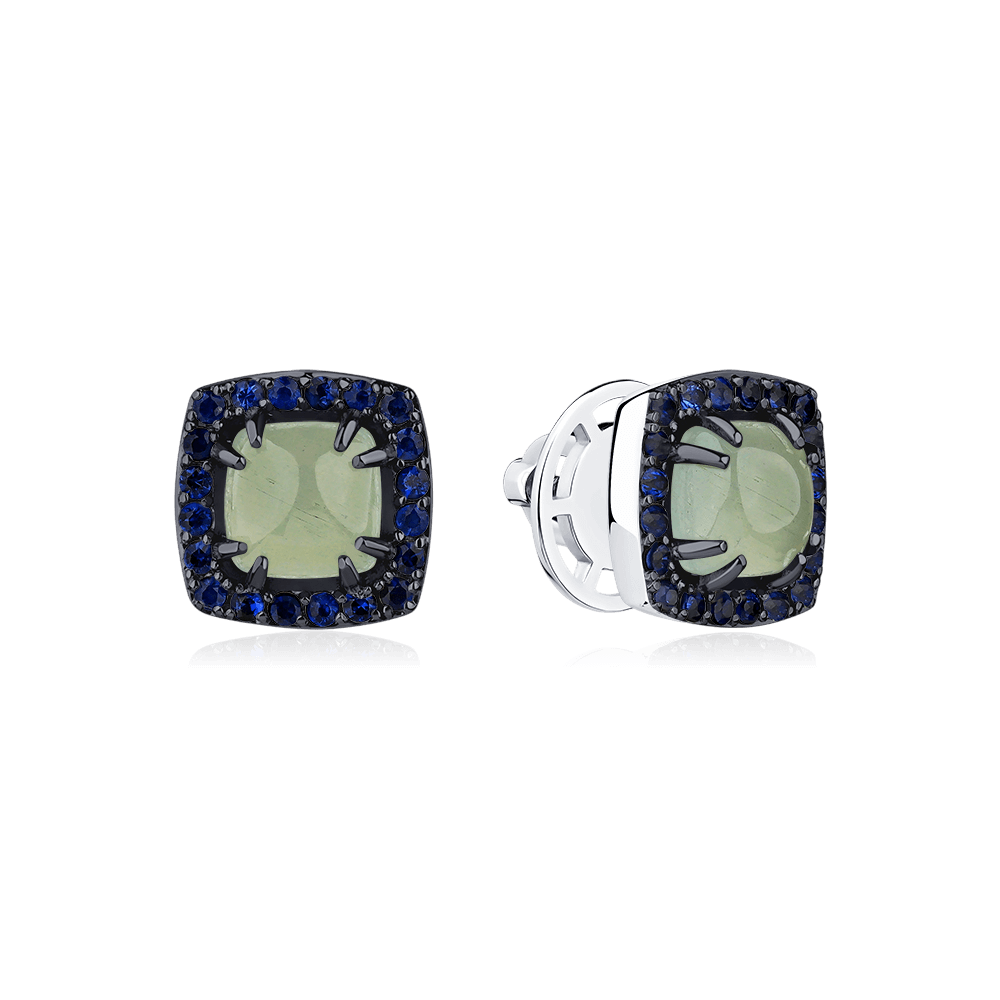
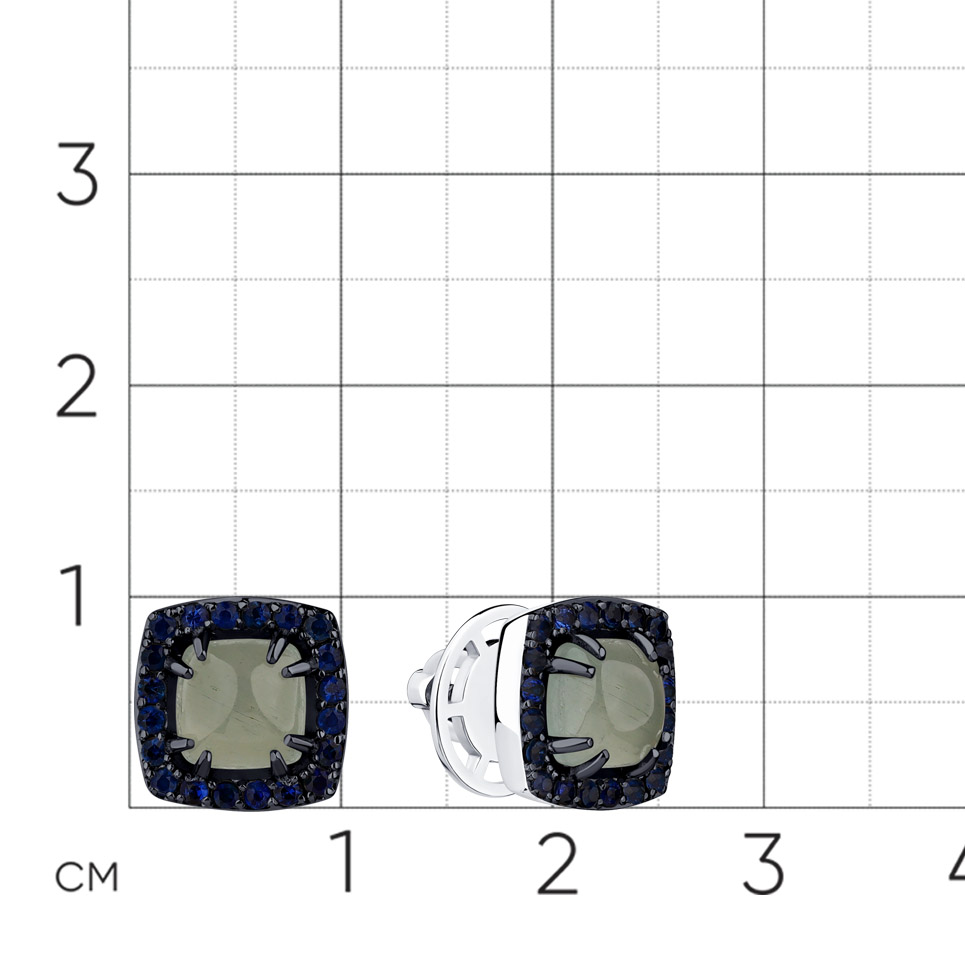

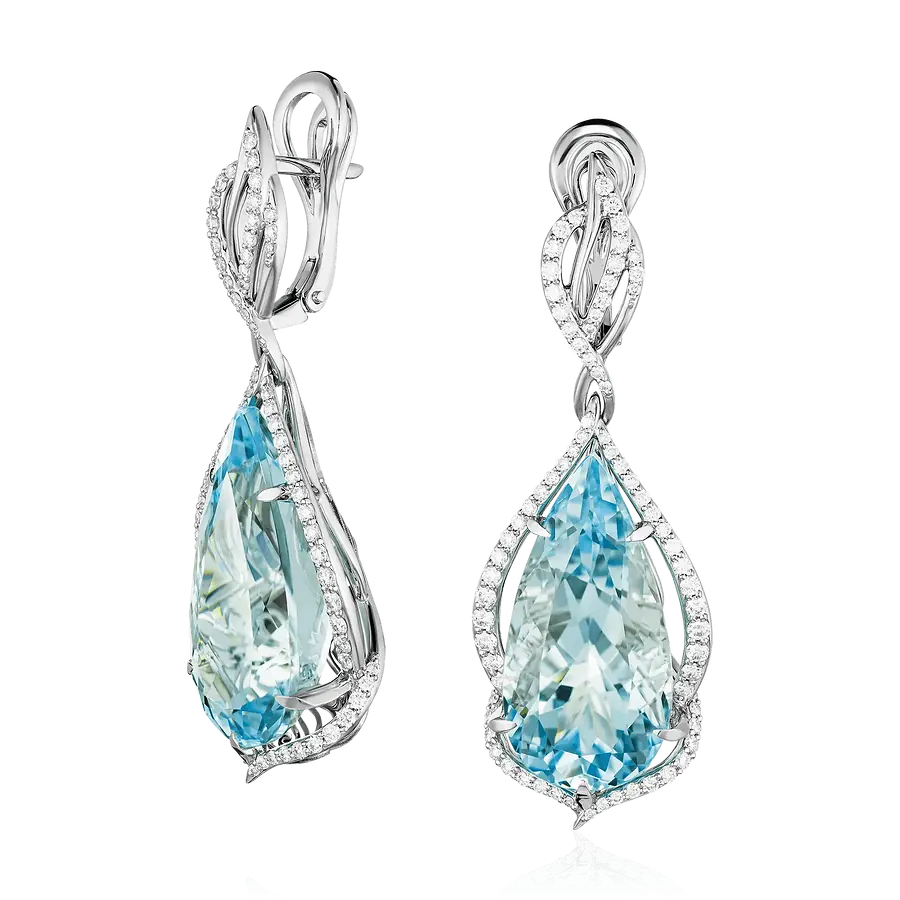
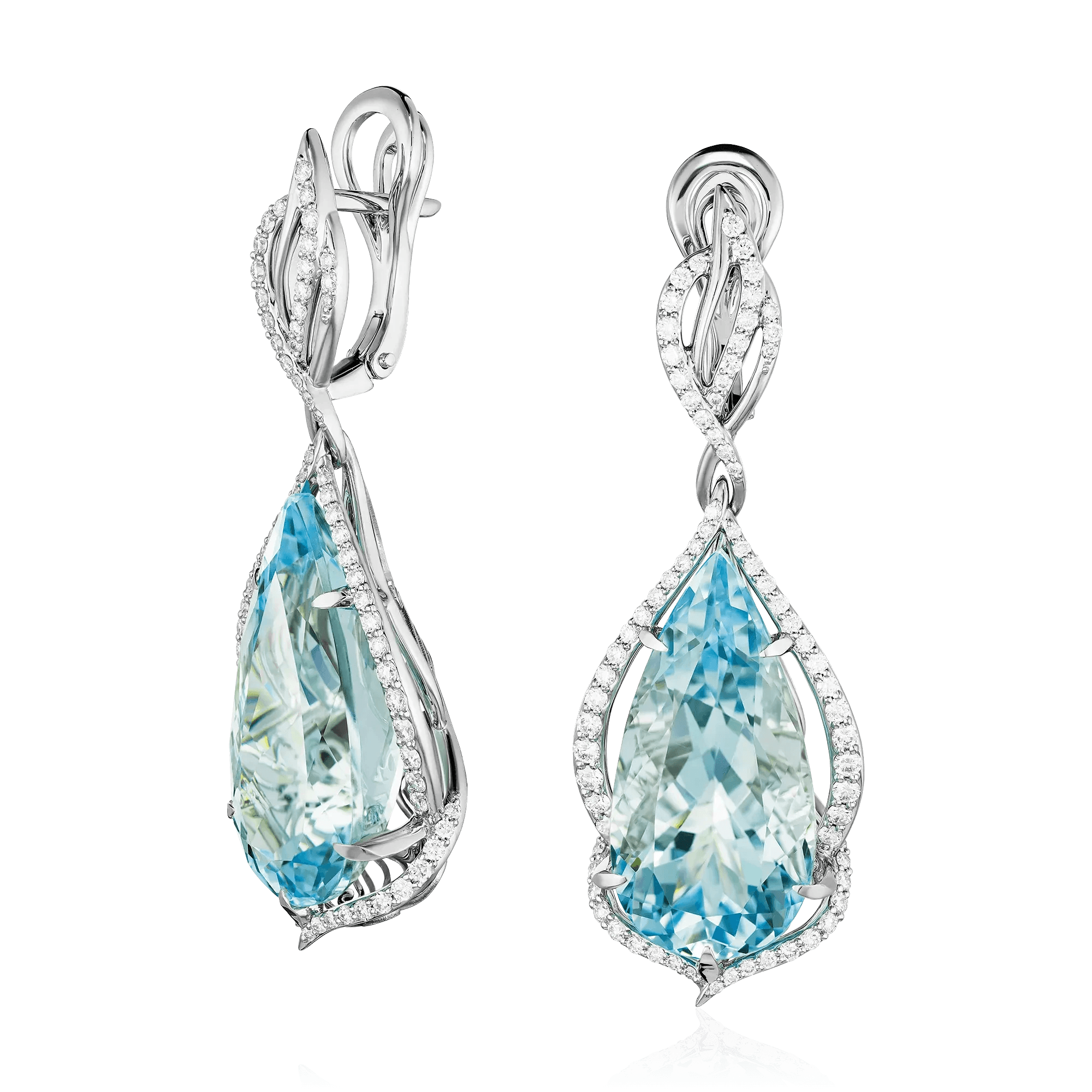
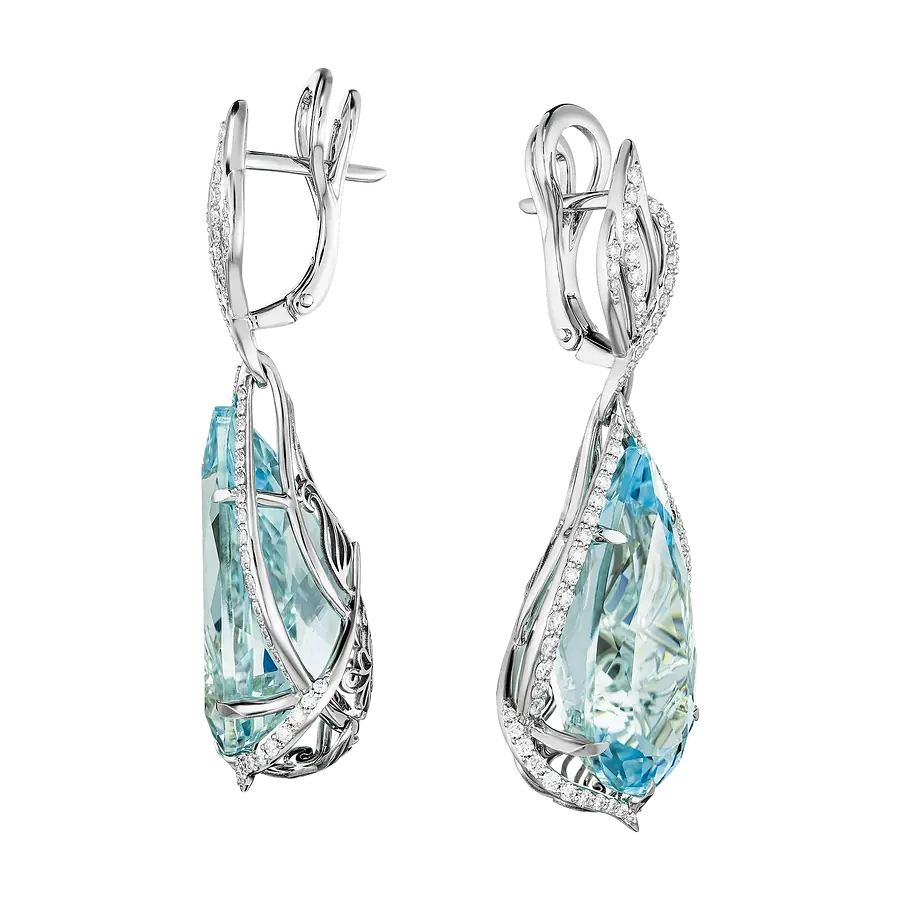

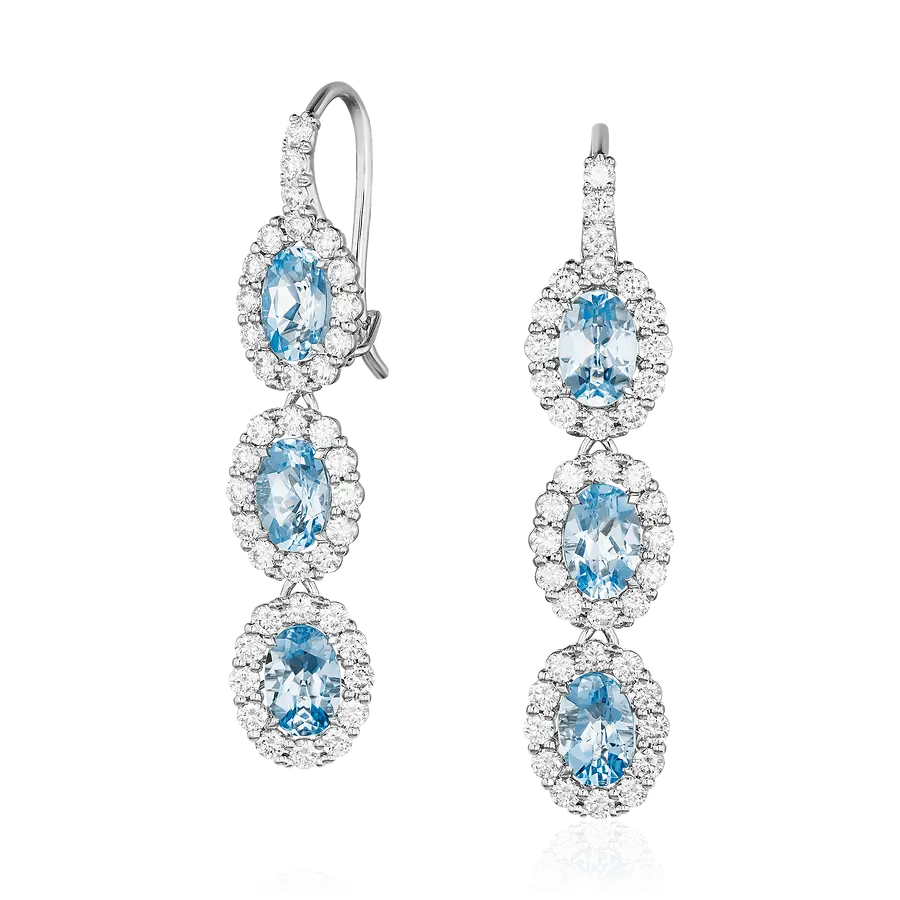
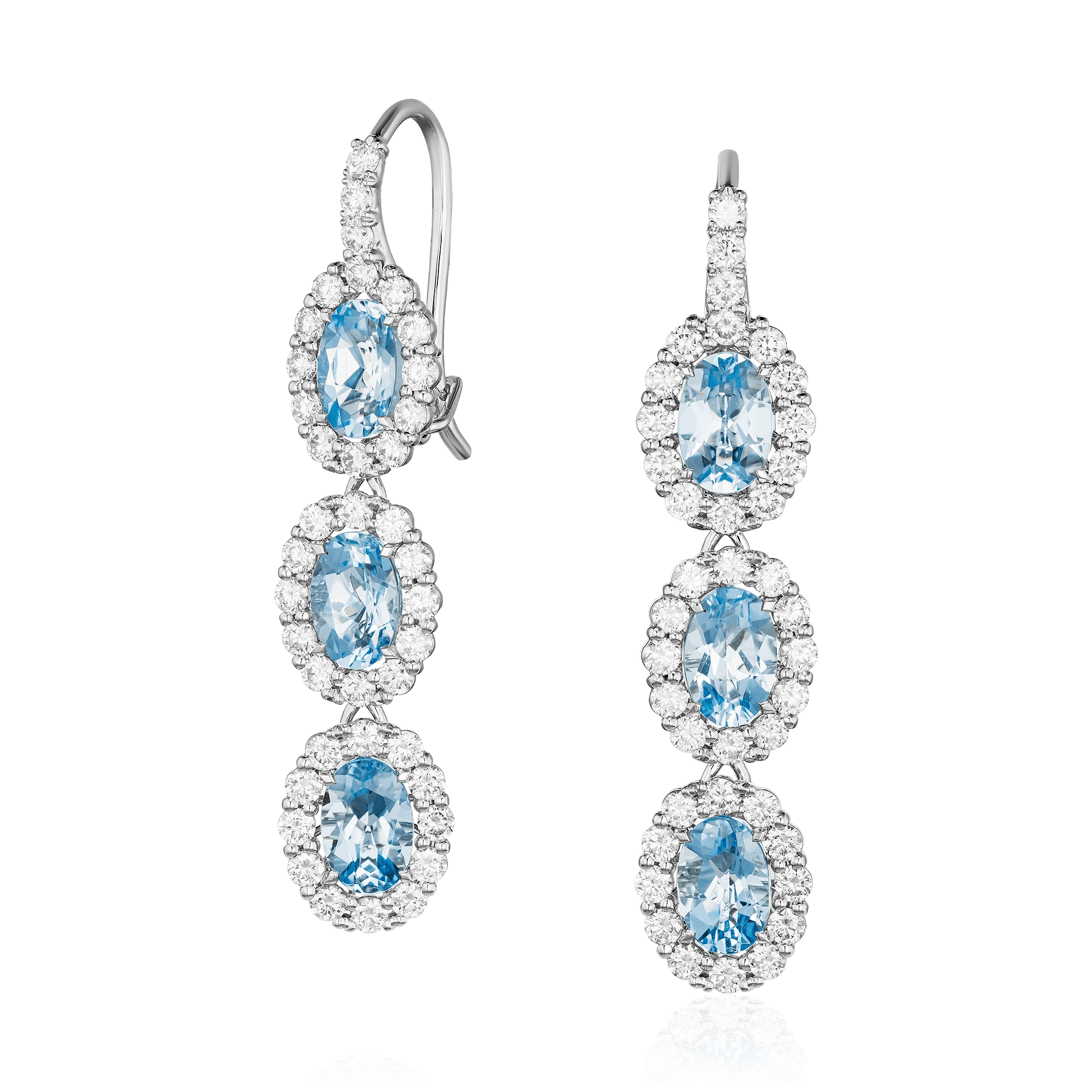

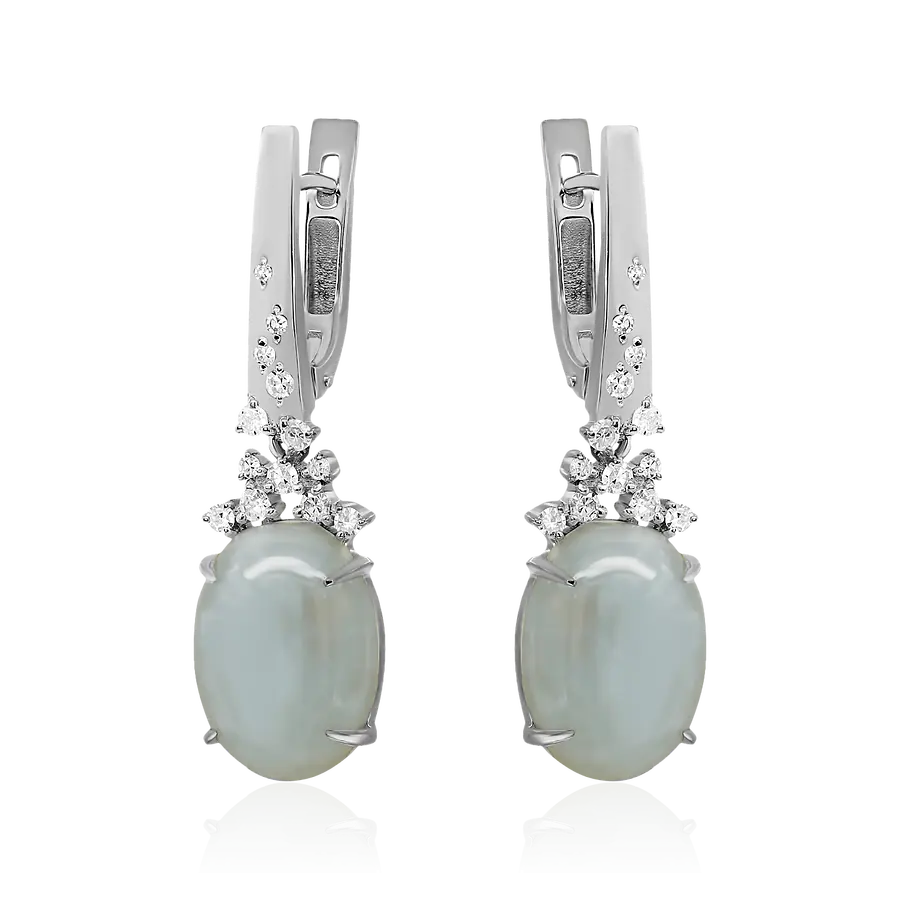
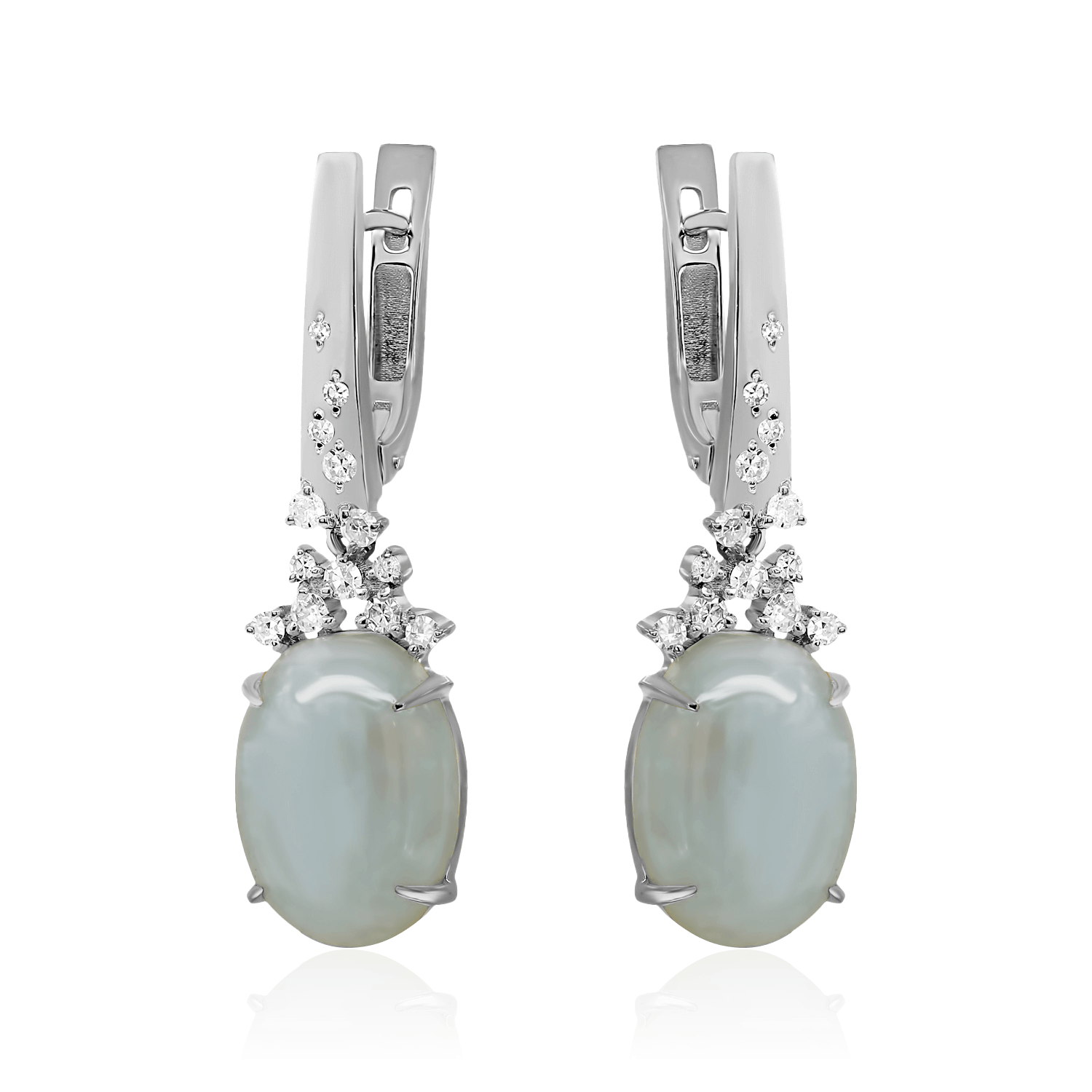
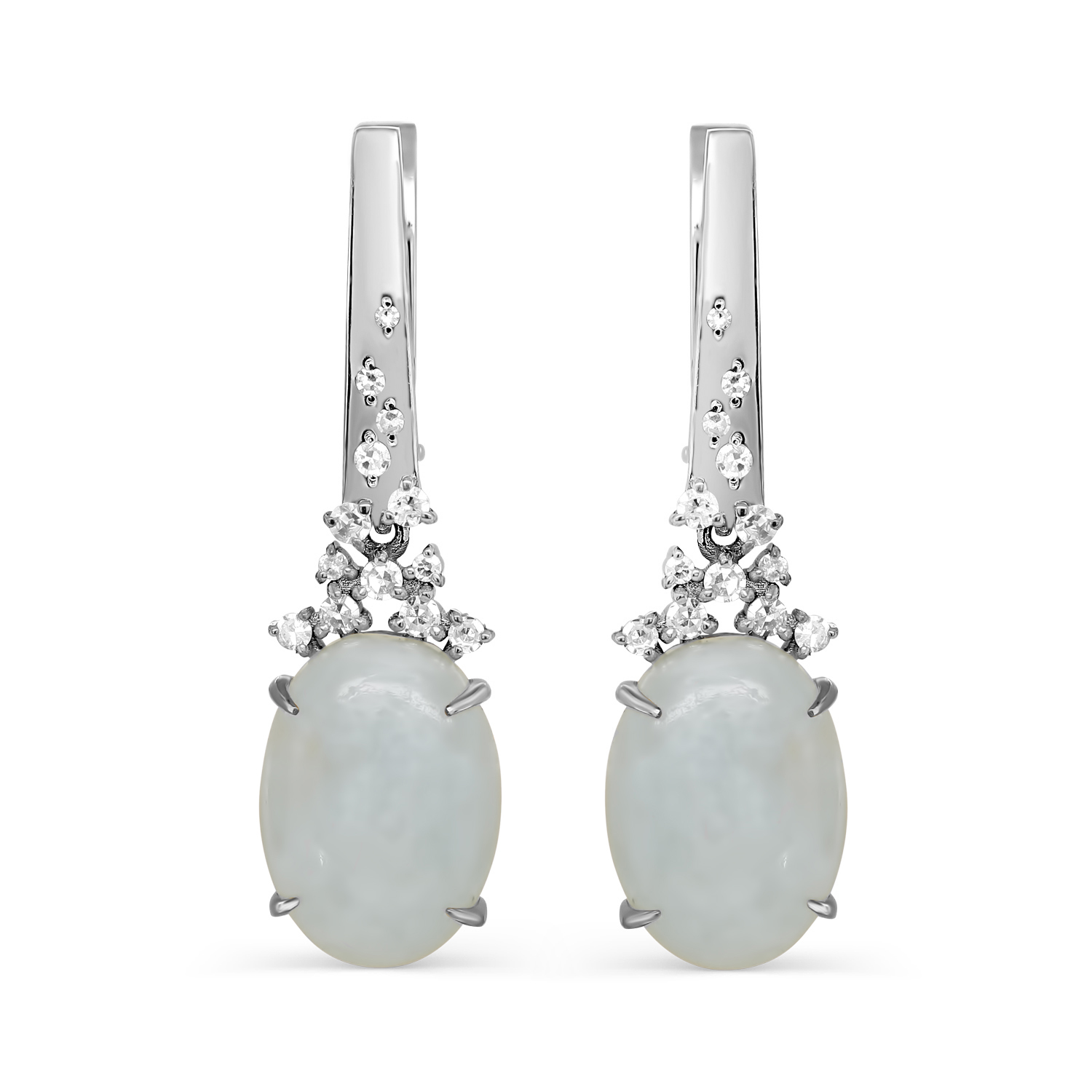

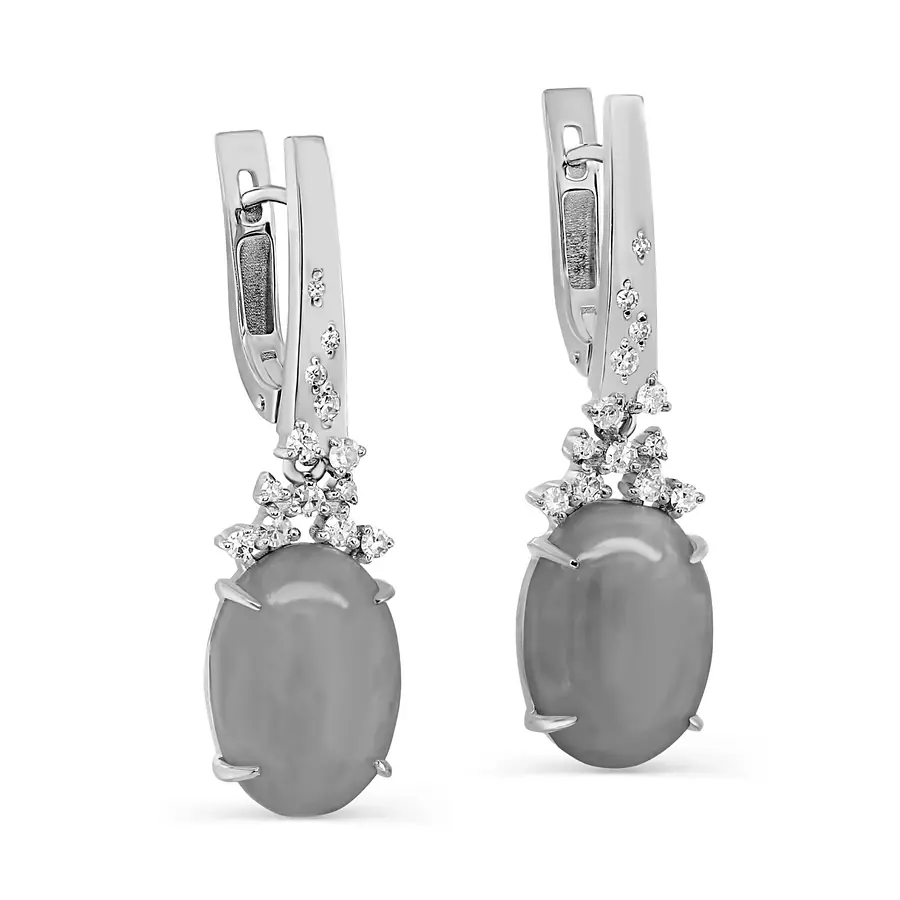
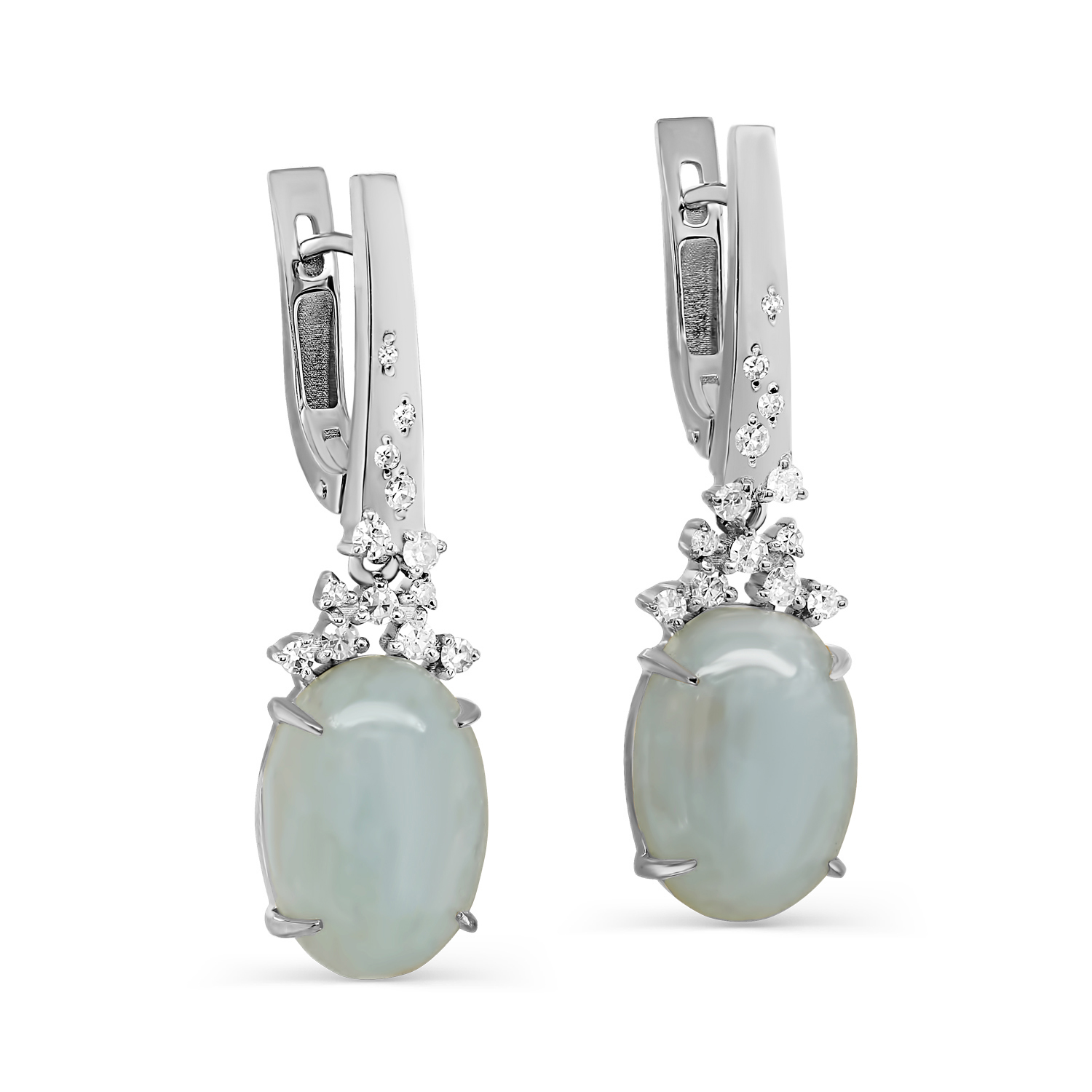
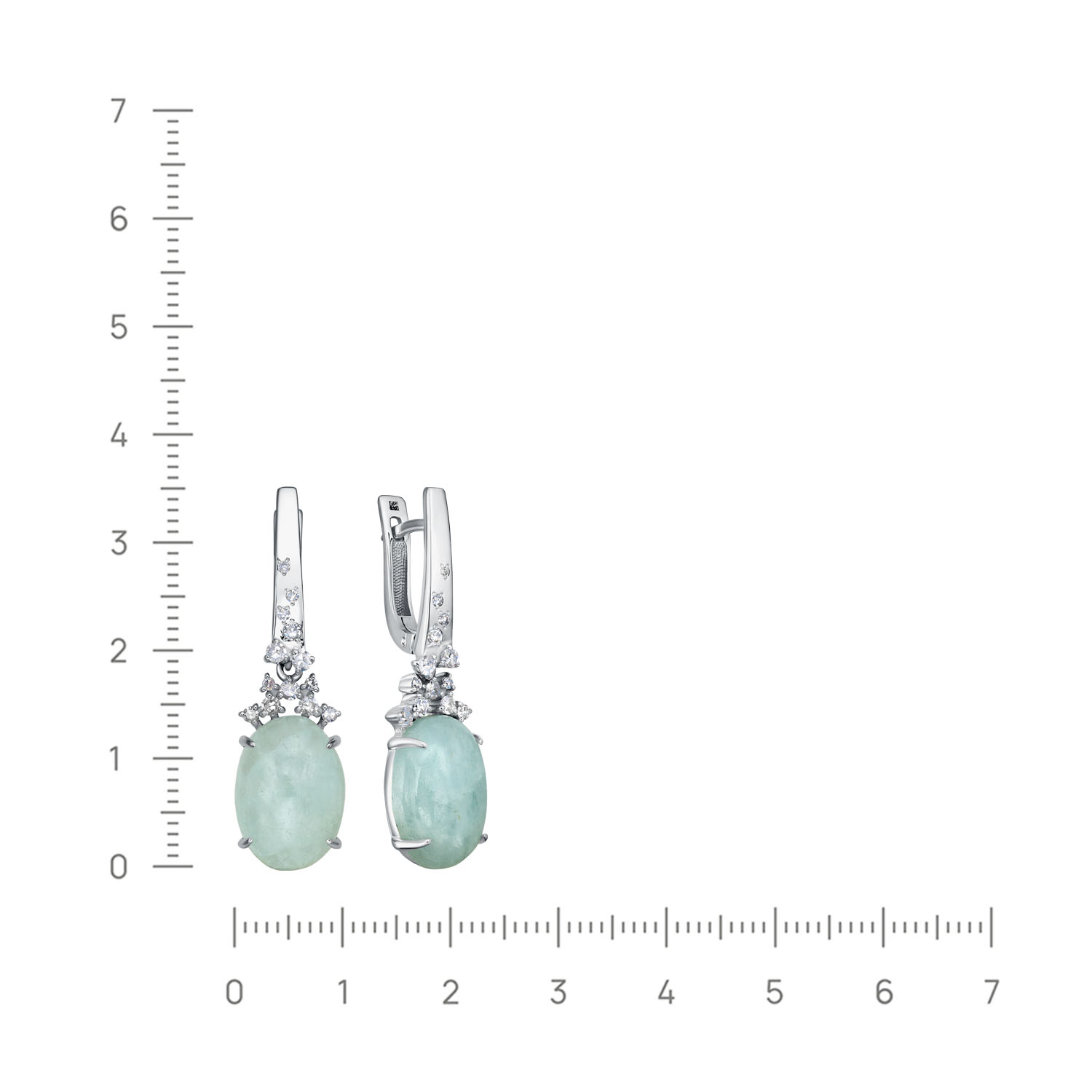

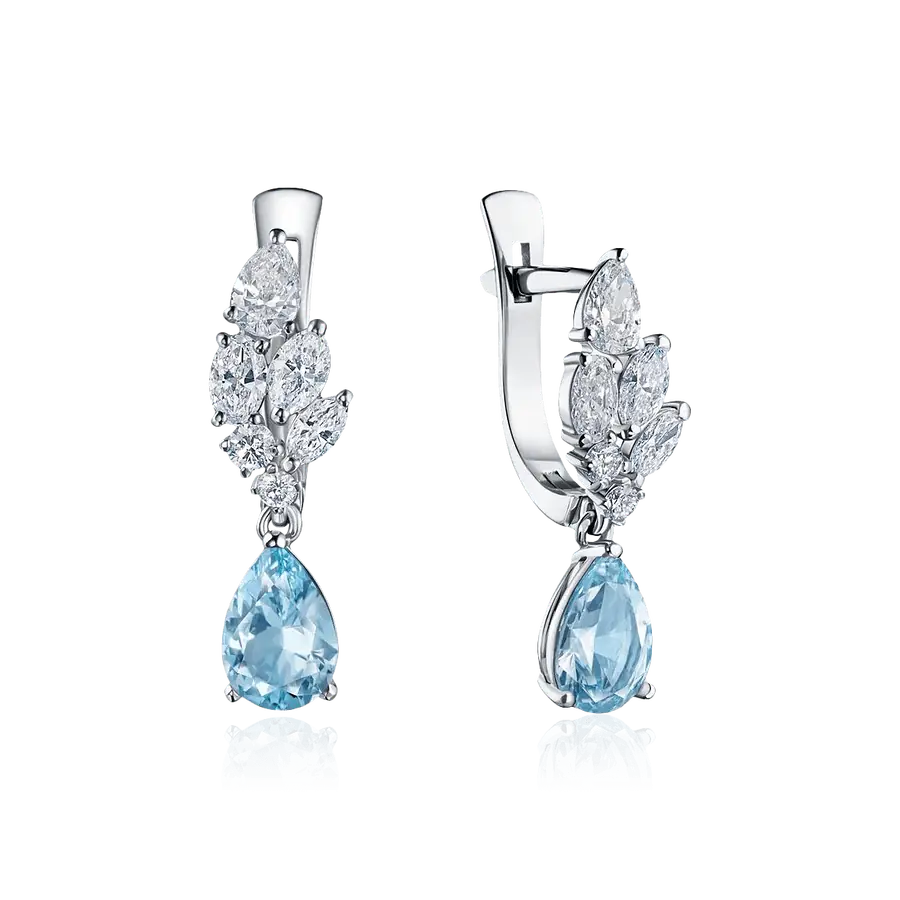
Earrings with aquamarine, peridot, sapphire, diamonds and tsavorite in 18K white gold (750) ( 65585)
In stock

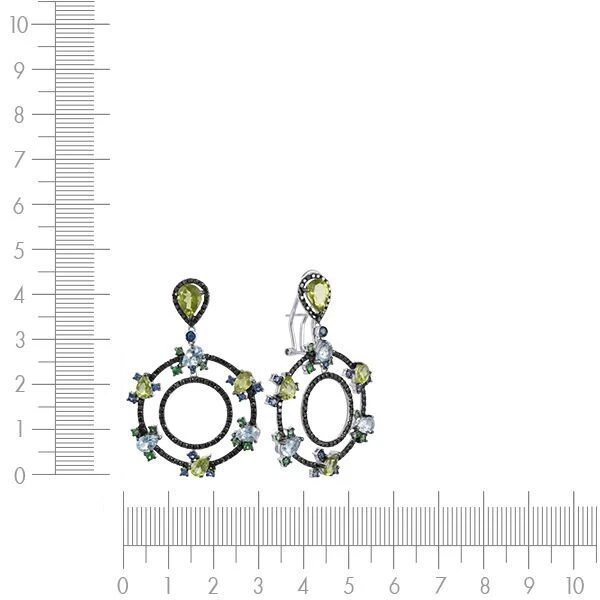
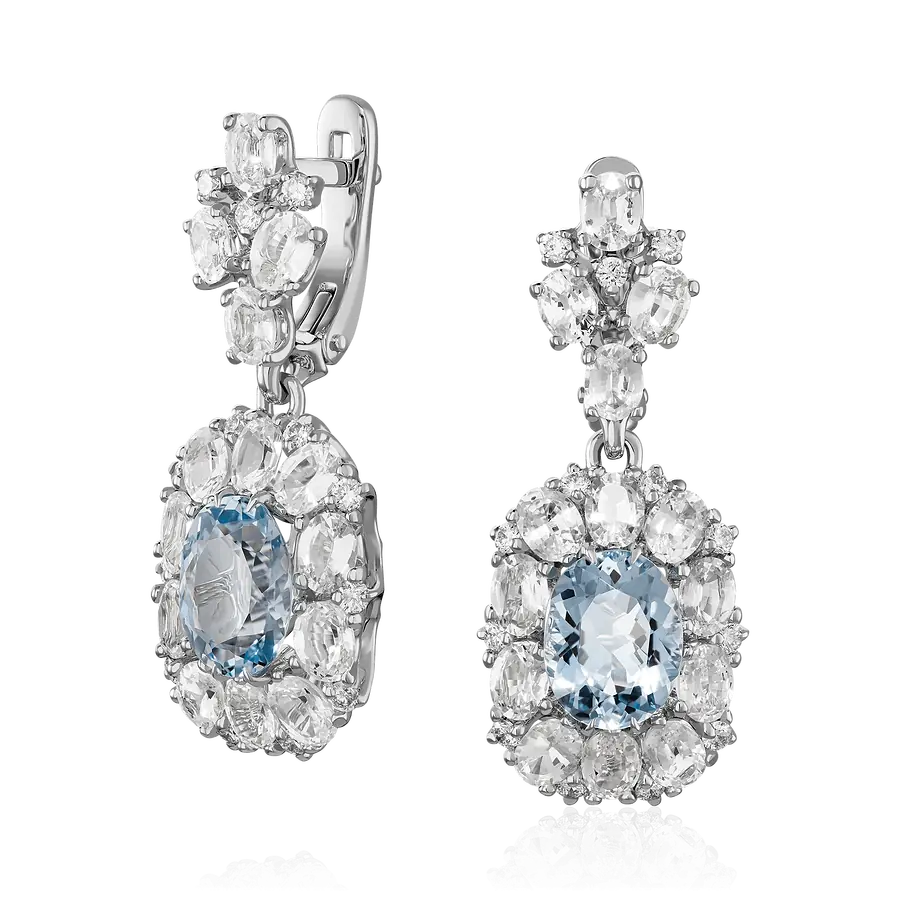
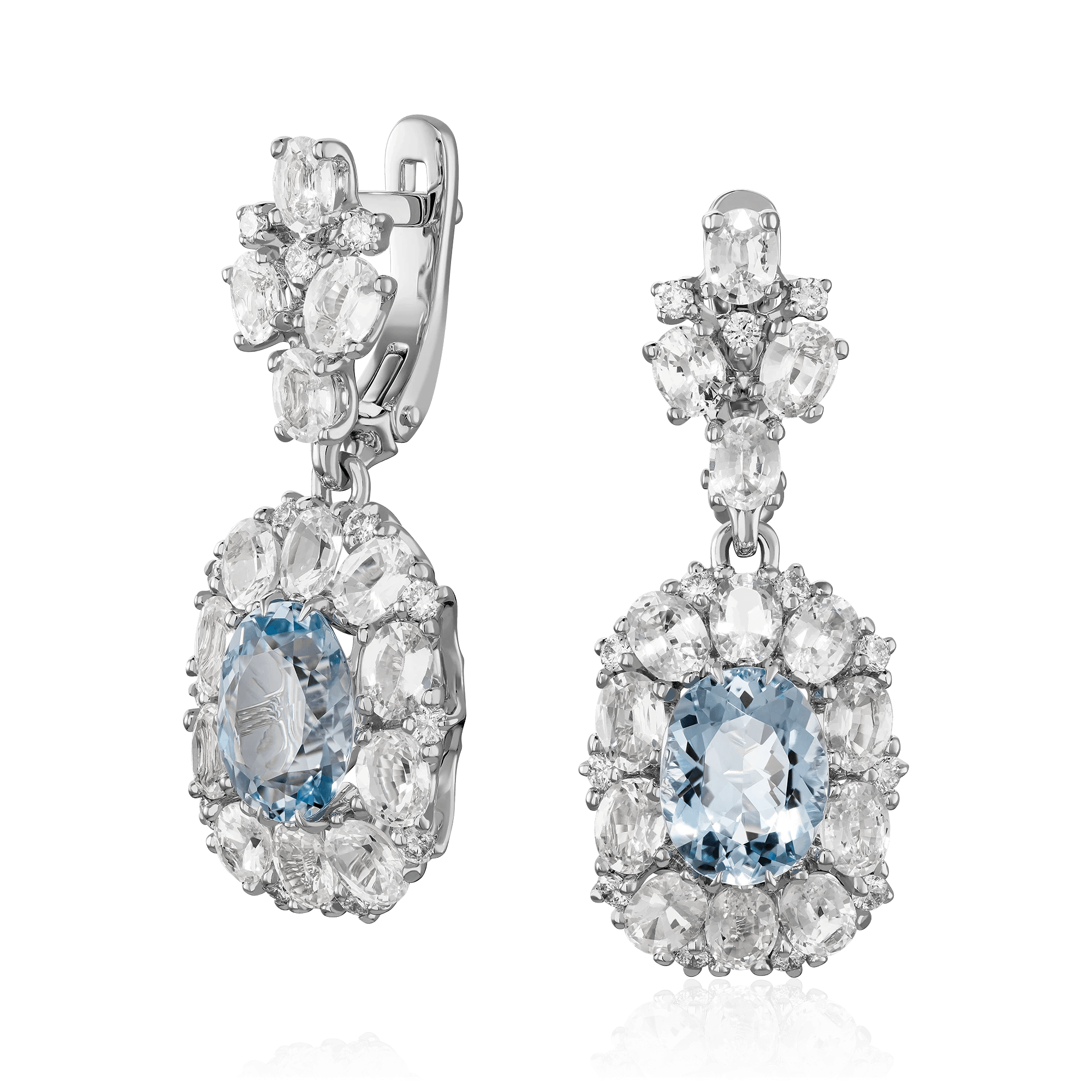


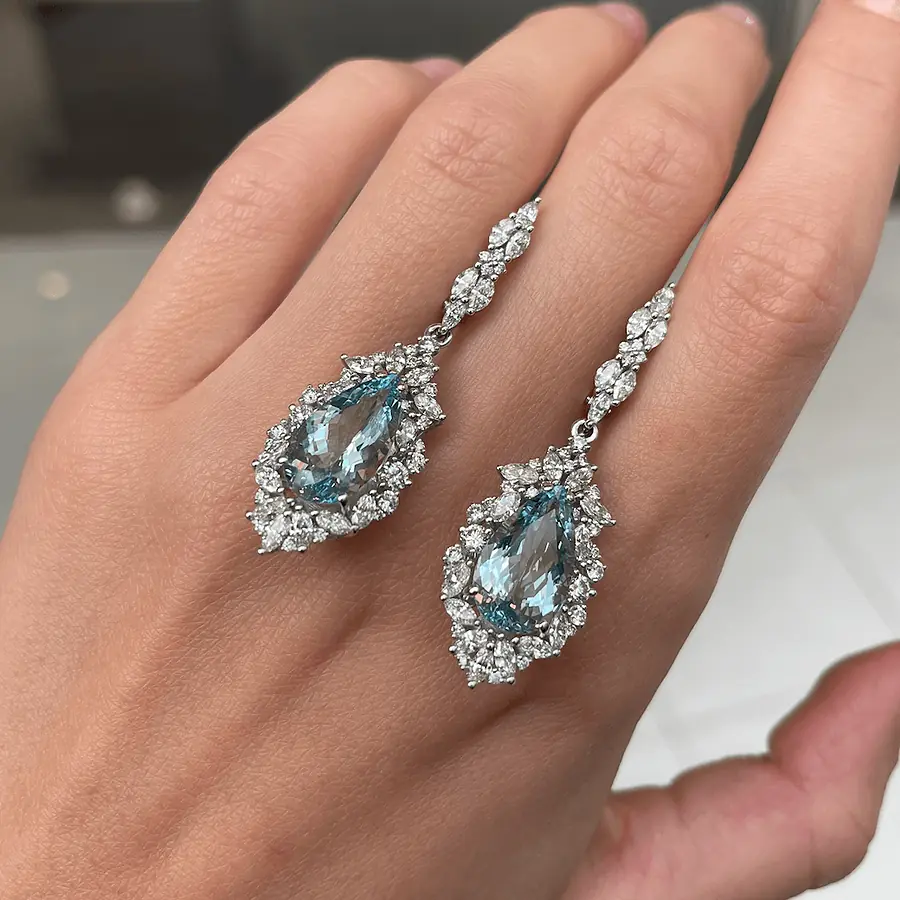
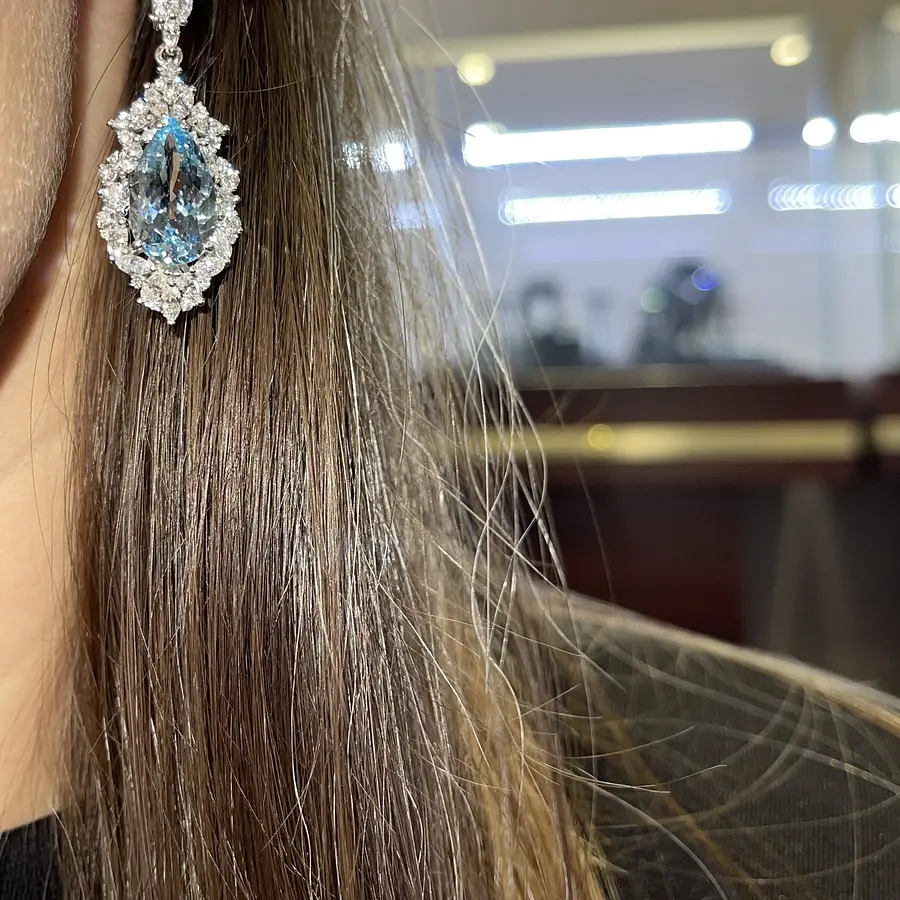
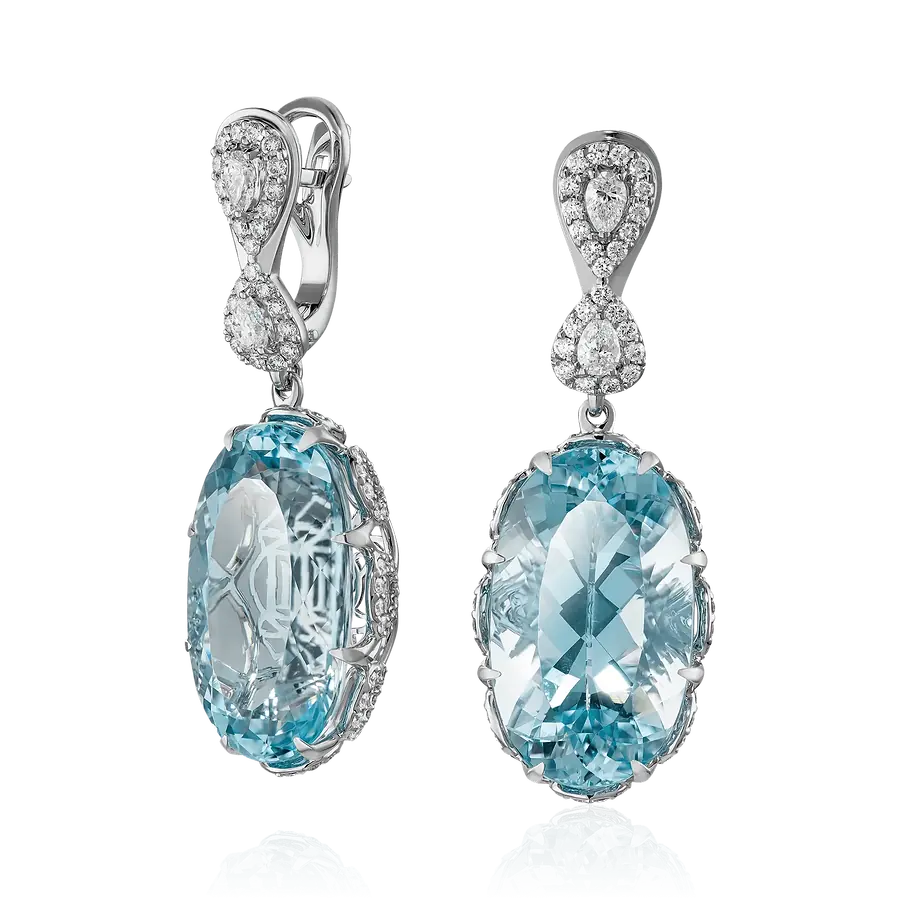

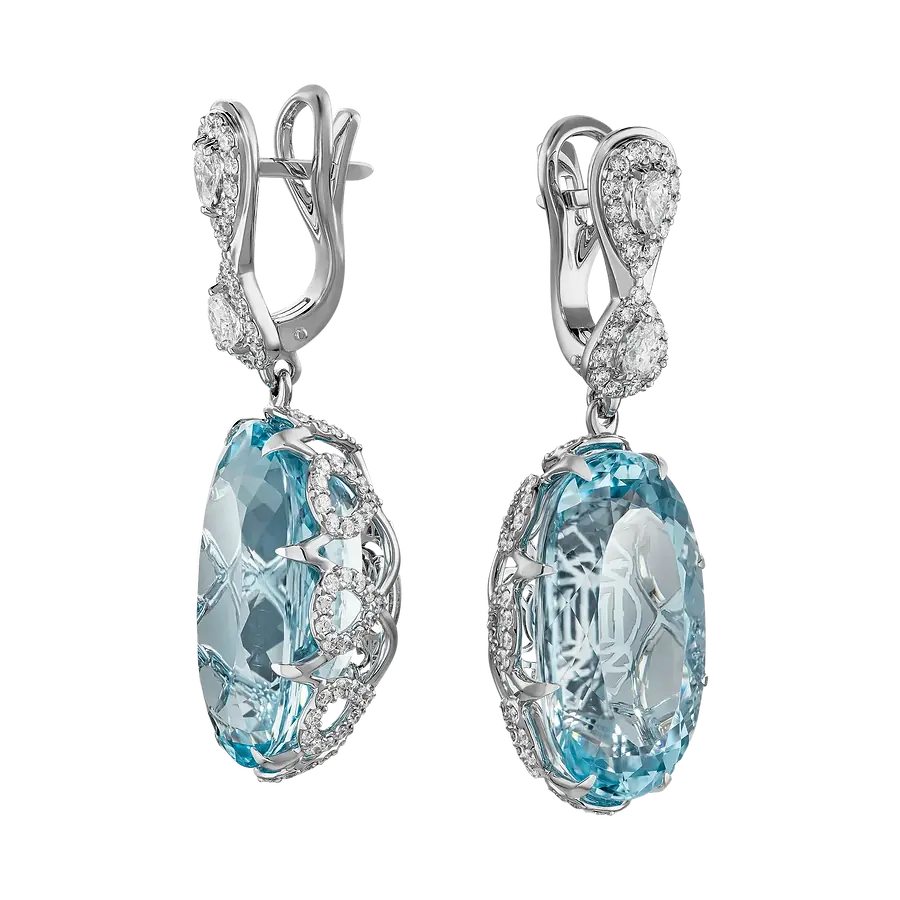

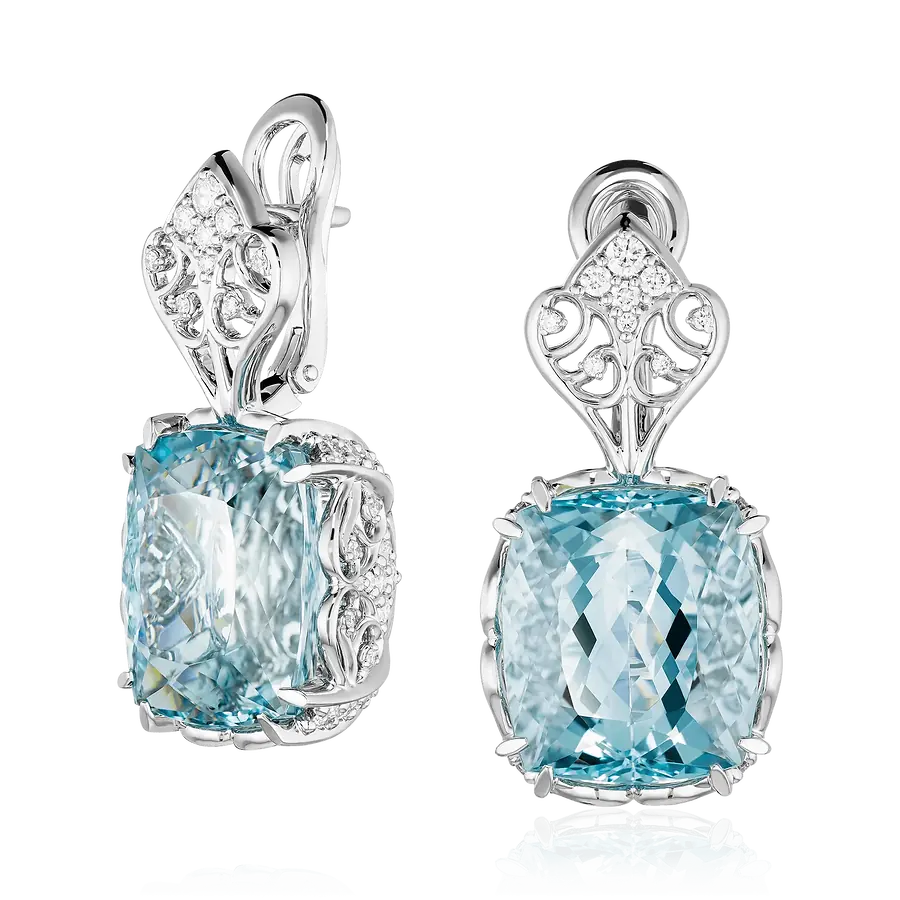
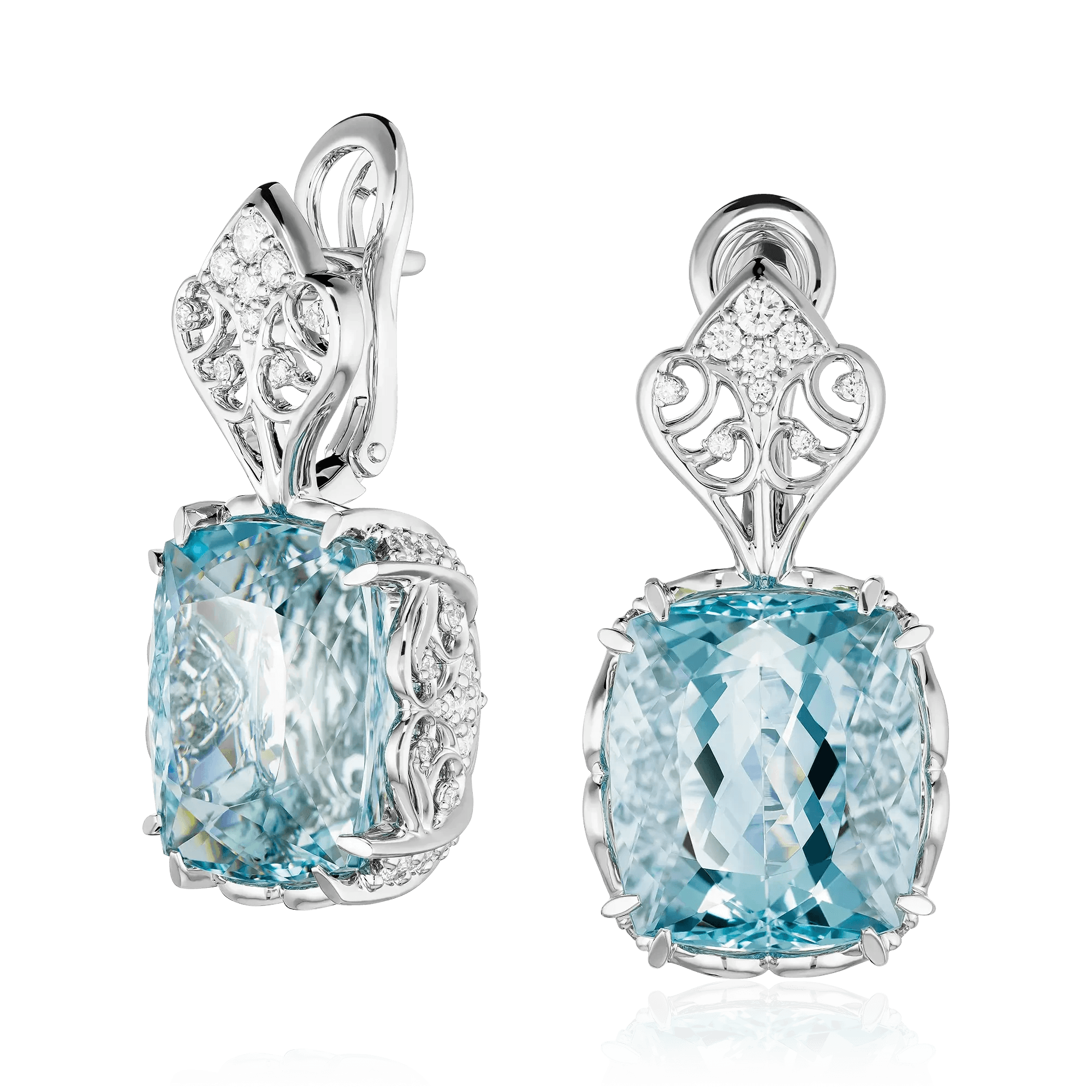
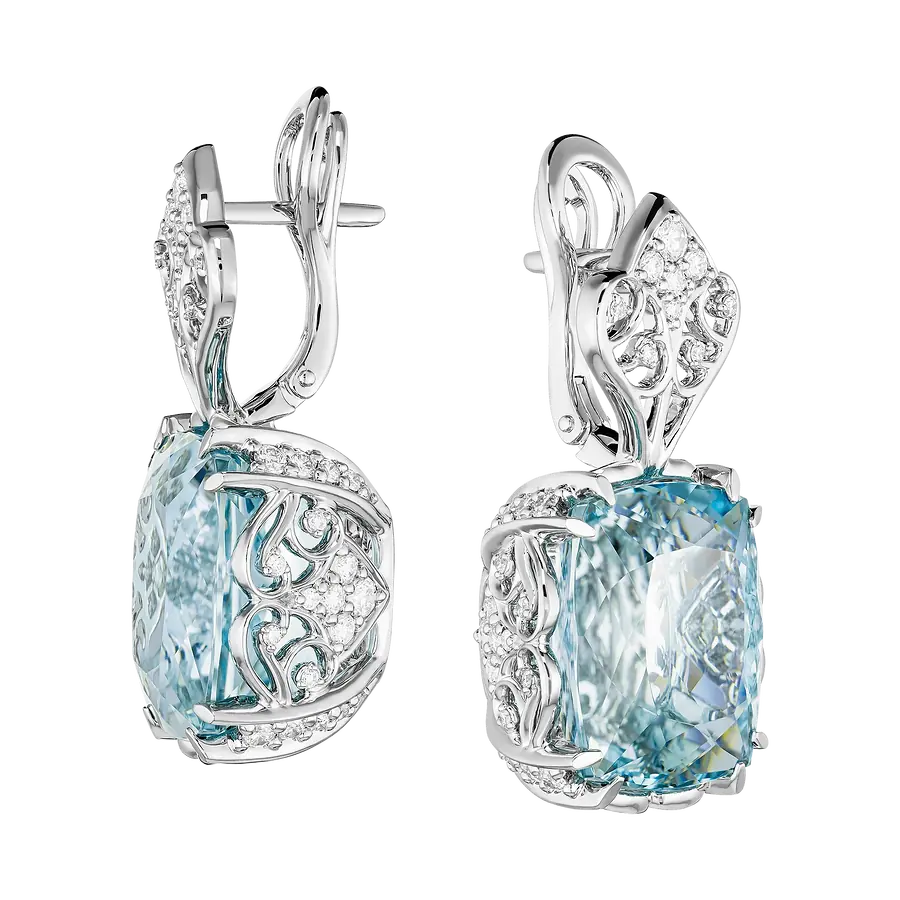

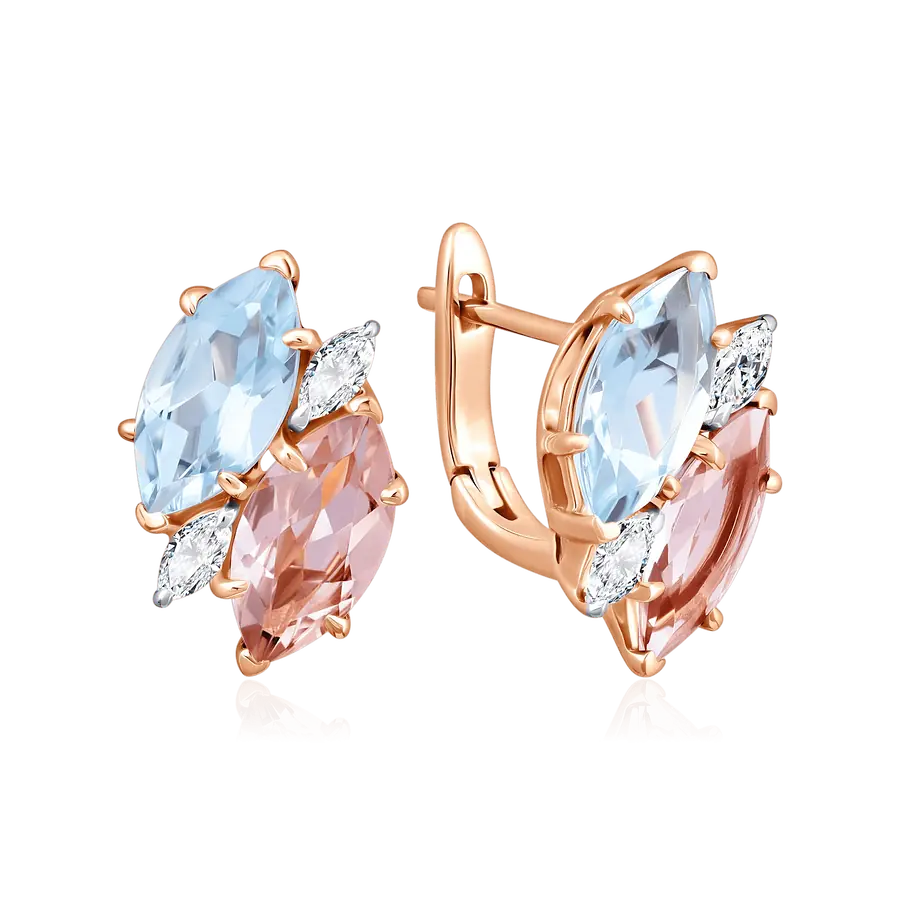
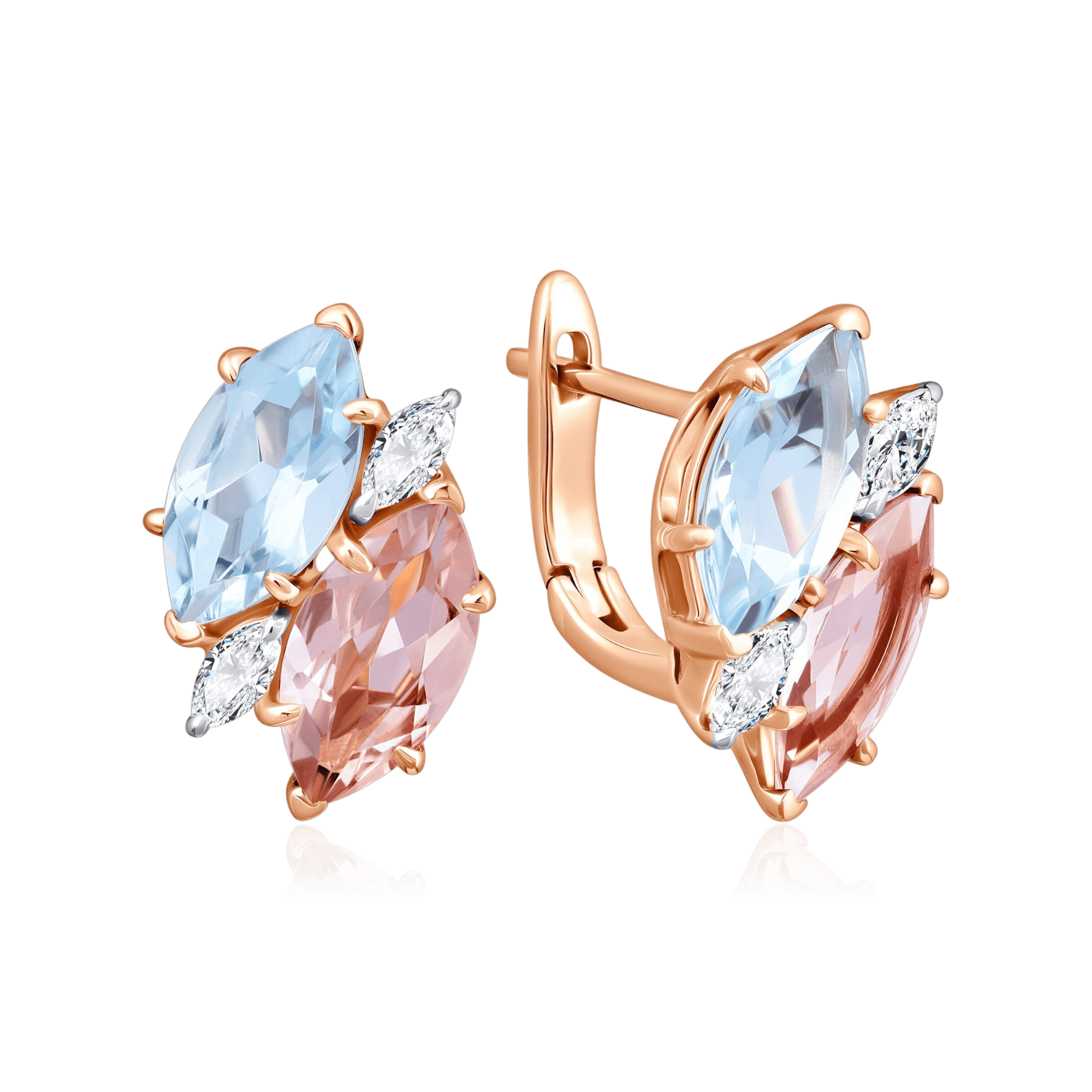

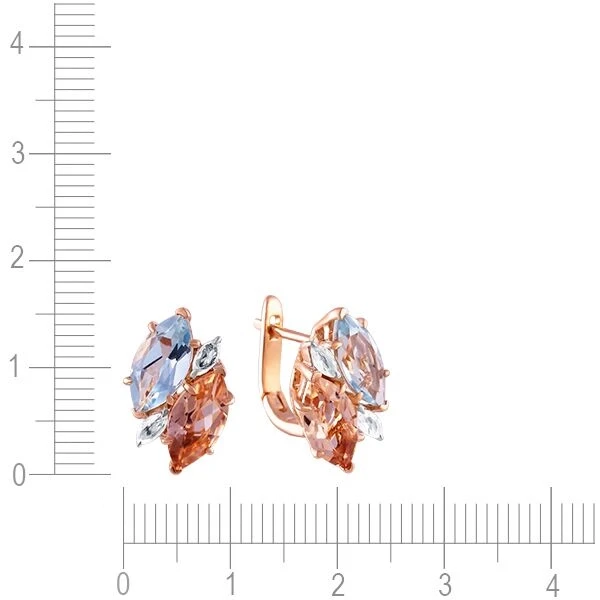
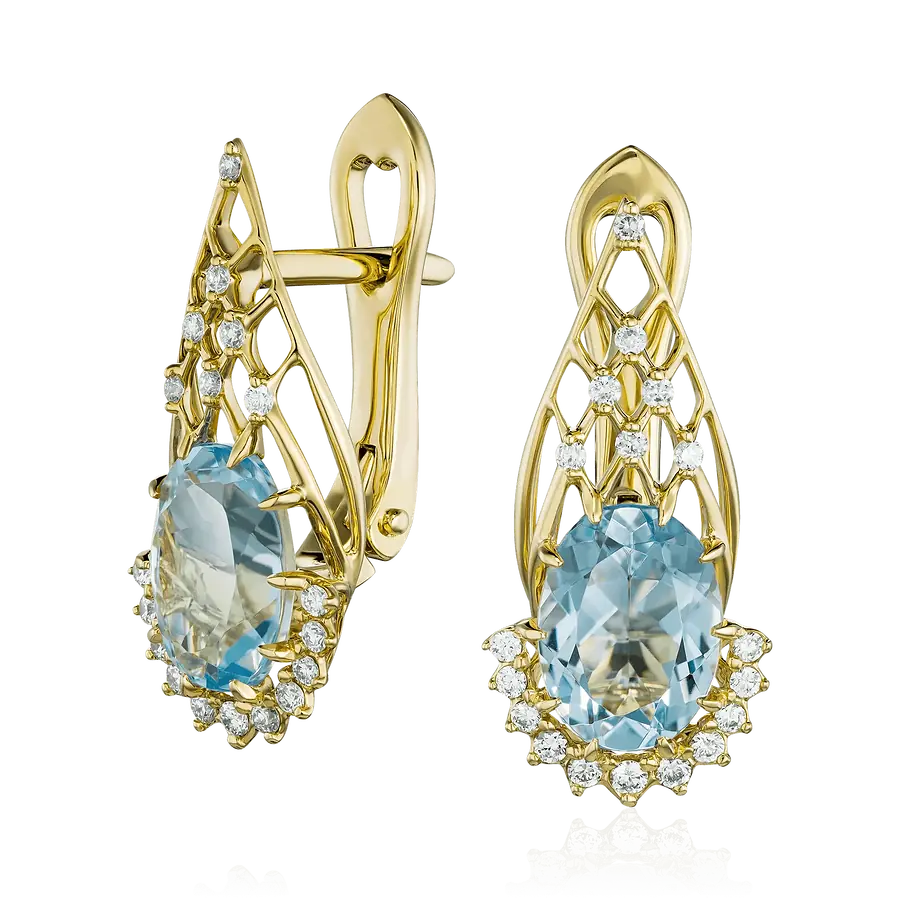
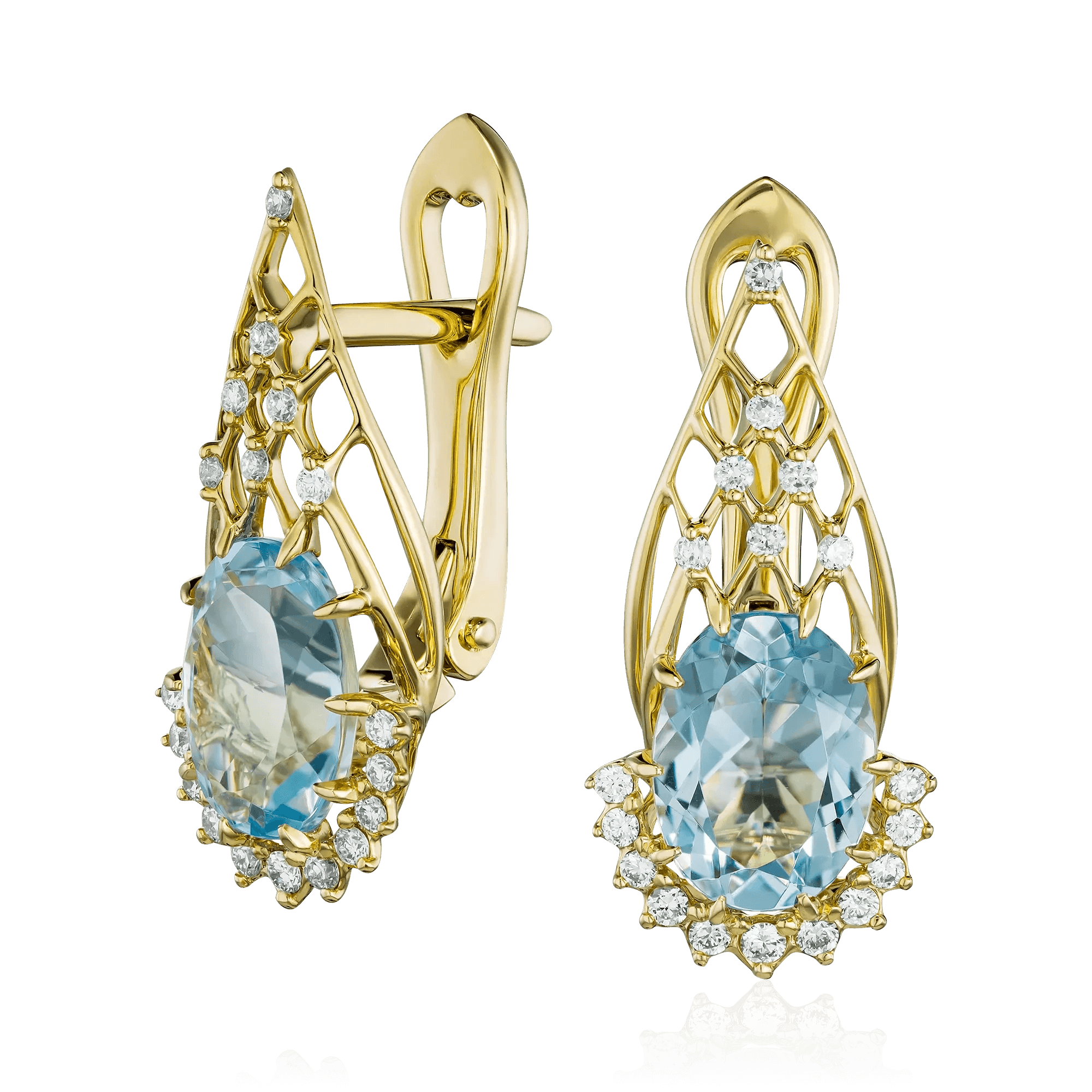
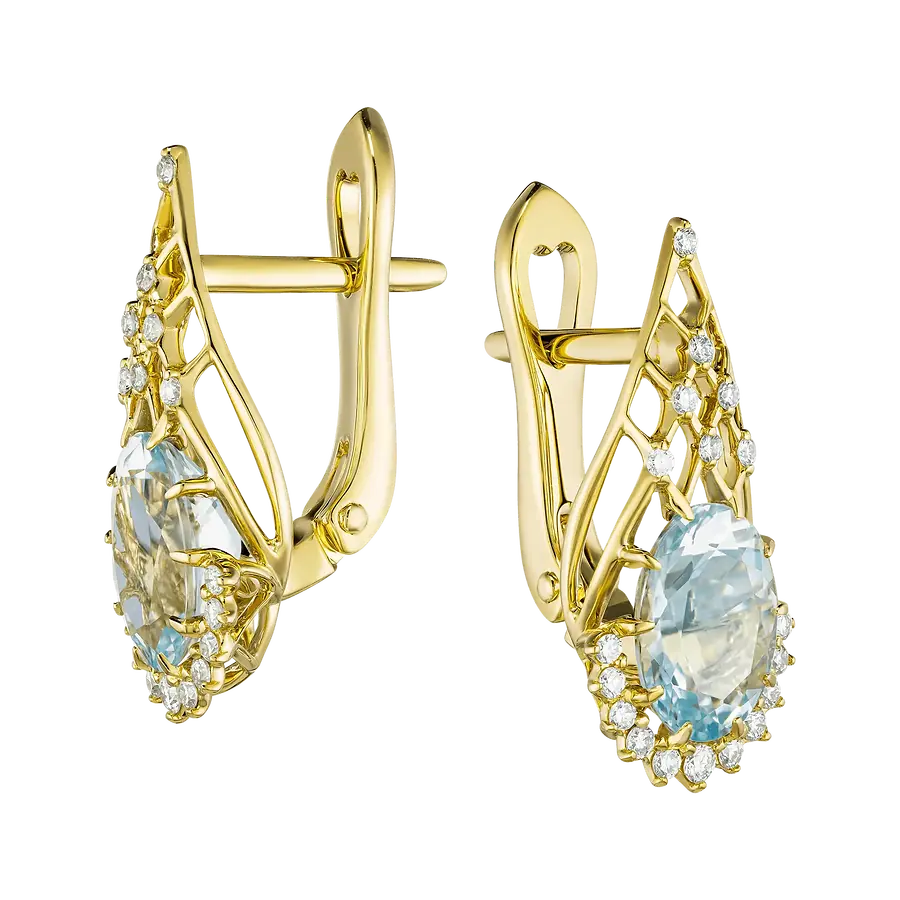

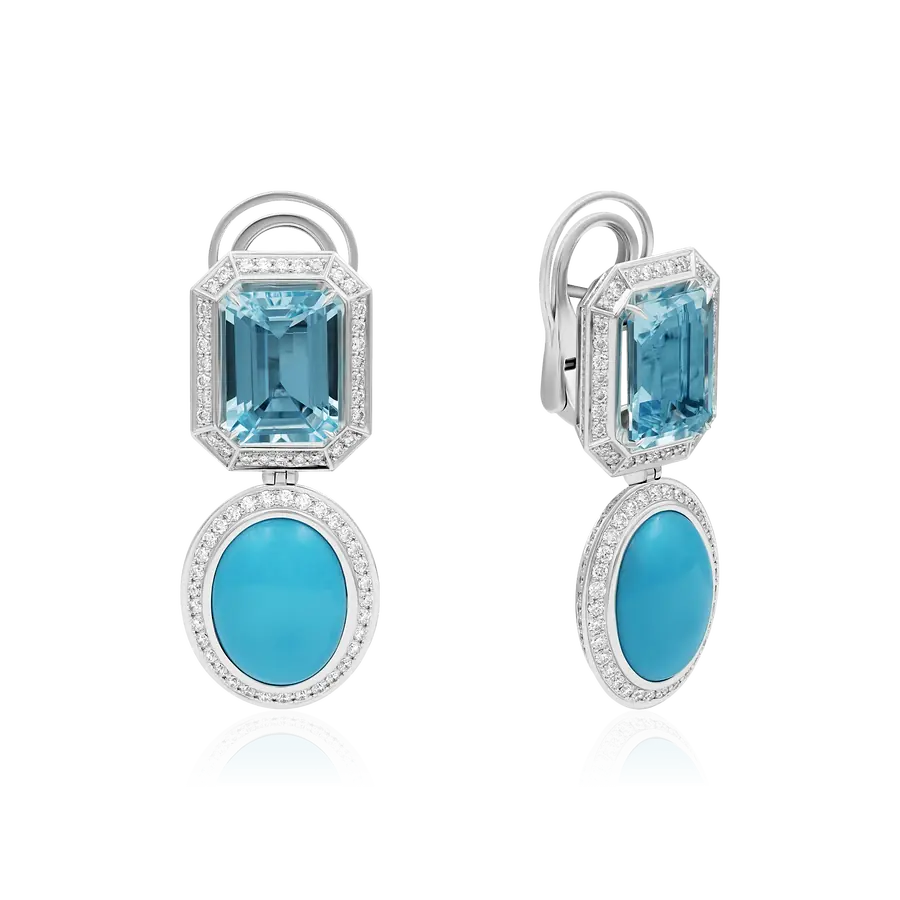



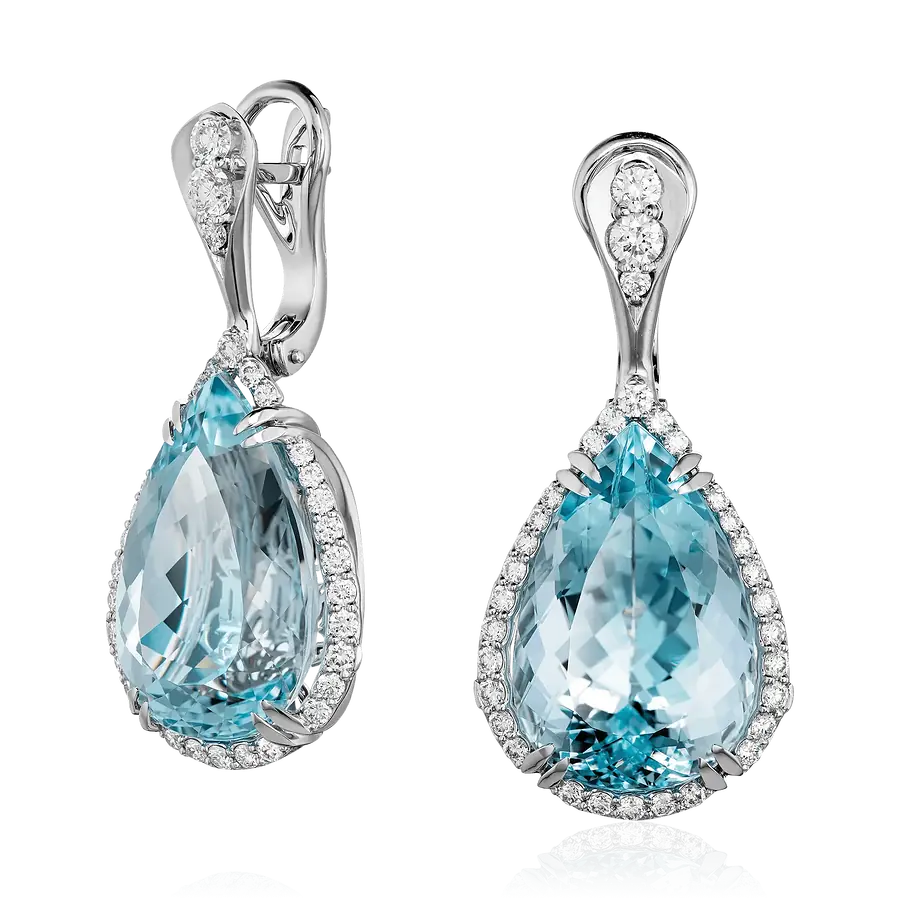

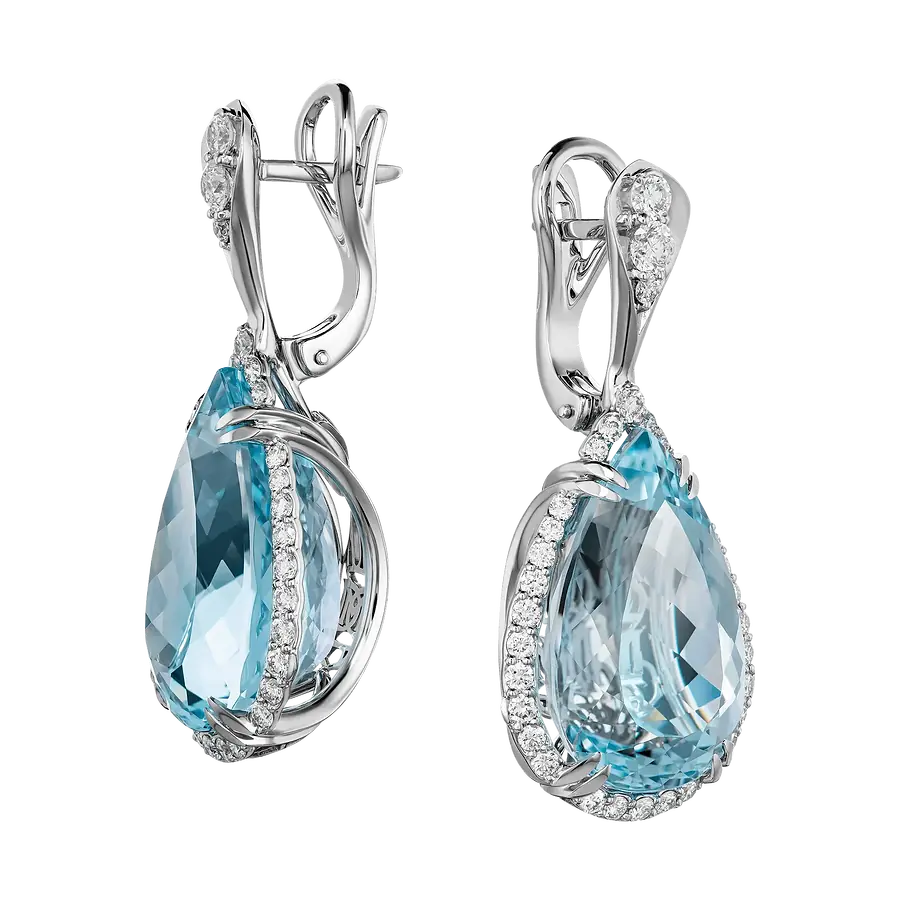

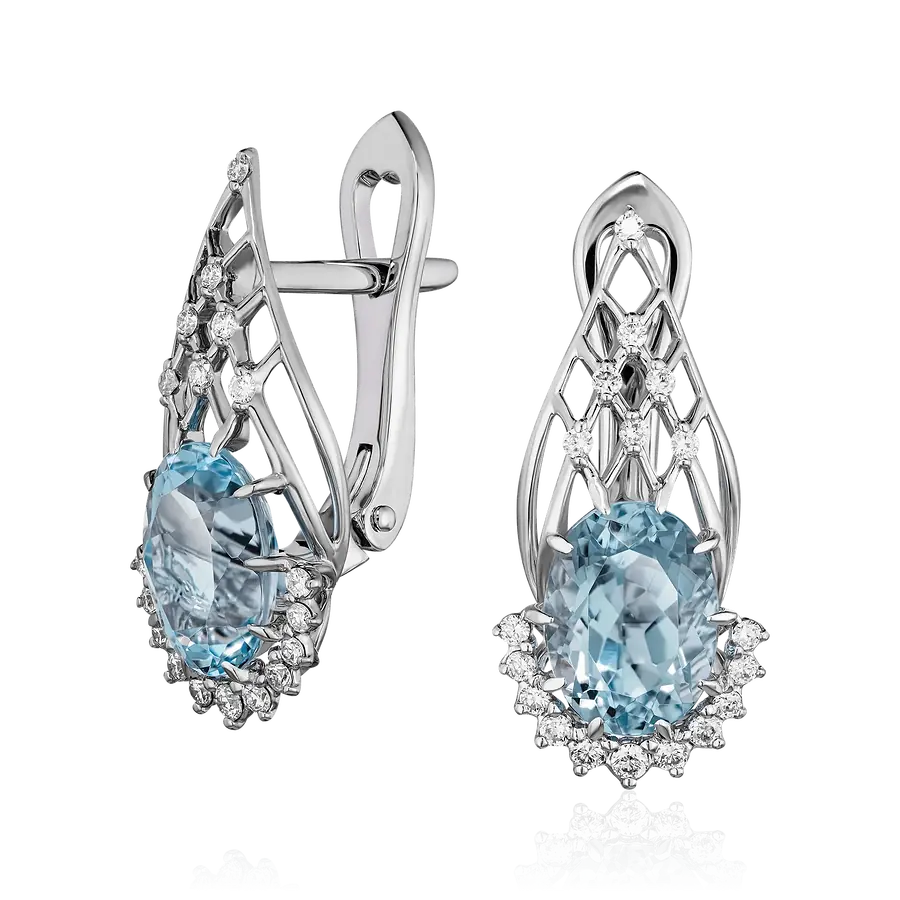
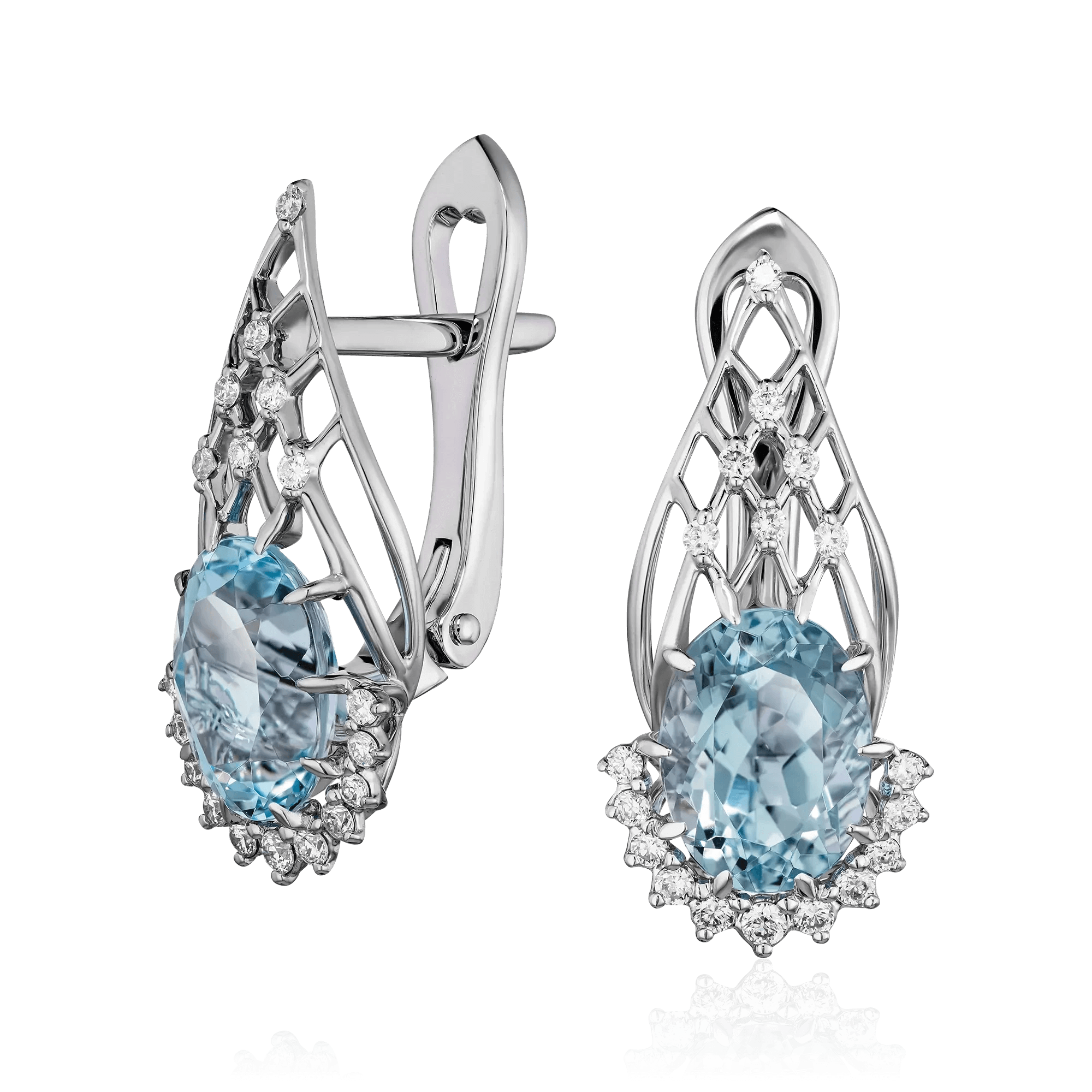

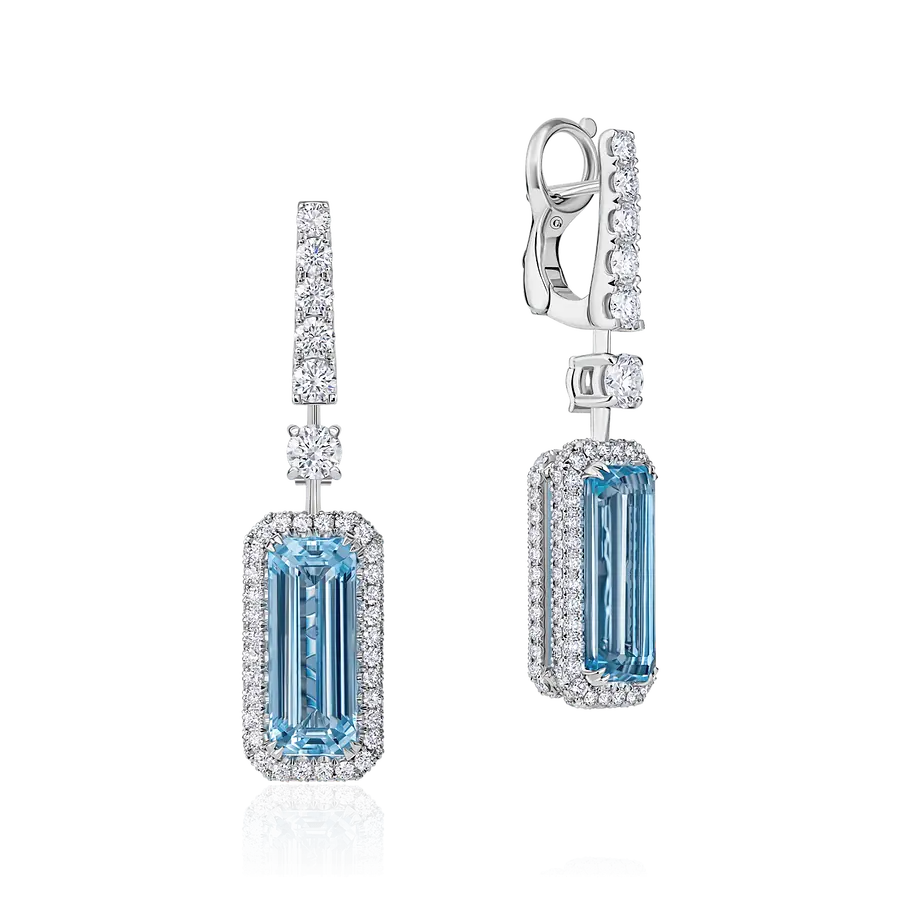
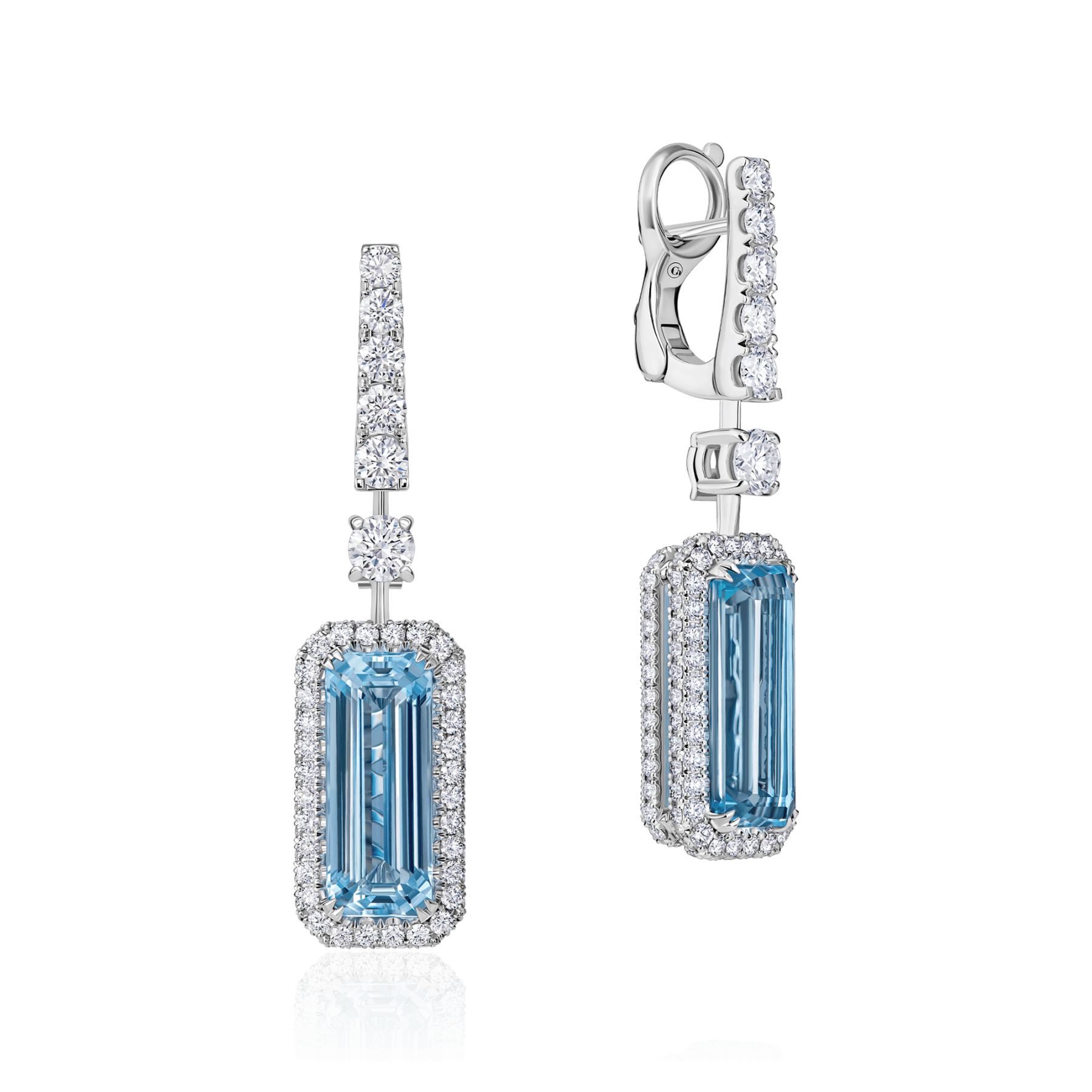


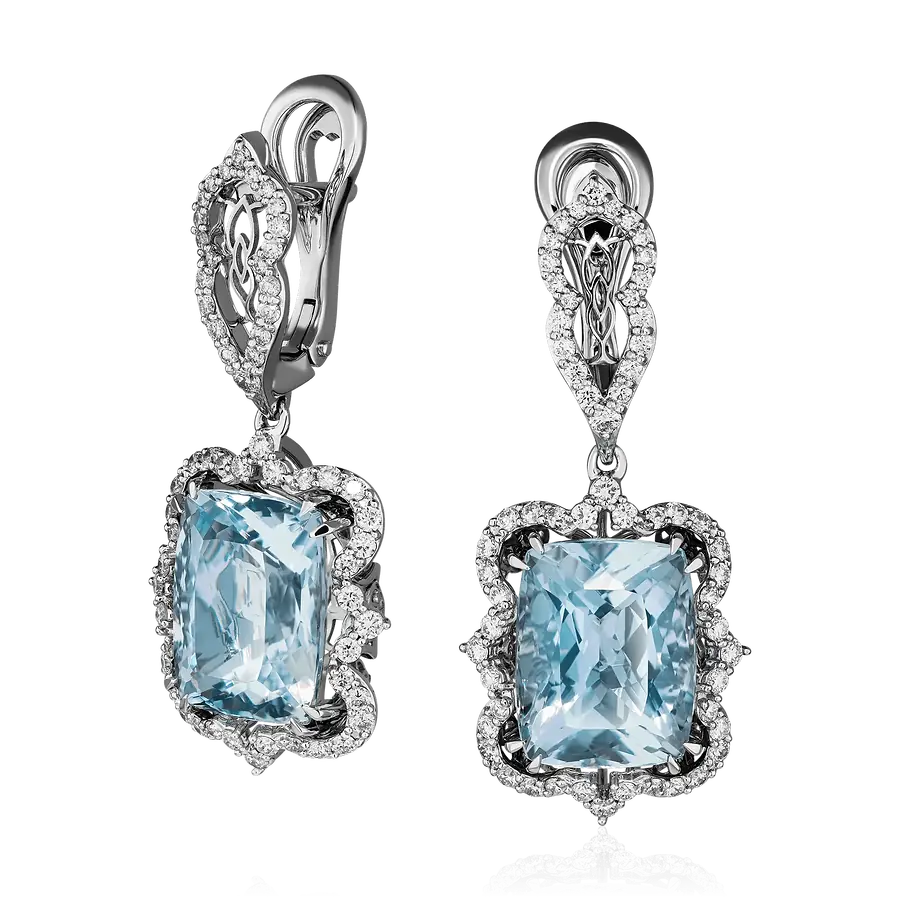
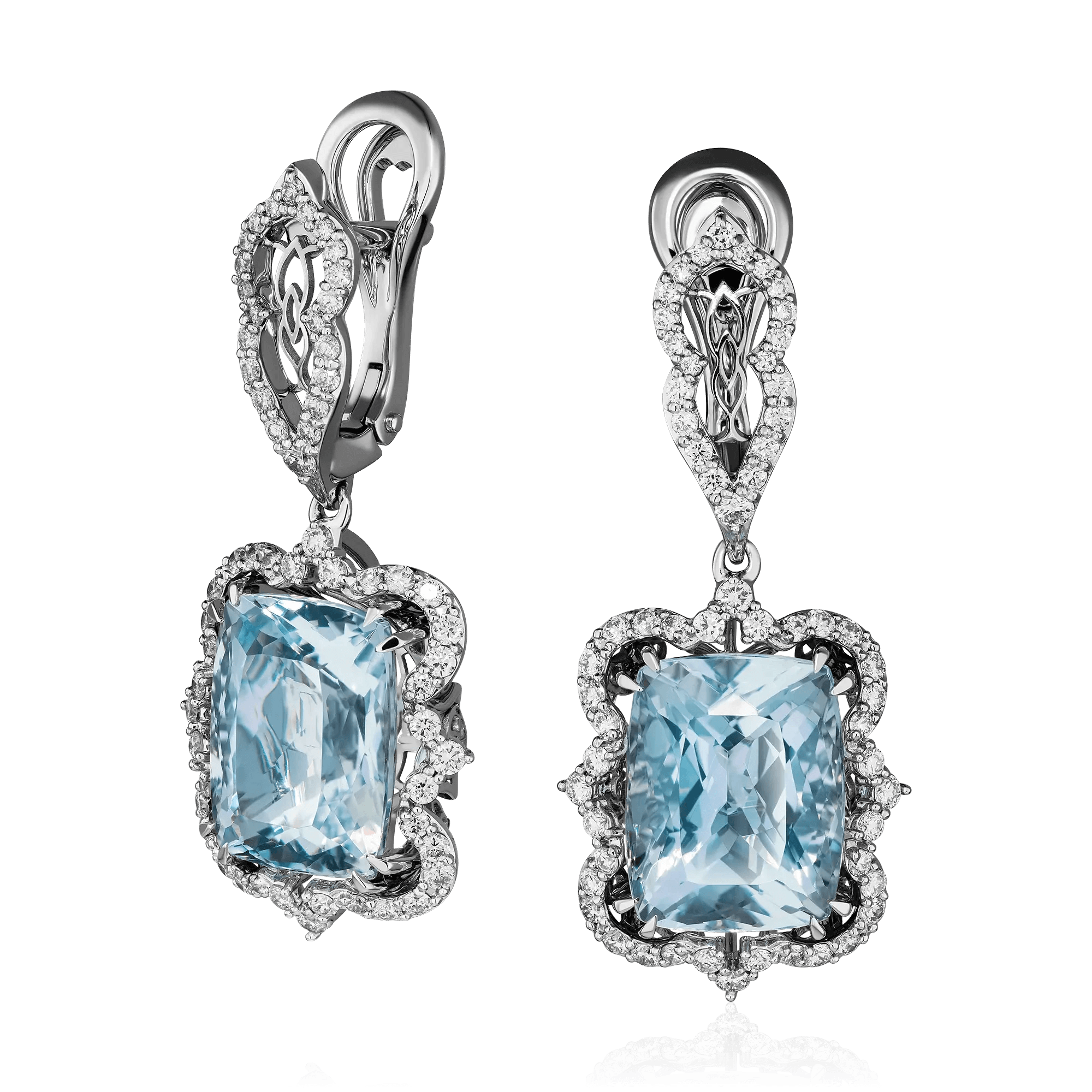
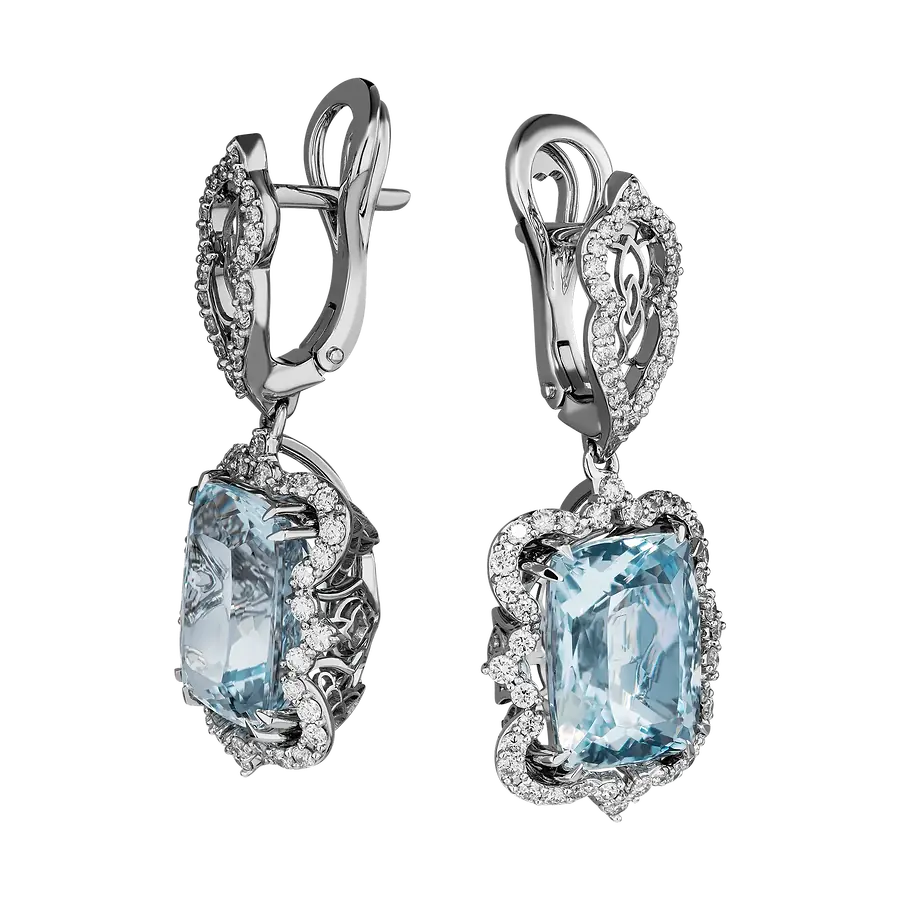


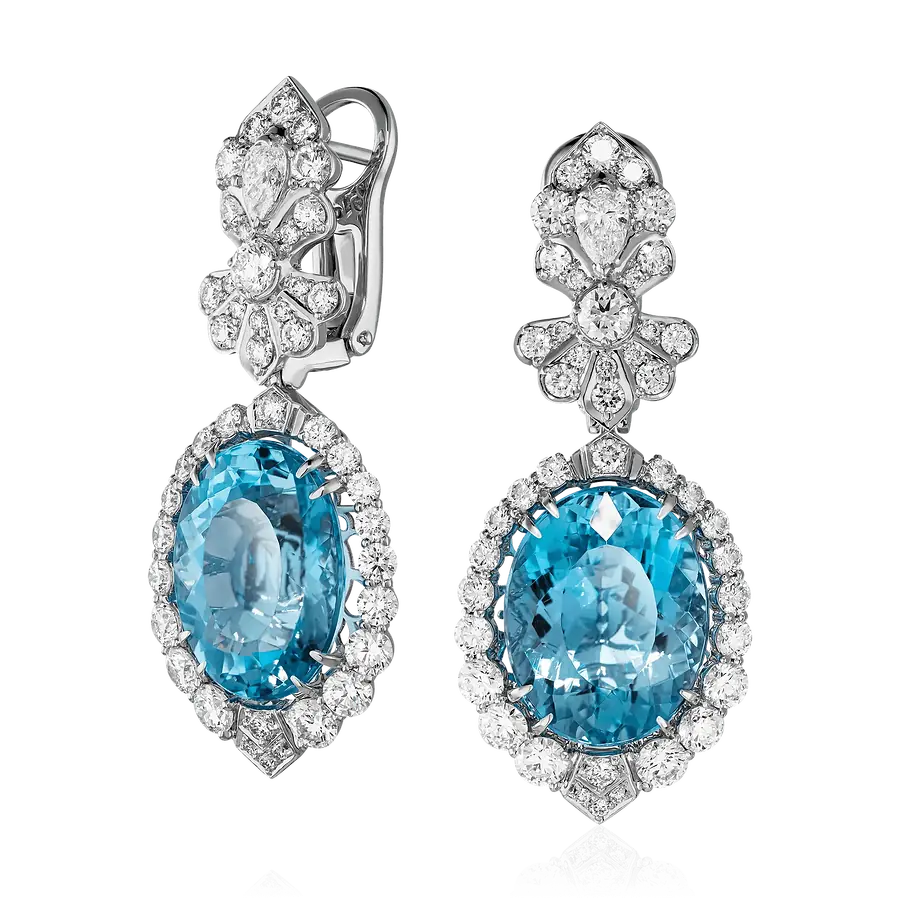

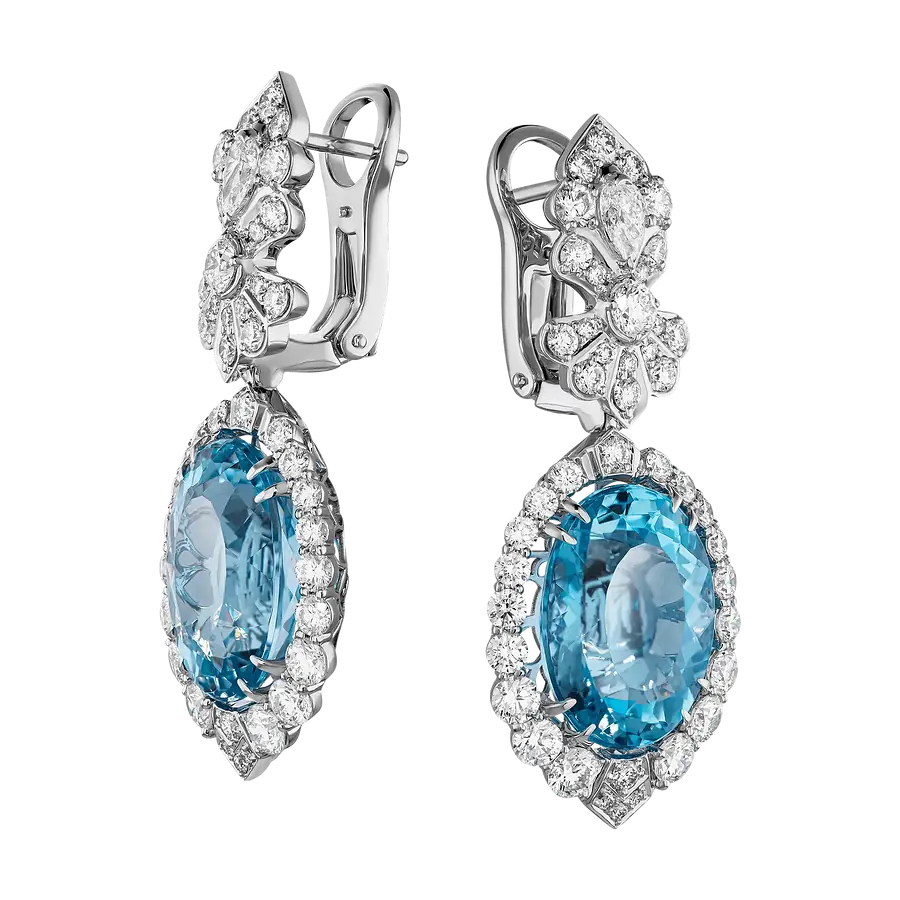



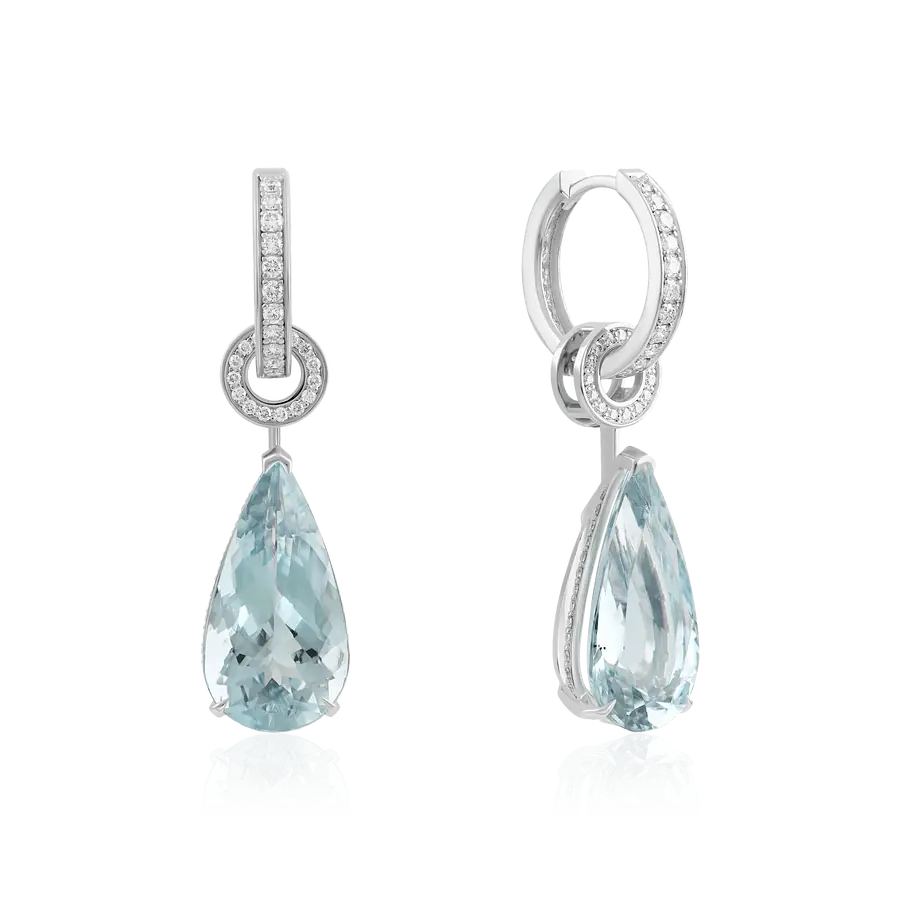

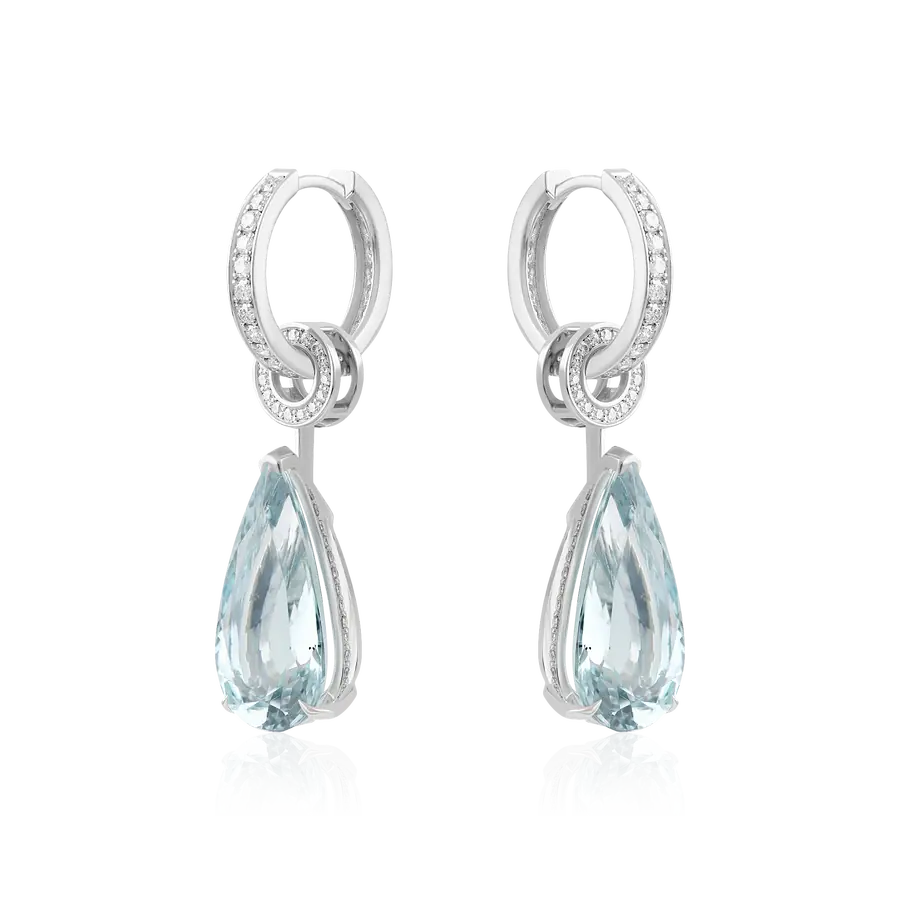
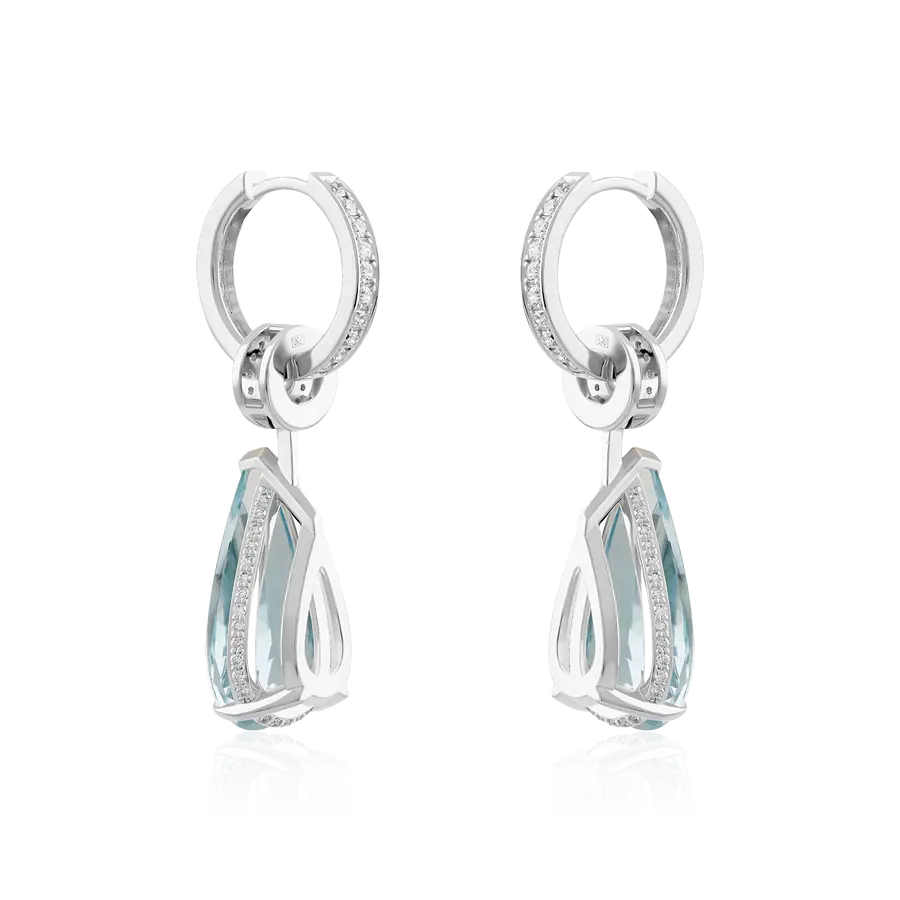
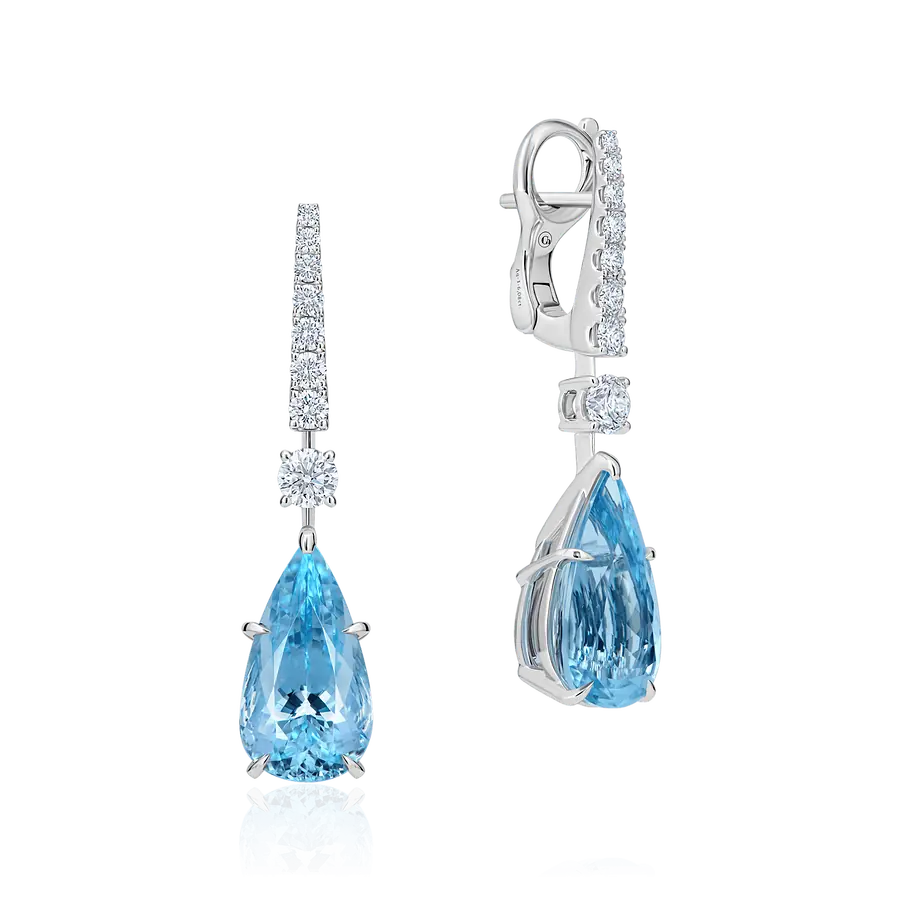
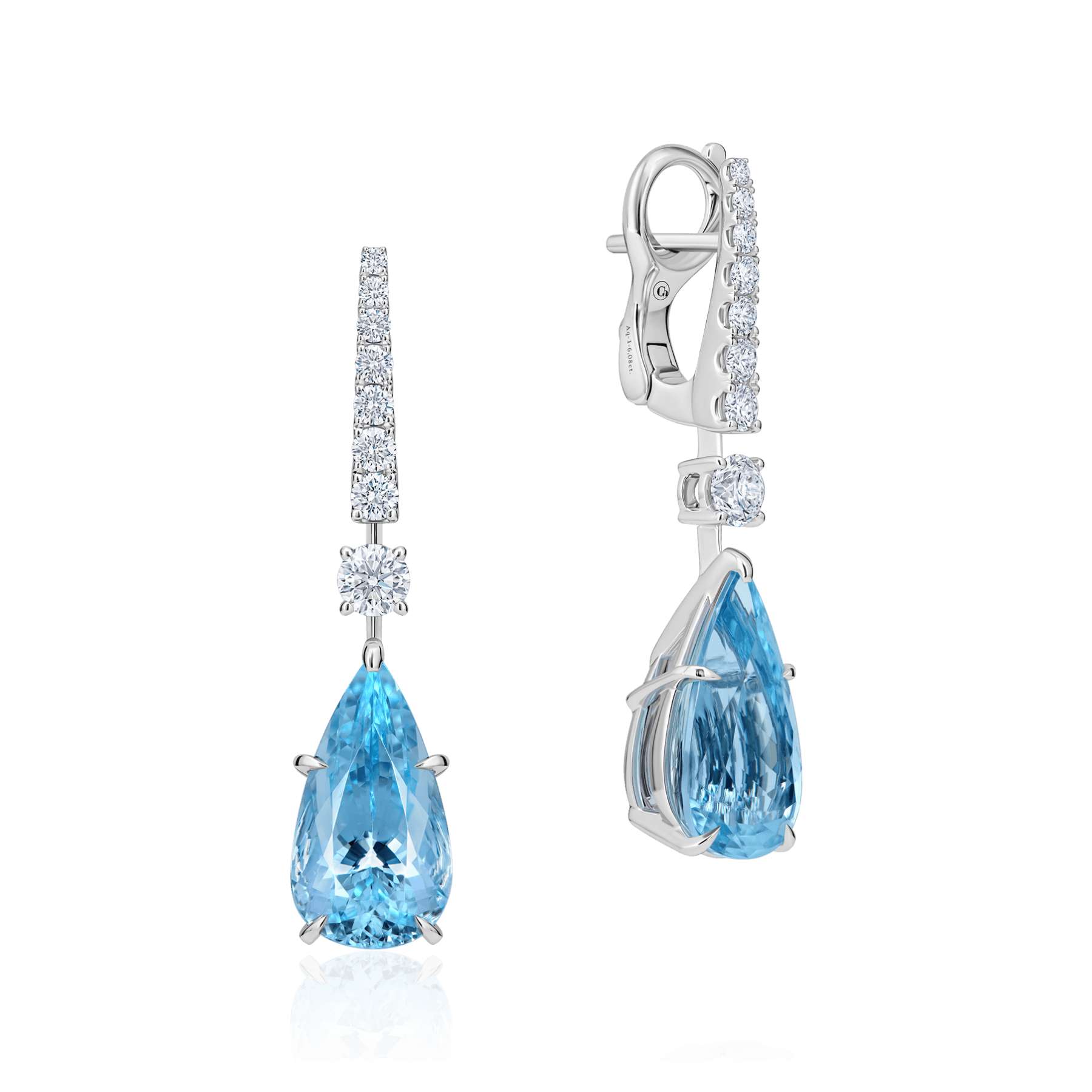

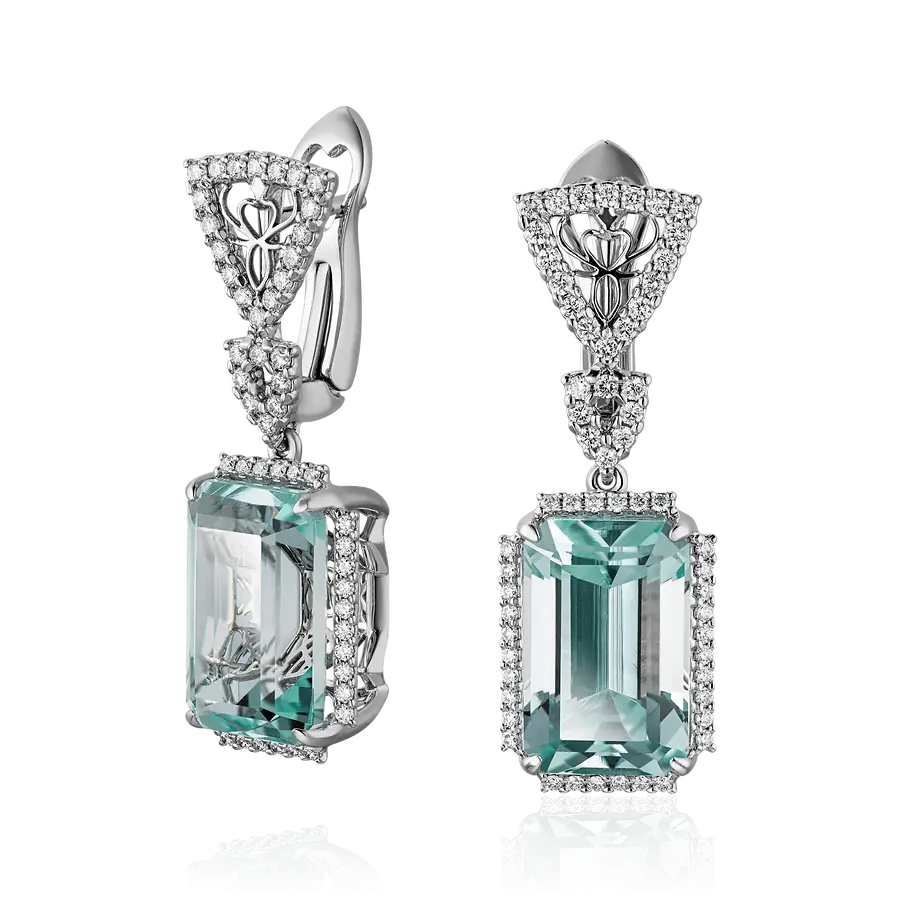
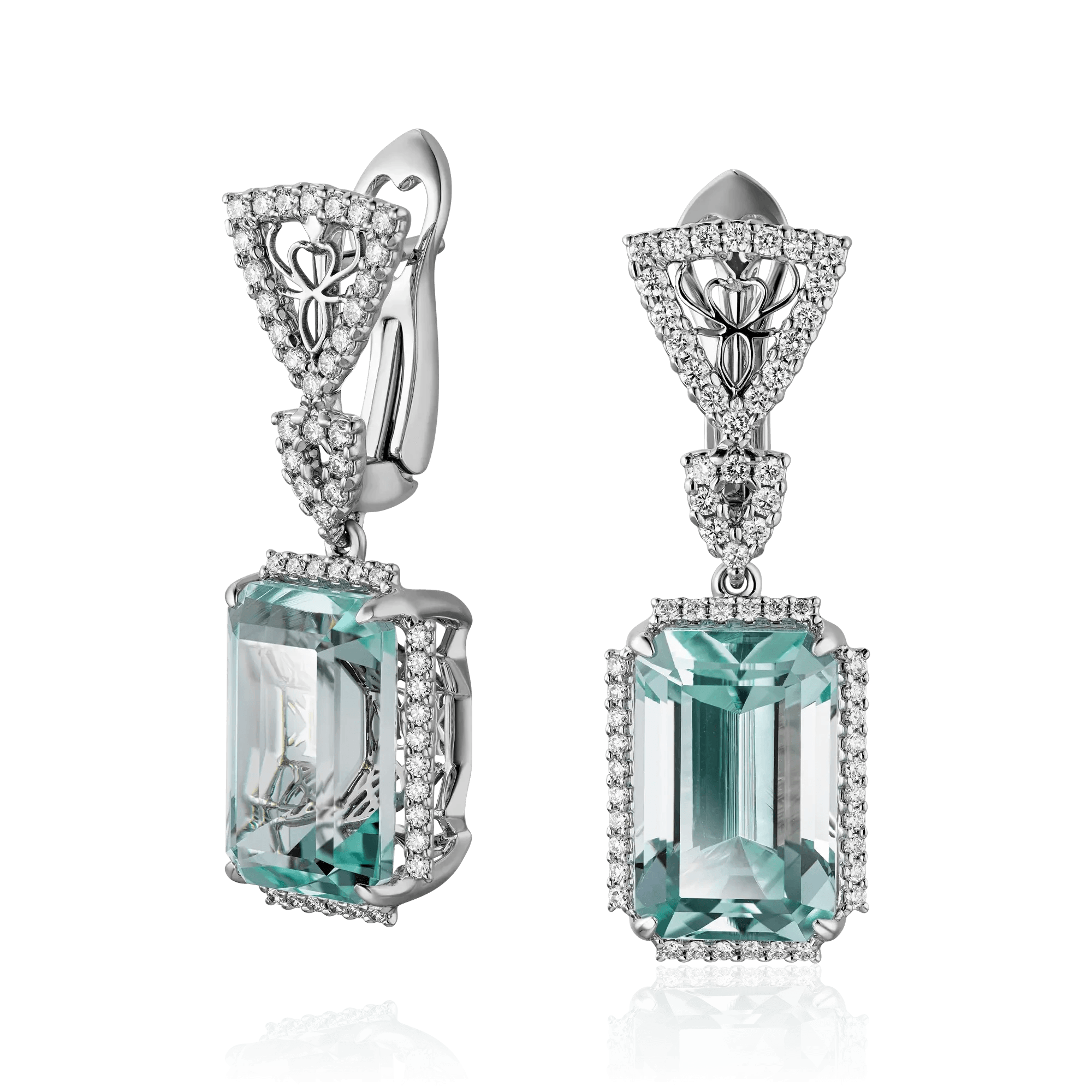
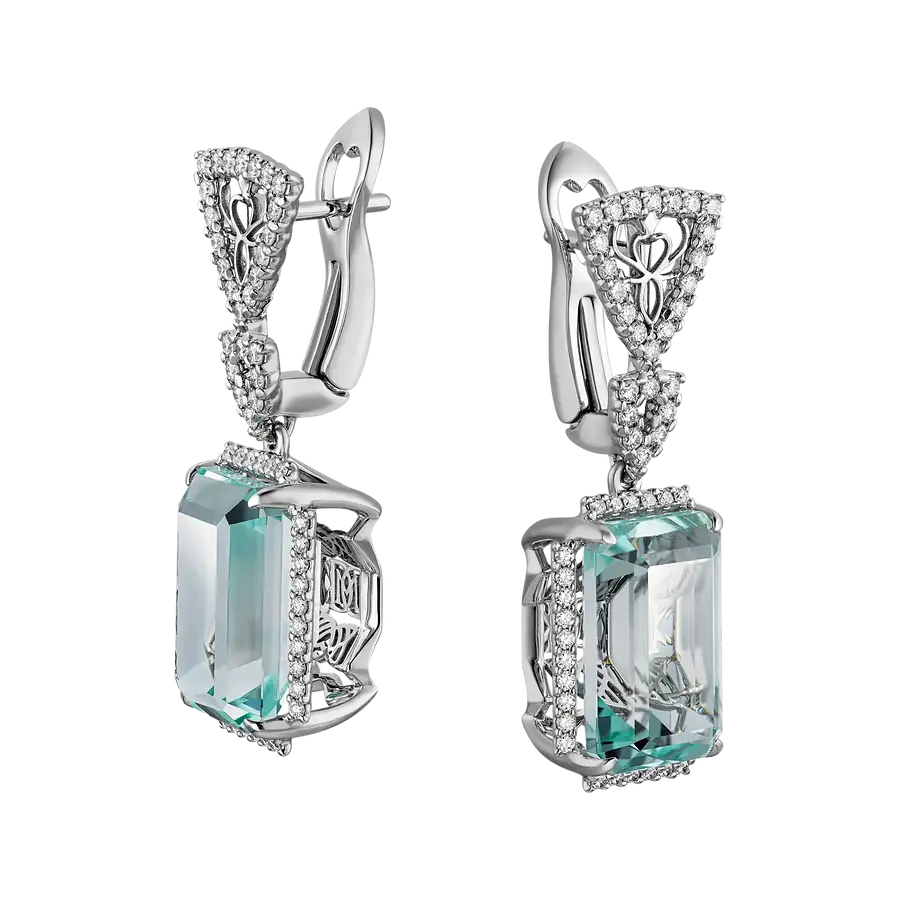

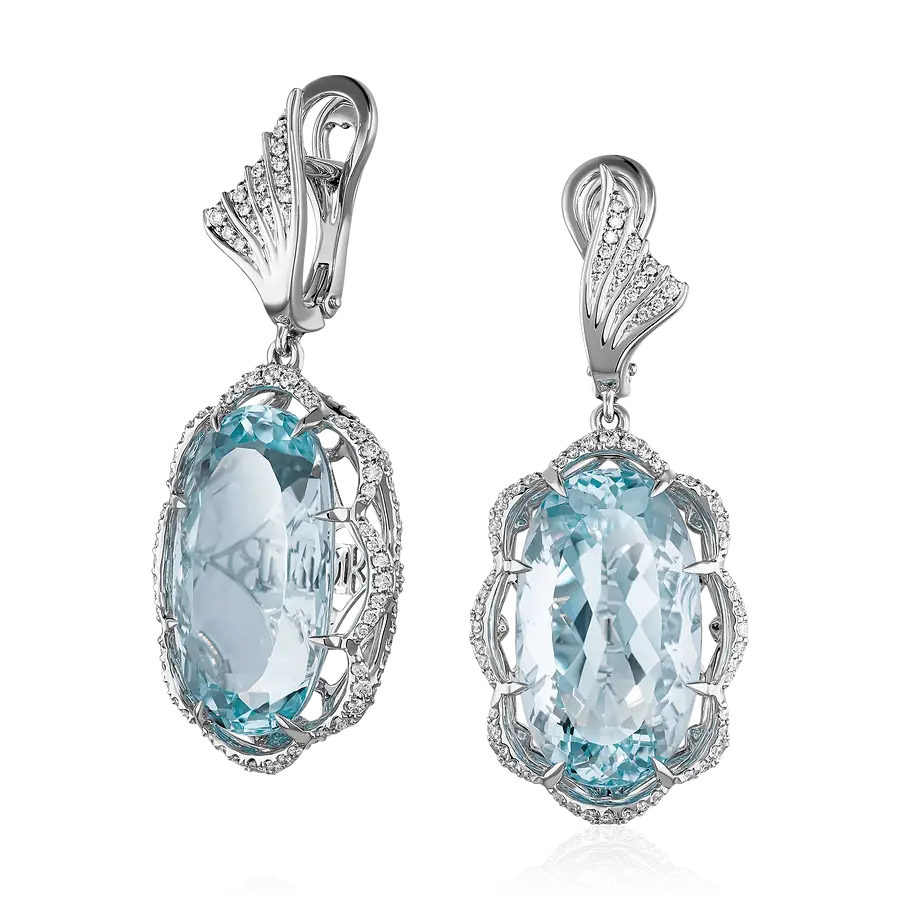
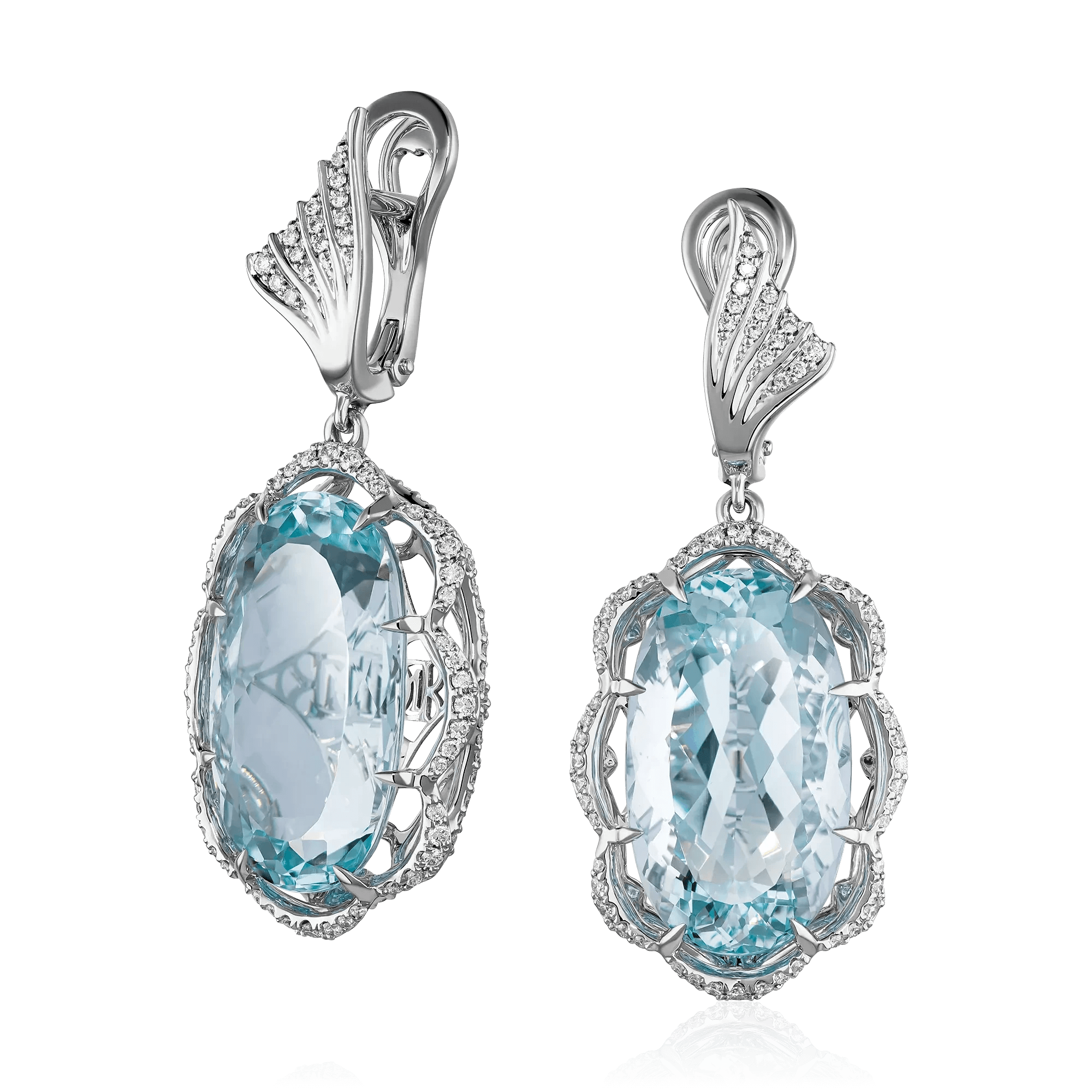
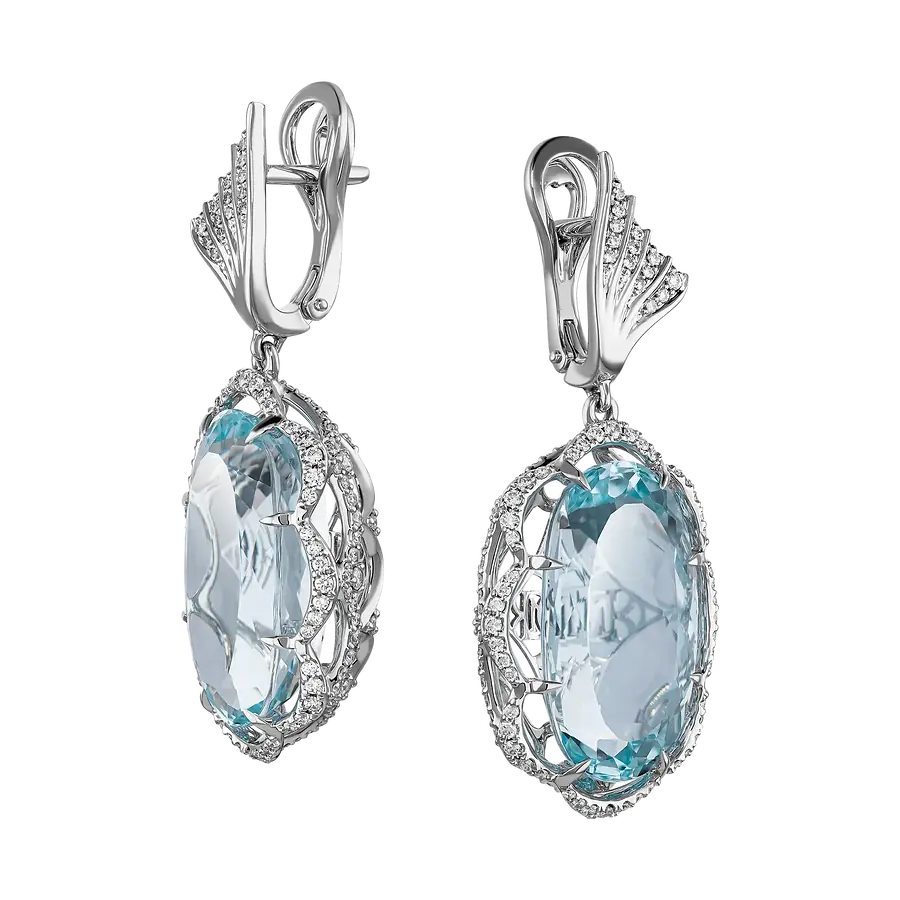

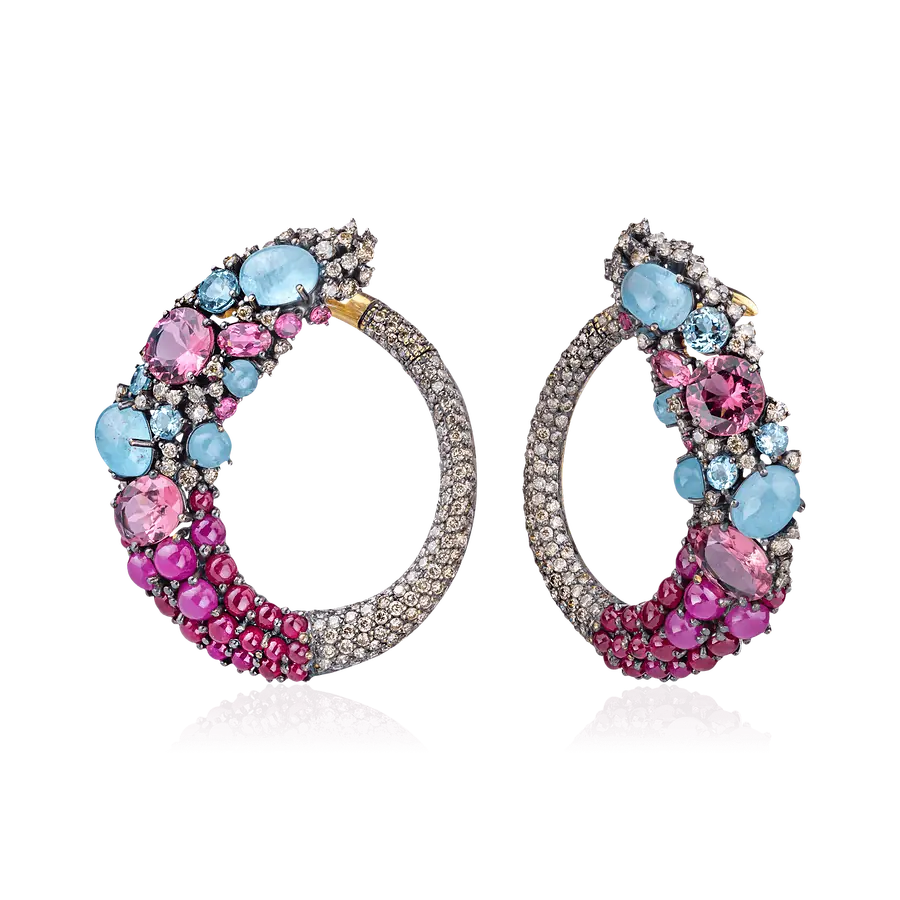
Earrings "BRUMANI" with ruby, diamonds, tourmaline and aquamarine in 18K white gold (750) ( 34019)
In stock

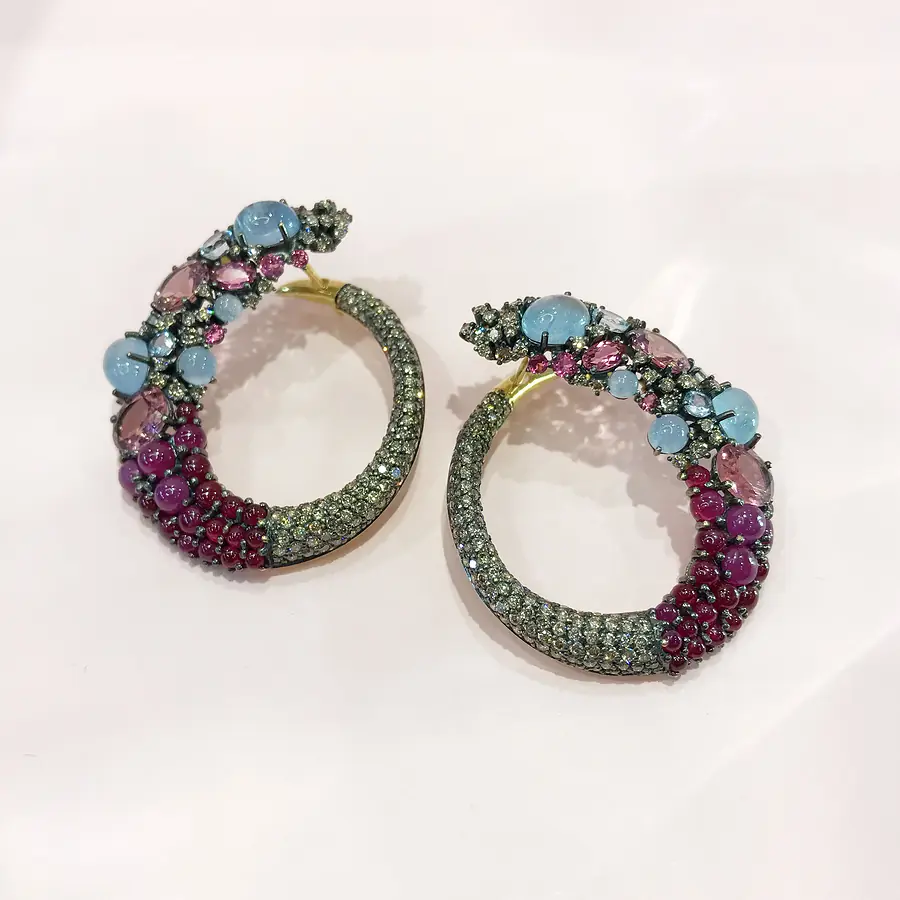
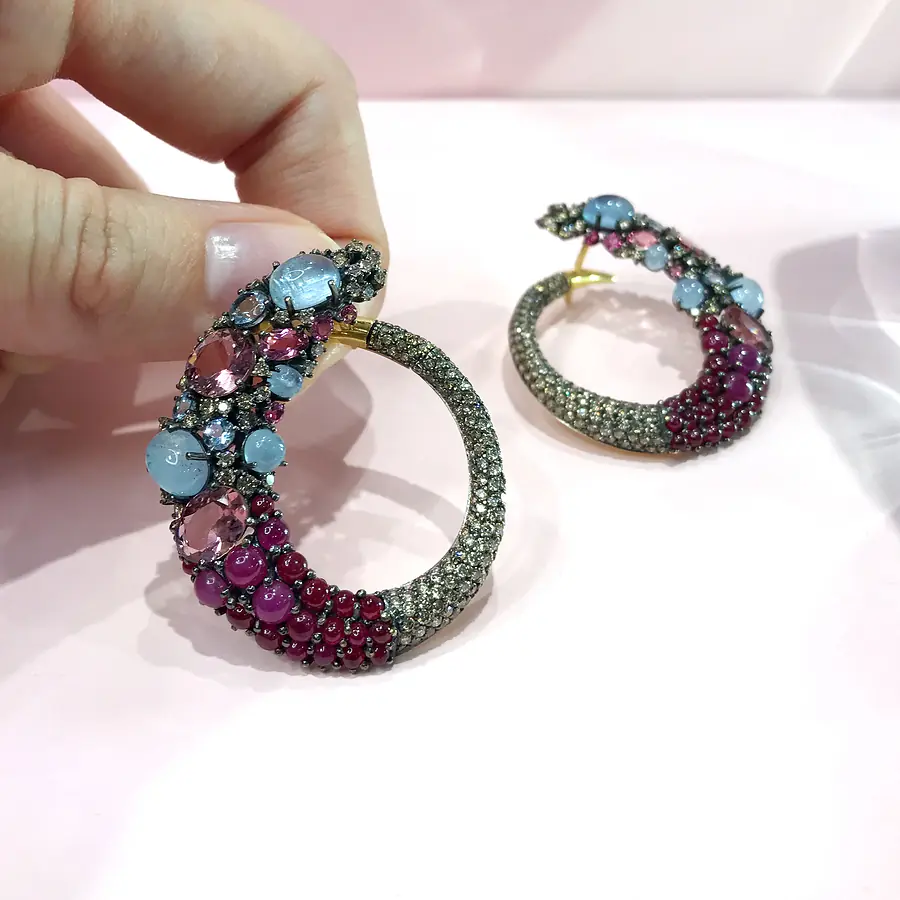

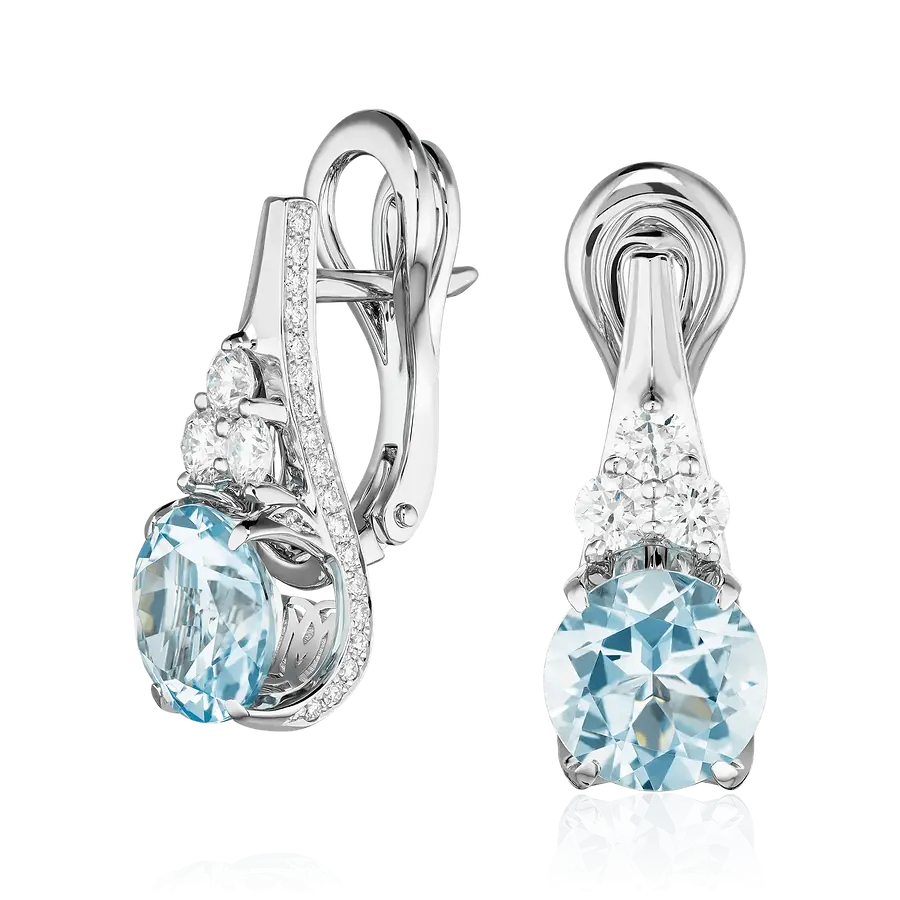
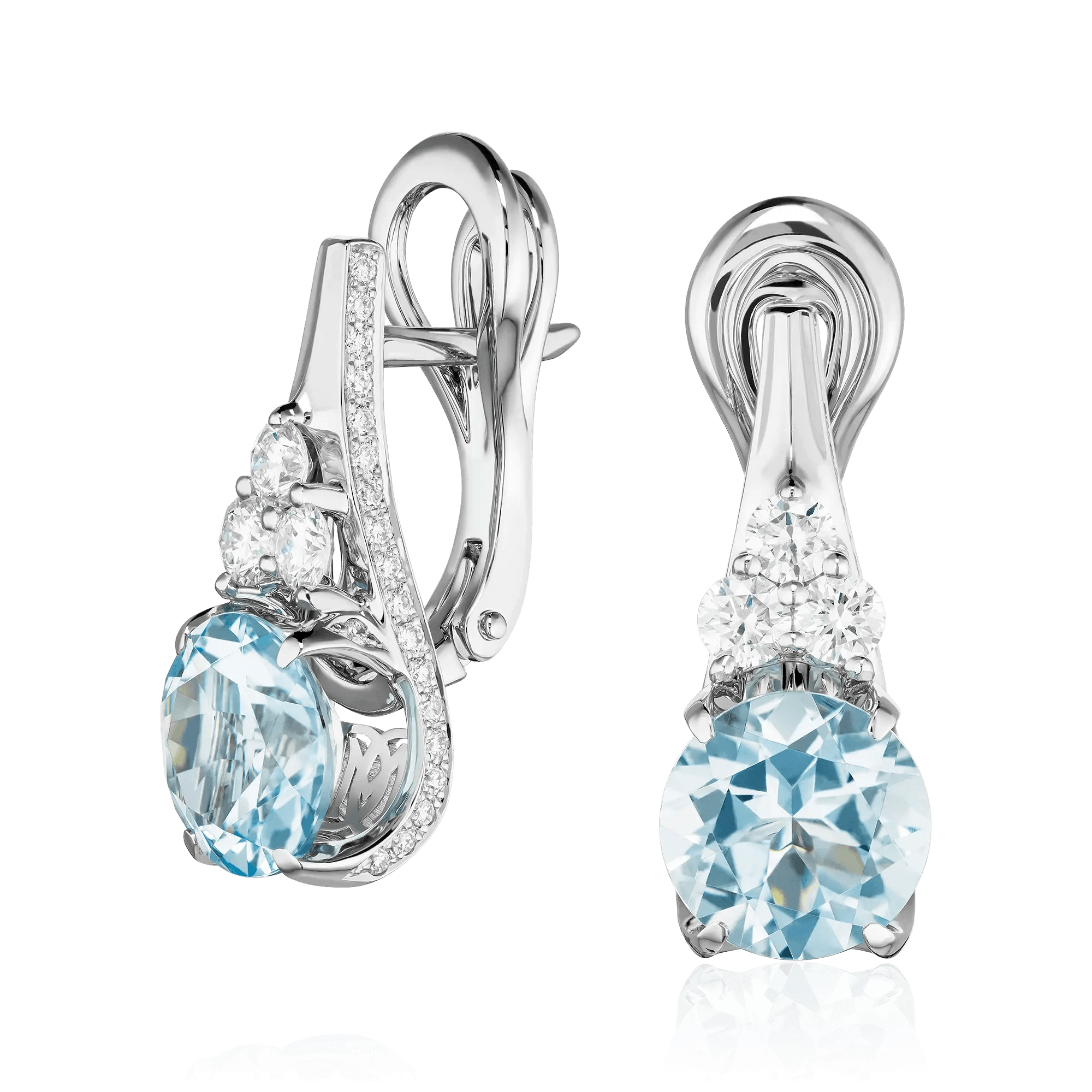
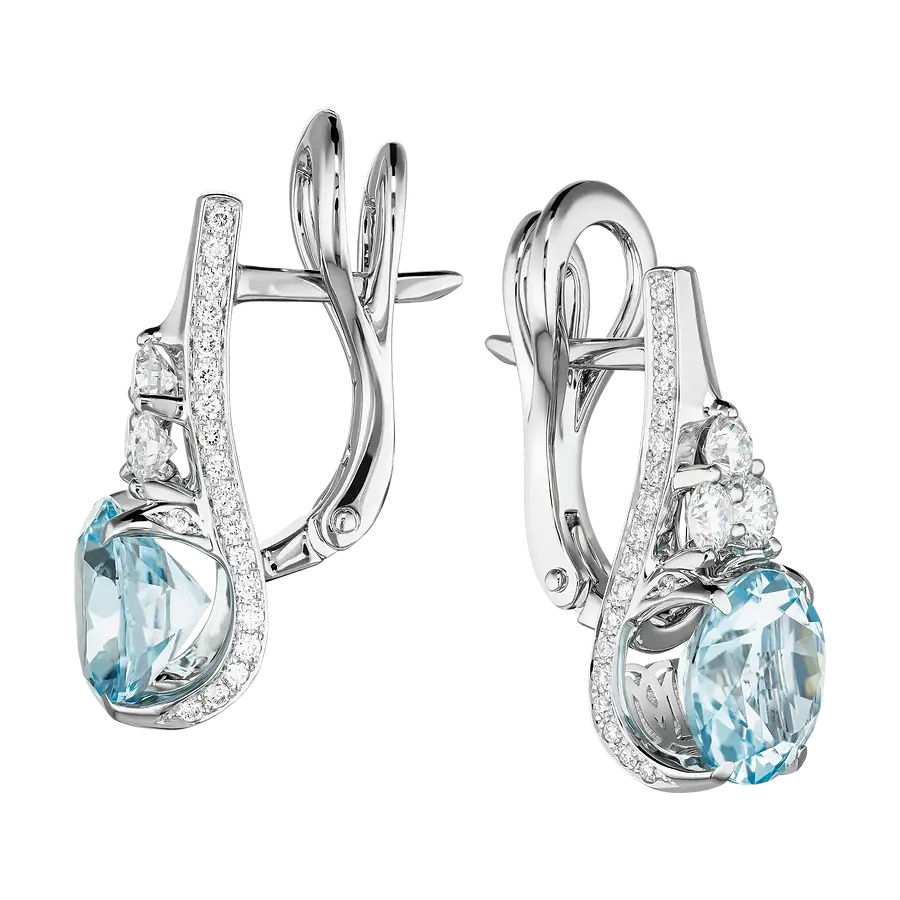

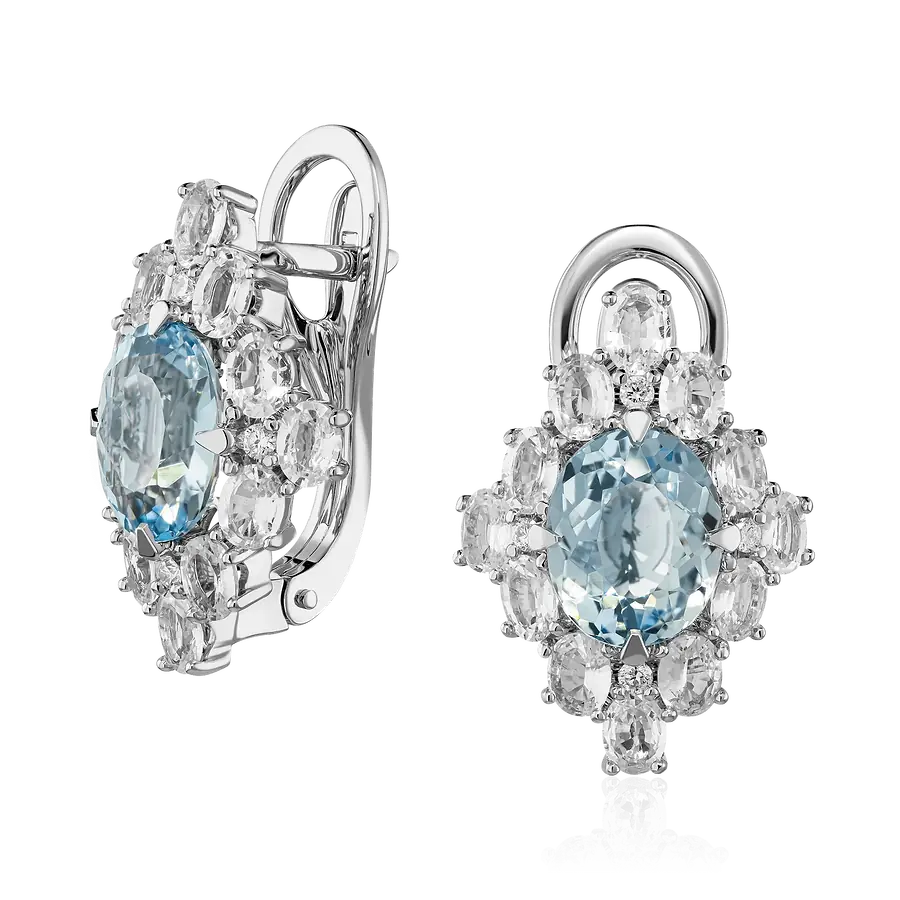

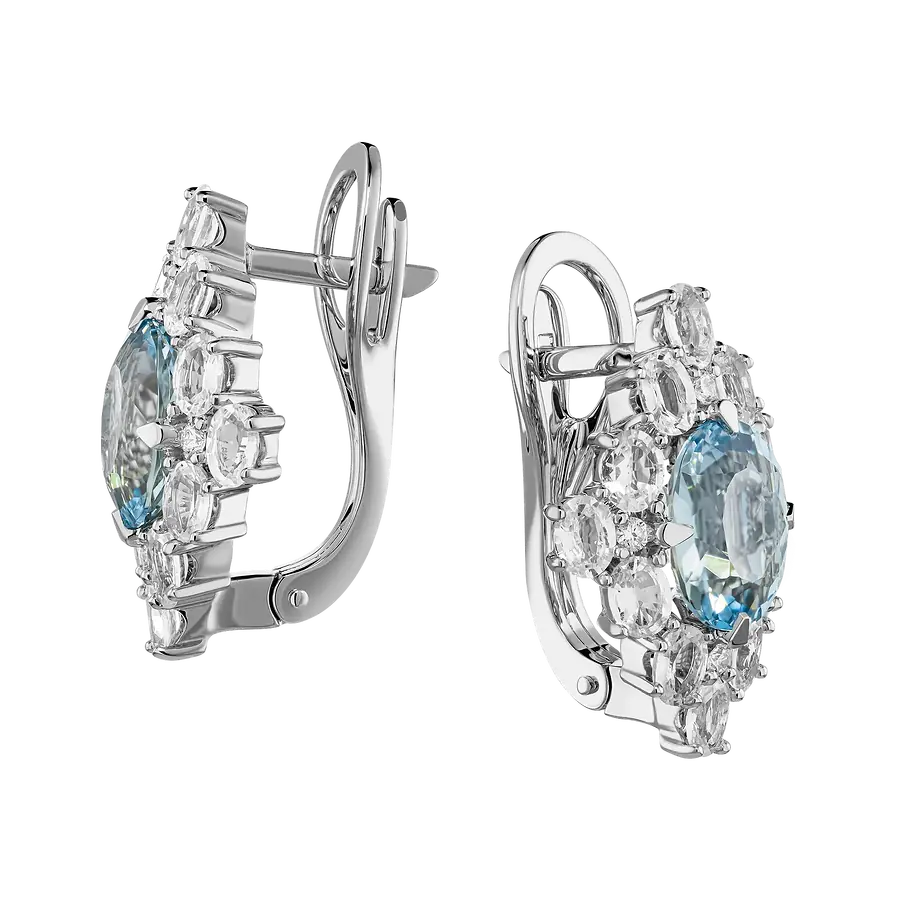

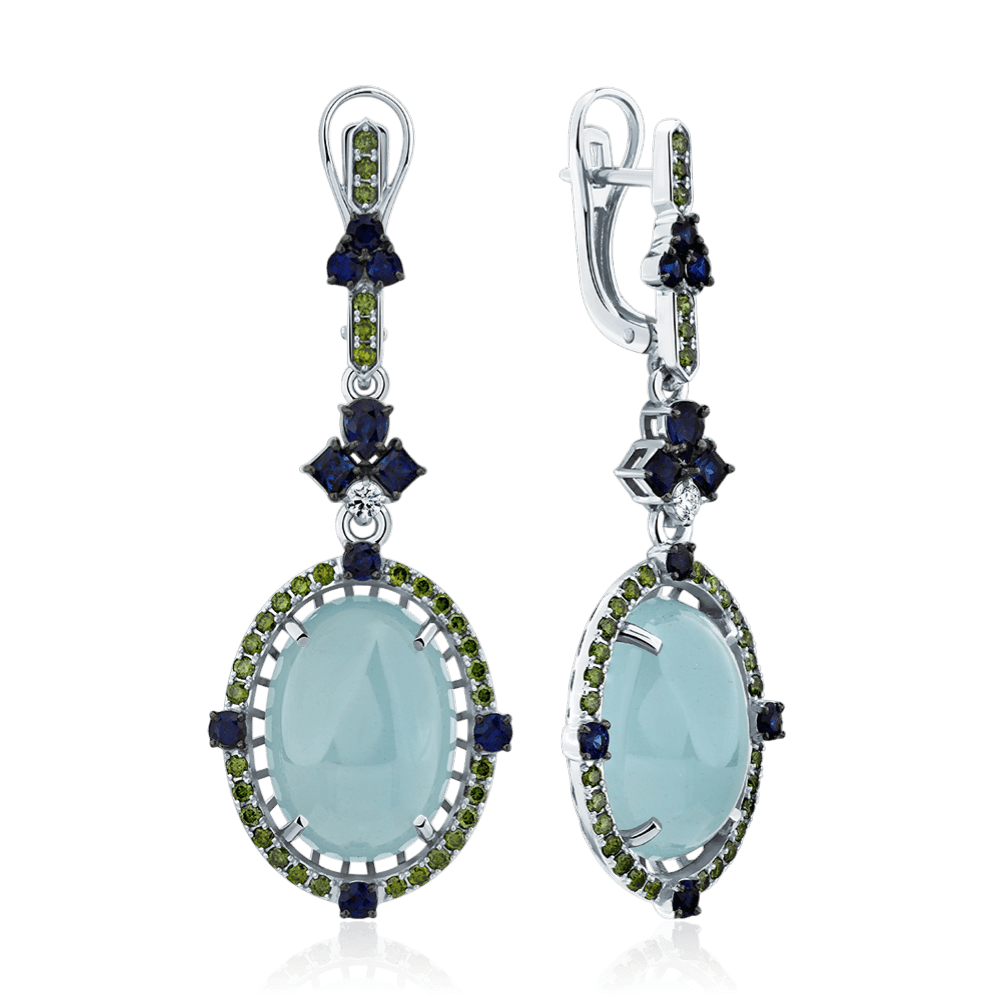
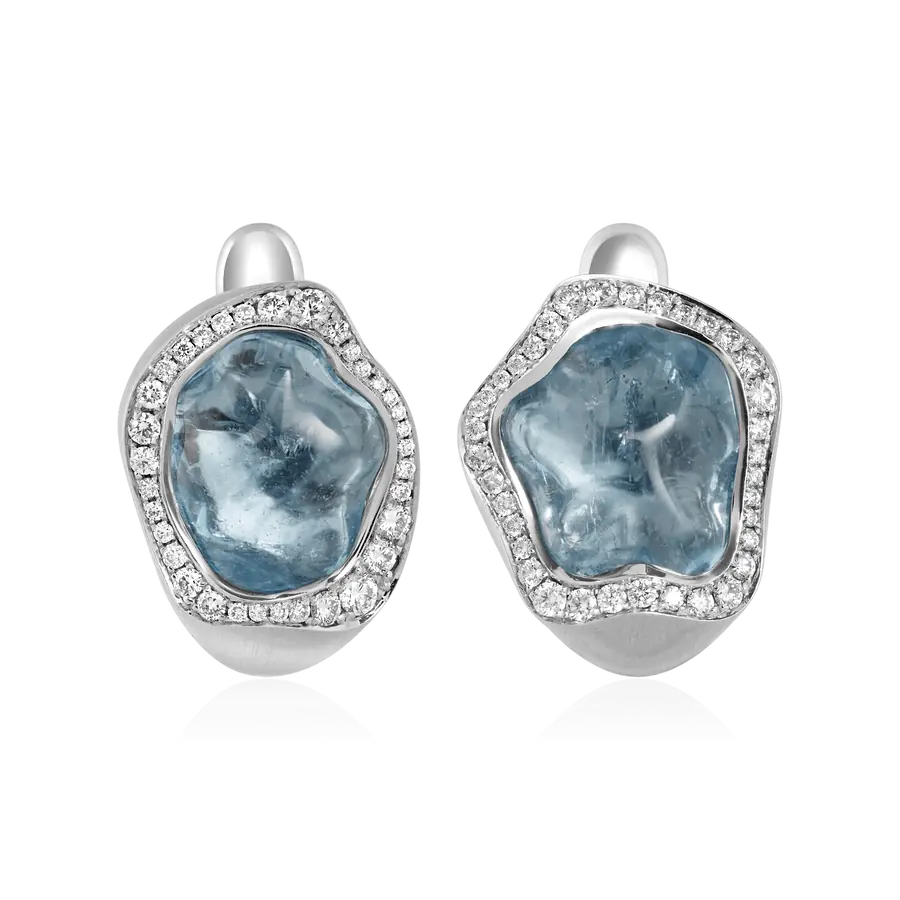
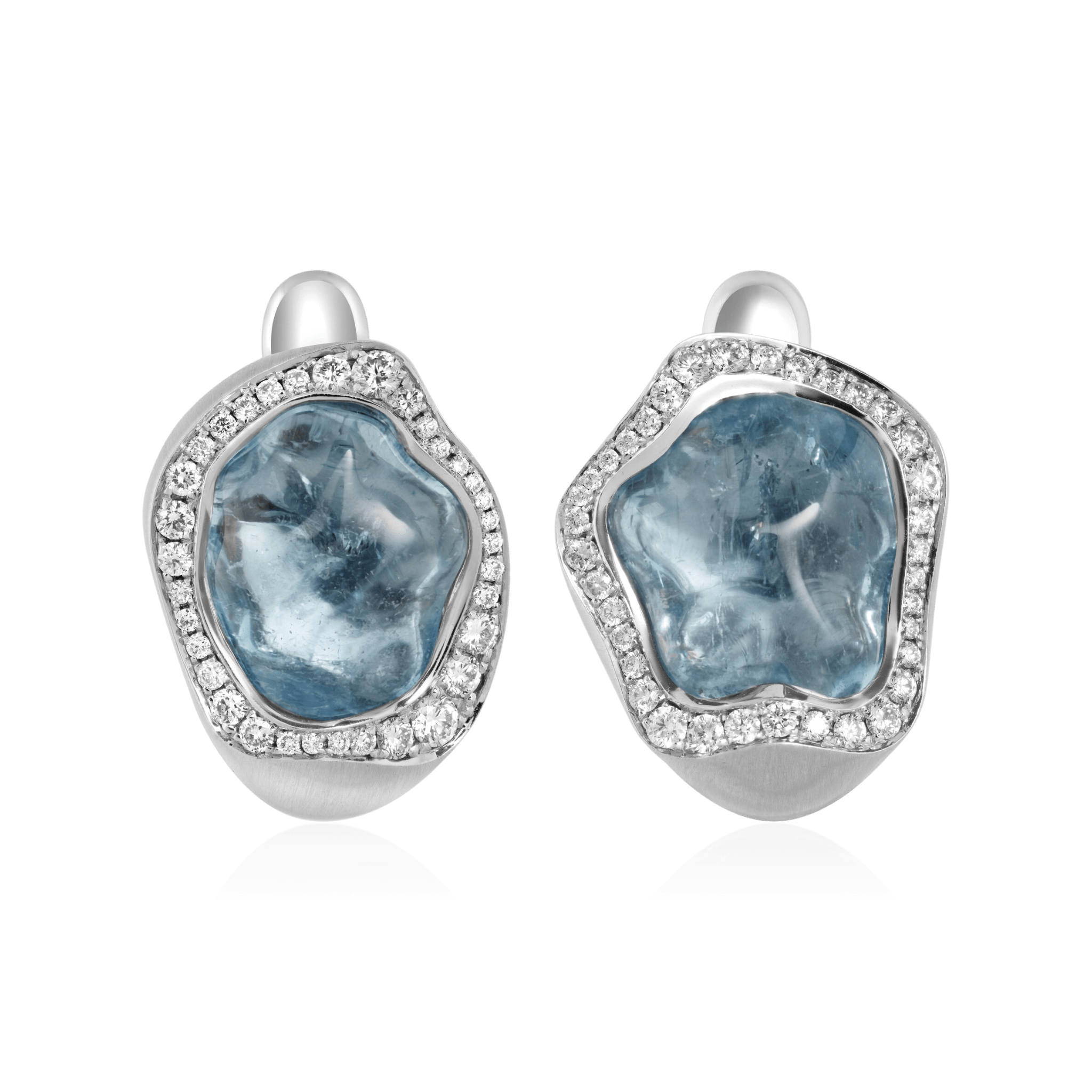
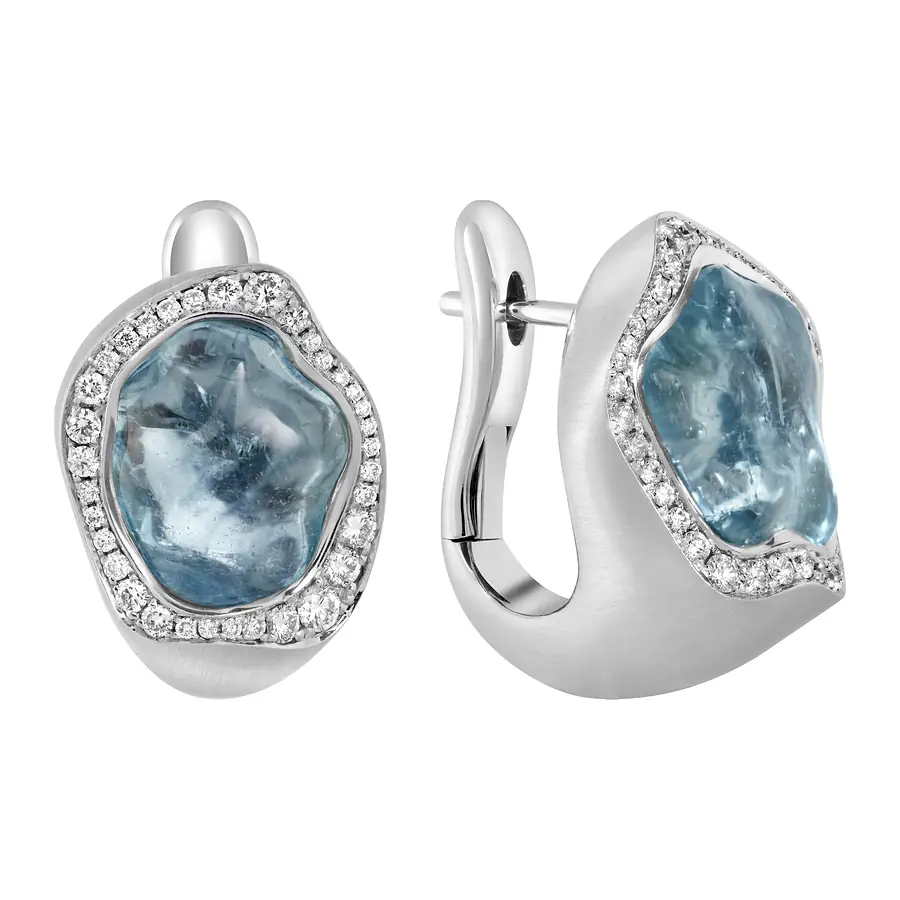
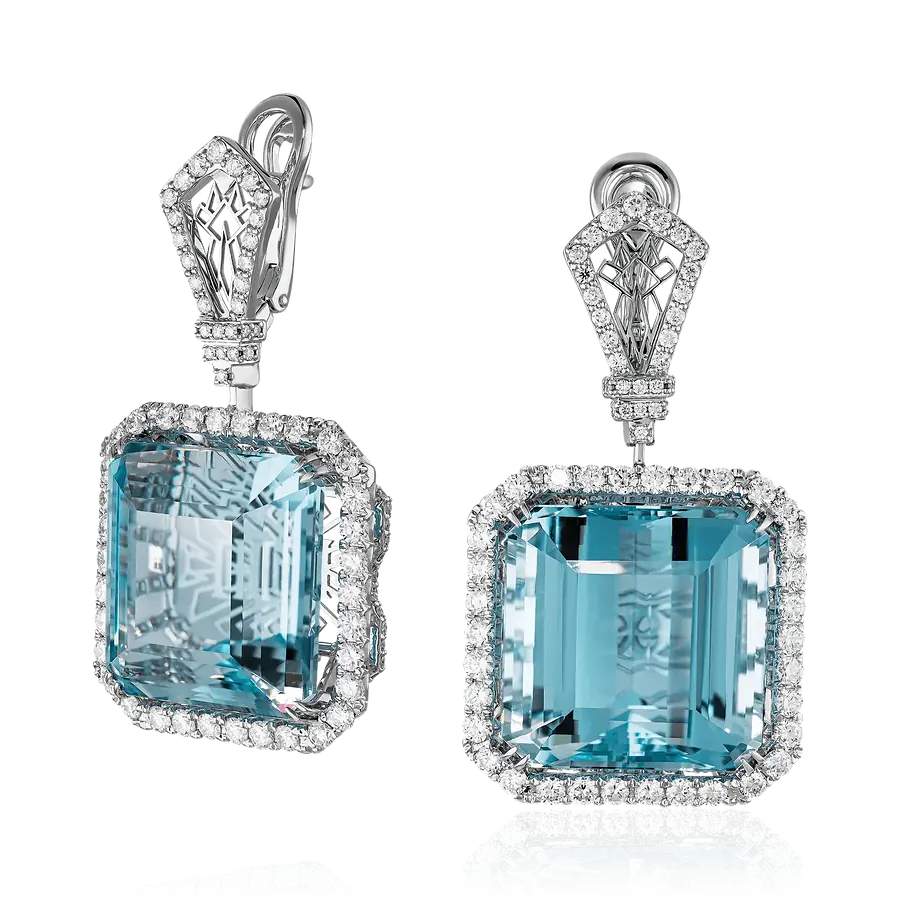

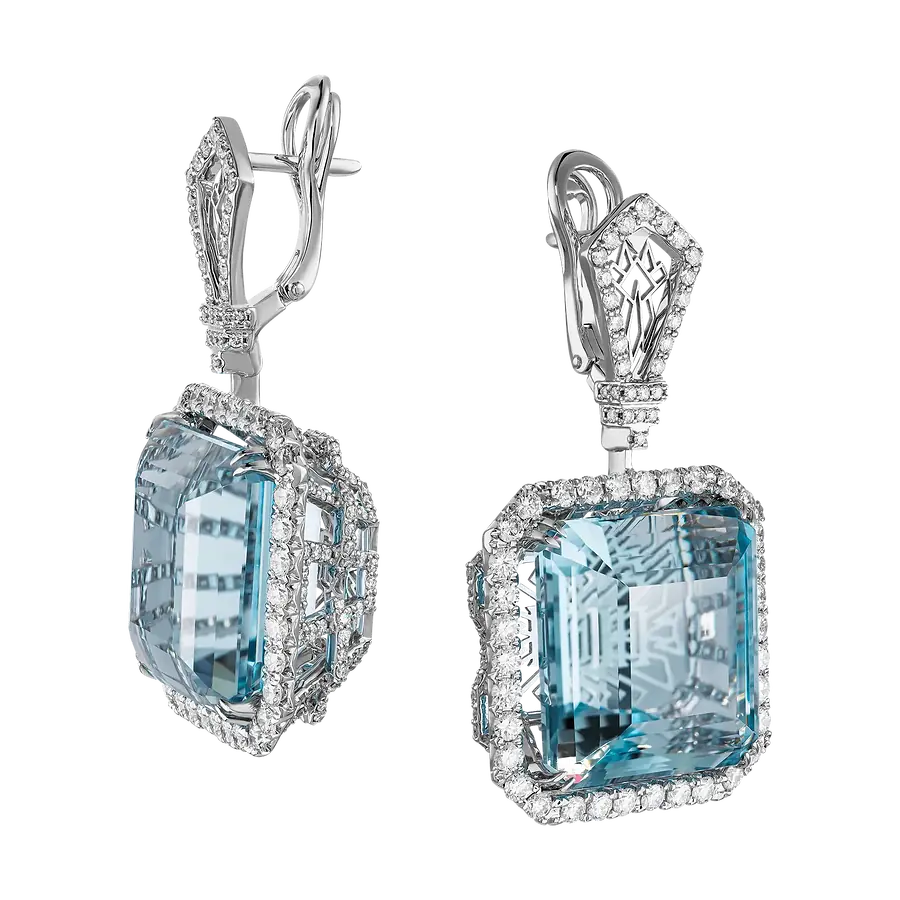

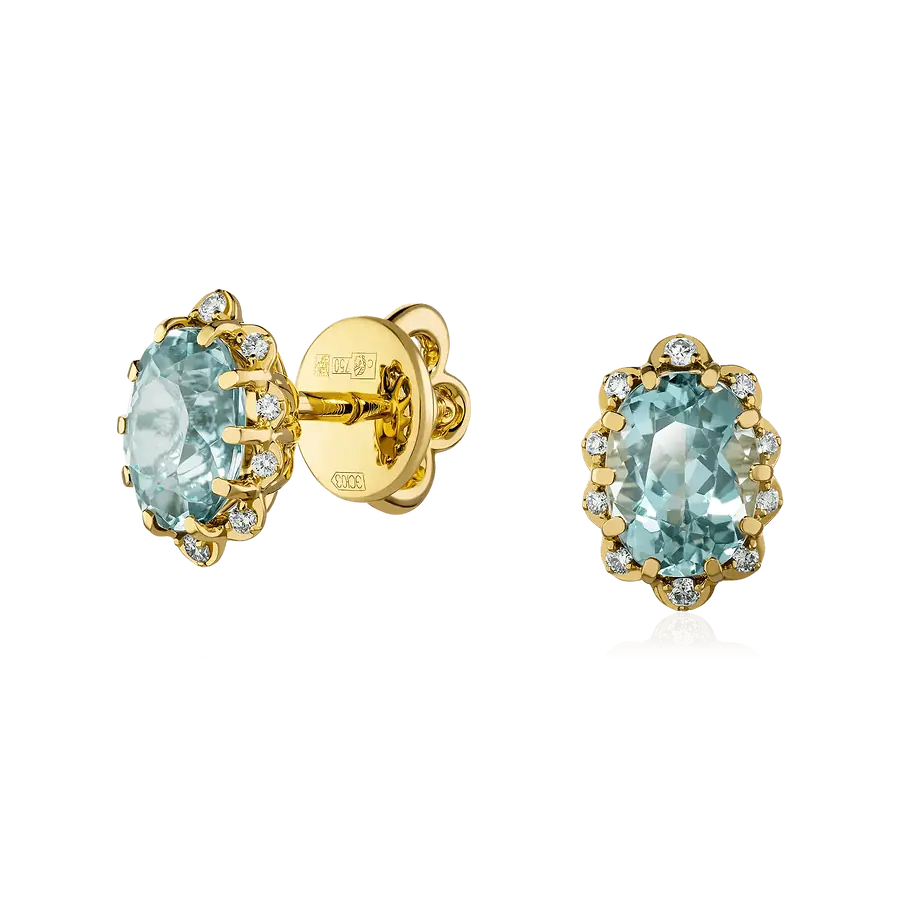

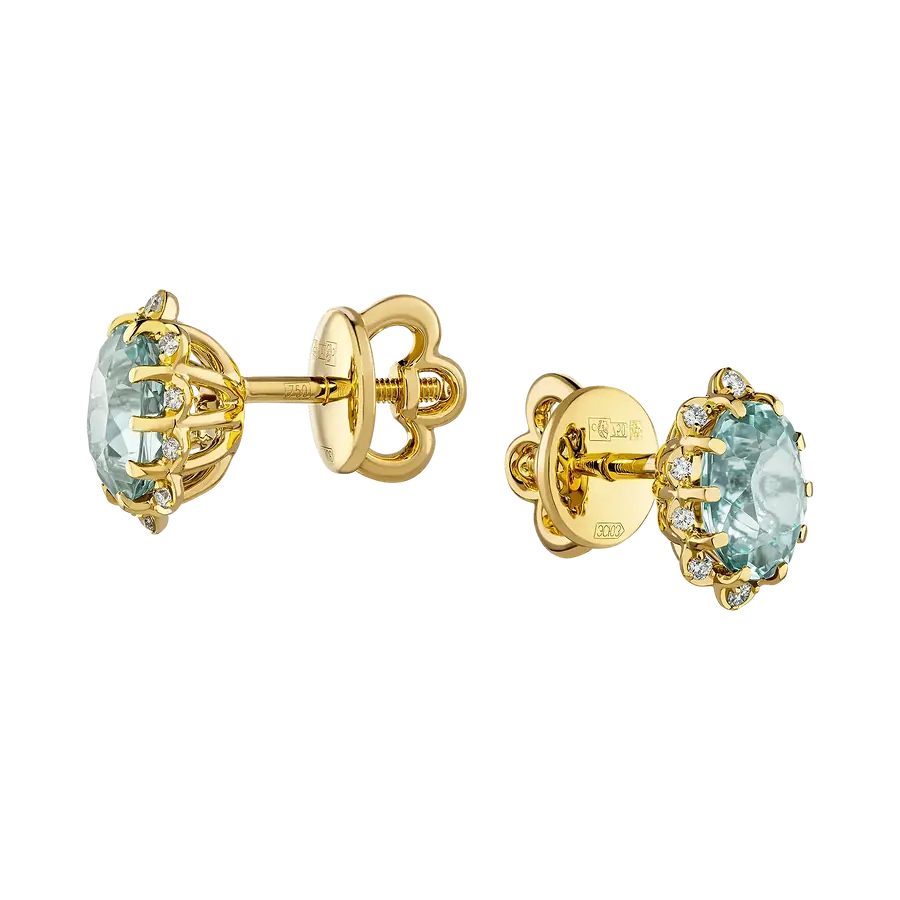

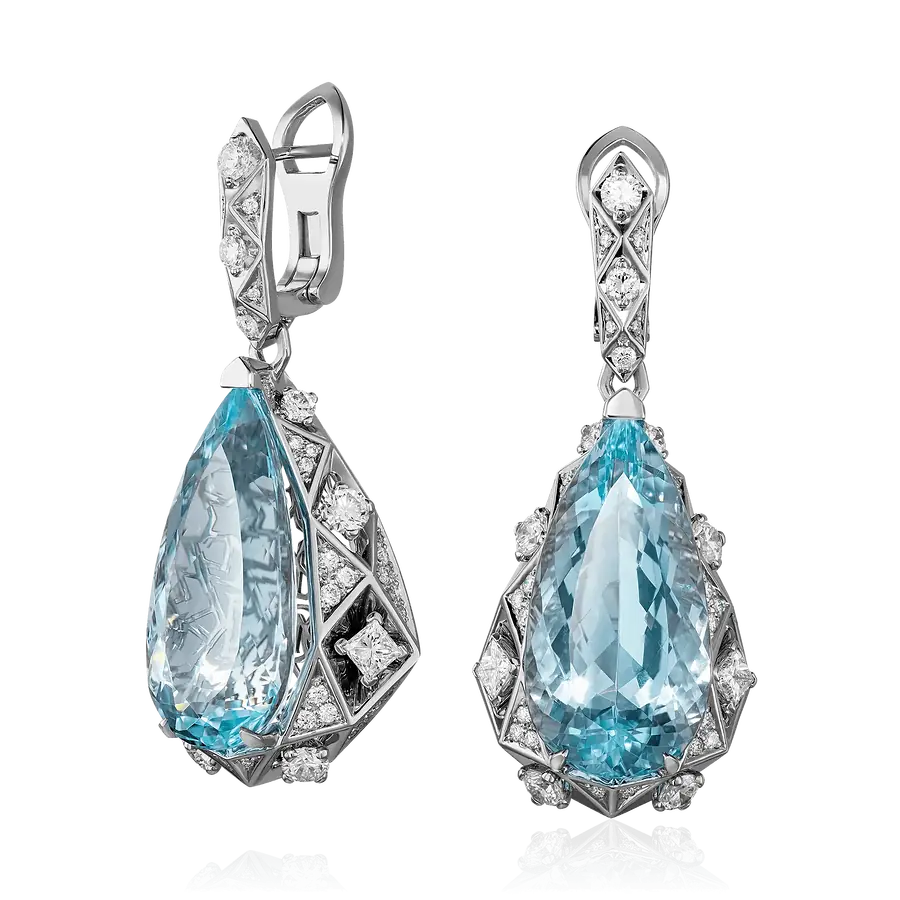
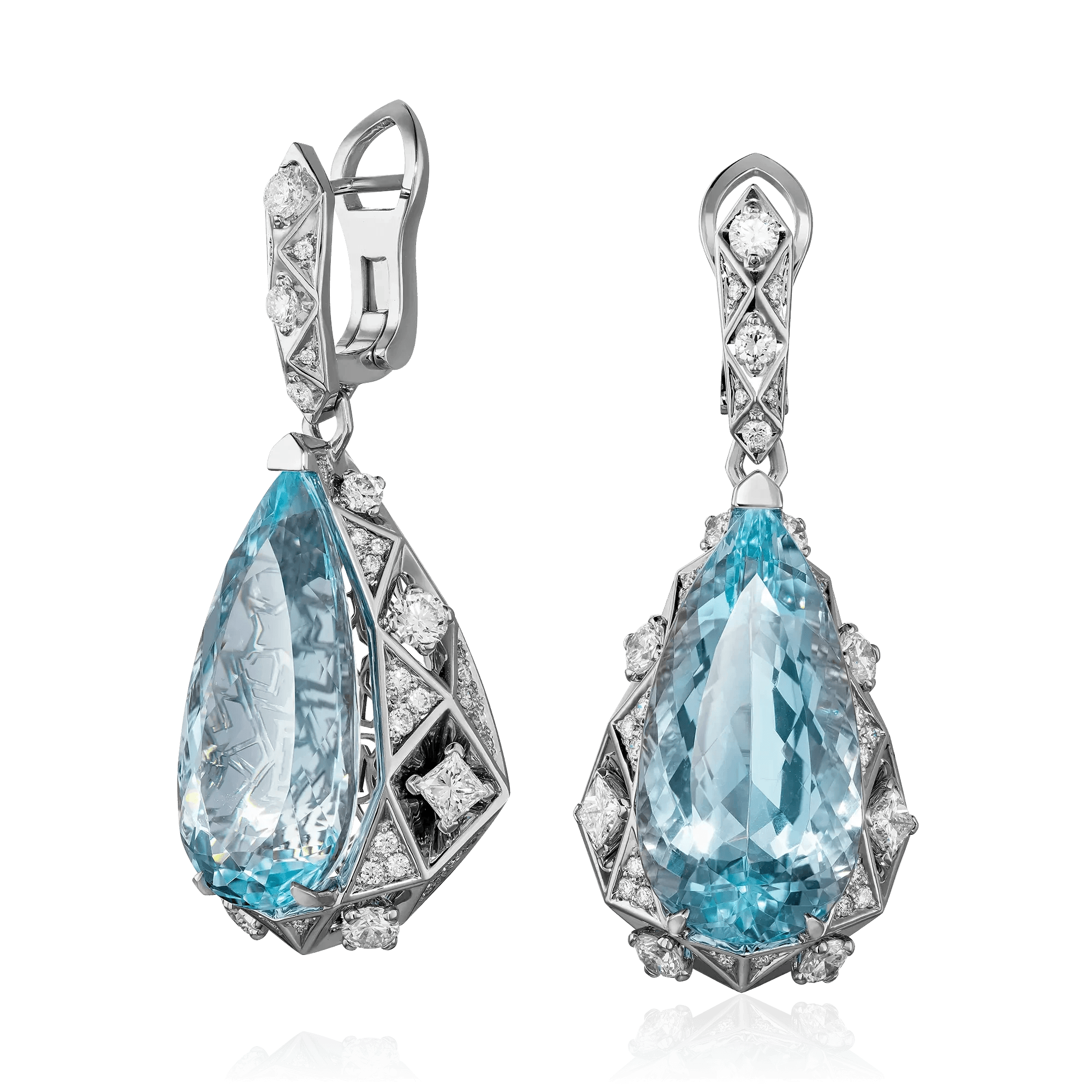
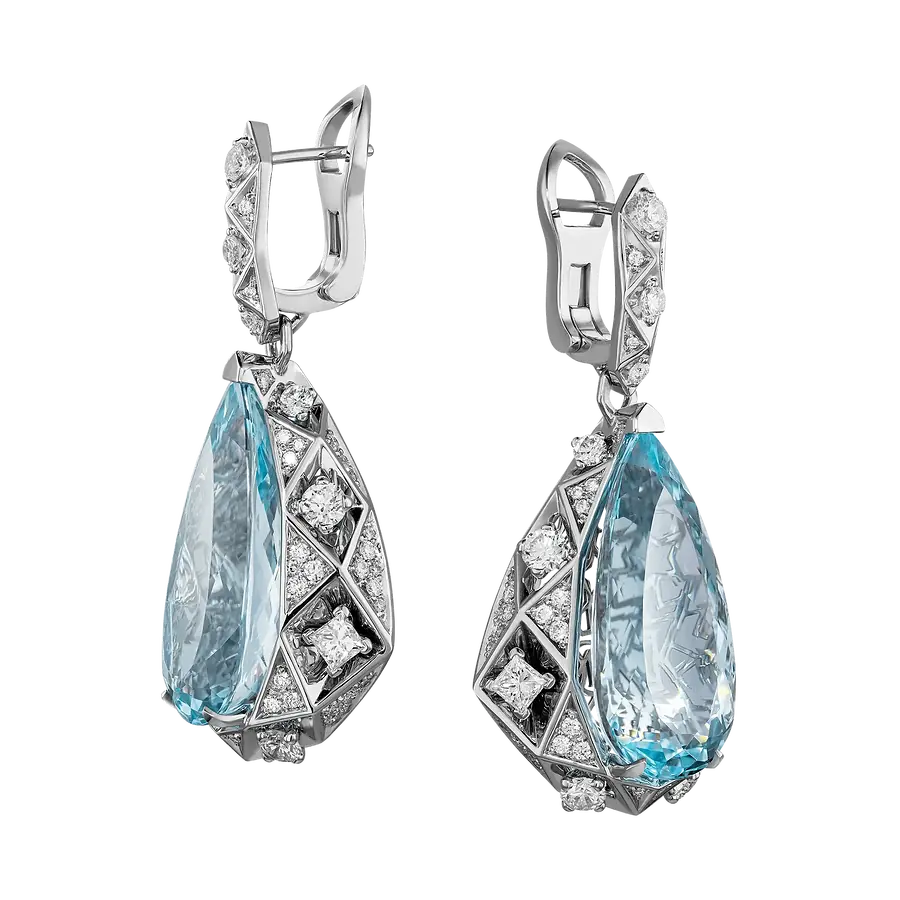

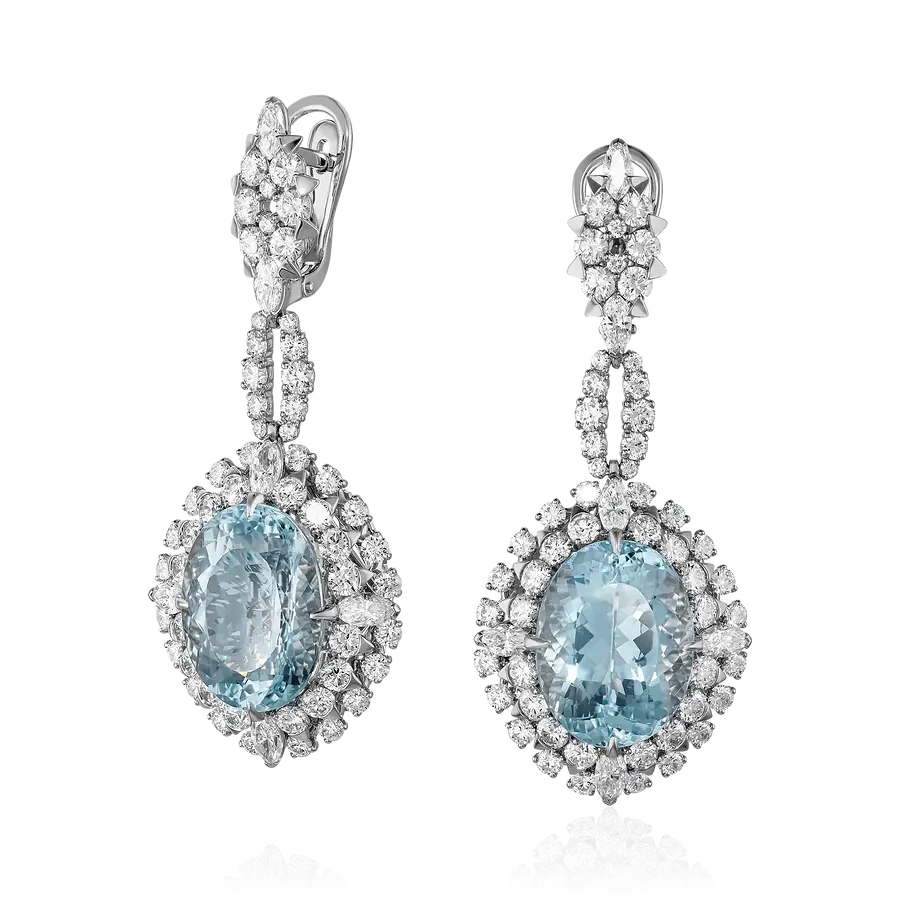
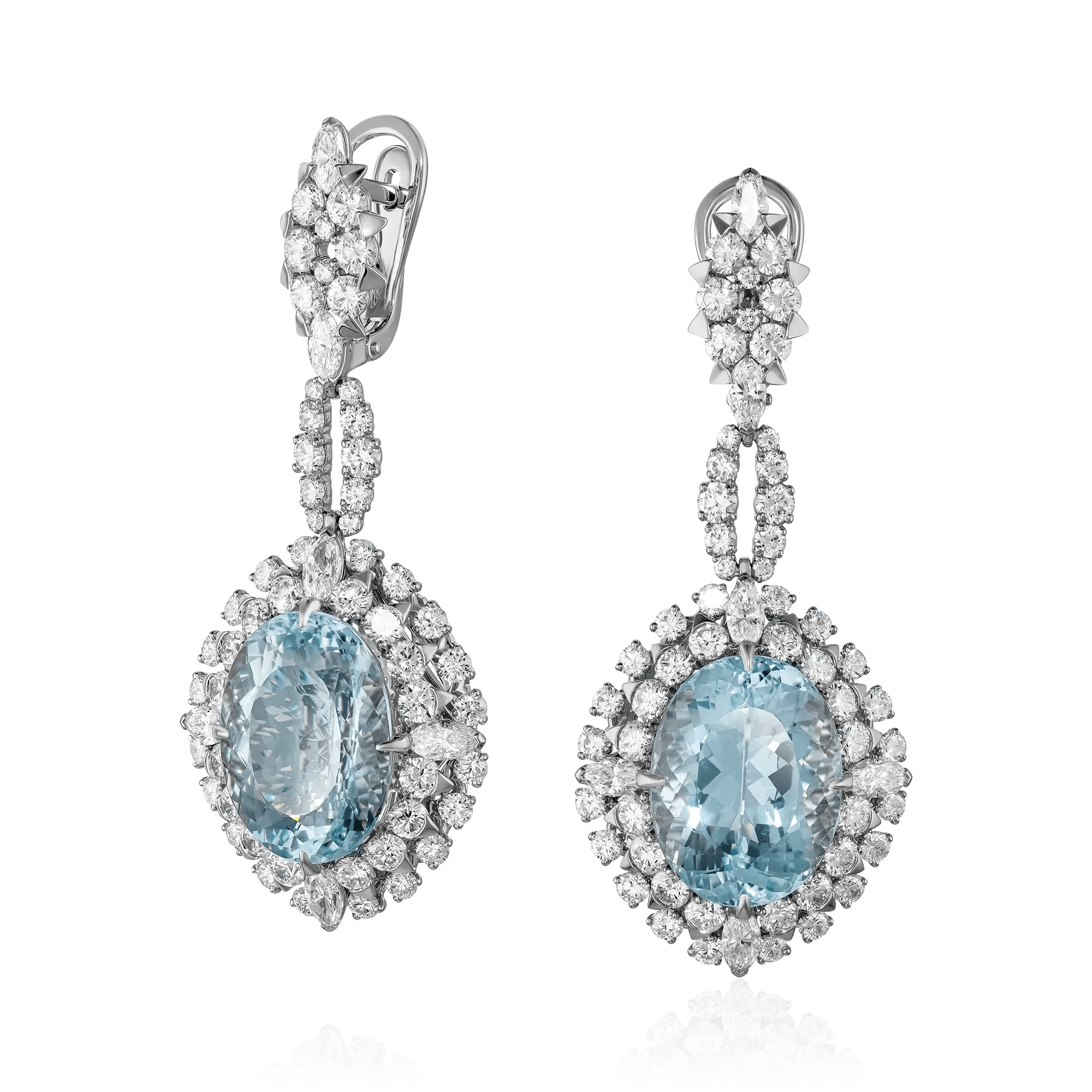
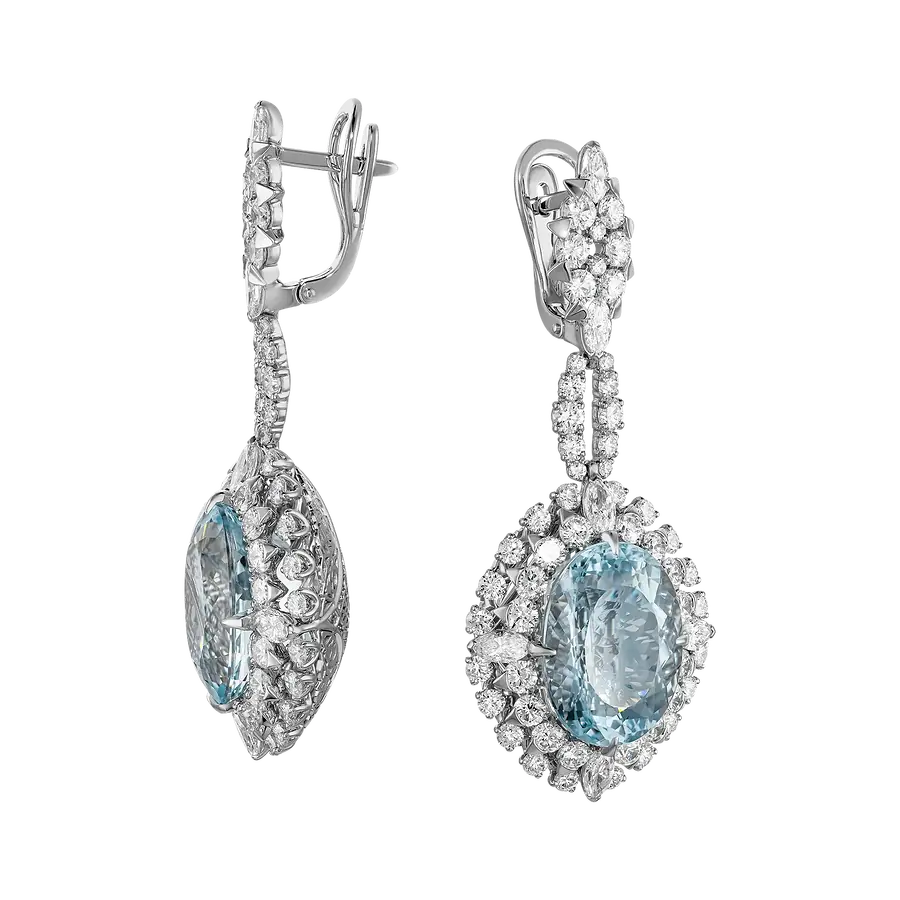

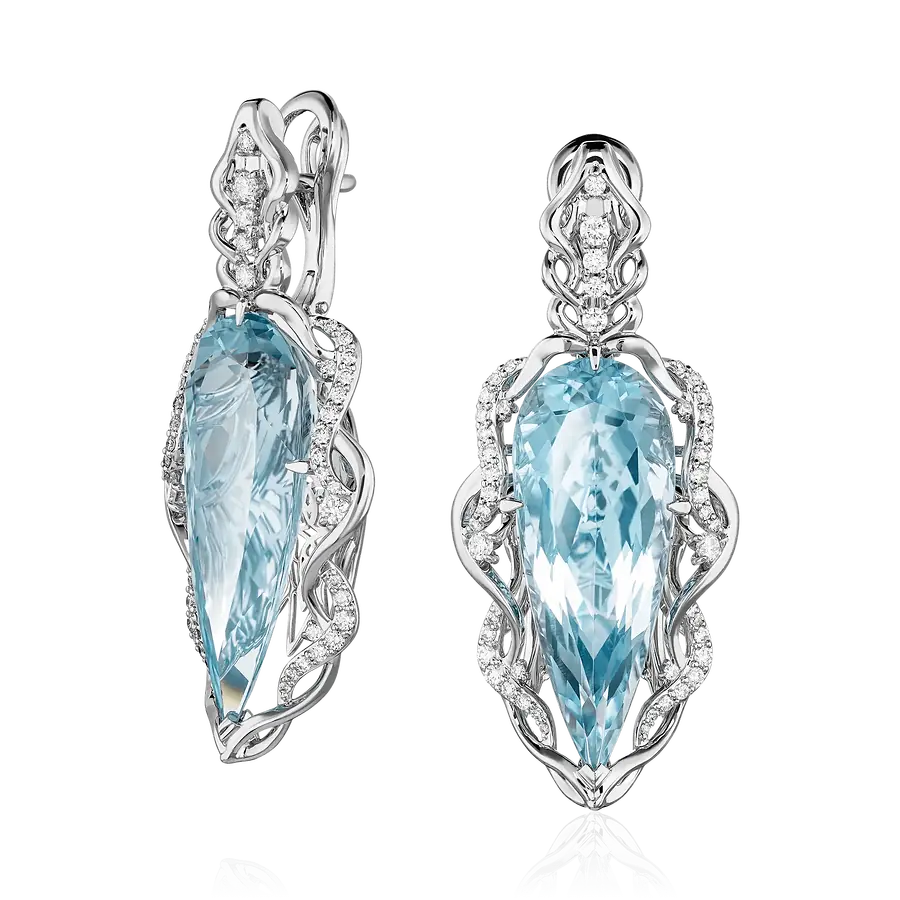
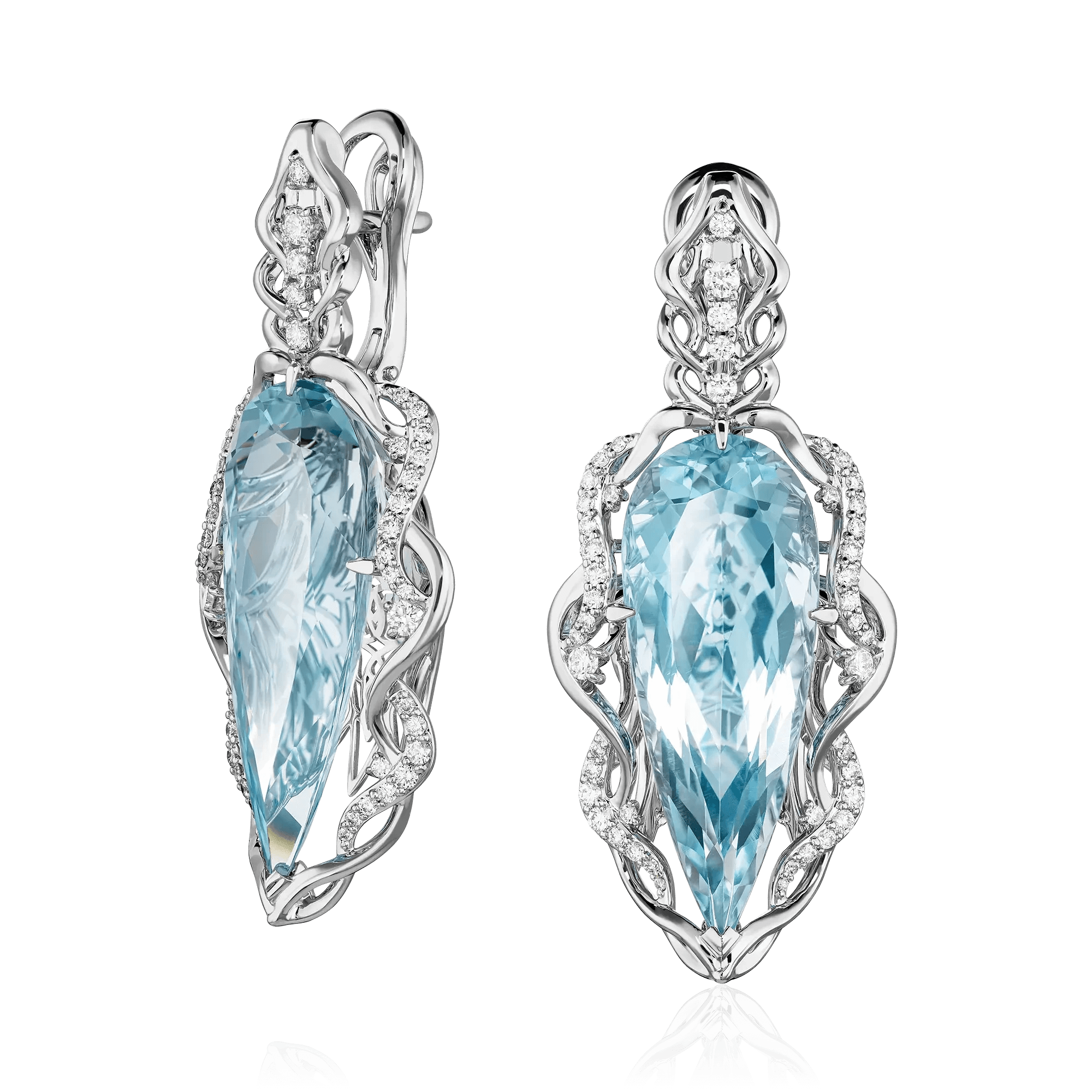
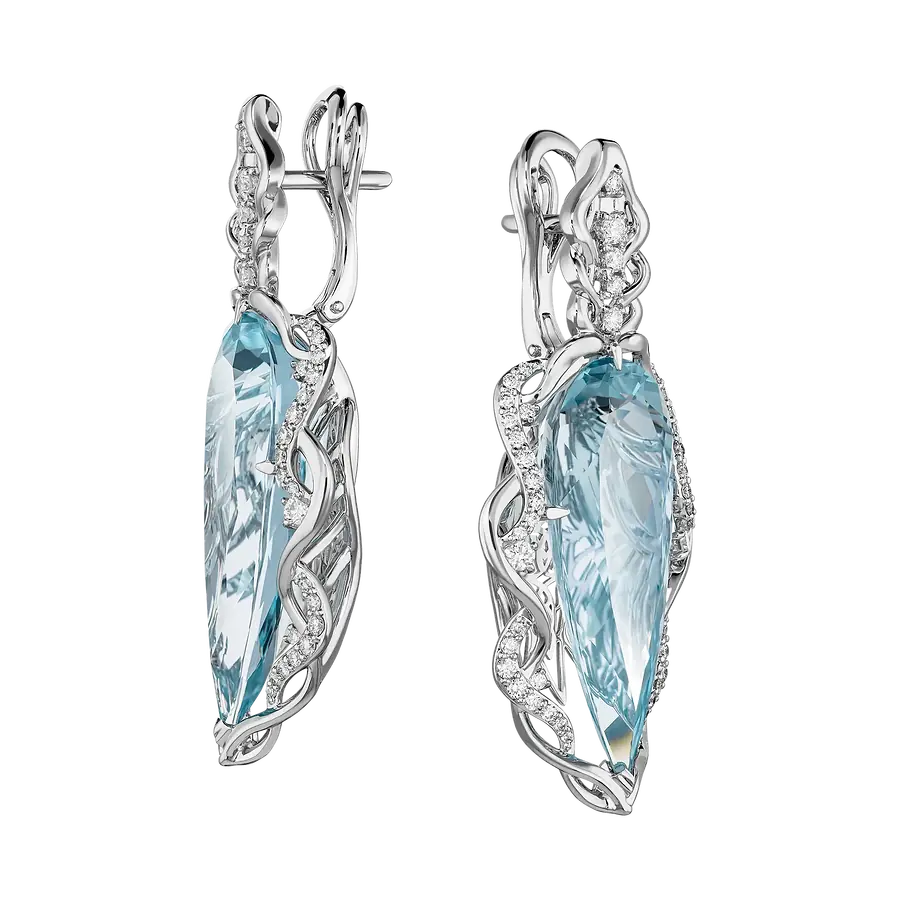

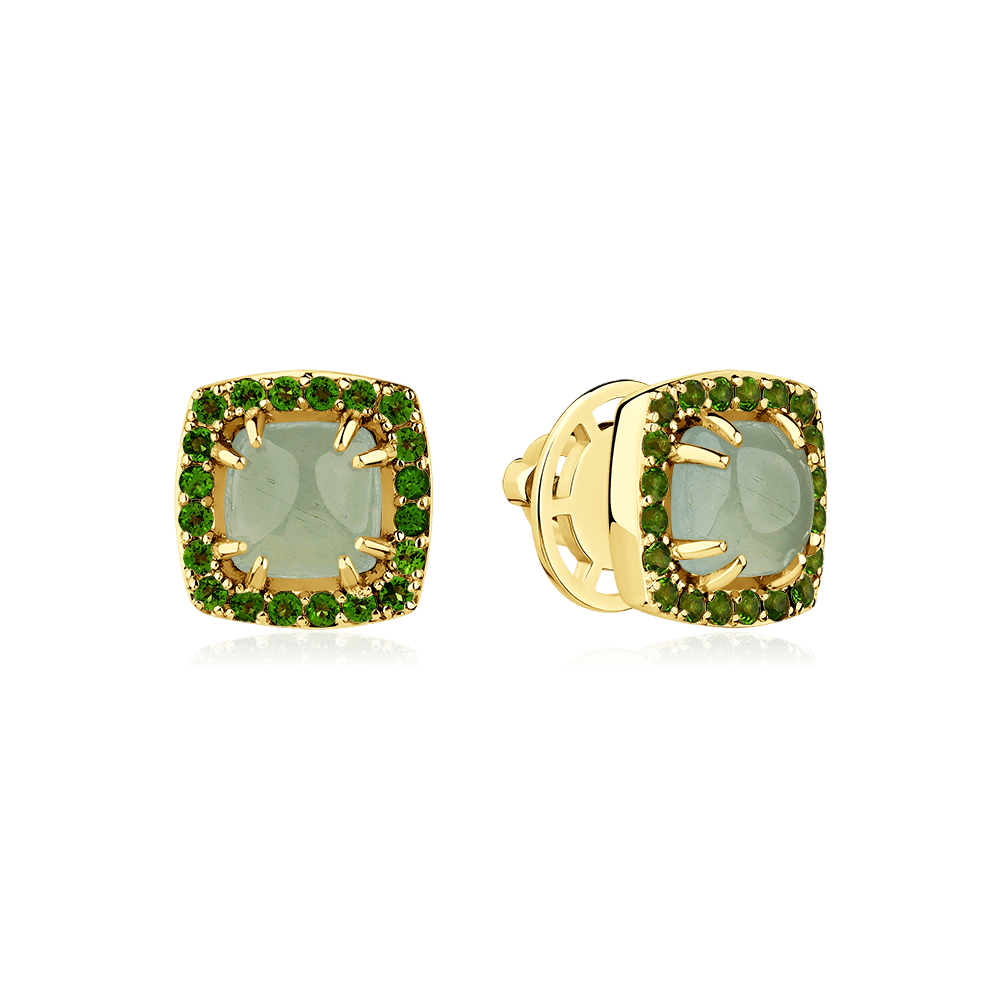
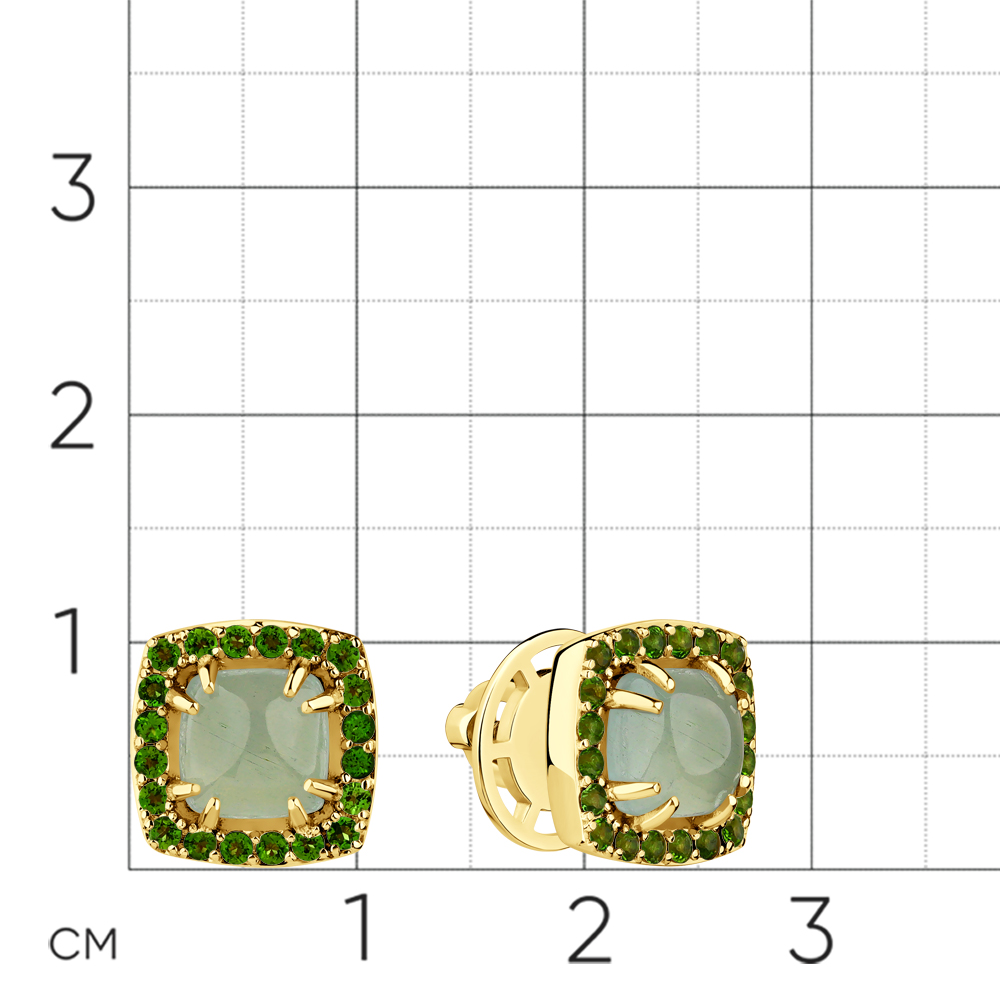
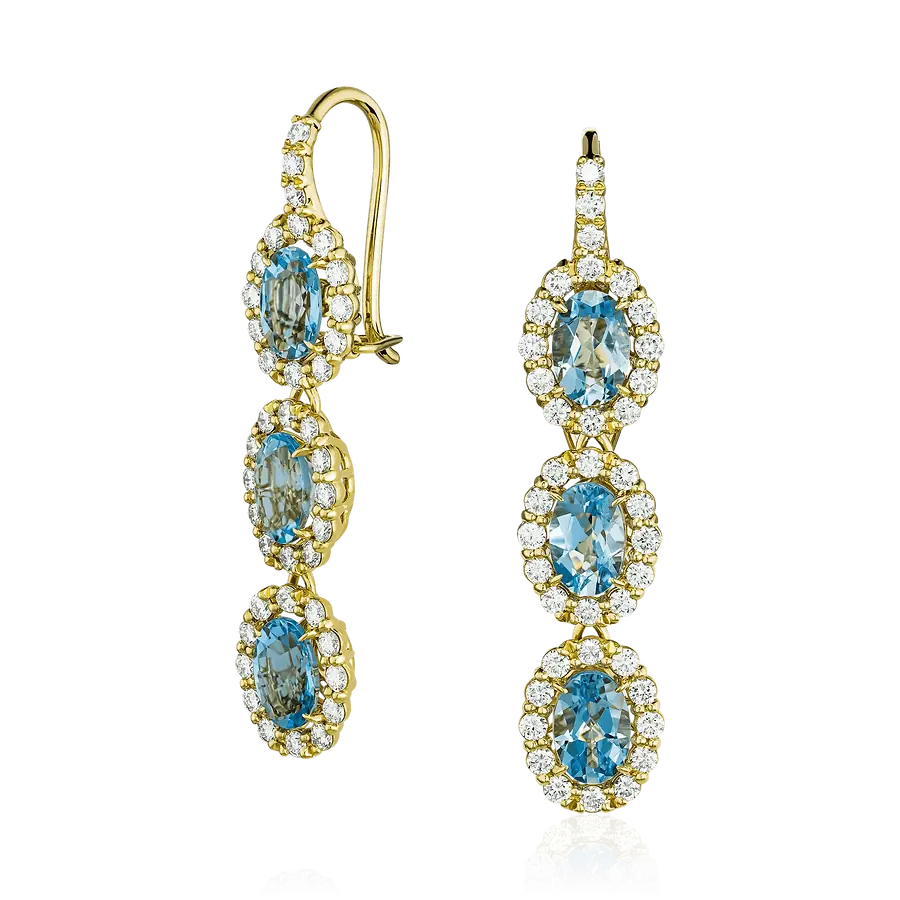
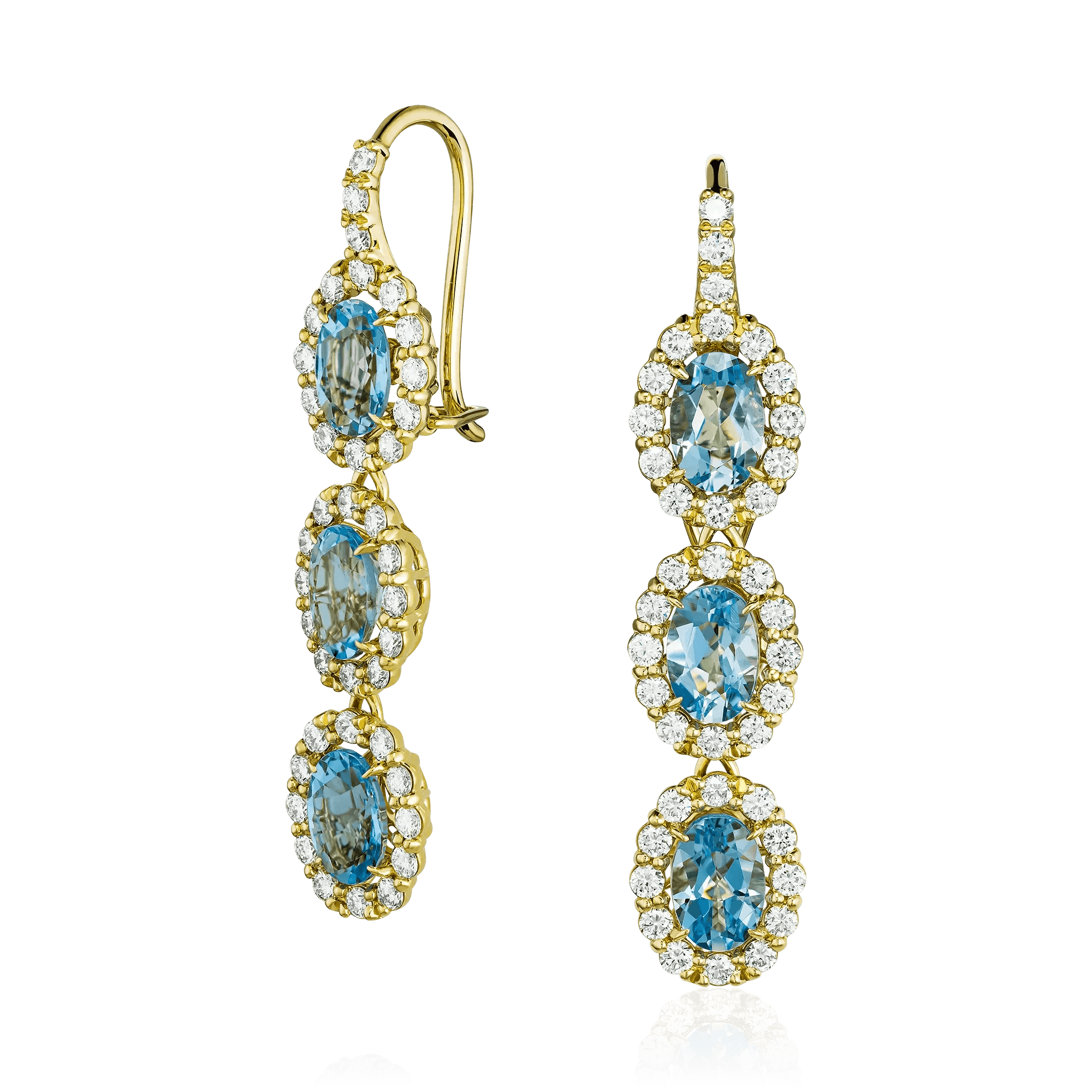

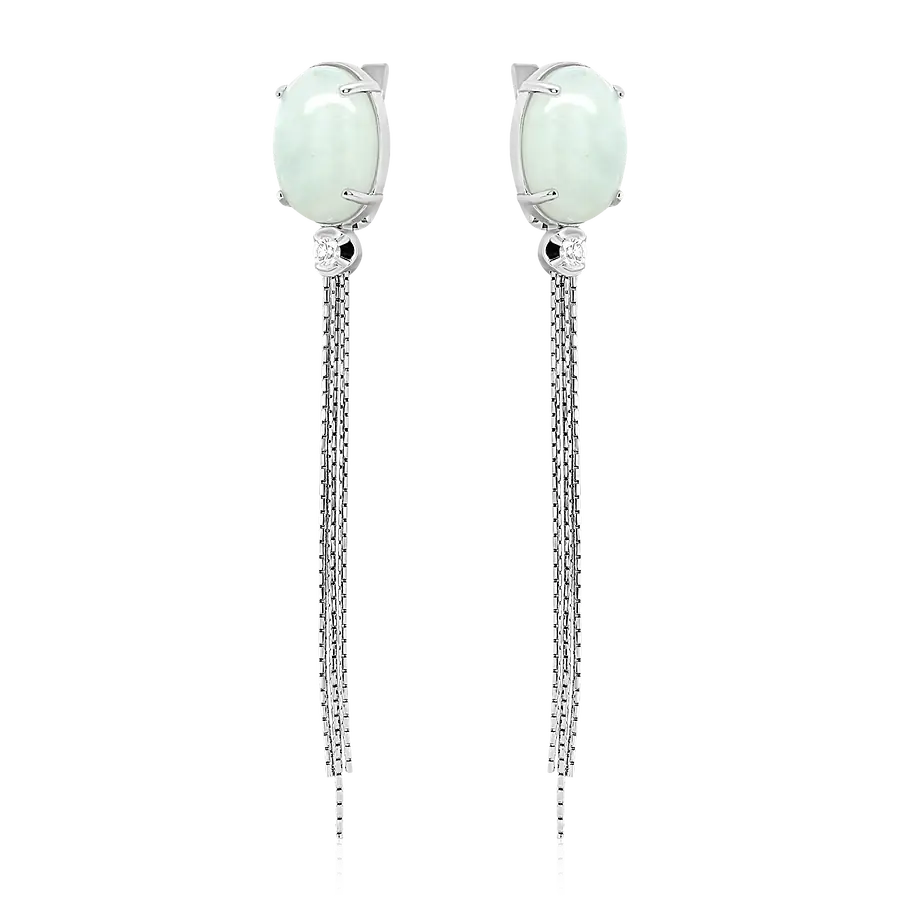


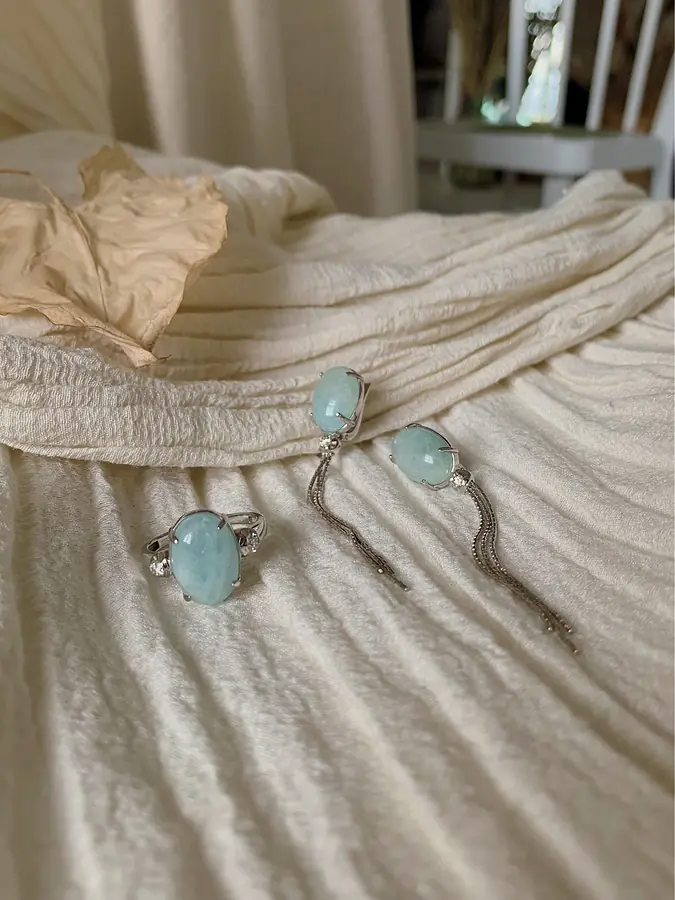
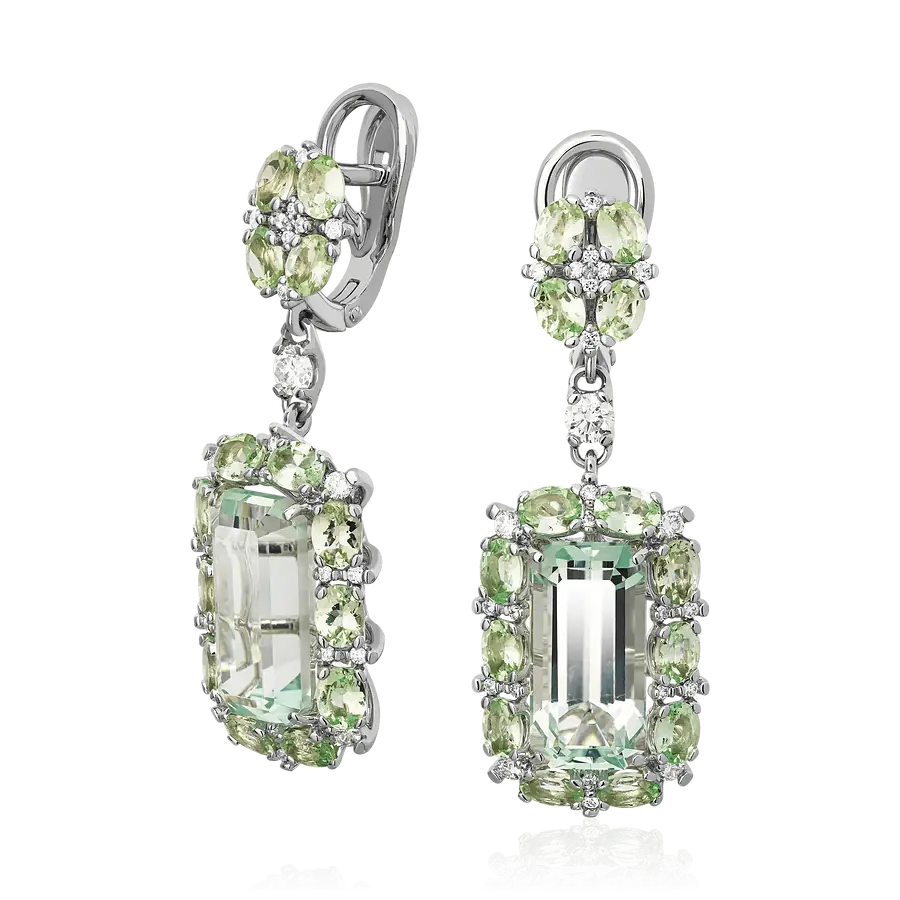
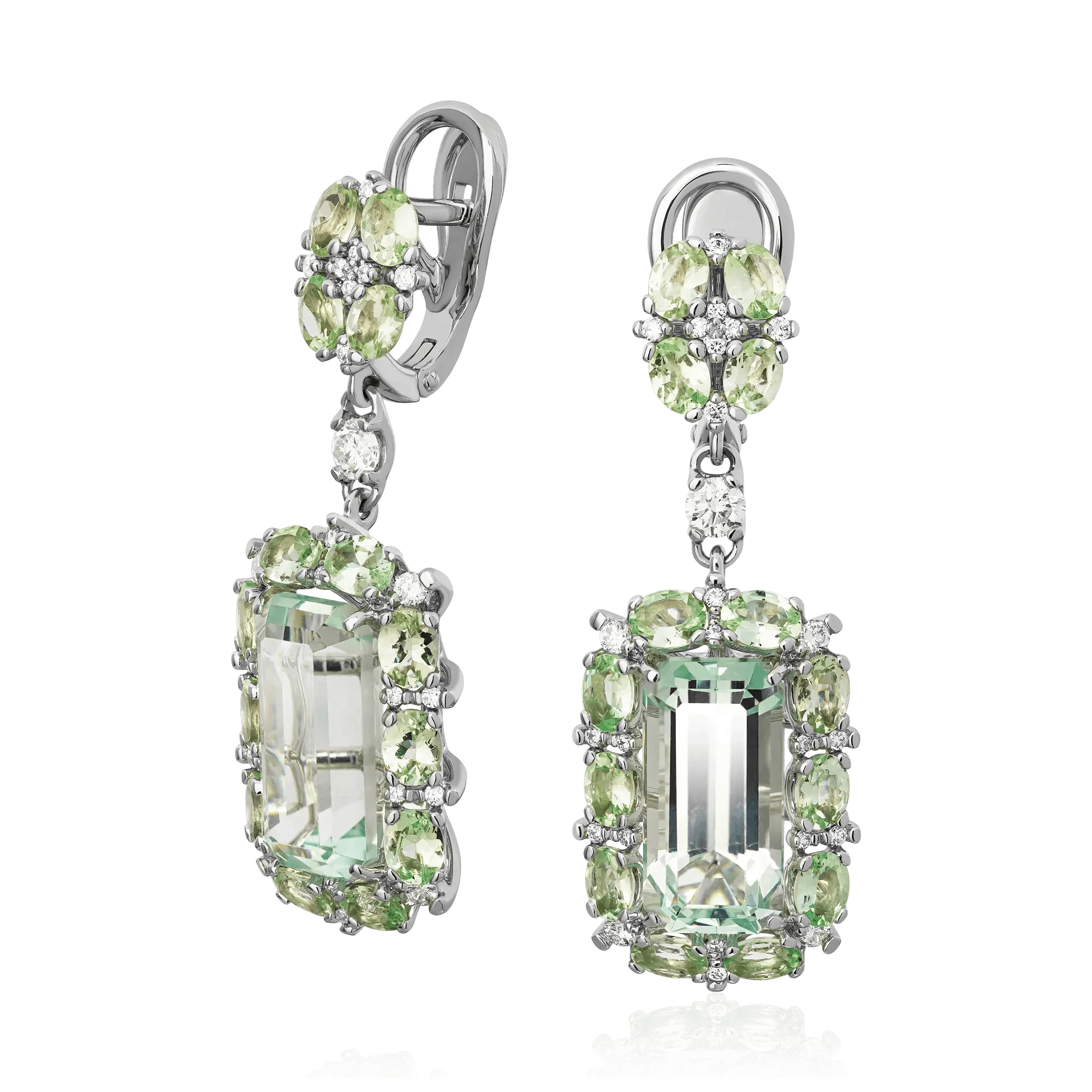
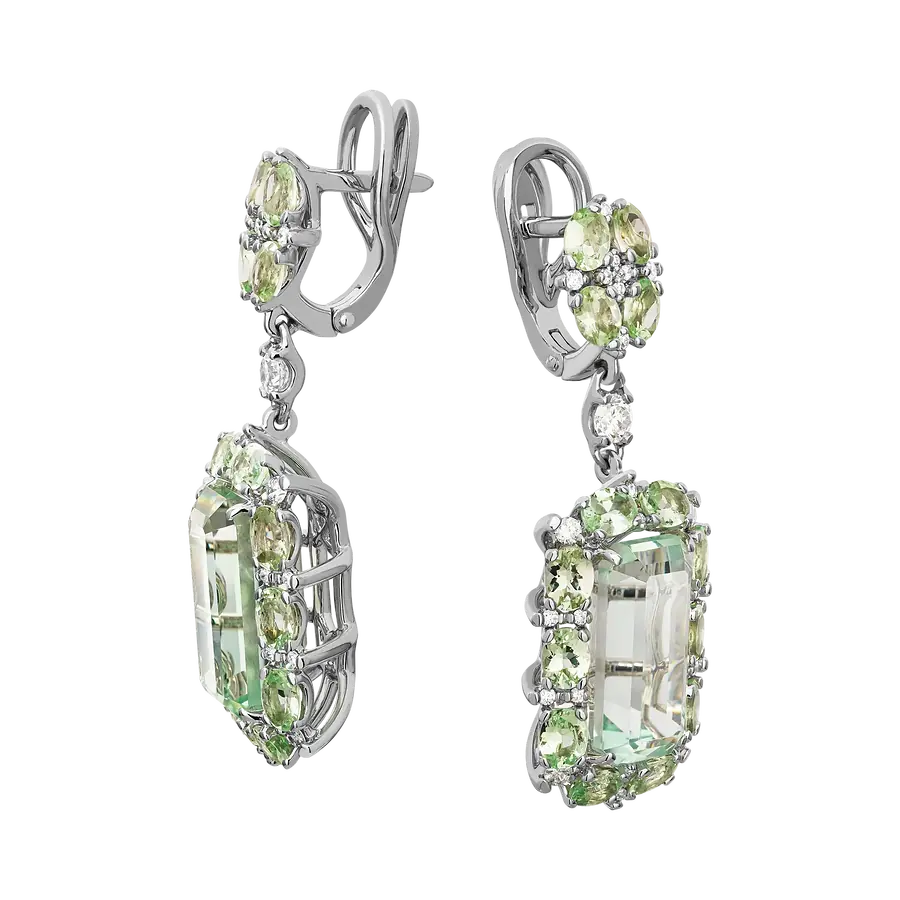

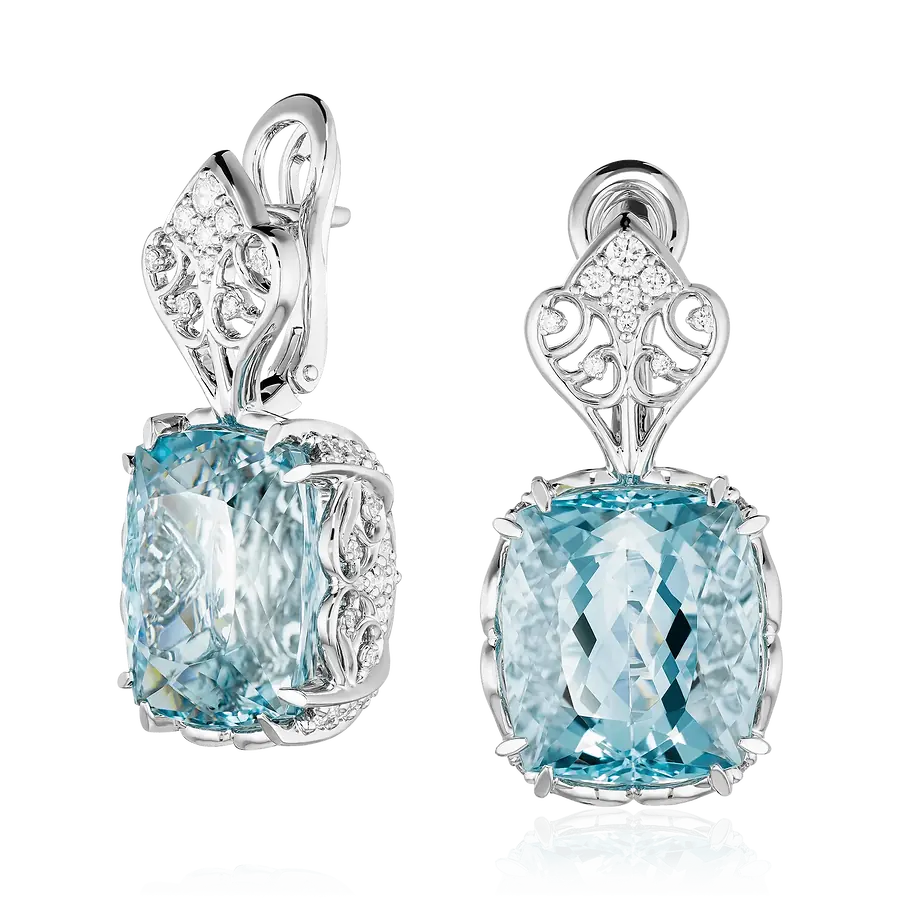
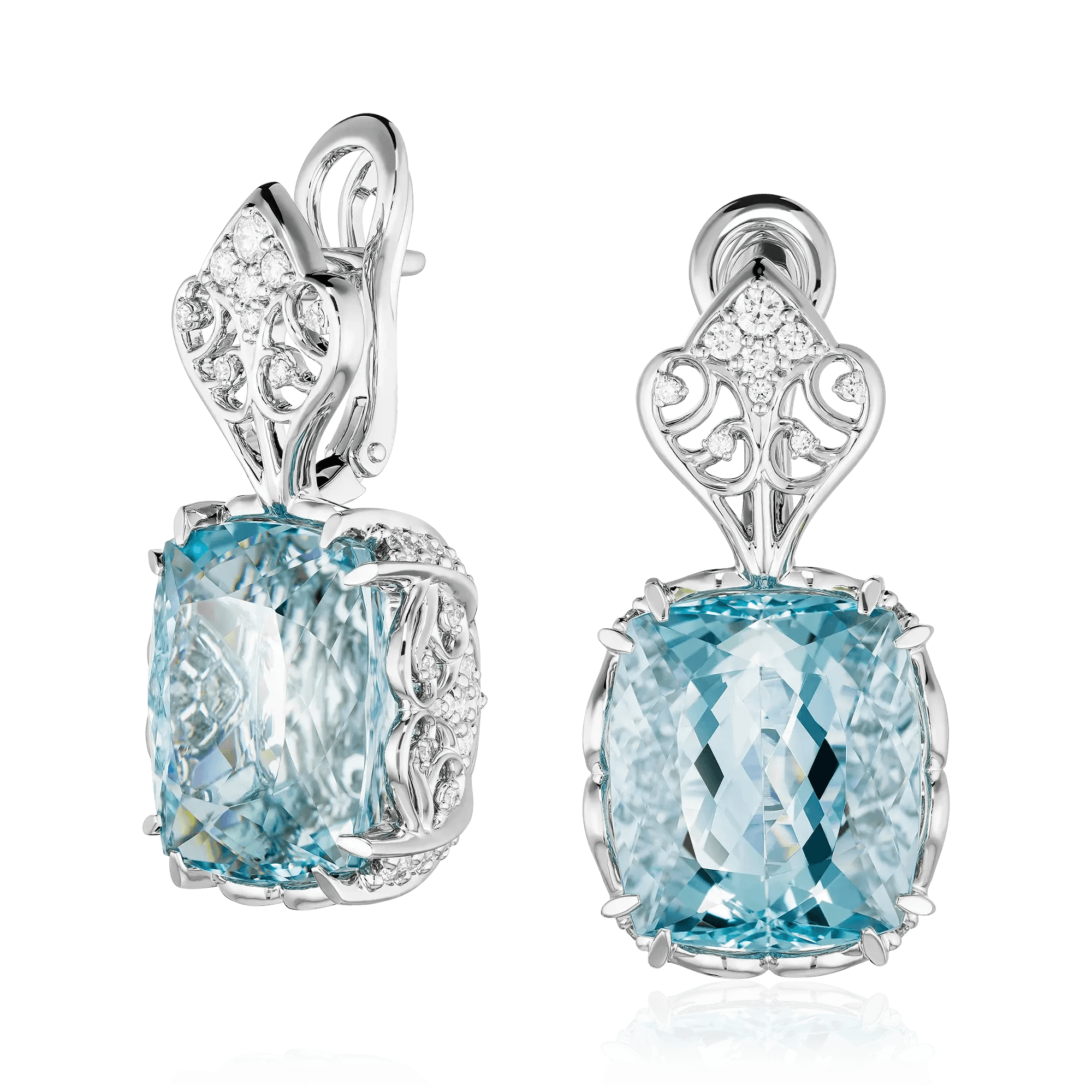
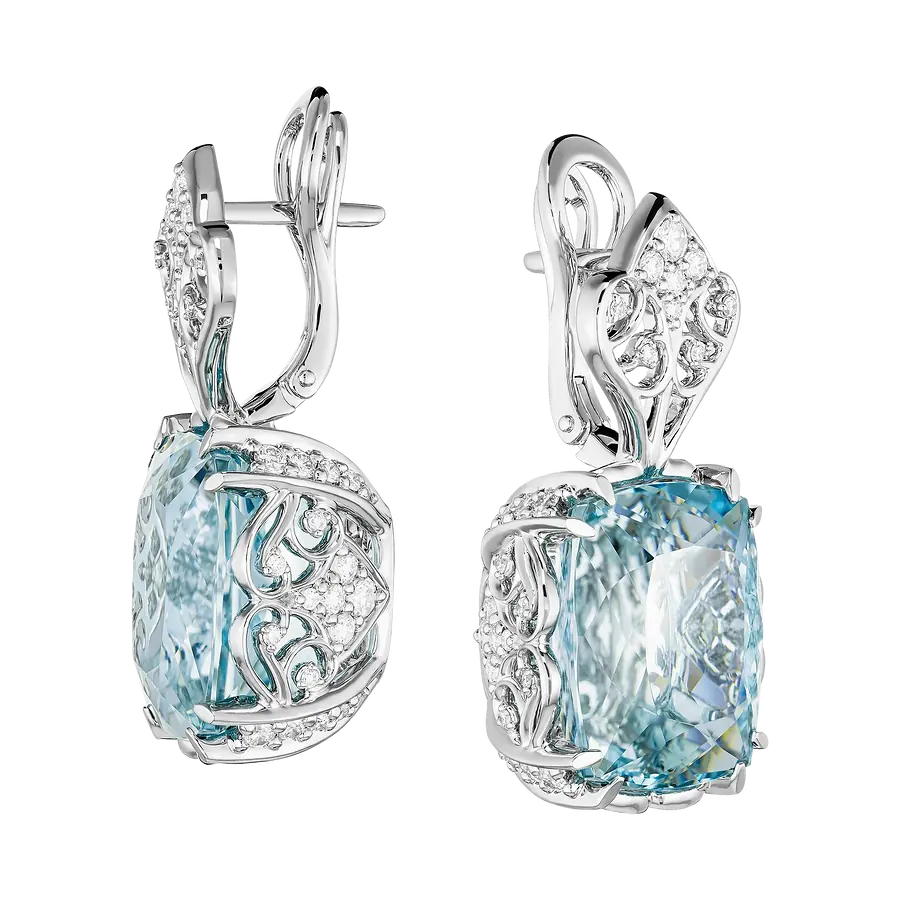

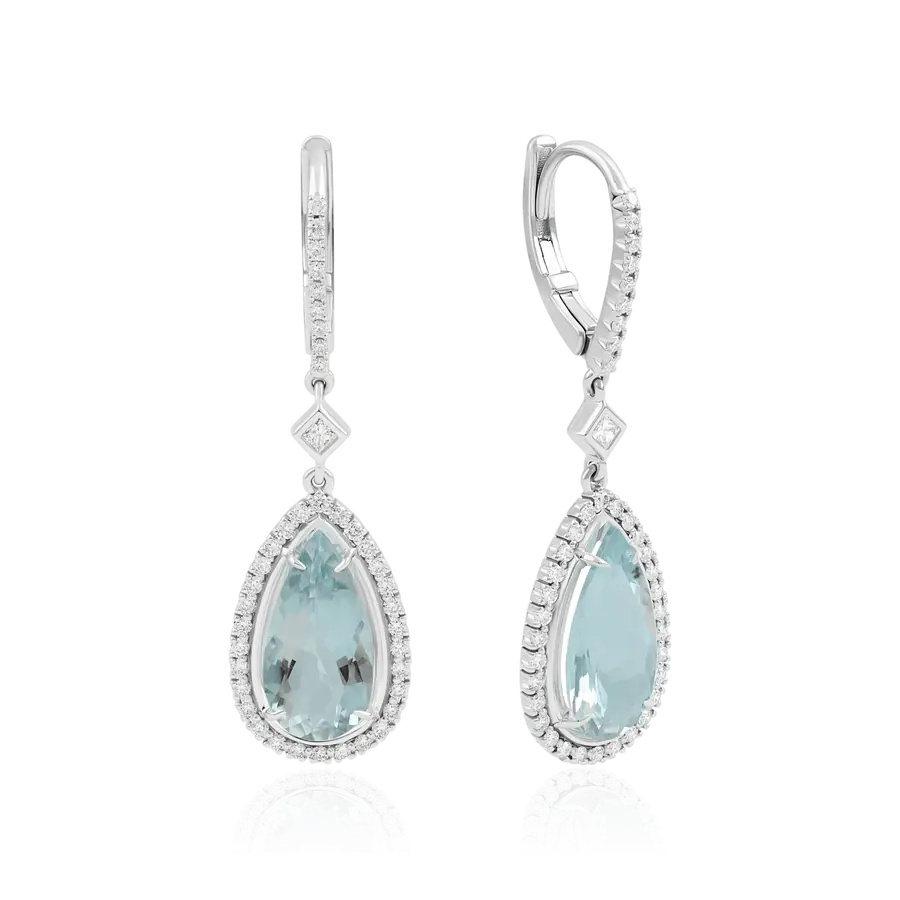
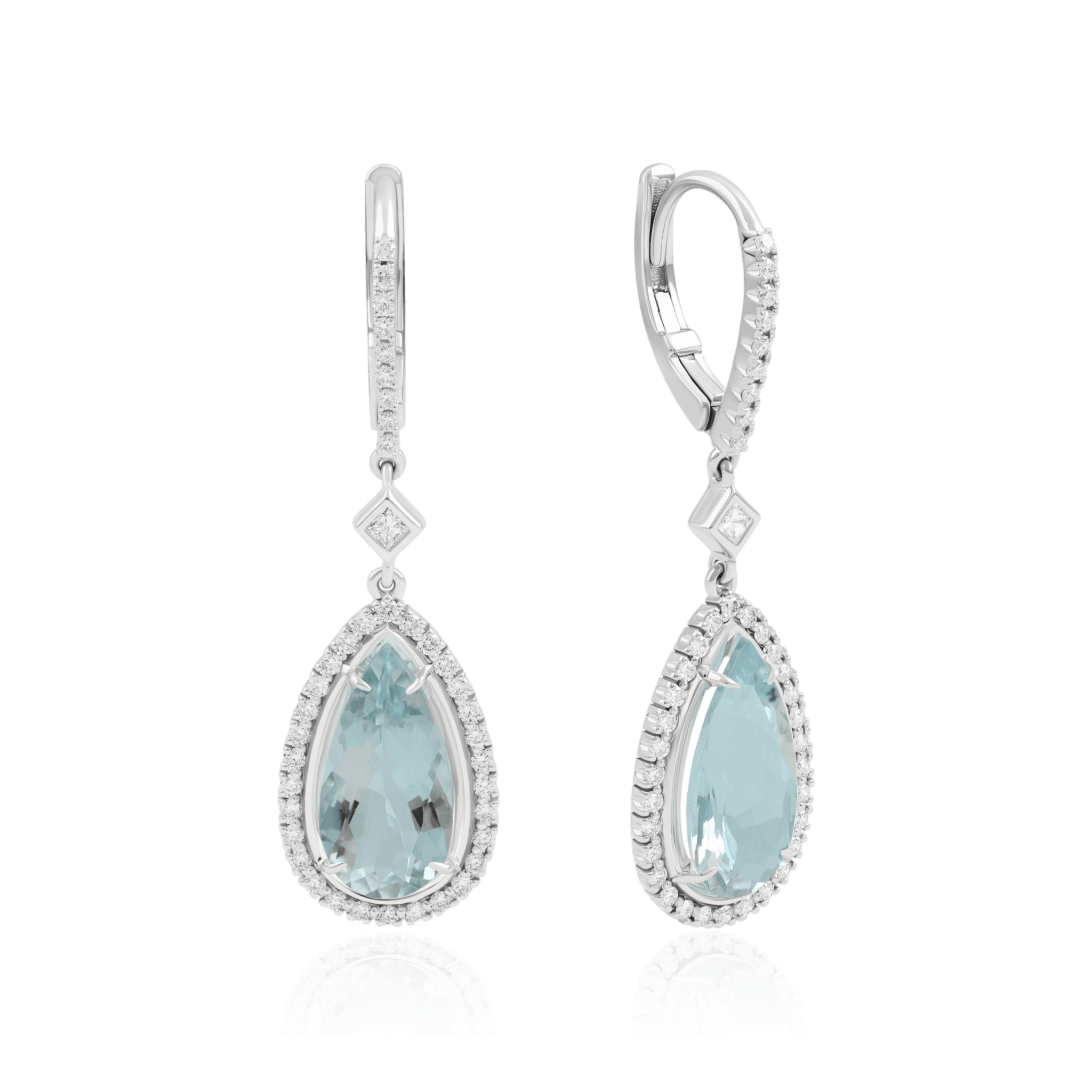
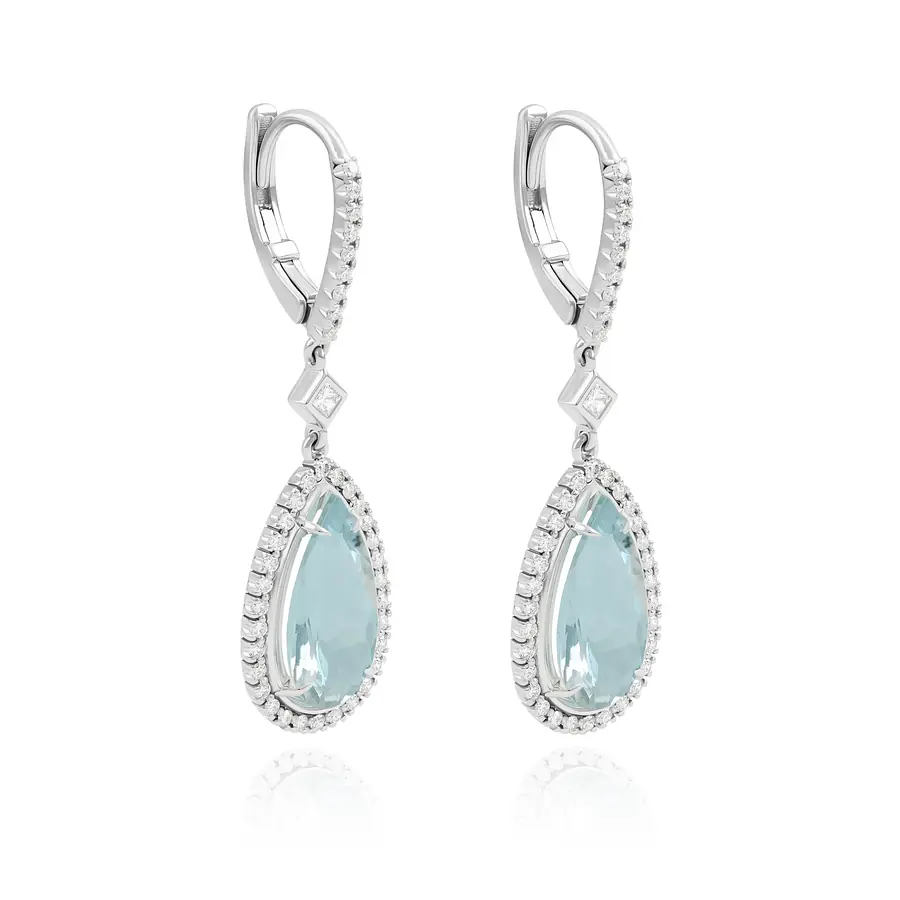
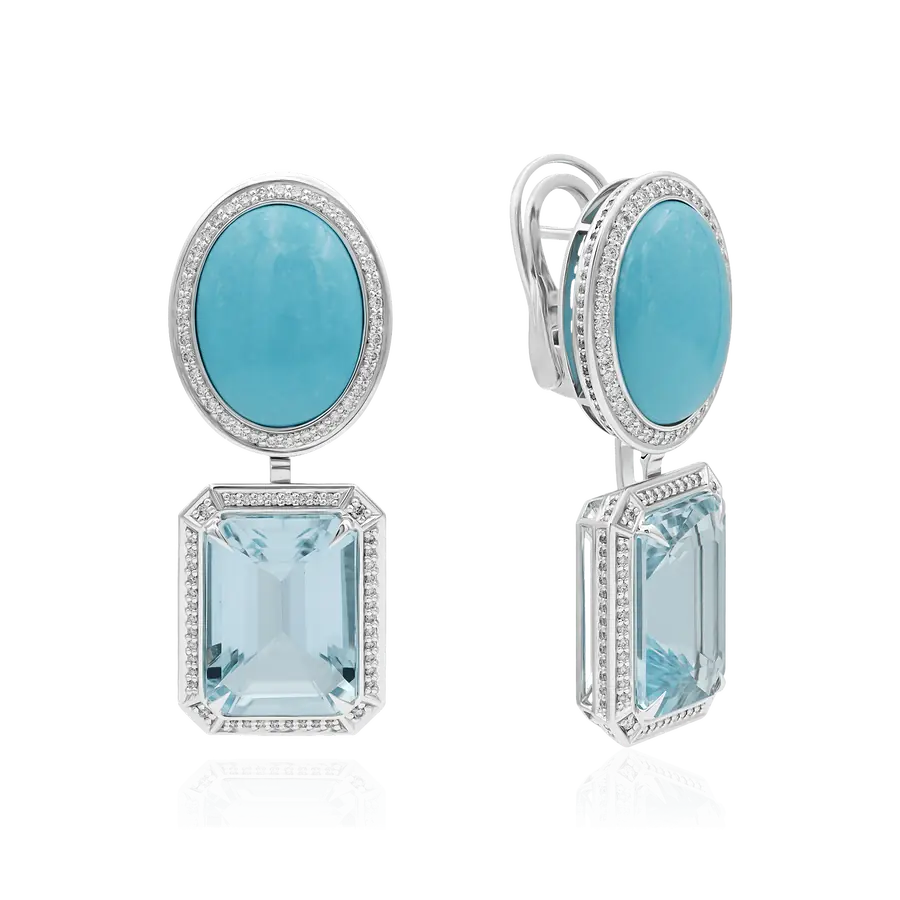

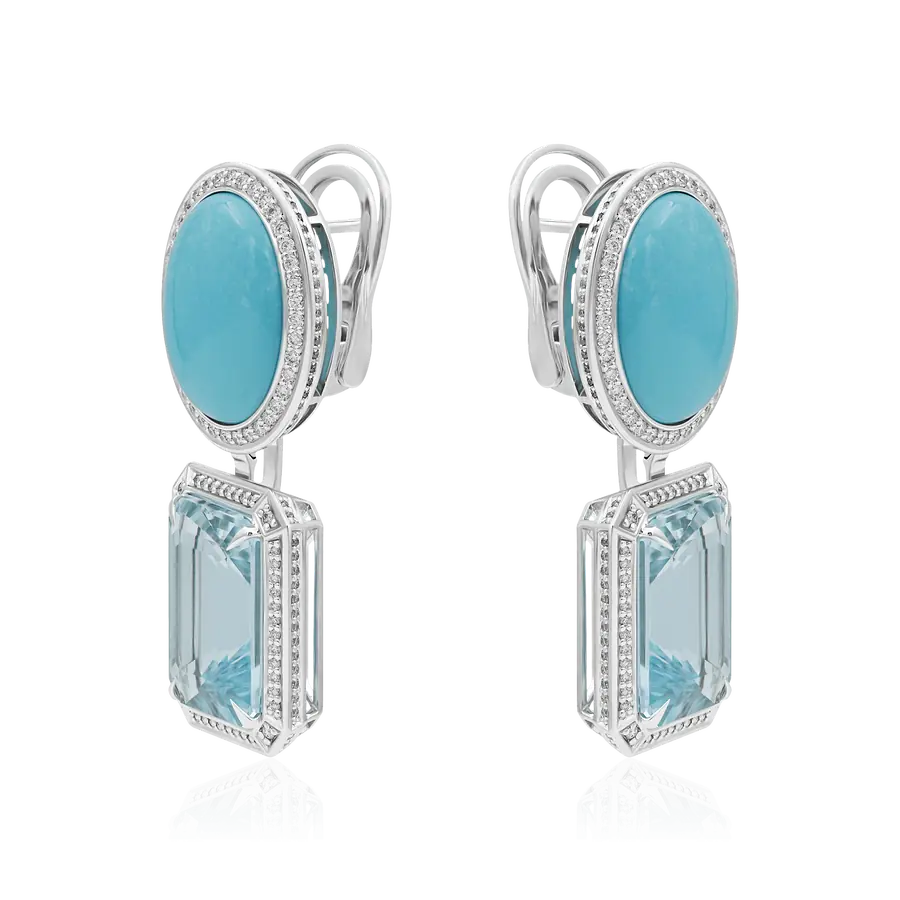
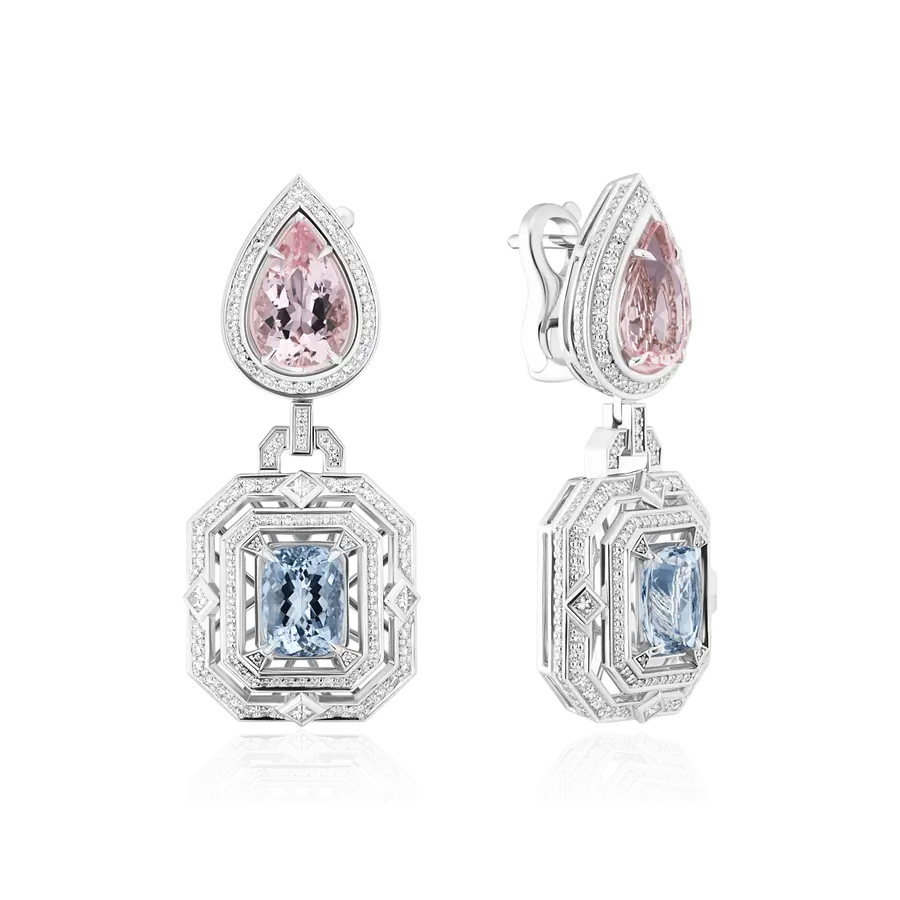
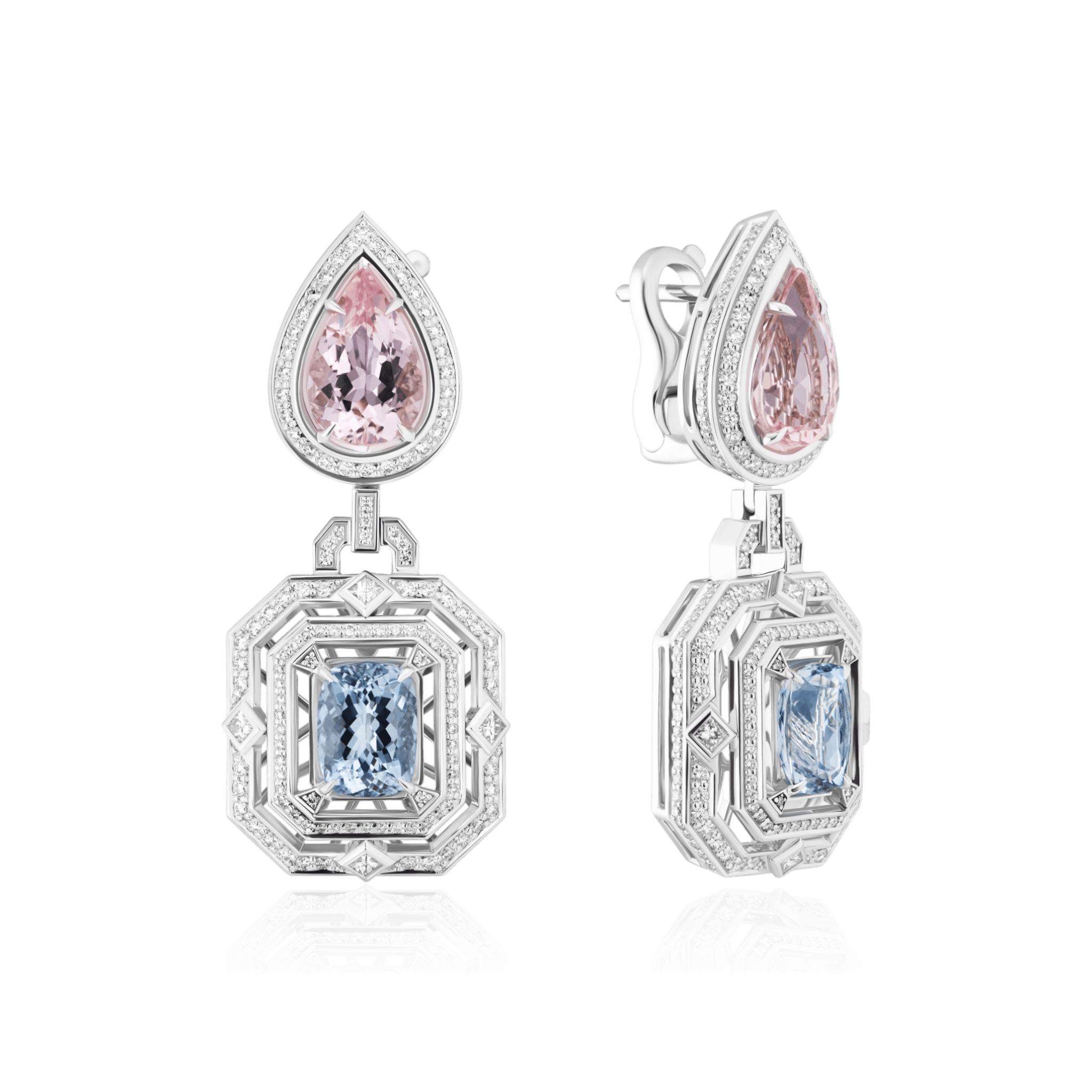
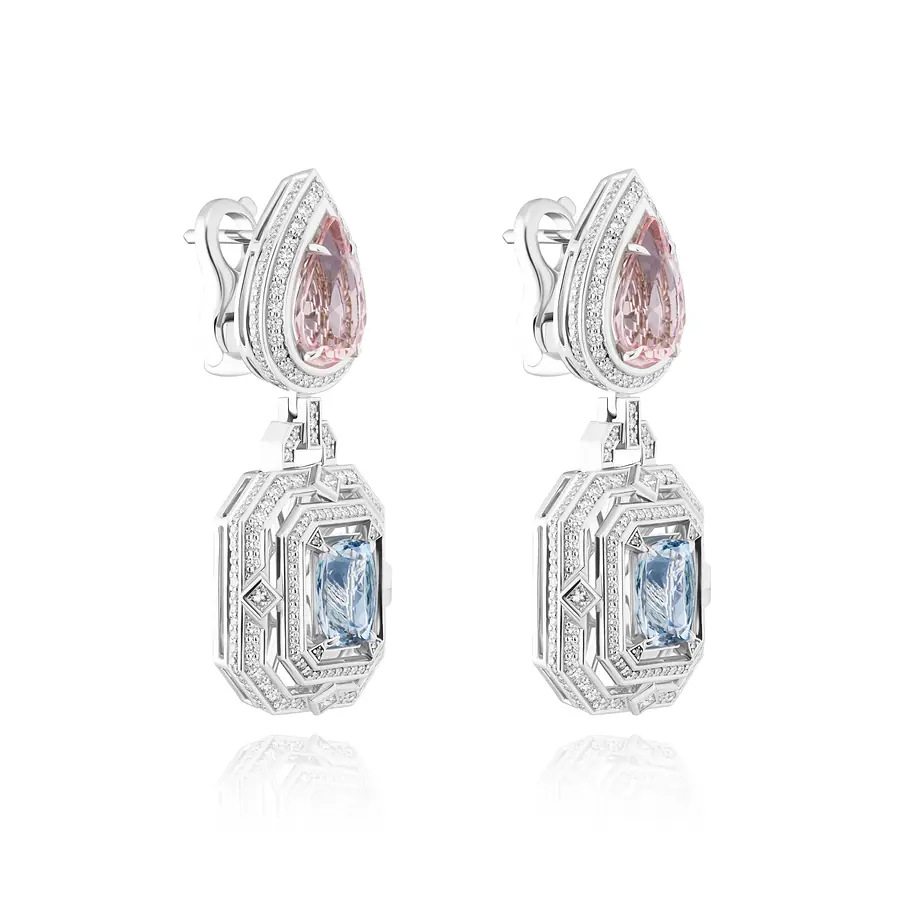

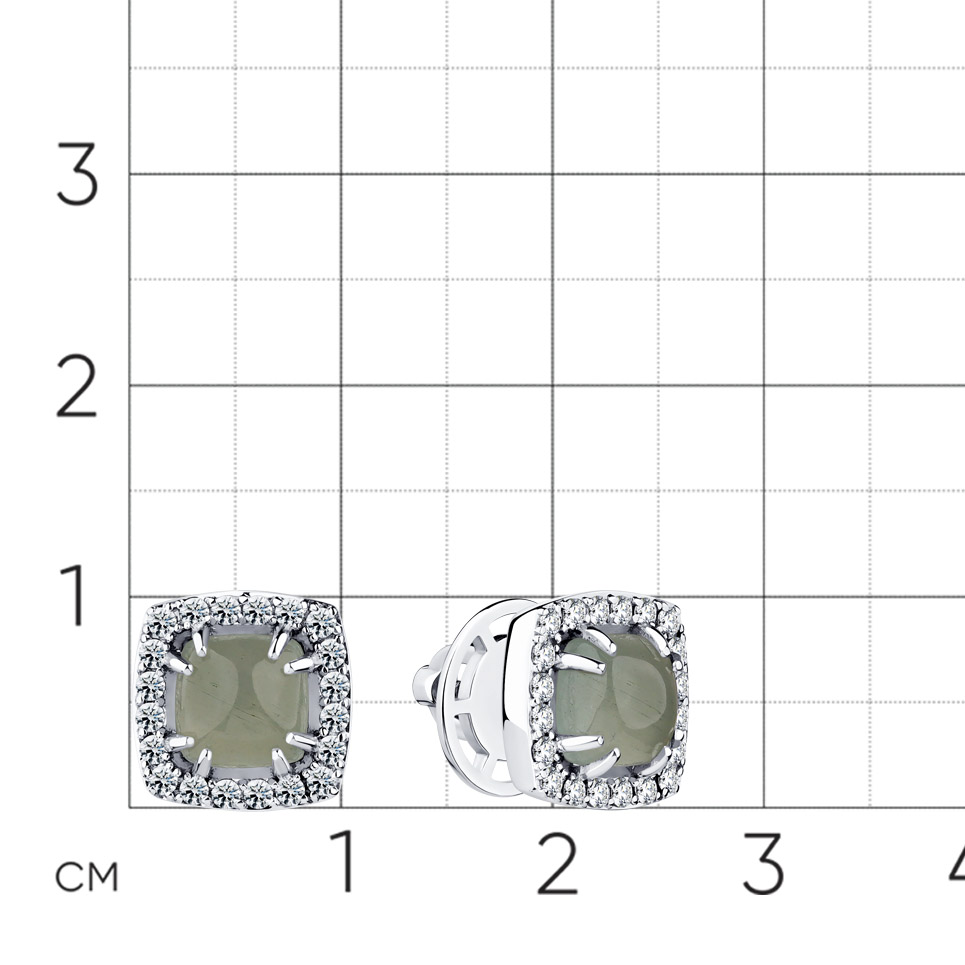
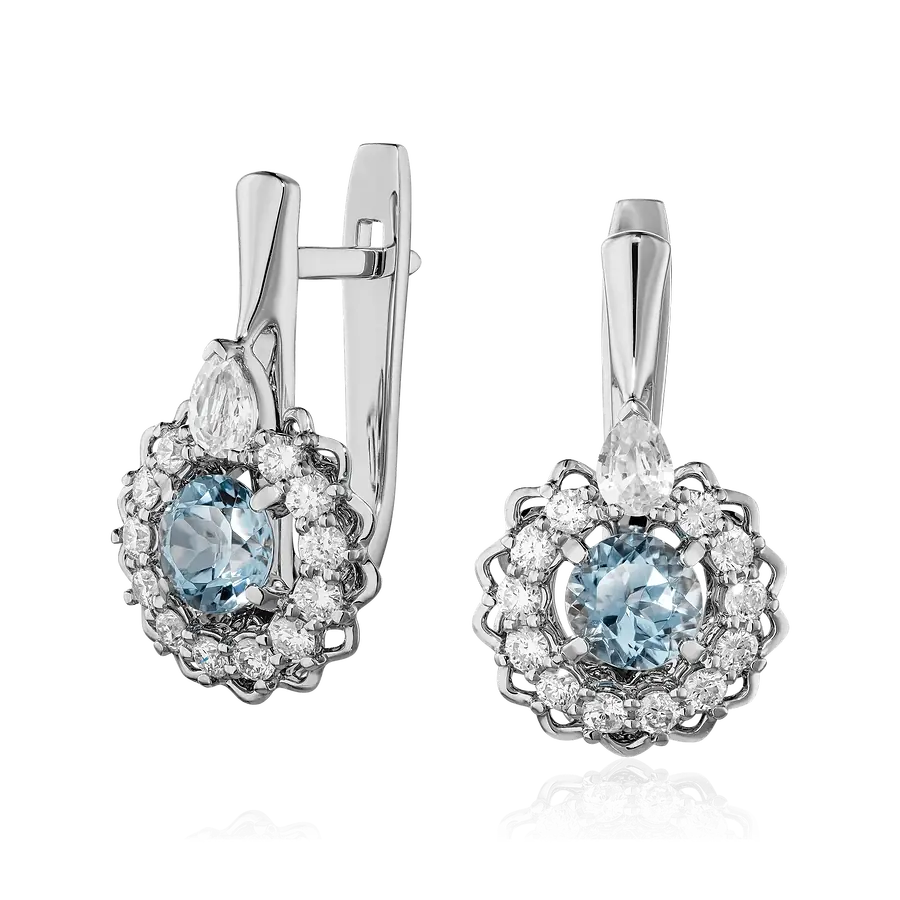


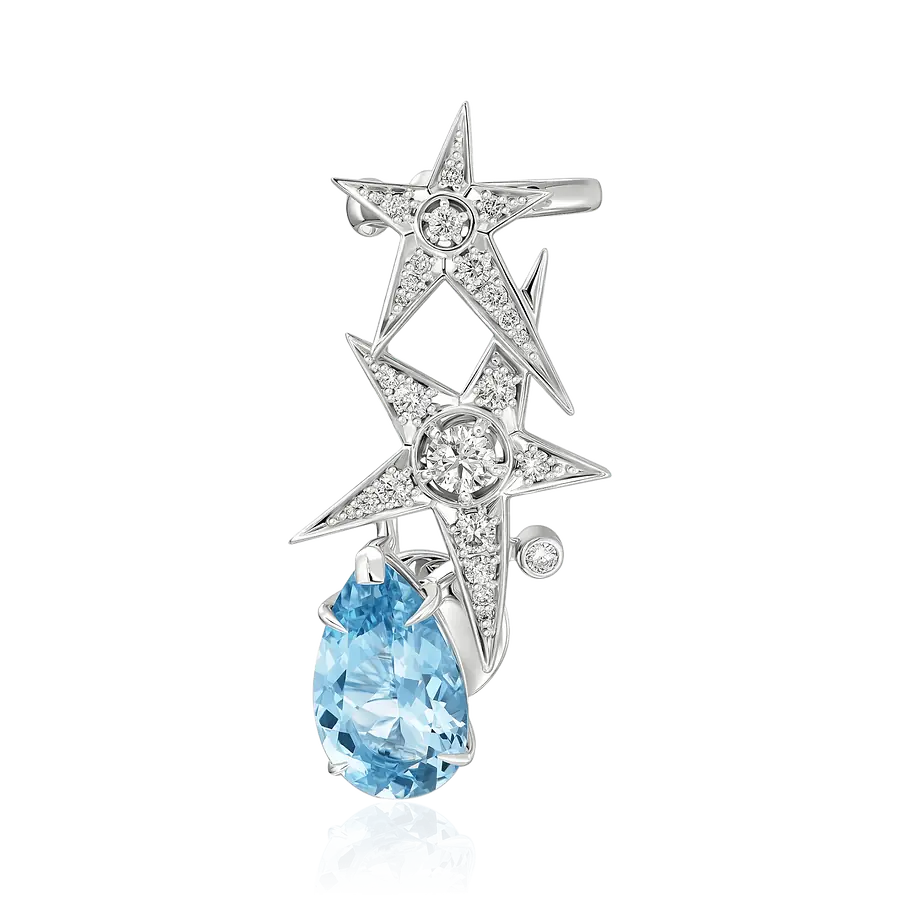
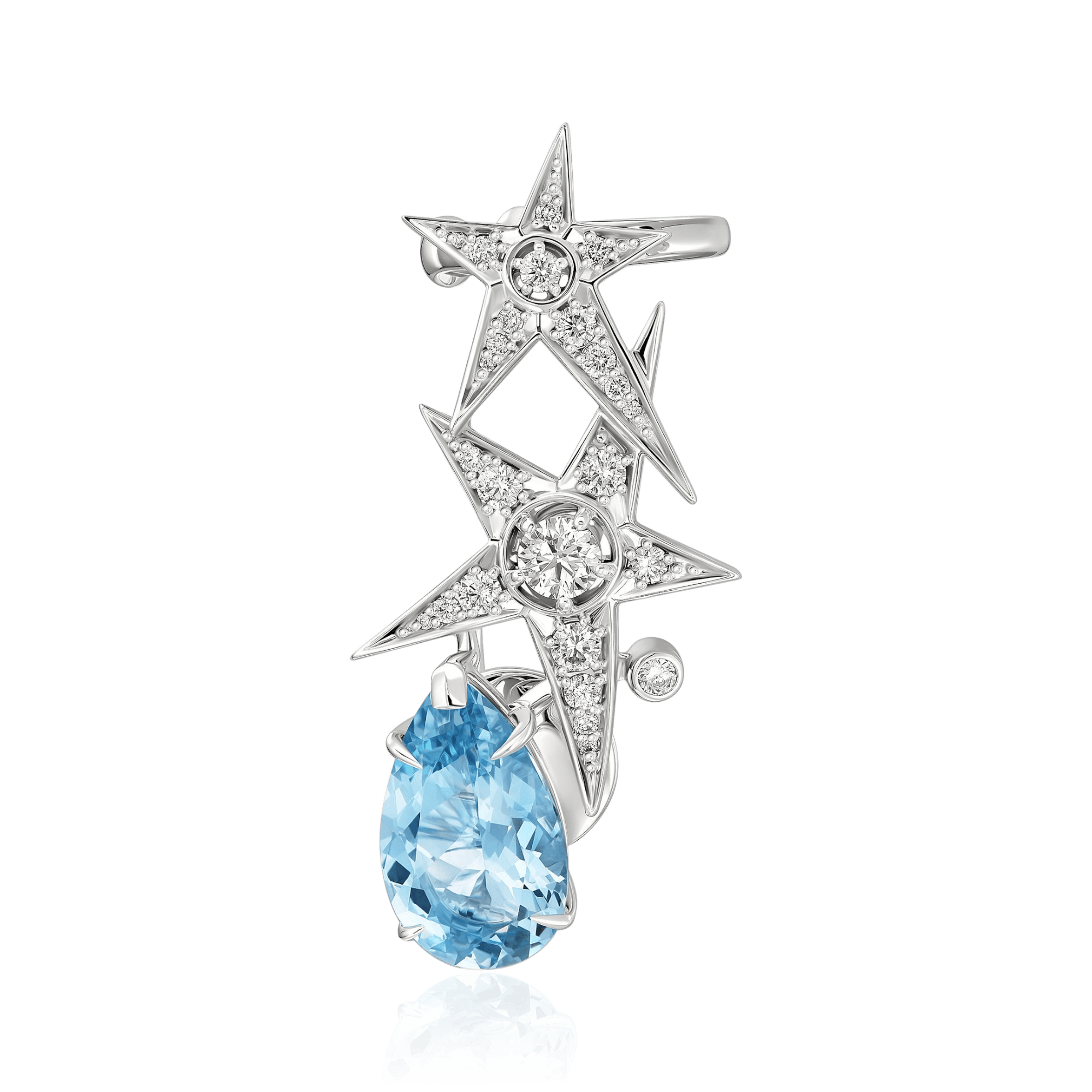
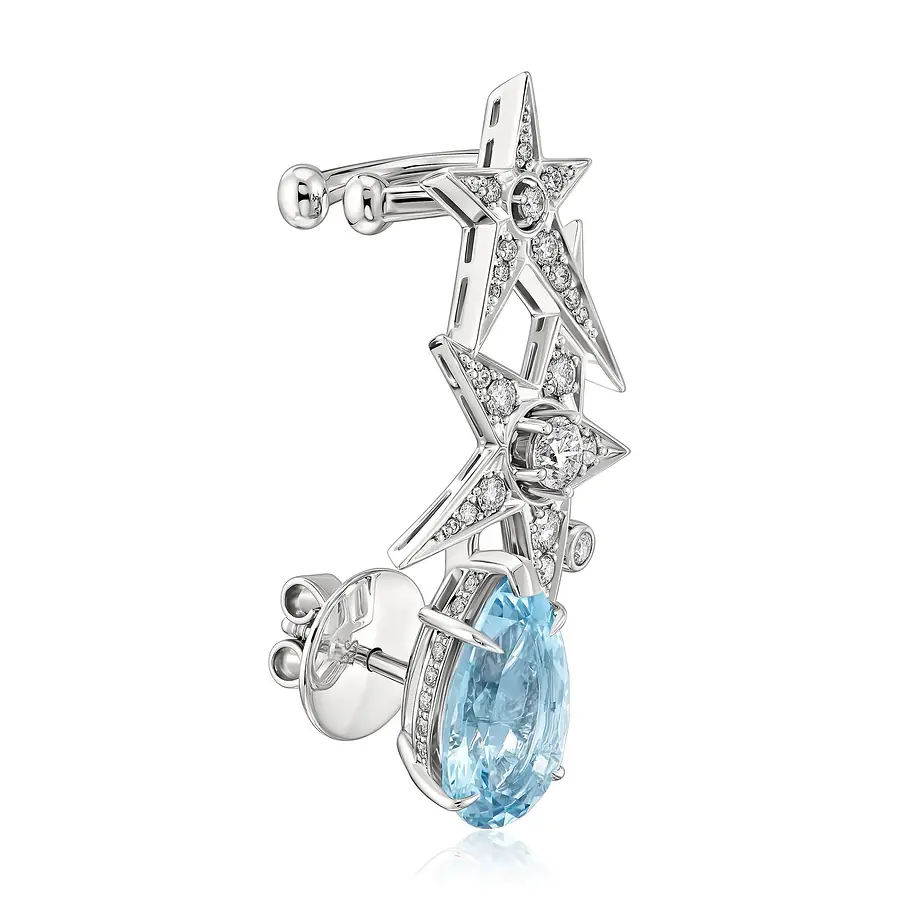
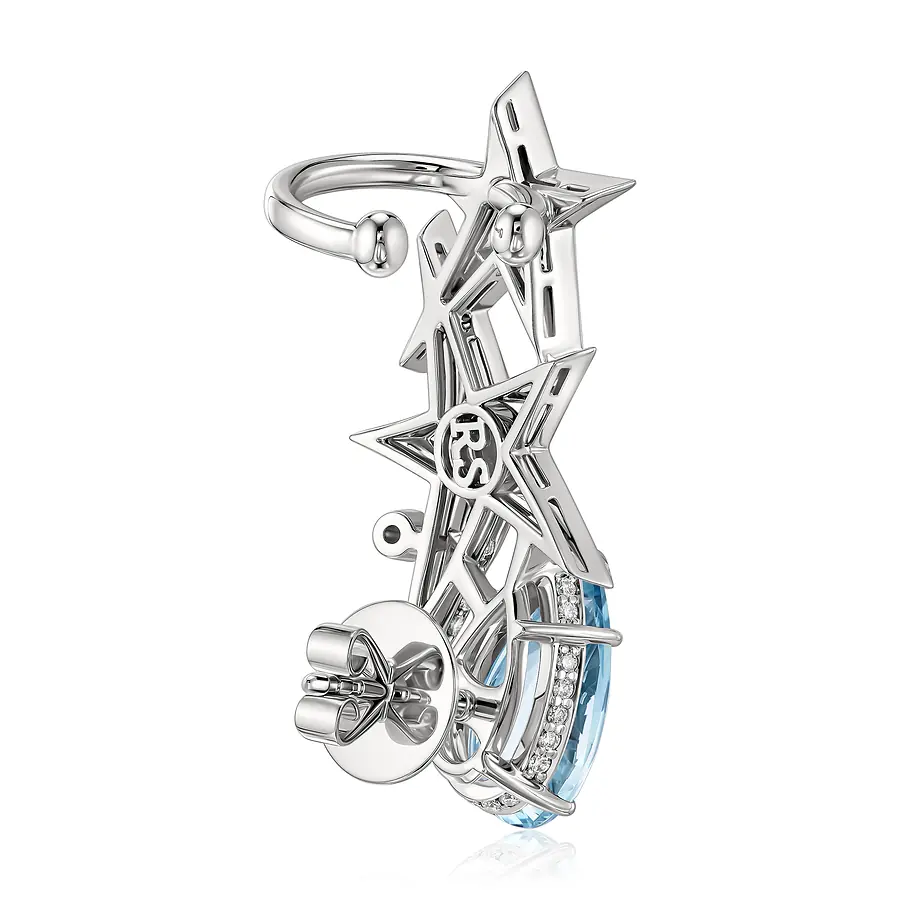
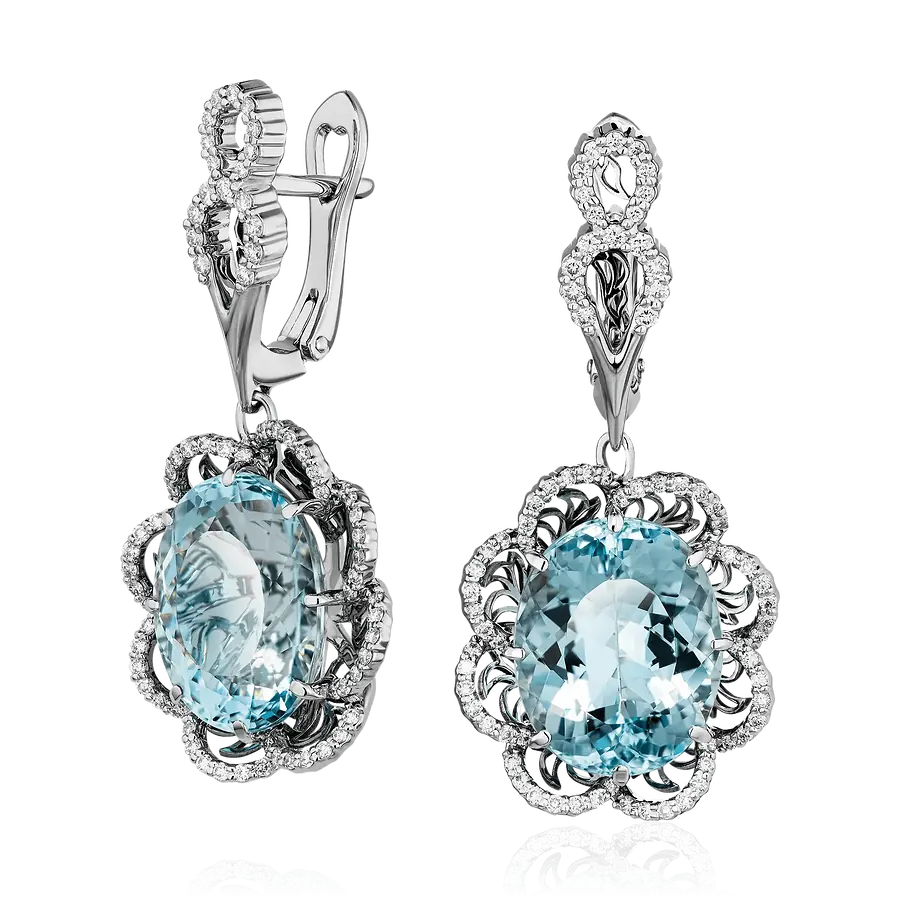
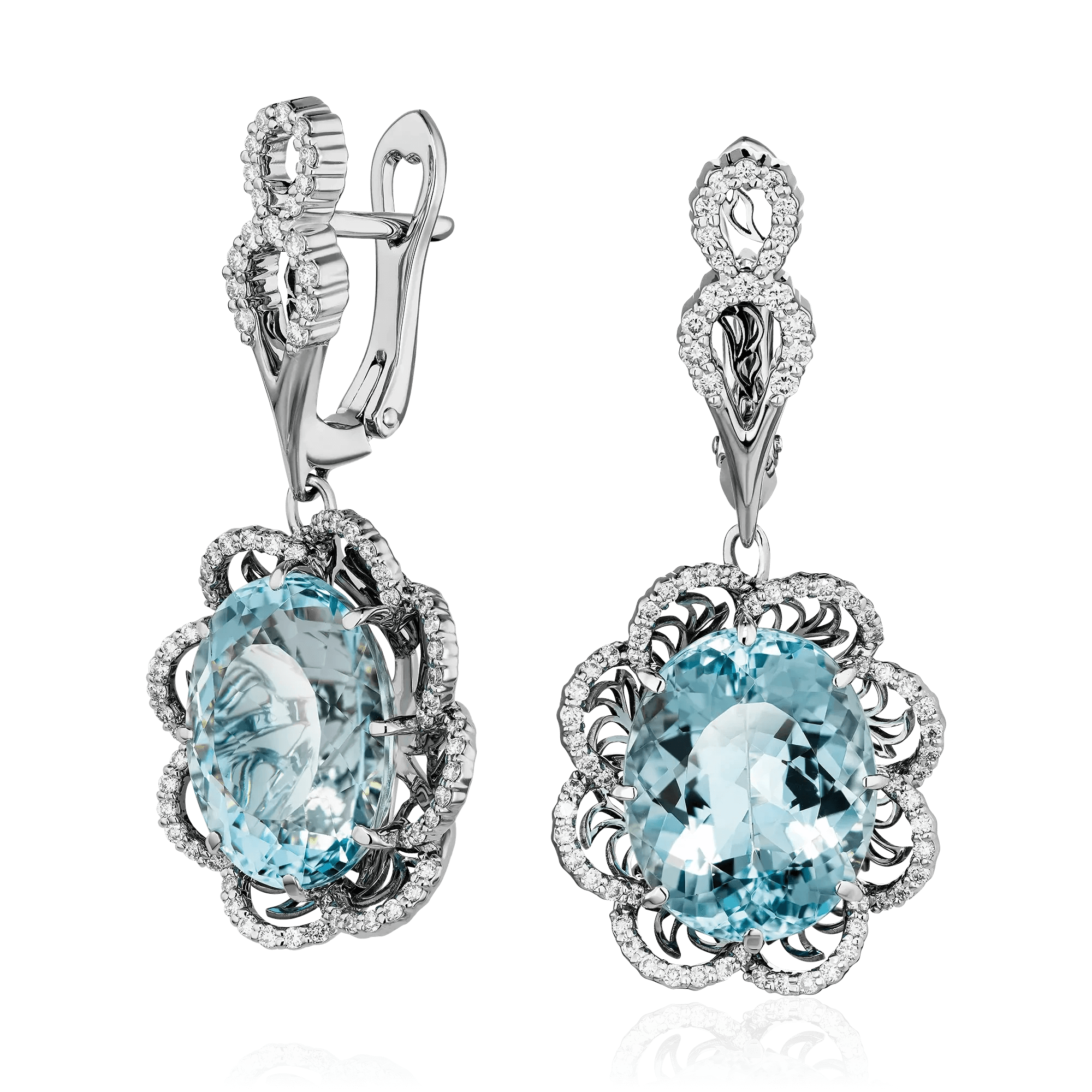
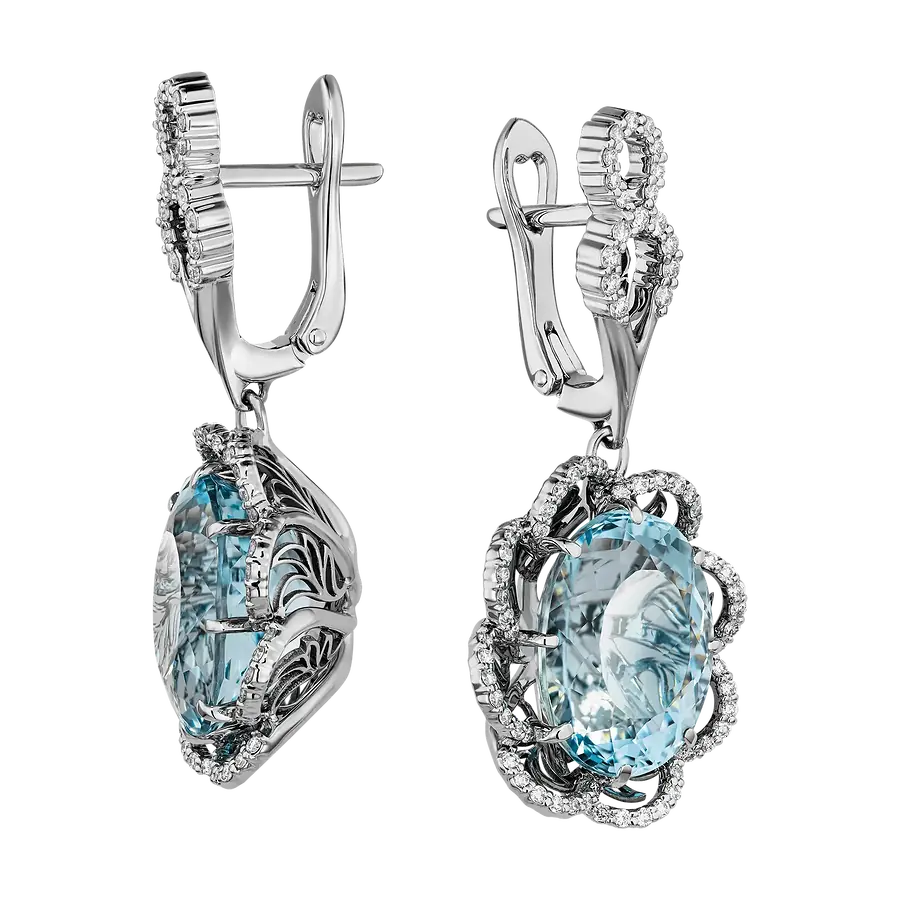

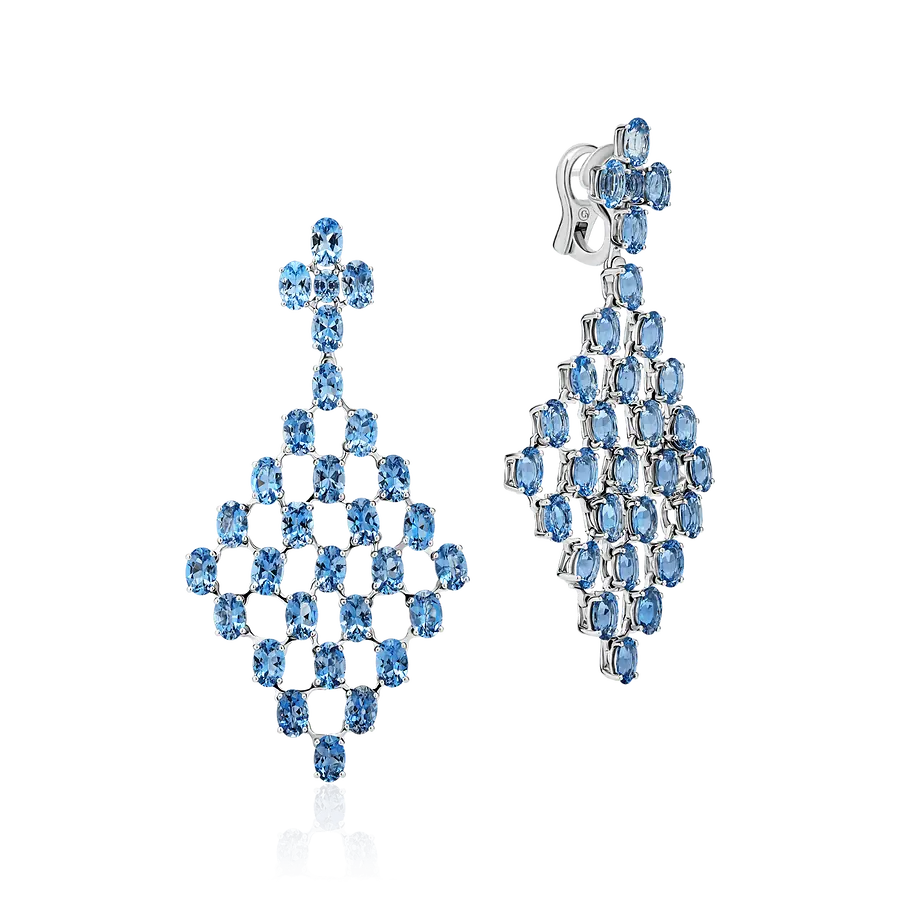
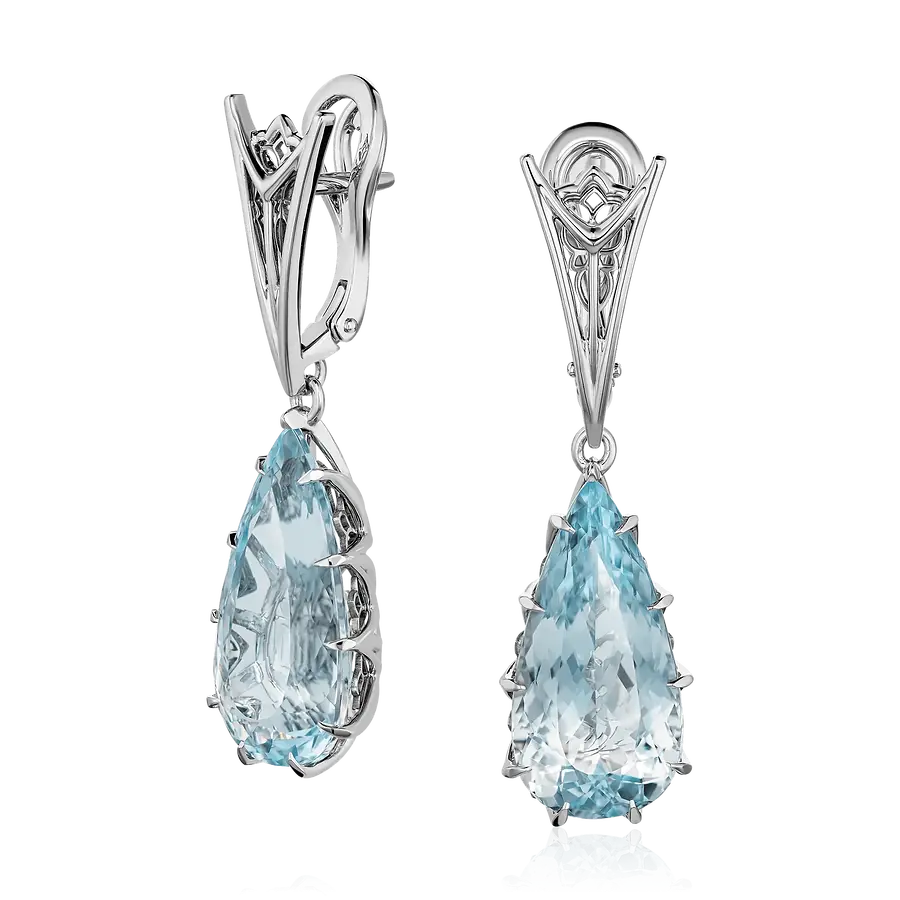
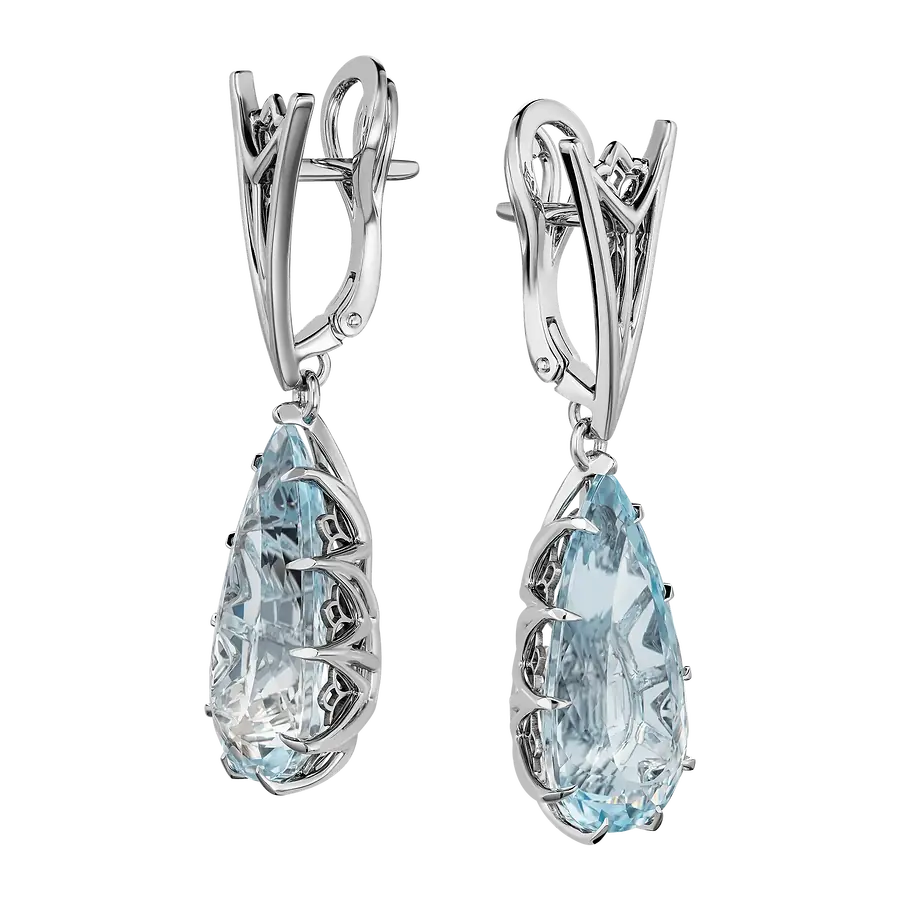
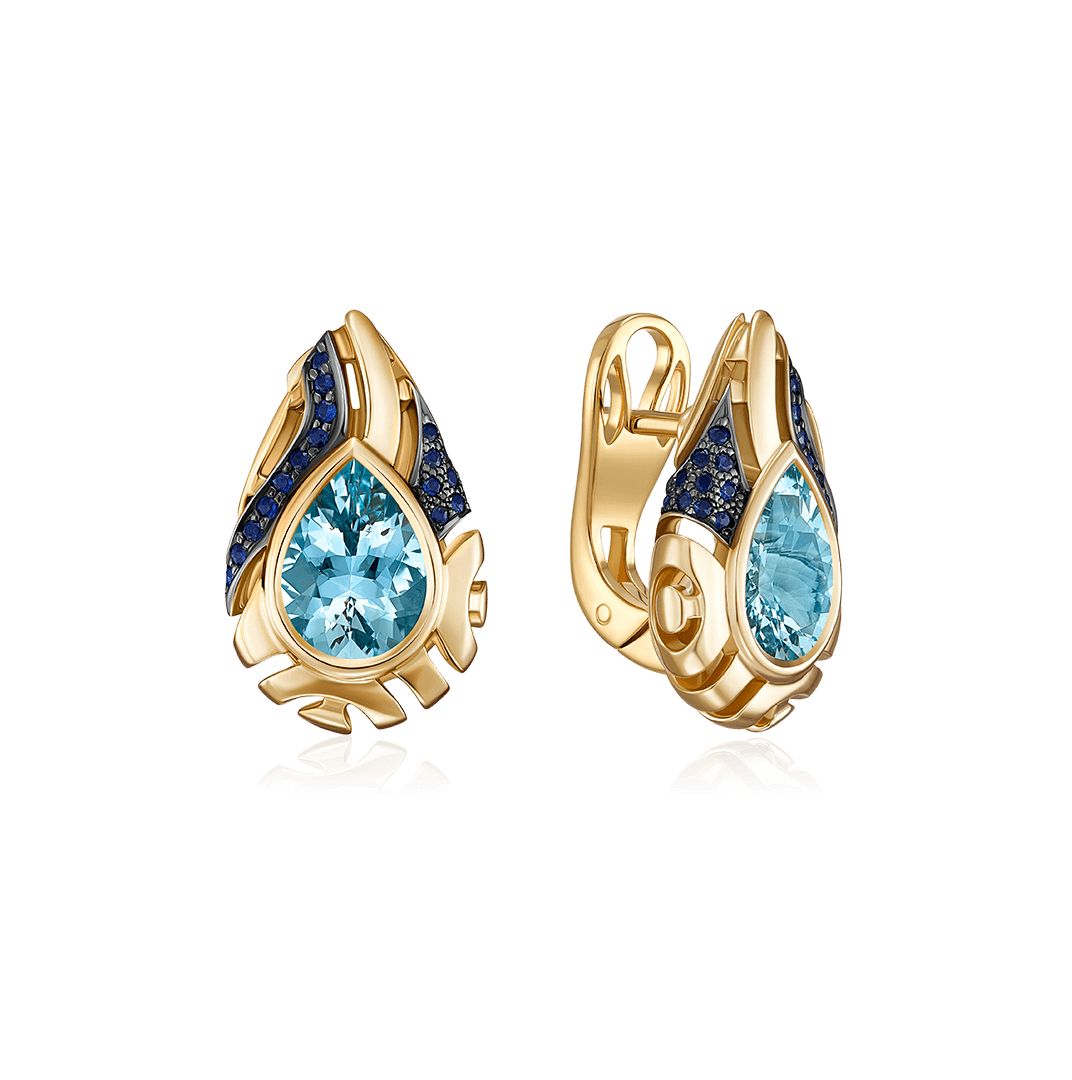
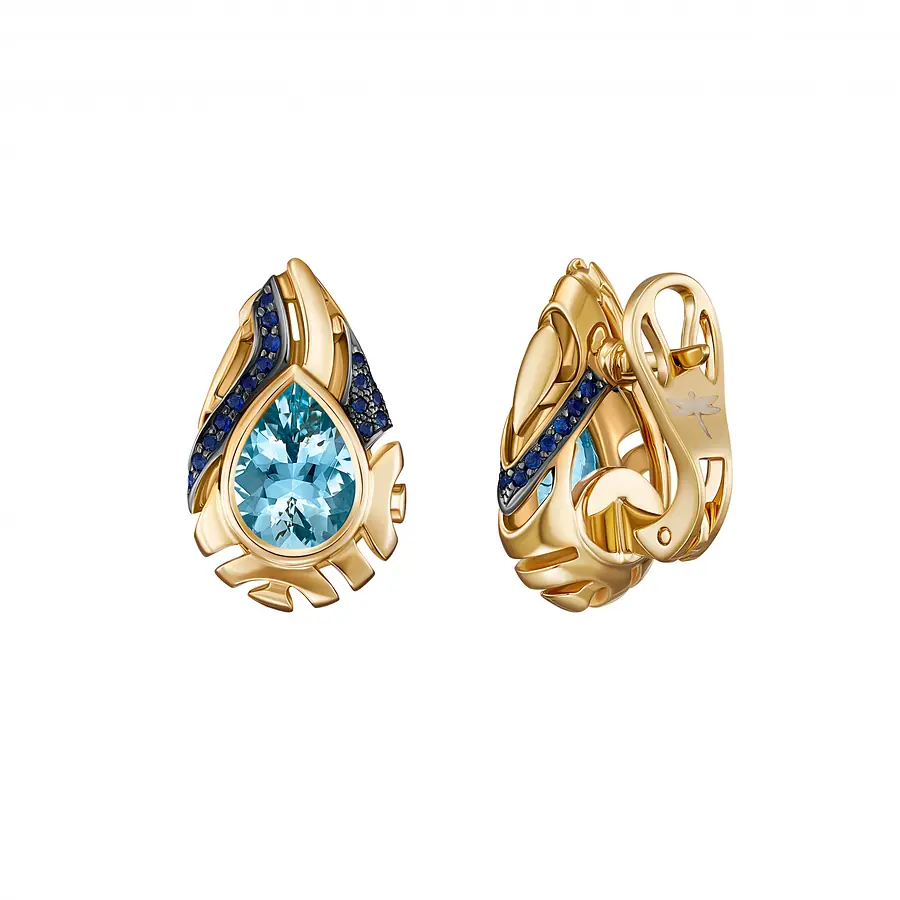
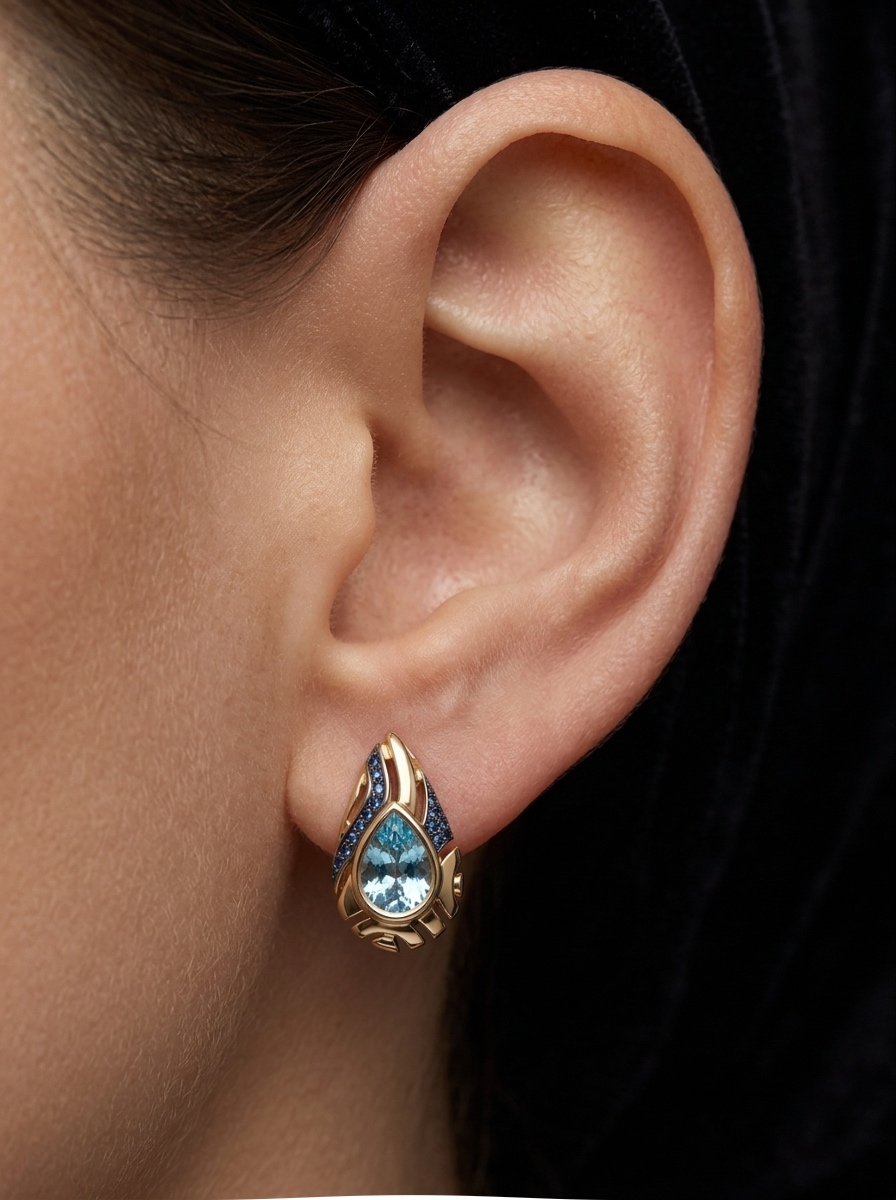
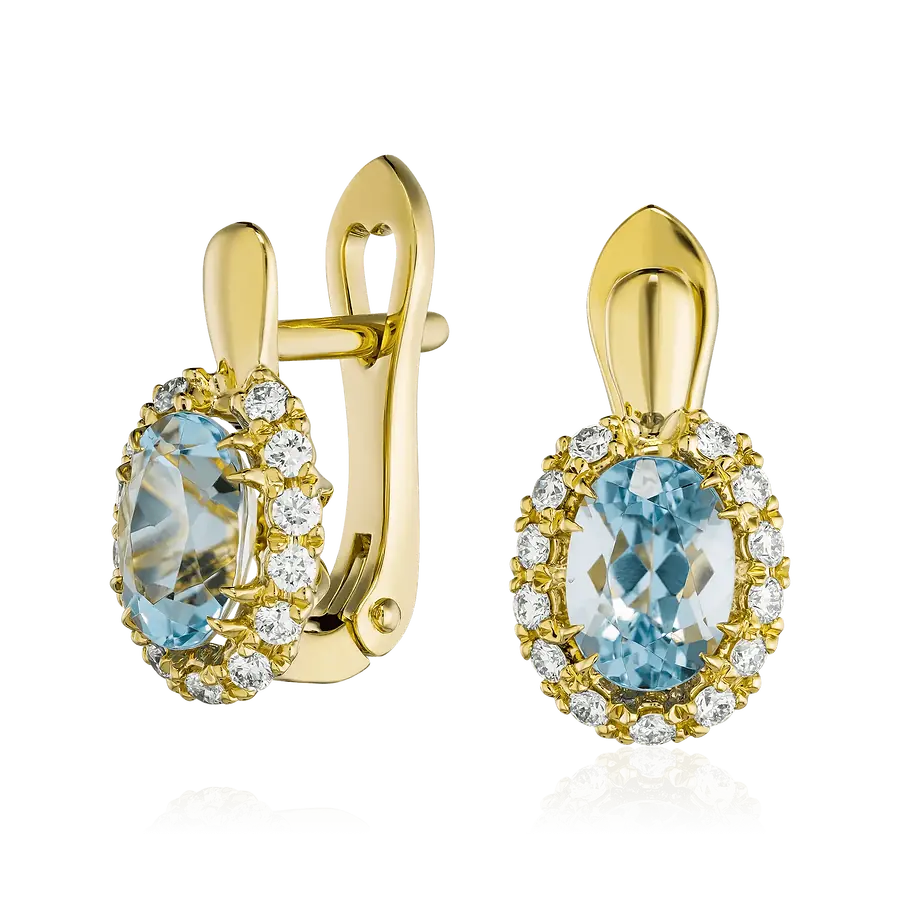
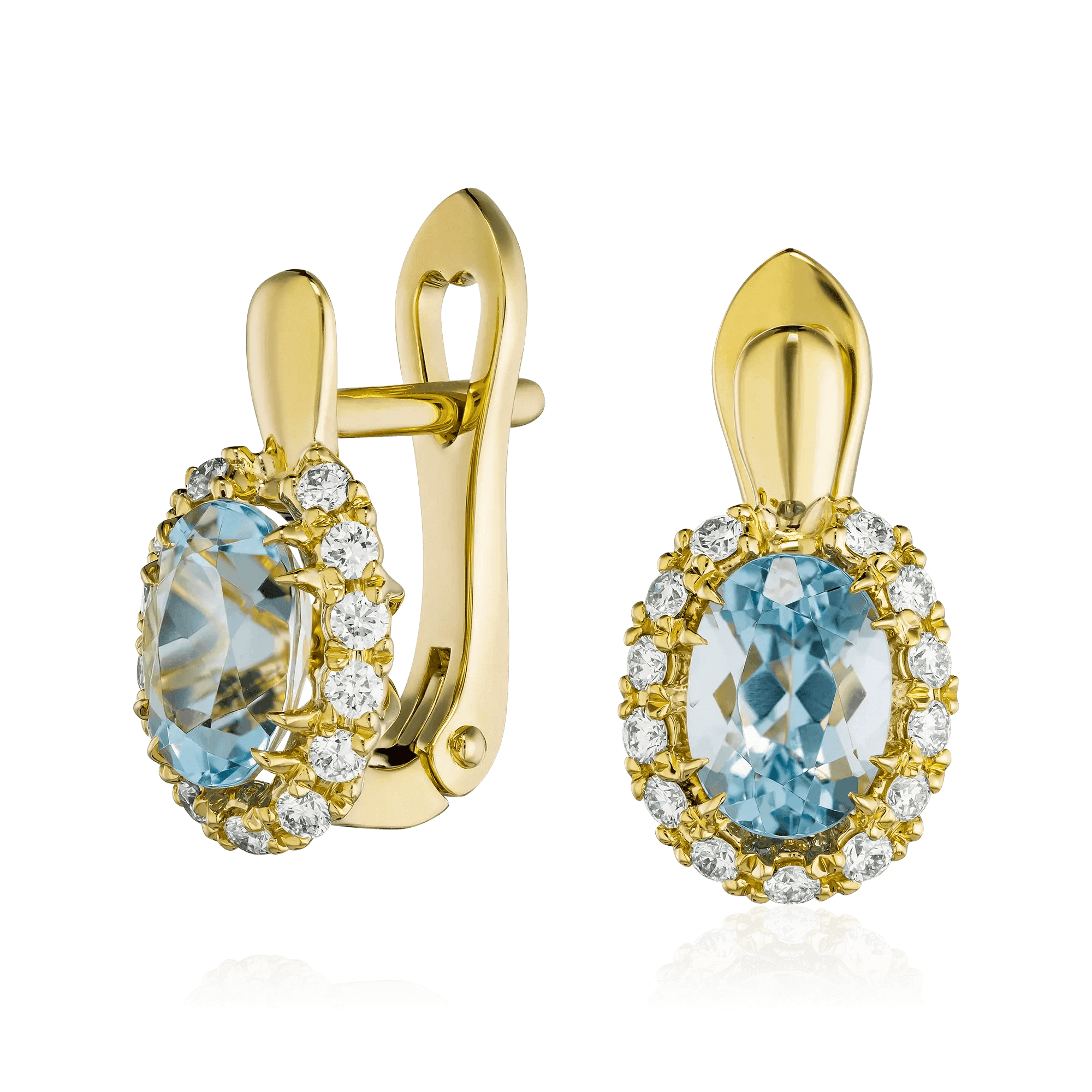
Aquamarine is generally considered an affordable stone, and in mass-market retail that is true. Our catalog tells a different story: earrings with aquamarine start at 99,950 ₽, half the models cost more than 662,000 ₽, and the main metal is 18K white gold (750). The reason is the stones: here you will find large stones of deep tone with a diamond surround, not a scattering of small pale ones. Earrings with aquamarine of this caliber are closer to collector's jewelry than to everyday pieces.
Gold earrings with aquamarine start from ₽99,950, which is the most affordable of 89 pieces. There is nothing else in the section under a hundred thousand, and 57 designs, almost two-thirds of the catalog, cost more than half a million.
The distribution looks like this: 100,000–200,000 ₽, five designs; 200,000–500,000 ₽, twenty-six; over 500,000 ₽, fifty-seven. The median of the displayed selection is 662,000 ₽. Aquamarine earrings under two hundred thousand are the narrowest group in the section, just six pairs.
The price is shaped by three things. The first is the saturation of the blue: a deep blue tone costs many times more than a pale one at the same weight, and the difference between “watery” and “Santa Maria” can be tenfold. The second is the size of the stone: large aquamarines of fine clarity are rarer than most people think. The third is the surround: earrings with aquamarine and no diamonds are almost never found in this section, with only five pairs out of fifty-seven on display.
Fineness is the share of pure gold in an alloy: 750 means three quarters, and 585 means 58.5%. Here 750 predominates, which is unusual for our catalog, where most sections are mainly 585. Aquamarine earrings in 18K gold (750) cost more per gram and are softer under bending, which is the price of a purer metal color.
White gold is coated with rhodium, and the coating wears off over time. It is renewed periodically, and the procedure is part of the store's service. A 750 alloy is softer than 585, so large earrings made from it need more careful handling.
Aquamarine is a beryl, the same mineral that emerald belongs to. The only difference is the trace element: iron gives a blue color, while chromium and vanadium give green. Both have the same hardness, 7.5 to 8 on the Mohs scale. That's why aquamarine and emerald are cared for in the same way, despite the difference in price.
The practical consequence is the opposite of what you would expect. In an emerald, inclusions are normal and a sign of natural origin; with aquamarine, a natural stone is usually clean and transparent, and cloudiness points more to low quality than to naturalness. A buyer who has read about the "garden" inside an emerald often transfers that rule to aquamarine and draws the wrong conclusion.
This also explains the difference in price: a clean emerald costs a fortune, a clean aquamarine is the market norm. Earrings with high-clarity aquamarine cost several times less than emerald ones of the same size.
The main signs of a natural stone are a calm, subdued color, weak pleochroism (a shift in shade as you turn the stone), and no bubbles inside. Glass imitations give themselves away with bubbles and an overly saturated, "candy" blue. If aquamarine earrings are suspiciously cheap for a bright blue color, you are almost certainly looking at glass or spinel.
Synthetic spinel is the second most common substitute. It gives an even, bright color with no gradations and does not change shade as the stone is turned. Natural aquamarine almost always looks slightly different from different angles, from blue to colorless or a hint of green.
All the stones in our pieces are natural, and the catalog has no synthetic stones. Heat treatment is standard practice in the global market: heating removes a greenish undertone and makes the blue cleaner, and it does not affect the stone's durability.
Color saturation is the main price factor, and the difference between grades spans several orders of magnitude. A pale, almost transparent aquamarine is inexpensive and common in mass retail. A rich blue with a slight green undertone, the famous “Santa Maria” named for a Brazilian deposit, belongs to the collector class.
Between them lie dozens of intermediate gradations, and there is no single international scale for aquamarine. That is why color is judged by eye: look at the stone in daylight, not under the warm lamp of a display case, which dulls the blue.
The main options in the section are studs, earrings with an English clasp, and drop models on a movable hinge. Studs suit everyday wear, drops suit large stones, where it is important that the stone moves and plays with light.
The cut is more often step, emerald or baguette: aquamarine is transparent, and wide facets show the clarity of the stone better than many small ones. Round and oval cuts are less common and usually appear in small stones. Drop earrings with aquamarine need a more secure clasp: the weight of a large stone gradually wears on the mounting, and the fastening is worth checking once a season. There is also a separate stud earrings with aquamarine — a small subsection for those who want a strict format.
To keep the stone from losing its color, follow one non-obvious rule: do not leave the piece in direct sunlight for long. Aquamarine fades: under prolonged intense light the blue grows paler, and the process is irreversible. It is the only stone in this section with such a limitation, and almost no one warns about it.
A hardness of 7.5–8 on the Mohs scale means that an aquamarine is not easy to scratch, but it is softer than sapphire and diamond, so aquamarine earrings should be stored separately from them. If you wear one earring more often than the other, for example by taking it off when talking on the phone, the pair will wear unevenly, and this becomes noticeable after a year. The stone usually tolerates ultrasonic cleaning well if it has no internal cracks; if in doubt, a soft cloth, warm water and a drop of soap are enough.
What not to do: wear it in a pool or sauna, leave it in contact with household chemicals, or put it in a shared box with diamond pieces. Large stones in soft 18K gold (750) are additionally vulnerable to knocks against hard surfaces.
Aquamarine earrings can be ordered on our website with delivery across Russia, or seen at the DAF boutique in central Moscow. For this stone, seeing it in person matters more than for most others: the blue depends strongly on the lighting, and the difference between display light and daylight is noticeable to the naked eye.
If it's inconvenient to visit, ask the manager to shoot a video in daylight by a window, which shows the color most honestly. While you're at it, ask about the carat weight of the stone: in this price range, it is what explains the difference between pairs that look alike. It's also worth asking whether the stones in a pair have been matched by color. In an earring this is critical, because both aquamarines are visible at the same time and any difference in shade catches the eye.
Aquamarine earrings are often chosen to go with a ring or a pendant – ask the manager whether there are matching pieces from the same batch of stones.
Aquamarine is traditionally considered the stone of March, and such jewelry is often chosen for spring occasions. Returns are possible within fourteen days.
One more detail that people rarely ask about but often run into is the lock. An English lock is more secure than a stud back on a heavy earring but takes some getting used to; a French lock is the most convenient, but it is not found on every model. If you wear jewelry every day and take it off in a rush, choose the type of lock as carefully as the stone itself.
99,950 ₽. This is the only piece under one hundred thousand; 57 of 89 models cost more than half a million. The section is premium: here you find large stones of deep tone in a diamond surround.
No. The catalog contains only 585 and 18K gold (750); we do not make silver pieces with aquamarine.
Yes, all stones are natural. There are no synthetic stones in any model in the catalog.
Why is natural aquamarine clean while emerald has inclusions? It is the same mineral, after all. True, both are beryl. But the growth conditions differ: emerald forms in an environment where inclusions are unavoidable, aquamarine in a calmer one. So a clean, transparent aquamarine is normal, not a sign of a synthetic.
Yes. With prolonged exposure to direct sunlight, the blue color fades and cannot be restored. The stone is safe in a display case or jewelry box, but you should not leave the piece on a windowsill.
White. Cool metal supports the blue tone, while warm gold pulls it toward green. The section has 63 pieces in white gold, against 20 in yellow and 3 in red.
We will contact you shortly.
Unfortunately, we cannot deliver to this locality. Please choose another city nearest to you.
How to get them. 3% of every order on the site. Sign in with your phone number to receive bonuses.
How to spend them. Sign in, add jewelry to your cart and specify at checkout how much to redeem. Bonuses can pay up to 10% of the price.
Confirm that you are not a robot
Unfortunately, this item is currently out of stock. We can make the jewelry individually to your requirements. Our consultant will contact you
Our consultant will contact you shortly
Refresh the page and send the message again
Specify the size of the jewelry and try again
Enter your number and our manager will contact you about the price calculation
Refresh the page and submit the order again