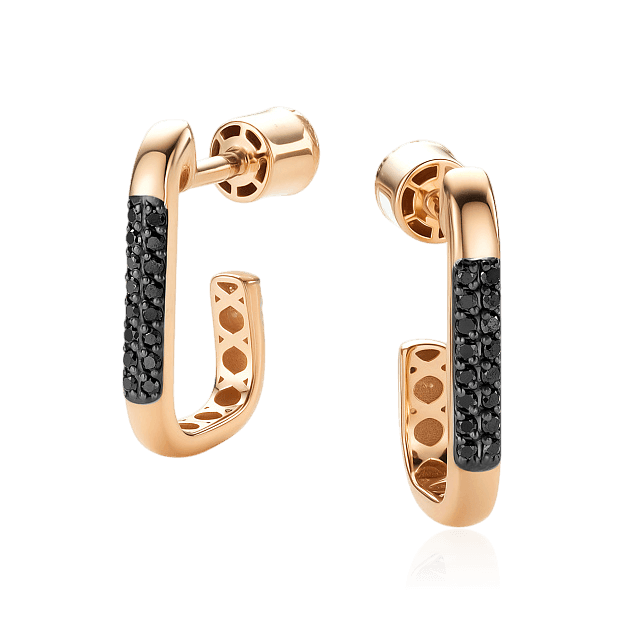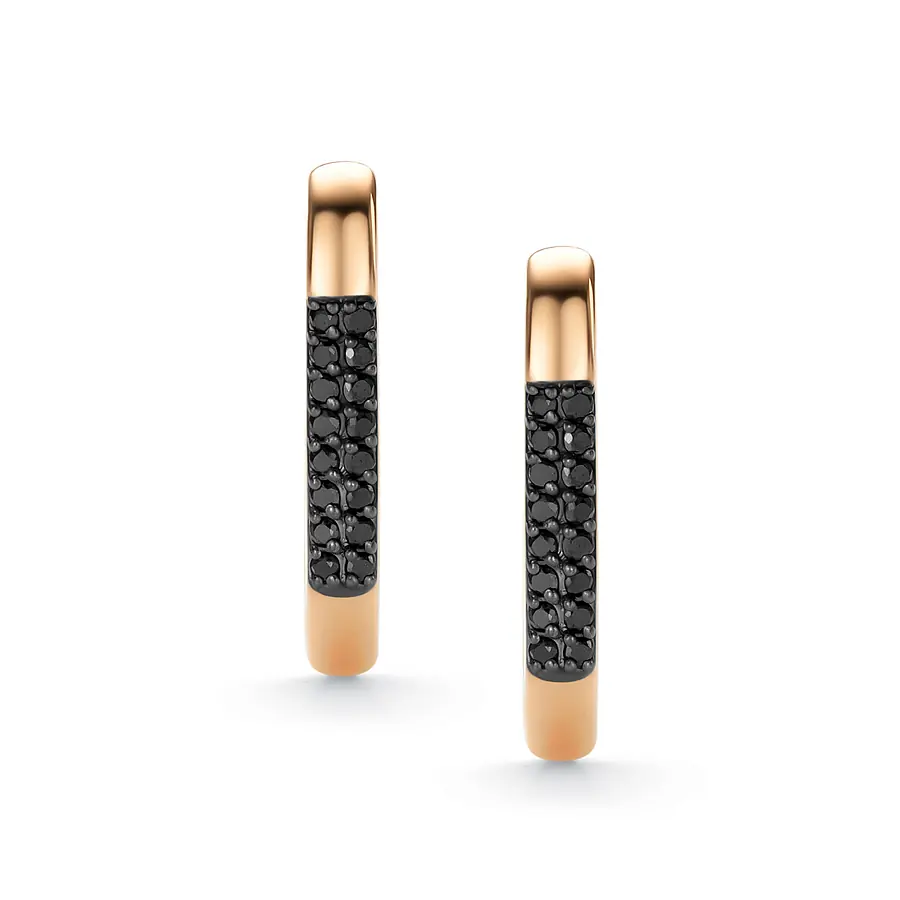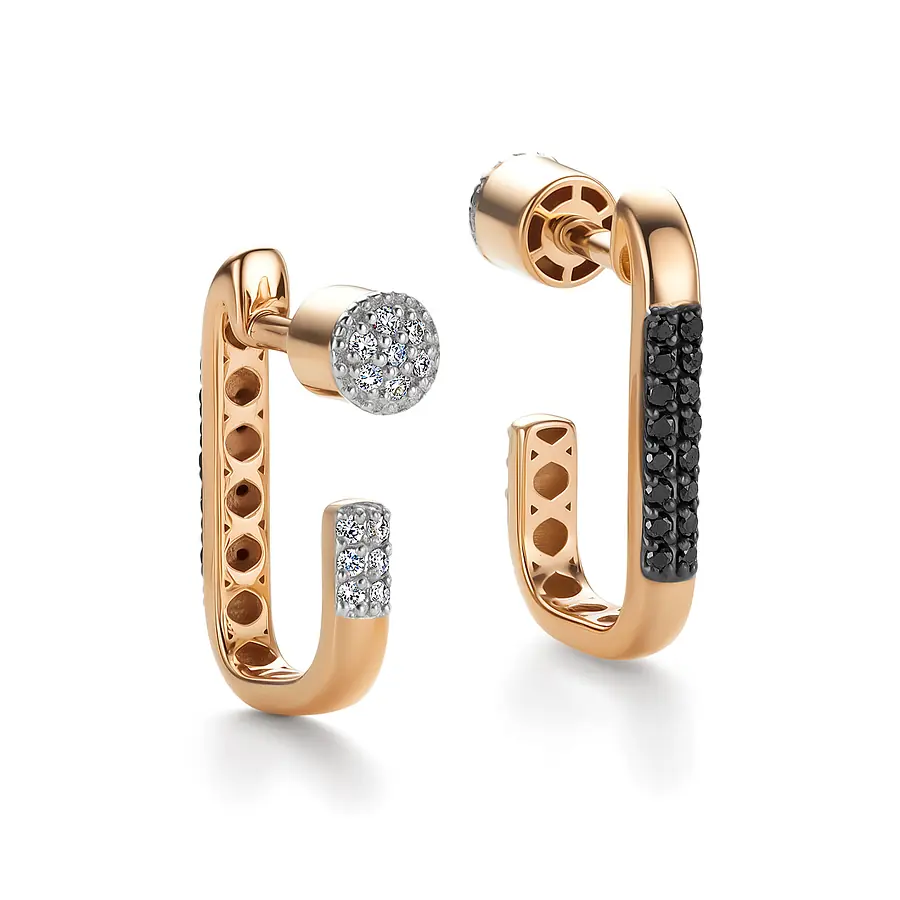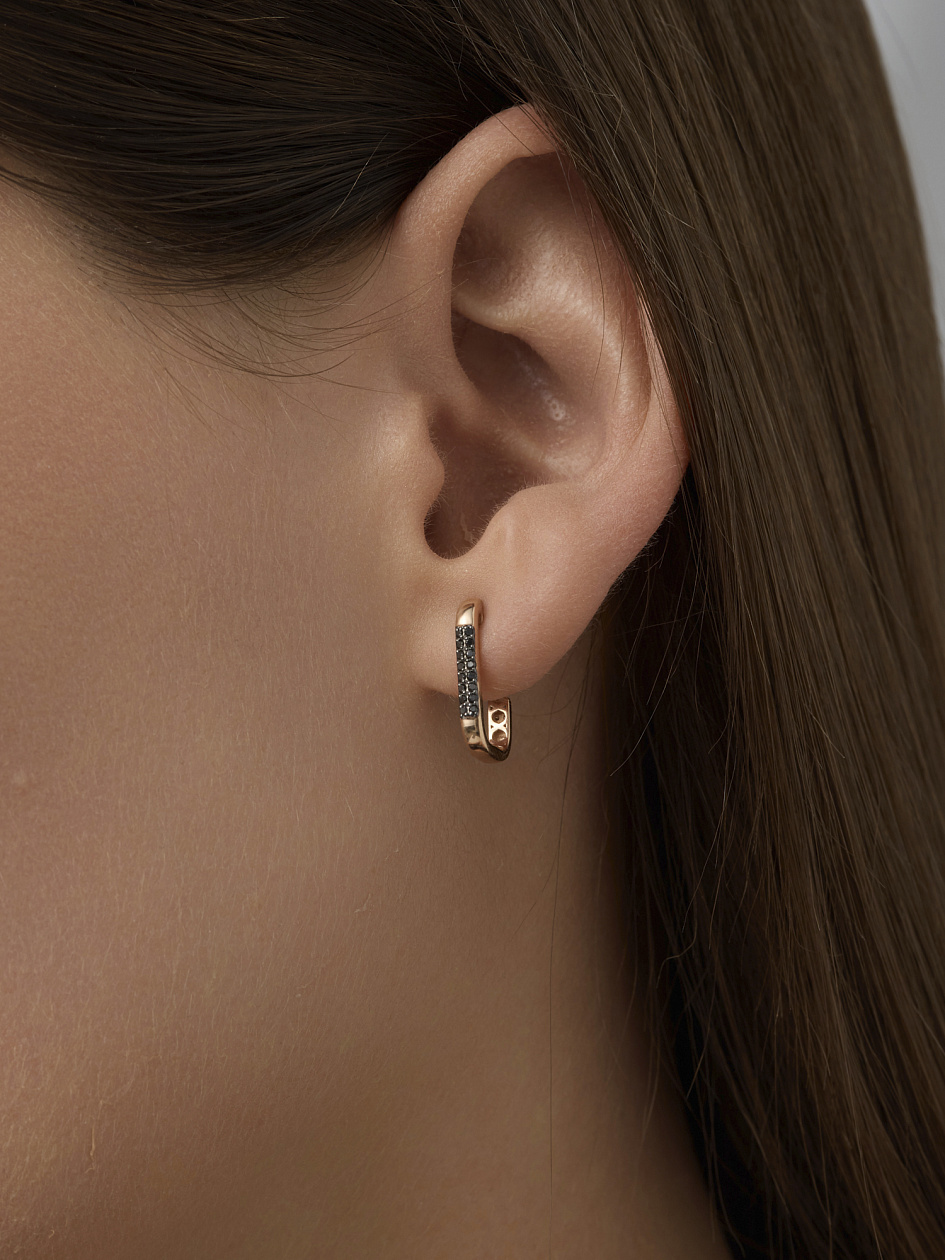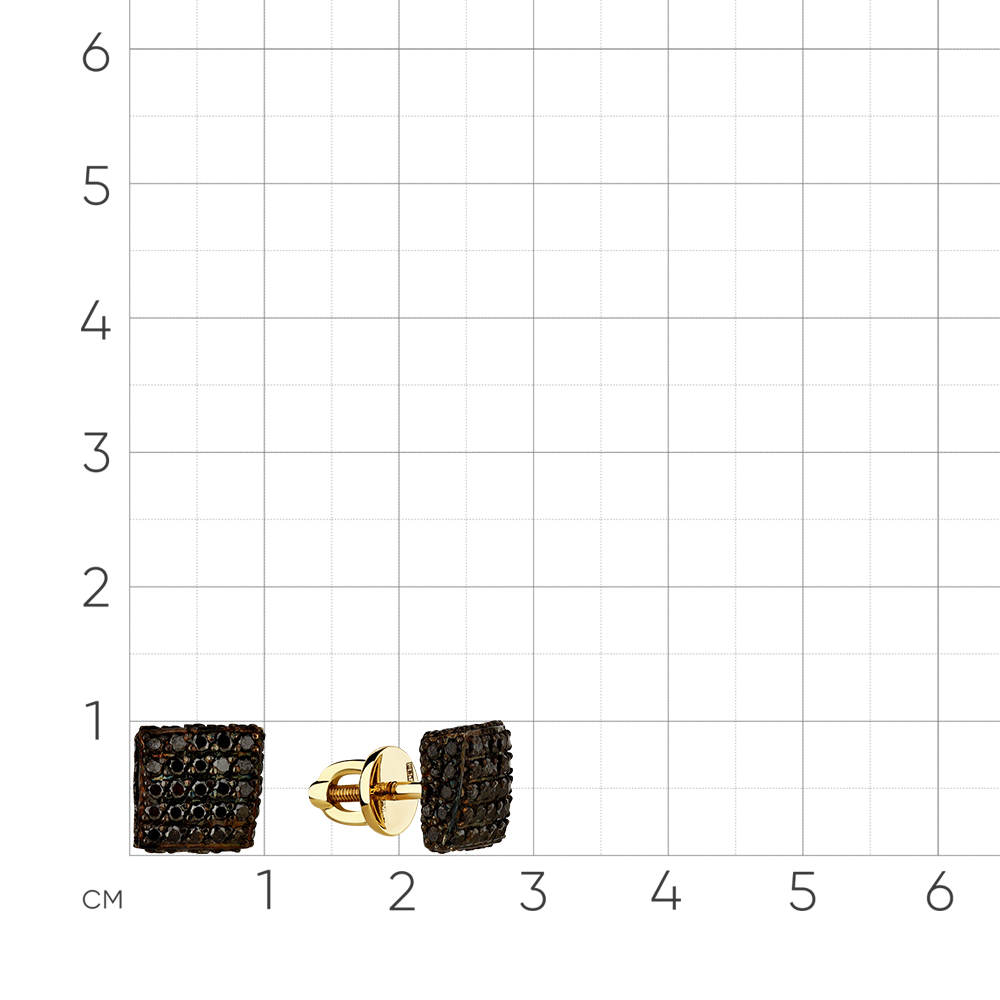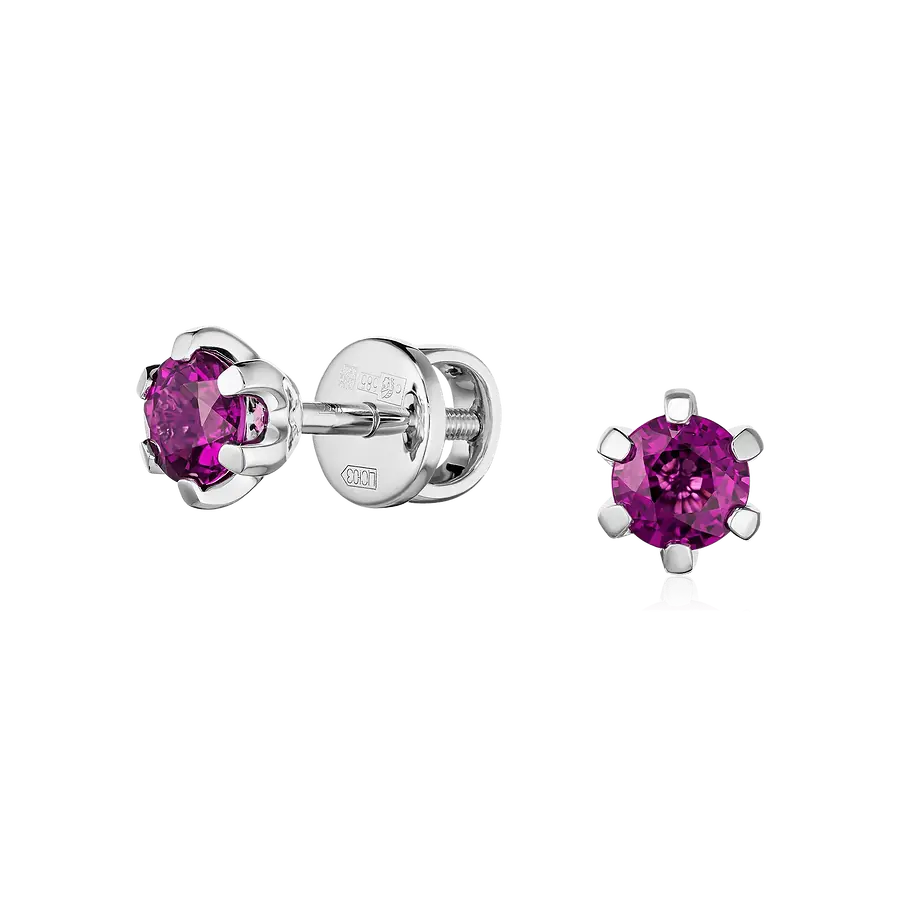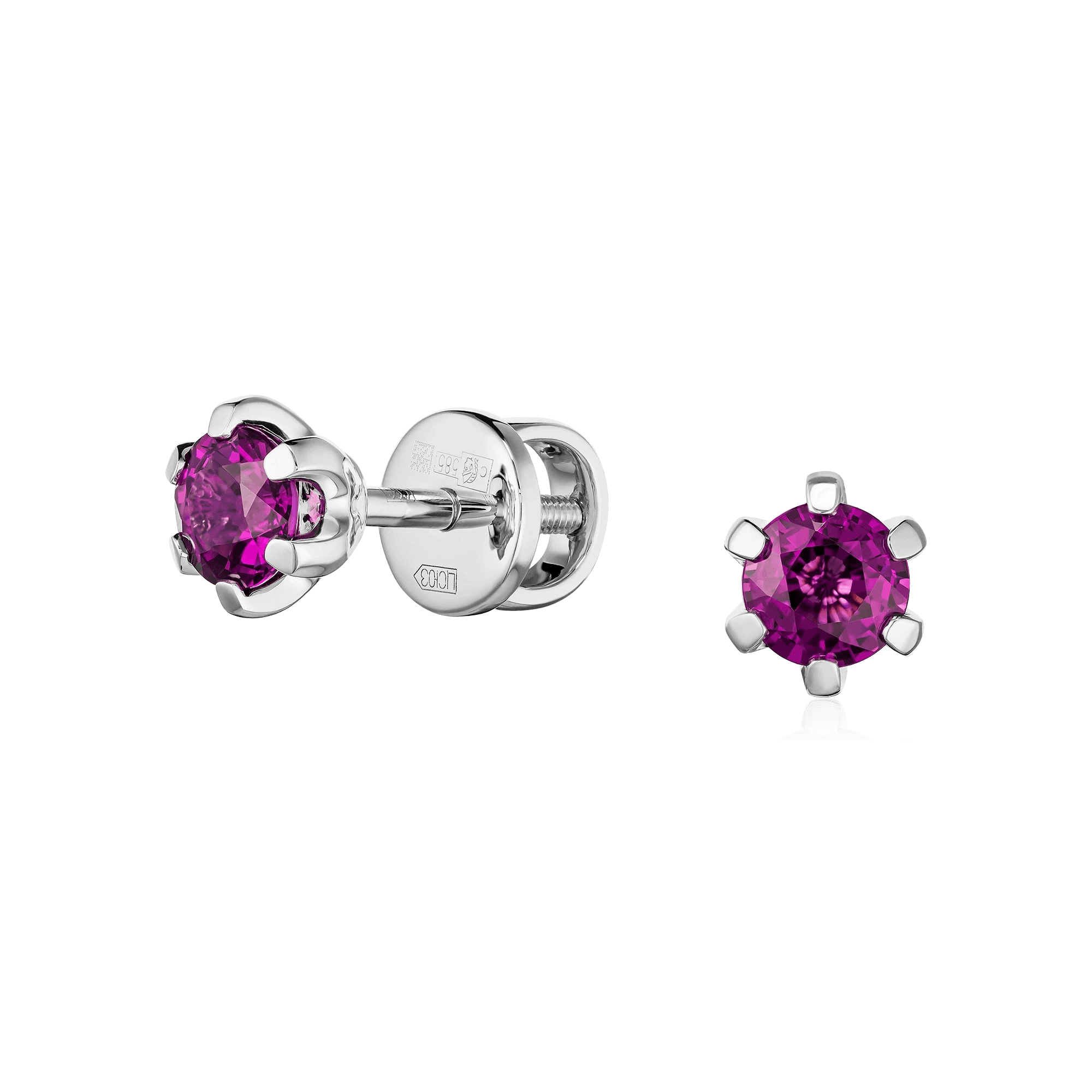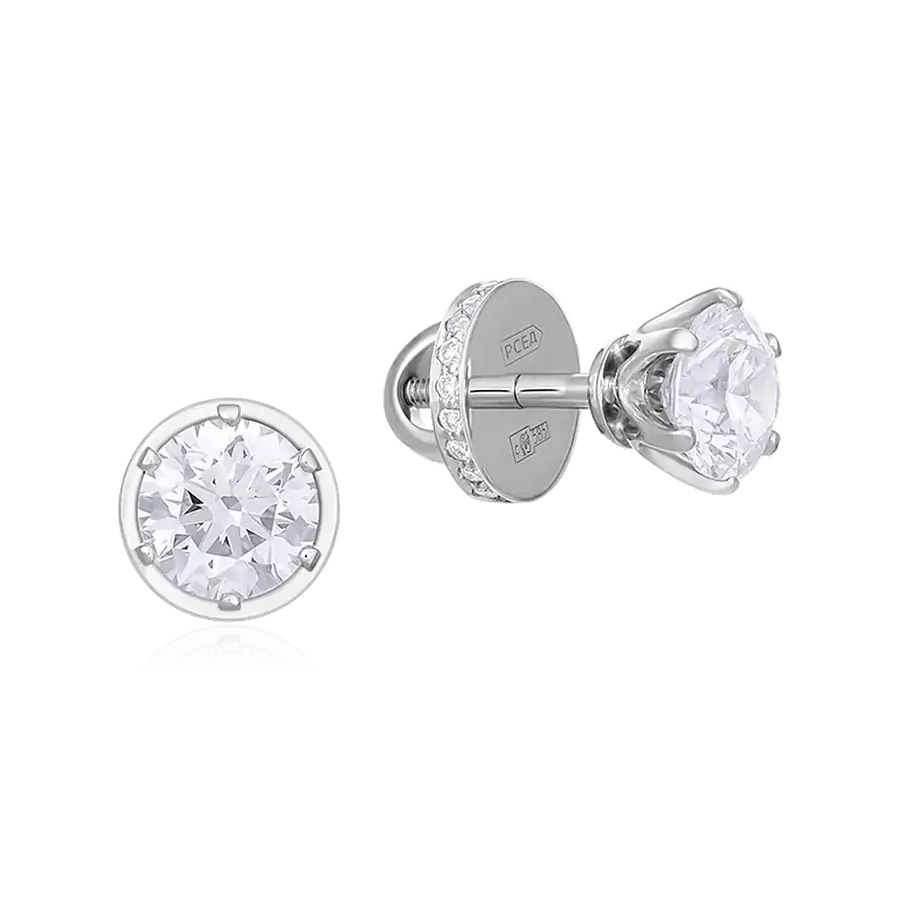
311 000 ₽
We use cookies to improve the site and give you more options. By continuing to use the site, you agree to cookie usage terms.We use cookies. Learn more


By popularity

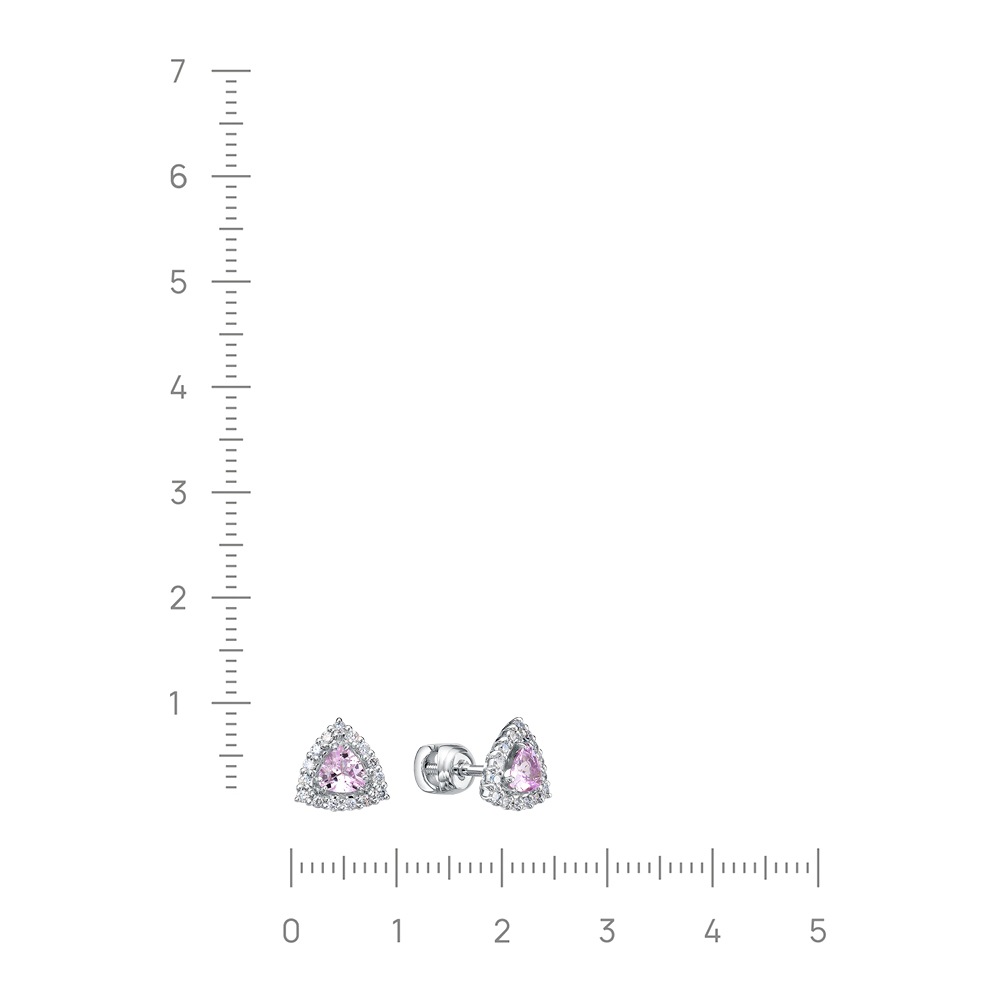

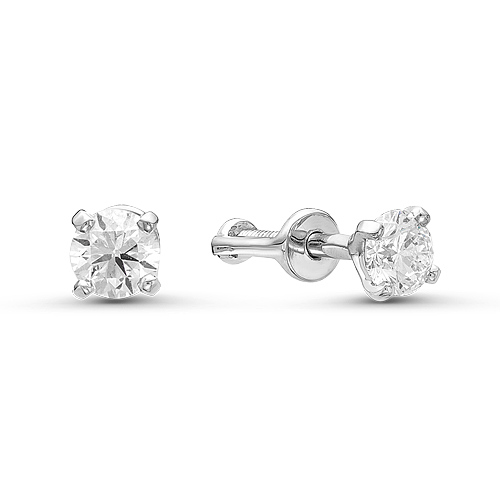
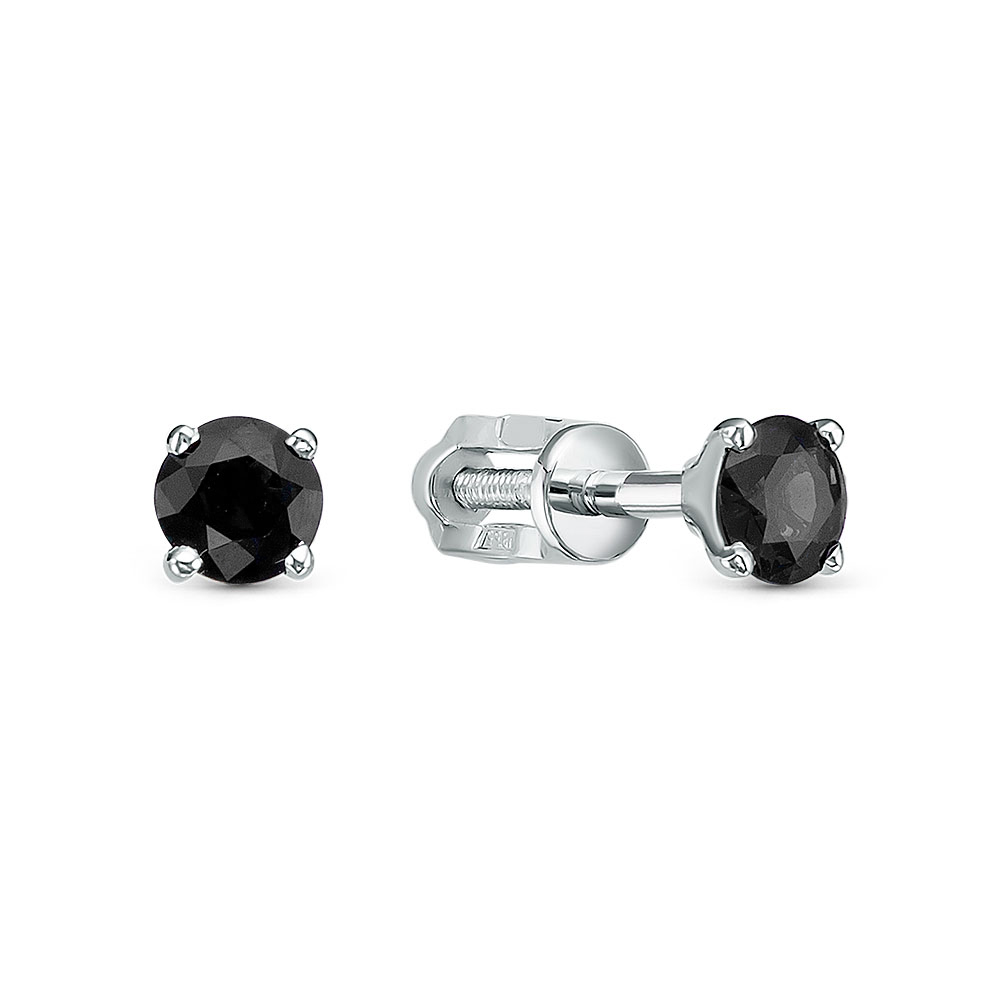
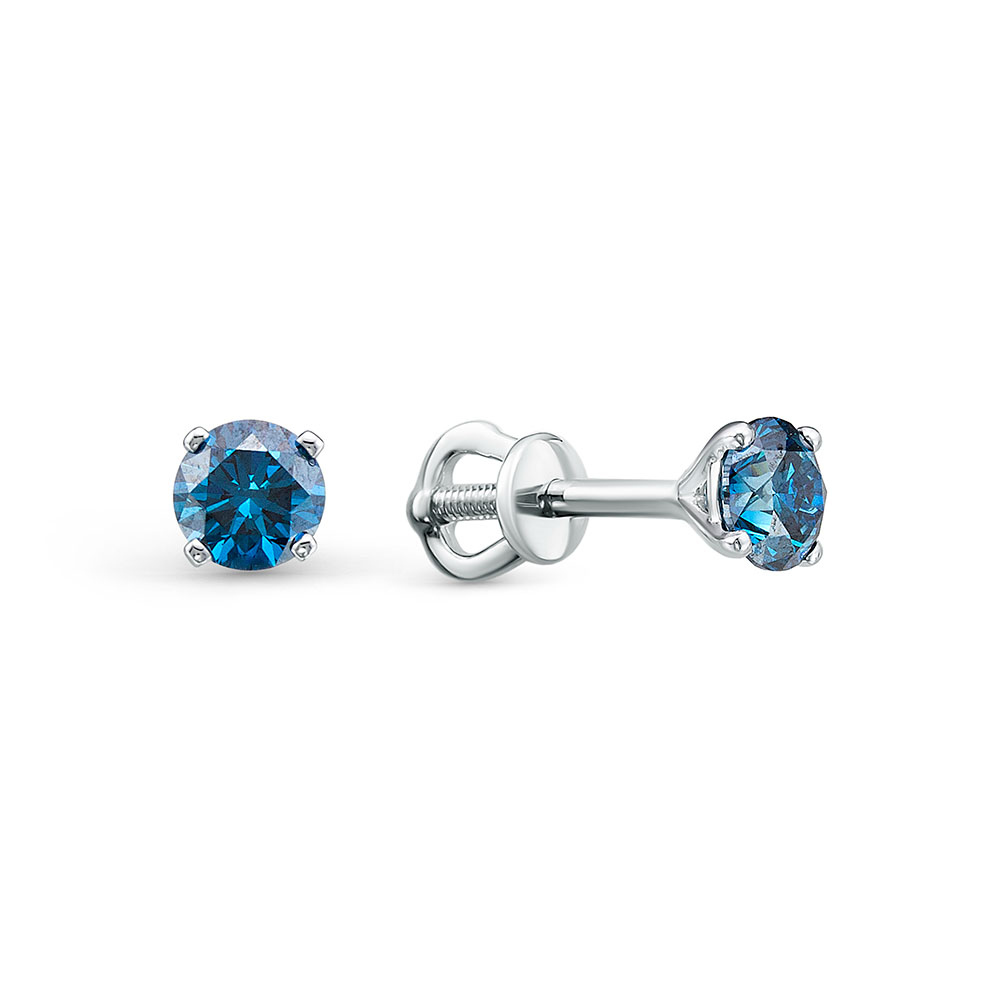
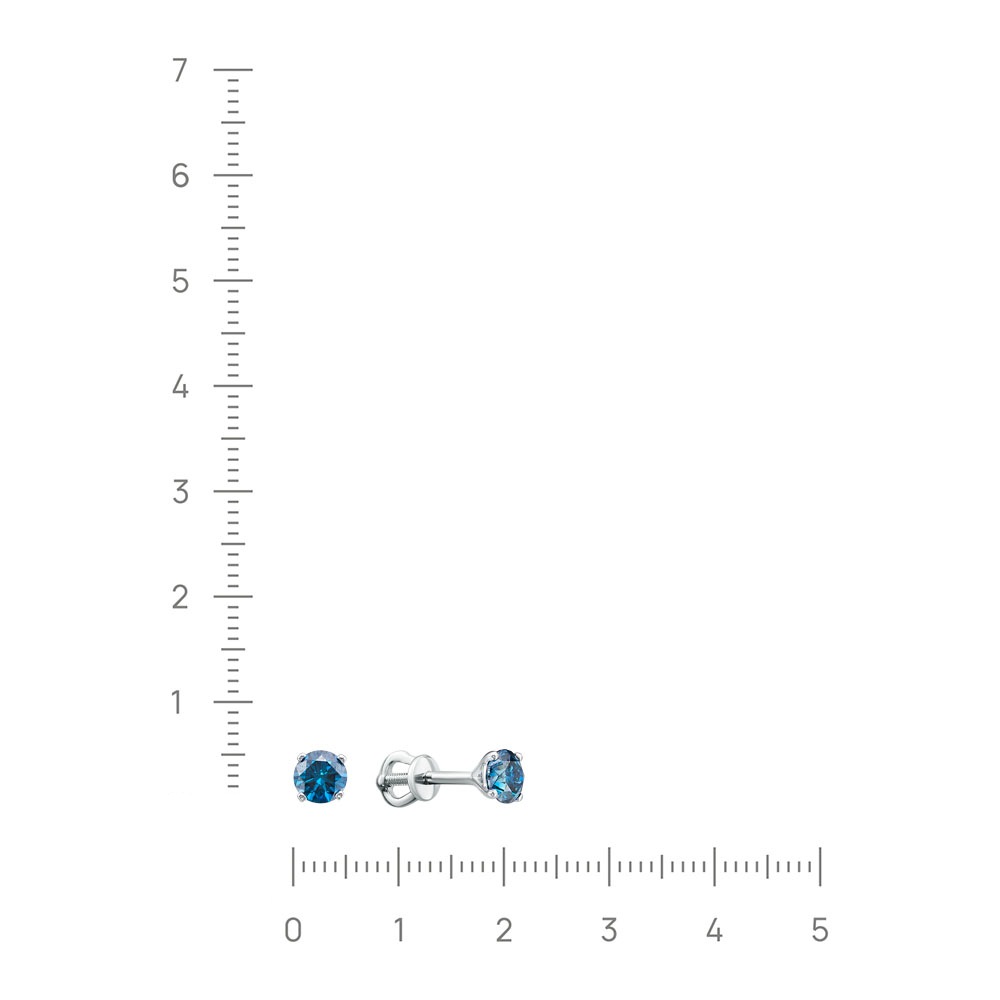
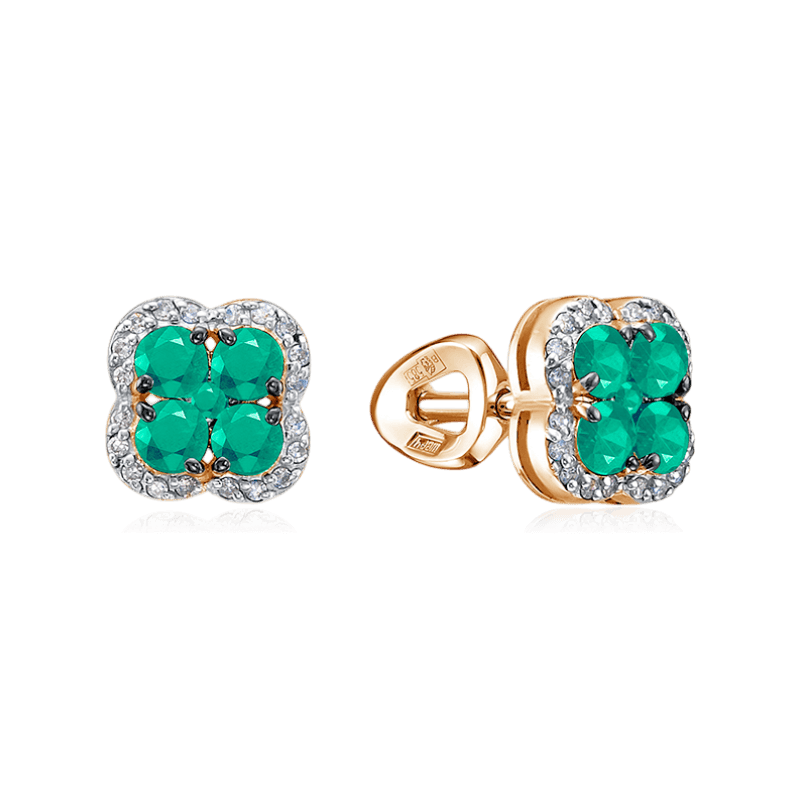
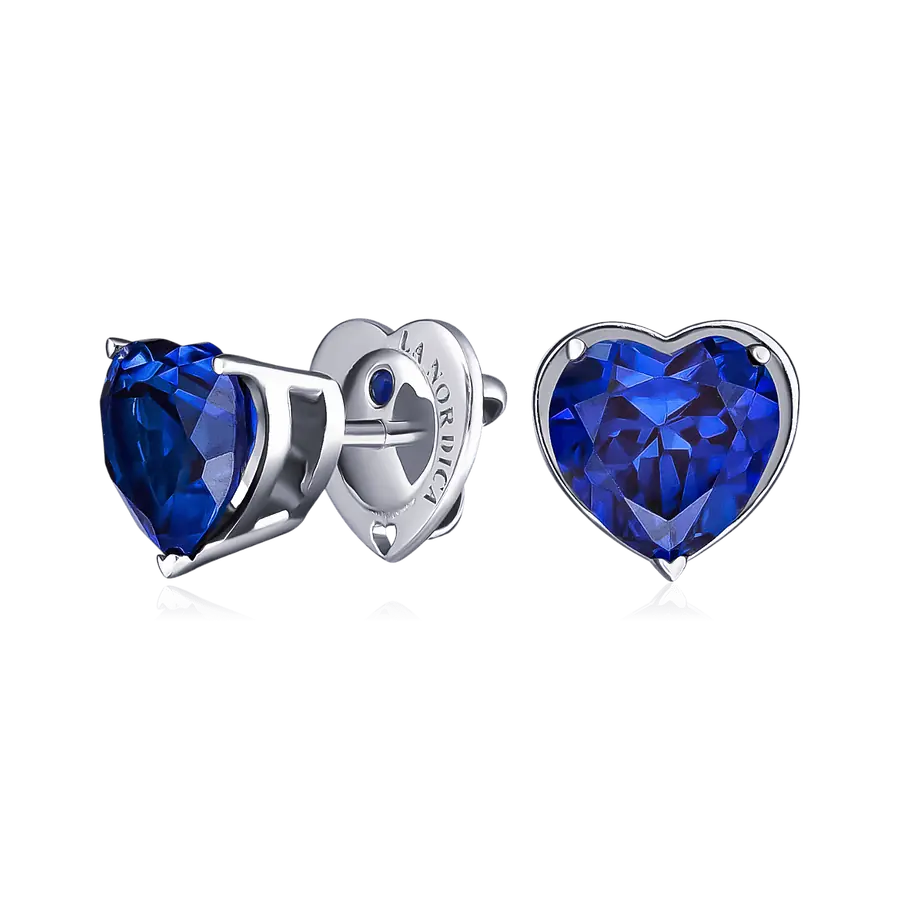
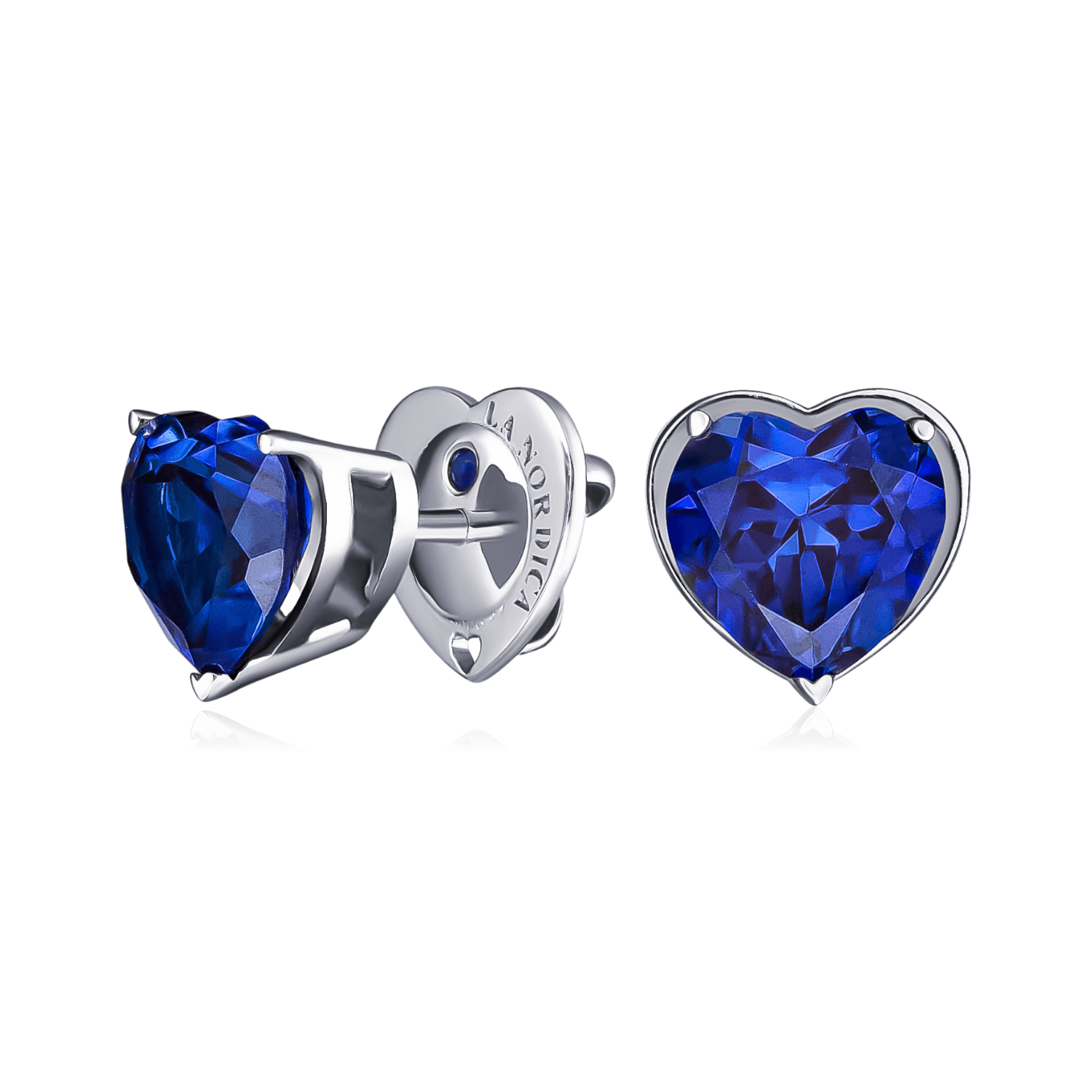
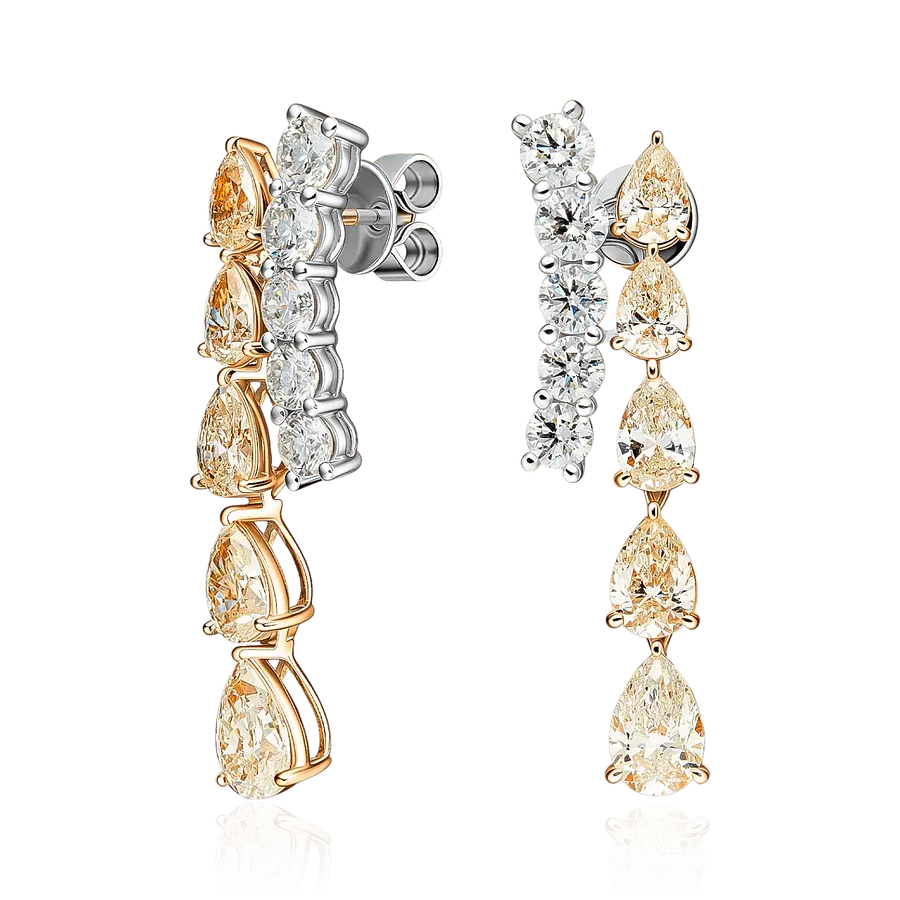
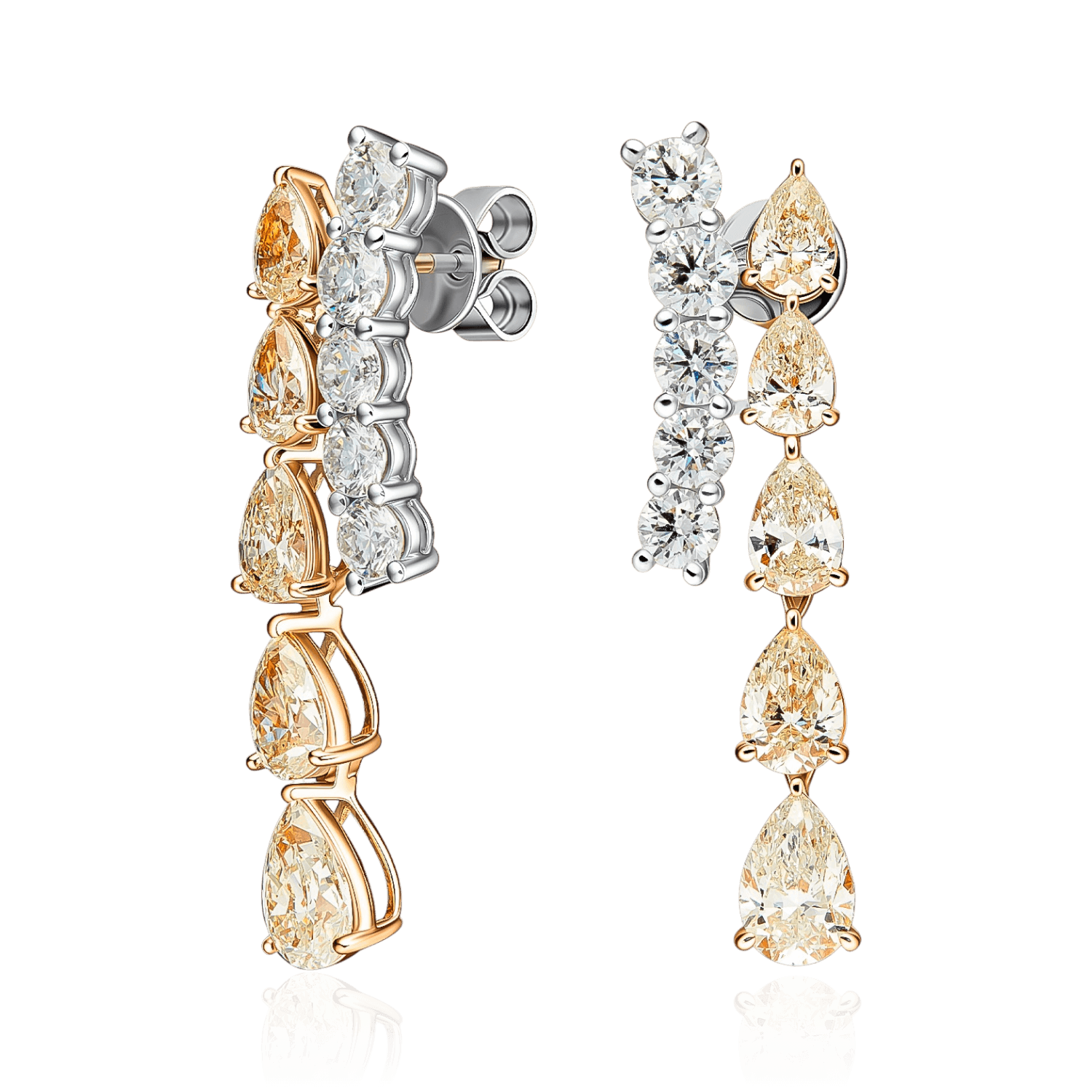

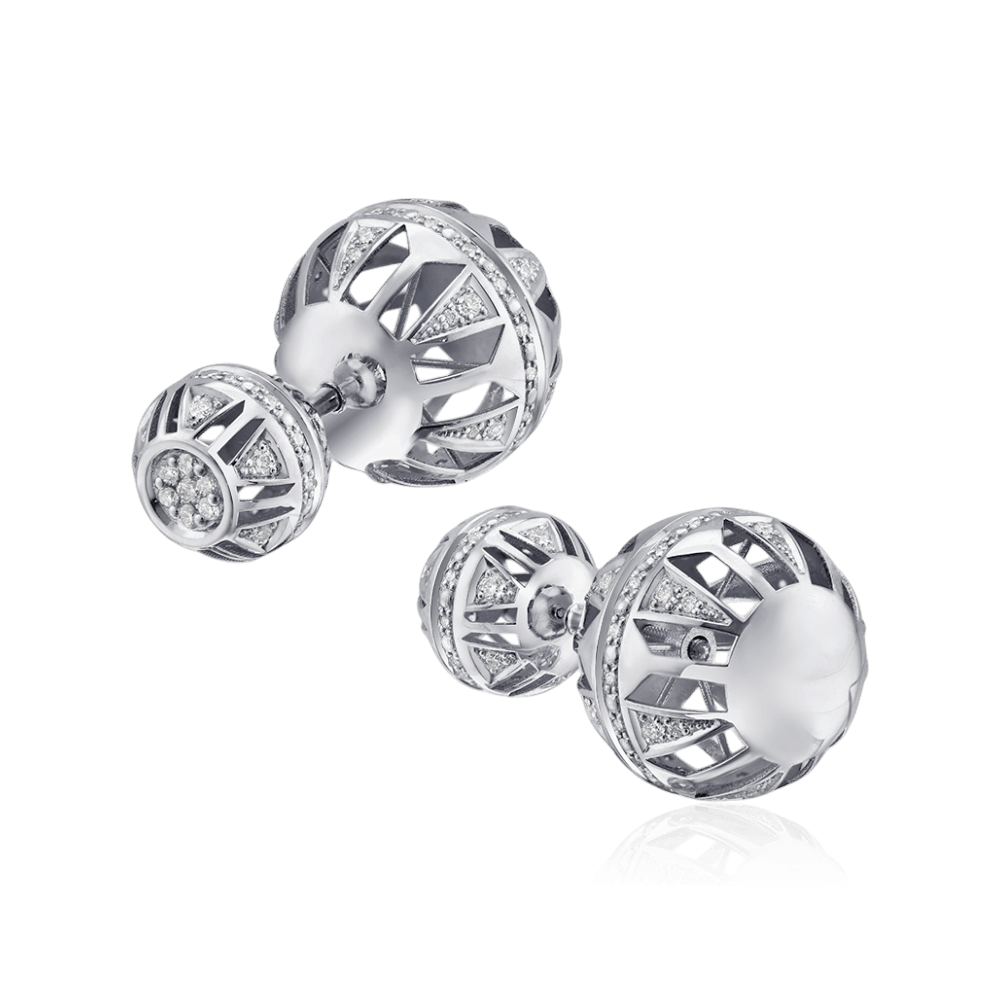
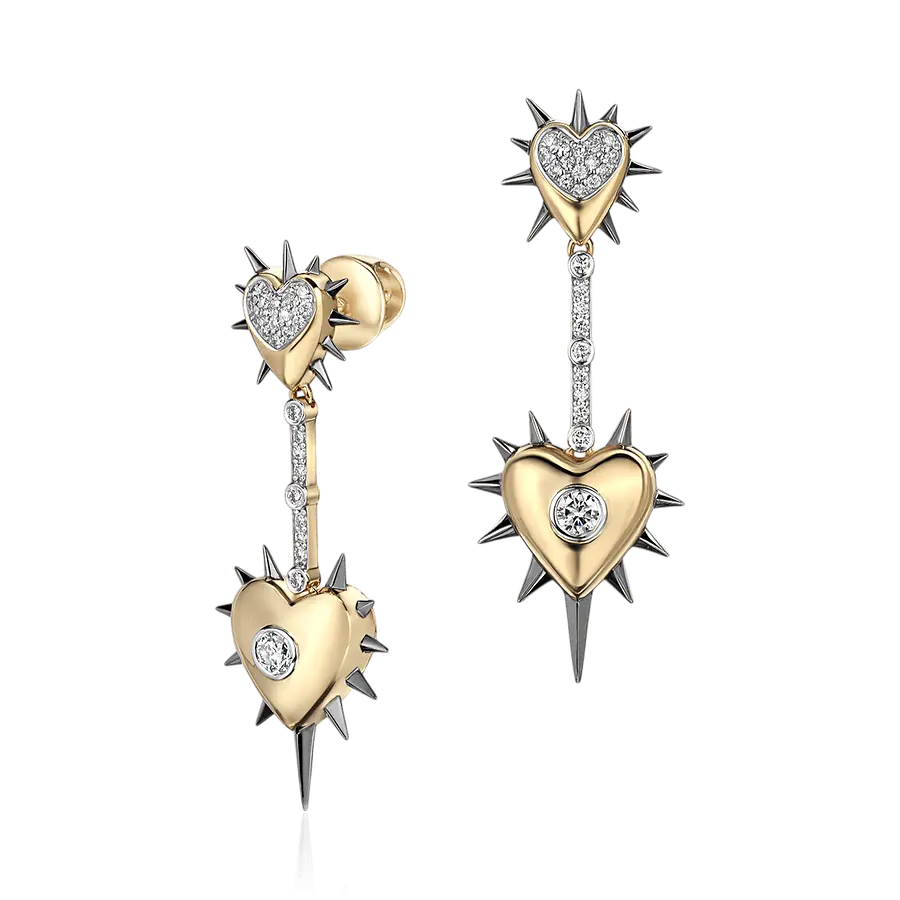


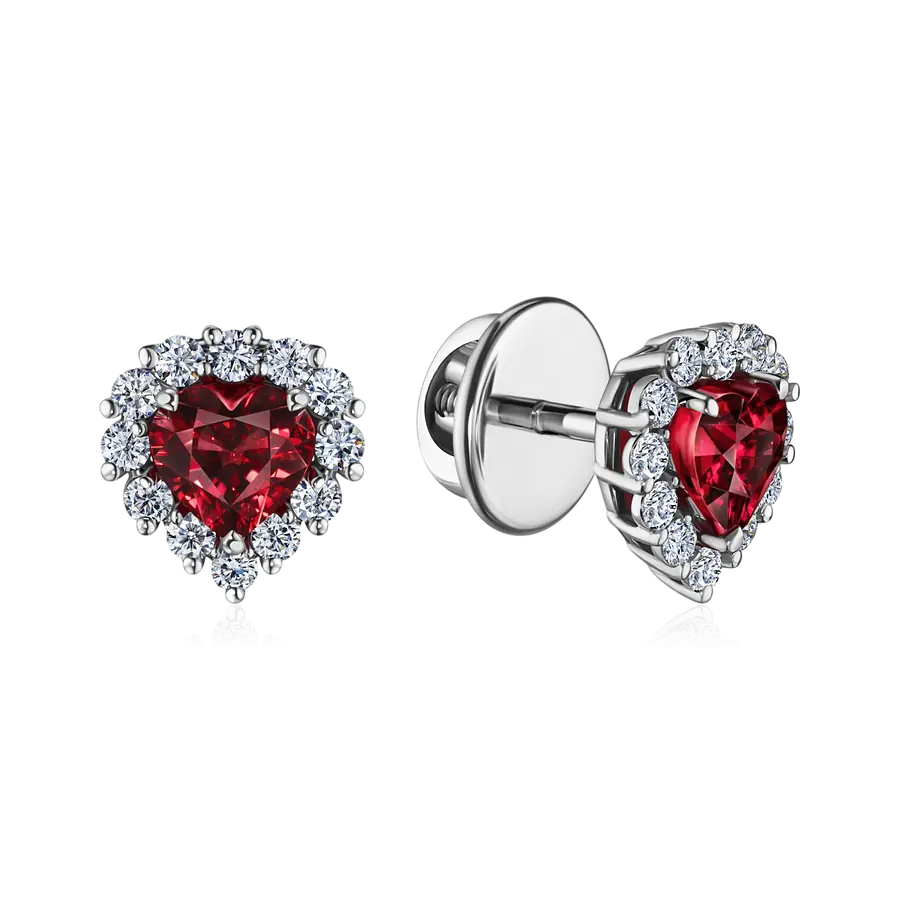
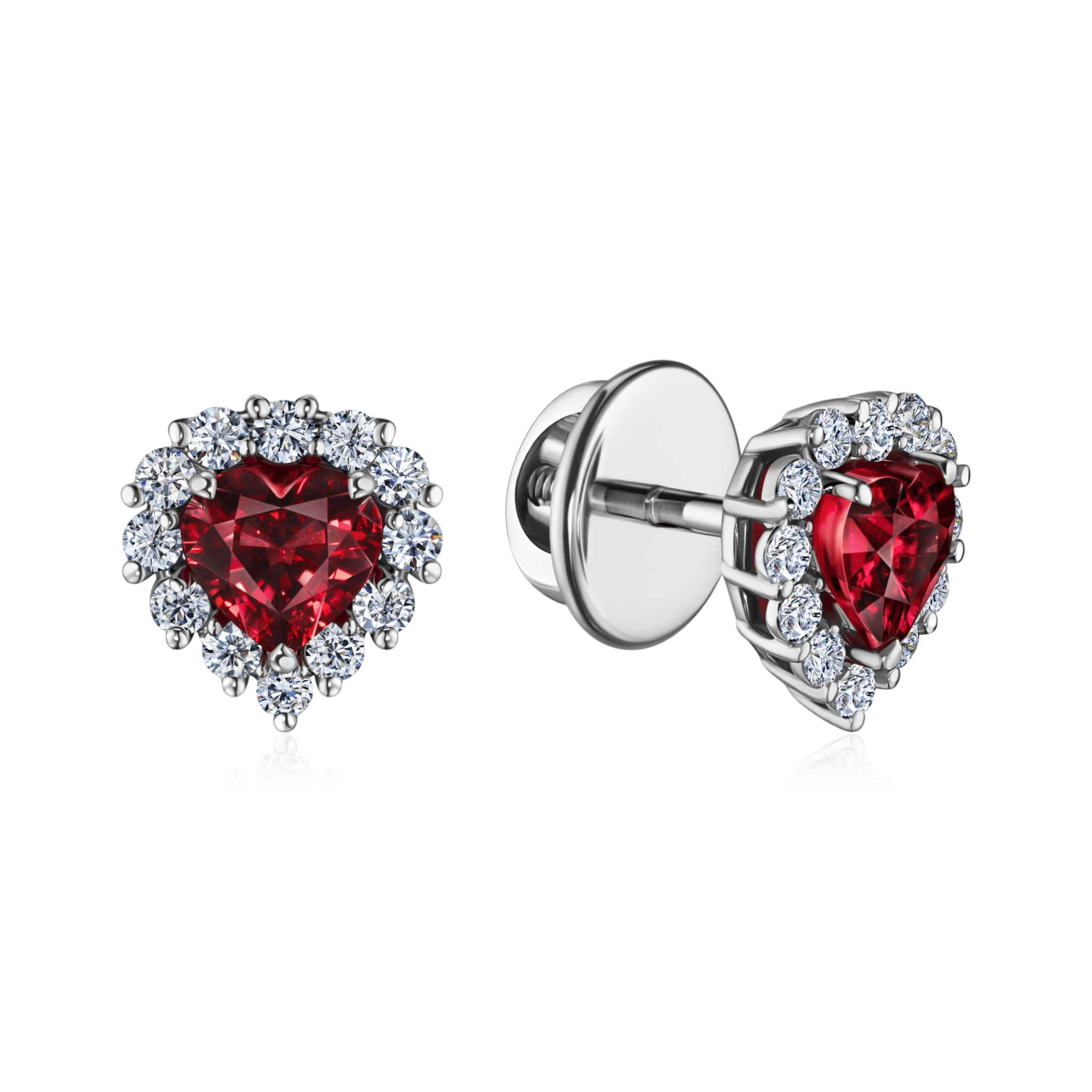

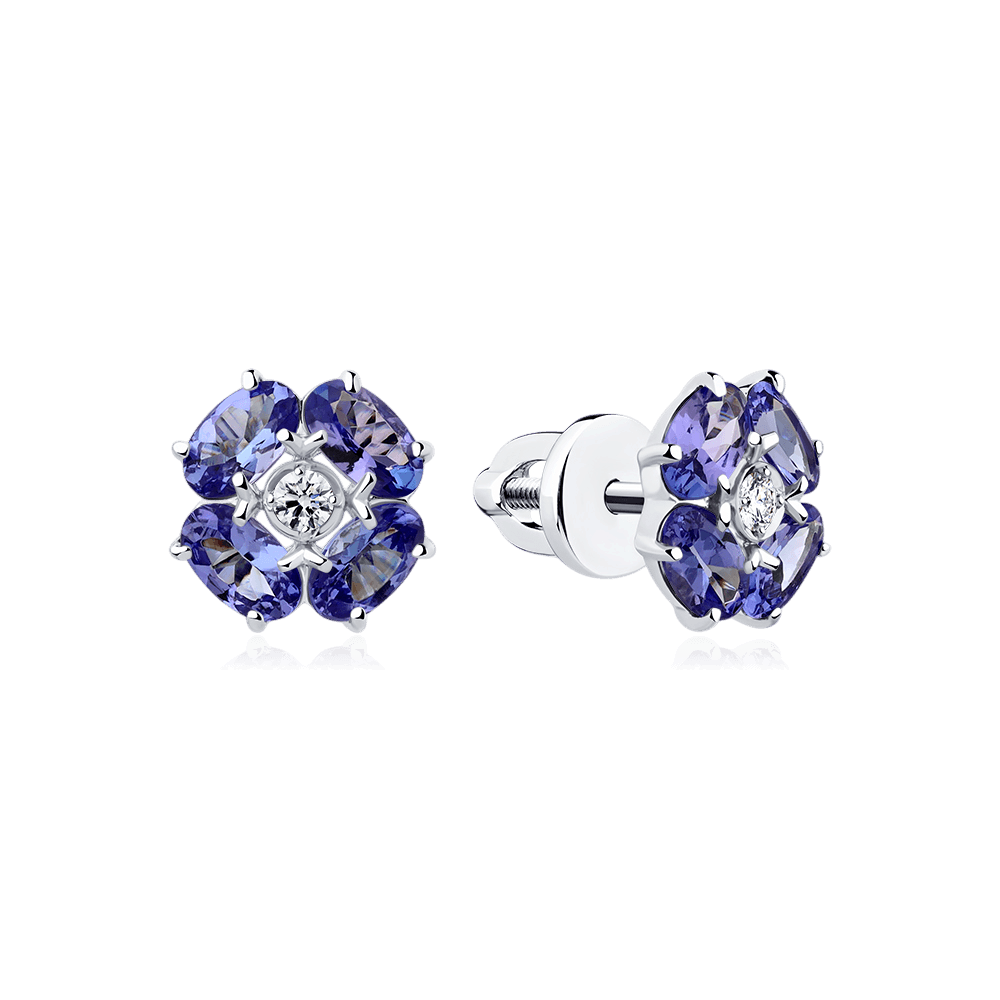


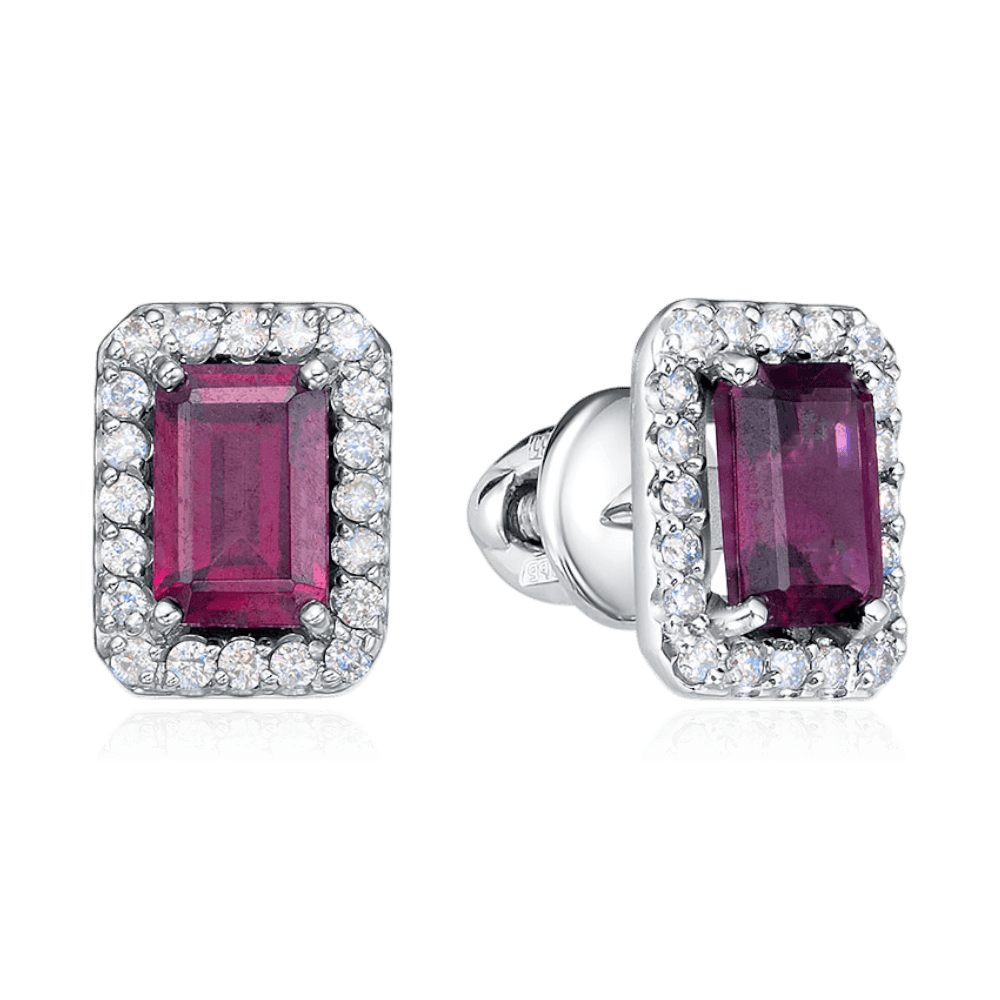
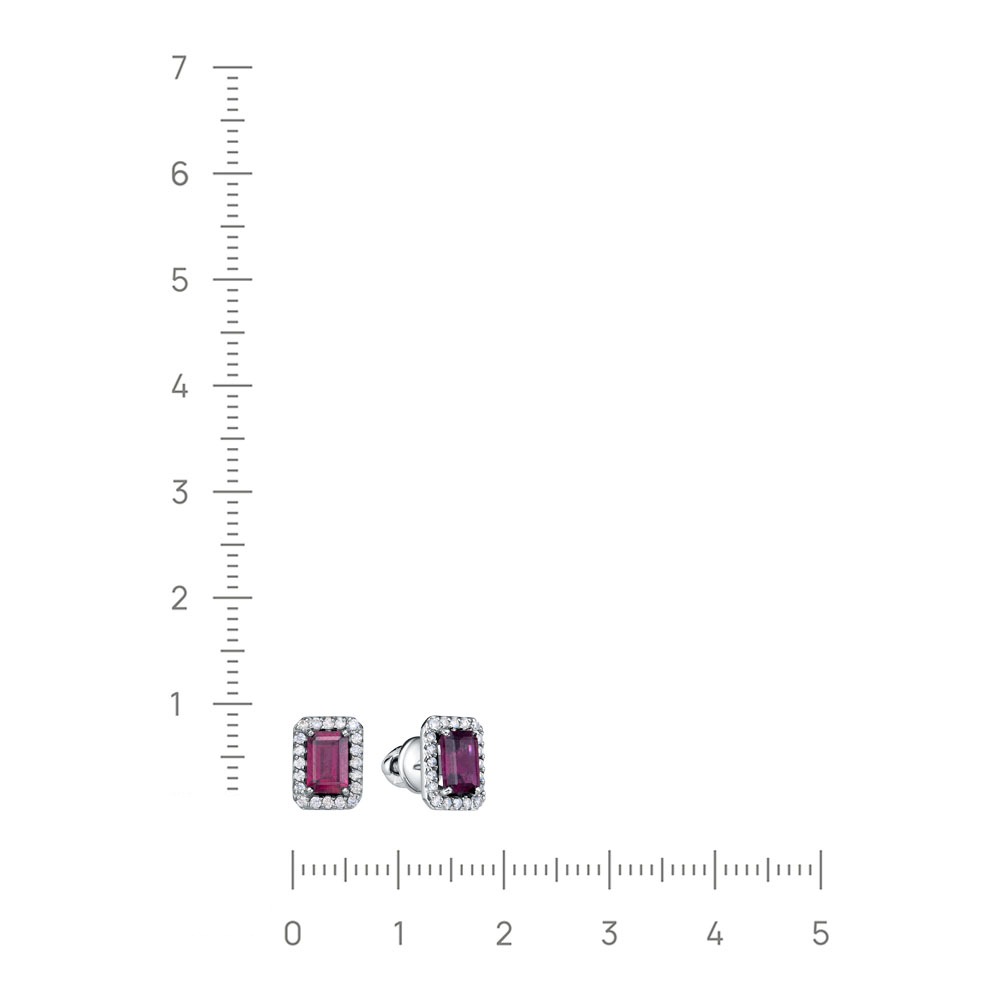

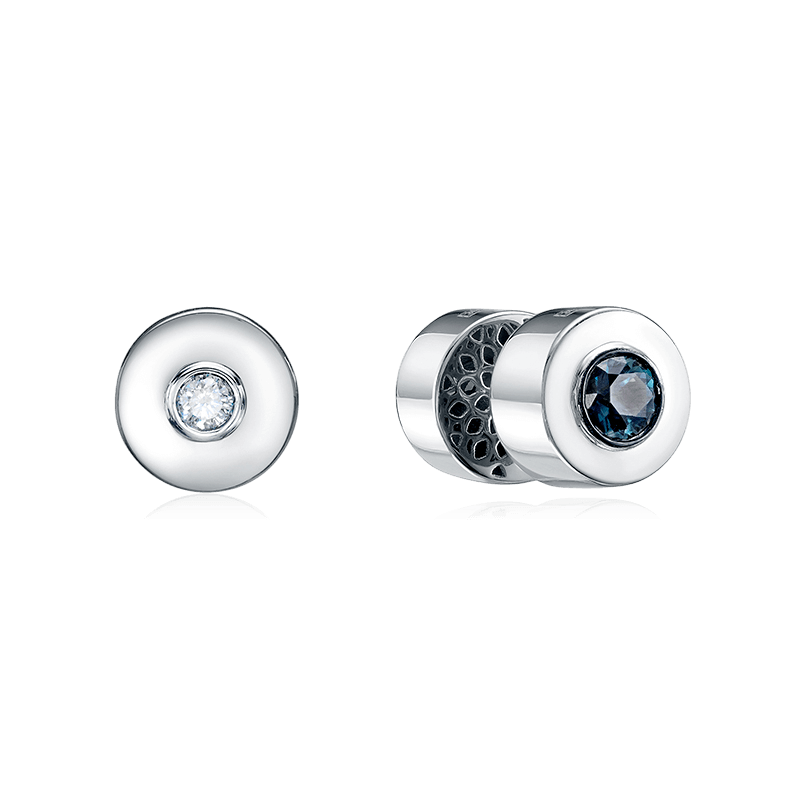

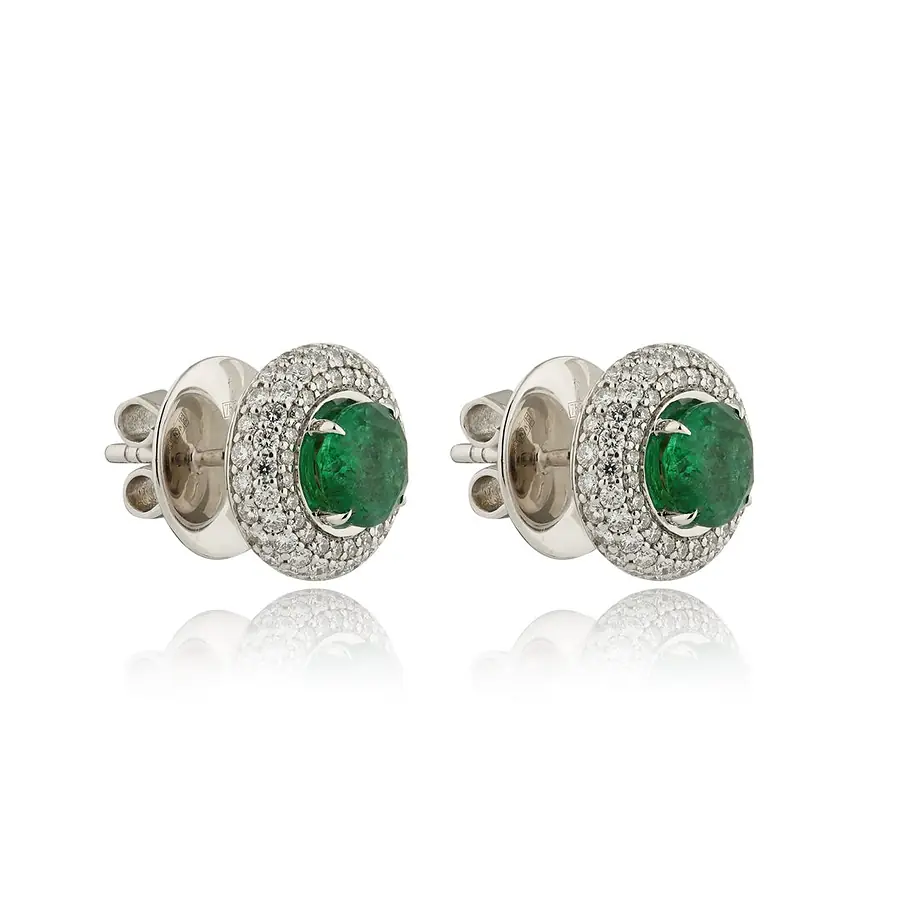

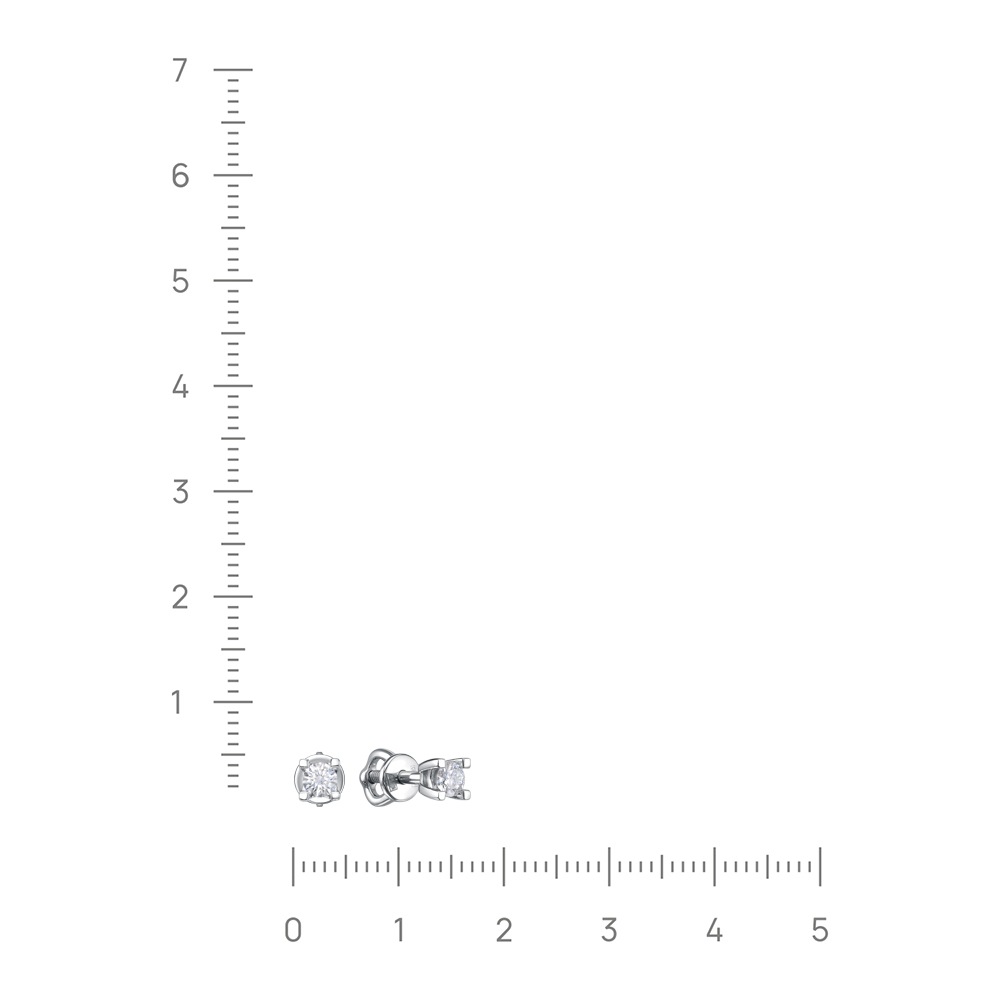
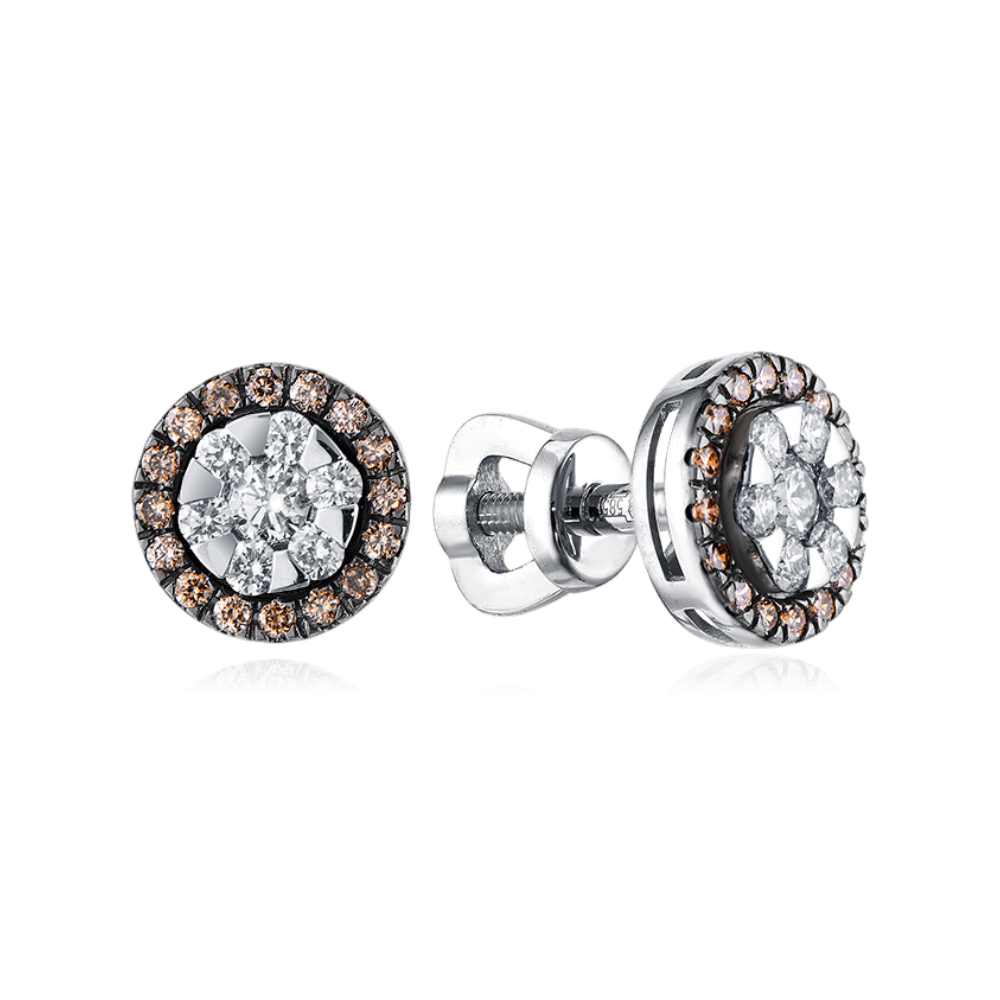
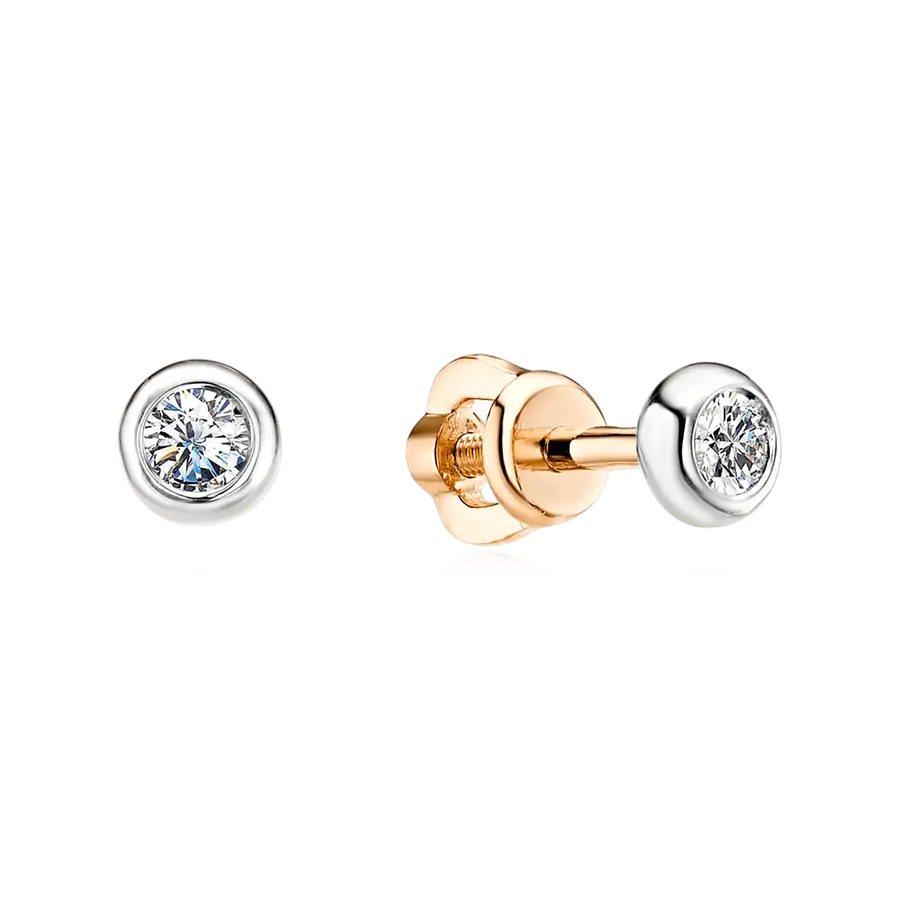
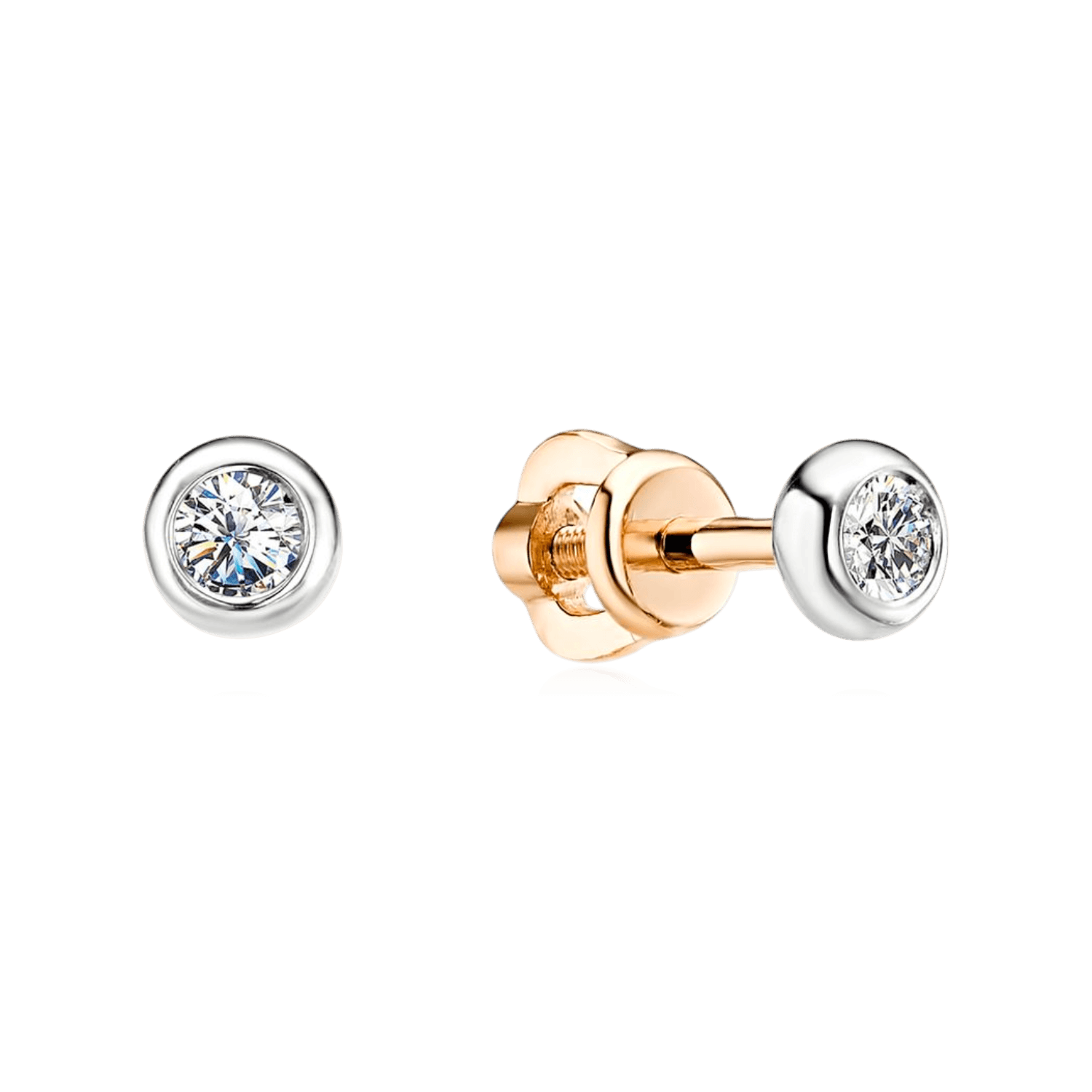
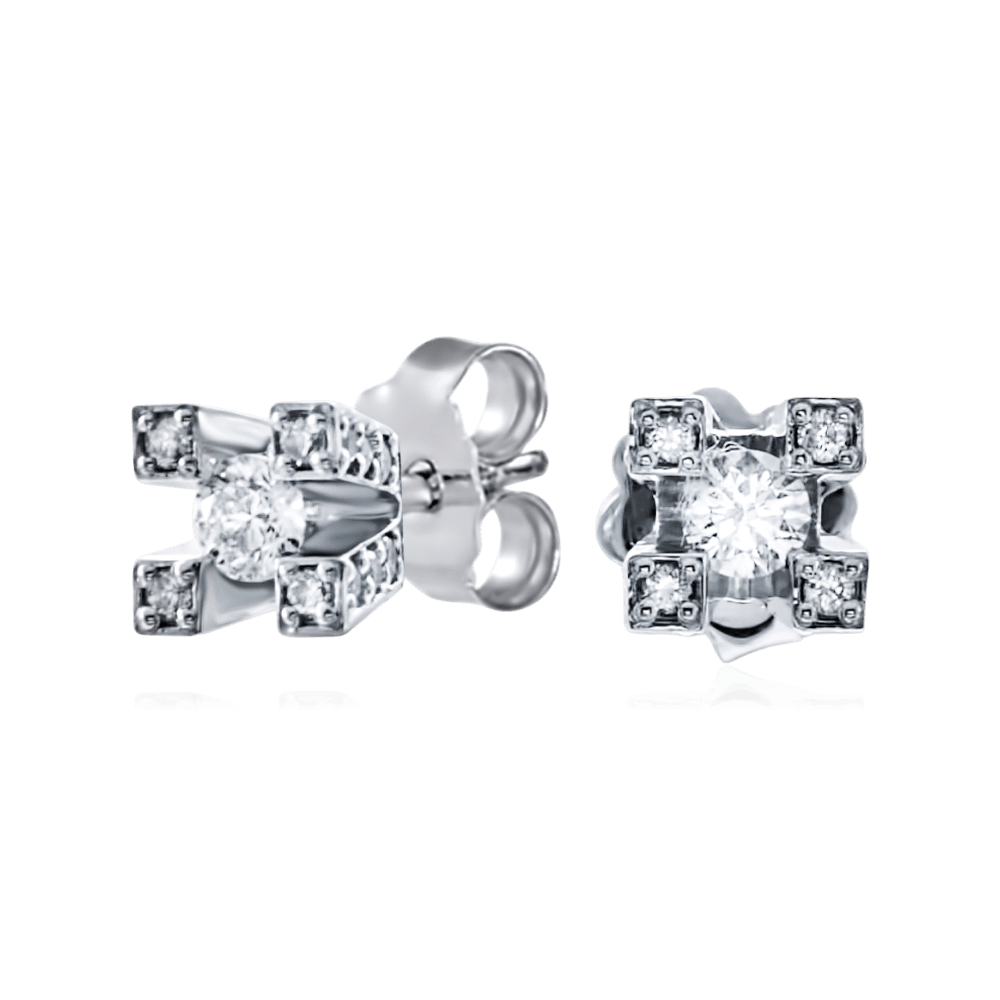
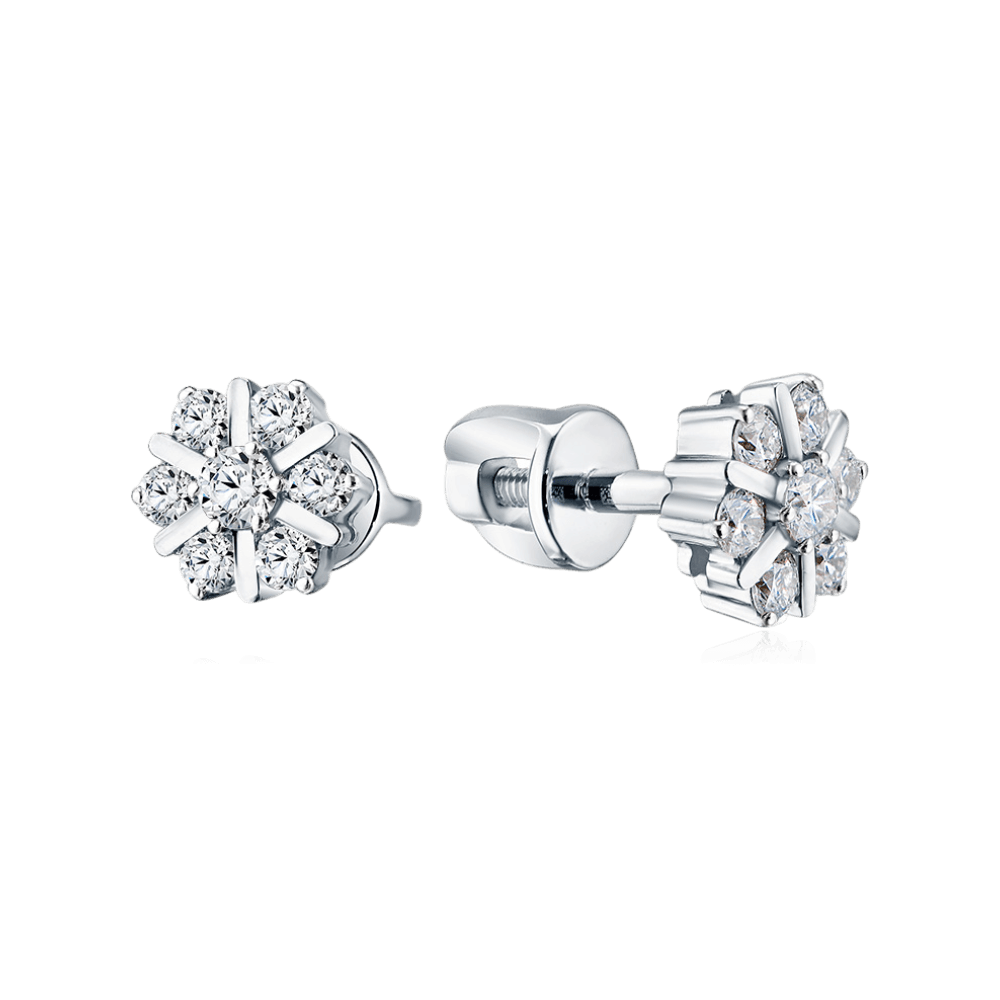
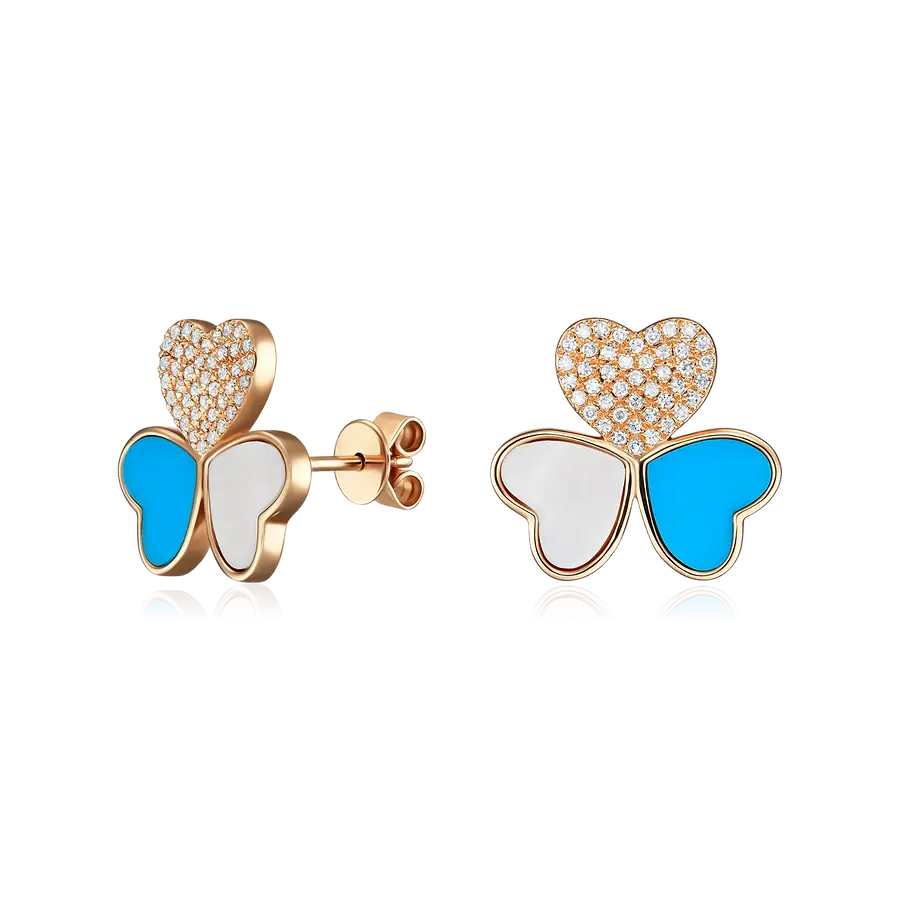
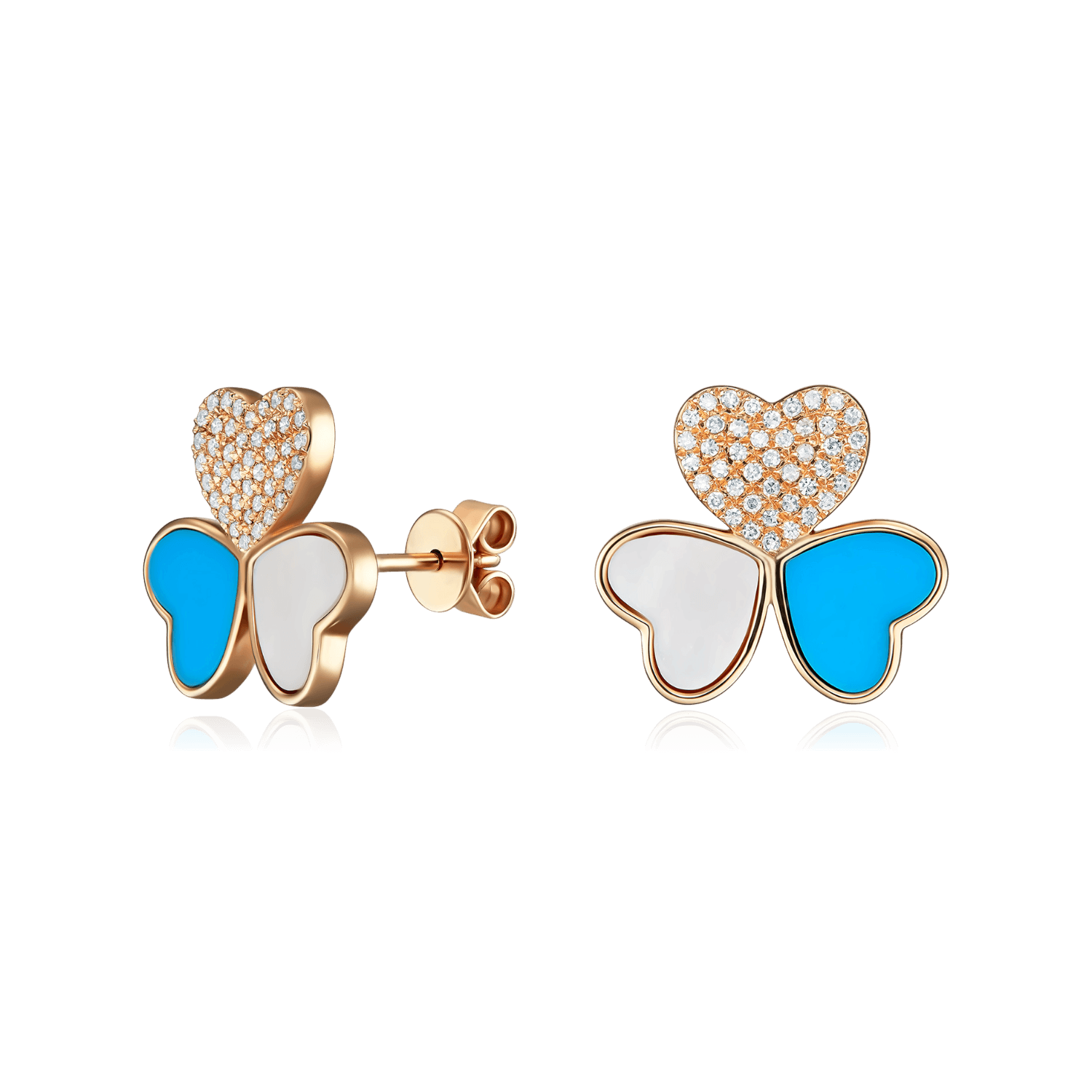
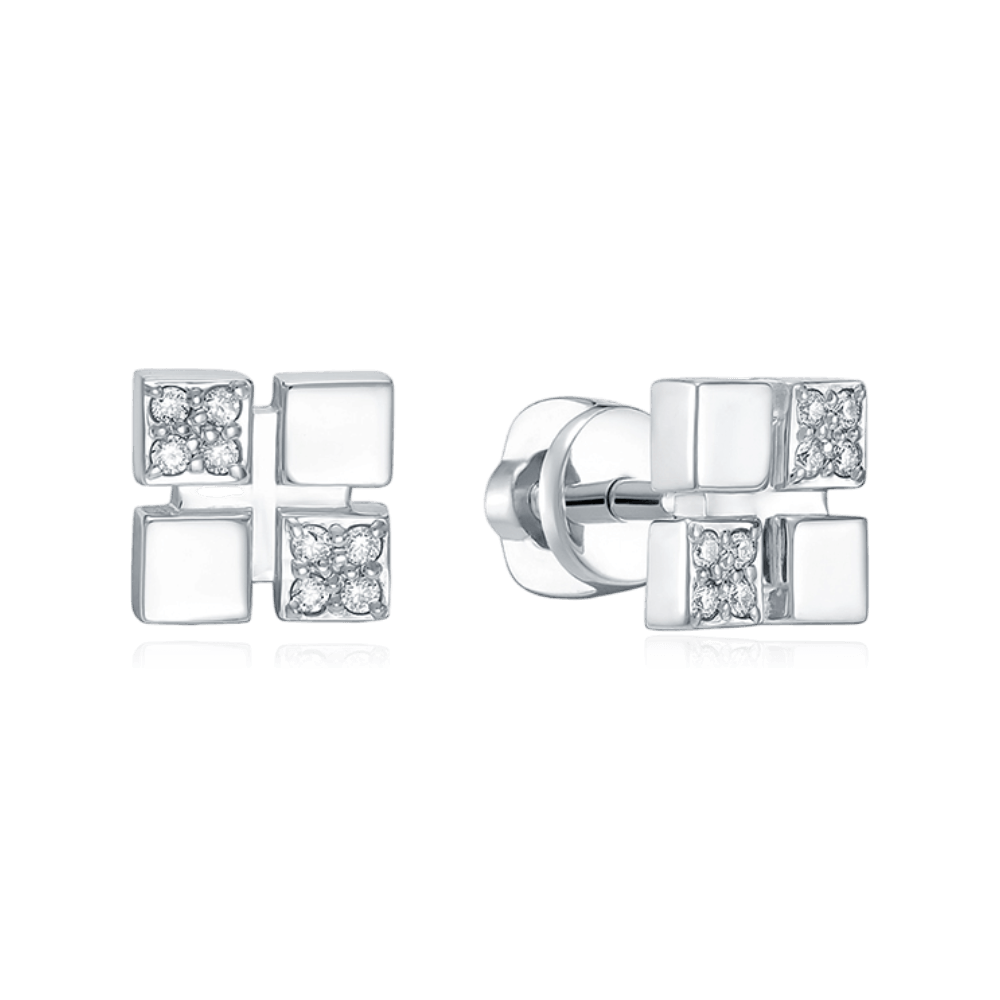

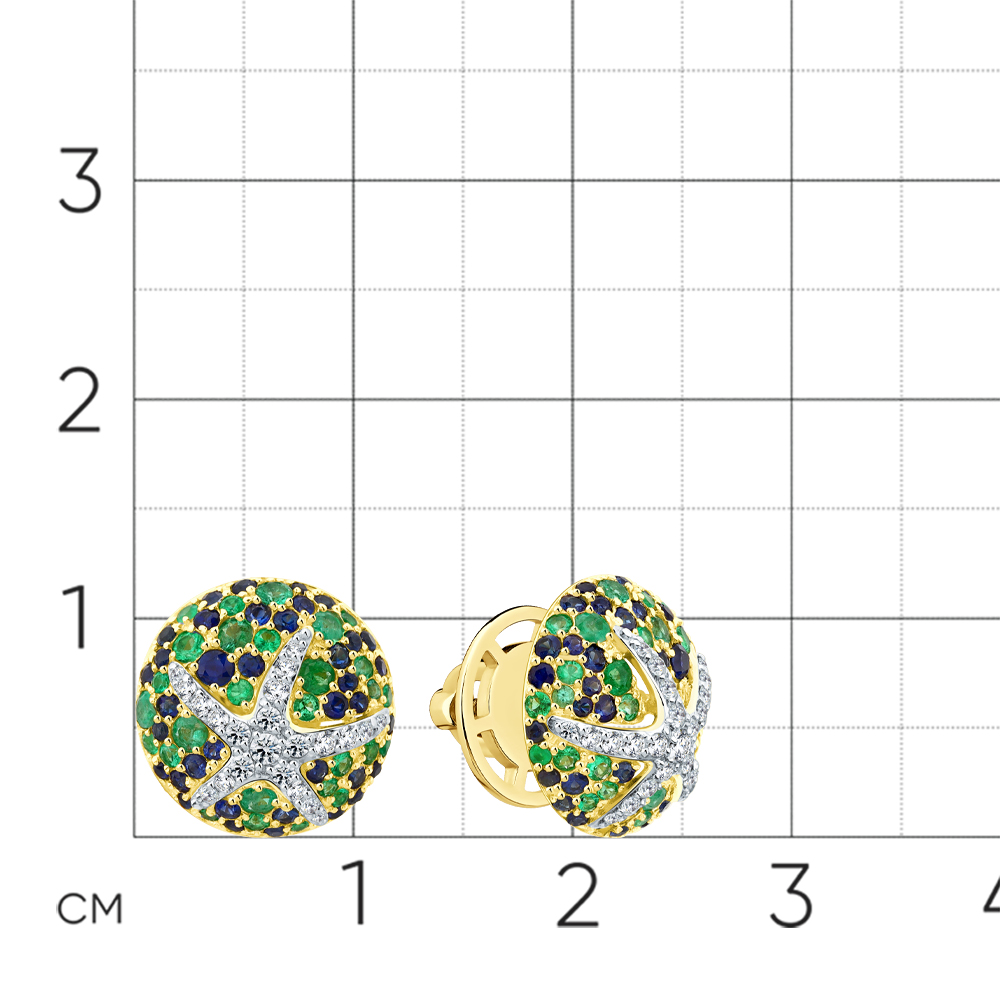
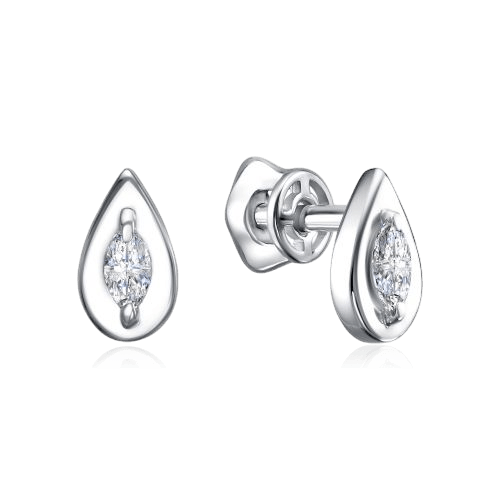
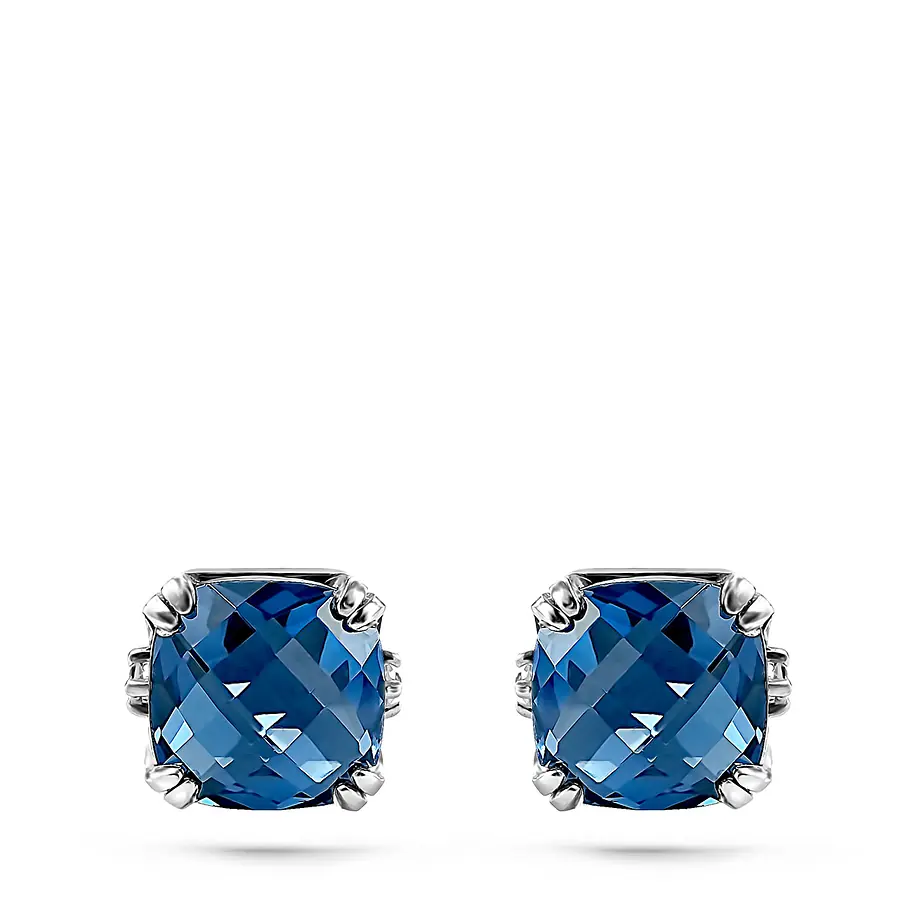
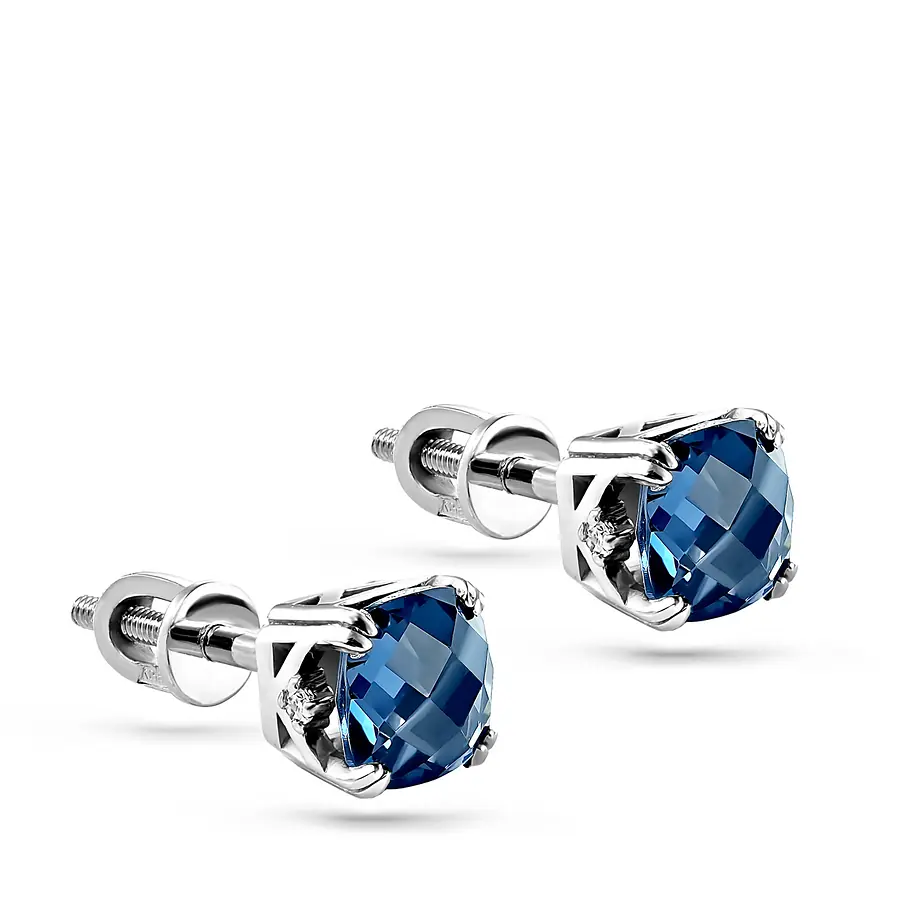
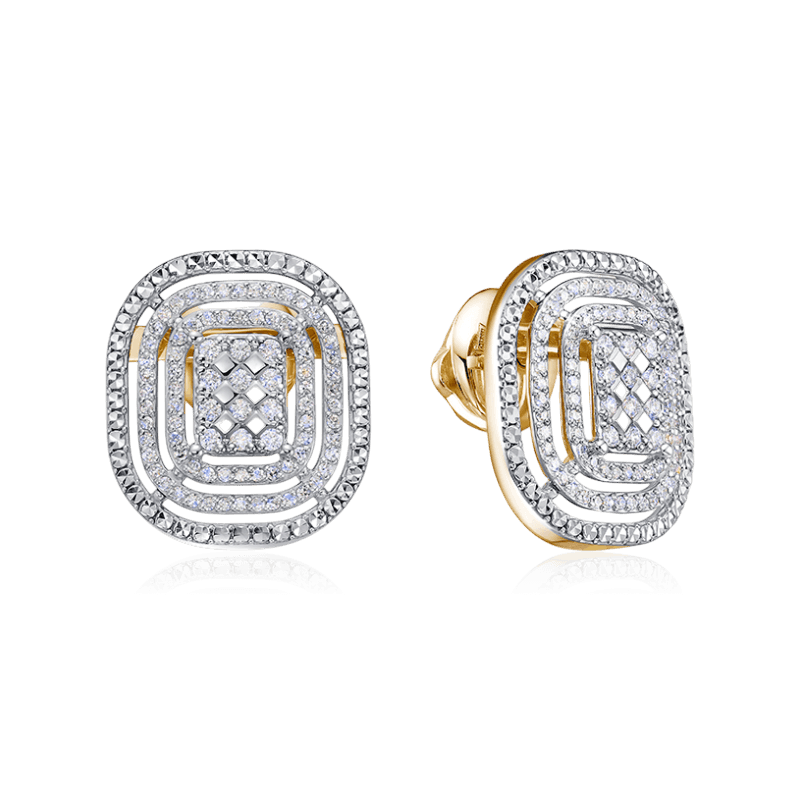
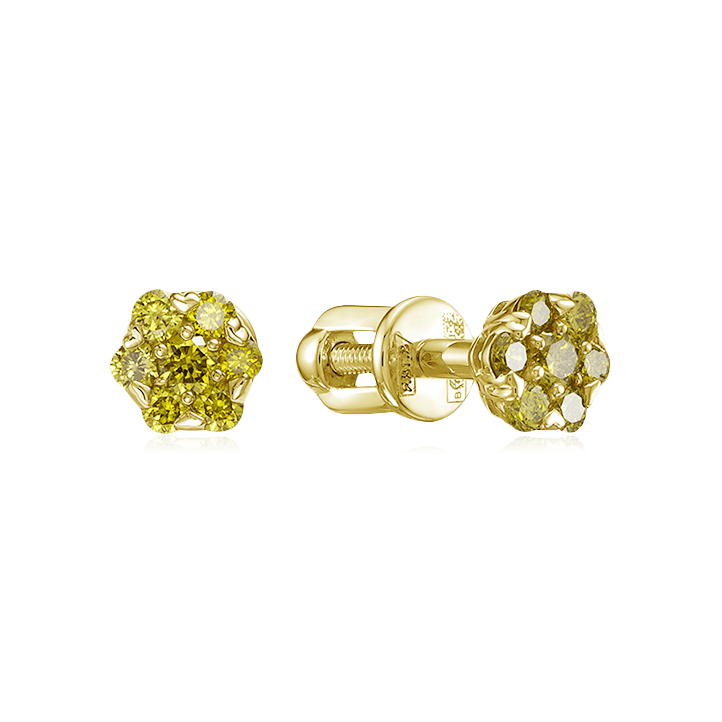
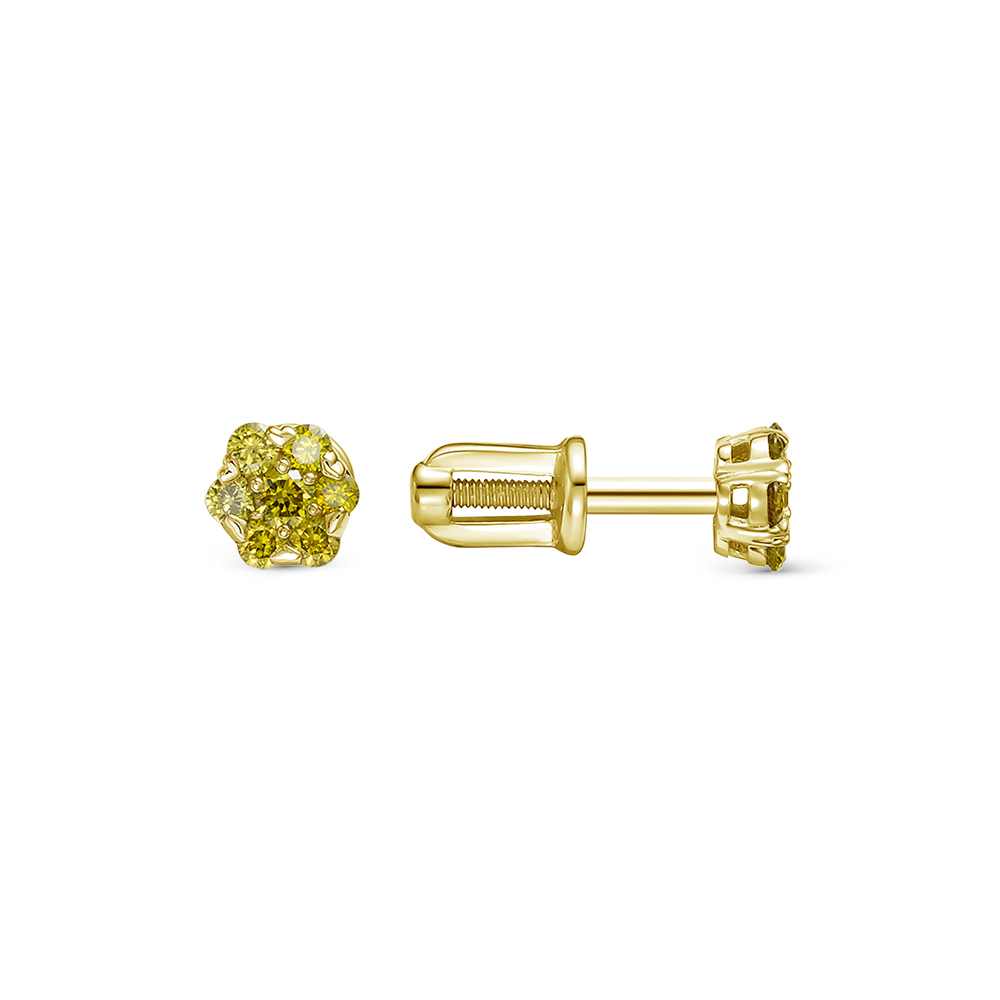
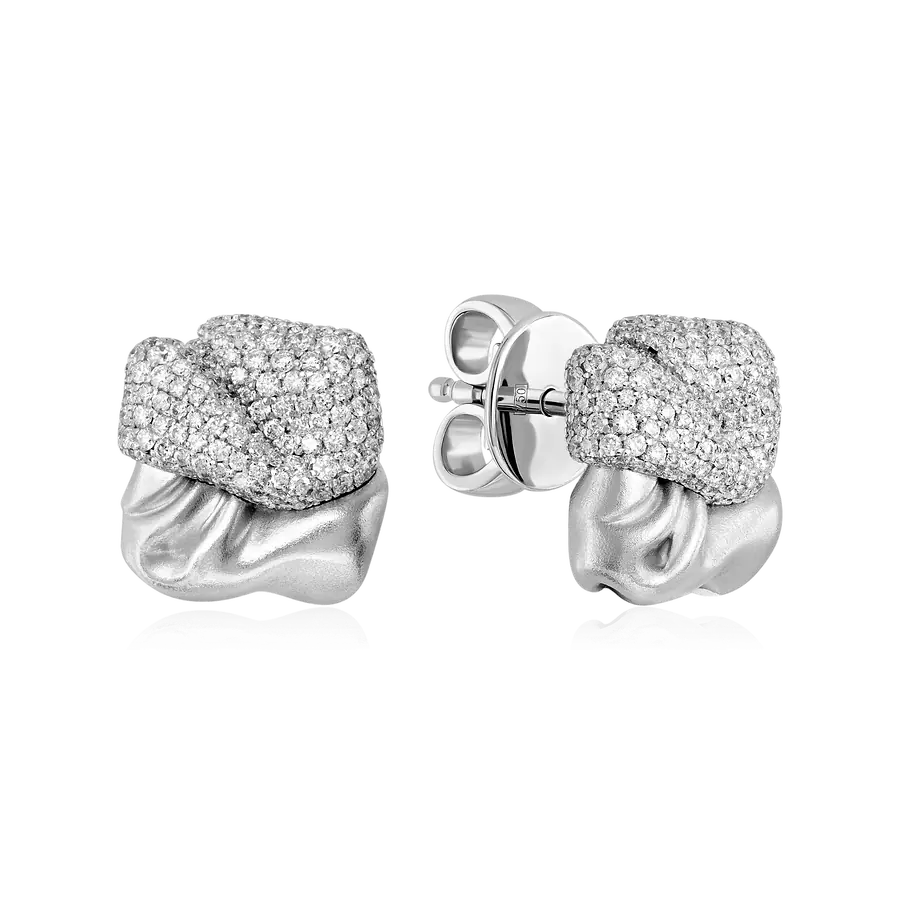
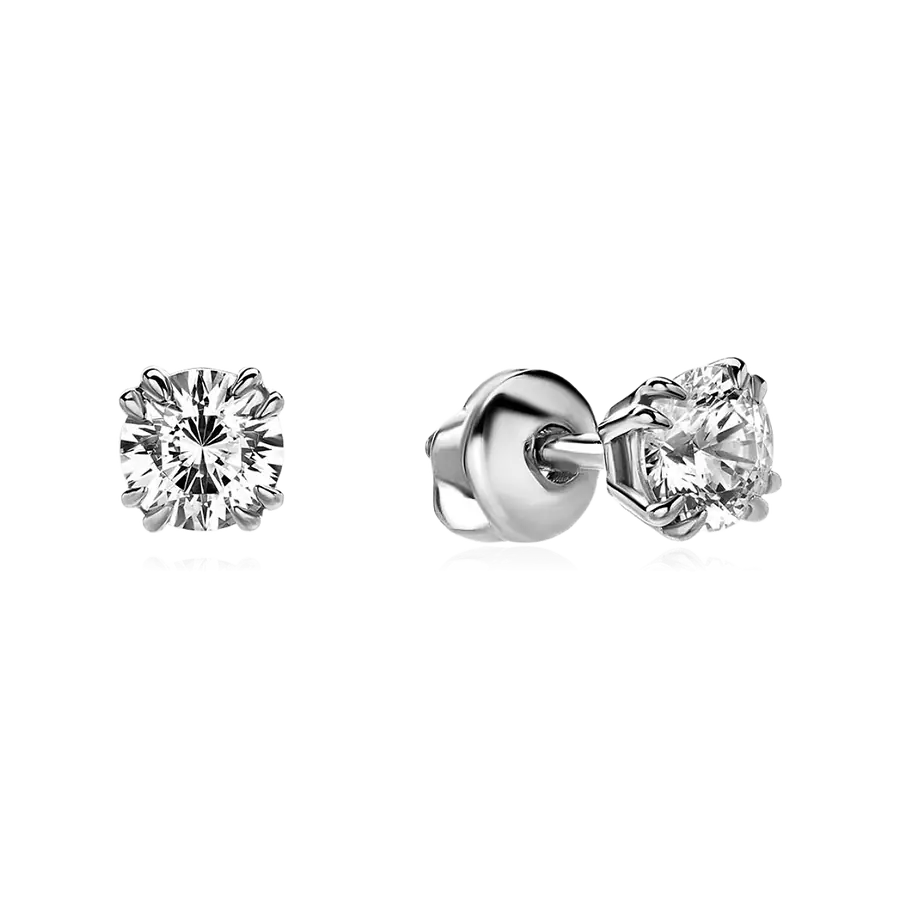
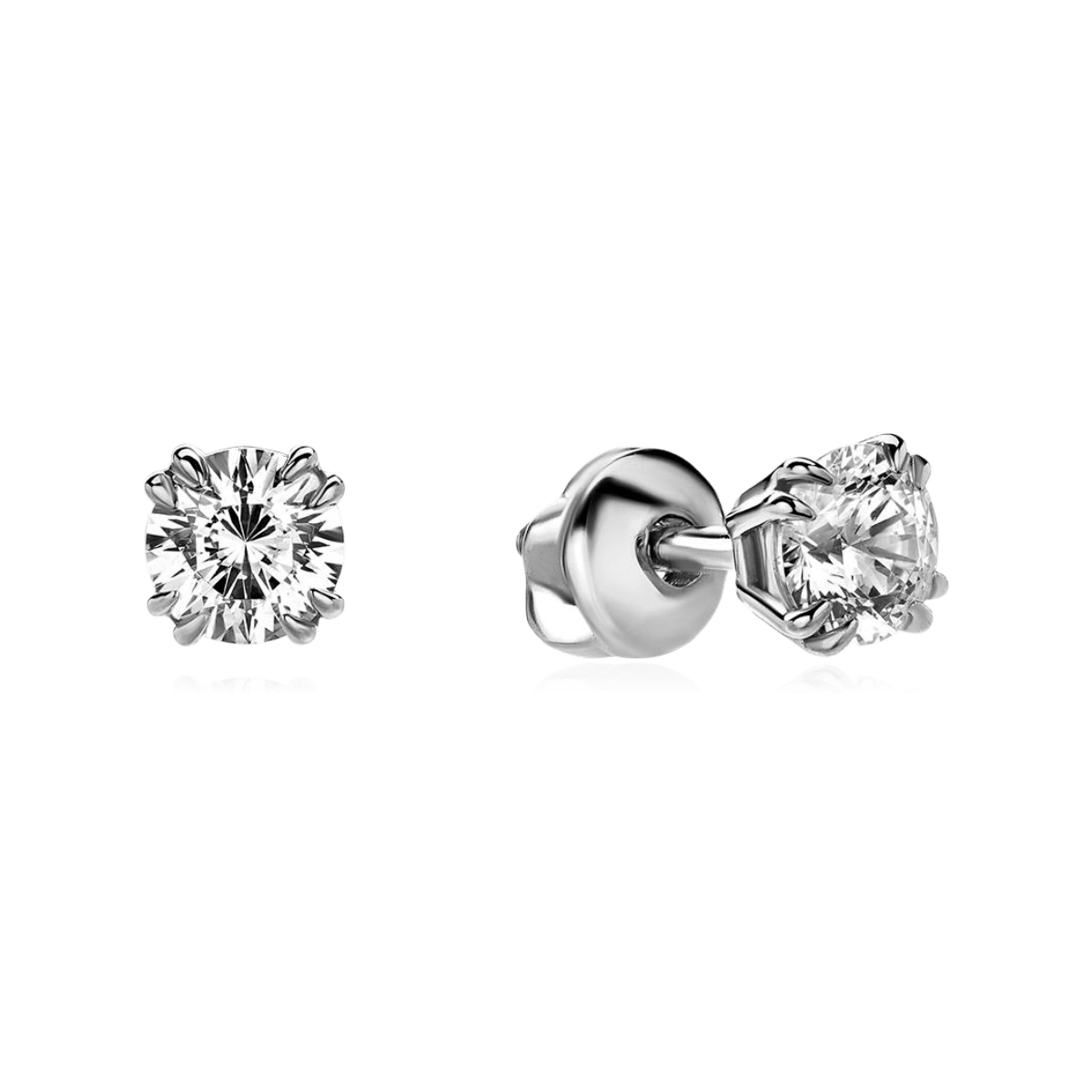
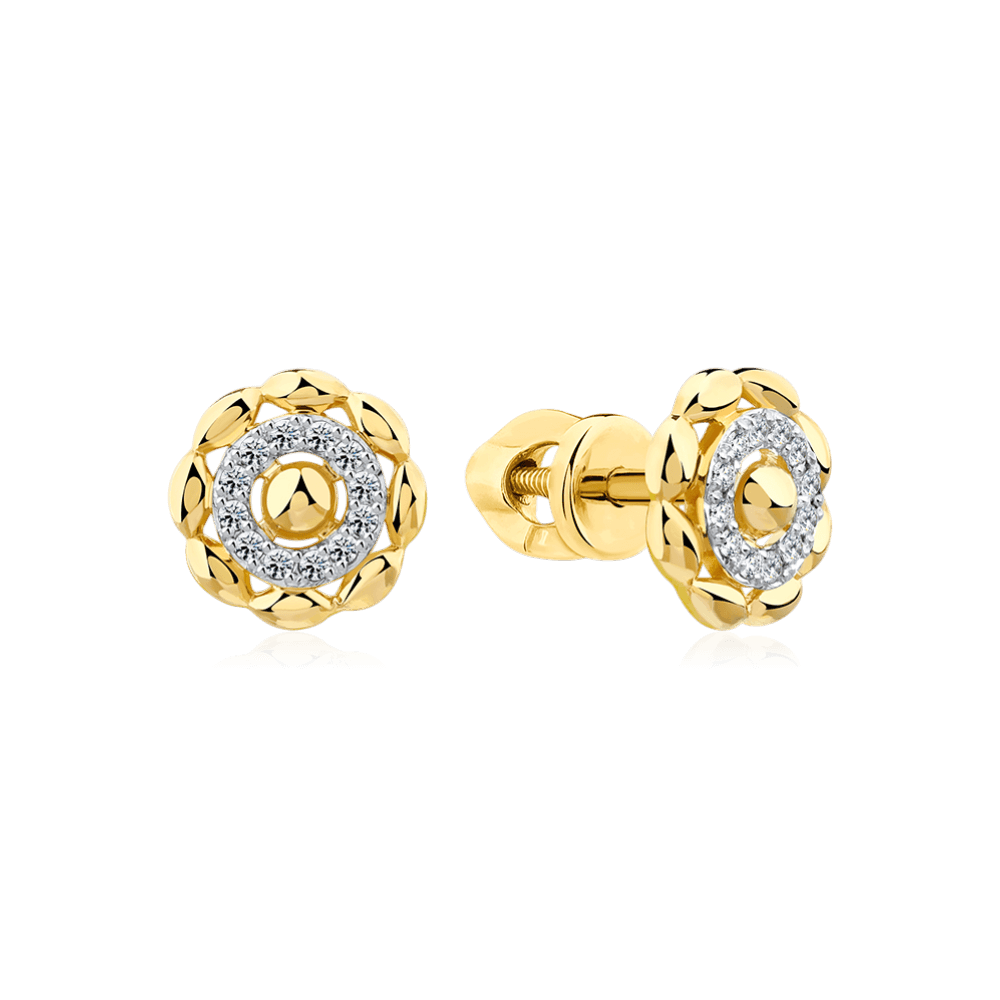
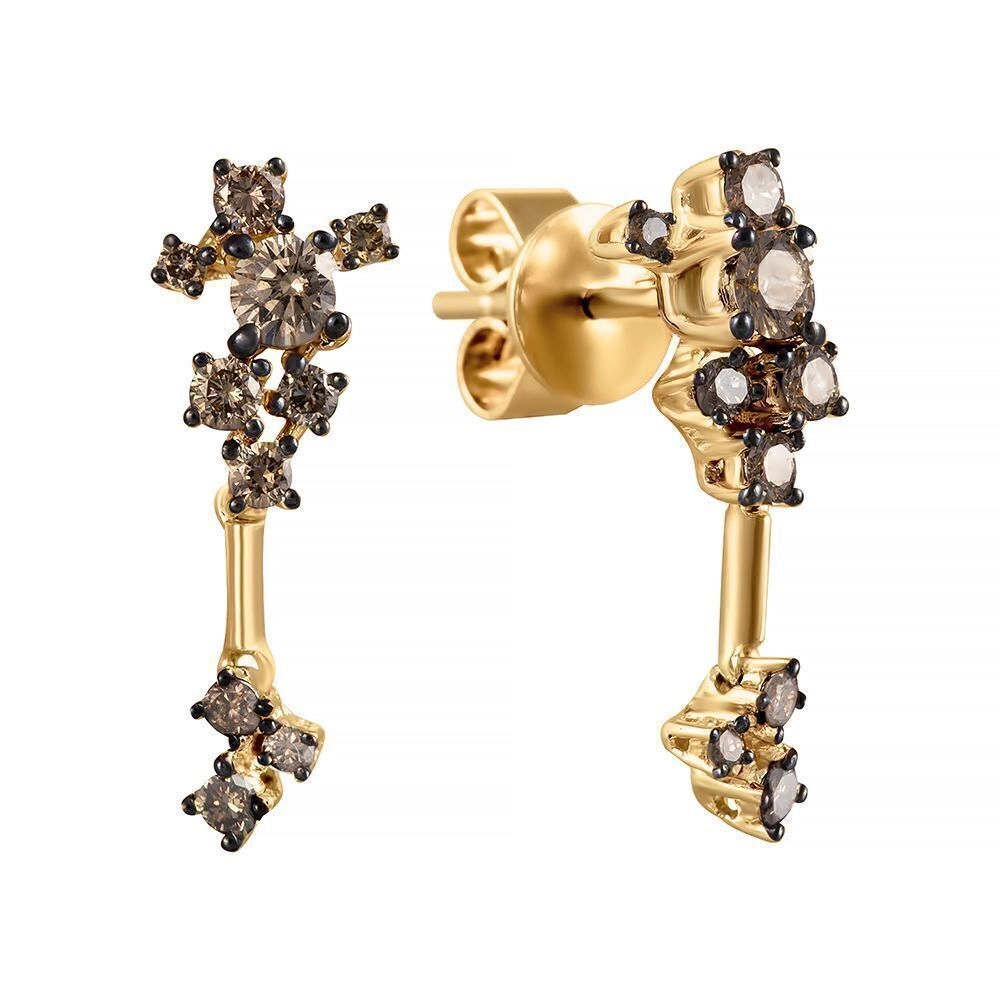
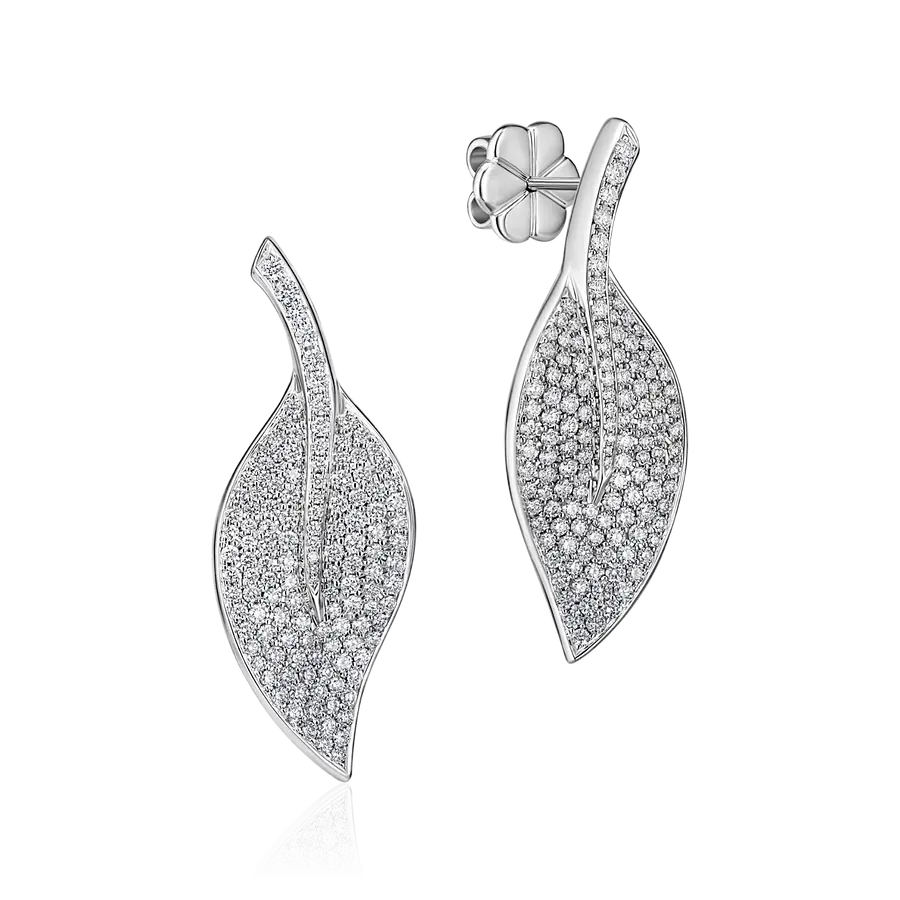
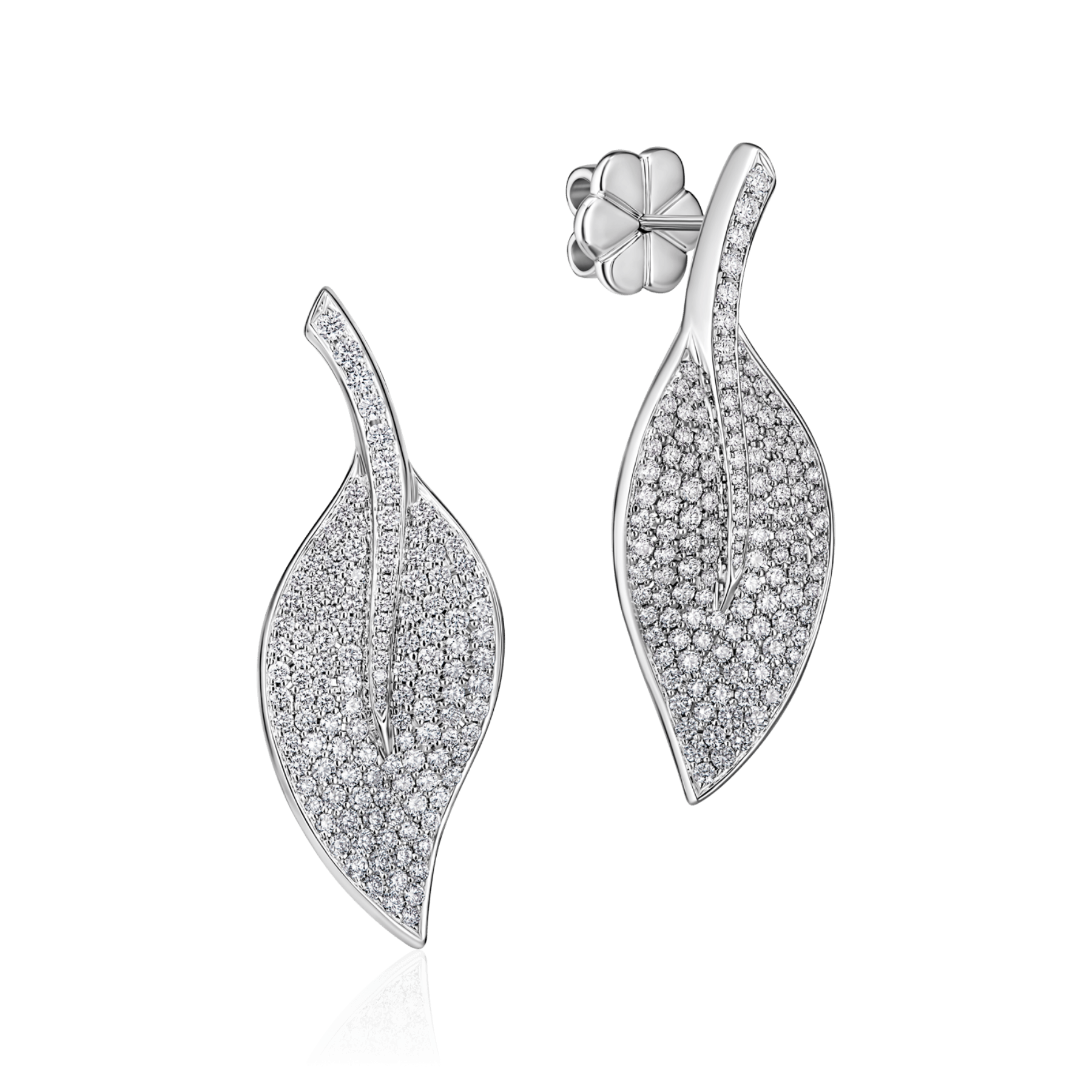
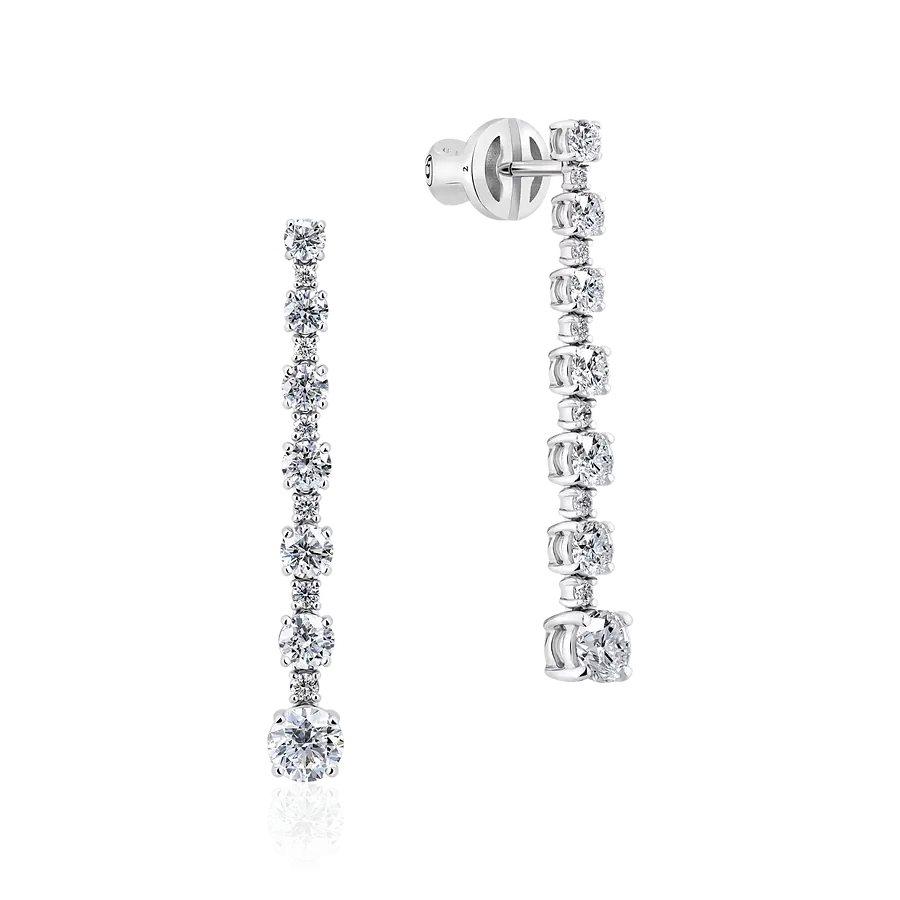
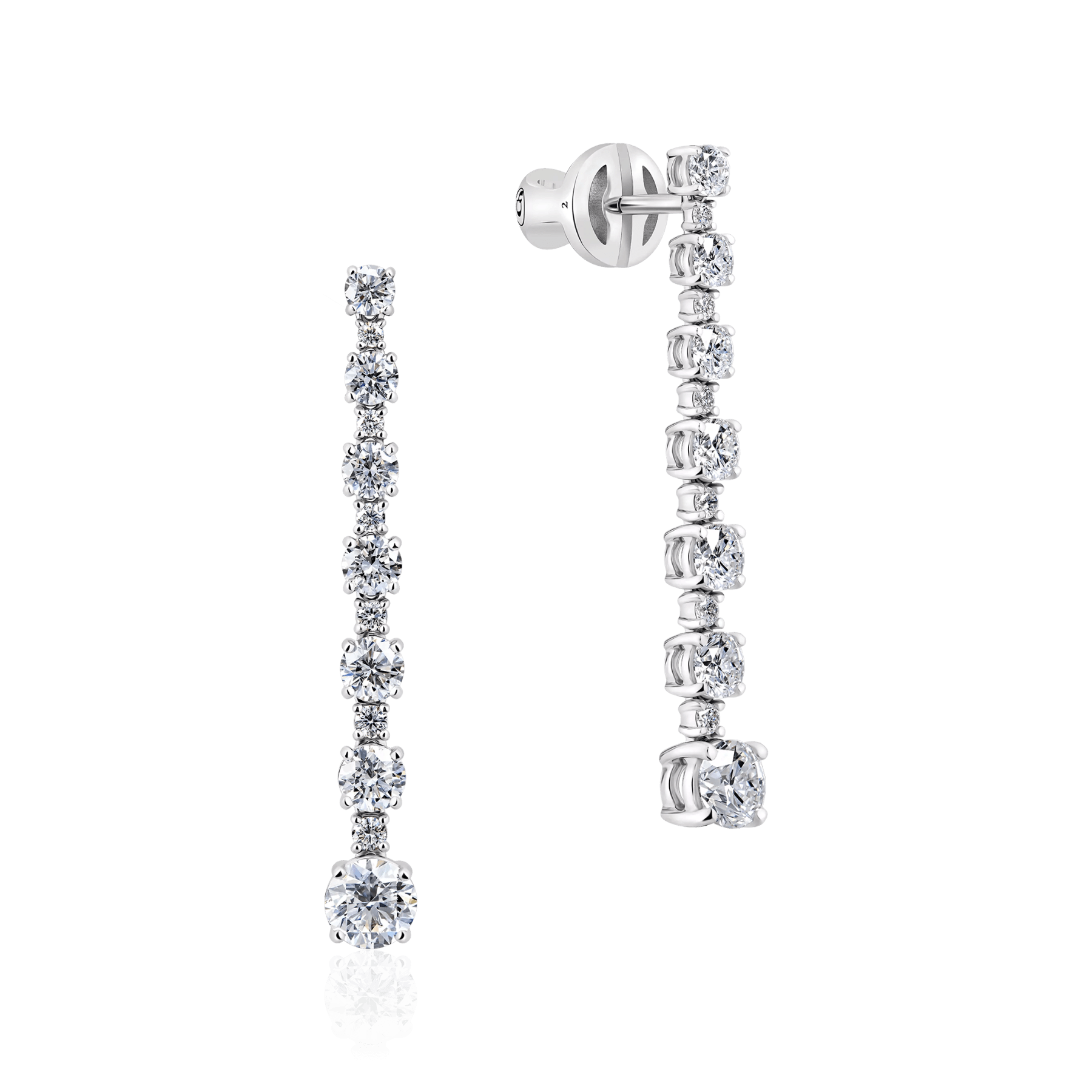
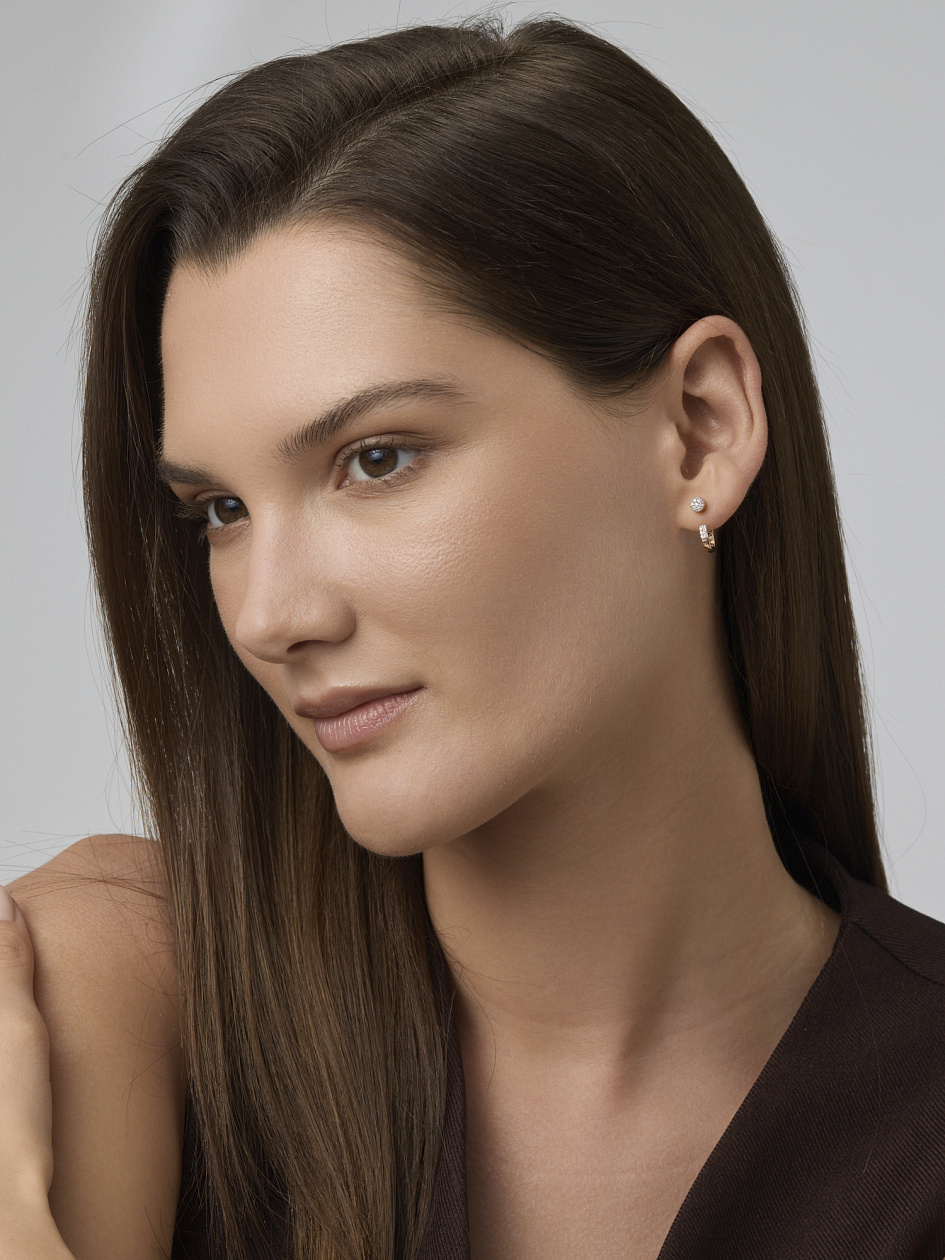
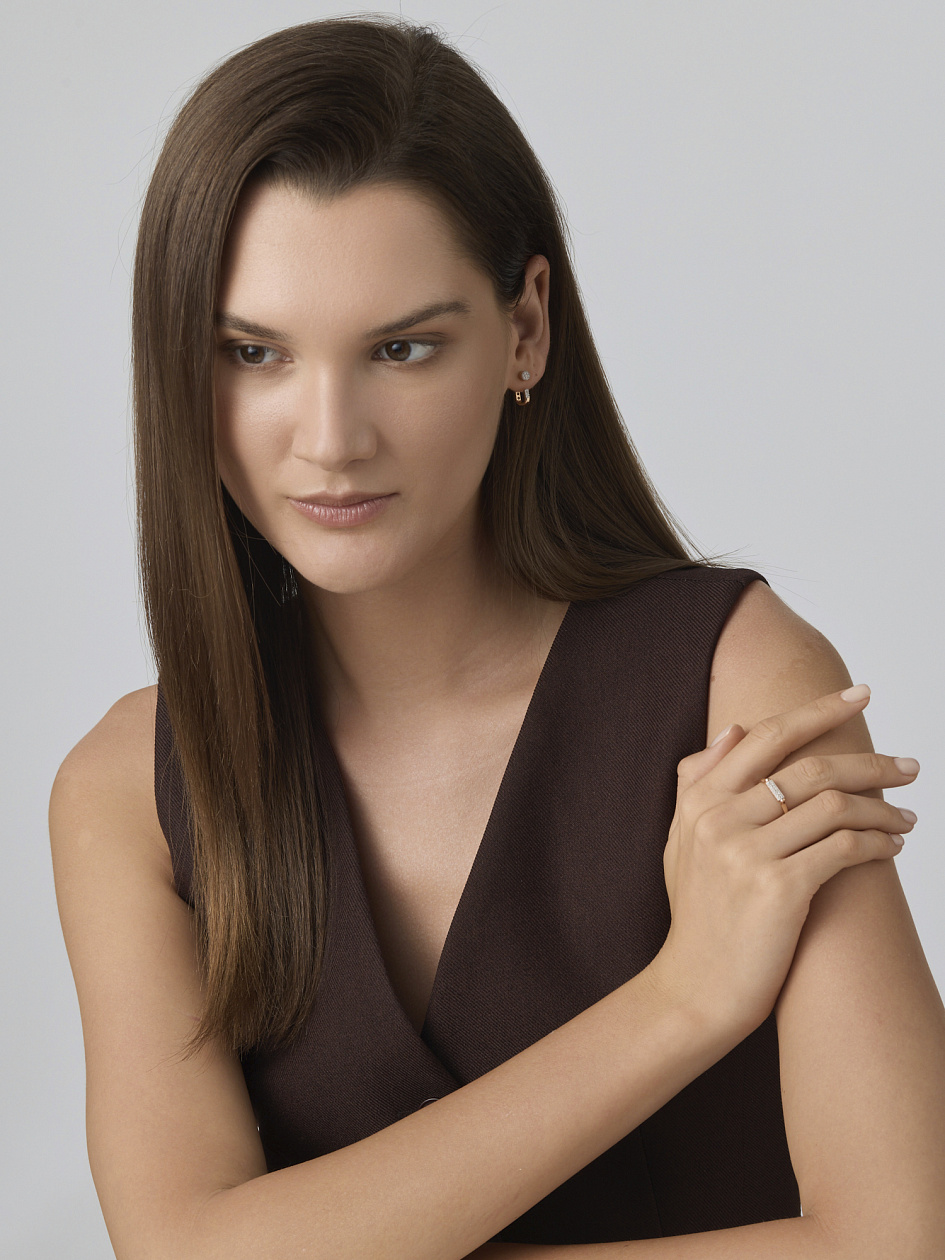
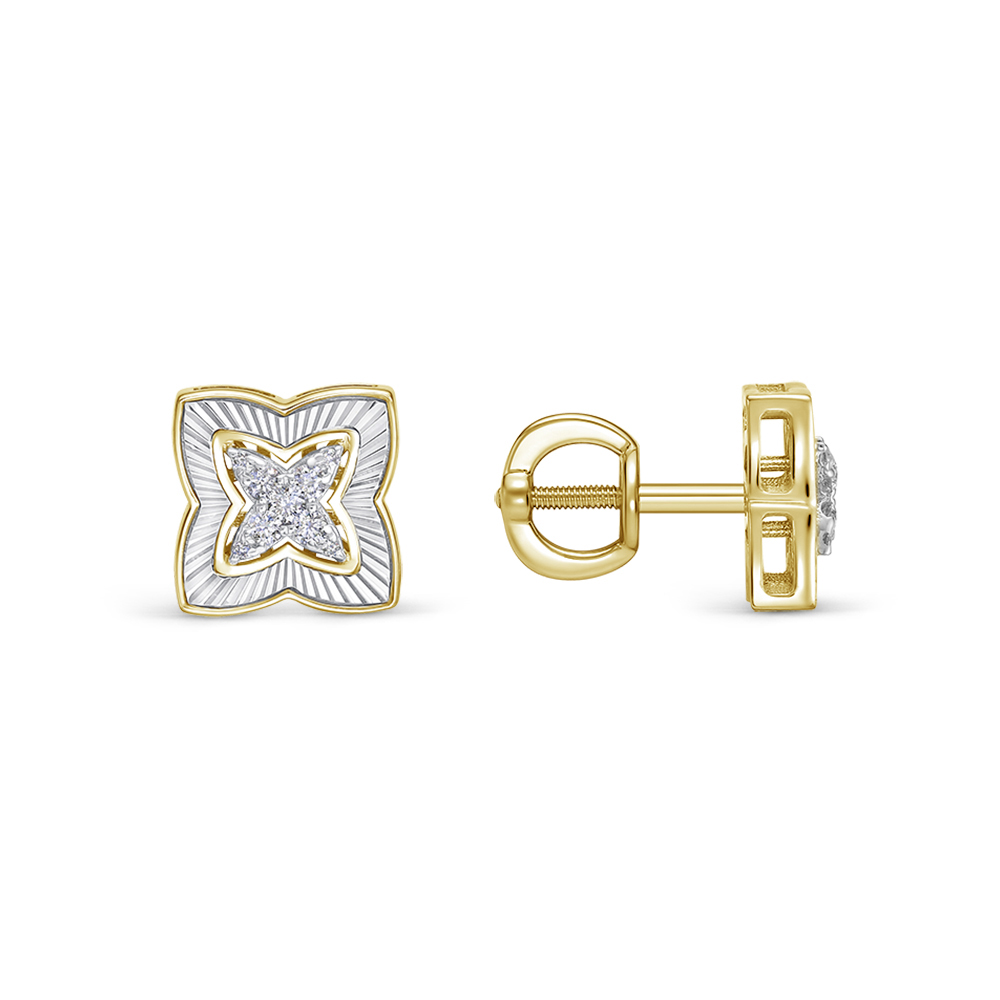
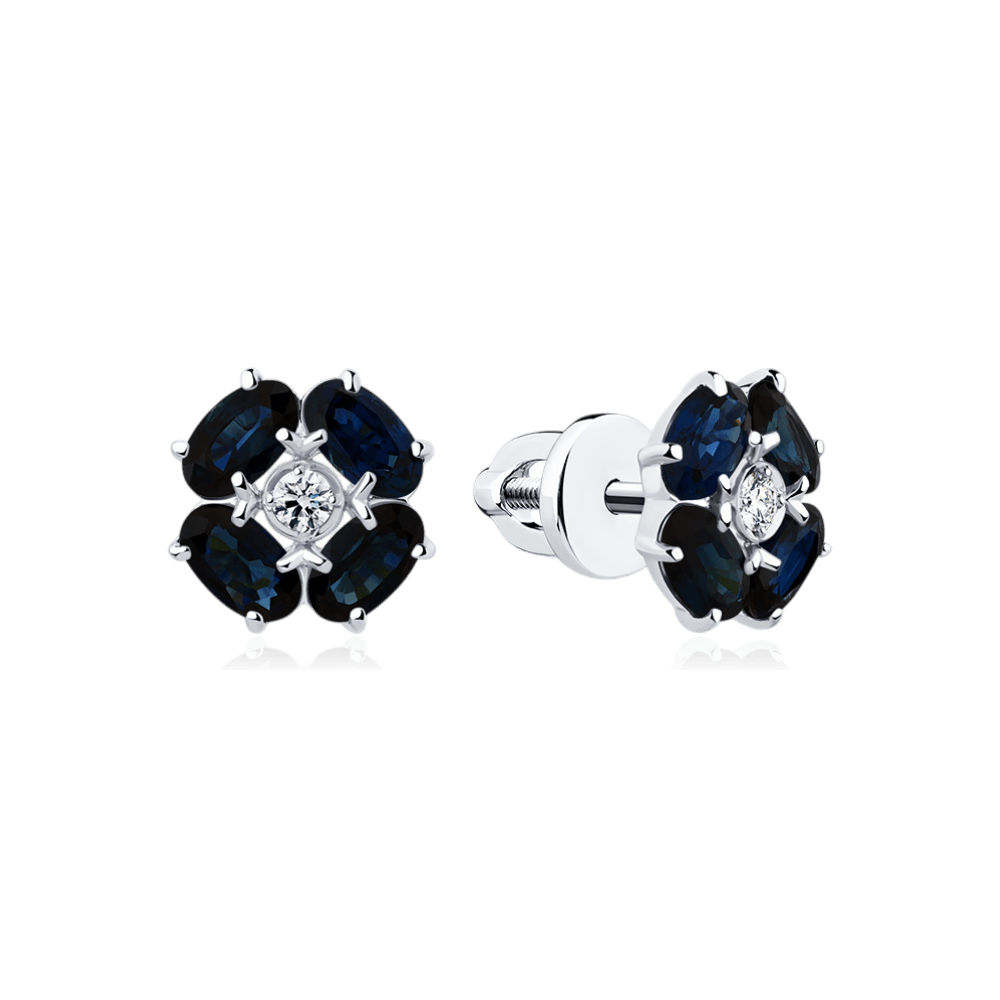
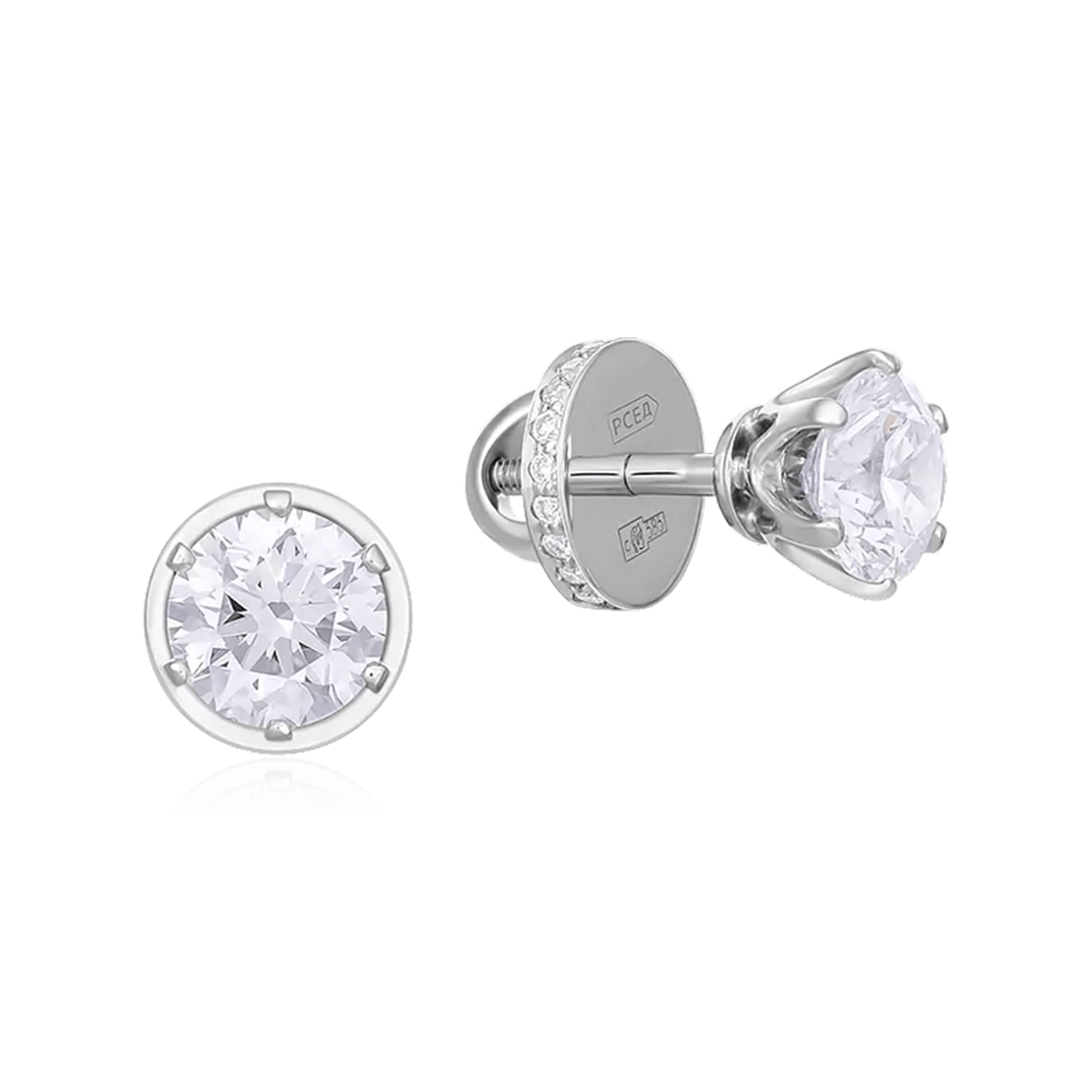
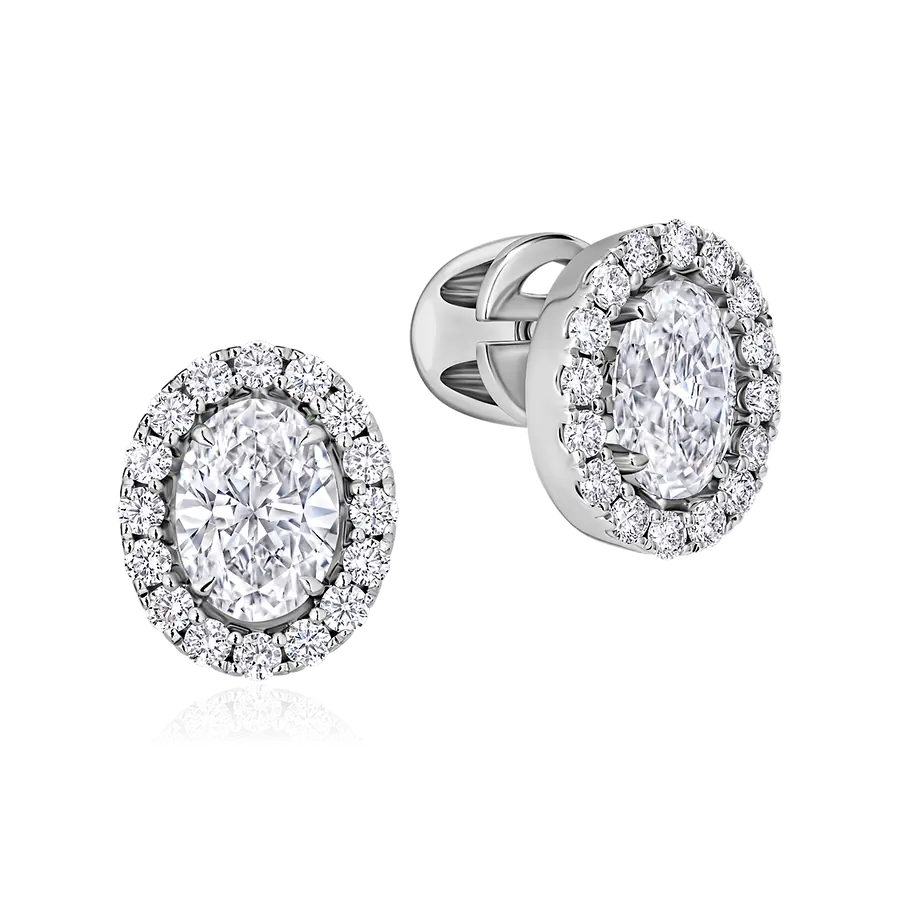
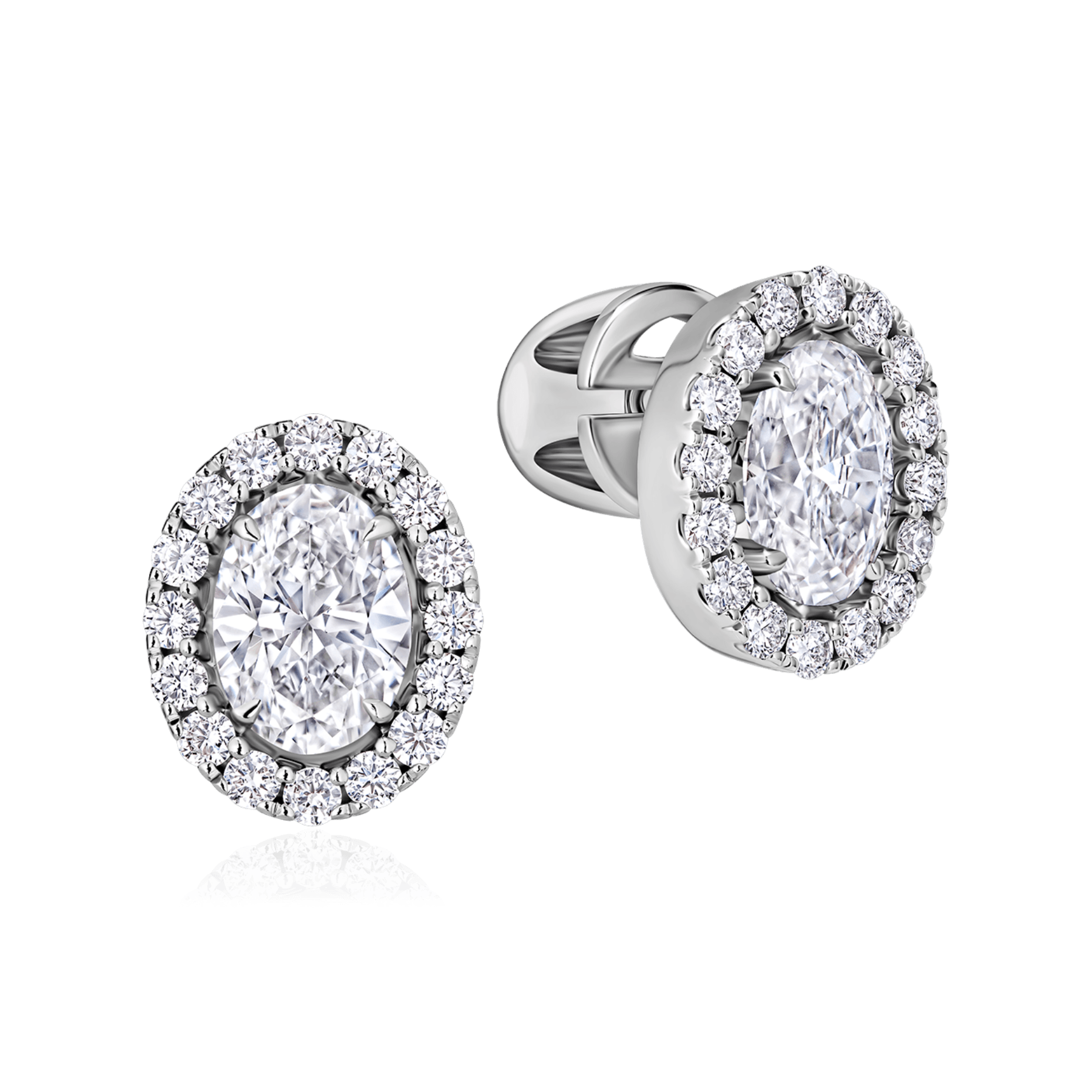
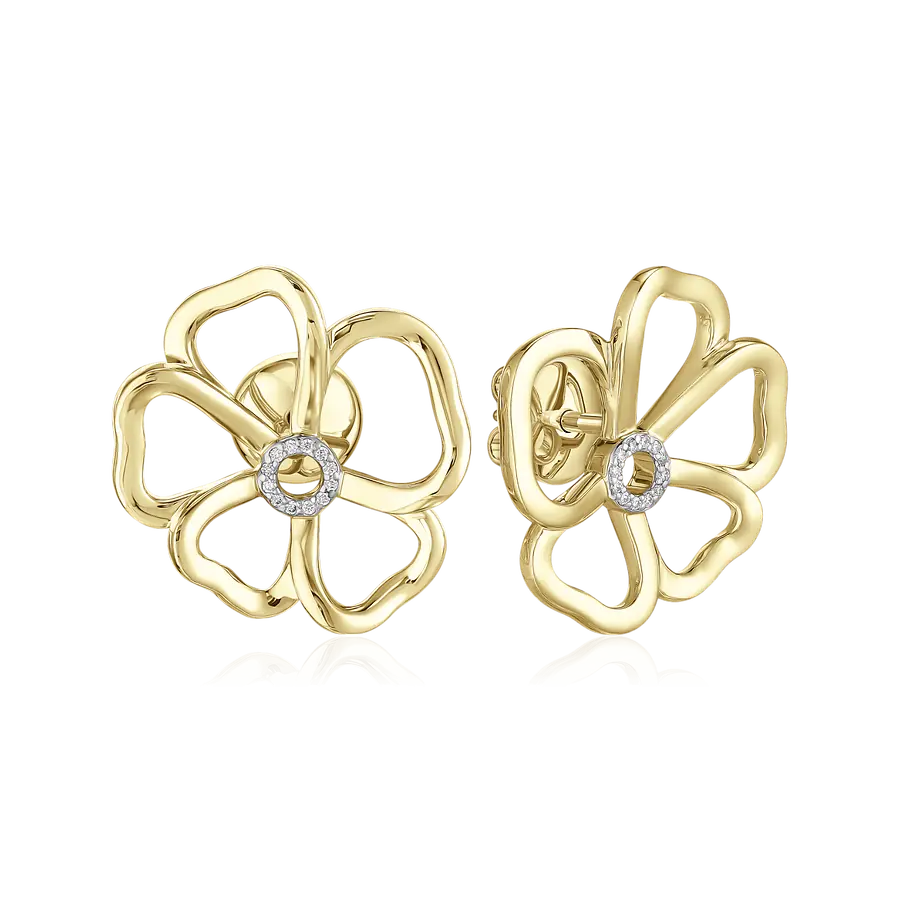
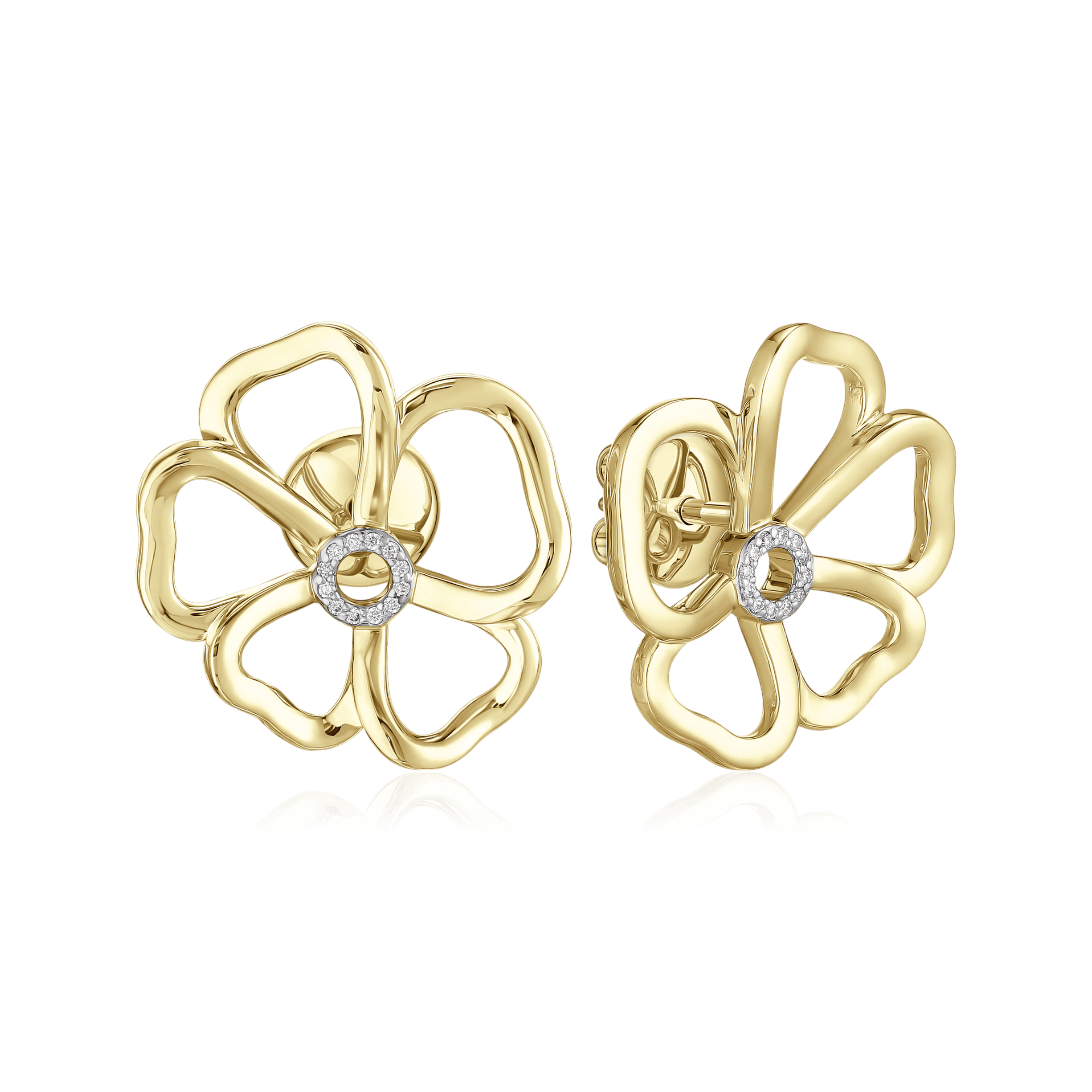
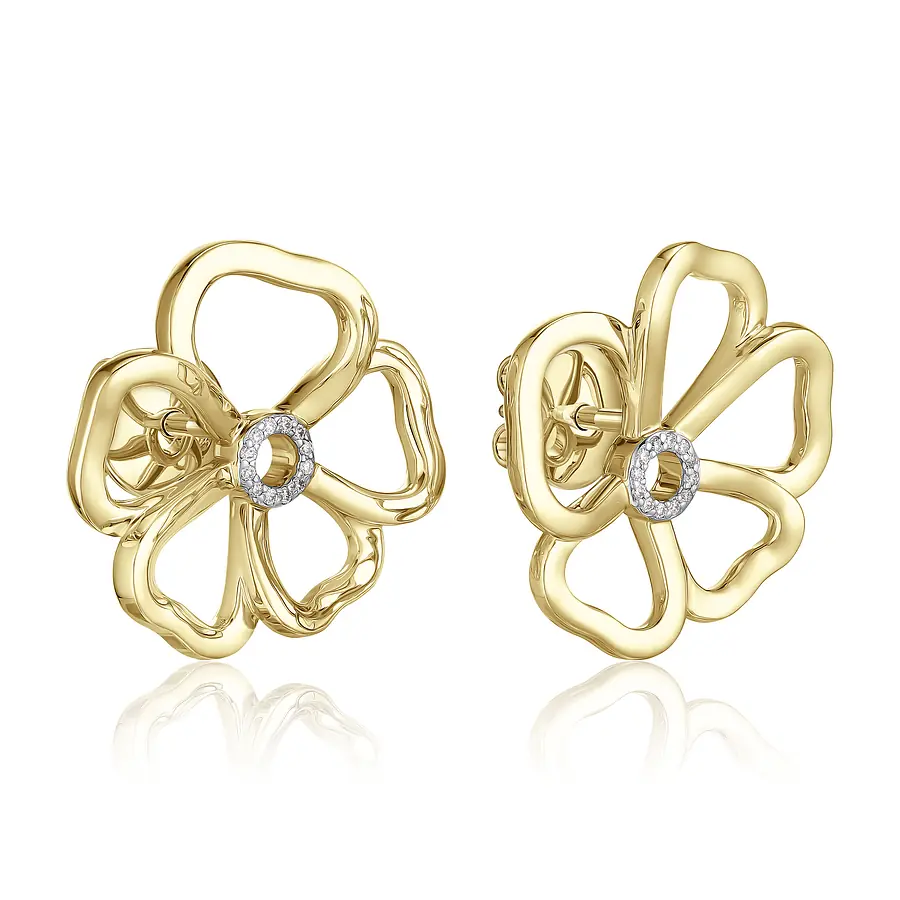
The catalog has 1 891 stud earrings, starting at 32 900 ₽. A stud earring has a straight post that passes through the earlobe and is secured at the back with a backing. Studs have no free movement: they sit snug and do not swing, which is why they are worn day and night more often than any other earrings.
Stud earrings start at 32,900 ₽, and the median of the visible display is 128,950 ₽.
The price of stud earrings is determined by the stones: 85% of the pieces in the section come with diamonds, and the weight of the stone is the main multiplier here. Studs use little metal, since the design itself is compact, so the share of gold in the price is noticeably lower than for rings or bracelets.
The practical upshot: this format is the most accessible way into diamond jewelry. The same stone in a ring costs more because of the weight of the setting.
Push-back studs and nail studs are two names for one format. "Pusety" comes from the jewelers' trade vocabulary, while "gvozdik" (nail) describes the shape of the post, and both words are widely used in search: roughly two thirds of queries use the first, and one third the second.
The difference is only in habit. For stud earrings it makes sense to search by both words: part of the range in catalogs is labeled one way, part the other.
It is sometimes spelled with a double “s”. It is the same piece.
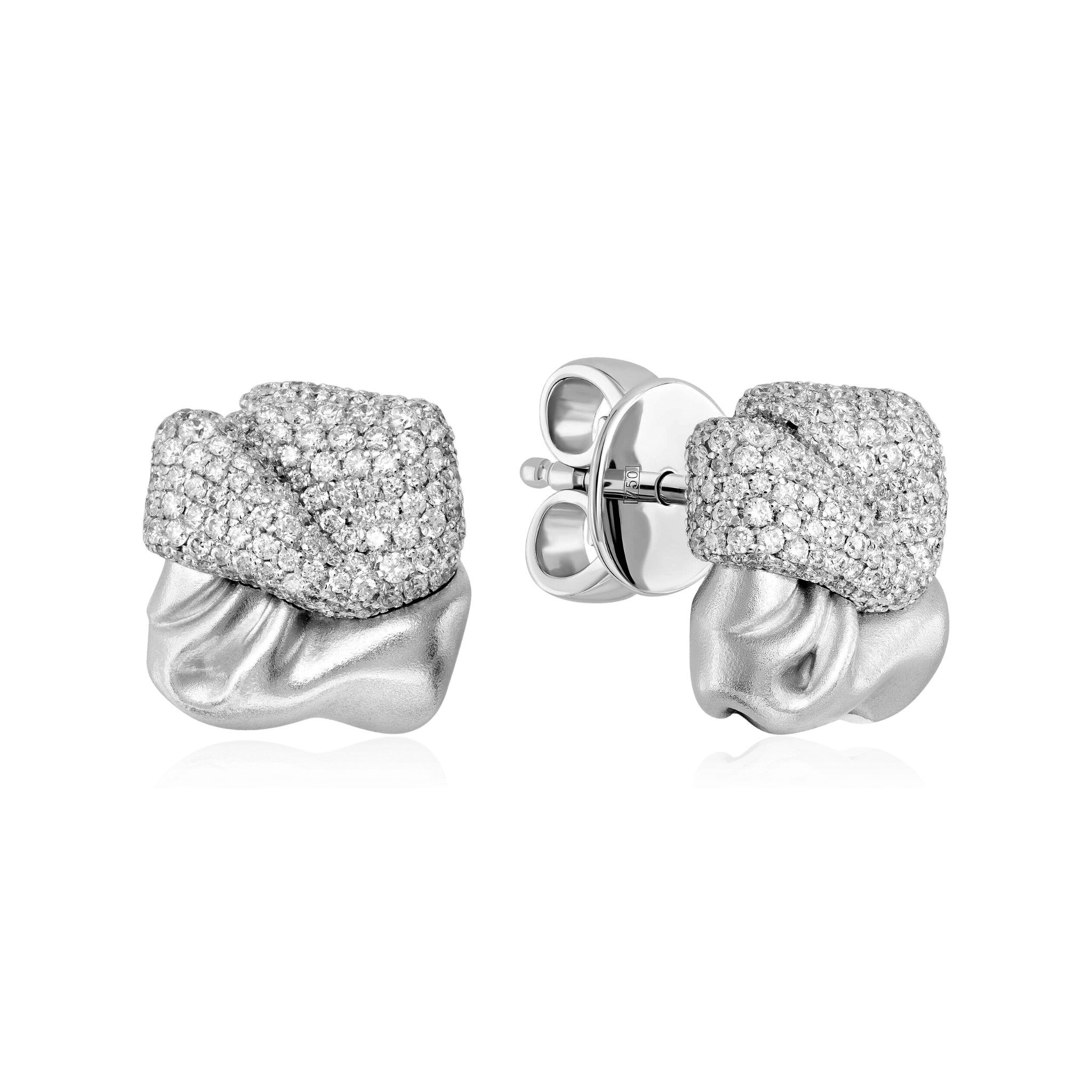
The main types of backs for stud earrings: the classic butterfly, screw back, silicone stopper and stud locker.
| Fastener | Features | |---|---| | Butterfly | a classic, quick to take off; it loosens up over time | | Screw | a threaded post with a screw-on back; the most secure hold | | Silicone back | soft, for sensitive earlobes; wears out quickly | | Push-back locker | a latching back, a middle option |
The key point that is rarely mentioned: the main reason a stud is lost is not a break but a loosened butterfly back. The spring-loaded "wings" gradually loosen and stop gripping the post, and the earring comes off unnoticed. It is worth checking them regularly on stud earrings: the back should come off with noticeable effort.
For heavy pieces and costly stones, a screw back is the wiser choice: it does not loosen and comes off only by unscrewing.
The post thickness of an earring is typically 0.8–1.0 mm. This is the only parameter that could make a purchased piece impossible to wear.
If the piercing was made with a thin needle or has partly closed, a 1.0 mm post will not fit. The problem is solved either by having a professional widen the channel or by choosing a design with a thinner post, but never force it through, as that injures the earlobe.
The opposite situation is a stretched piercing: the thin post of a stud earring sits loosely in it, and the back wears out faster.
Stud earrings are the only format with no free movement: the piece sits flush against the lobe and does not swing as you move.
Three things follow from this. A stud doesn't snag on hair, a scarf and clothing. It doesn't get in the way while you sleep — provided the back is flat or low-profile. And it doesn't catch when typing, exercising, or talking on the phone.
Drop earrings and hoops offer none of this. That is exactly why stud earrings are most often bought as everyday jewelry that is not taken off for weeks.
The only limitation is weight. A heavy stud earring with a large stone pulls on the piercing with constant wear, so it makes sense to alternate such an earring with a lighter pair.
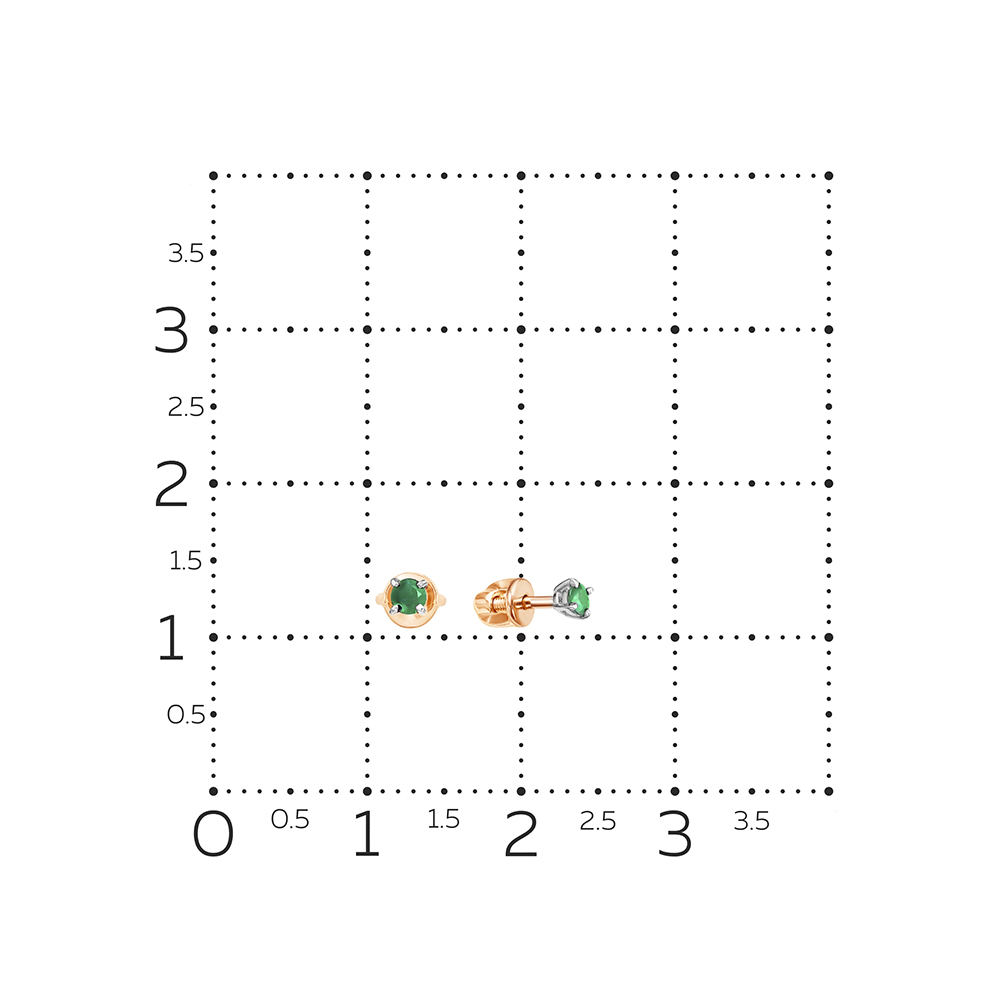
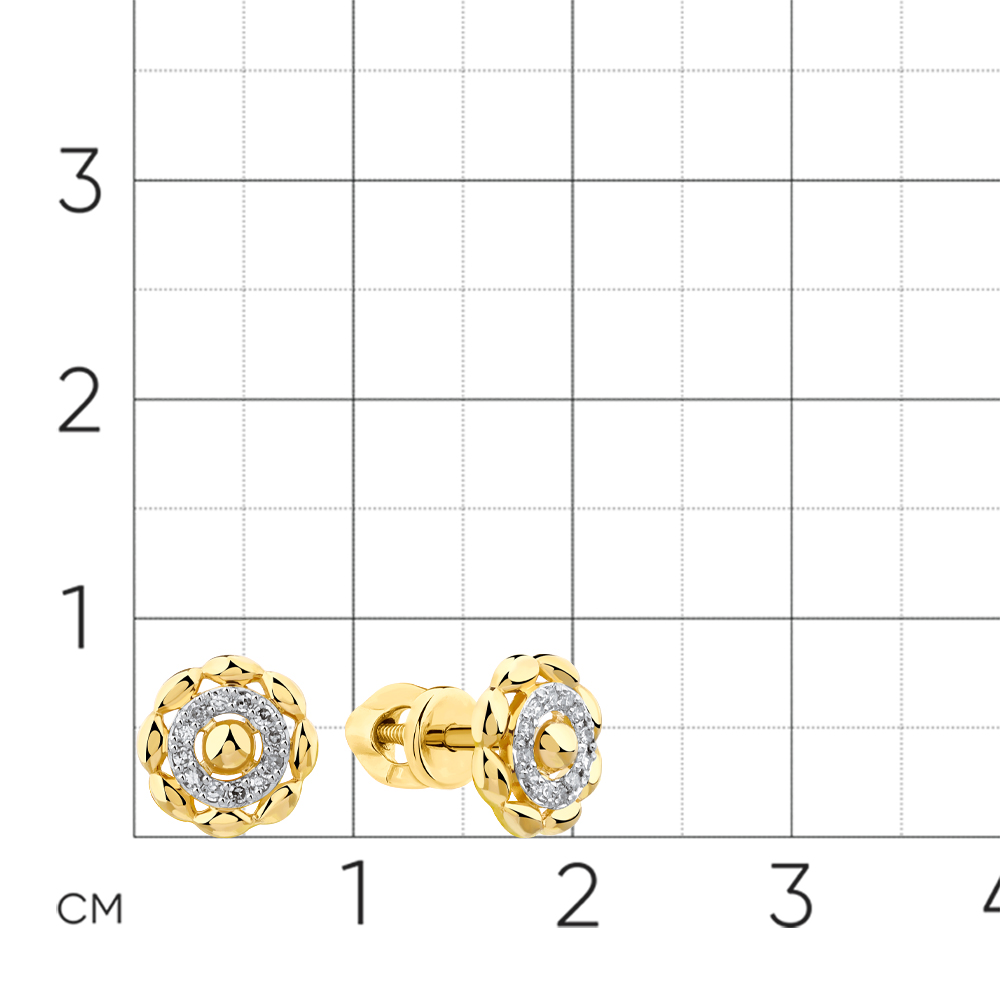
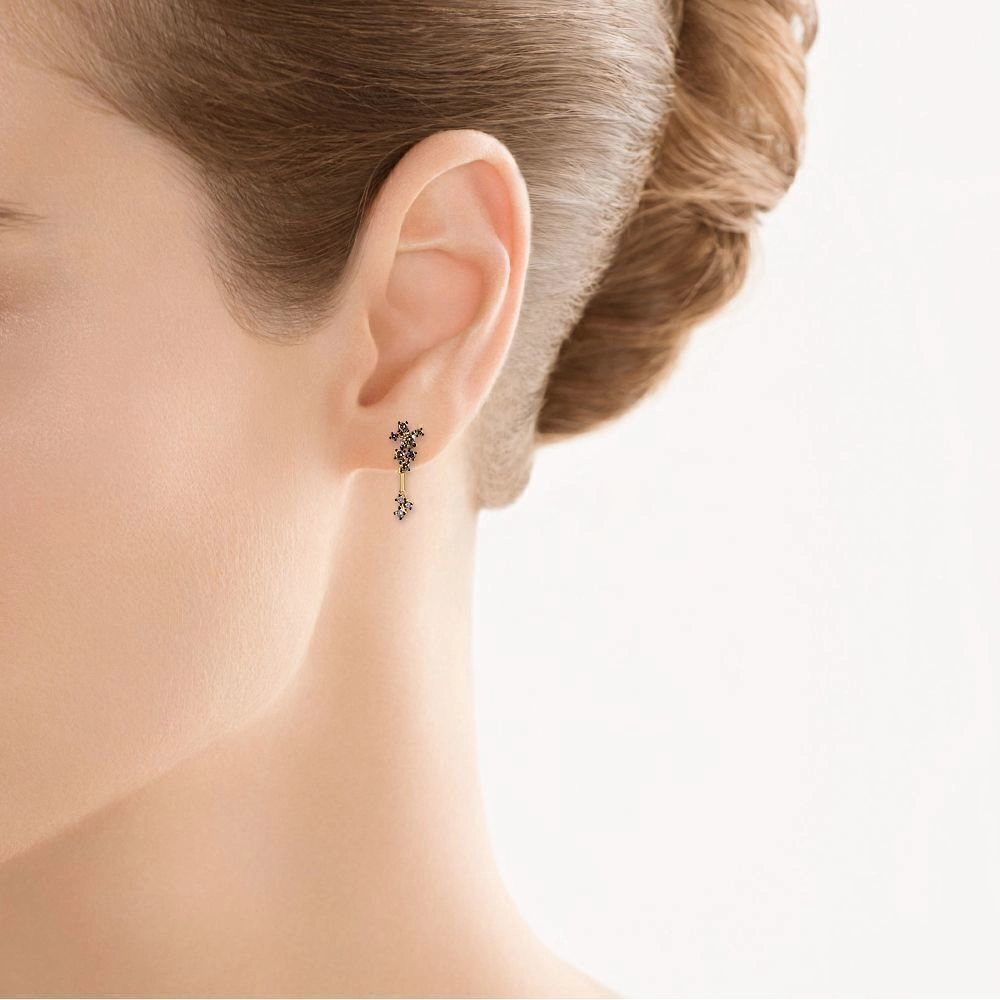
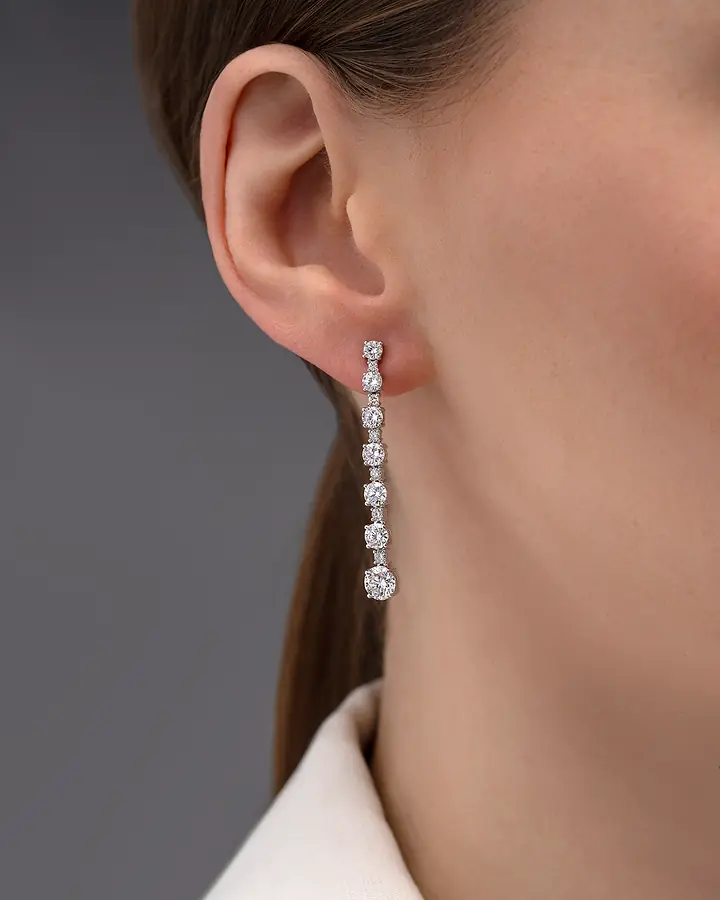
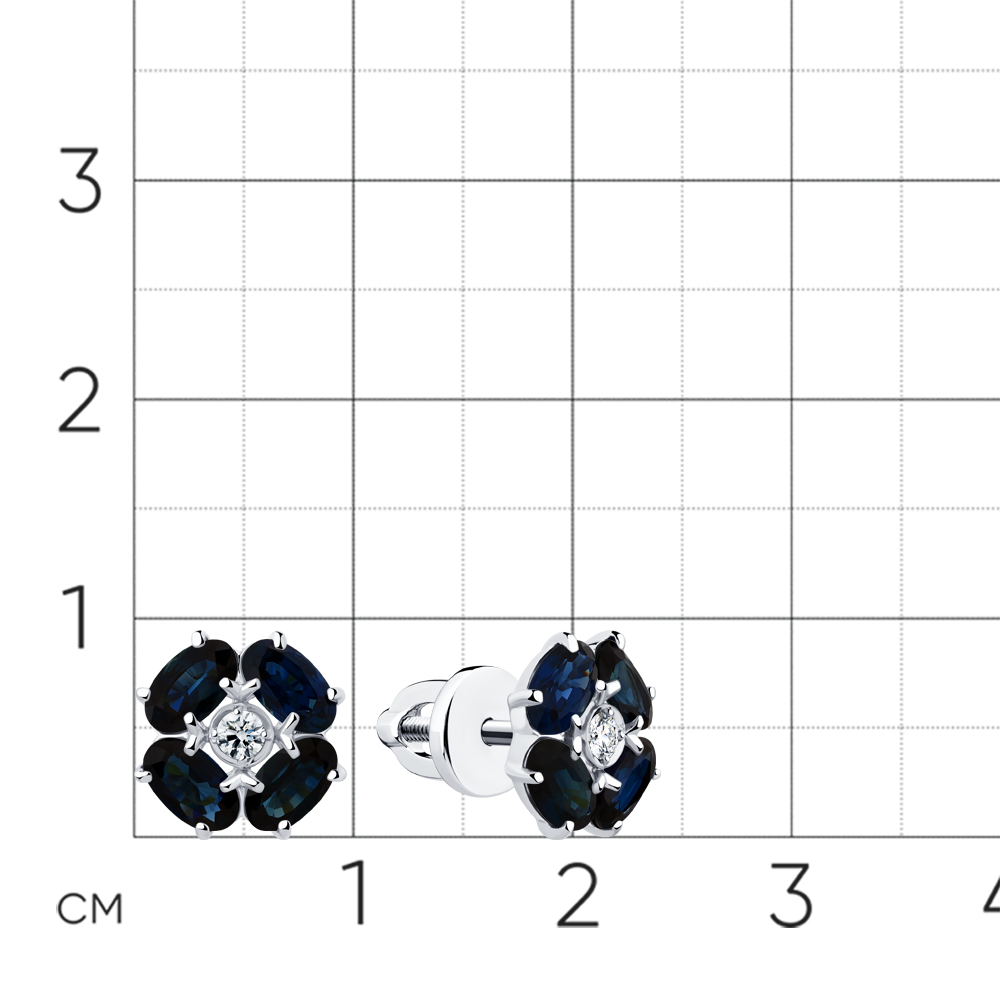
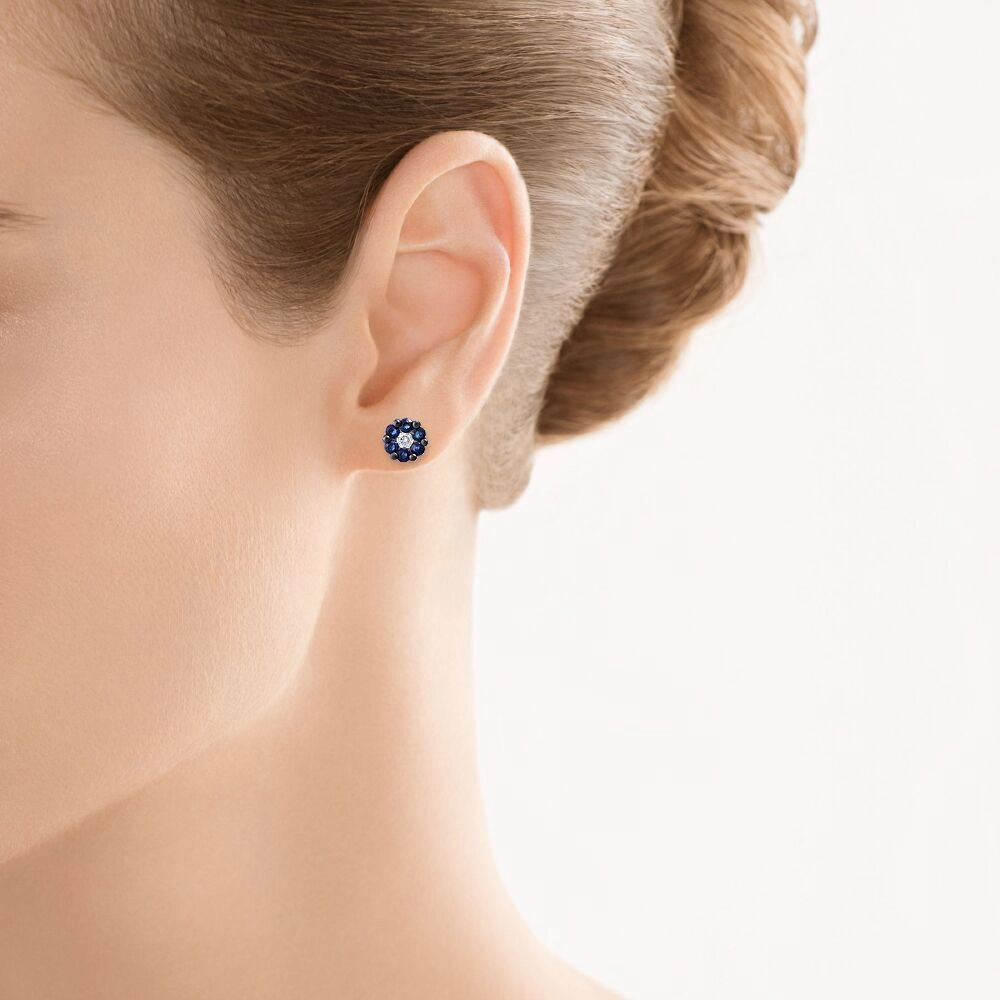
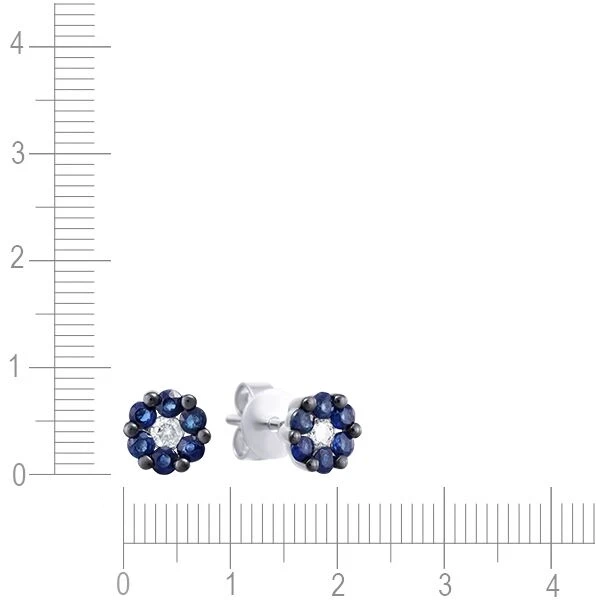
To judge how stud earrings will look, go by the visible diameter of the stone, not its weight in carats.
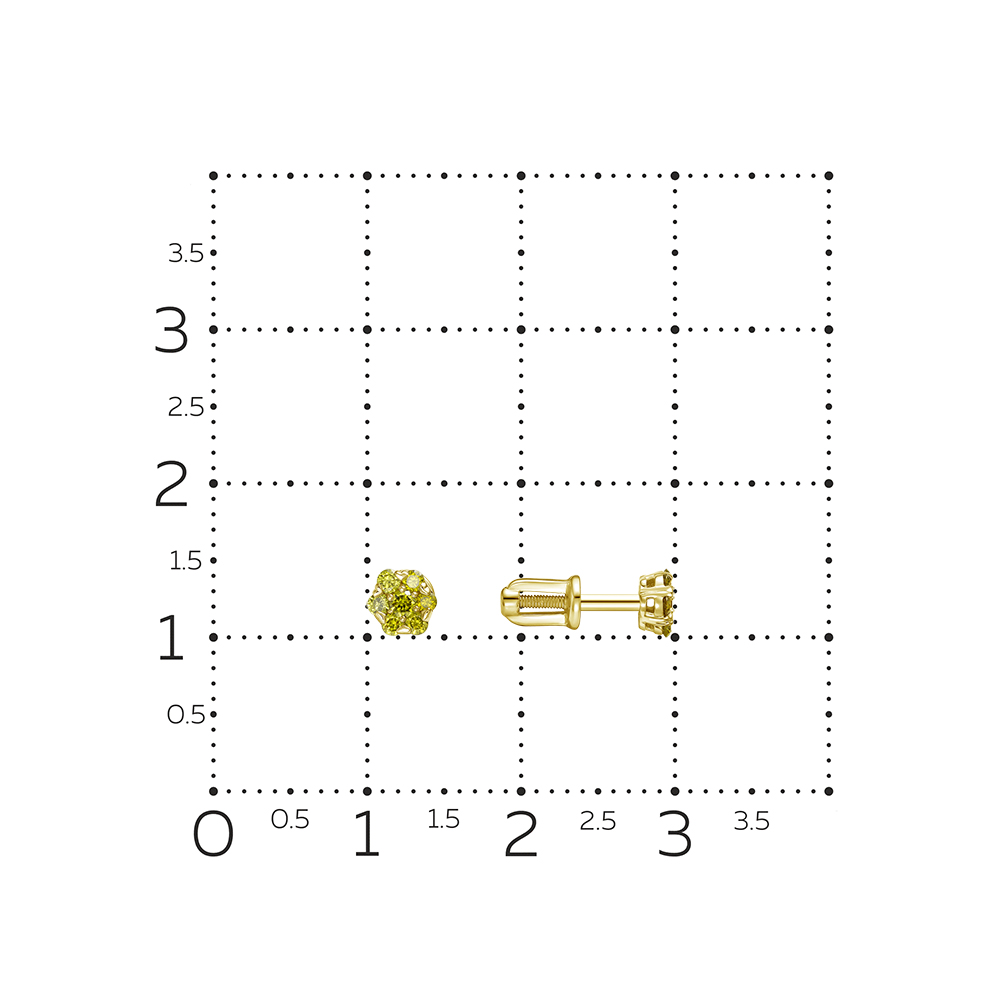
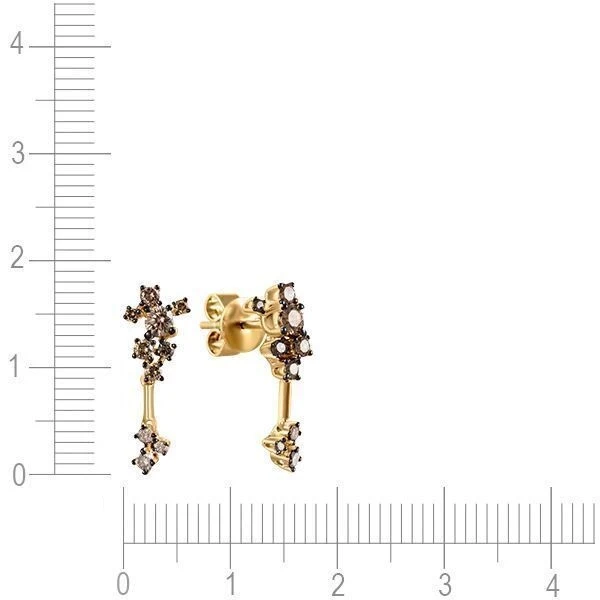
A stone up to 3 mm reads as a neat dot and suits constant wear. From 4 to 6 mm it is a noticeable accent, visible from conversation distance. From 7 mm the stone becomes the focal point of the look and calls for a more substantial setting and, along with it, a more secure clasp.
Unlike pendants, a stud earring is viewed up close, so the clarity of the stone matters more here than in a pendant: inclusions invisible on the chest can be seen up close.
To keep stud earrings sparkling, wash them in warm water with a drop of soap and a soft brush, paying attention to the back of the stone setting and the post, where the most buildup collects.
The back of each earring should be washed separately: in a butterfly back, residue collects inside the spring and keeps it from gripping.
Keep diamond pieces apart from soft stones such as emerald, tanzanite and opal: a diamond is harder and will leave marks on them.
It is not necessary to take the jewelry off before a shower, but apply perfume and hairspray before putting on the earrings: the residue settles on the stone and can only be removed by a jeweler.
You can see and try on stud earrings at the boutique at Nikolskaya 10, on the second floor of the Nikolskaya Plaza mall. Trying them on is useful above all for judging stone size: the difference between 3 and 5 mm is barely noticeable in a photo but obvious on the earlobe.
Delivery in Moscow is free, 1-3 days, with a try-on and payment after it. Across Russia, by CDEK and Spetssvyaz, 1-9 days, free from 50,000 ₽, with insured parcels. Try-on before you buy.
The store’s lifetime warranty covers the stones and the metal, and every piece is registered with the Assay Chamber of the Russian Federation and carries a hallmark and maker’s mark.
No difference: it is one name for one format. “Puset” is the professional term, while “gvozdik” (literally, “little nail”) describes the shape of the post. The spelling “pusset” with a double “s” is also found.
Screw back: the back is screwed on by thread and cannot come off. A classic butterfly back wears loose over time, and it is a loosened fastener, more often than a break, that leads to a lost earring.
Because of the thickness of the post. The standard is 0.8–1.0 mm, and if the piercing was made with a thin needle or has partly closed, the post will not go in. Never force it: the channel is widened at a jeweler’s.
Yes, if the back is flat or low-profile. A stud earring has no free play, so the piece doesn't snag or swing, which is what sets studs apart from drop earrings and congo hoops.
Up to 3 mm is a neat detail for everyday wear, 4–6 mm is a noticeable accent, and from 7 mm the stone becomes the focal point of the look. Keep in mind that a stud puts the stone under close scrutiny, so the clarity of the stone matters more here than in a pendant.
Regularly: it should come off with noticeable effort. If the back falls off easily, the spring has loosened and the earring should be taken to a jeweler: the clasp is tightened or replaced.
We will contact you shortly.
Unfortunately, we cannot deliver to this locality. Please choose another city nearest to you.
How to get them. 3% of every order on the site. Sign in with your phone number to receive bonuses.
How to spend them. Sign in, add jewelry to your cart and specify at checkout how much to redeem. Bonuses can pay up to 10% of the price.
Confirm that you are not a robot
Unfortunately, this item is currently out of stock. We can make the jewelry individually to your requirements. Our consultant will contact you
Our consultant will contact you shortly
Refresh the page and send the message again
Specify the size of the jewelry and try again
Enter your number and our manager will contact you about the price calculation
Refresh the page and submit the order again