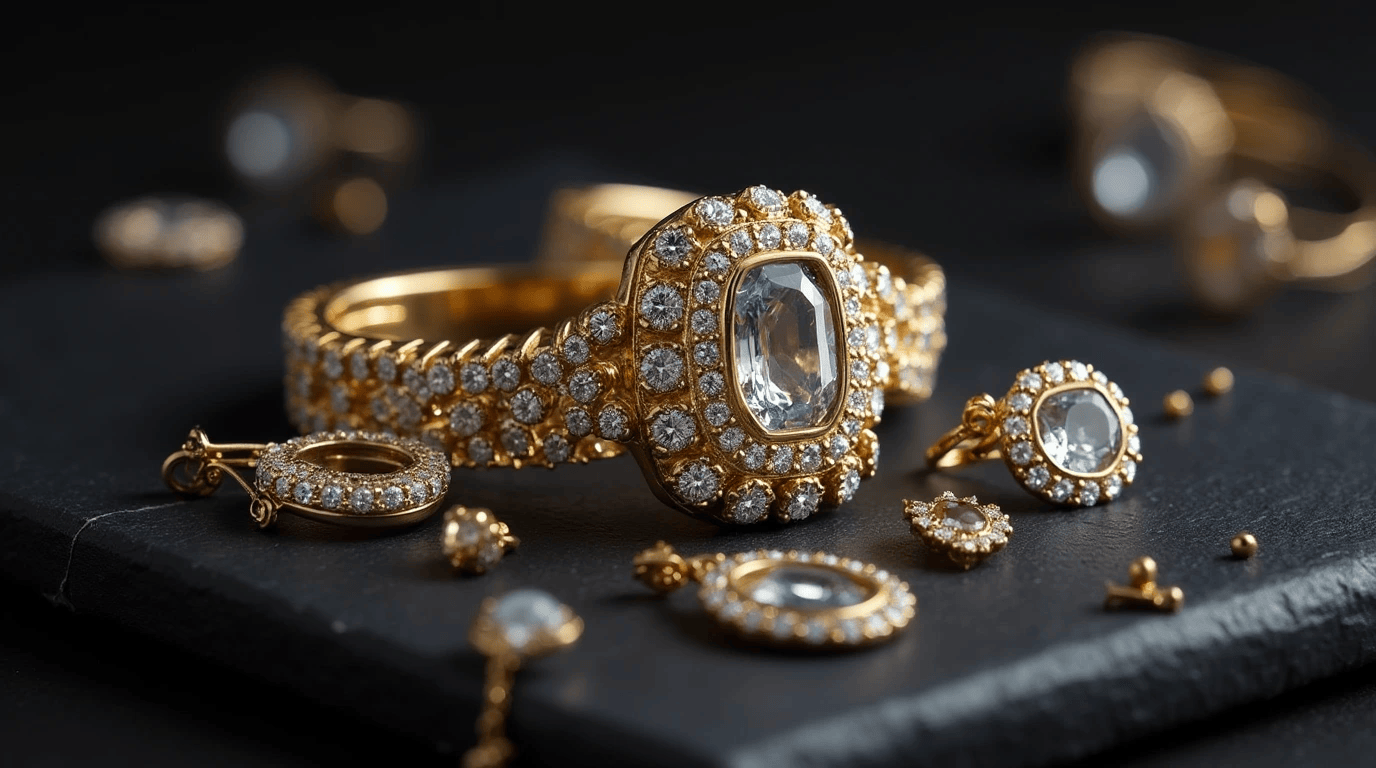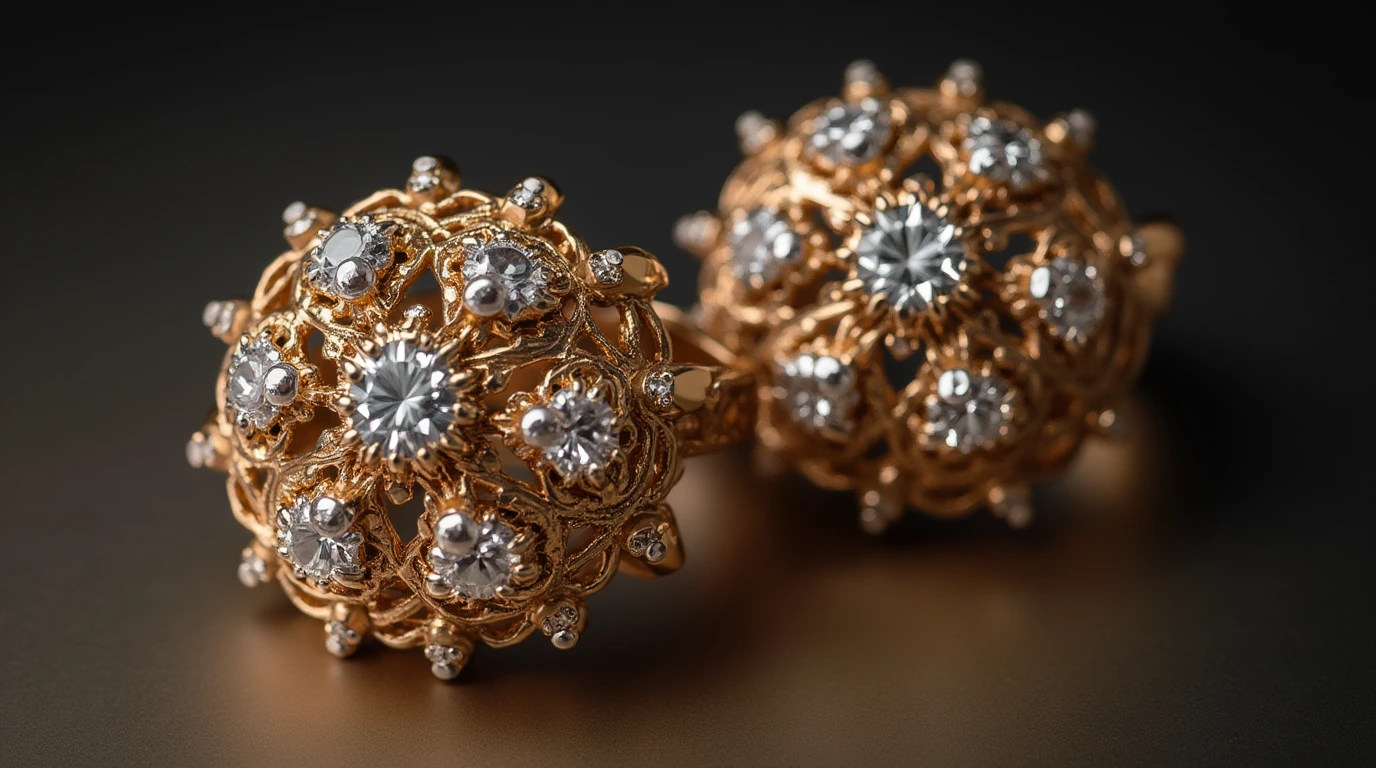

The beauty of precious stones captivates. Specimens with the purest and brightest color are especially prized. Emerald, in particular, should be green, sapphire piercingly blue and ruby rich red. But the color of gems is most often determined not by their own crystal lattice but by the presence of impurities. They can give a sapphire a green color and an emerald a bluish or yellowish one.
The chemical formula of sapphire is very simple: Al2O3 (aluminum oxide). This mineral is used in the electronics industry thanks to its special semiconductor properties. In its pure form it is colorless and translucent and is called "leucosapphire," since in Greek the word "leukos" means "white." It is grown artificially for industrial purposes, because in nature these crystals almost always contain impurities. Their content in gemstones is measured in mass percent, reflecting the ratio of impurity to the mass of the "pure" stone.
Iron and titanium give the blue color, while vanadium adds a violet tint. Stones of a bright cornflower blue are the most valued and quite rare. Their deposits are located mainly in Sri Lanka. A large amount of iron gives sapphire a greenish tint. Corundums containing a lot of iron oxide turn yellowish.
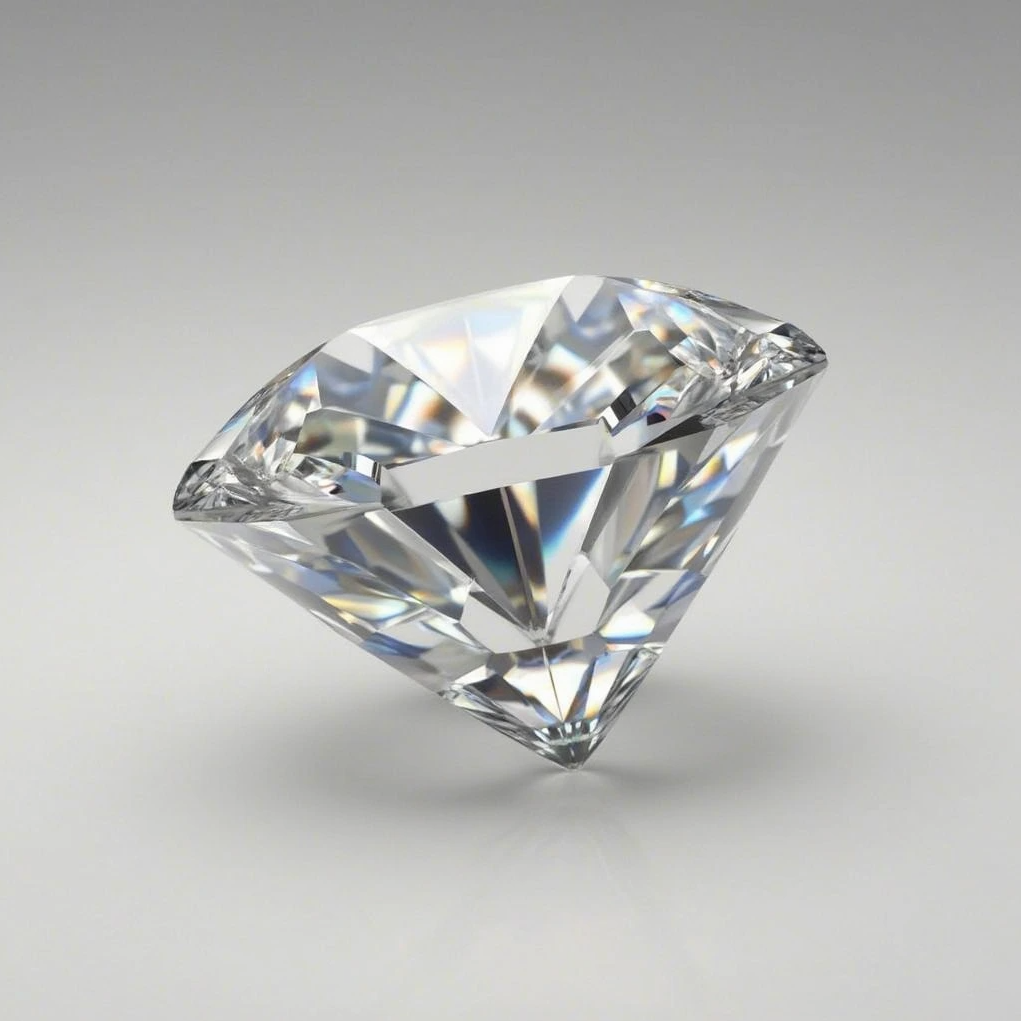
The diamond is considered the king of gemstones. It is not only the most valuable and beautiful precious stone but also a superhard technical mineral that is chemically resistant to aggressive environments, a benchmark semiconductor for electronics, a model object for solid-state physics, and an indicator of high pressures and temperatures in the earth sciences.
The diamond is considered the king of gemstones. It is not only the most valuable and beautiful precious stone but also a superhard technical mineral that is chemically resistant to aggressive environments, a benchmark semiconductor for electronics, a model object for solid-state physics, and an indicator of high pressures and temperatures in the earth sciences.
The diamond is considered the king of gemstones. It is not only the most valuable and beautiful precious stone but also a superhard technical mineral that is chemically resistant to aggressive environments, a benchmark semiconductor for electronics, a model object for solid-state physics, and an indicator of high pressures and temperatures in the earth sciences.
- Diamond
- Chrysolite (olivine, peridot)
- Euclase
- Corundum: ruby and sapphire
- Taaffeite
Iron and titanium give the blue color, while vanadium adds a violet tint. Stones of a bright cornflower blue are the most valued and quite rare. Their deposits are located mainly in Sri Lanka. A large amount of iron gives sapphire a greenish tint. Corundums containing a lot of iron oxide turn yellowish.