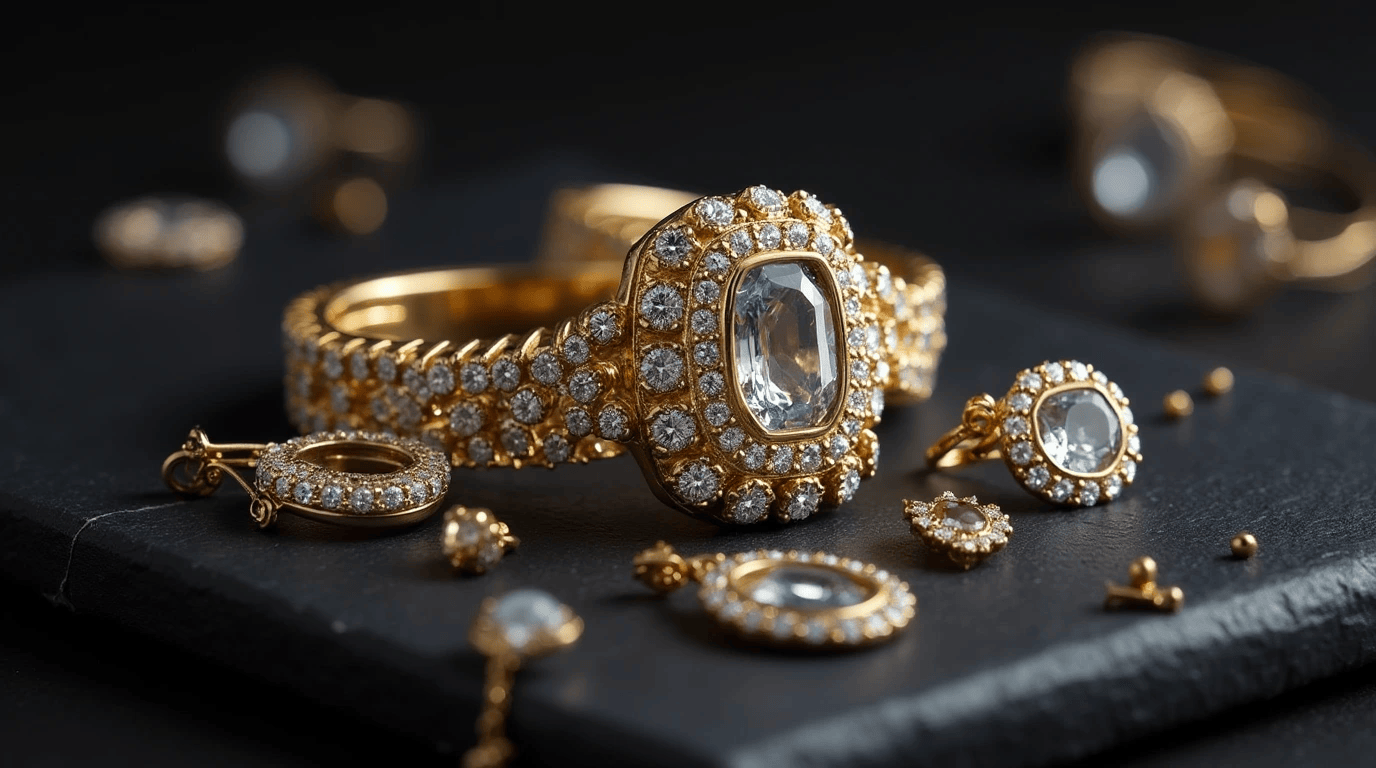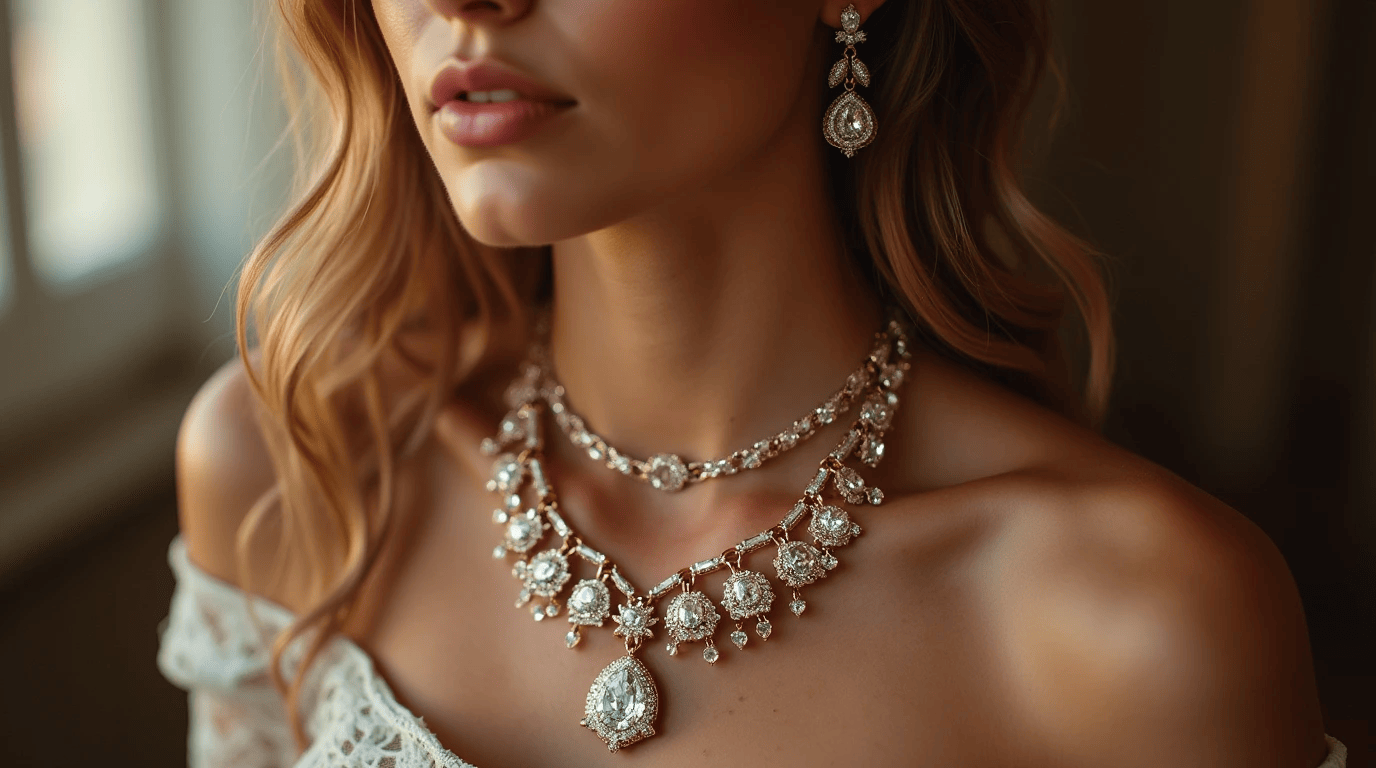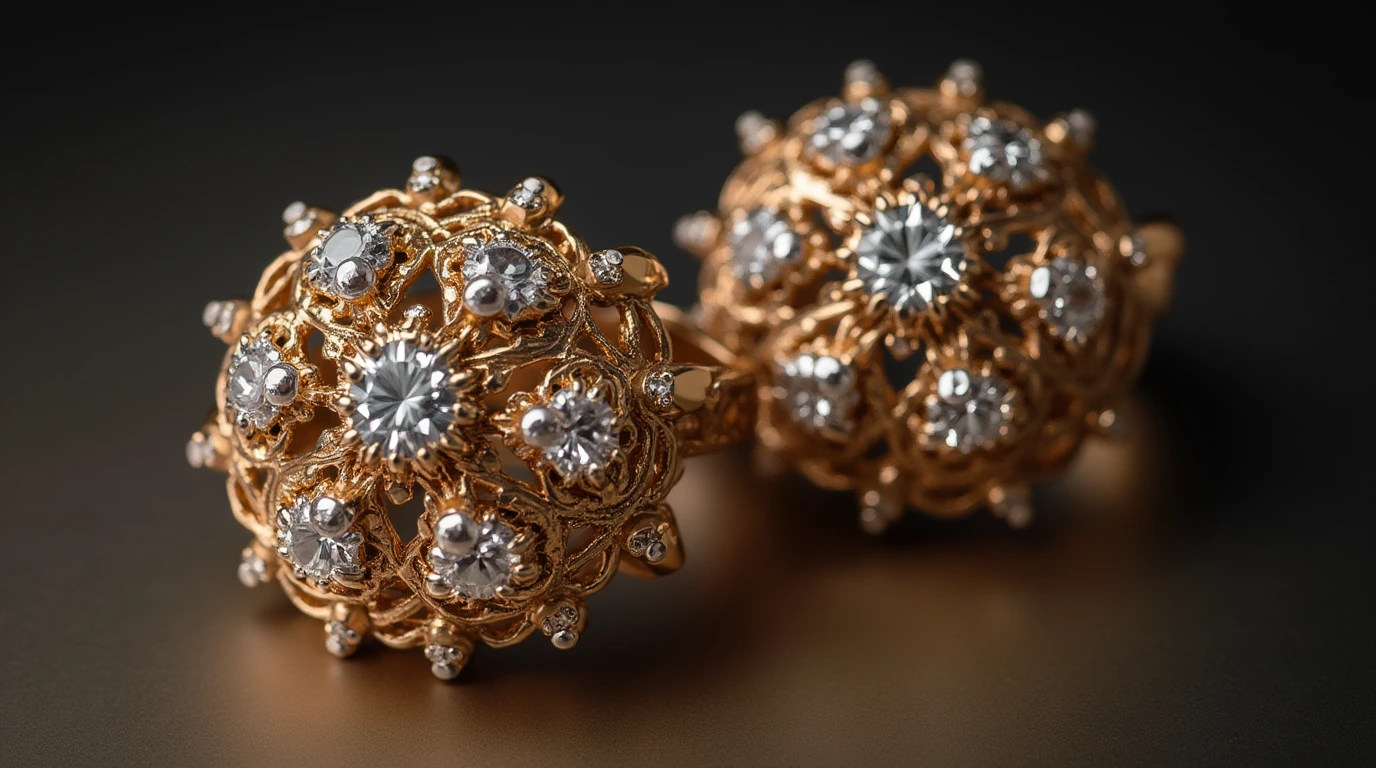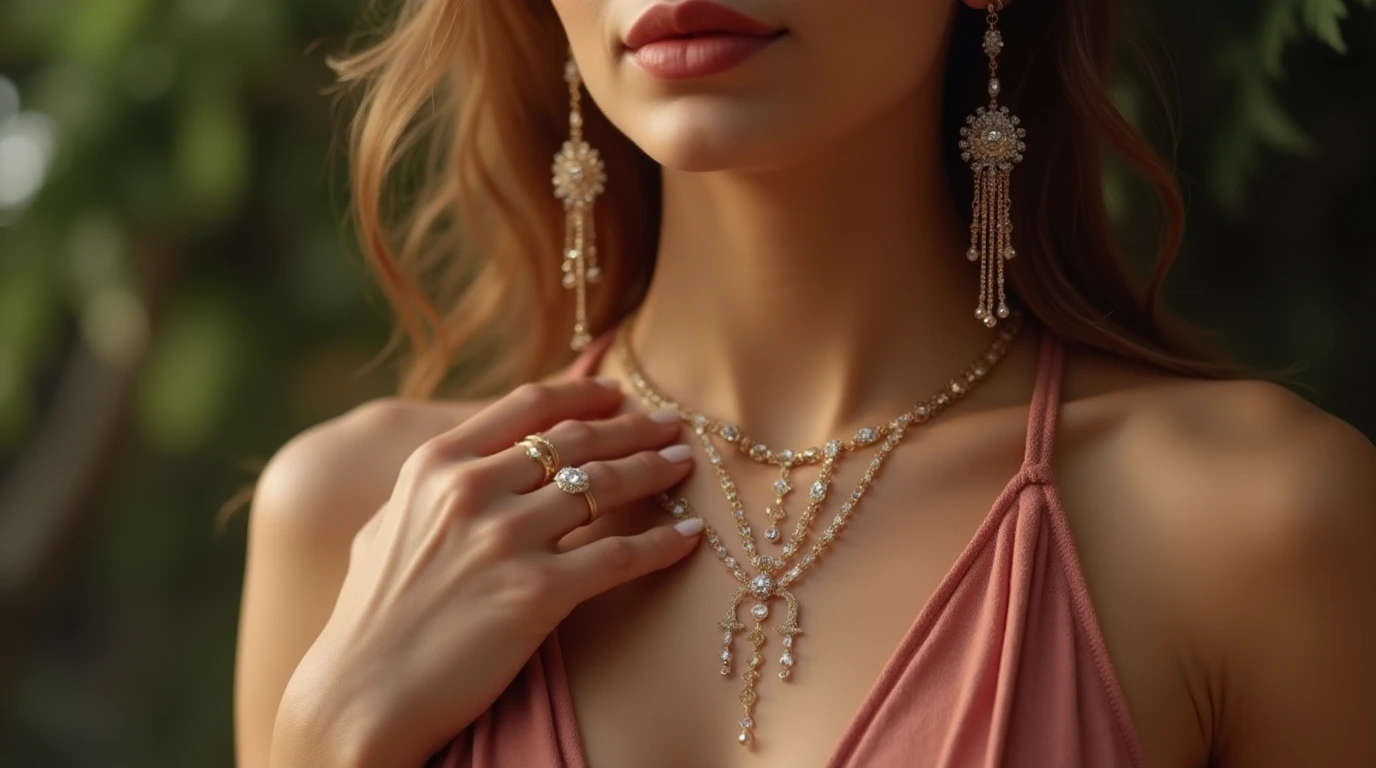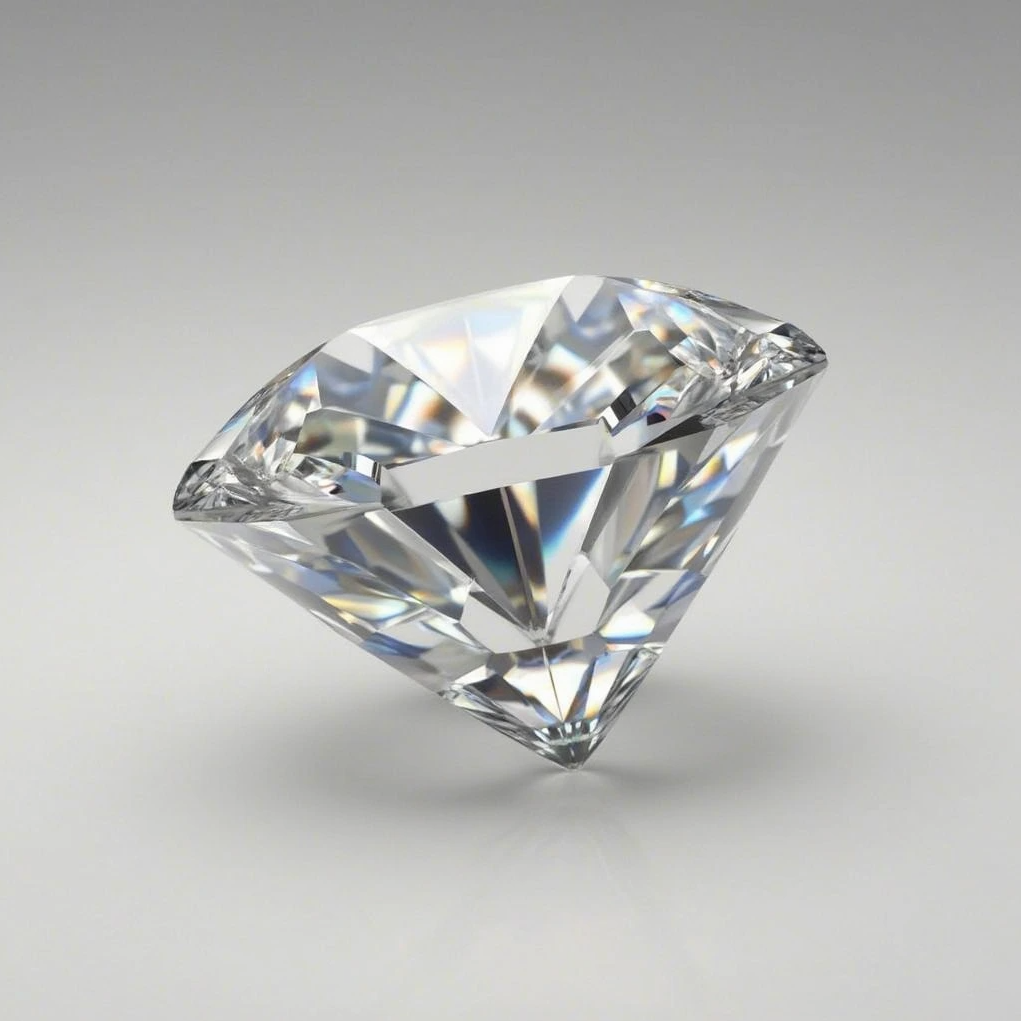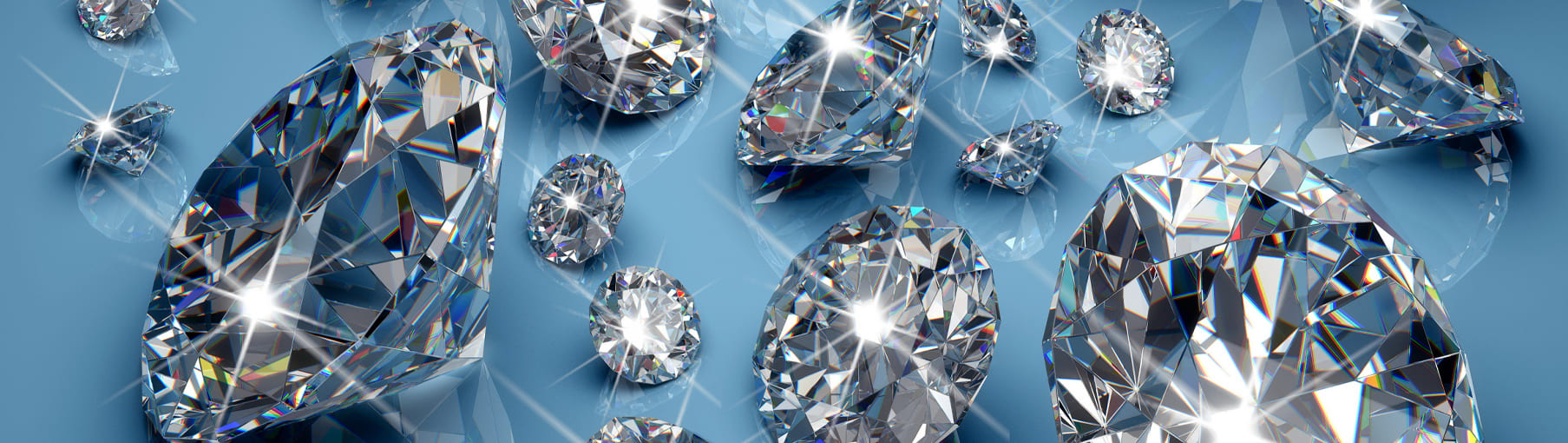

When we speak of the jeweler’s art, the first image that comes to mind is a dazzling, luxurious, triumphant stone – the diamond.
The unexpected transformation of the hardest mineral, the diamond (which by then had a venerable history), into a brilliant took place in the fifteenth century in Belgium. The diamond-cutting technology invented by the talented Flemish changed the history of jewelry forever, making the brilliant the king of the gem world, an object of dreams and pride, of passions and disputes. From then until today, its sparkle has been a symbol of prosperity and even of the social standing of its owner.
One could talk about diamonds endlessly, and their colored counterparts deserve a separate discussion. But today we will take a short excursion into the gemological laboratory and try to understand the language in which specialists talk about stones, conveying important information about them.
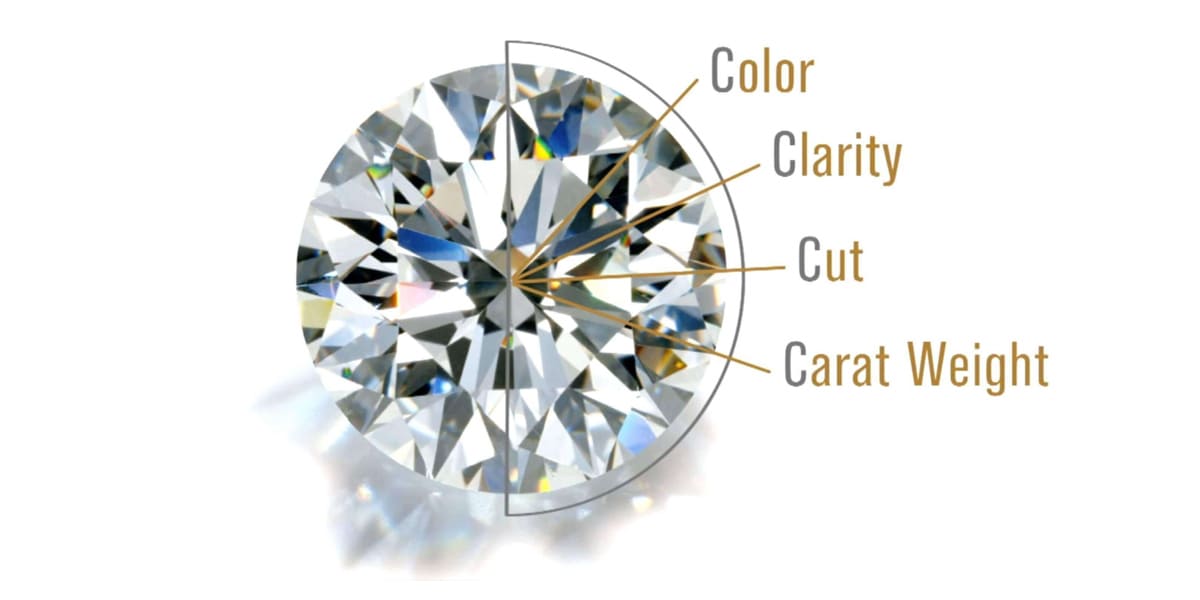
So what professional subtleties should everyone know in order to be well prepared when buying jewelry or investing in a stone? There are four main criteria for assessing a diamond's quality: weight, color, clarity and cut. In English all these words begin with the letter C, so professionals around the world use the 4C rule: Carat, Color, Clarity, Cut.
Contents
- Weight (carats)
- Diamond color
- Stone clarity
- Diamond cuts
- The magical properties of diamond for men and women
- Does a diamond's color affect its properties?
- Healing properties
- How to wear it properly?
Weight (carats)
The standard for the weight, and also the size, of a diamond is the carat, equal to 0.2 gram. The origin of this measure is interesting. In the ancient East, for lack of professional equipment, the weight of gemstones was measured with carob seeds, whose Latin name sounds like the word carat.
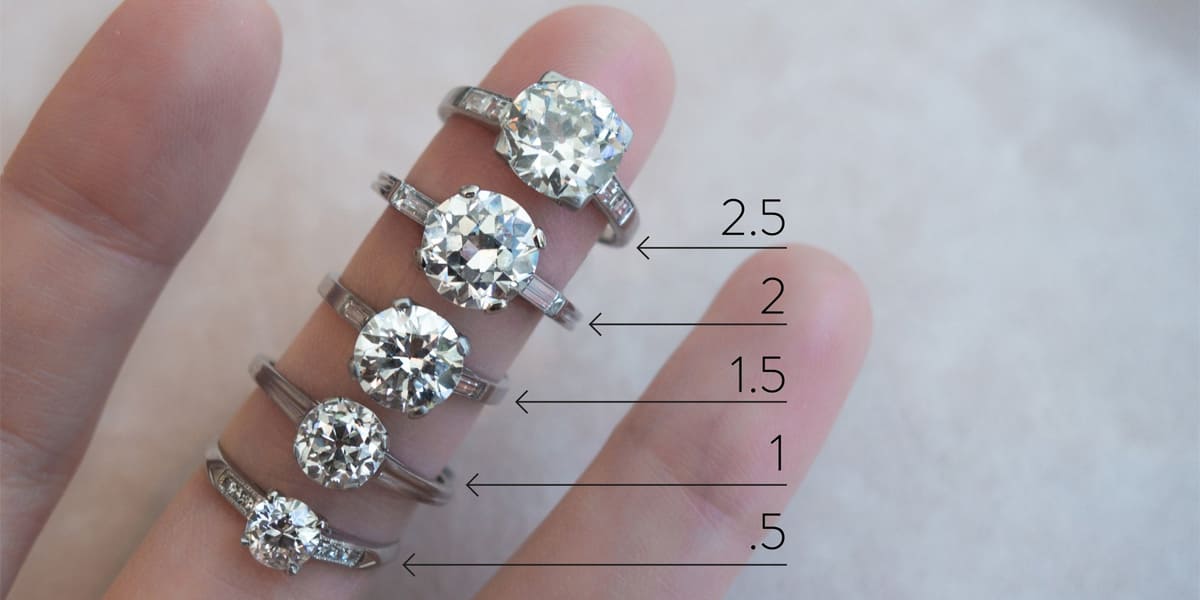
Since diamond has a stable density, its size (diameter or width) is directly related to its weight and is easily determined from it. A one-carat stone will always be 6.5 mm wide, and differences between identical specimens, if any, are minimal.
Diamond color
The color quality of a diamond, surprising as it sounds, lies in the absence of color. The less color it has and the clearer it is, the higher its value. The opposite of colorless diamonds in this system is colored, fancy diamonds, whose beauty and quality depend, on the contrary, on the intensity of their color.
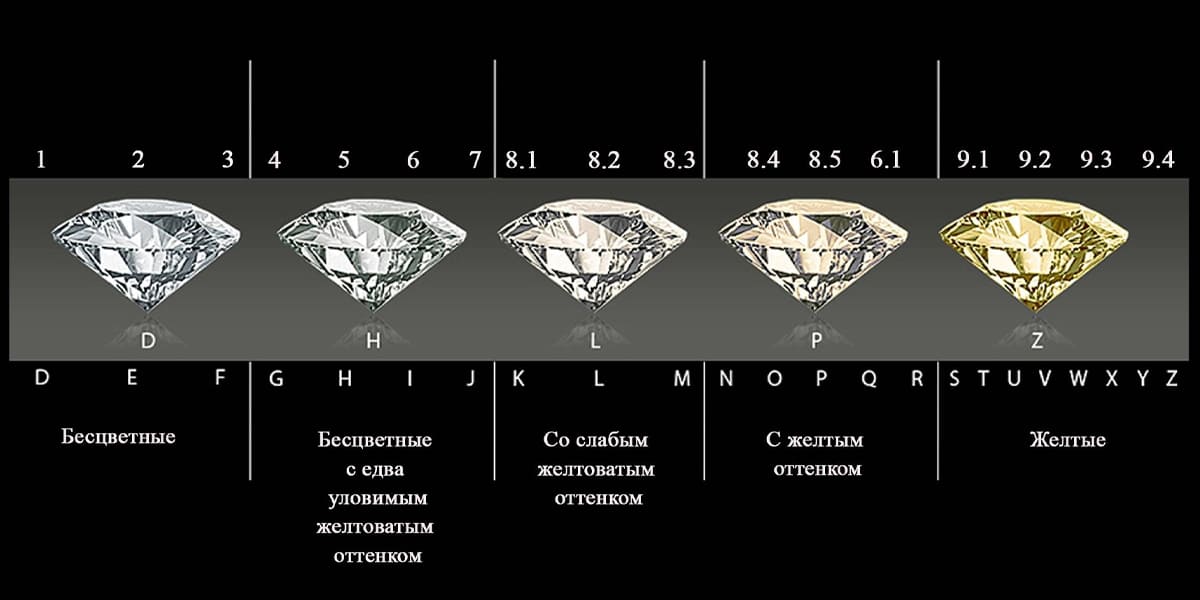
International color grading criteria are very subtle and multi-stage, and only a specialist can make sense of them. Russian standards, on the other hand, are much more lenient toward the buyer. The system has gradations depending on the number of facets (17 or 57) and weight (up to 0.3 carat and above 0.3 carat).
The most expensive and desirable color is number one. The last possible color number, 9, indicates a stone with a distinct brownish tint, which is not the best trait for a diamond.
So, the lower the number, the higher the color quality.
Stone clarity
It is impossible to assess color without considering clarity, because the two are interdependent, but there is still a difference between them.
A diamond's clarity, or transparency, shows the presence and number of flaws (inclusions) in the stone. There is no absolutely flawless diamond in nature, and if you come across such a unique specimen, disappointment awaits: it is a fake.
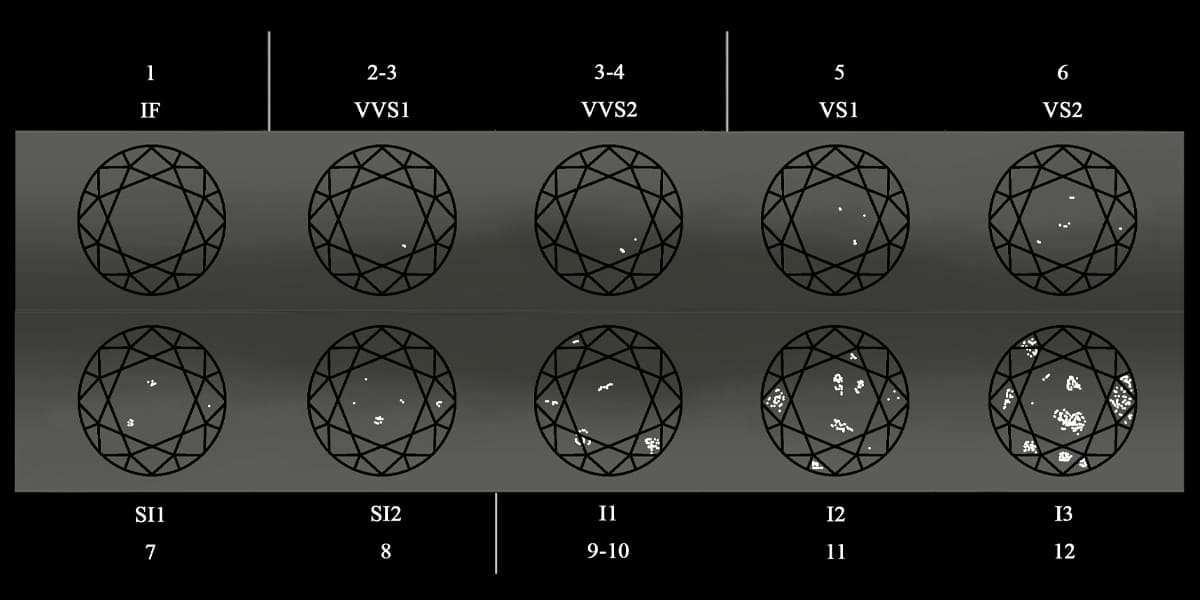
The criteria for rating clarity are similar to those for color and are likewise divided into grades for stones up to 0.3 carat and above 0.3 carat. There are 12 grades in all: the first two go to unique, extremely rare and very expensive stones, grades up to 5-6 describe stones with inclusions that cannot be seen without magnification, and grades above 6 indicate flaws visible to the naked eye.
The ideal ratio of color to clarity is found in those masterpieces that are highly valued on the jewelry market and are a great rarity and an object of desire for collectors all over the world.
Diamond cuts
This topic deserves a huge article of its own. The cut is the diamond's attire: the fate of the stone and the success of its precious career depend on its quality and the cutter's skill.
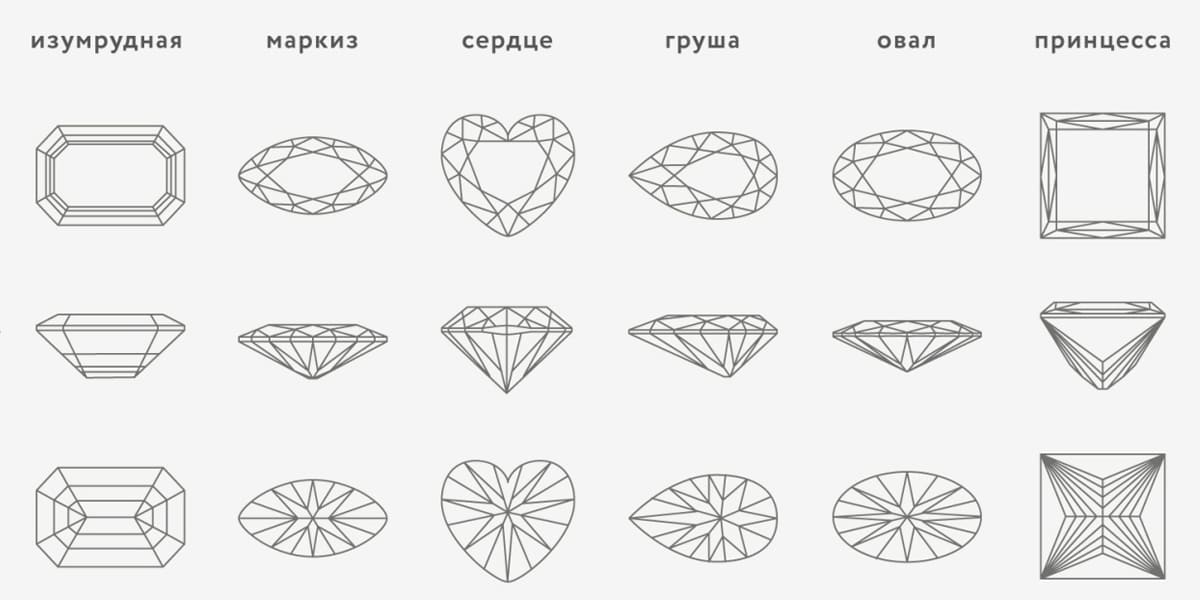
The main cut criteria:
- number of facets;
- shape;
- category.
Facets
- 17 - a simple cut;
- 33 is Swiss;
- 57 – the classic full cut;
- 73: enhances brilliance;
- 86: the royal cut;
- 102: for large diamonds.
The most common cuts have 57 and 17 facets.
Shape
Jewelers use the following main cut shapes:
- round;
- princess;
- oval;
- pear;
- emerald;
- radiant;
- marquise;
- baguette;
- Asscher;
- heart.
Categories
- brilliant (based on the principle of the best light refraction);
- step cut (highlighting the natural beauty of clear stones);
- mixed (hides a stone's flaws well and highlights its strengths).
Tag
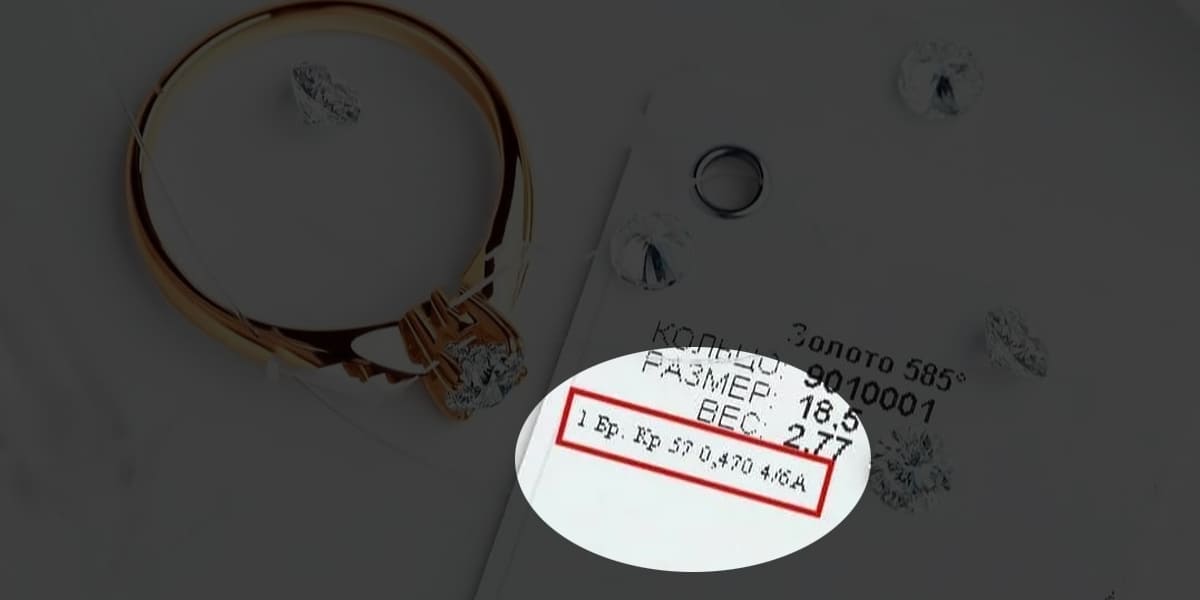
All these details are set out in just one line on the tag of a diamond jewelry piece.
1 Dia Rd57 0.33 2/3A
This cryptic inscription describes one round brilliant-cut diamond with 57 facets, weighing 0.33 carat, color group two and clarity group three; the stone has the highest cut grade, A.
But when buying jewelry with diamonds, people look not only at purely technical matters such as the type of cut or the number of carats. Many are drawn to this stone by its special allure and by how it can influence a person's life. Yes, diamonds have their own special energy, so before buying it is important to know what magical properties they are said to have.
The magical properties of diamond for men and women
There are different opinions about where the word "diamond" comes from. One version says people named the stone after the Greek word "adamantos," meaning "unbreakable." It is easy to believe, because the diamond is the hardest gemstone of all, and its firmness and indestructibility are beyond doubt.
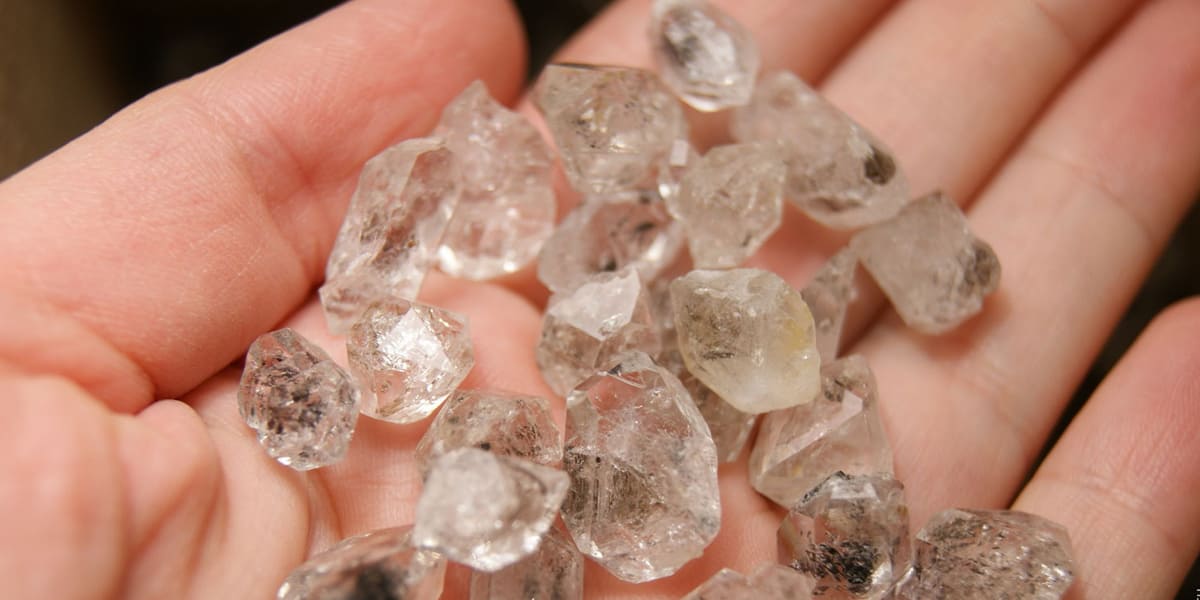
Various magical properties have always been attributed to this stone. This is largely explained by the fact that events were constantly unfolding around diamonds, many of them with not entirely positive undertones. It is understandable, because people have always wanted to own this amazing stone, and so often resorted to lies, deceit and outright violence to get hold of it.
That is why there is a belief that a diamond can bring benefit and luck and attract prosperity only to the person who is its true owner. For someone who obtained the stone by deceit, the diamond will get in the way of achieving their goals in every way.
Originally the diamond was considered an exclusively masculine stone. Women wore it too, but only in maturity. For young unmarried girls it was undesirable, because it was believed it could bring them misfortune. Today these superstitions are completely forgotten, so the stone is equally popular among women and men. But how does it affect them? Let us find out.
The stone is believed to have a very favorable effect on men, helping them succeed in financial matters. It is said to attract money and help bring success in business and any other undertaking.
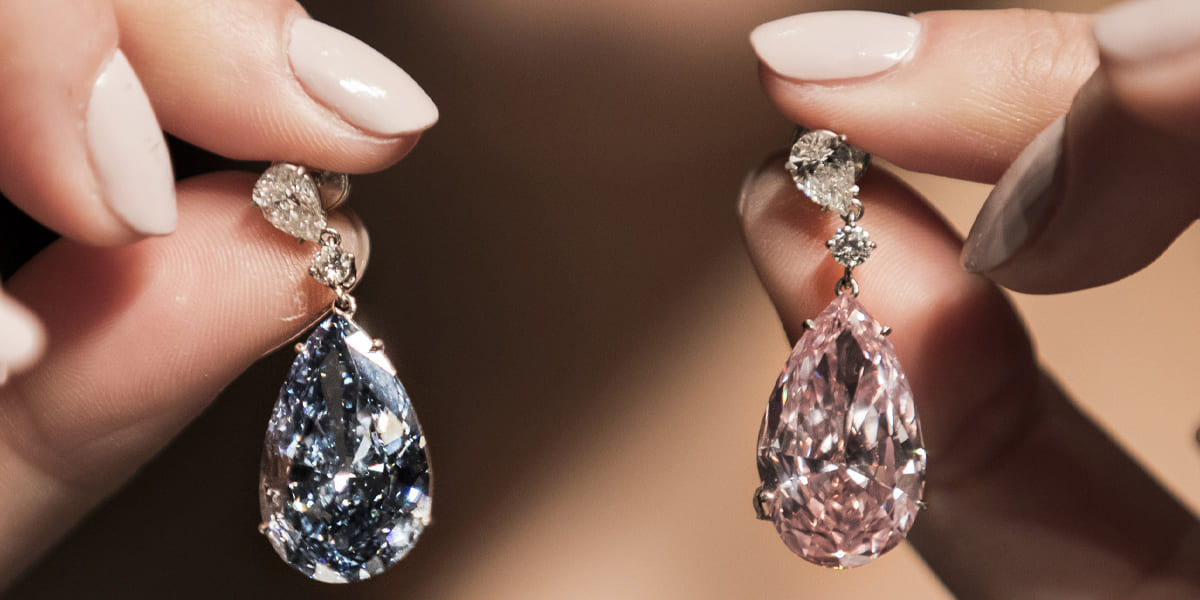
Diamond is a stone with its own magical properties for women as well. It is believed to give its owner youth and charge her with positive energy. In the past, people even rubbed the stone over wrinkles on the face, repeating the procedure every day.
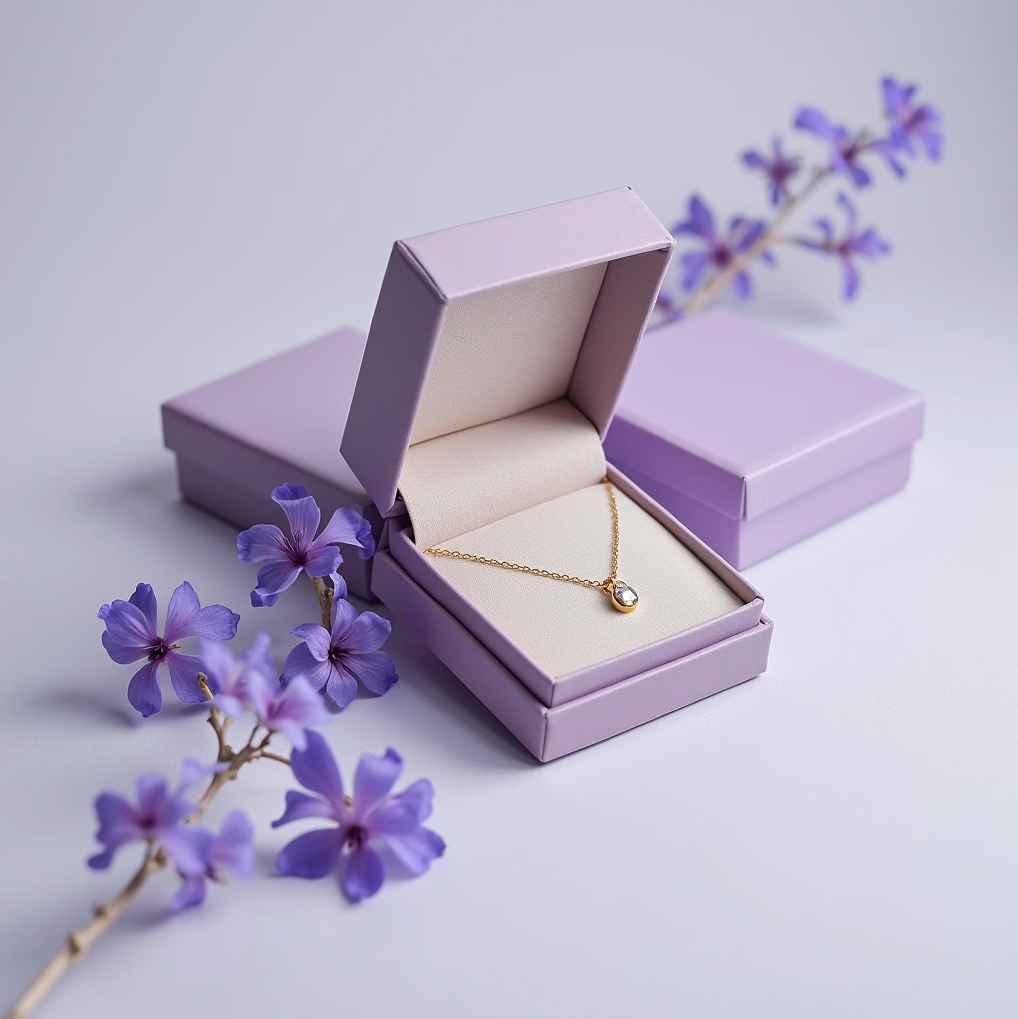
The stone is also believed to influence its owner’s fate. In particular, a diamond helps a woman find a good partner with whom to build a strong family. For this, it is best to wear the diamond close to the heart, by buying a pendant with diamond, which pairs nicely with a gold chain.
Does a diamond's color affect its properties?
Diamonds occur in various shades in nature, so color affects the effect the stone will have:
- White. Has a favorable effect on its owner, strengthening the positive qualities of their character. It is considered a protective charm, since it protects well against curses and the evil eye.
- Black. It carries a fairly strong energy. Black diamond gives its owner more self-confidence, strengthening leadership qualities and determination. But for someone who is morally unsteady or immature, it can be too strong, suppressing their energy even further.
- Green. This stone is better known for its healing properties, so it was often worn in order to be cured of some illness.
- Yellow. Has a positive effect on a person's intuition, helping them be more perceptive. A yellow diamond is a reliable helper in the pursuit of truth.
- Blue. It helps you find inner balance and harmony with the world around you.
- Pink. The pink diamond, like many stones in scarlet shades, helps its owner in matters of love. Single women can use it to find a life partner, and married women to strengthen their marriage and find balance within the family.
Healing properties
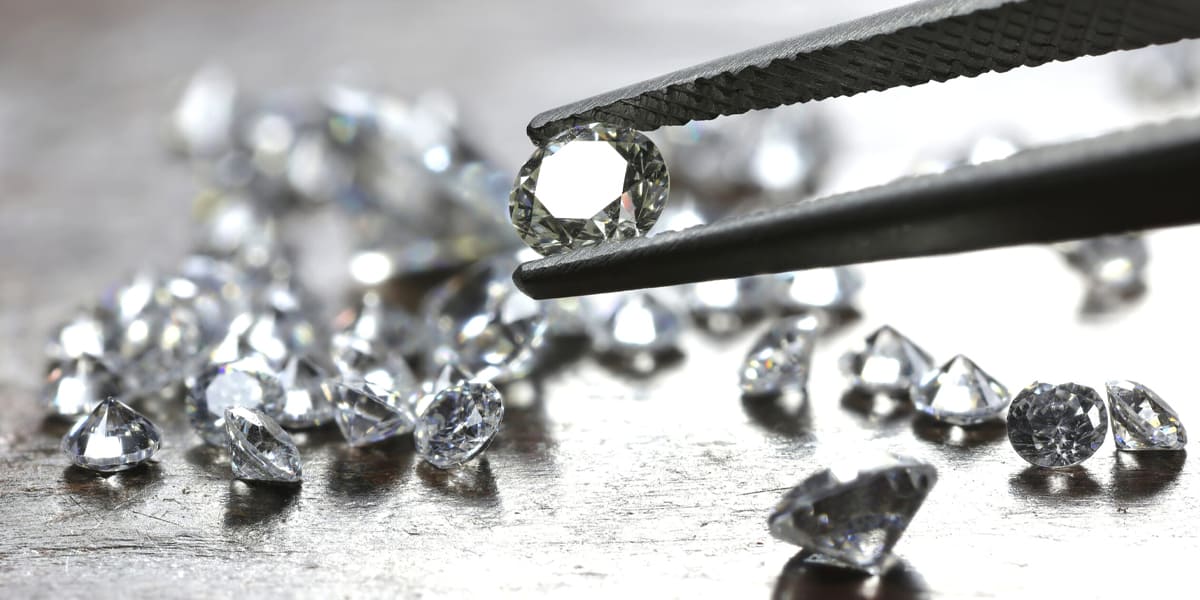
The ability of gemstones to have a positive effect on the body can be disputed, but people have believed in it since ancient times. This was based on numerous observations, so the information can be considered reliable to some extent. Of course, lithotherapy cannot replace real medicine, so if you have serious health problems it is better to see a doctor.
Diamonds were widely used for healing in the past. This theme was covered especially in Chinese treatises, which said the stone could influence a person's fate, body, and life.
Here are just a few of the stone's healing properties:
- lowers body temperature;
- helps fight stress and insomnia by normalizing a person's sleep;
- has a positive effect on heart function;
- normalizes metabolic processes in the body;
- boosts the body's tone.
It used to be believed that many poisons lost their toxicity on contact with a diamond. Mary Stuart held the same opinion and always carried a stone with her.
In Egypt it was believed that a diamond could influence a person's beauty and longevity. In that country it was customary to give diamonds to women, because they helped their owners keep their beauty longer.
How to wear it properly?
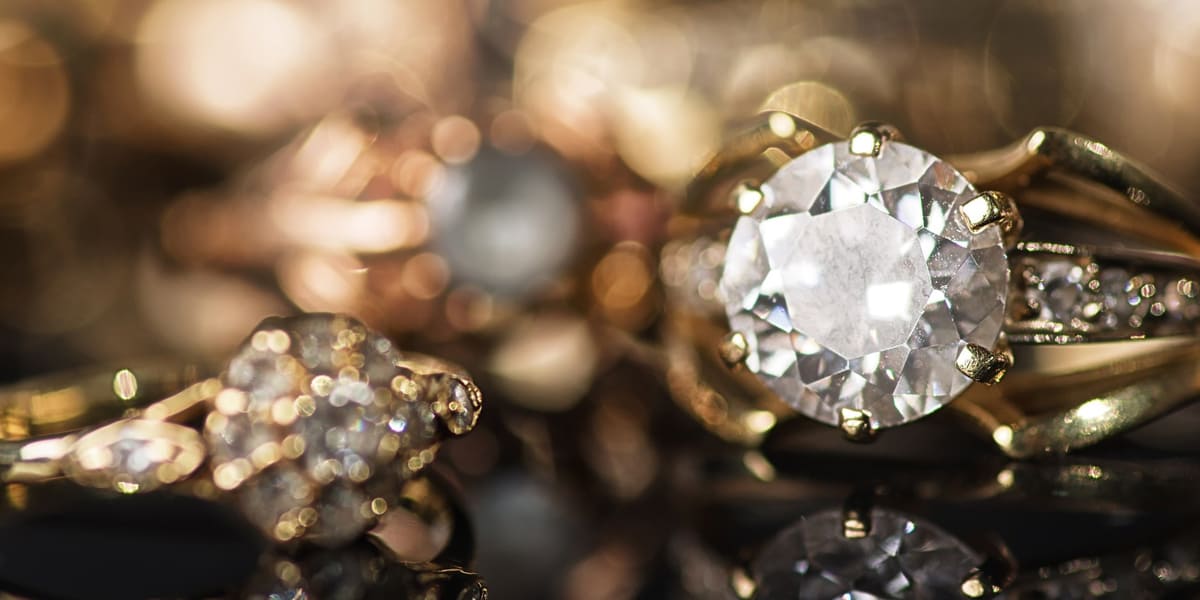
No one can tell you how to dress or what to pair your jewelry with. But we can offer some recommendations, and whether to follow them is entirely up to you.
Here are a few tips:
- Small diamonds in a delicate gold setting suit young women better. For mature women we can recommend large solitaire stones.
- This stone can be used to create a business look, but it is better not to overload it, choosing just one piece. This could be minimalist stud earrings, a small pendant, or a ring of strict design.
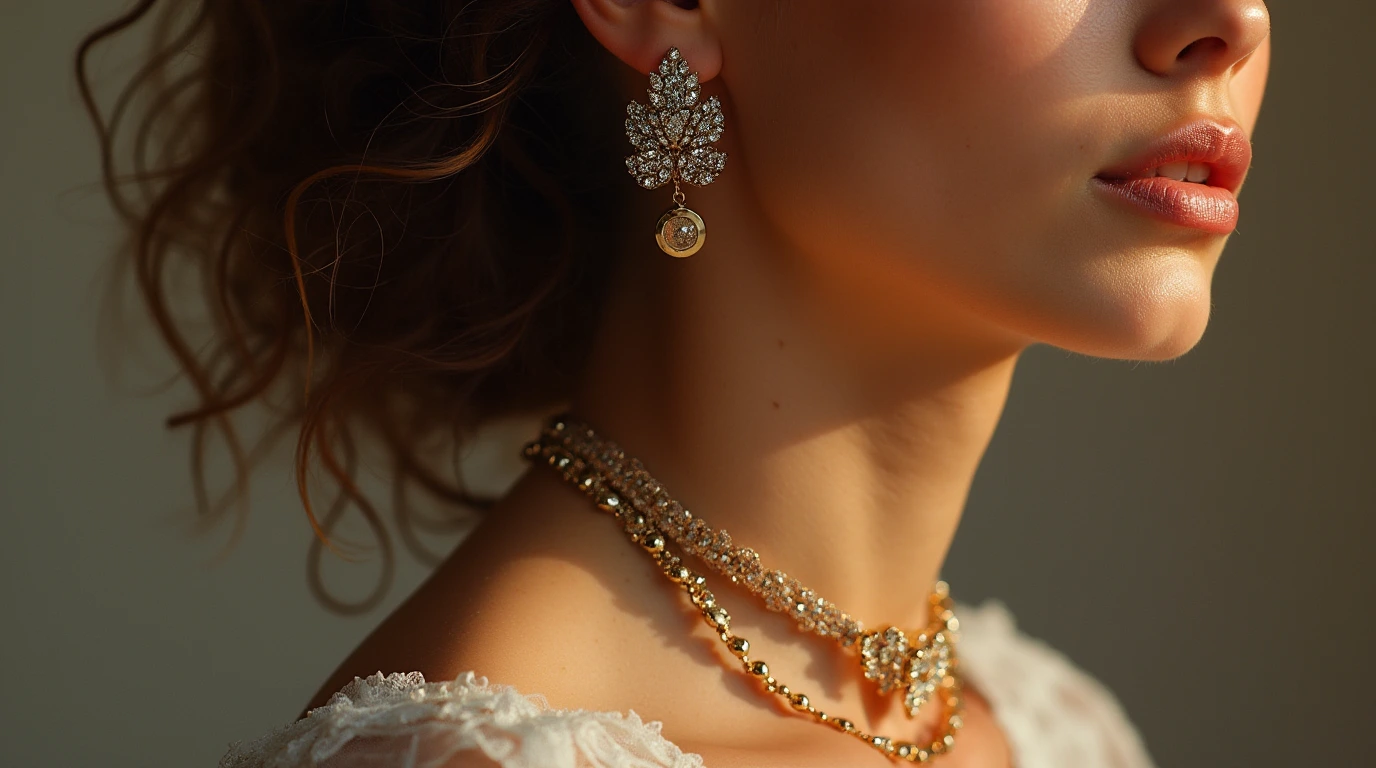
- So as not to hide the beauty diamond earrings, it is better to pin your hair up or style it so that the earrings are visible.
- Ring with a diamond should be just one. If there are several, it will look too ornate. The exception is a wedding or an engagement ring, which can be worn together.
You can get even more interesting information about the finer points of choosing a diamond from our specialists by phone or in person at our jewelry boutique. We invite you on a fascinating, precious journey!