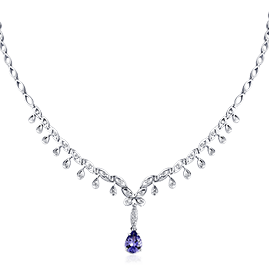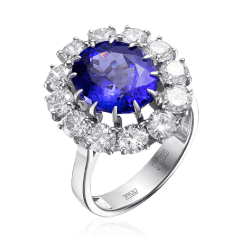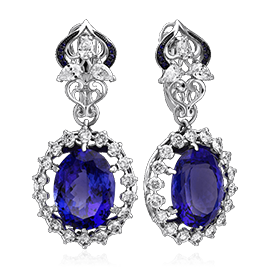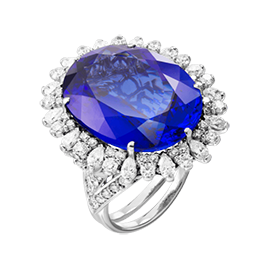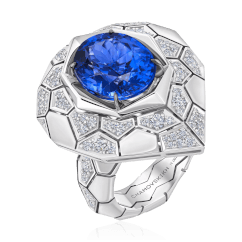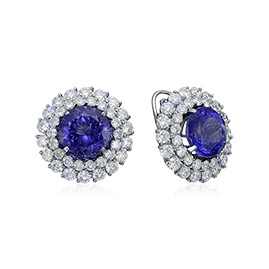

What do Kilimanjaro, the Titanic, Elizabeth Taylor and Tiffany & Co have in common? They are all linked to the vivid story of a beautiful and rare stone – tanzanite.
Today it is a recognized authority of the jewelry world, a direct competitor of sapphire and a source of pride for many jewelry houses and collectors.
ORIGIN
It's hard to believe, but little more than half a century ago, no one knew about this beauty. It is the youngest of the gemstones known today, found by a Portuguese scientist in 1967 at the foot of Mount Kilimanjaro in Tanzania, and it instantly rose to the heights of the jewelry world.
Named after the place where it was found, tanzanite, a faithful son of its homeland, occurs nowhere else on Earth. Just imagine how its value will rise in some fifteen years, when, according to geologists' forecasts, its few deposits in Tanzania will be exhausted.
COLORS AND TYPES
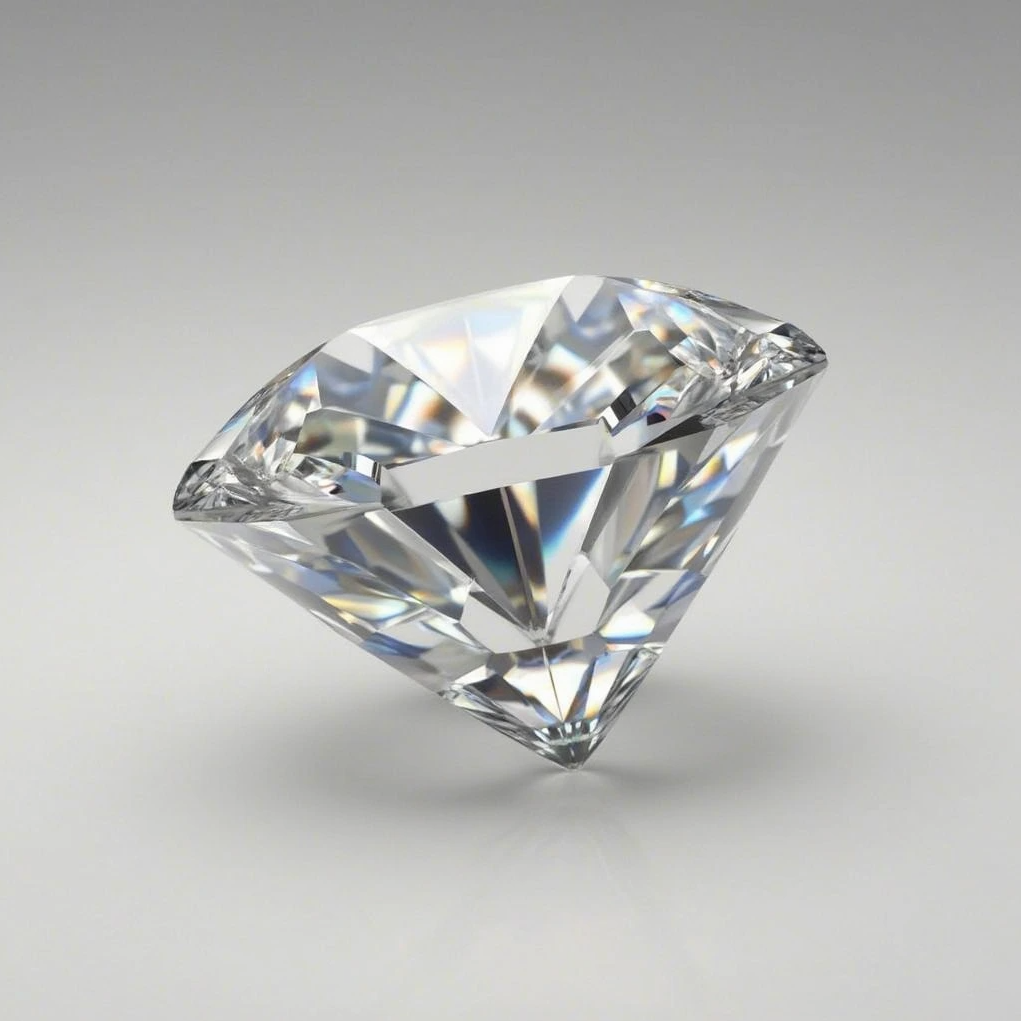
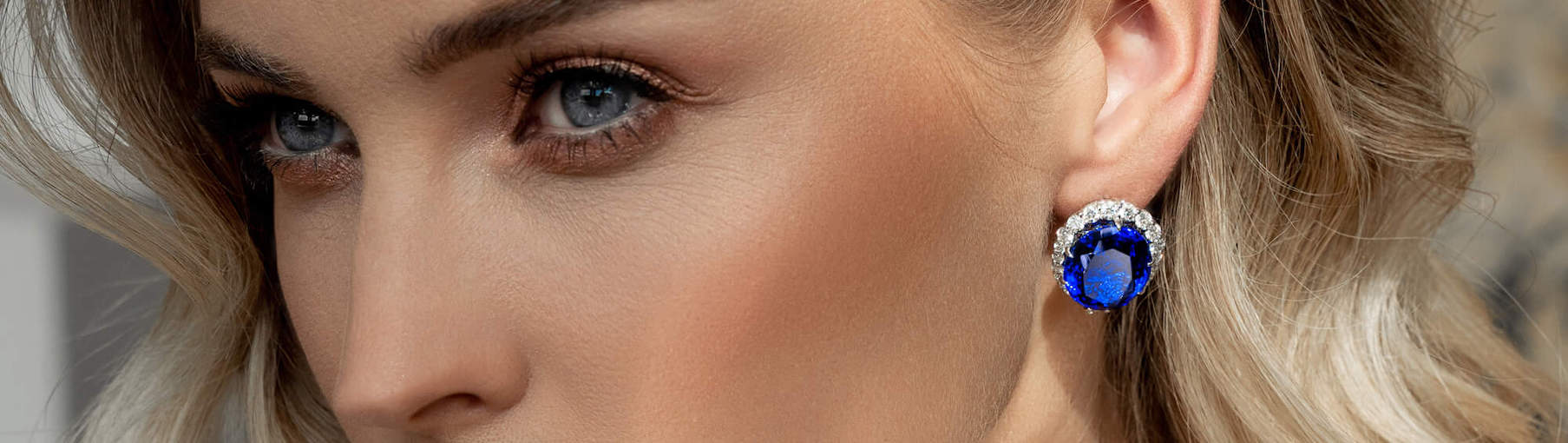
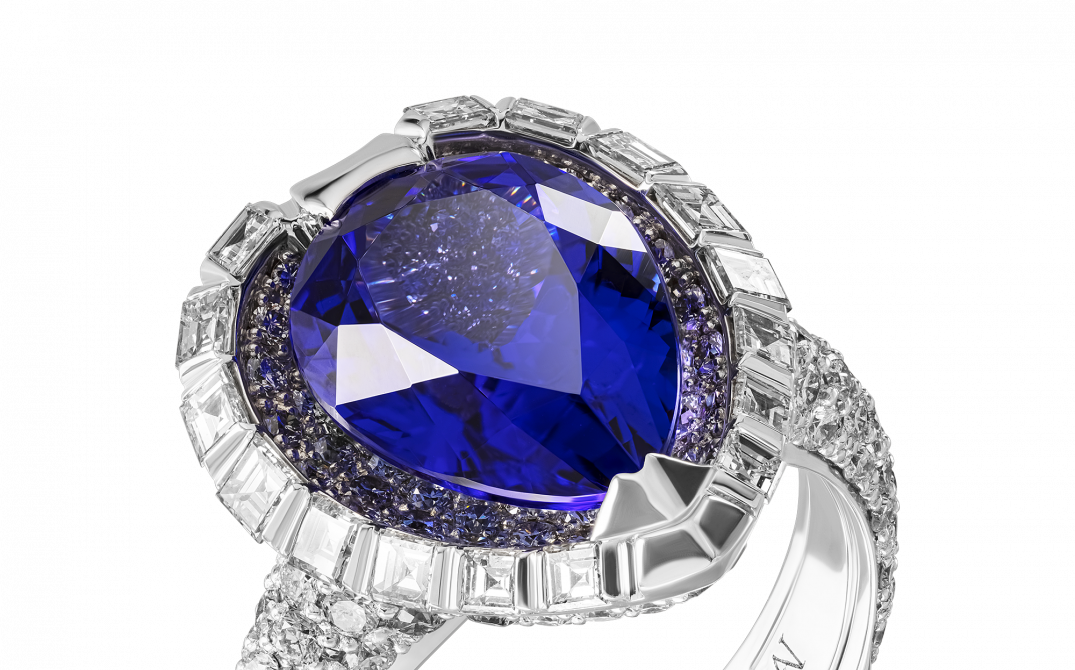
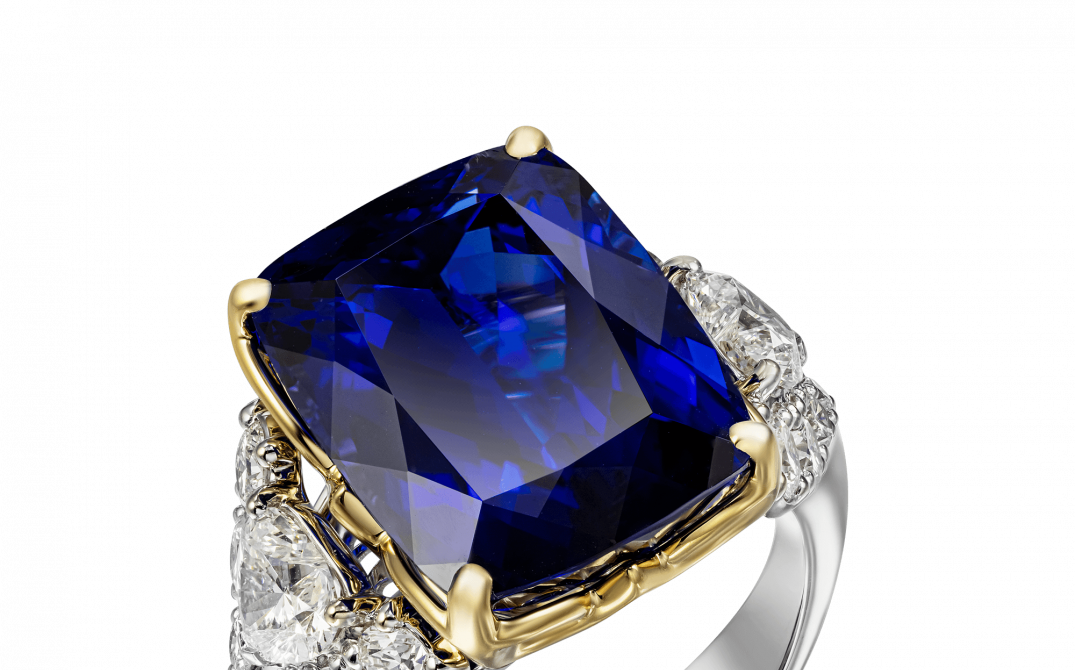
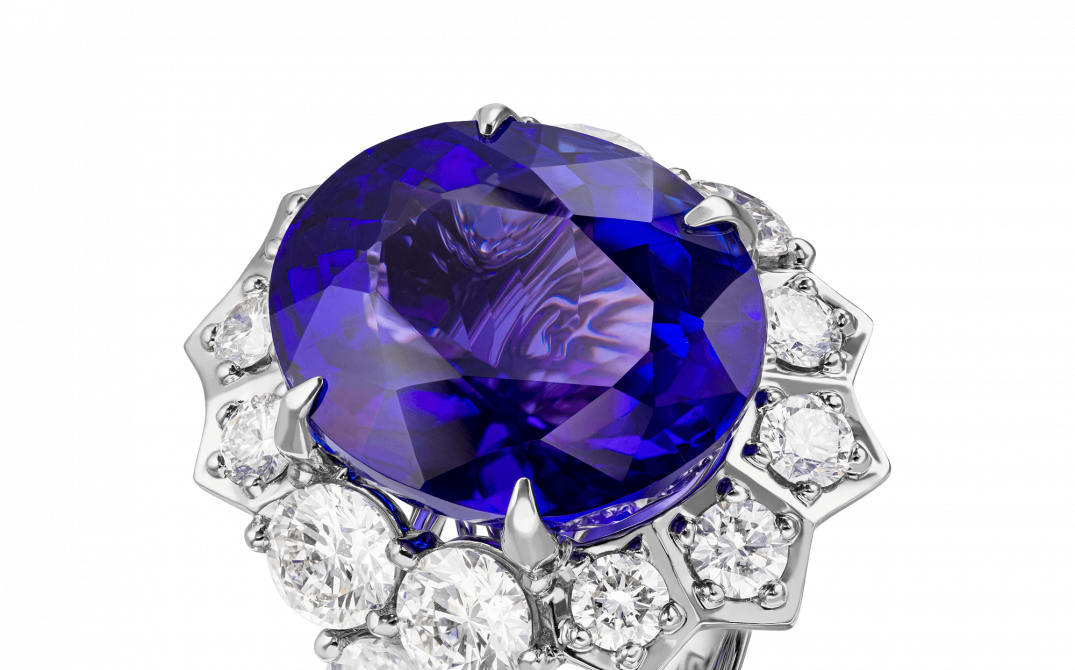
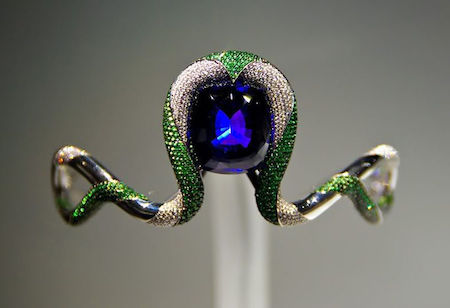
We know and value tanzanite in its deep blue or violet shades, but these colors are not its native ones. It is born as an unremarkable brown or green mineral. Only under high temperatures, after being caught beneath hot lava, or through long exposure to sunlight, do the luxurious and rare violet-blue specimens emerge.
Artificially enhanced stones of a bright blue color are obtained by heating the raw nugget to six hundred degrees Celsius.
FILM CAREER
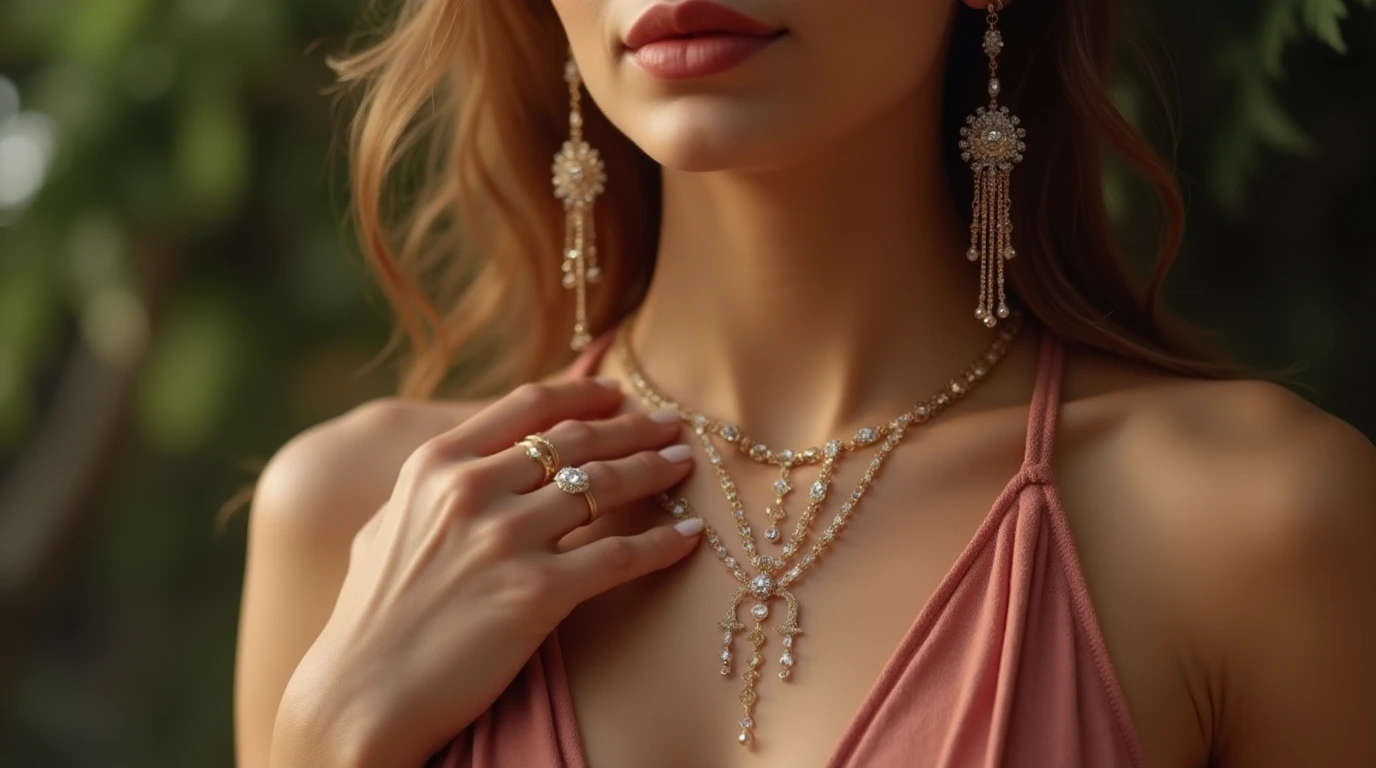
The big start to tanzanite's brilliant career came from the alliance of the famous jewelry house Tiffany & Co and the great Elizabeth Taylor, whose eye color, similar to the deep blue of tanzanite, the company wittily put to use. A magnificent necklace with large tanzanites, created especially for the actress, prompted the whole American, and then European, high society to hurry to refresh their jewelry wardrobes.
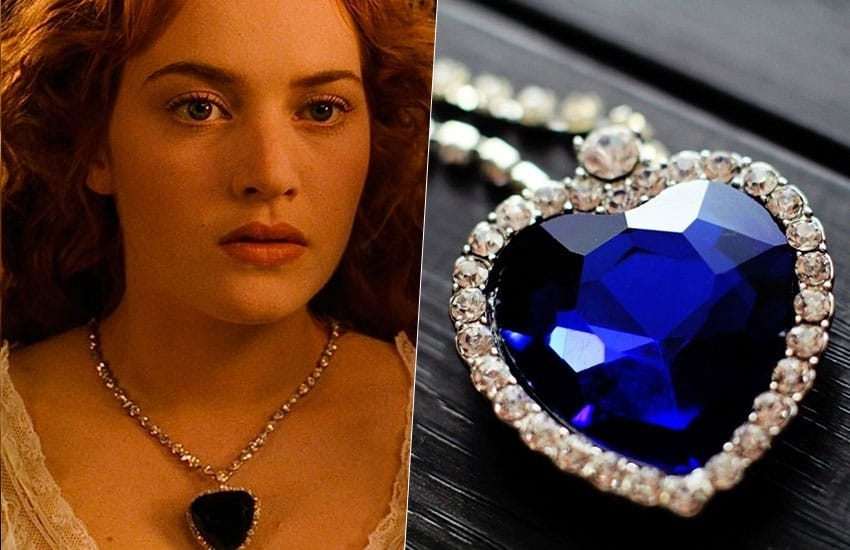
The stone gained a new surge of popularity after the release of the legendary film Titanic. The casting for the role of the blue diamond in the Heart of the Ocean necklace created for the heroine was won by a 50-carat tanzanite, decisively pushing aside the other contenders, including sapphire.
PRECIOUS GIANTS
The largest specimen ever found weighs 17 000 carats; there is also an impressive faceted tanzanite of 122.7 carats, kept at an institution in Washington.
But the most luxurious and famous cut specimen, weighing 242 carats, crowns the remarkable tiara “Queen of Kilimanjaro,” a jewel of the famous collection of the businessman Michael Scott. It is not entirely clear for whom this marvel of the jeweler's art was originally intended, but anyone can see it today at the Royal Ontario Museum, and if you find yourself in Canada, be sure to do so.
ARTIFICIAL: NO!
Surprisingly, no one has yet learned to grow this beautiful stone. So a tanzanite piece of decent quality is always fairly expensive, which is also due to the difficulty of working this rather fragile and capricious mineral. But you can enjoy it to the fullest, knowing that you own a natural, rare, disappearing gemstone with a vivid history.