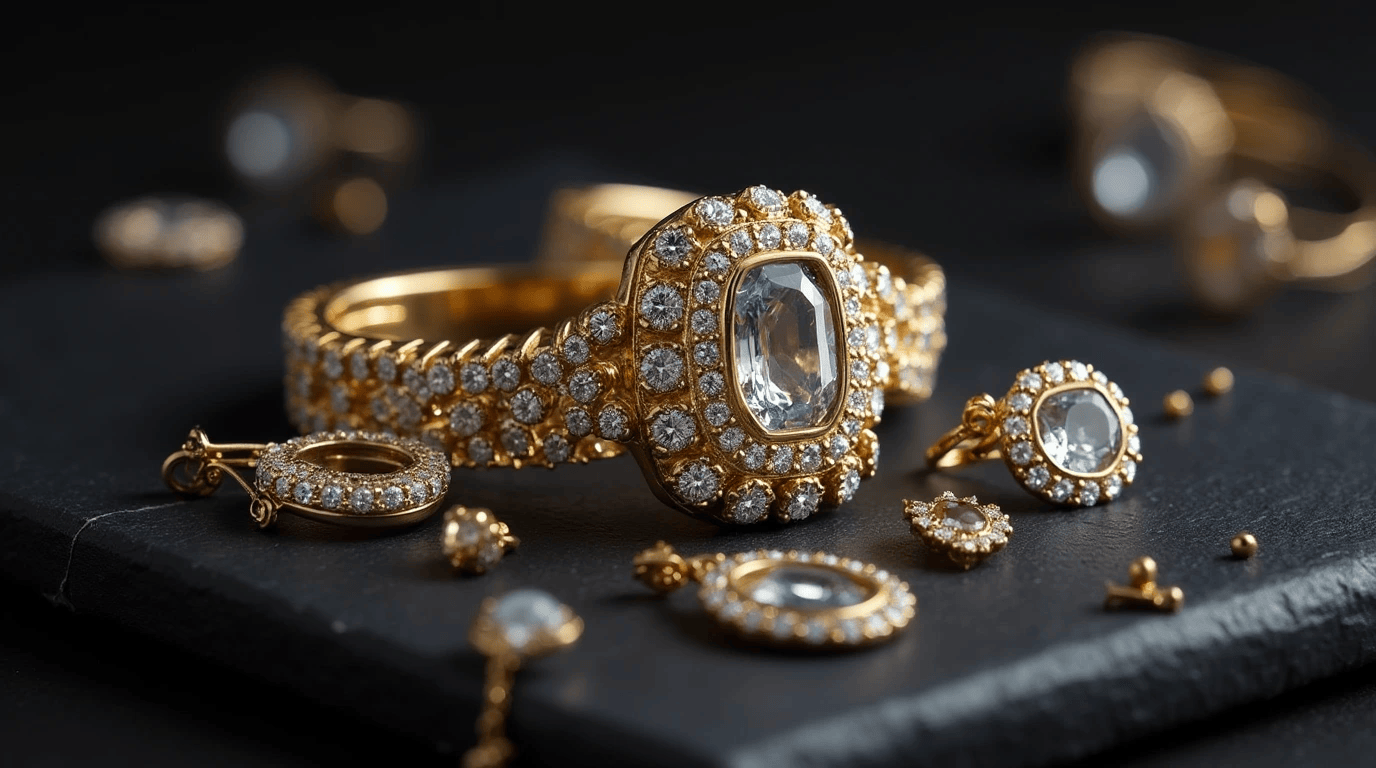
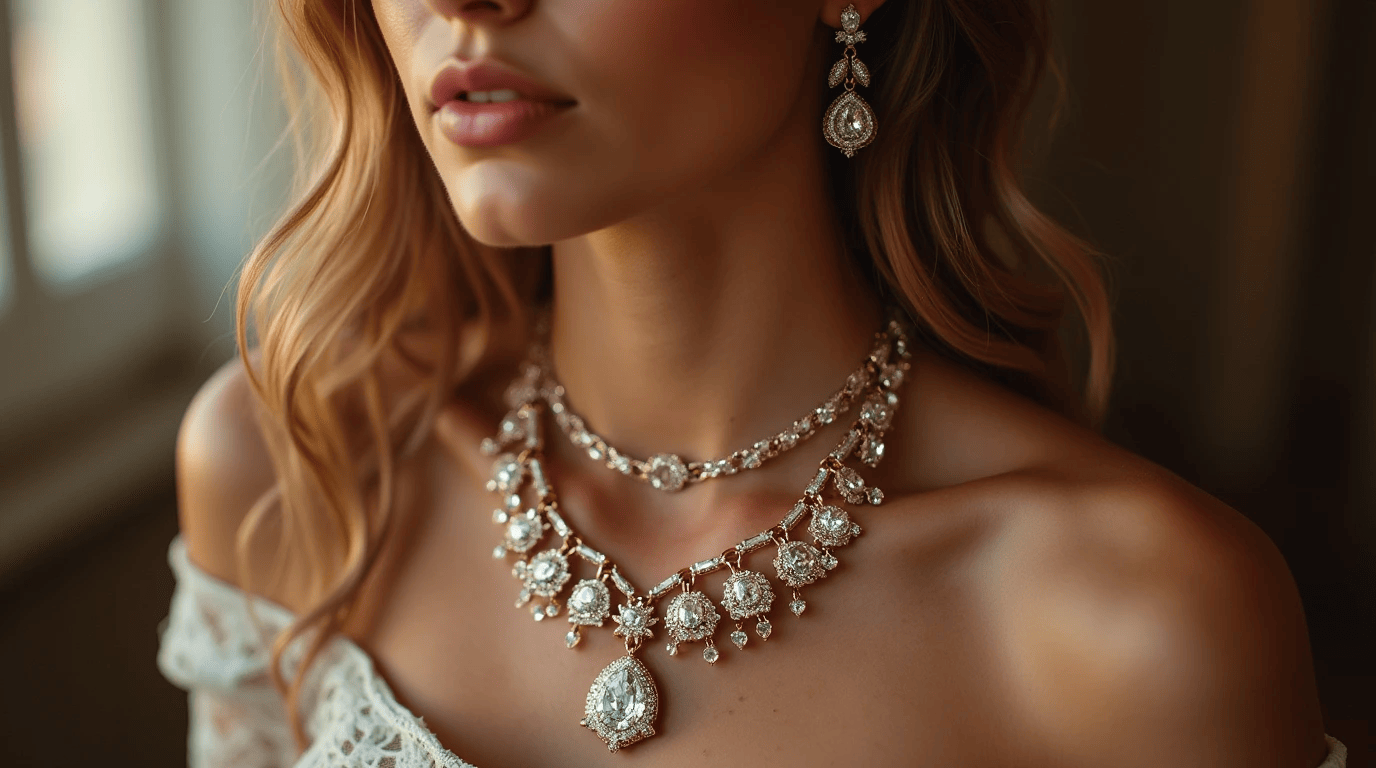
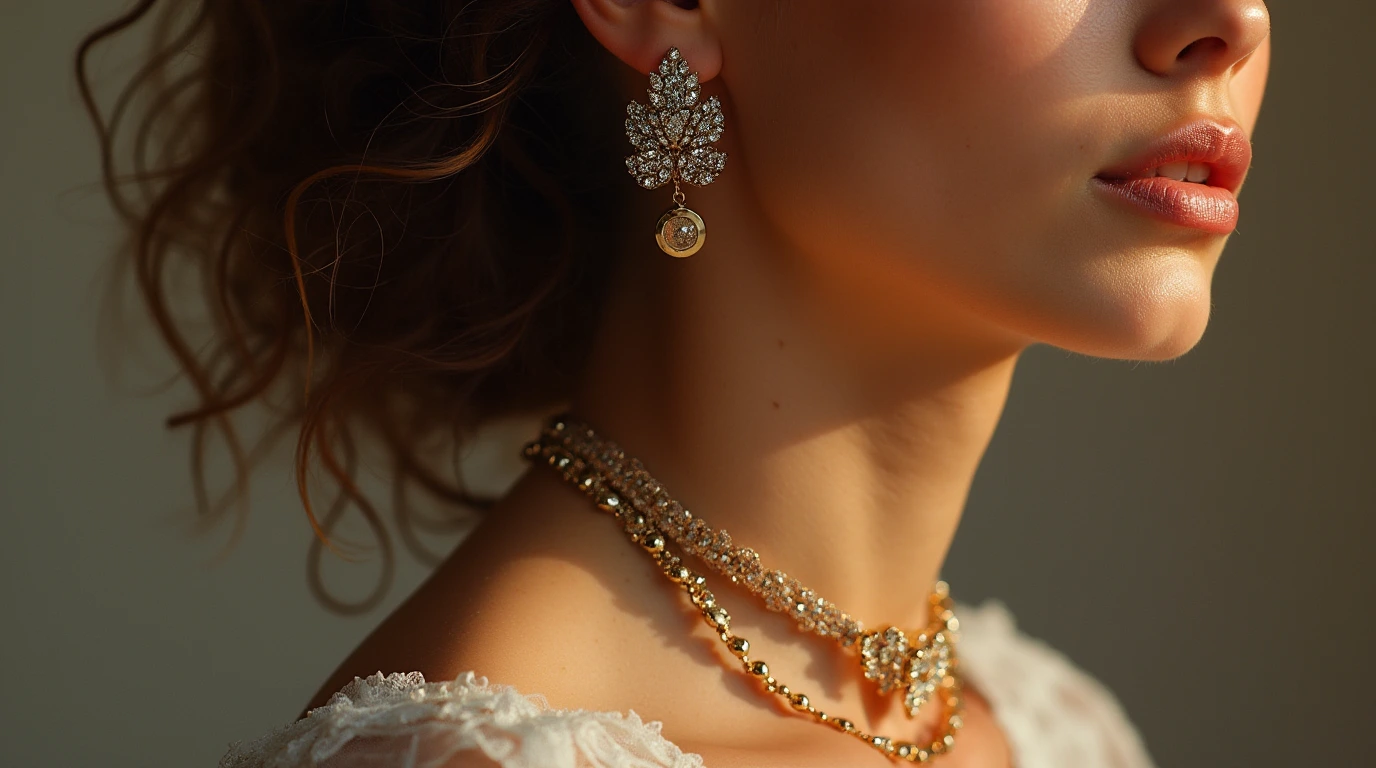
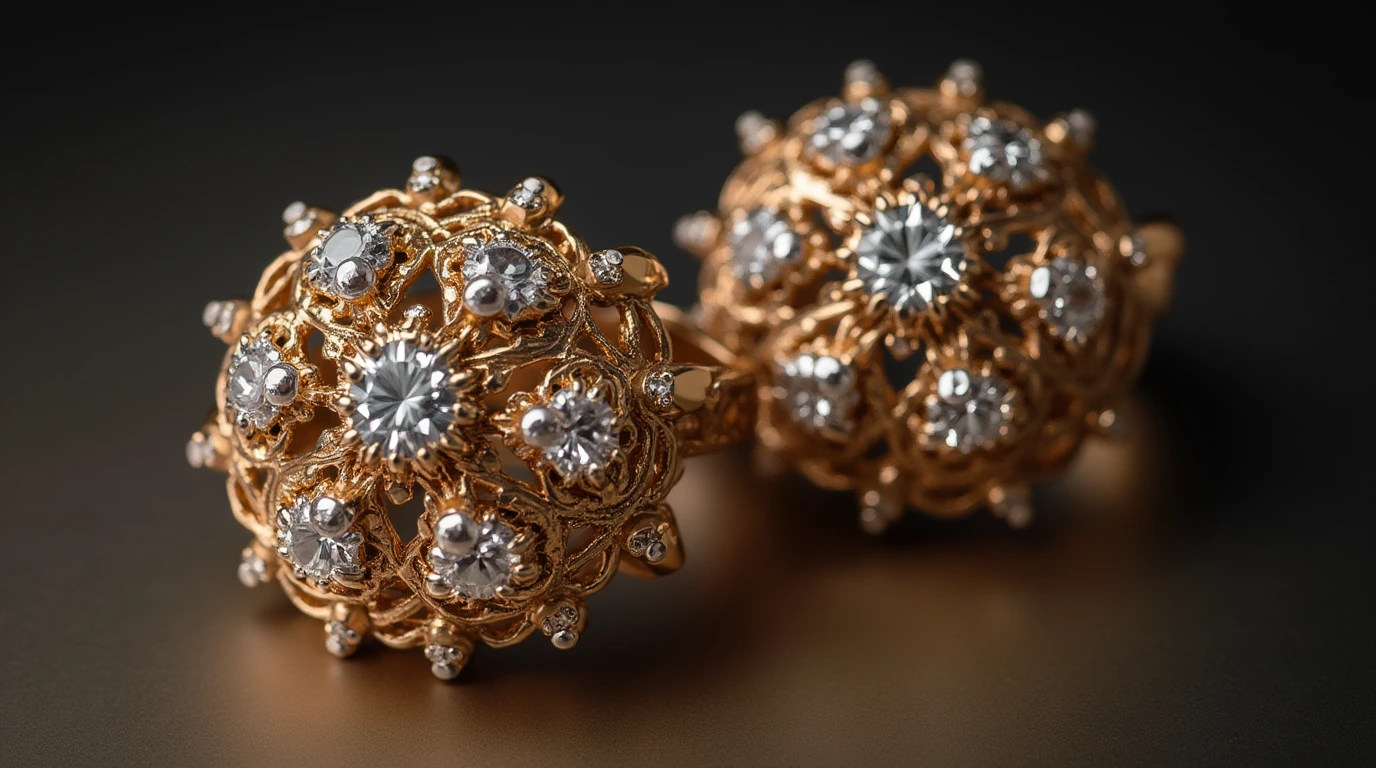
The diamond is the king of the jewelry world, a symbol and equivalent of luxury, wealth and sometimes the greatness and importance of its owner. This stone is the hero of novels and films, the cause of quarrels and crimes, an object of pride and desire.
The classic colorless diamond has been and remains the undisputed leader of the jewelry market. But the most famous in history, holding places of honor in museums, treasuries around the world and renowned collections, are the remarkable and unusual colored varieties of this gemstone.
Today colored diamonds are at the peak of their fame and demand, and collectors and celebrities around the world hunt for them. Thanks to their rarity and extraordinary aesthetic value, they are also an excellent financial investment.
WHY COLORED DIAMONDS ARE SO EXPENSIVE
Only 20% of mined diamonds are colored, and only about half of those are fully vivid and expensive specimens. While a slight yellowish or brownish tint lowers the value of an ordinary diamond, a saturated color makes its value extremely high.
Surprisingly, the only true rival of an intensely colored diamond can be its absolutely pure and transparent colorless sibling.
What makes colored diamonds so valuable?
- rarity
- fairly large sizes
- the specifics of processing: turning a colored diamond into a brilliant requires special skill from the jeweler and a special cut, different from that of colorless stones, because the refraction of light in them is different. Good masters of working with such diamonds are valued very highly in the jewelry world.
THE ORIGIN OF COLORED DIAMONDS
How does nature color these beautiful diamonds? The secret is in foreign substances, which in small amounts make the color look dull, and in larger amounts make it beautiful and saturated. Yellow comes from lithium, blue from boron, pink from manganese, and green shades come from nitrogen.
In addition, the color is greatly influenced by the depth of the deposit and the intensity of natural radiation the future diamond was exposed to.
COLORS AND SHADES
Nature has given colored diamonds a huge palette of colors. The most common and very striking are sunny yellow stones, and the rarest and, accordingly, most expensive are red ones. There are also green, blue, pink and purple diamonds in countless variations of shade.

The price of a colored diamond is directly proportional to the purity of its color and the intensity of its hue. There are nine grades of intensity, and the most expensive are the last four, known in jewelry parlance as fancy:
- fancy (fantasy);
- fancy intense;
- fancy deep (deep fancy color);
- fancy vivid (intense fancy).

Diamonds with a faint color, or with an admixture of hues other than the main one, are valued lower.
MAN-MADE BEAUTY. PROS AND CONS
In our age of technological breakthroughs, people have learned to compete with nature and create valuable products that rival natural ones. Colored diamonds, such a precious resource, could not be left out.

Special treatment of a stone with high temperatures, pressure, or irradiation, by which a colorless or weakly colored diamond acquires a bright, pure color, is called enhancement.
This process is often presented as completing nature's work, but such beliefs cannot put even the most beautiful artificially enhanced stones on a par with colorful beauties of noble origin.

In fact, only a specialist can tell an enhanced colored diamond from a natural one, and their price is significantly lower. Only the desire to own a rare diamond leads its admirers to spare no expense on naturally colored stones.
We do not limit your choice, with beautiful jewelry featuring colored diamonds in every category.