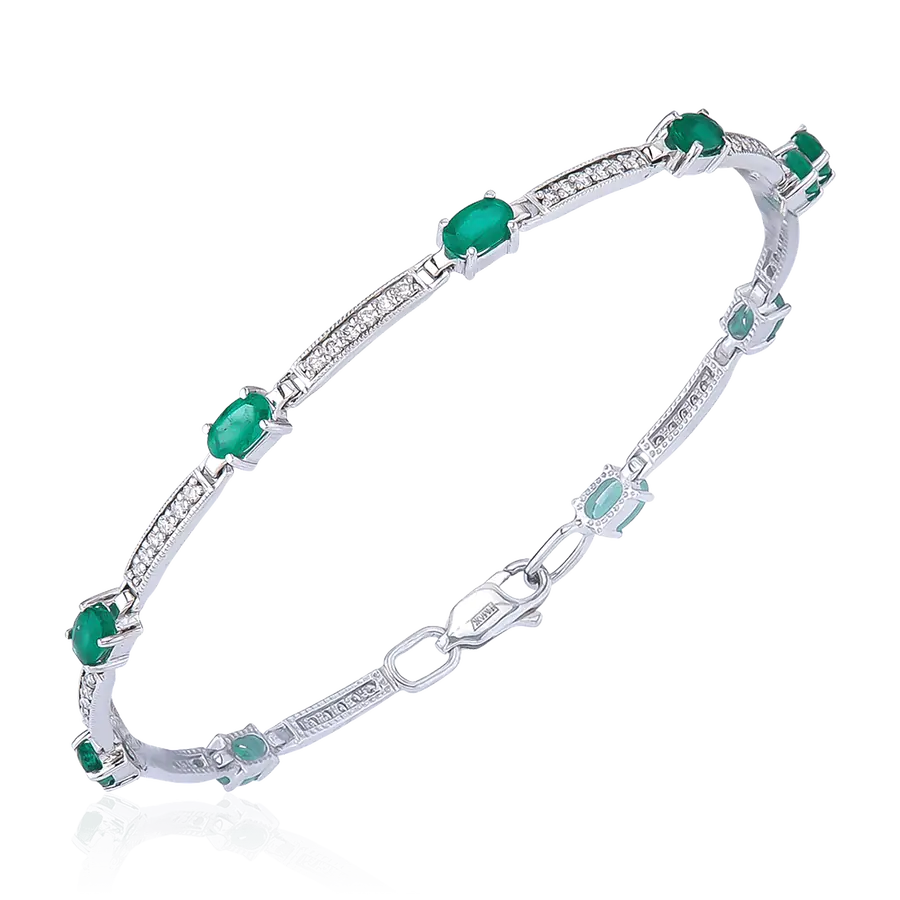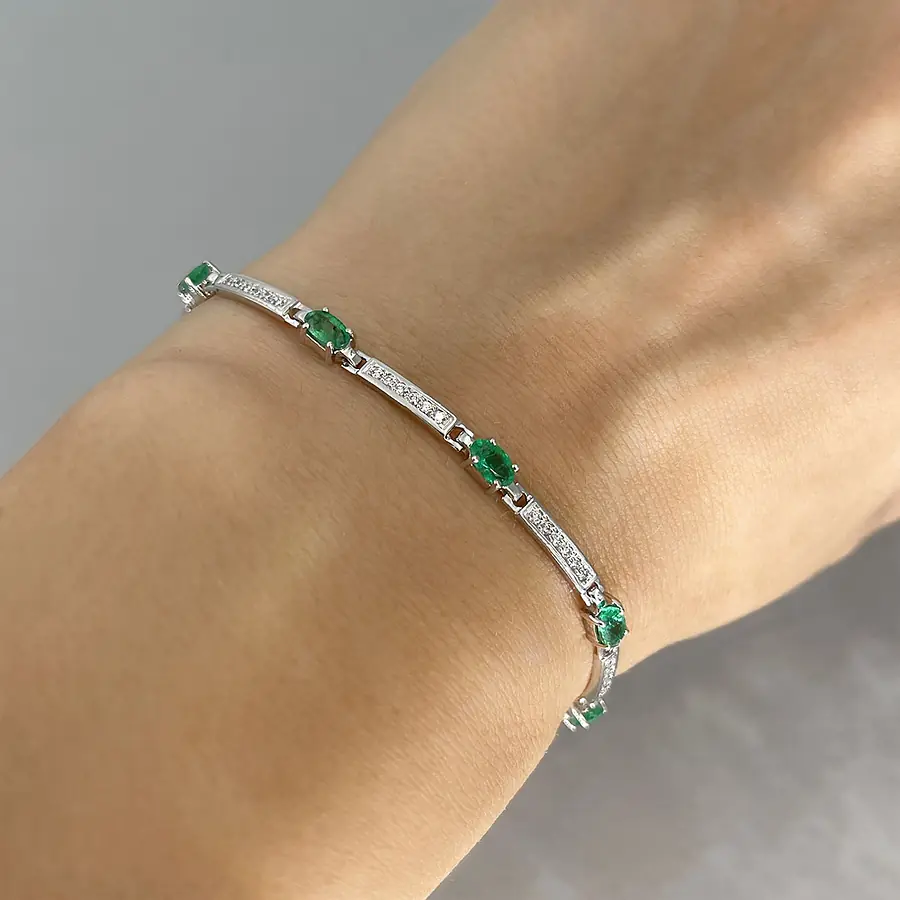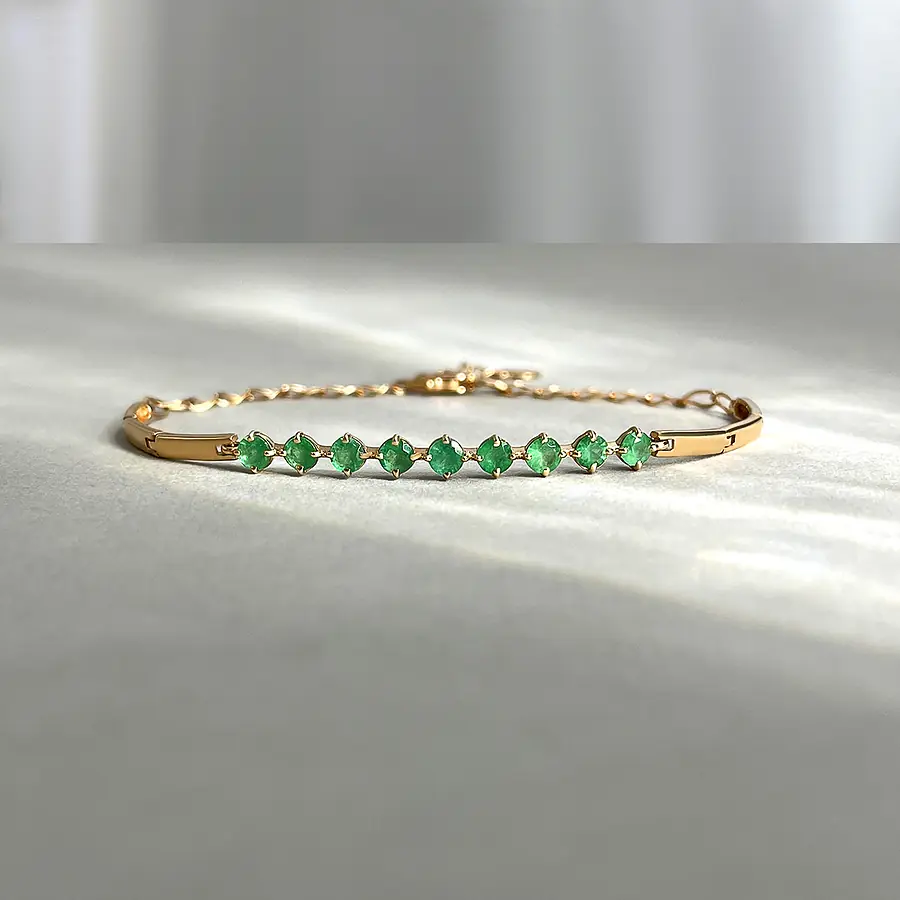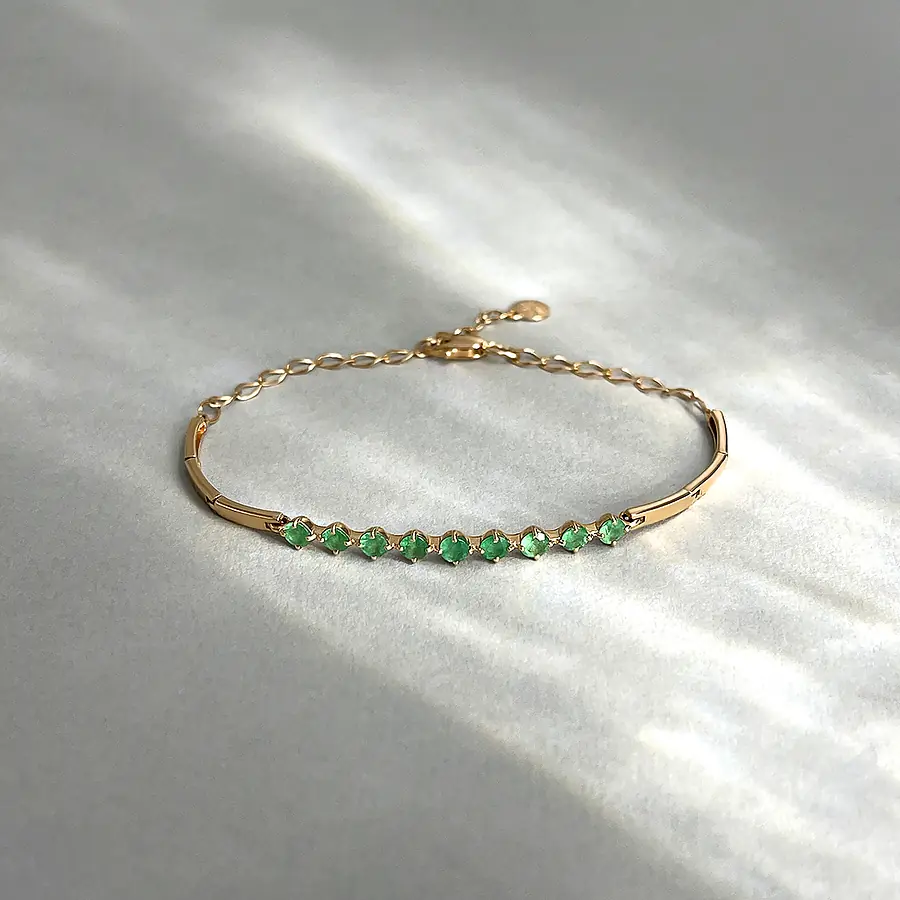
1 009 500 ₽3 365 000 ₽
We use cookies to improve the site and give you more options. By continuing to use the site, you agree to cookie usage terms.We use cookies. Learn more


By popularity

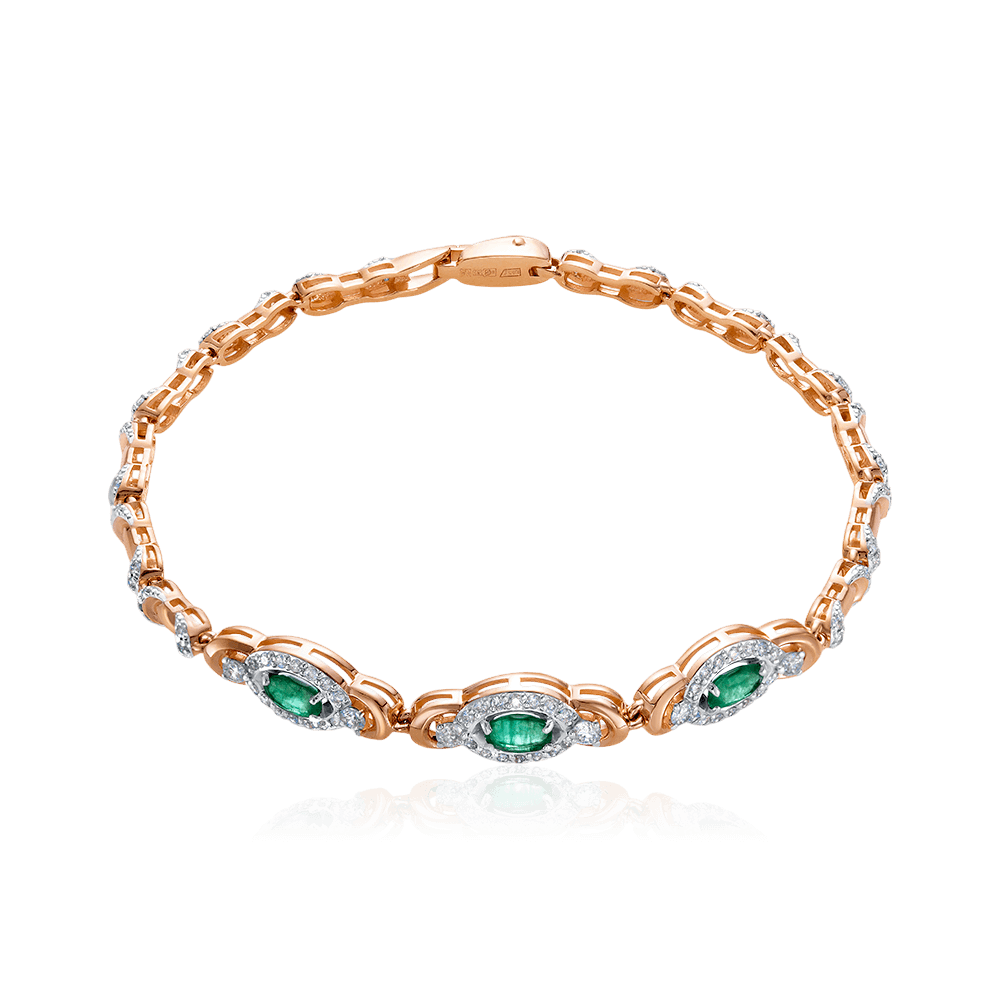
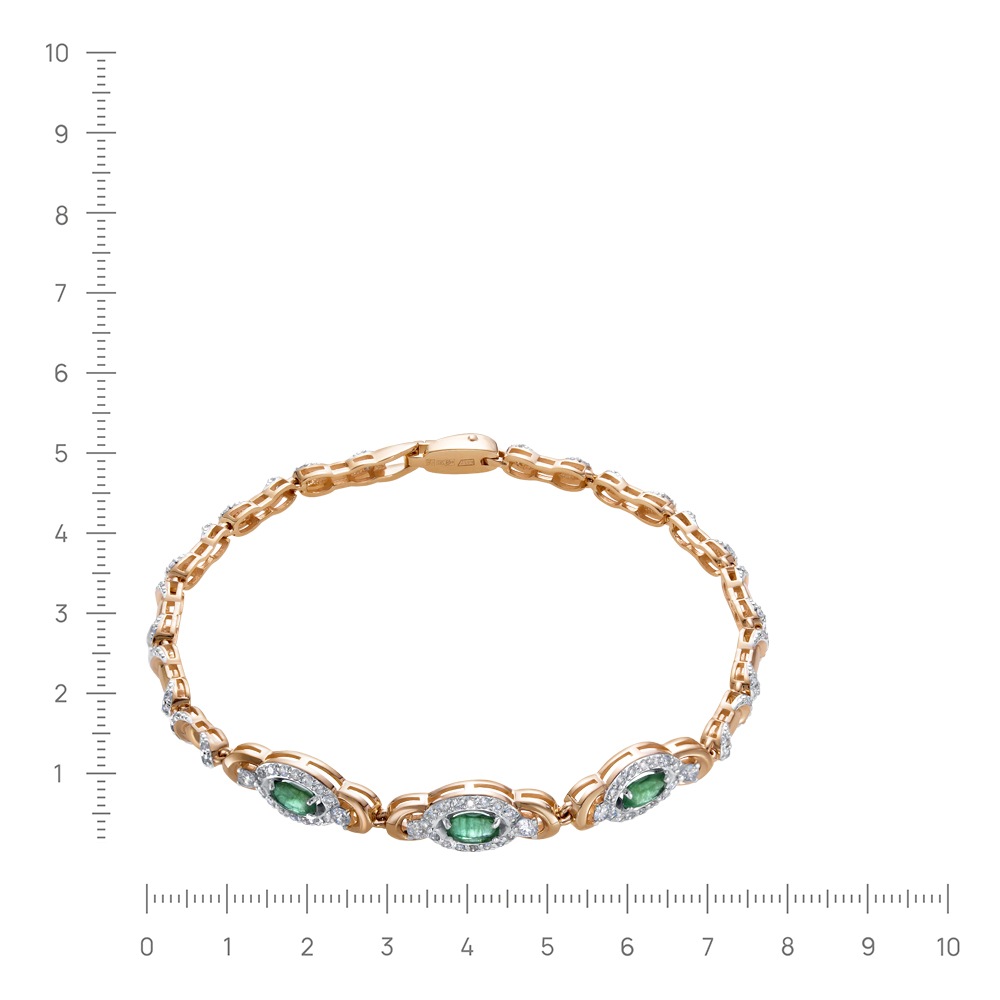
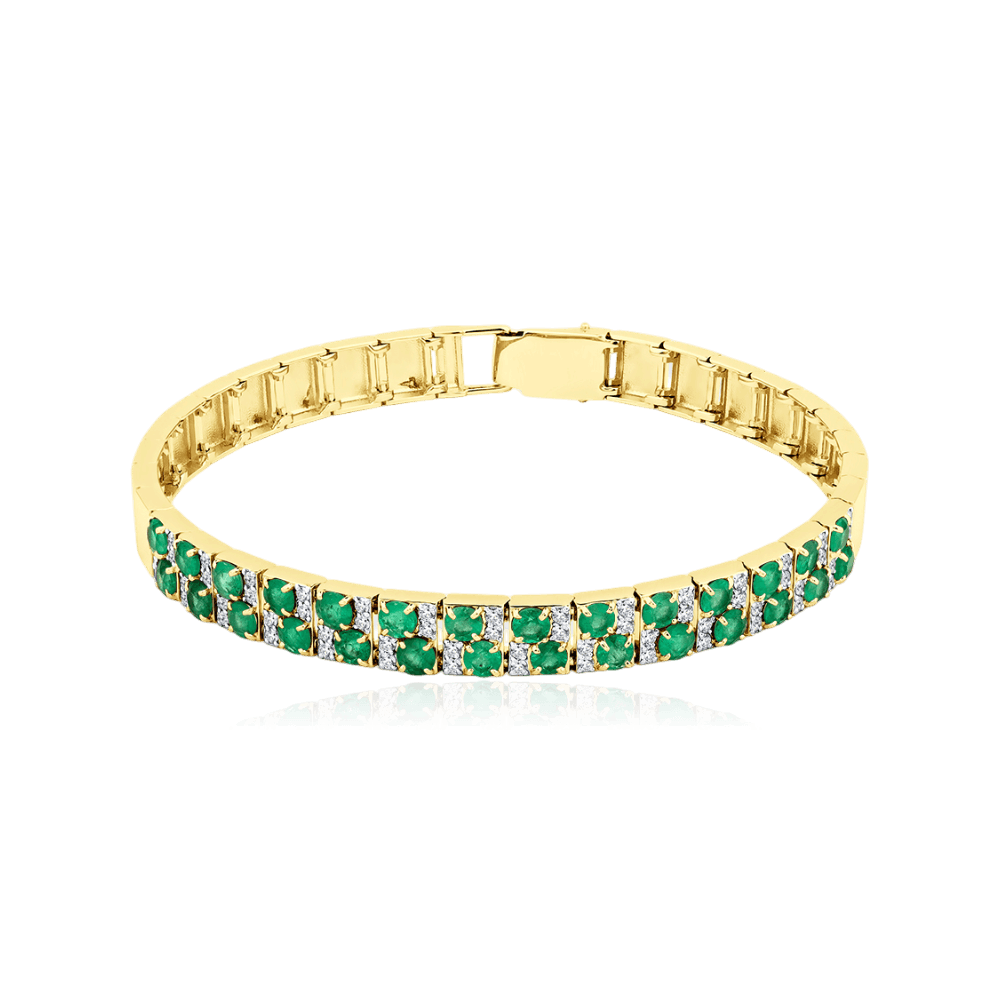
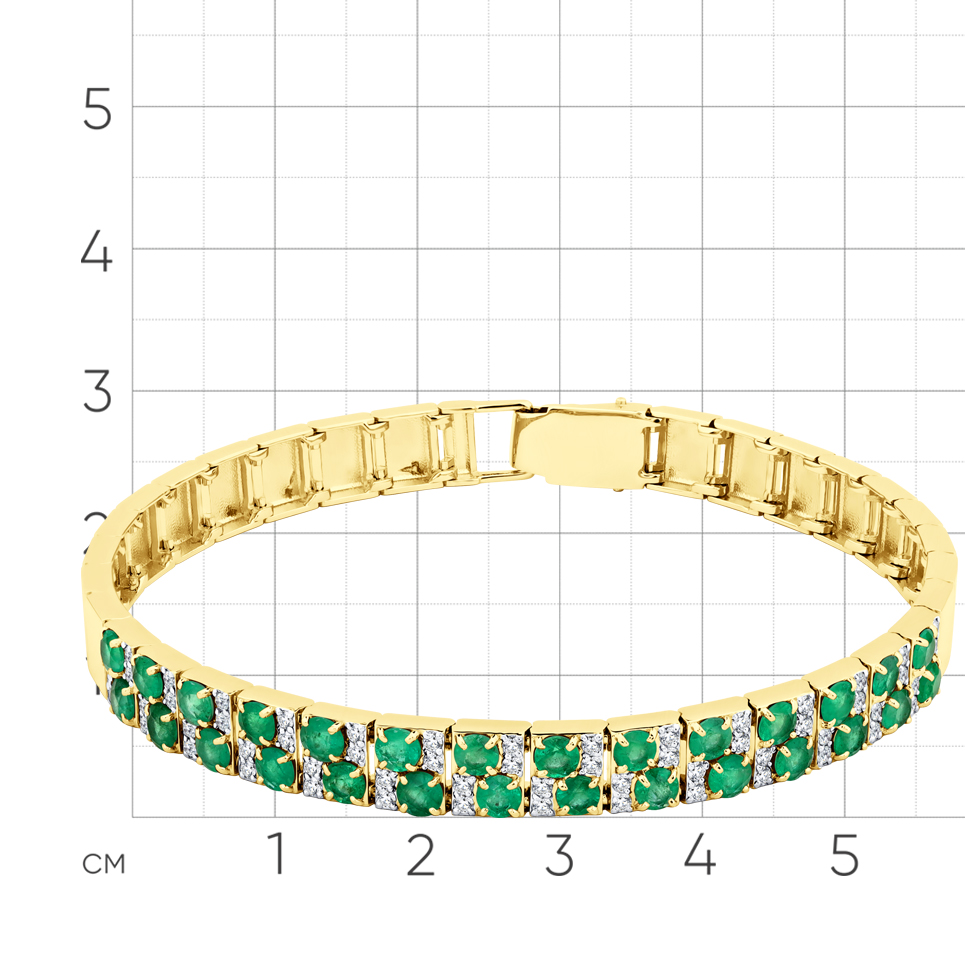

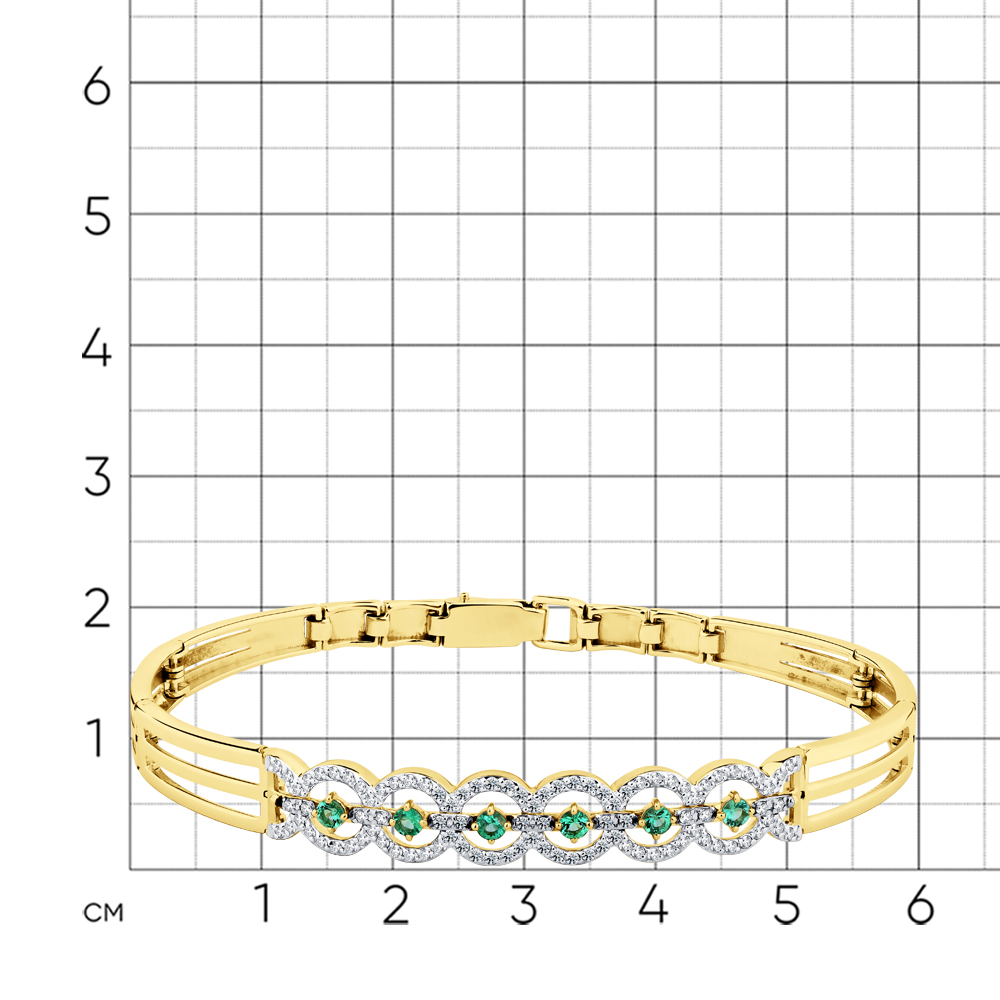


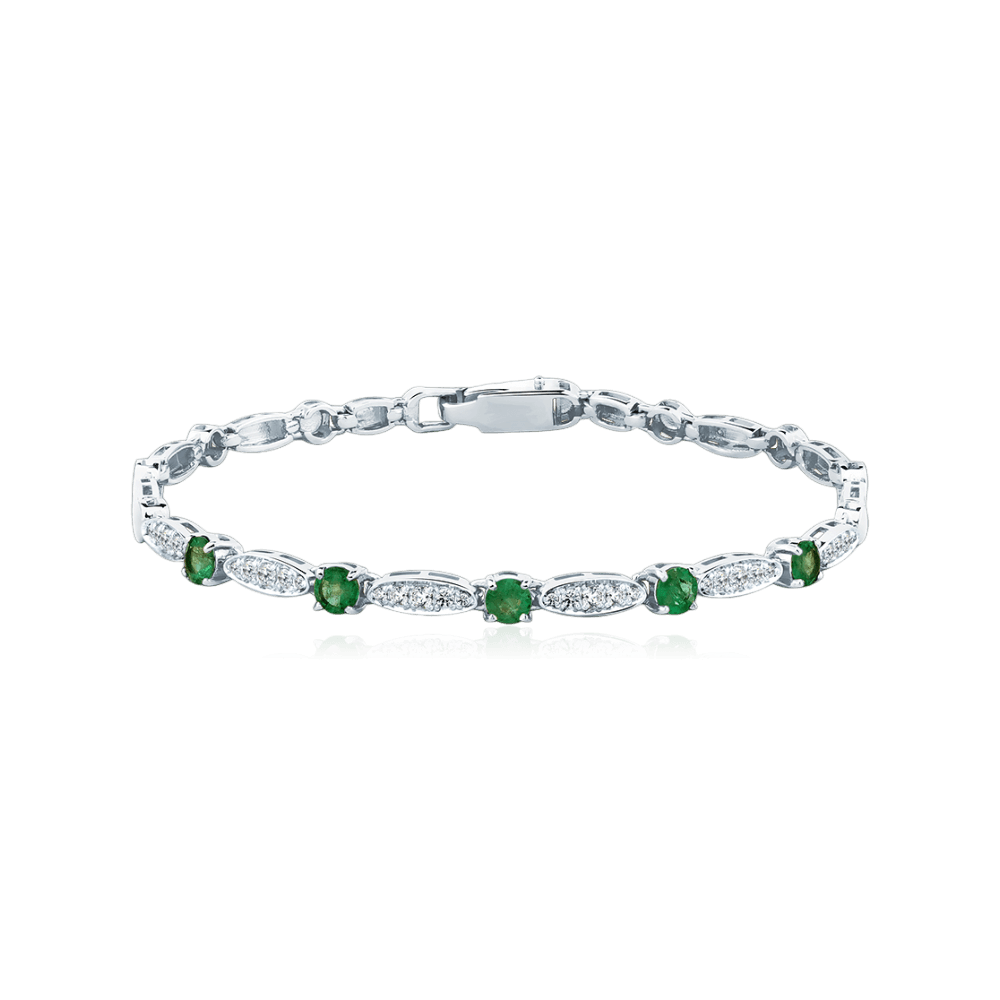


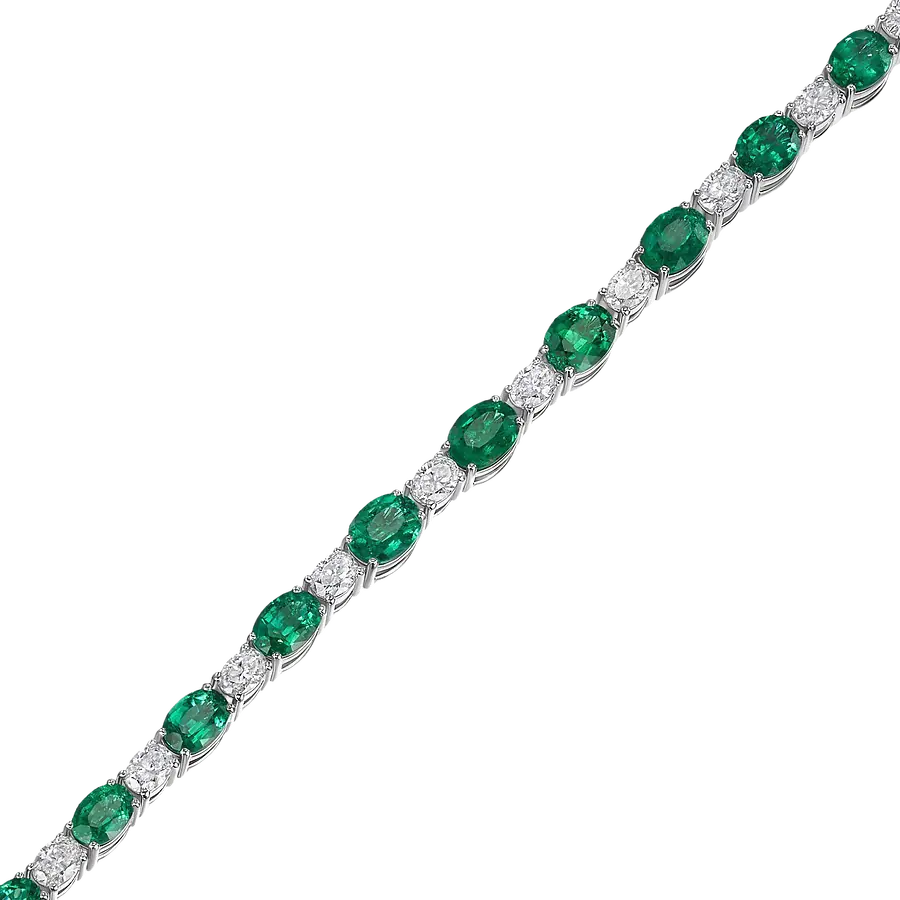

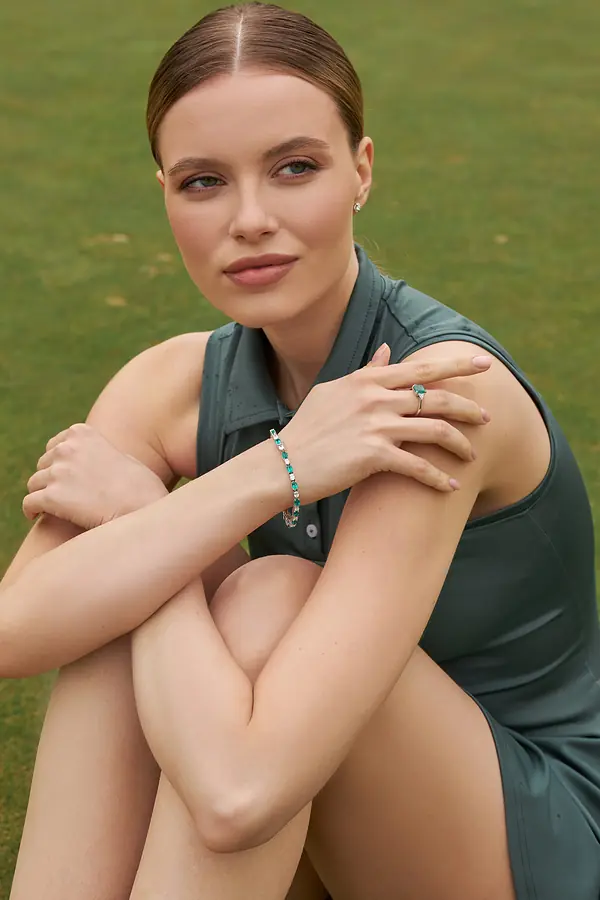
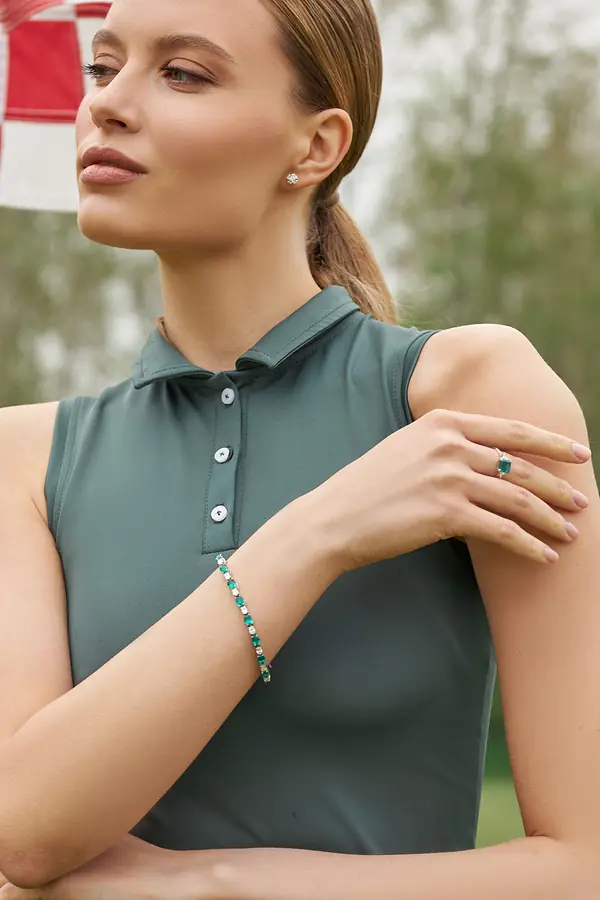

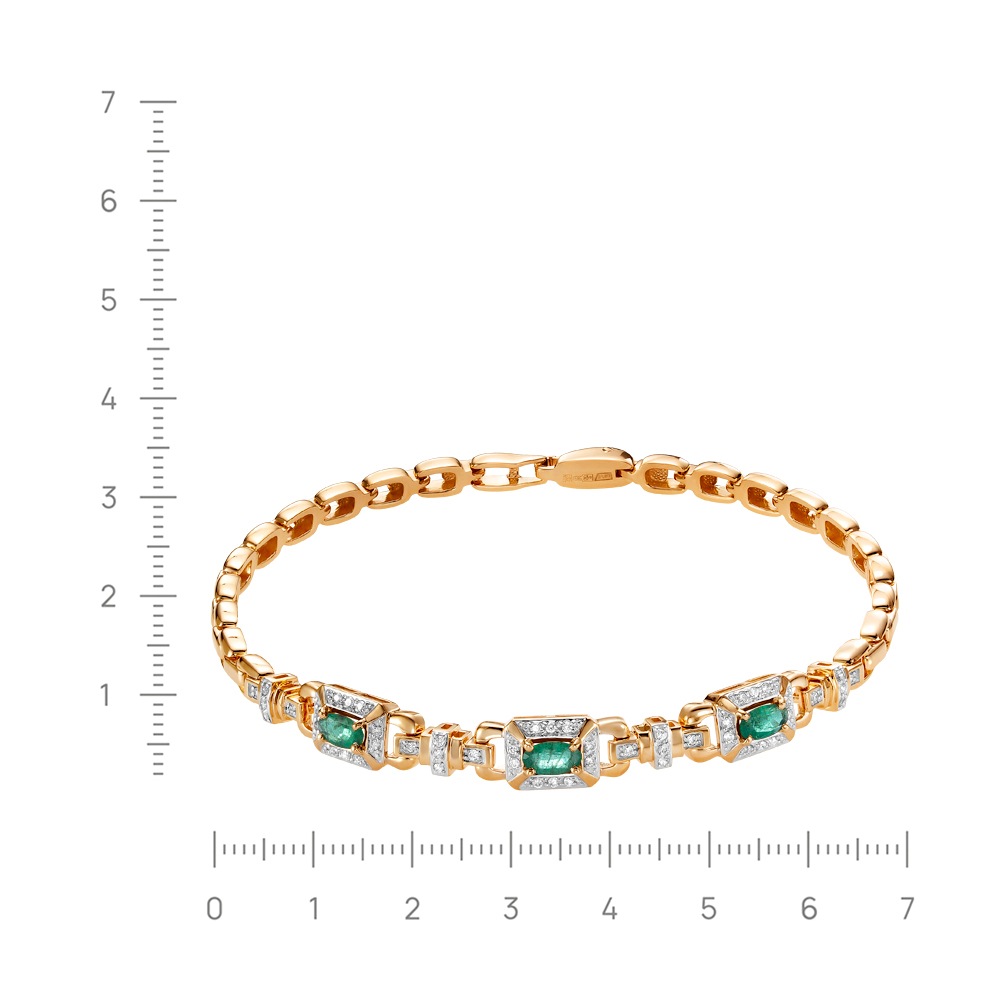
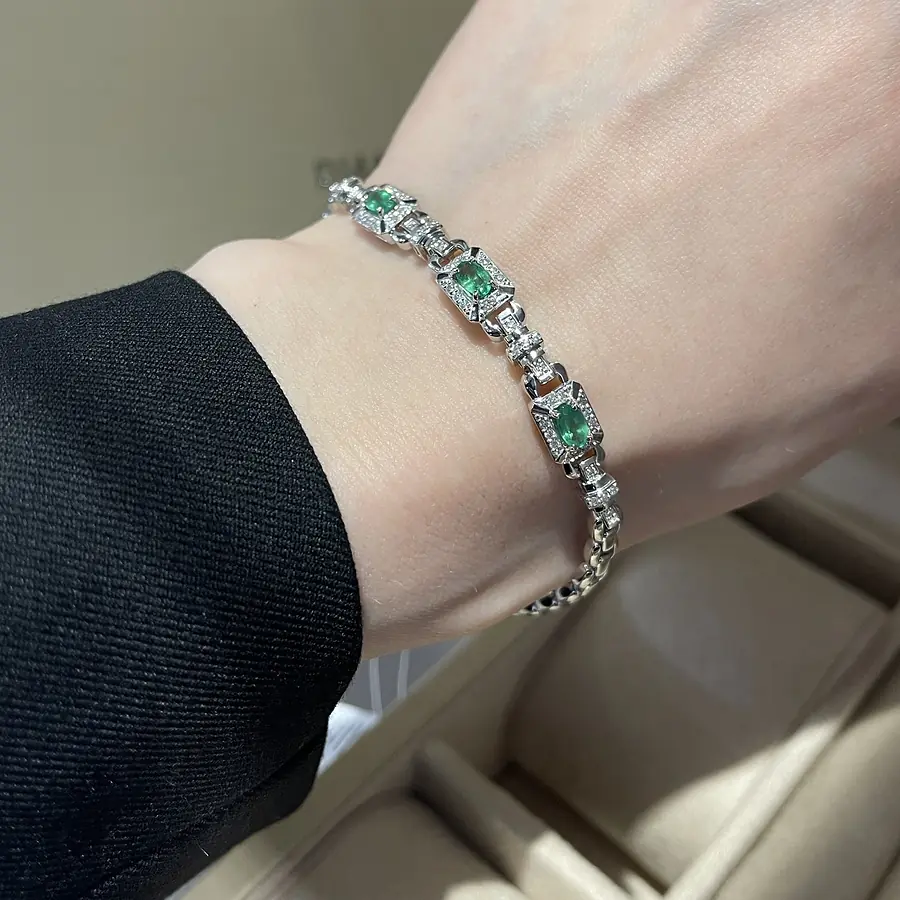


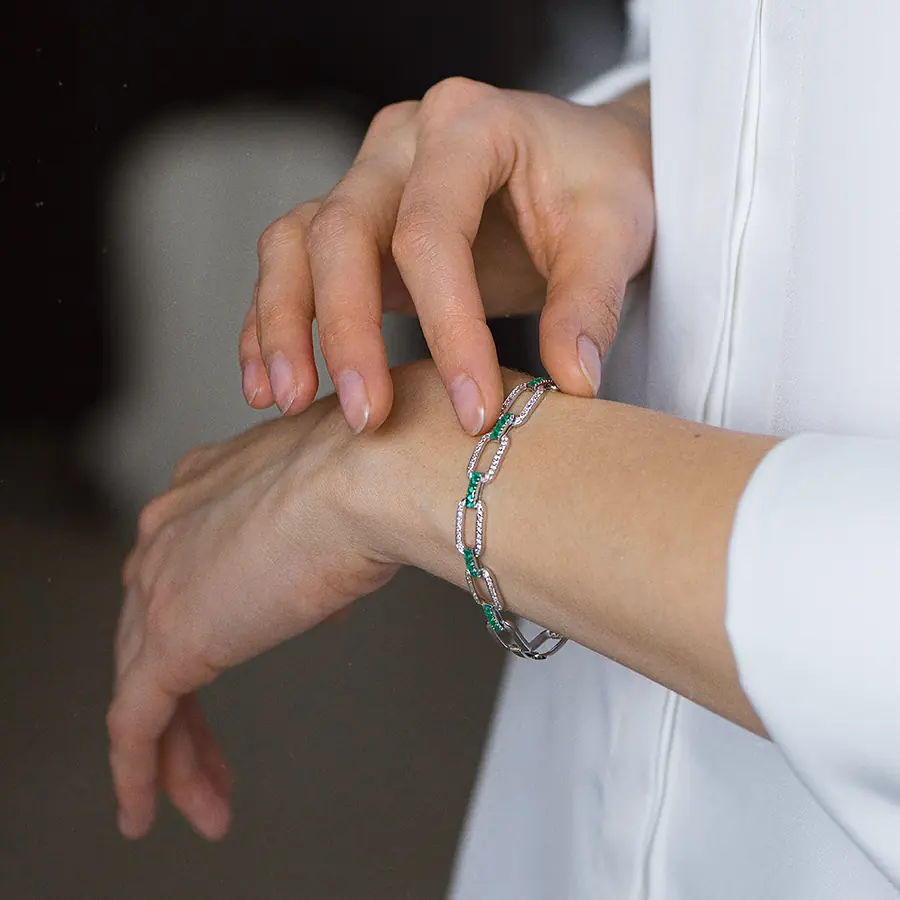
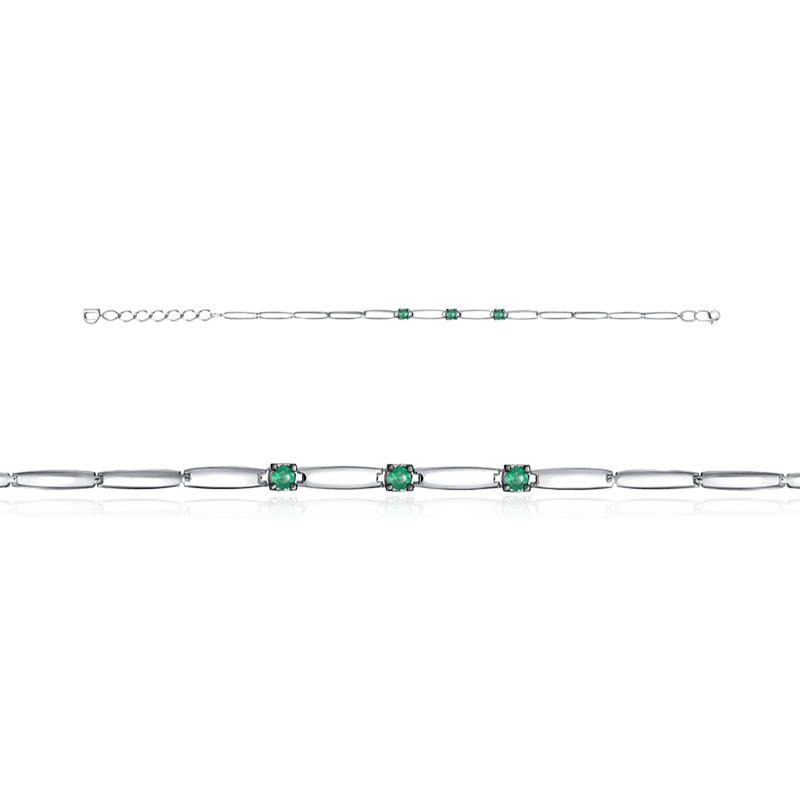

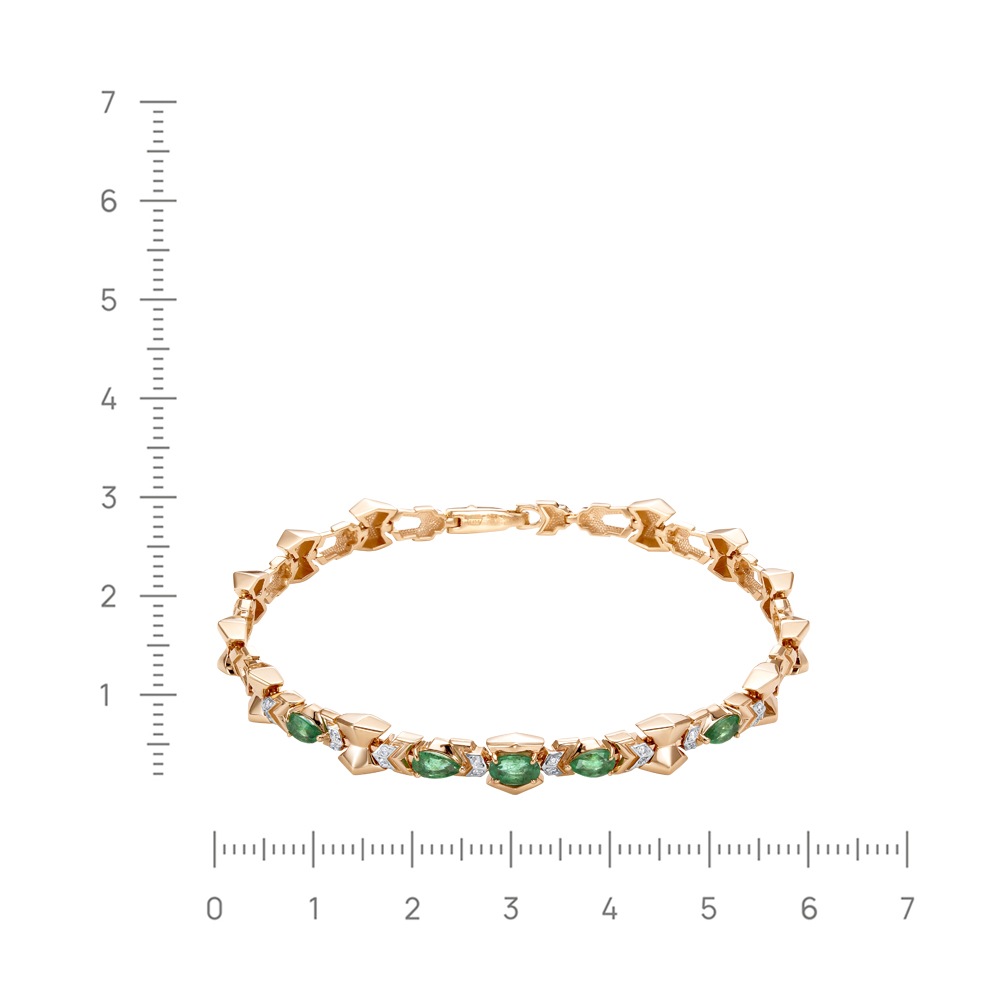
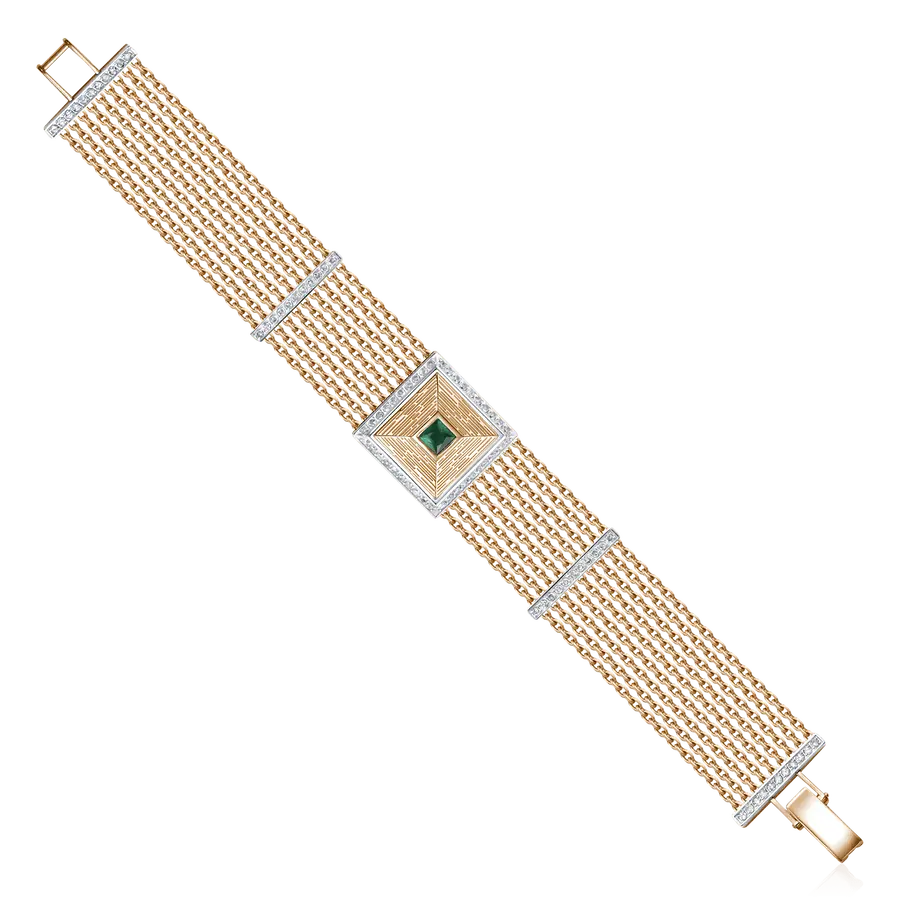

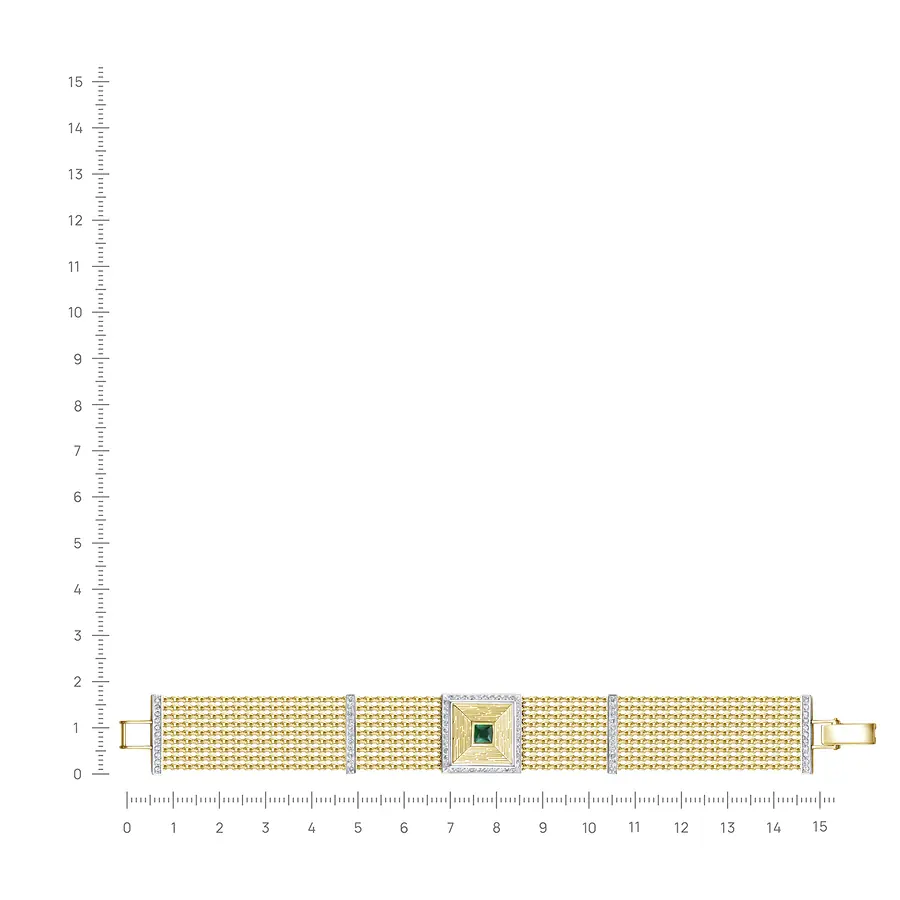
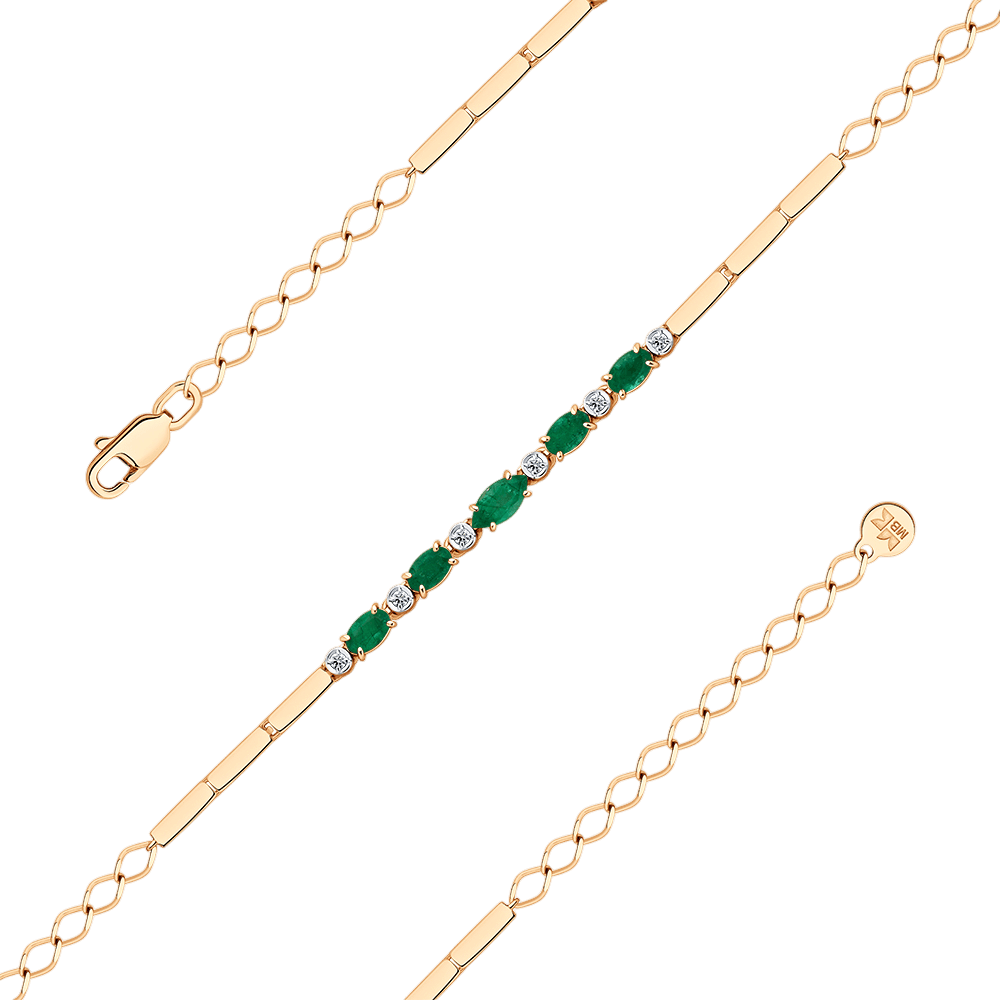

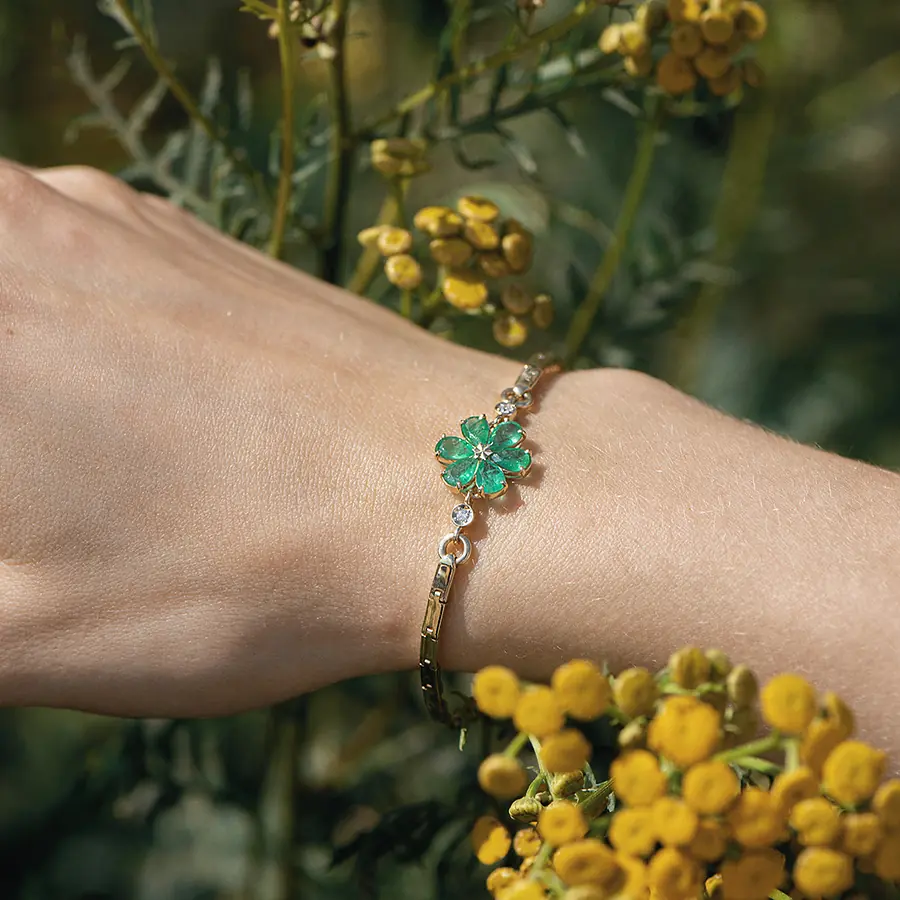
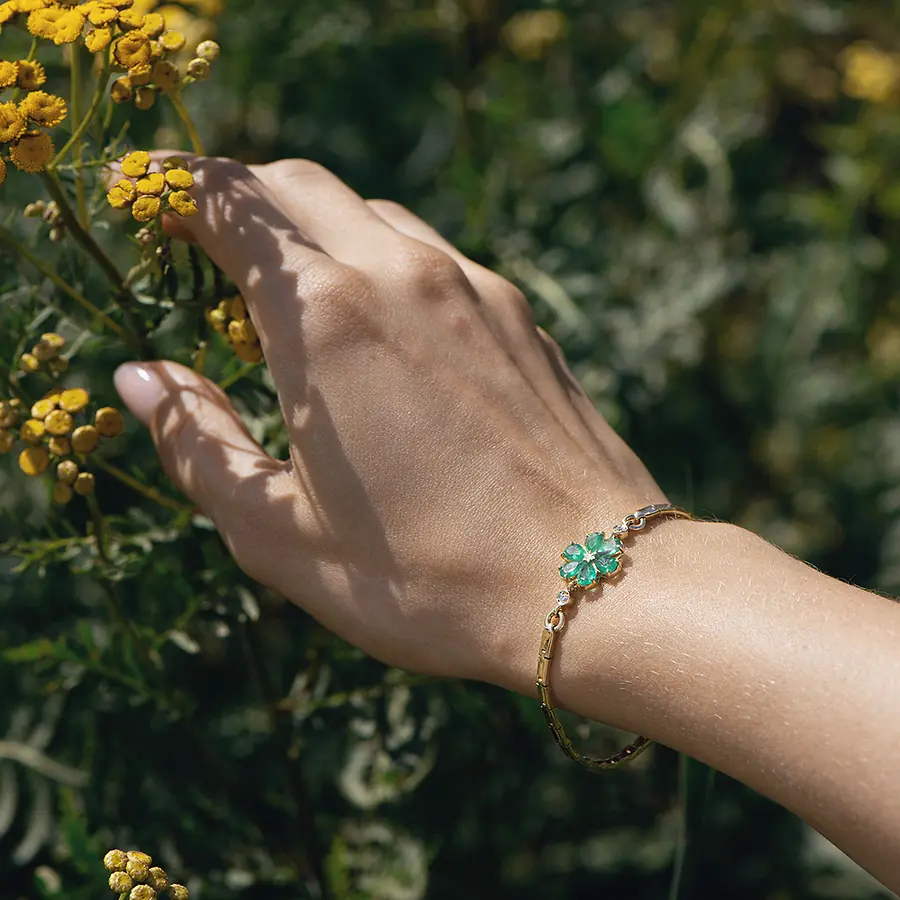


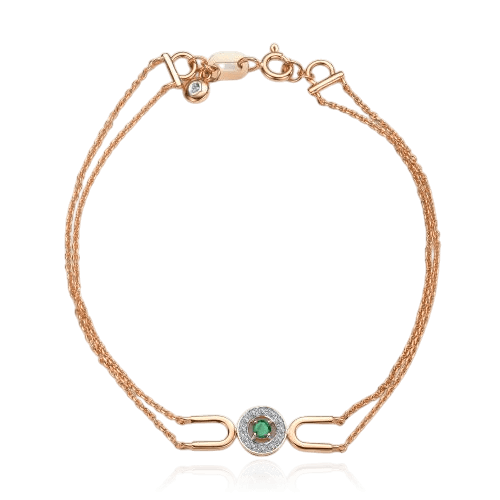
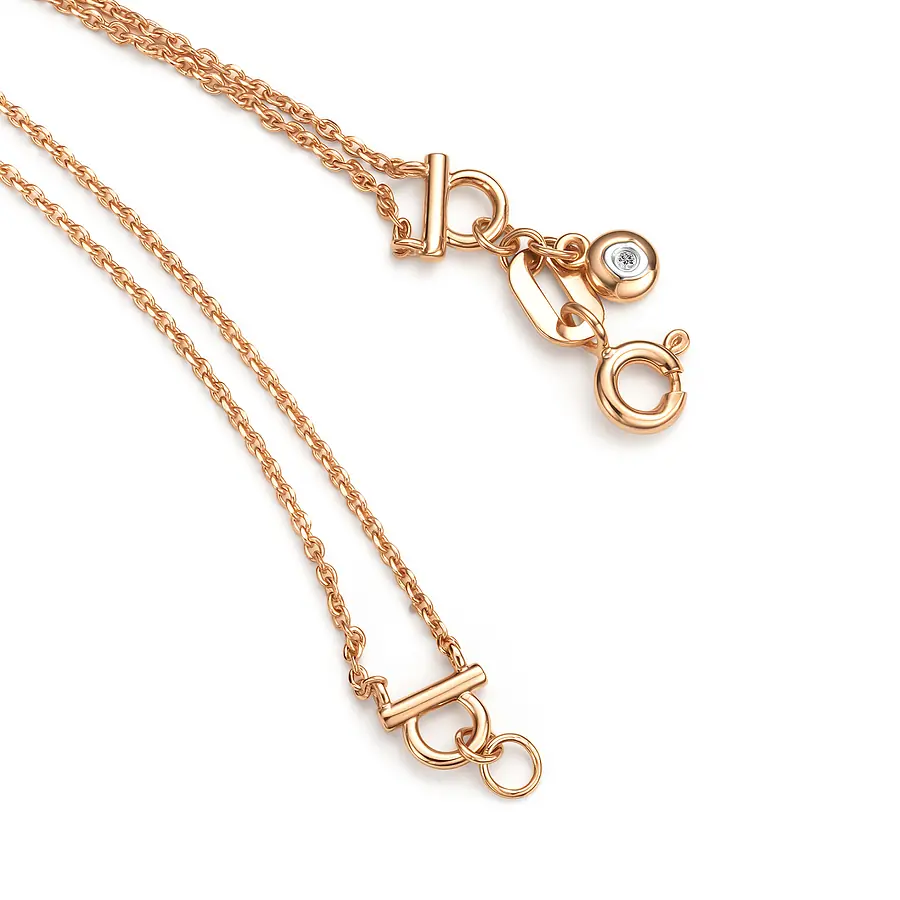
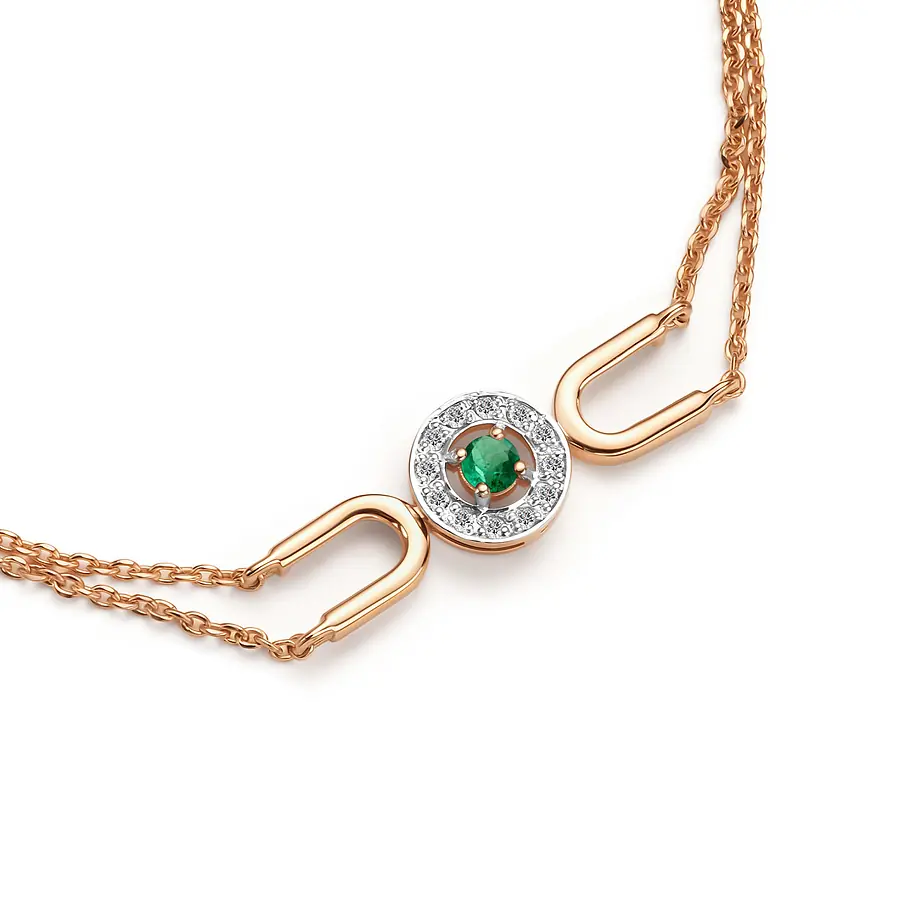
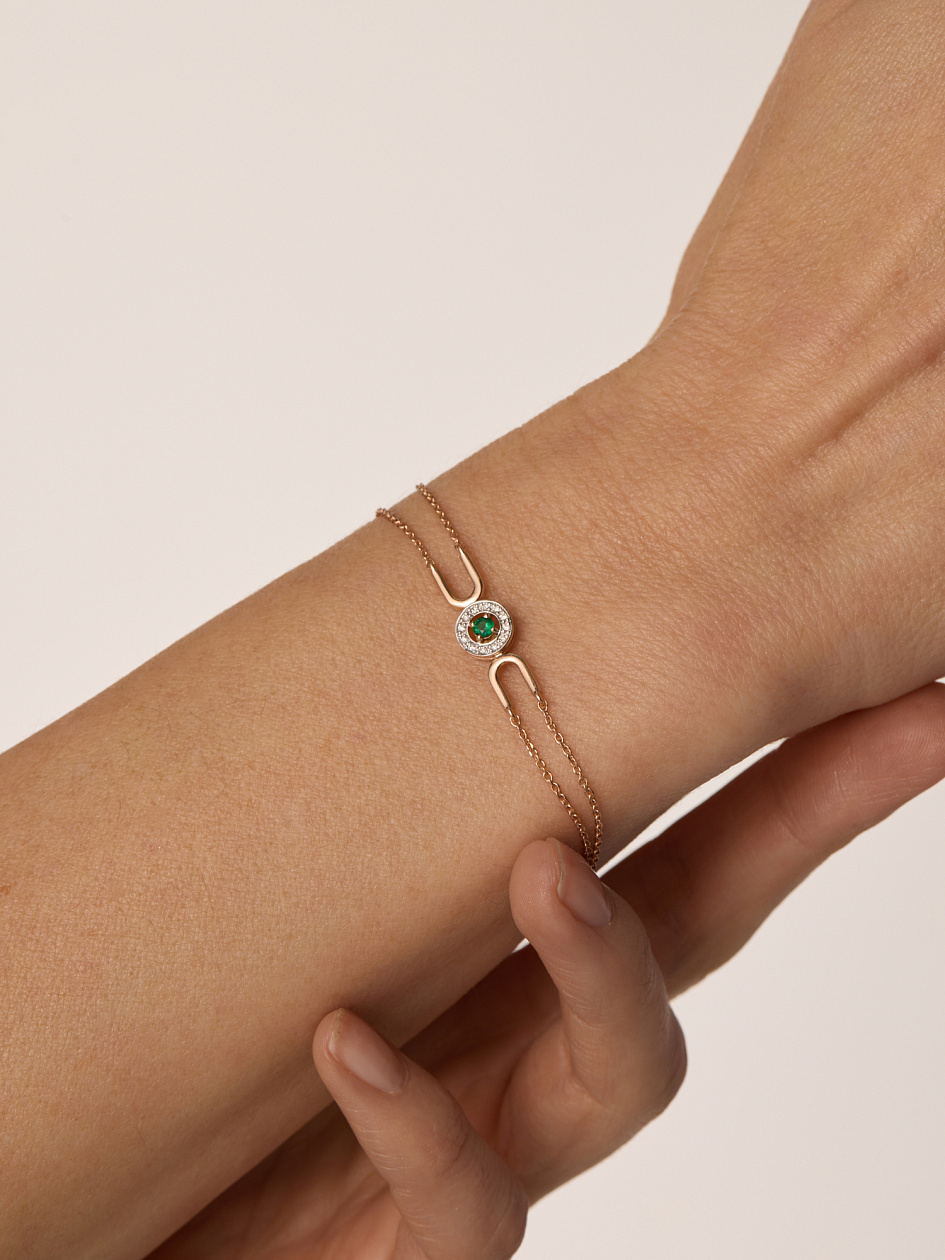
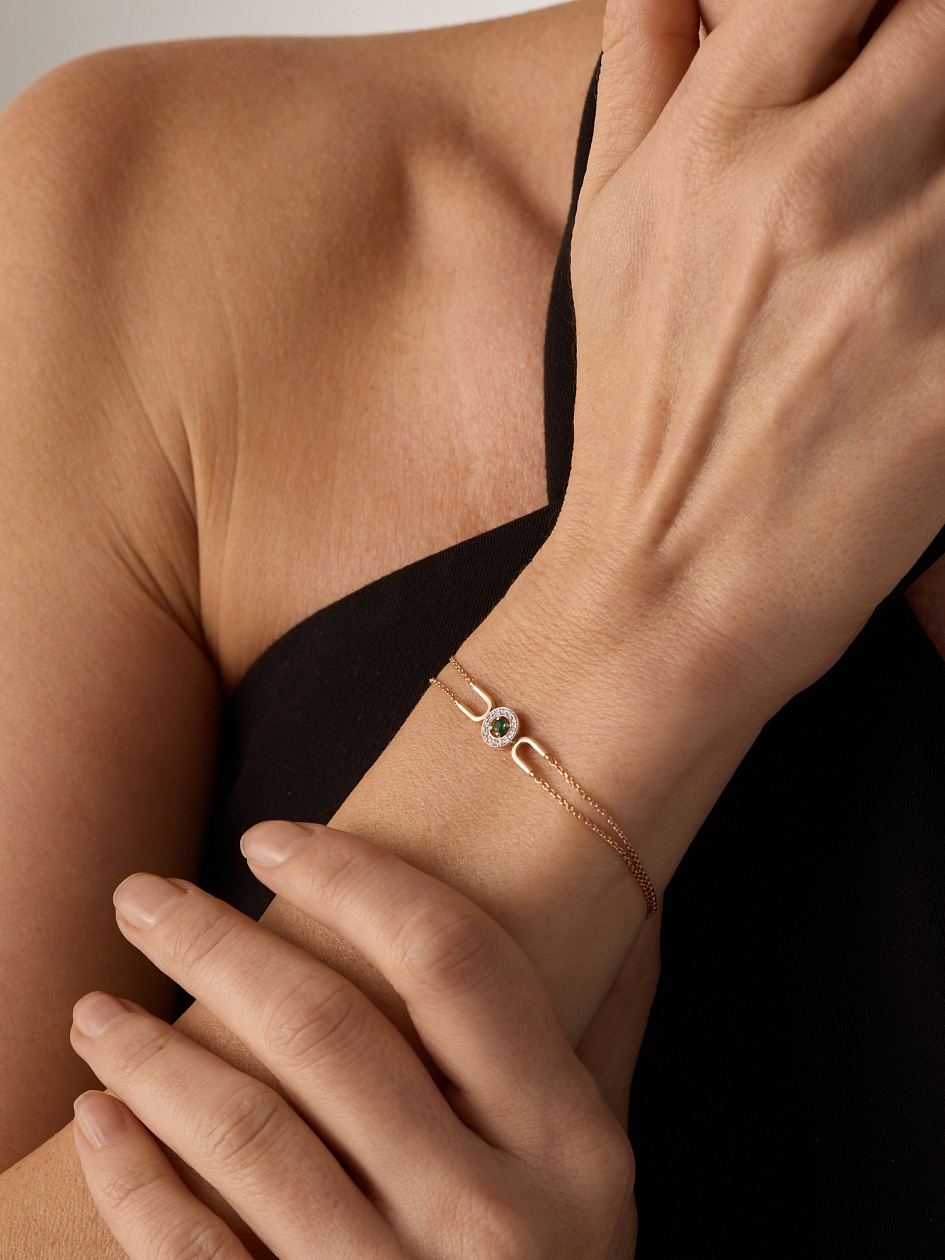

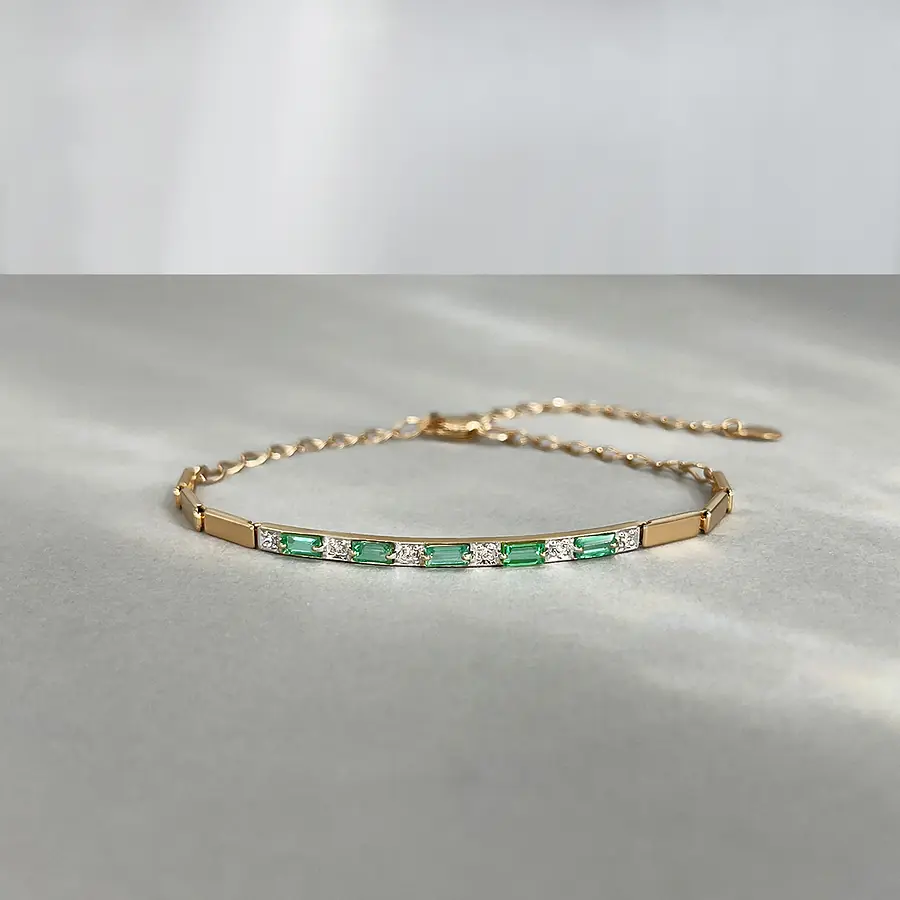
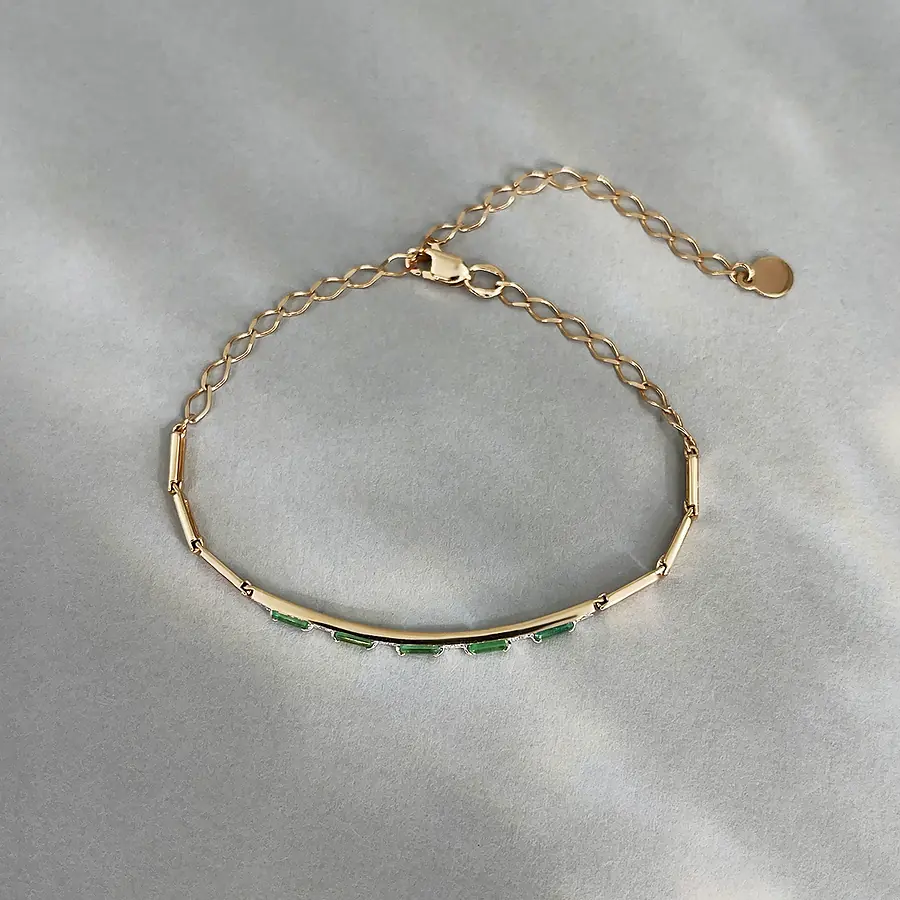
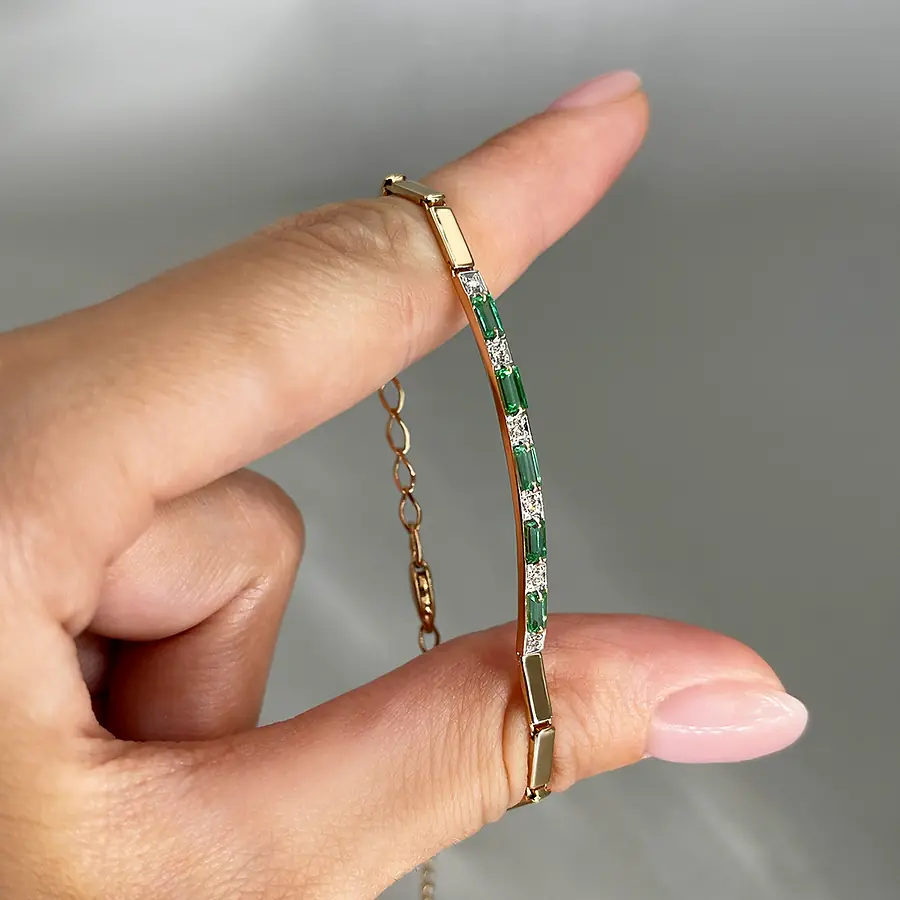
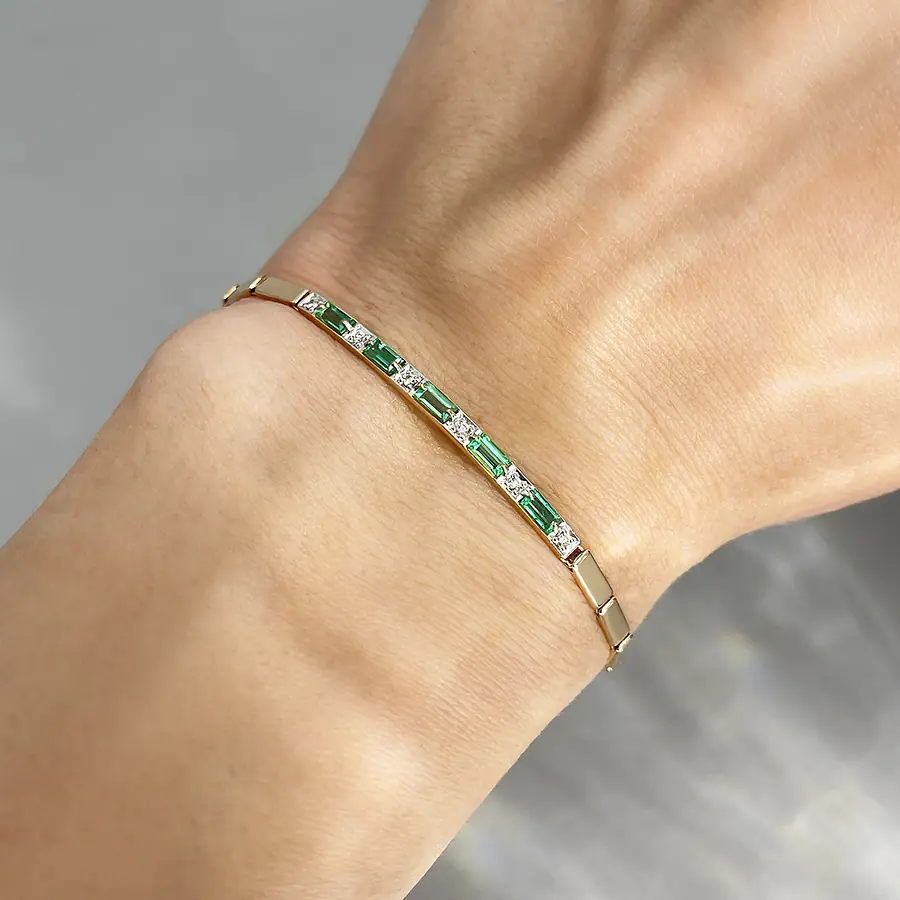
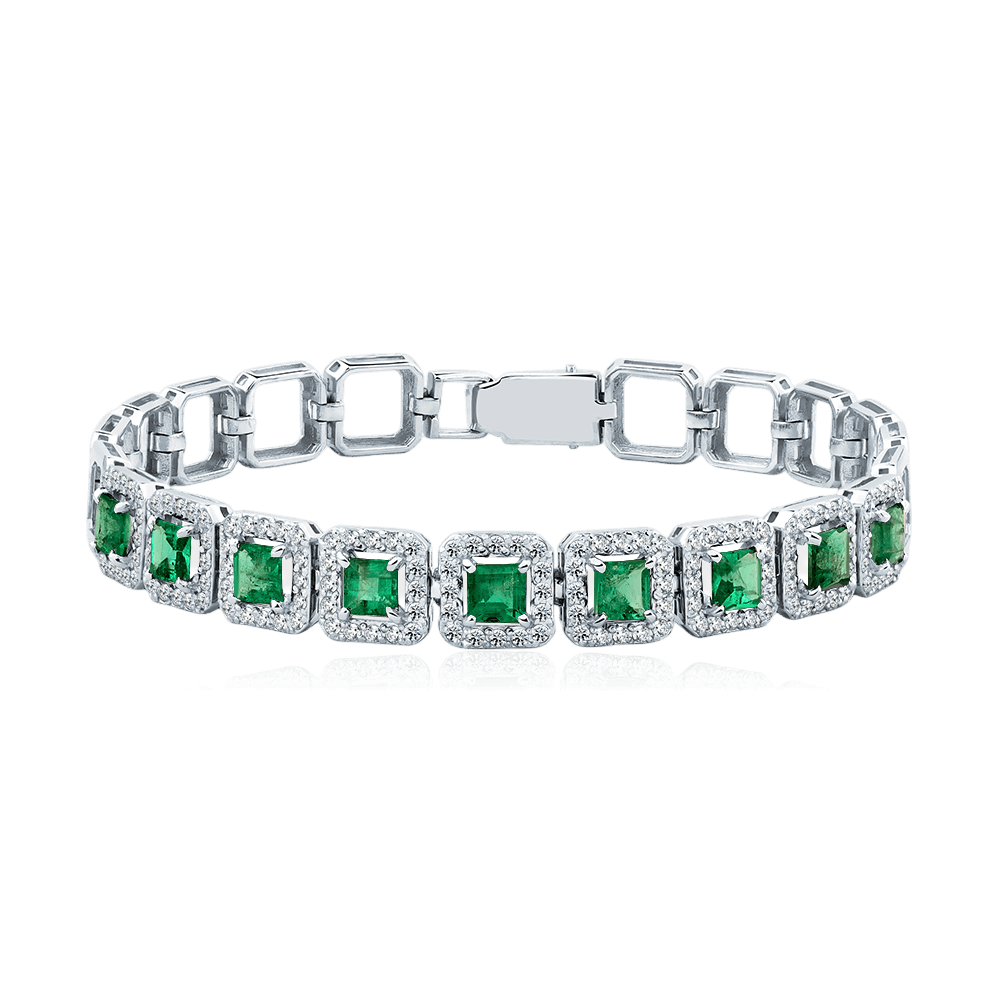
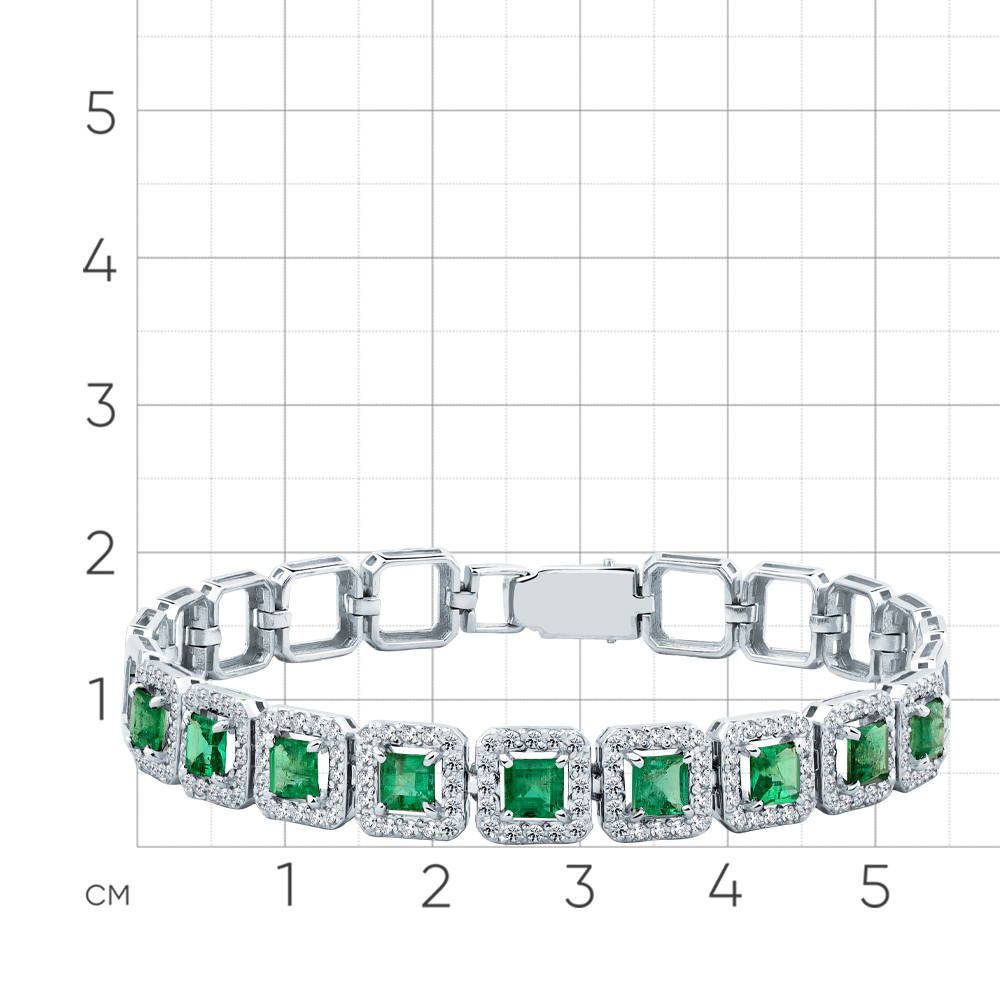

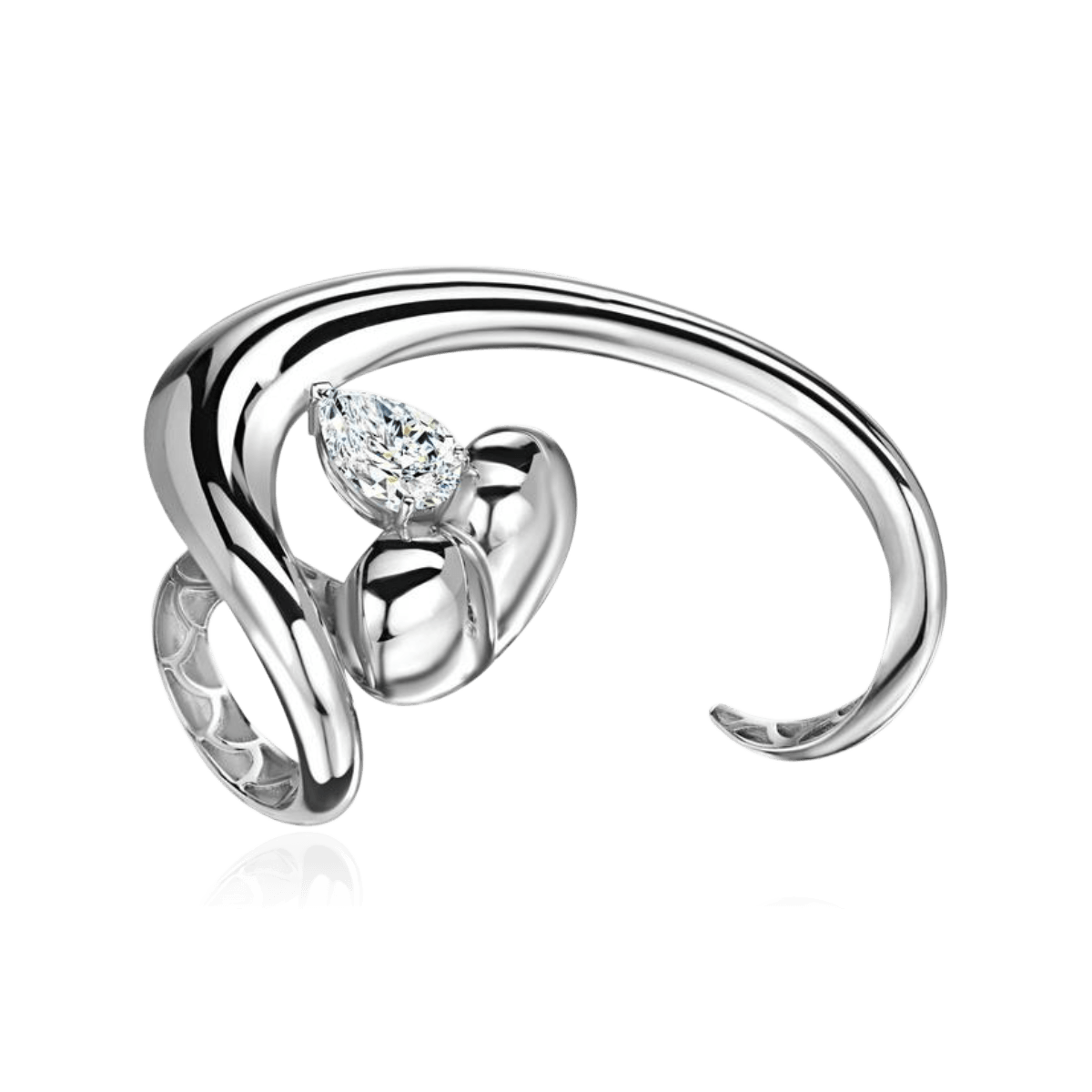
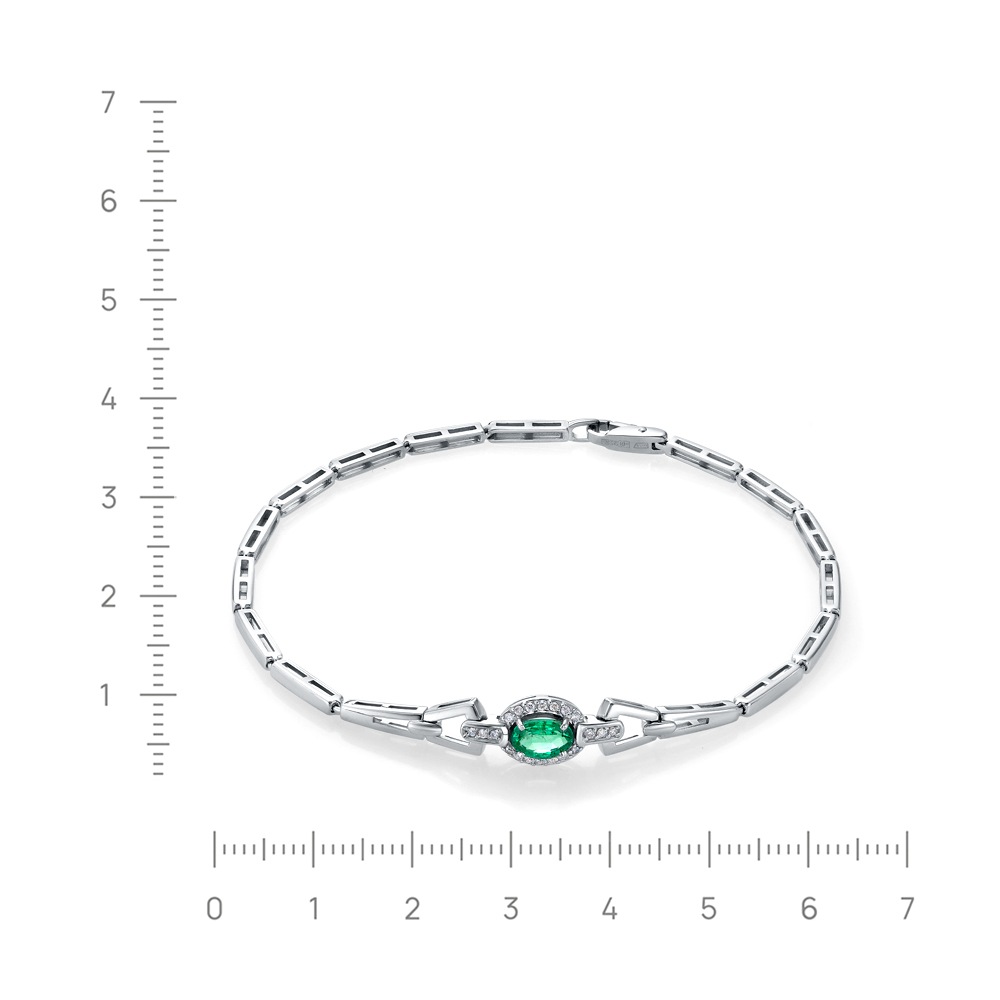
Bracelet "snake" with diamonds and emerald in 14K white gold (585) ( 119486)
In stock
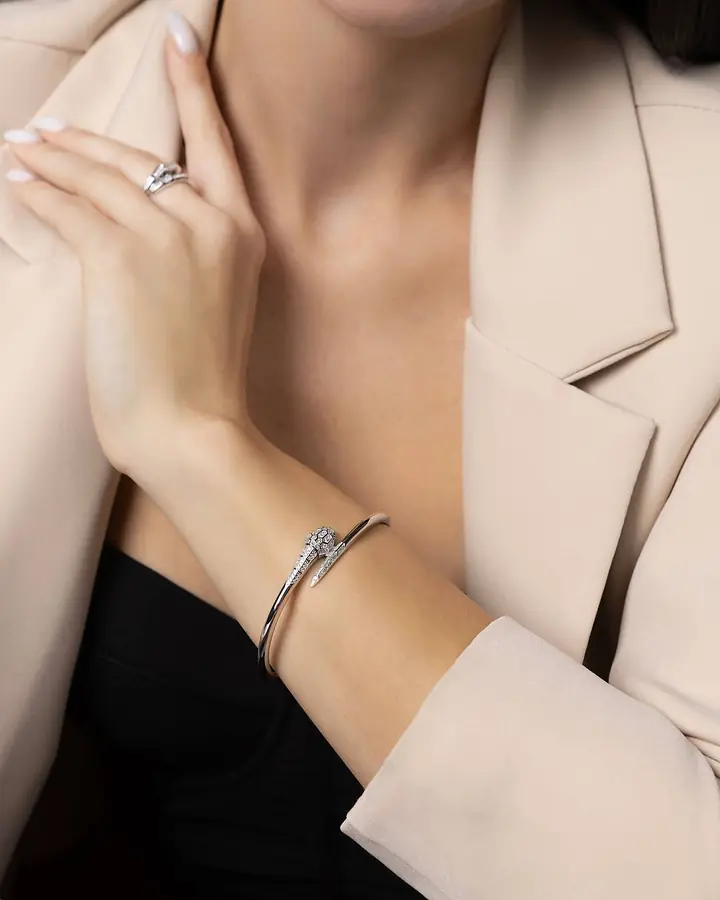
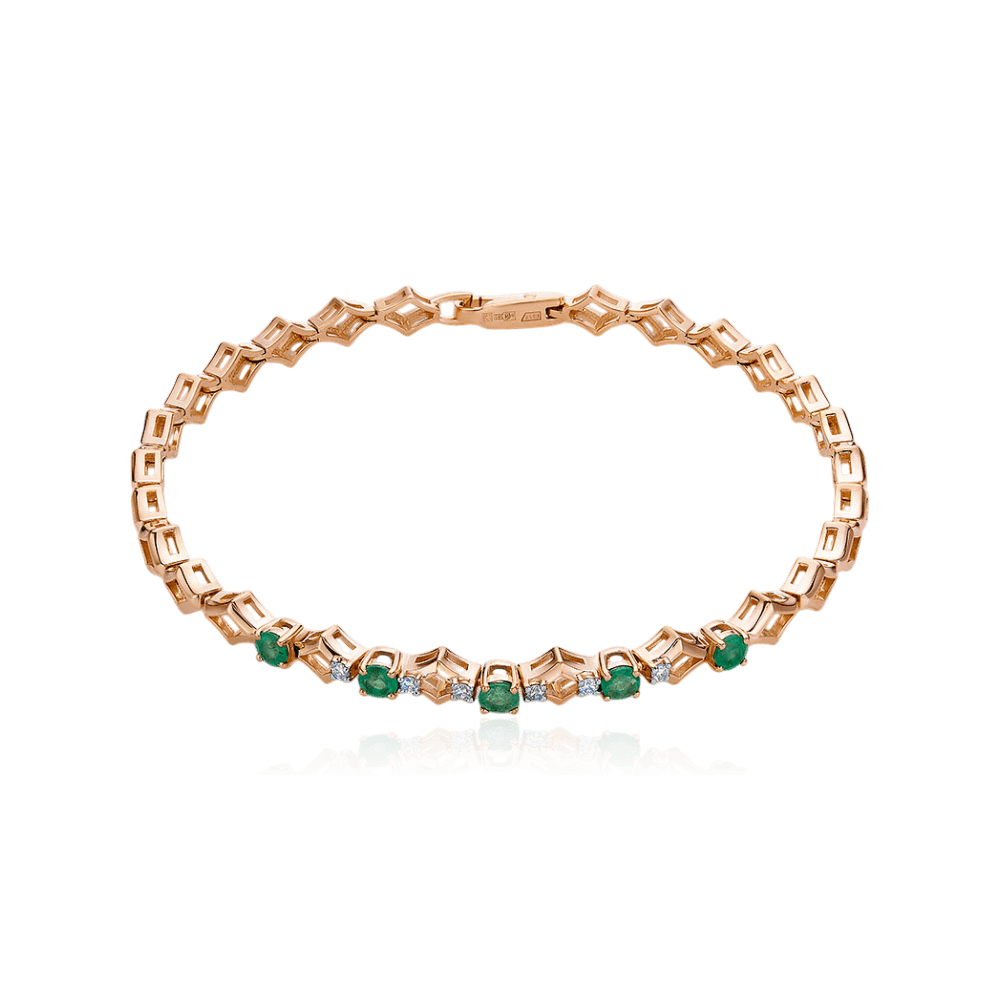

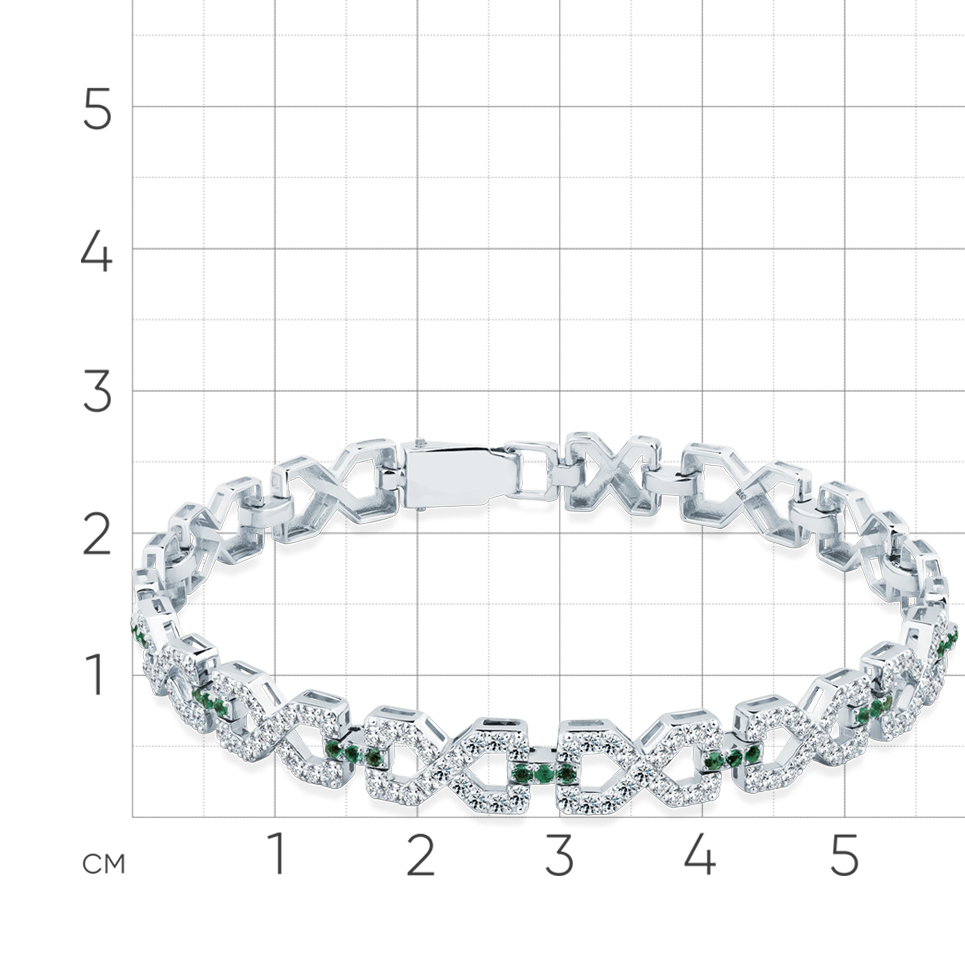

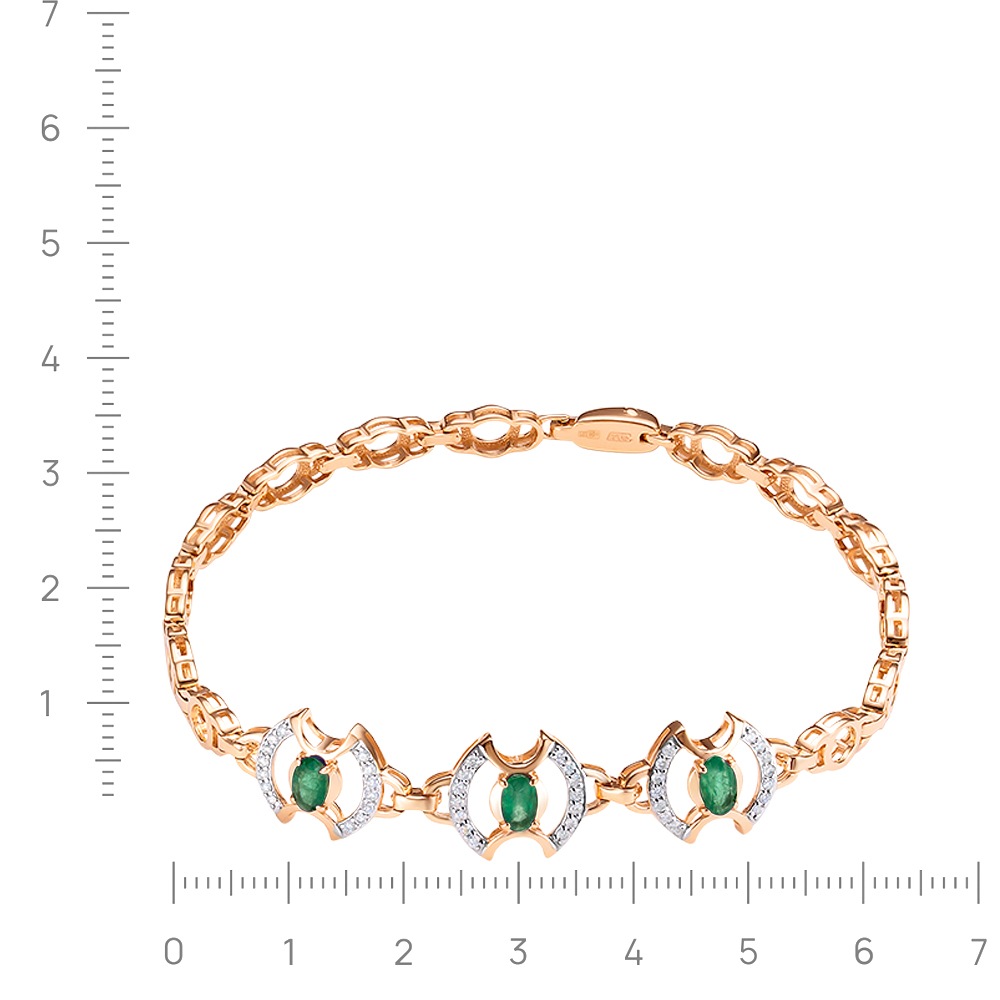
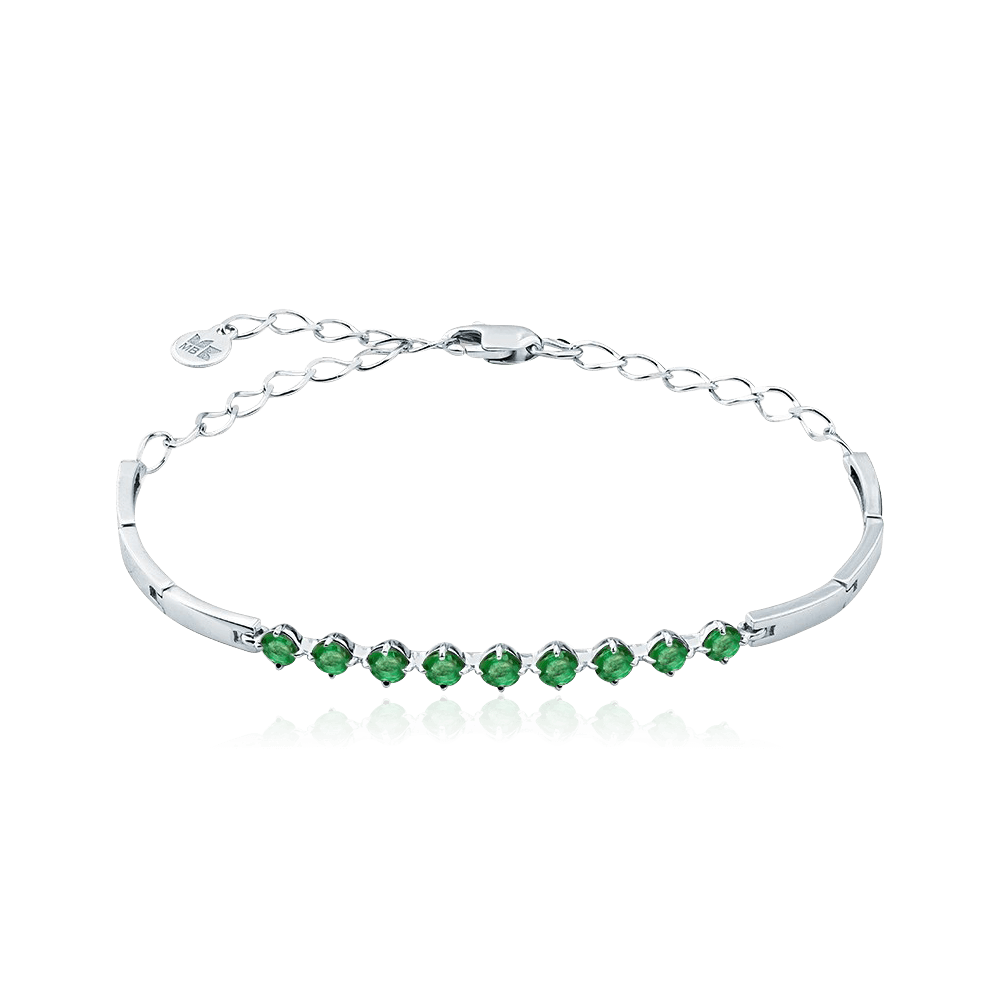
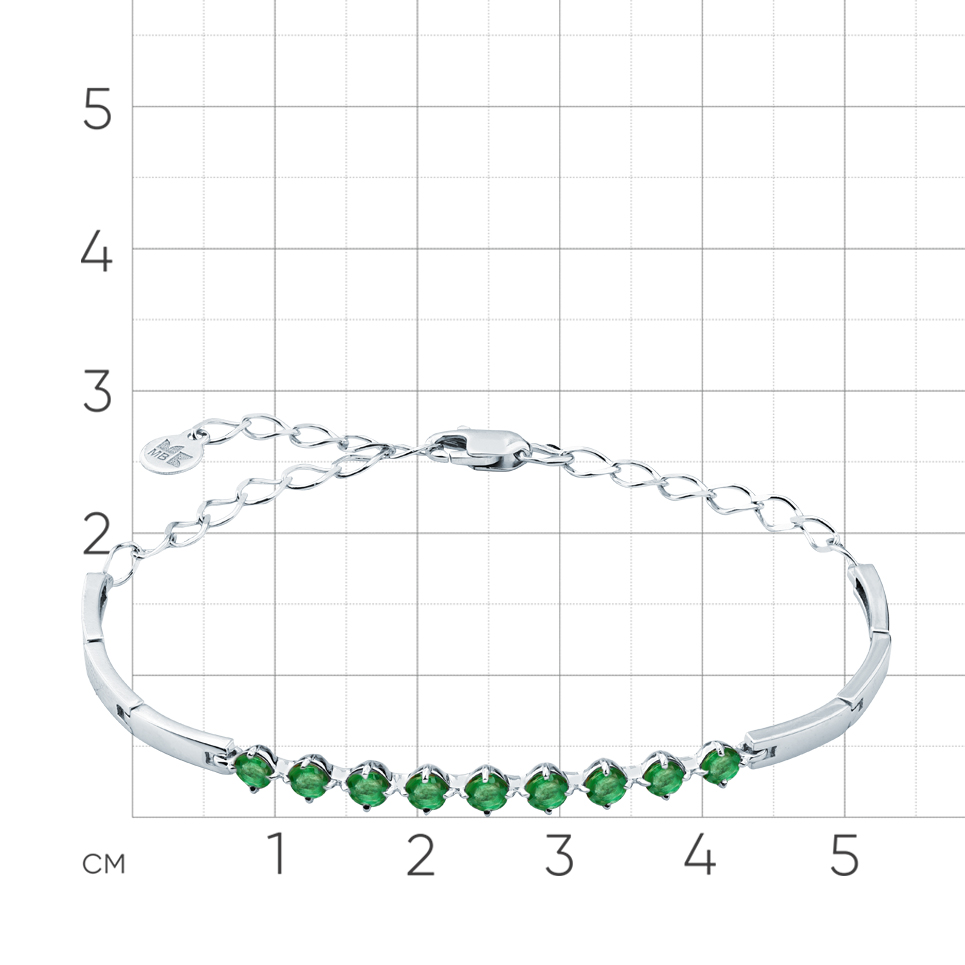

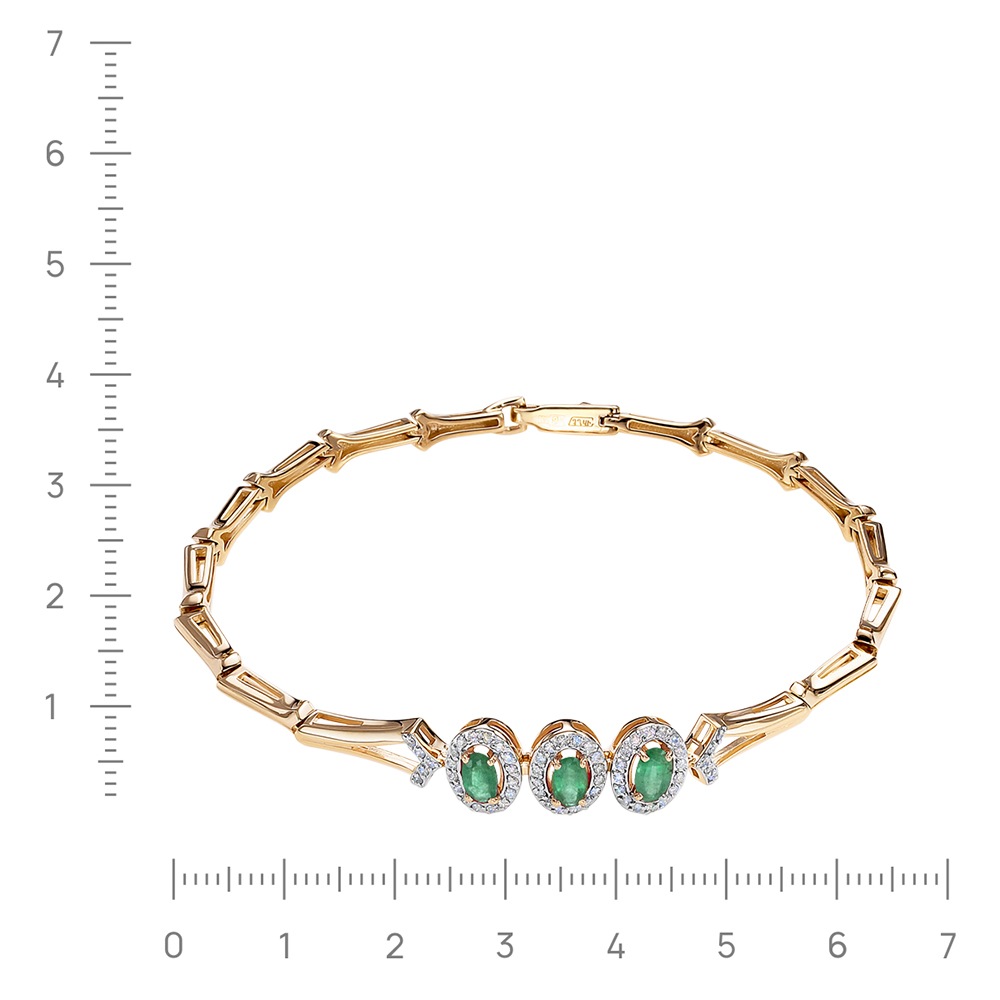

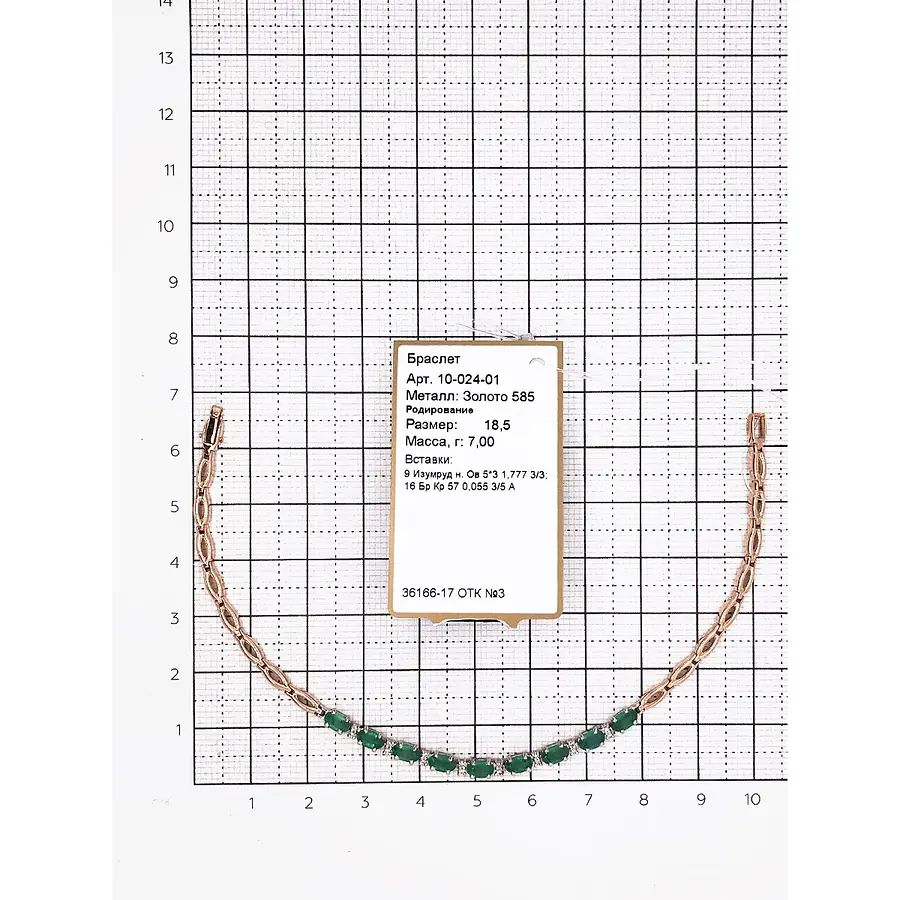
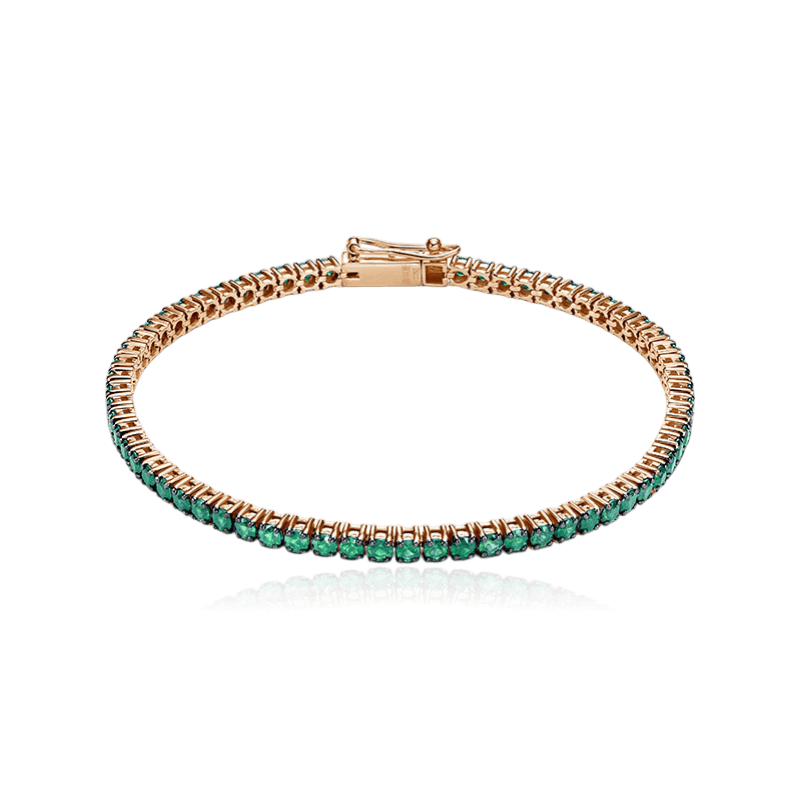

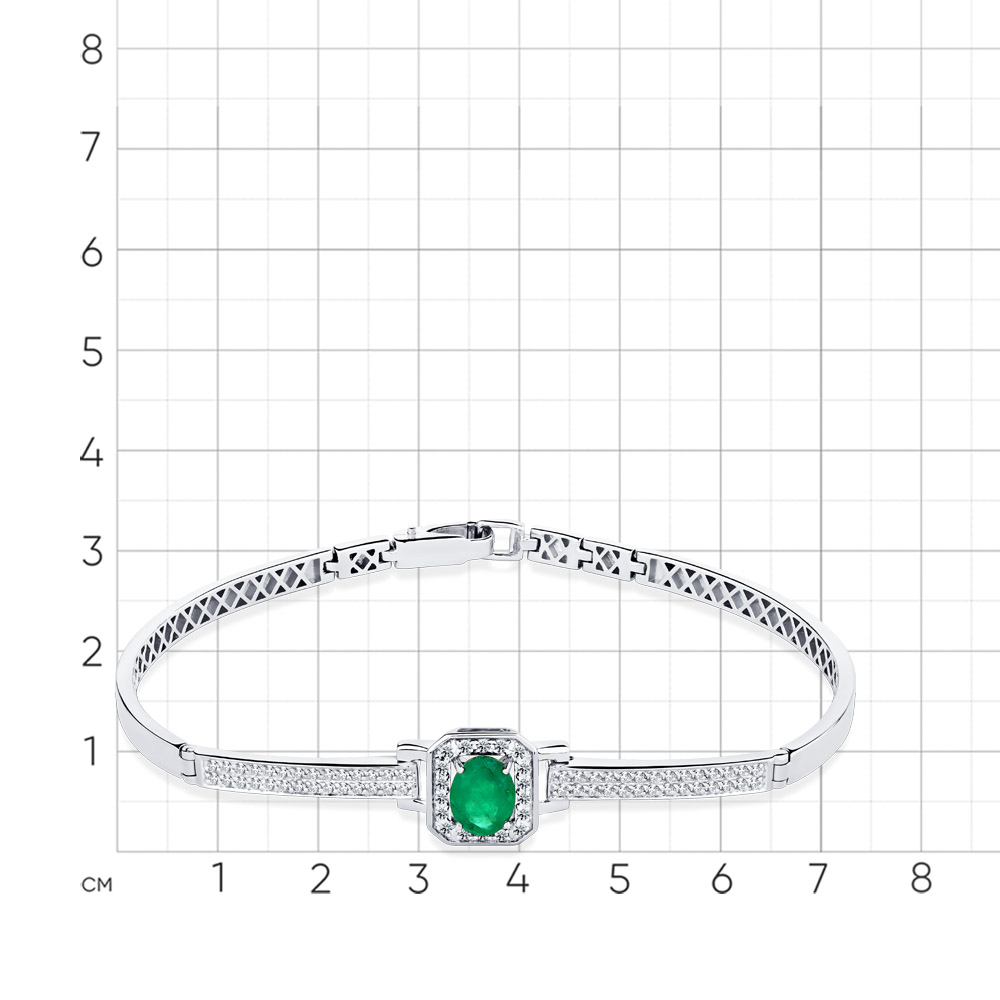


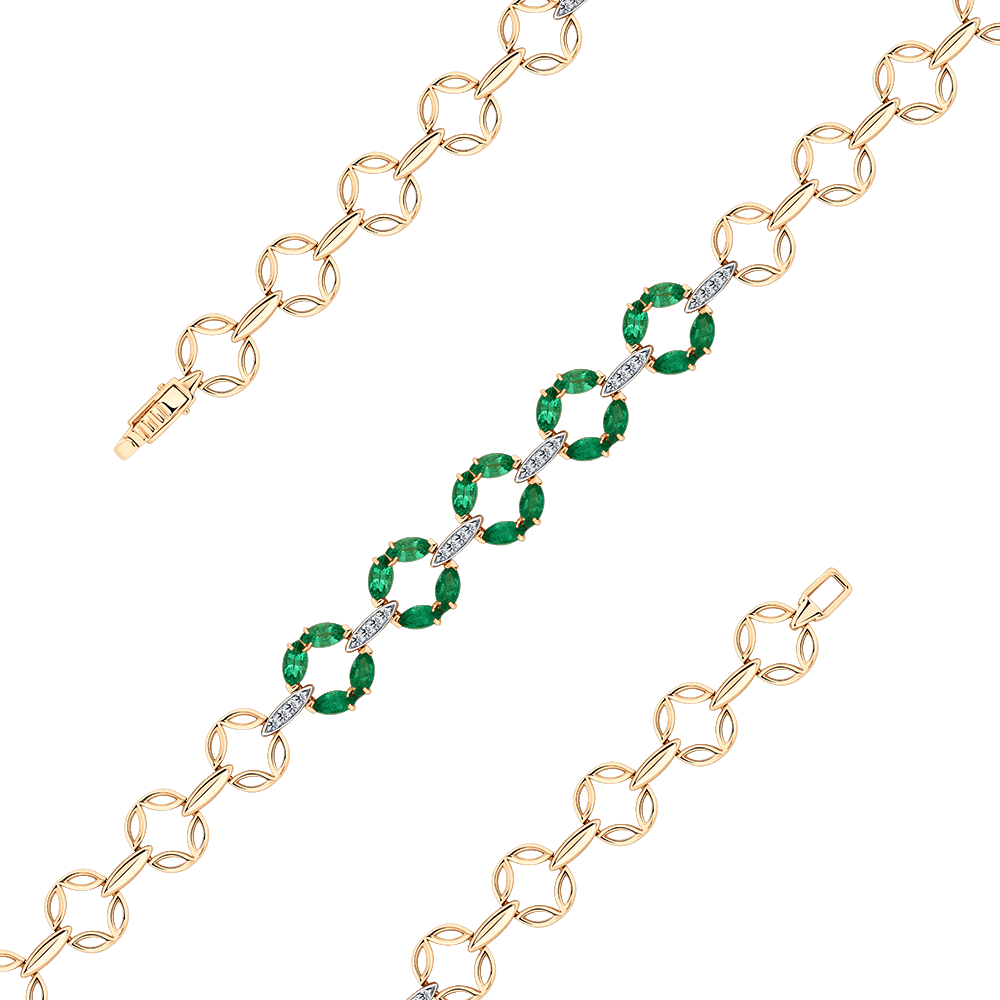
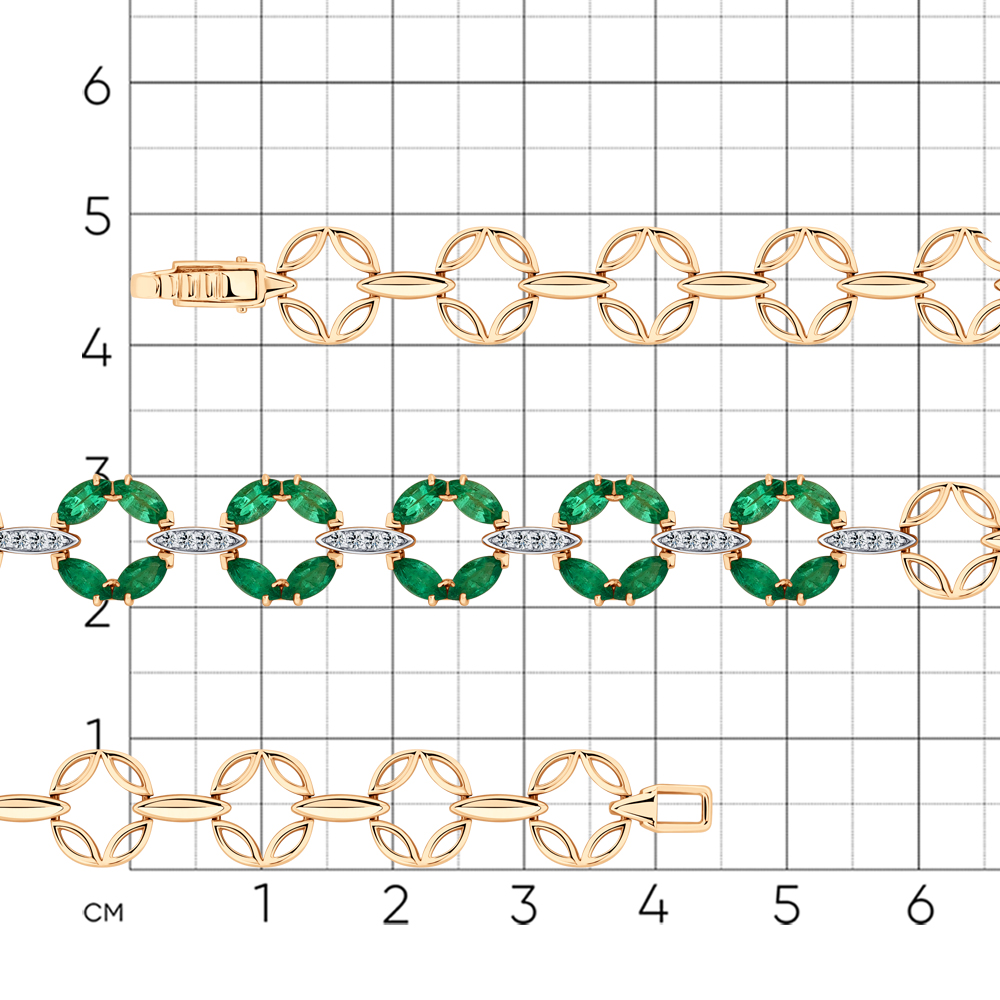

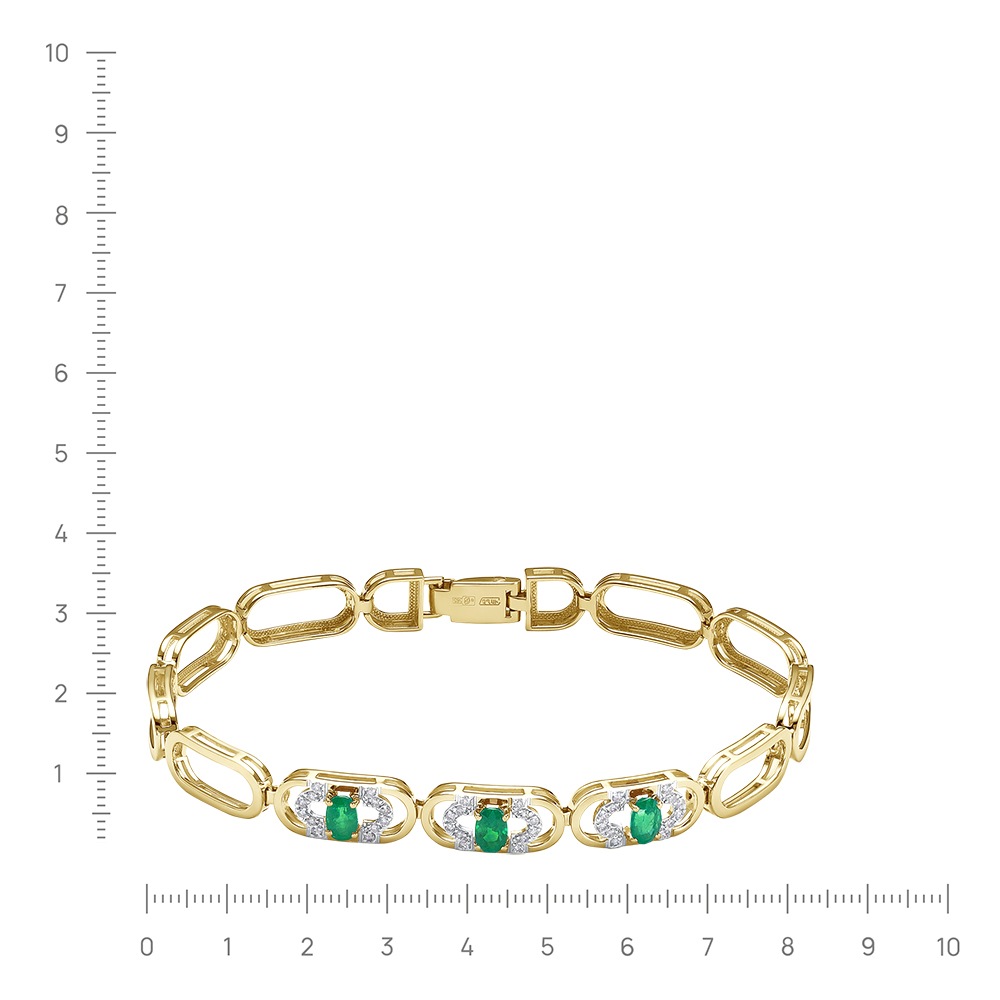
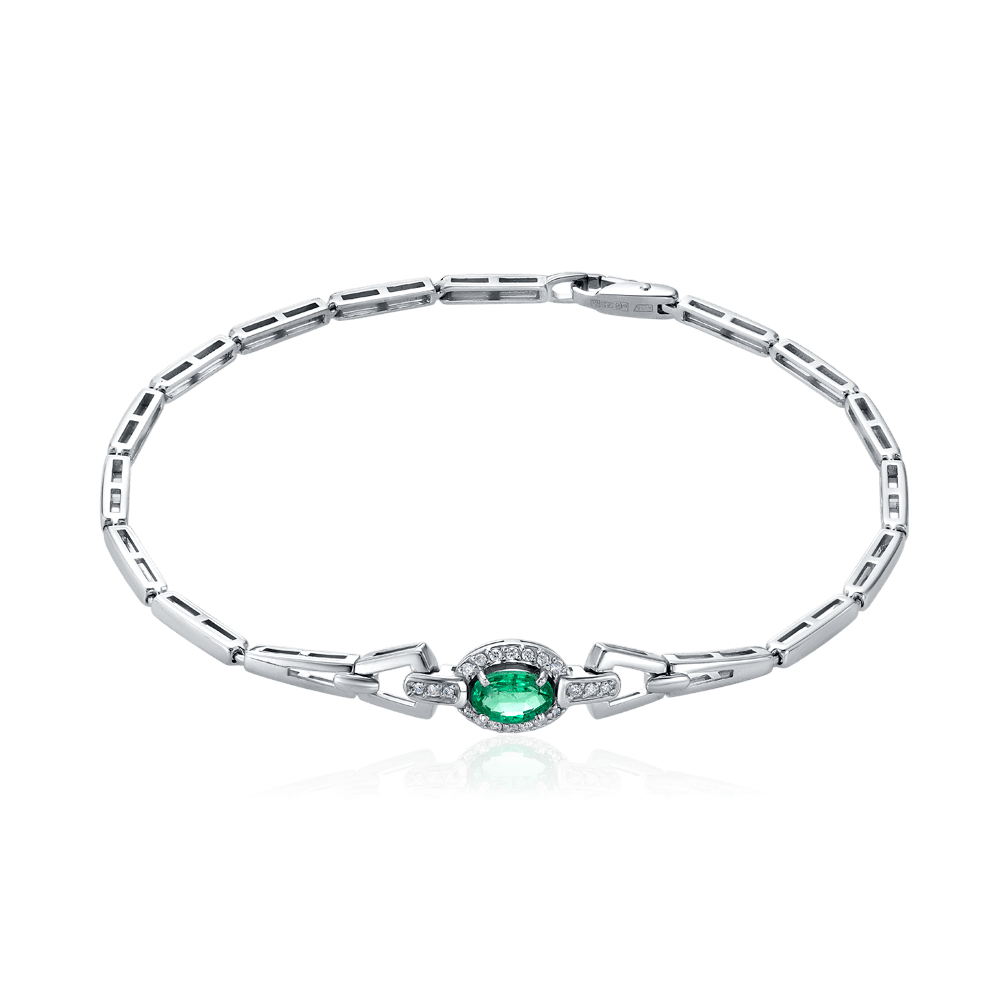
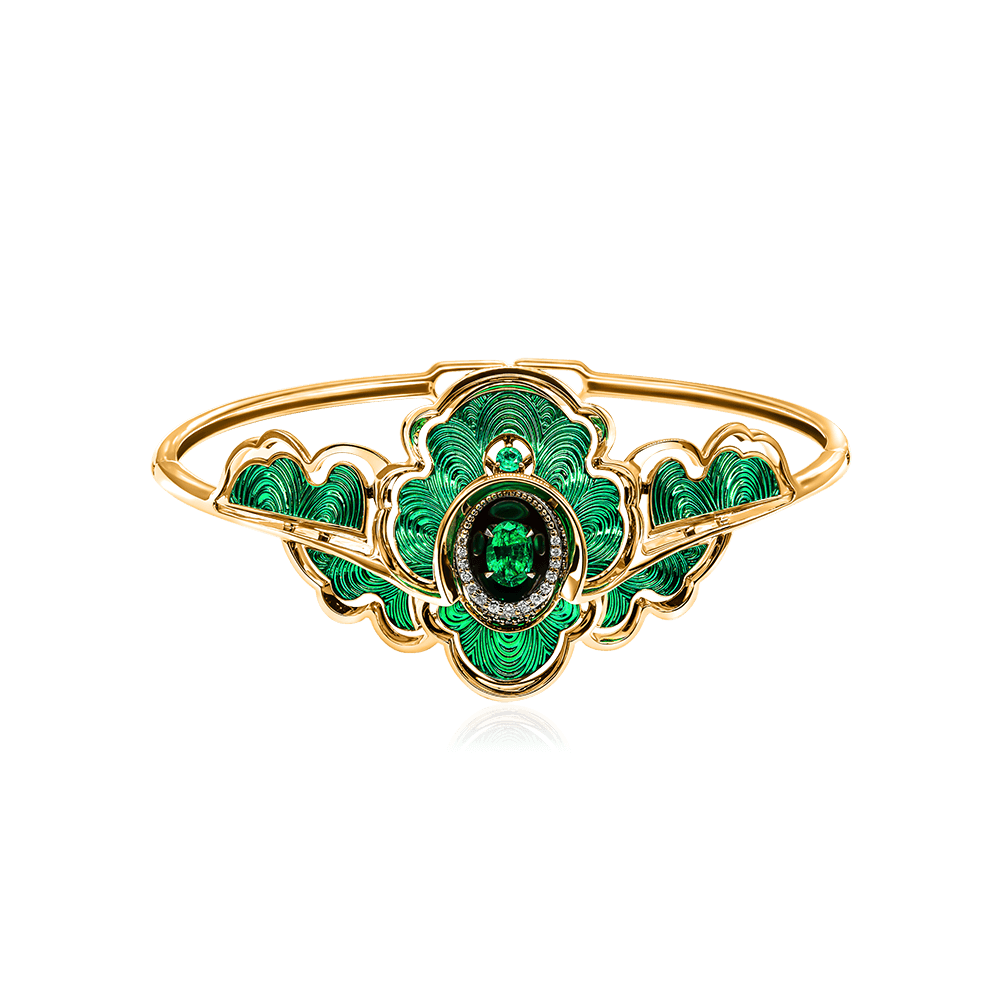
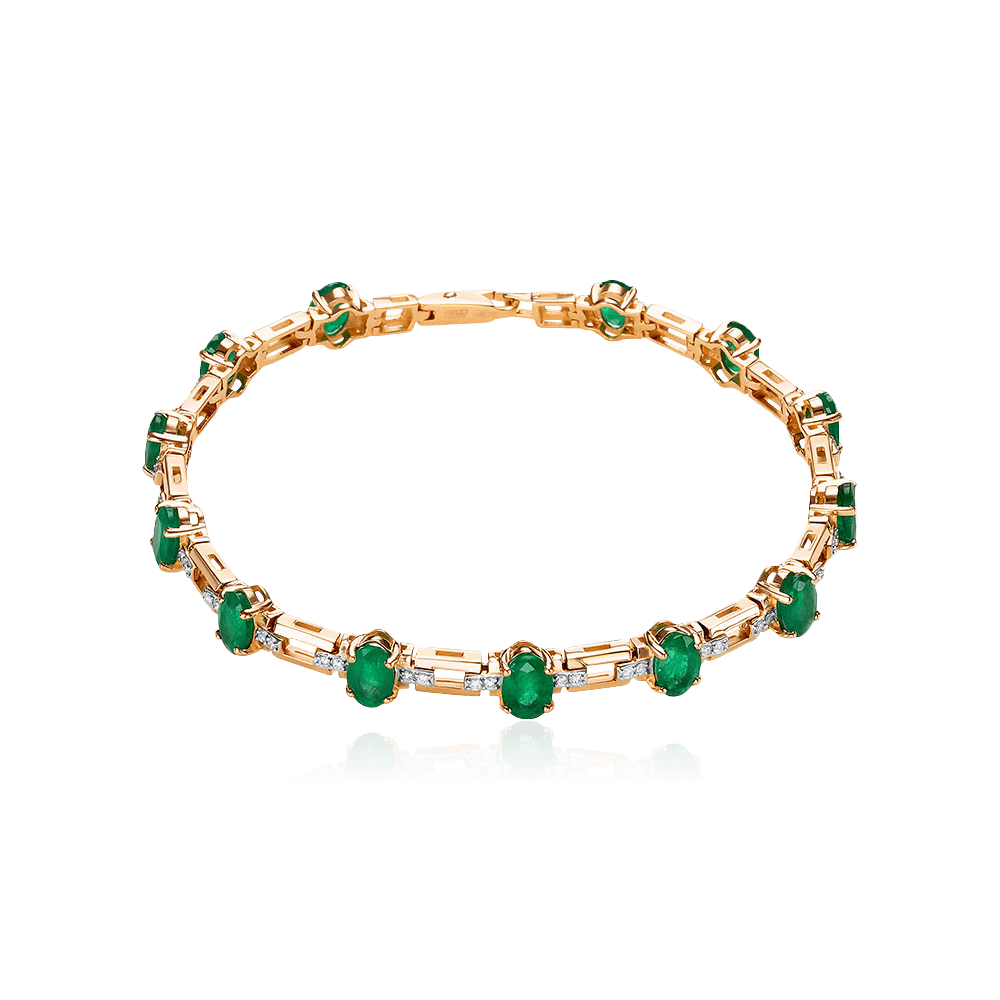
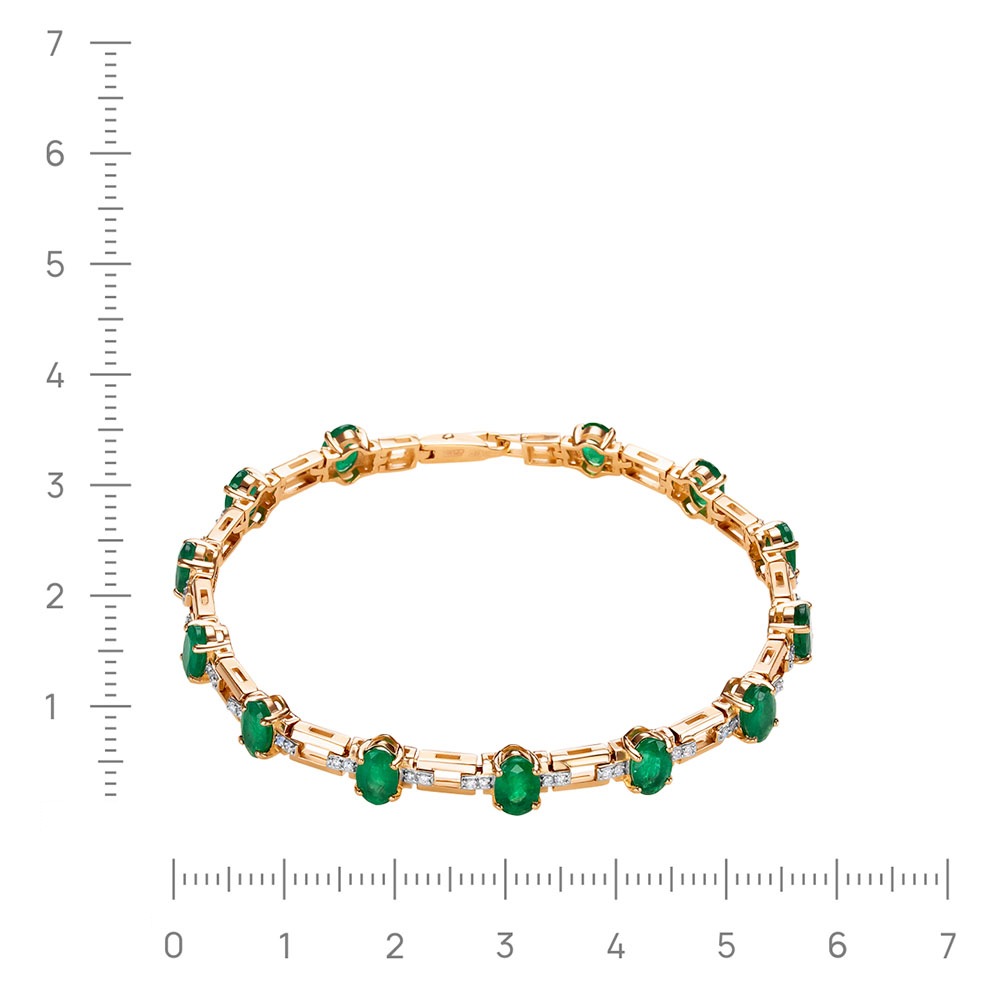
Bracelet with emeralds, diamonds and black diamonds in 14K yellow gold (585) ( 137528)
In stock
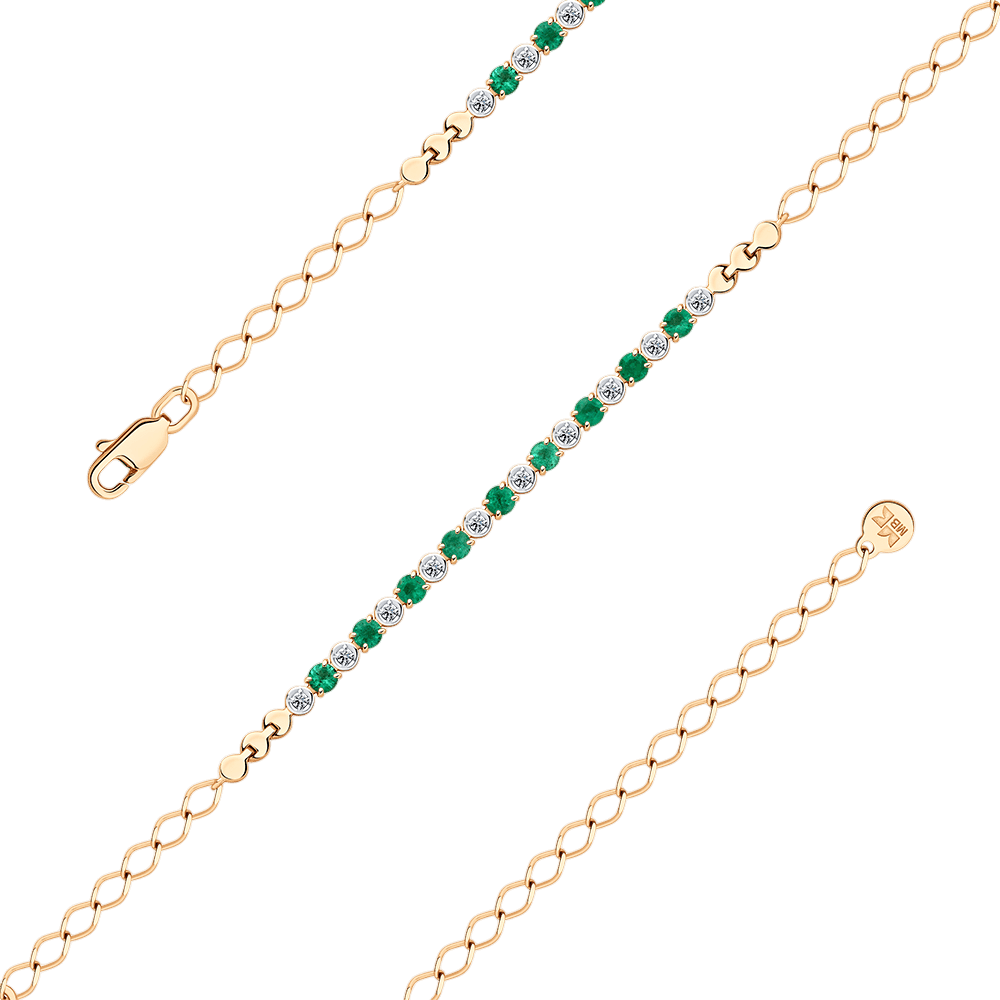


Bracelet "Panther" with diamonds and emerald in 14K white gold (585) ( 119516)
In stock
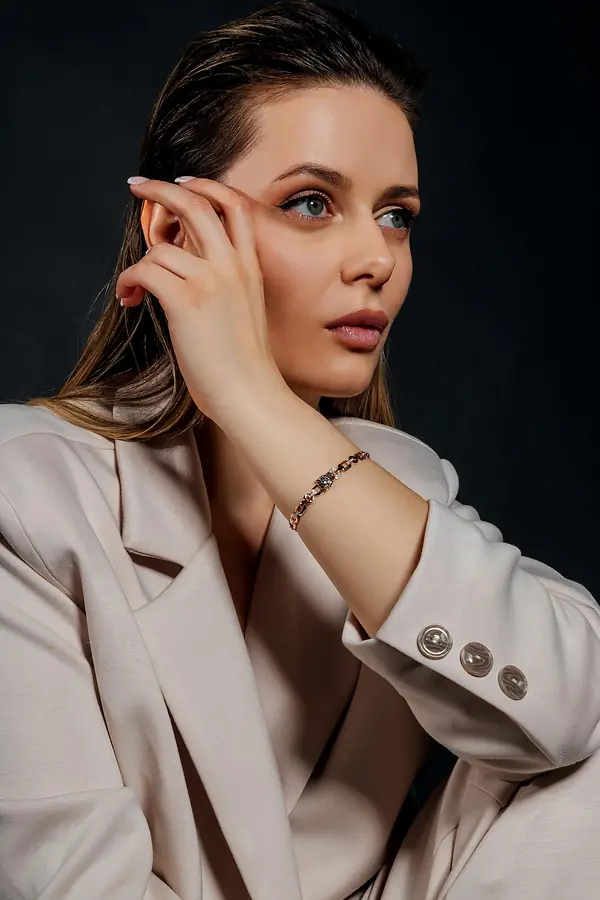
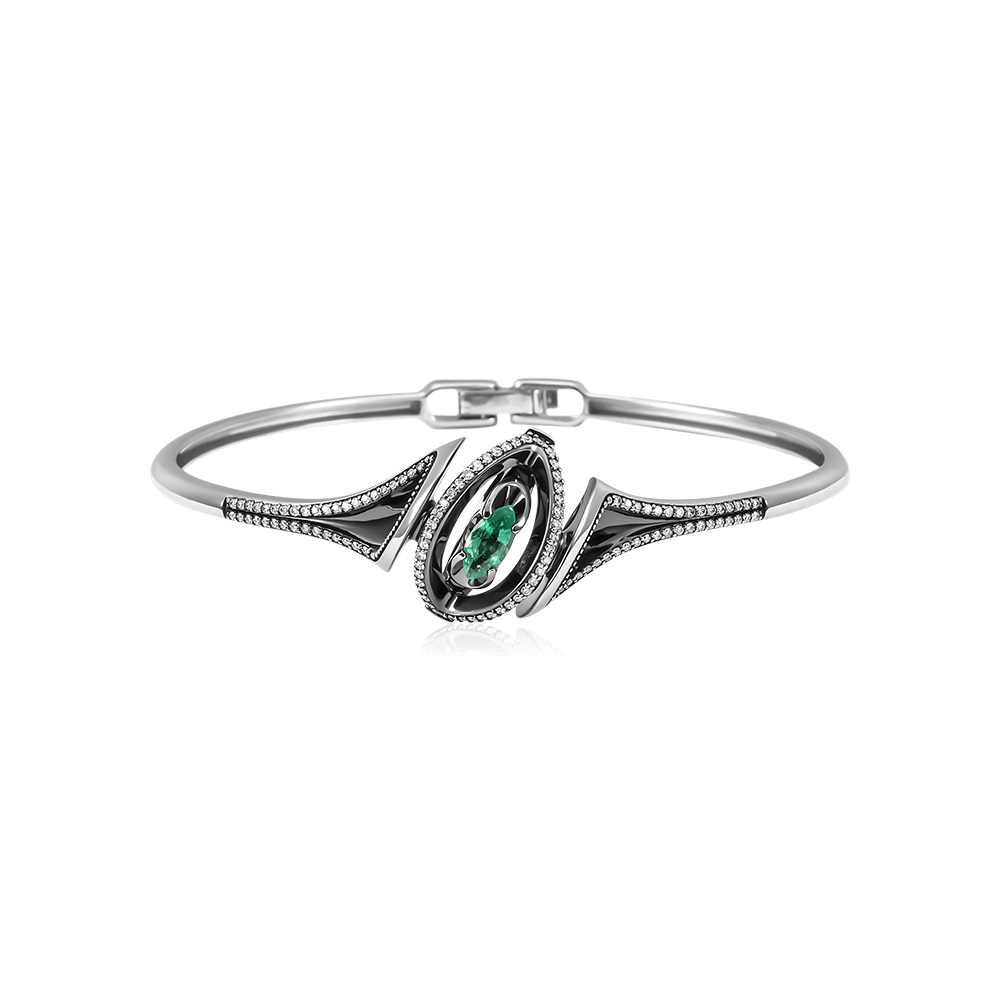
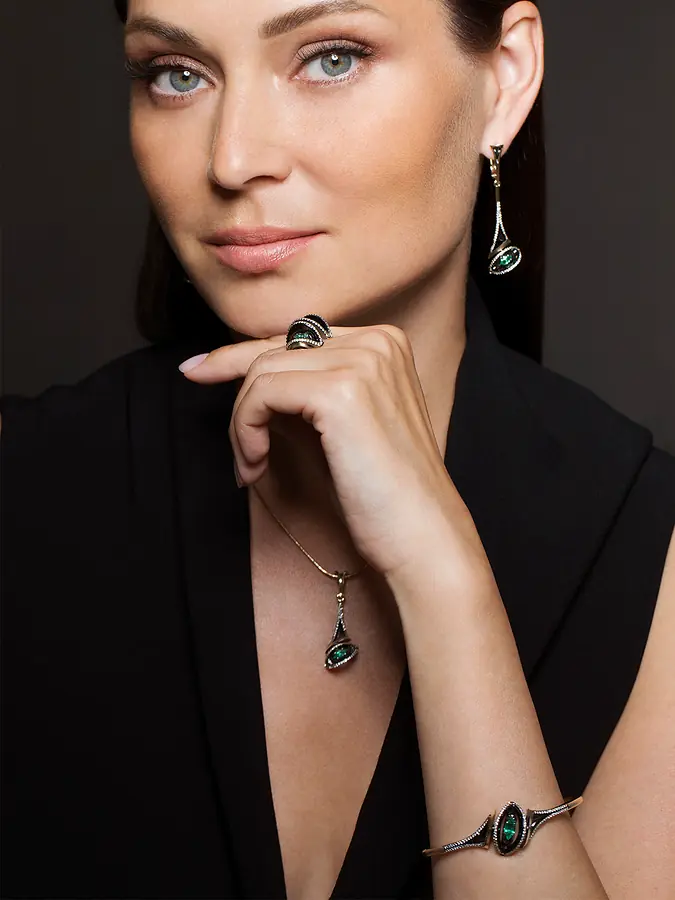
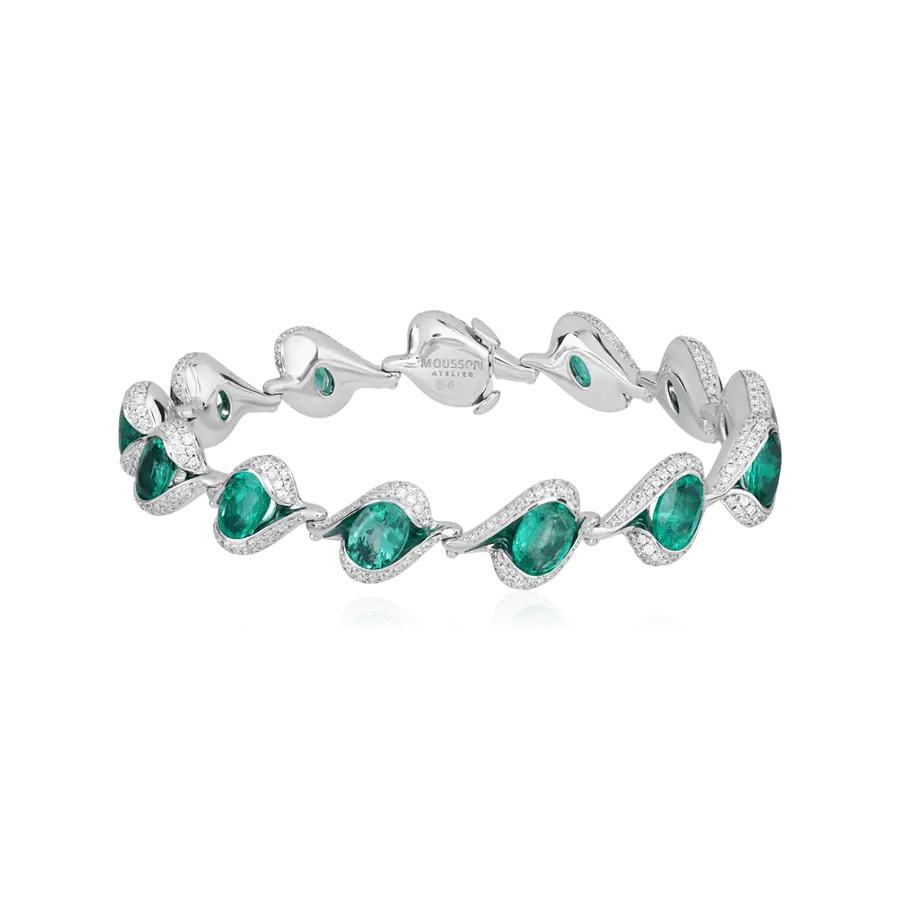
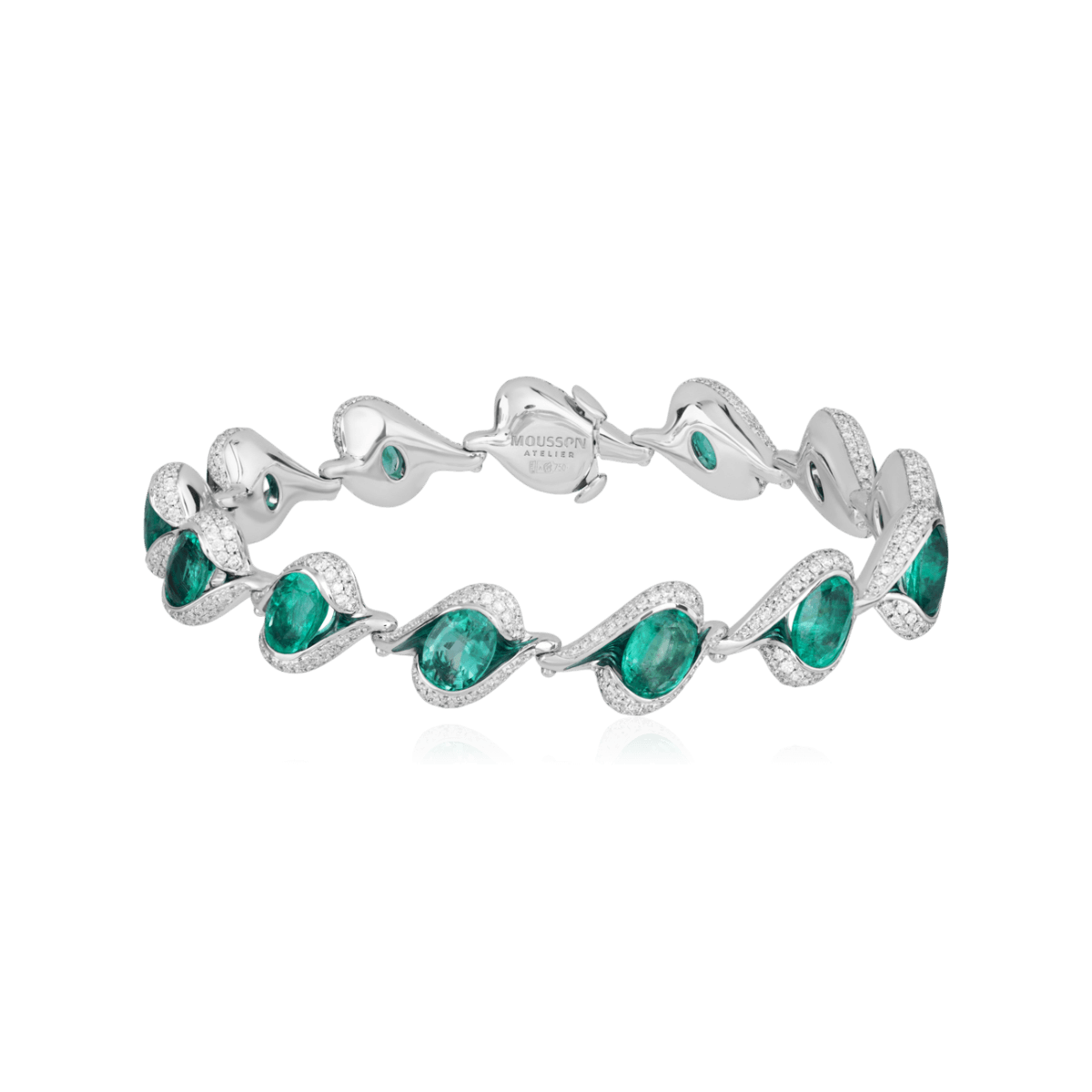
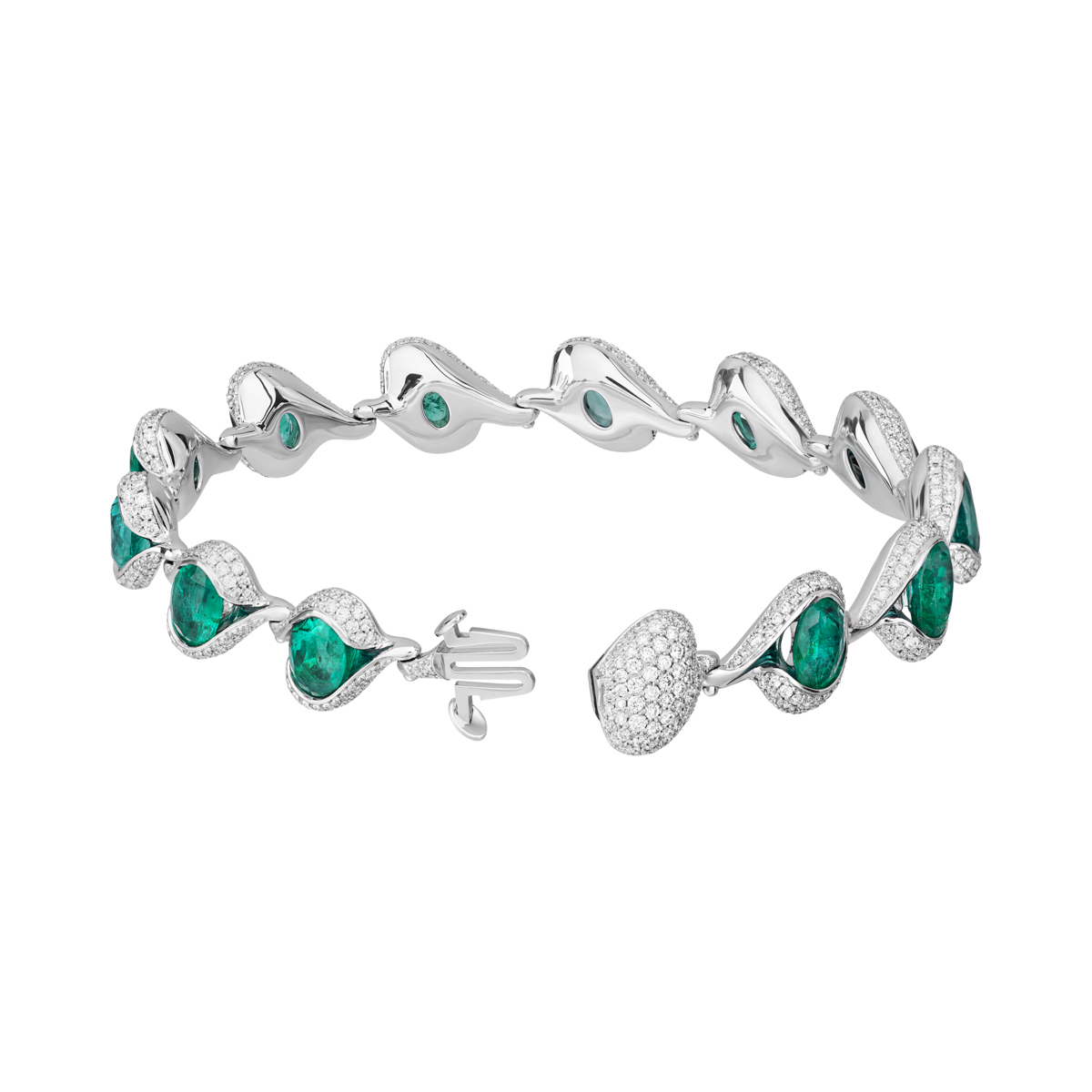
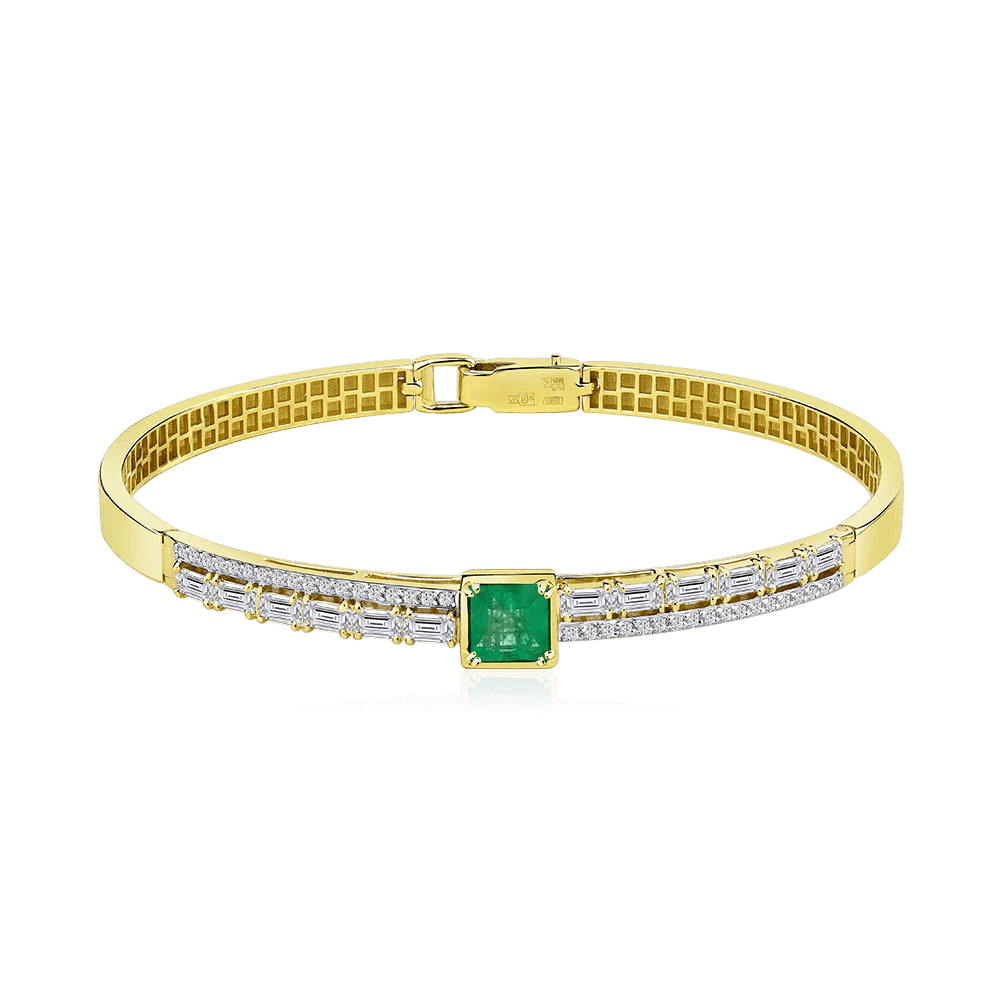
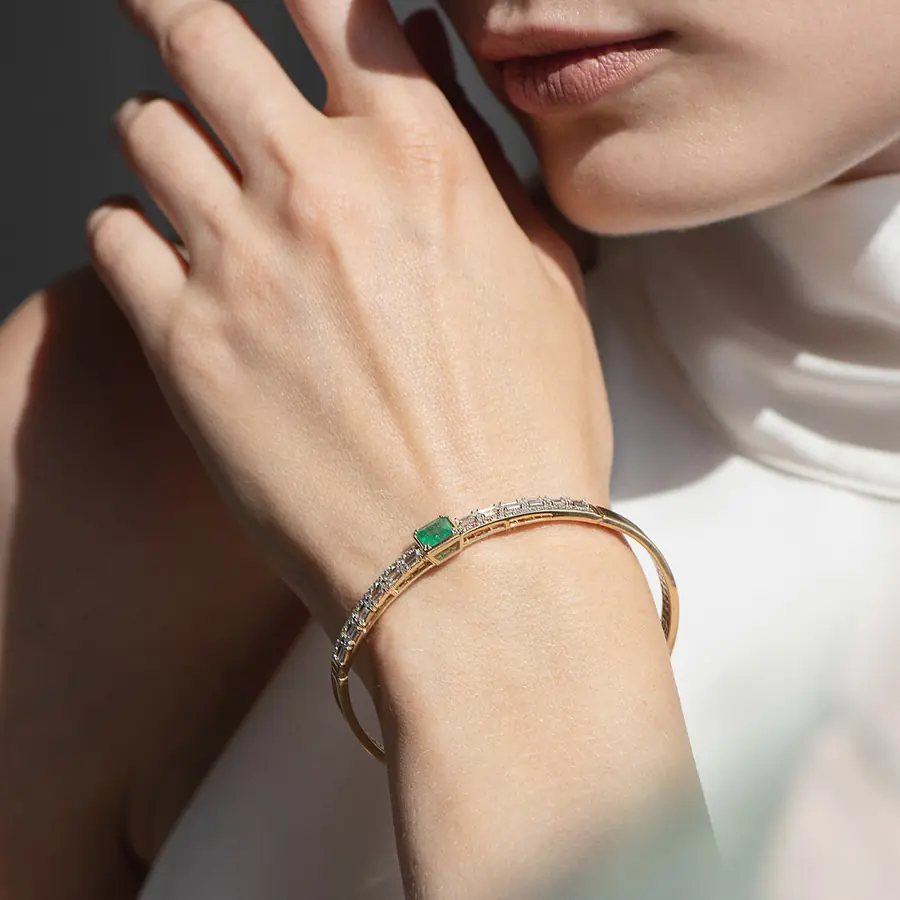
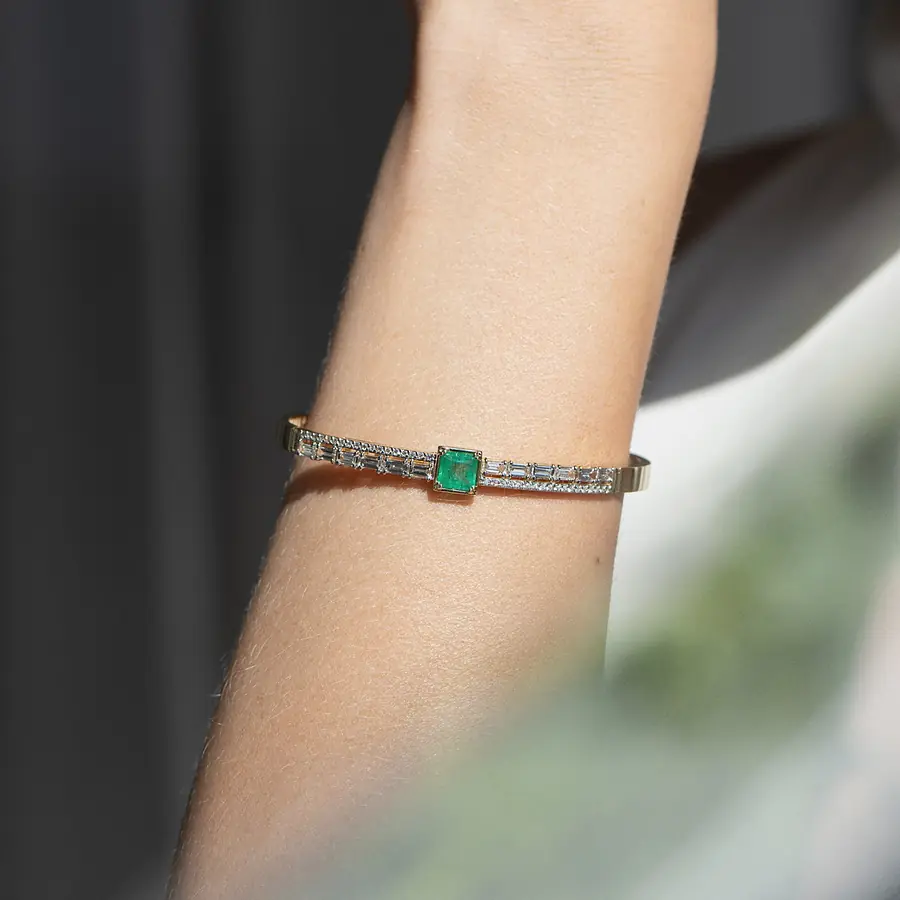


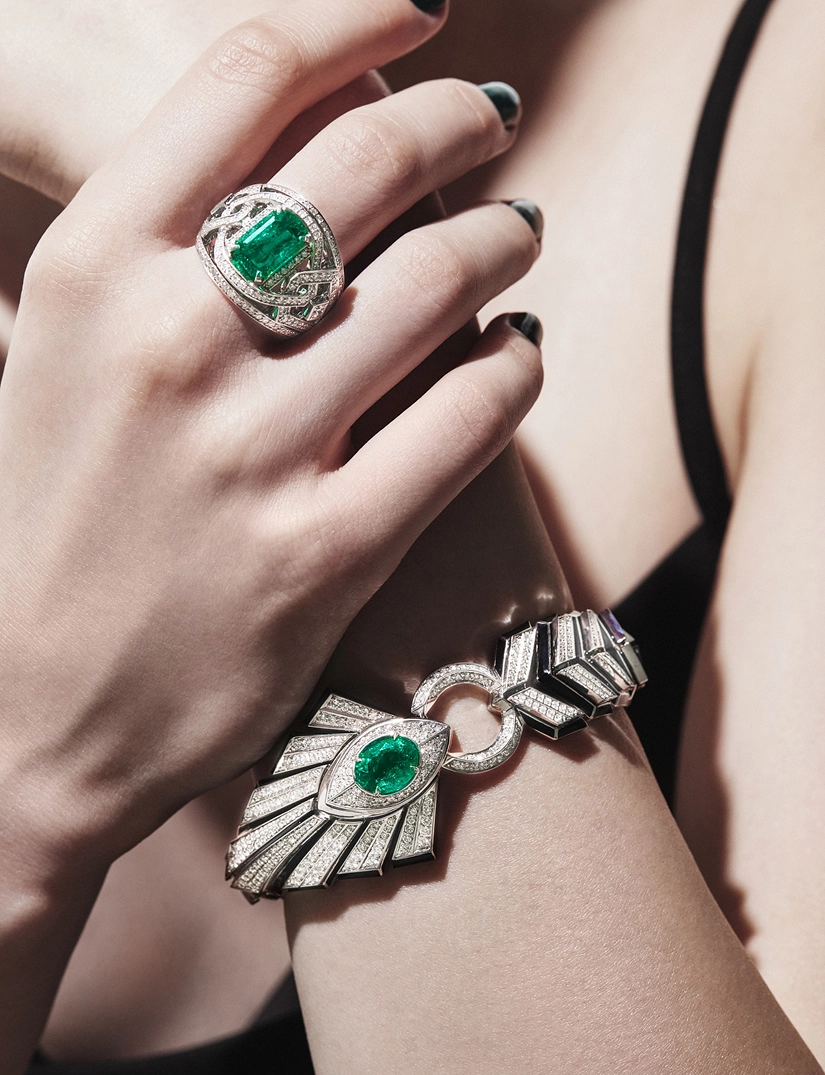
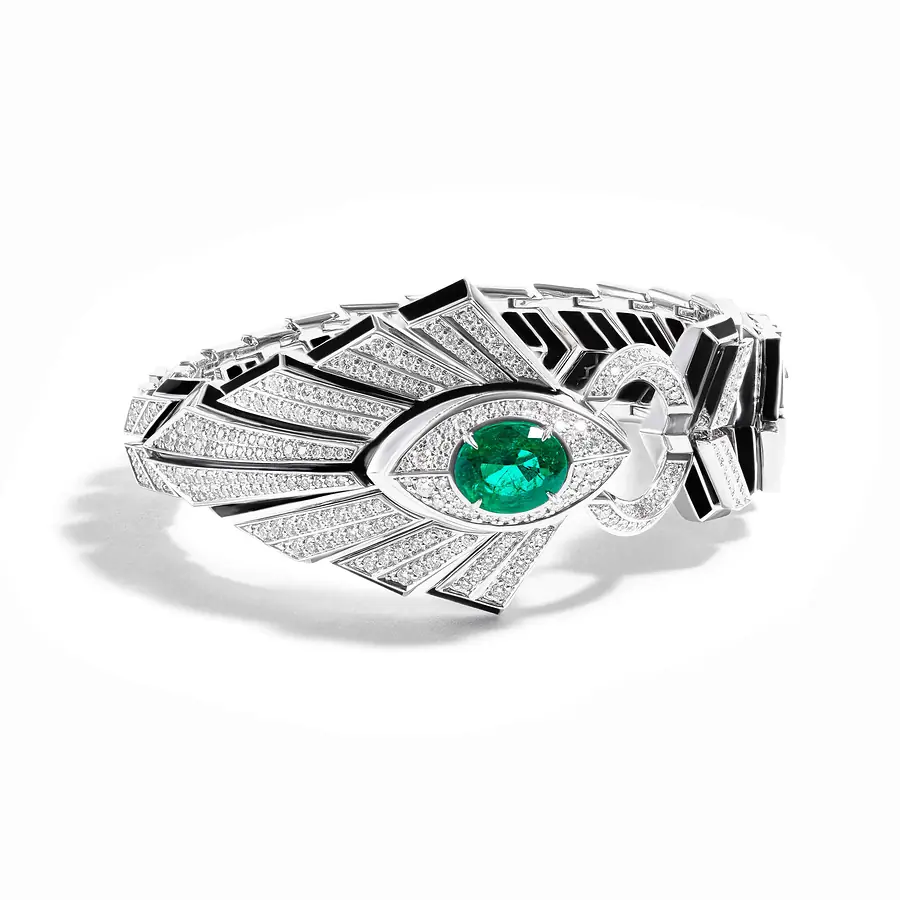
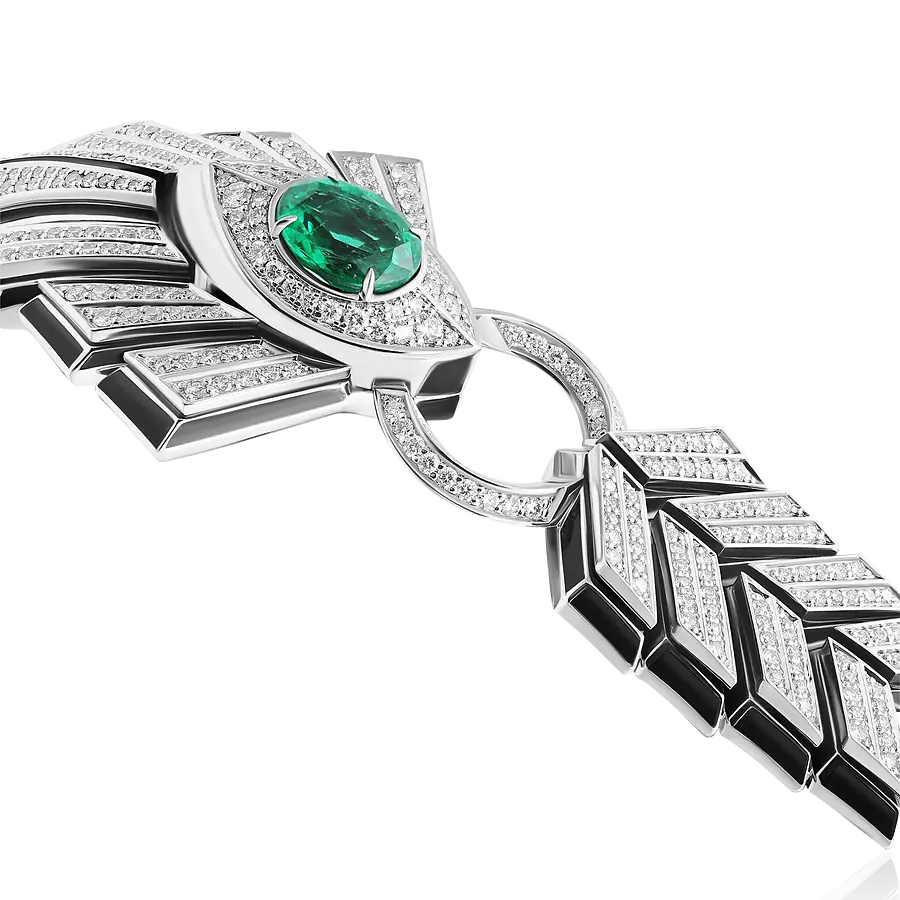
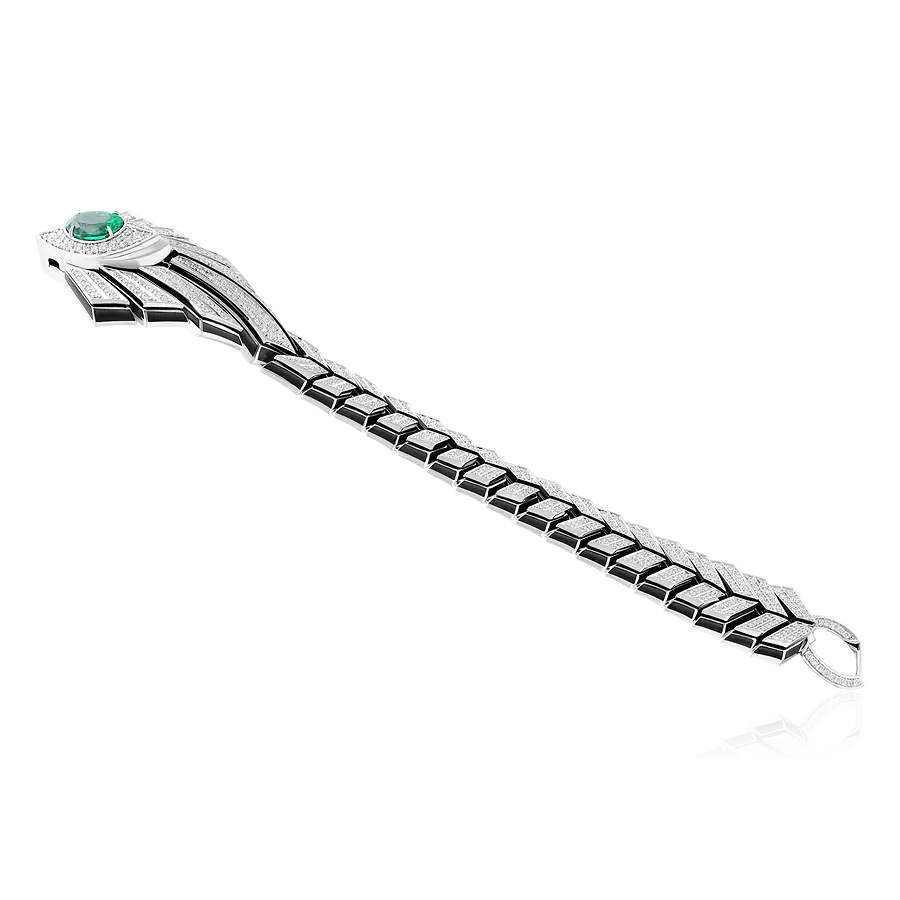
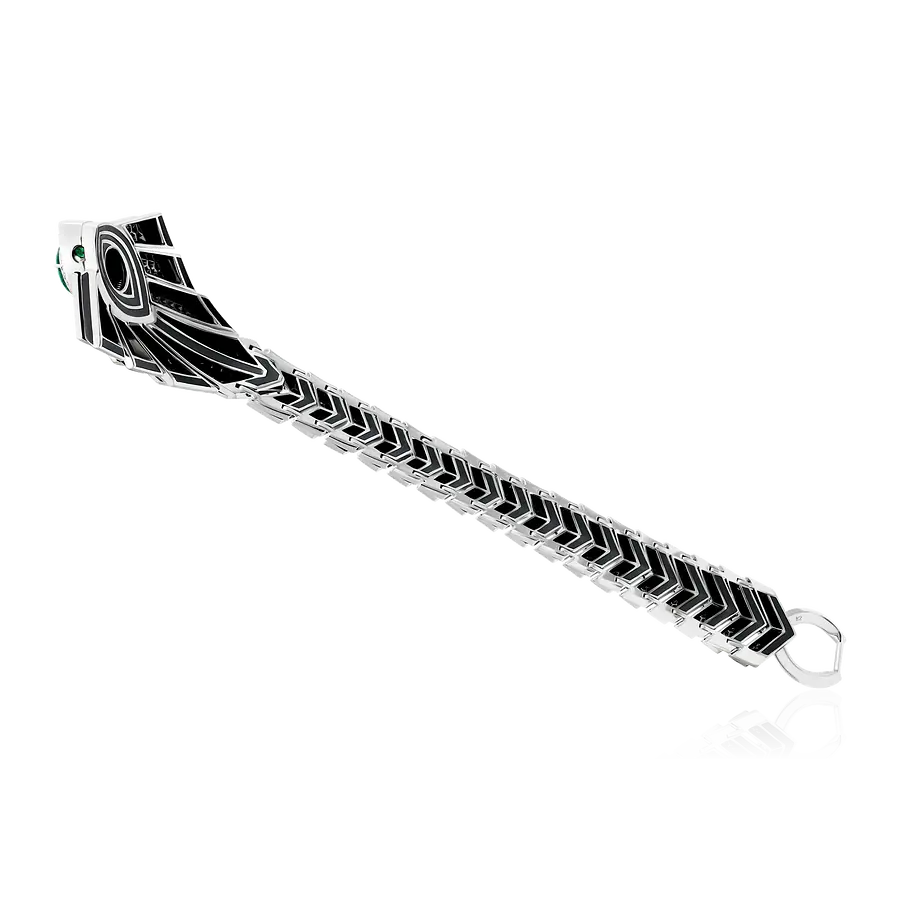
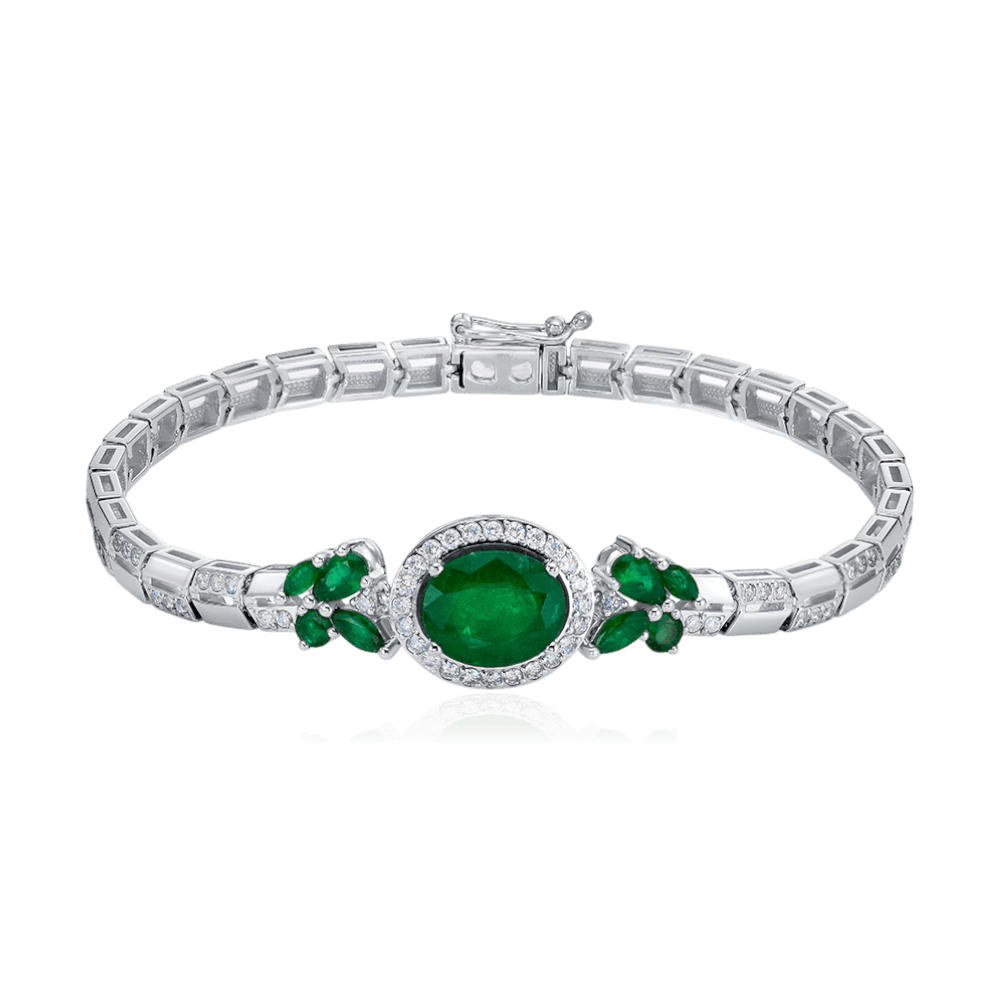
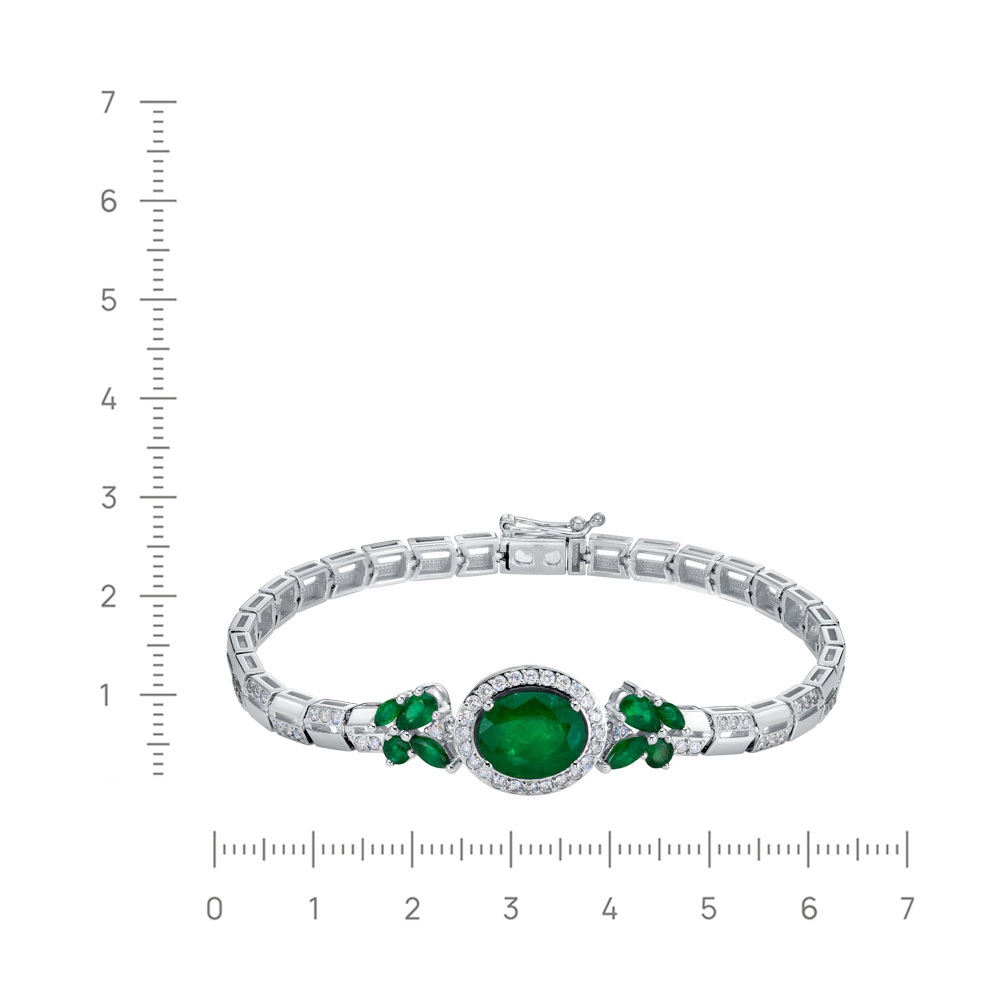
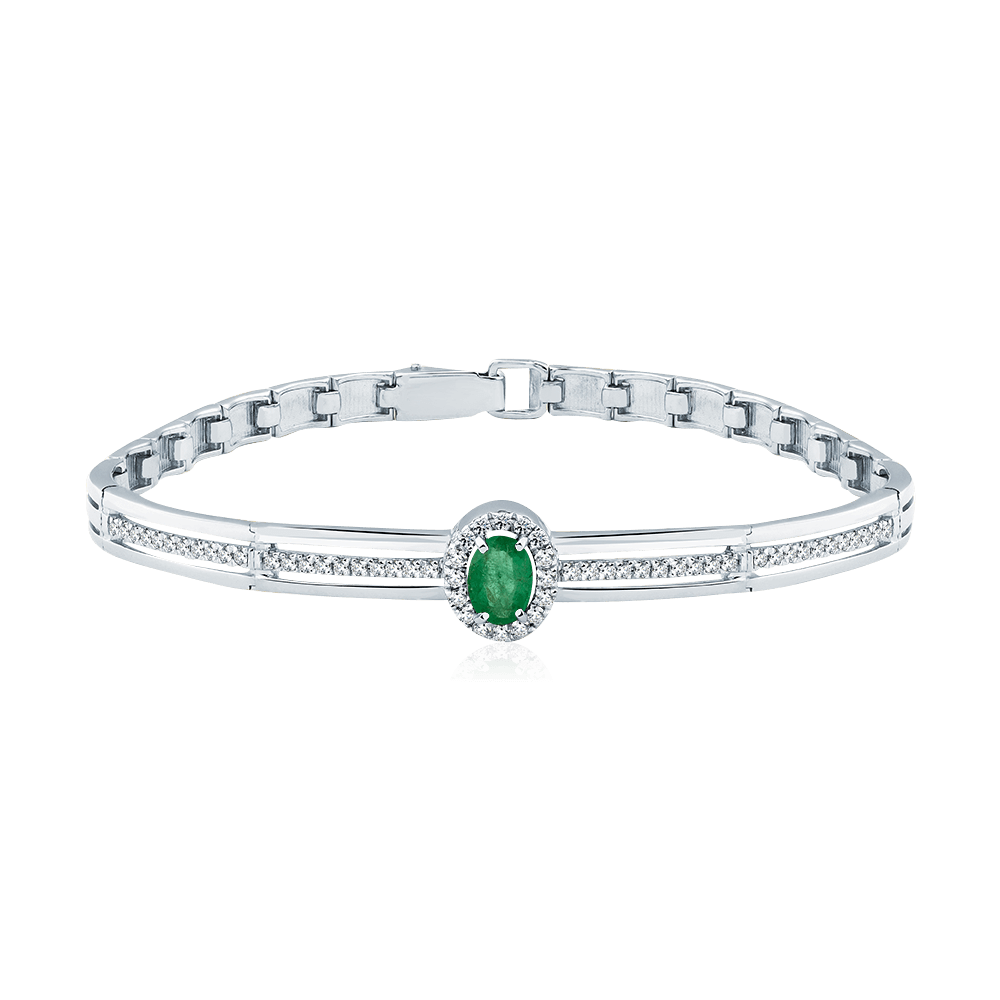
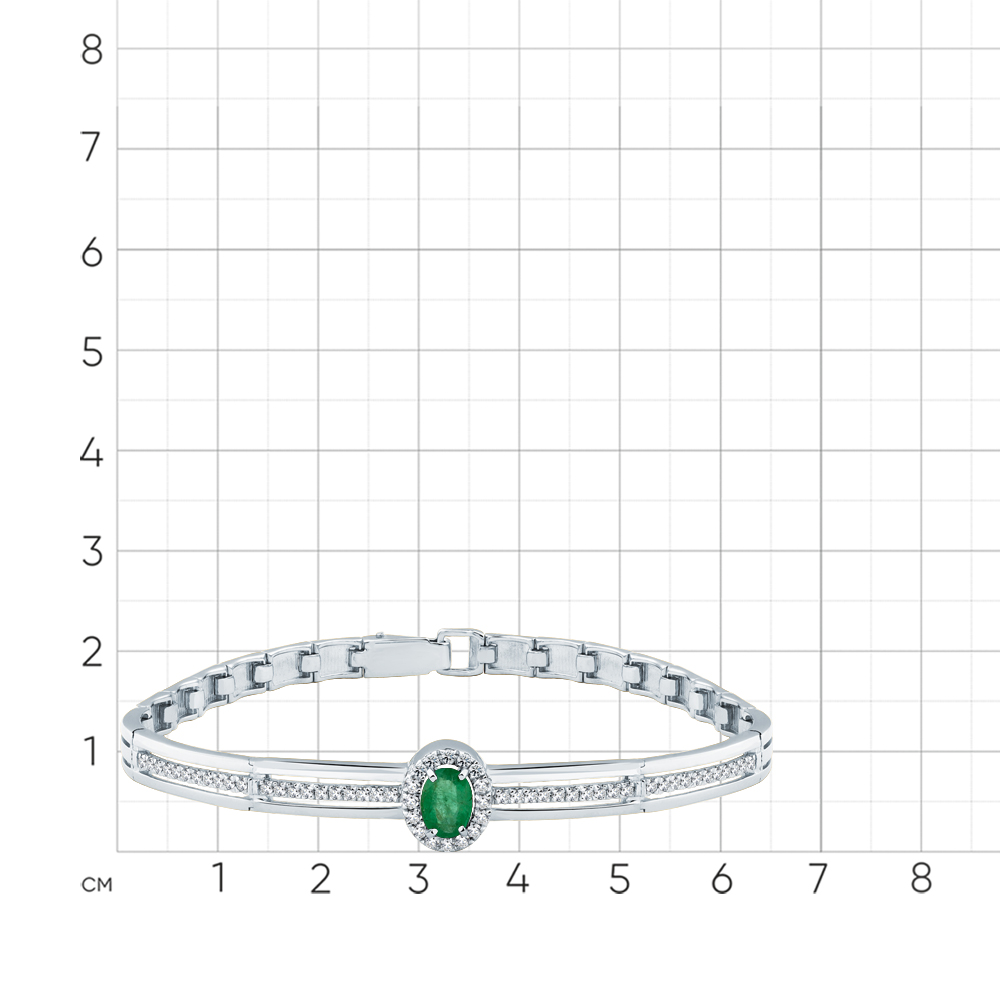
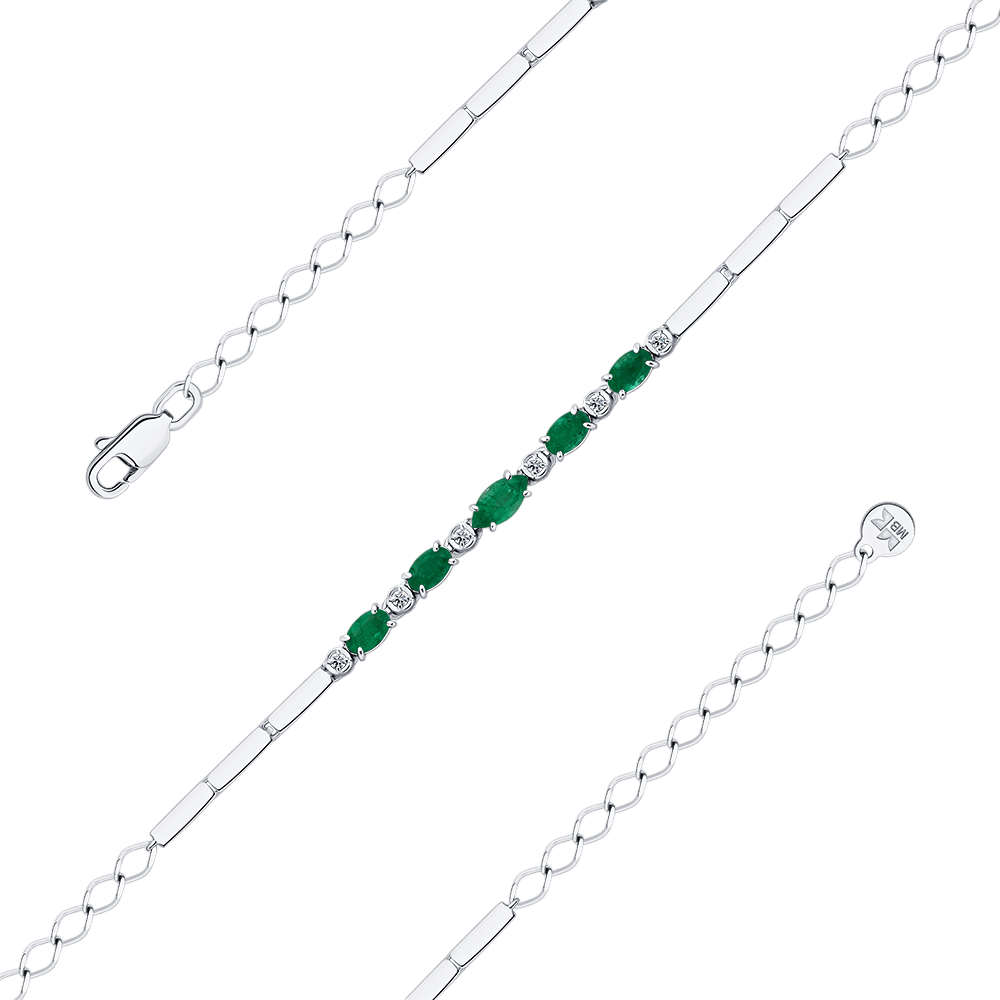
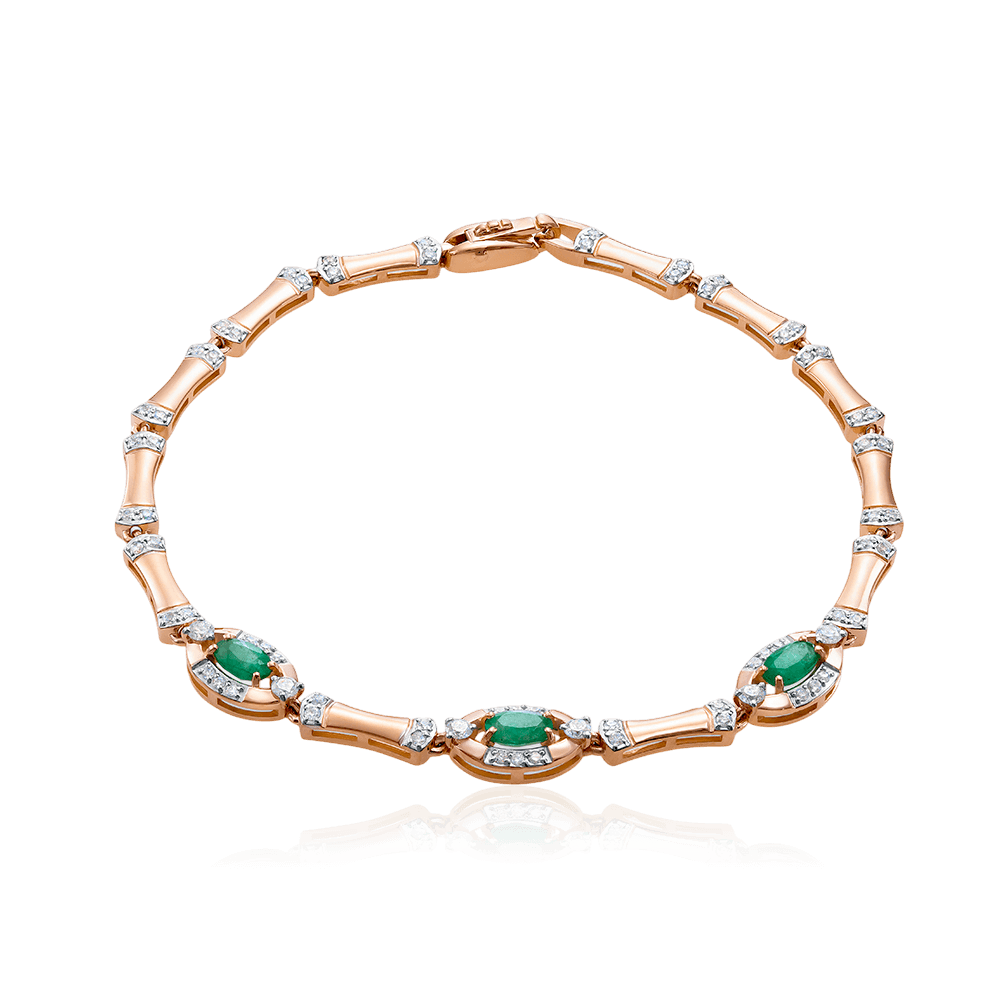
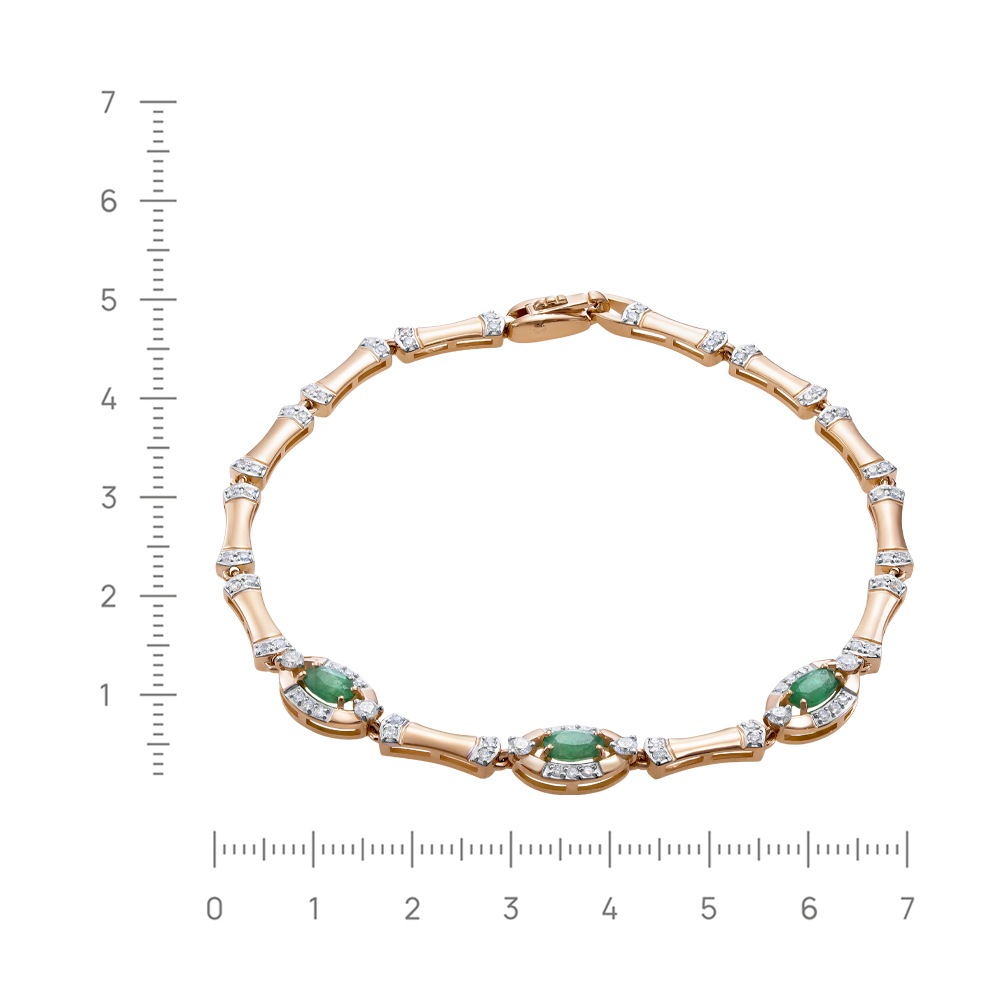

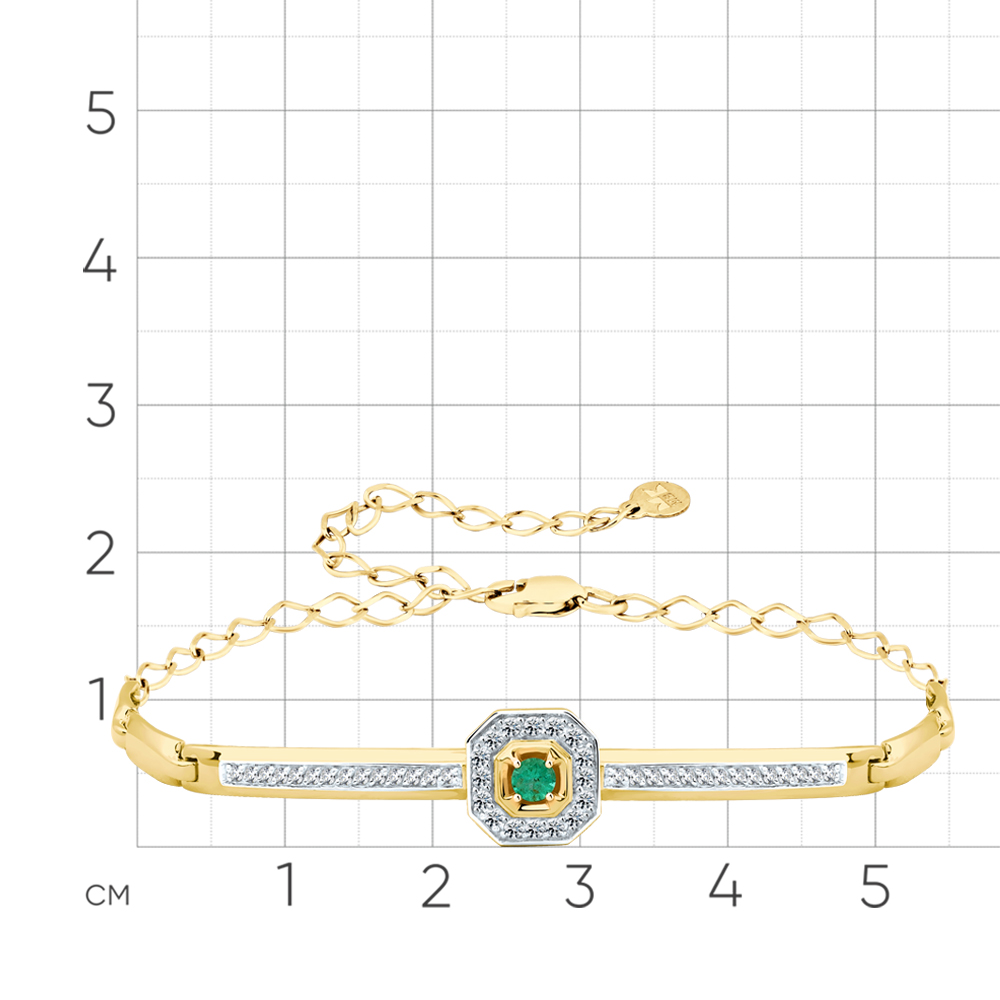
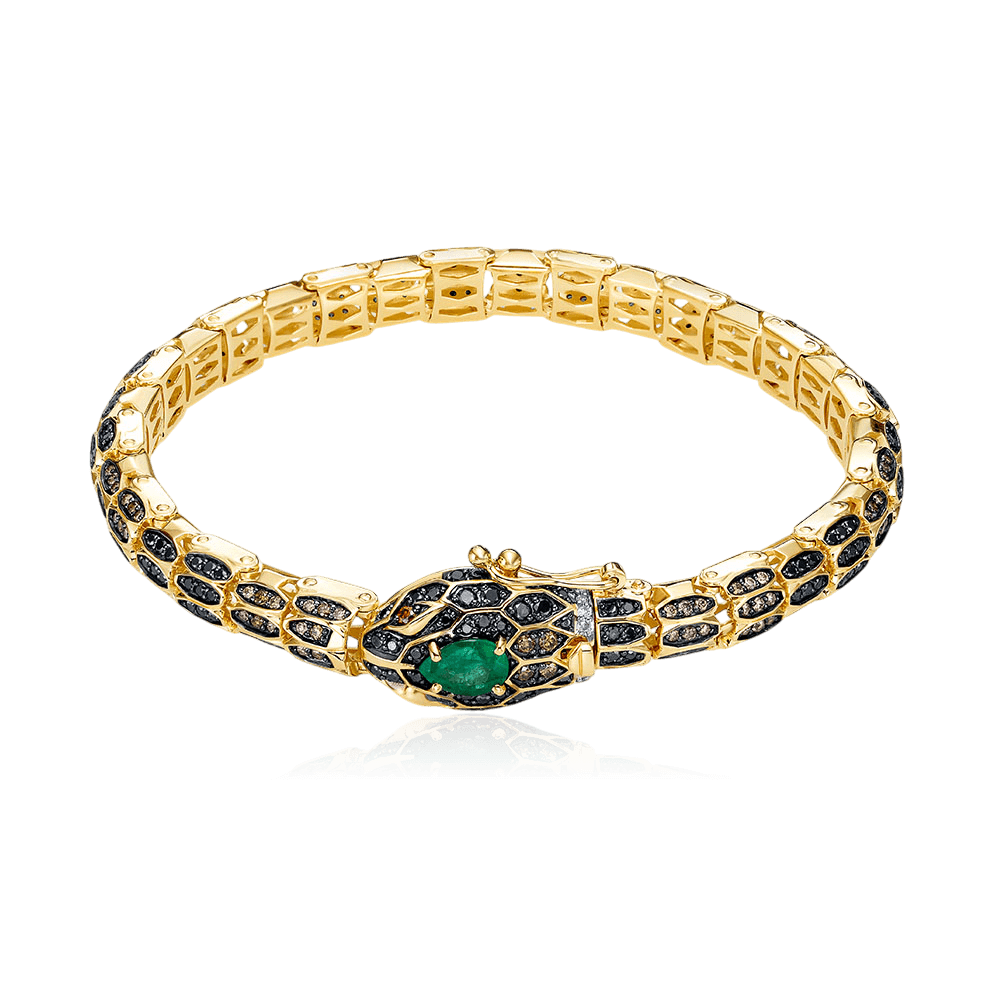
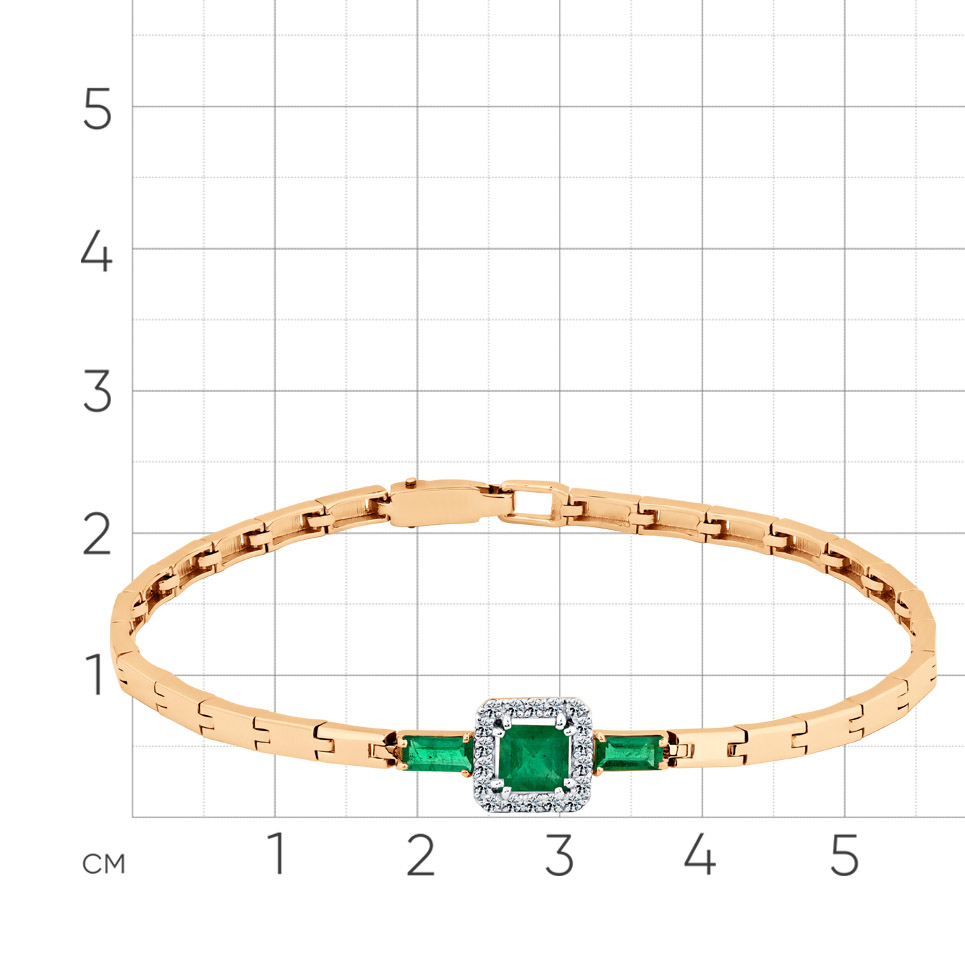
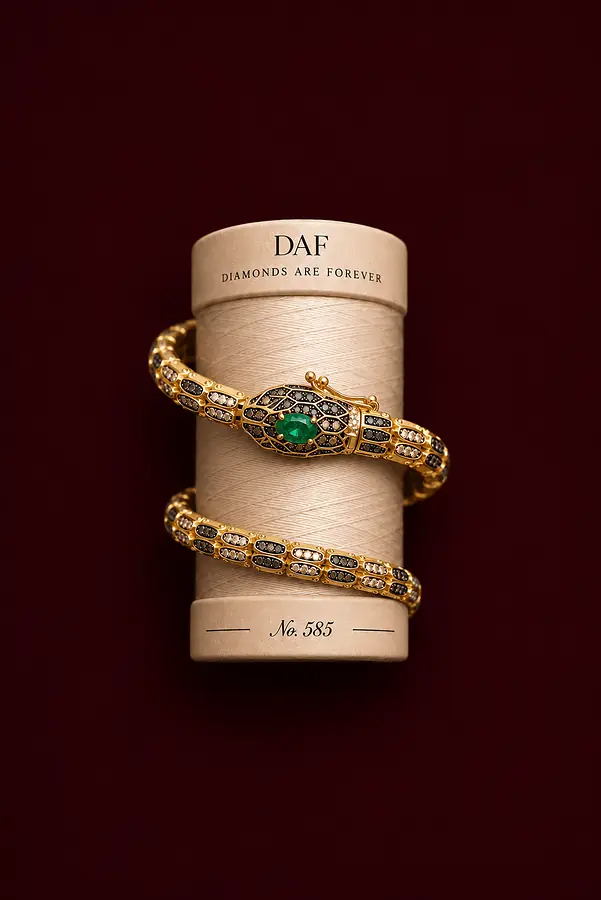
Bracelet "snake" with emerald and diamonds in 14K yellow gold (585) ( 128069)
In stock
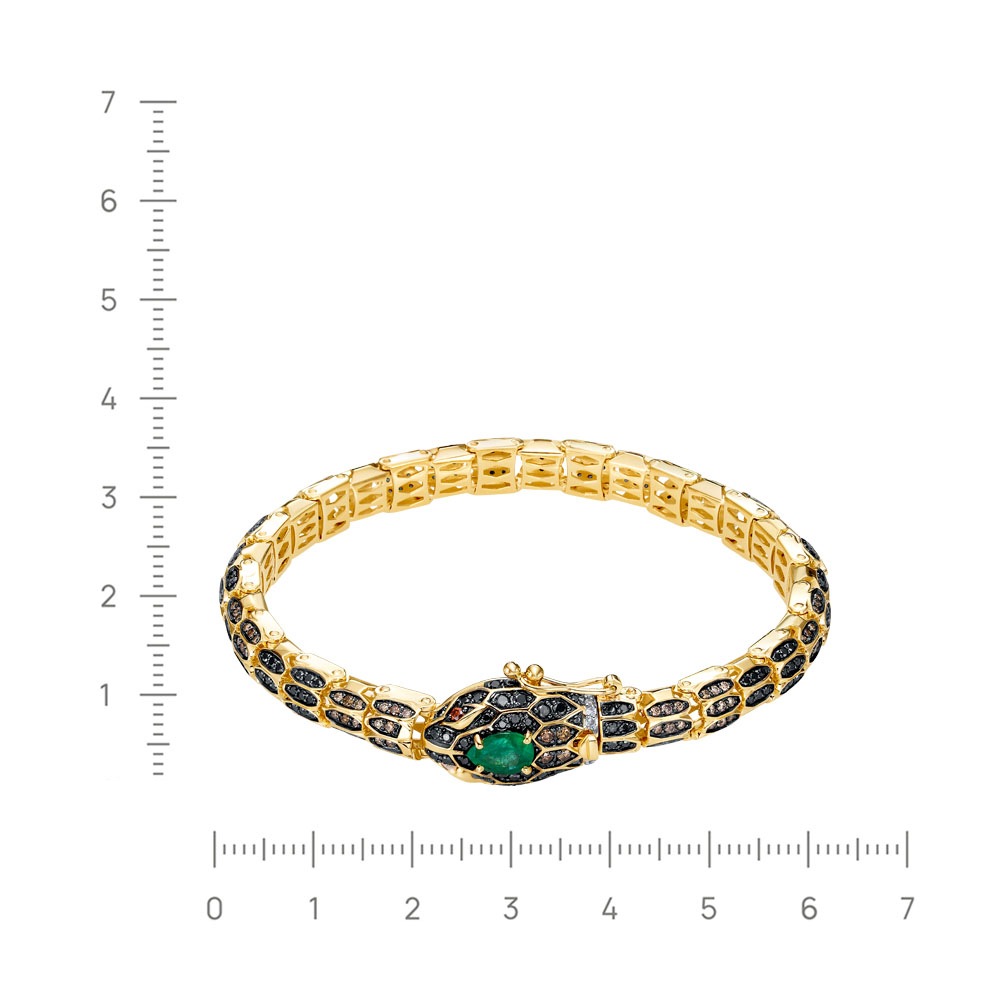


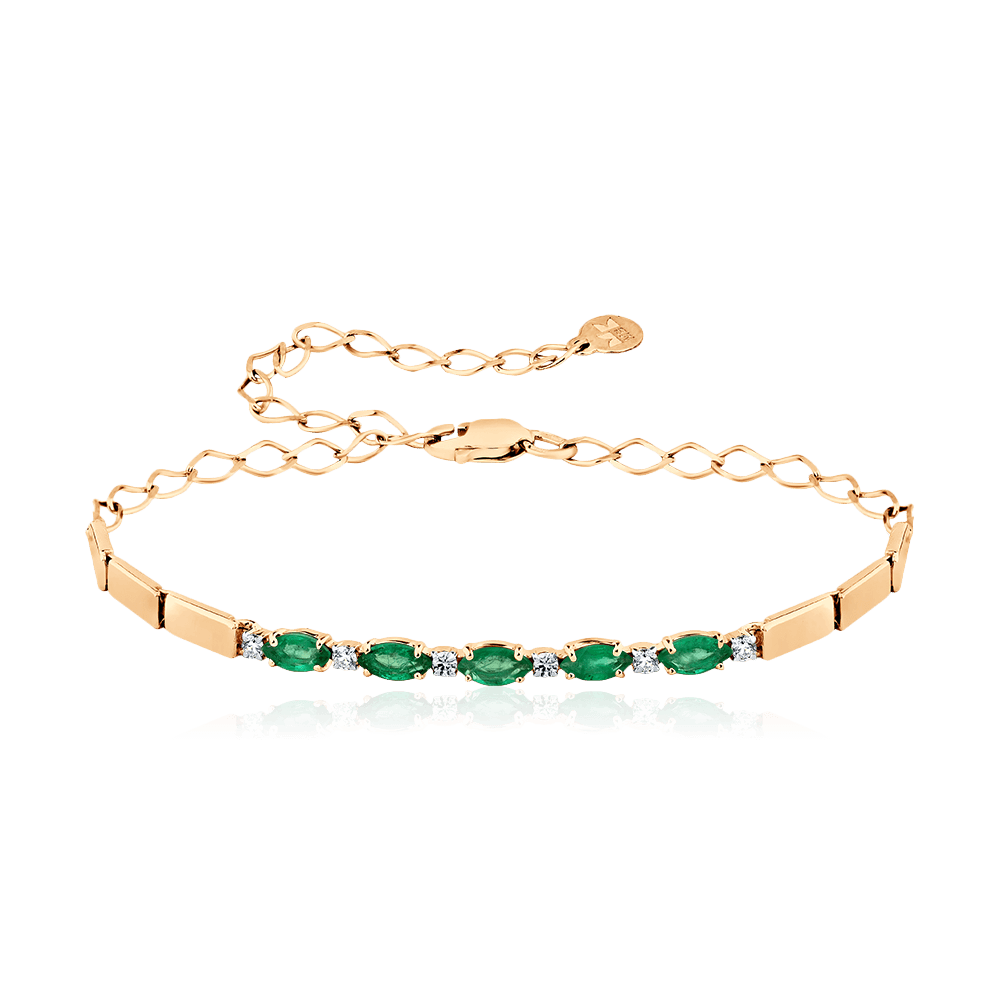
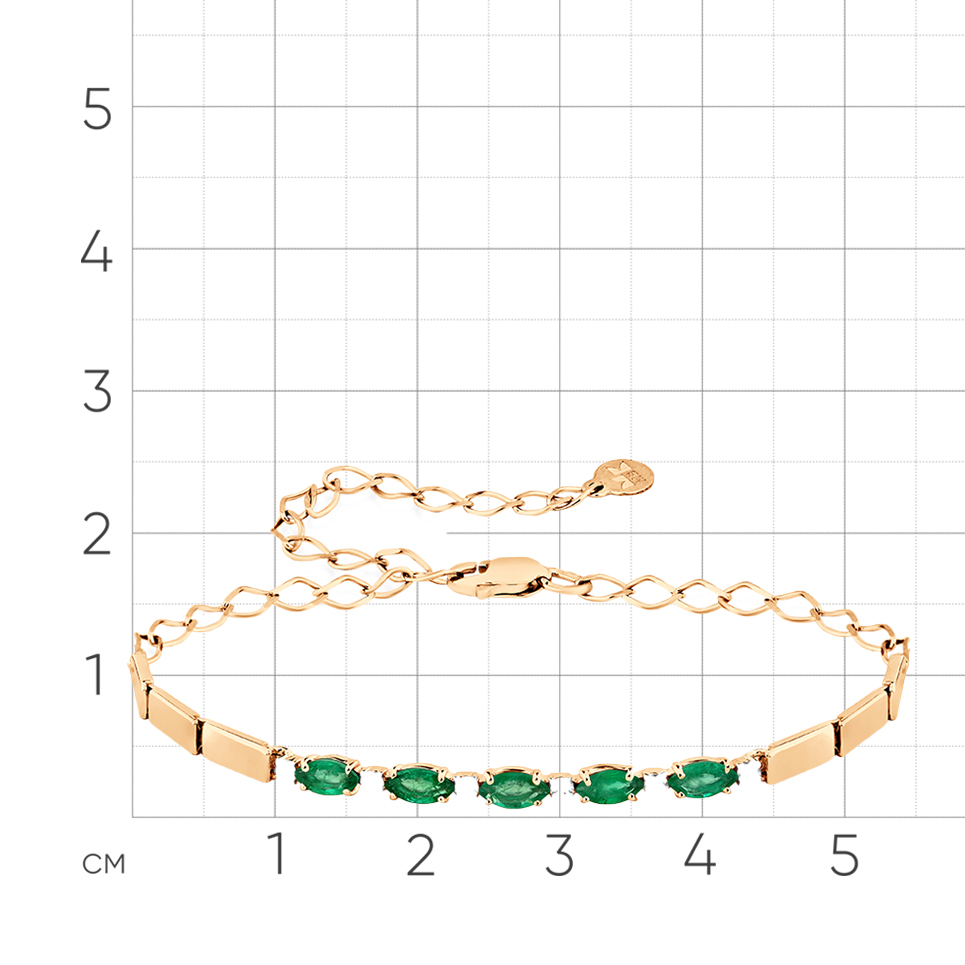

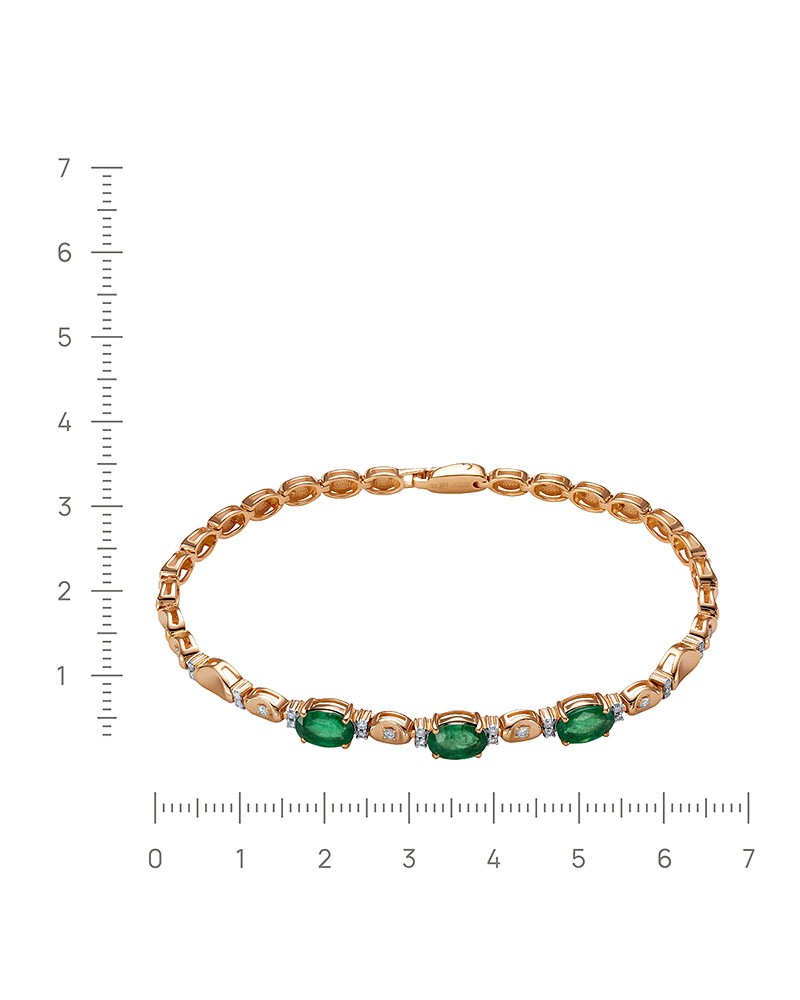
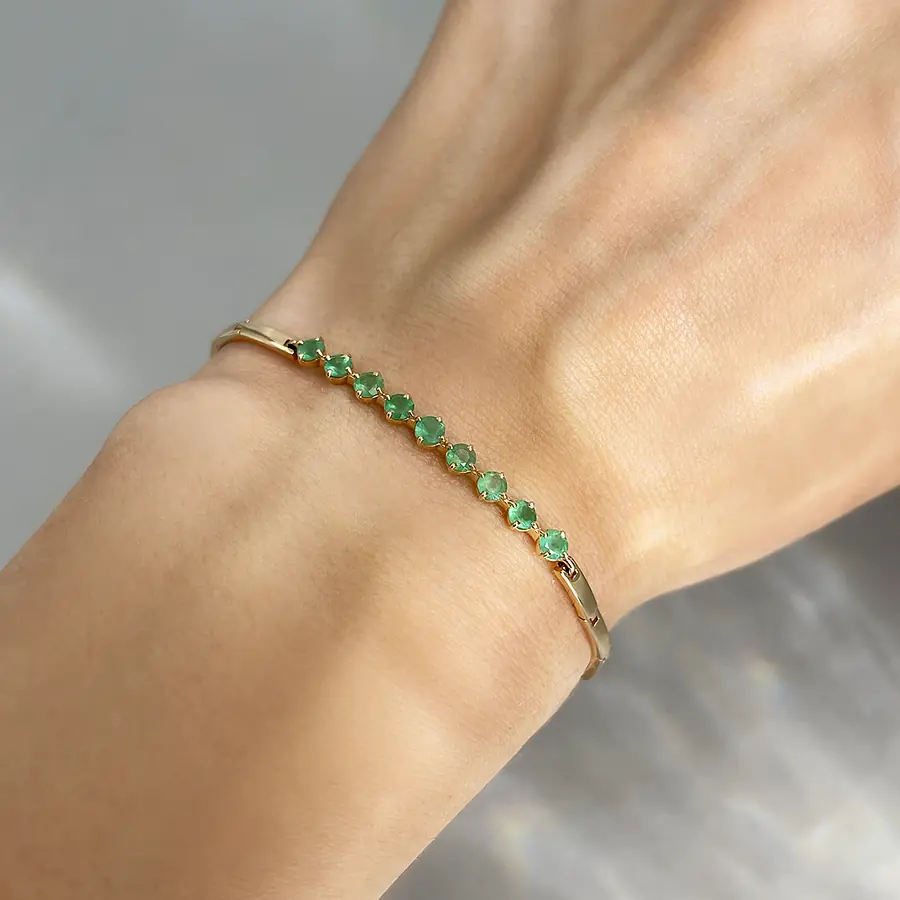
A gold bracelet with emerald costs from 74,900 ₽, and this is the most expensive gemstone section of the catalog: half of the models go for over 250,000 ₽. There are no pieces under fifty thousand here at all.
Price distribution: 50,000 to 100,000 ₽, seven designs; 100,000 to 200,000 ₽, thirty; 200,000 to 500,000 ₽, seventy-four; more than half a million, forty-one. An emerald bracelet under a hundred thousand rubles is a rarity, only seven of one hundred fifty-two items, and they sell faster than the rest.
In the mid-price range, an emerald bracelet means two or three stones of 0.3 to 0.5 carat framed in diamonds; pieces with a large center stone start at around two hundred thousand. It is easier to go by the total weight of the emeralds than by the overall price: it is listed on the product page and explains the difference better than anything else.
The reason for the high bar is the stone itself. Emeralds larger than half a carat and of decent clarity are expensive on their own, and a bracelet needs several of them, matched to one another by shade. Matching a set is separate work that is built into the price: two pieces with the same weight of gold can differ twofold solely because of how even the stones look in the row.
Fineness is the share of pure gold in the alloy: 585 means 58.5%, 750 means three quarters. In this section 585 predominates.
Distribution by color: red gold — 58 pieces, White
Yellow gold in this section is a compromise between two extremes: it is warmer than white, but does not clash with green as much as red does. An emerald bracelet in yellow gold looks the most classic and pairs best with the jewelry you already own.
White gold is plated with rhodium, and the plating wears off over time; it is renewed periodically, and the procedure is part of the store's service. On a bracelet this is more noticeable than on other jewelry: the hand constantly rests on a desk, a steering wheel, an armrest.
The standard length of a women’s bracelet is 17–19 cm. Measure your wrist with a measuring tape and add 1.5–2 cm: this allowance lets the jewelry move freely and keeps it from rubbing in the same spot.
For an emerald, fit matters more than for any other stone. A bracelet that is too loose dangles and knocks against surfaces, and it is impact, not scratching, that an emerald fears most. One that is too tight presses on the setting and loosens the stone's mounting. The right fit is one where a finger can pass between the skin and the piece but the jewelry does not slide down onto the hand.
An emerald bracelet on a rigid base is chosen by the inner diameter, with no allowance – a different logic applies here, and it is easier to make a mistake.
The setting is also worth a look. A closed setting that covers the stone on the sides protects it better than prongs: on a bracelet this is not an aesthetic detail but a matter of keeping the stone safe.
The main signs of a natural stone are inclusions inside, uneven tone, and a characteristic step cut. Jewelers call the internal pattern a "garden," and almost every natural emerald has one: a perfectly clean stone is more likely to have been grown in a lab than mined.
The main deposits are in Colombia, Zambia and Brazil. Colombian emeralds are considered the standard for a deep grassy green, Zambian stones are noticeably cooler and lean toward blue, and Brazilian ones are lighter. The name of the deposit on the product page is not in itself a guarantee: stones of every grade turn up within any source, and what matters is the specific color and clarity.
All stones in our bracelets are natural. There are no synthetic emeralds in the catalog — yet on marketplaces they are openly sold and are almost indistinguishable from natural ones in photos, so you should read the description of the stone rather than study the picture.
Pieces with diamonds make up 95%, that is 57 models out of 60 in the current selection, the highest share among the stone sections of the catalog. The reason is optical: green is dark in itself, and without white flashes next to it, it is almost unreadable on the wrist in room light.
The inserts in this section are most often step-cut: the very octagon with trimmed corners that is known as the emerald cut. It was not designed for beauty alone: an emerald's sharp corners chip most easily, and the cut removes its most vulnerable spot. In a bracelet that constantly brushes against surfaces, this solution is especially fitting.
The three remaining models are emerald in pure gold. Such a piece requires a stone of noticeably better quality: there is nothing to hide the inclusions, and the whole effect rests on the transparency and color of the stone.
To avoid losing the stone, remember the main thing: in a bracelet an emerald is more vulnerable than in any other piece of jewelry. A Mohs hardness of 7.5–8 protects against scratches but not against chips: the internal fractures that give the stone its beauty also make it brittle under impact. One knock against a door handle can chip off a corner.
Ultrasonic baths and steam are forbidden. Emeralds are commonly treated with oil that fills micro-cracks; harsh cleaning washes it out, the cracks become visible, and the original look can no longer be restored. Such pieces are cleaned with a soft cloth, warm water and a drop of soap, and that is enough.
What not to do: sleep in the piece, work with your hands while wearing it, wear it for sports or on a long drive, or leave it in contact with household chemicals and chlorinated water. It is best to store the piece separately: diamonds and sapphires from neighboring pieces are harder and will leave marks on it.
Emerald bracelets can be ordered on our website with delivery across Russia, or tried on at the DAF boutique in central Moscow. For a bracelet, trying it on matters more than for any other piece of jewelry: you can't judge length and fit from a photo, and a single centimeter changes both the look and how safely the stone sits.
Emerald also does not photograph well. Green depends heavily on lighting, and the same stone looks different under display light and daylight. If visiting is inconvenient, ask a manager to film a video in different light and on the hand.
A word about gifts. If the bracelet is not for yourself, it is best to find out the length in advance, because wrist size cannot be guessed from height or build. The easiest way is to measure a bracelet the recipient already wears and tell that length to the manager; another way is to wrap a piece of thread around her wrist and hold it against a ruler.
Before ordering, it is worth confirming four things: the length in centimeters, the type of clasp, the total weight of the emeralds in carats and the type of setting. Returns are possible within fourteen days, but it is easier to choose correctly the first time than to exchange. Emerald is traditionally considered the stone of May, so such bracelets are often chosen for spring occasions.
No. The catalog contains only 585 and 18K gold (750); we do not make silver bracelets with emerald.
74,900 ₽. There are only seven designs in this section under one hundred thousand, and nothing costs less than fifty thousand.
Yes, all stones are natural. There are no synthetic stones in any model in the catalog.
Emeralds are treated with oil, which fills microscopic fractures. Ultrasound and steam wash it out, the fractures show, and the original look cannot be restored. A soft cloth with warm water and a drop of soap is the right way to clean them.
The standard for a woman's wrist is 17–19 cm. Measure the circumference with a tape and add 1.5–2 cm. For emerald, an exact fit matters more than for other stones: a loose bracelet knocks against surfaces, and a tight one loosens the stone's setting.
With a hardness of 7.5-8 on the Mohs scale, it is hard to scratch. But inclusions inside the stone make it brittle on impact, so in a bracelet an emerald is more vulnerable than in earrings or a pendant.
We will contact you shortly.
Unfortunately, we cannot deliver to this locality. Please choose another city nearest to you.
How to get them. 3% of every order on the site. Sign in with your phone number to receive bonuses.
How to spend them. Sign in, add jewelry to your cart and specify at checkout how much to redeem. Bonuses can pay up to 10% of the price.
Confirm that you are not a robot
Unfortunately, this item is currently out of stock. We can make the jewelry individually to your requirements. Our consultant will contact you
Our consultant will contact you shortly
Refresh the page and send the message again
Specify the size of the jewelry and try again
Enter your number and our manager will contact you about the price calculation
Refresh the page and submit the order again