
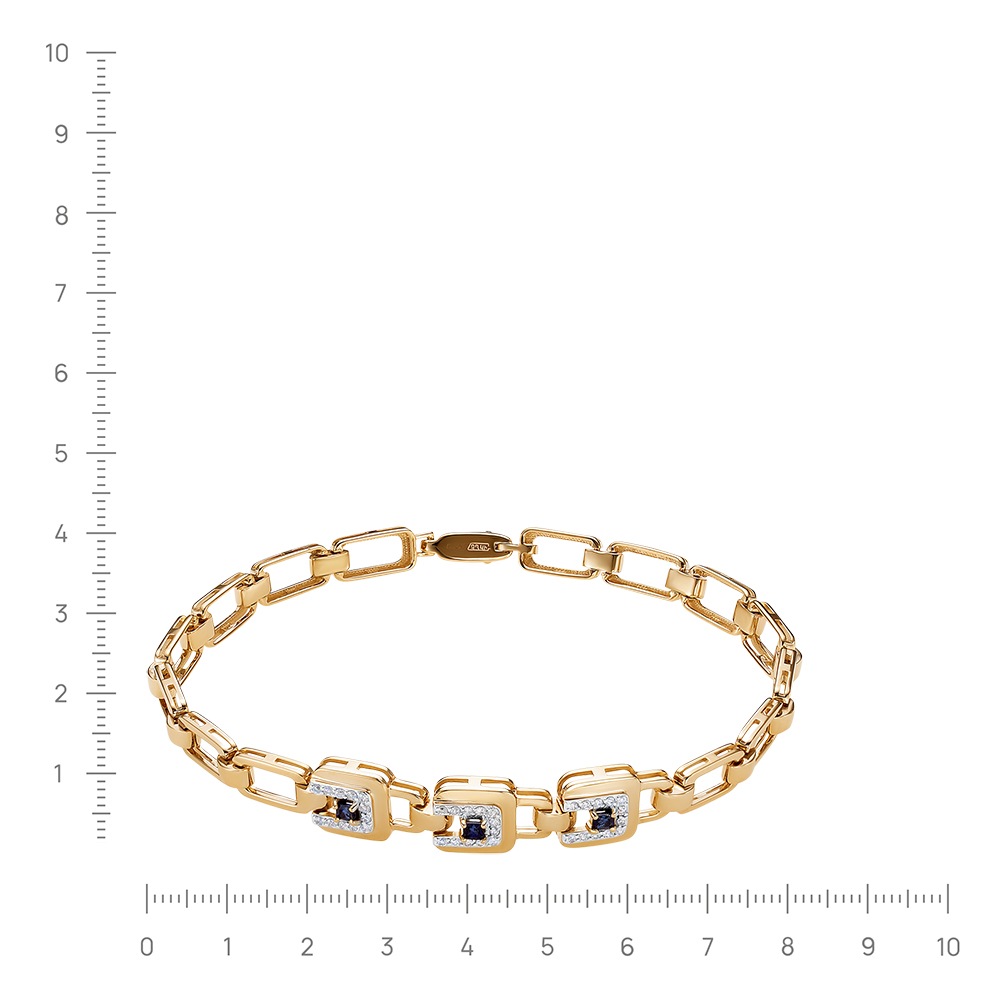
403 800 ₽1 346 000 ₽
We use cookies to improve the site and give you more options. By continuing to use the site, you agree to cookie usage terms.We use cookies. Learn more


By popularity



5


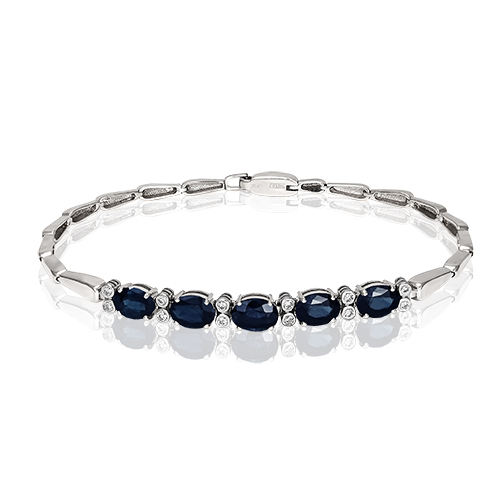


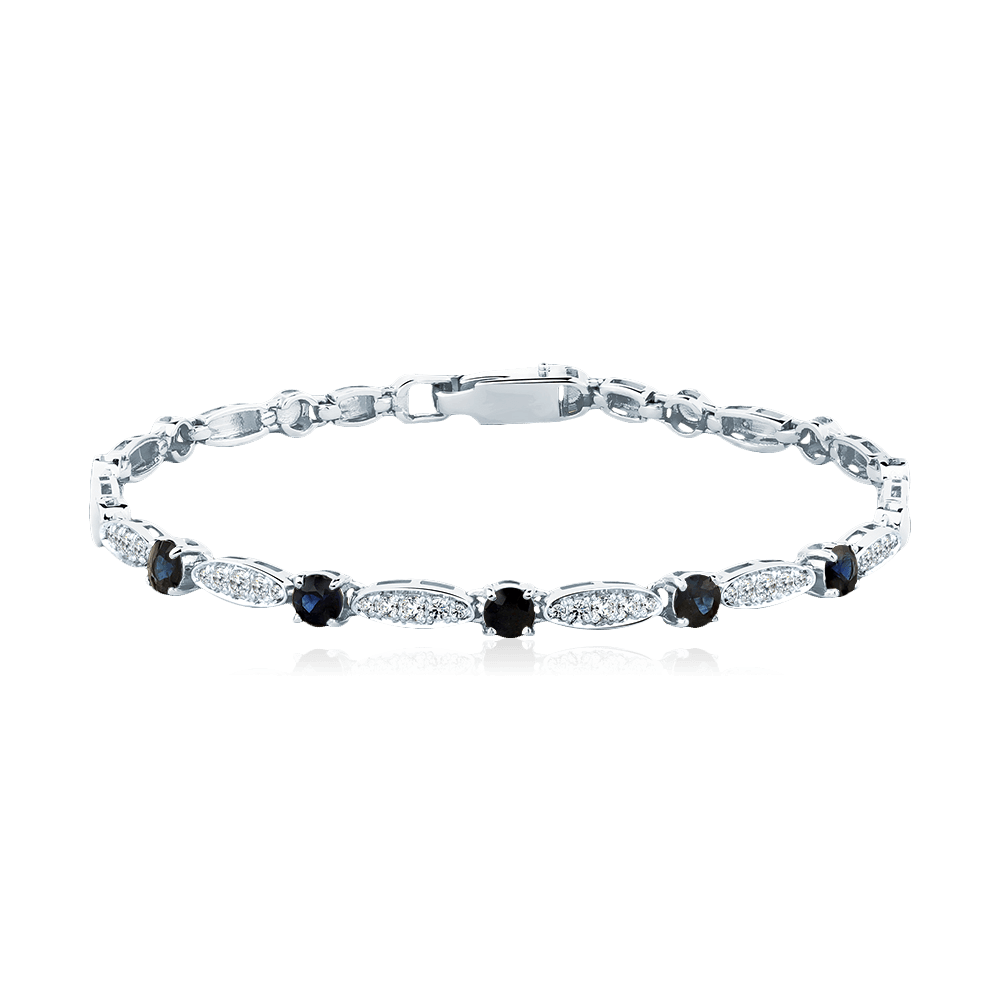


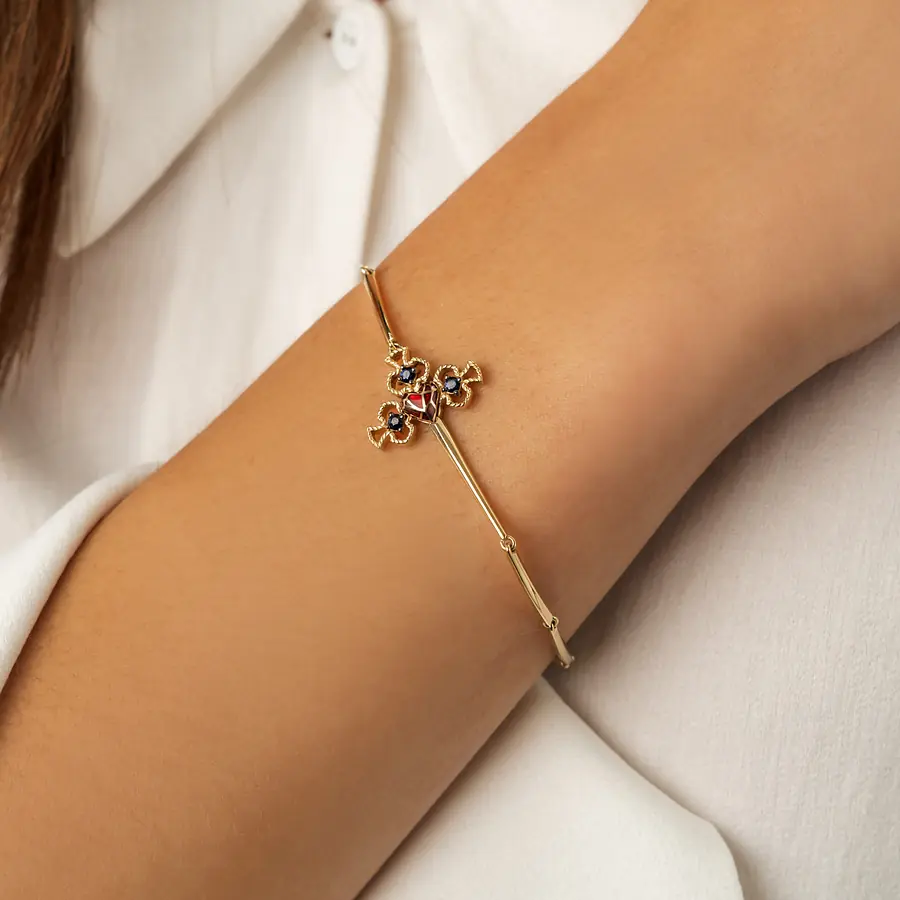
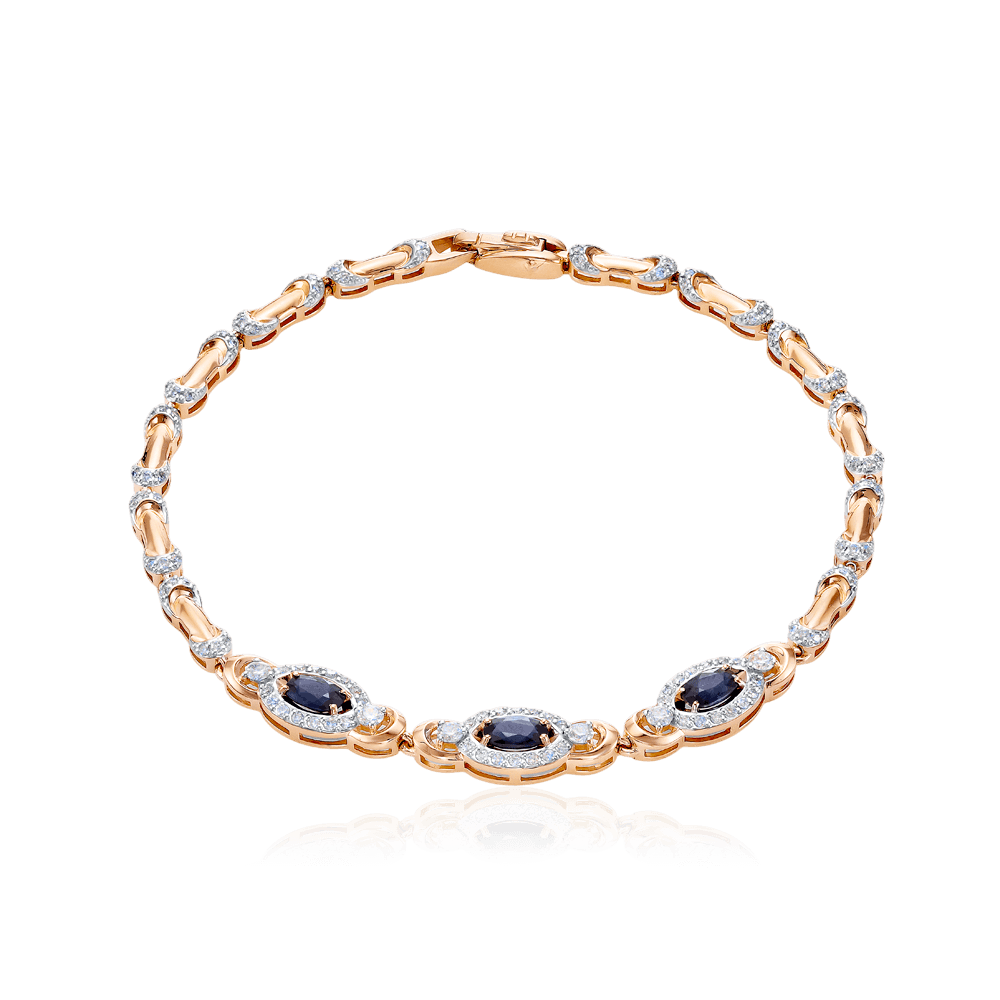
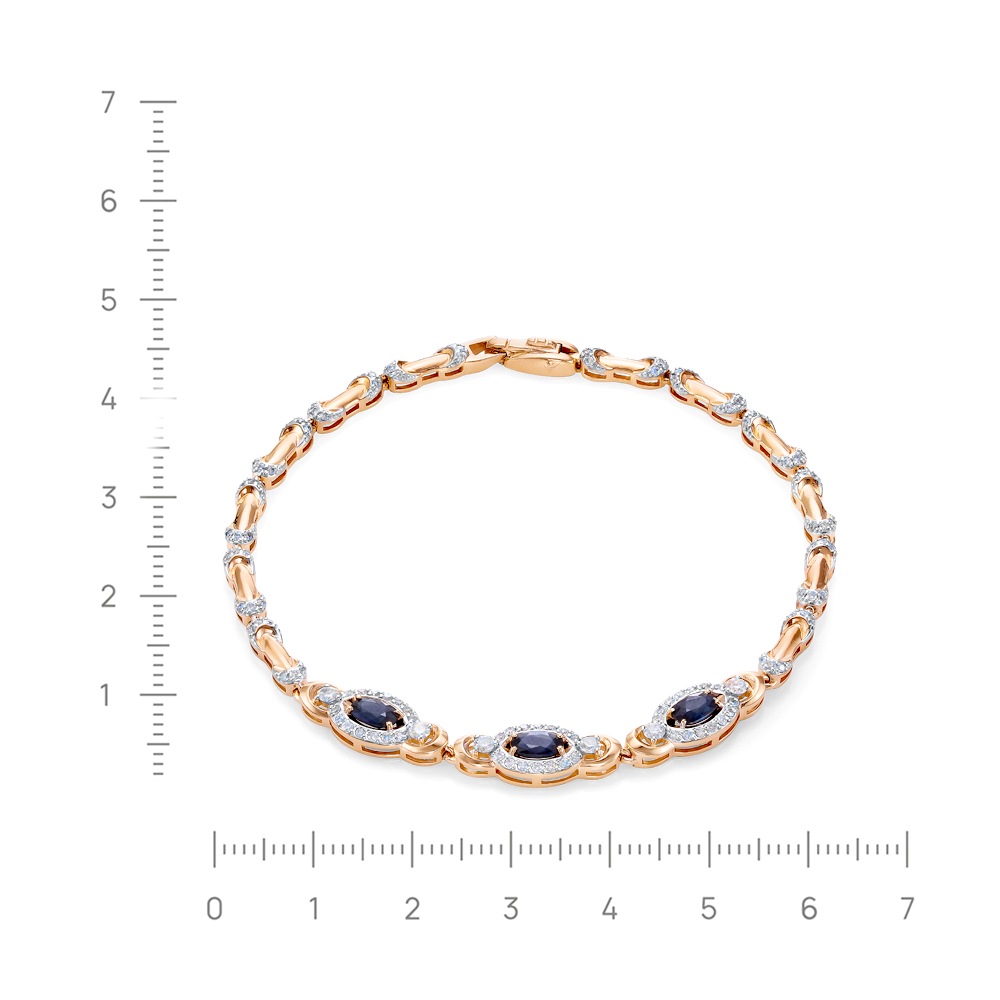
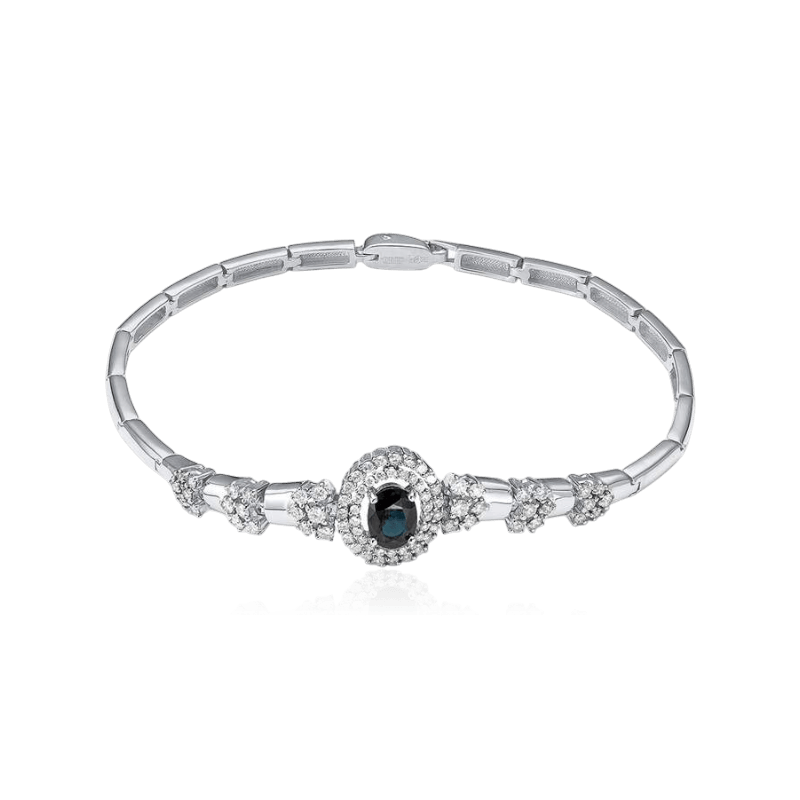


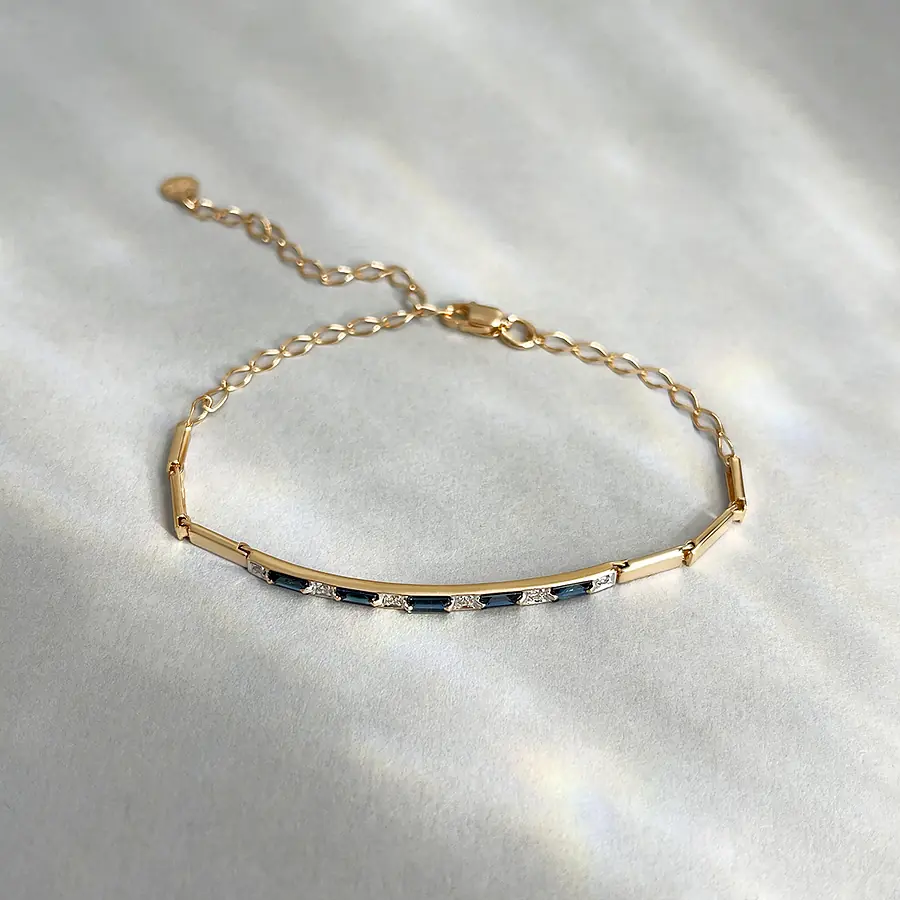

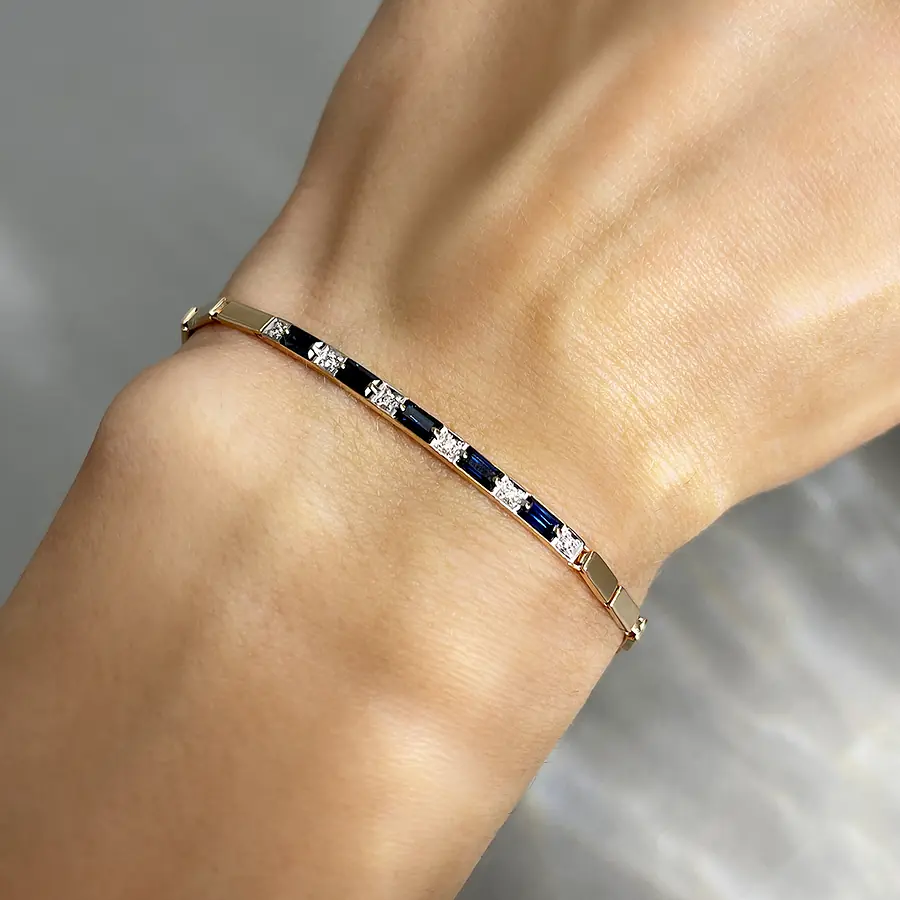

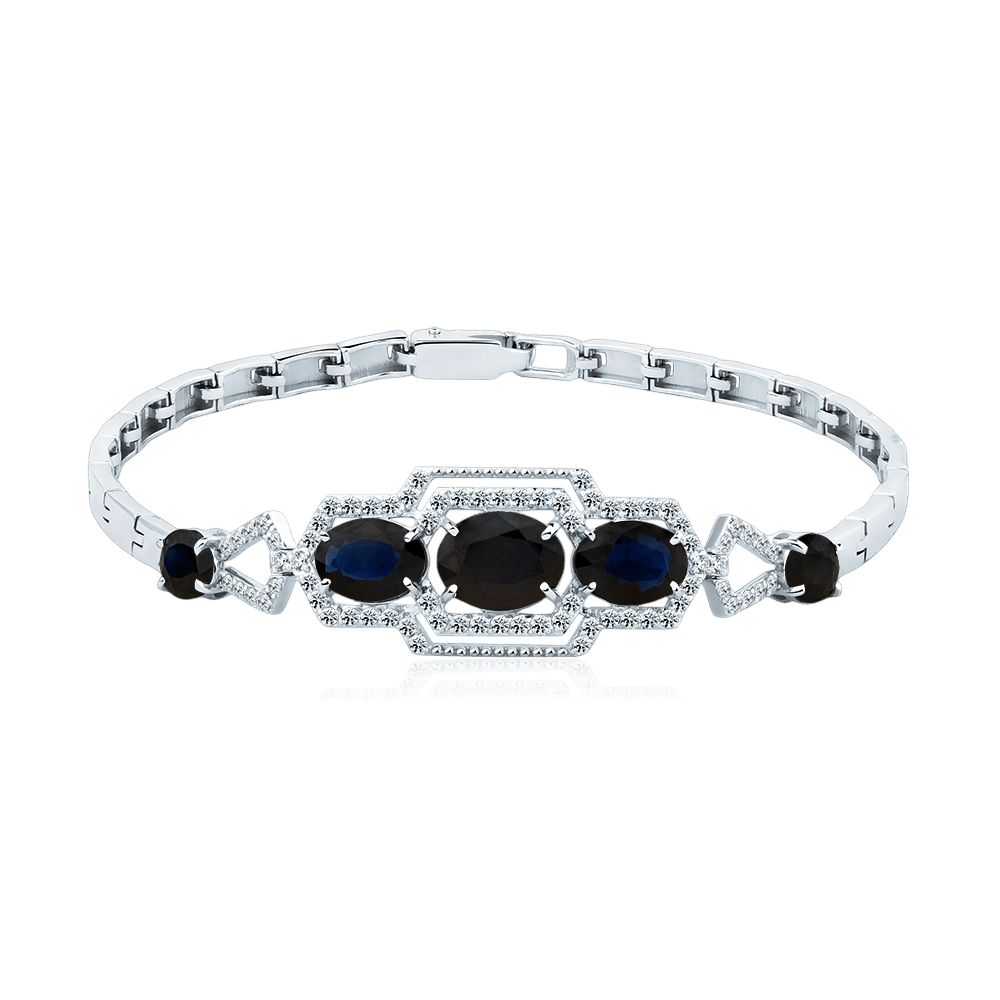
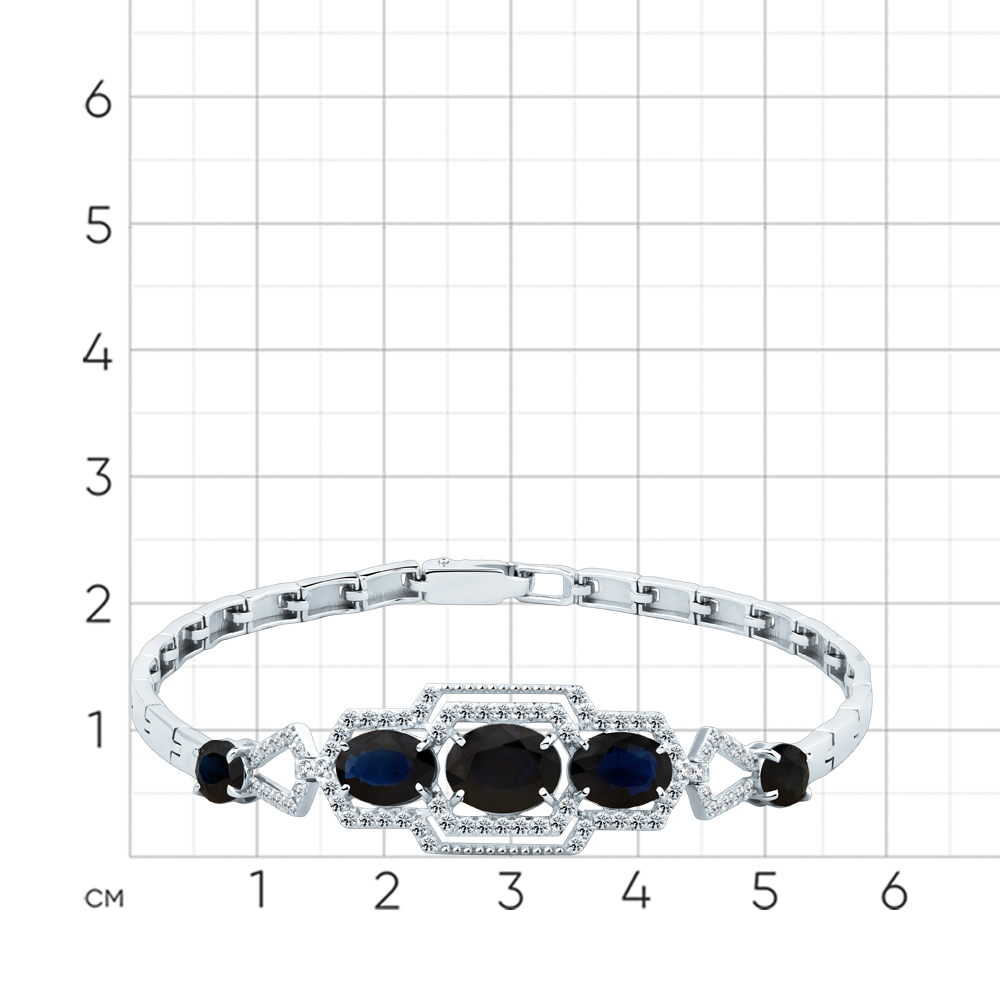

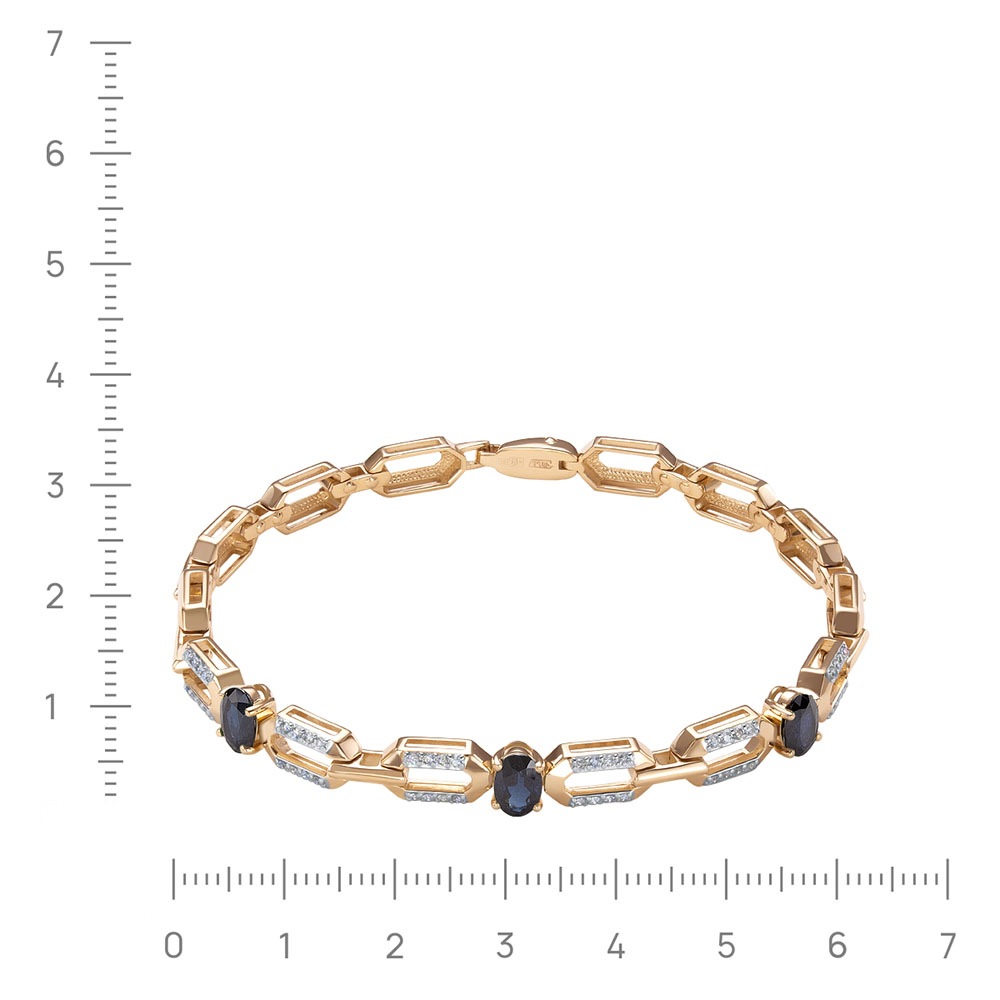
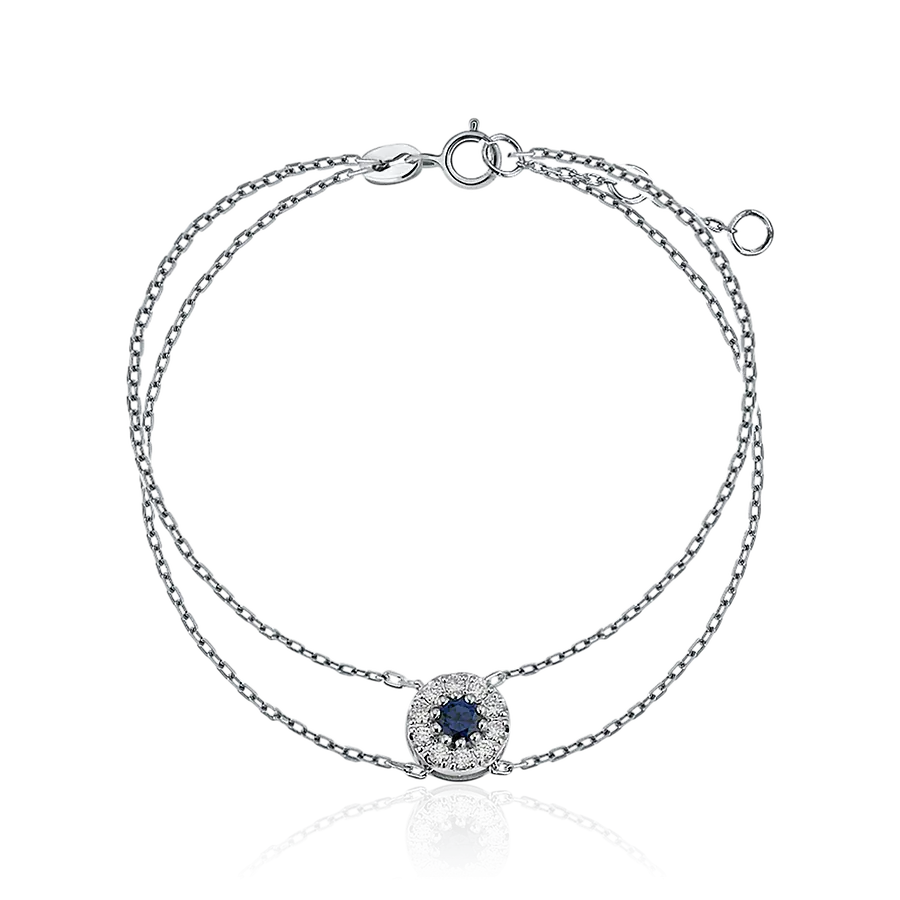
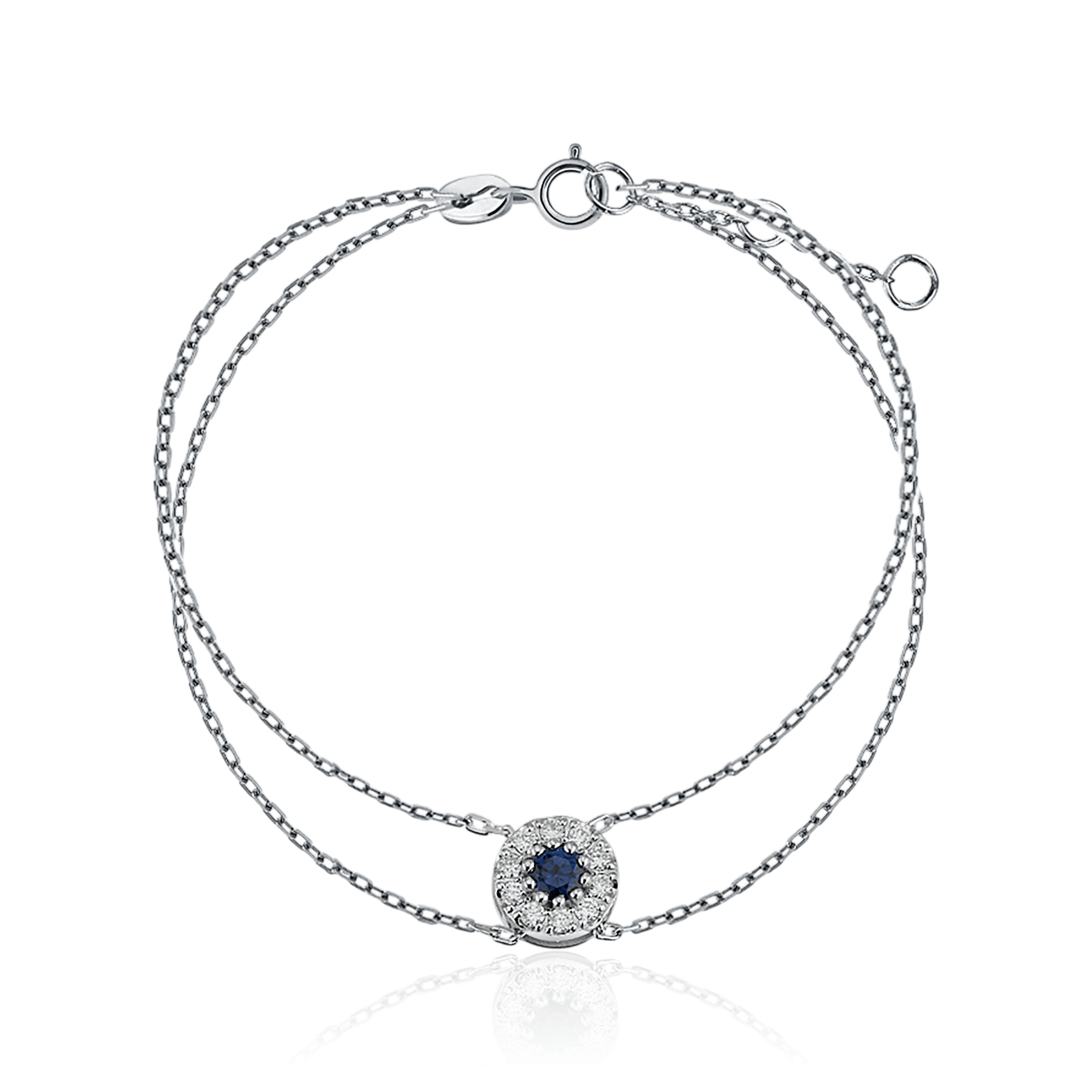

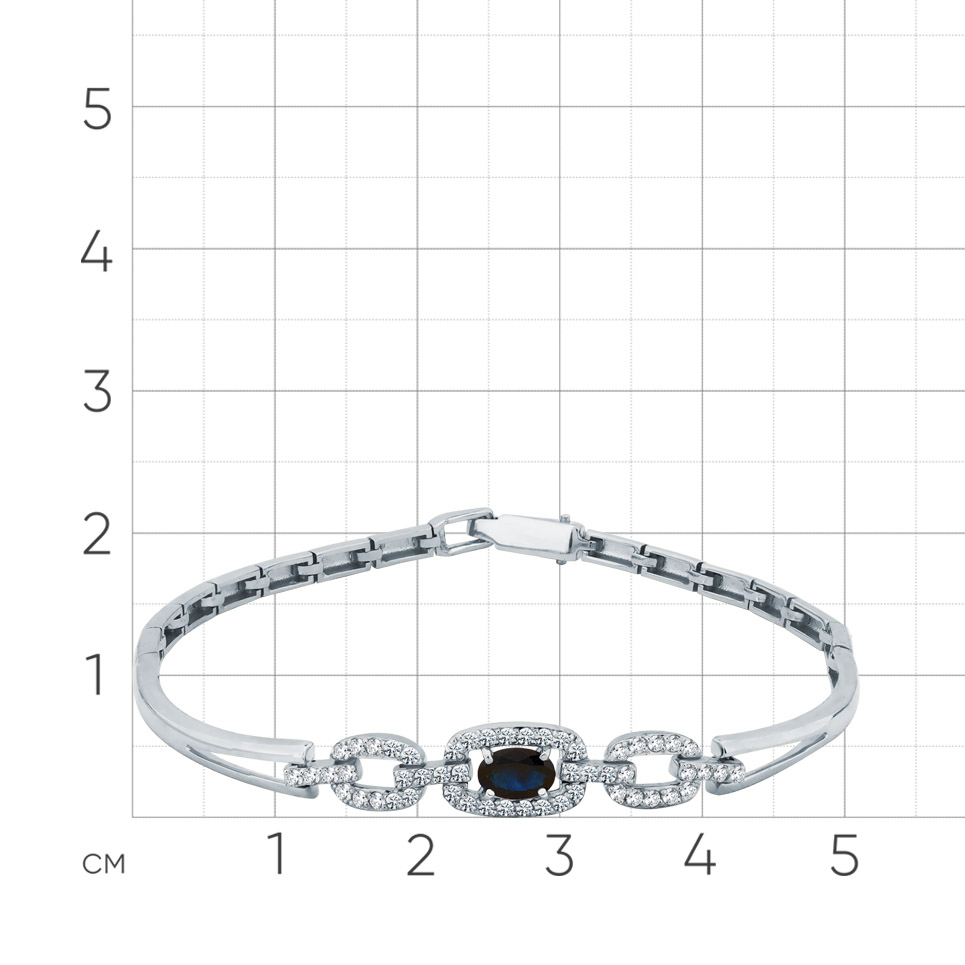
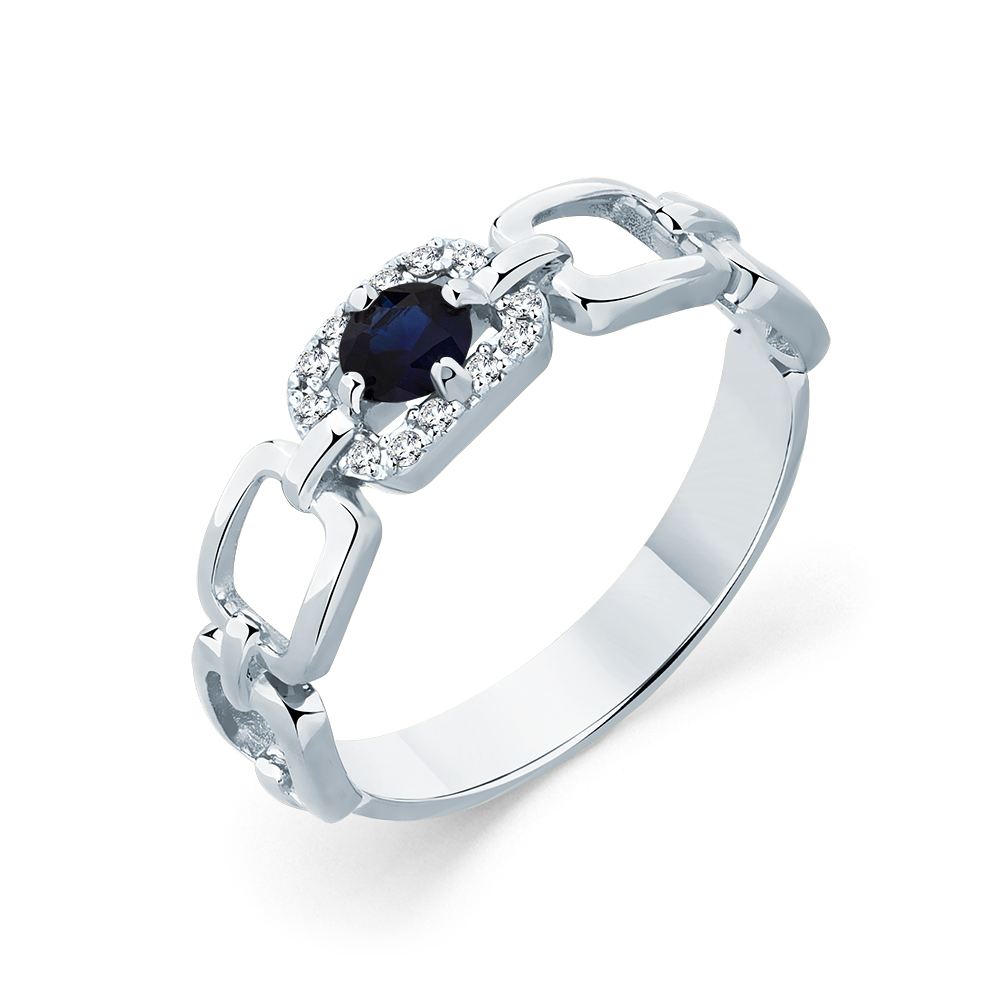
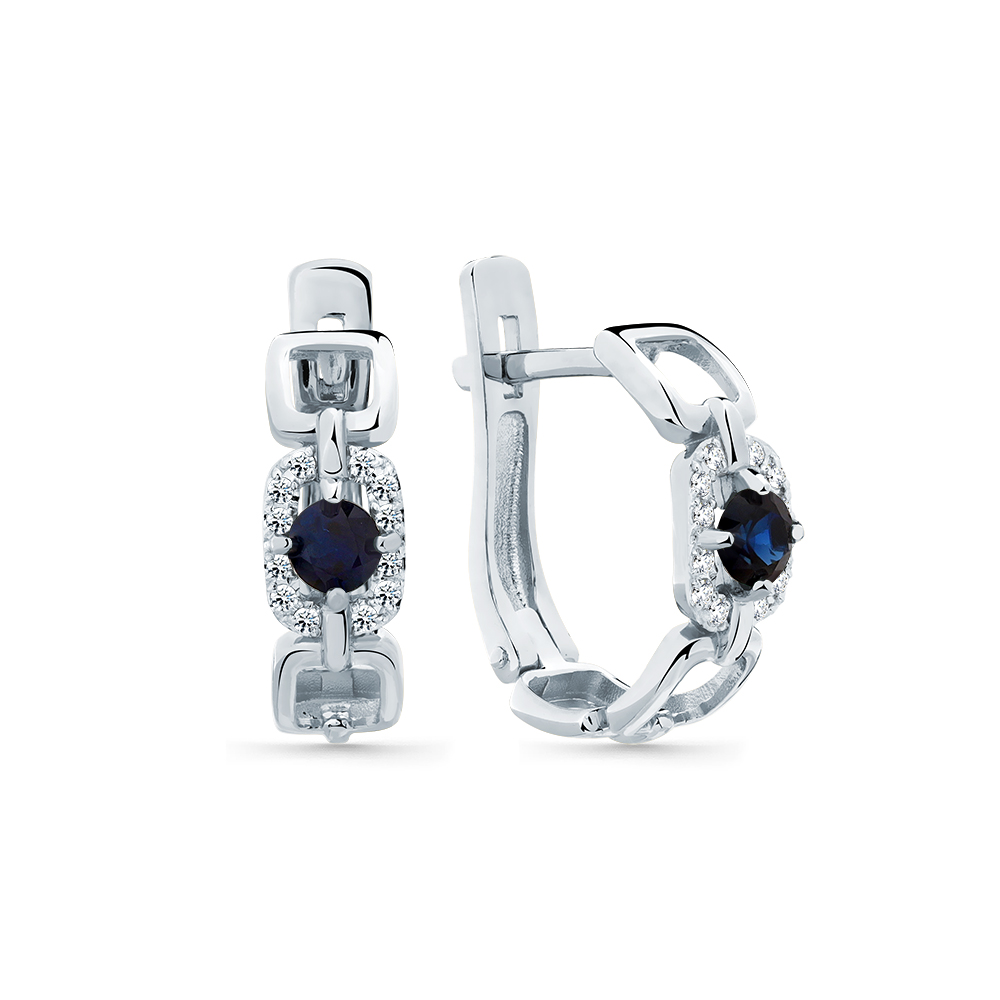
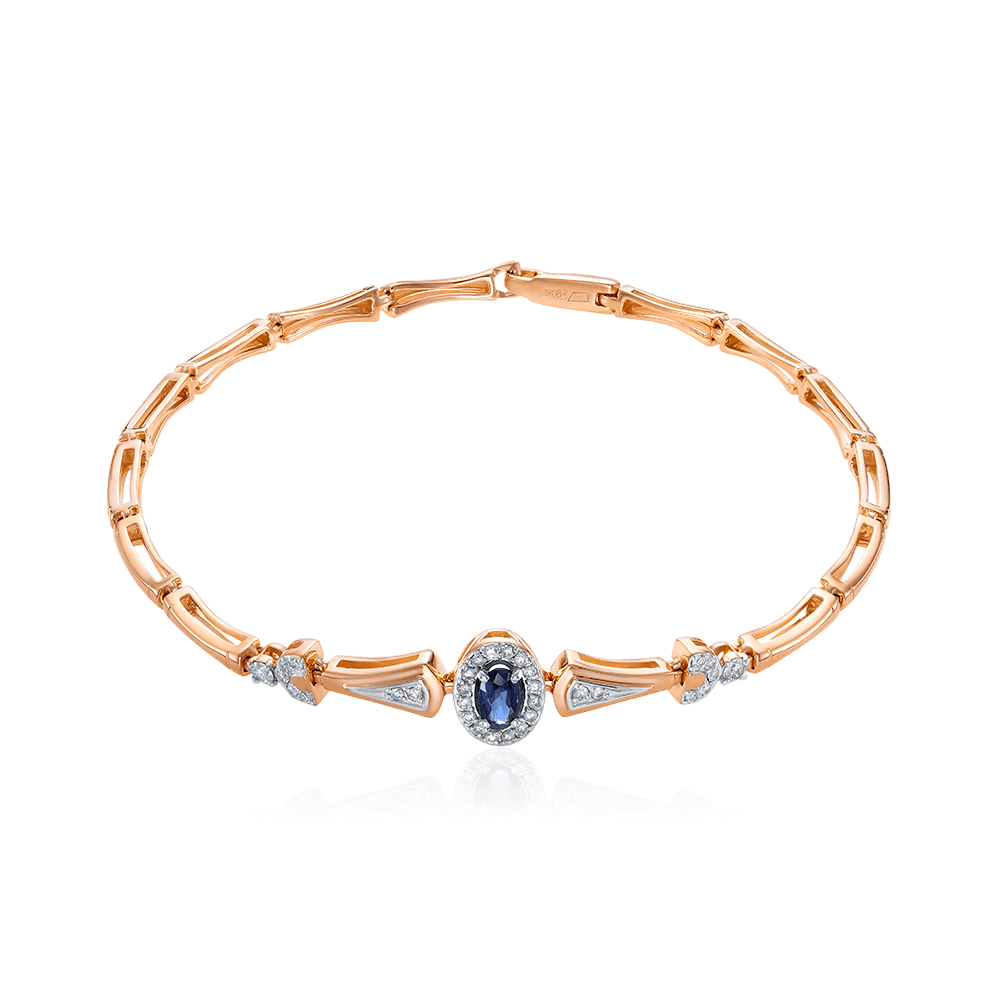
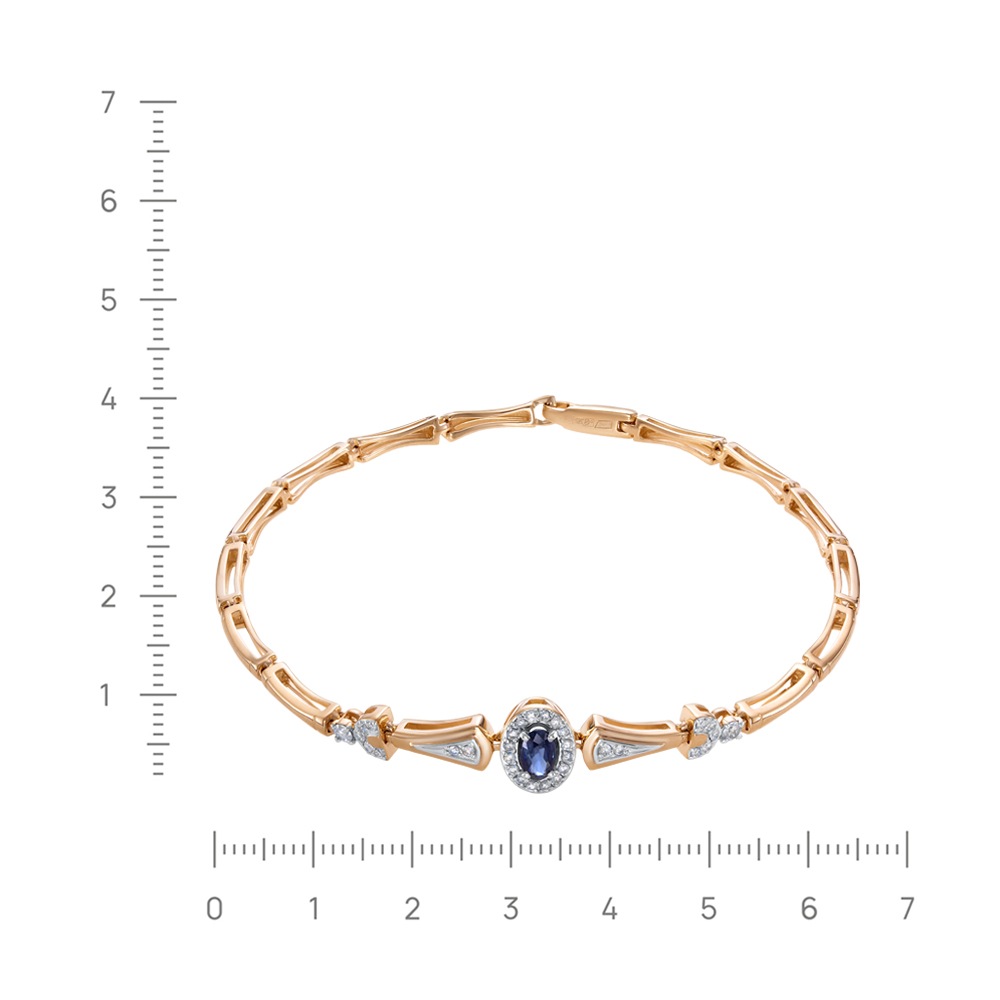

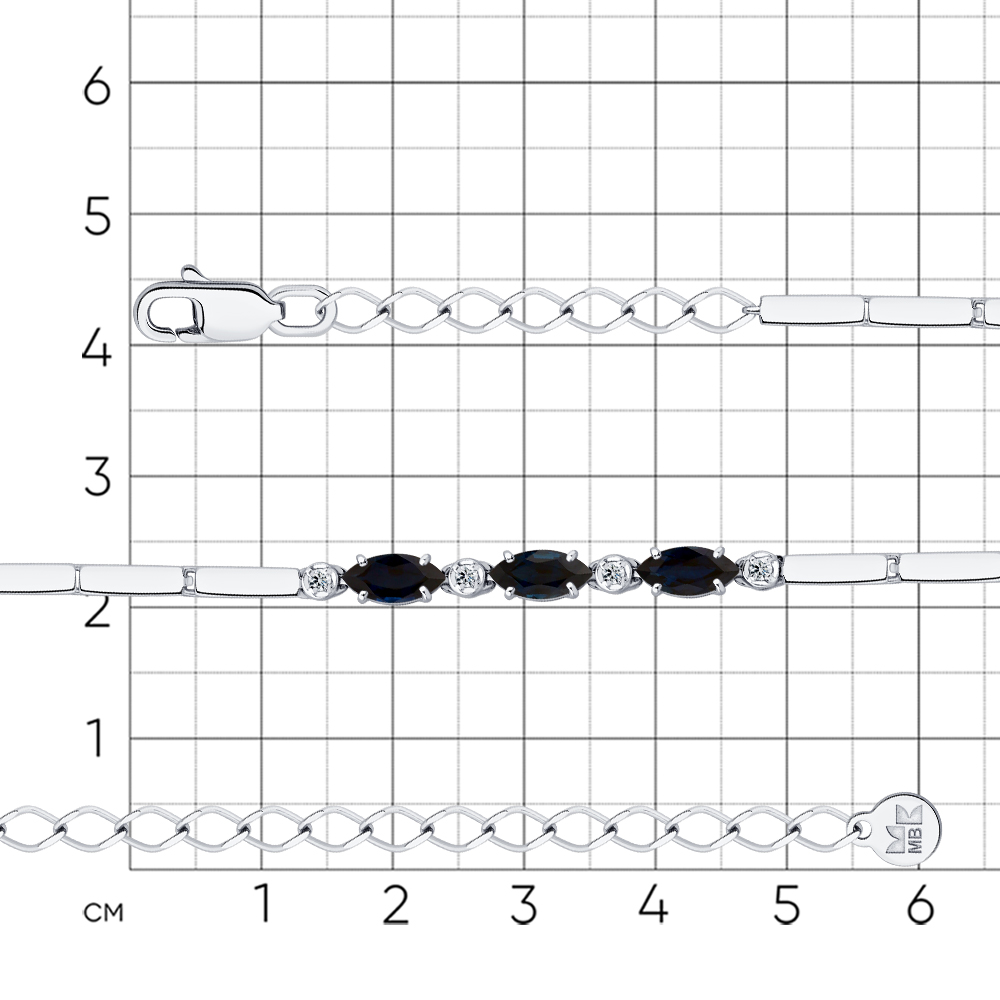

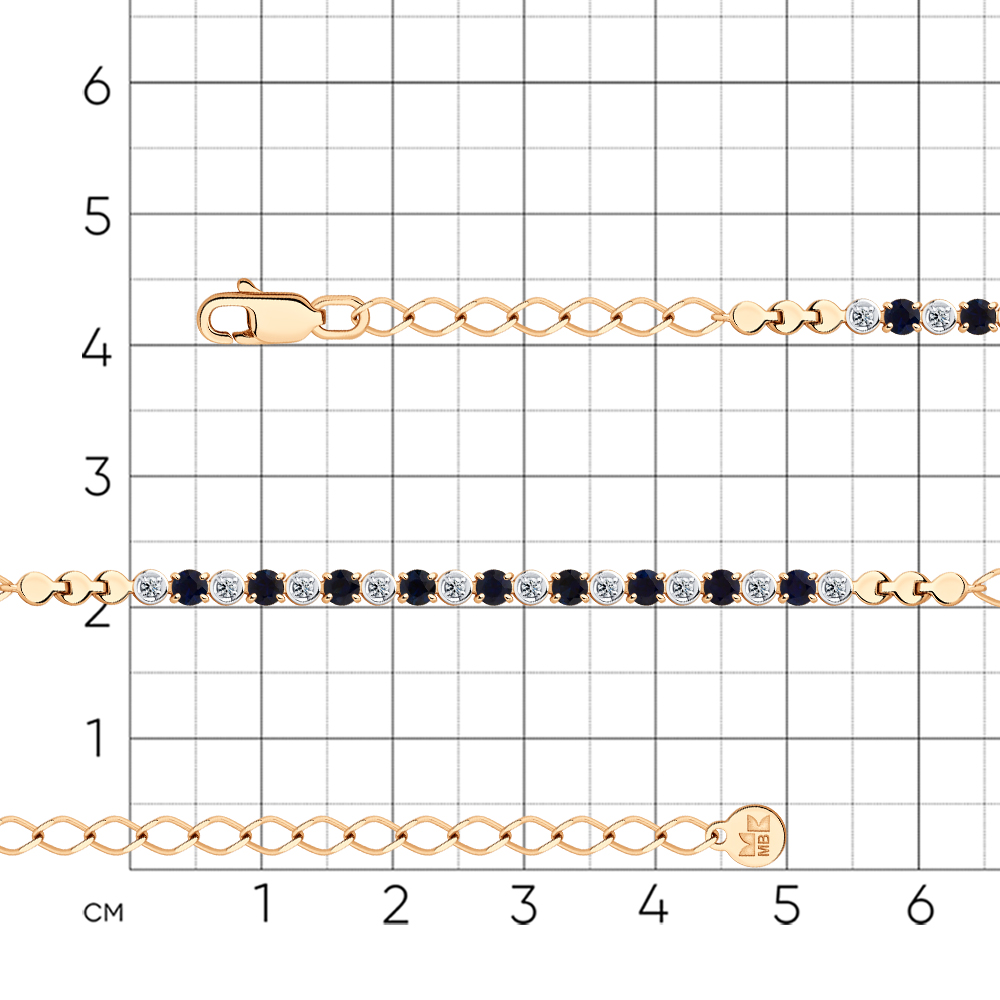

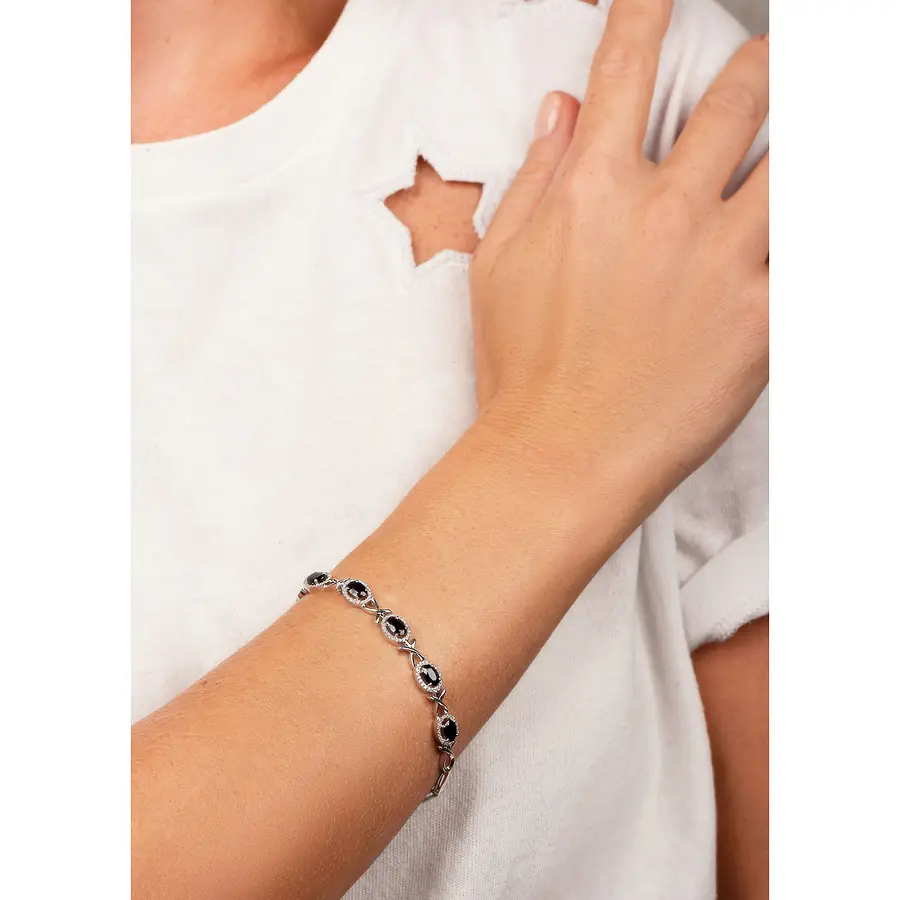

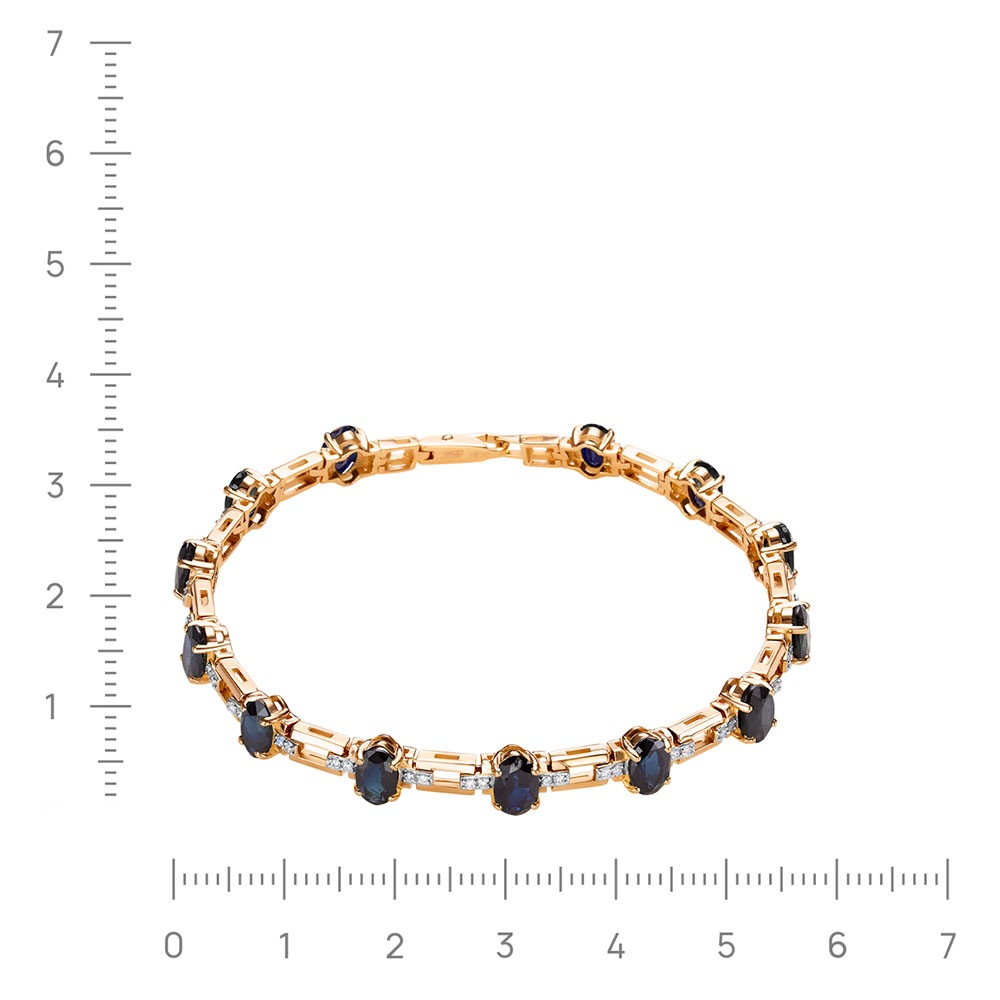
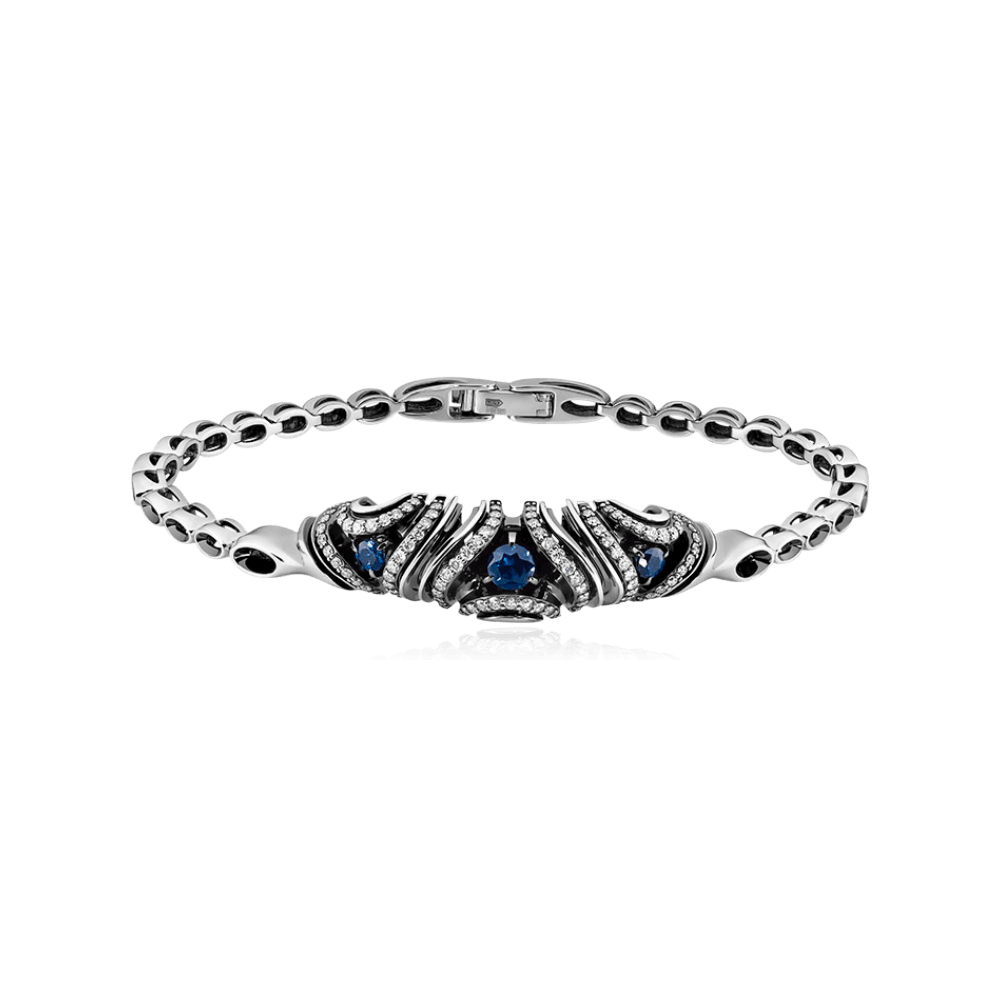
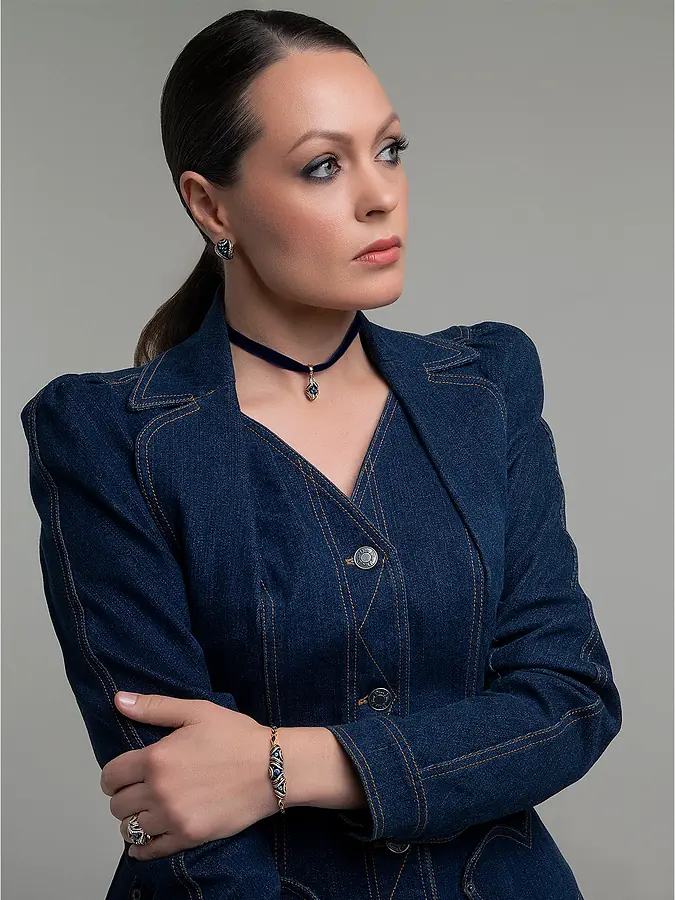

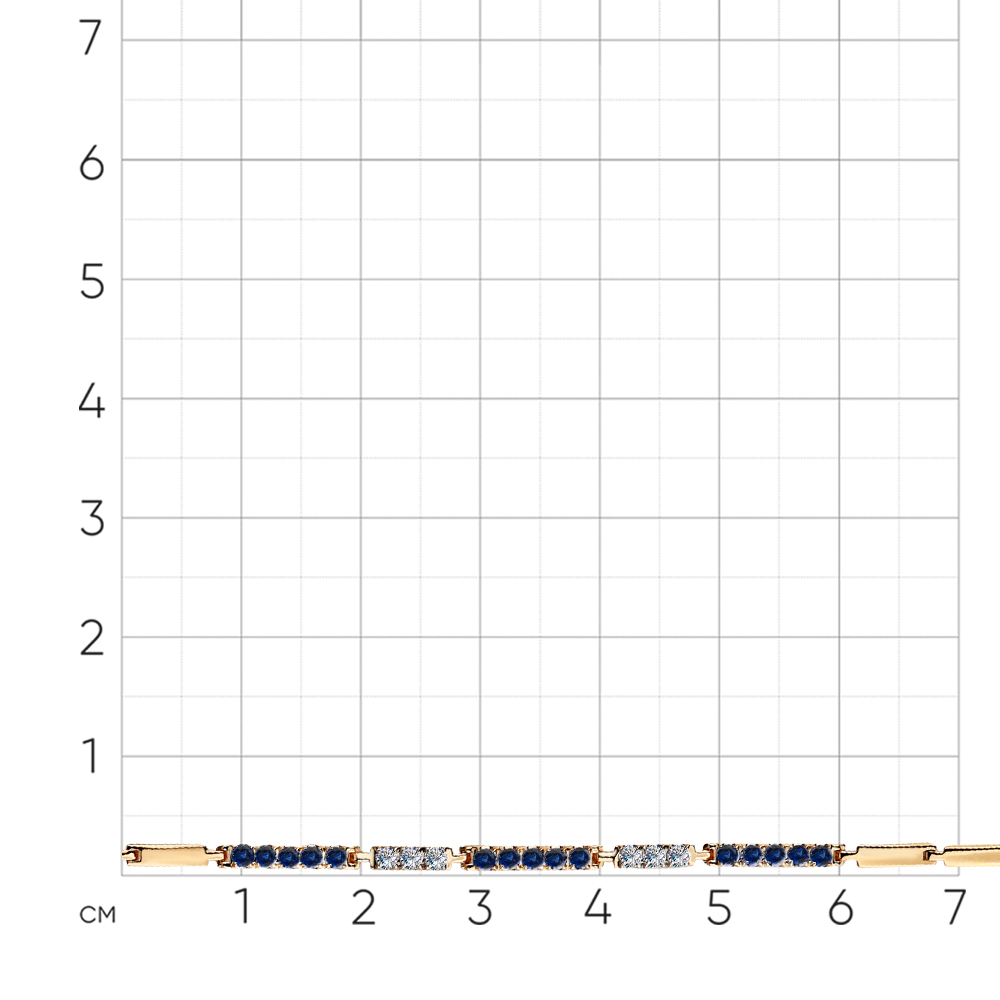
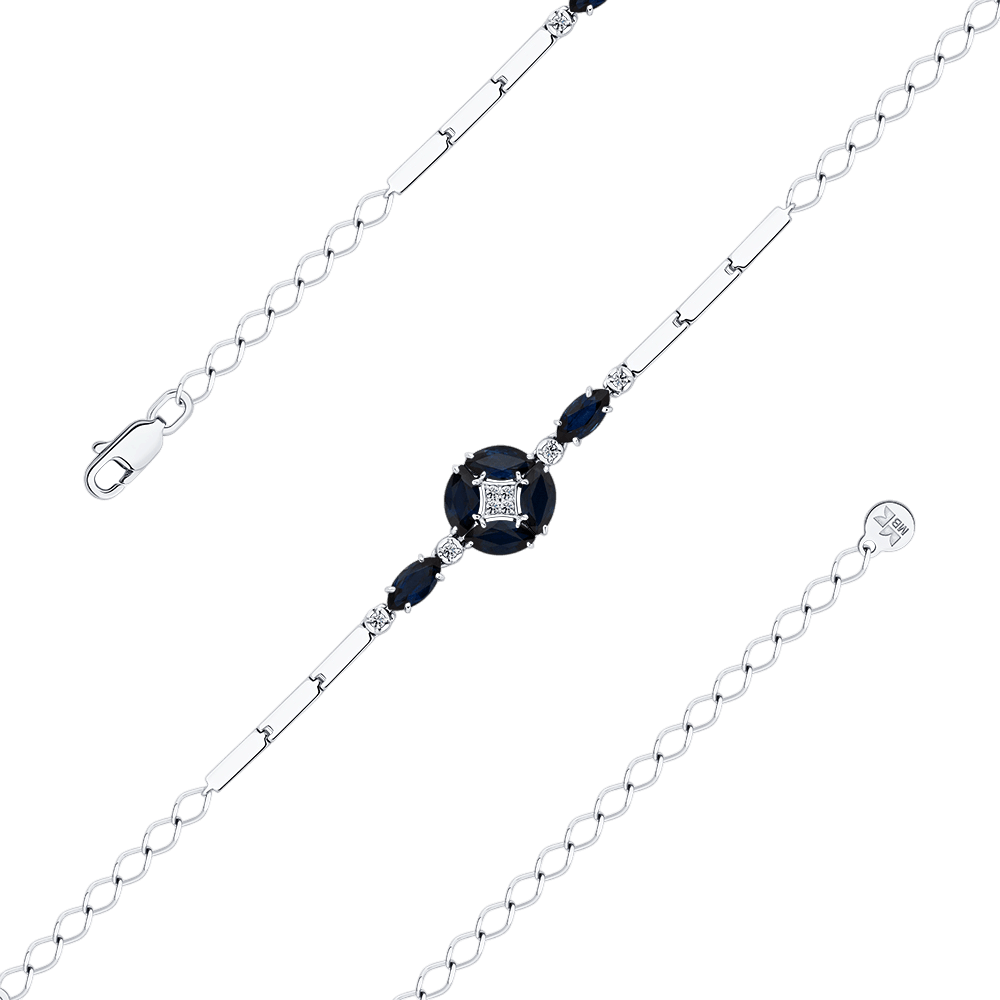

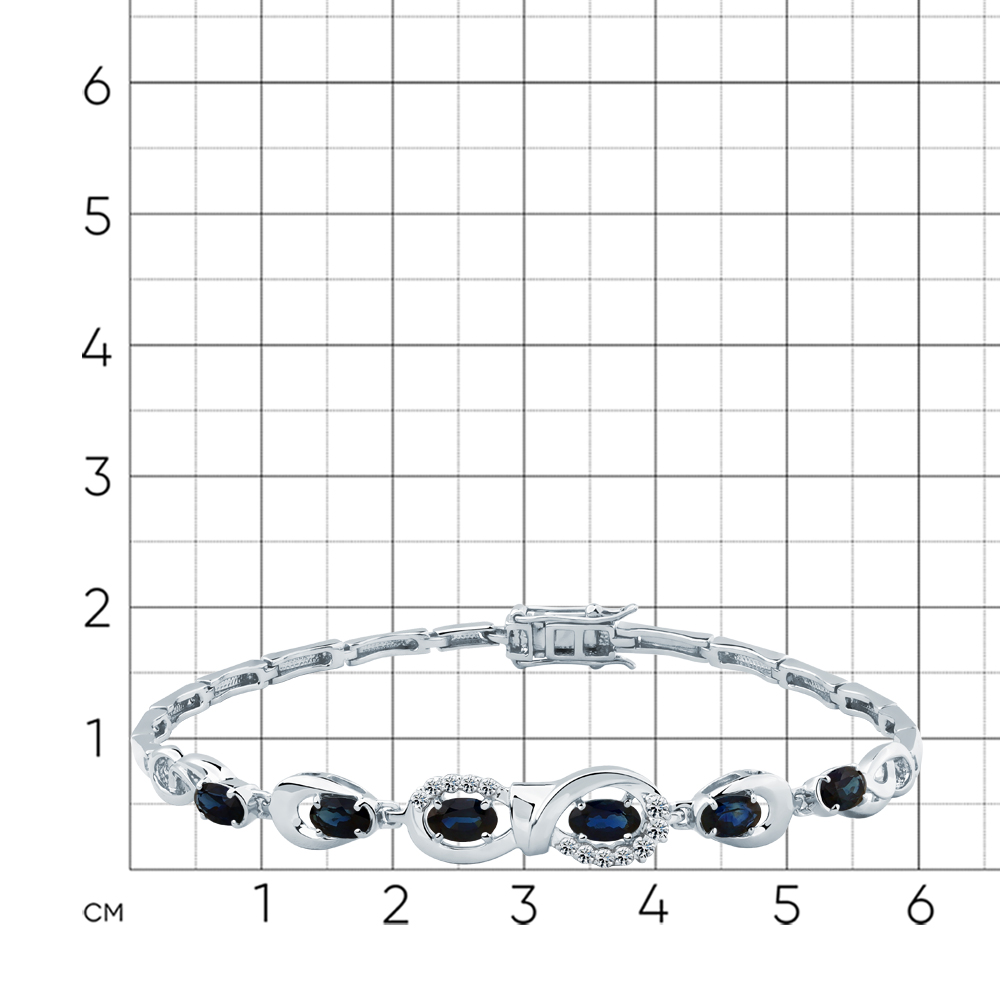


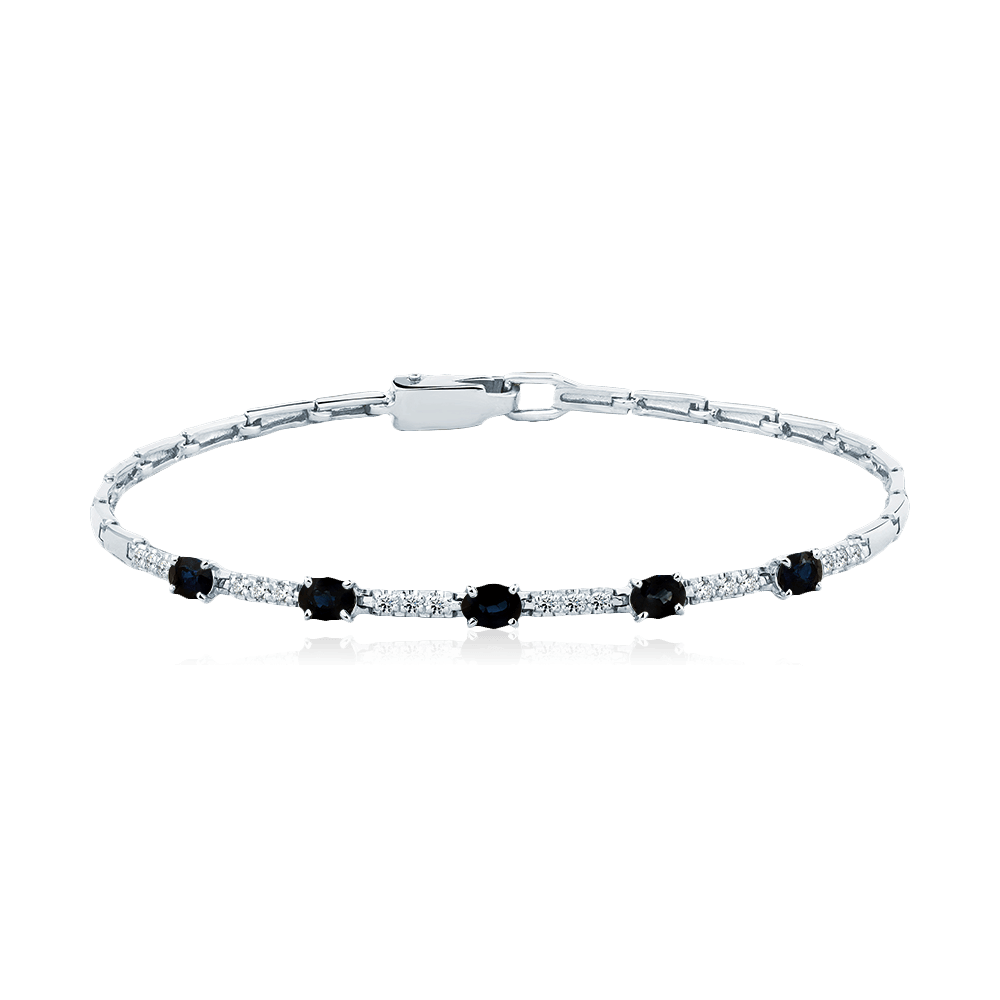
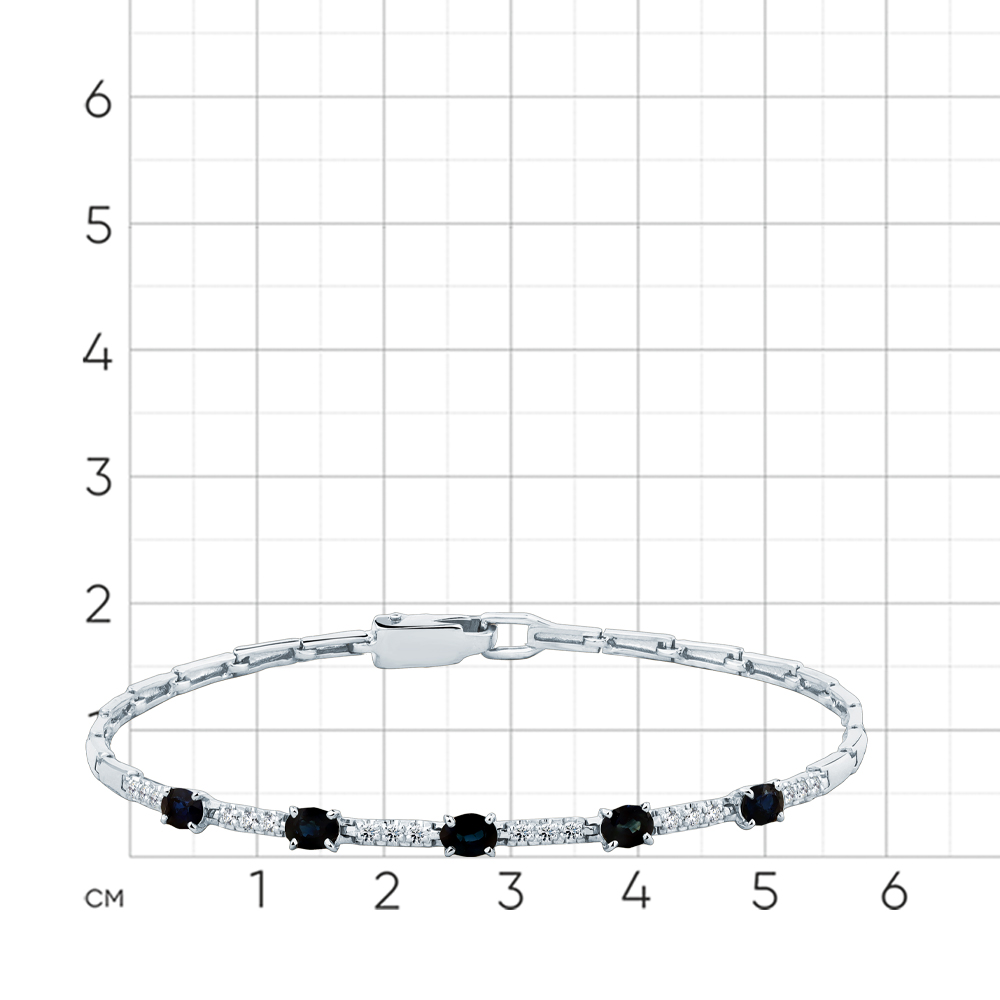
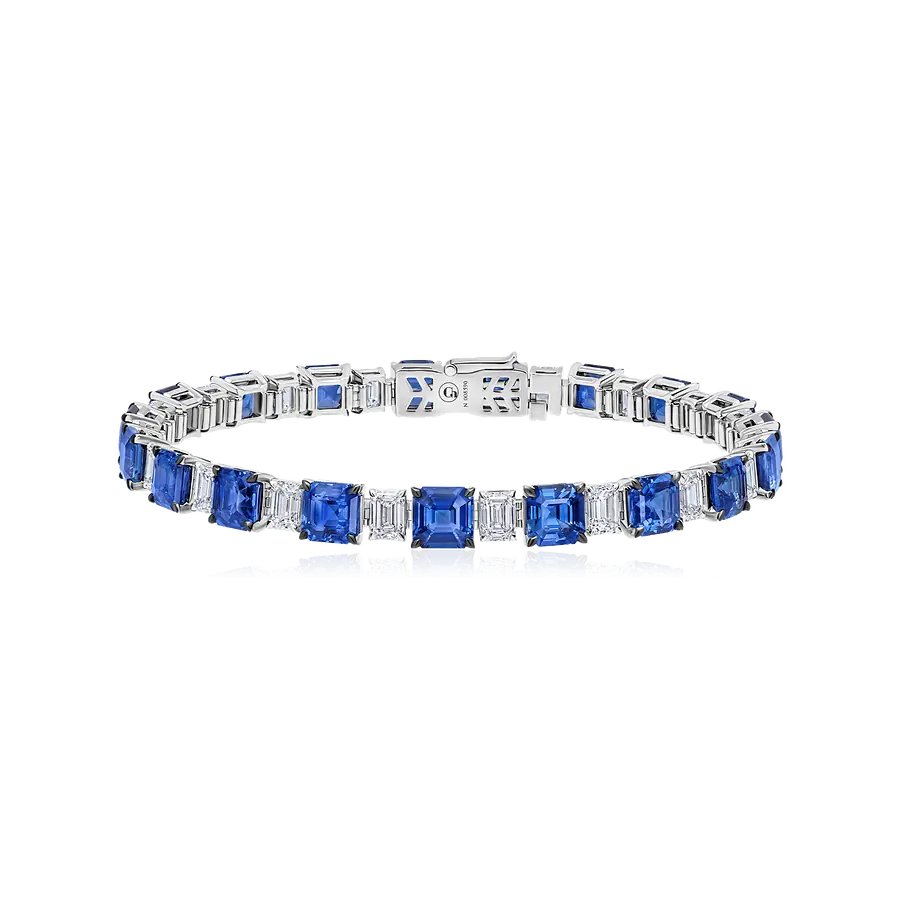
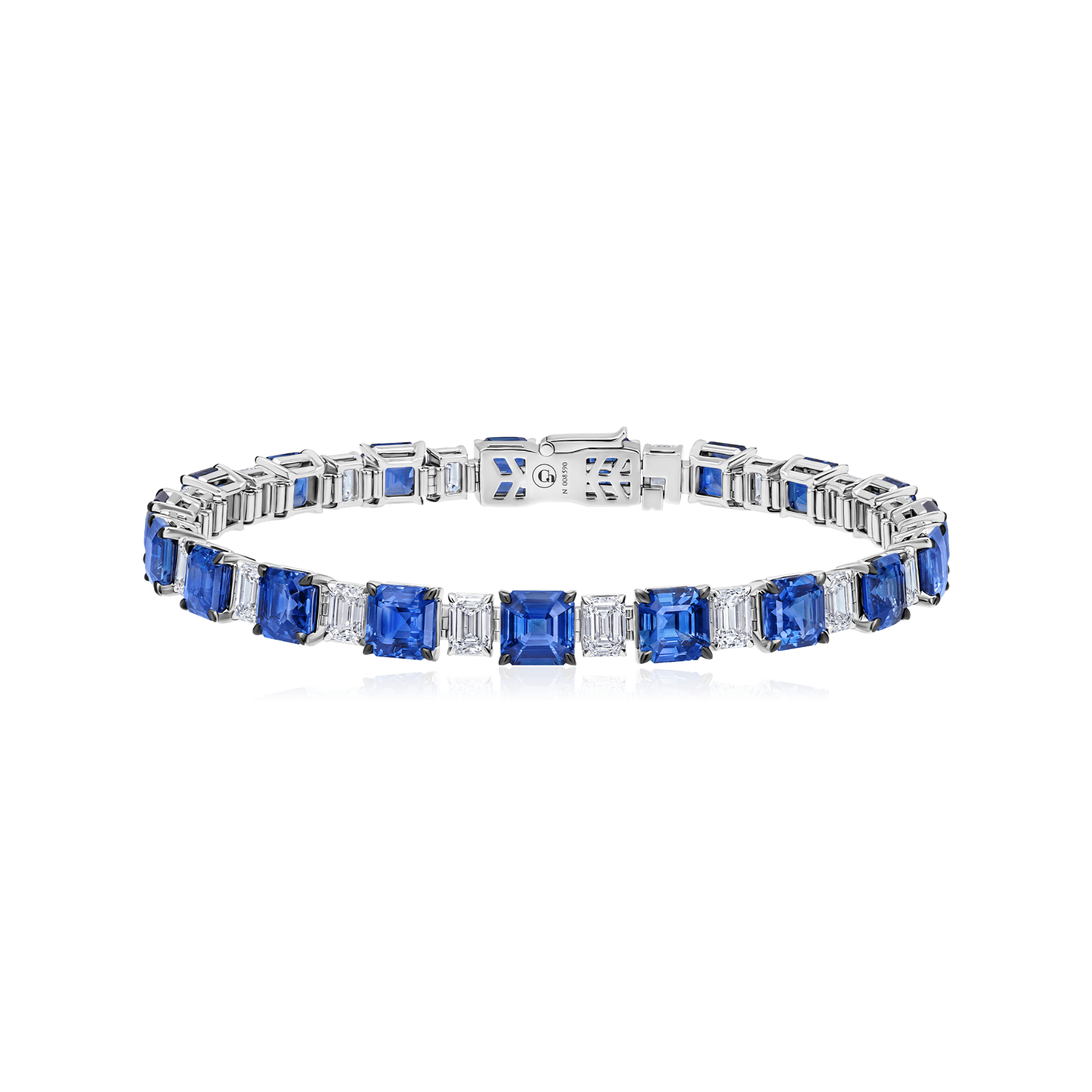

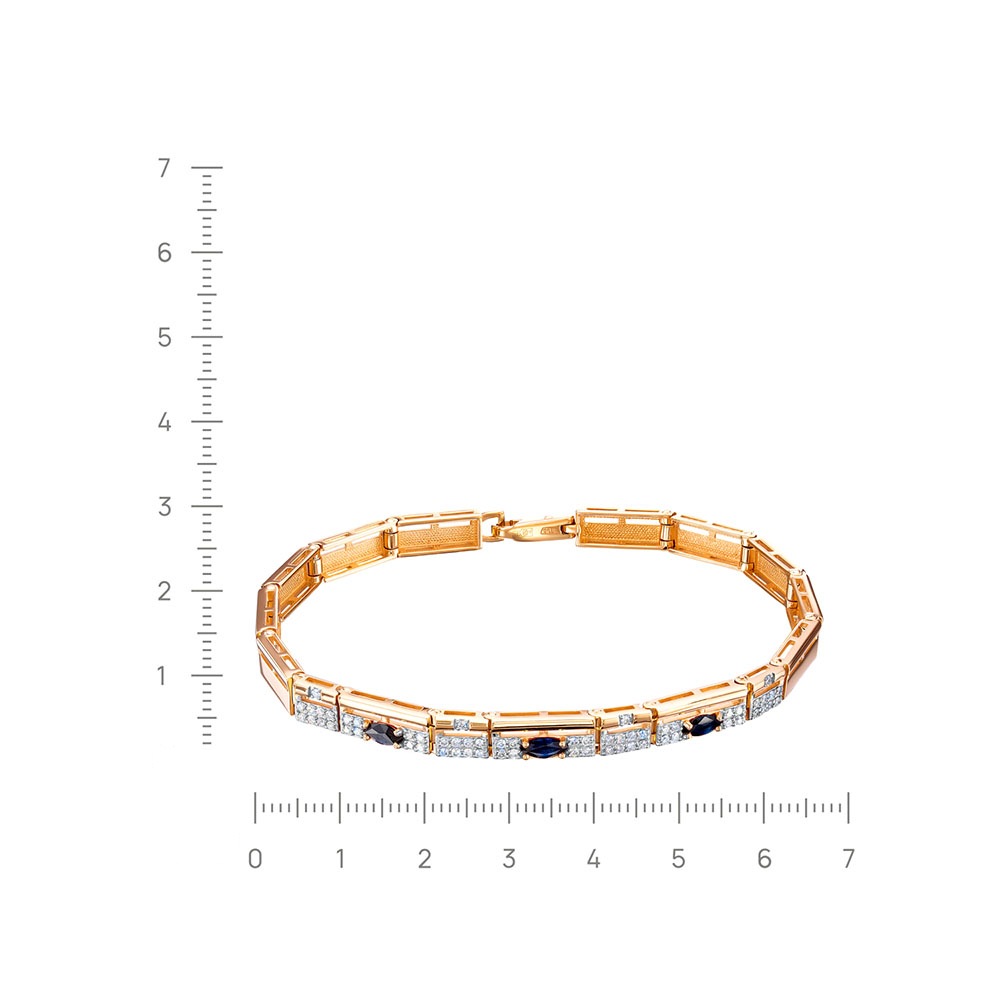

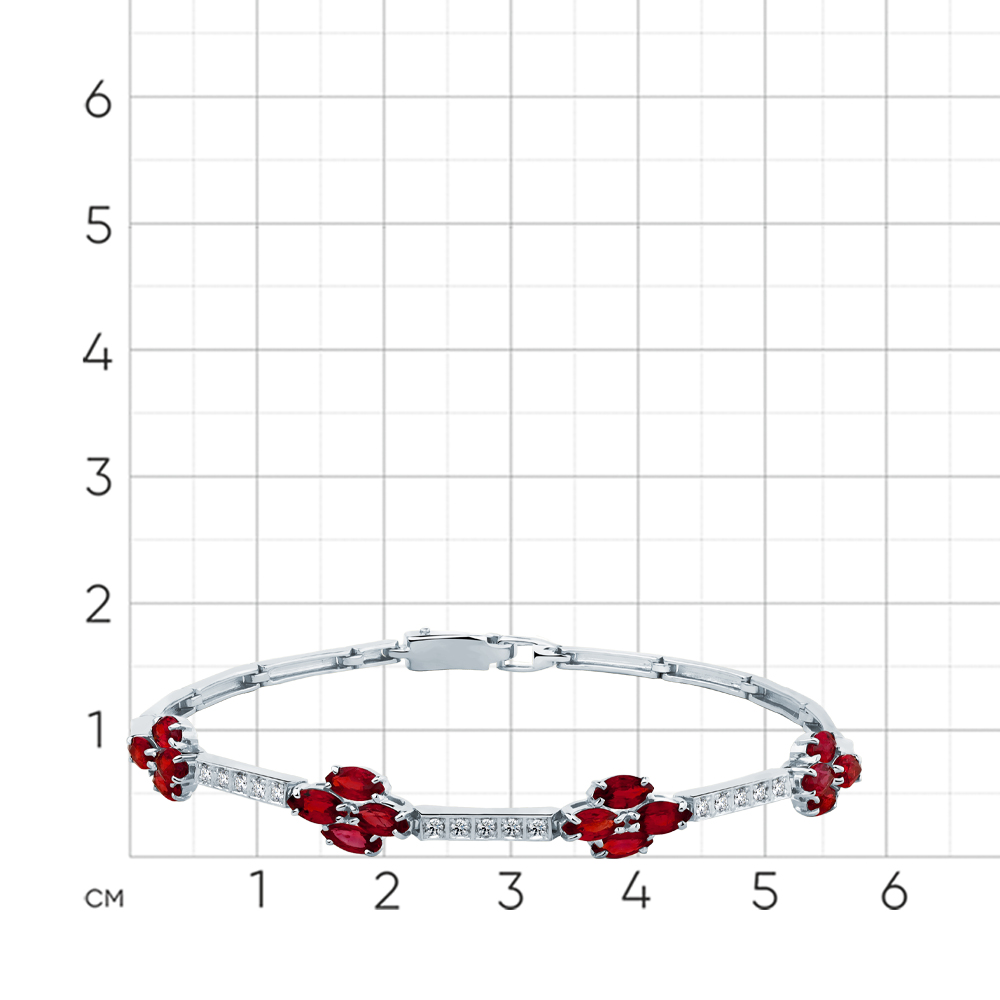


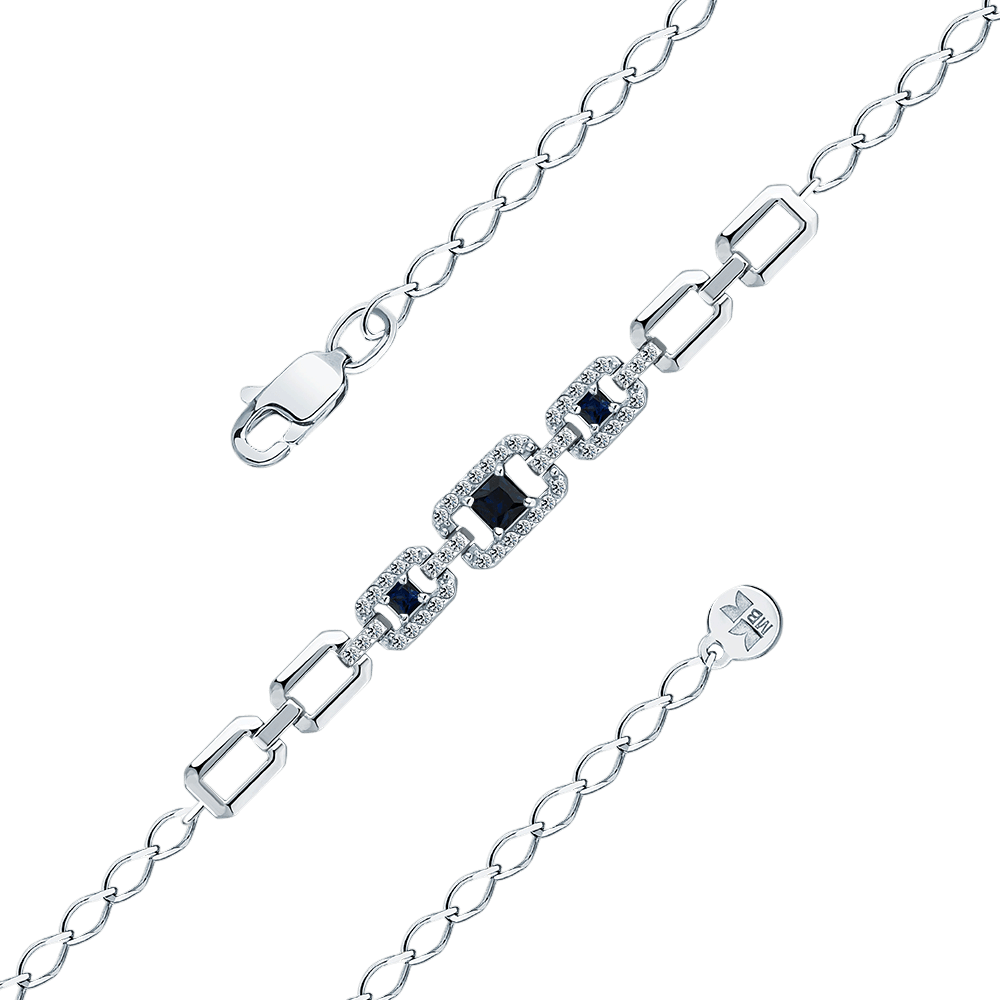
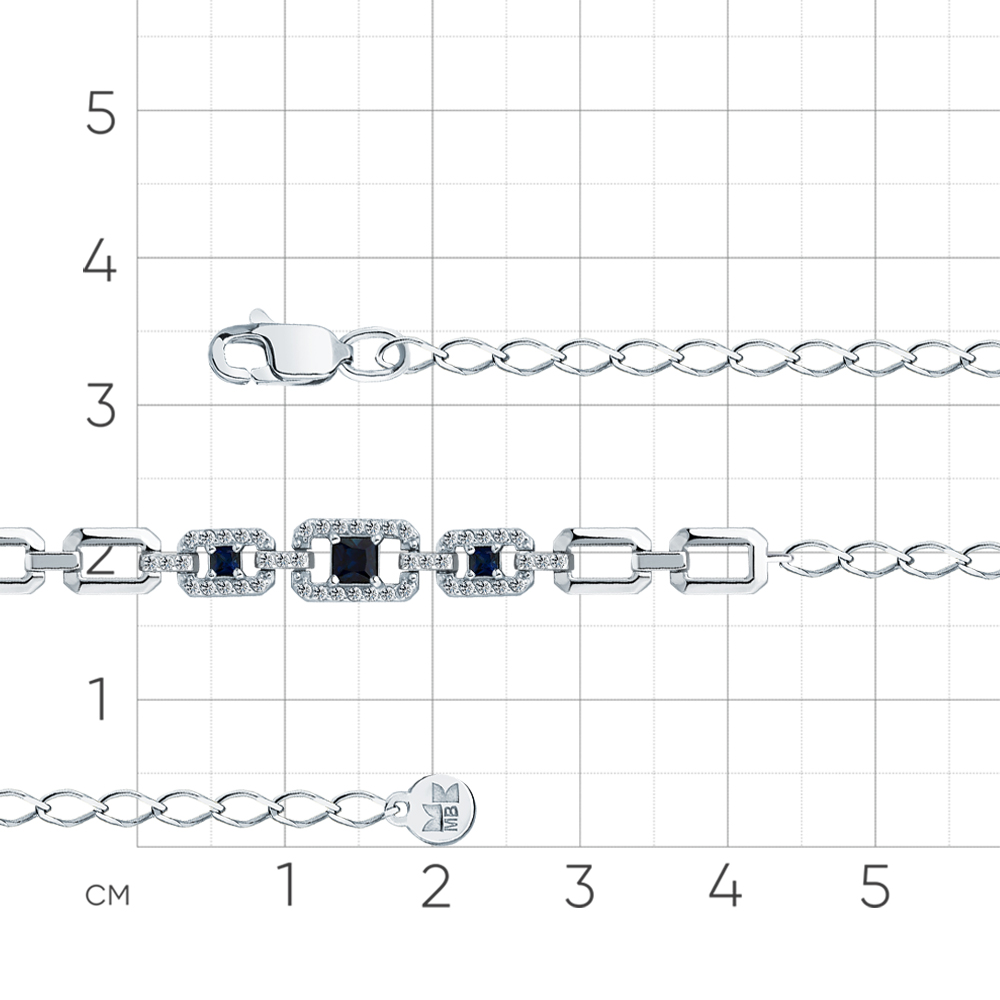

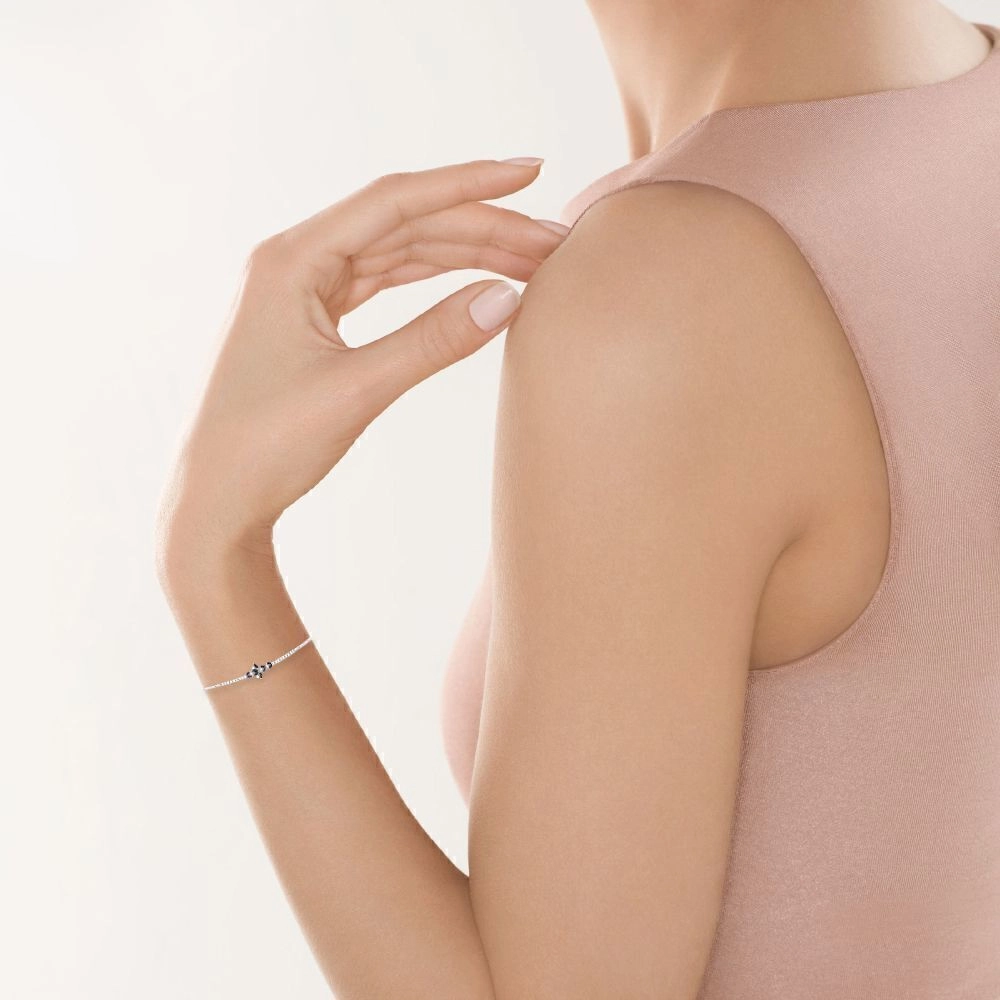
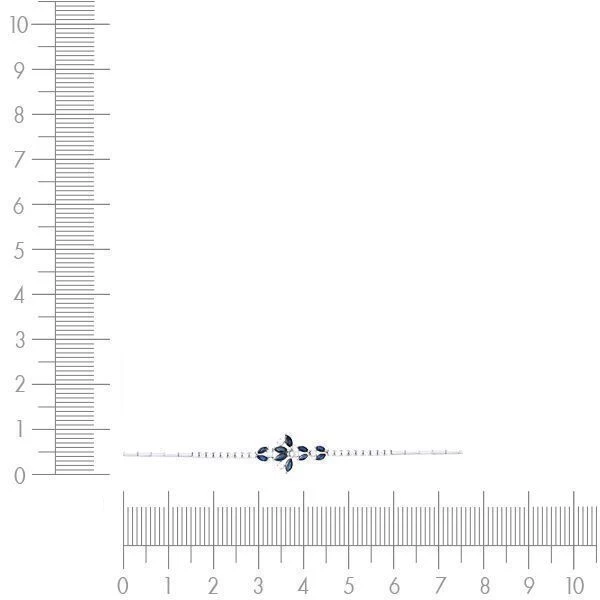


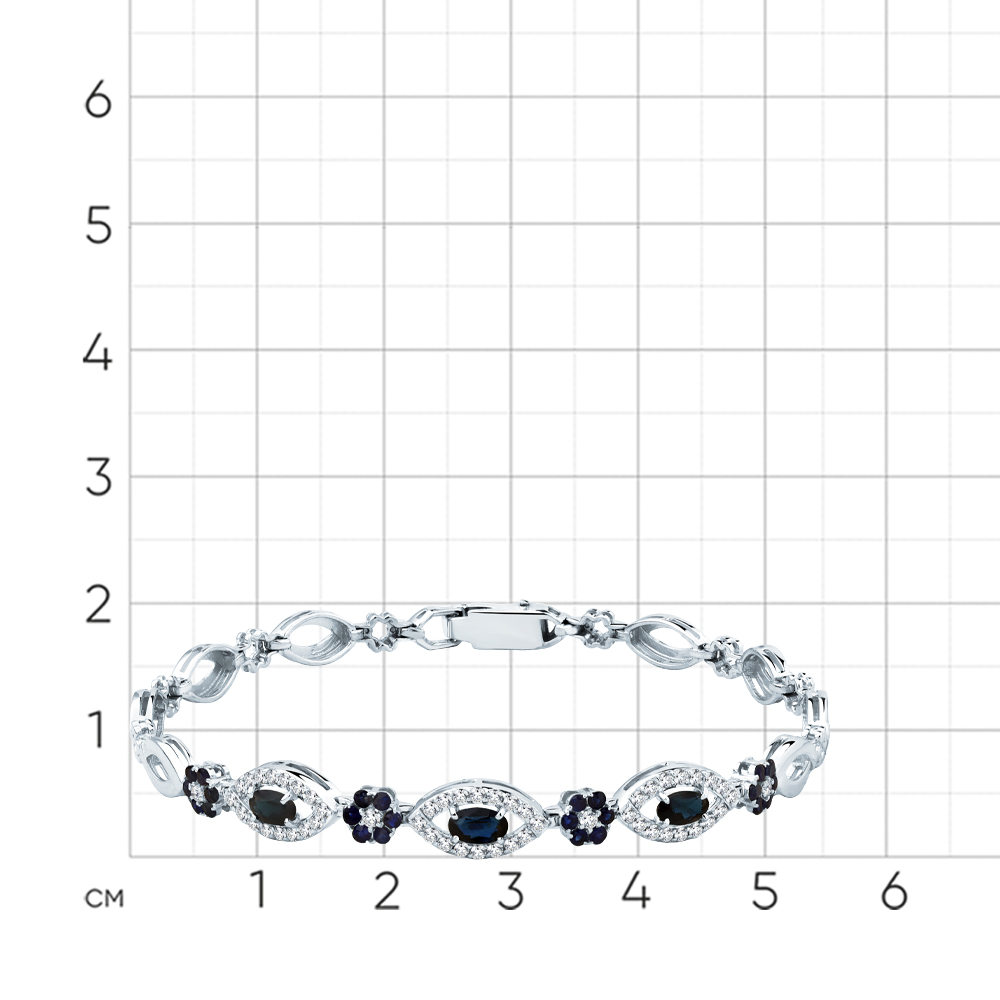

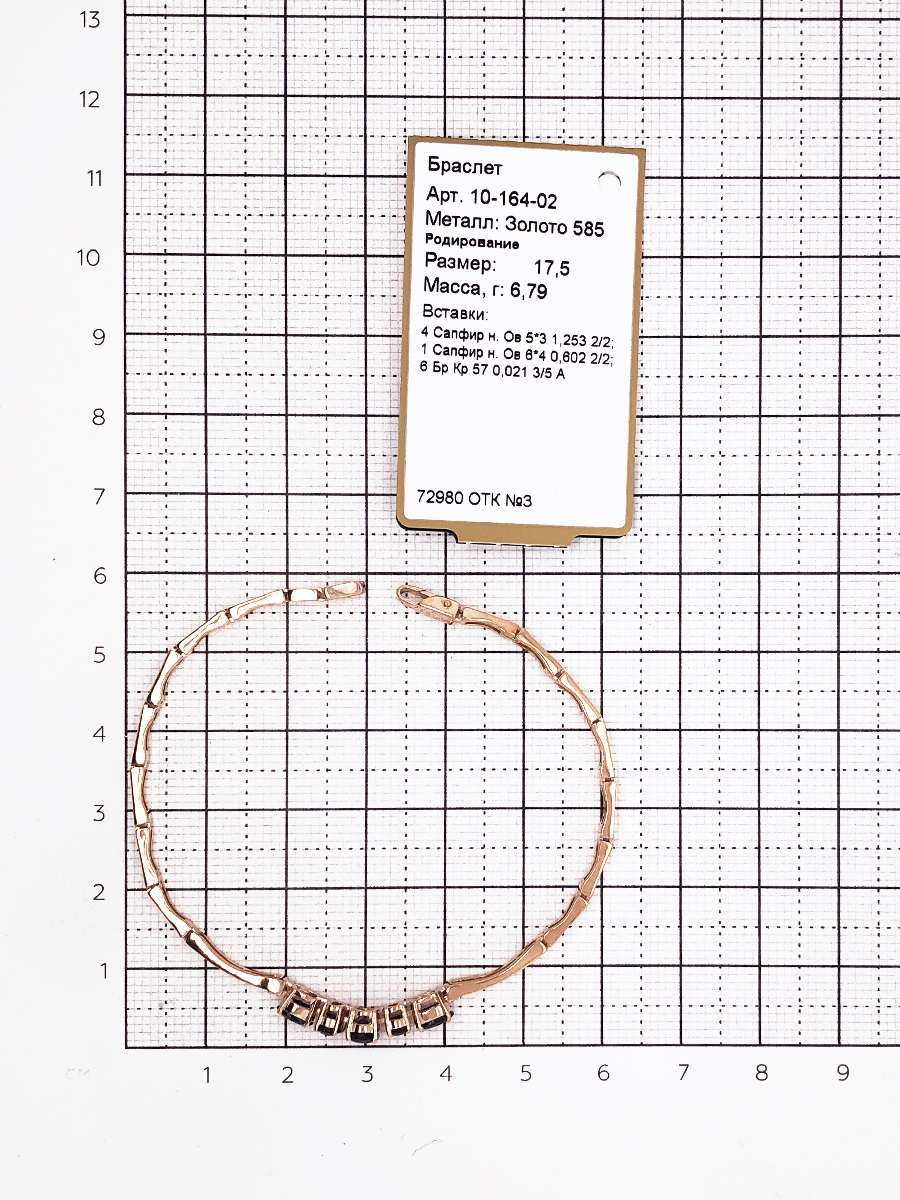
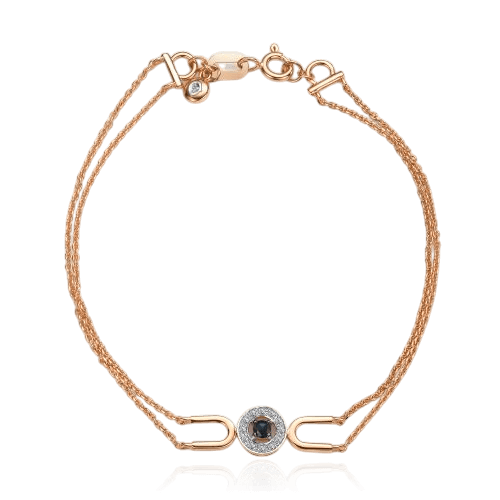
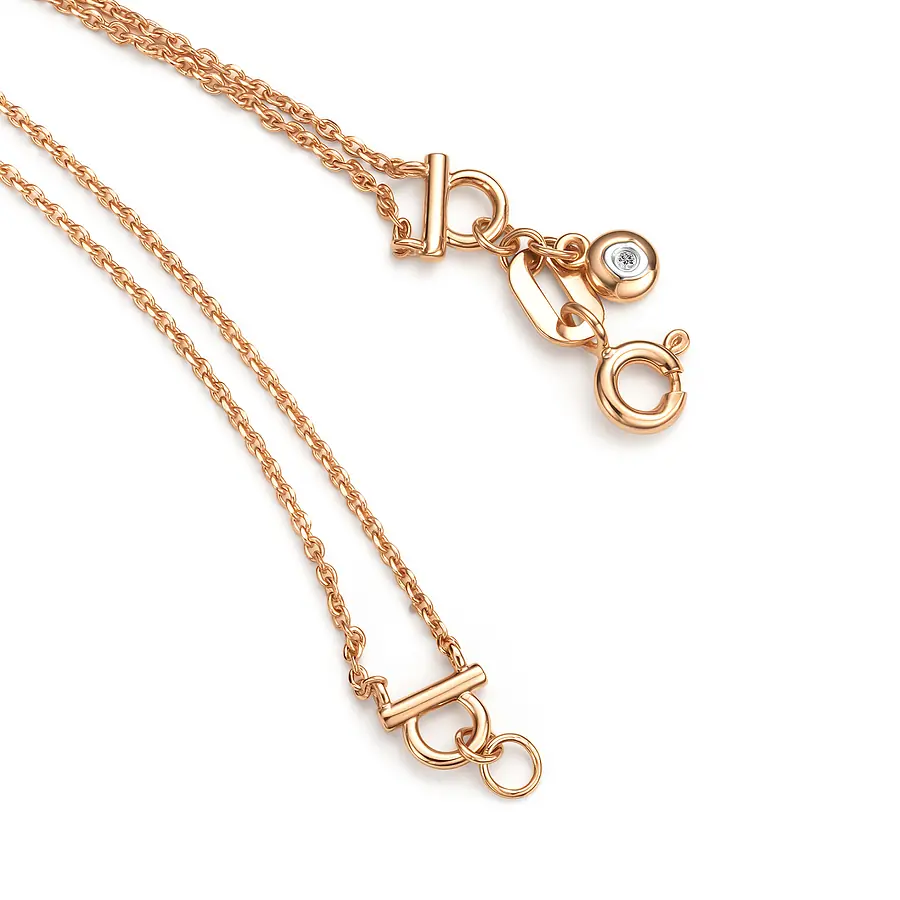
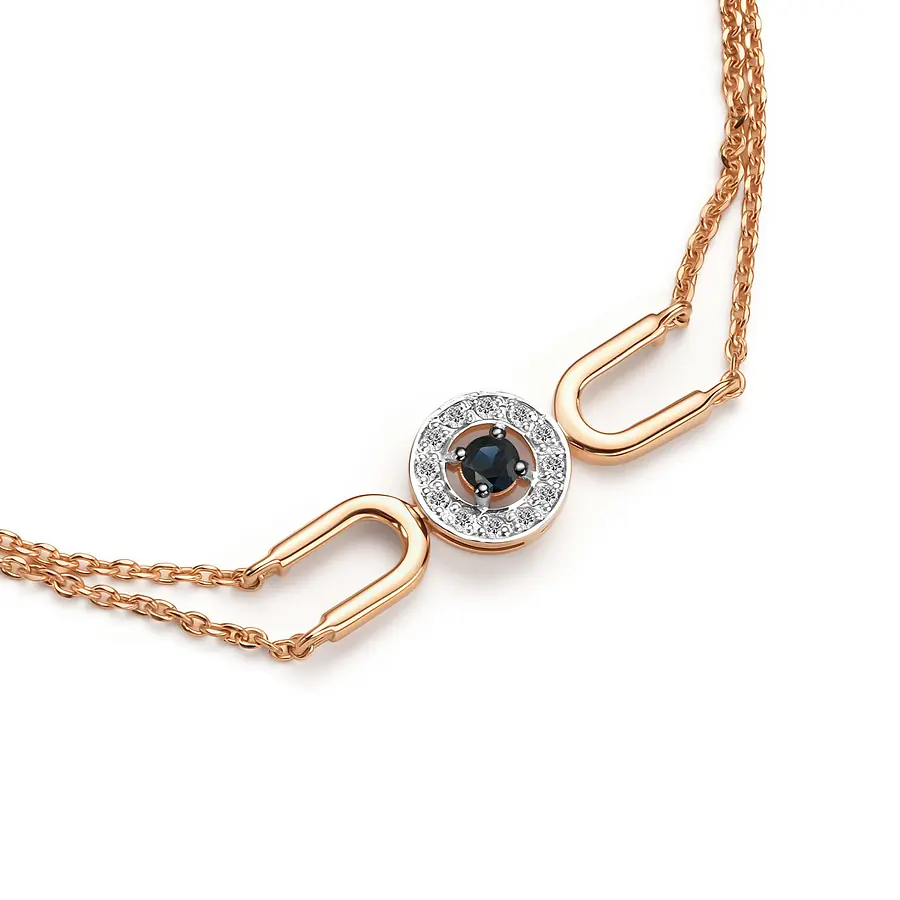
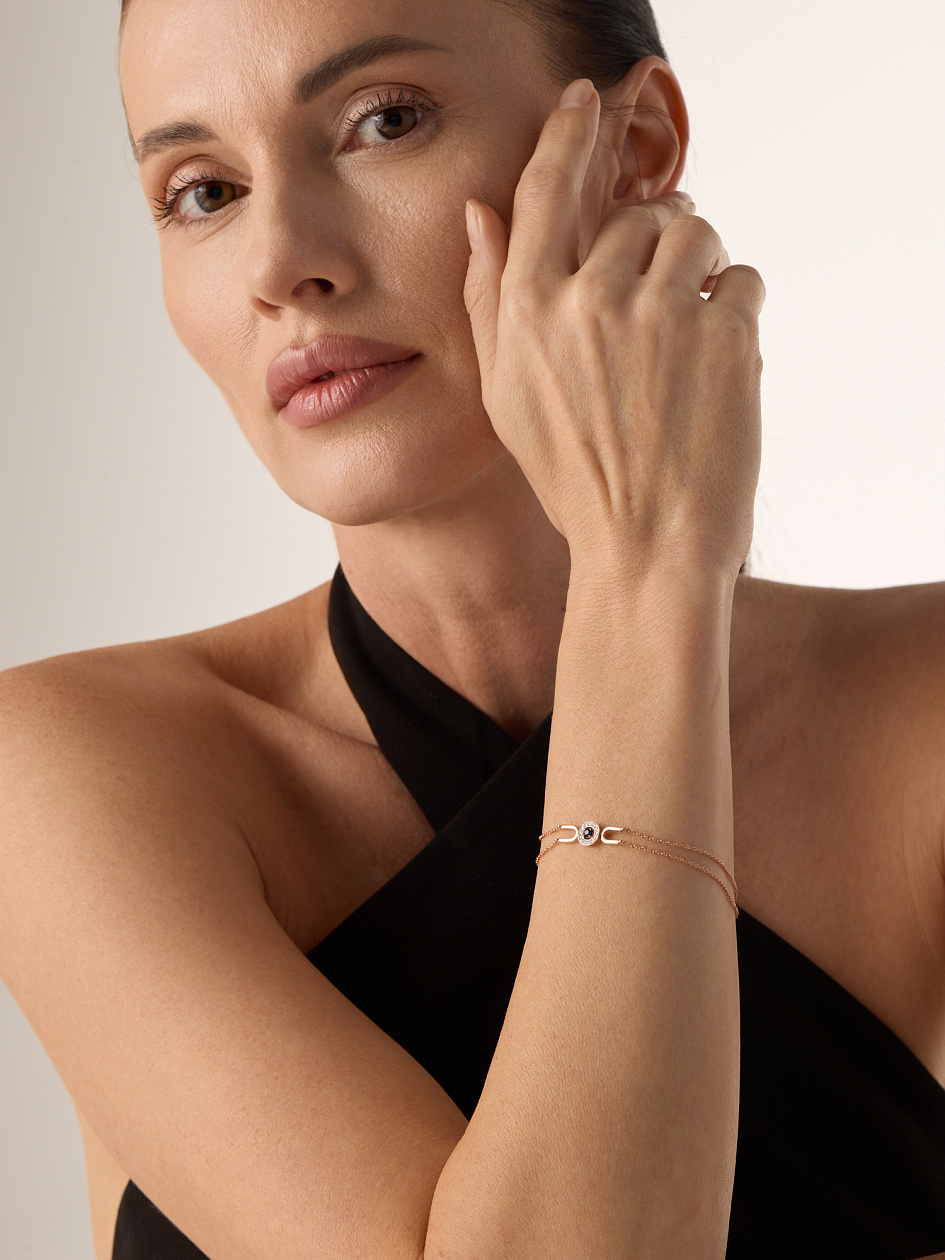

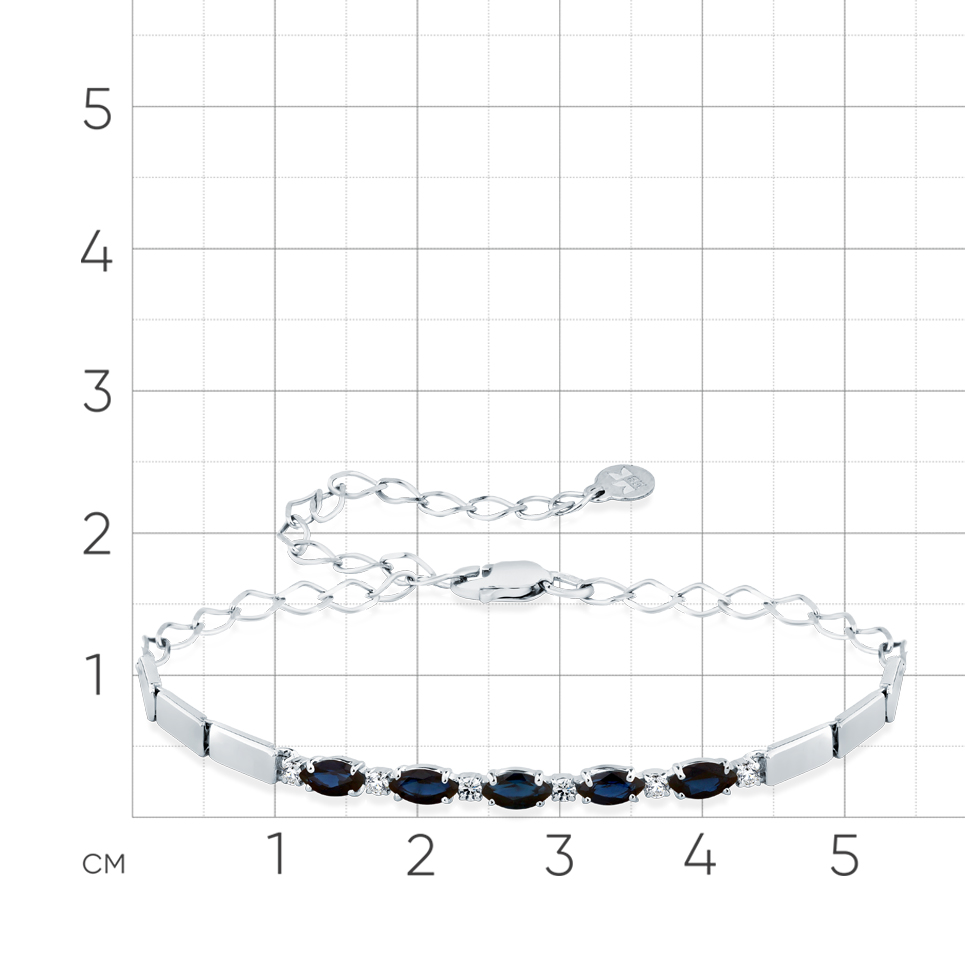


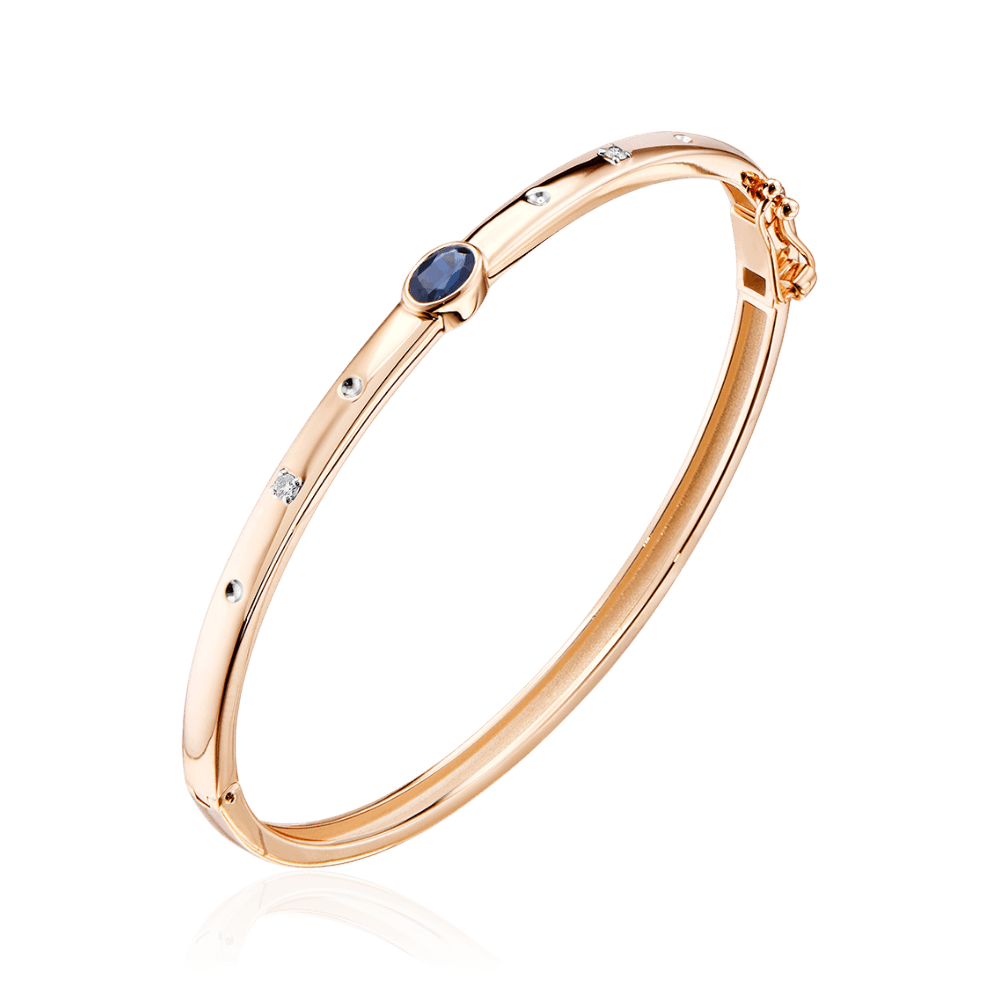

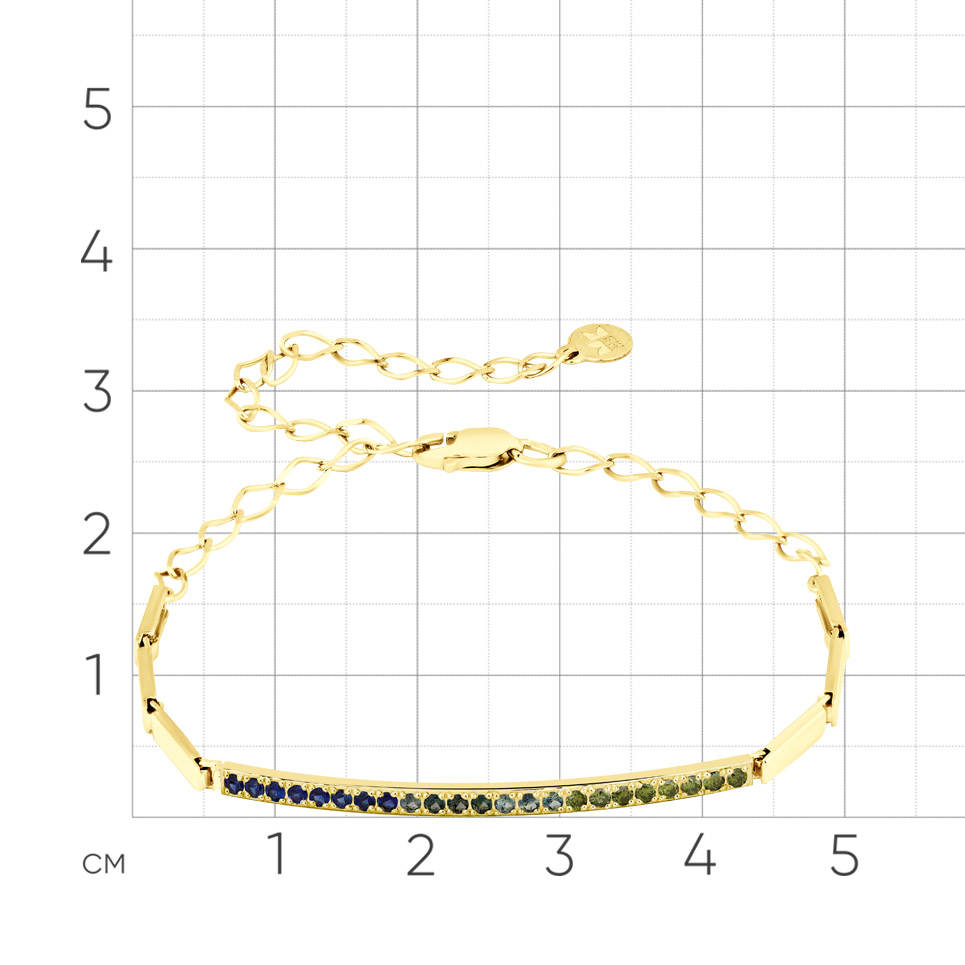


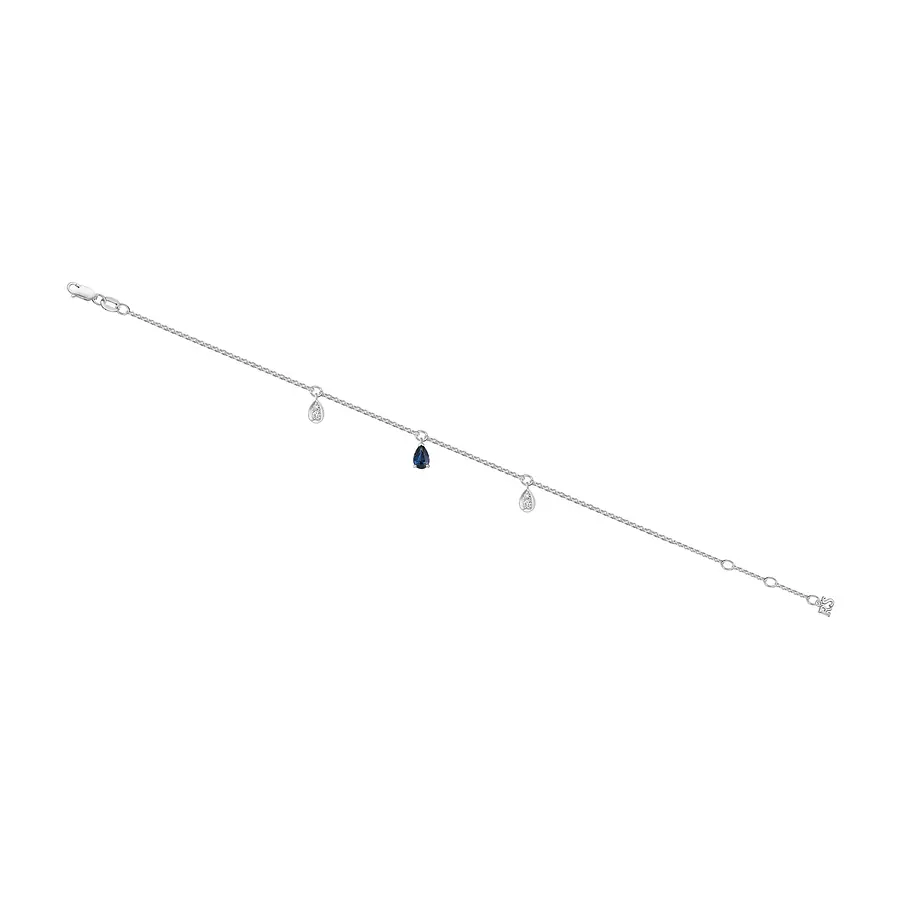
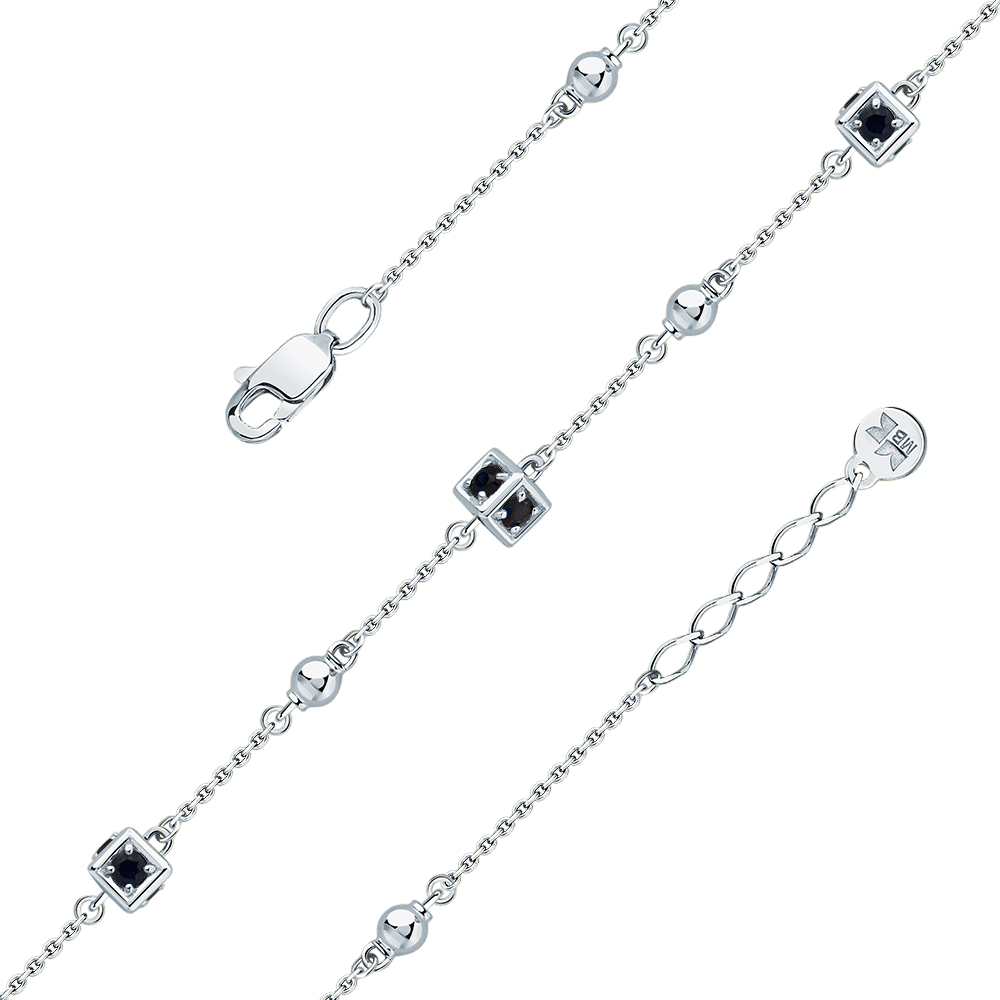
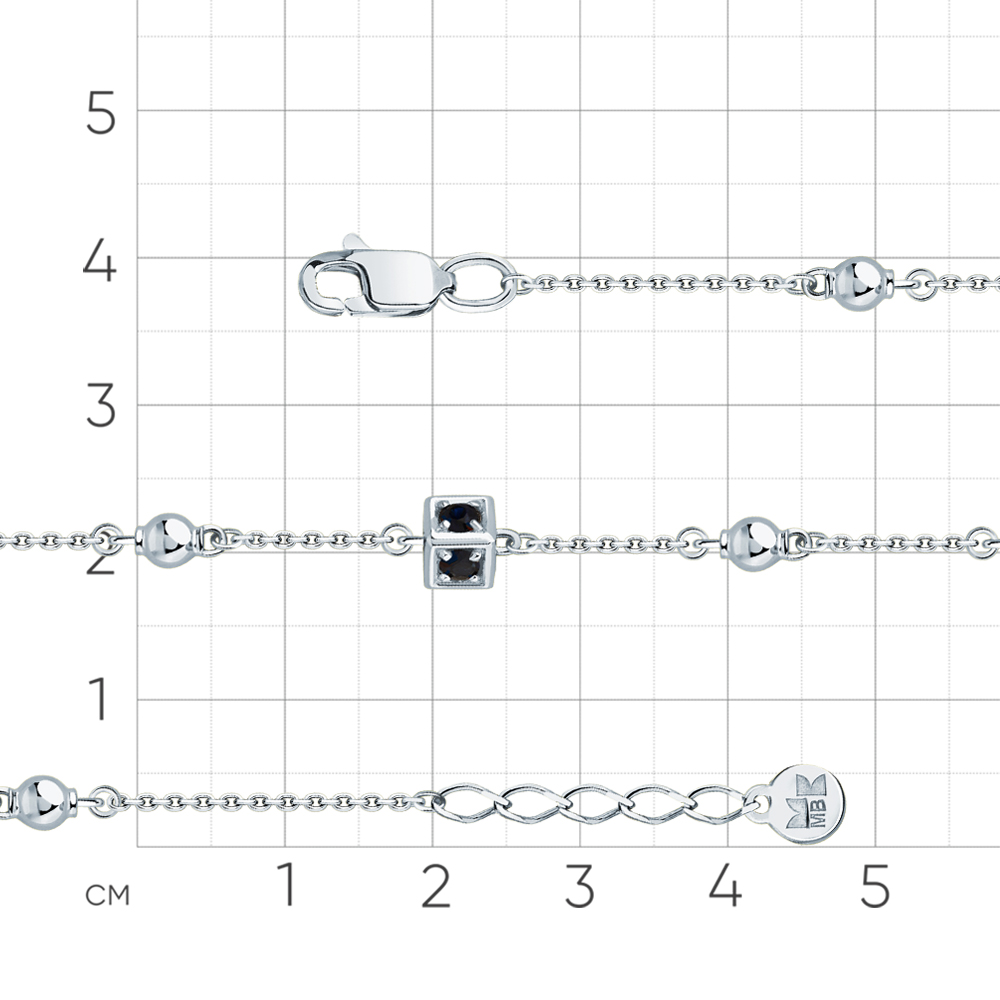
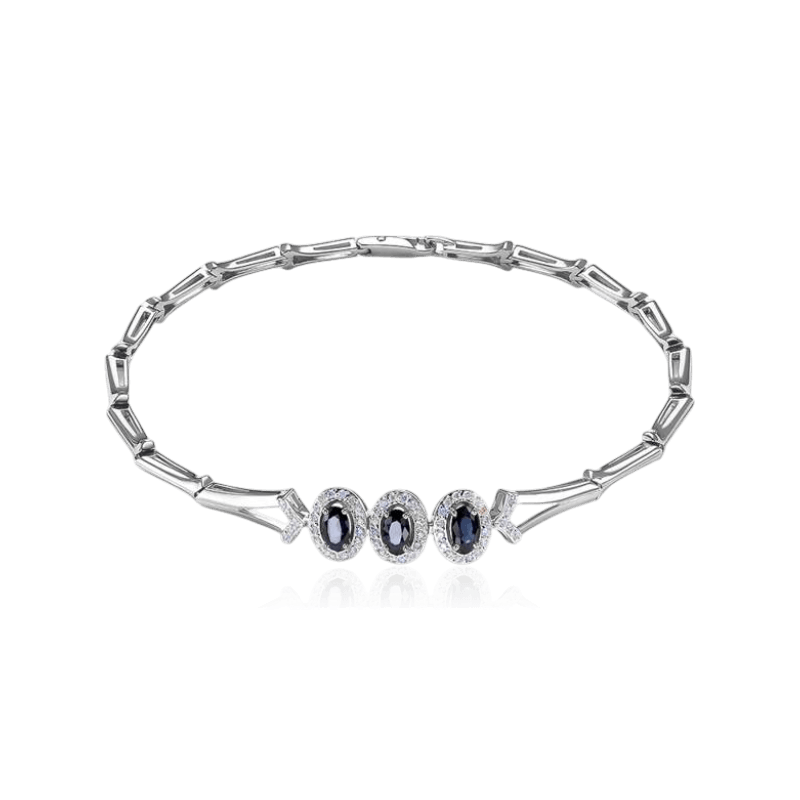

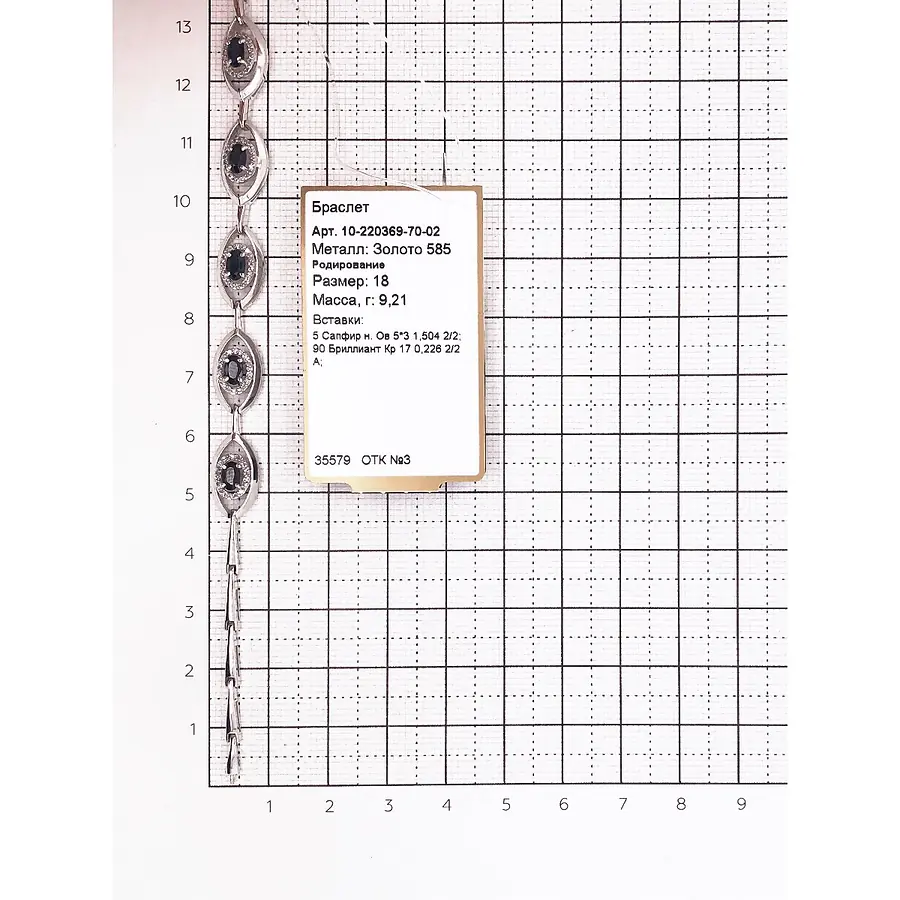

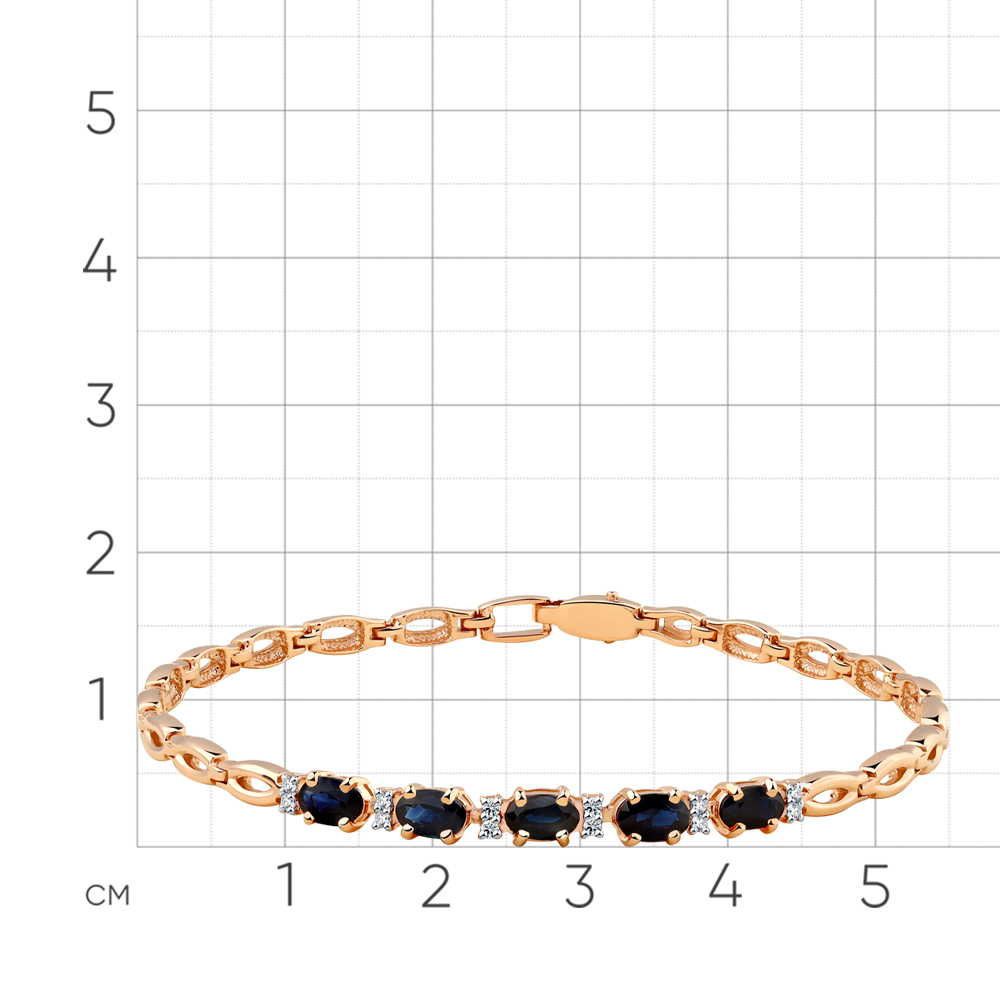
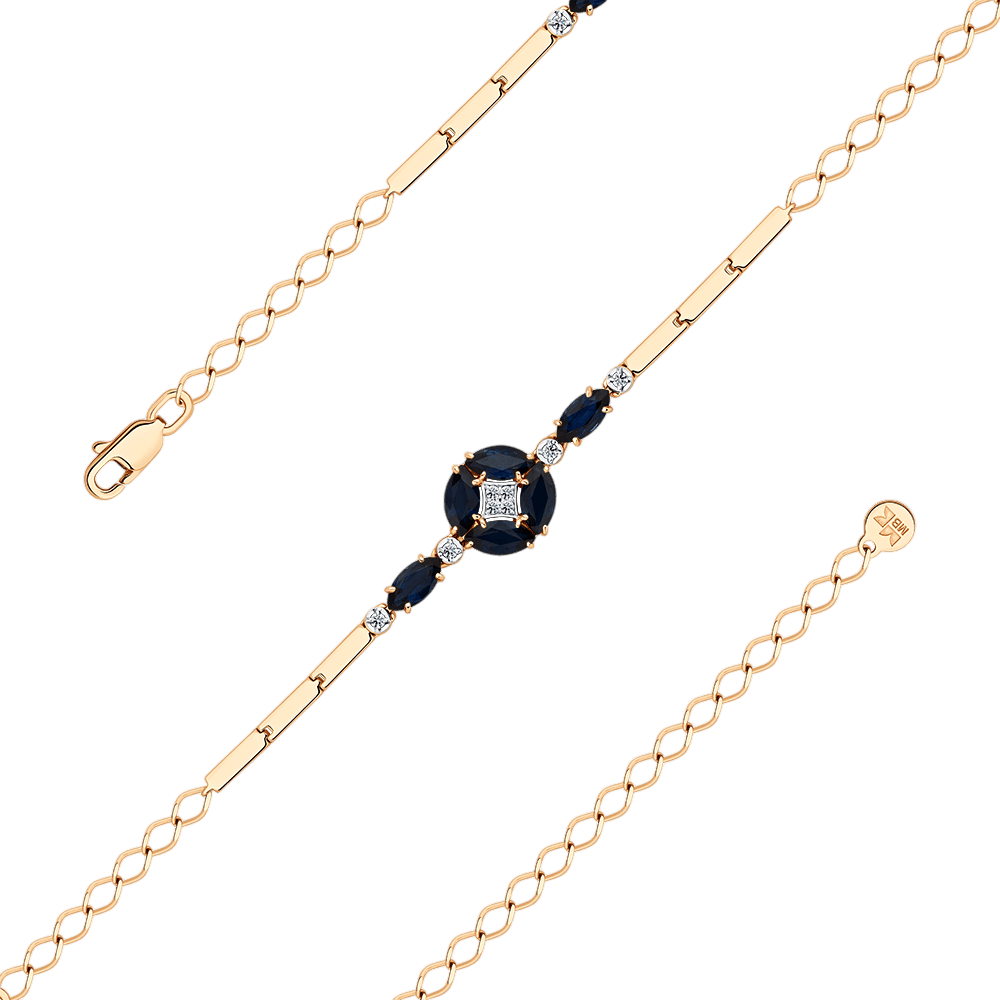


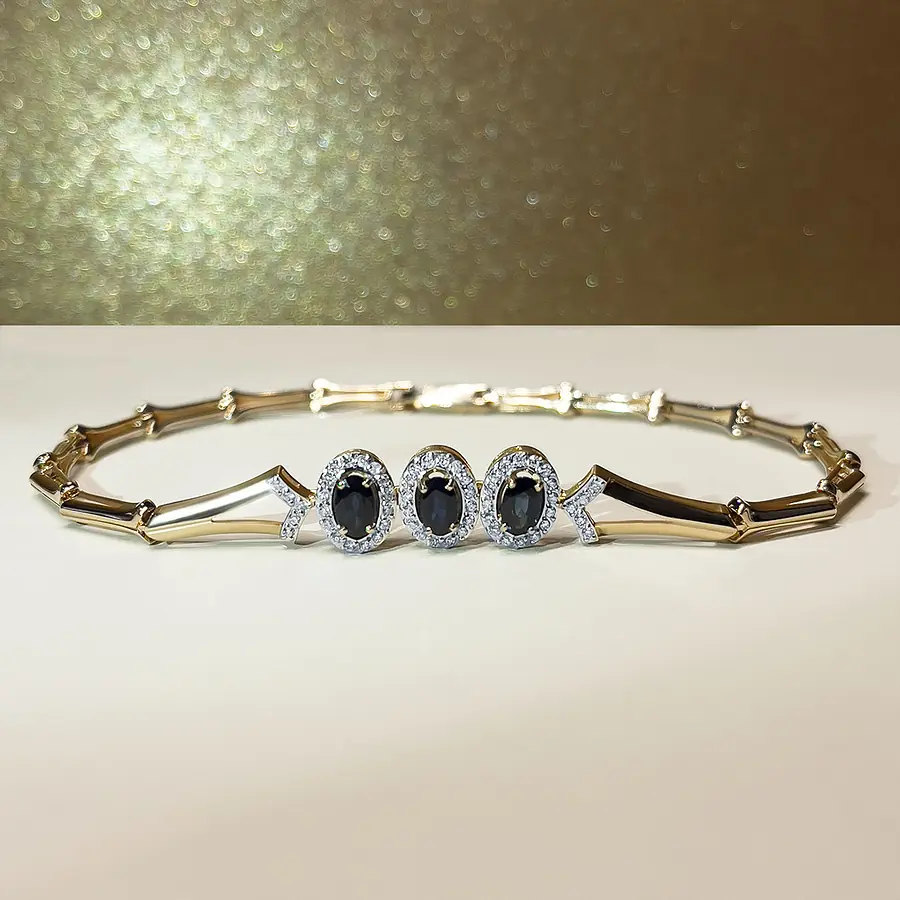
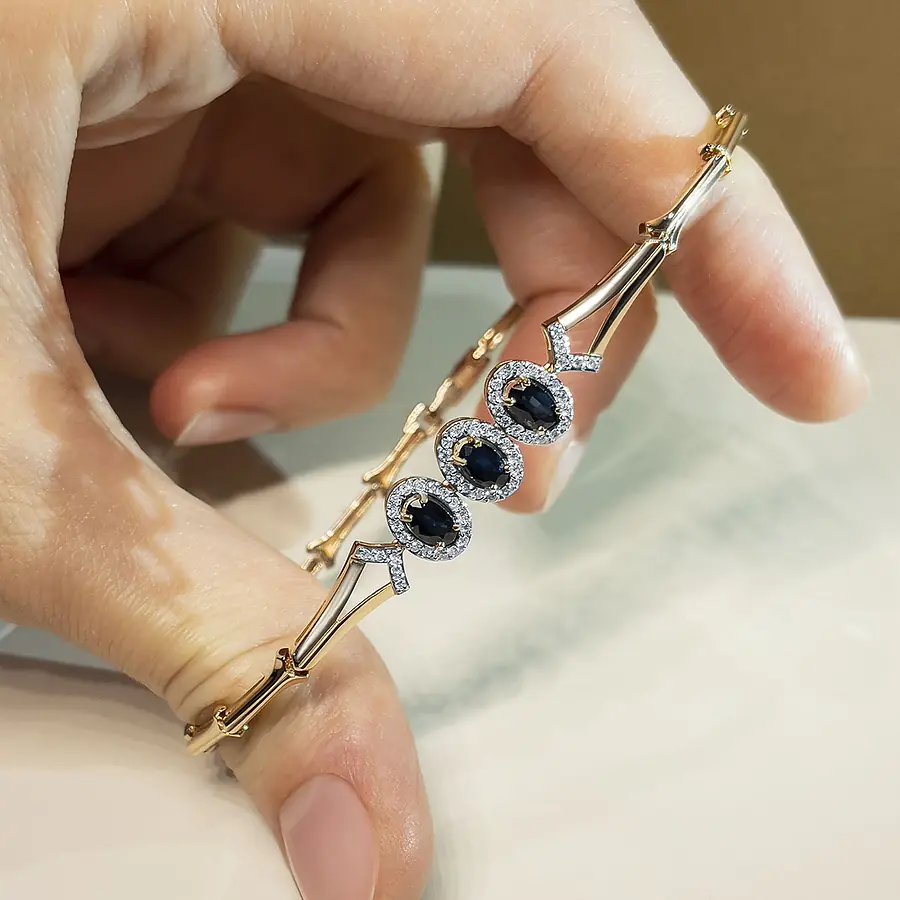
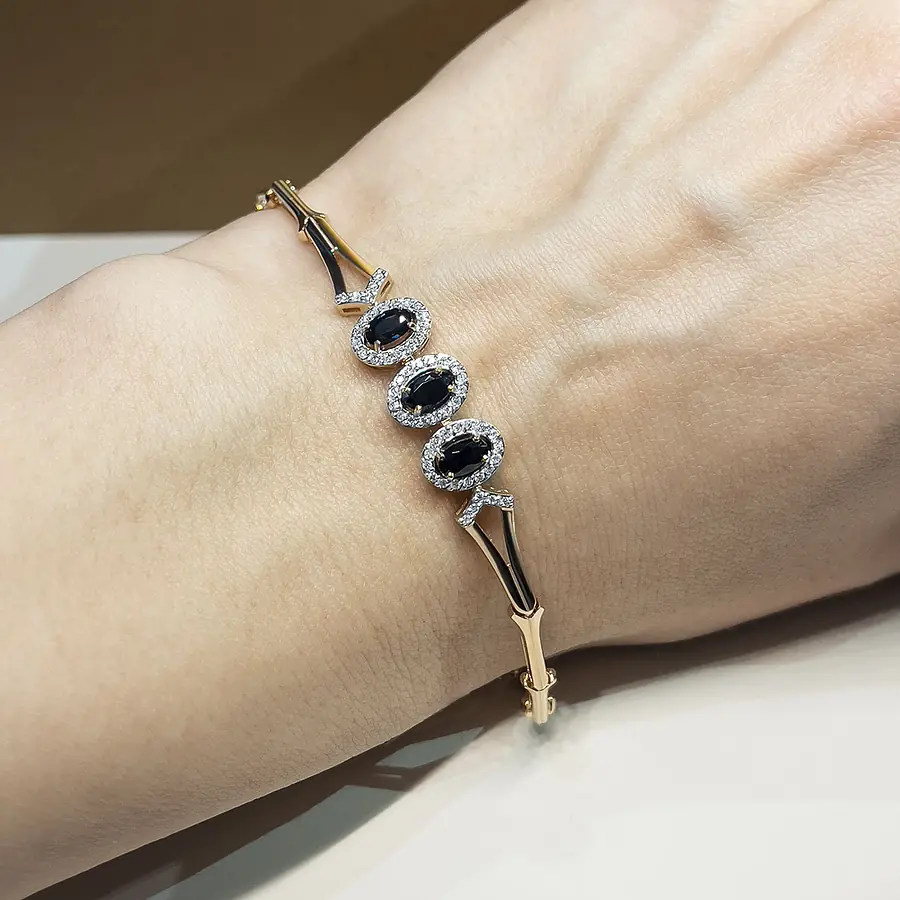
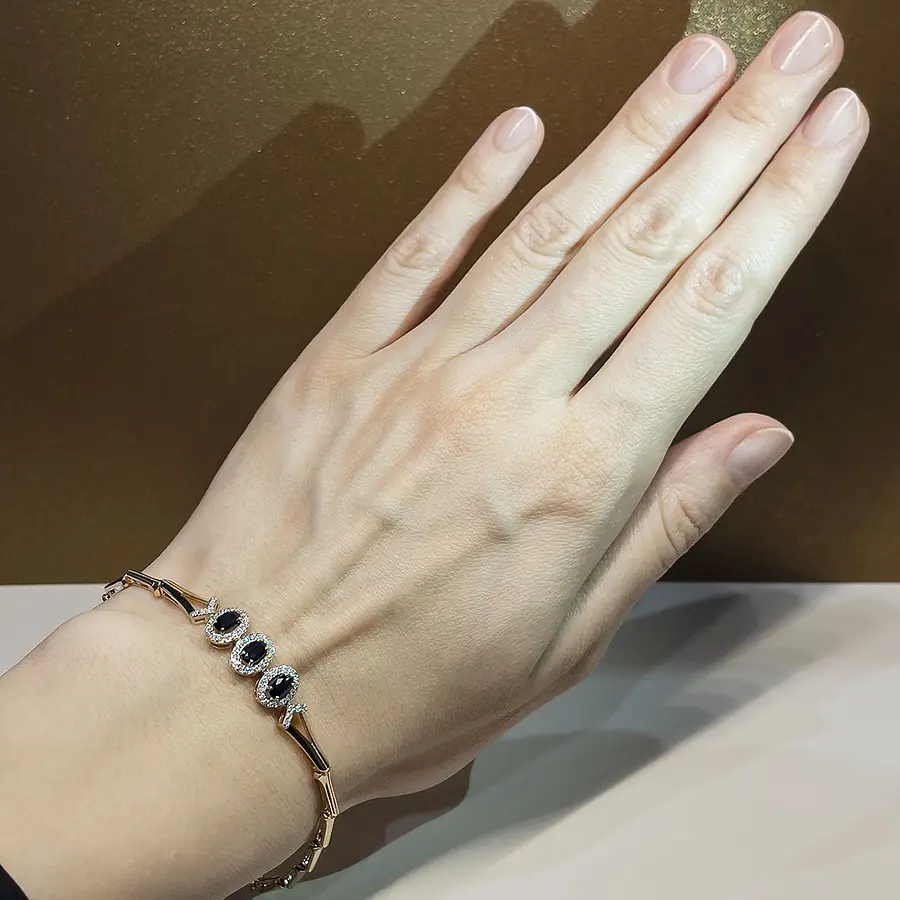
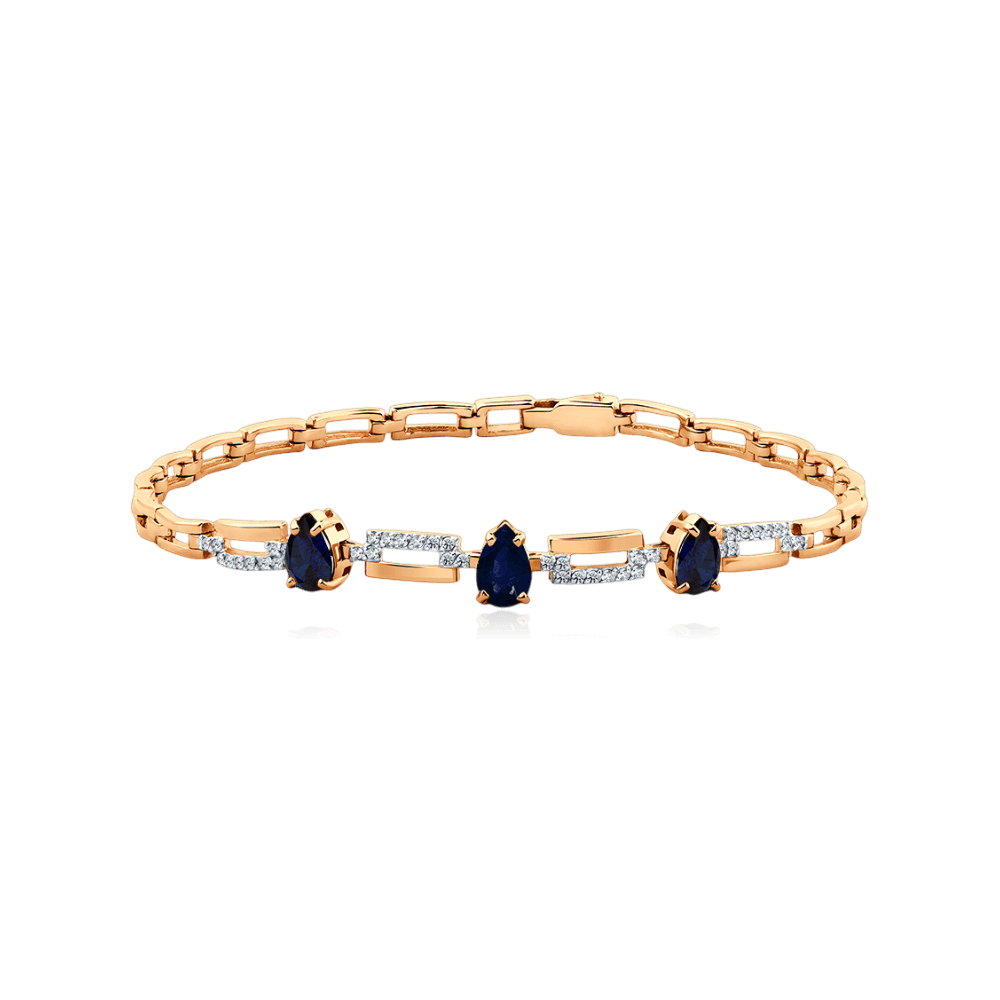

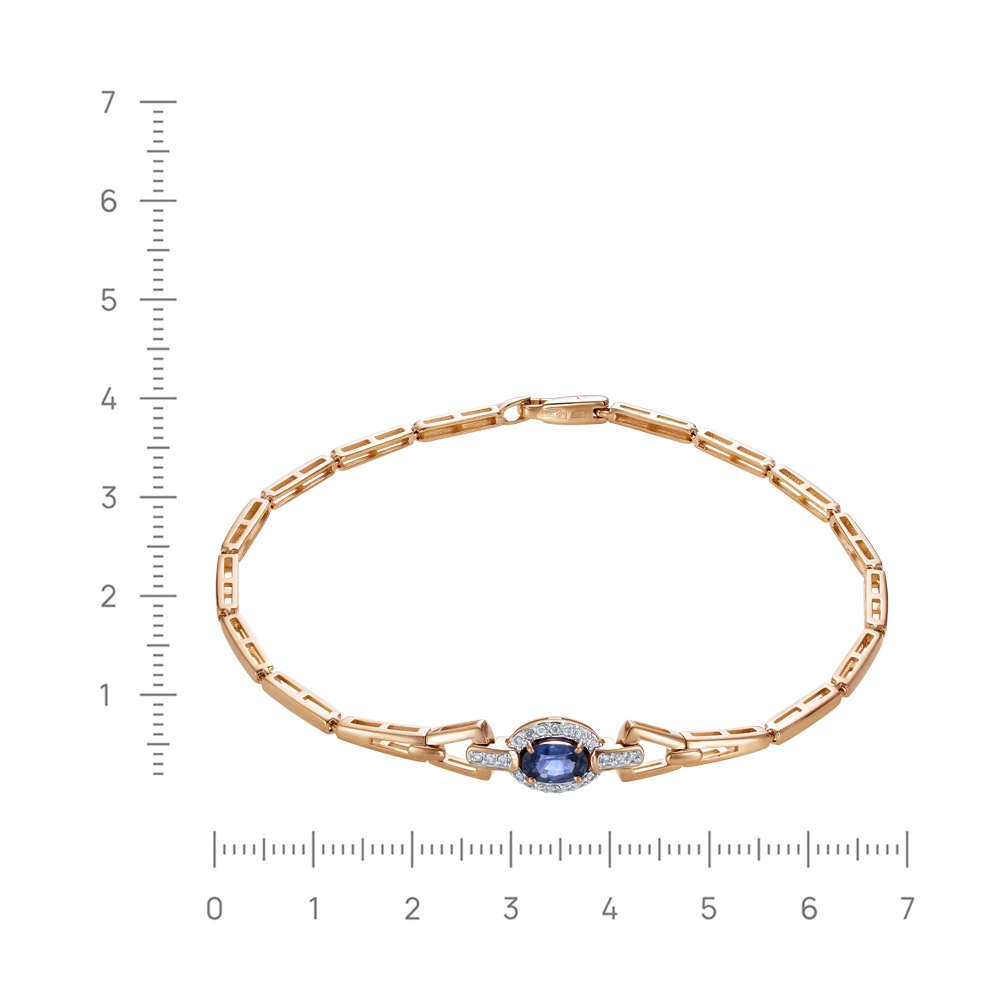
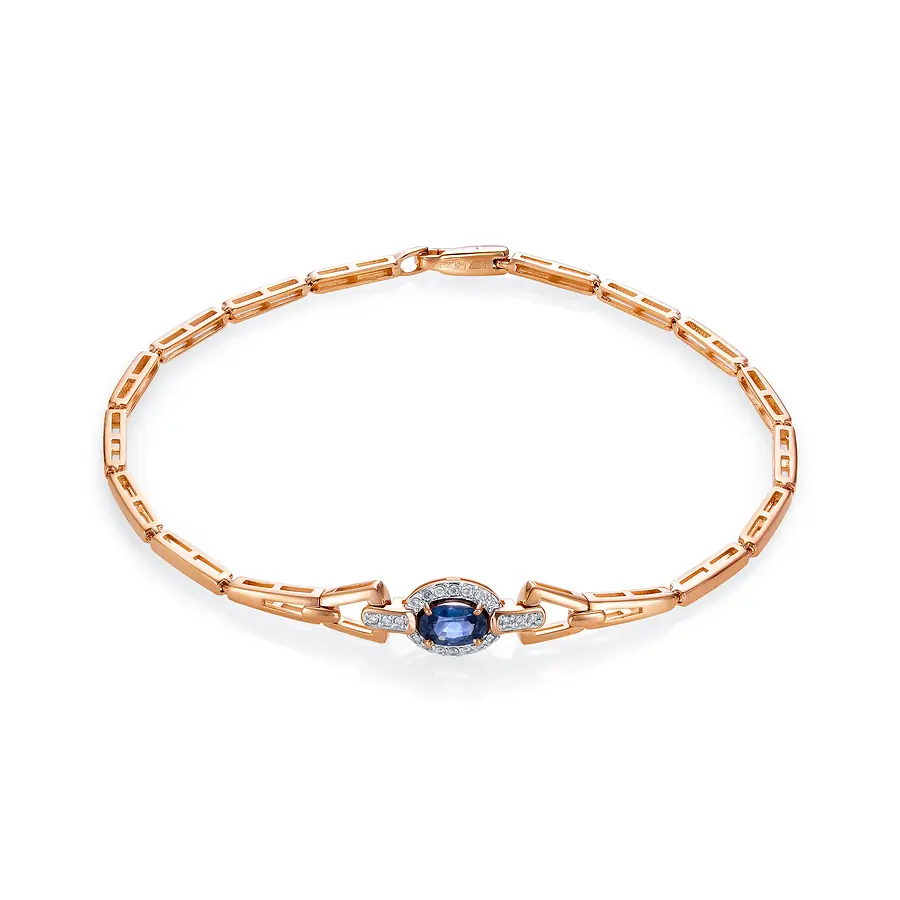


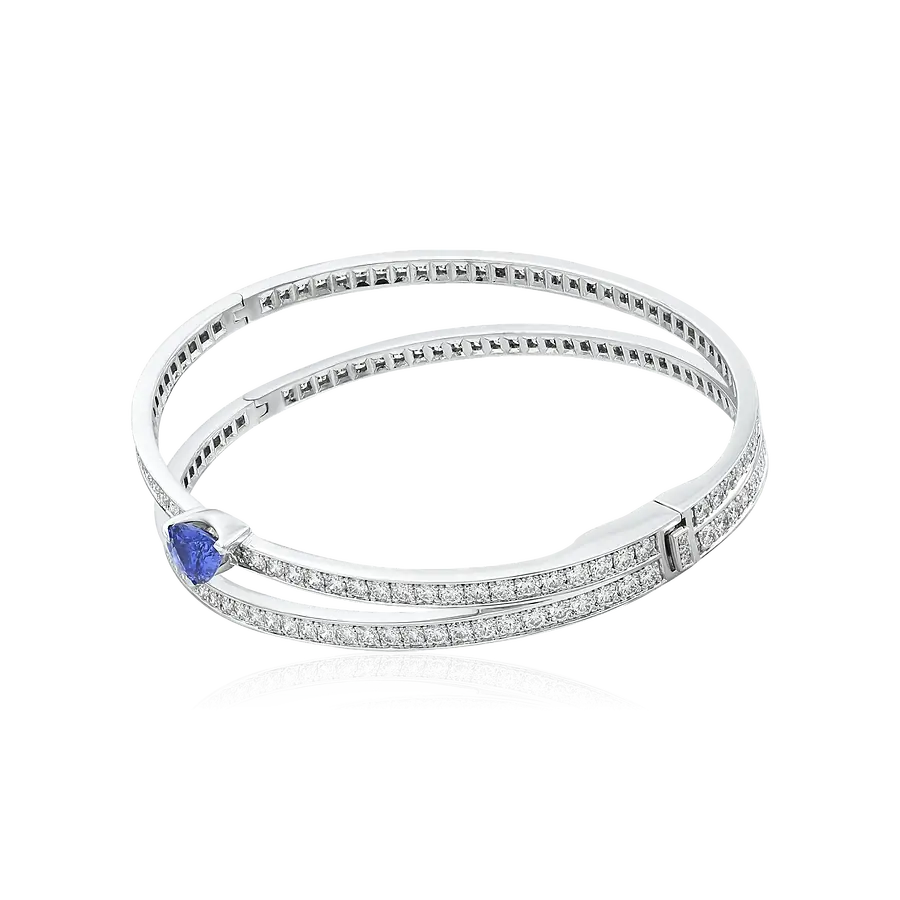


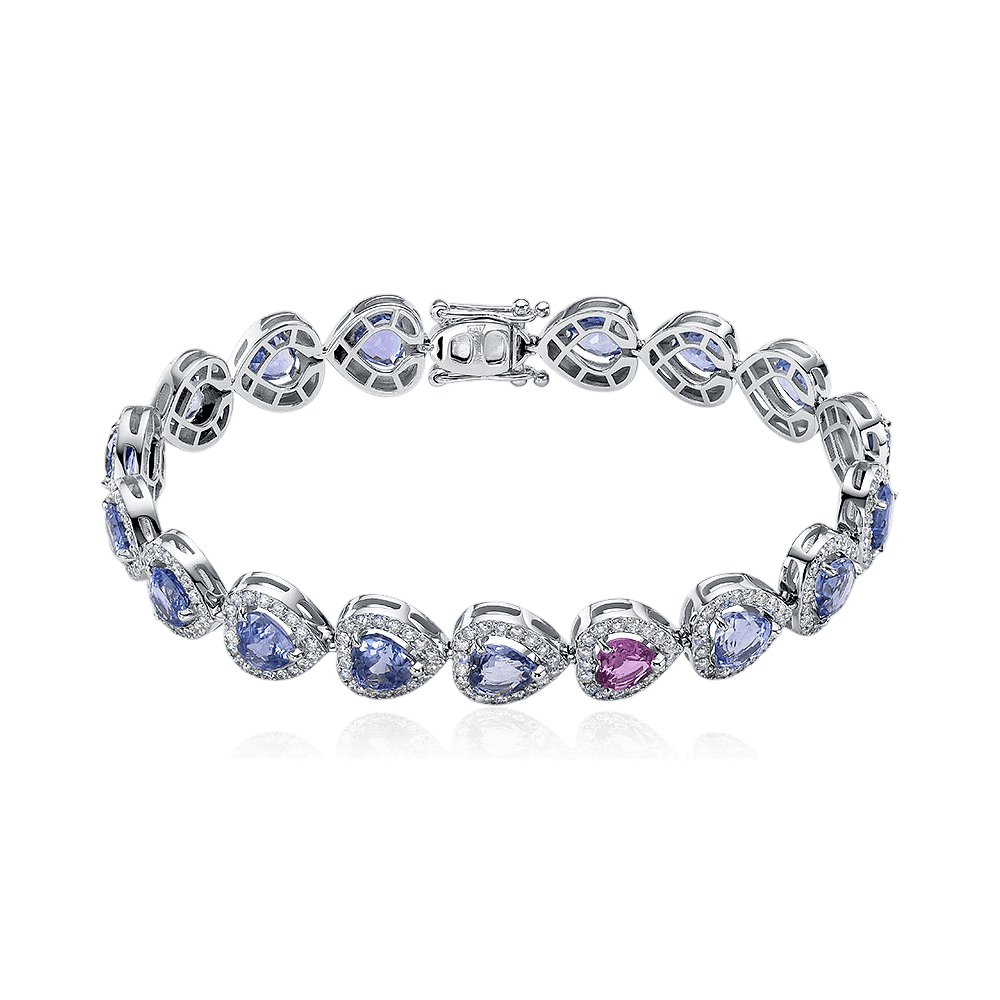
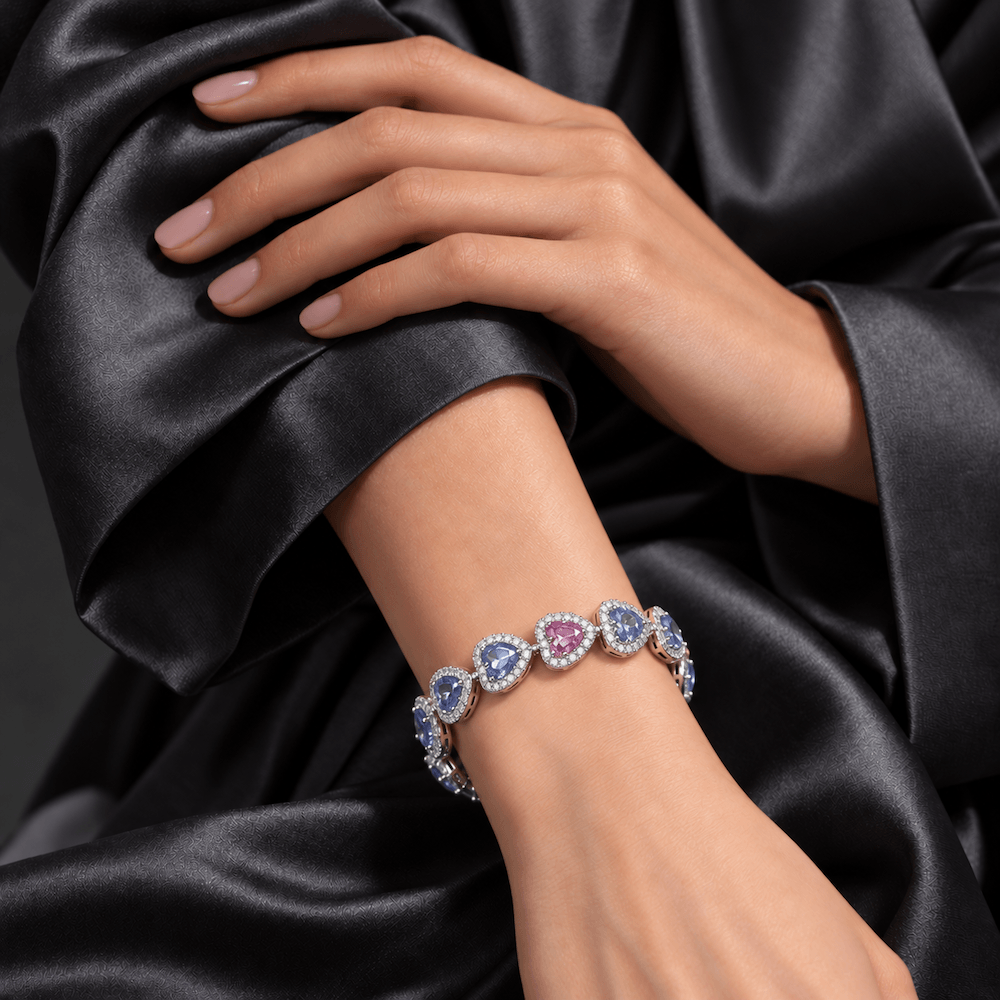
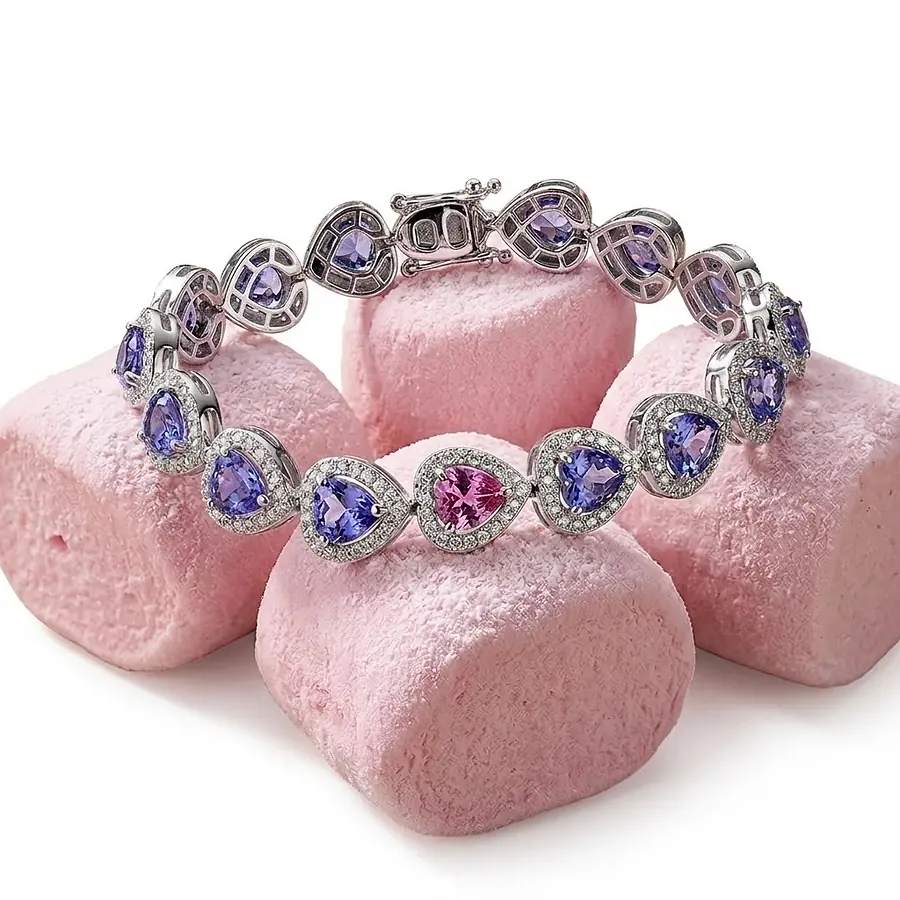
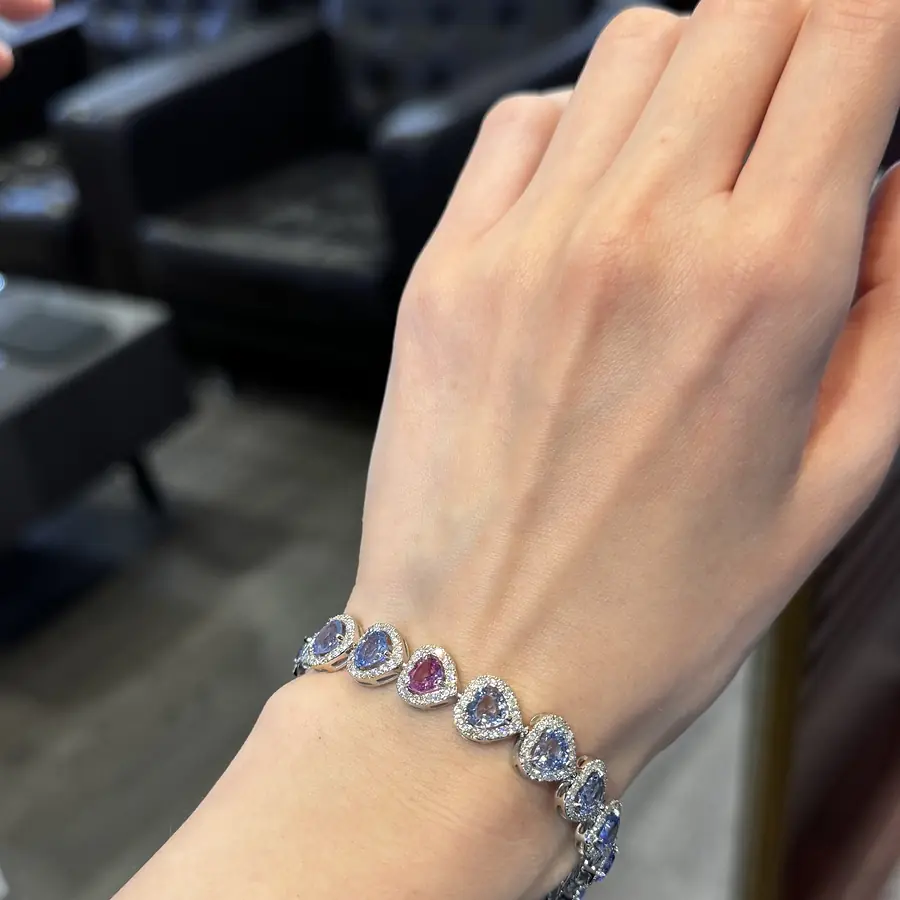
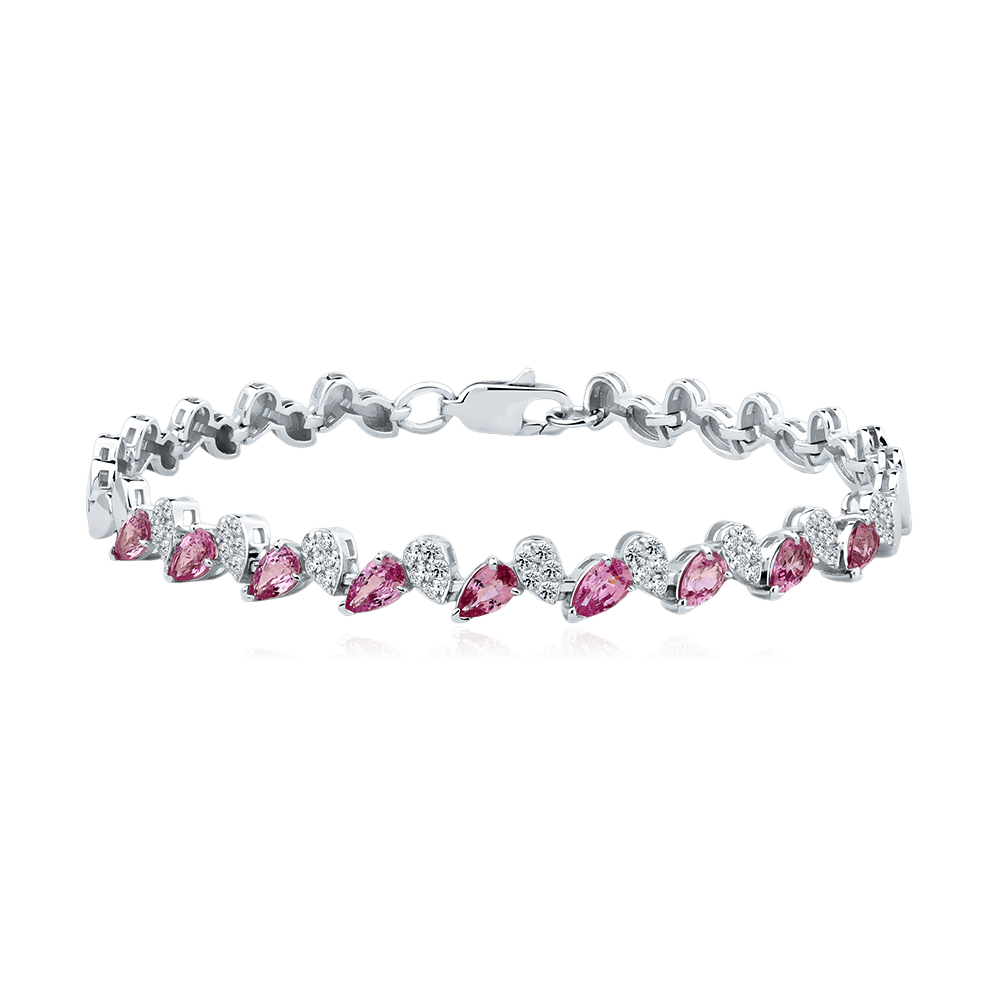
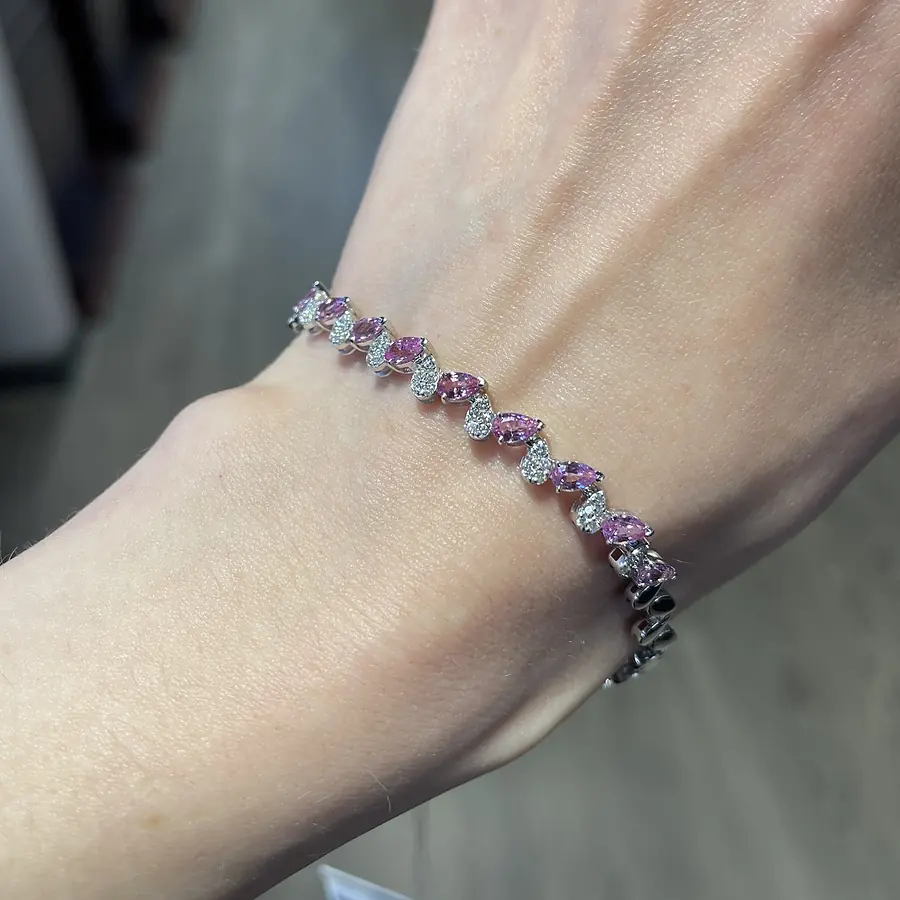

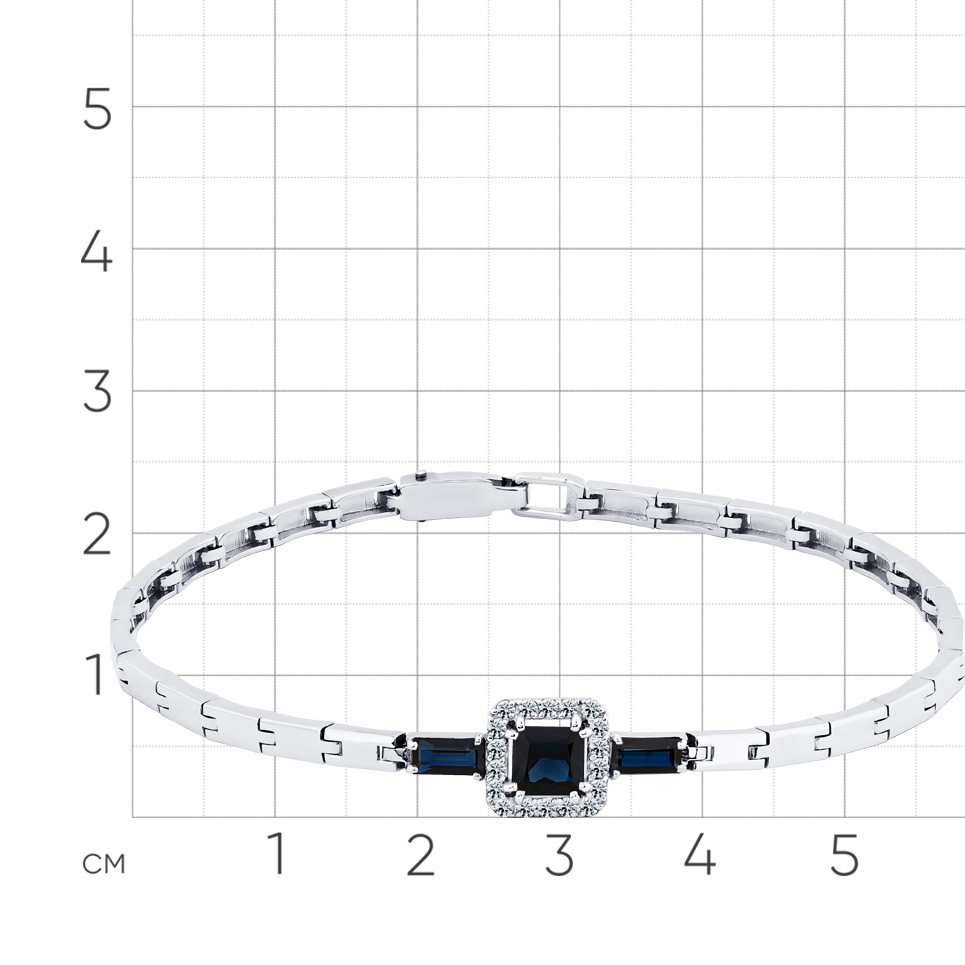
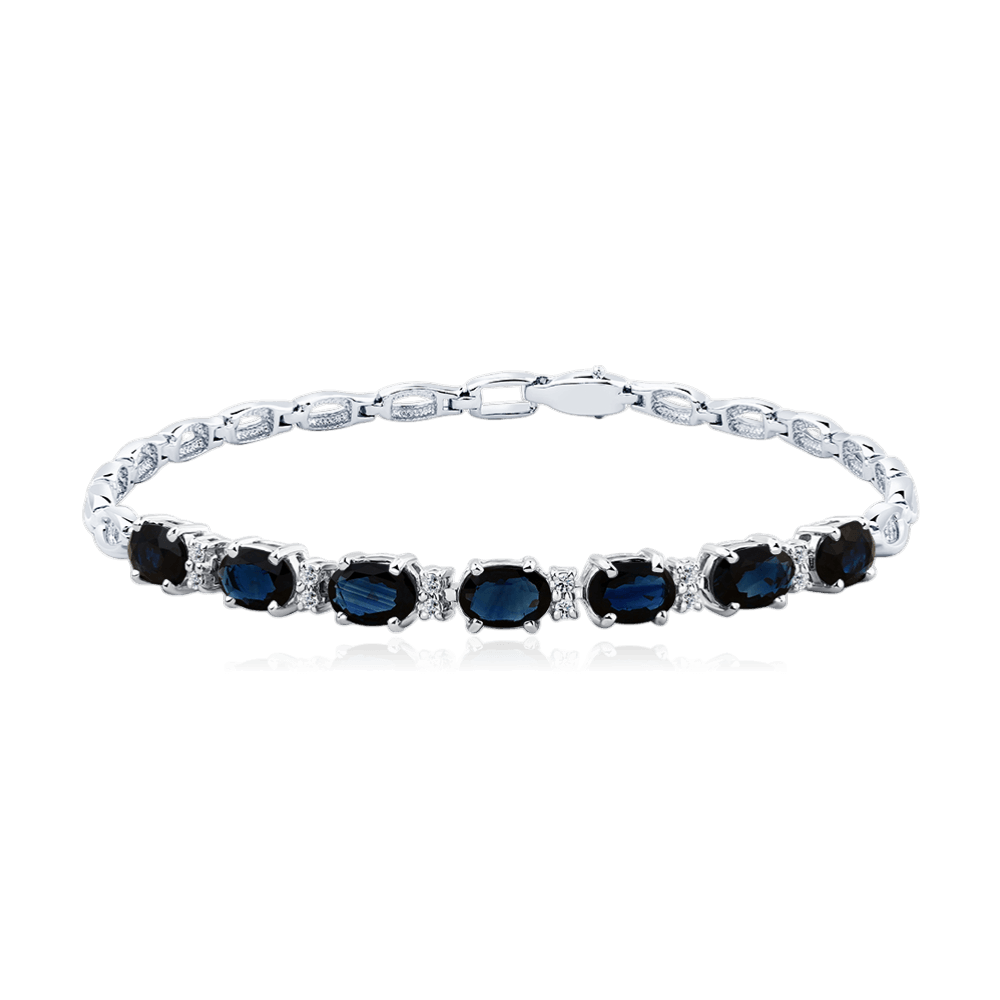
Sapphire bracelets are the most expensive gemstone section of the DAF catalog: half of the 190 models cost more than 200,000 ₽, and nothing is priced below fifty thousand. The stones are natural, blue and pink, and ninety-two pieces out of a hundred are paired with diamonds. A sapphire bracelet is available in white and red 14K gold (585), starting at 68,900 ₽.
A gold bracelet with sapphires starts at 68 900 ₽, and half of the catalog costs more than 200 000 ₽. This is a premium section: there is not a single piece under fifty thousand.
The price distribution looks like this: fourteen models in the 50,000–100,000 ₽ range, fifty-two in 100,000–200,000 ₽, ninety-two in 200,000–500,000 ₽, and another thirty-two pieces above half a million. A sapphire bracelet under one hundred thousand rubles is the narrowest group in the section, and it is the first place to look if your budget is limited.
The stone itself is judged by color first of all. The most expensive blue is saturated, with no gray or black undertone; pale and cloudy stones cost many times less at the same weight. A bracelet with sapphires of a deep, even tone will always cost more than one with pale stones, even if the carat weight is the same.
Three things set the price: the weight of the gold, the number and size of the sapphires, and the presence of a diamond surround. A bracelet with sapphires in a line of ten stones costs noticeably more than a piece with a single center stone of the same weight: stones in a set are matched by color, and the matching is paid for separately.
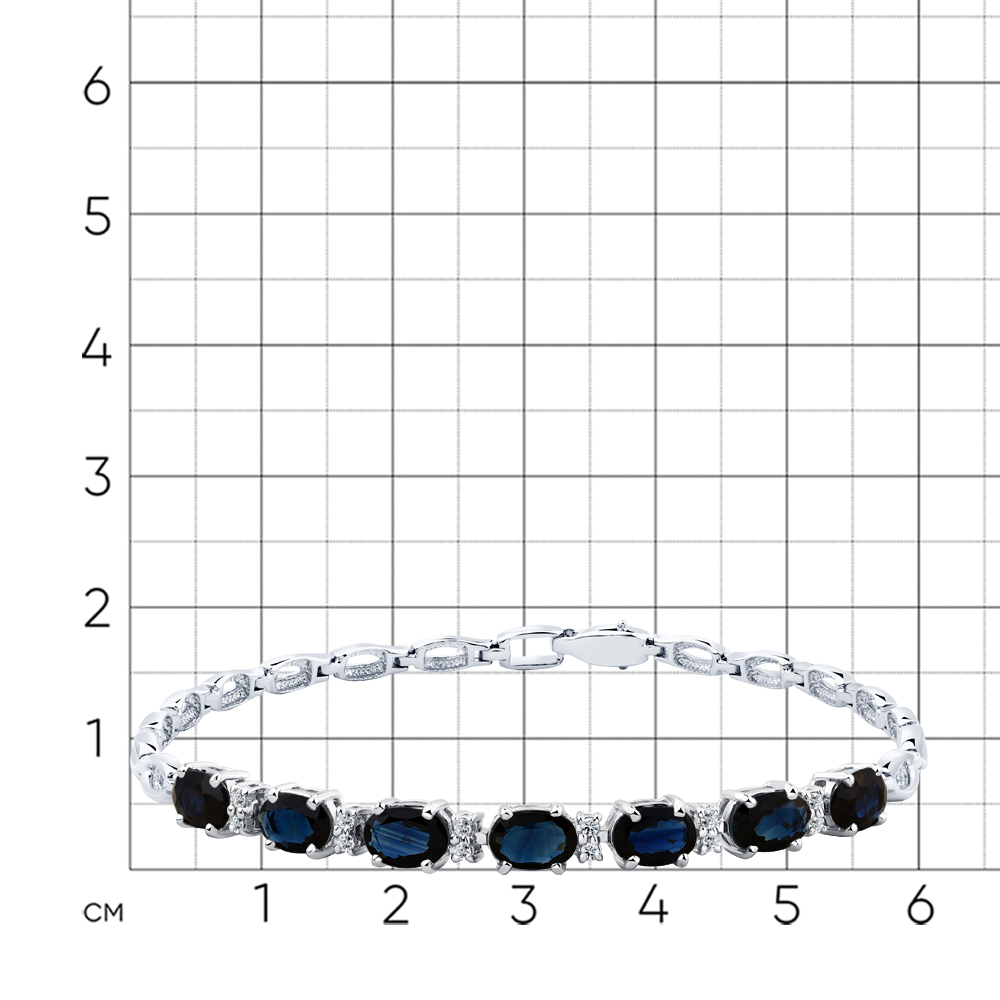
The standard length of a women's bracelet is 17–19 cm. To find yours, measure your wrist with a tape measure and add 1.5–2 cm for freedom of movement, so the piece neither pinches your hand nor slides down onto it.
Rigid models are chosen differently: the inner diameter matters, and no allowance should be added. A sapphire bracelet on a soft chain sits more loosely and forgives a half-centimeter error, while a rigid one does not.
The clasp deserves a separate look. A box clasp with a safety figure-eight is more secure than a spring-ring clasp and rarely comes undone on its own; a spring ring is easier to fasten with one hand but needs to be checked from time to time. Expensive pieces more often have a box clasp with a double latch, because nobody wants to lose jewelry of that value along the way.
The rule for fit is simple: a finger should pass freely between your skin and the piece. If a bracelet with sapphires leaves a mark on your wrist by evening, it is too short, and it is better to add a link than to put up with it.
Fineness is the share of pure gold in the alloy: 585 means 58.5%, 750 means three quarters. In this section the main metal is 585.
White gold — 101 pieces, red 74. The lean toward white is no accident: cool metal supports the blue of the sapphire, while warm red gold competes with it and shifts the stone toward violet. A sapphire bracelet in white gold is the default choice for blue stones, and red gold is chosen for pink and yellow ones.
White gold is rhodium-plated, and this plating wears off over time. It is renewed periodically, and the procedure is part of the store's service. On a bracelet the plating wears faster than on earrings or a pendant: the wrist is constantly in contact with the desk, keyboard, and steering wheel.
The main sapphire colors are blue, pink, yellow, green, orange and colorless. Any corundum except red is called a sapphire; red corundum has its own name, ruby, and that is the only exception.
Blue color in the stone comes from traces of iron and titanium, pink from chromium in low concentration. The boundary between a pink sapphire and a ruby is conventional and is determined by the intensity of the red: the same crystal can receive different conclusions from different laboratories.
Padparadscha deserves a special mention: a pink-orange sapphire named for the color of the lotus flower. It is one of the rarest and most expensive varieties of corundum, found mainly in Sri Lanka, and it is rarely used in bracelets: stones of this quality go into rings.
Our catalog includes bracelets with pink sapphire — a separate small section. Yellow and green inserts appear in only a few pieces, so it is best to confirm availability with a manager.
Pieces with diamonds make up 92%, that is 55 models out of 60 in the current selection. A bracelet with sapphires is almost always paired with diamonds, and the reason is optical: white flashes around the outline deepen the blue, whereas in plain gold the stone looks darker and duller.
The cut of stones in bracelets differs from that in rings. Ovals, rounds and princess cuts are used more often here: in a piece that constantly brushes against surfaces, sharp corners are vulnerable, so jewelers choose calmer shapes. Step cuts are less common. They are beautiful but require a large stone, and large stones are rarely set in bracelets.
The most common design is alternation: sapphire, diamond, sapphire. It gives a rhythm and visually lengthens the wrist. The second most common is a center stone in a diamond frame, where the sapphire acts as an accent and the rest of the piece stays understated.
For a bracelet to last, watch not the stone but the clasp and links. Sapphire has a hardness of 9 on the Mohs scale, second only to diamond, and it is practically impossible to scratch such a stone in daily life.
The weak point of the design is a different one. A sapphire bracelet wears faster than any other piece of jewelry, because the wrist is constantly in contact with surfaces: hinges work loose, the clasp loosens, and links wear at the bends. It is worth checking the clasp once a month: just pull the piece in different directions and make sure the latch holds.
It is best to store jewelry separately from other pieces: a hardness of 9 means a sapphire itself scratches almost everything except diamond. In a shared jewelry box it will leave marks on gold, pearls and colored stones; a soft pouch or a separate compartment solves the problem completely.
What not to do: sleep in the bracelet, work with your hands while wearing it, put it on under gloves, or leave it in contact with household chemicals. The chlorinated water of a pool is dangerous not for the sapphire but for the alloy: 14K gold (585) darkens from chlorine. Not every stone allows ultrasonic cleaning: if the sapphire has undergone crack filling, an ultrasonic bath is not suitable for it, so confirm the cleaning method for your specific piece.
Sapphire bracelets can be ordered on the site with delivery across Russia or tried on at the DAF boutique in central Moscow. Trying on matters more for a bracelet than for any other jewelry: length and fit cannot be judged from a photo, and a difference of one centimeter changes everything.
If a trip is inconvenient, a manager will film the piece on a hand and suggest a length based on your wrist circumference. Returns are accepted within fourteen days, but it is easier to get the size right the first time than to exchange.
What to look at on the product page before ordering: the length in centimeters, the clasp type, the total weight of the piece, and the number and total weight of the sapphires. These five parameters describe a piece of jewelry completely, and everything else is a matter of taste. If the total weight of the stones is not listed, ask for it before paying: in this price segment the difference in carats determines the cost more than the weight of the gold does.
It is worth knowing about the origin of stones in advance. The classic deposits are Sri Lanka, Madagascar, Myanmar, Thailand and Australia; Kashmir sapphires are considered the standard for color, but are practically absent from the mass market. The name of the deposit on the product page is not in itself a guarantee of quality: the color and clarity of the specific stone matter more than geography, and those are what you should judge.
Sapphire is traditionally considered the birthstone of September, so these bracelets are often chosen for autumn birthdays. Before ordering, it's worth asking the manager for the center stone's weight in carats: between two pieces that look alike in photos, the difference in the stone can reach half a carat, which is a significant part of the price.
No. The catalog contains only 585 and 18K gold (750); we do not make silver bracelets with sapphire.
68,900 ₽. Nothing in the section costs less than fifty thousand, and fourteen designs are priced under one hundred thousand.
The standard for a woman's wrist is 17–19 cm. Measure the circumference with a tape and add 1.5–2 cm. Rigid models need no extra allowance; the inner diameter is what matters.
Yes, all stones are natural. There are no synthetic stones in the catalog.
Yes. Sapphire is any corundum other than red: pink, yellow, green, orange, colorless. Red corundum is called ruby. The catalog has a separate section for pink sapphire.
It depends on the stone. Sapphire is hard and tolerates ultrasound on its own, but if the stone has had crack filling, it is not allowed. Check the specific item number.
We will contact you shortly.
Unfortunately, we cannot deliver to this locality. Please choose another city nearest to you.
How to get them. 3% of every order on the site. Sign in with your phone number to receive bonuses.
How to spend them. Sign in, add jewelry to your cart and specify at checkout how much to redeem. Bonuses can pay up to 10% of the price.
Confirm that you are not a robot
Unfortunately, this item is currently out of stock. We can make the jewelry individually to your requirements. Our consultant will contact you
Our consultant will contact you shortly
Refresh the page and send the message again
Specify the size of the jewelry and try again
Enter your number and our manager will contact you about the price calculation
Refresh the page and submit the order again