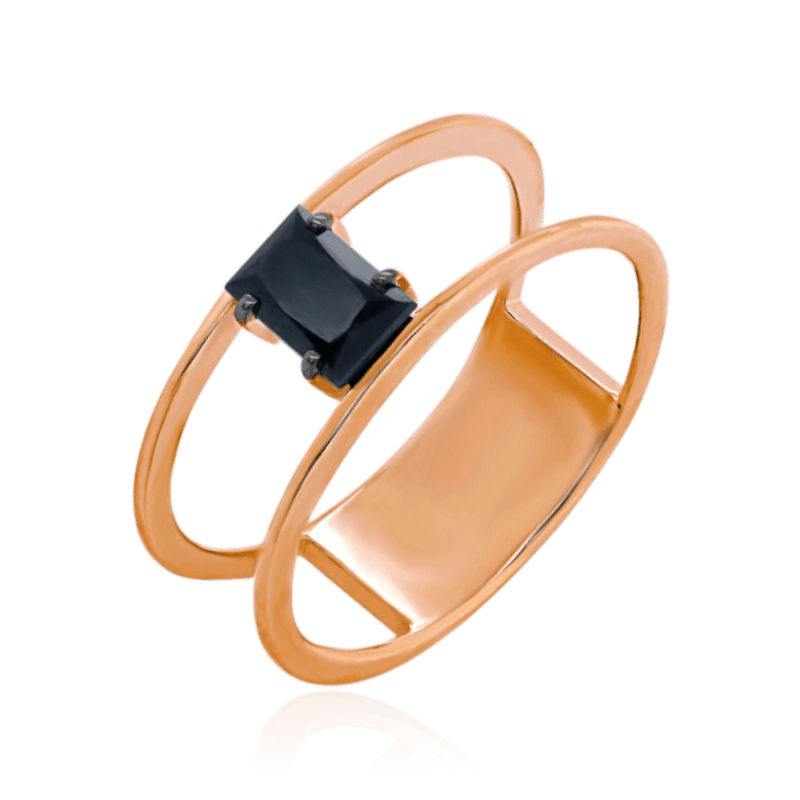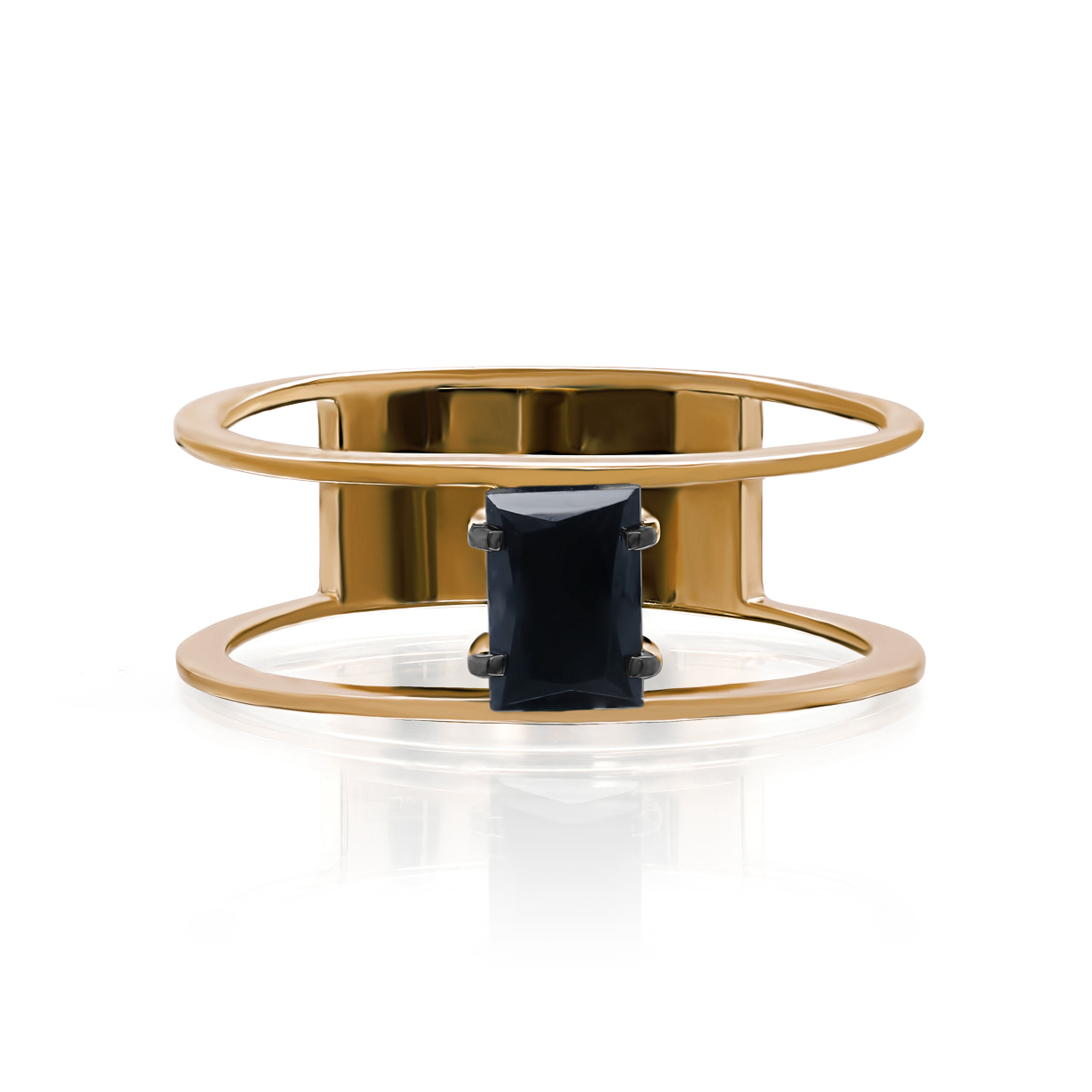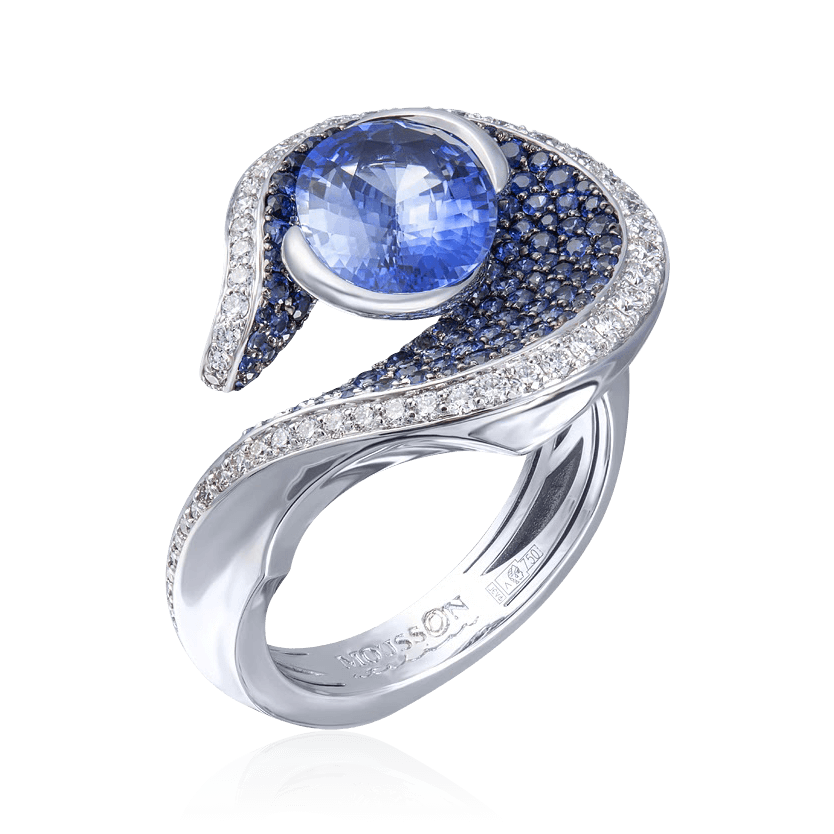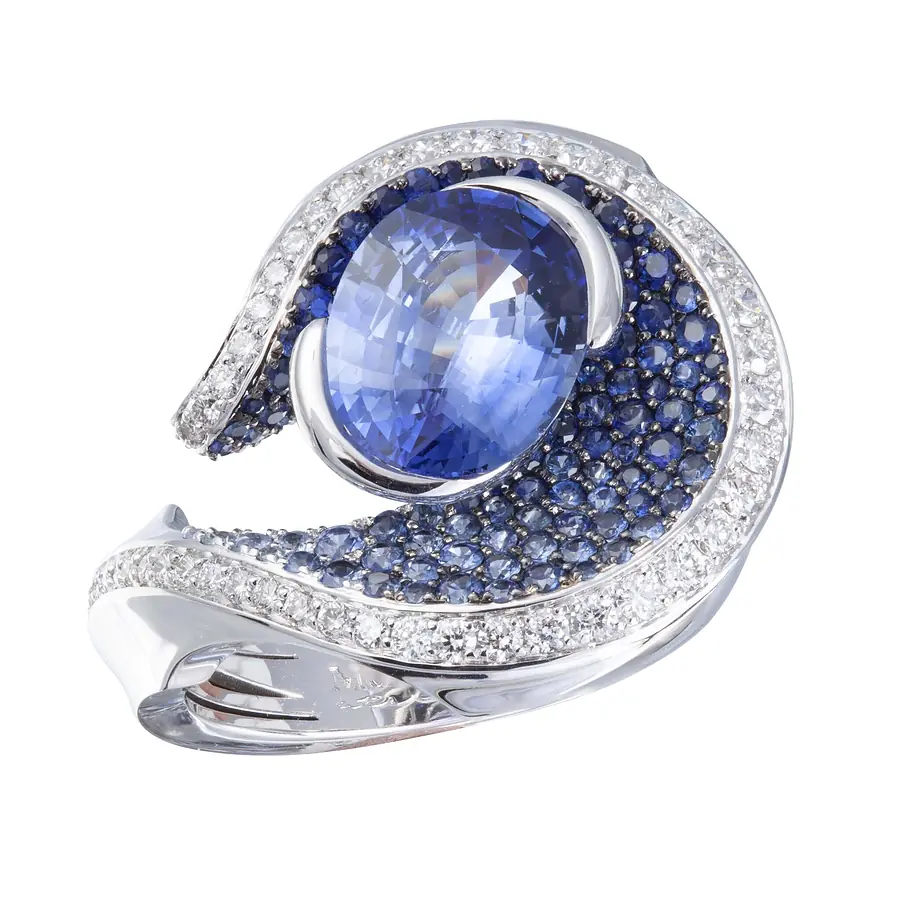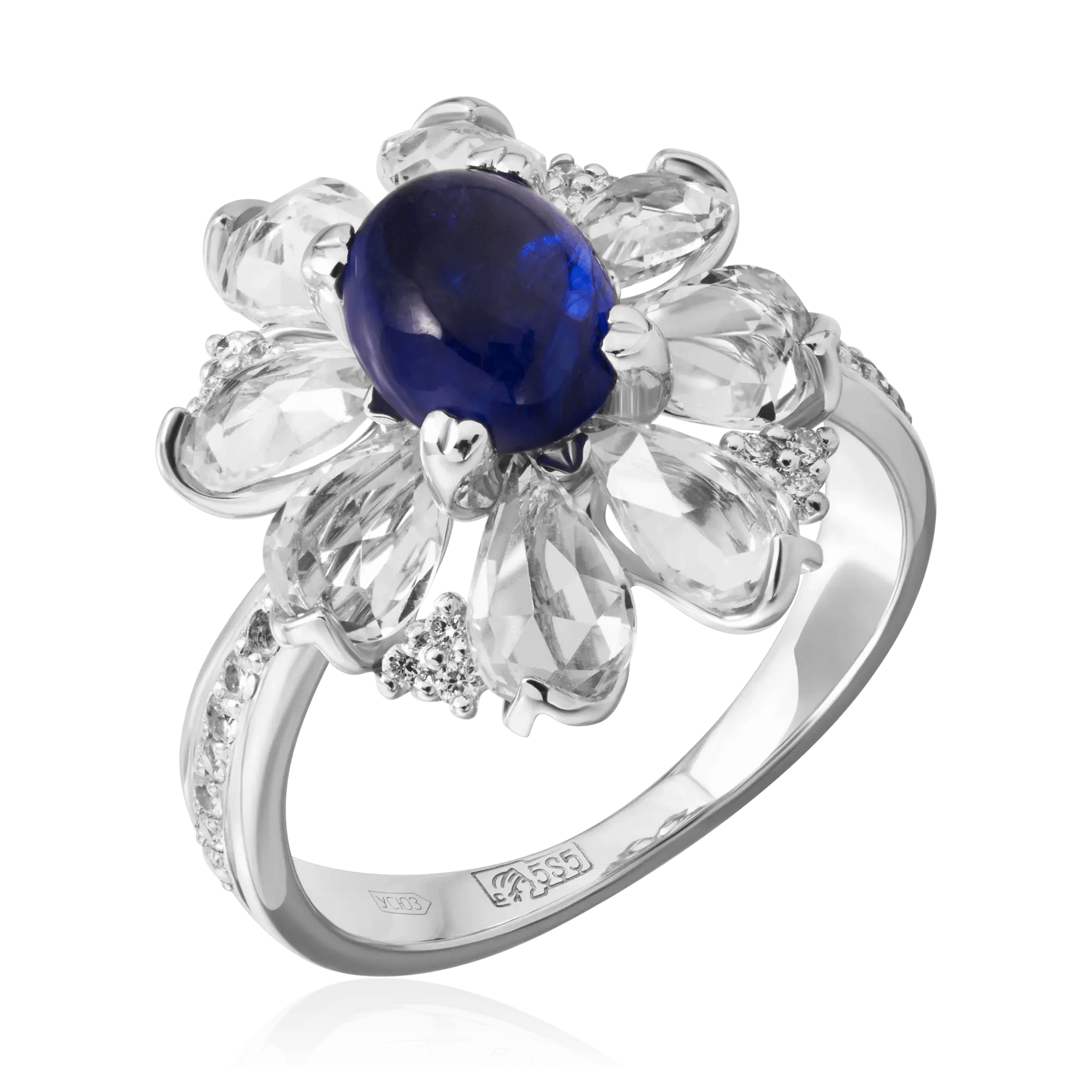
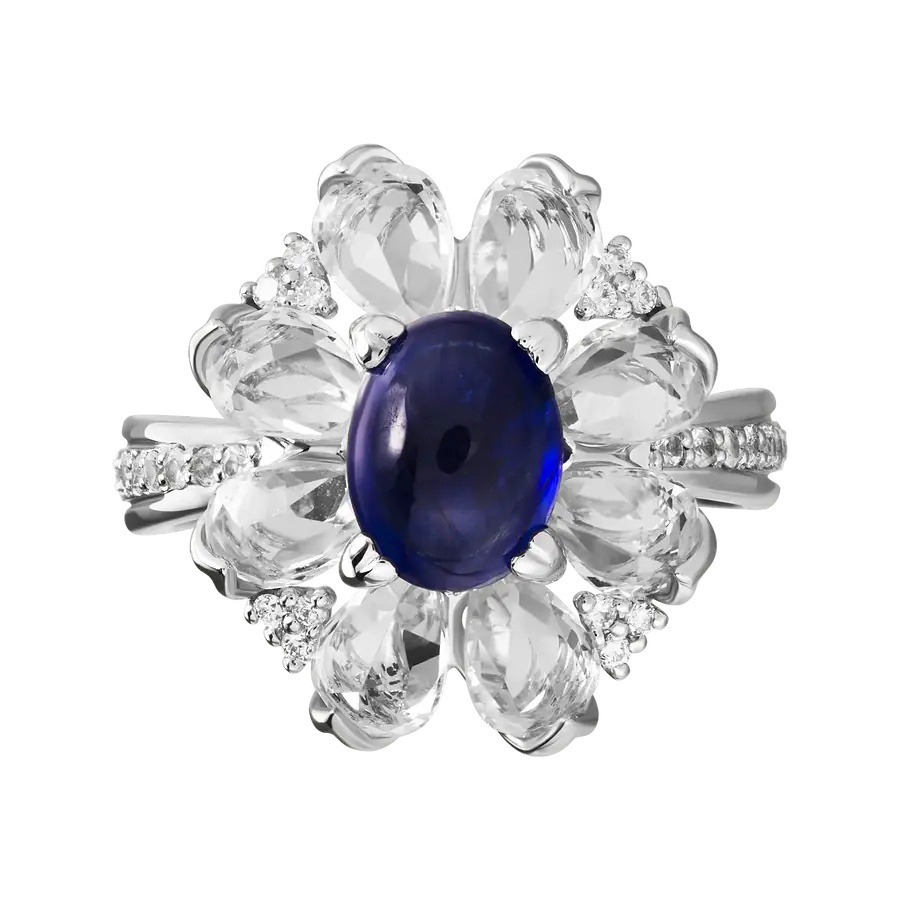
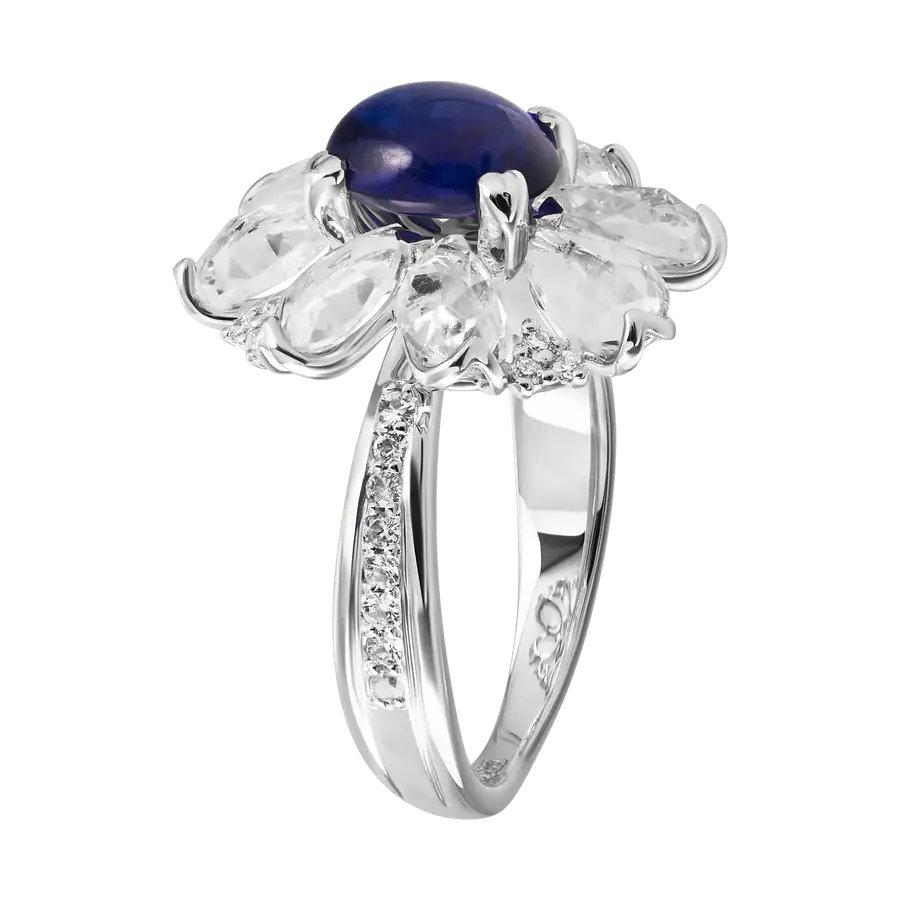
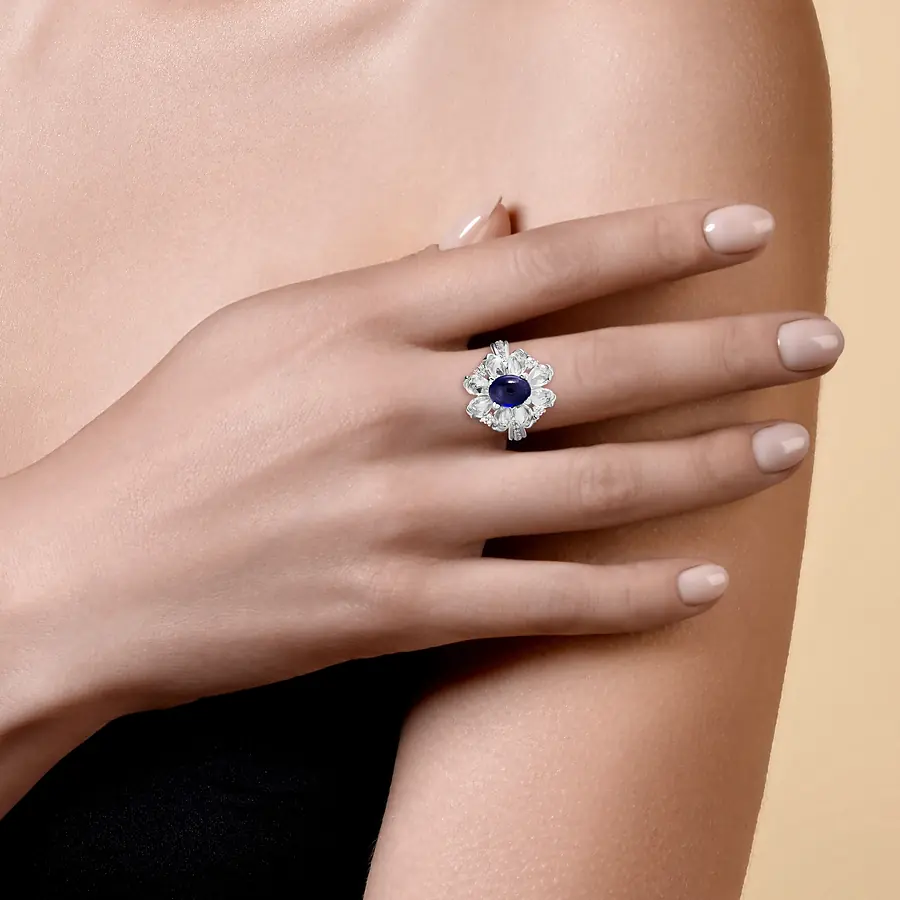
199 000 ₽
We use cookies to improve the site and give you more options. By continuing to use the site, you agree to cookie usage terms.We use cookies. Learn more


By popularity
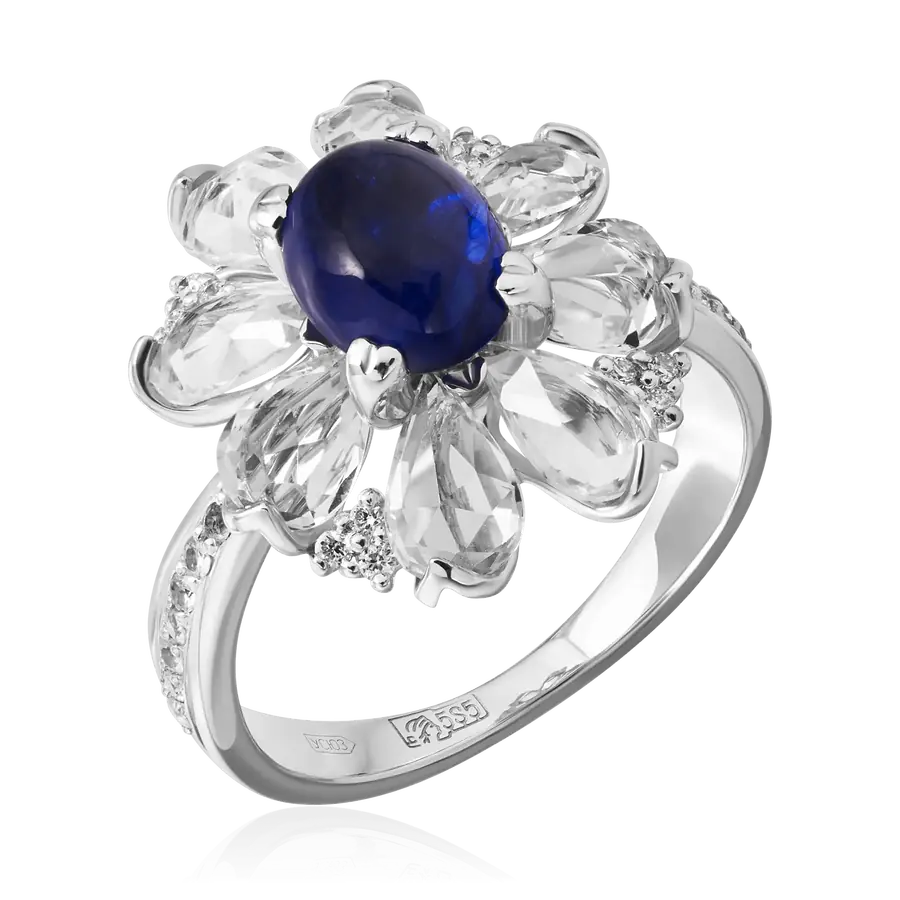

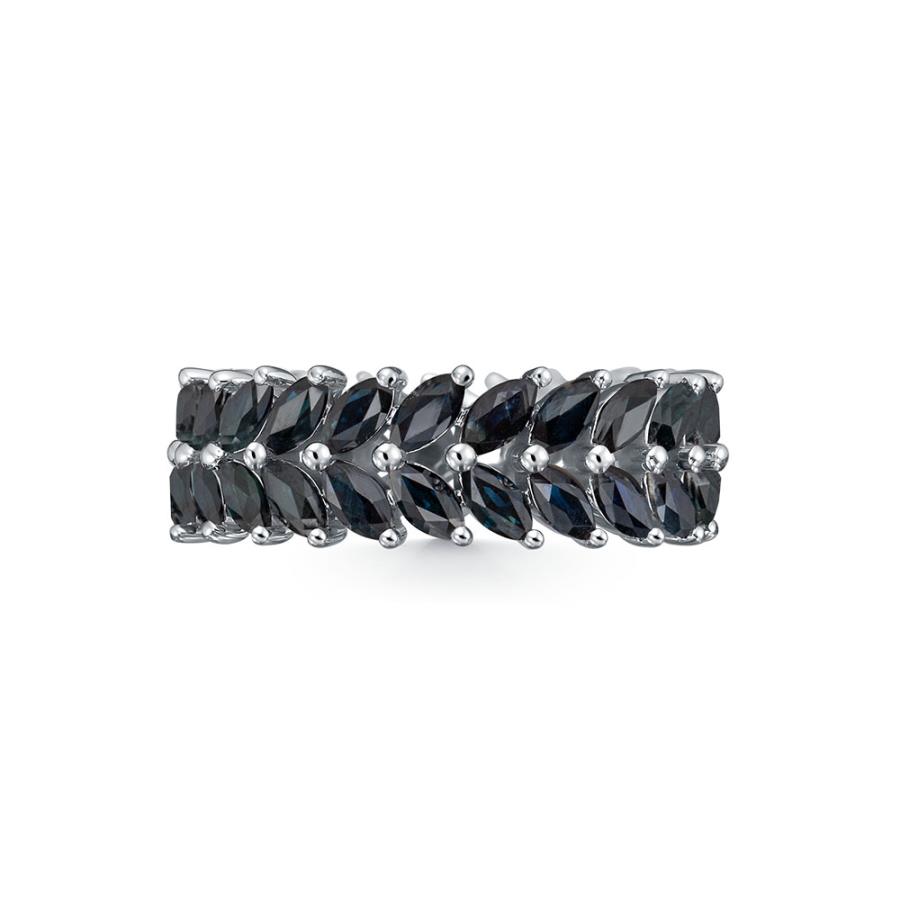
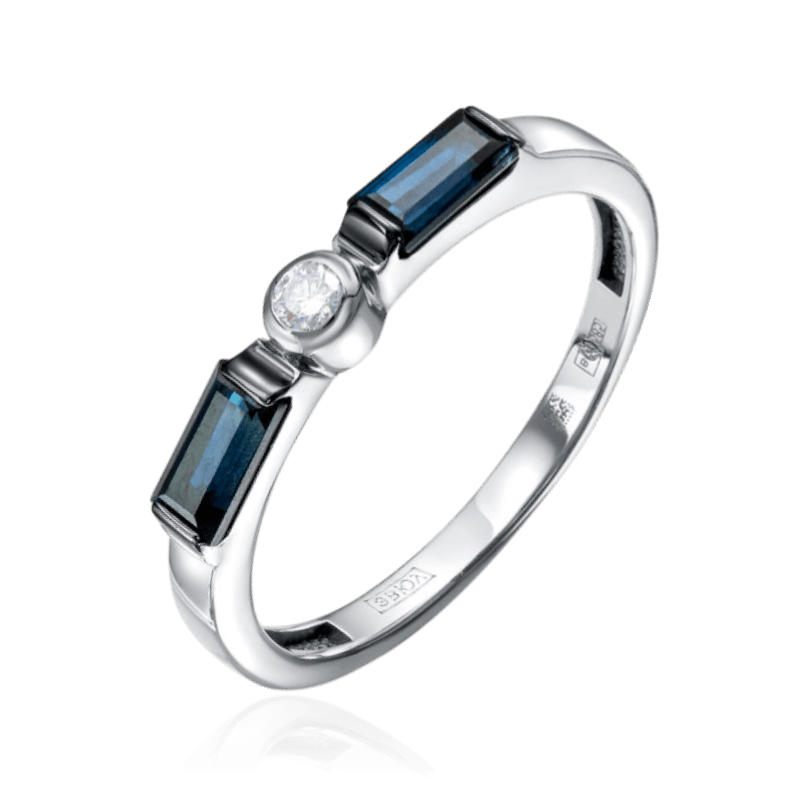
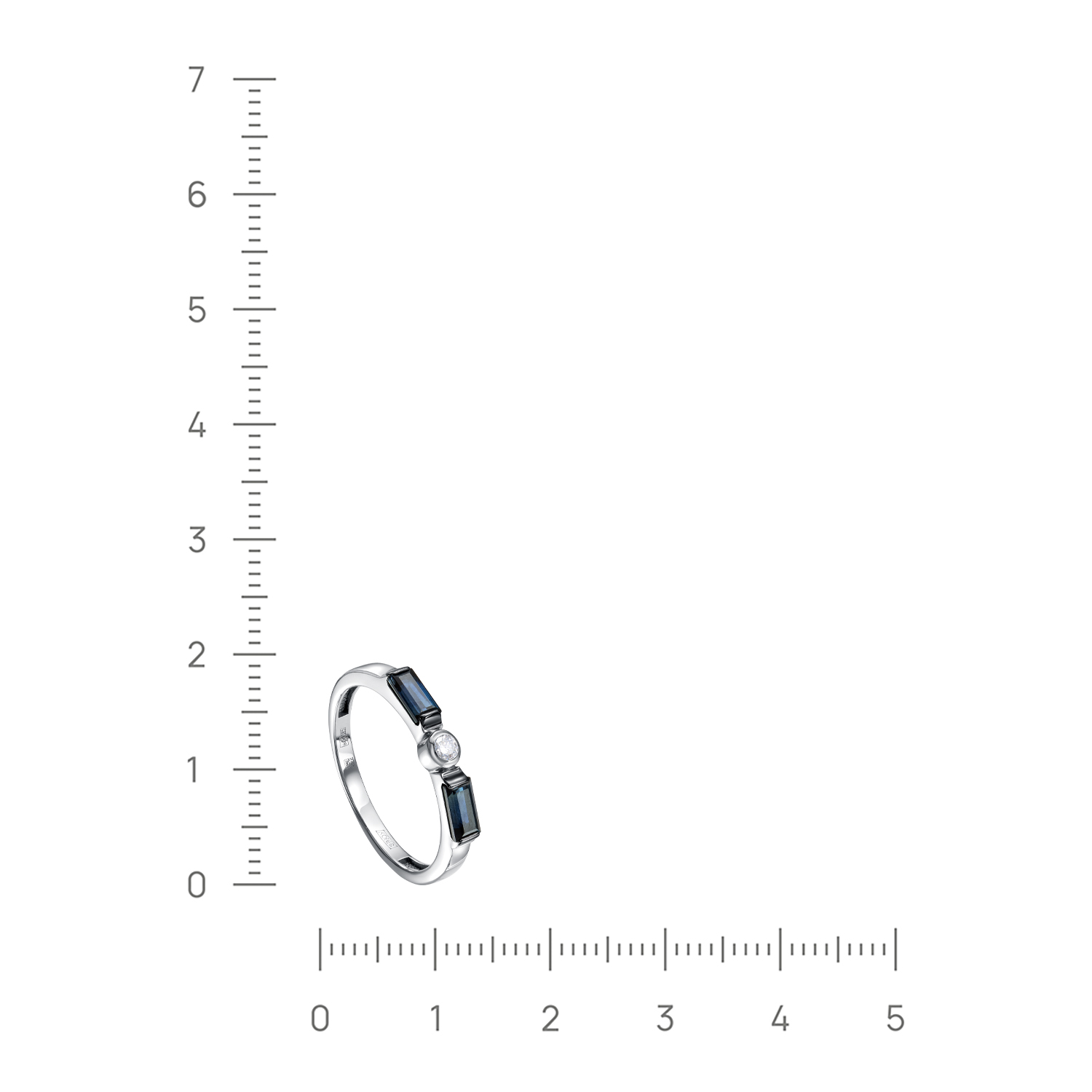


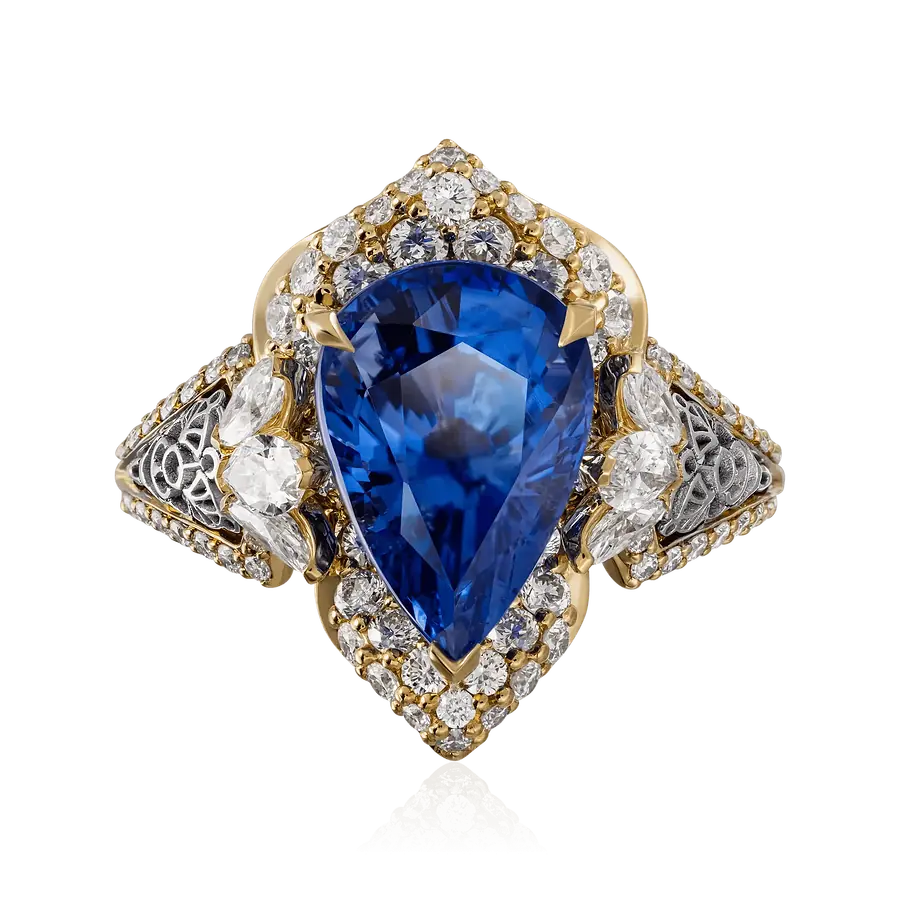
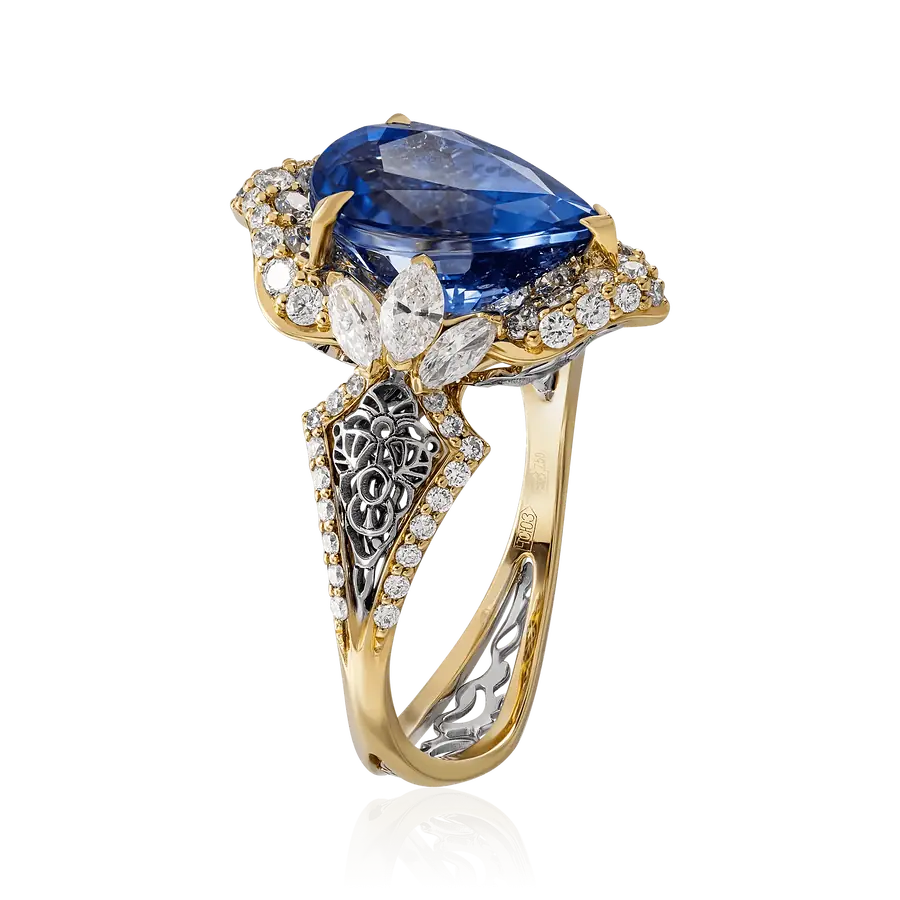

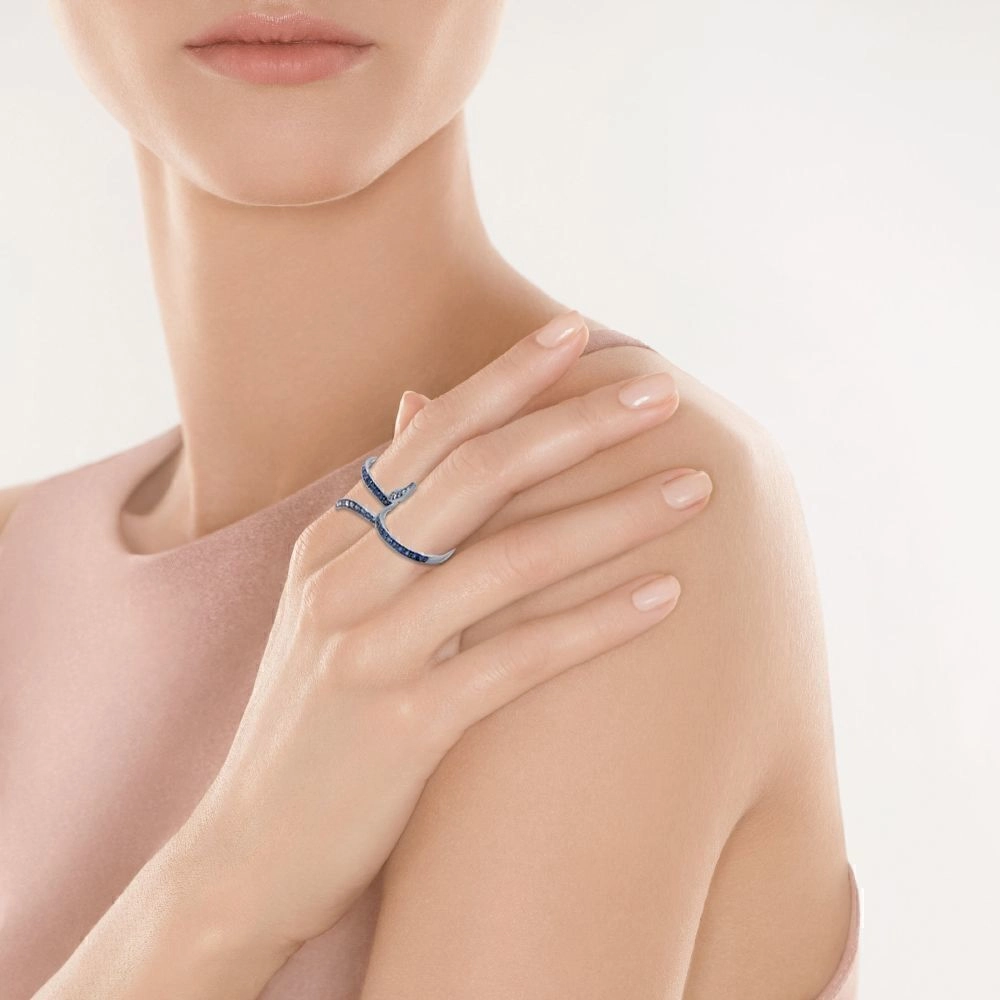

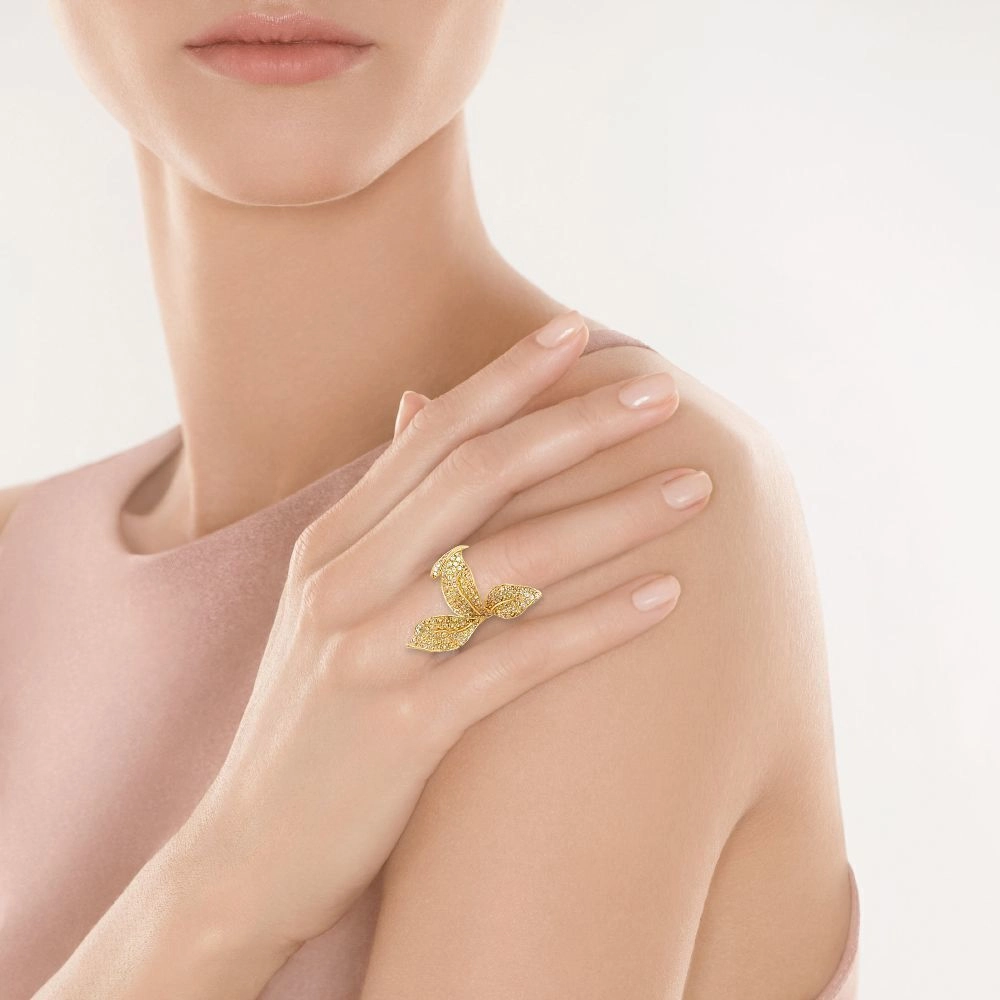
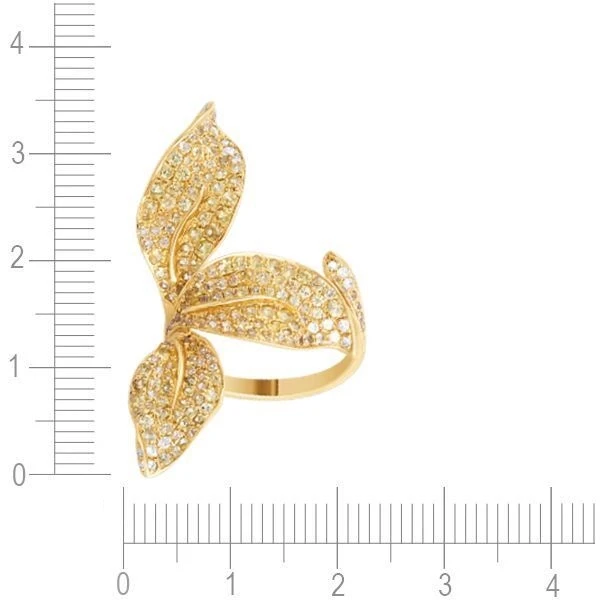
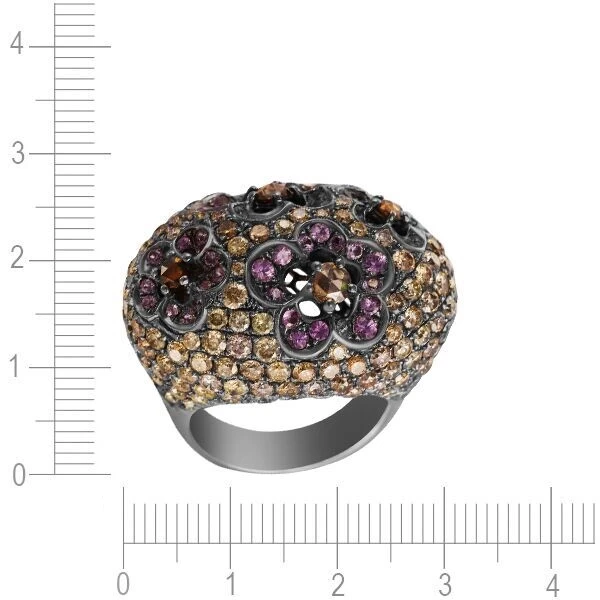
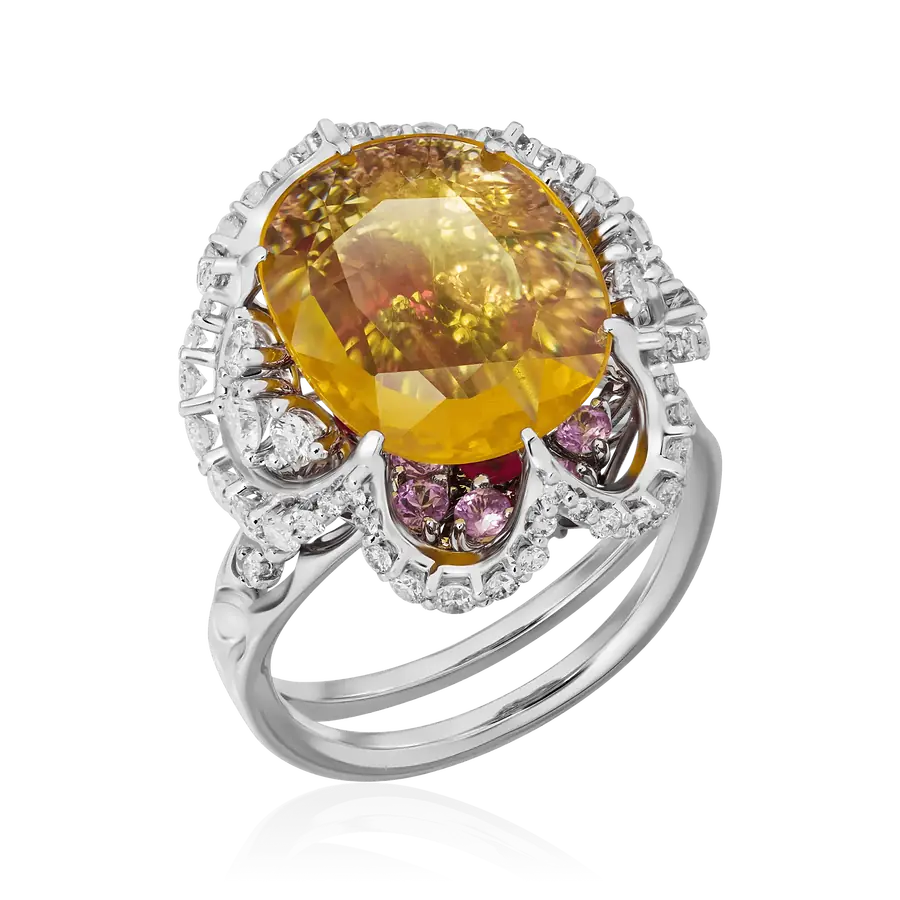
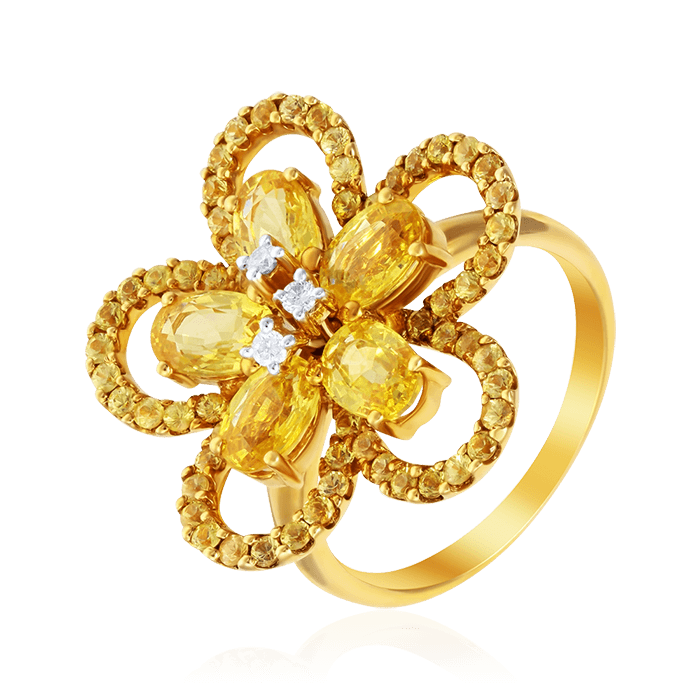
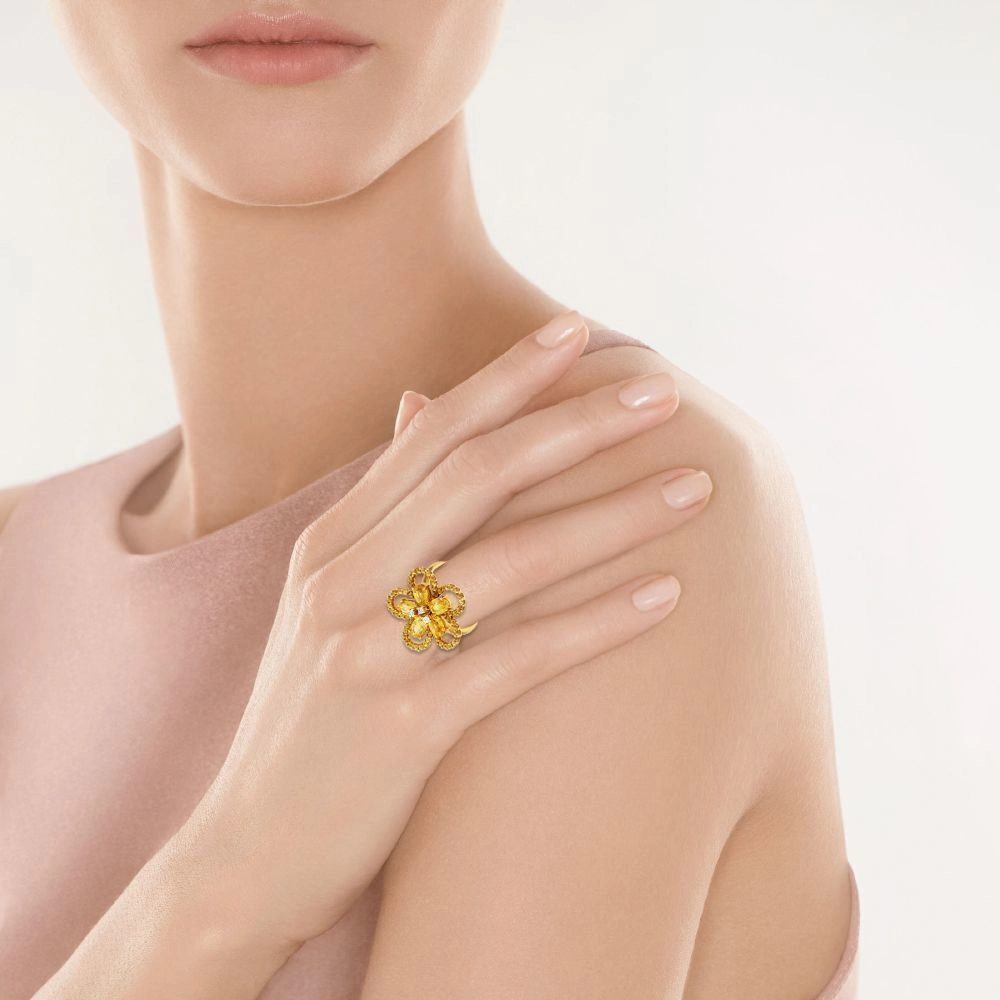
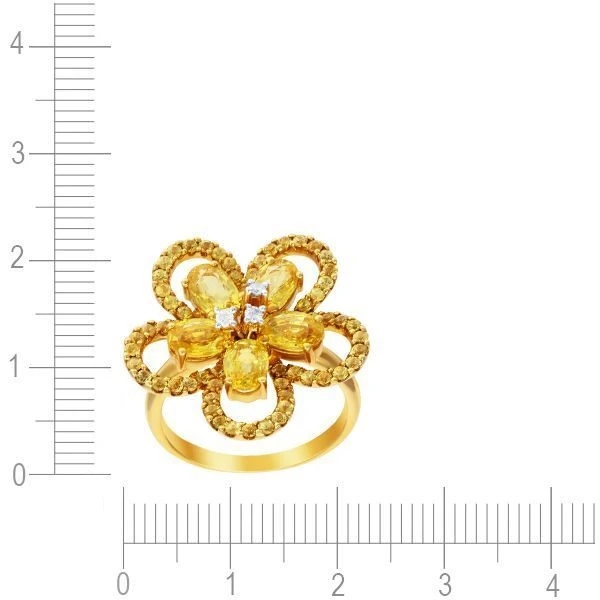
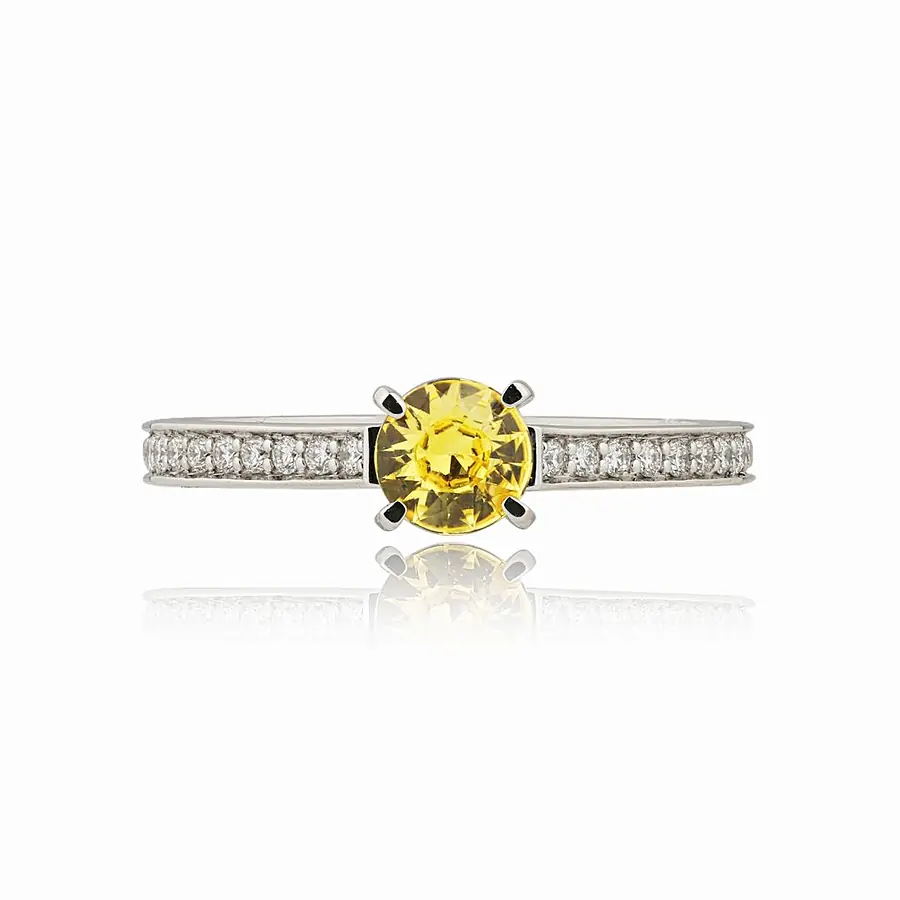
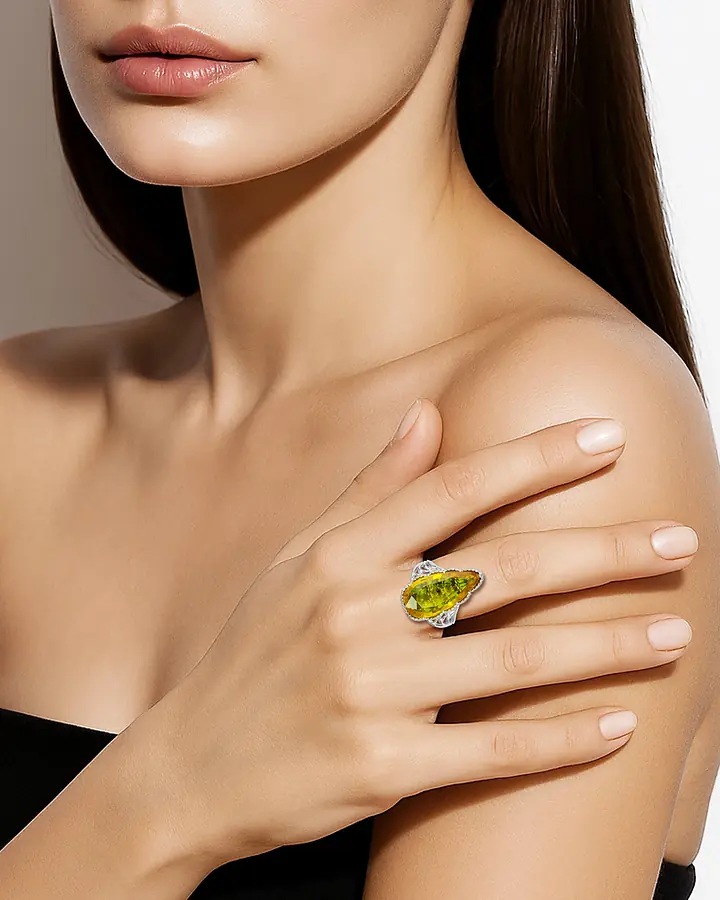
Flower Ring with Yellow Sapphires and Diamonds in 14K Yellow Gold (585) ( 43738)
In stock


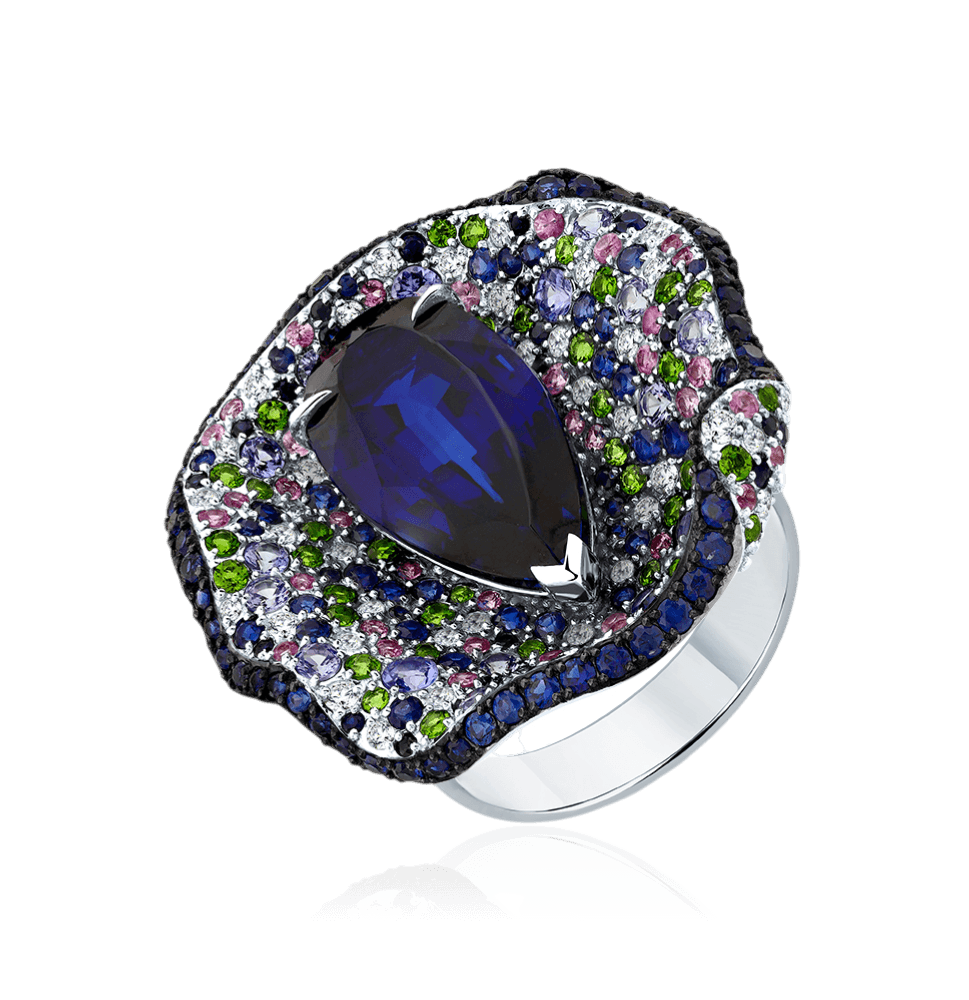
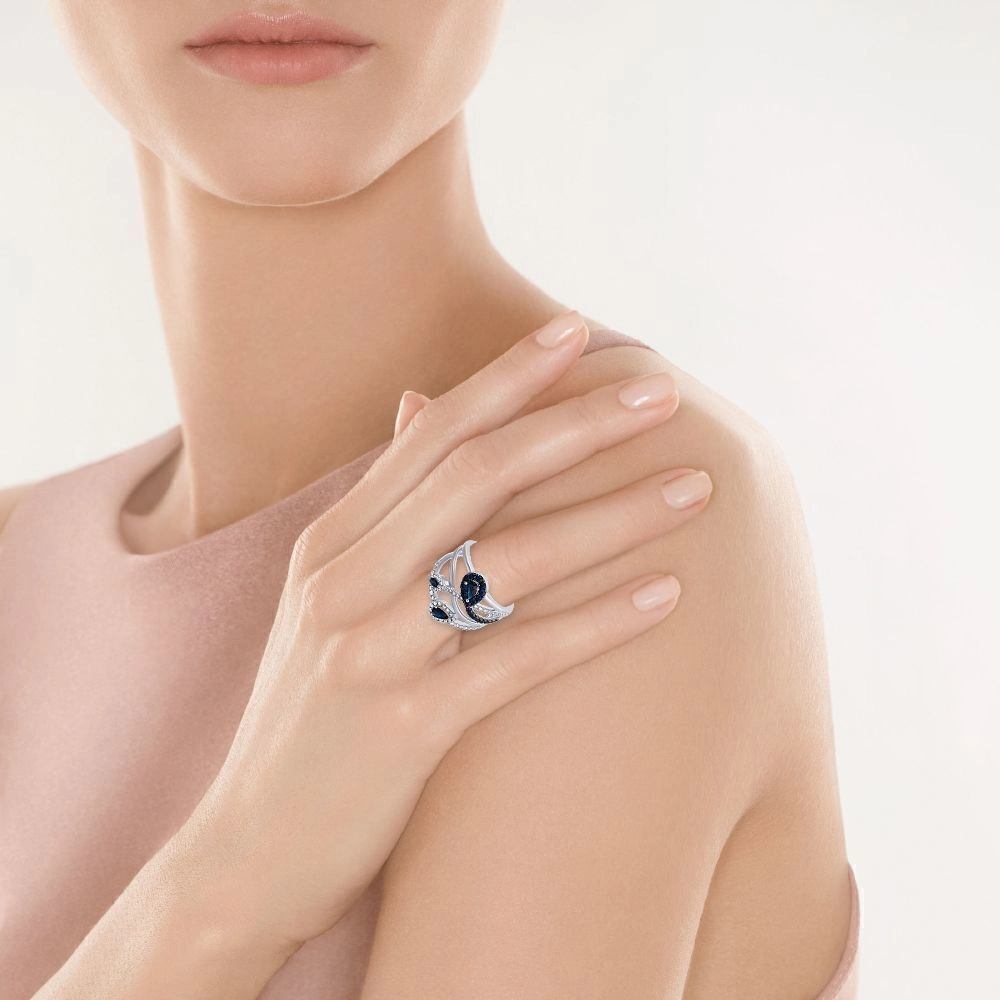
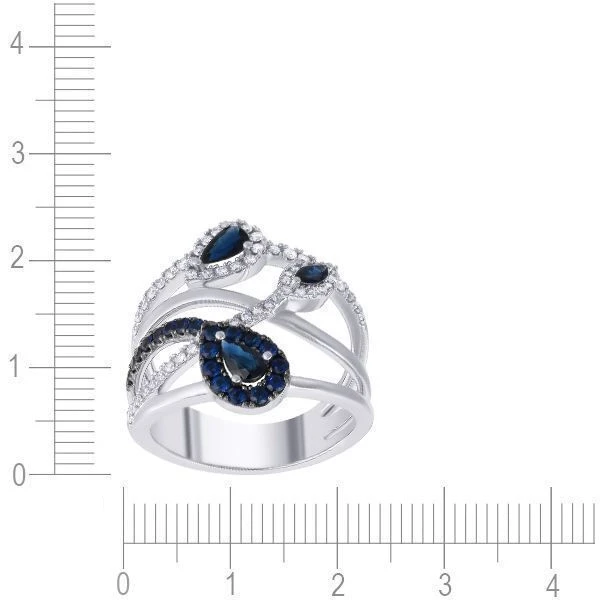
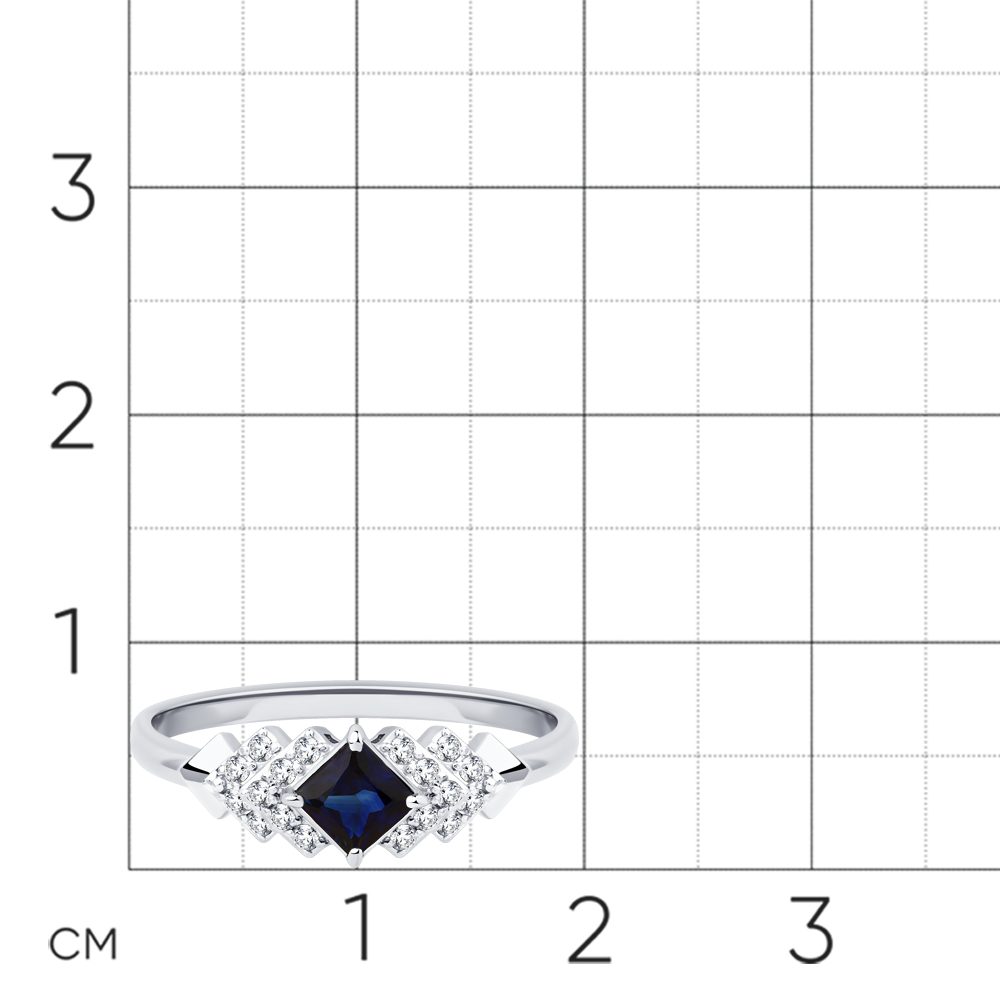
Ring with tanzanite, sapphire and diamonds in 14K white gold (585) ( 128486)
In stock
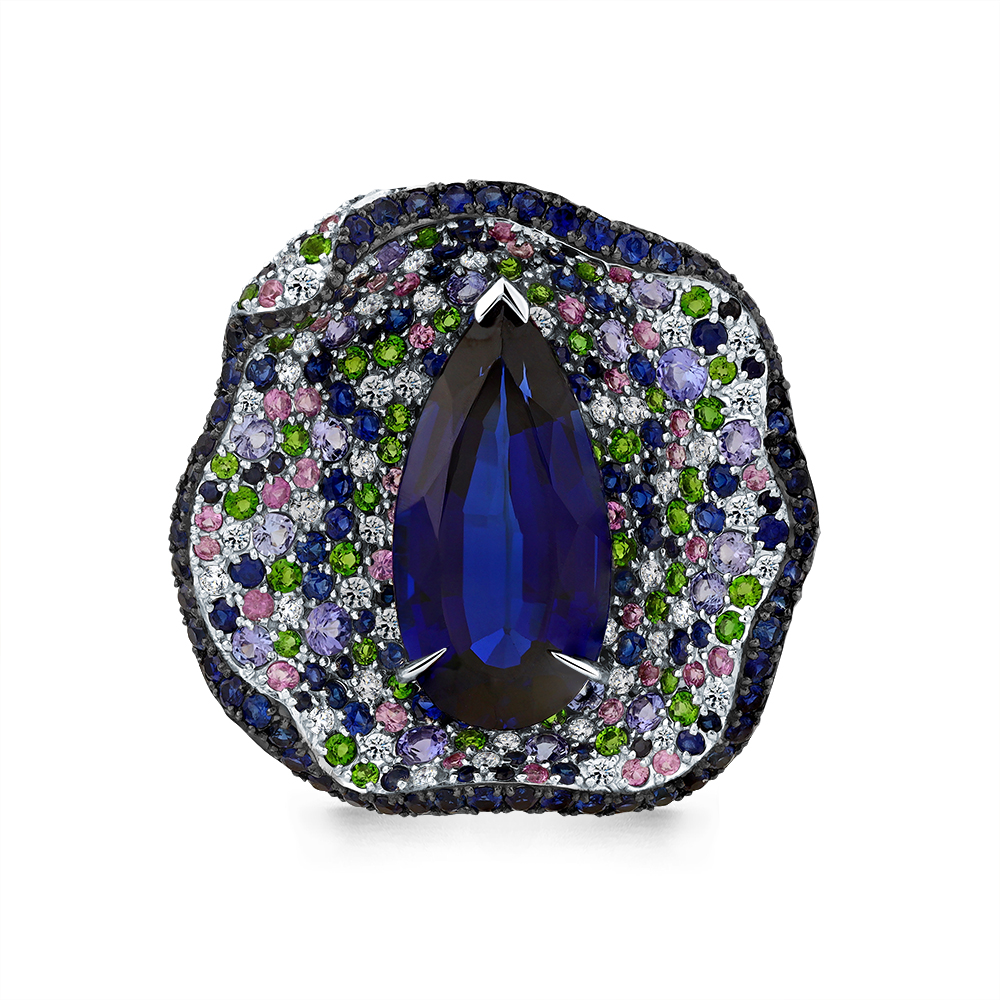
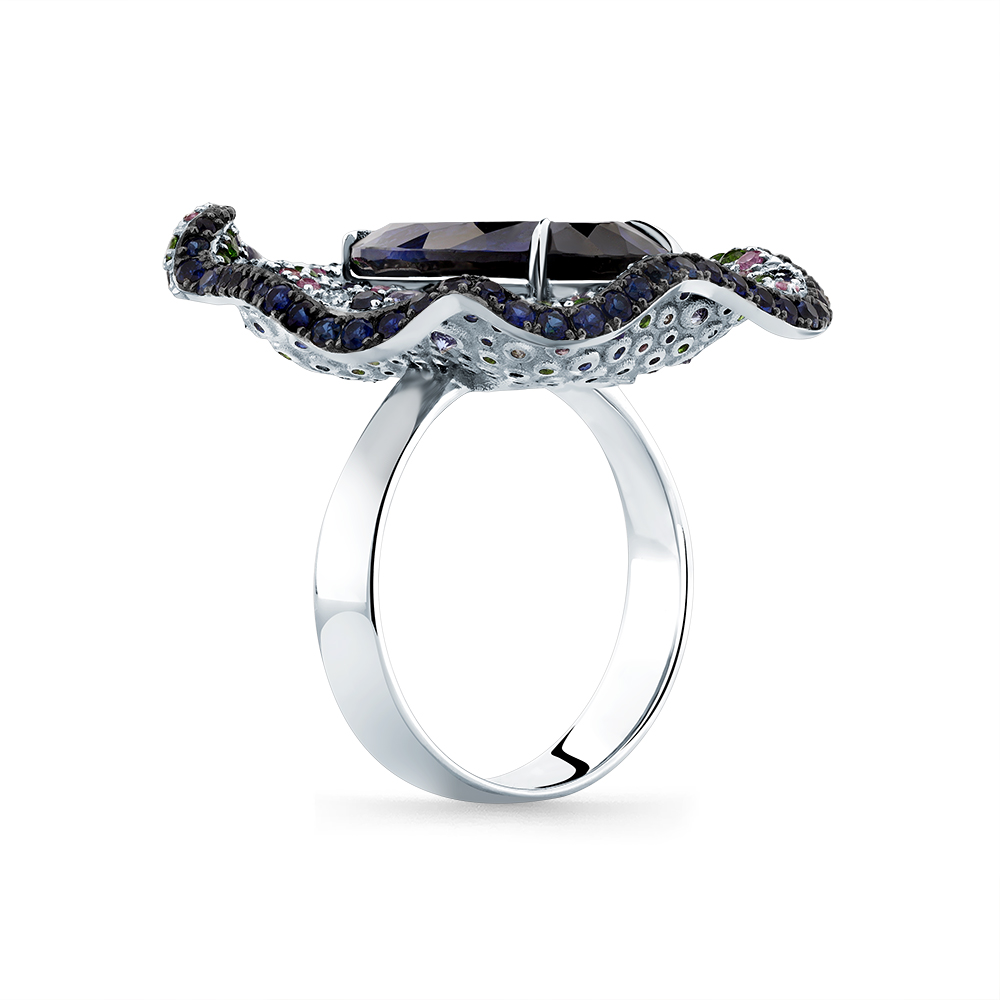
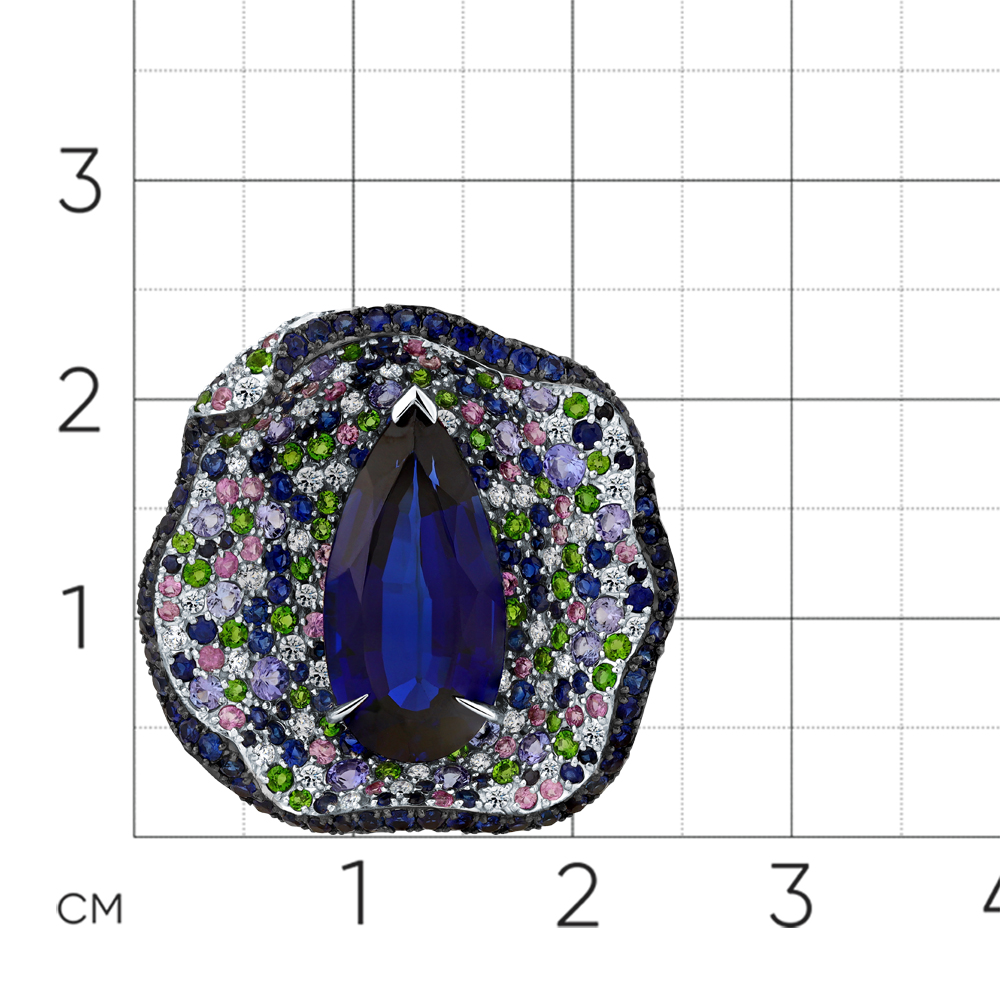

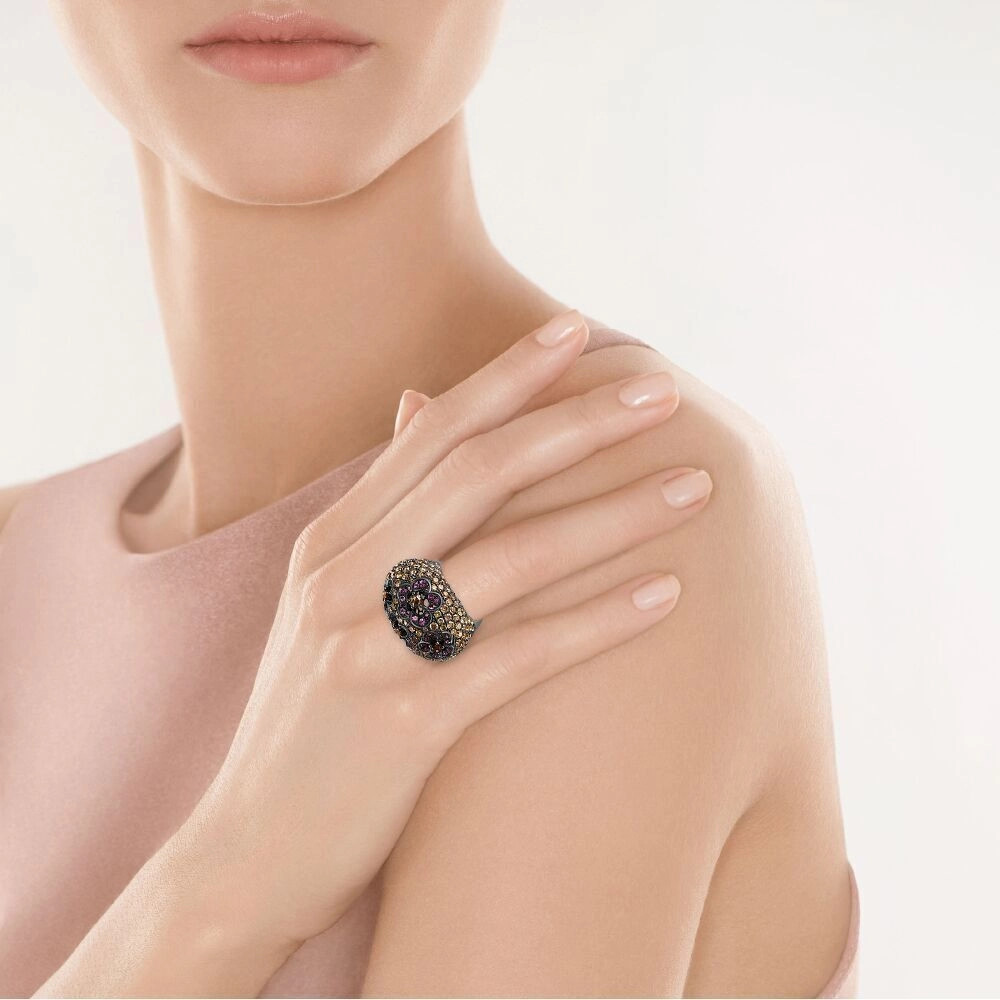


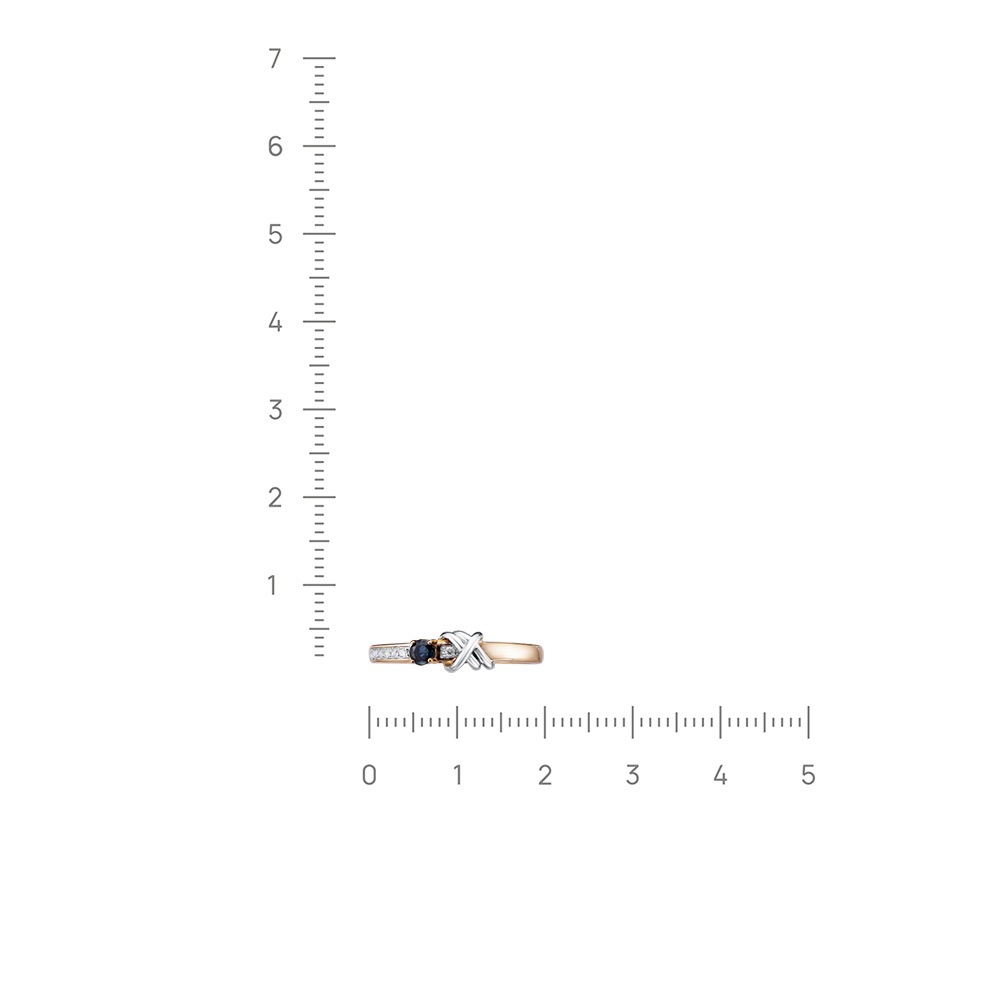
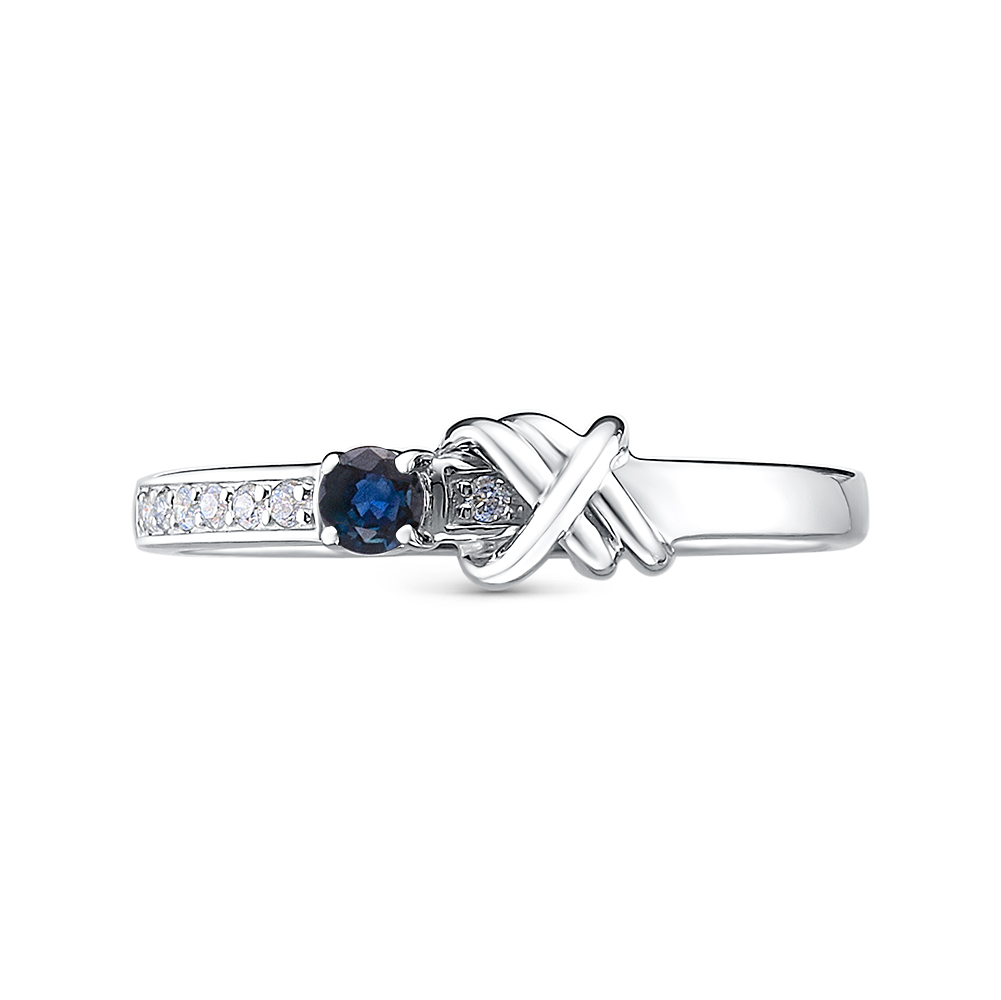

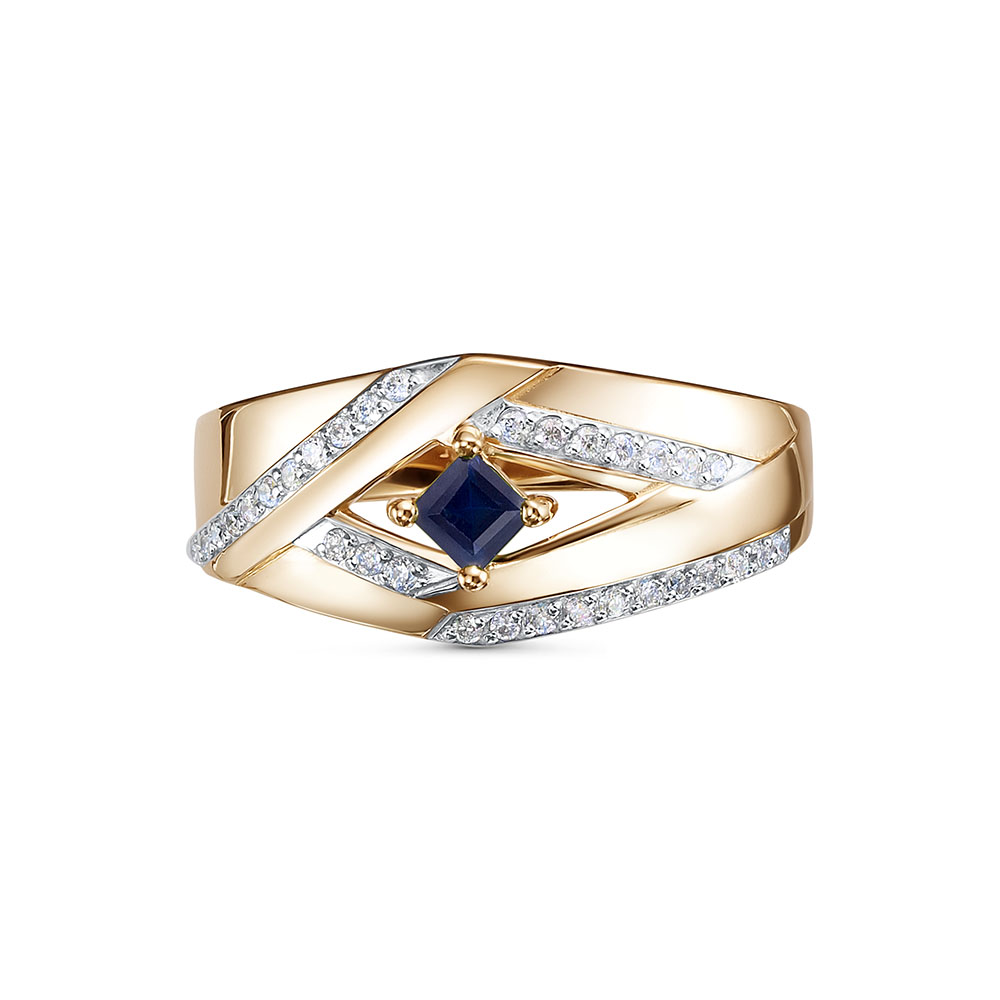
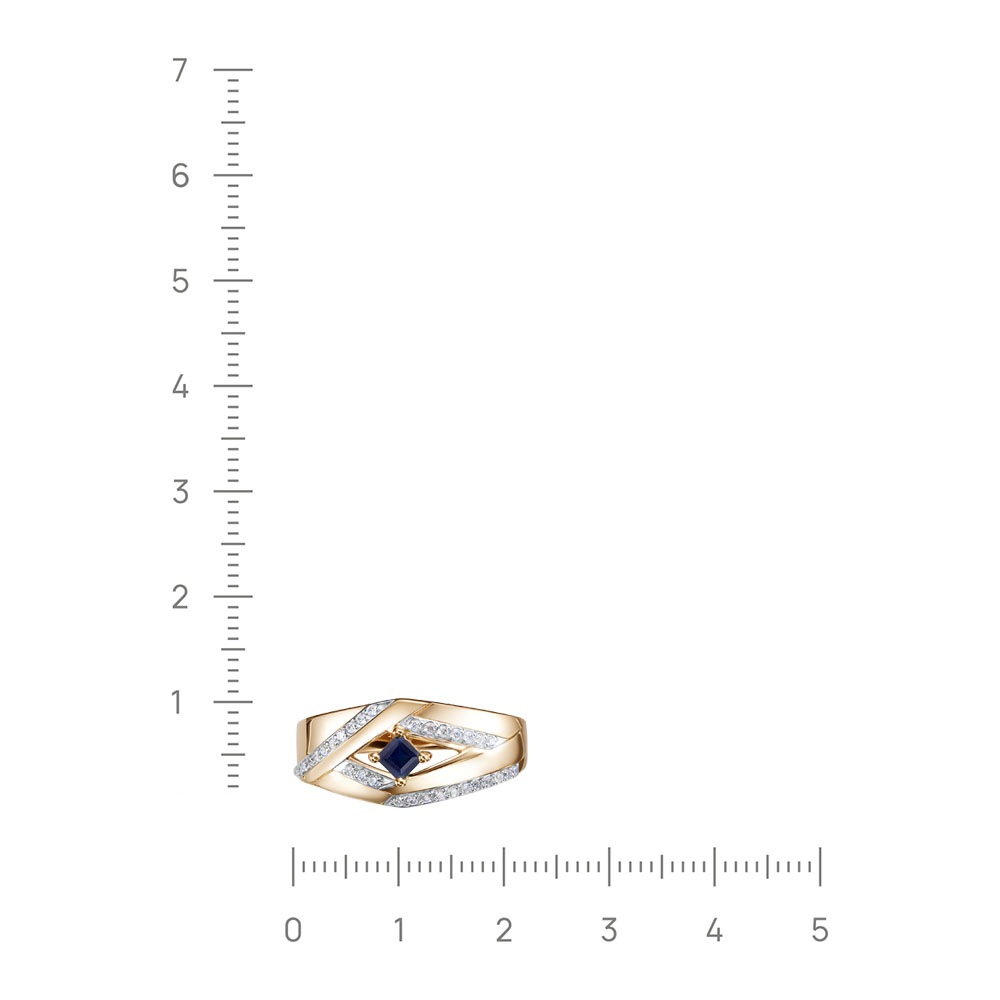


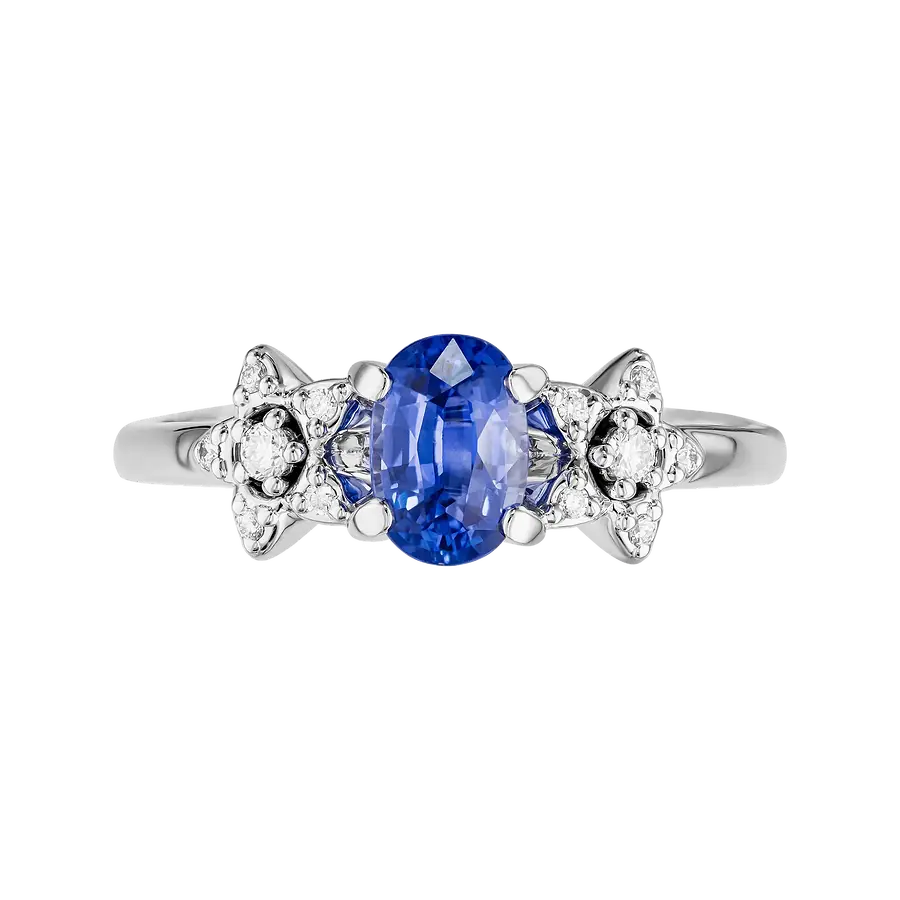
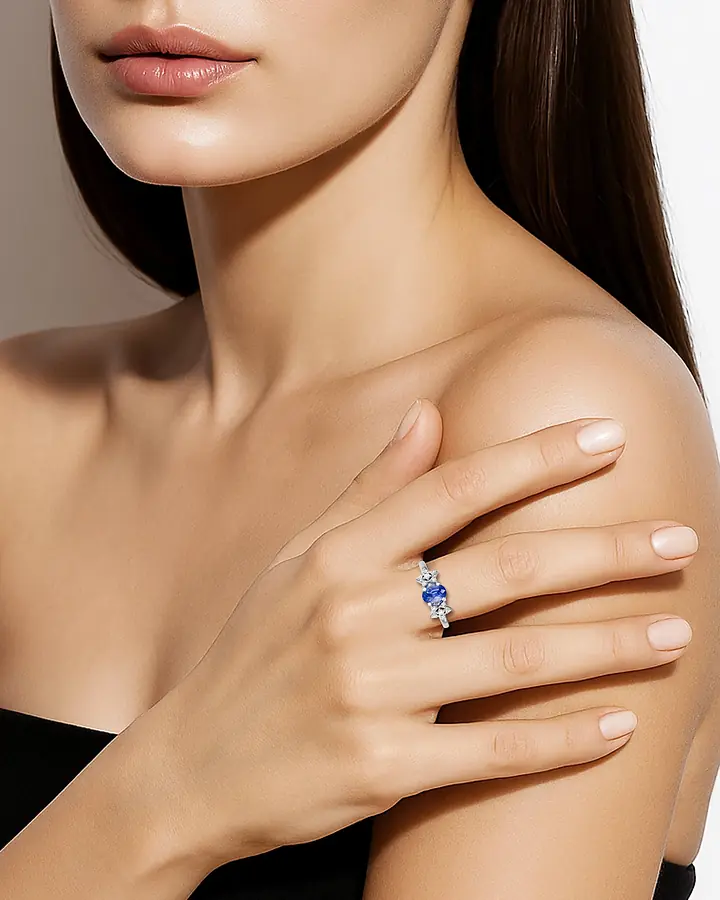

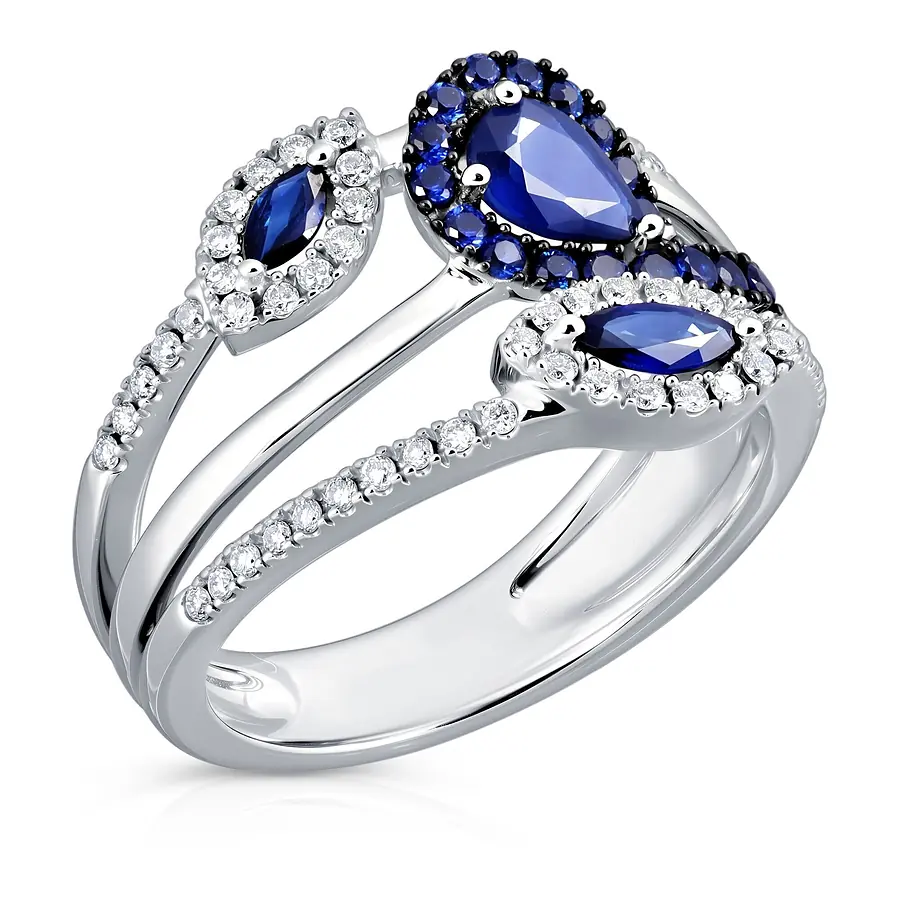
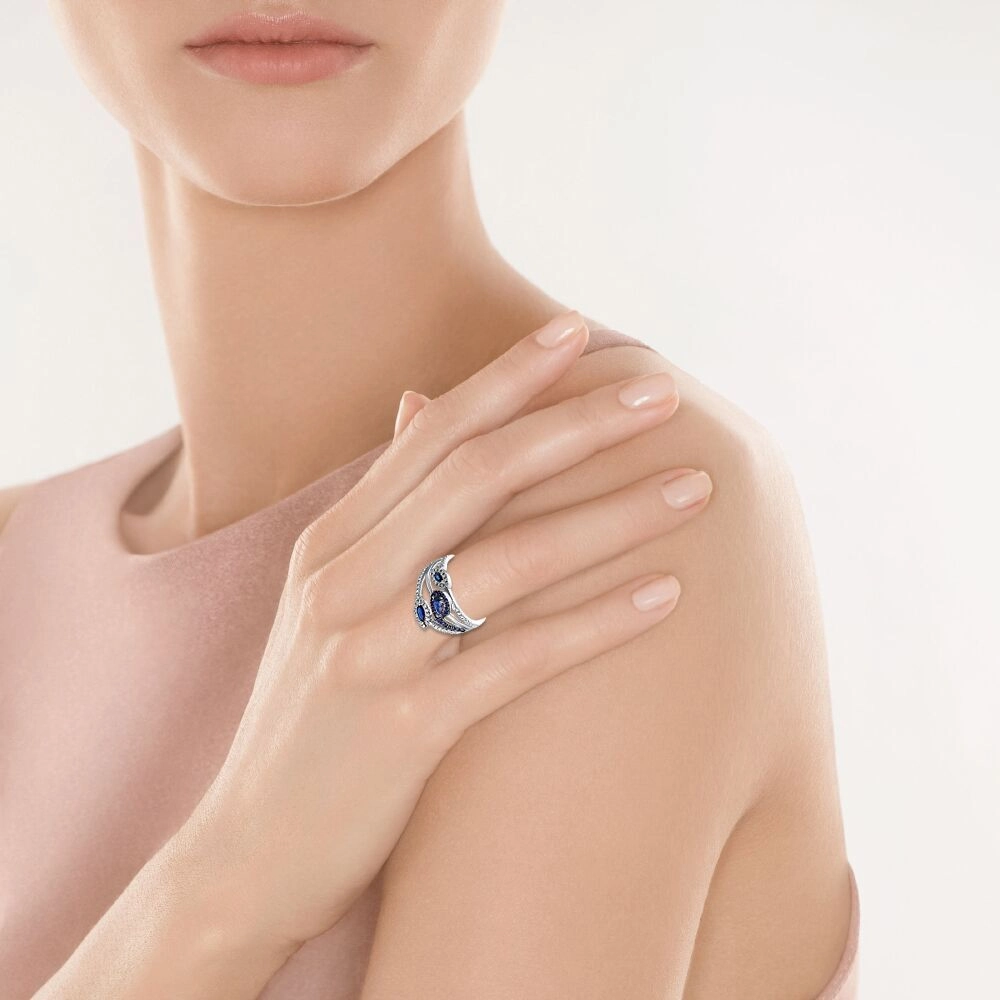
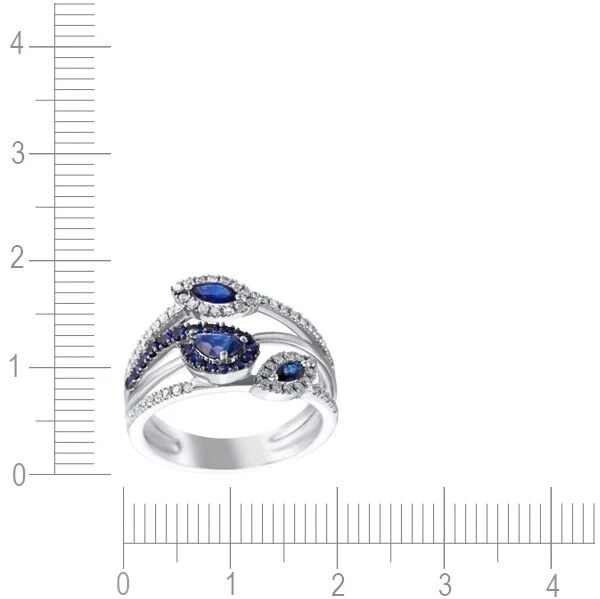
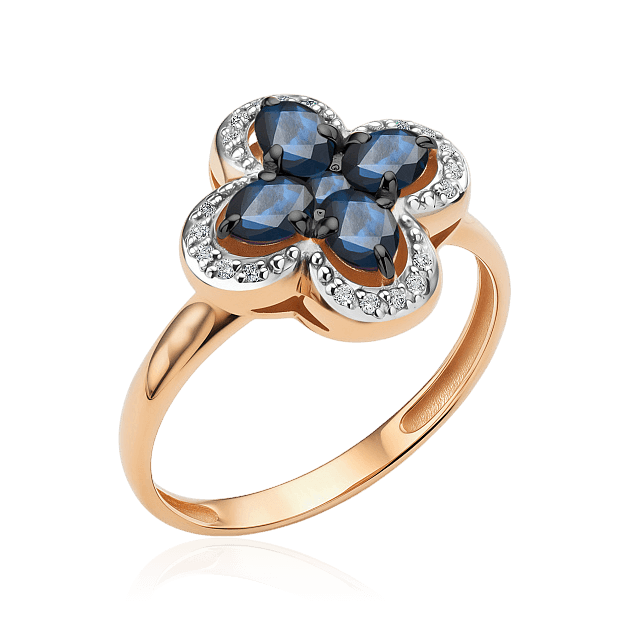
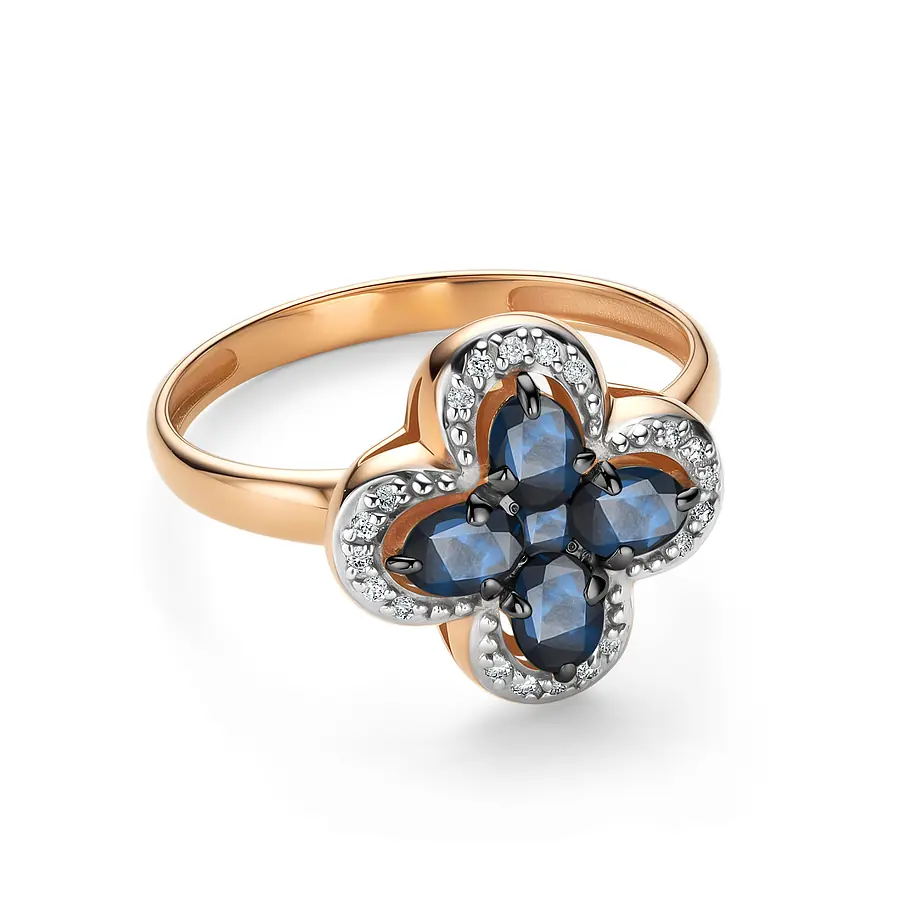
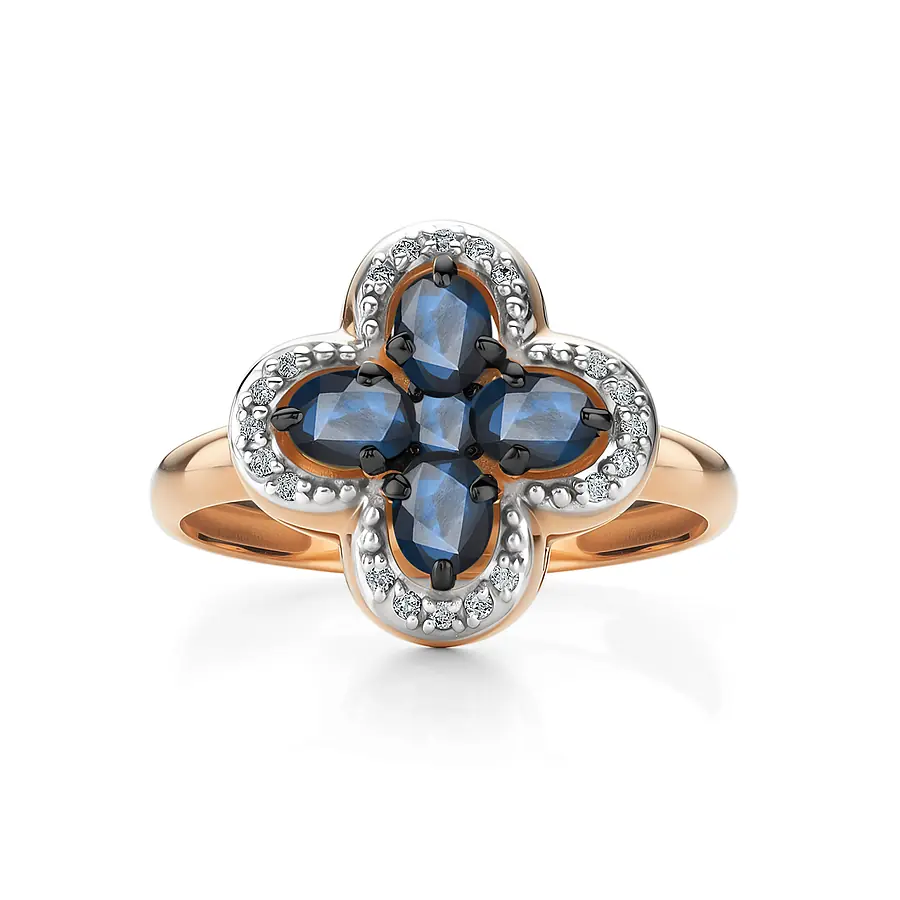
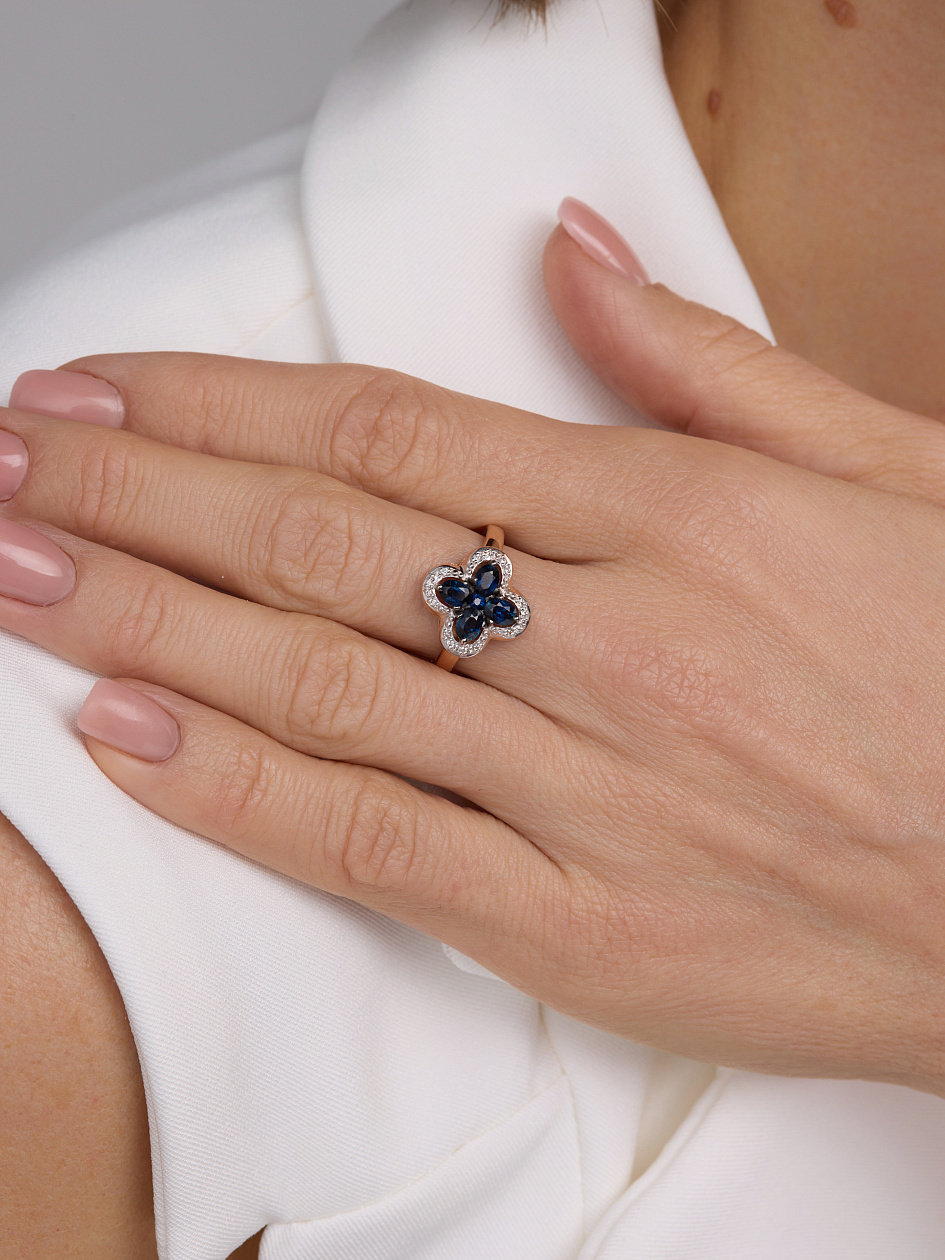

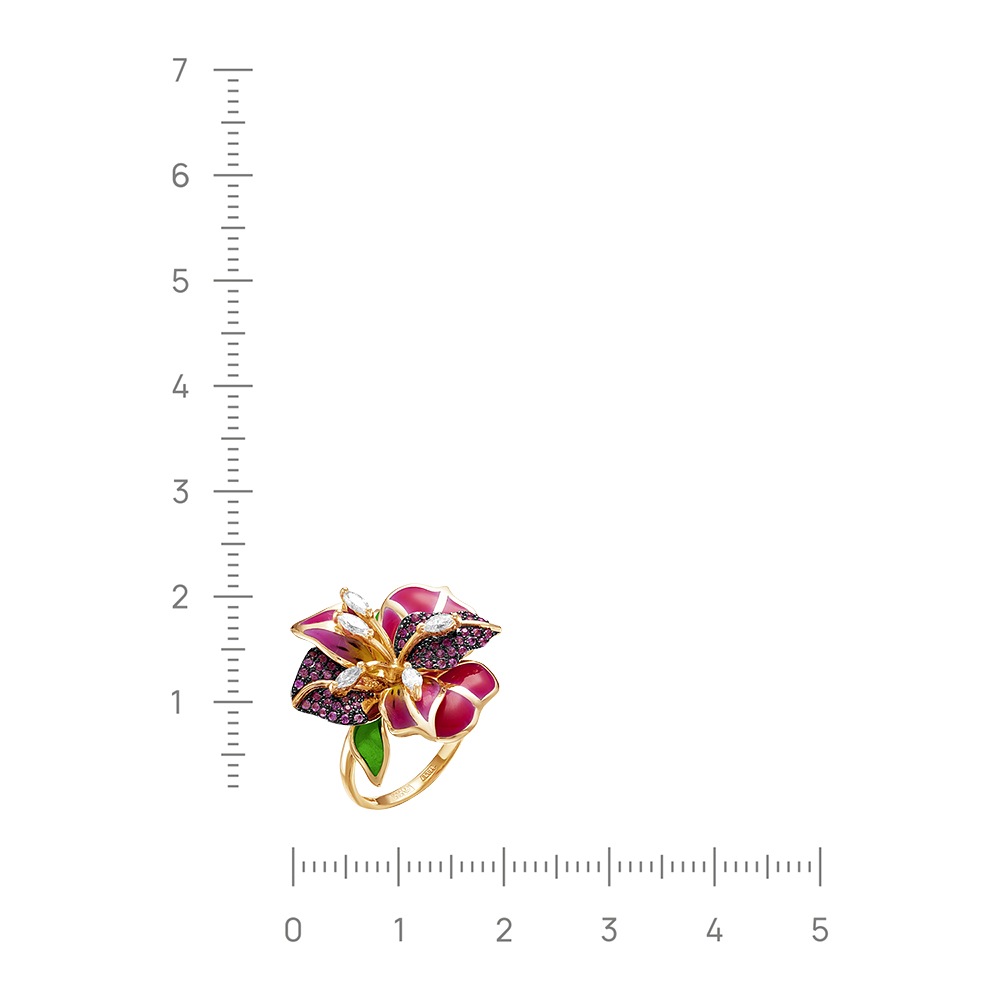
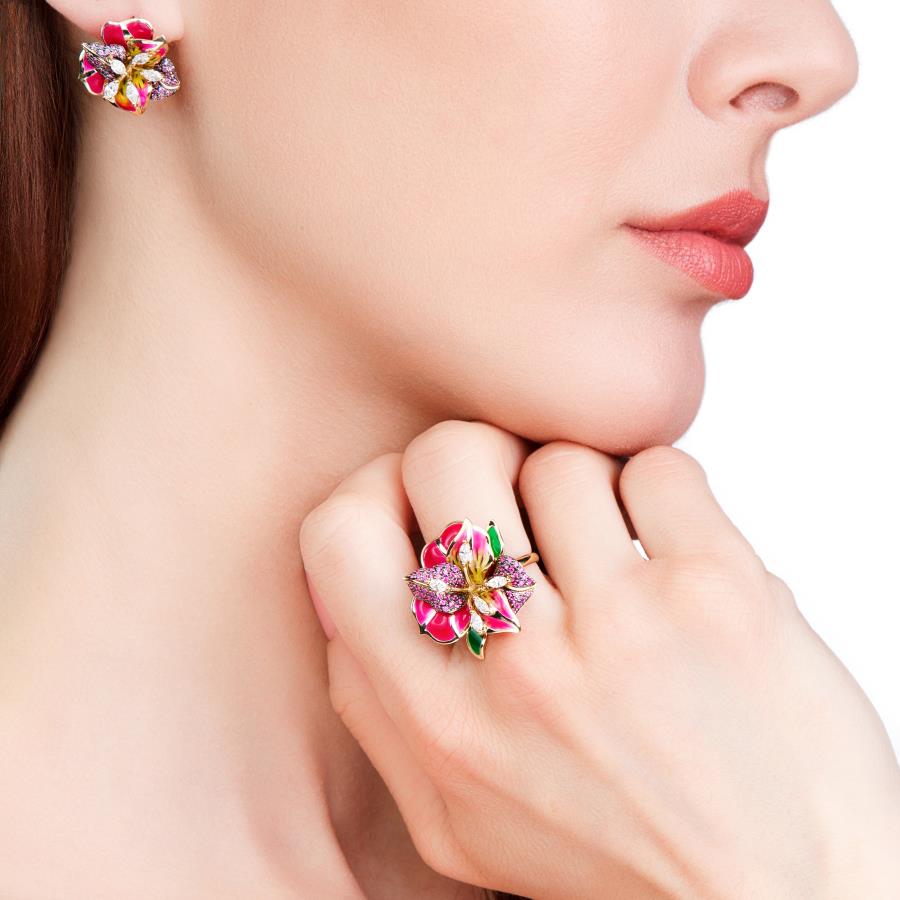

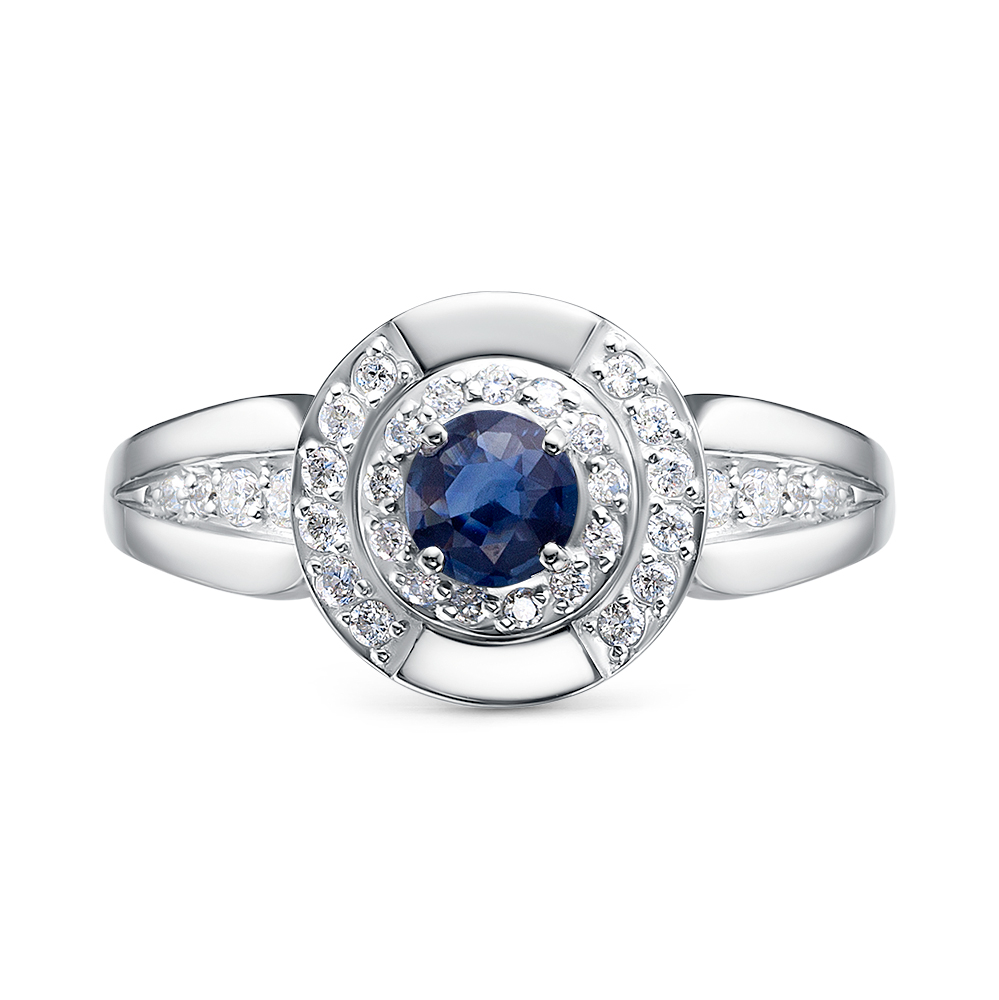
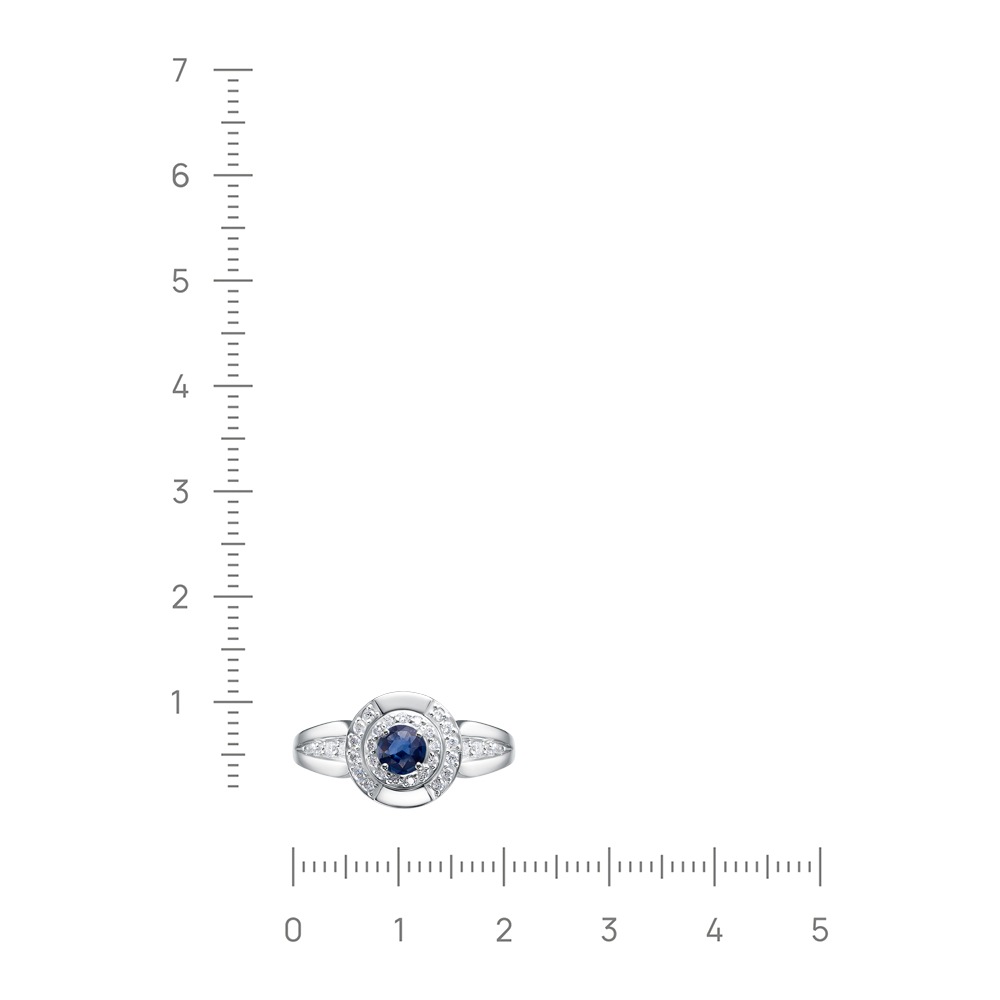
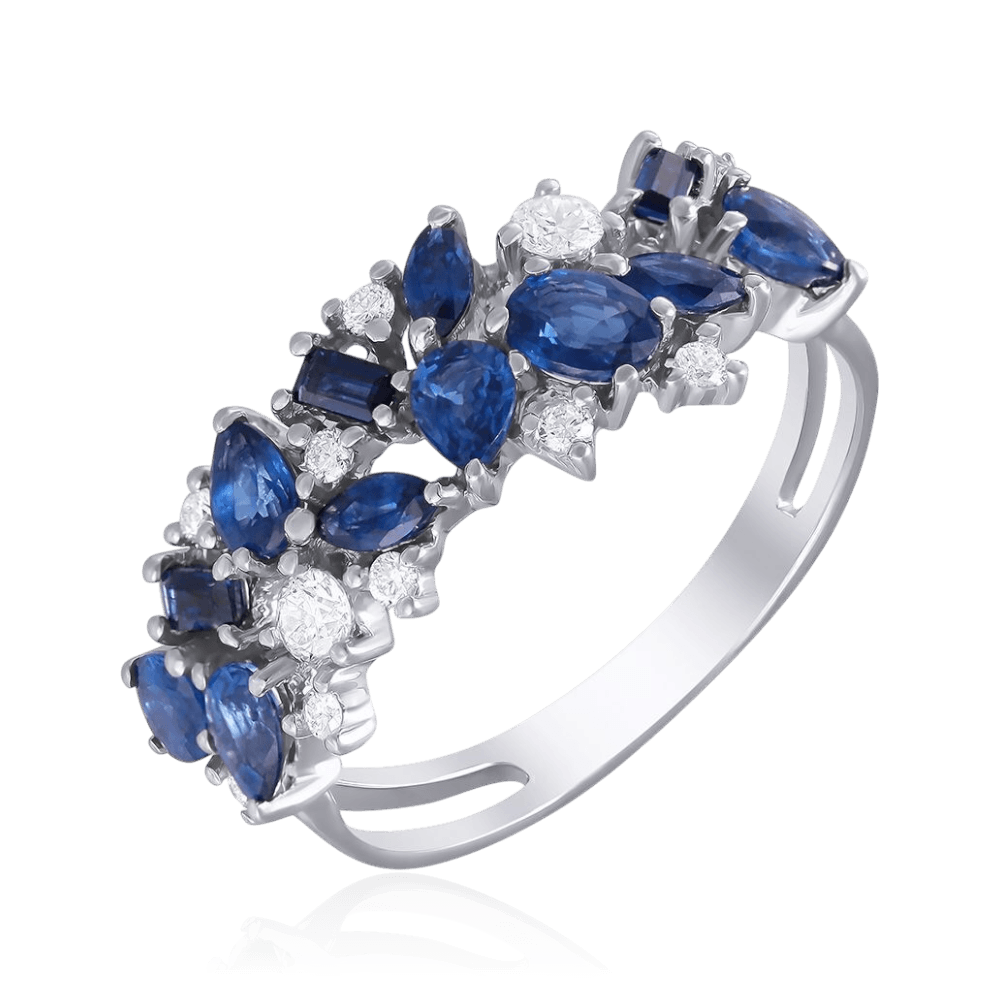
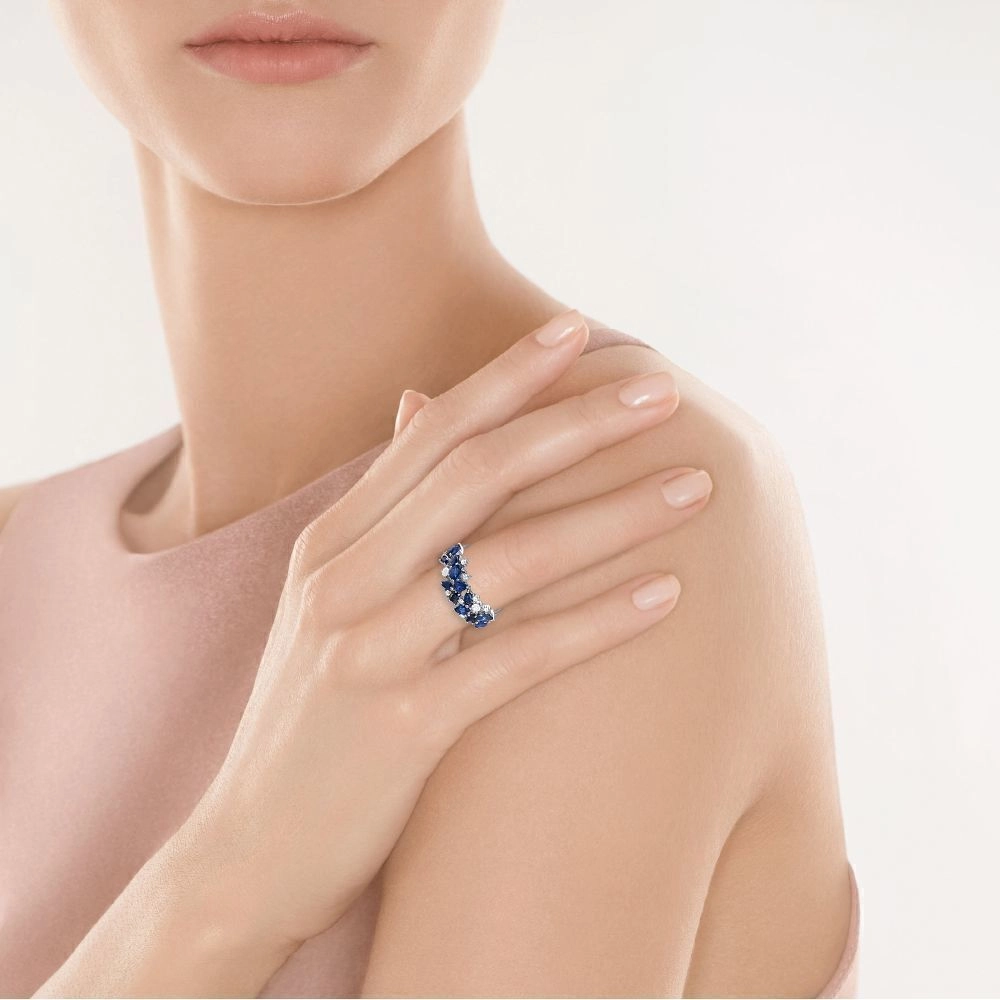
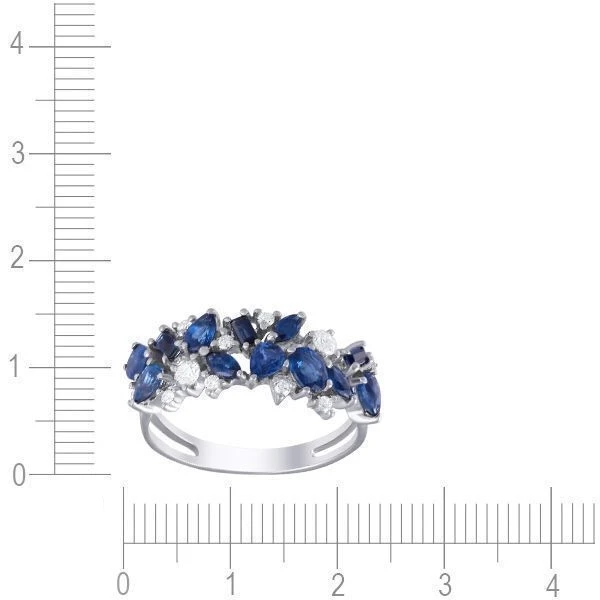

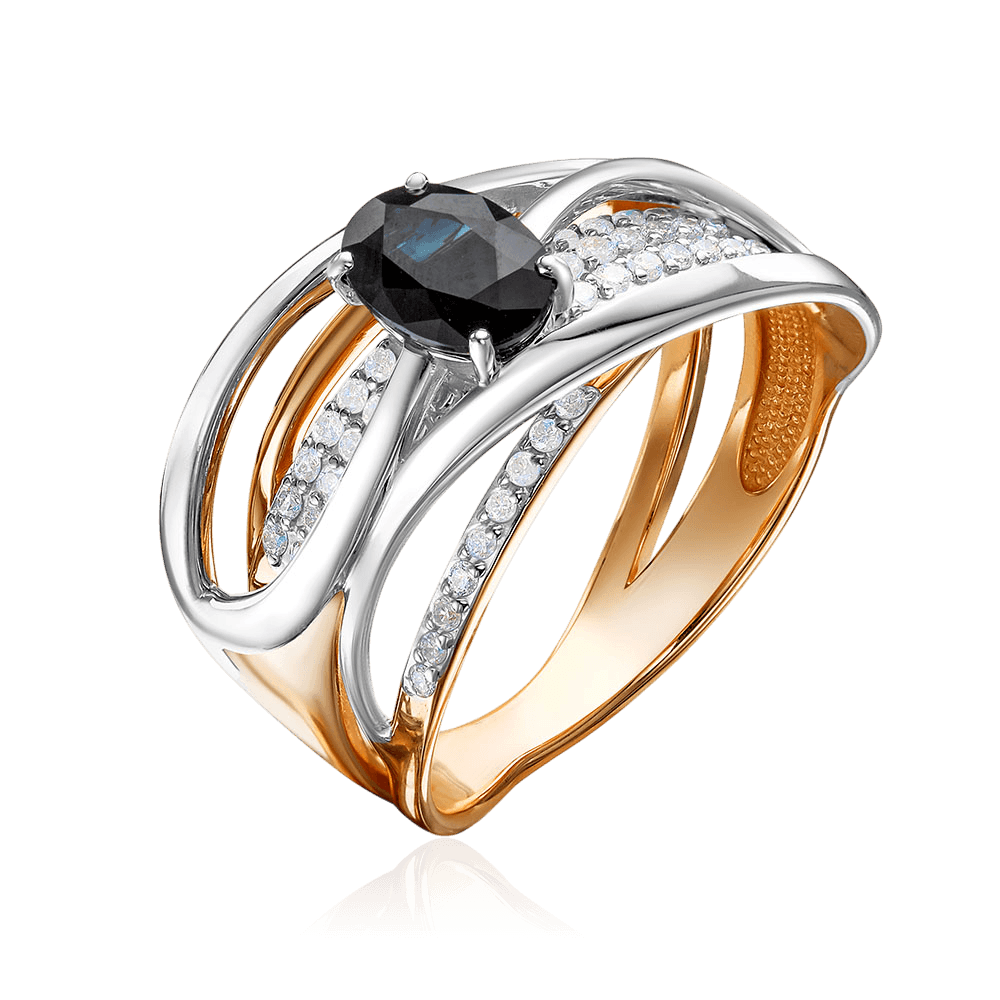
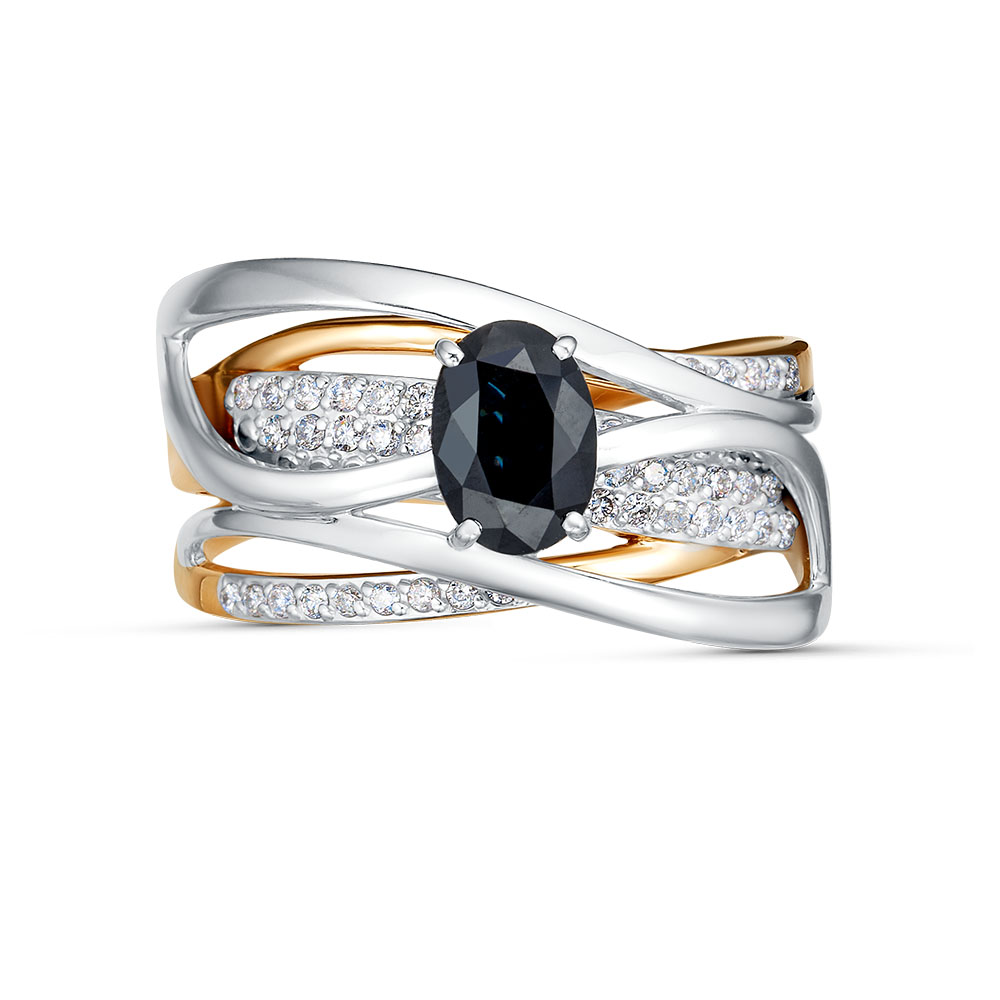
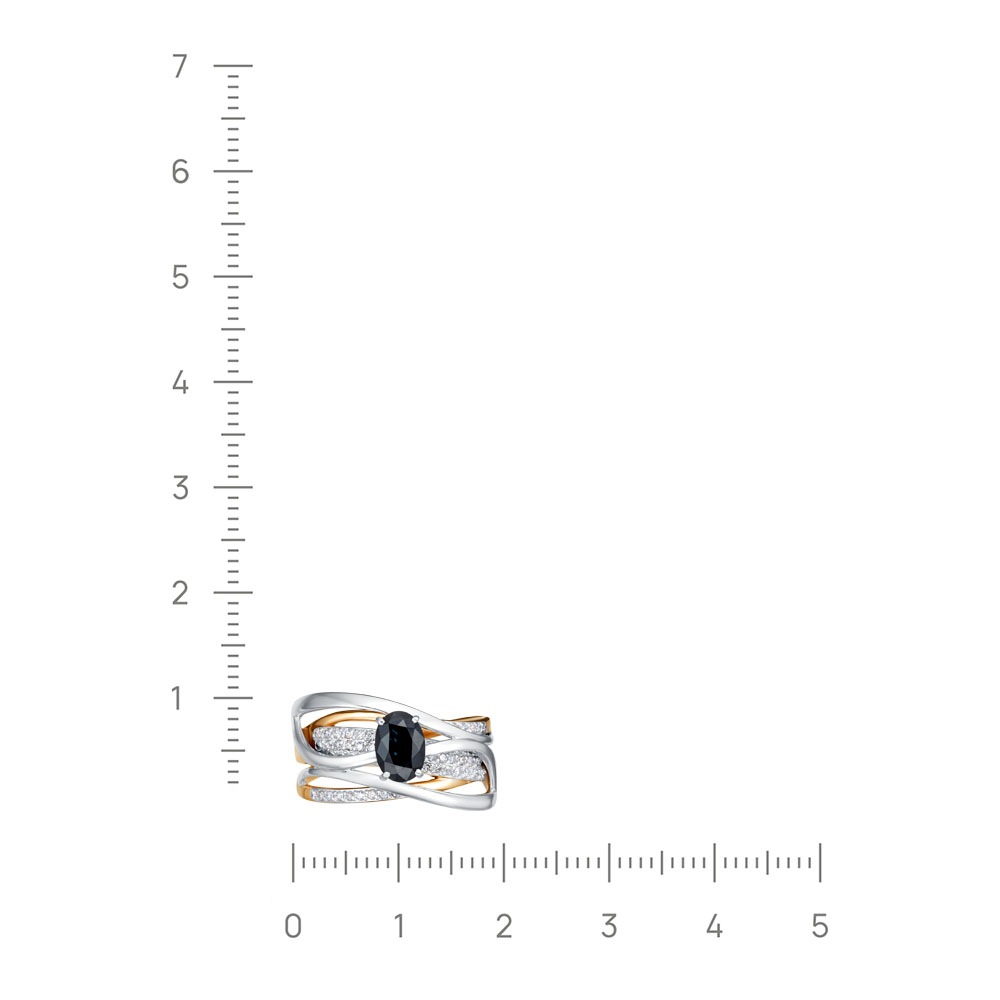

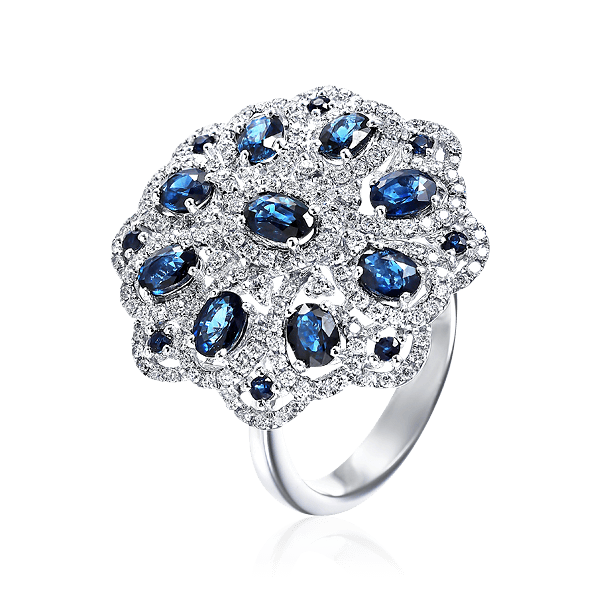
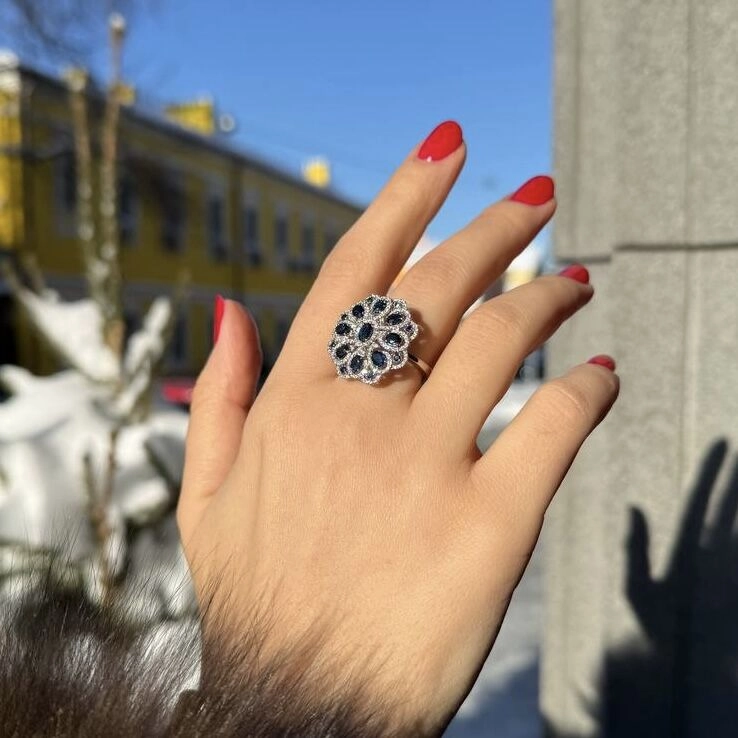
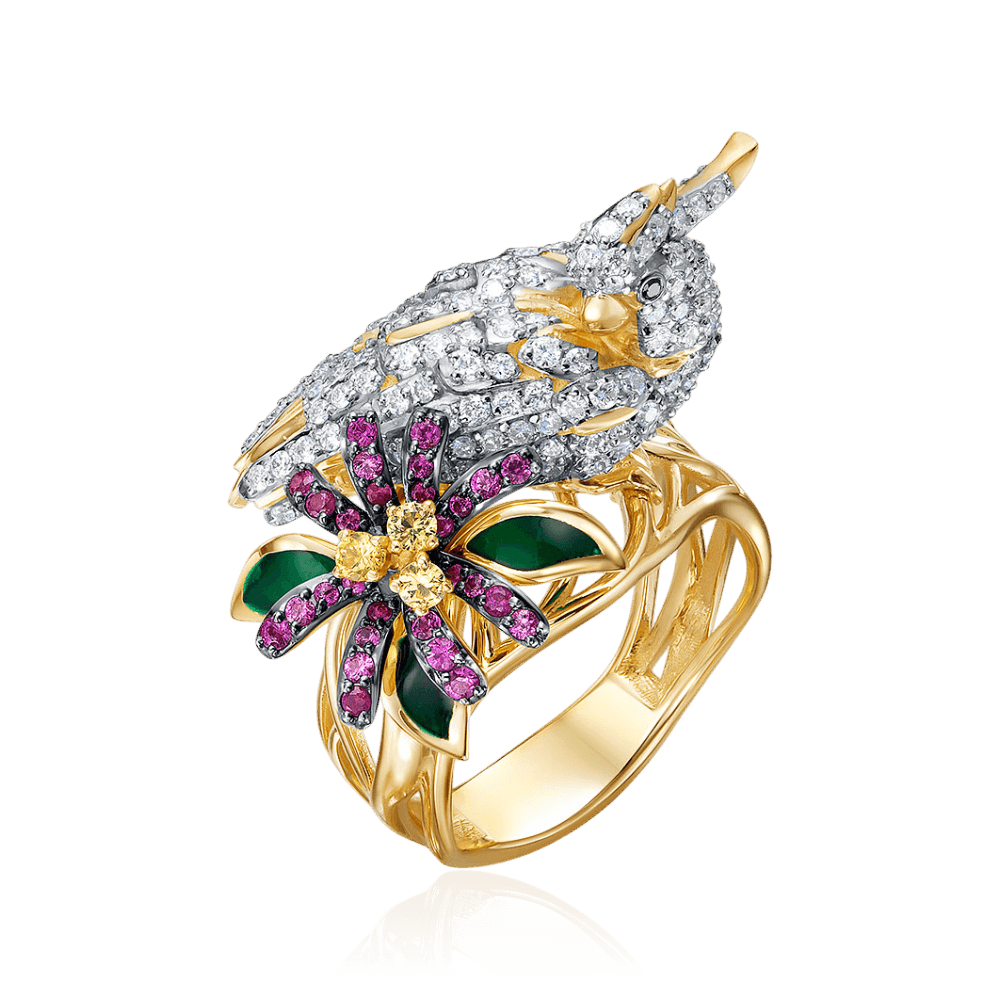
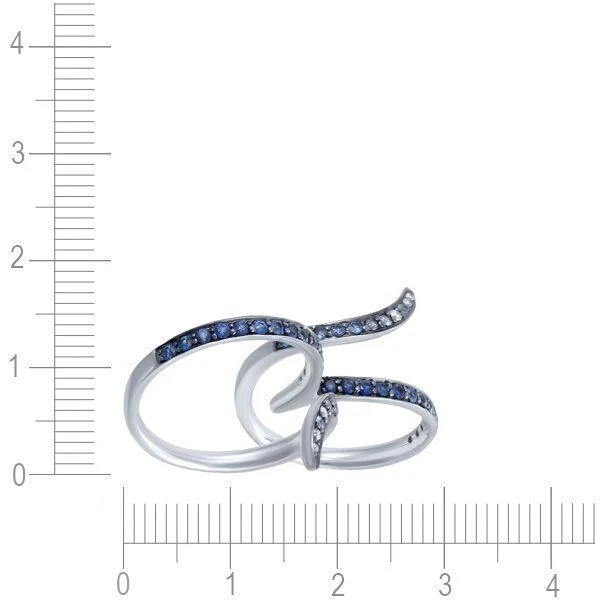
Ring "Parrot" with sapphire, enamel and diamonds in 14K yellow gold (585) ( 134984)
In stock
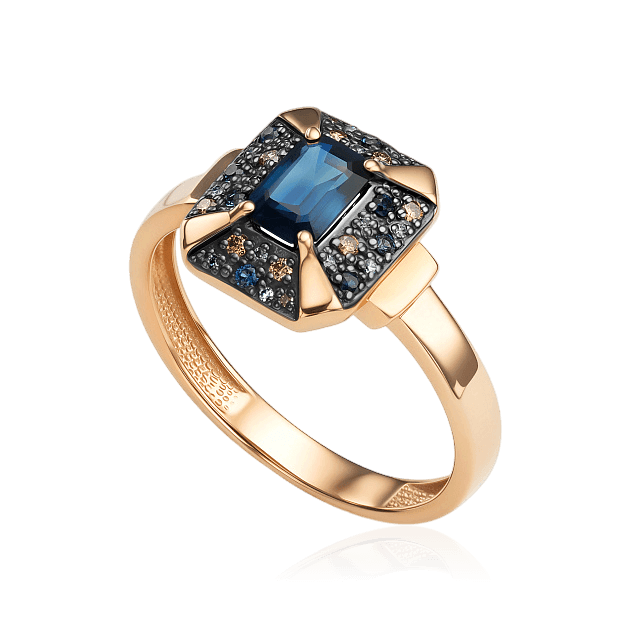
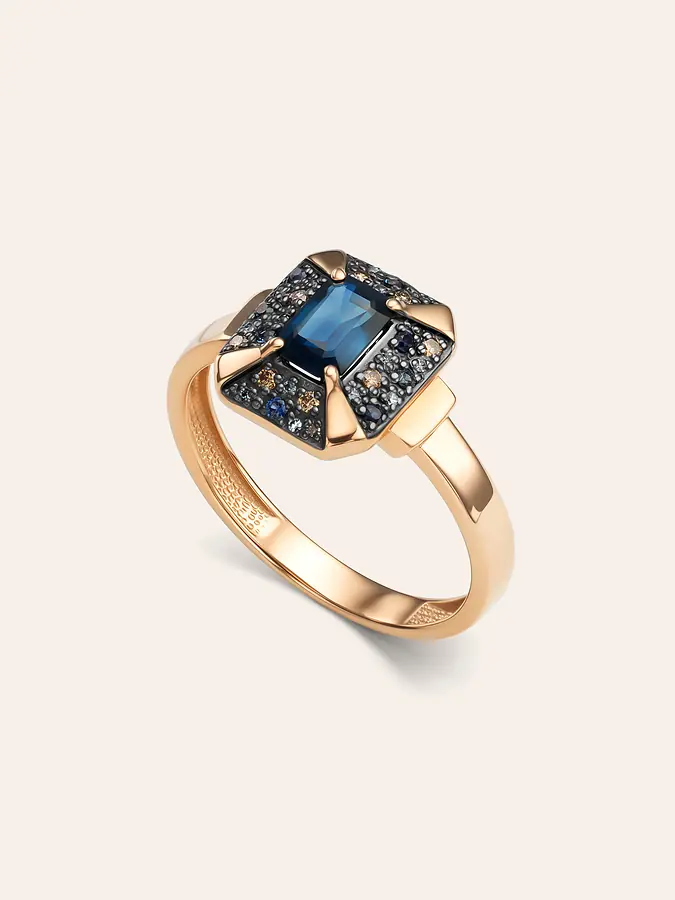
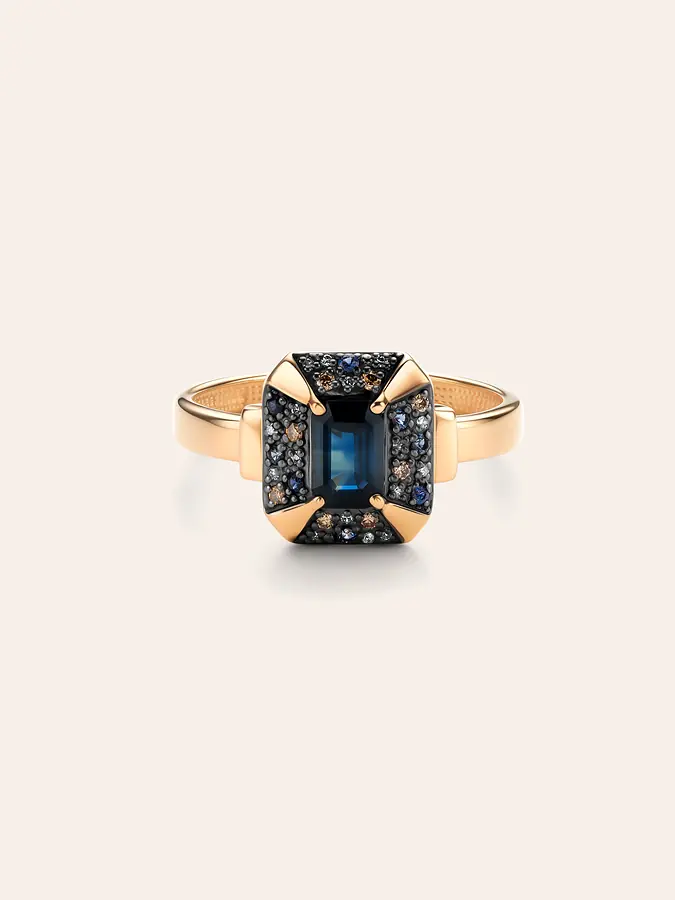
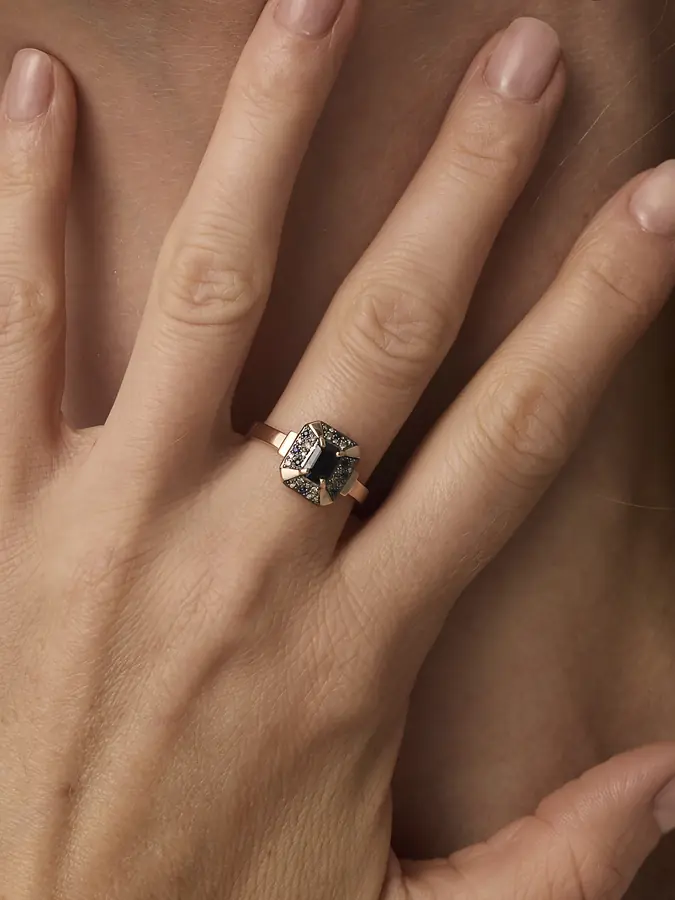
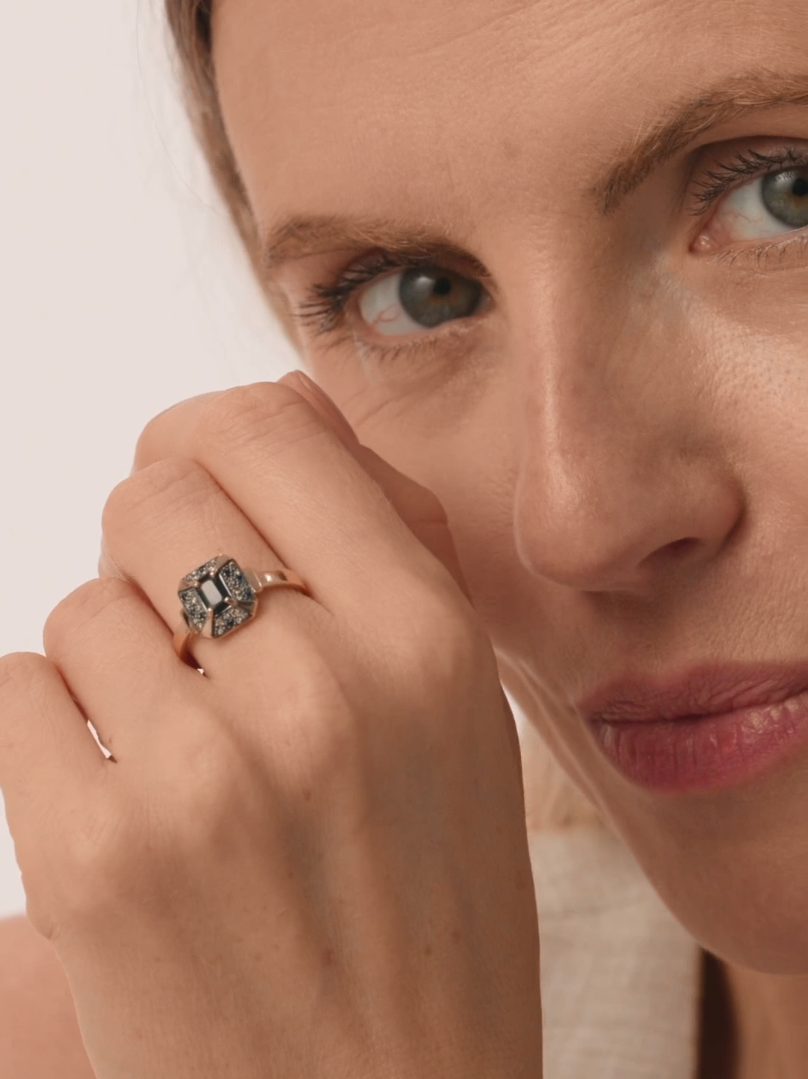
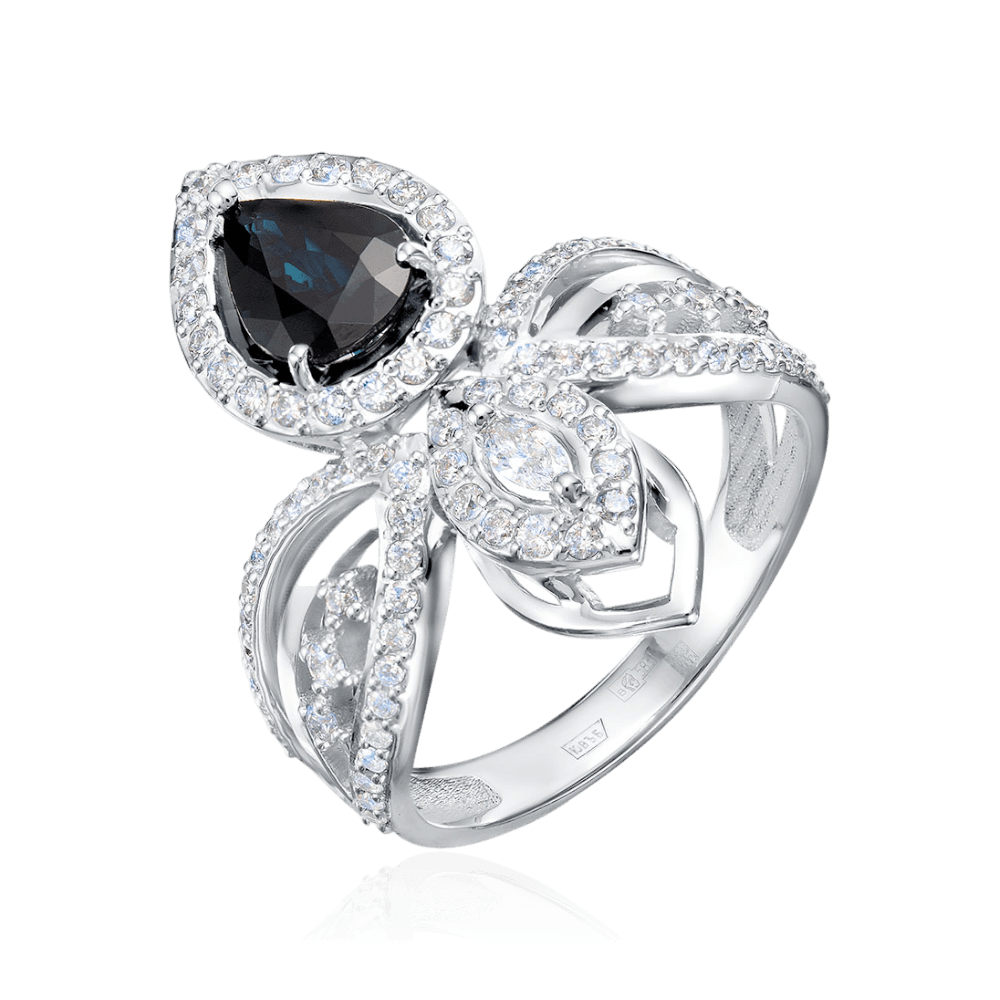
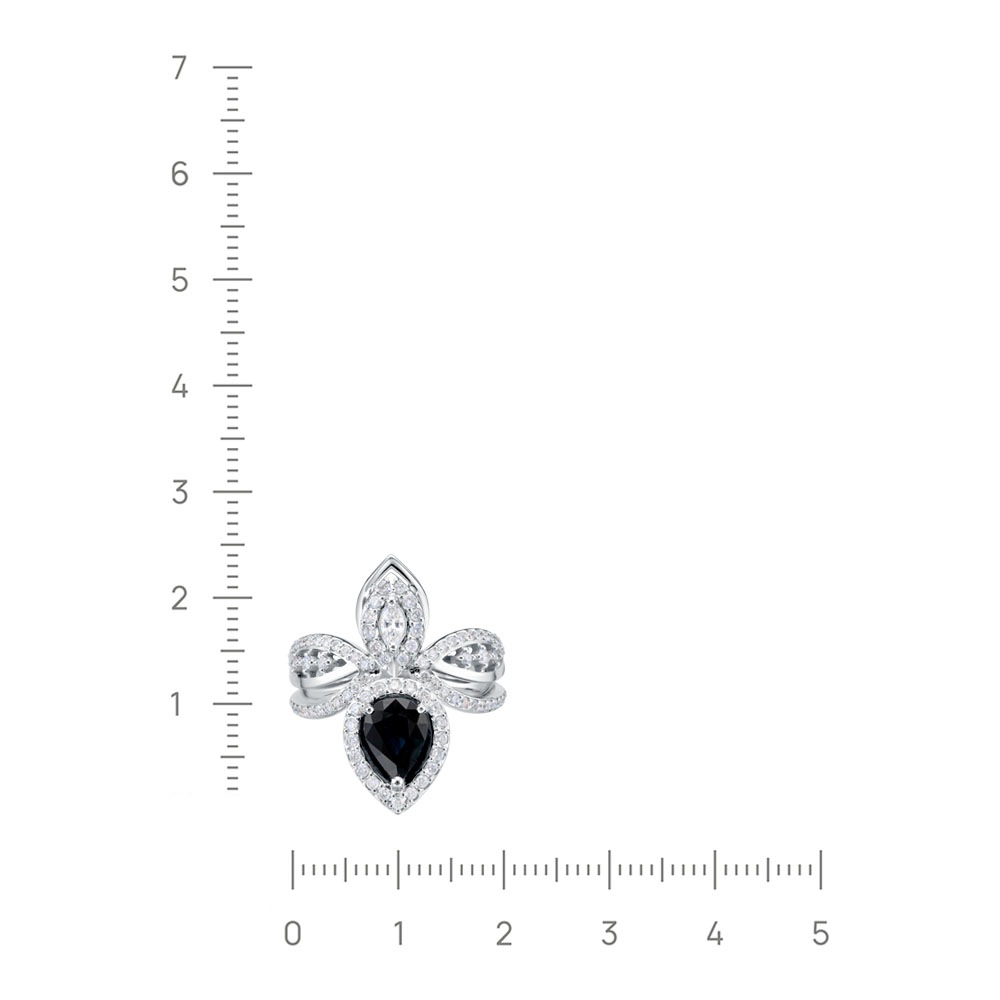
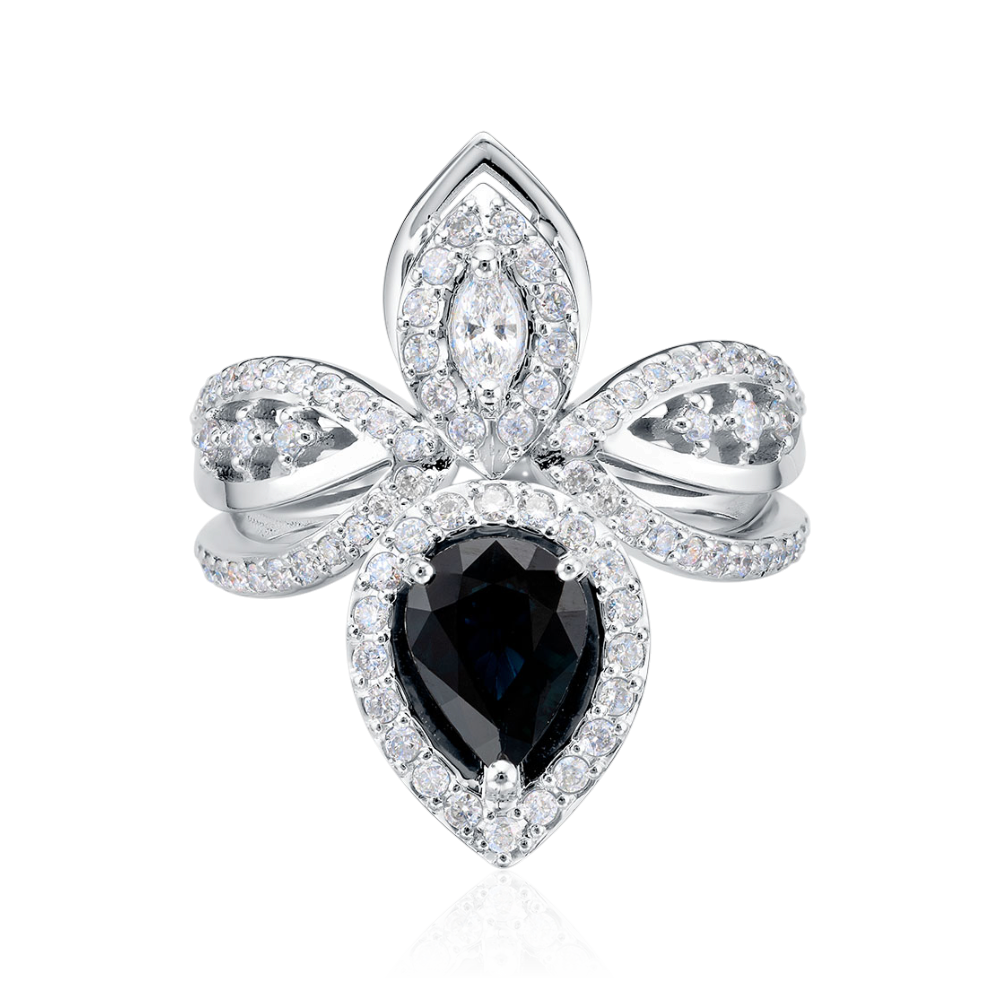

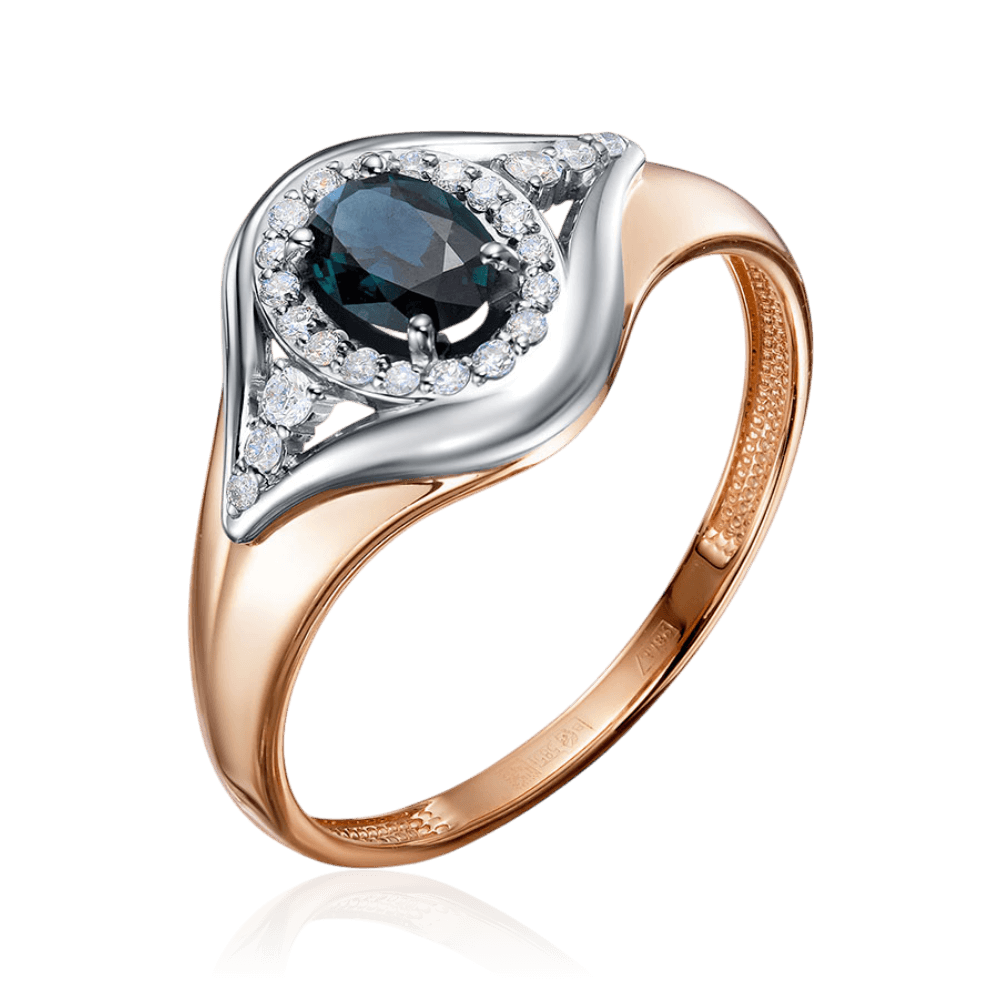

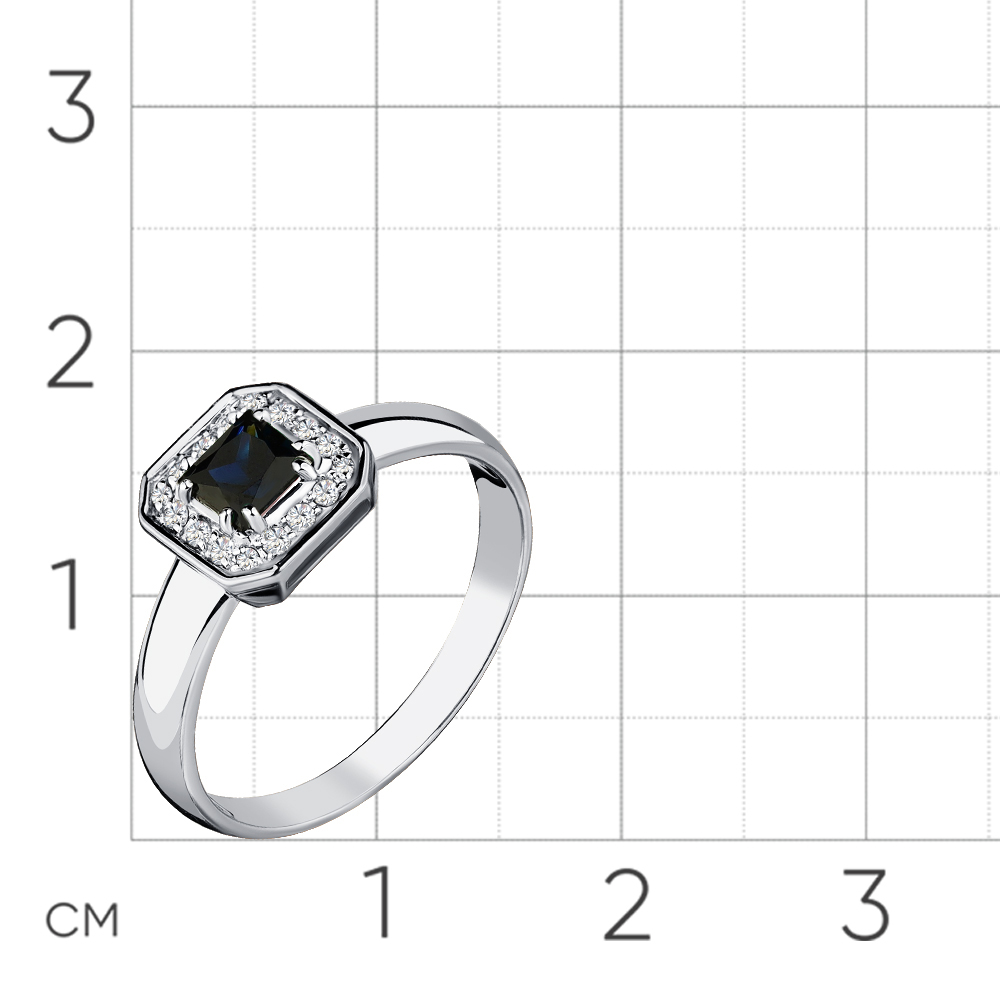
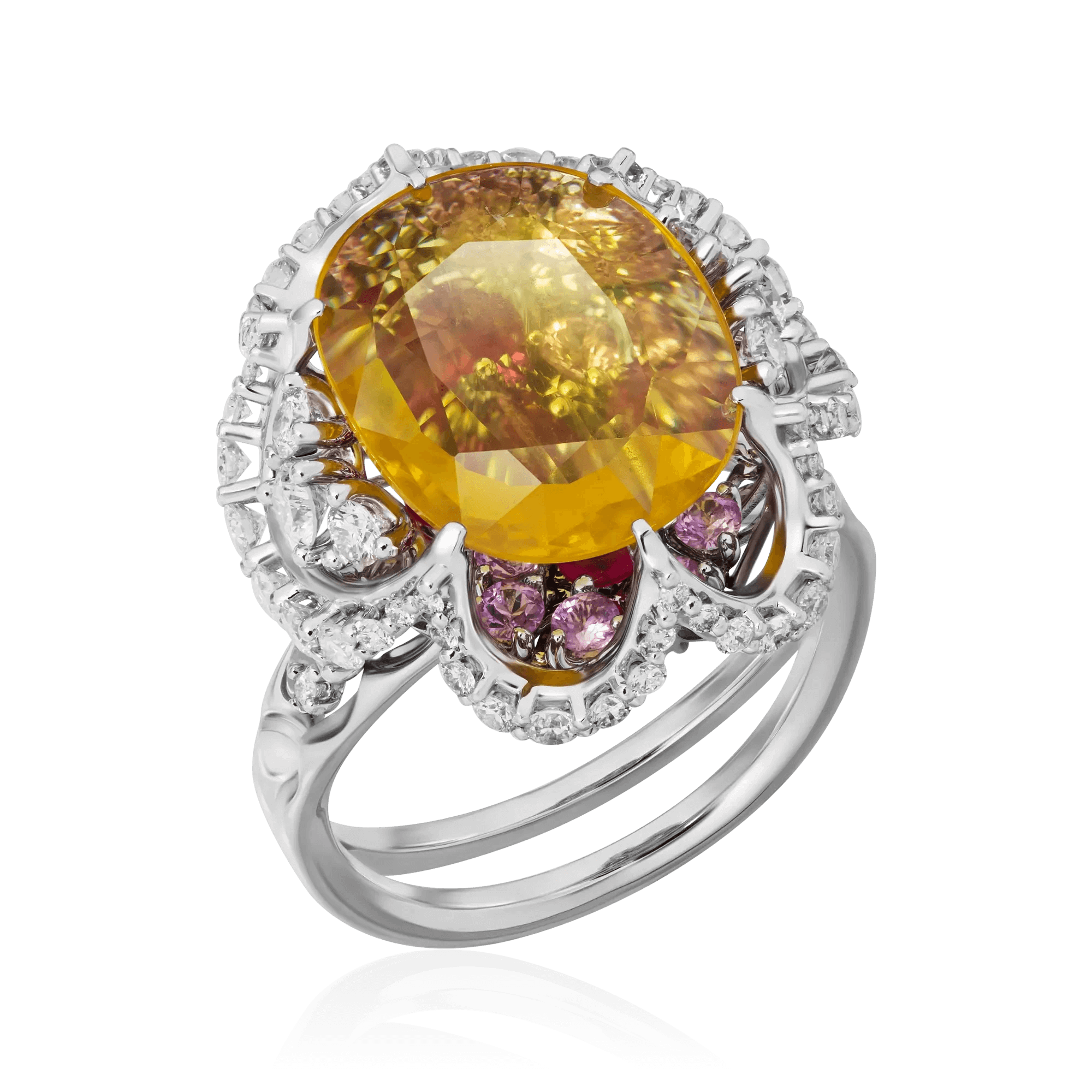
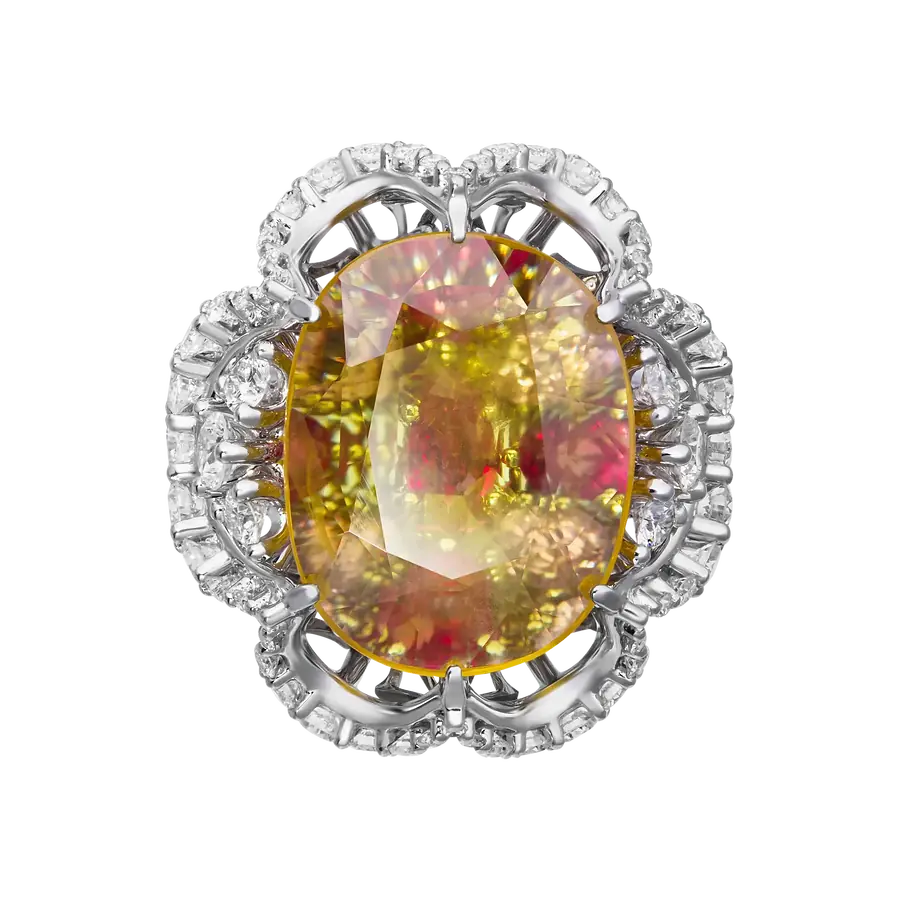
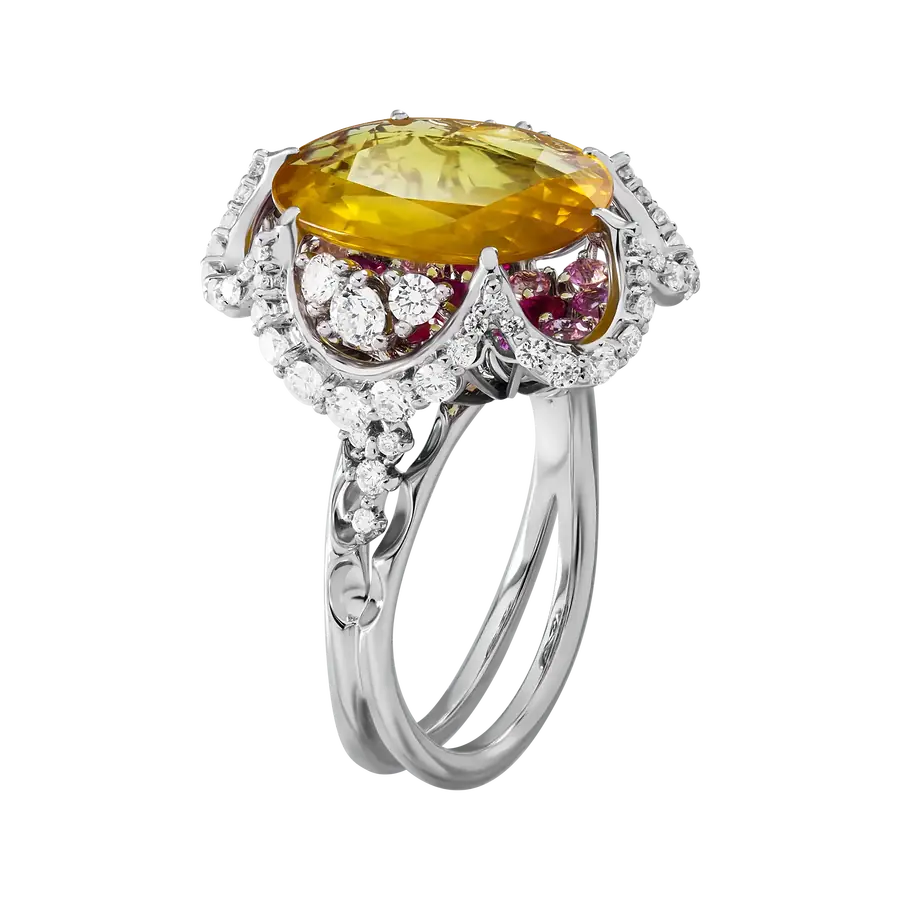
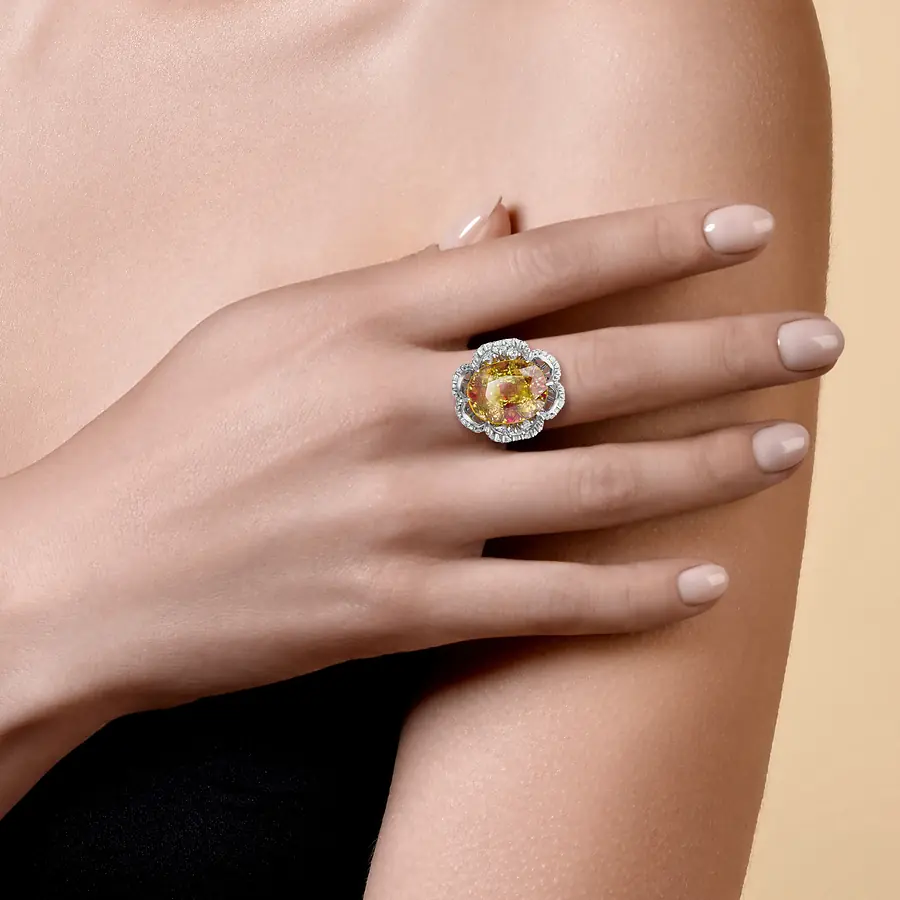
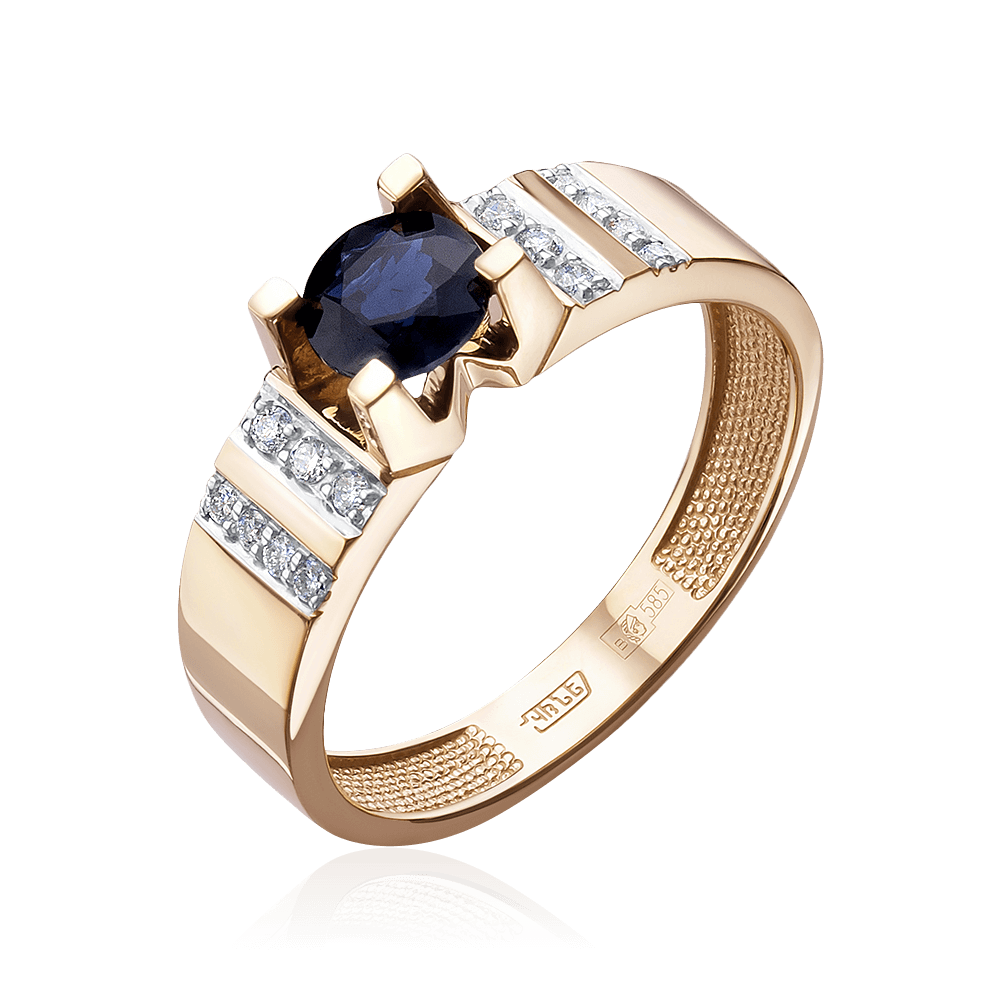
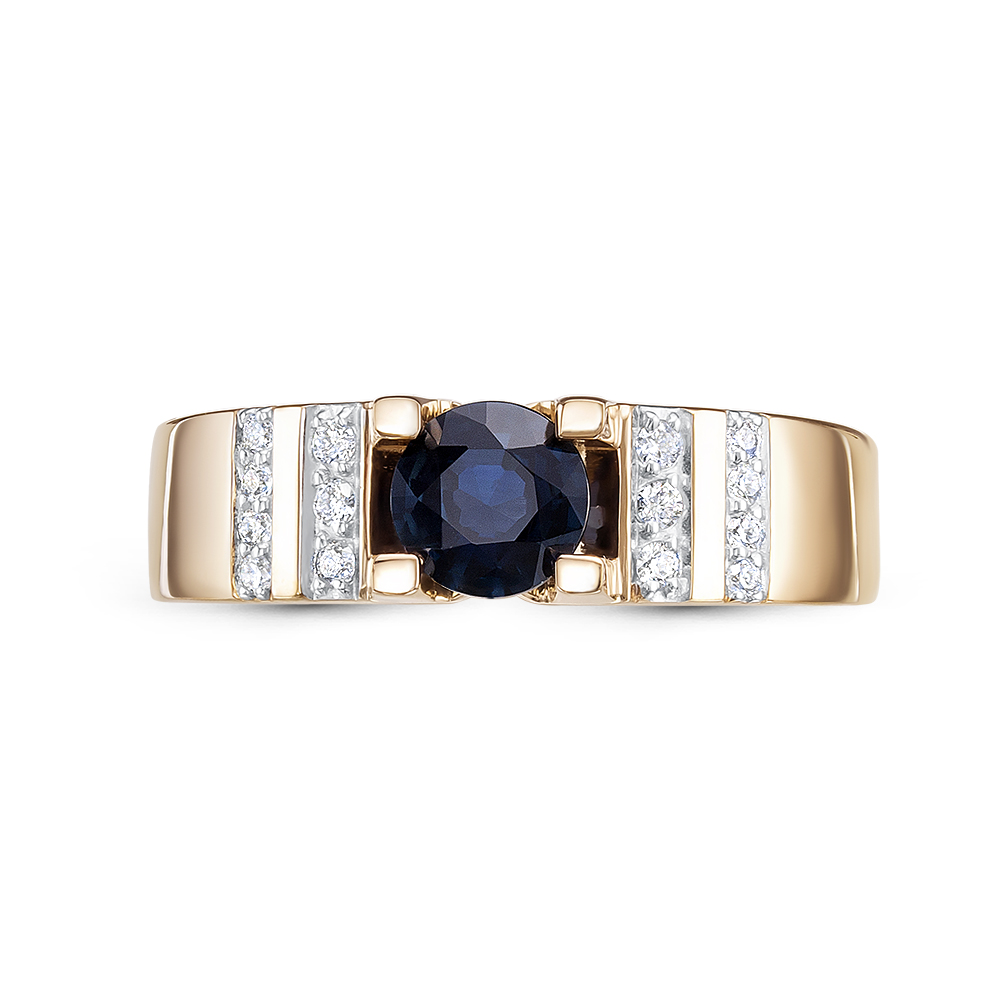


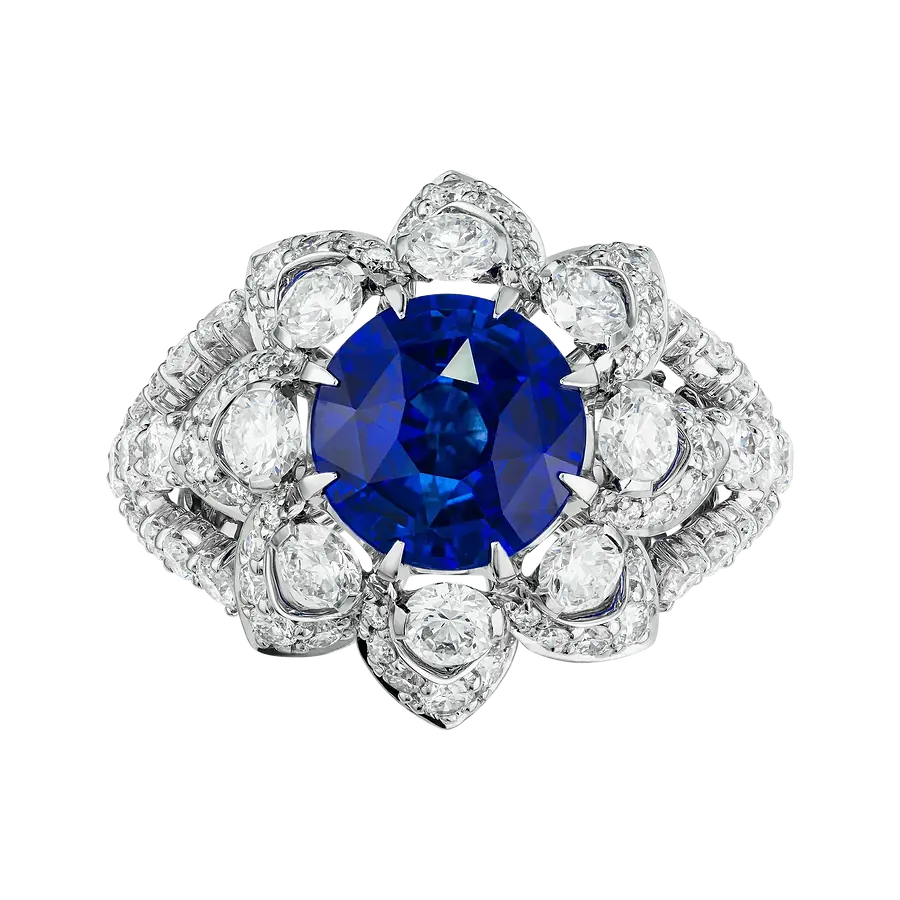
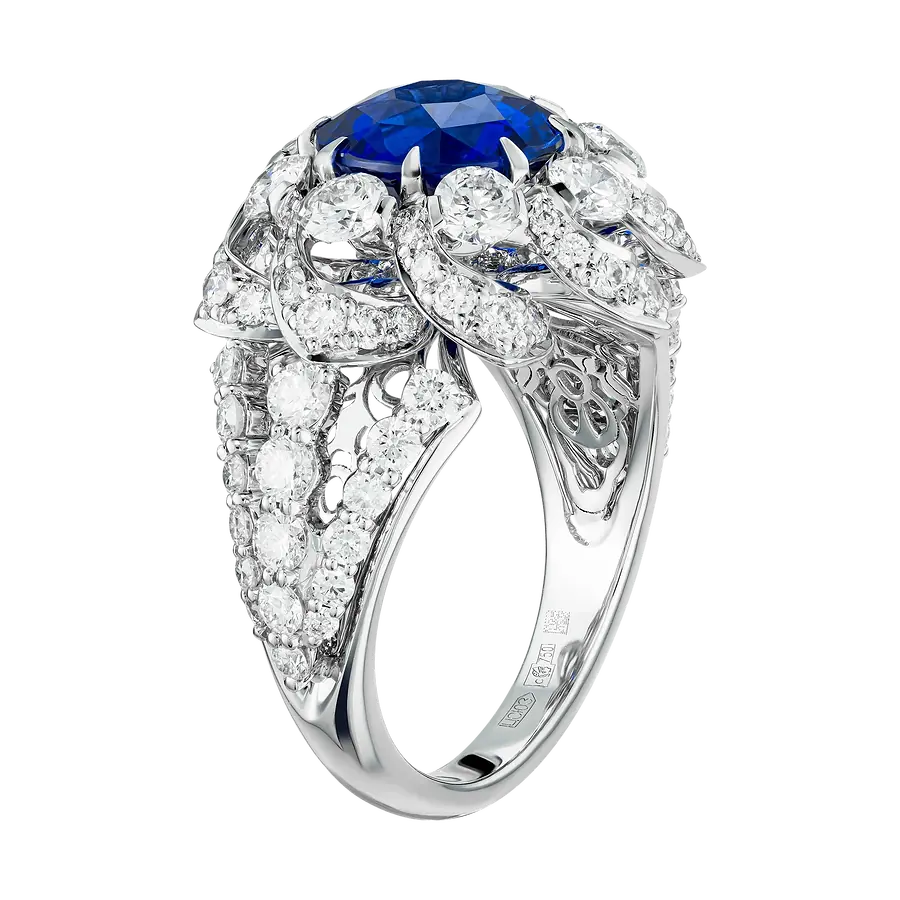
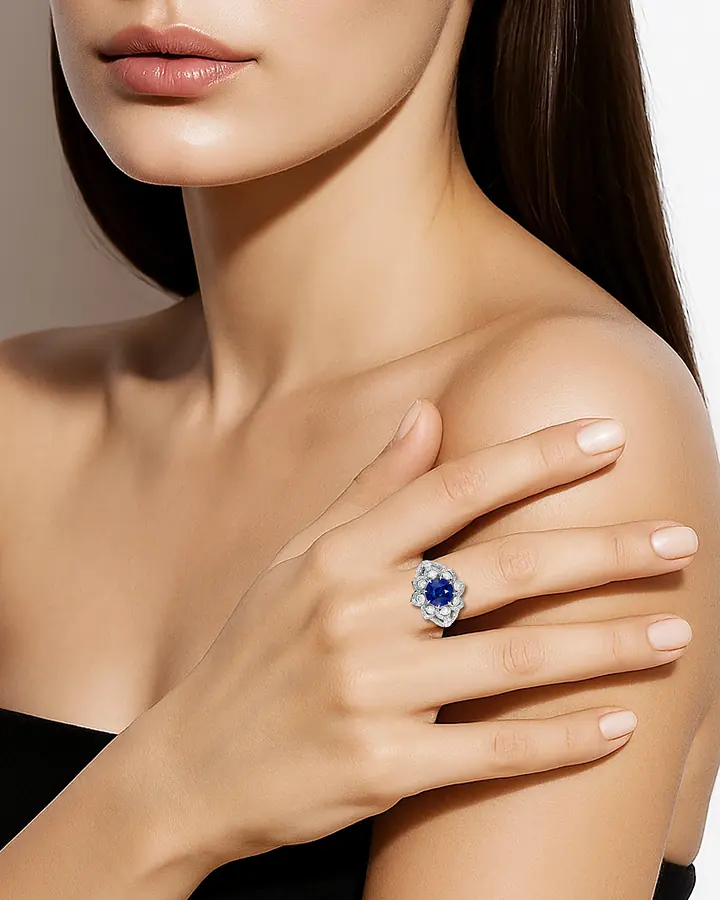


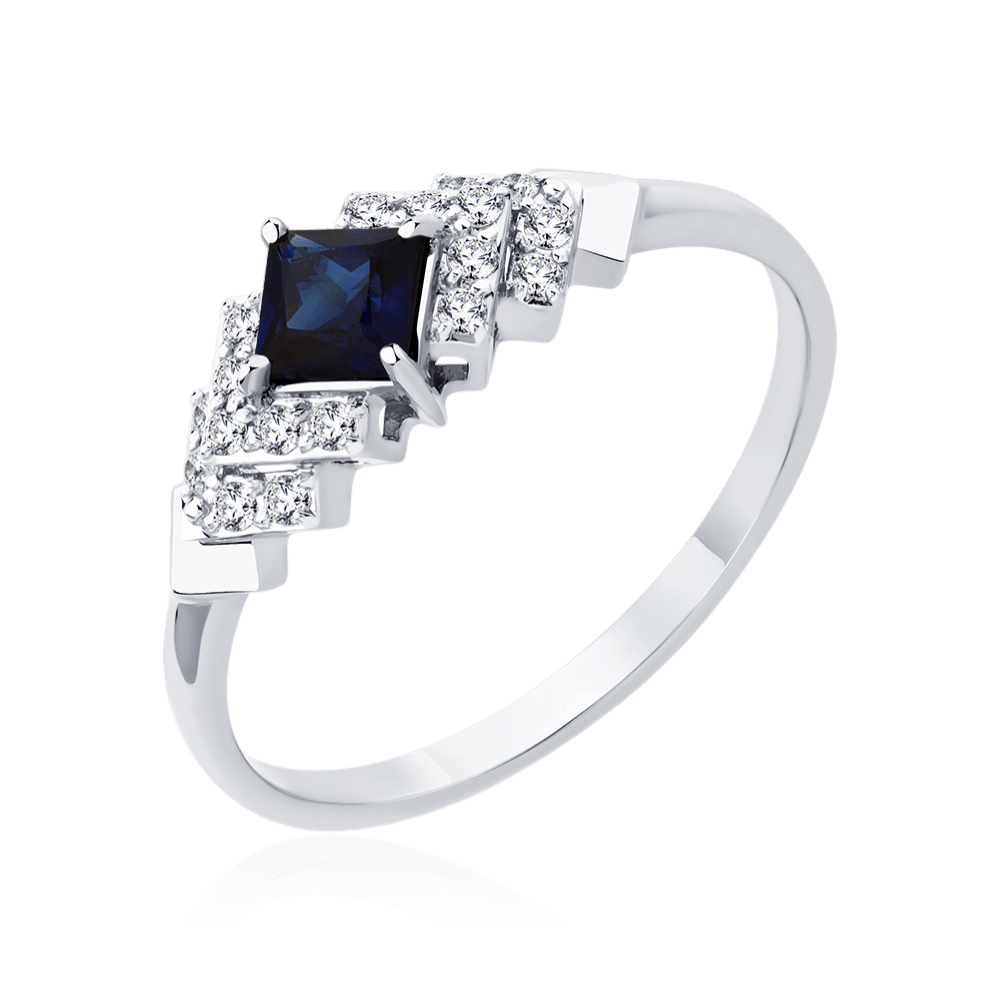
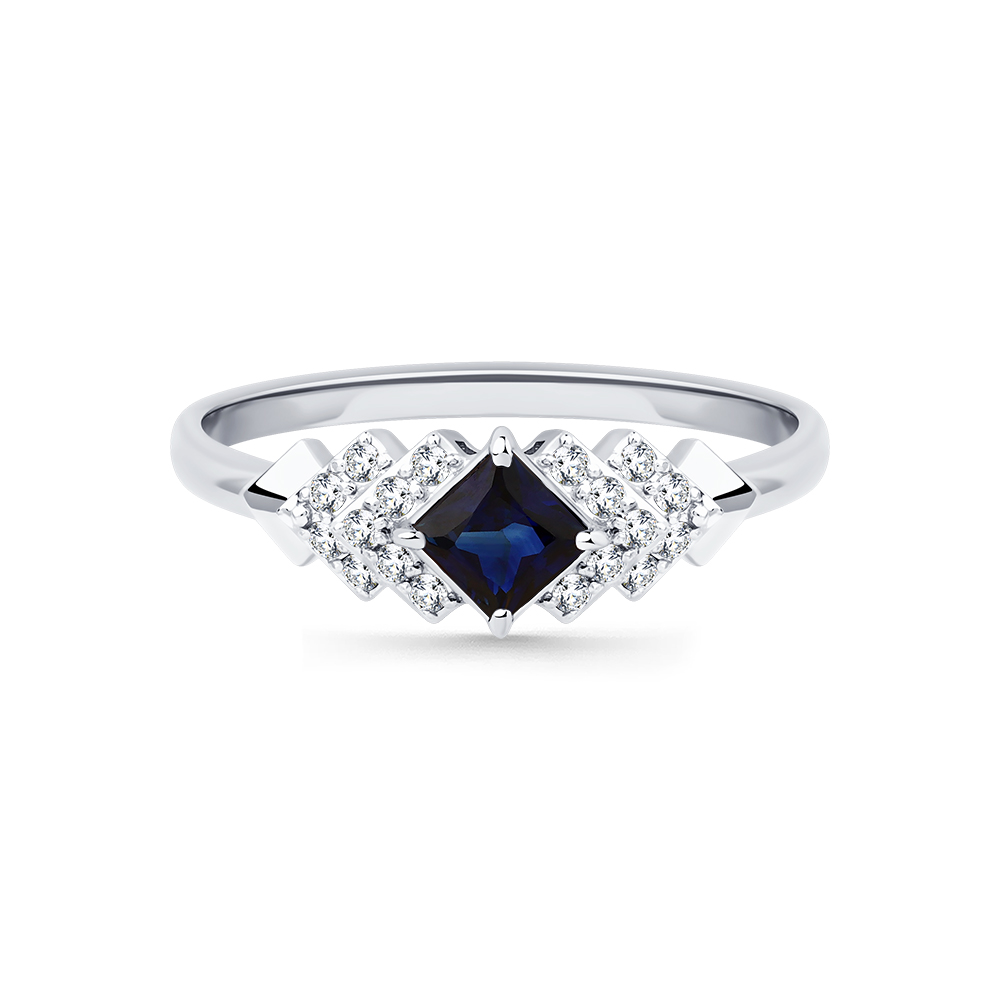

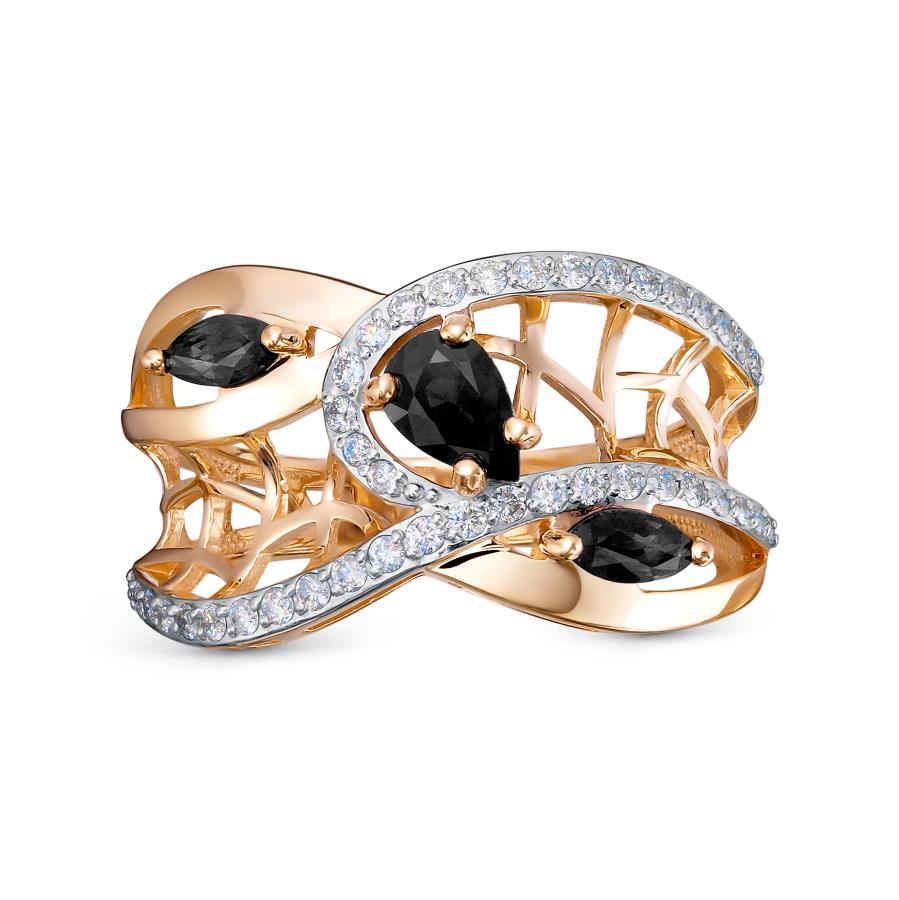
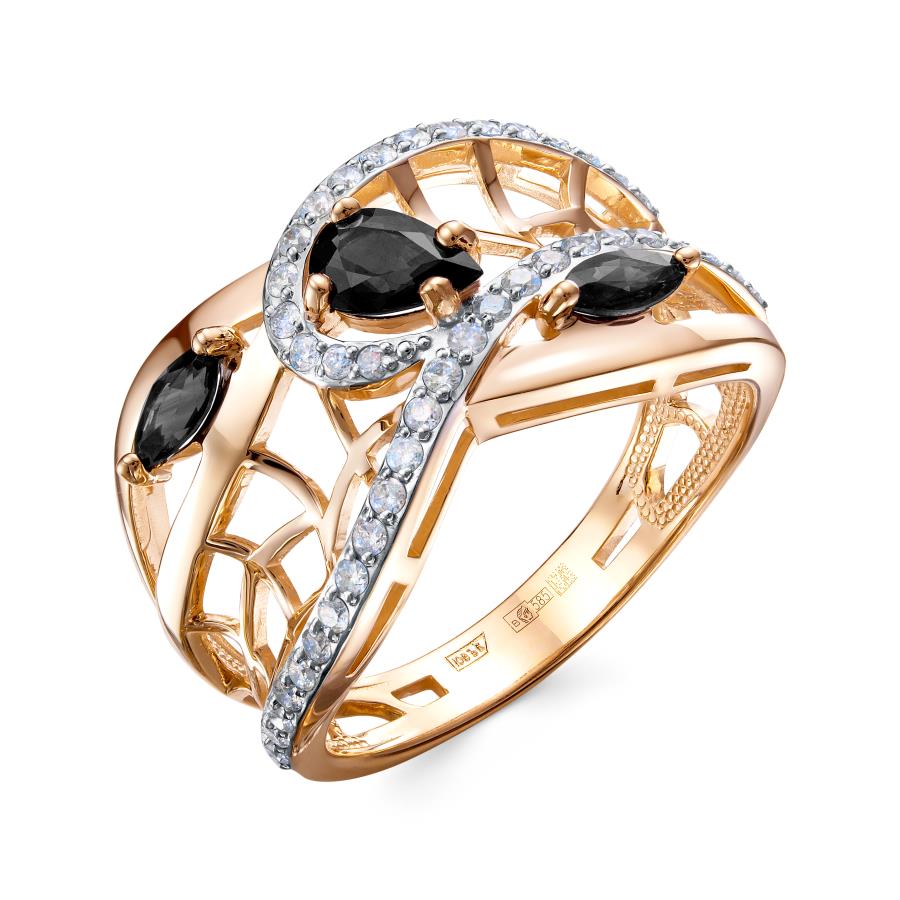



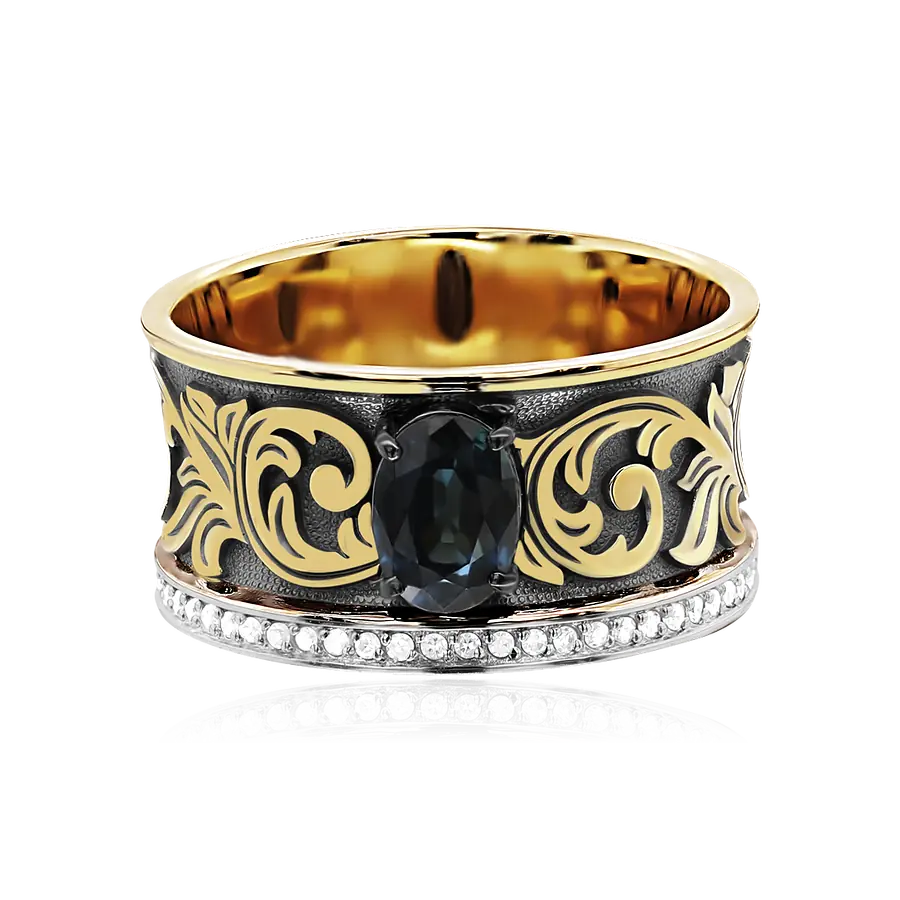

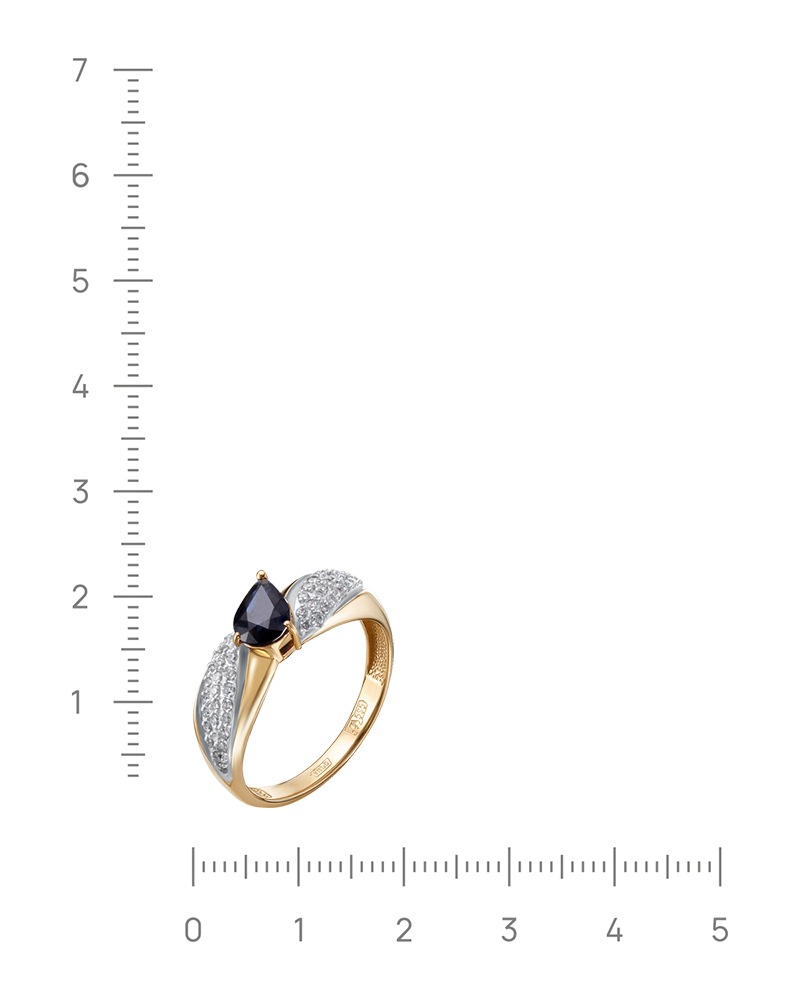

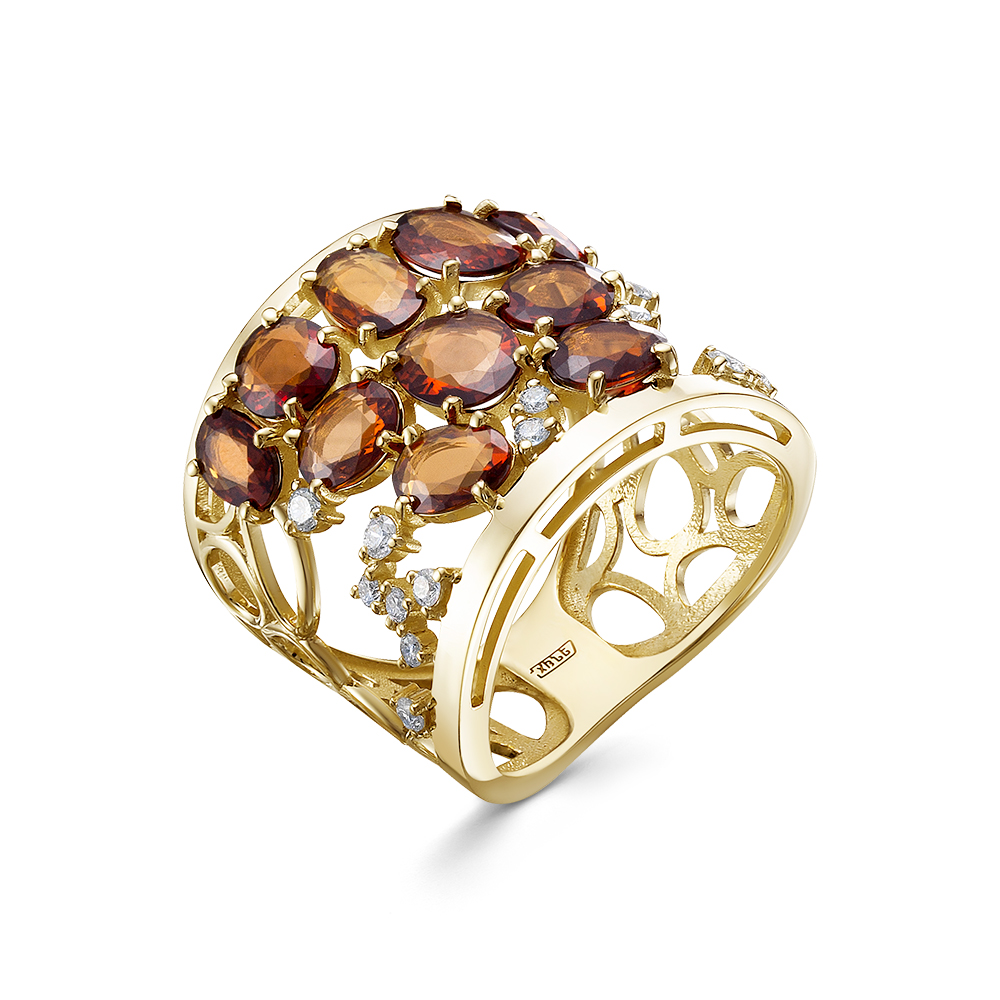
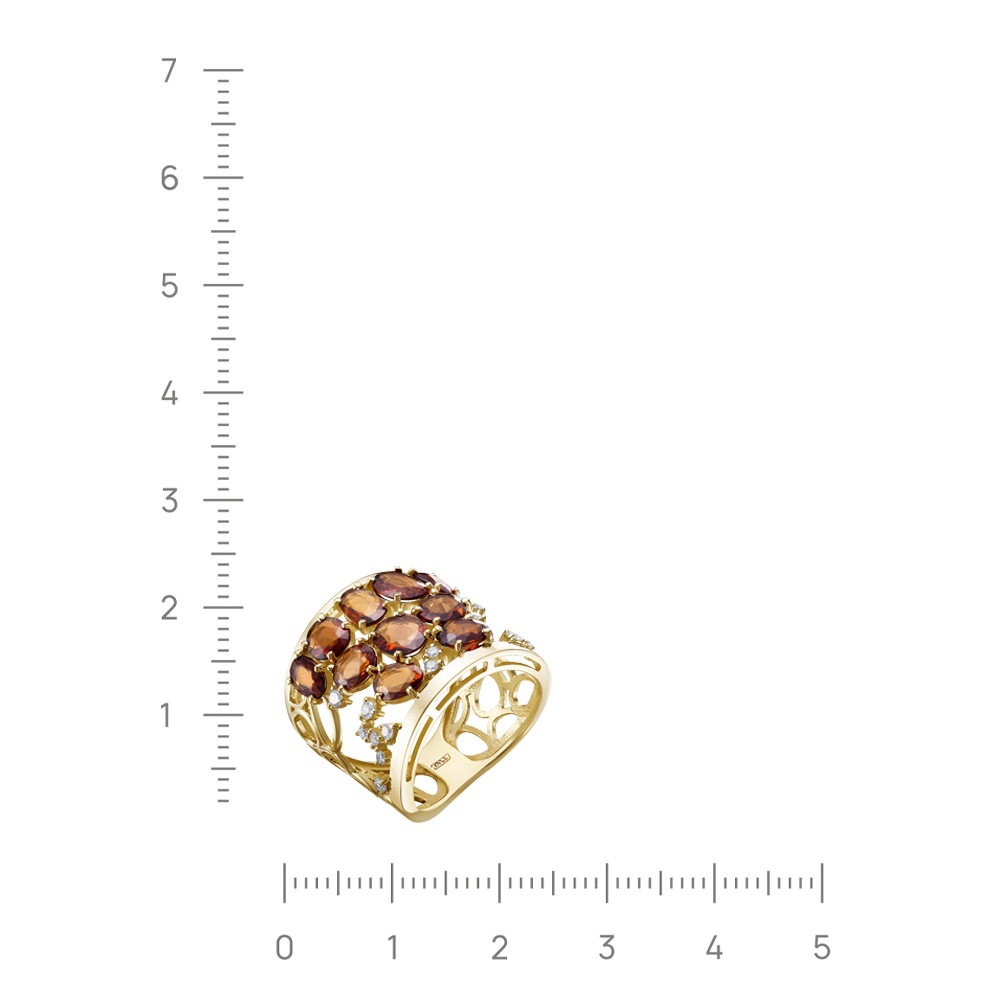
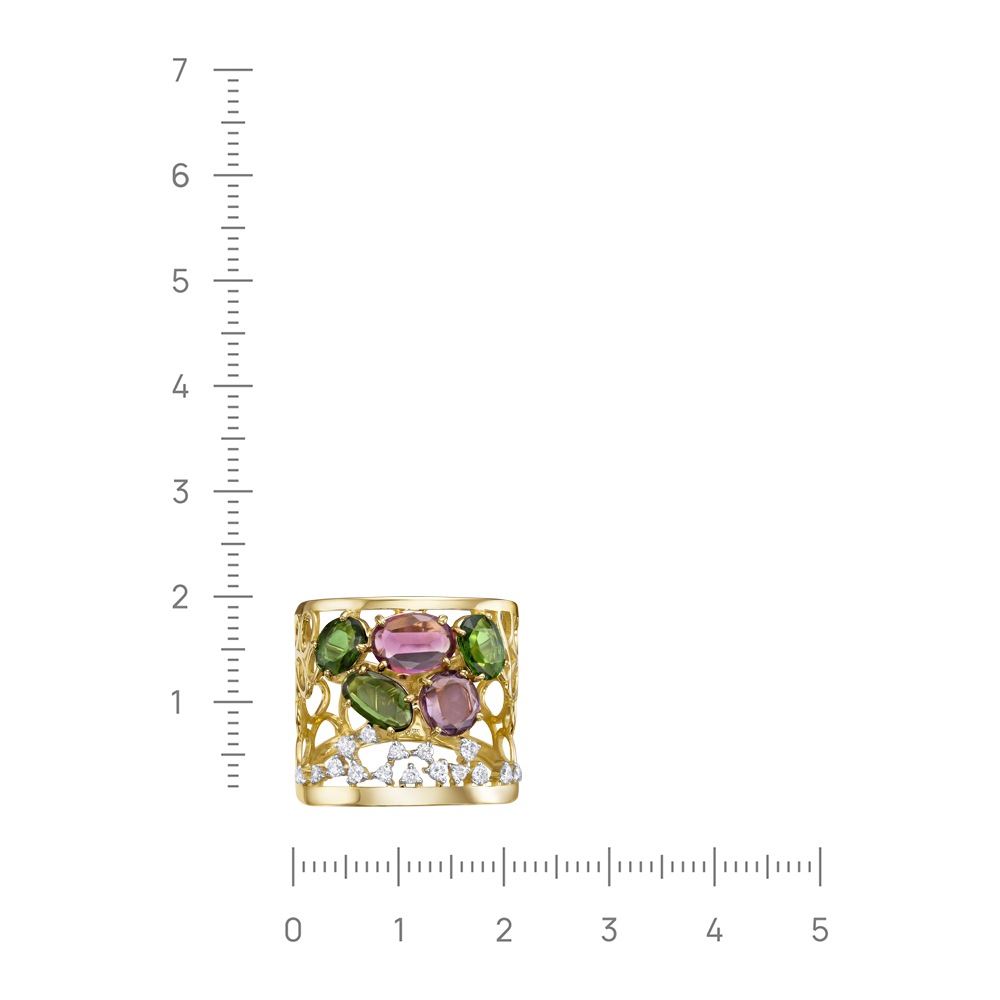
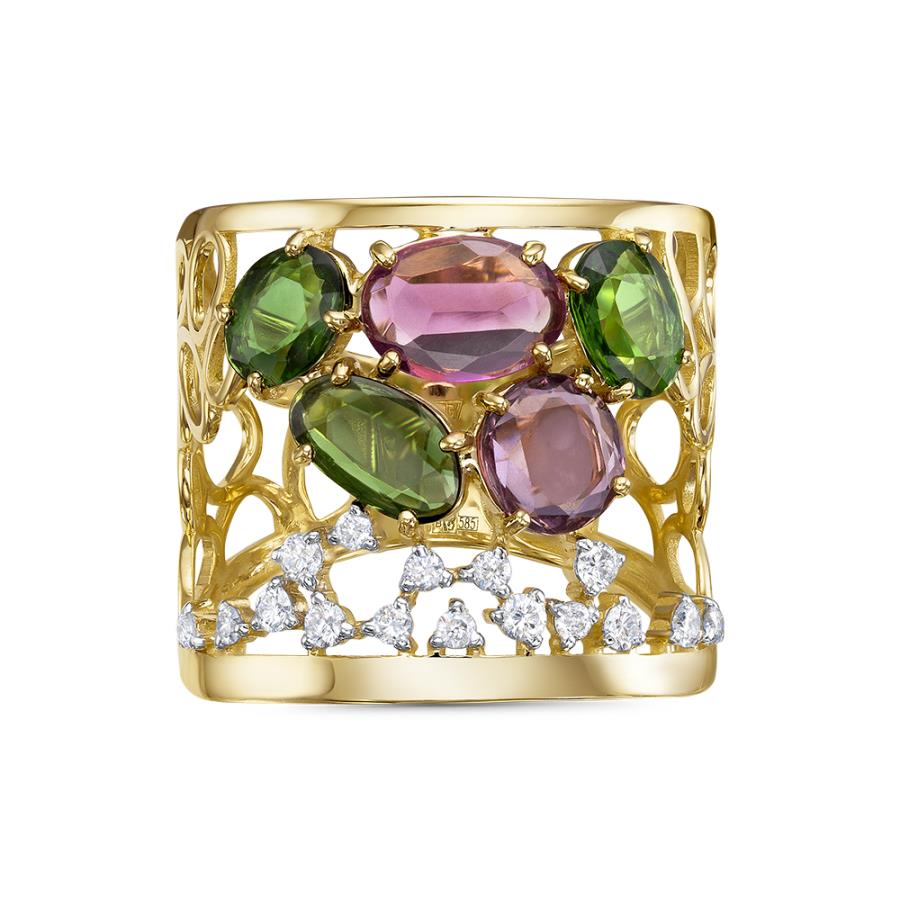
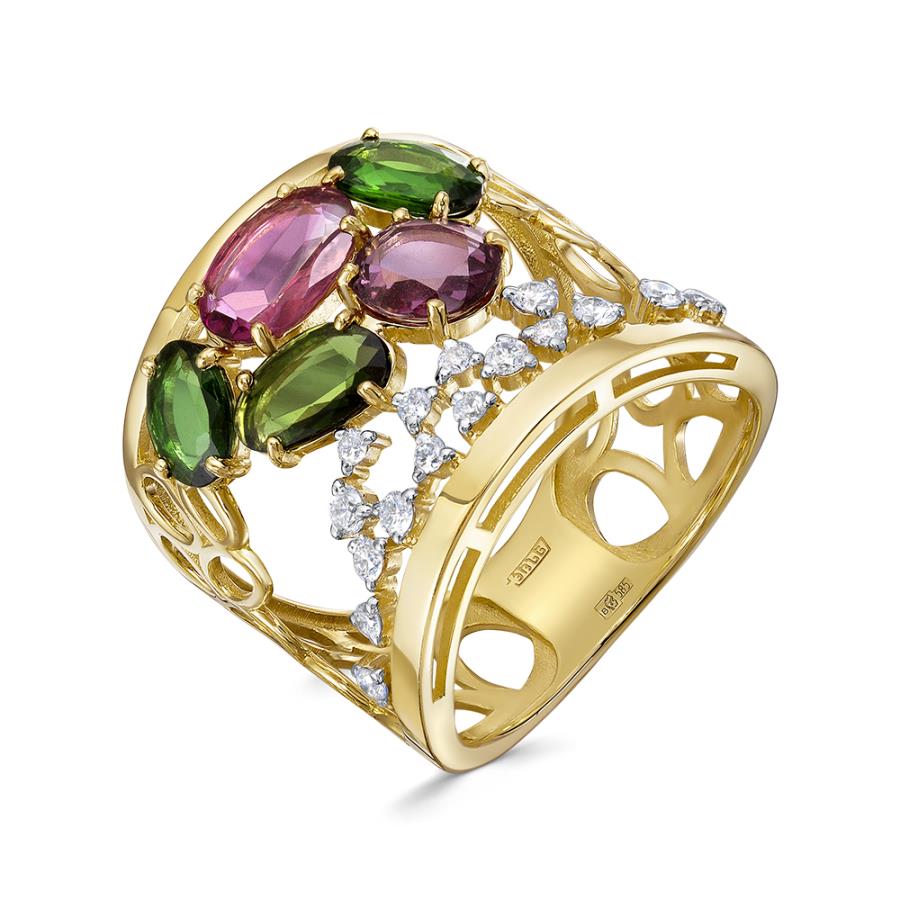
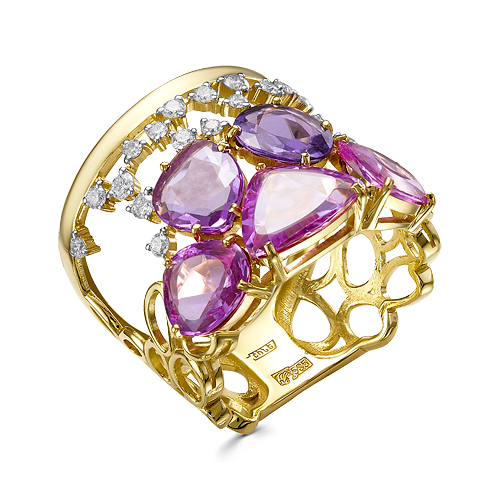
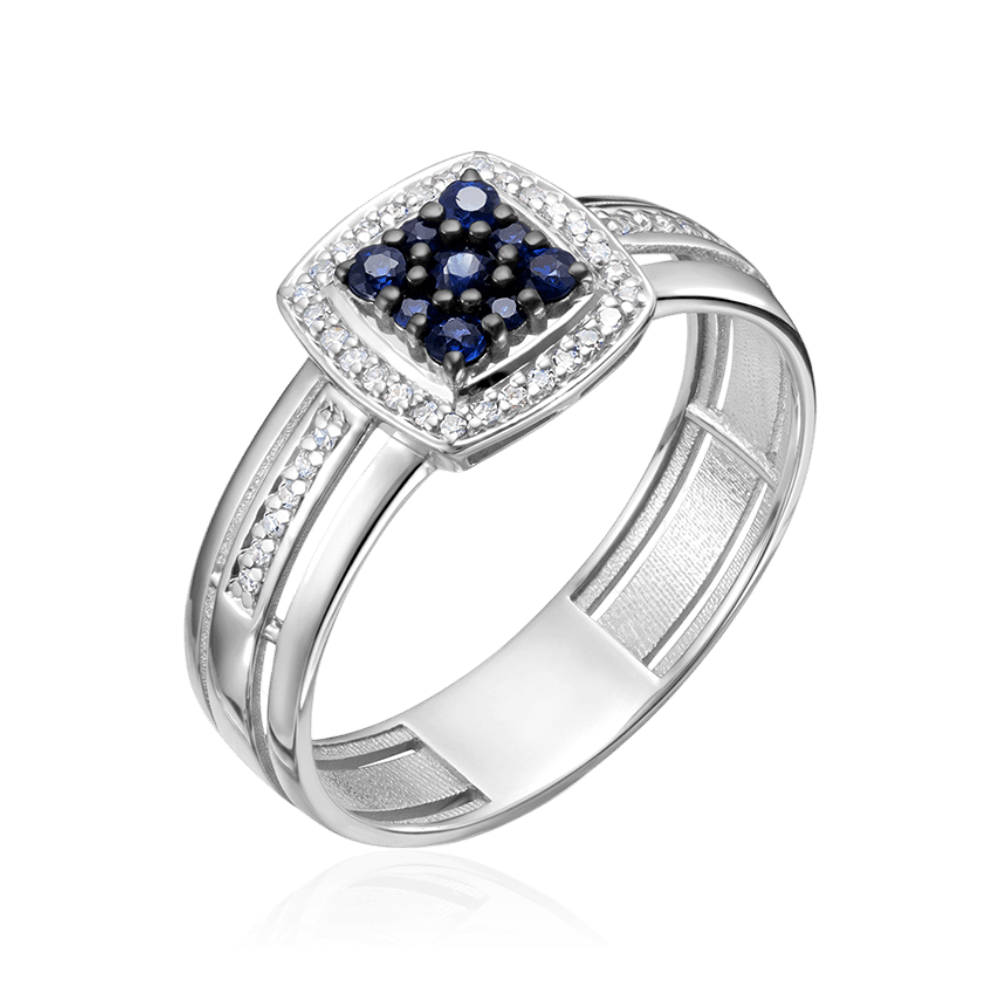
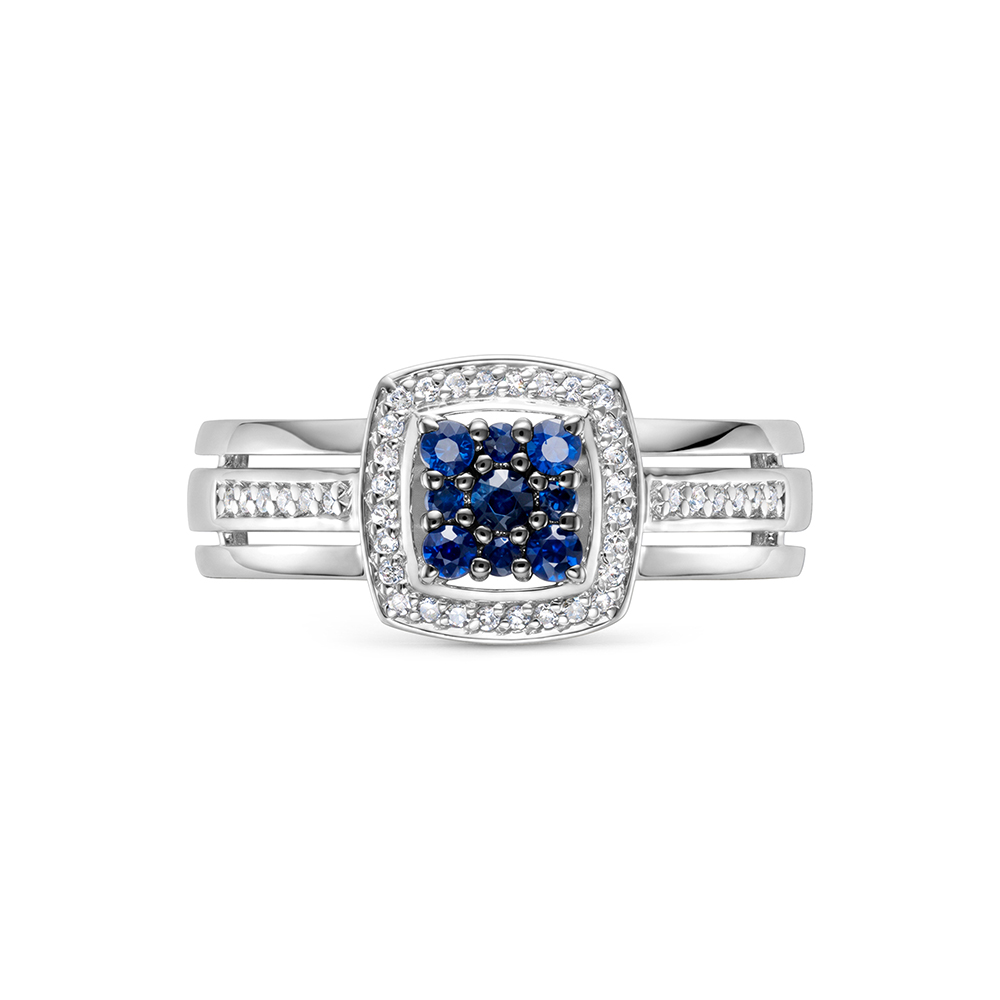
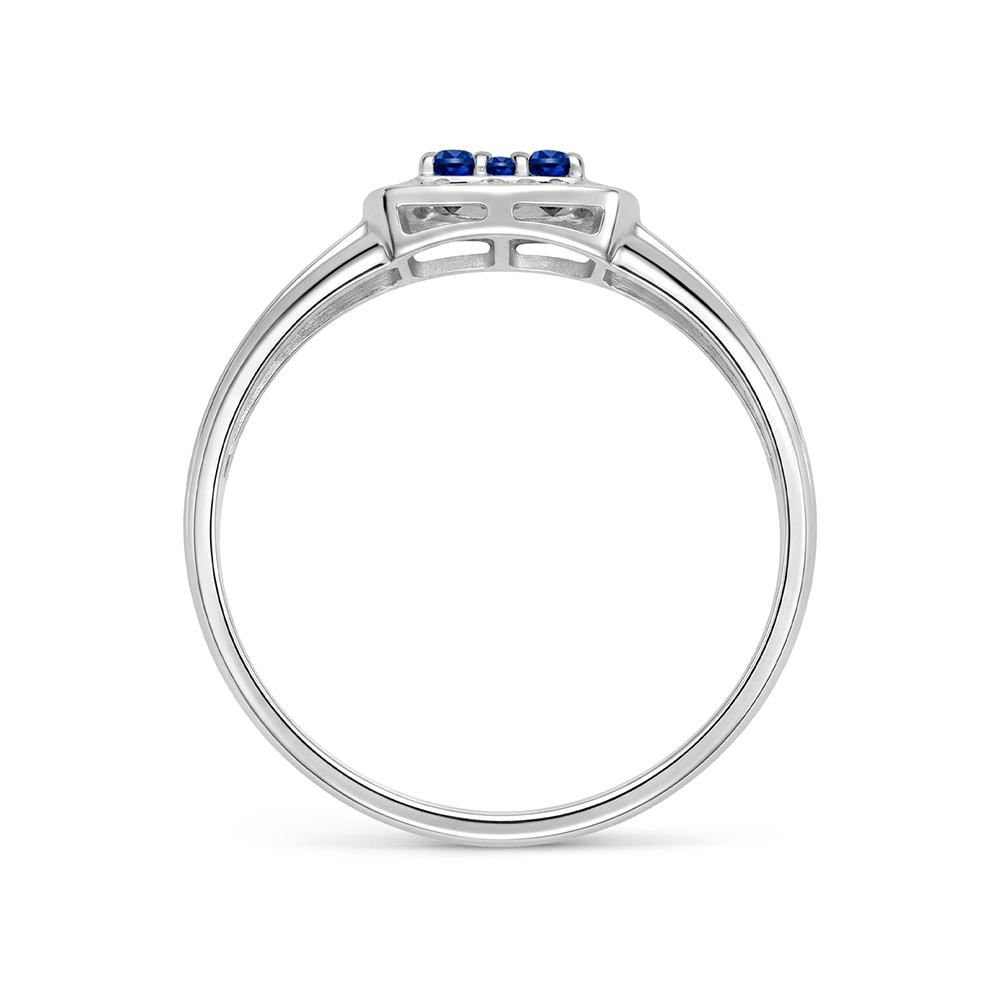
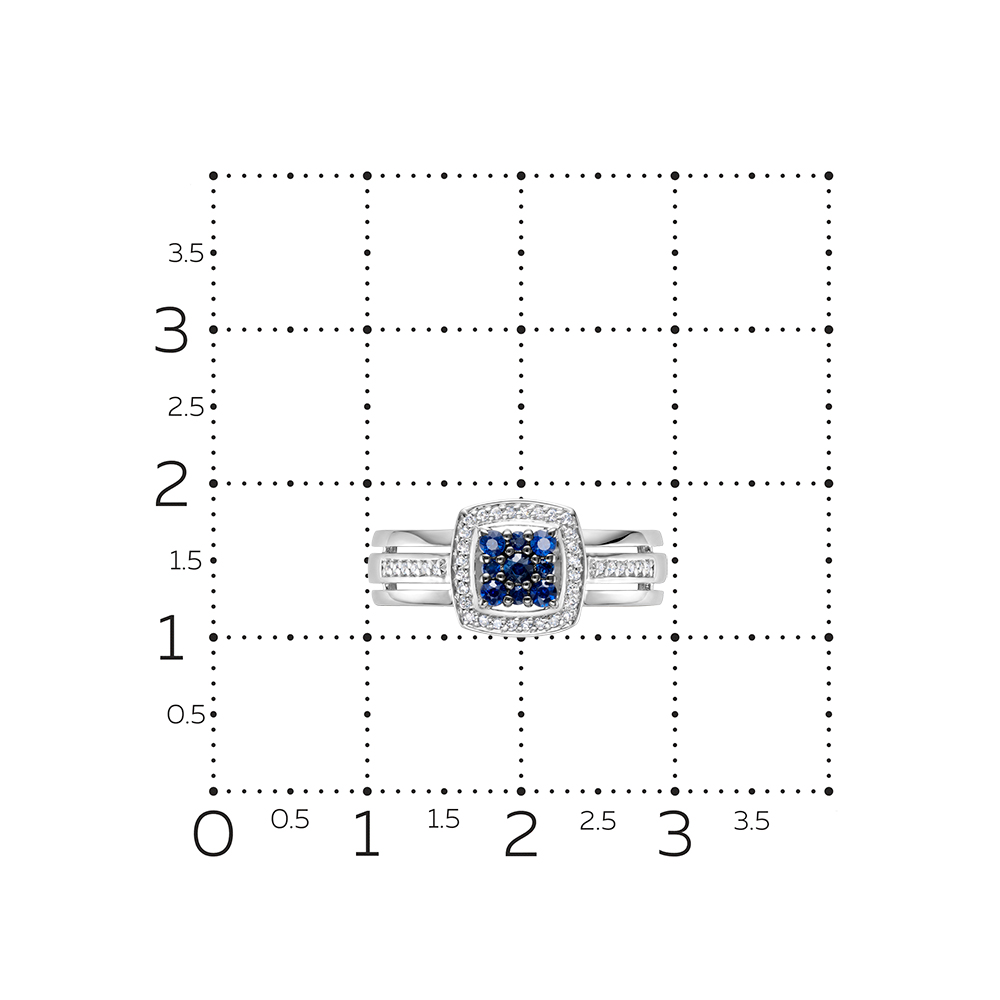
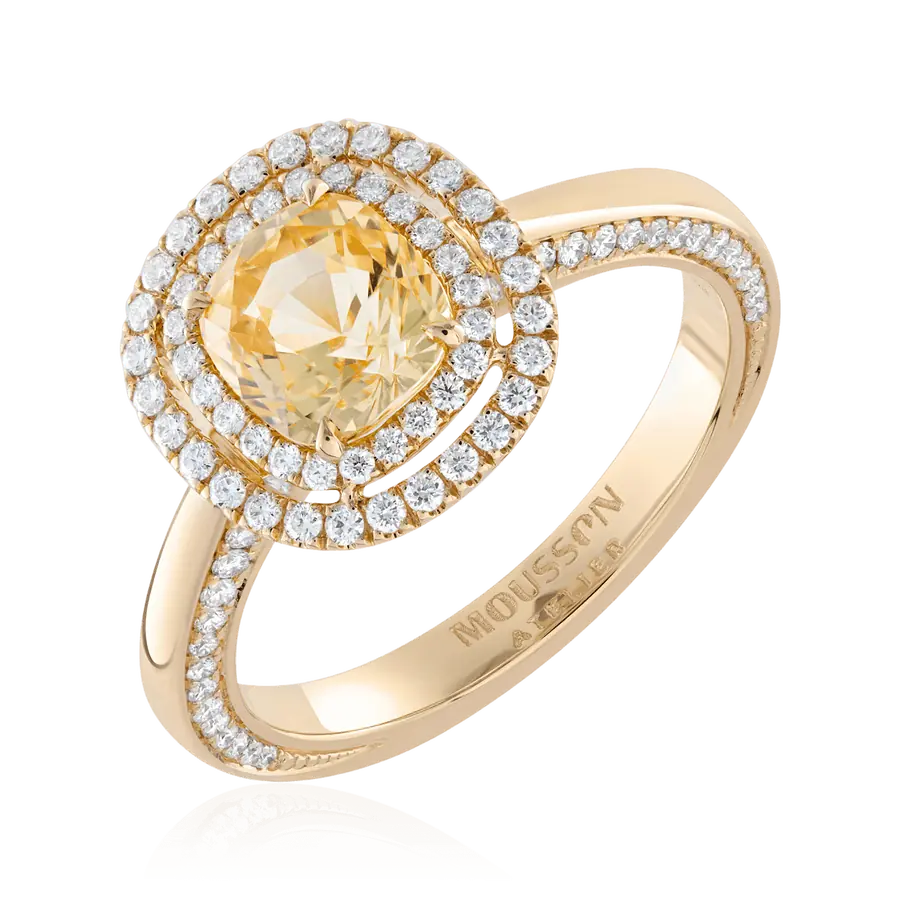
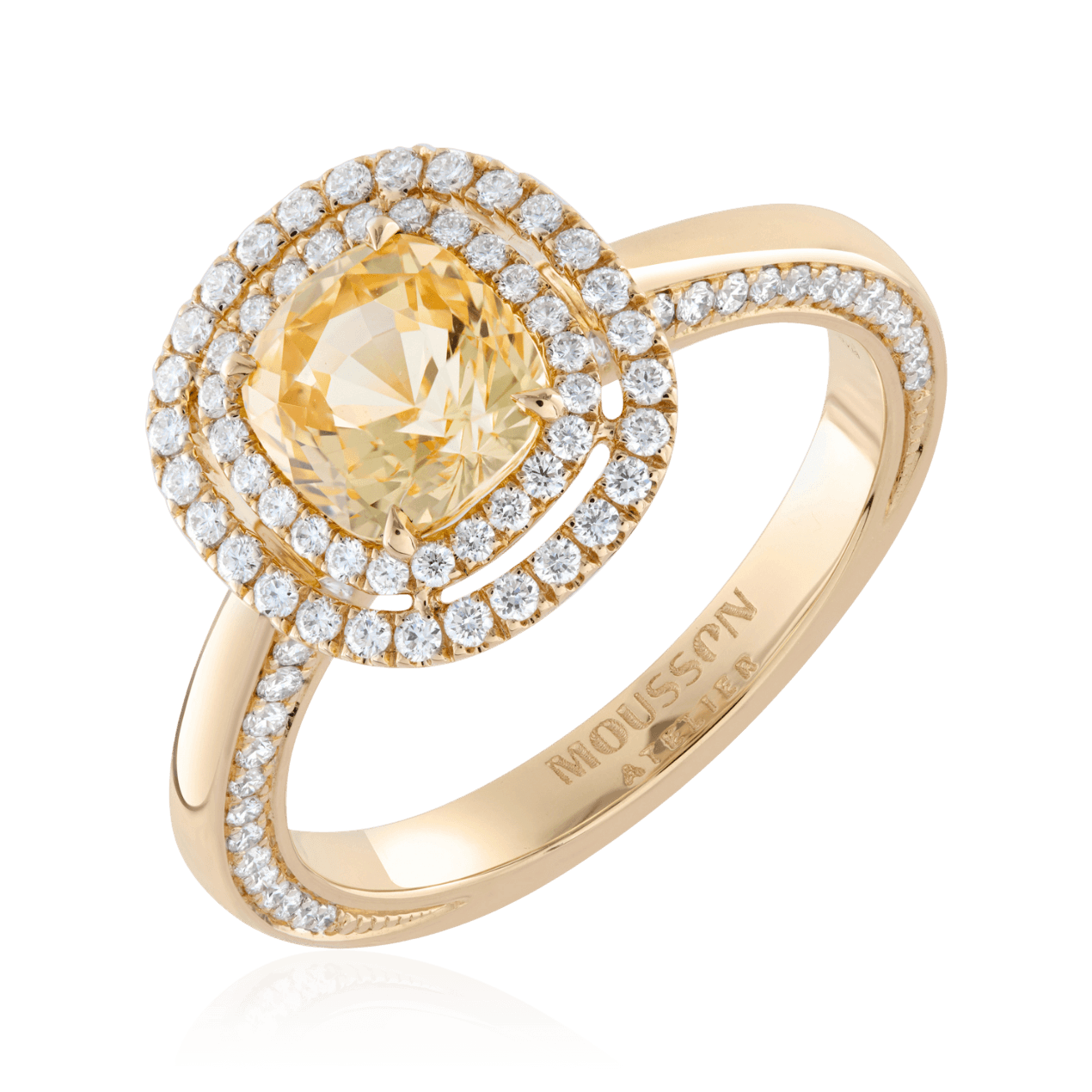
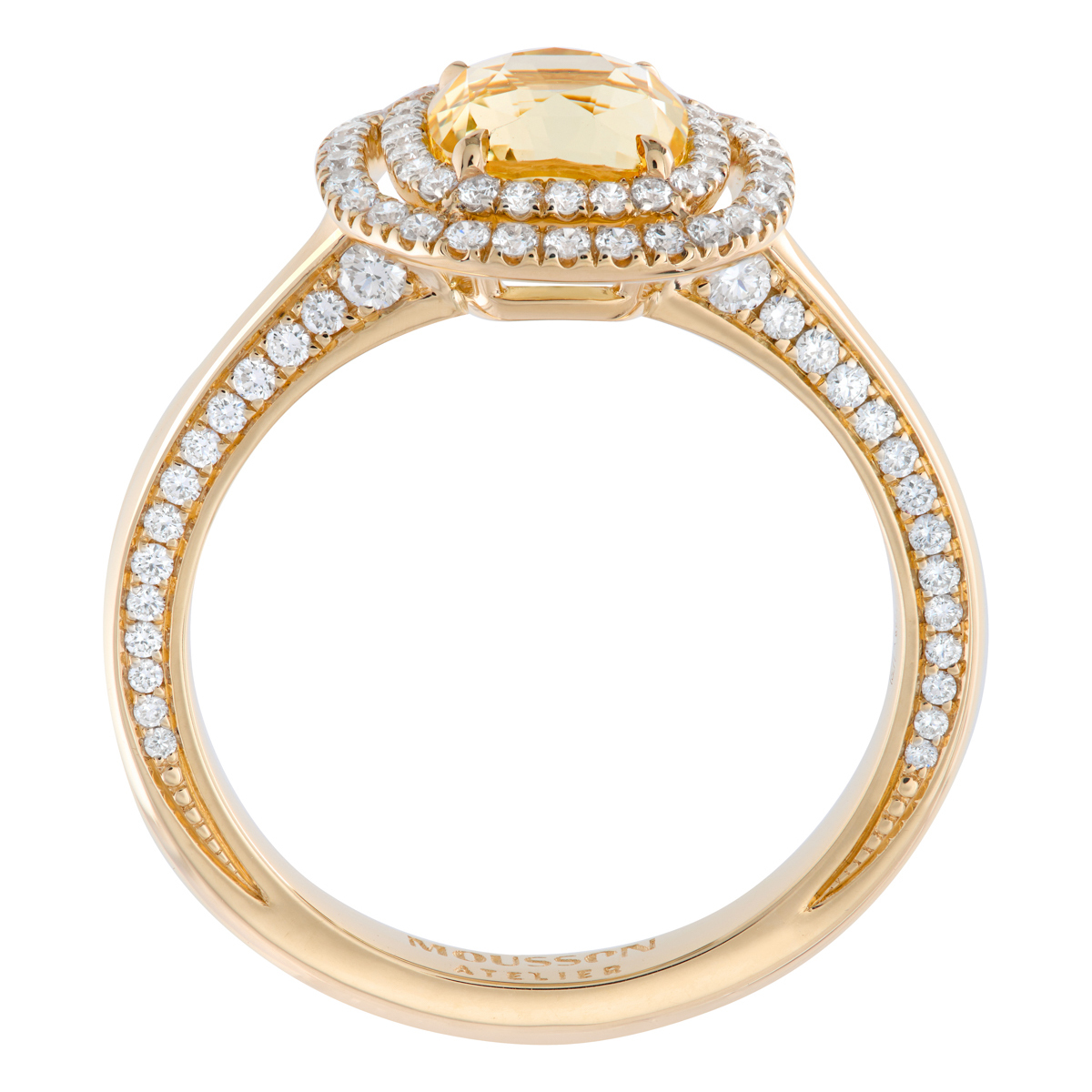
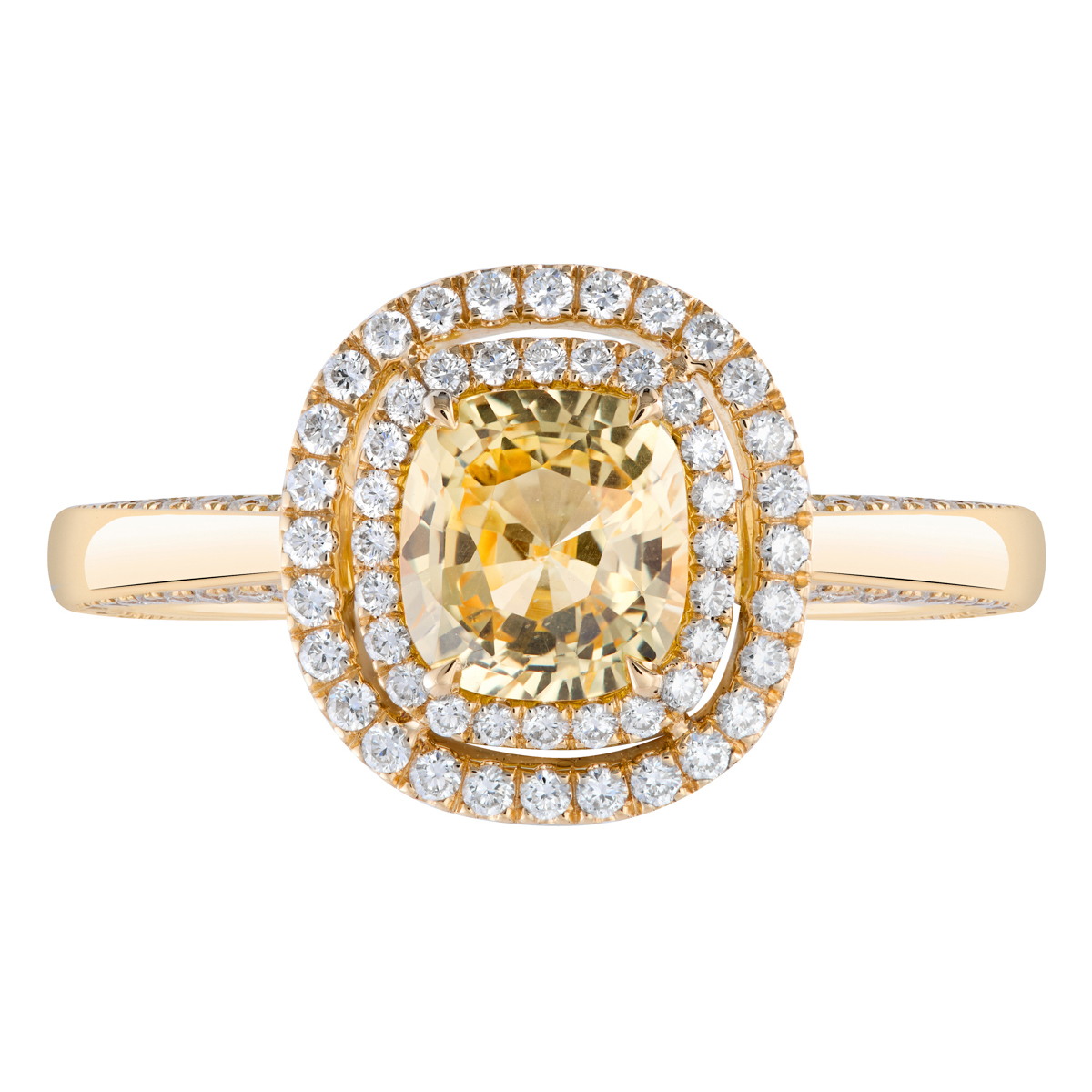


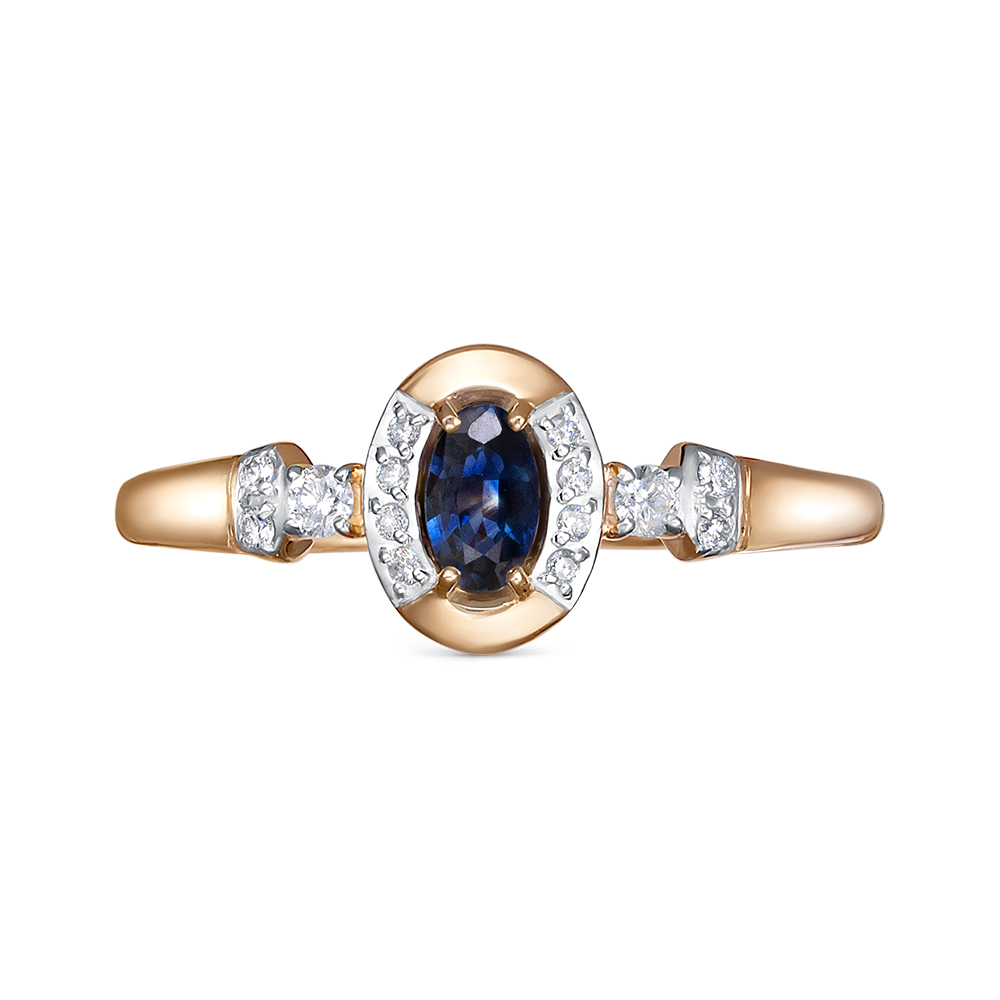
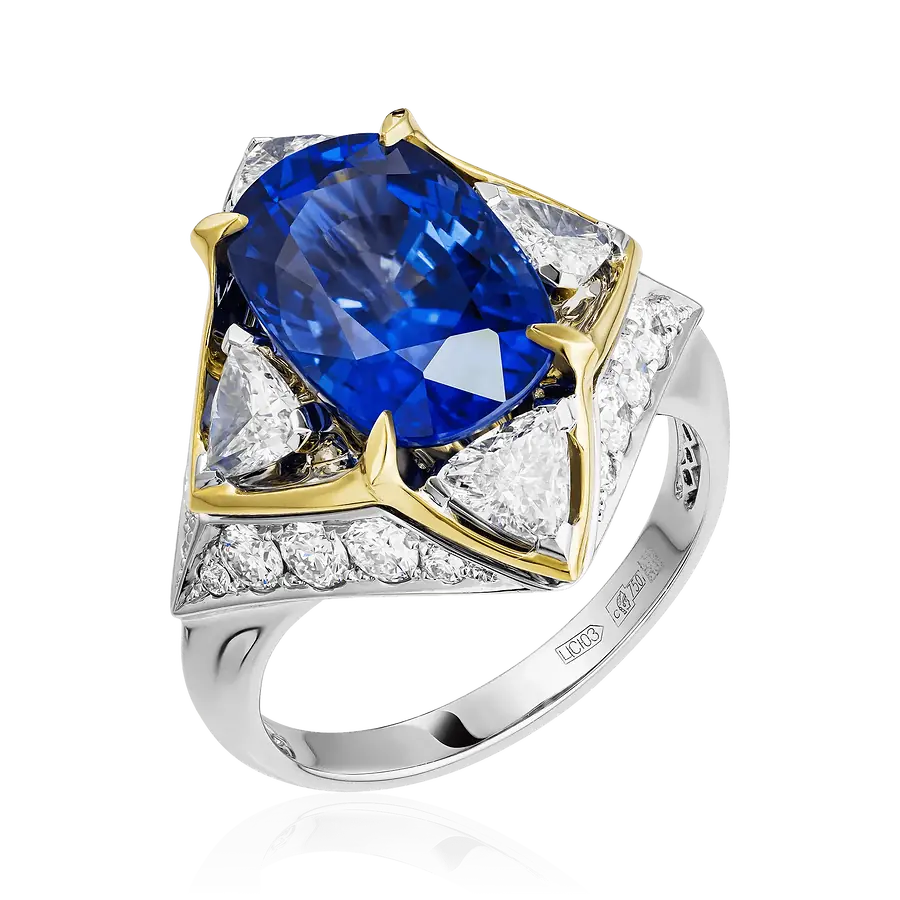
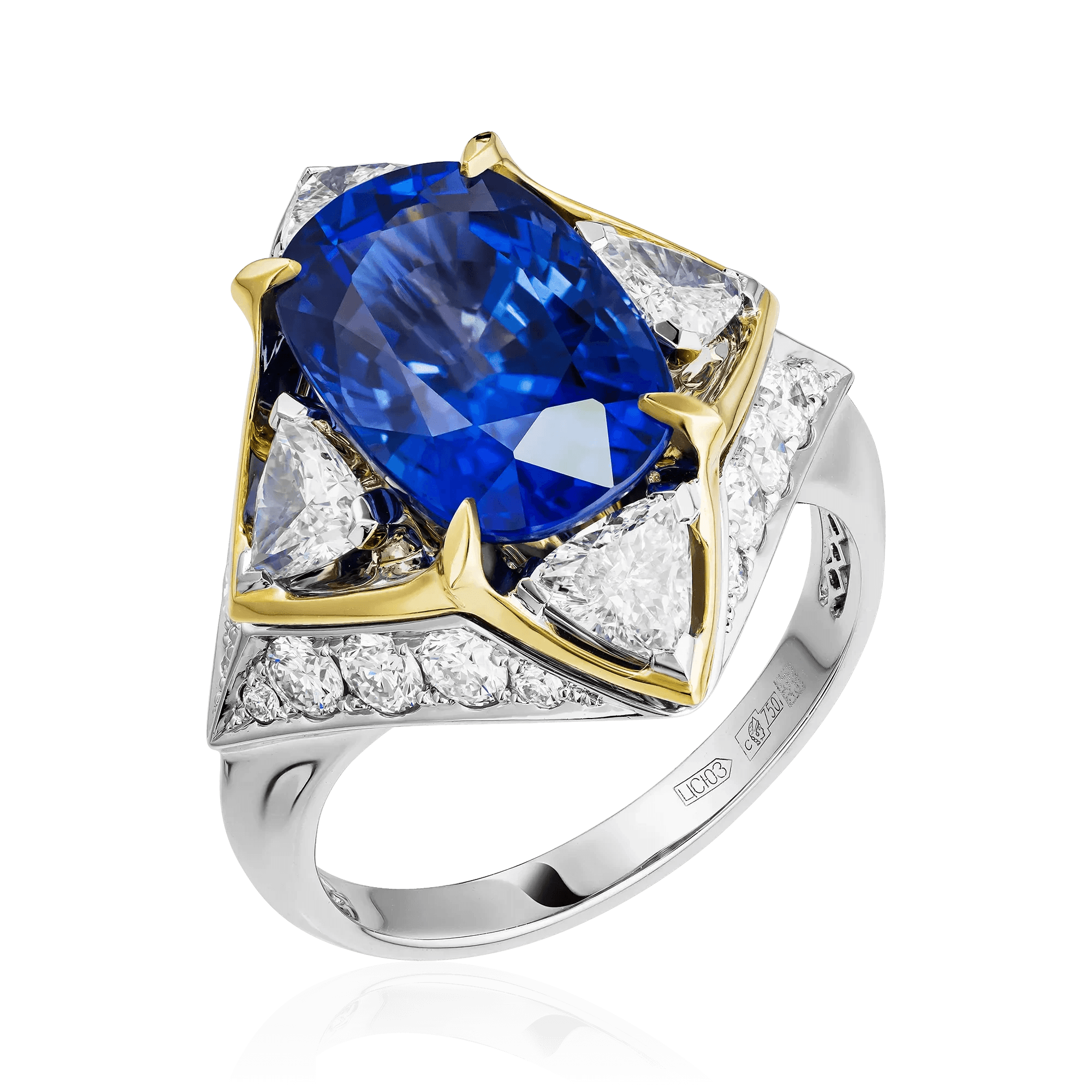
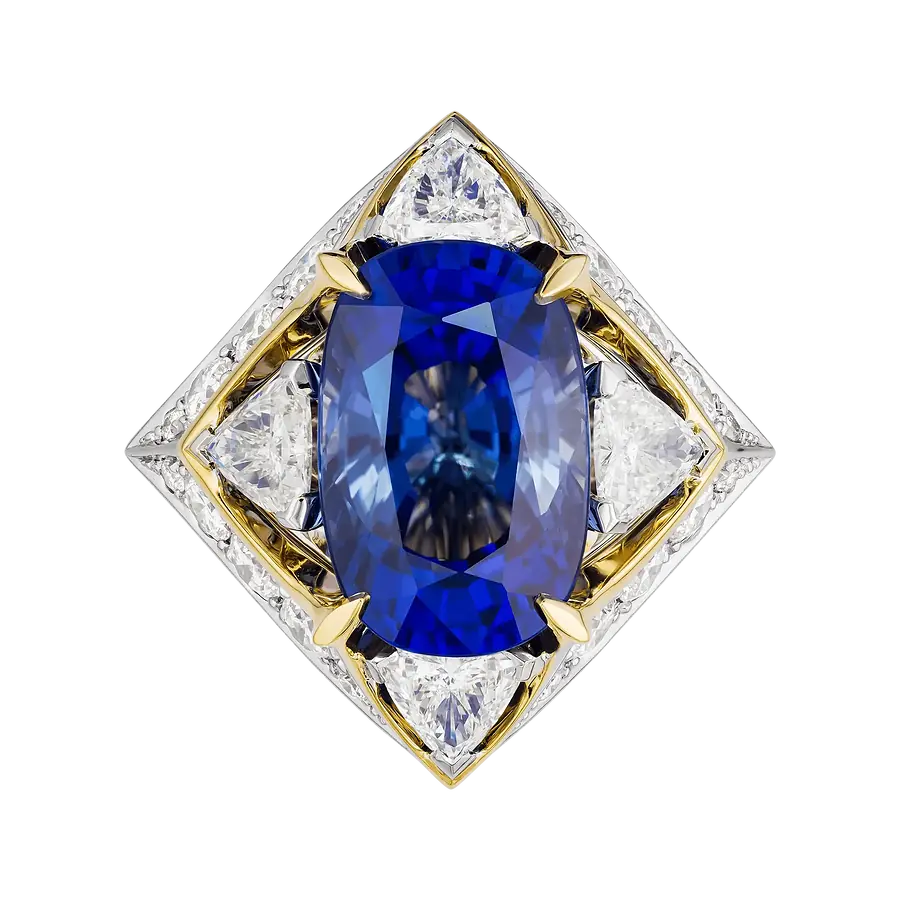
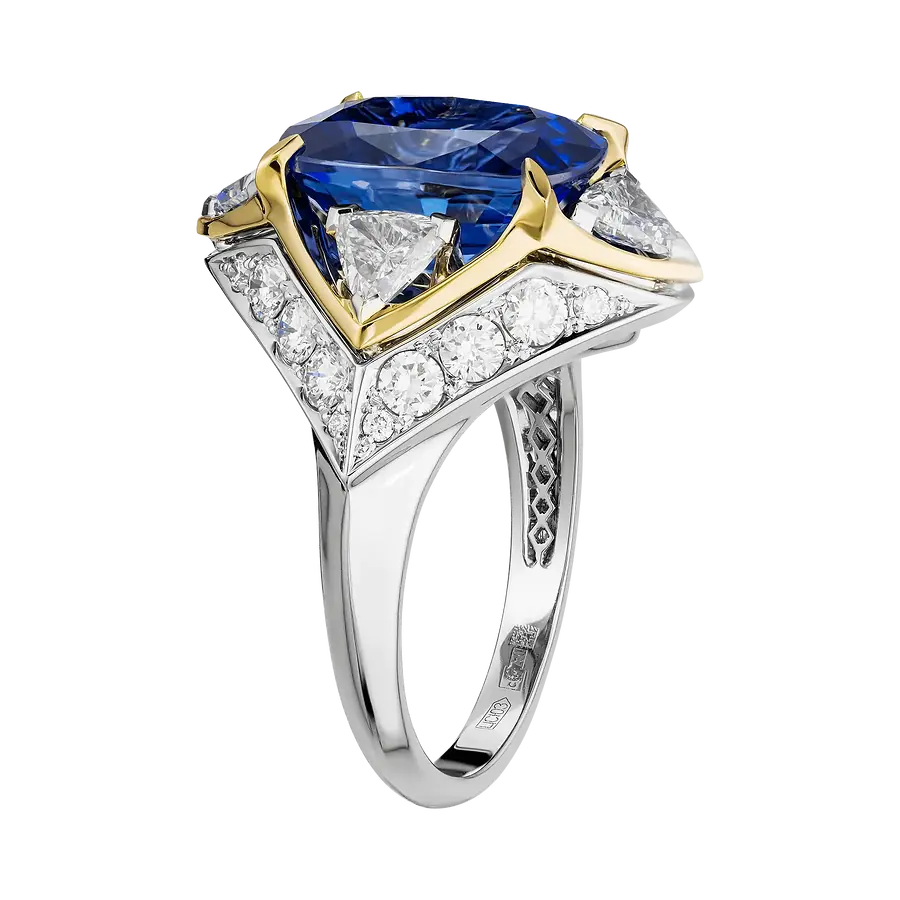
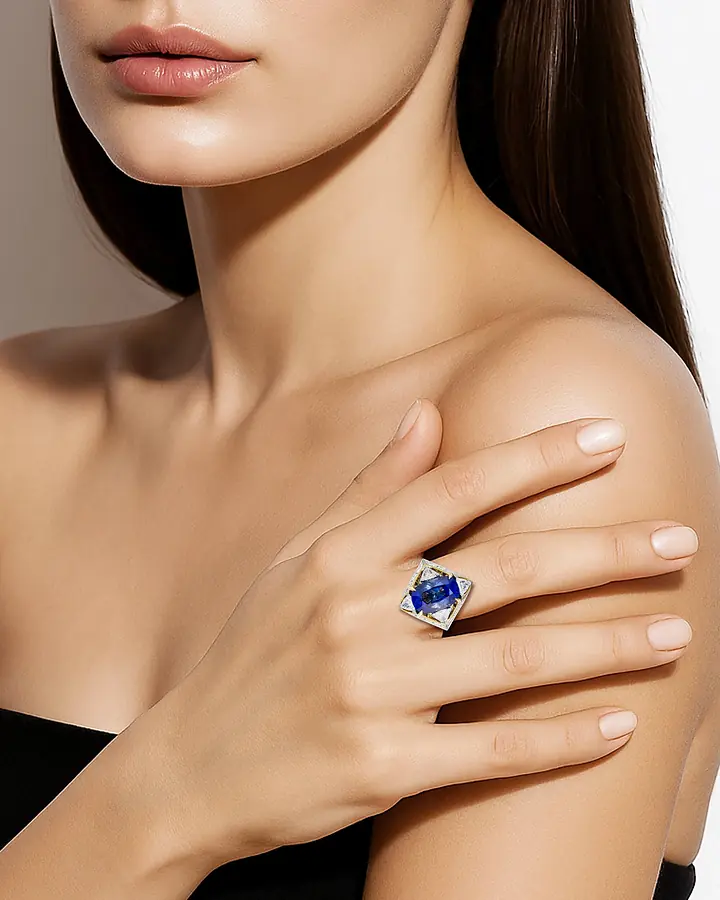

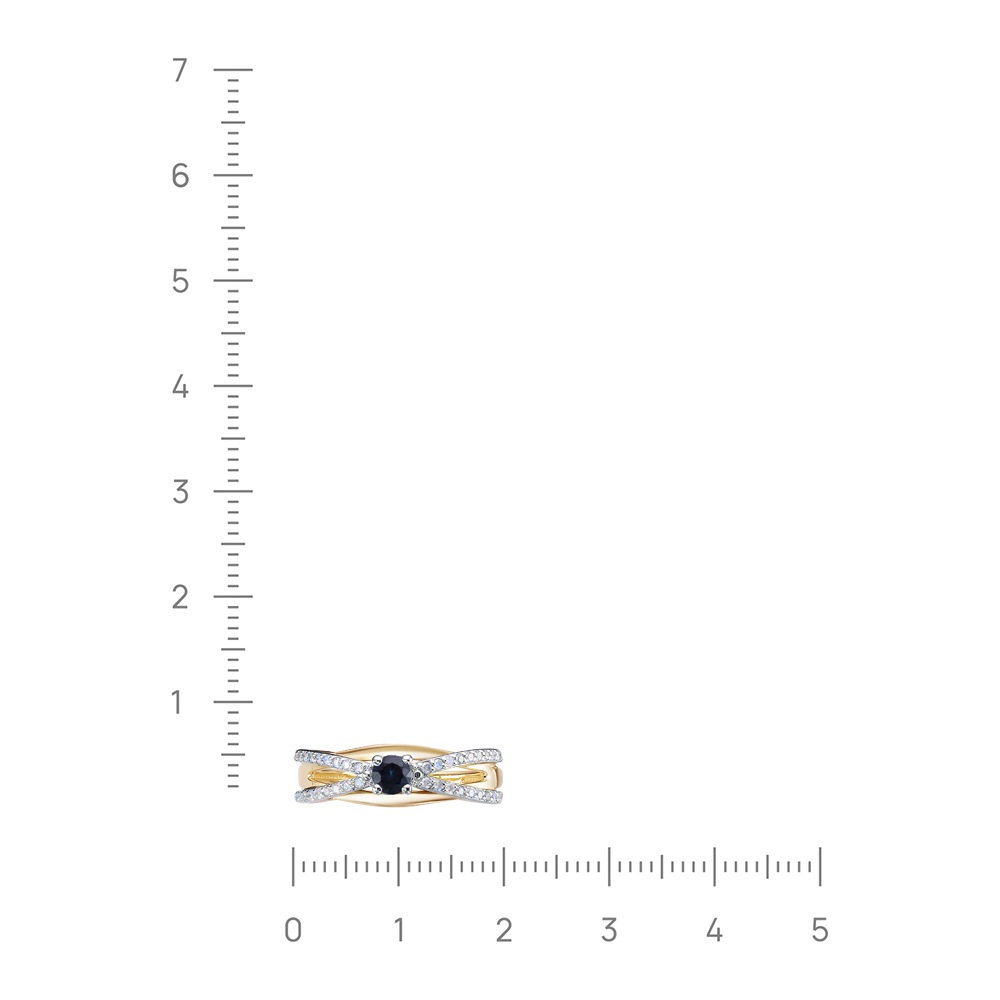

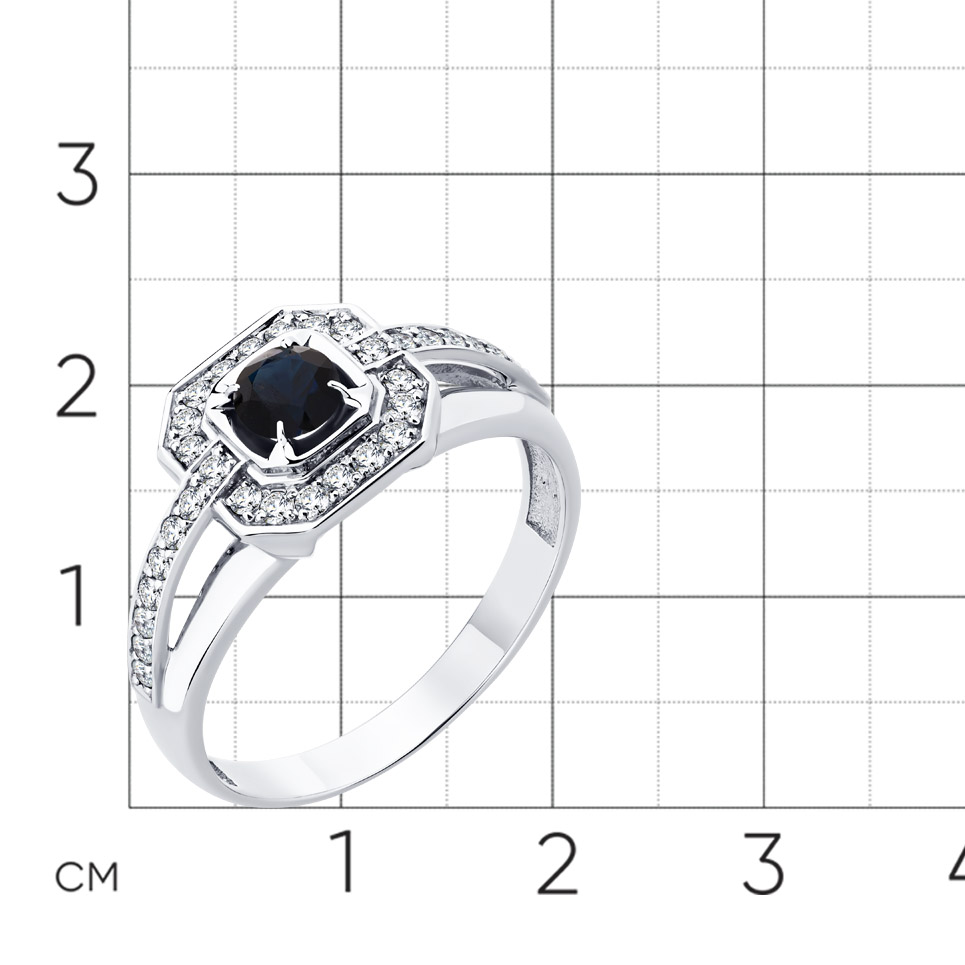

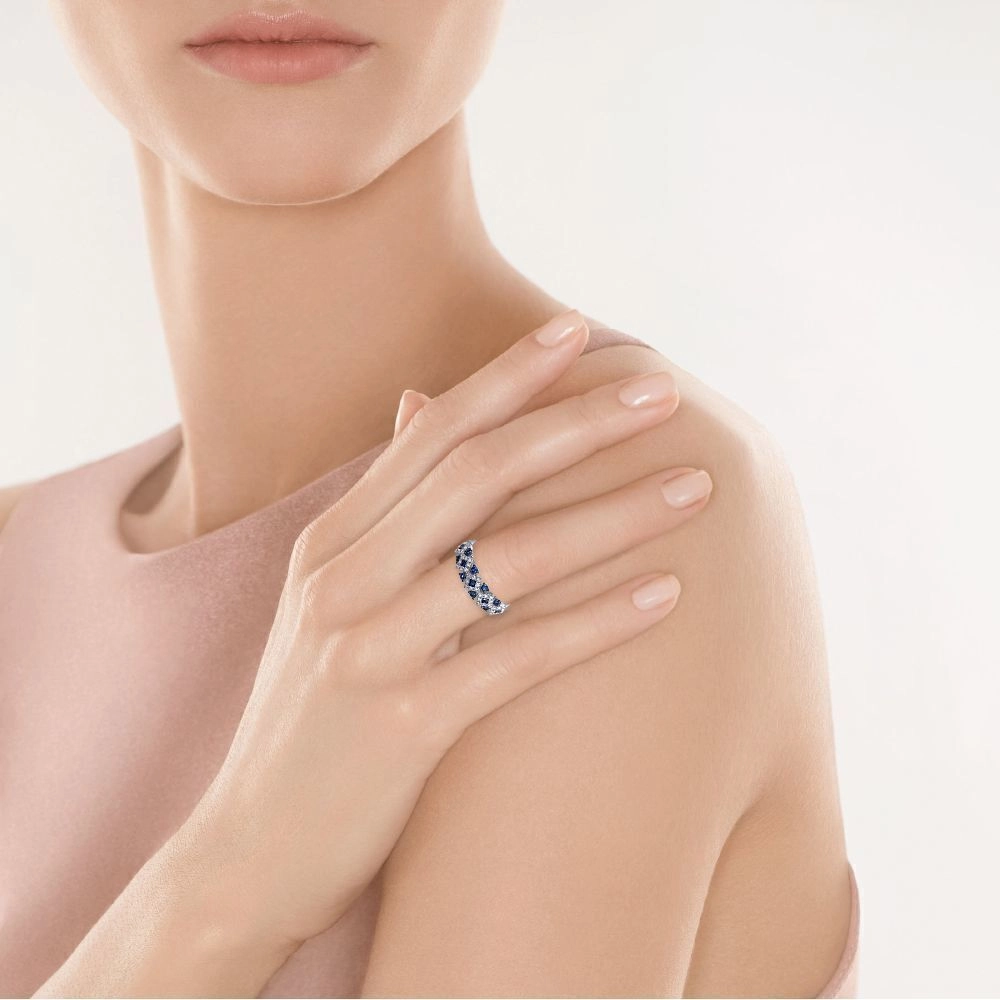
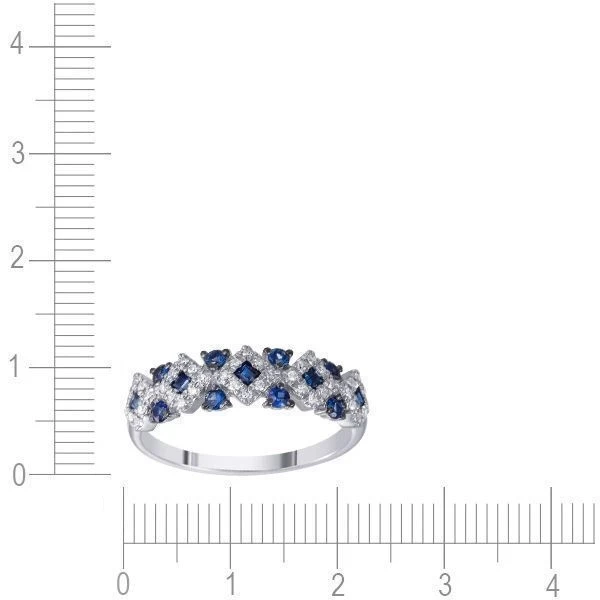
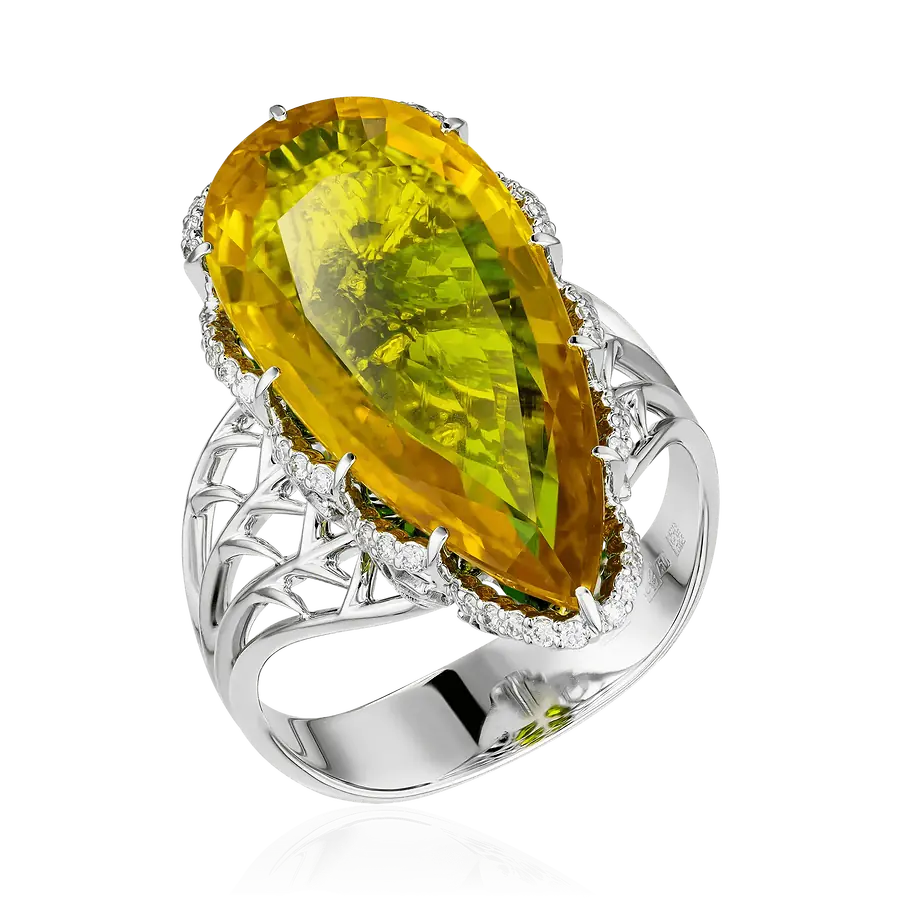
Ring with sapphire, tsavorite and diamonds in 18K white gold (750) ( 133075)
In stock
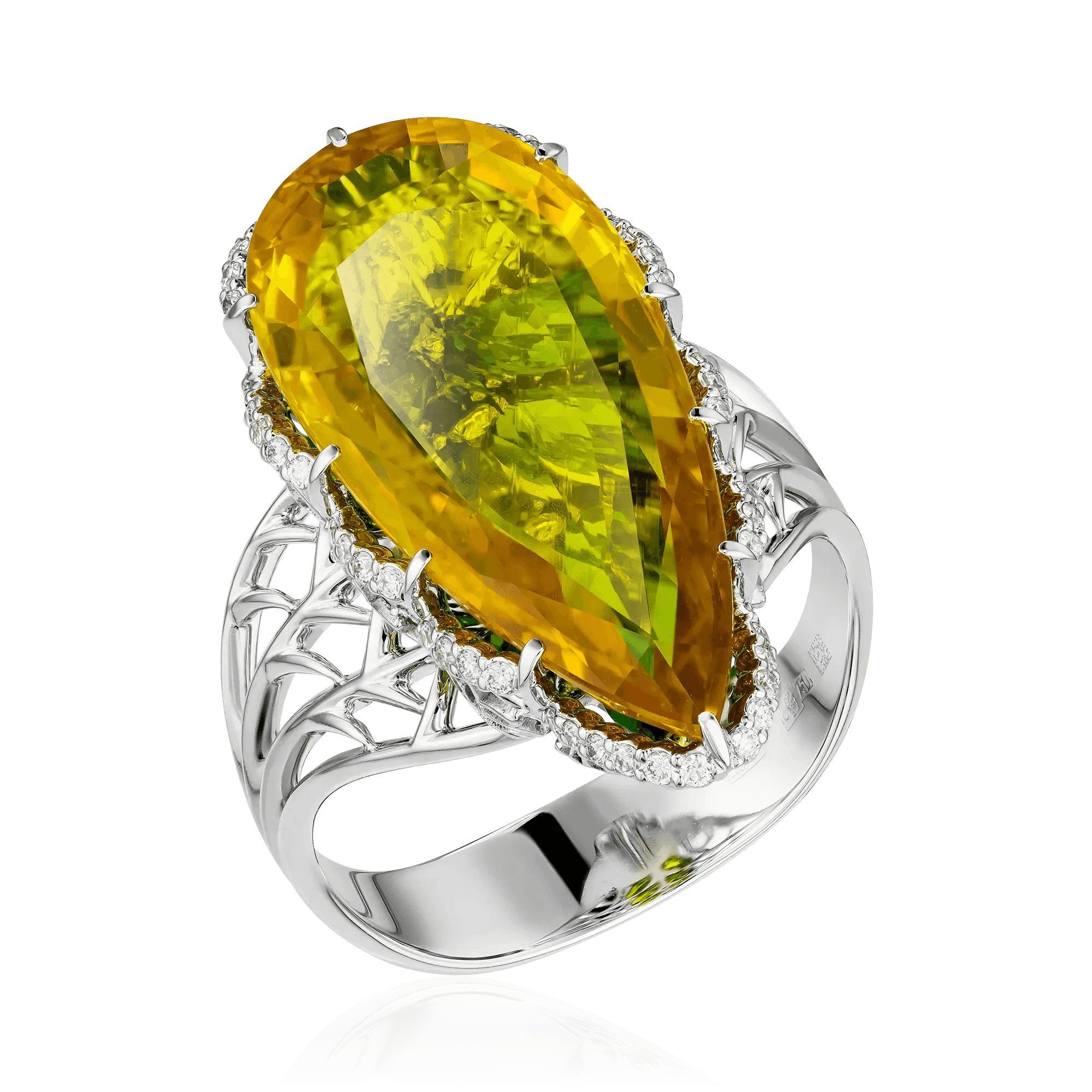
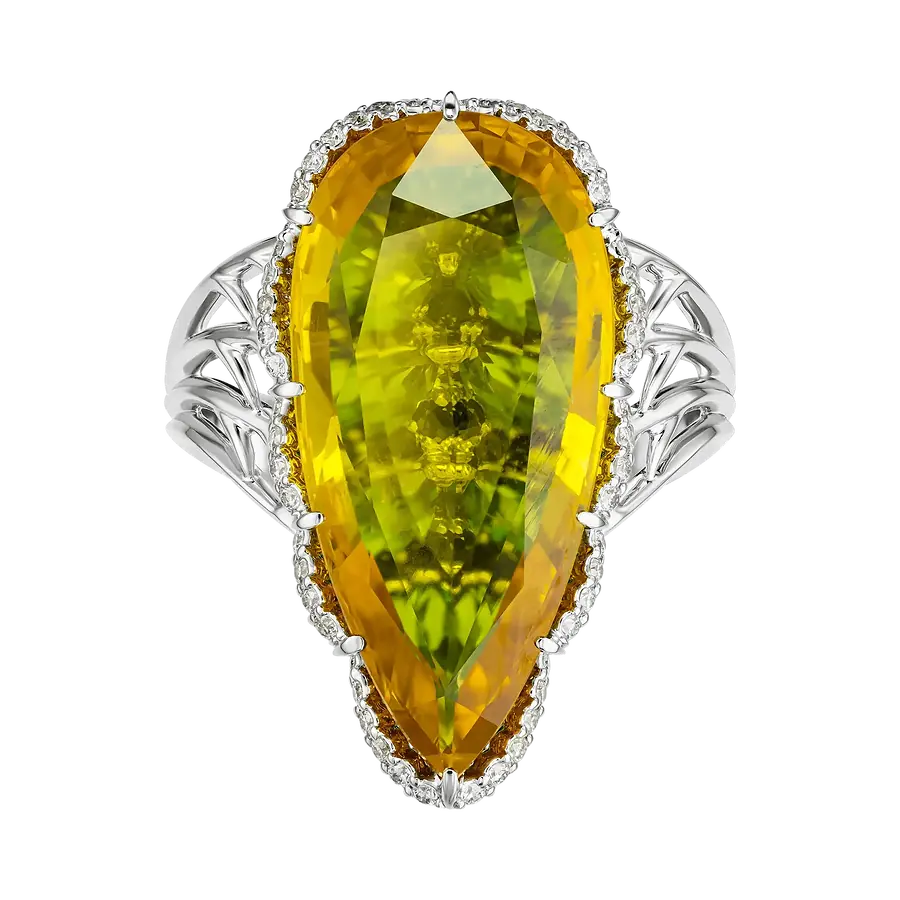
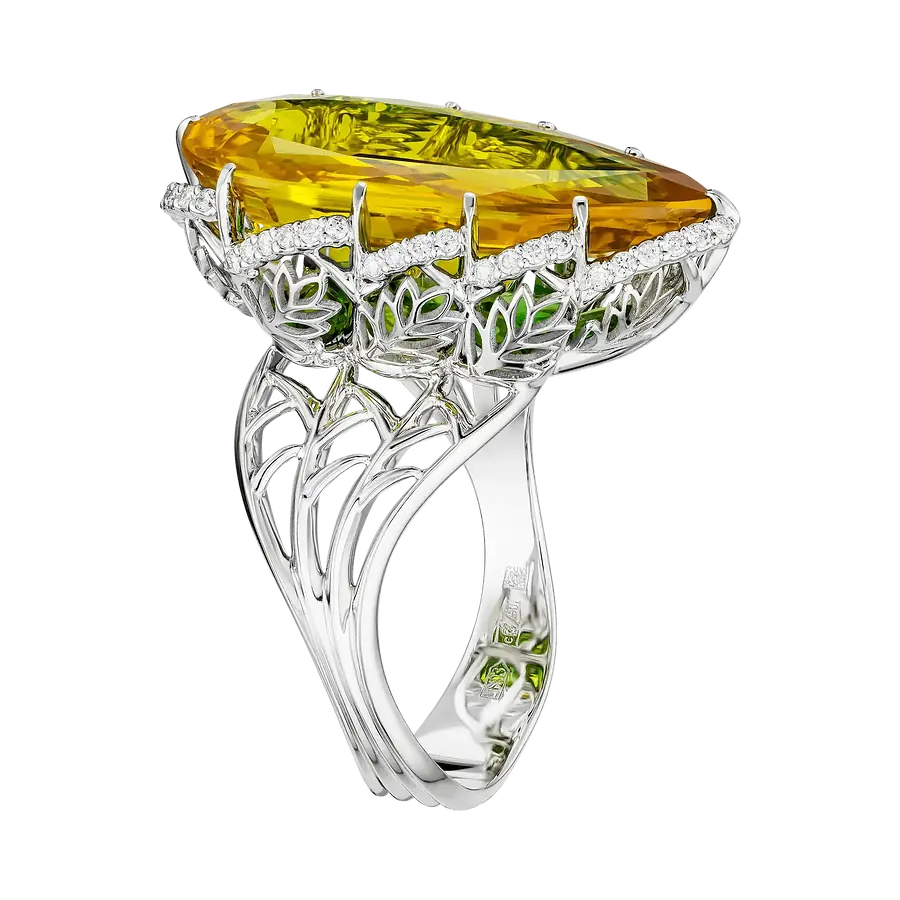
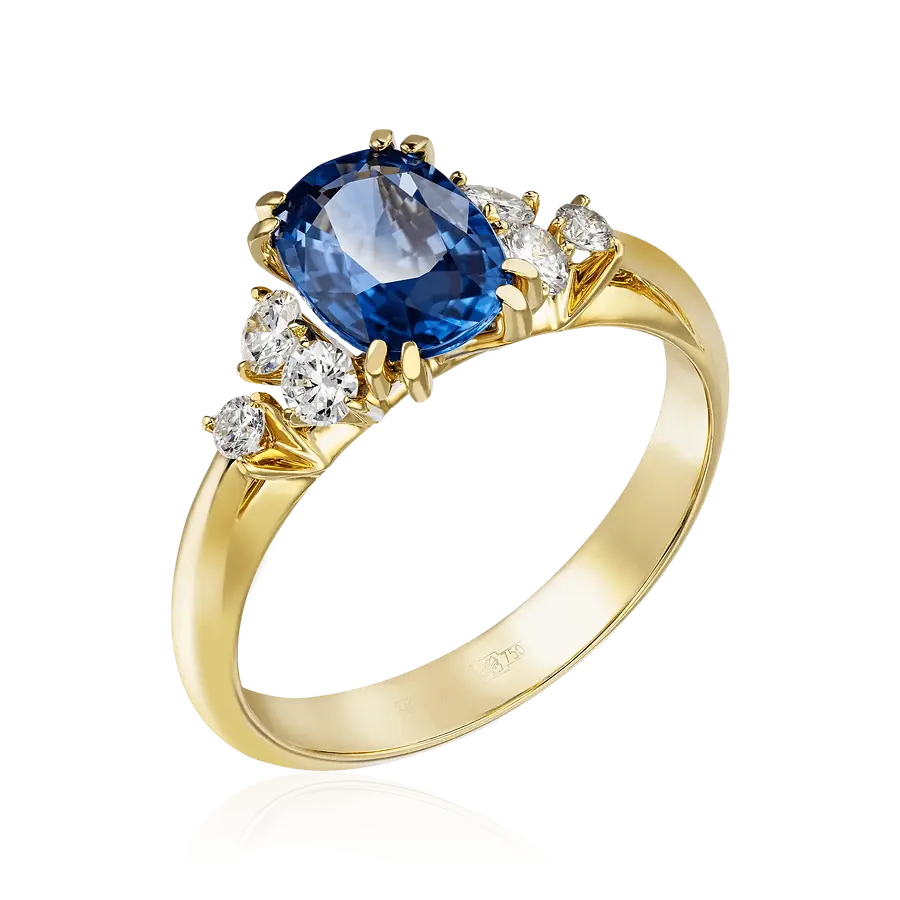
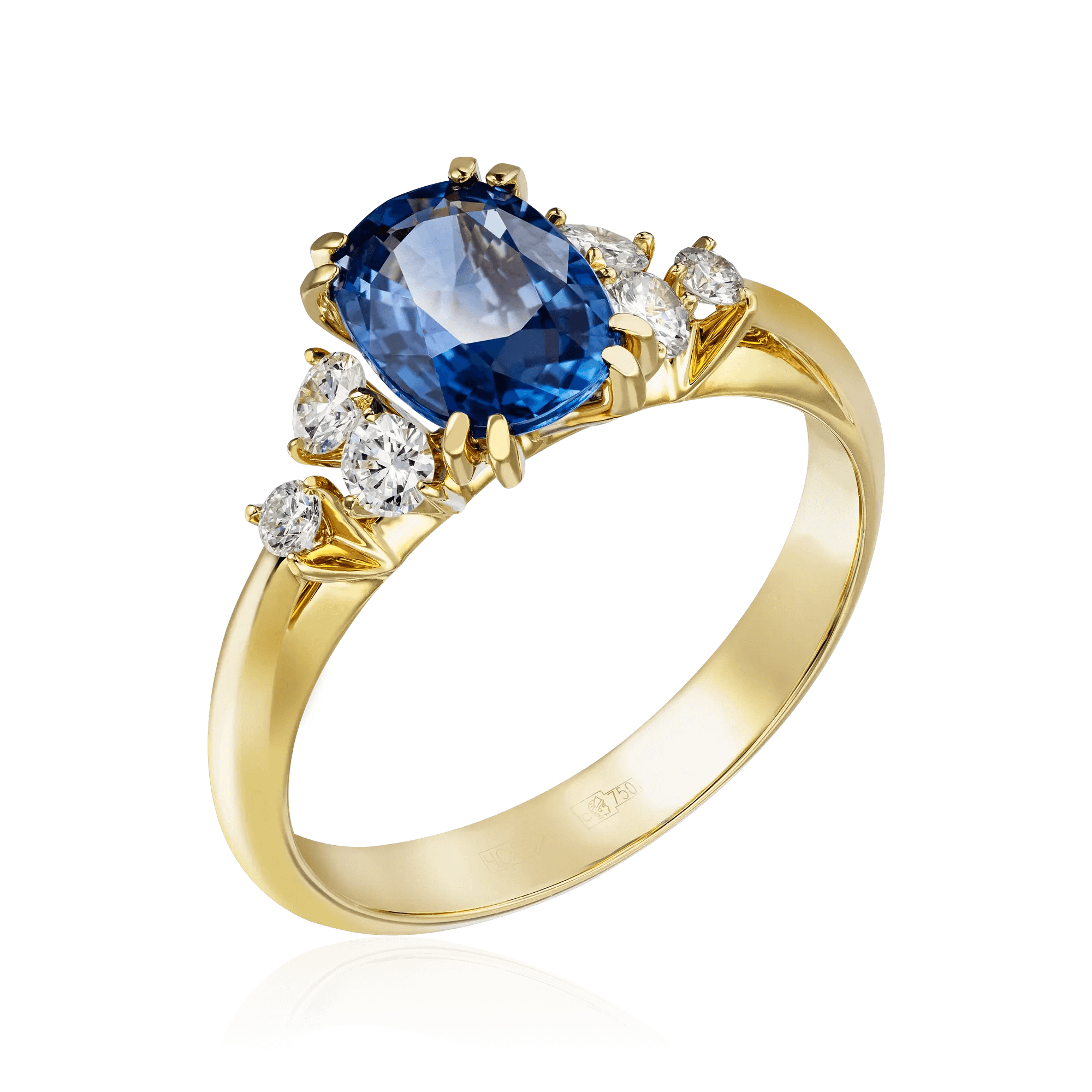
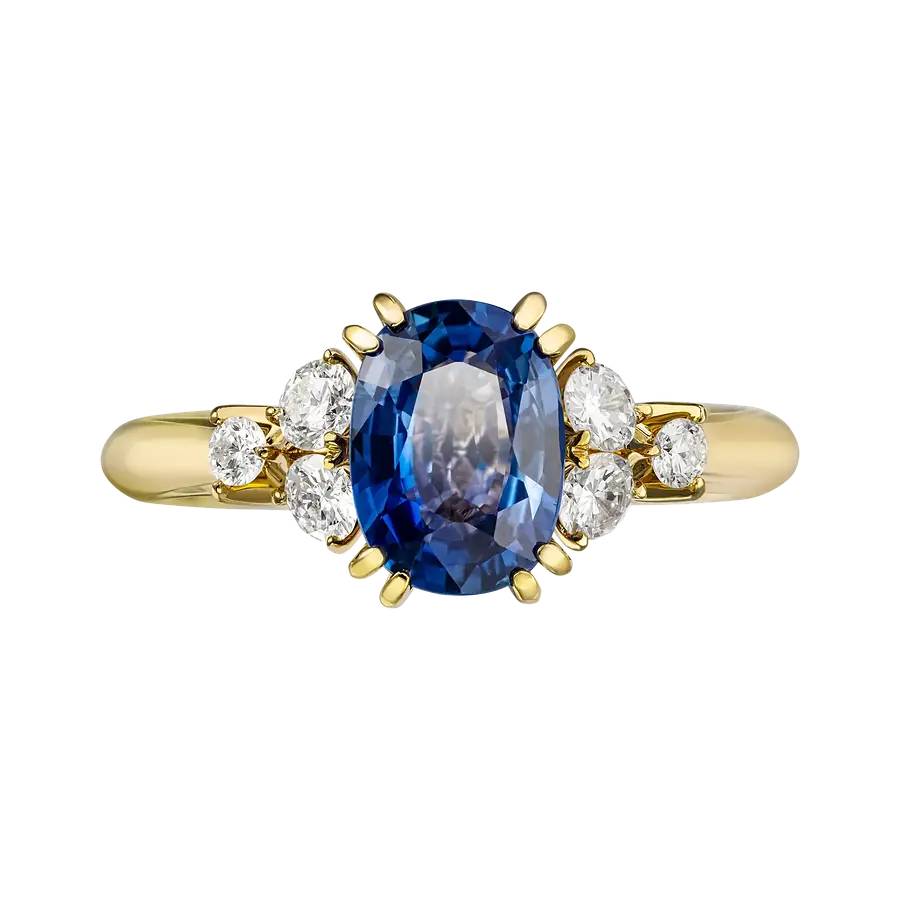
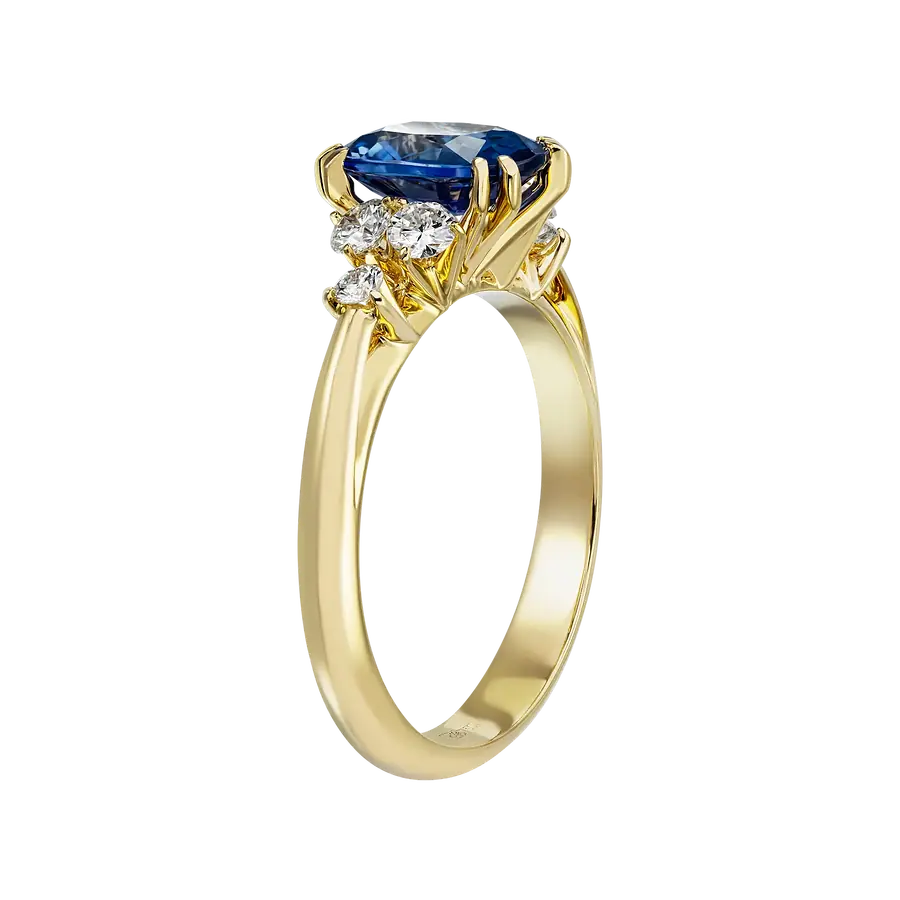
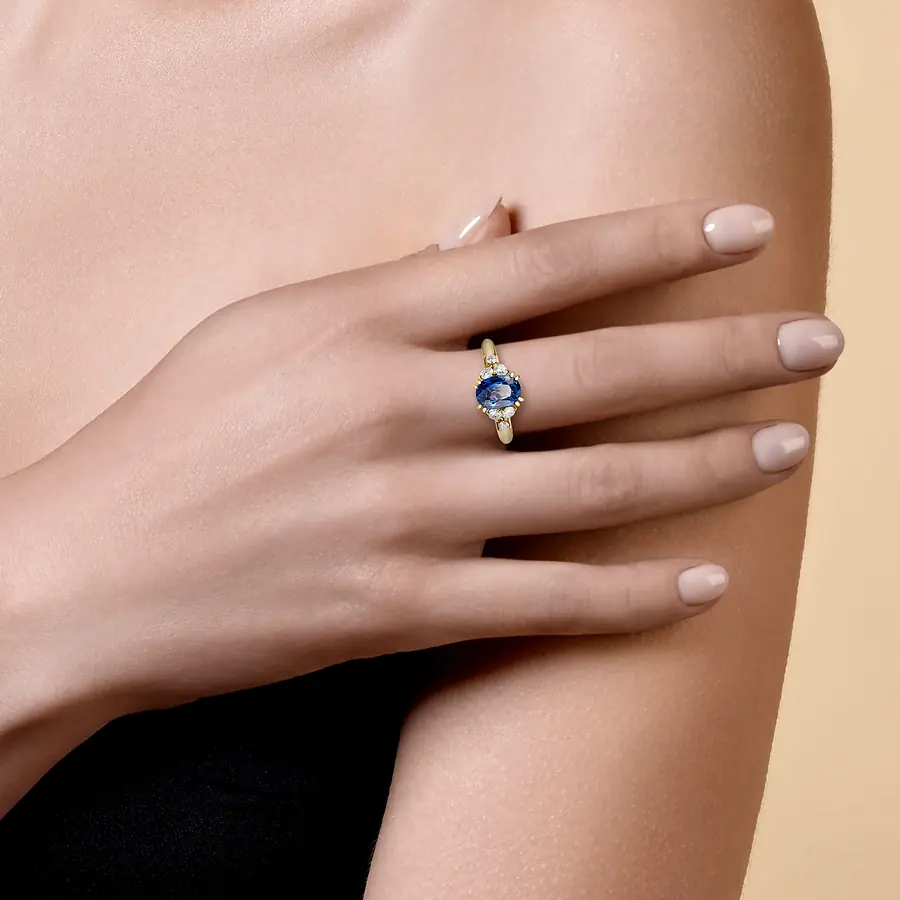

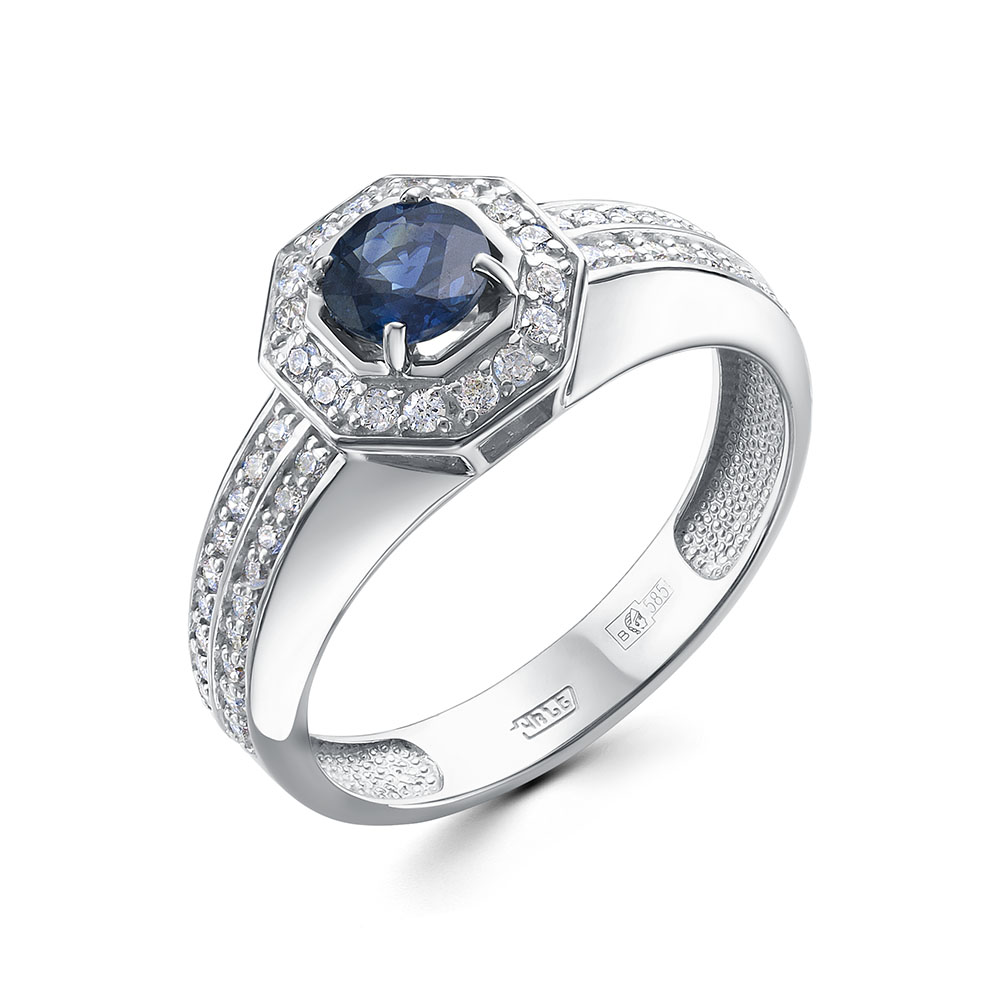
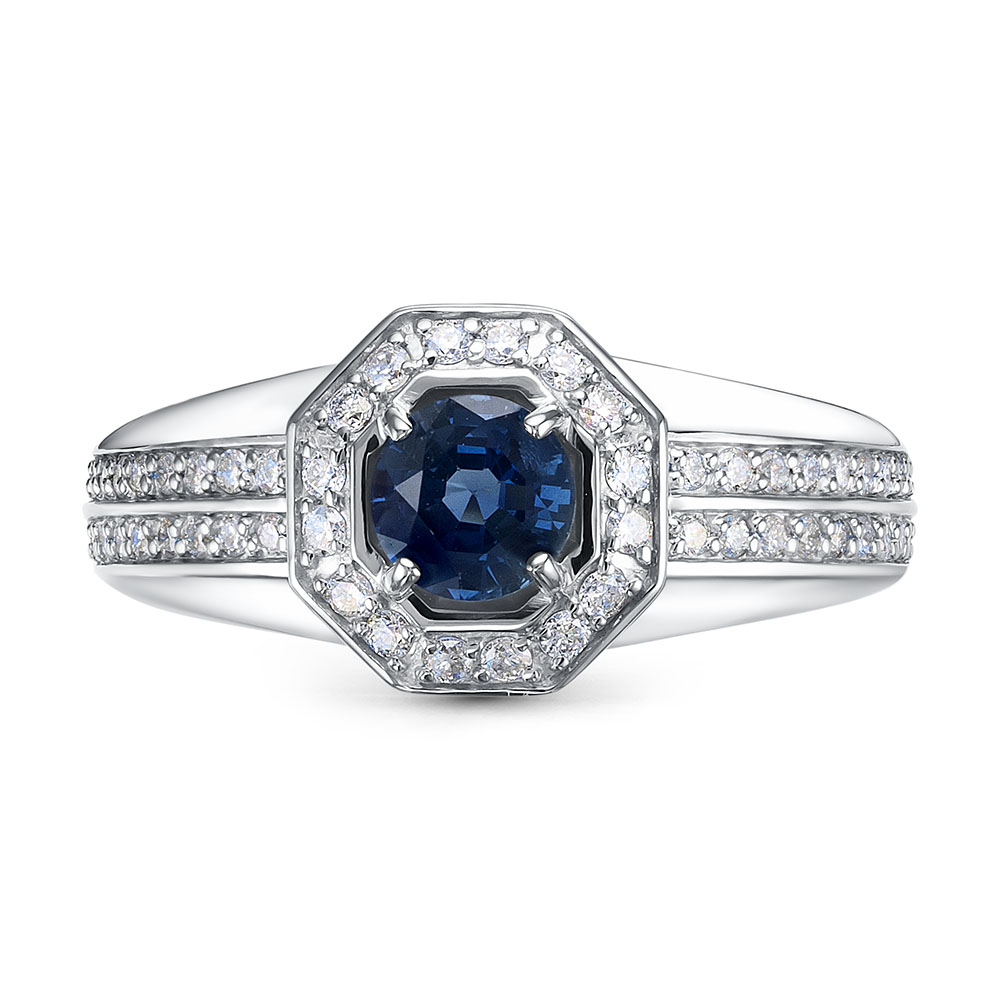


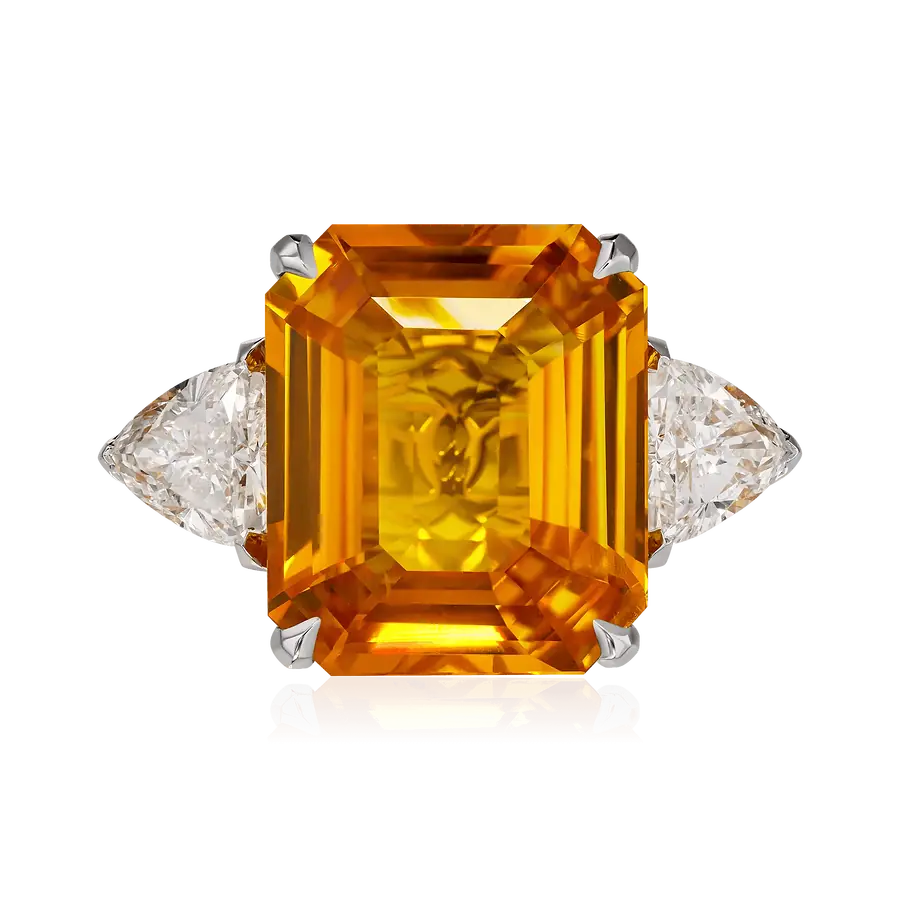
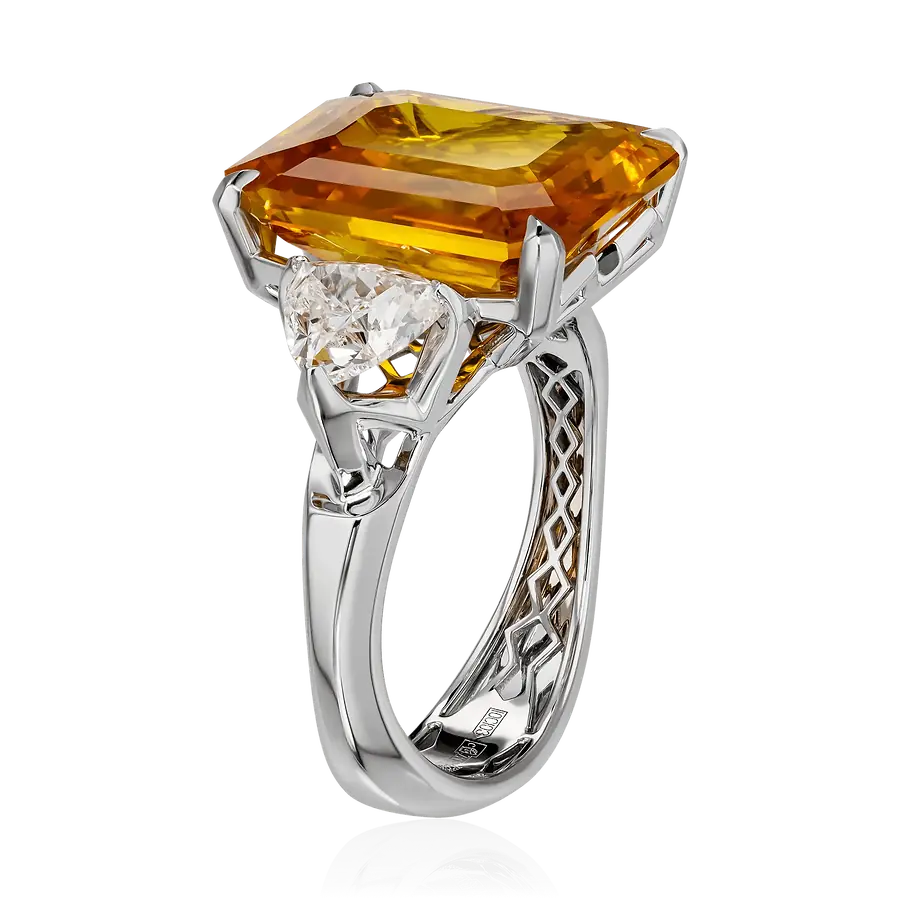
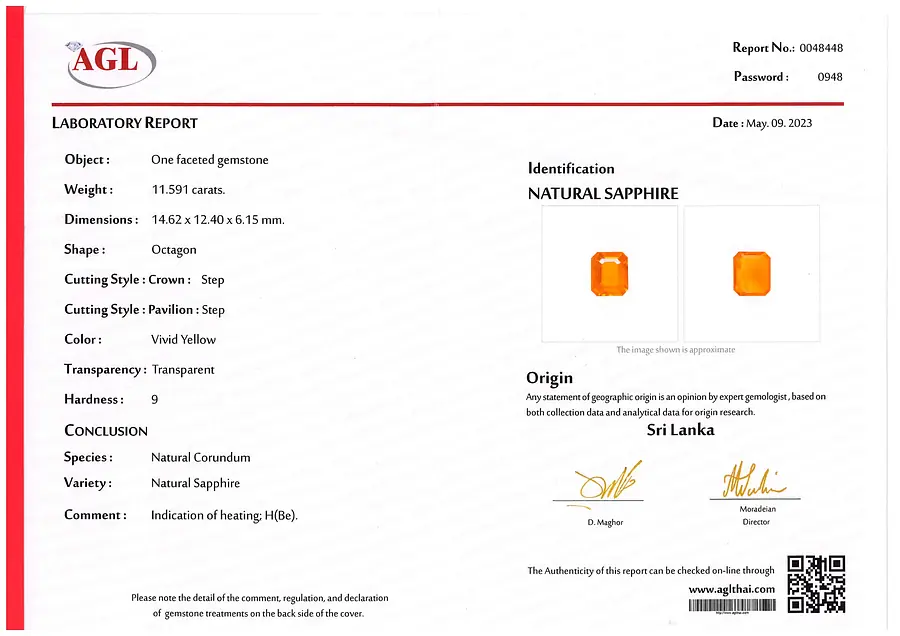
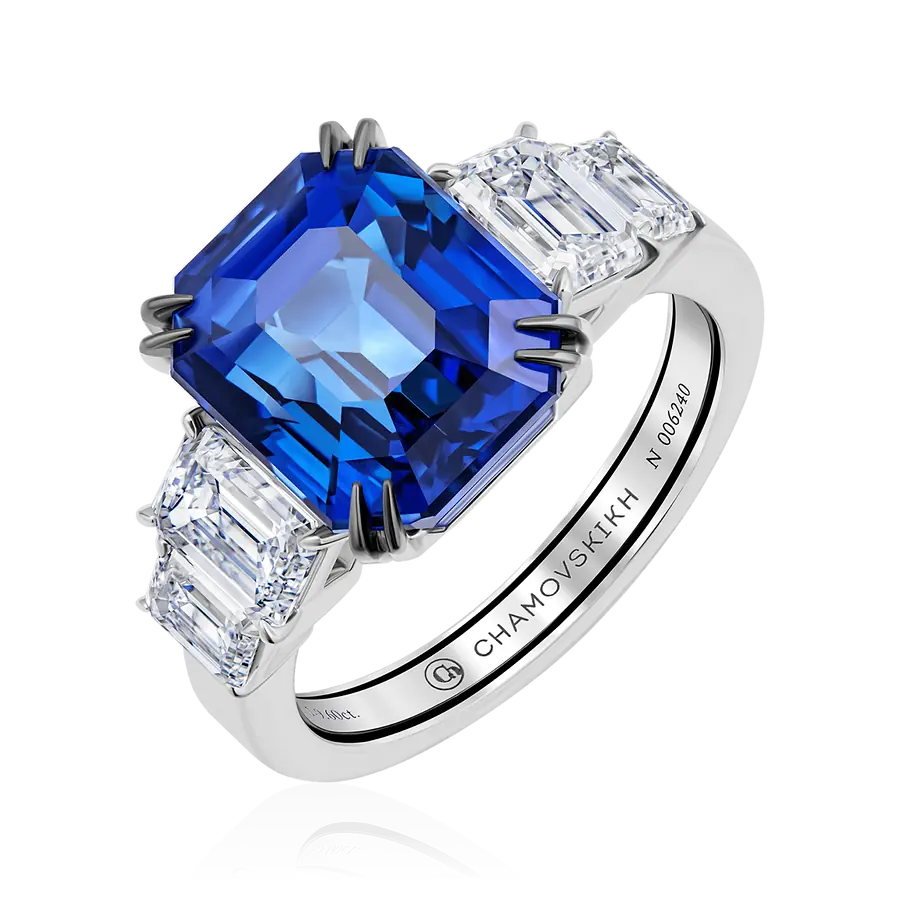
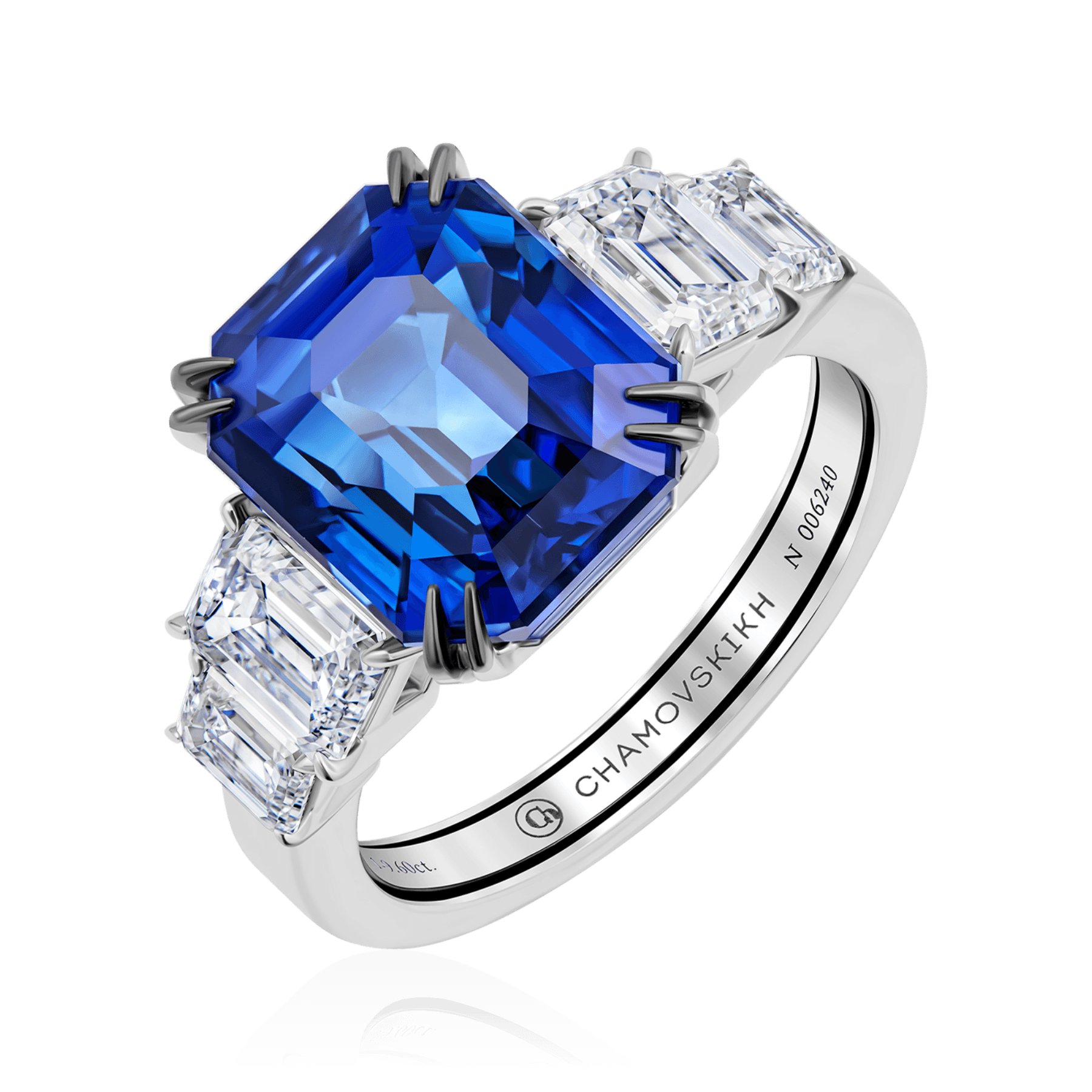
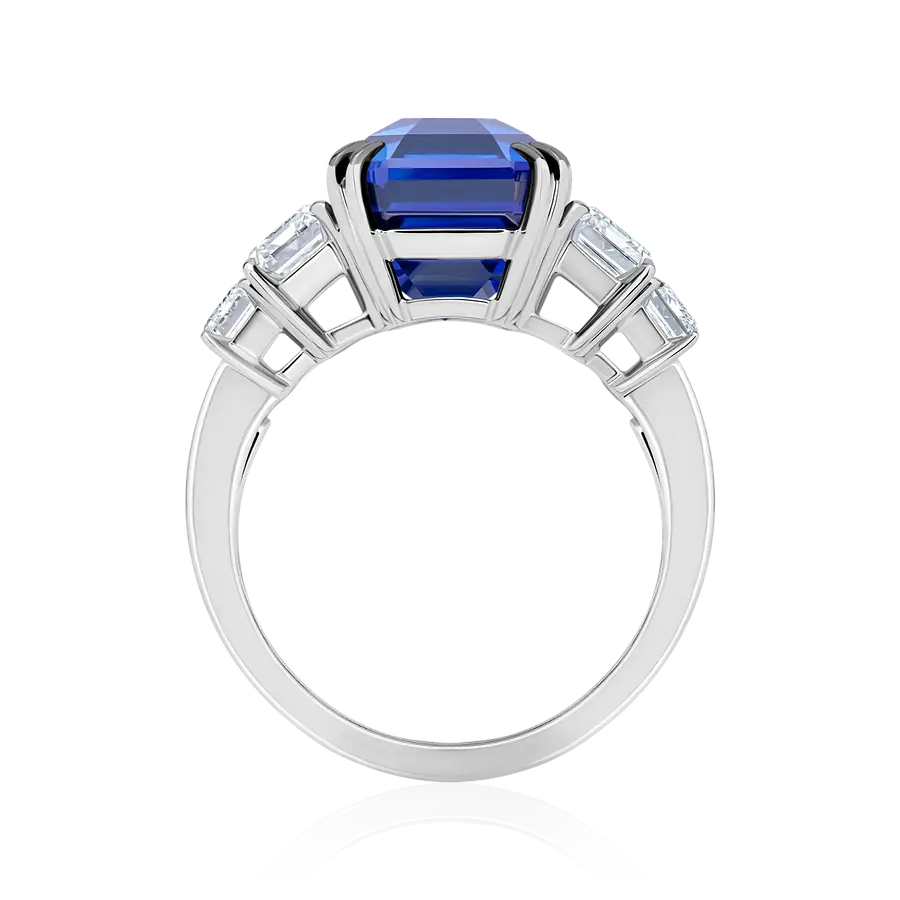
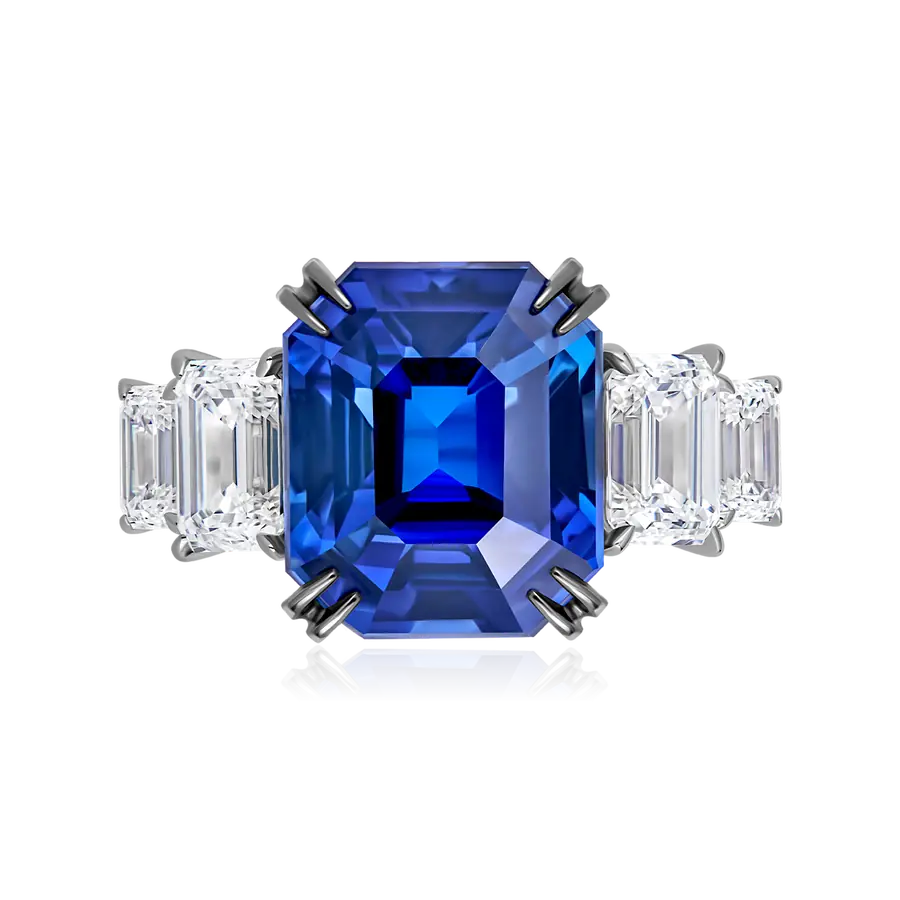
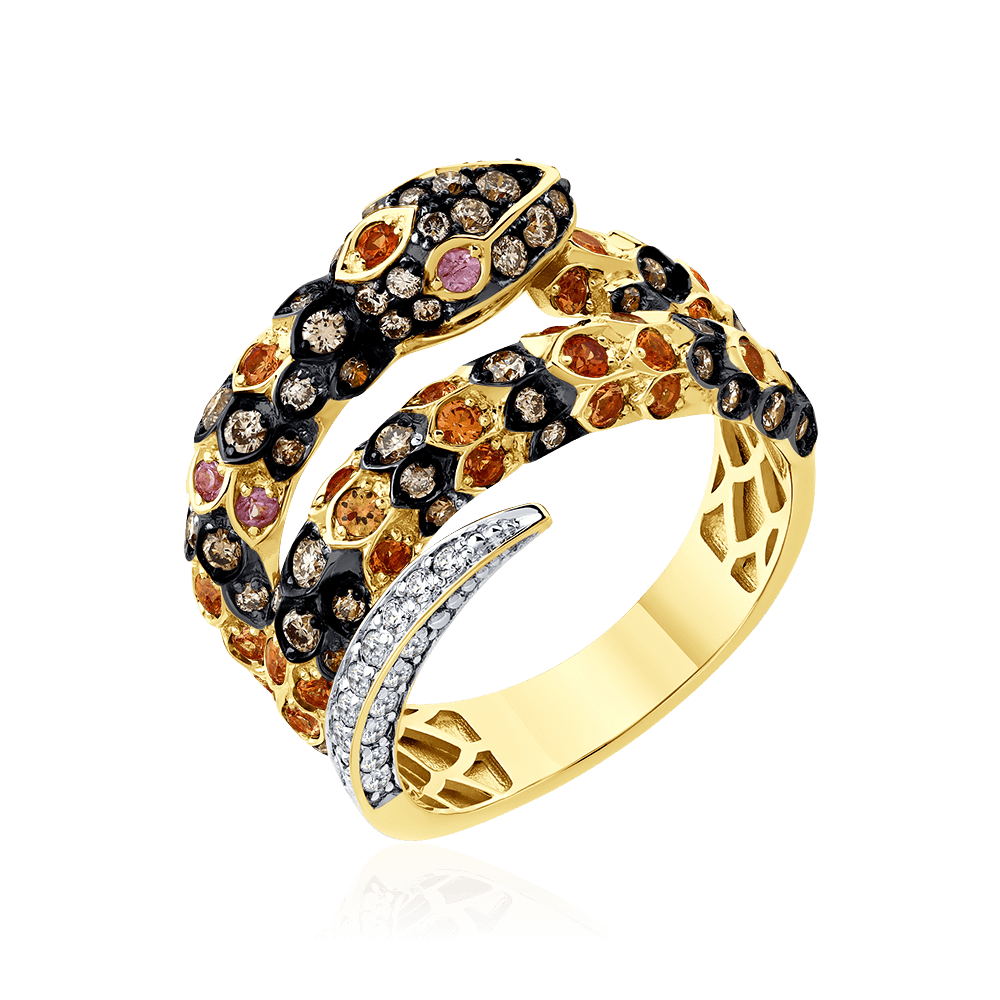
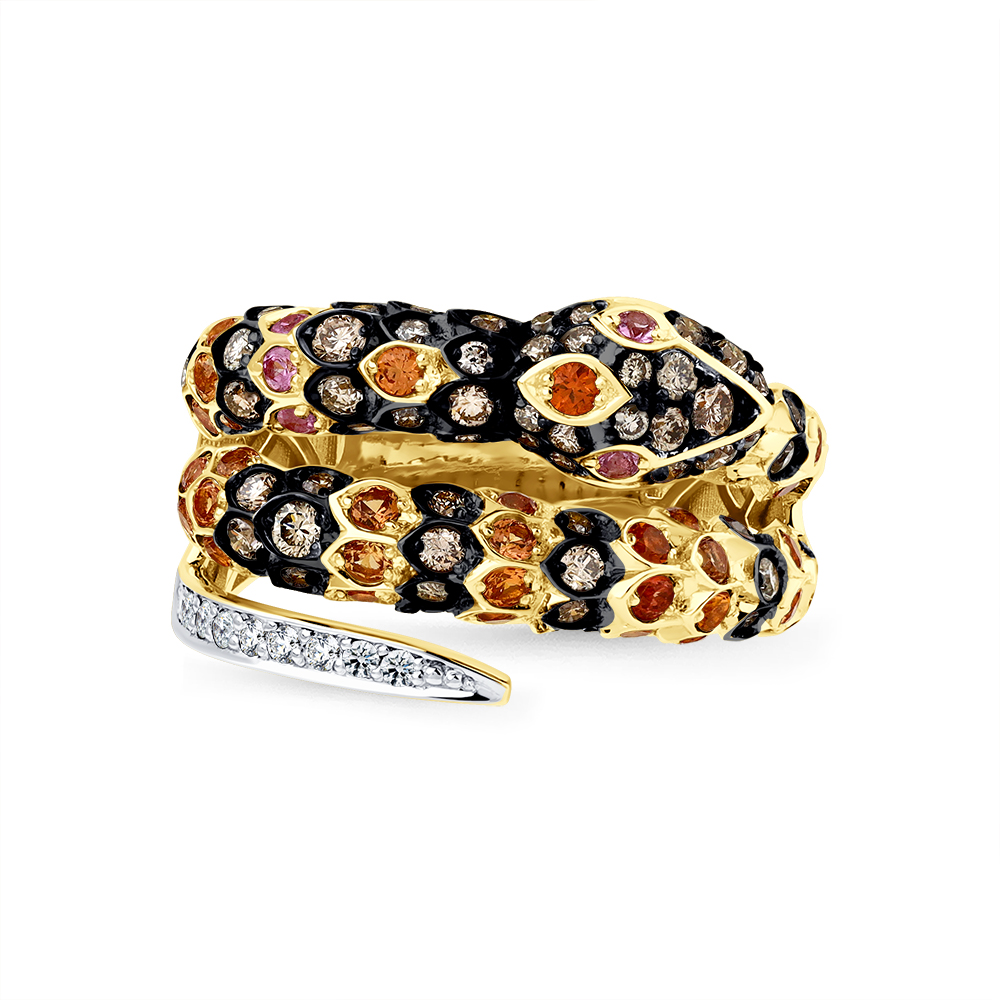
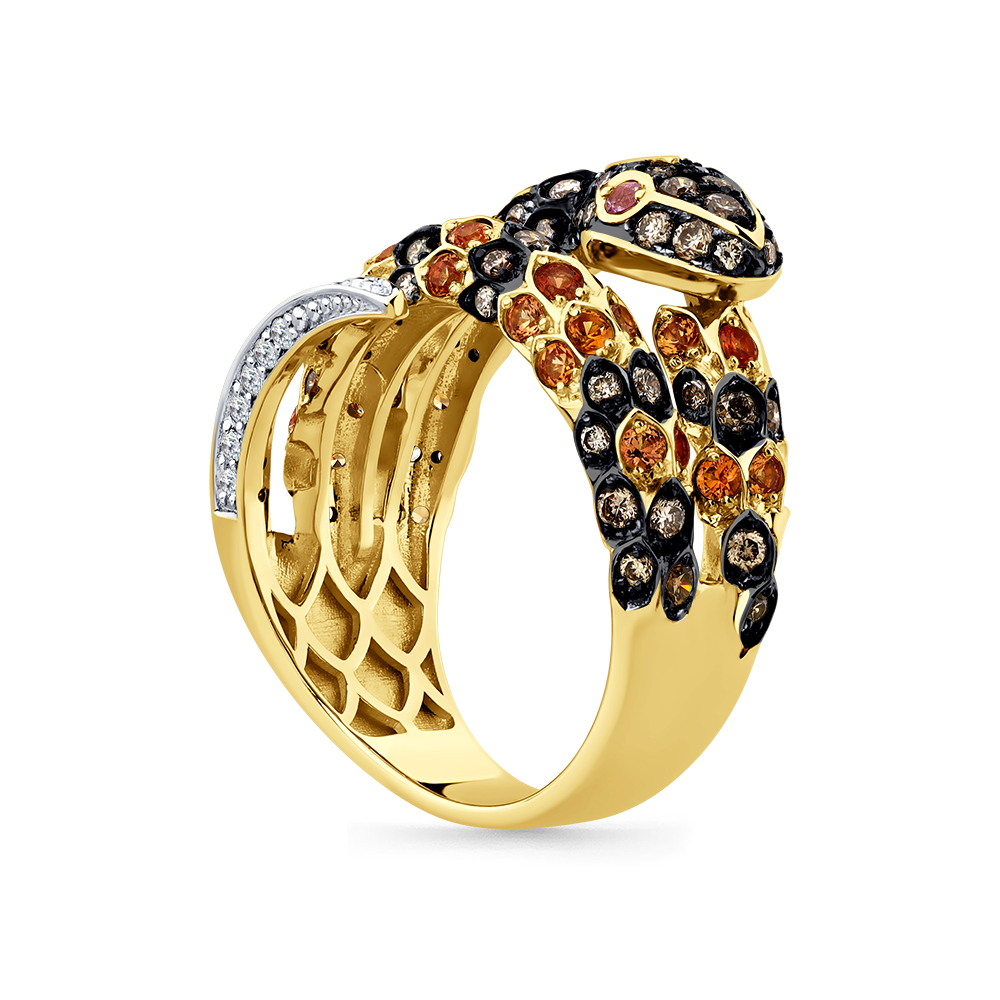
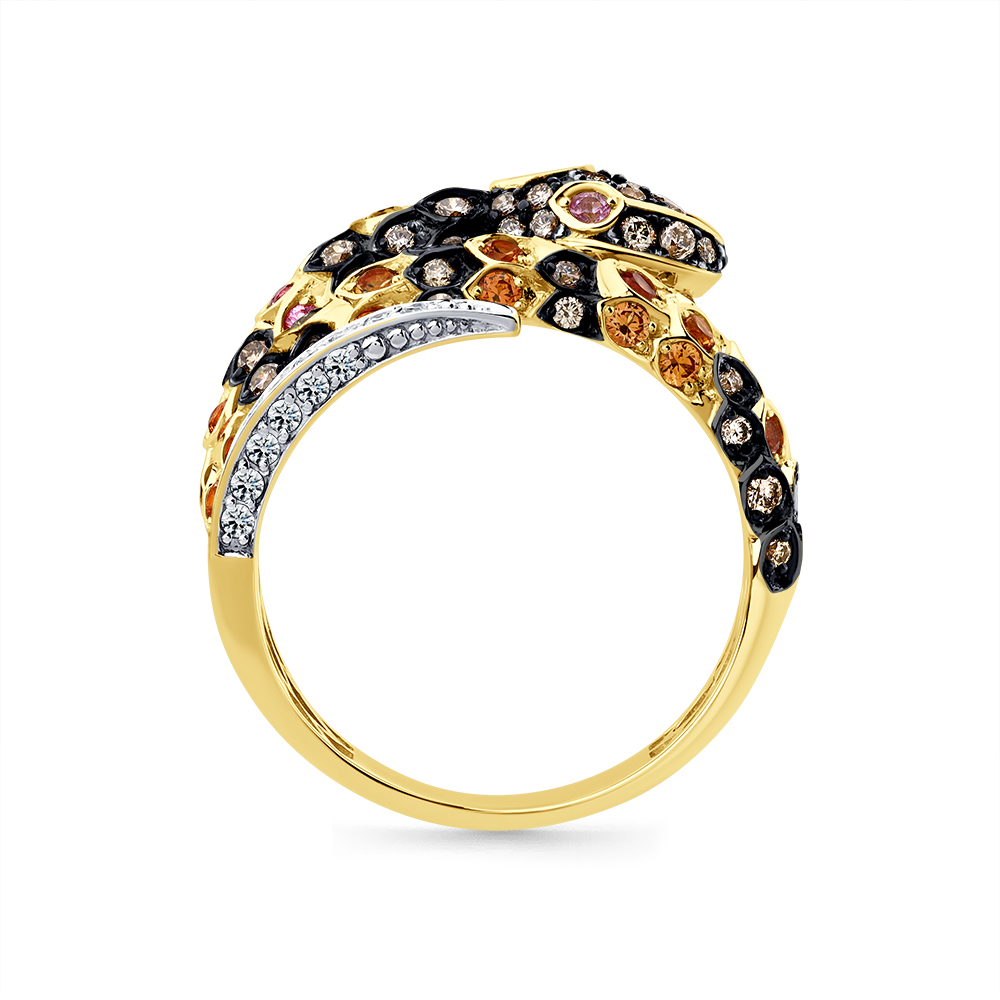
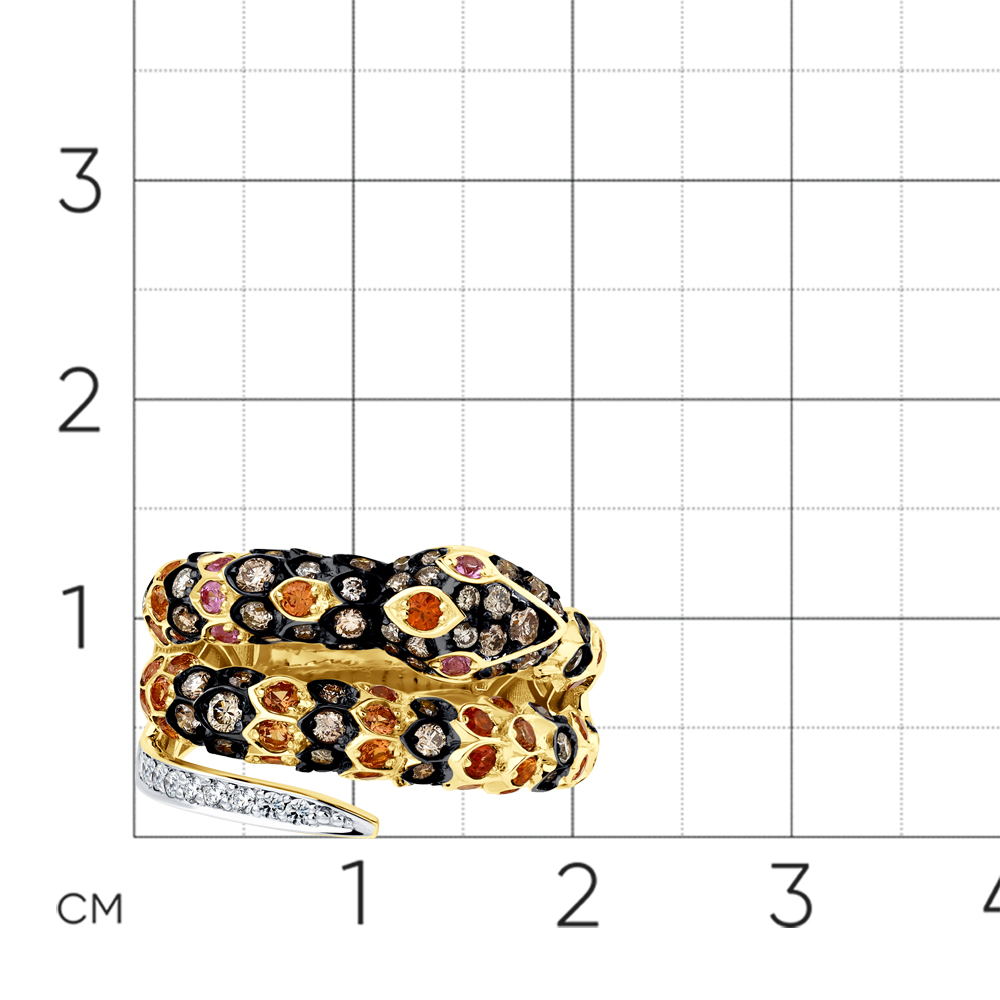

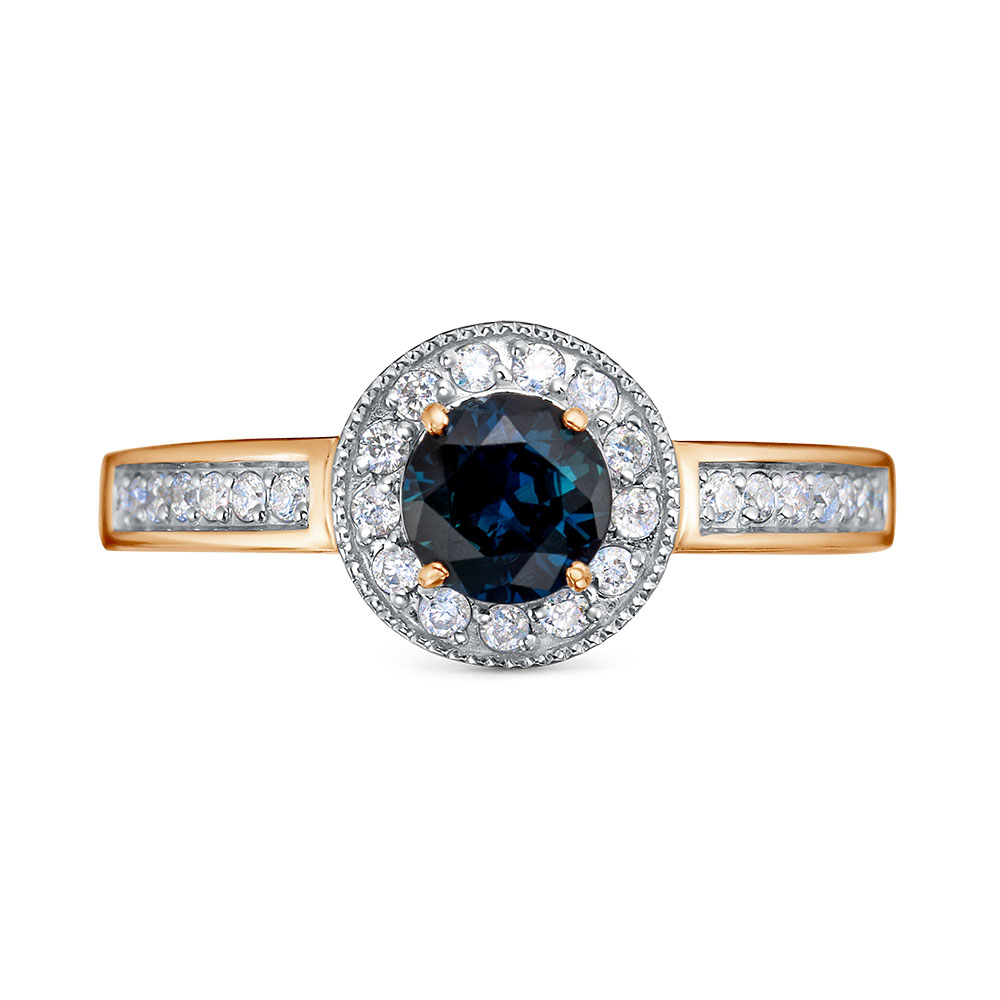

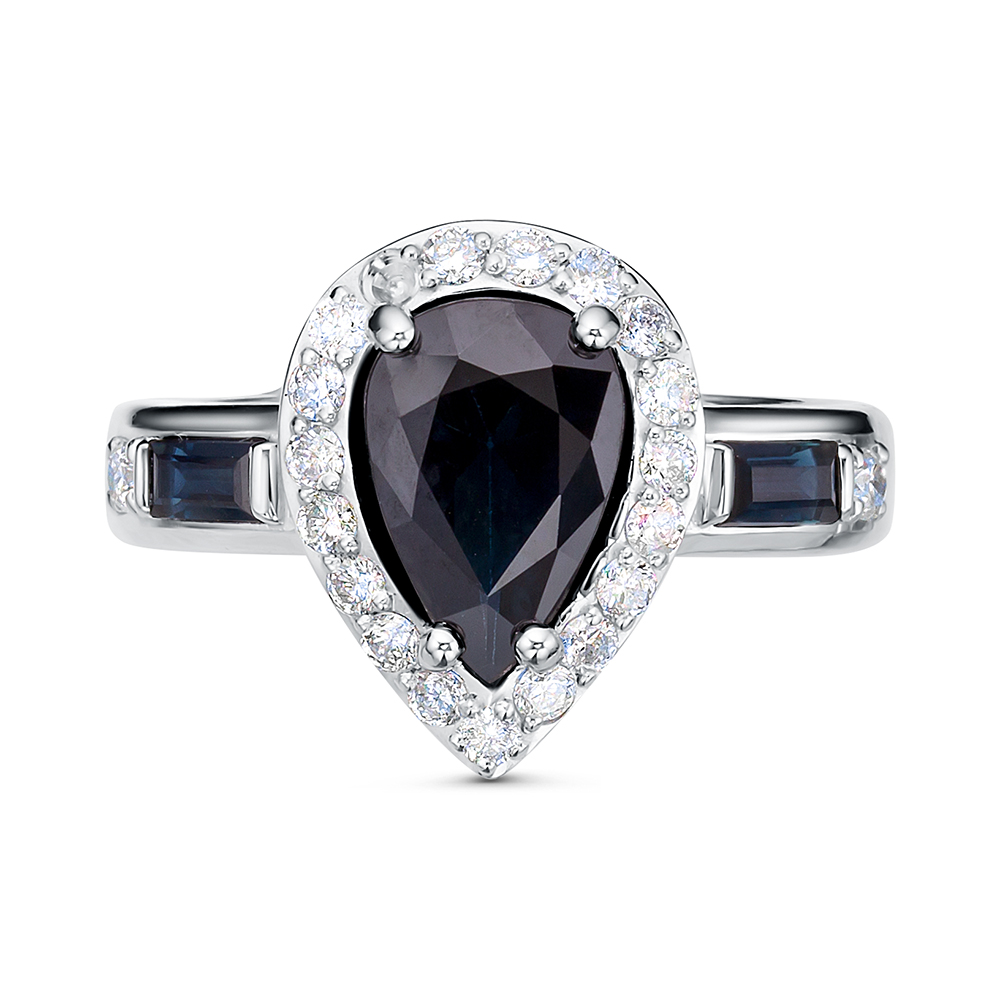
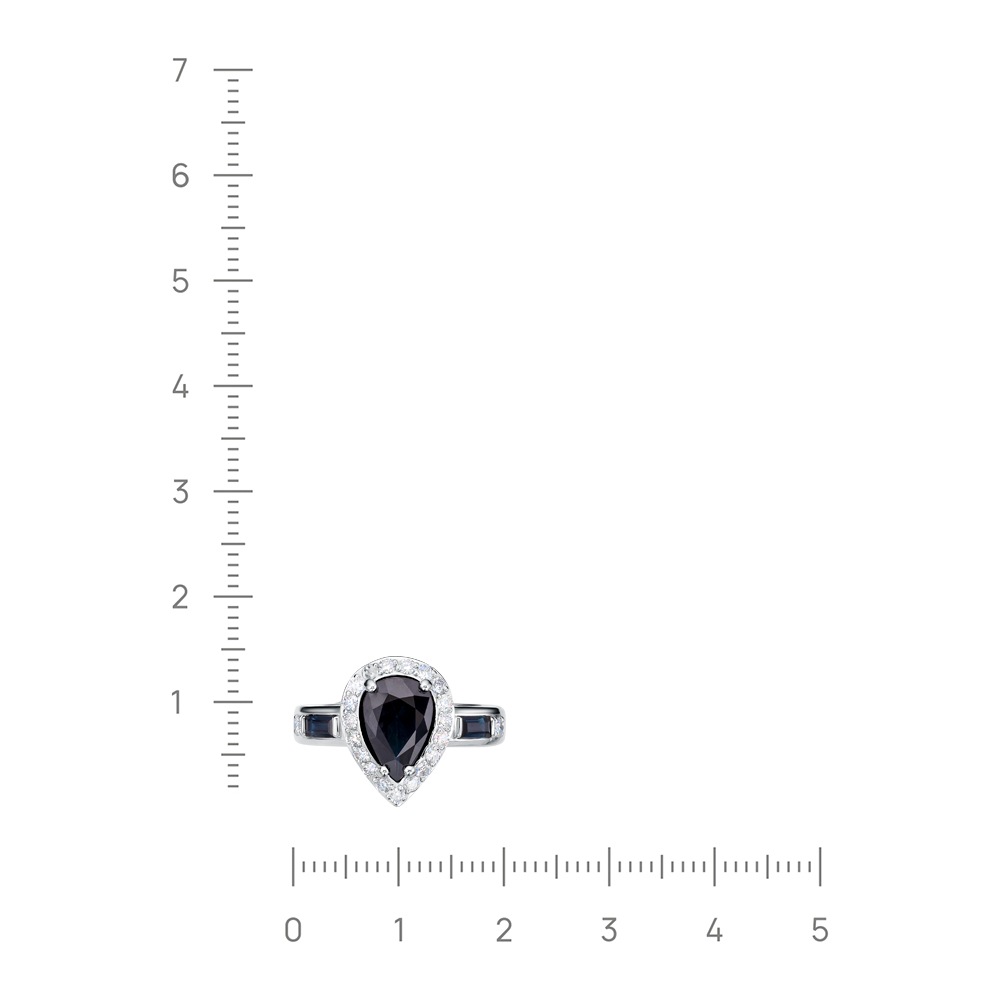
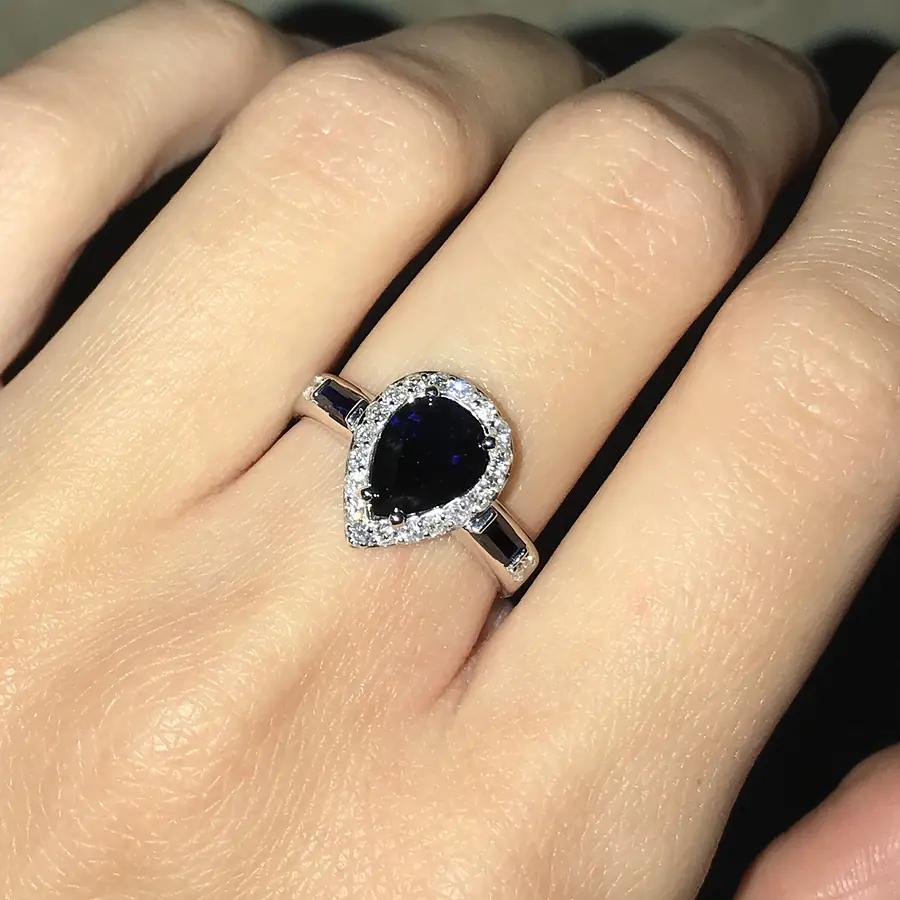
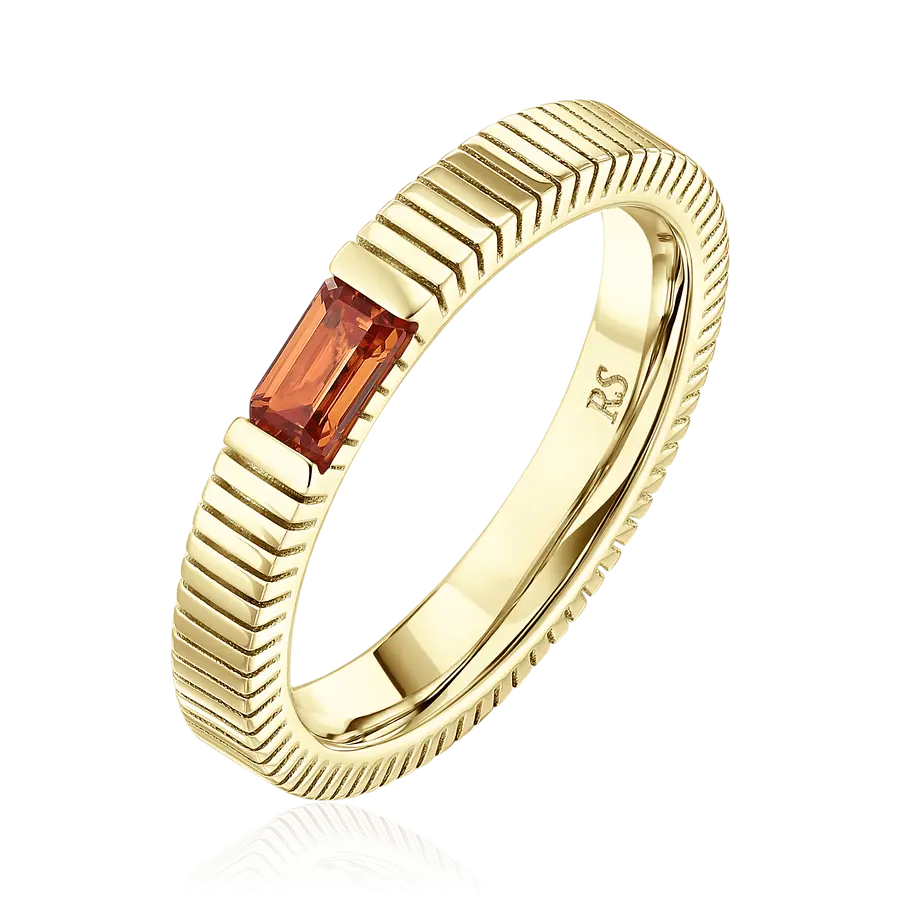
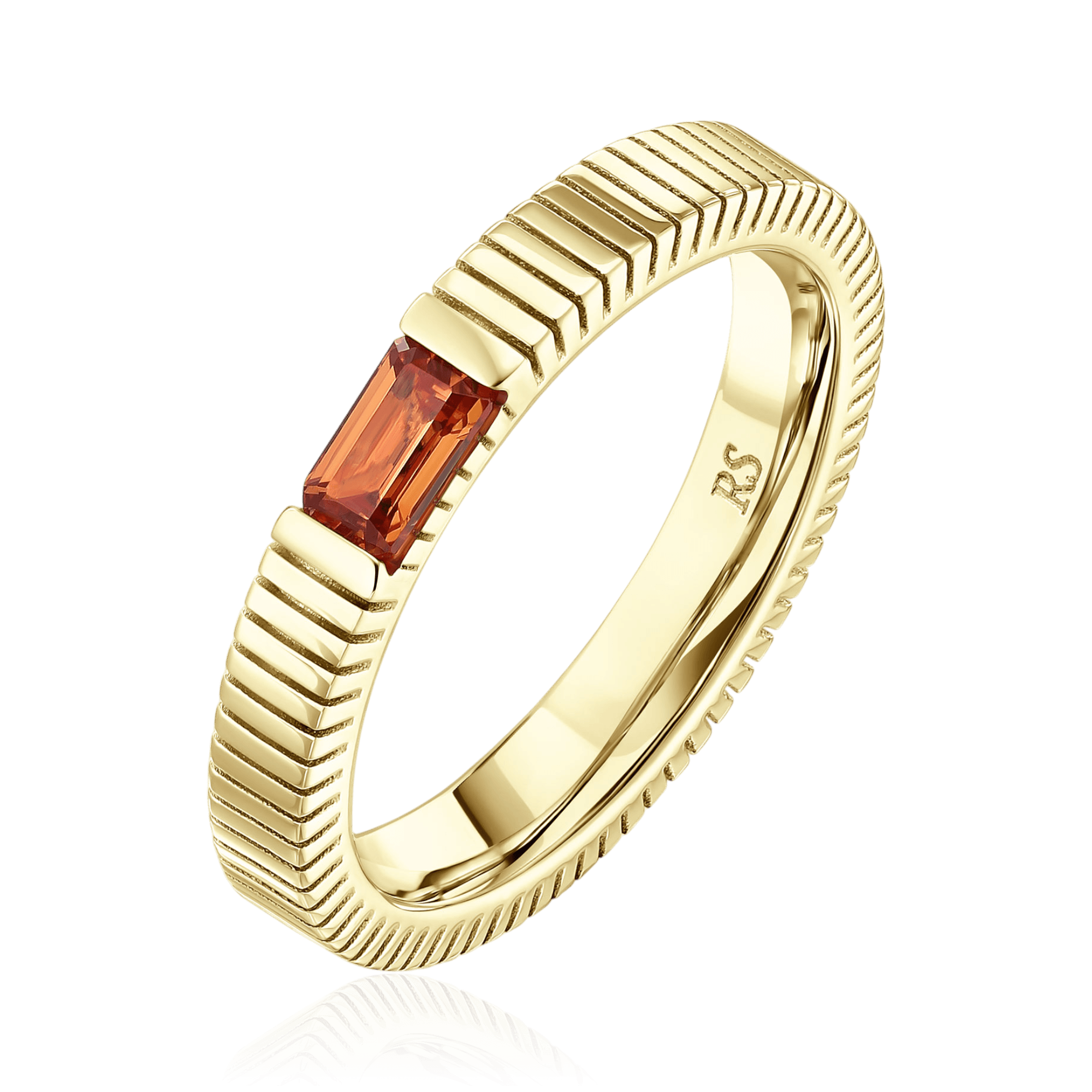
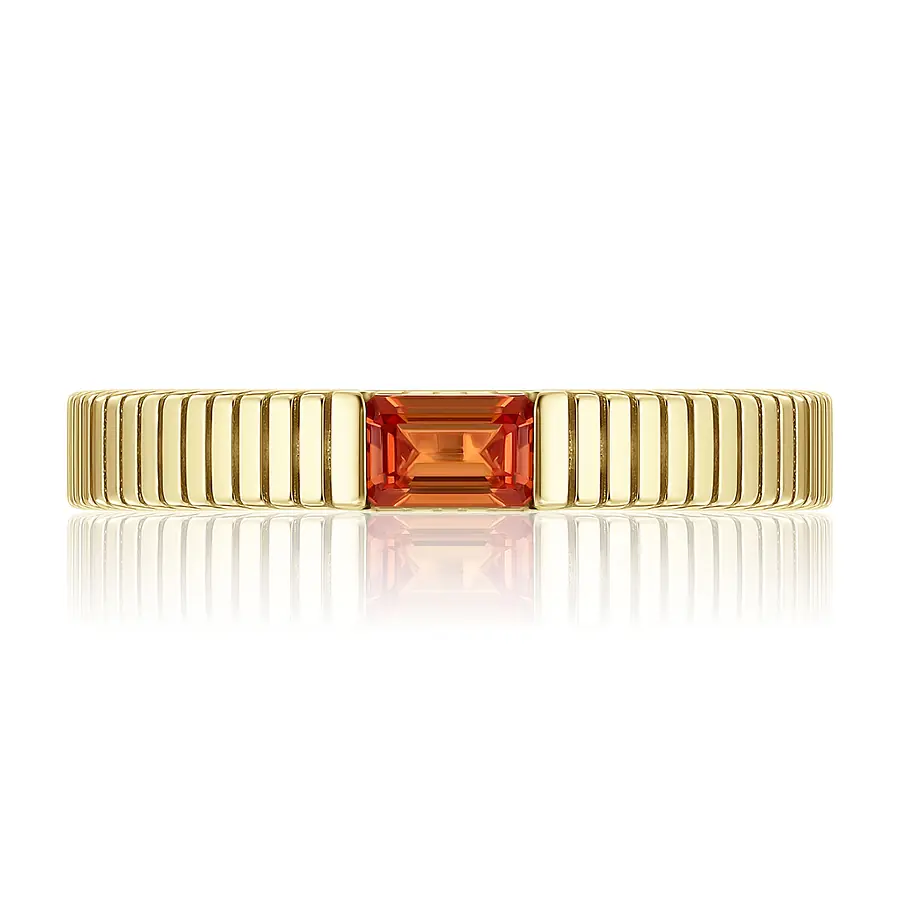
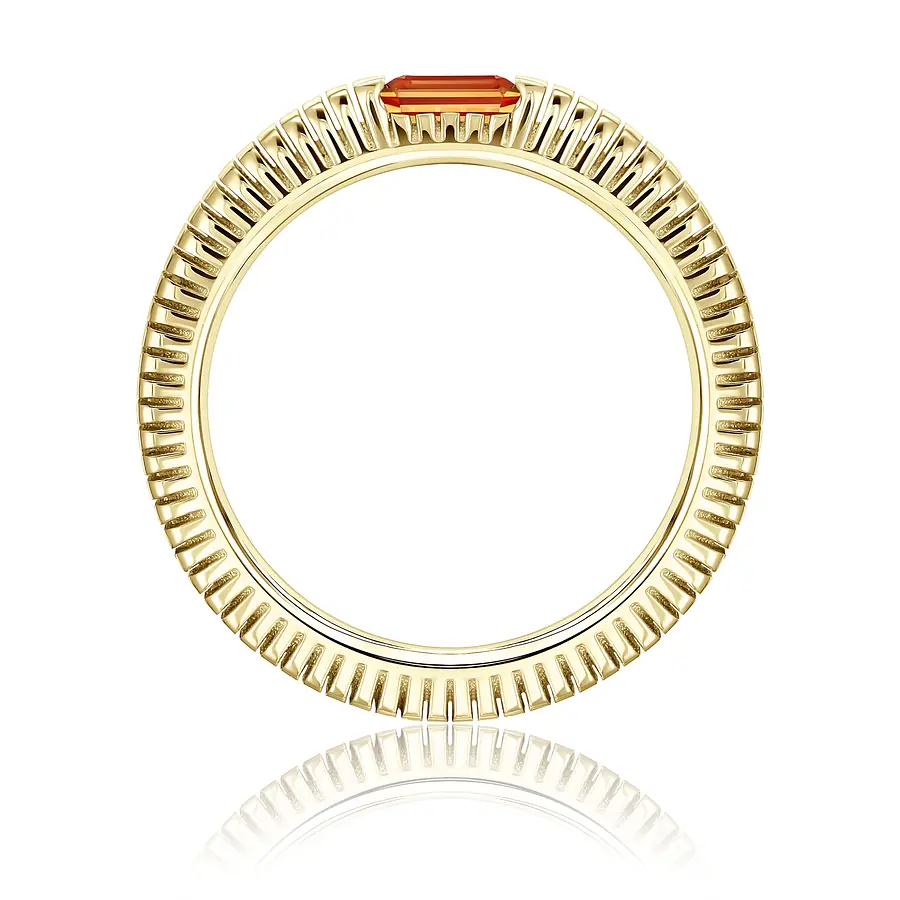
A sapphire ring in the catalog starts at 19,900 ₽, with 1,306 designs in the section. The stones are all natural, in 93% of the pieces the sapphire is accented with diamonds, and the main metal is 14K white gold (585). There are blue, pink, yellow, orange and black stones.
Rings with sapphire cost from 19,900 ₽, and the price is determined not by the gold but by the size and color of the stone. The upper limit of the catalog is 14,928,000 ₽: that is what pieces with large Ceylon stones cost.
The spread has a simple explanation. A piece contains 2 to 5 grams of gold, and at that weight the difference between fineness grades amounts to a few thousand rubles. A stone, though, can cost three thousand or three million, and everything depends on color intensity, size and origin. That is why two sapphire rings of the same design and the same metal weight can easily differ fivefold in price.
Catalog guidelines:
You can sort rings with sapphire by price using the filter in the left column. If your budget is set in advance, it is easiest to start there. The group under 40,000 ₽ contains about three hundred models, so a ring with sapphire in this budget is not a choice between two options. The price rises unevenly: adding a quarter to the weight of the stone doubles the cost, because large crystals are found in nature far more rarely than small ones.
14K gold (585) is 58.5% gold and 18K gold (750) is 75%, and for a sapphire ring the difference is not in price but in the rigidity of the setting. The higher the share of precious metal, the softer the alloy, and the stone is held by the prongs, thin claws that can bend open over time.
That is why 92% of the pieces in this section are made of 14K gold (585), and almost every sapphire ring in the catalog is 585. The 750 models are chosen for large stones, where the noble warmth of the alloy matters and the setting is more substantial and less heavily stressed. This is not a question of quality: a sapphire ring in 14K gold (585) will last longer precisely because the alloy is harder.
Metal colors in the catalog break down as follows: white gold accounts for 67% of pieces, red gold for 18% and yellow gold for 8%. The cool tone of white metal intensifies blue by contrast, while warm gold, on the contrary, makes the stone softer and deeper. Here taste matters more than rules: the same stone in a white and in a red setting looks like two different pieces of jewelry.
Separate sections: rings with sapphire, 585 fineness and line rings, where the stones sit side by side along the whole band.
The section contains only natural stones. This is worth stating clearly: lab-grown corundums are sold alongside natural ones, look no different, and cost many times less. You will not find a lab-created sapphire ring in the catalog.
Under a loupe, a lab-grown stone shows curved growth lines and gas bubbles, while a natural one shows straight or angular growth zones and natural inclusions. This sign doesn't always work: the final verdict comes from a gemological laboratory, not a ten-power loupe. Synthetic corundum has been produced since the beginning of the last century, the technology is well established, and chemically such a crystal is no different from a natural one.
The difference lies in origin and price. A natural crystal formed in the earth's crust over millions of years, while a lab-grown one is made in weeks. If the description does not say "natural", that is a reason to ask the seller directly: a ring with a lab-grown sapphire can cost a third as much for the same look.
Enhancement is a topic of its own. Most stones on the market undergo heat treatment: heating makes the color more even and saturated. This is a recognized trade practice, not a fake, but it does affect the price: an untreated stone with natural color costs more.
Sapphire and ruby are one mineral, corundum: red corundum is called ruby, and corundum of any other color is called sapphire. Hence the unexpected palette: pink, yellow, orange, green, colorless, black.
The catalog includes four colored subsections — pink (42 pieces), yellow (49), orange (17) and black (4). In total, 112 pieces with non-blue stones.
Colored corundum costs less than blue of the same size simply because demand for blue is higher. For those who want a large stone within budget, this is a workable option: a pink or yellow stone of the same weight will cost noticeably less.
Colored corundum is graded differently from diamond. For diamonds the 4C scale applies, where clarity and colorlessness decide everything; here the main parameter is color, and it is judged on three criteria: tone (how light or dark the stone is), saturation (the intensity of the color) and uniformity. A medium tone with high saturation is valued more than a very dark one: a deep inky stone in a ring looks almost black and loses its play of light. Small natural inclusions, meanwhile, are considered normal, unlike in diamonds, where they reduce the price.
Its closest mineral relative is rings with ruby, that very red corundum.
The stone holds up to everyday wear: its hardness on the Mohs scale is 9, and only diamond is higher. For jewelry that is never taken off, that is the deciding argument: the stone doesn’t wear against surfaces and keeps its polish for years.
Caution is needed elsewhere. Hardness protects against scratches but not against impacts: a sharp side blow can chip the crystal at an edge, especially if the setting is thin. For everyday wear, a closed or semi-closed setting is more reliable.
The tradition of the engagement ring with a blue stone was cemented by Princess Diana's 1981 ring: an oval Ceylon sapphire of 12 carats surrounded by 14 diamonds, made by the house of Garrard. Since 2010 it has belonged to Catherine, Princess of Wales. After that, the sapphire ring firmly joined the options for a proposal, on a par with the diamond.
The catalog includes engagement styles, and the full selection is in the section engagement rings.
In Moscow, a sapphire ring can be tried on at the boutique at Nikolskaya, 10, Lubyanka metro station, Nikolskaya Plaza shopping center, 2nd floor. The color of the stone cannot be judged from a photo: the same stone looks different in daylight and under a lamp, and the difference can be significant.
In Moscow, our courier delivers your order free of charge within 1-3 days, with a fitting on the spot: you pay only after trying it on, and you may decline the order. Across Russia we deliver via CDEK and Spetssvyaz in 1-9 days, free on orders over 50,000 ₽; parcels are sealed and insured.
Before buying, it makes sense to read the description of the specific design: it lists the stone weight in carats, the cut shape and the characteristics of the surrounding diamonds. If something is missing, a manager will check by item number, as the data is available for every piece.
The store has been in business since 2008 and has received an industry award three times, in 2015, 2017 and 2020. The boutique is registered with the Assay Chamber of the Russian Federation: every piece carries the hallmark and the manufacturer's maker's mark. The store's lifetime warranty covers the stones and the metal. Exchanges are possible within 7 days if the piece is returned complete with its original packaging. Engraving inside the band is 3,190 ₽, and resizing a ring with stones starts at 2,990 ₽.
A sapphire ring starts at 19 900 ₽. The most popular group is from 40 000 to 100 000 ₽, where the stone is already of noticeable size. The upper limit of the catalog is about 15 million rubles.
By composition, not at all: it is the same corundum. They differ in origin and price: a natural crystal formed in the earth’s crust over millions of years, while a grown one is produced in weeks. This section has only natural stones.
Yes. Corundum of any color except red is called sapphire; red corundum is ruby. The catalog has pink, yellow, orange and black stones, 112 pieces in all.
Yes, the stone's hardness is 9 on the Mohs scale; only diamond is higher. But hardness protects against scratches, not impact: for everyday wear, it is better to choose a closed stone setting.
Warm soapy water and a soft brush. Abrasive products and harsh chemicals must not be used. Ultrasonic cleaning is not suitable for every stone. If the stone has been treated or has cracks, it is better to take the piece to a master: full-service maintenance costs 4,990 ₽.
You may also be interested in:
We will contact you shortly.
Unfortunately, we cannot deliver to this locality. Please choose another city nearest to you.
How to get them. 3% of every order on the site. Sign in with your phone number to receive bonuses.
How to spend them. Sign in, add jewelry to your cart and specify at checkout how much to redeem. Bonuses can pay up to 10% of the price.
Confirm that you are not a robot
Unfortunately, this item is currently out of stock. We can make the jewelry individually to your requirements. Our consultant will contact you
Our consultant will contact you shortly
Refresh the page and send the message again
Specify the size of the jewelry and try again
Enter your number and our manager will contact you about the price calculation
Refresh the page and submit the order again