110 100 ₽367 000 ₽
We use cookies to improve the site and give you more options. By continuing to use the site, you agree to cookie usage terms.We use cookies. Learn more


By popularity

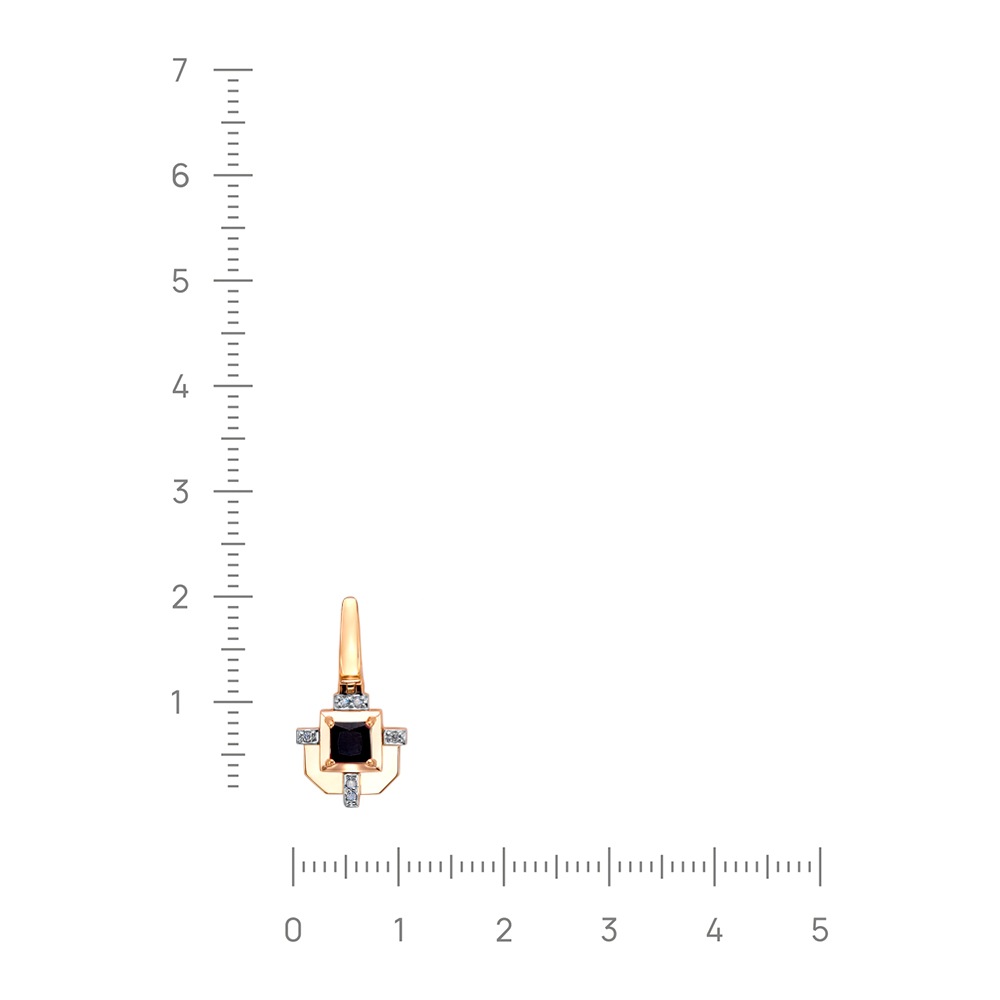
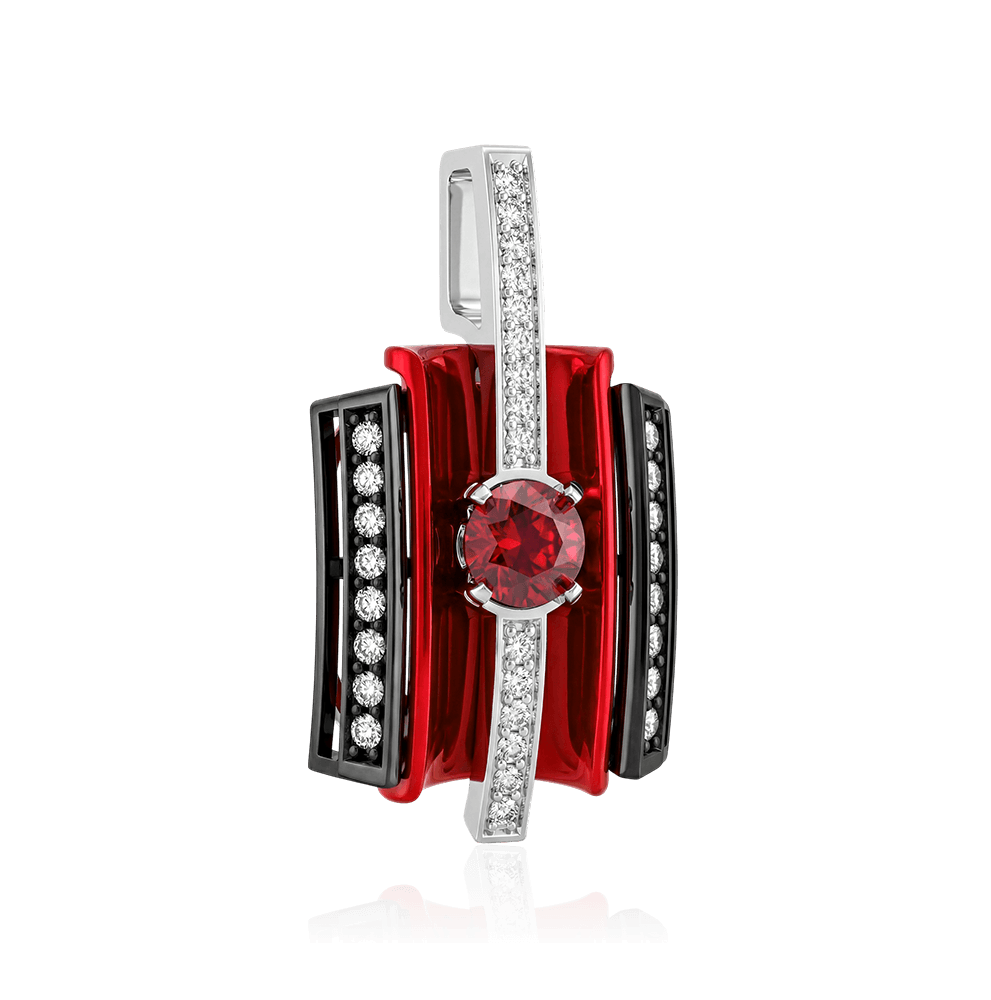
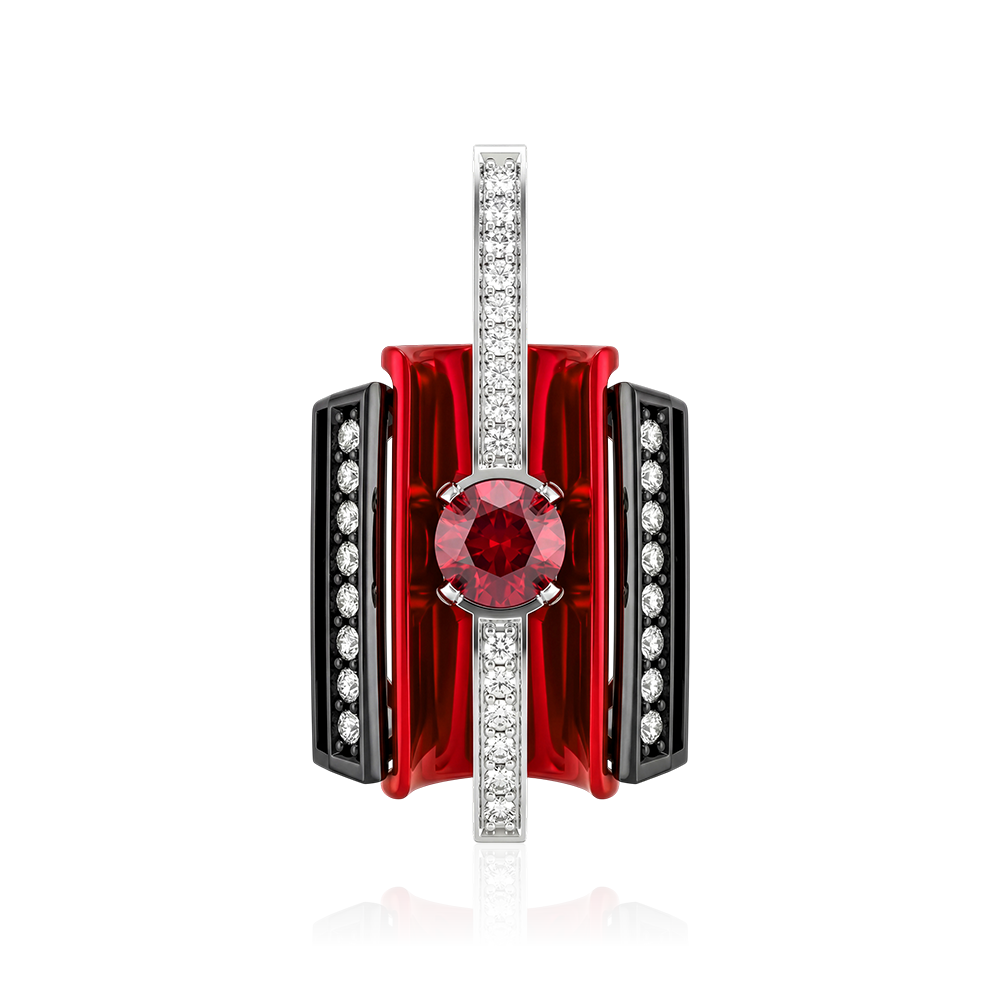
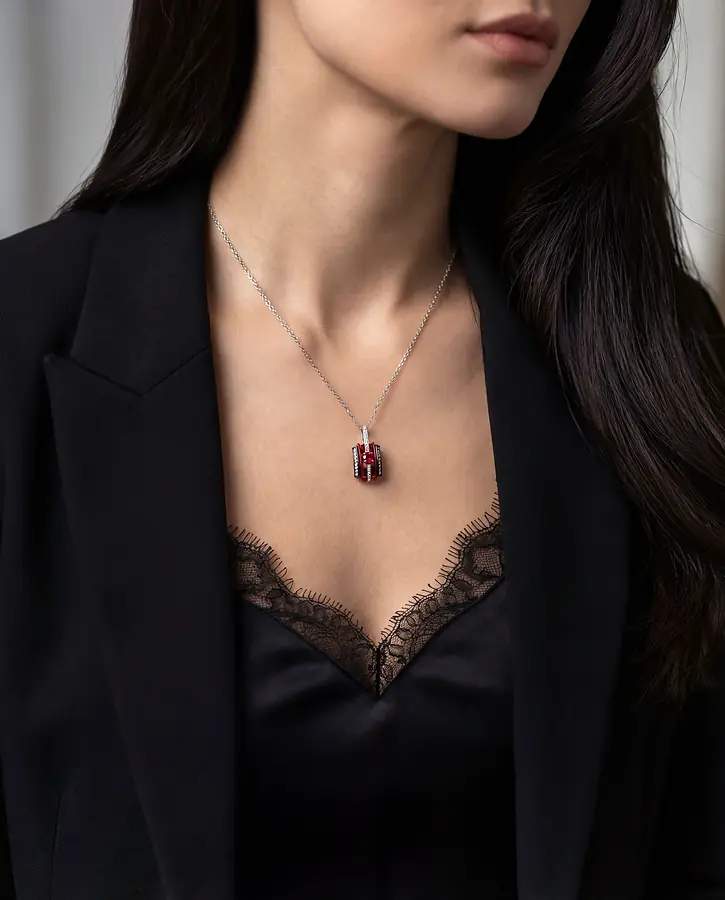
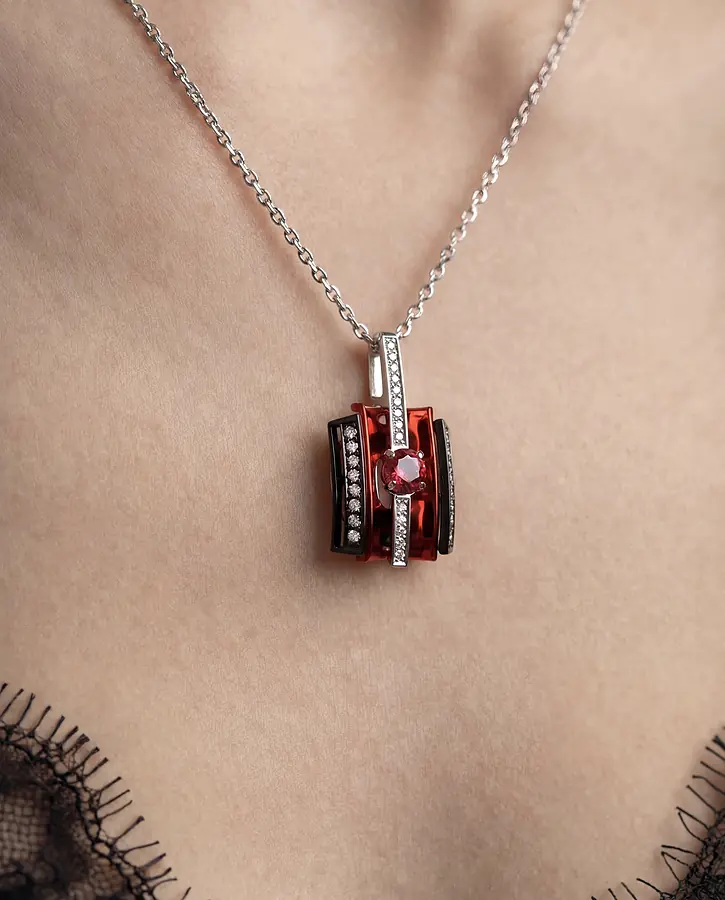
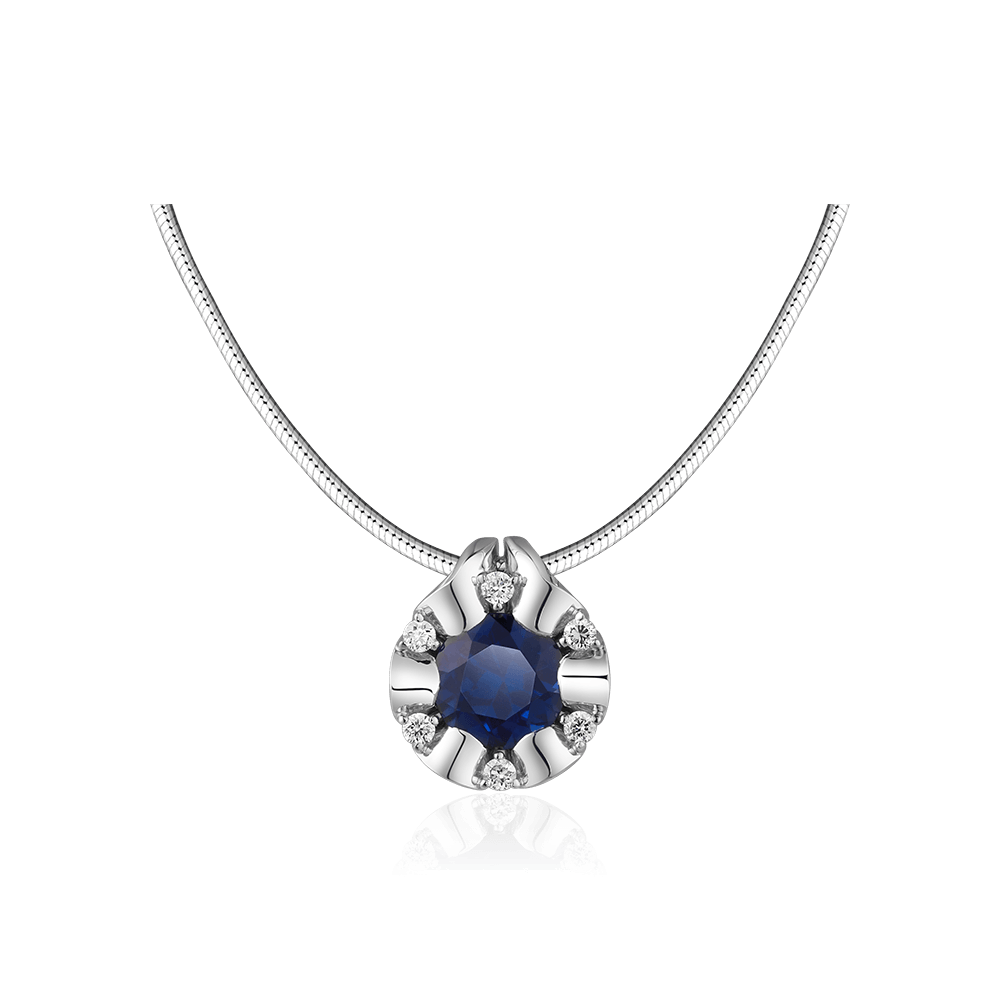
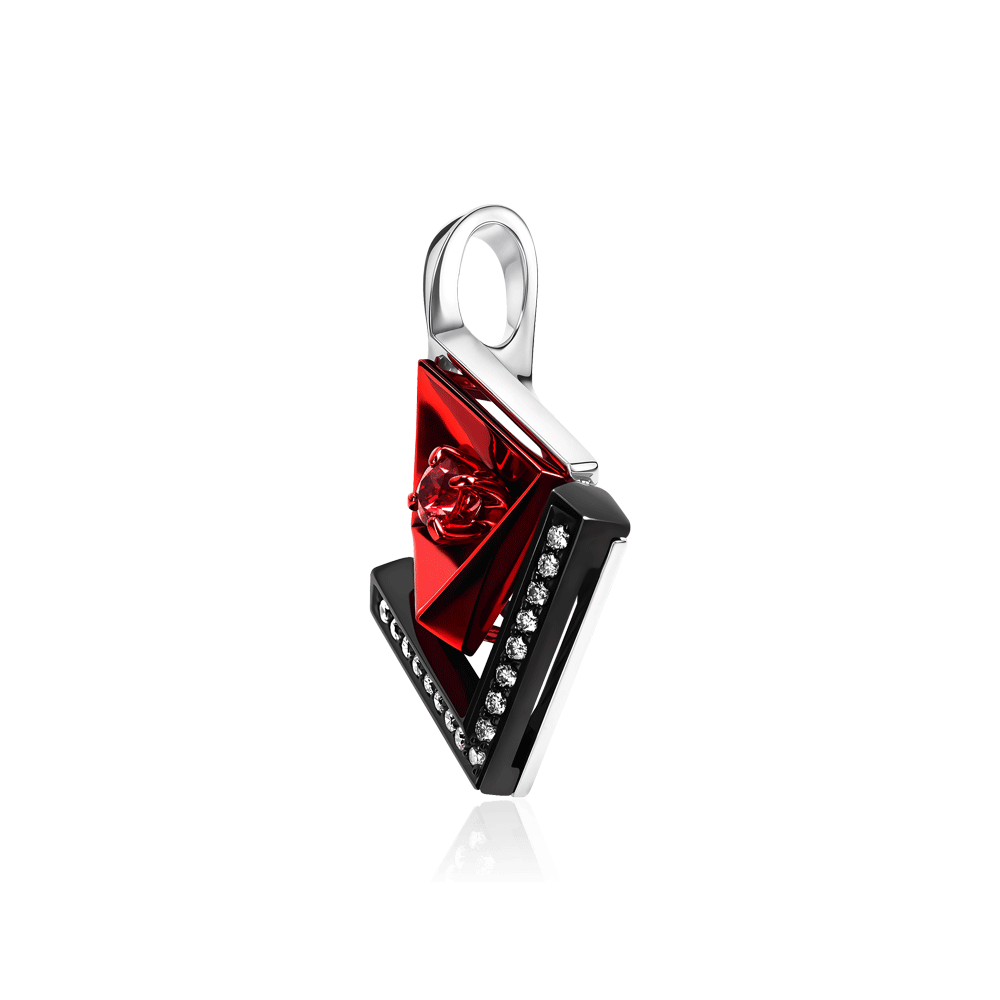
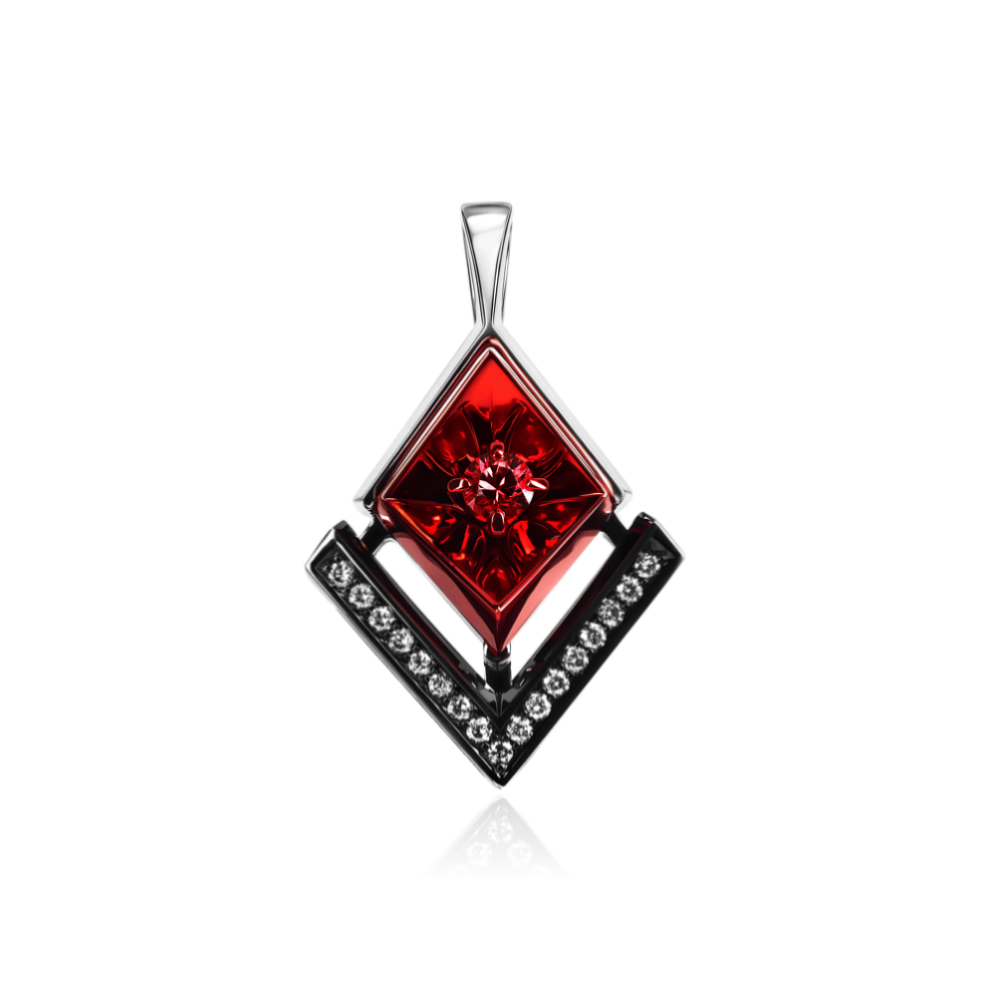
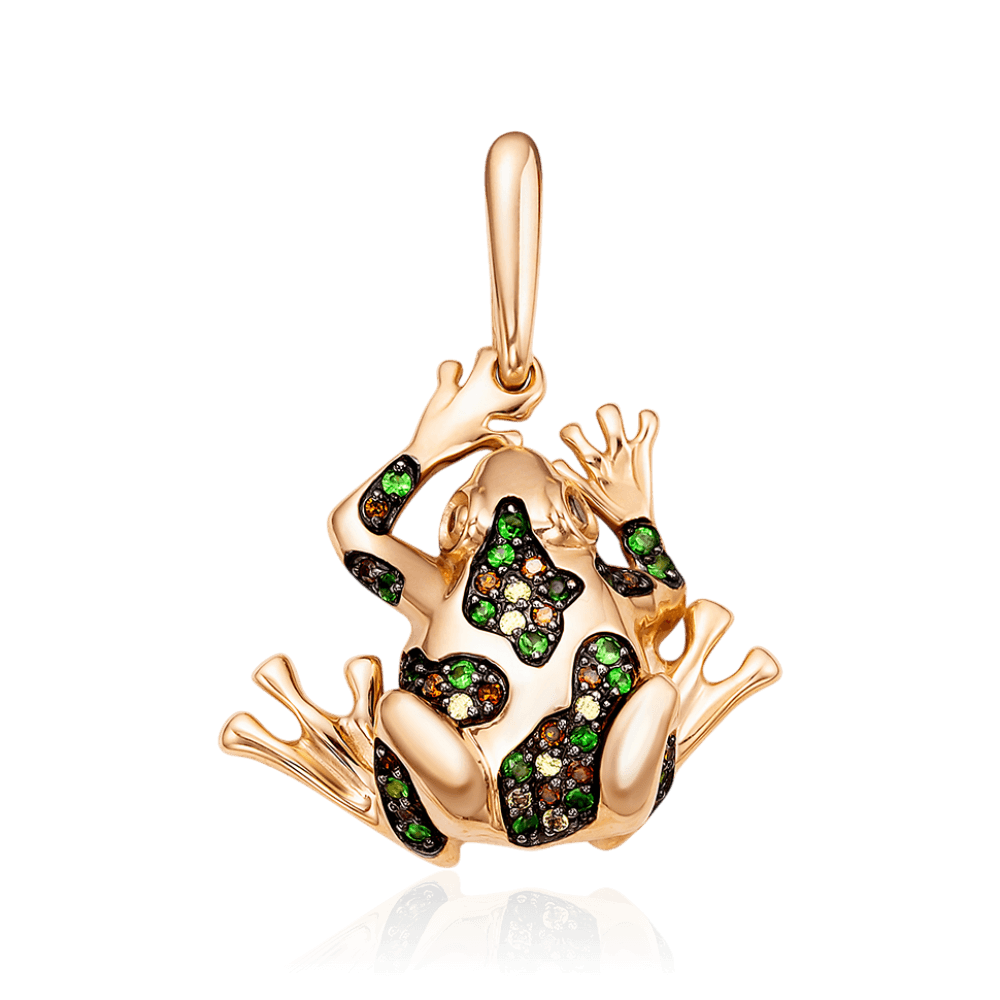
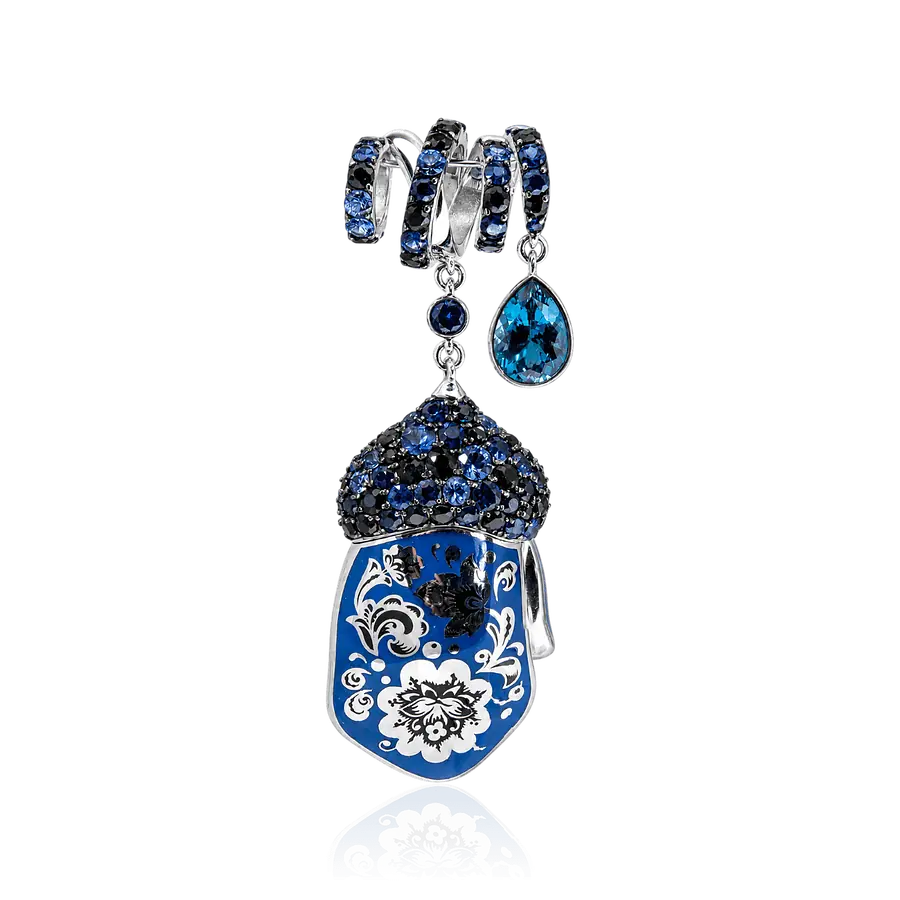
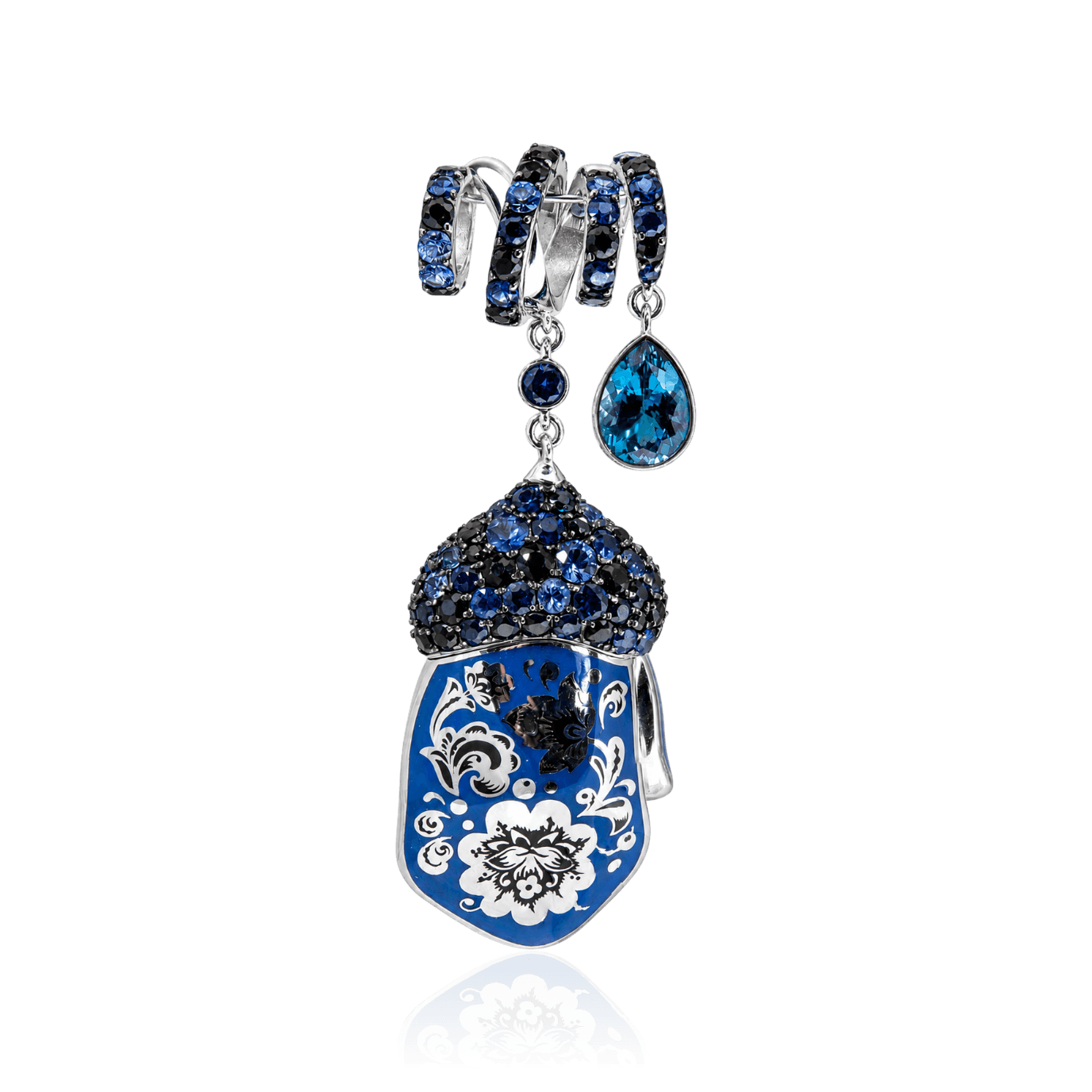

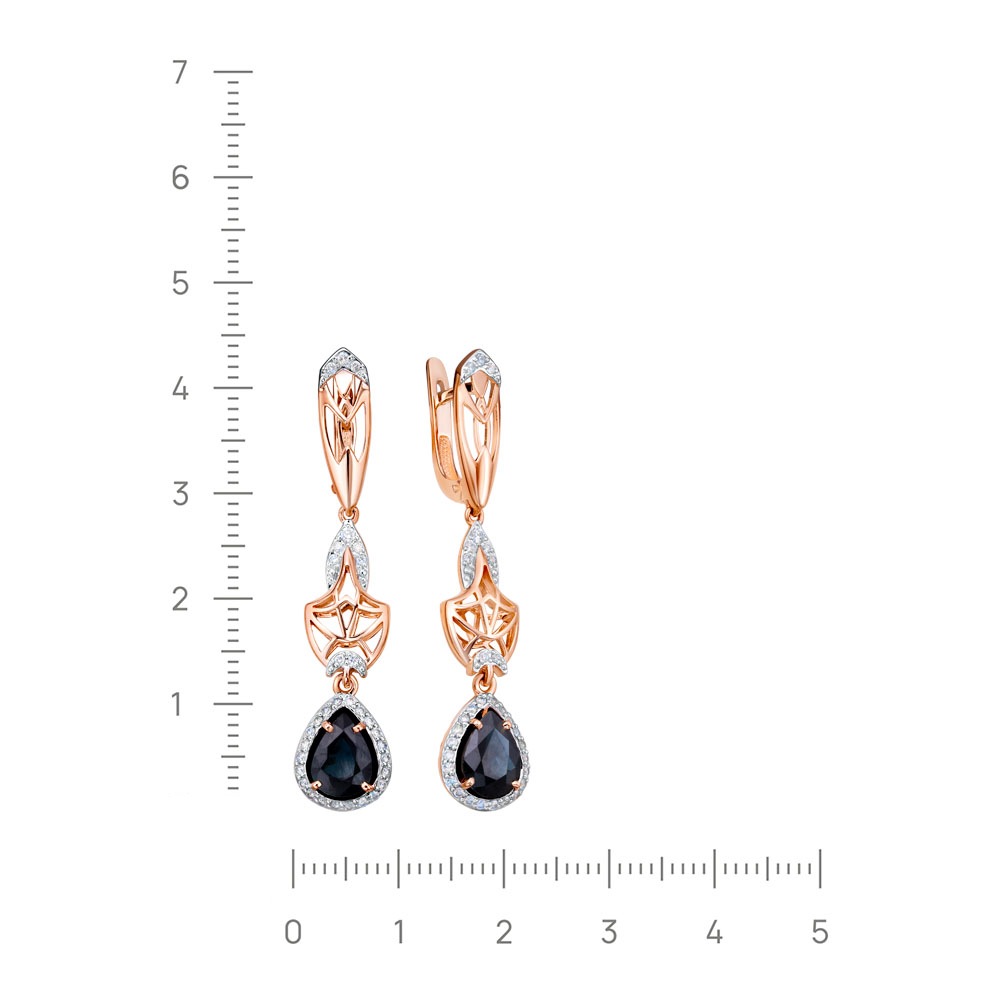

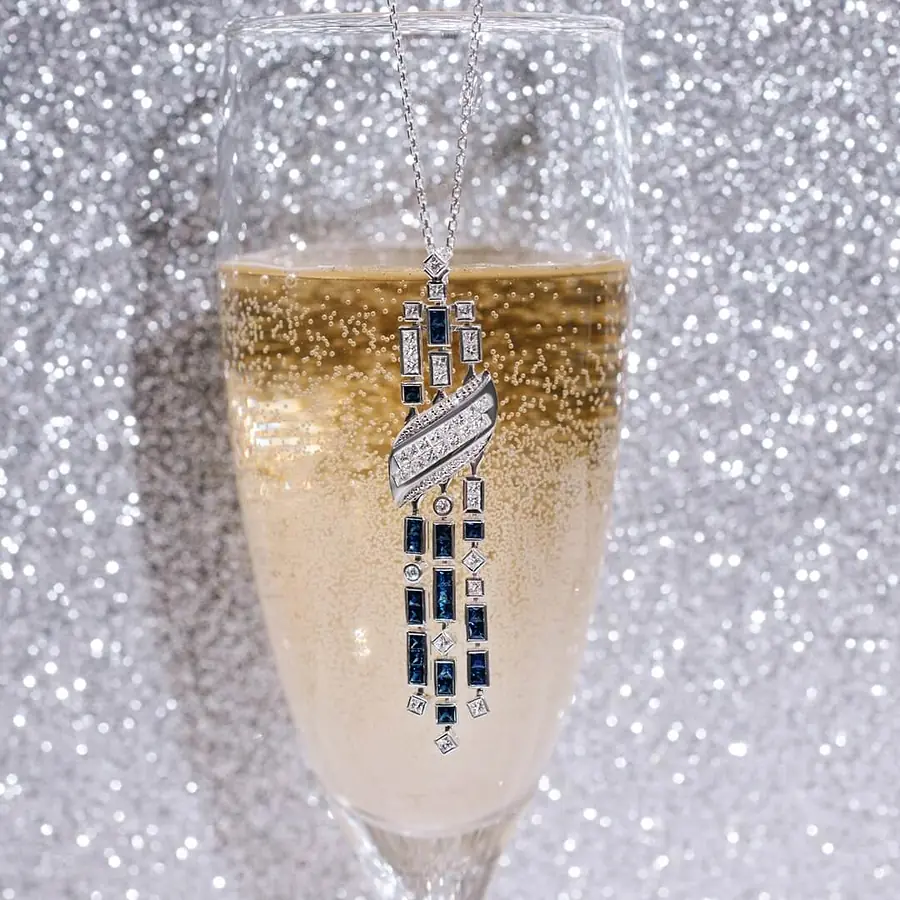

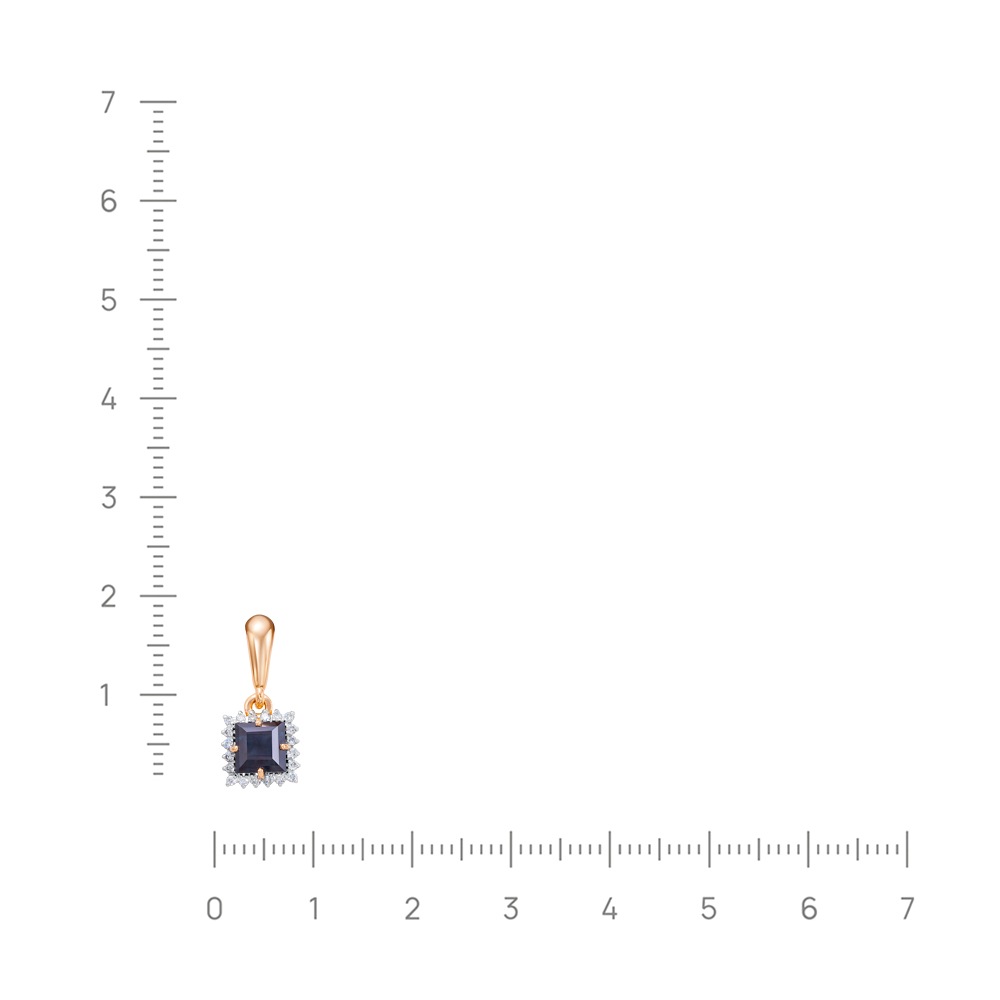
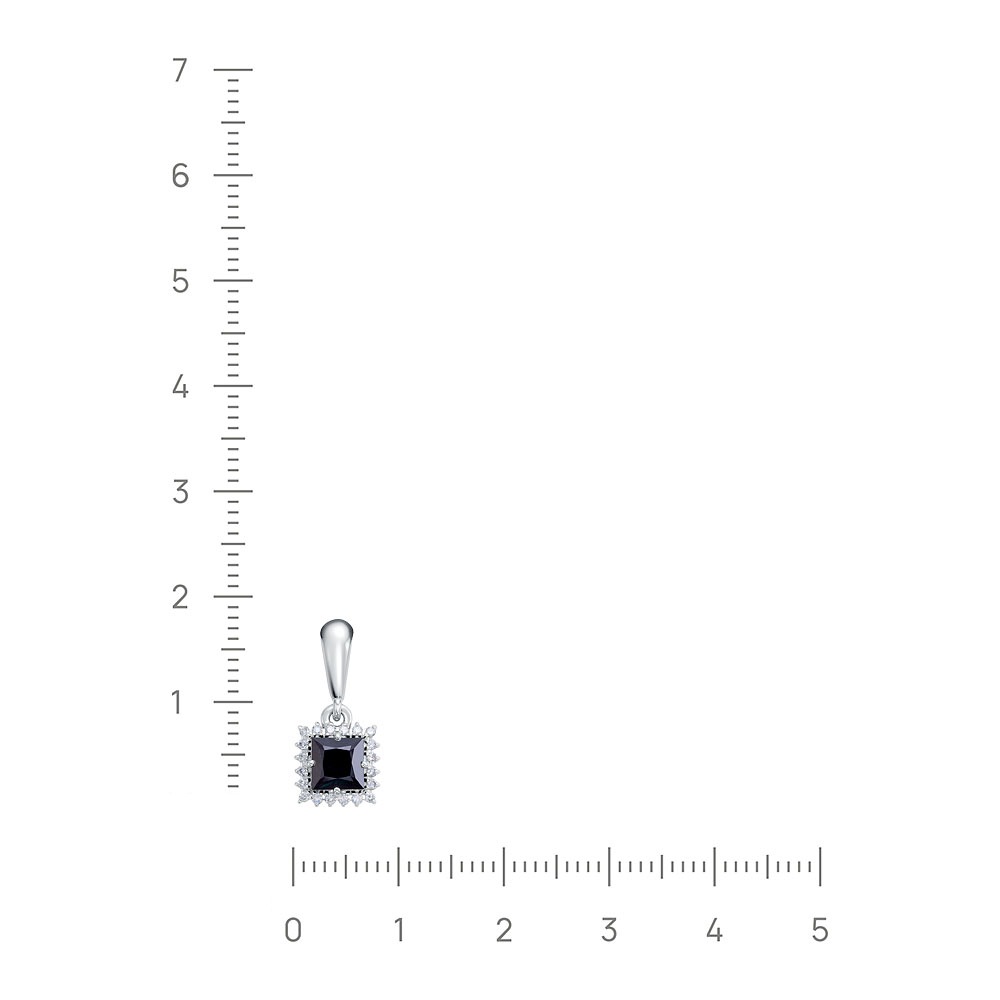



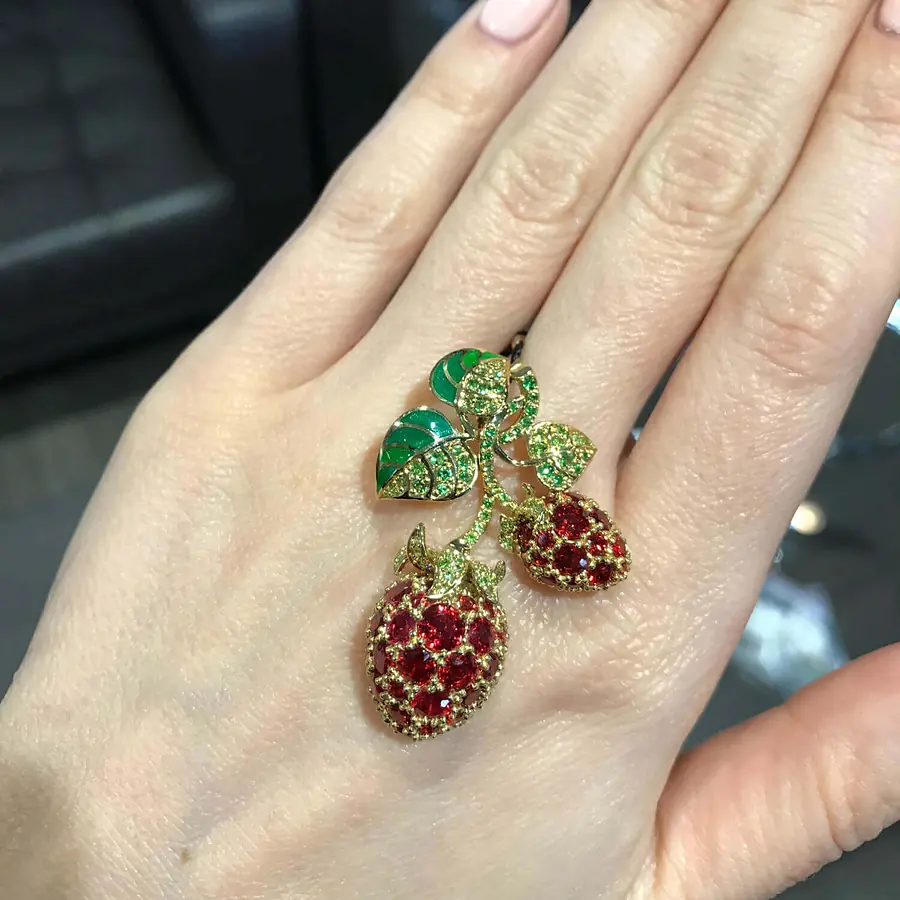
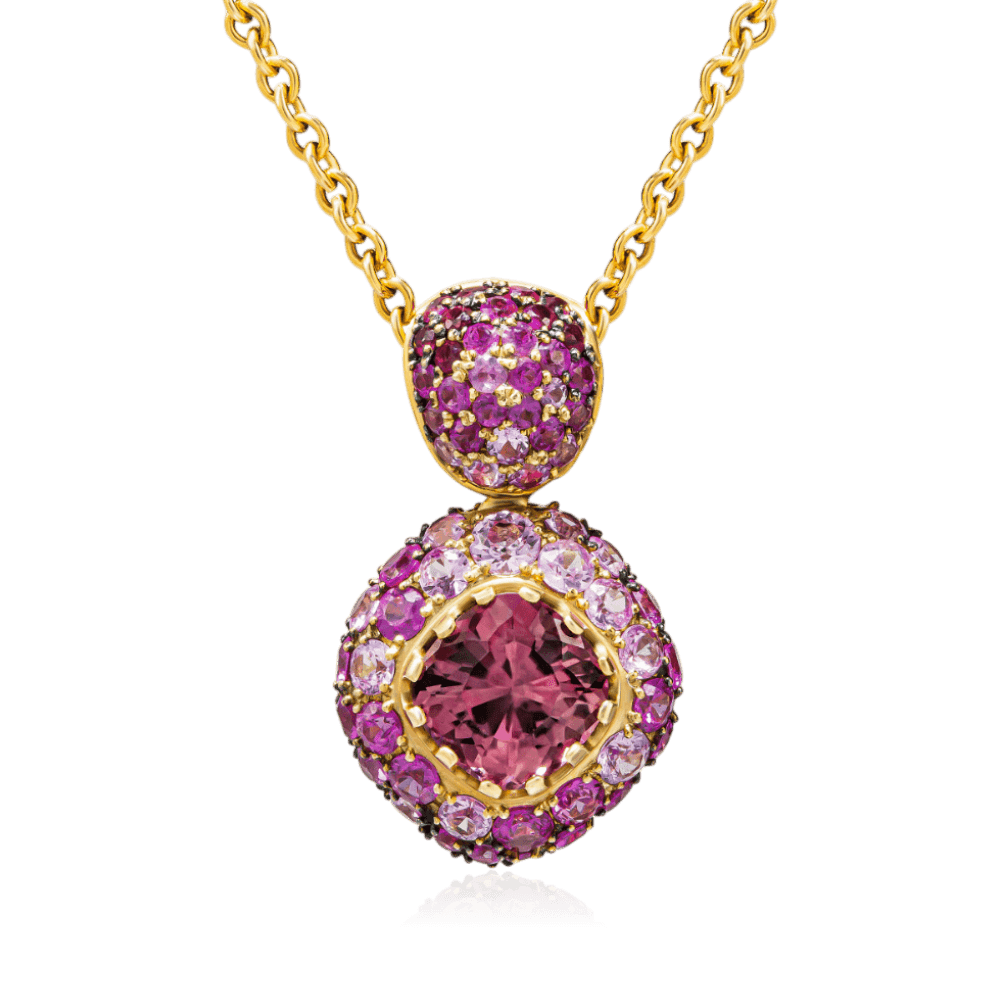
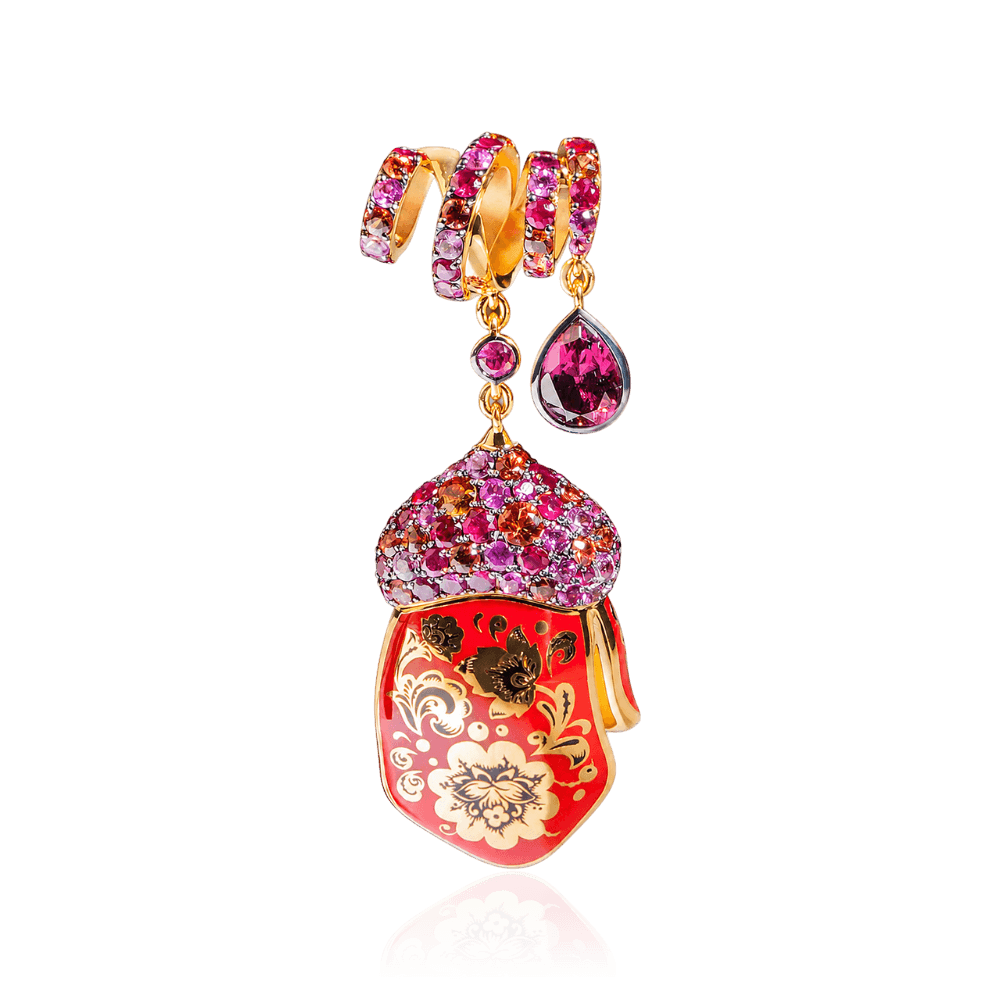
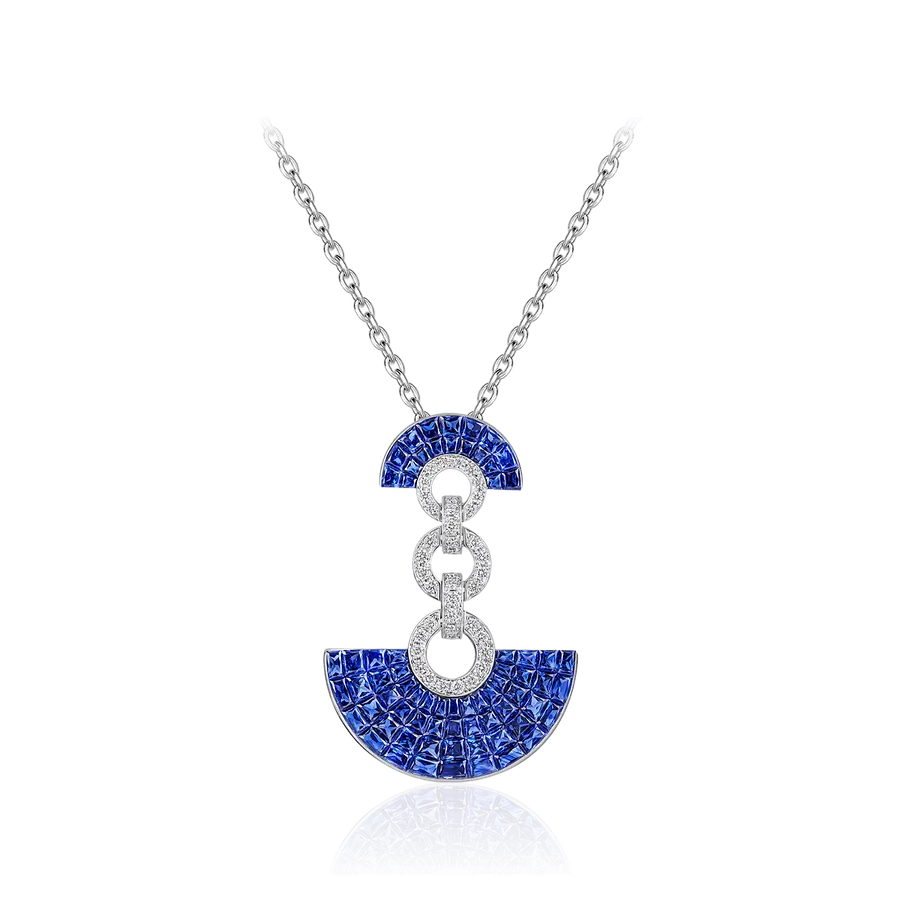
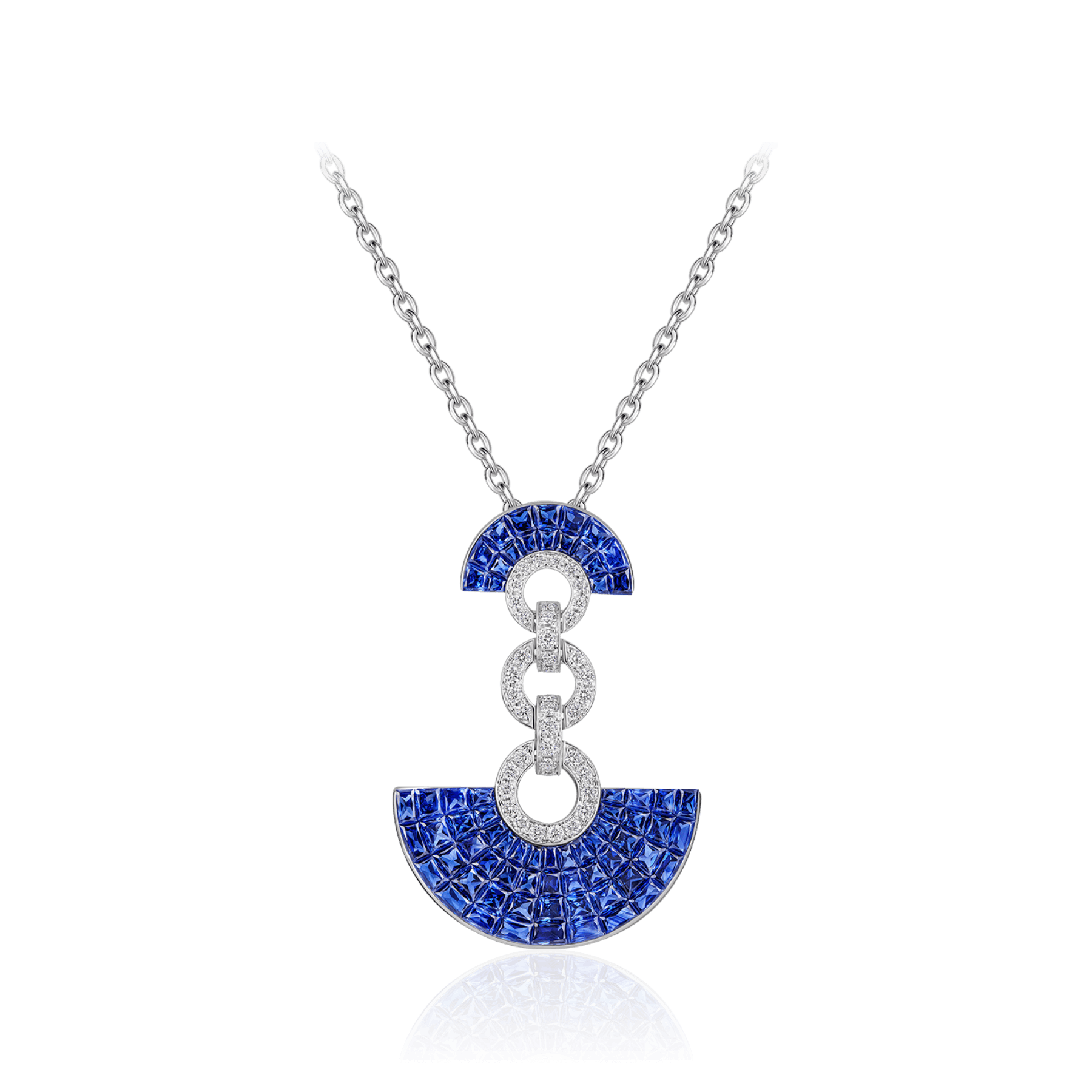
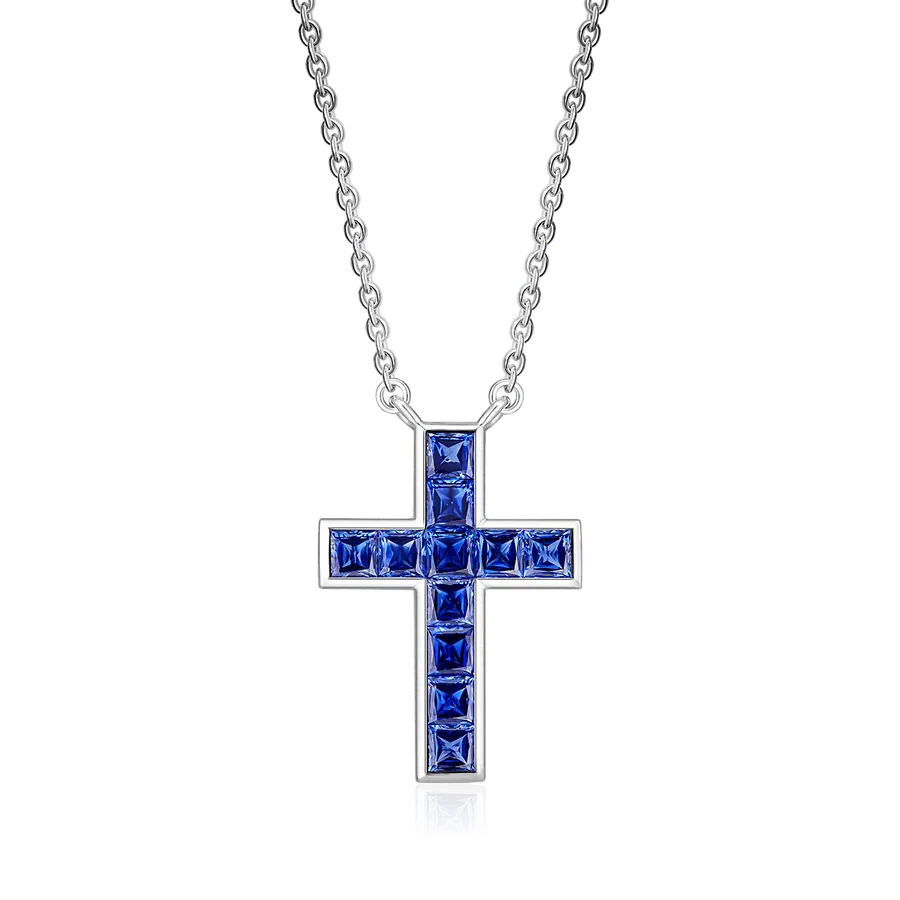
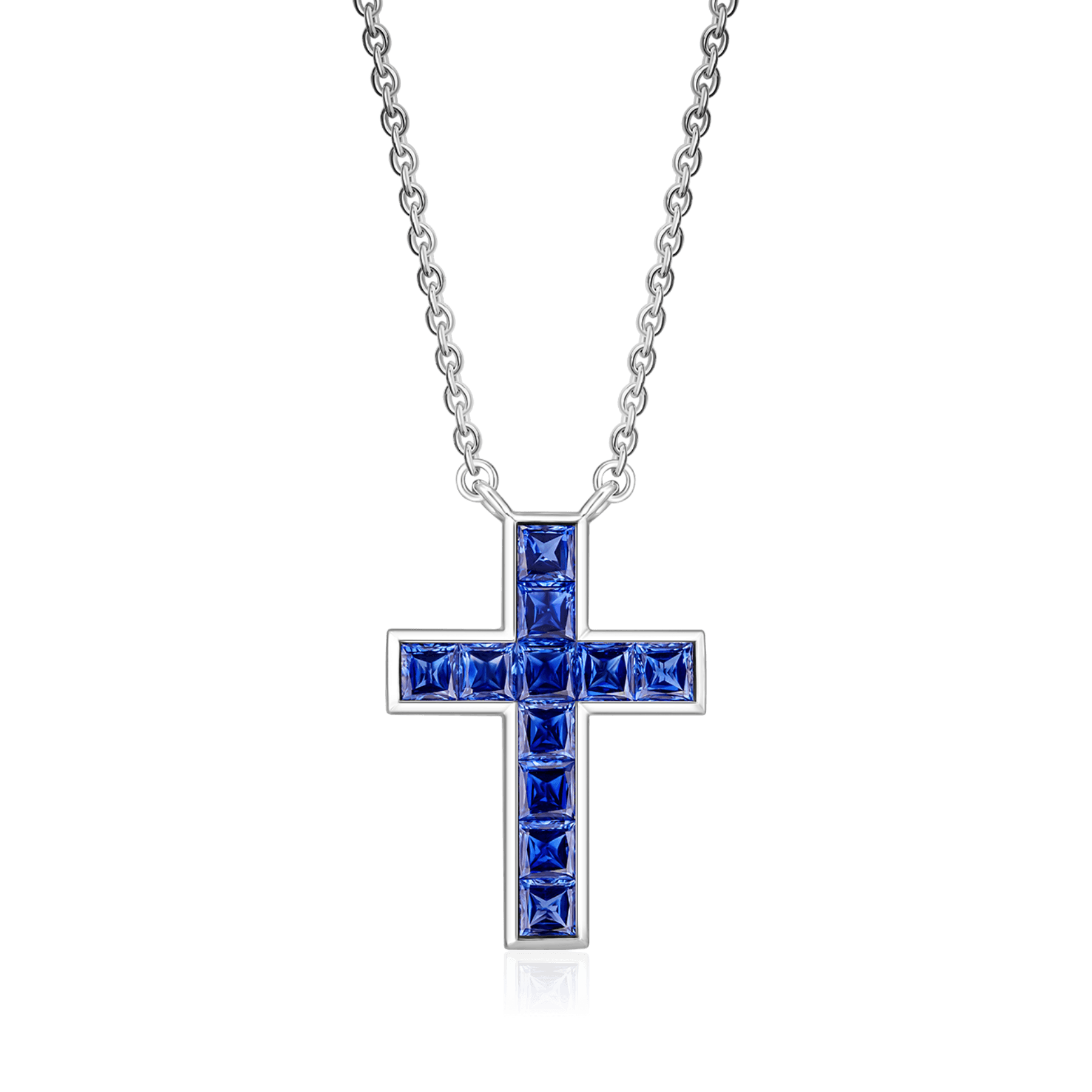
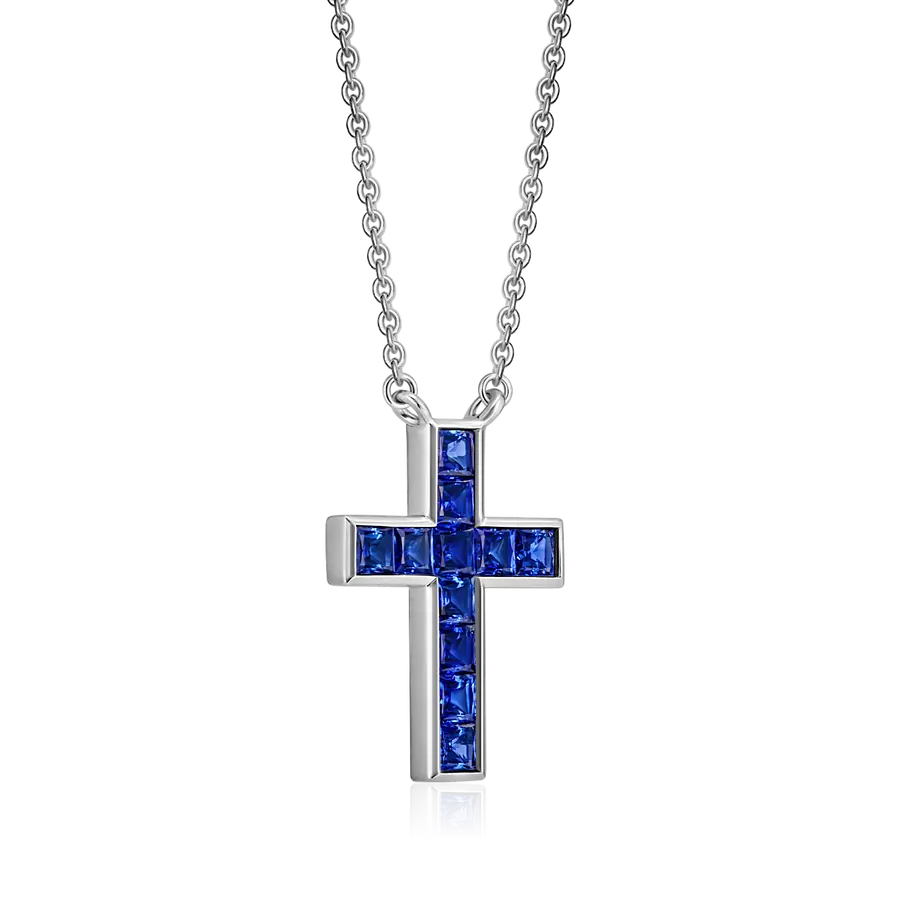

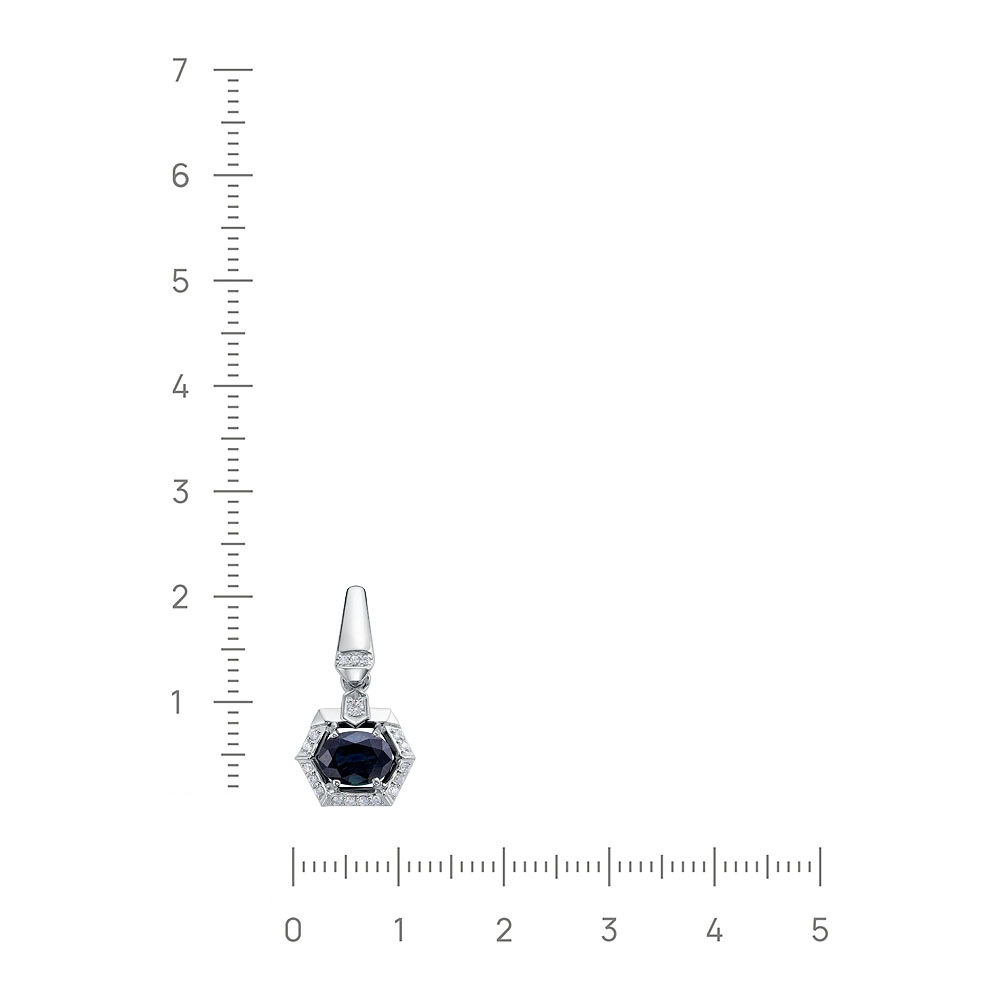
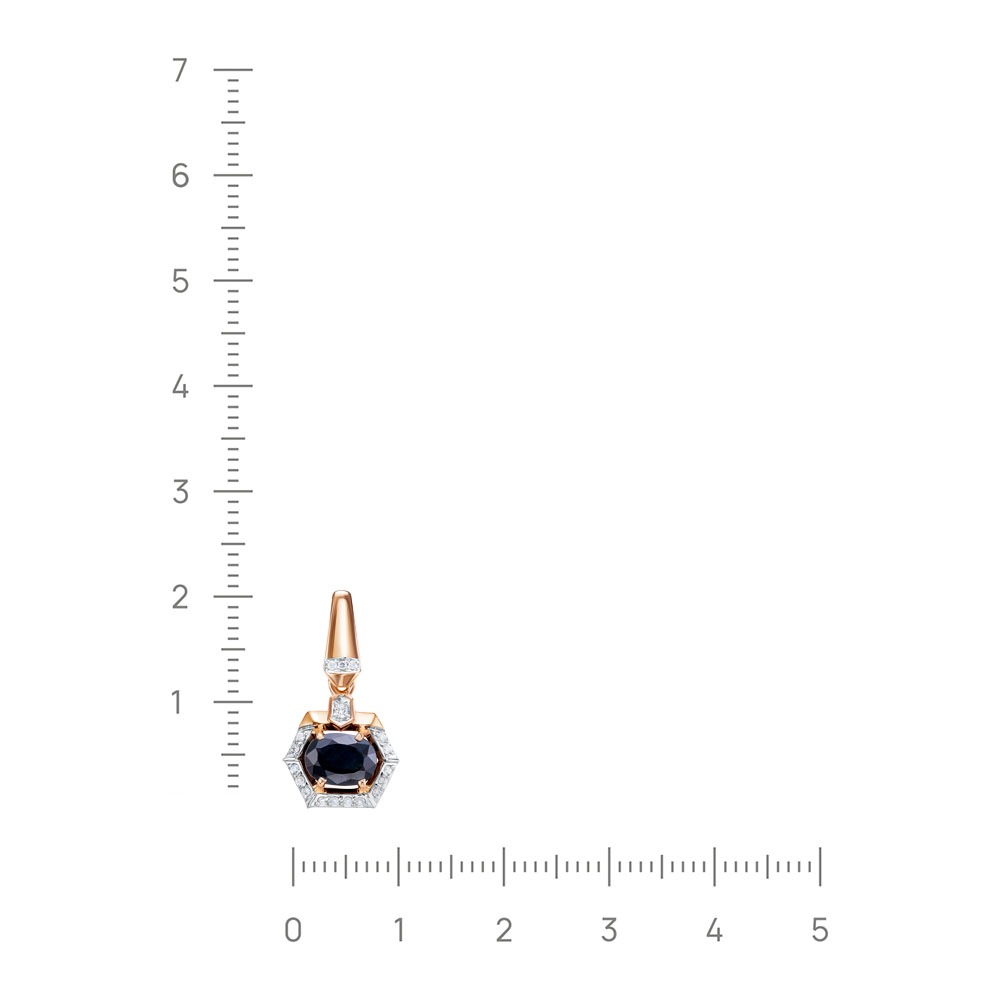
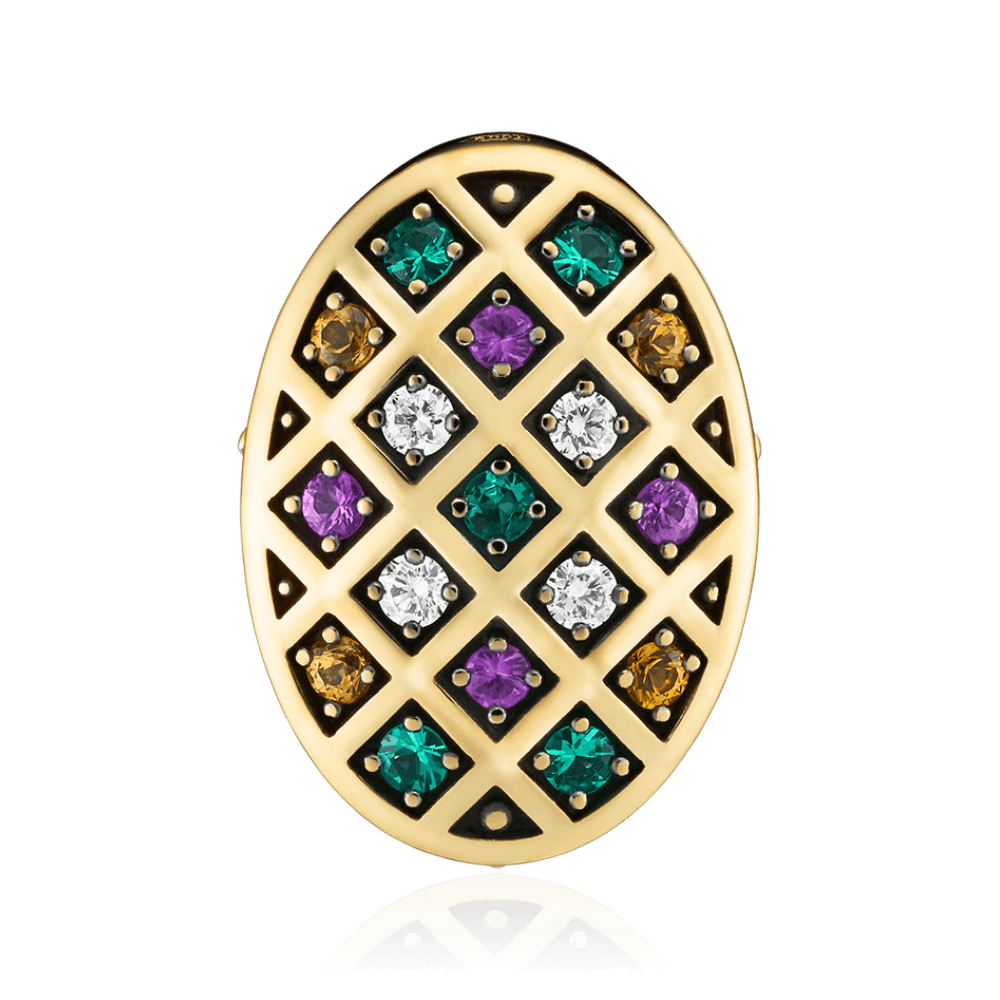
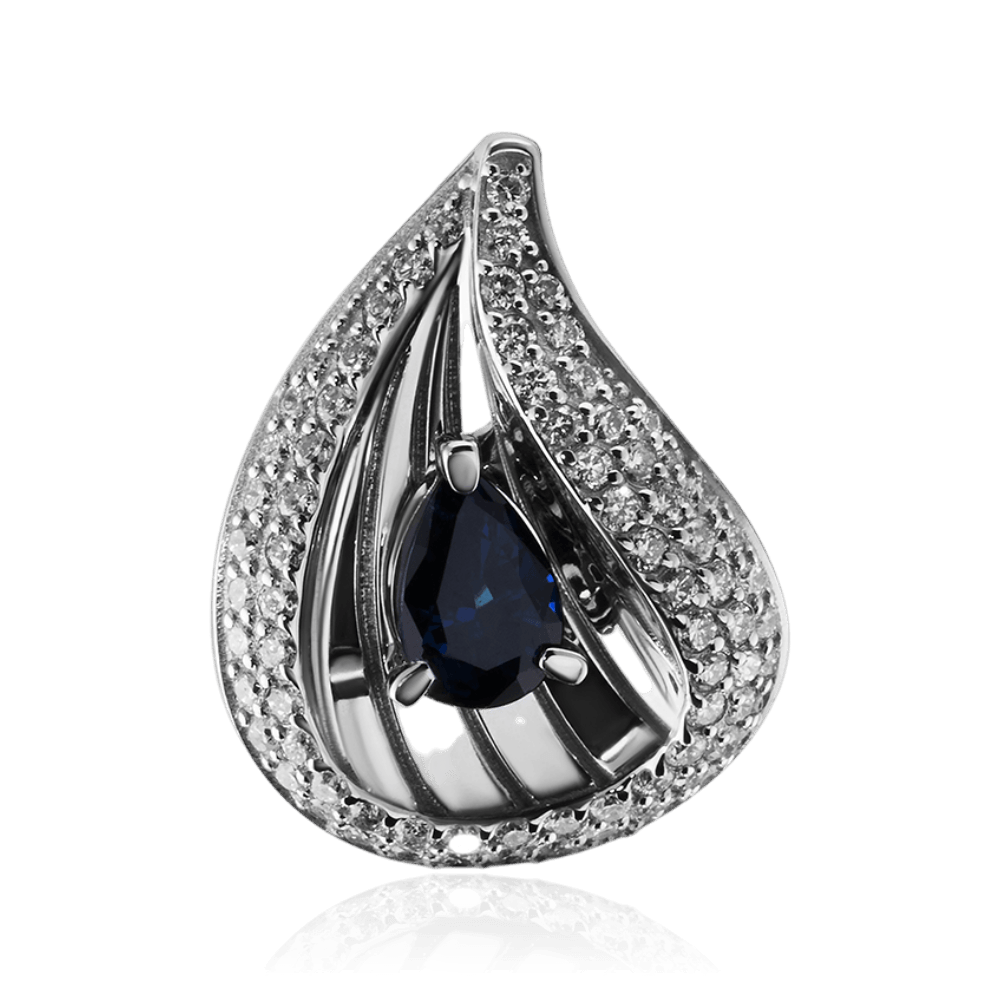
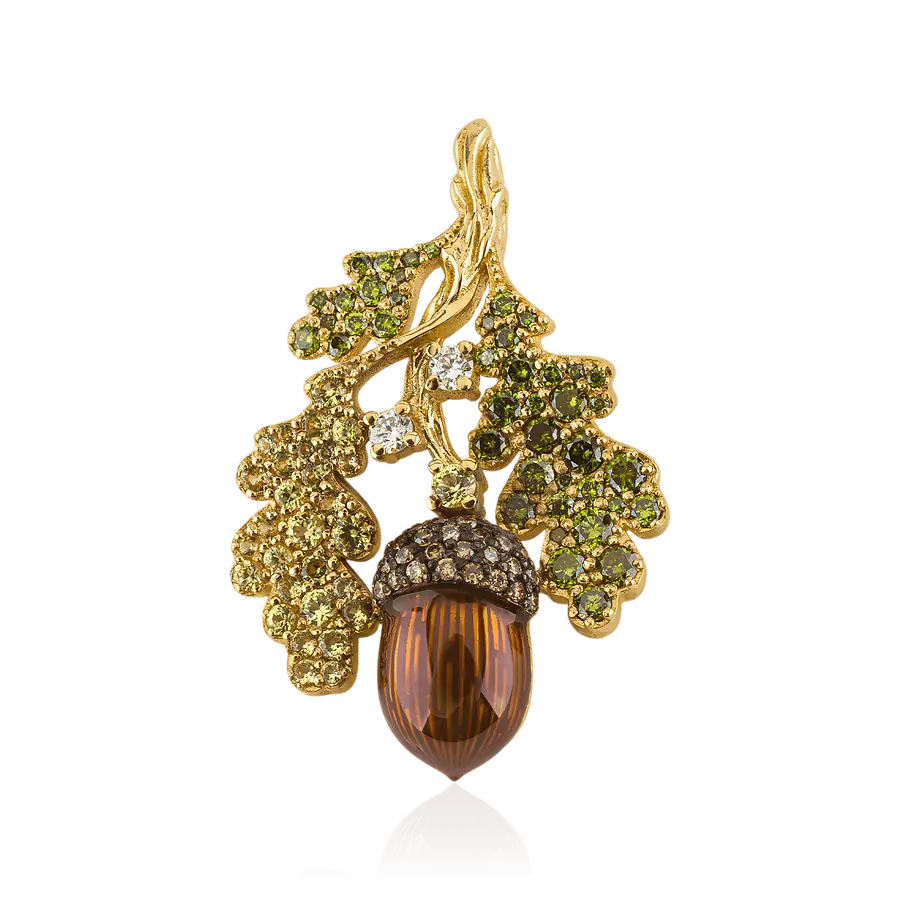
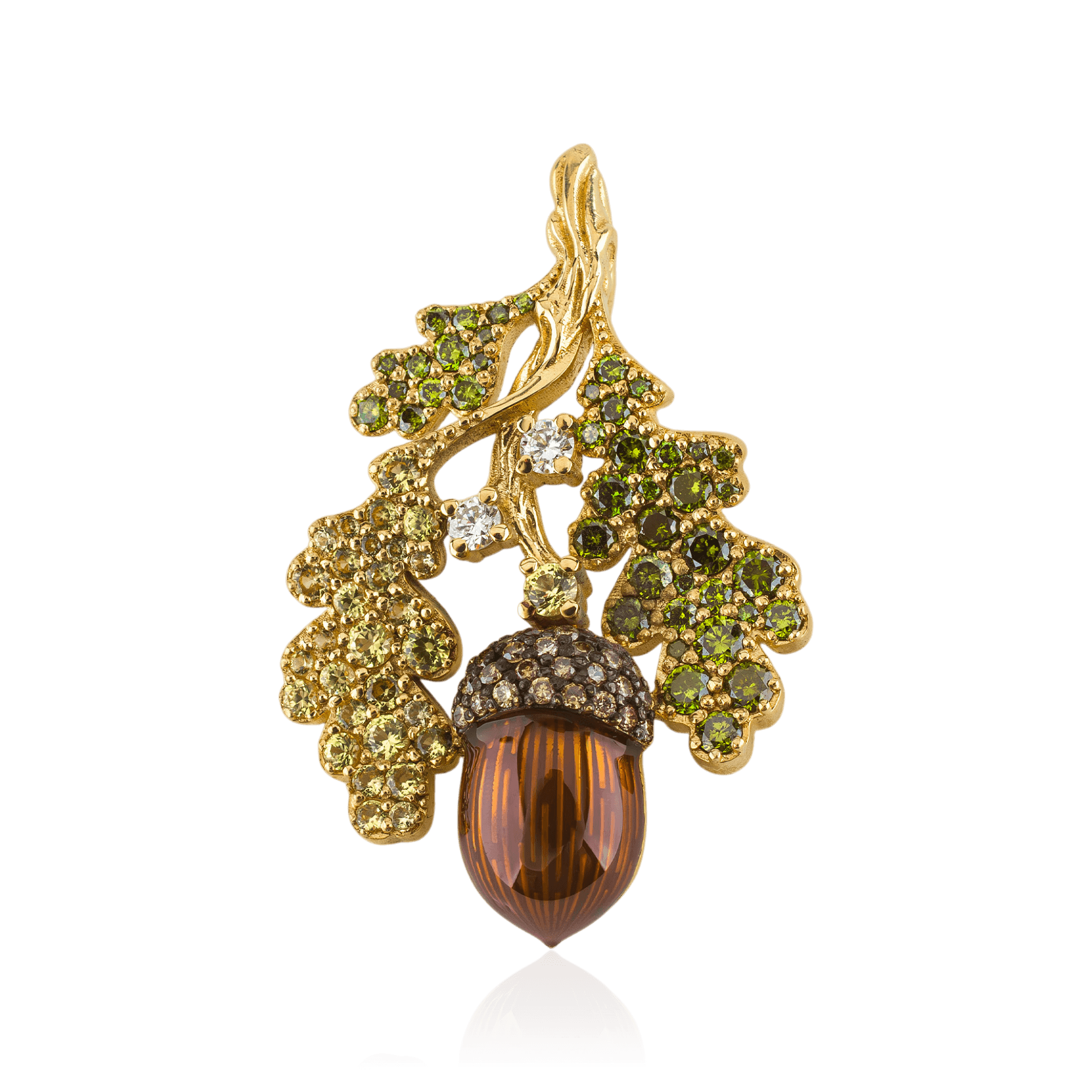
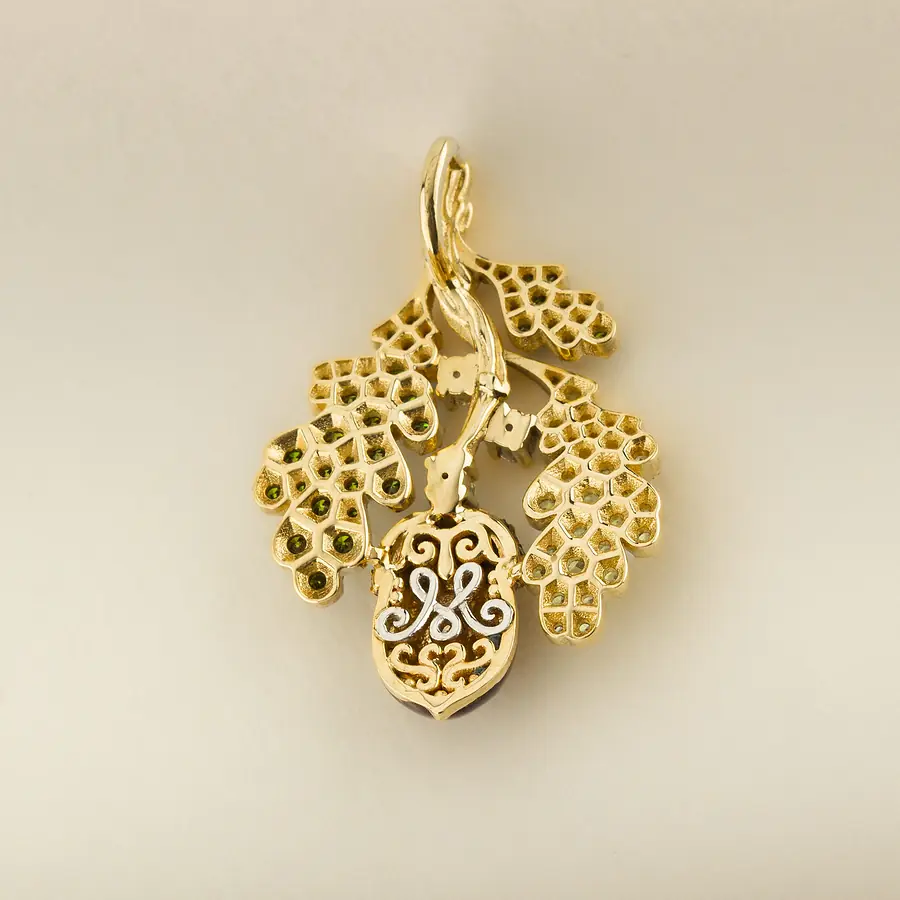
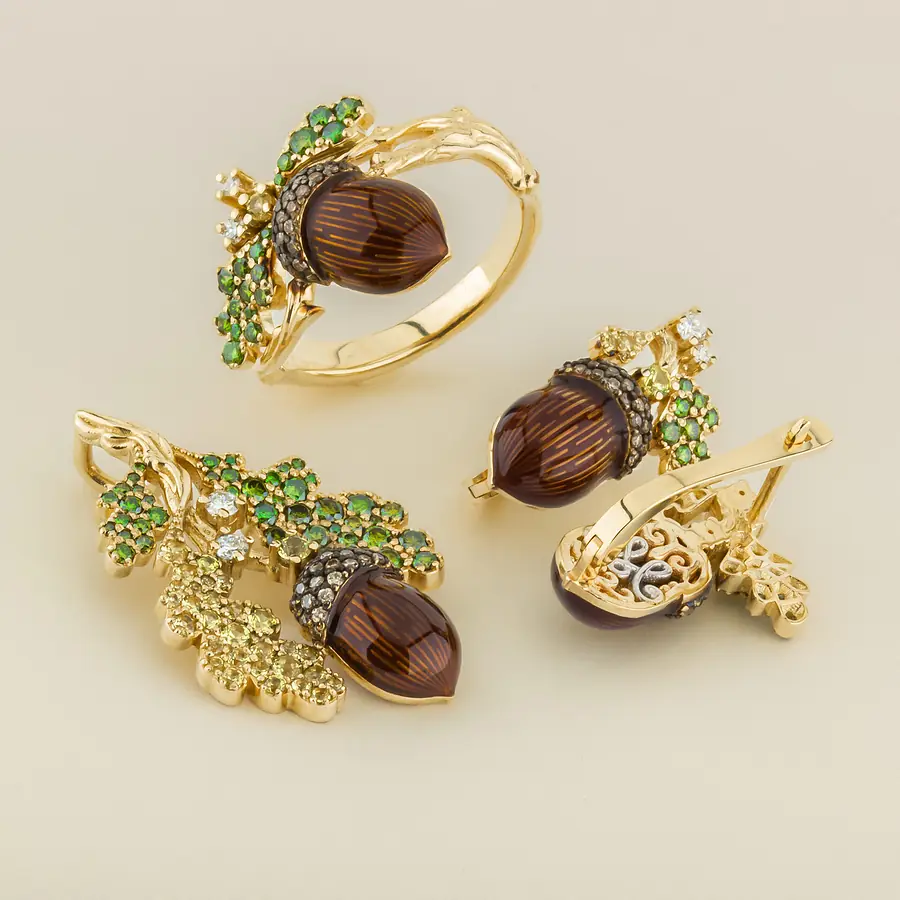
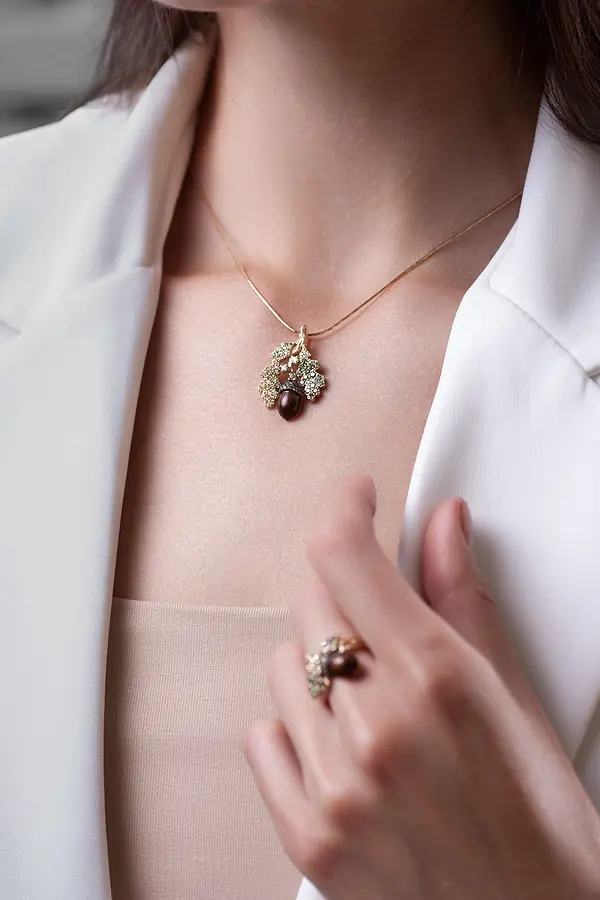
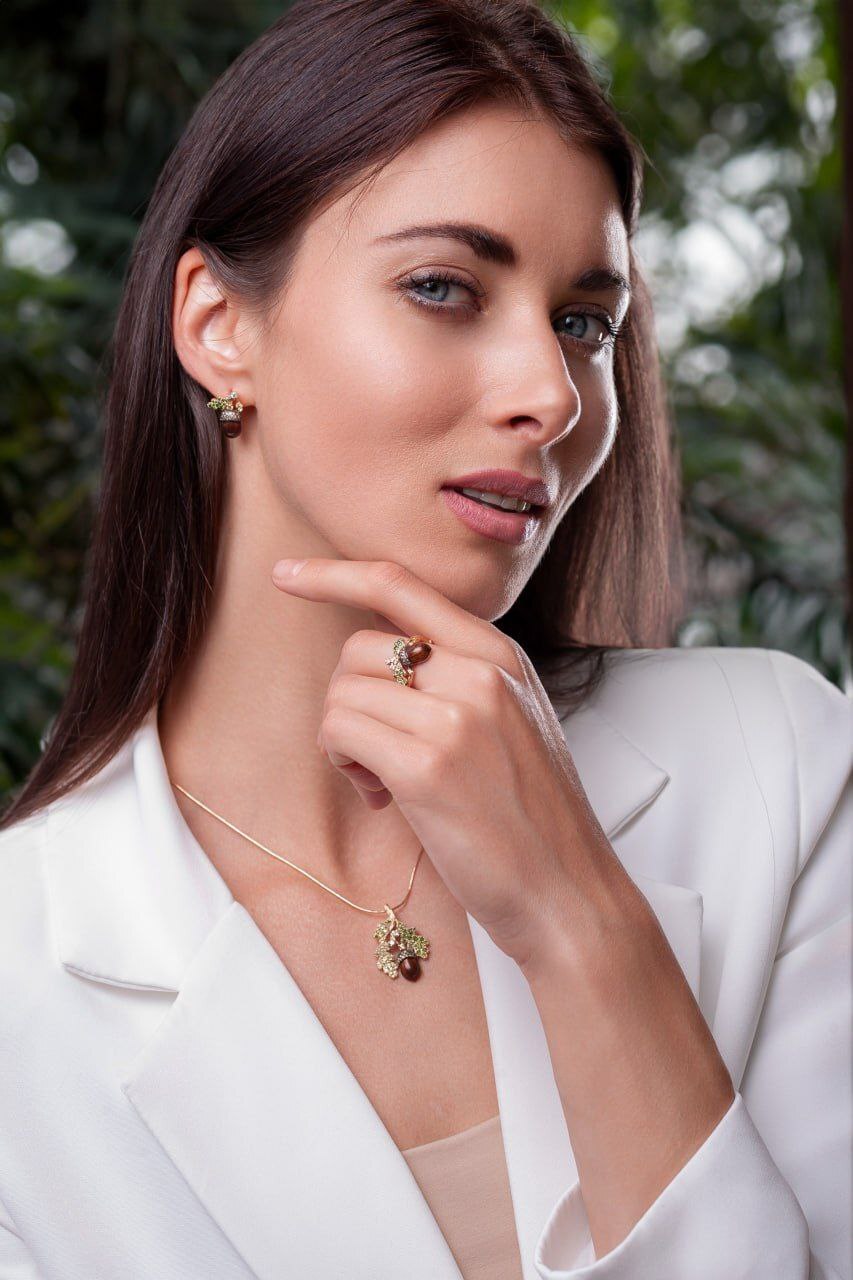

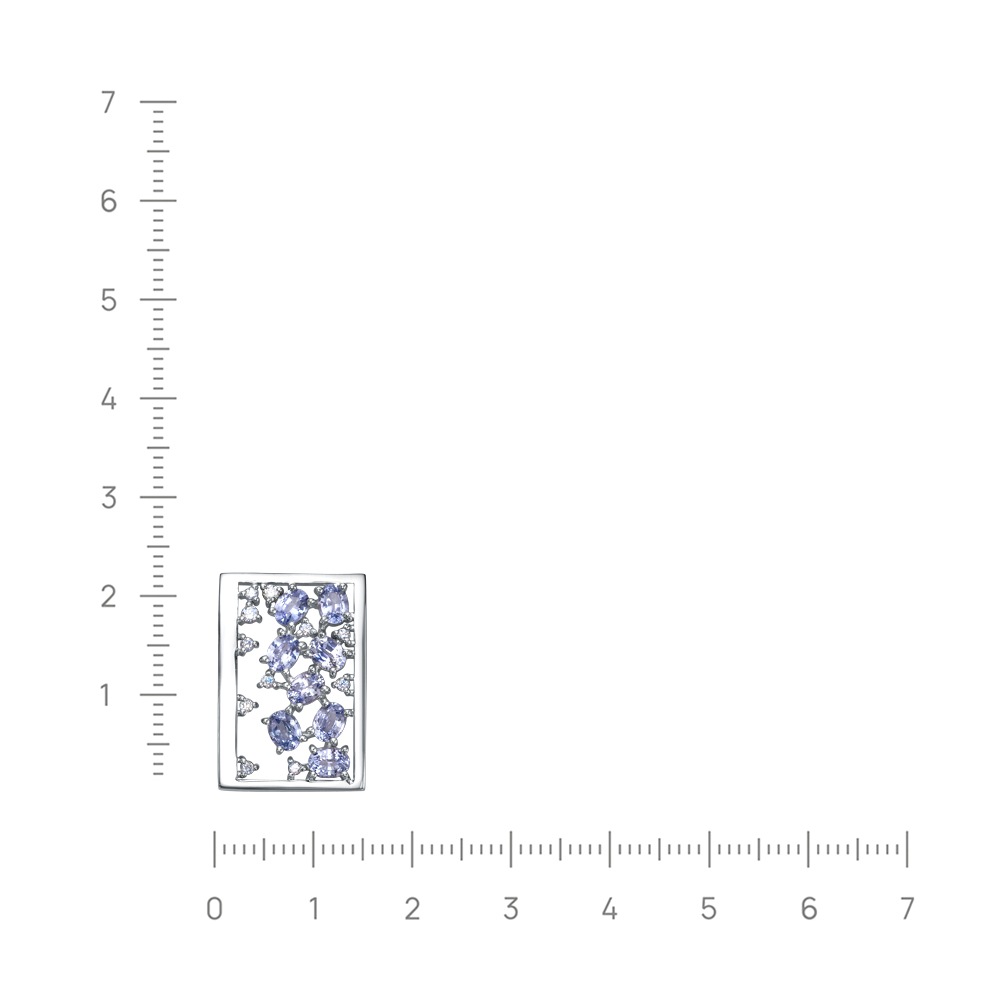


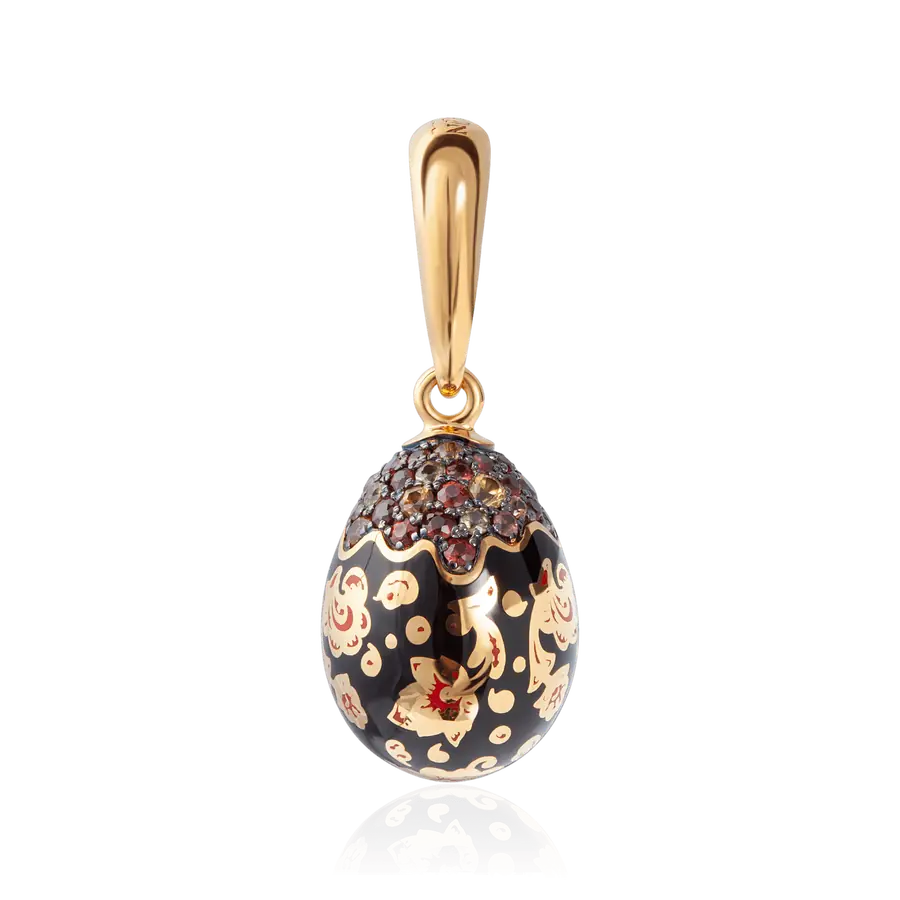
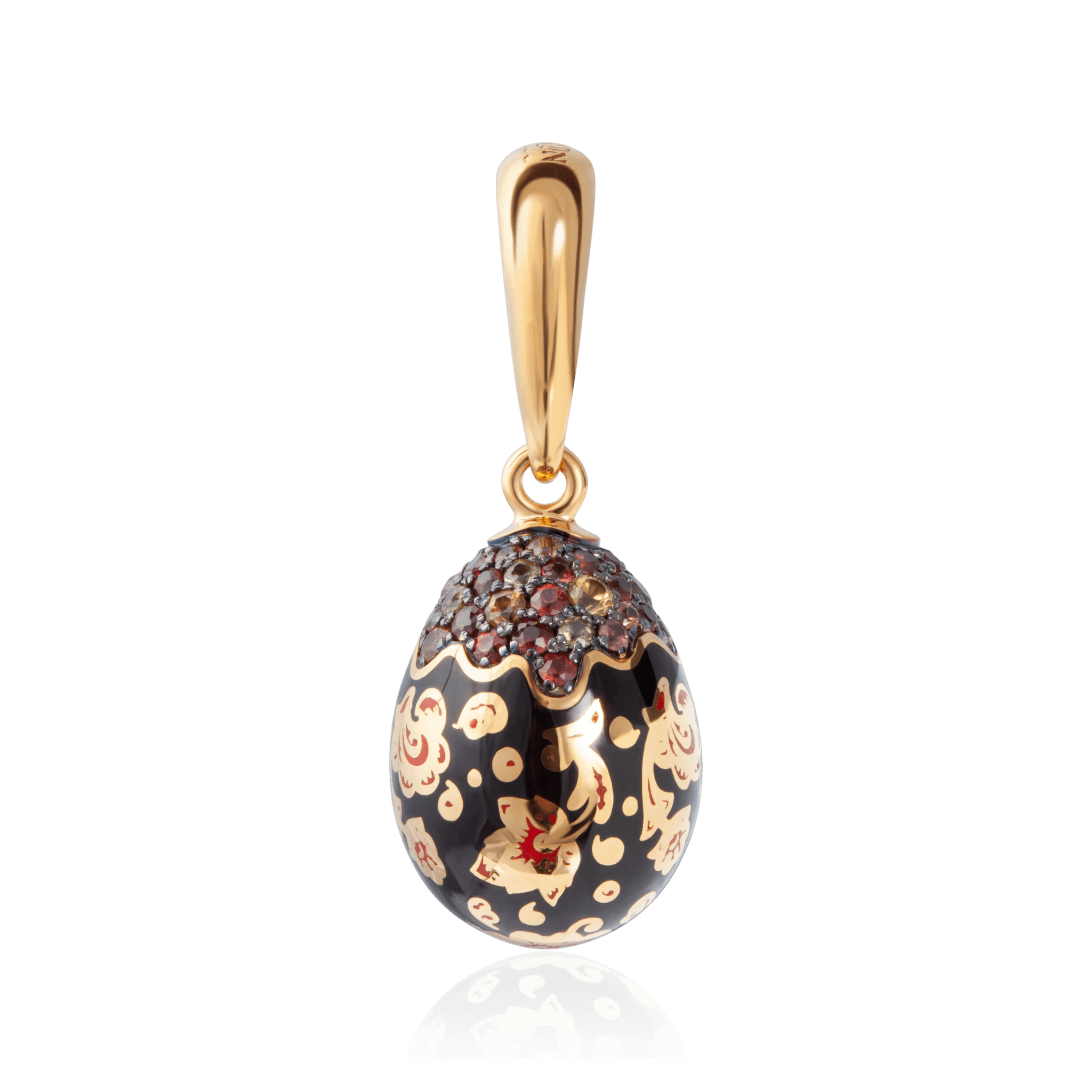
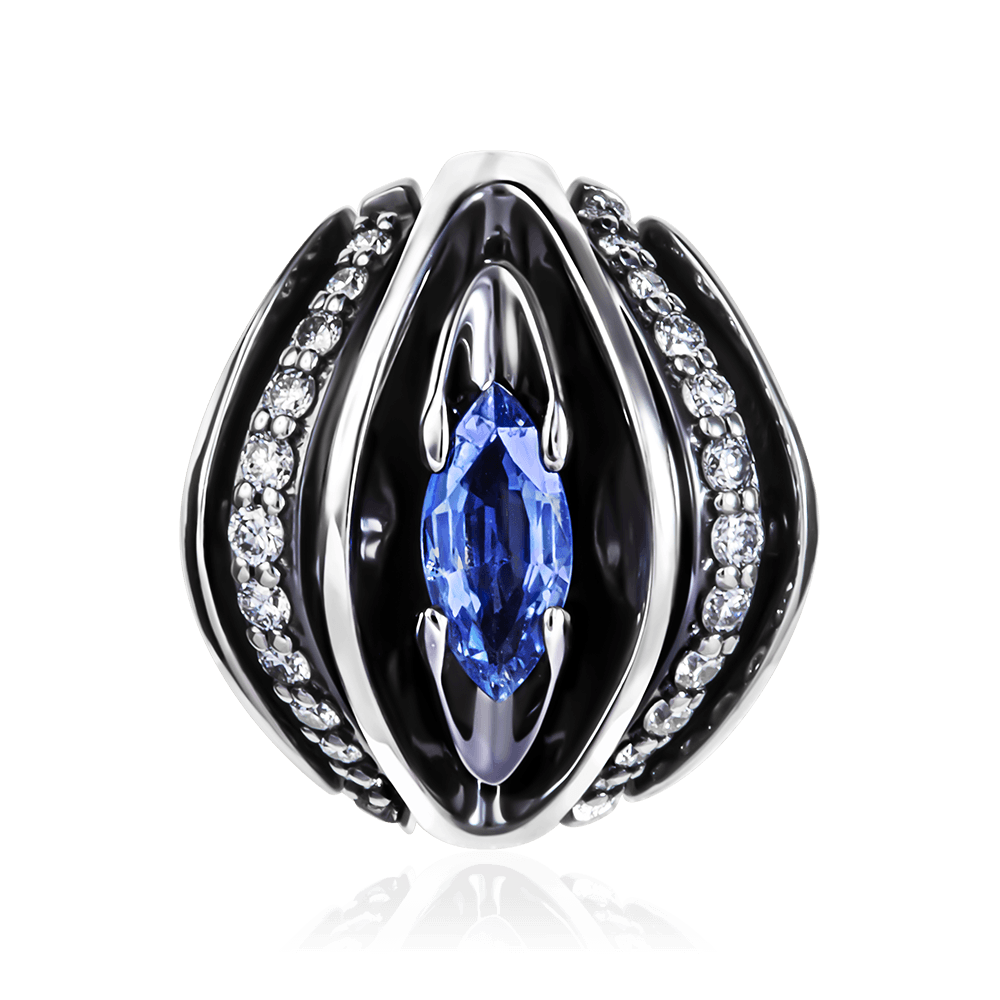
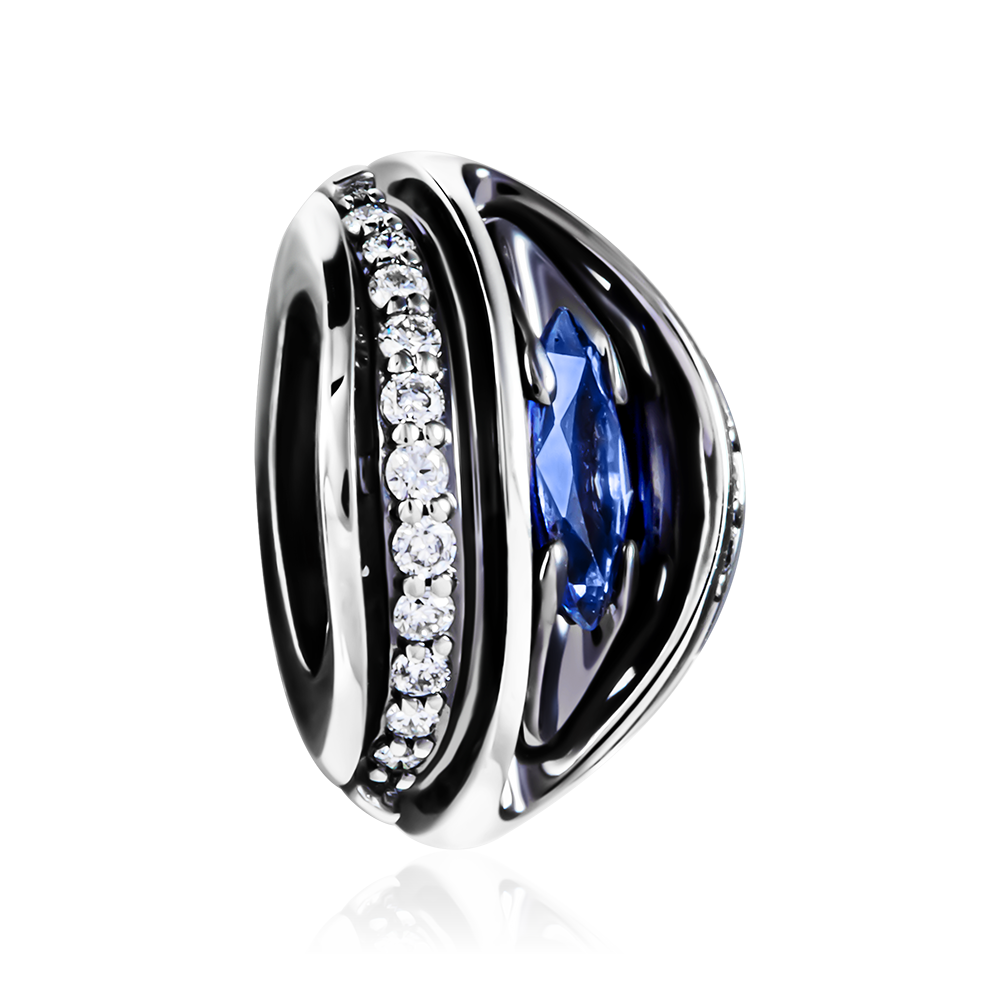
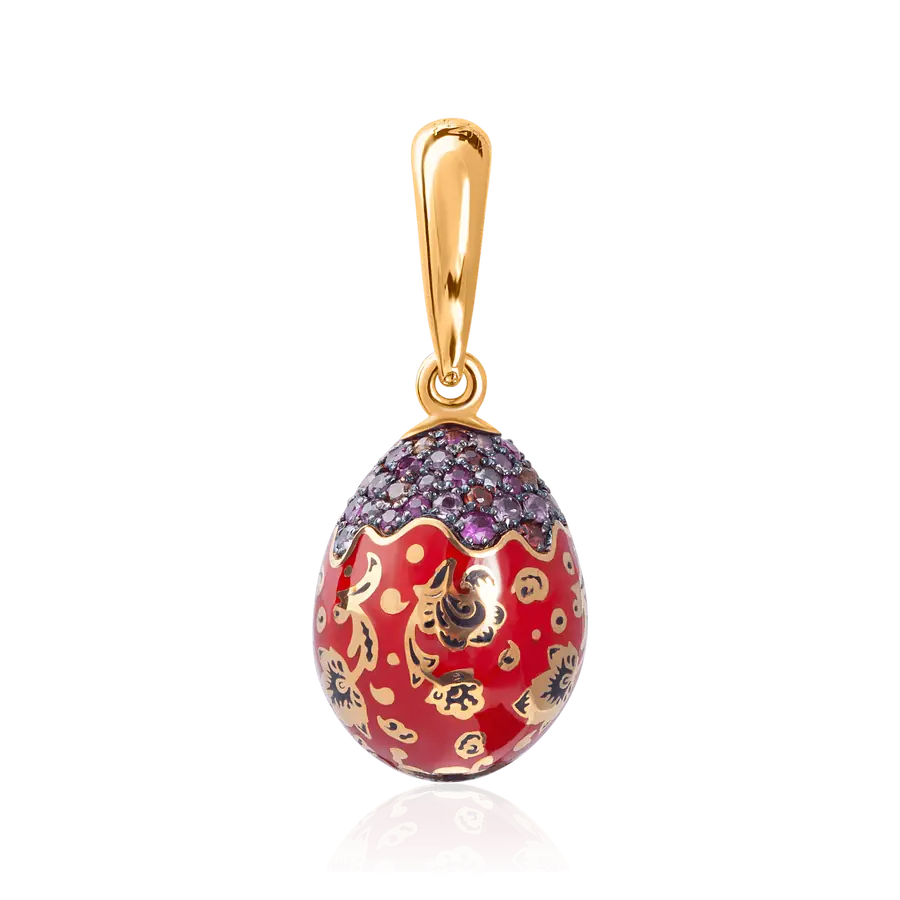
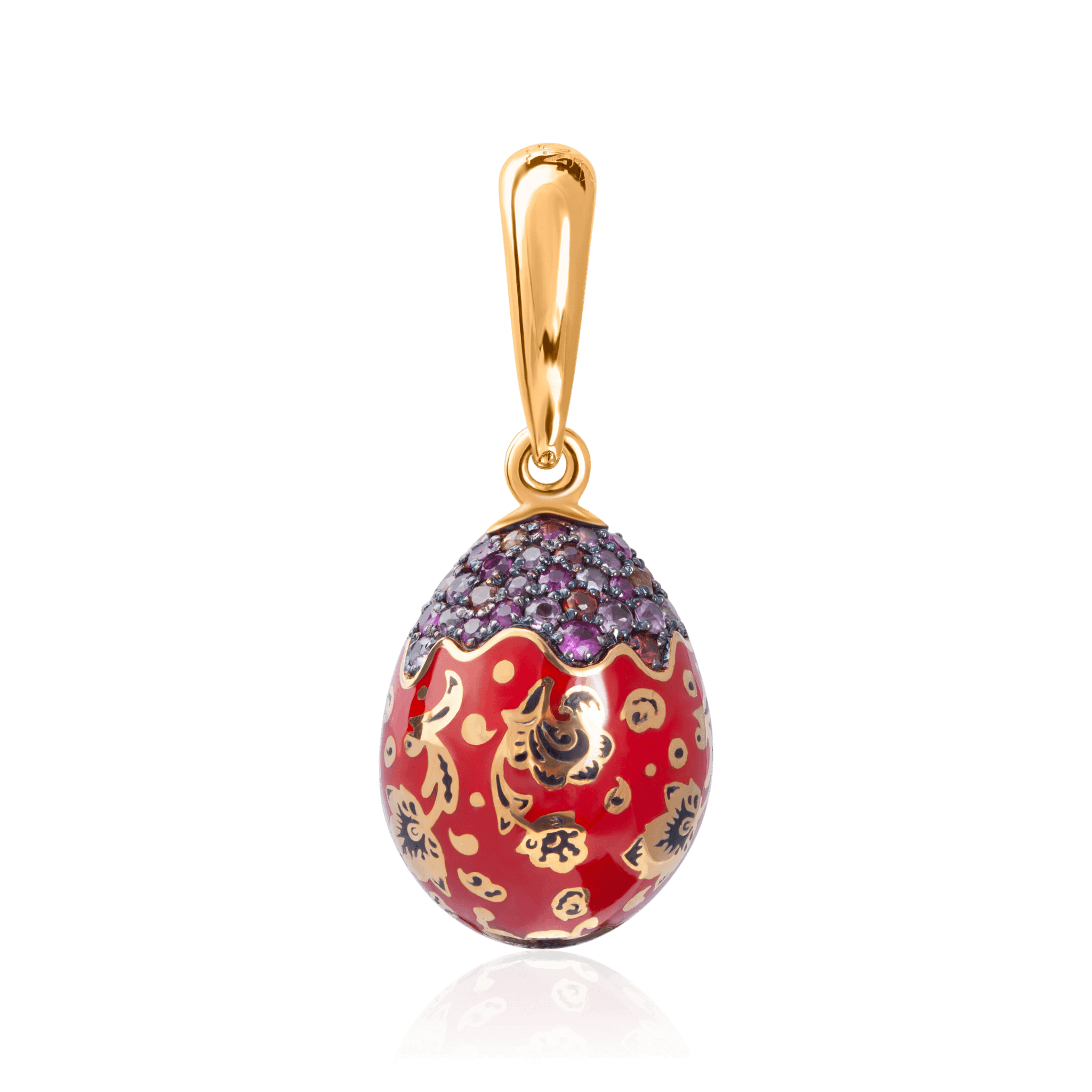
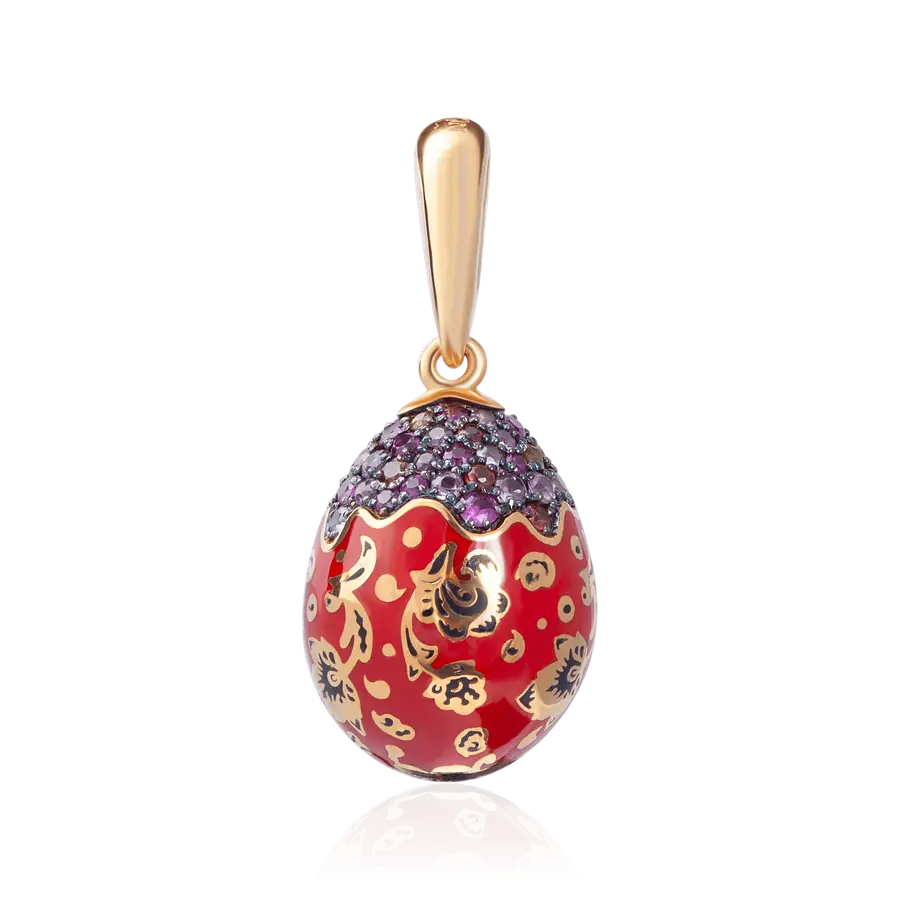
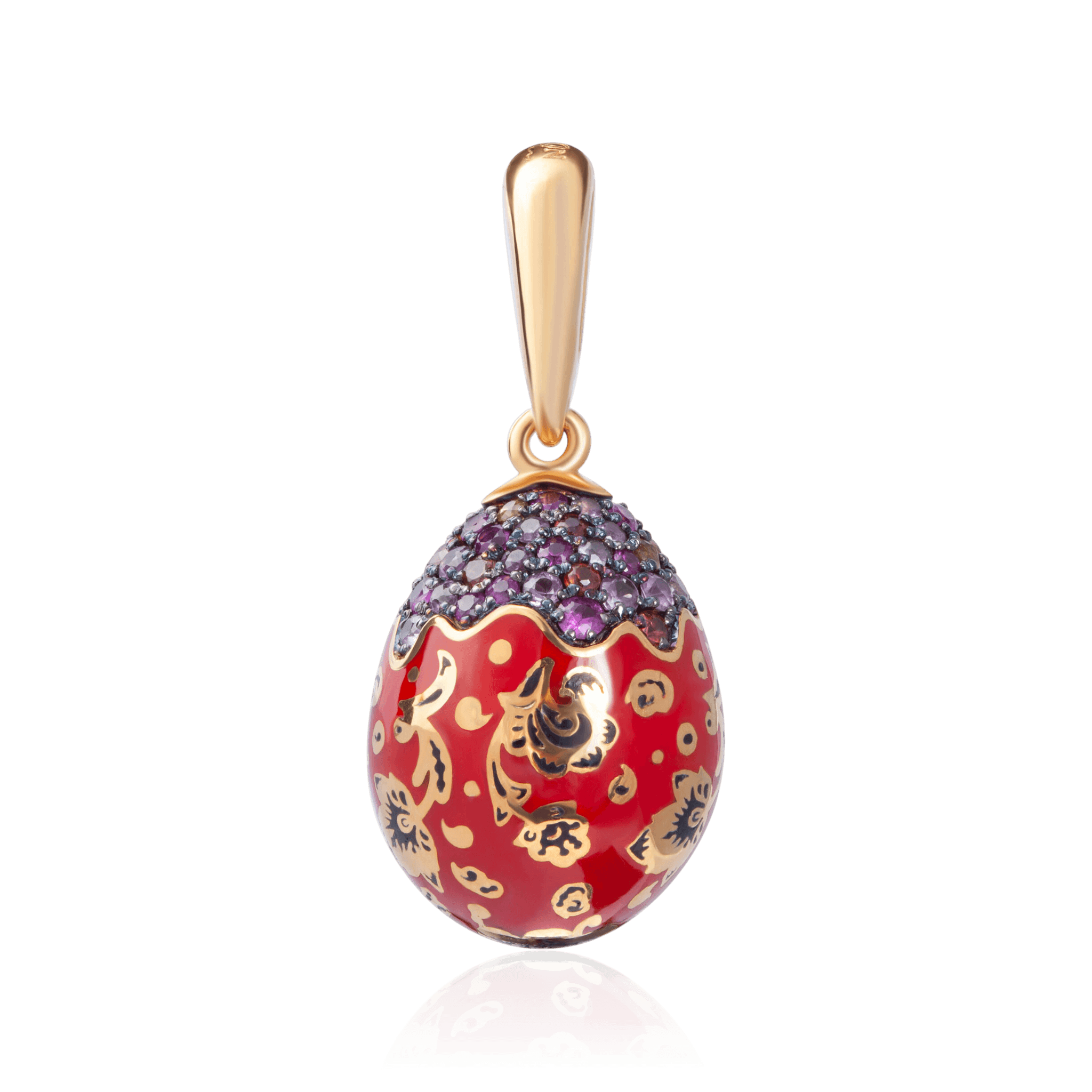


Pendant "Owl" with sapphire, diamonds, amethyst and moon stone in 18K combined gold (750) ( 38695)
In stock


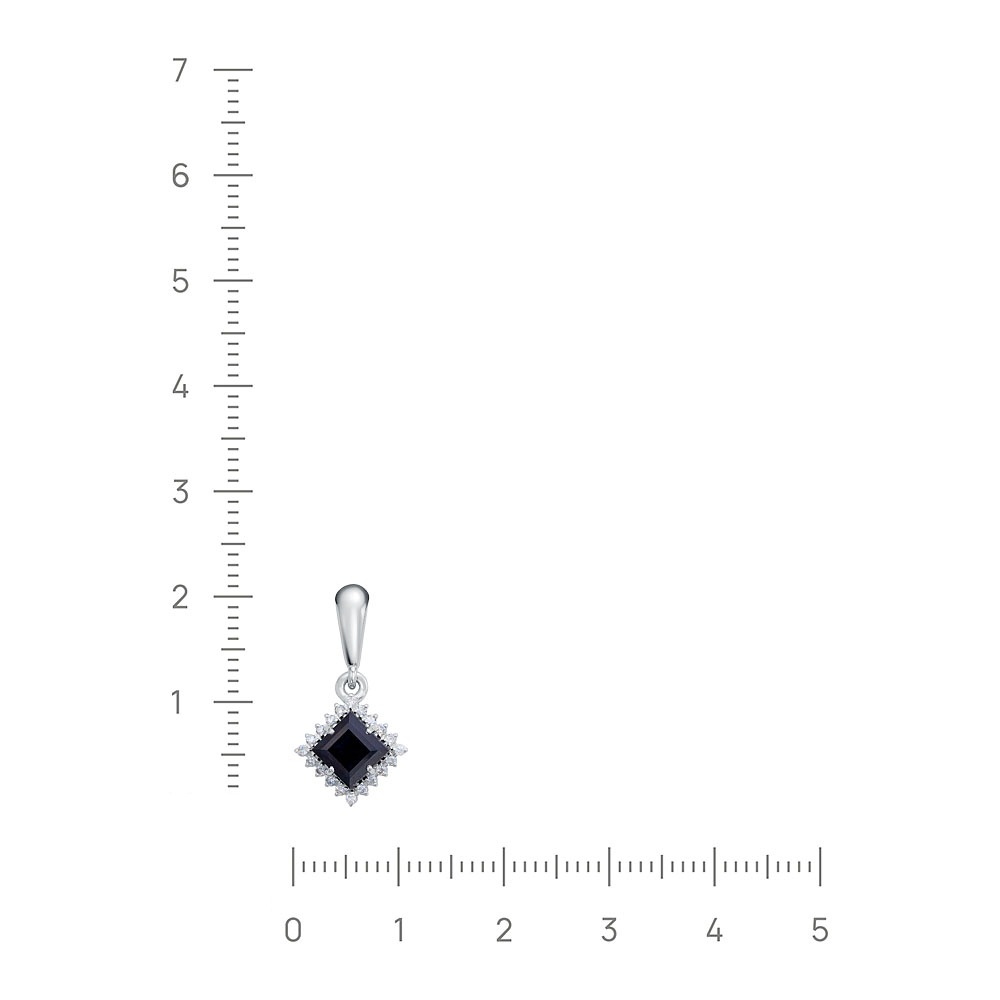

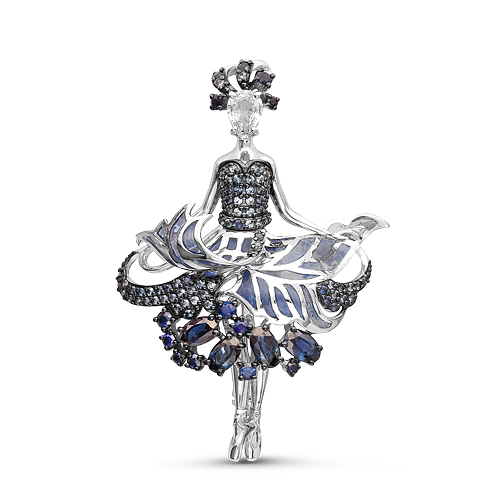
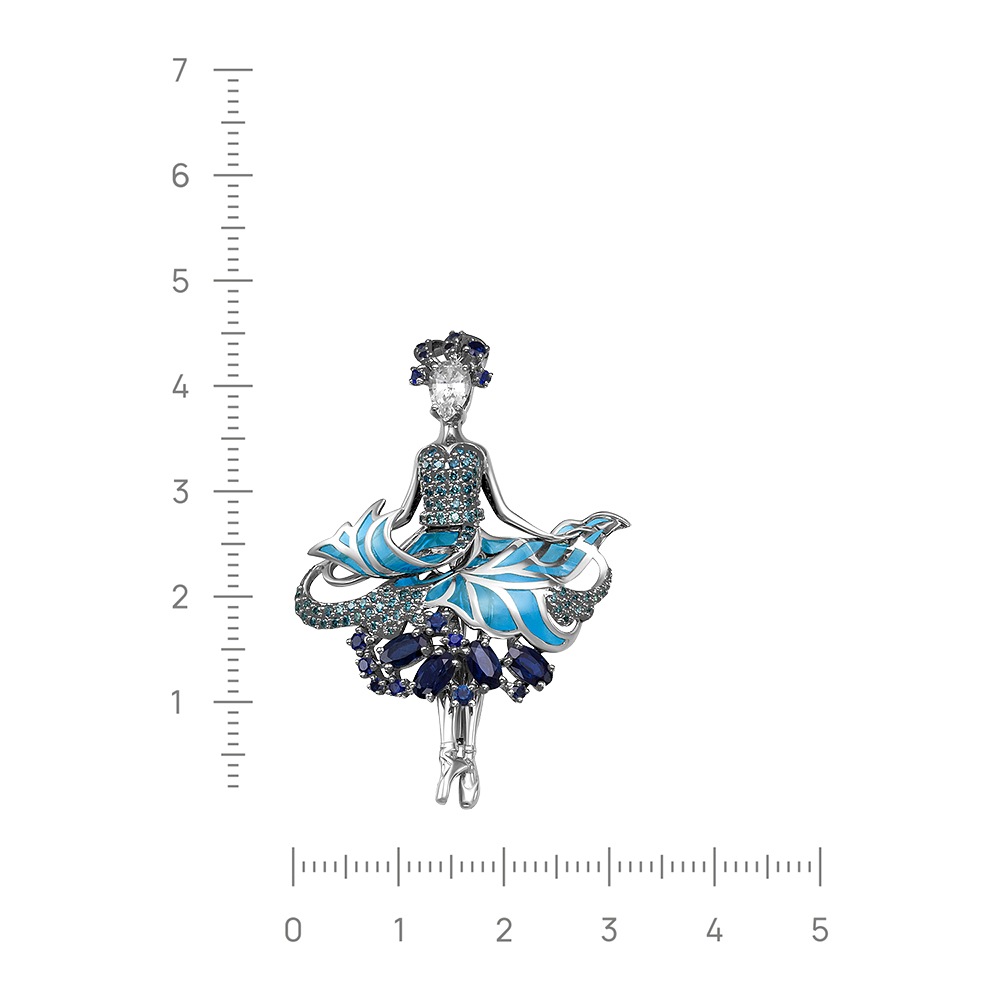

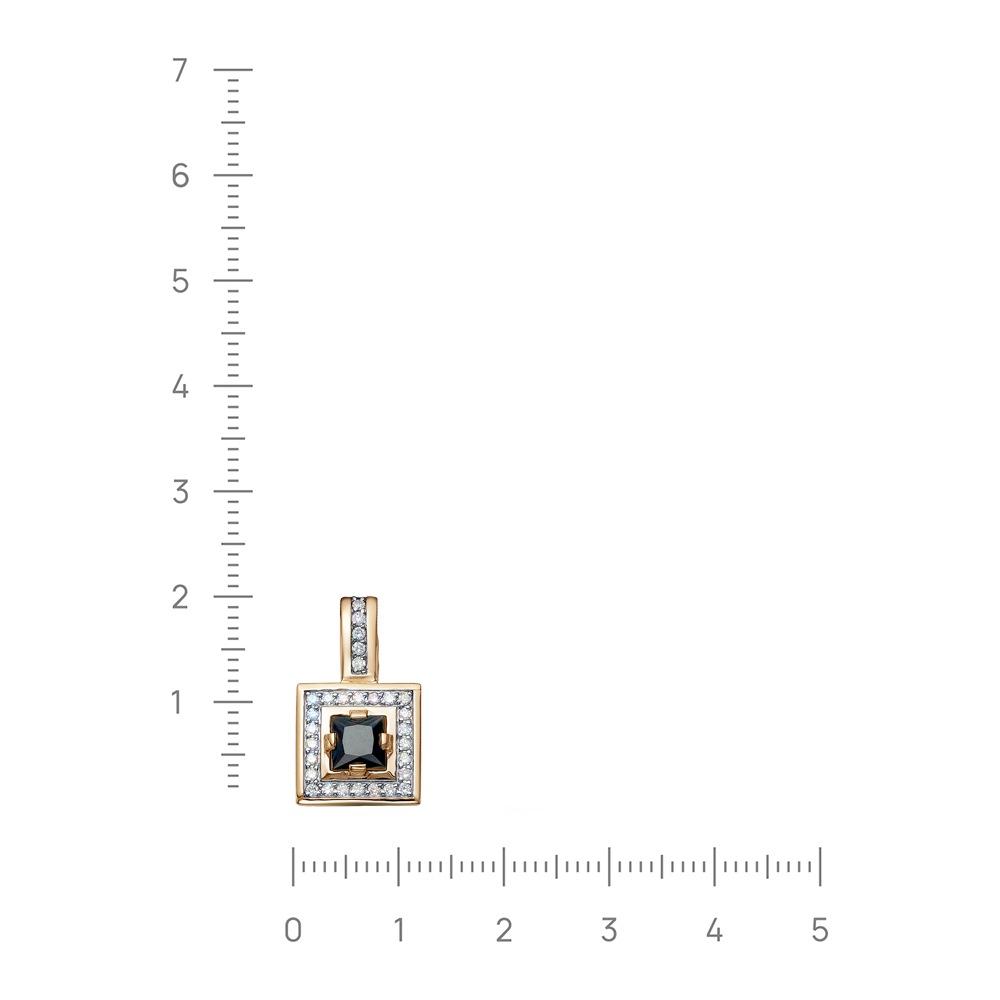

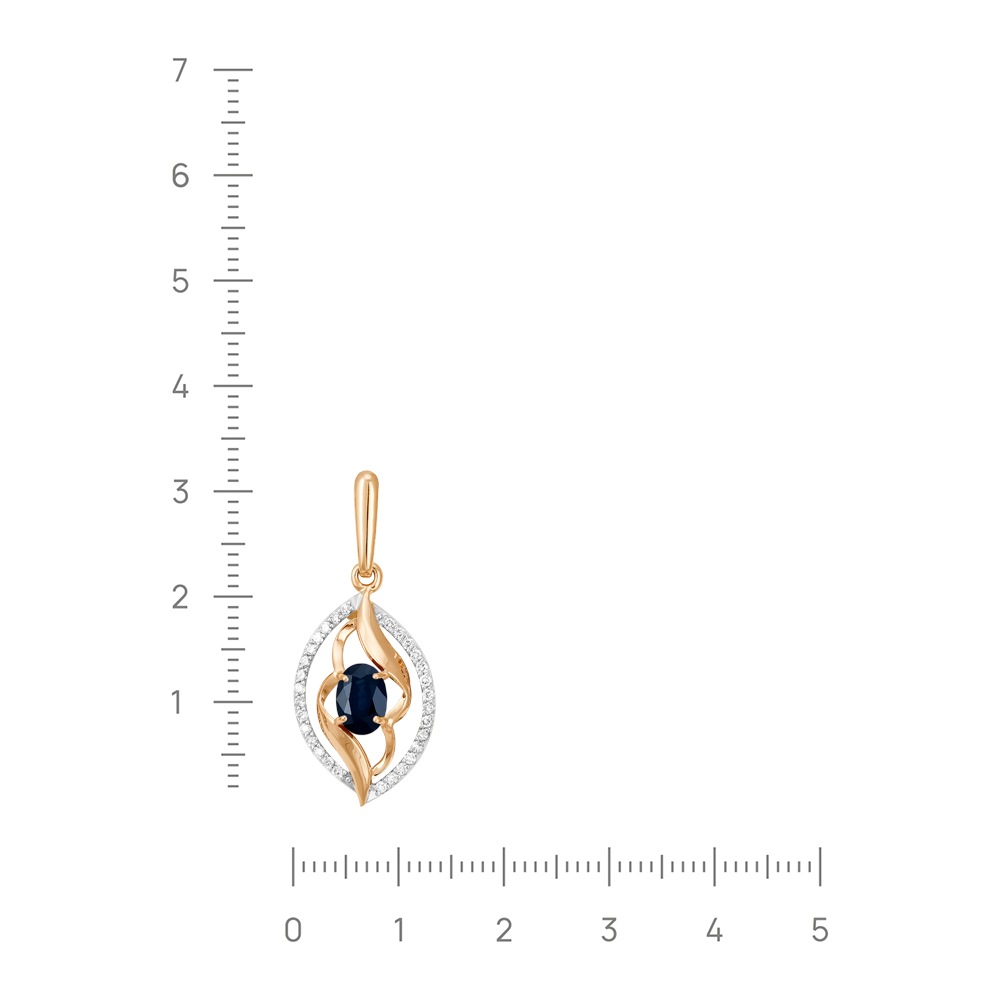

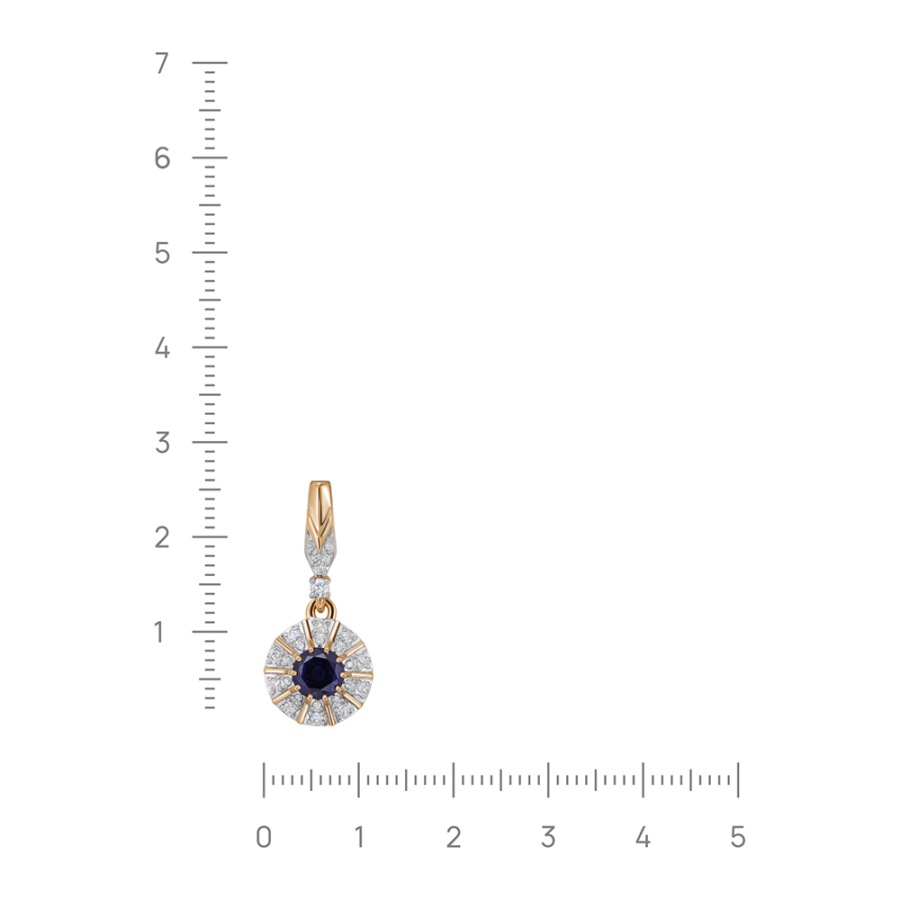
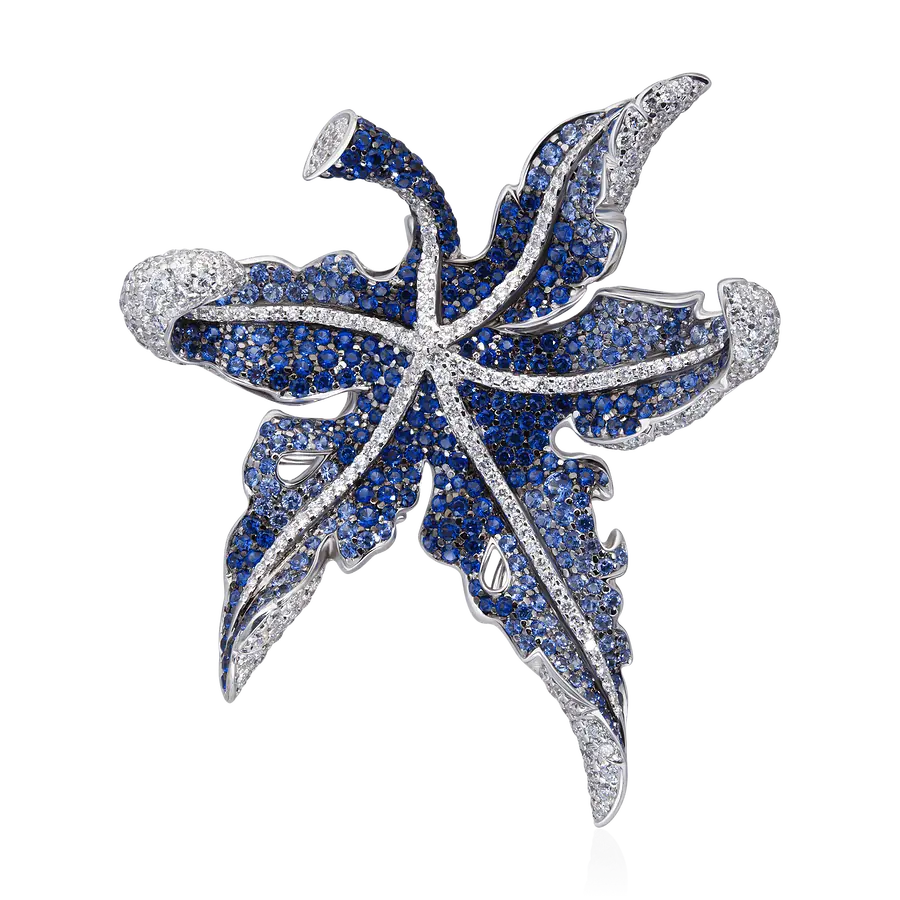

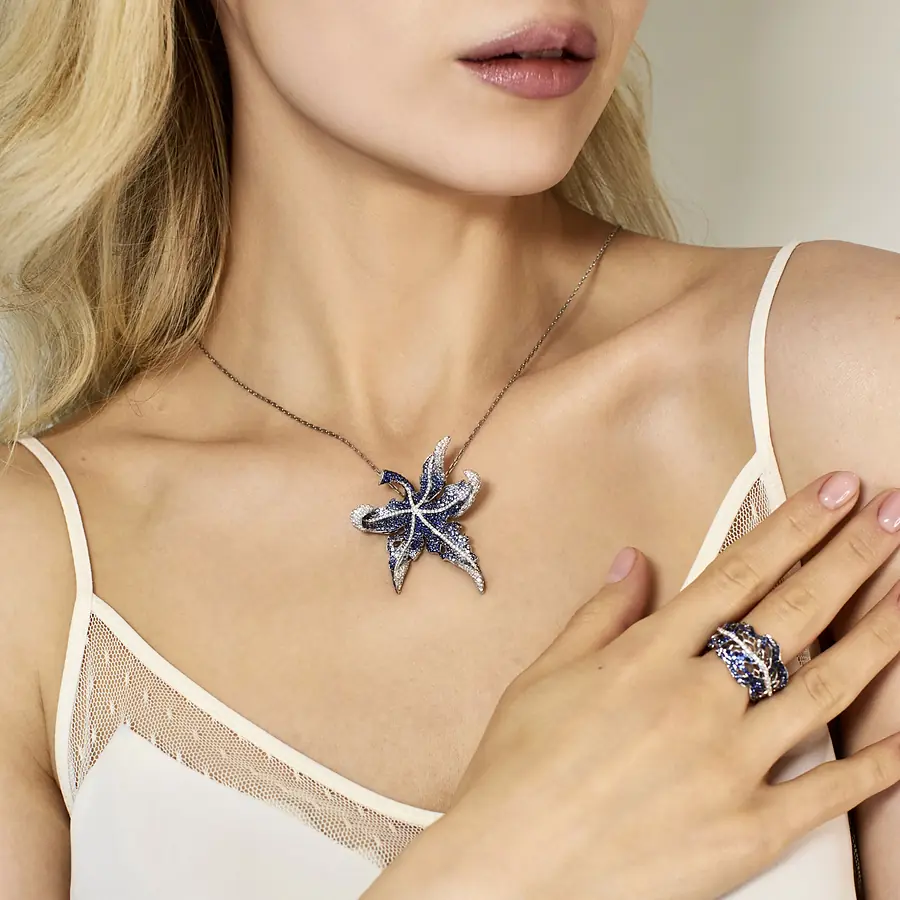
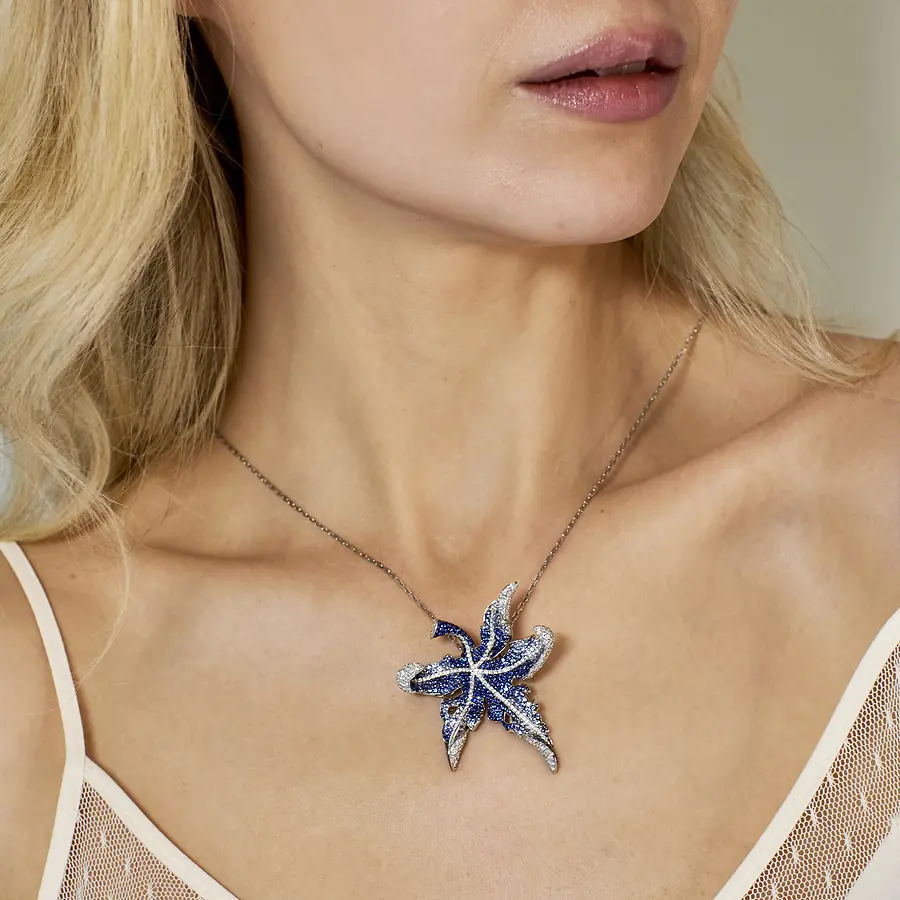


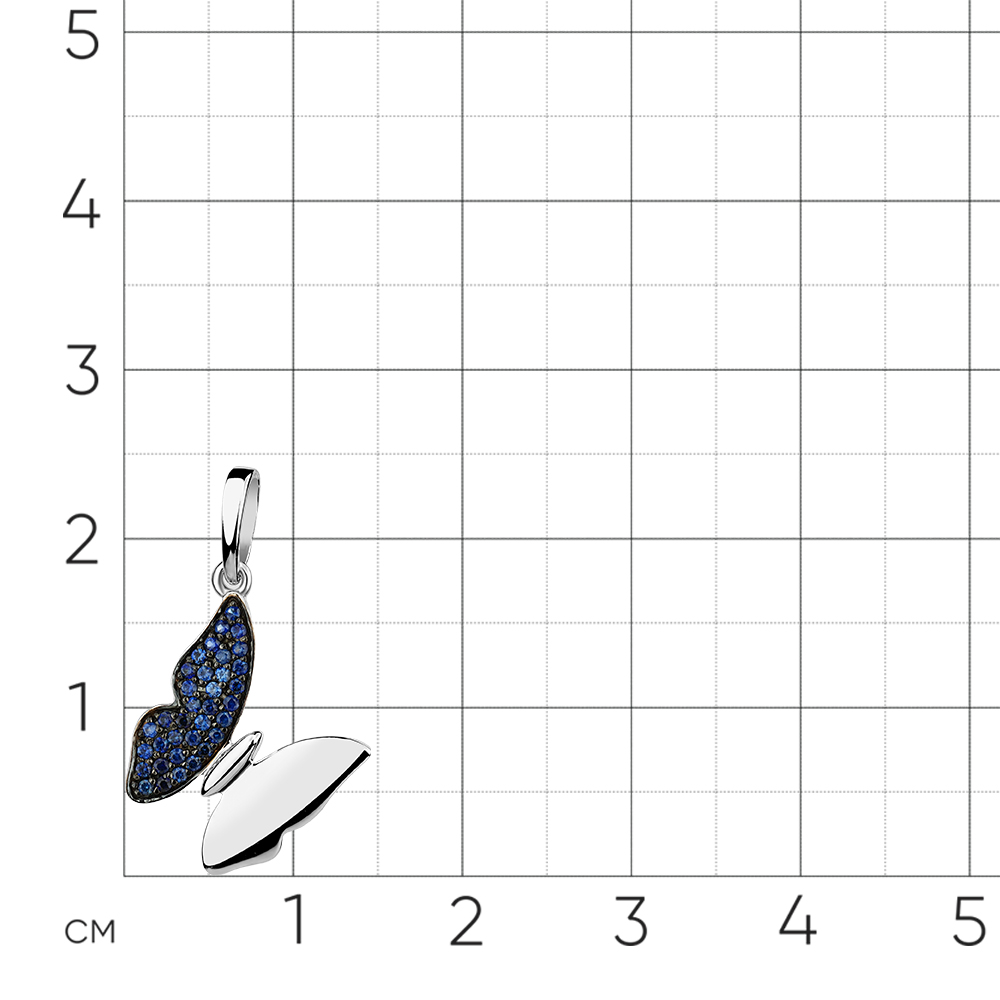
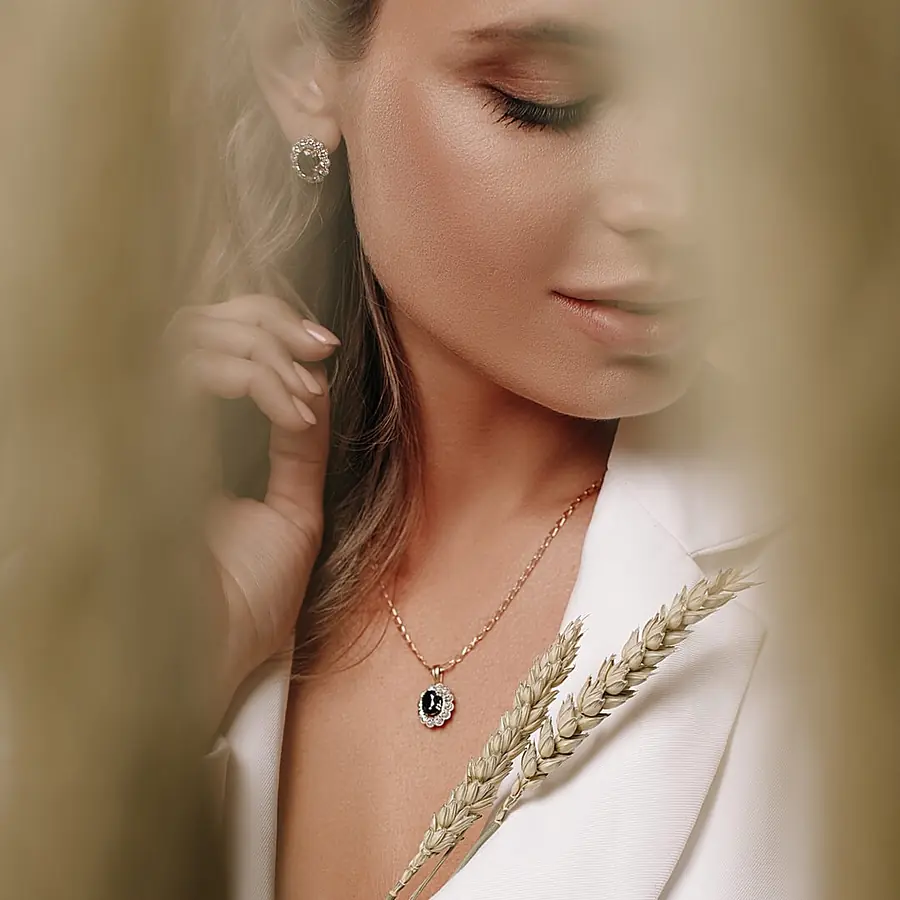
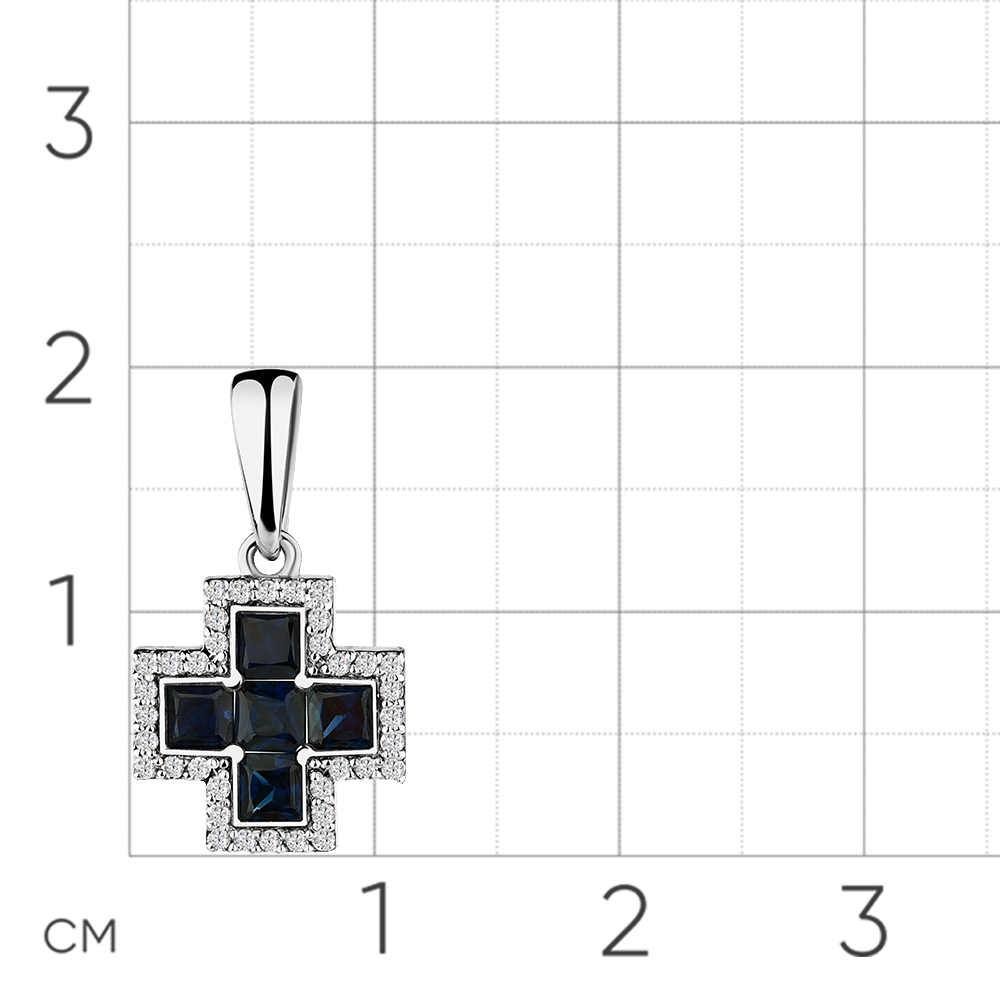
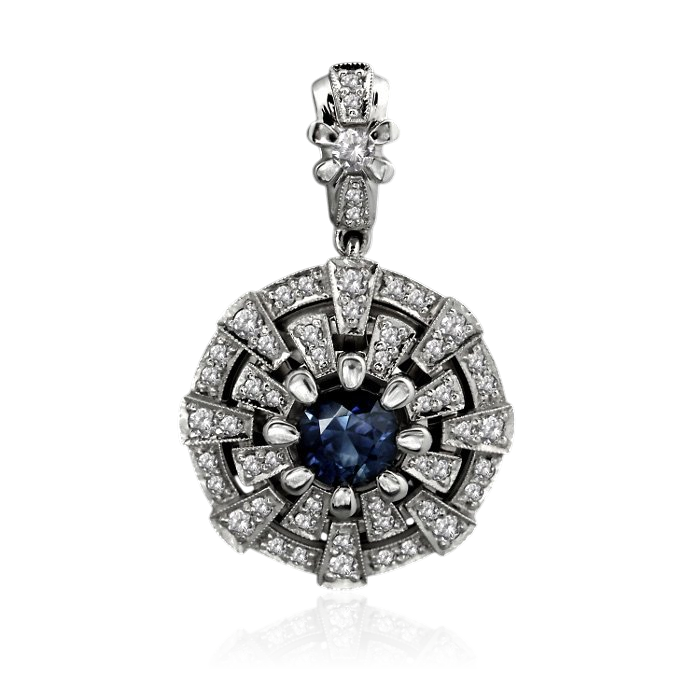
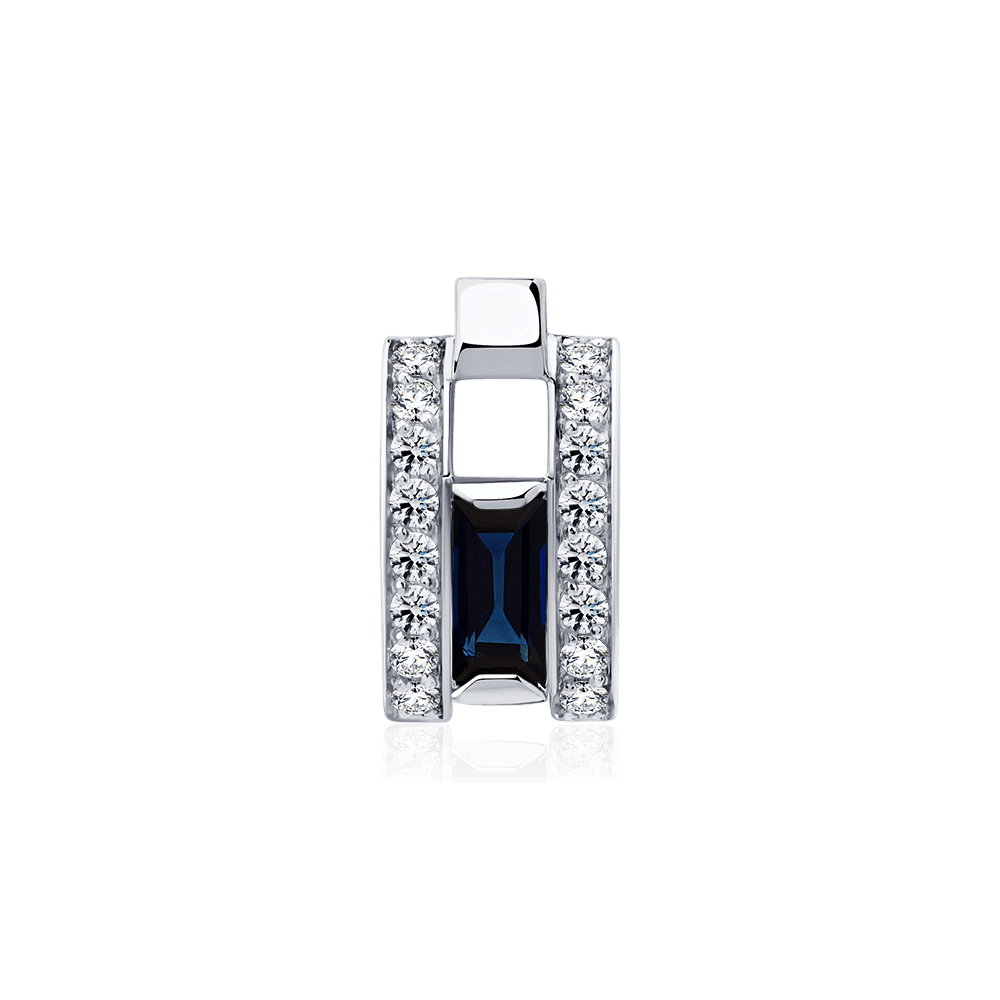
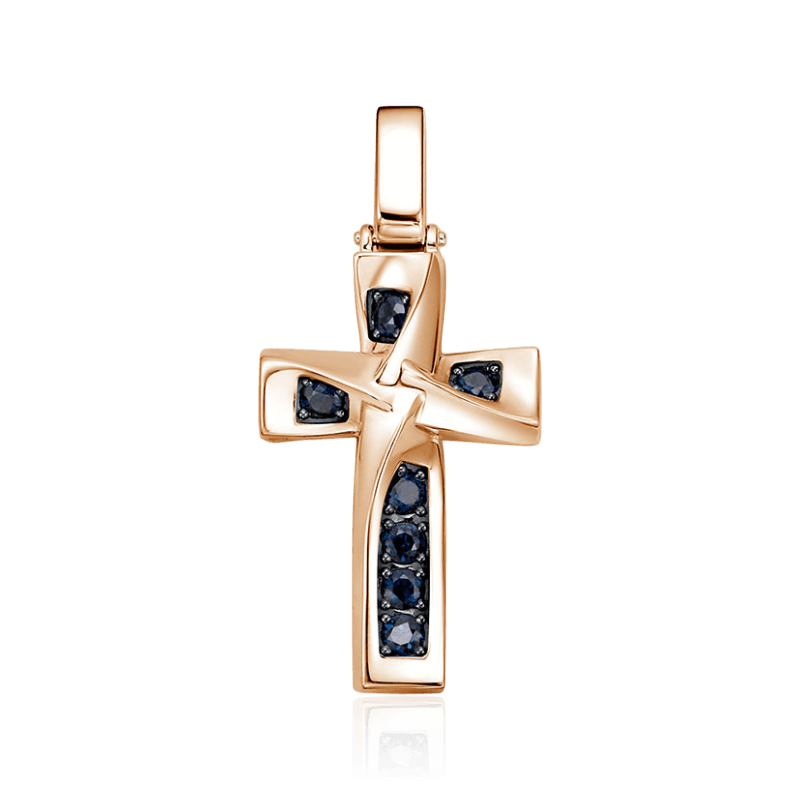
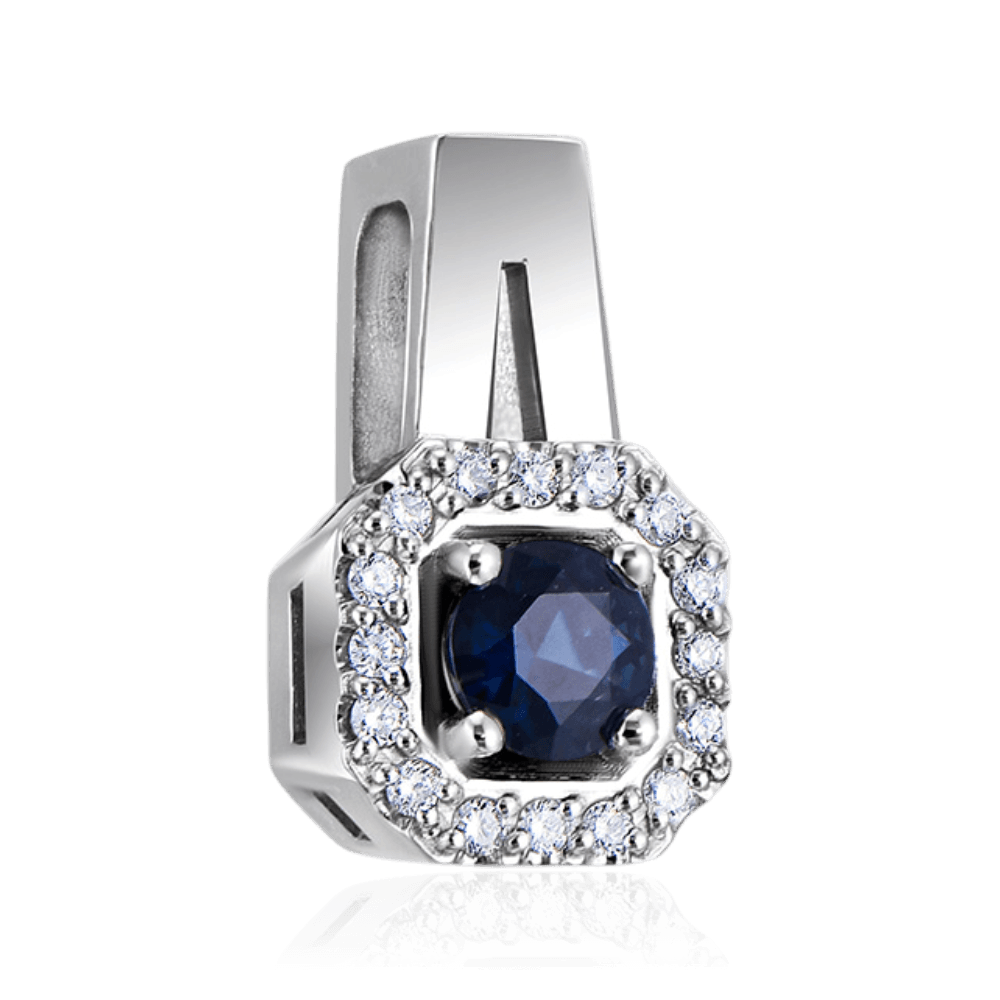
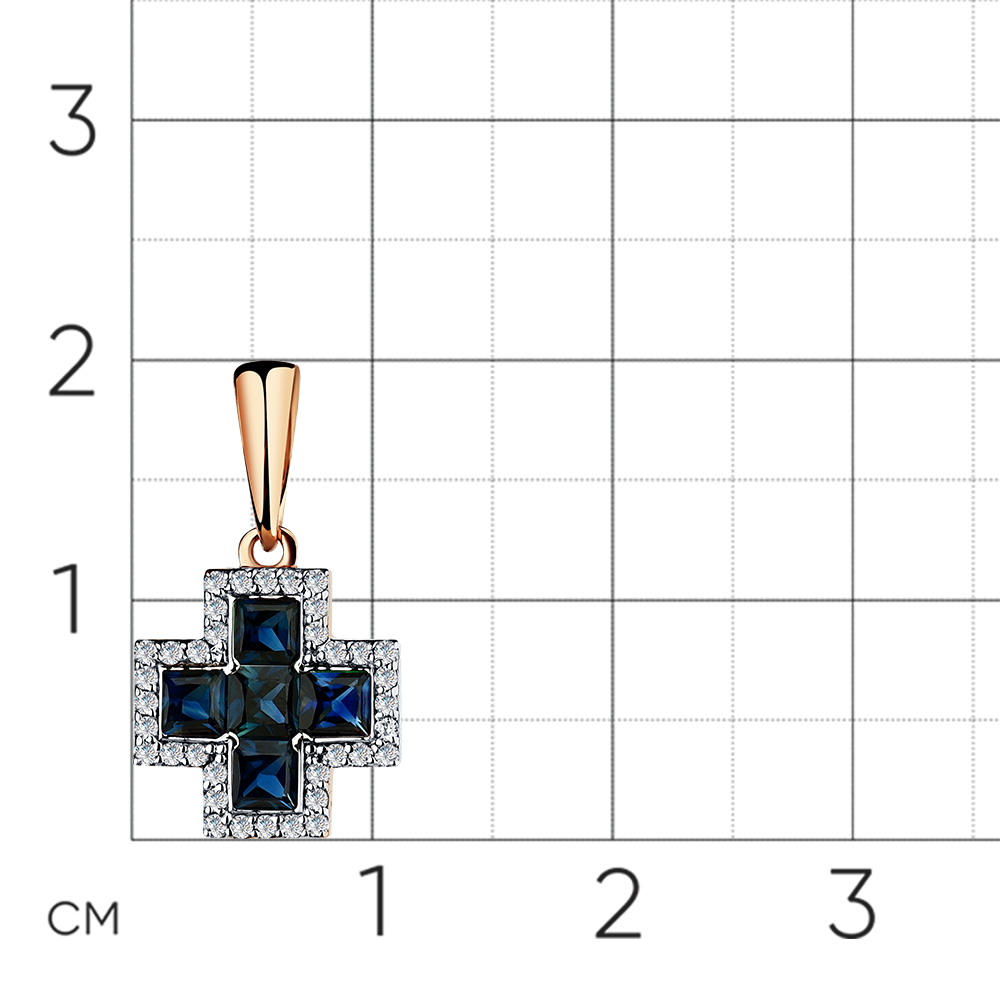
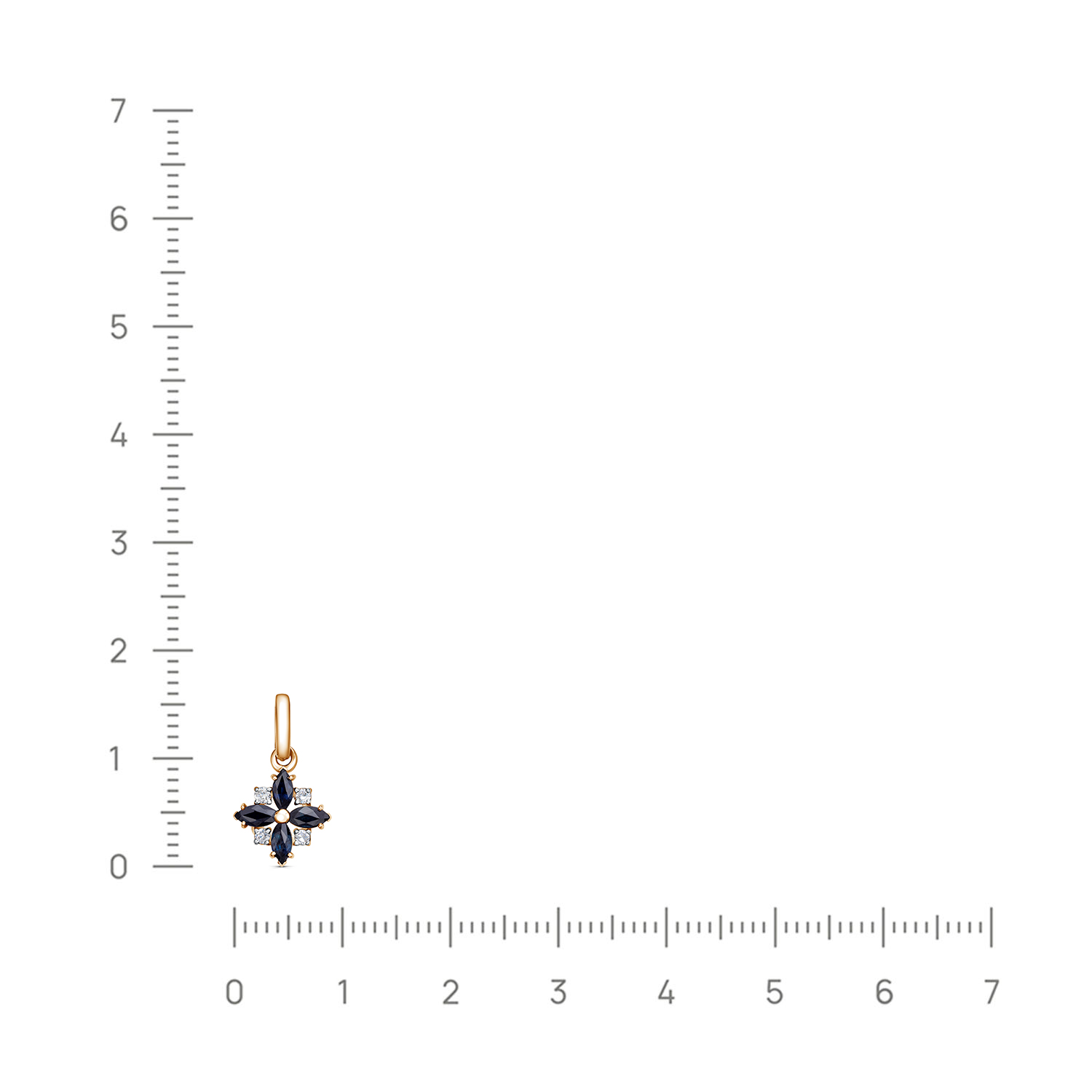
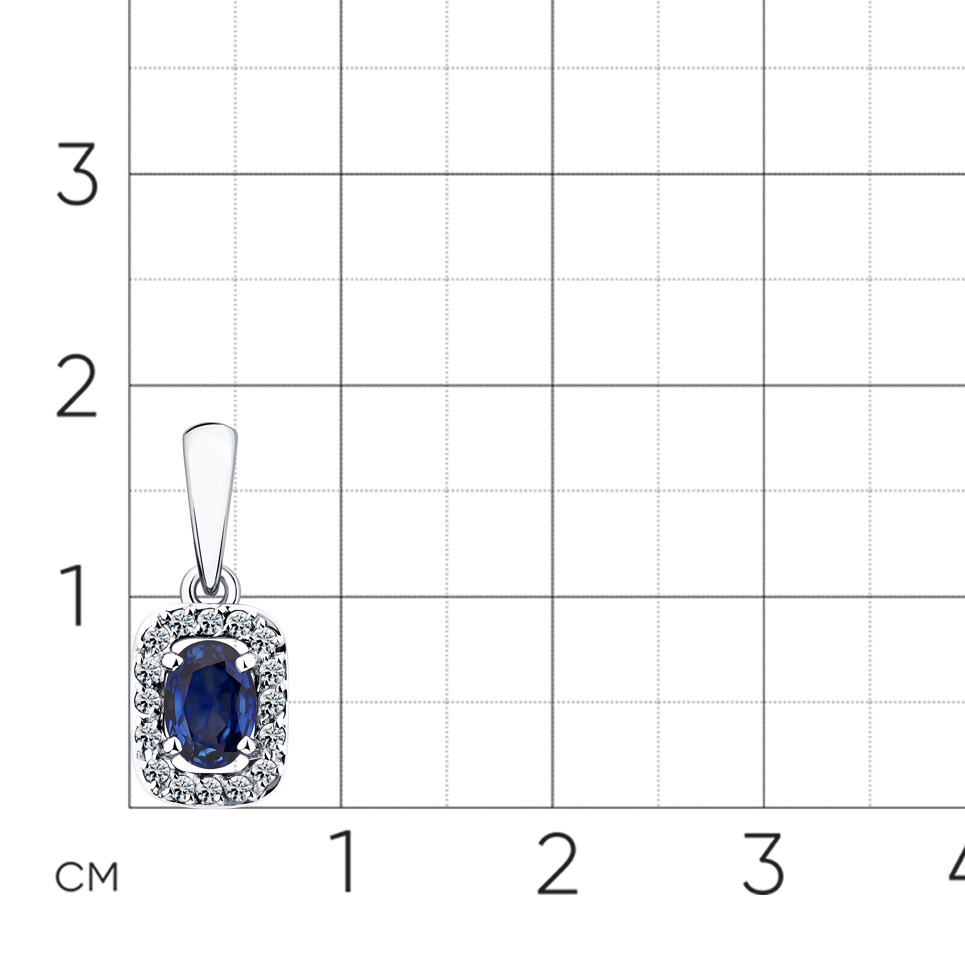
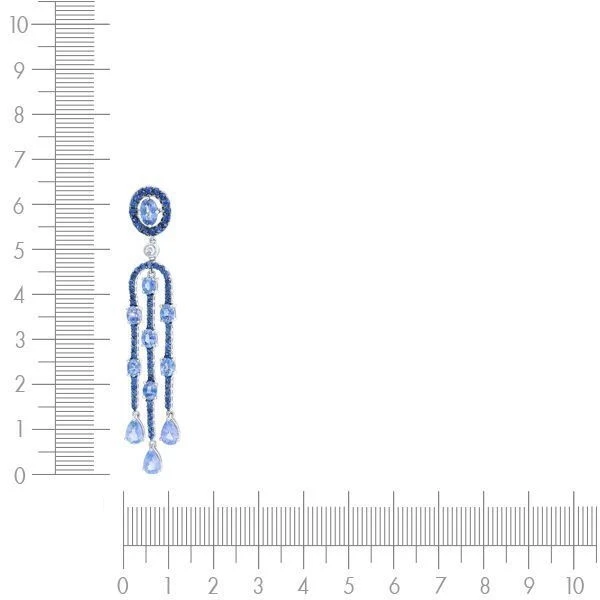
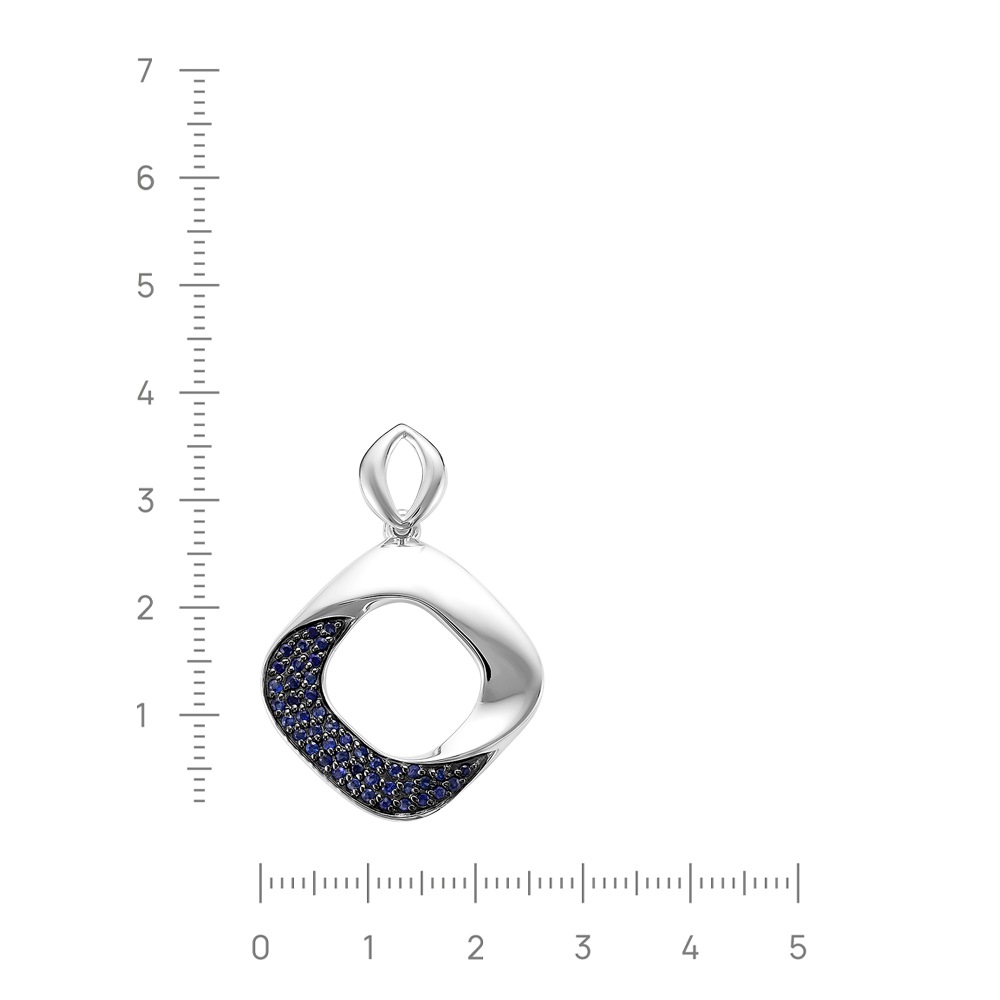
Sapphire pendants in the catalog start at 13,900 ₽, with 90 models in the selection. Sapphire pendants come almost entirely with a diamond surround: 91% of the pieces, the highest share among the store's stone sections. A blue stone surrounded by white reads with more contrast than in a plain setting, which is why this combination has become standard for sapphire pendants.
A pendant with sapphire costs from 13,900 ₽, and the median of the visible selection is 92,950 ₽. There are nine pieces under fifty thousand rubles in the section, and eleven above half a million.
Three things set the range of prices for sapphire pendants. The first is the weight of the stone. The second is the saturation of the blue: a pendant with a cornflower-blue sapphire costs many times more than one with a pale blue stone of the same size. The third is the diamond halo, which with a dense row of stones can cost more than the sapphire itself.
A sapphire pendant without a bezel wrap costs noticeably less with the same center stone, and models like this are at the bottom of the range.
A kulon and a podveska are the same kind of jewelry: retail practice does not draw a strict distinction. In our catalog, 80% of the pieces are named pendants and 20% are named drop pendants, and they are the same pieces, each with a bail for a chain.
The difference is only a matter of word habit, and that habit splits exactly in half: half of shoppers search for a sapphire pendant, the other half for a sapphire drop pendant. So it is worth searching by both words, otherwise part of the selection stays out of view.
Pendants with sapphire and drop pendants with sapphire in the catalog are the same pieces. Locket — the only term with a separate meaning: it is a pendant with a hinged lid and a cavity inside. There are no sapphire lockets in this section.
Asterism is an optical effect in which a six-rayed star is visible on the surface of the stone. It is caused by needle-like rutile inclusions arranged in three directions: light reflects off them and gathers into rays.
You can see the star in a sapphire pendant under two conditions. The first is cabochon cut: a smooth dome without facets, because on a faceted stone the effect is lost. The second is a point source of light: the sun, a flashlight, a directional lamp. In the diffused light of an overcast day, the star disappears.
For a sapphire pendant this effect is more fitting than for a ring: the stone is large, hangs freely and turns as you move, so the star “travels” across the dome. At the same time, star stones are rarely transparent, since the inclusions that create the effect also make the stone slightly cloudy. This is normal, not a flaw.
The main fancy varieties are yellow, pink, orange, green and colorless sapphire. All of them are the same mineral, corundum; only red is called ruby, and the other colors keep the name sapphire with the shade added.
| Variety | What makes it interesting | |---|---| | Yellow | a warm tone that looks lovely in yellow gold | | Pink | the line between it and ruby is arbitrary and is determined by saturation | | Padparadscha | pinkish orange, the rarest and most expensive variety | | Green | rarer, usually a muted tone | | Colorless | used as a diamond substitute before synthetics appeared |
Pendants with sapphires in fancy colors are asked about regularly, yet the market offers almost no explanation, hence the confusion when a pink sapphire is taken for a ruby or the other way round. The line between them really is a matter of convention: gemological laboratories draw it by the intensity of the red, and different experts may name the same stone differently.
For a sapphire pendant to read well on the chest, go by the visible diameter of the setting and the distance from which the piece will be viewed, not by carat weight.
In a sapphire pendant, a stone up to 4 mm works as a neat detail: noticeable up close, and in conversation it reads as a spot of color. From 6 mm the stone becomes the focal point of the piece and is visible from several steps away. Sapphire pendants with stones of 8–10 mm call for a more substantial setting and a sturdy chain, otherwise the piece hangs unsteadily and turns sideways.
Unlike a ring, in a pendant with a sapphire stone clarity is less critical: inclusions visible under a loupe at close range cannot be seen from conversation distance. Color matters more: a pale stone on the chest gets lost, whereas in a ring it reads because it is close to the eye.
The section has 56 sapphire pendants in white gold, 23 in red, and 9 in yellow. White metal is chosen most often: a cool setting intensifies the blue of the stone, while a warm one mutes it and draws out the violet undertone.
For fancy shades the logic is the opposite. A yellow stone in yellow gold looks warmer and more cohesive; in white it looks paler than it is. Pink works equally well in both white and red metal.
585 karat means 58.5% pure gold. White gold needs rhodium plating: the coating wears off over time and the piece turns yellowish. This is a property of the alloy, not a defect. On a pendant the process is slower than on a ring or bracelet, because the piece hardly rubs against surfaces.
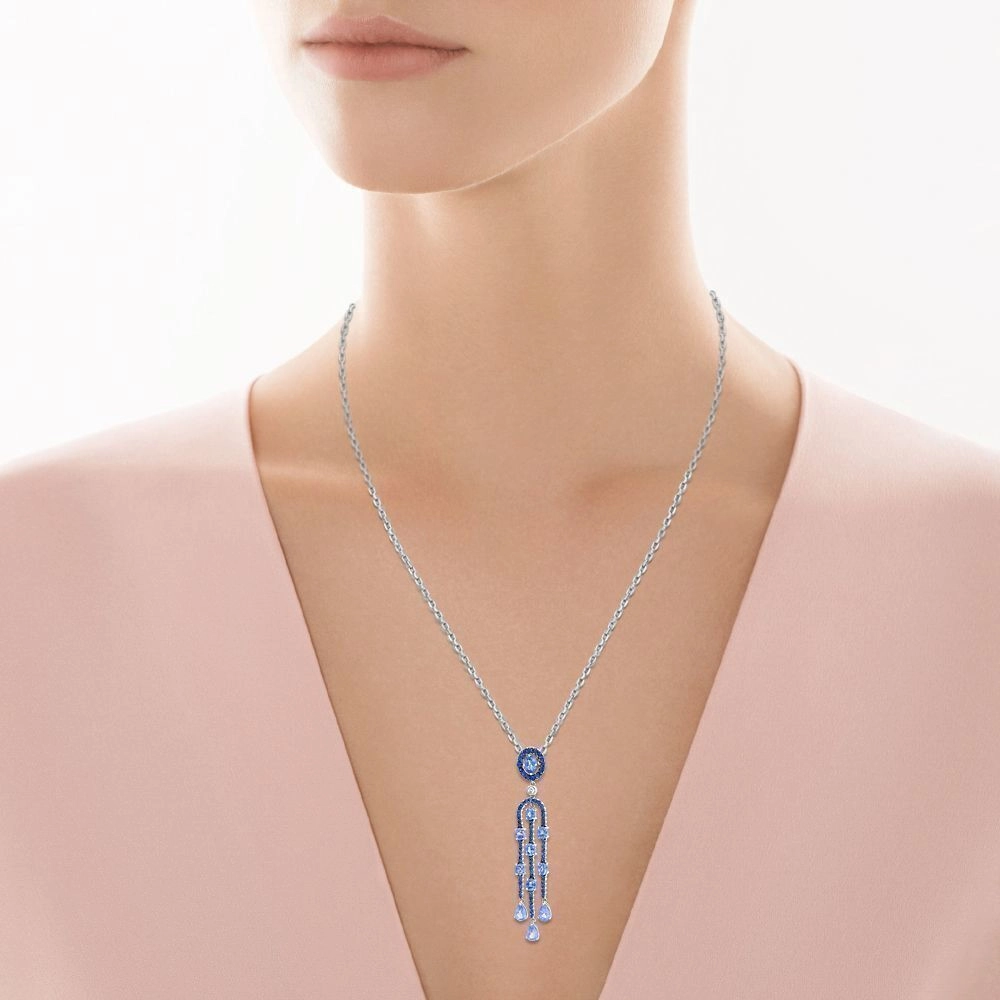
For a sapphire pendant to hang properly, the width of the chain is chosen to match the bail, the part the chain passes through. A chain that is too thick will not fit through the bail, and one that is too thin will stretch under a heavy pendant and twist its links.
A practical rule: the chain should weigh at least half as much as the piece. A length of 40–45 cm puts the jewelry at the base of the neck, 50 cm at collarbone level, and 60 cm and longer on the chest.
Care is simple, which is rare for a colored stone. The stone is not oiled, unlike emerald, so warm water with a drop of soap and a soft brush will not harm it. Ultrasonic cleaning is acceptable if the stone has no large cracks.
The only limitation: store the piece separately from diamonds, because diamond is harder and will leave a mark on accidental contact. The stone itself, in turn, will scratch emerald, tanzanite, or opal if they are lying next to it.
You can see sapphire pendants at the boutique at Nikolskaya 10, on the second floor of the Nikolskaya Plaza mall. A blue stone is best judged in daylight: a display lamp warms its tone, so the shade looks different in the store and outdoors.
Delivery within Moscow is free, 1-3 days, with a try-on and payment after it. Within Russia we ship via CDEK and Spetssvyaz, 1-9 days, free on orders over 50,000 ₽, and parcels are insured. You can try a piece on before buying. Stones and metal are covered by the store's lifetime warranty, and every piece is registered with the Russian Assay Chamber and carries a hallmark and a maker's mark.
When buying remotely, ask the manager to film the stone by a window: the true shade of blue and the presence of a star effect do not come through in a studio photograph.
None, they are synonyms. In the section 80% of pieces are called “kulon” and 20% “podveska,” and demand is split exactly in half. Search under both words.
A stone with the asterism effect: a six-rayed star on its surface. It is caused by needle-like rutile inclusions and is visible only in a cabochon cut under a point light source. Star stones are usually slightly cloudy: the same inclusions that create the star reduce transparency.
Yes. Yellow, pink, orange, green and colorless ones are all corundums under the same name. Only the red one is called a ruby.
A stone up to 4 mm reads as a neat detail, from 6 mm it becomes the center of the piece, and from 8–10 mm it calls for a substantial setting and a dense chain. In a pendant, color matters more than clarity: inclusions are invisible at conversation distance, while a pale tone gets lost.
Yes, if the stone has no large fractures. It is easier to clean than pieces with emerald: the stone is not oiled, unlike emerald, so water and standard cleaning do not harm it.
A blue stone goes in white metal: a cool setting intensifies the blue. Yellow, by contrast, comes into its own in yellow gold. Pink looks equally good in white and red.
We will contact you shortly.
Unfortunately, we cannot deliver to this locality. Please choose another city nearest to you.
How to get them. 3% of every order on the site. Sign in with your phone number to receive bonuses.
How to spend them. Sign in, add jewelry to your cart and specify at checkout how much to redeem. Bonuses can pay up to 10% of the price.
Confirm that you are not a robot
Unfortunately, this item is currently out of stock. We can make the jewelry individually to your requirements. Our consultant will contact you
Our consultant will contact you shortly
Refresh the page and send the message again
Specify the size of the jewelry and try again
Enter your number and our manager will contact you about the price calculation
Refresh the page and submit the order again