434 400 ₽543 000 ₽
We use cookies to improve the site and give you more options. By continuing to use the site, you agree to cookie usage terms.We use cookies. Learn more


By popularity
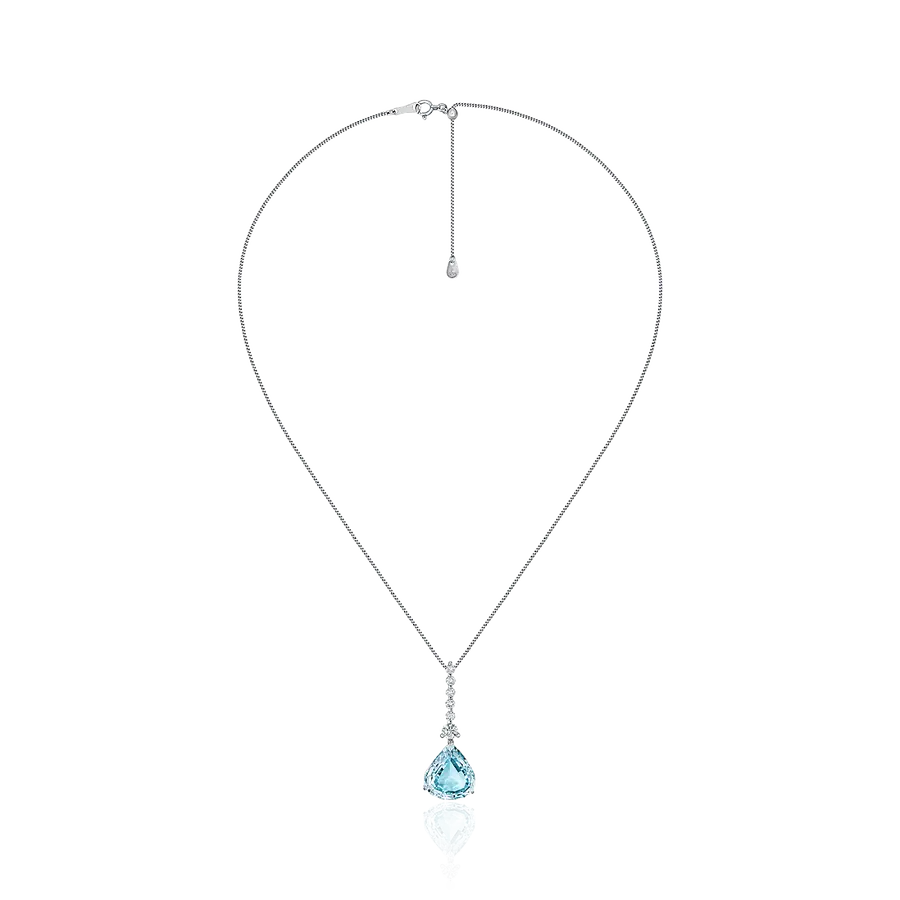
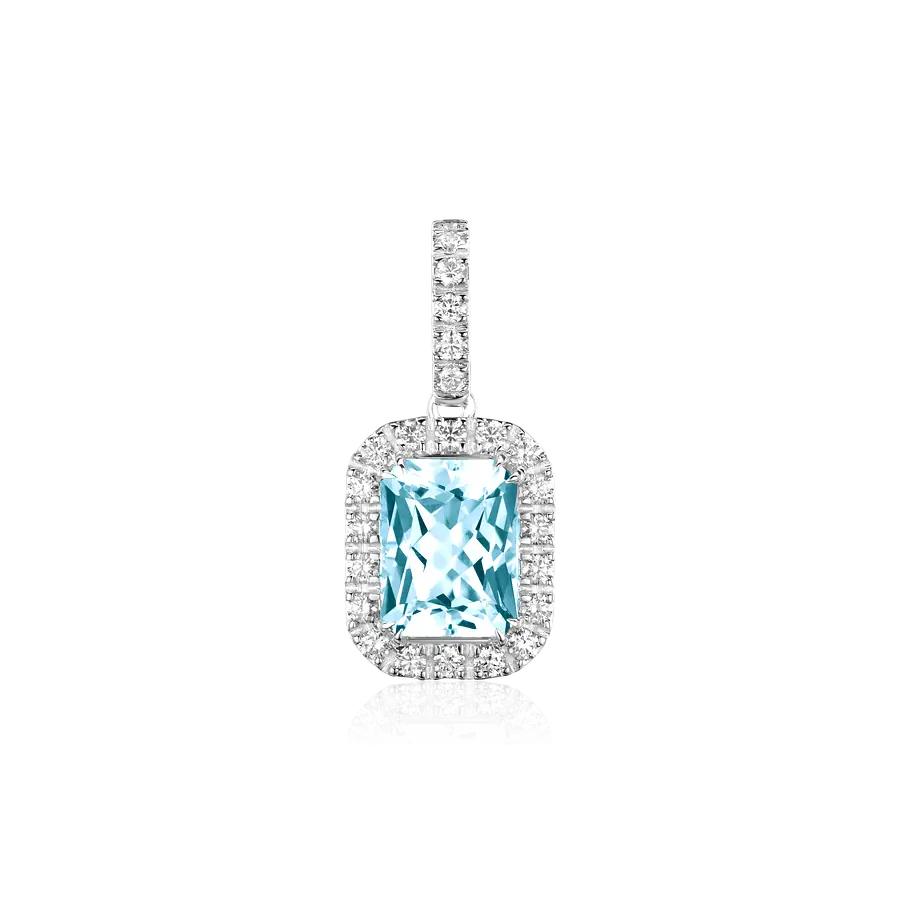
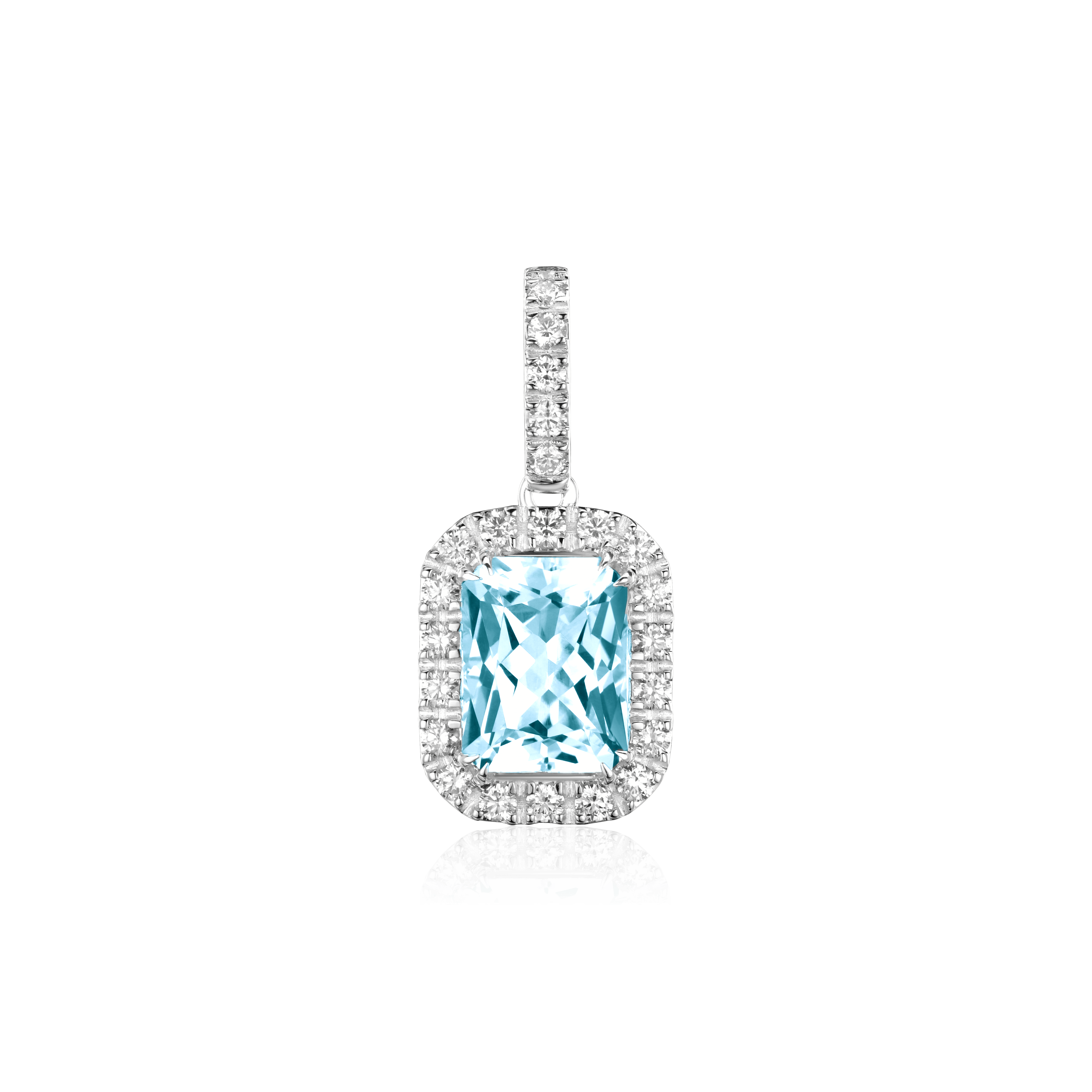
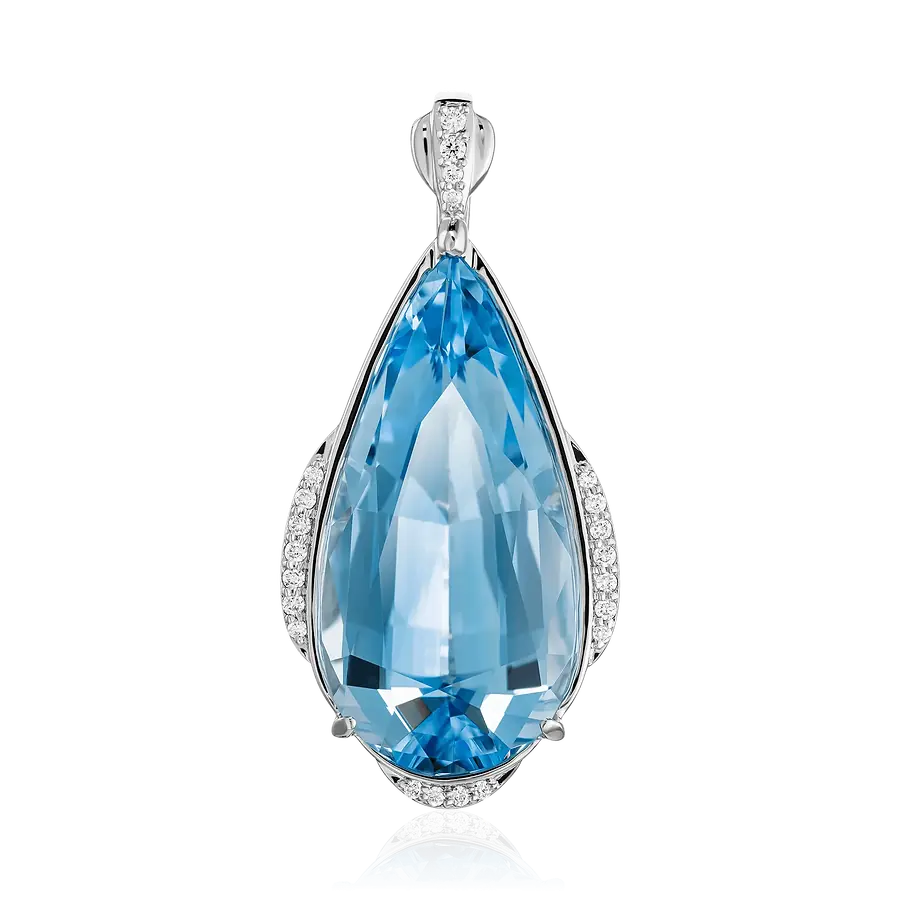
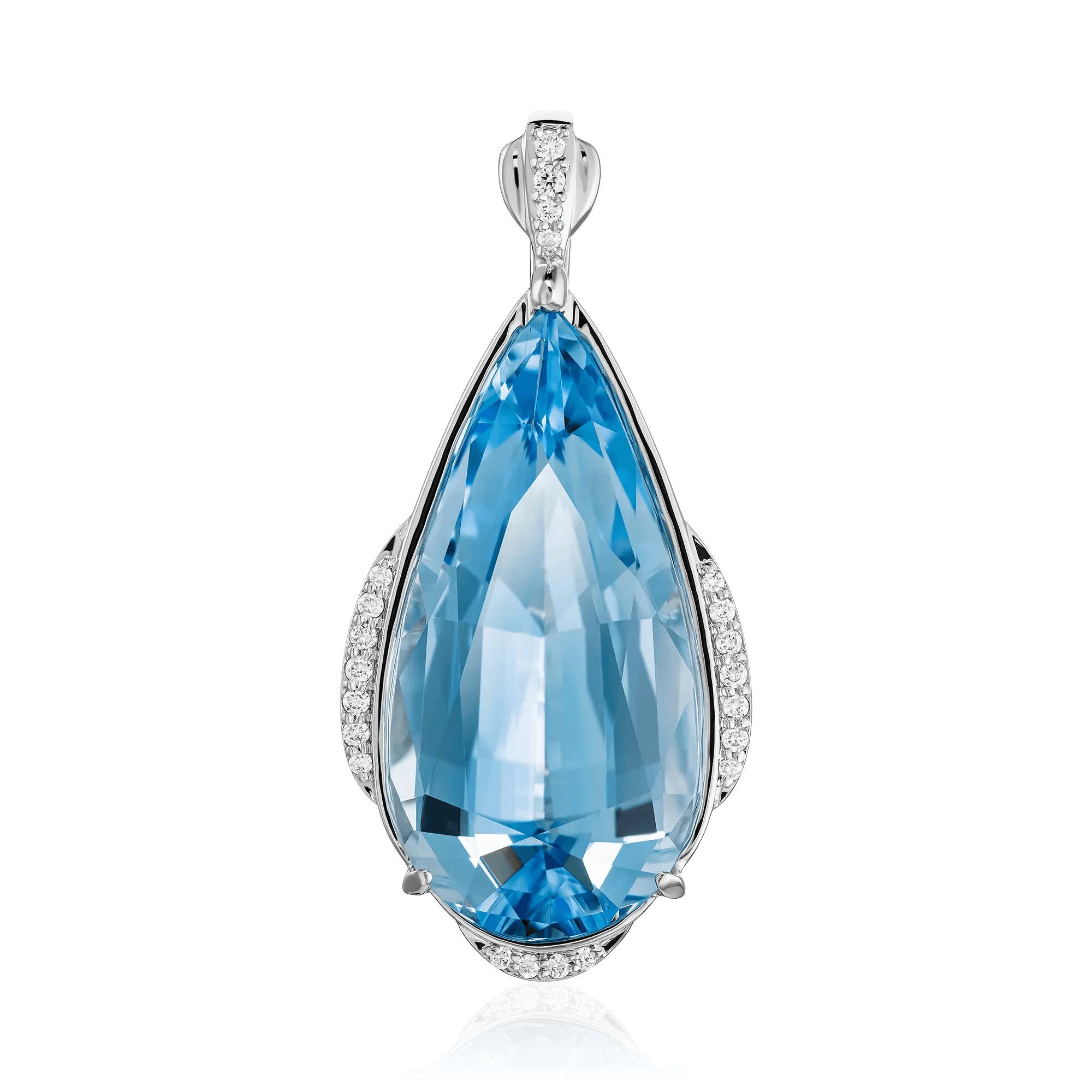
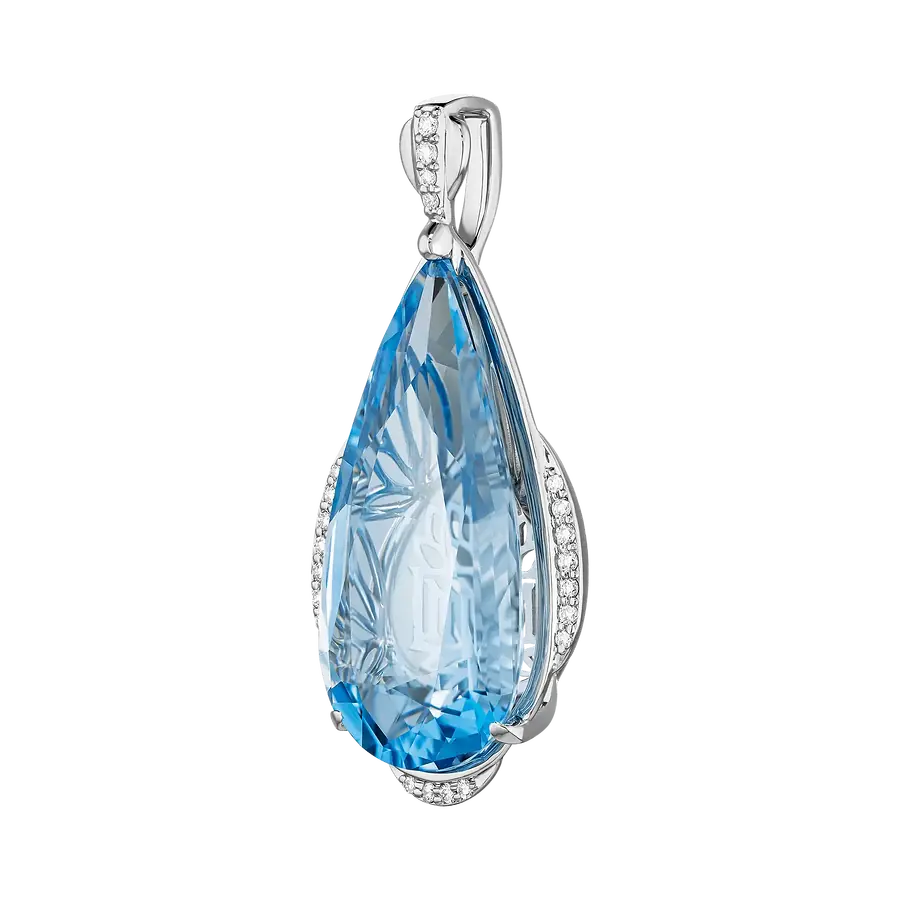
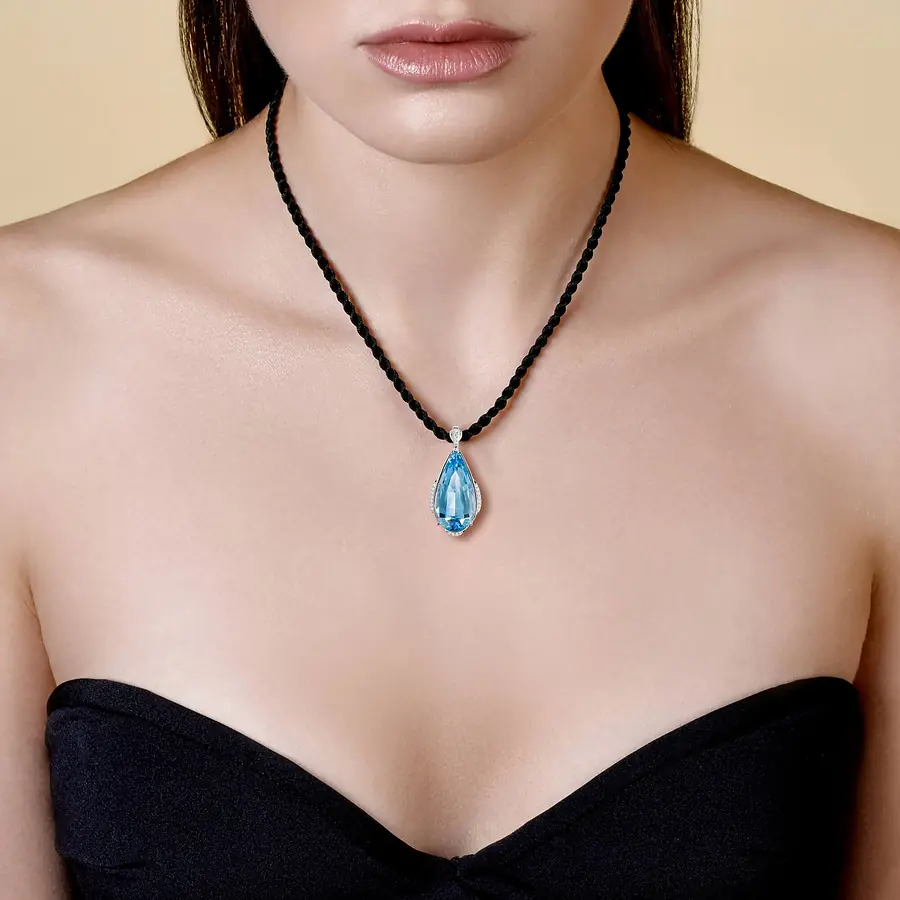
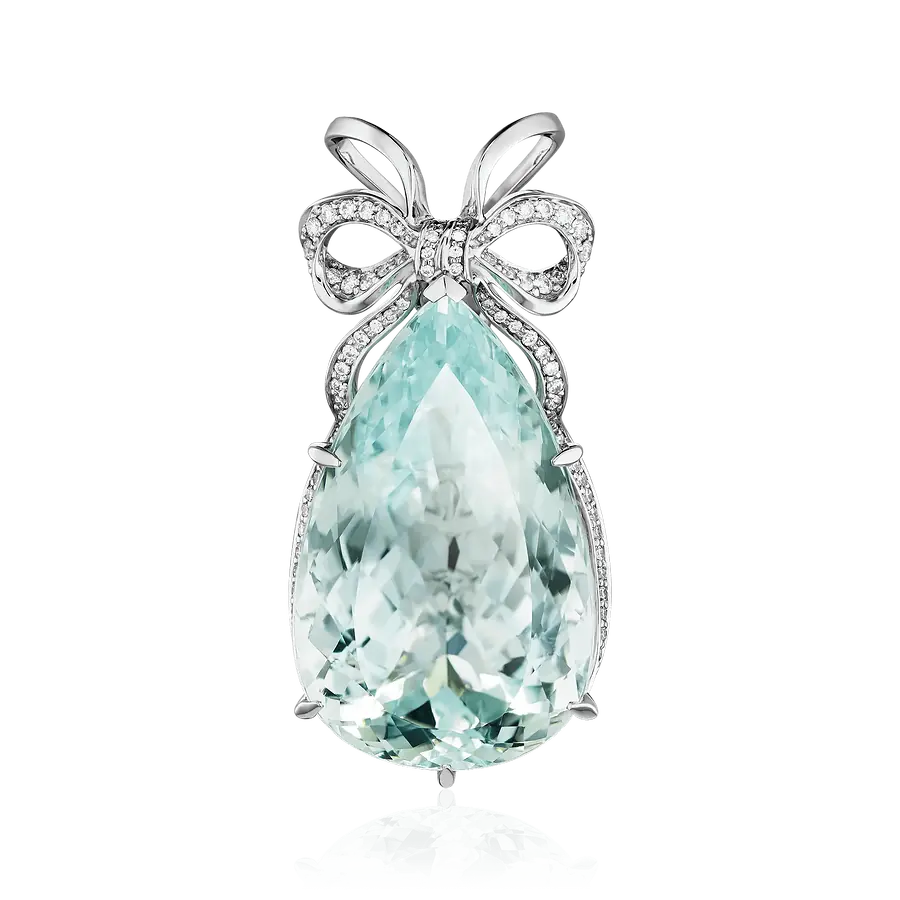

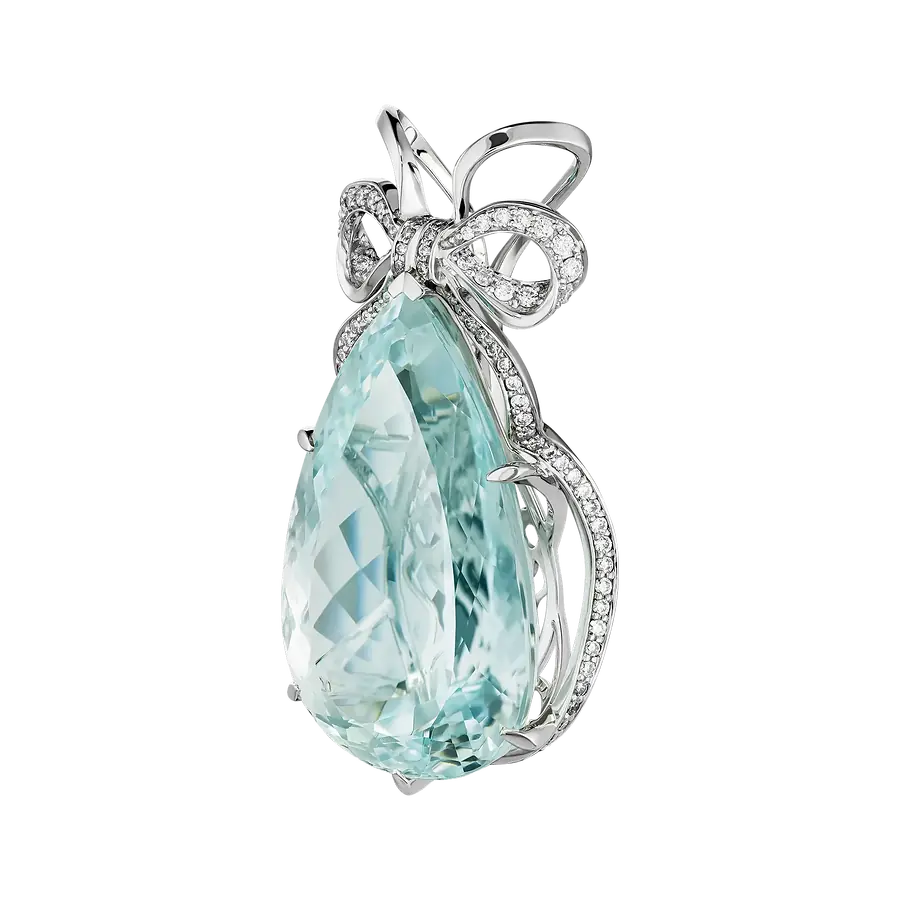
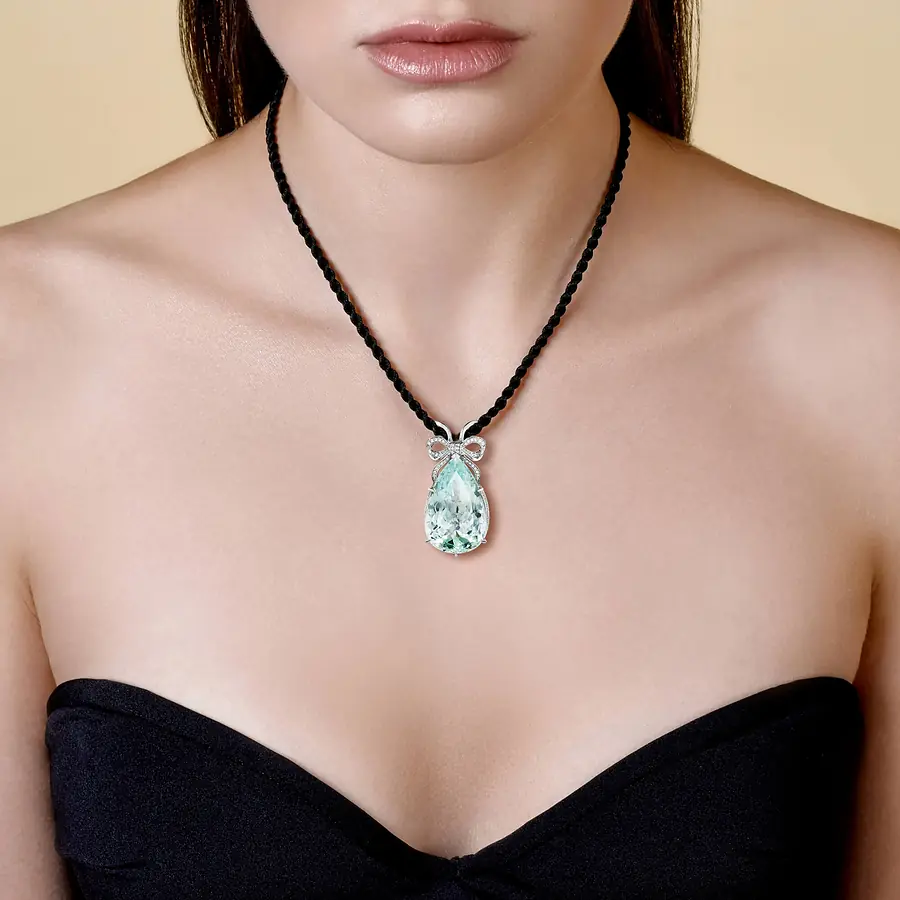
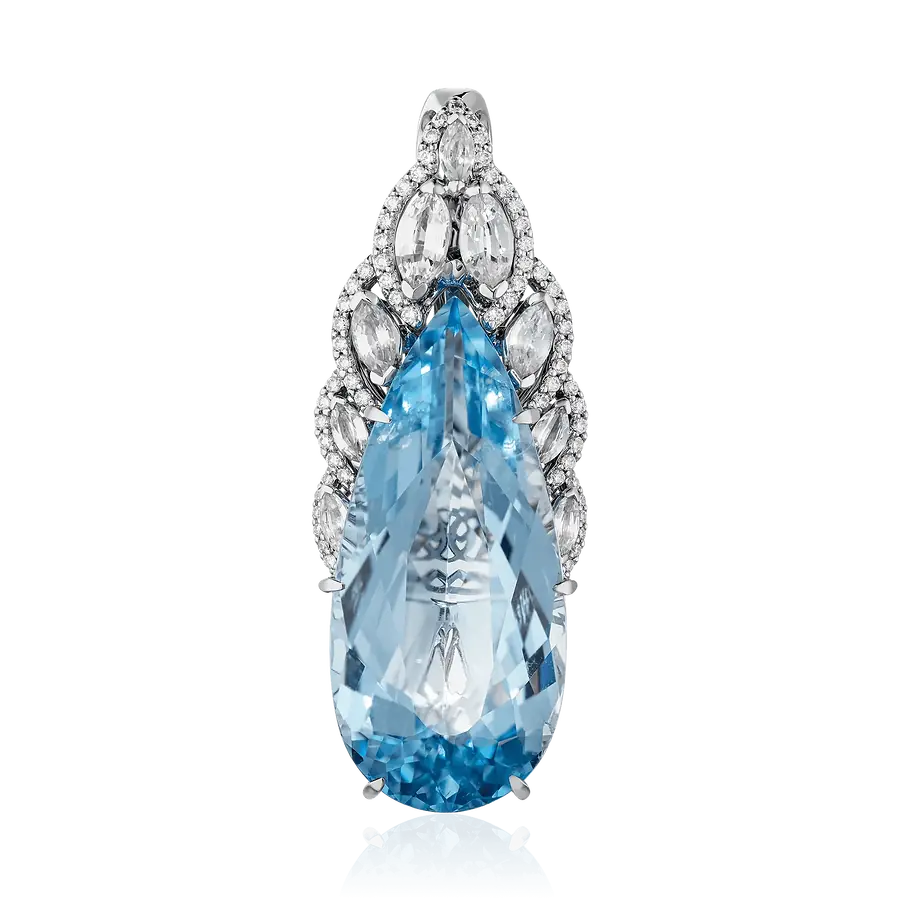

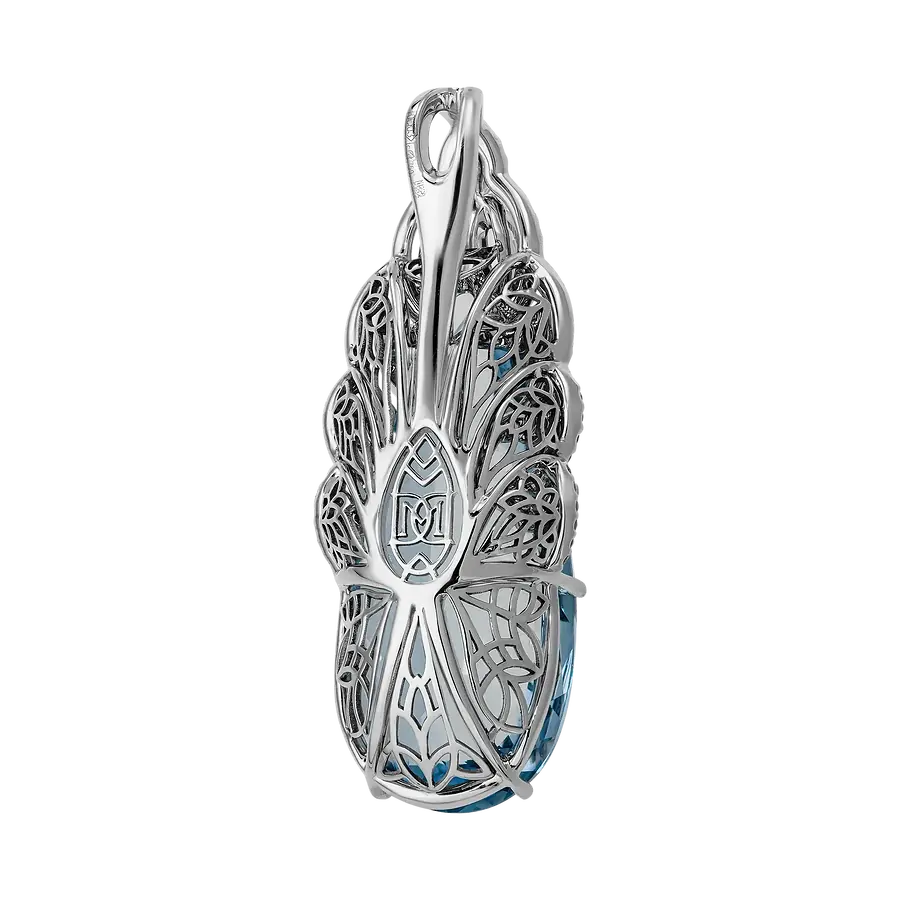
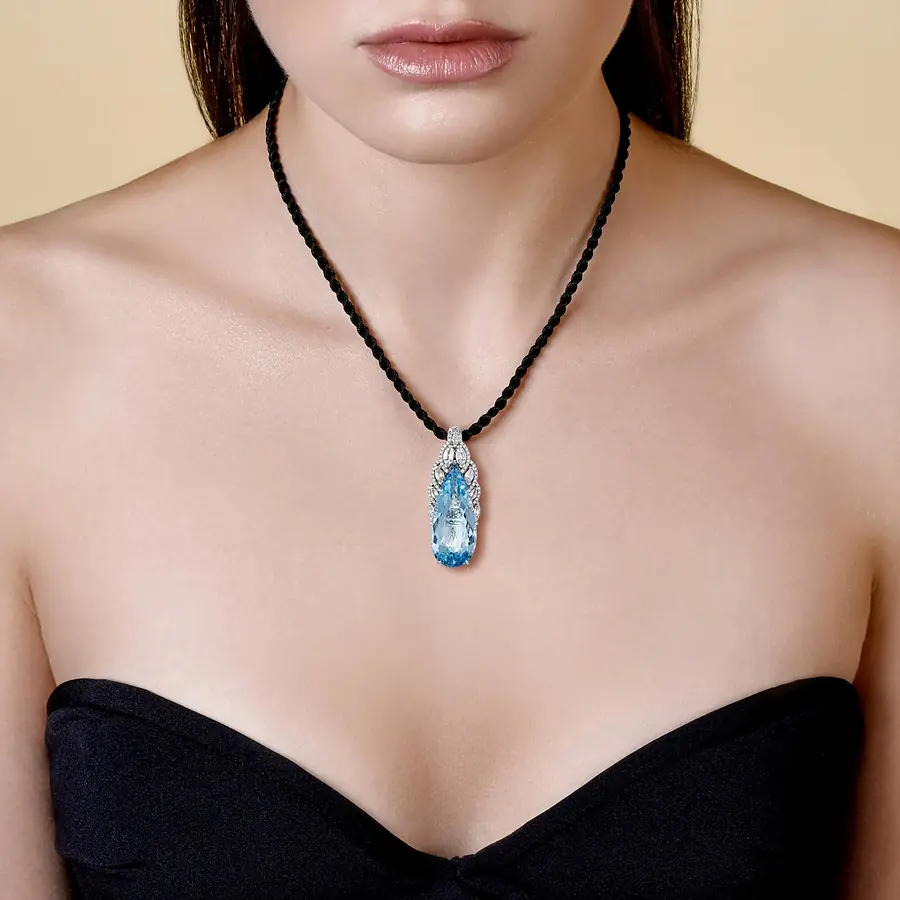
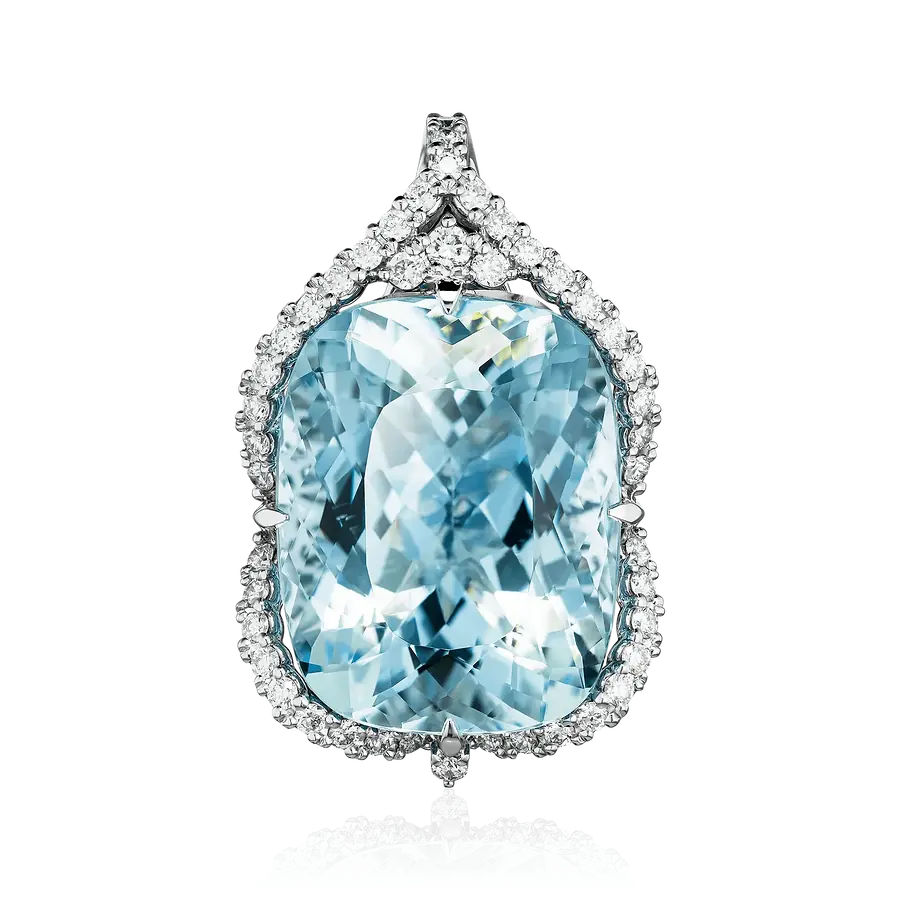
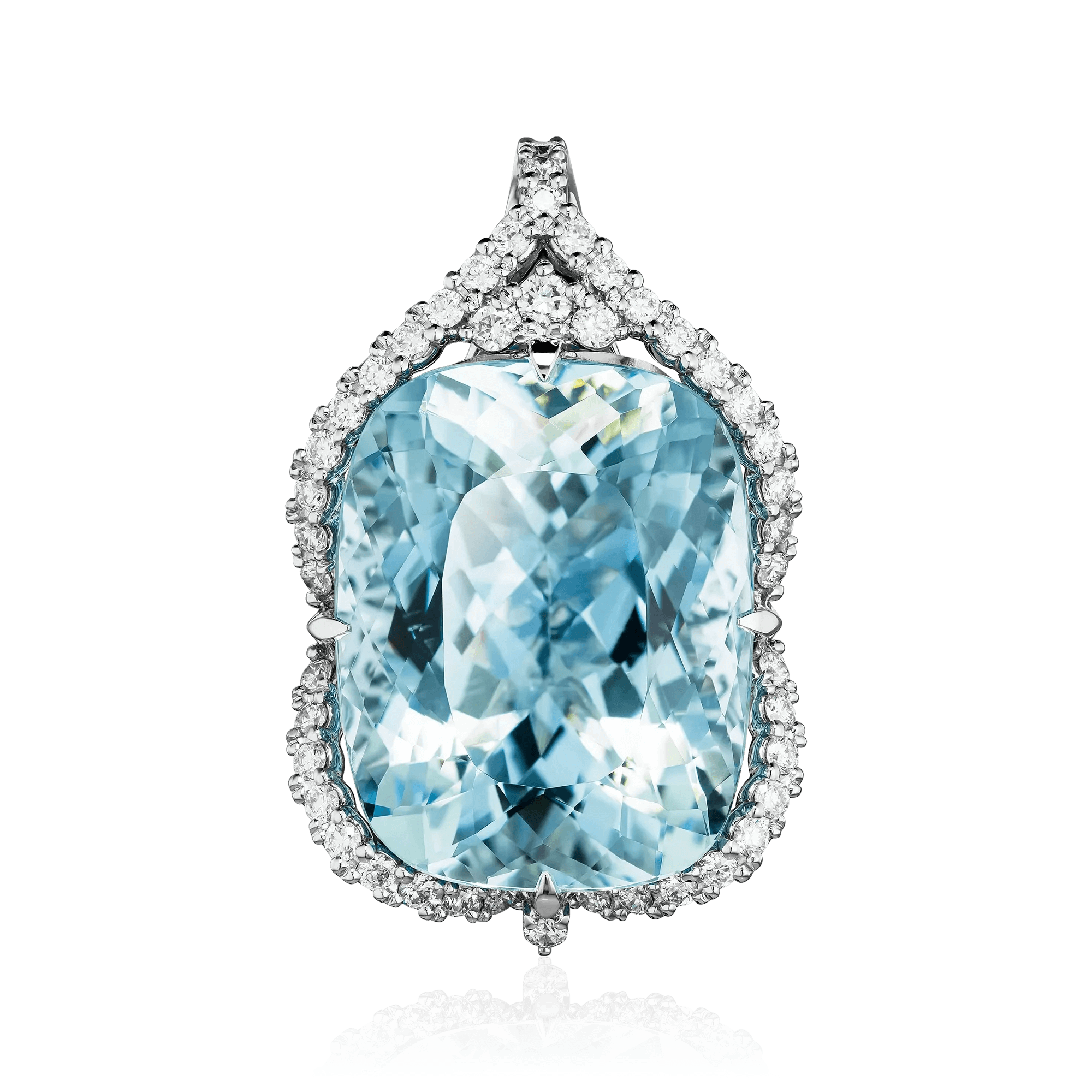
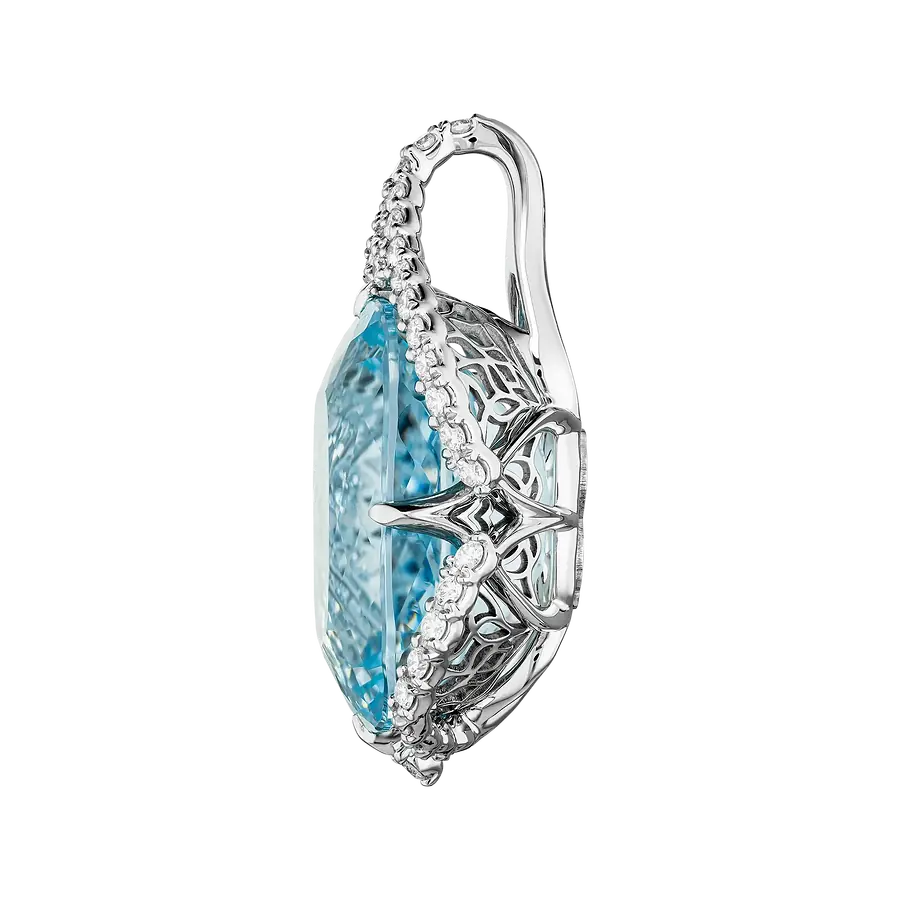
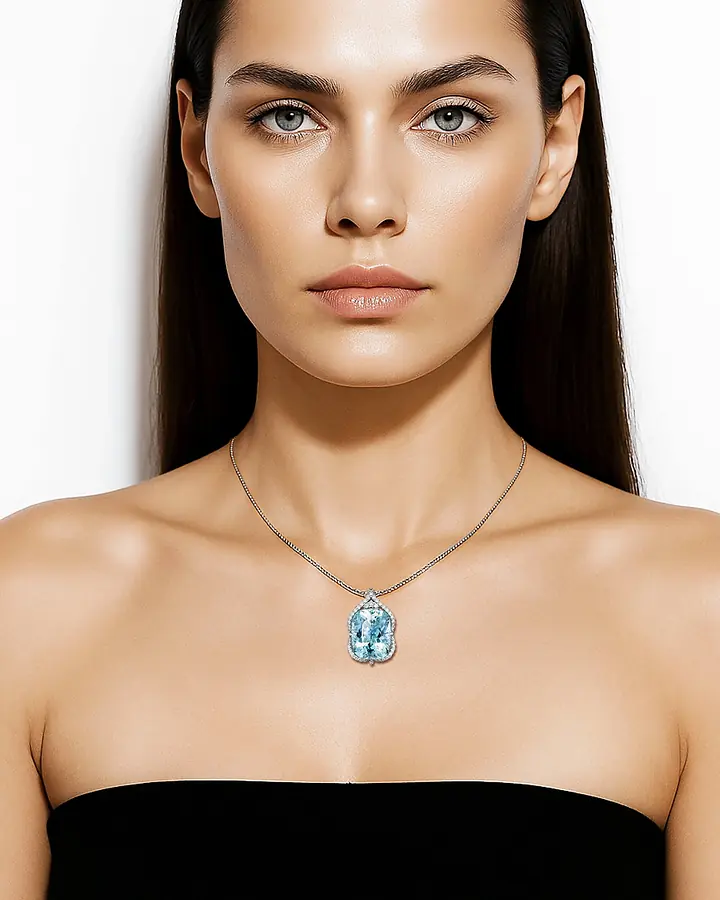


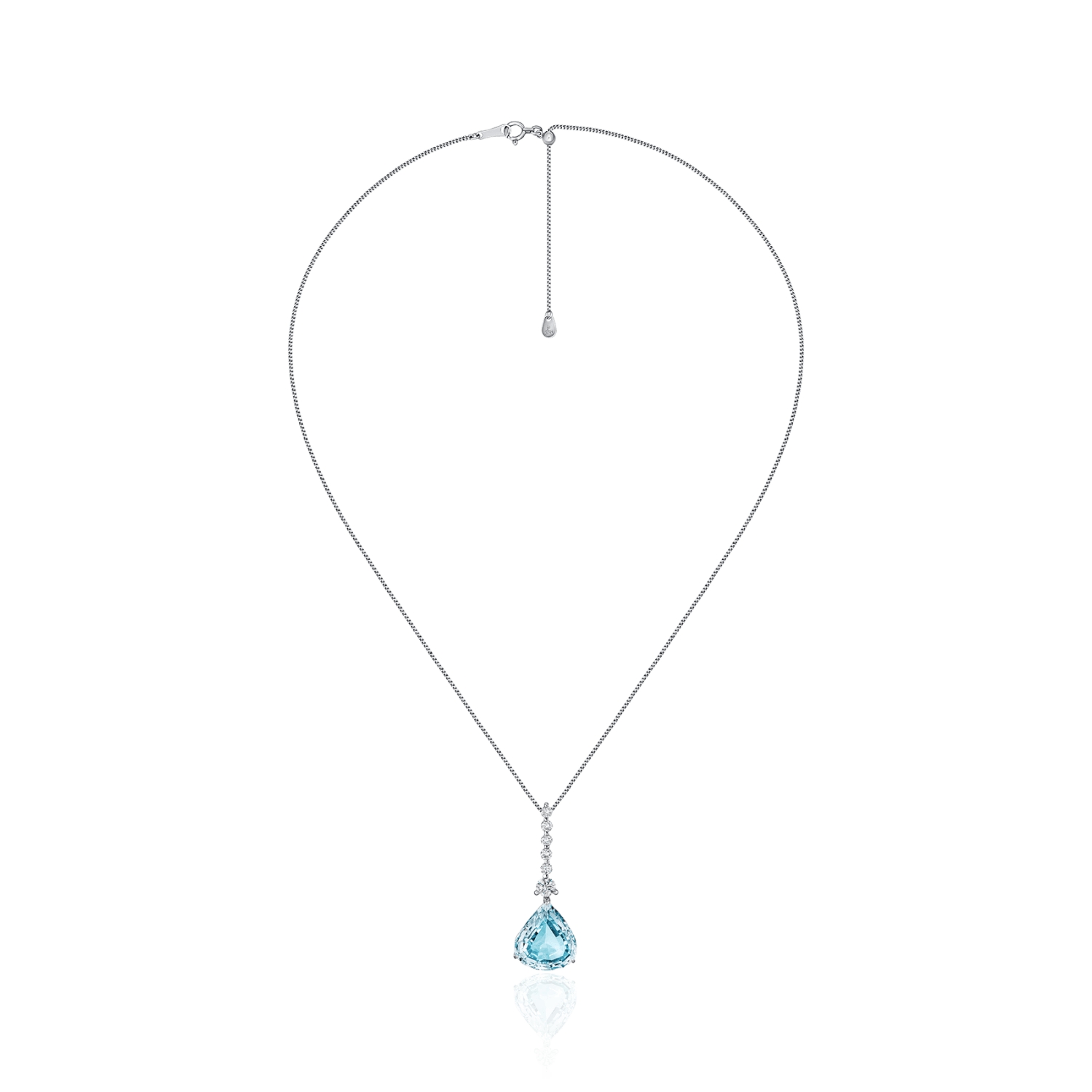
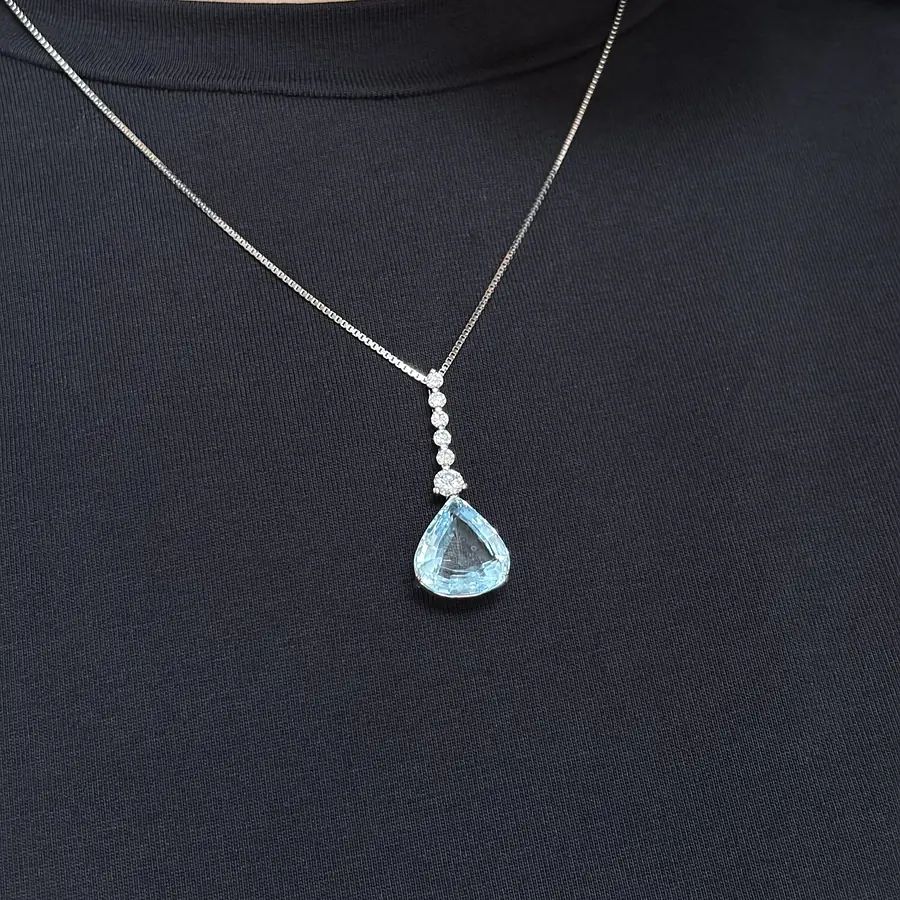
Pendant with sapphire, diamonds, tsavorite, aquamarine and peridot in 18K white gold (750) ( 98959)
In stock
A pendant with aquamarine is a piece of jewelry with a blue beryl as the center stone. The section has 10 pieces ranging from 228,000 to 2,472,000 ₽, and in each one the aquamarine pendant is complemented with diamonds. There is no cheapest option here, and not because it was not purchased: an aquamarine pendant requires a large stone, and a large aquamarine with an even, rich color is a rarity.
The price of an aquamarine pendant ranges from 228 000 ₽ for a piece with a medium-sized stone in a diamond surround to 2 472 000 ₽ for one with a large center stone. An aquamarine pendant at the lower end of this range differs from one at the upper end primarily in the size of the stone, not in the quality of the workmanship.
You can choose an aquamarine pendant here from only ten pieces, and all of them sit in the upper price segment:
| Metric | Value | |---|---| | Pieces in the section | 10 | | Minimum price | 228 000 ₽ | | Maximum price | 2 472 000 ₽ | | Pieces with diamonds | 10 of 10 | | Pieces in white gold | 9 of 10 |
Not a single piece in the section costs less than 200,000 ₽, and the reason is not a markup for the stone. When you choose a pendant with aquamarine, you are paying first of all for the size of the stone and the diamonds around it. In this section, judging a pendant with aquamarine only by the name of the stone makes no sense.
To understand why an aquamarine pendant costs what it does, you need to know a particular feature of the mineral: color saturation depends on the volume of the stone.
The mineral gets its color from iron ions, and the concentration of the coloring element is low. In a small stone, light travels a short distance and picks up almost no color, so a stone just a couple of millimeters across looks nearly colorless regardless of the quality of the raw material. The same material in a stone of 10 to 15 carats shows the familiar blue tone.
For a pendant with aquamarine, this is critical. A ring and earrings are worn at a distance from the observer's eye, while a pendant hangs on the chest: the stone is seen in full, up close and without distracting details. A small pale stone simply doesn't read in this format, so an aquamarine pendant is made with a large stone. This is also what sets it apart from earrings: in earrings a stone half the size is acceptable, and the depth of color matters less there. And the price of such a stone rises faster than its size: clean specimens of 10 carats or more with an even color are incomparably rarer than small ones.
This is a colloquial name for an almost colorless stone. Strictly speaking, no such product exists: the colorless variety of beryl is called goshenite and it does not belong to this group – beryl is called blue only when iron is present and the corresponding tone.
In practice, "white aquamarine" refers to three different things:
The price difference between them is many-fold, so when buying it makes sense to ask not whether it is a white aquamarine but exactly which mineral is set in the piece. The pieces in this section contain stones with a distinct blue tone; there are no colorless ones here. If you are offered such a piece noticeably below market price, the first question to ask is the mineral name on the certificate.
All ten pieces in the section are combination pieces: a pendant with aquamarine without diamonds is not found in the catalog. This is not an accident of the selection but the logic of the material. The main reasons:
The consequence for the buyer: an aquamarine pendant in this section is judged not by one stone but by the total, the weight of the center stone plus the total weight of the diamonds. When comparing two aquamarine pendants by price, you need to compare both parameters at once.
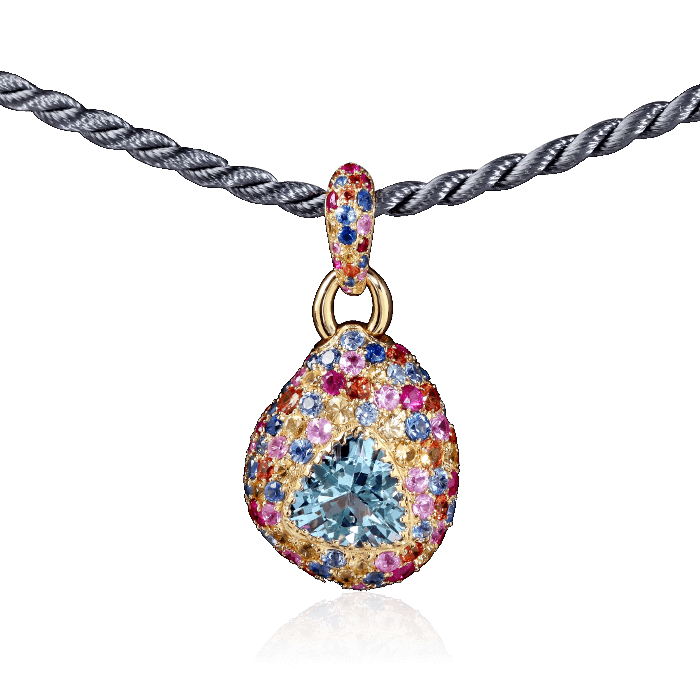
Besides diamonds, the section includes pieces with a second colored stone: two with sapphire and one with ruby and colored sapphires.
The logic of these combinations lies in tone. Sapphire and beryl sit in the same cool part of the spectrum, and together they create a gradient from pale blue to deep blue. Ruby works the opposite way, as a warm accent against a cool background. The only piece in this section in yellow gold belongs to that second group. It looks warmer than the other nine and reads more as a colorful composition than as a single-tone piece.
Nine pieces out of ten are made of white gold, mostly 750 fineness, which means 75% gold in the alloy.
The choice of metal here is not merely decorative either. A white setting adds no warm reflection to the stone and preserves its cool tone; in yellow gold a pale stone shifts toward green. The 750 standard in such a piece is justified by the large stone: a higher gold content gives the alloy ductility, which matters when securing a large stone. For this reason, pieces with a large stone are more often made in 18K gold (750) than jewelry with small stones.
To keep an aquamarine pendant from losing its color, it is enough to wipe it with a soft cloth and warm soapy water and to store it in a closed box. The setting needs no special care: diamonds in a surround are undemanding.
Main limitations:
Aquamarine pendants can be viewed at the boutique at Nikolskaya, 10, on the second floor of the Nautilus mall in central Moscow. With large stones the tone changes noticeably in different lighting, so it makes sense to see such a piece in person.
Because the format calls for a large stone – in a small one beryl gives almost no color – and every piece in the section is complemented by diamonds.
Colorless beryl exists, but it is called goshenite. The mineral is placed in this group only if it has a blue tone.
From long exposure to sun and heat – yes, the color fades. With normal wear and storage in a jewelry box, the stone is stable and keeps its tone for years.
A white setting preserves the cool tone of the stone, while a yellow one pushes a pale aquamarine toward a greenish shade.
It is better not to take the risk: large aquamarines often have internal inclusions, and vibration in a fractured stone is dangerous.
We will contact you shortly.
Unfortunately, we cannot deliver to this locality. Please choose another city nearest to you.
How to get them. 3% of every order on the site. Sign in with your phone number to receive bonuses.
How to spend them. Sign in, add jewelry to your cart and specify at checkout how much to redeem. Bonuses can pay up to 10% of the price.
Confirm that you are not a robot
Unfortunately, this item is currently out of stock. We can make the jewelry individually to your requirements. Our consultant will contact you
Our consultant will contact you shortly
Refresh the page and send the message again
Specify the size of the jewelry and try again
Enter your number and our manager will contact you about the price calculation
Refresh the page and submit the order again