966 000 ₽
We use cookies to improve the site and give you more options. By continuing to use the site, you agree to cookie usage terms.We use cookies. Learn more


By popularity
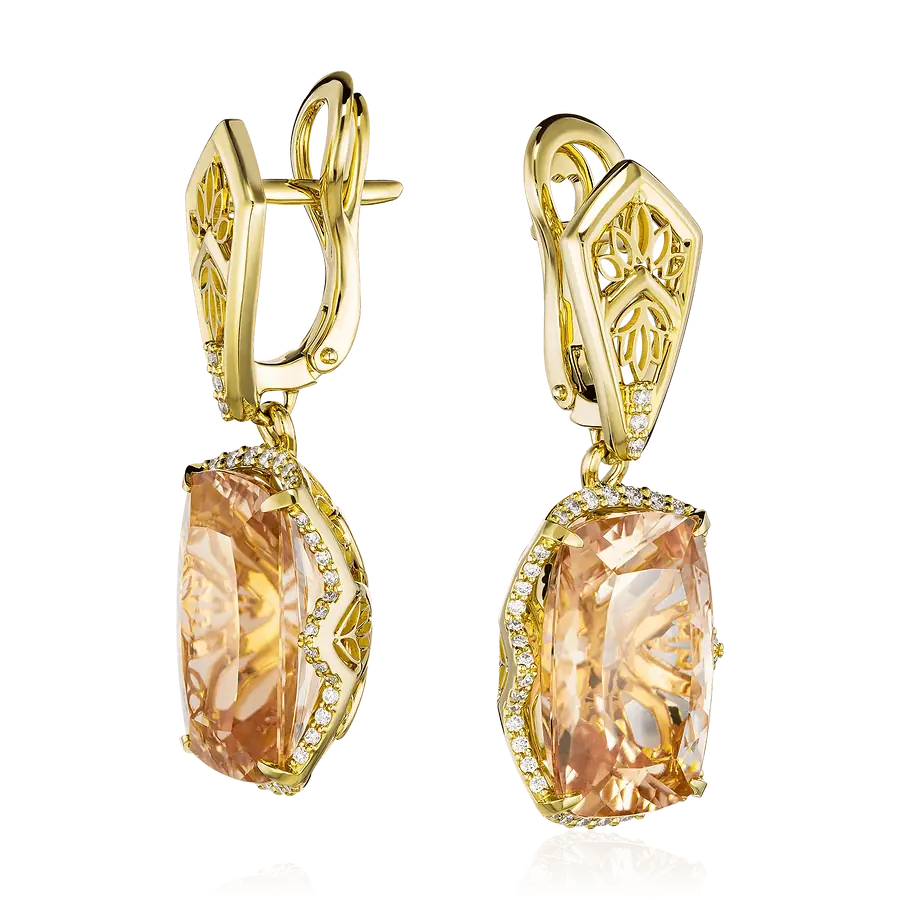
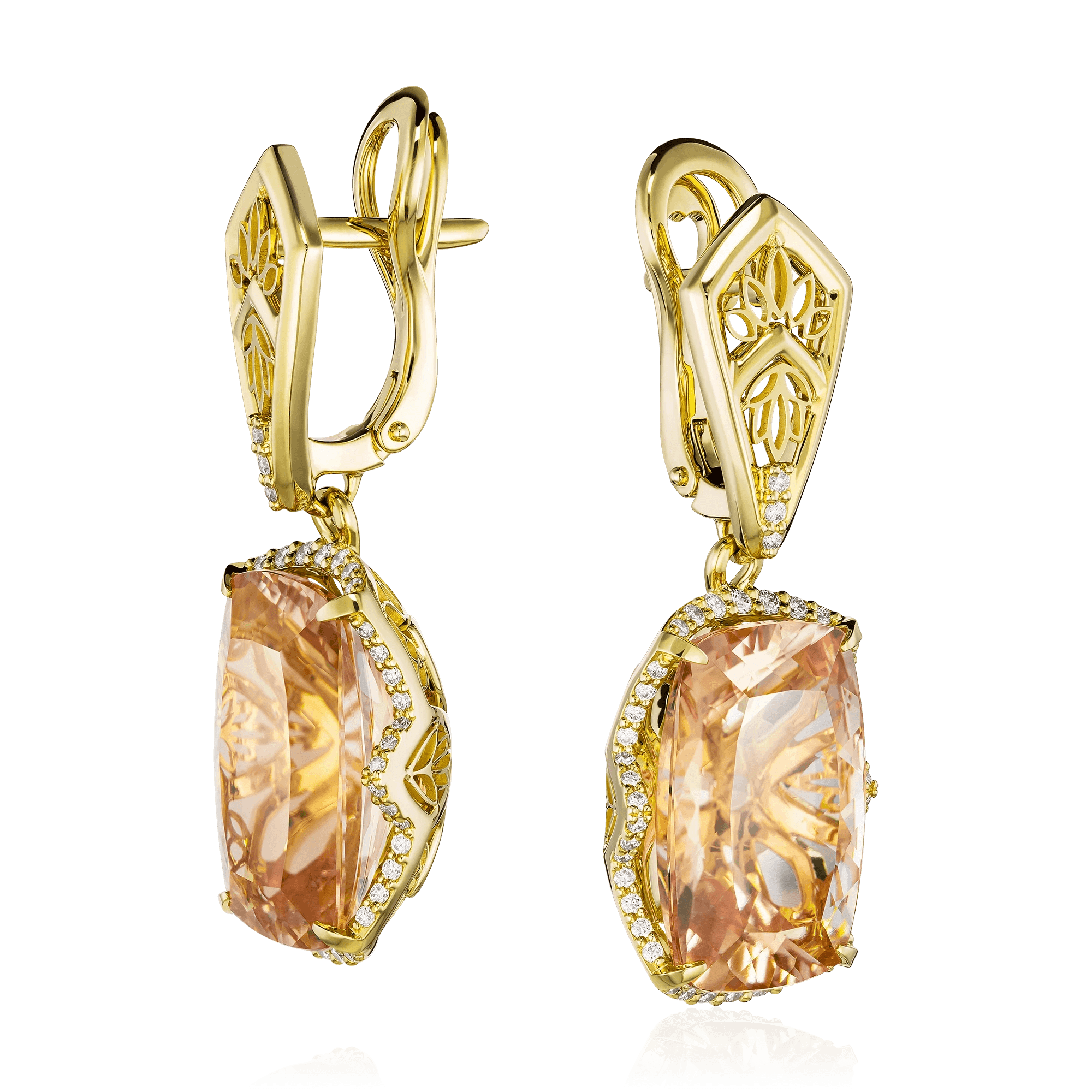
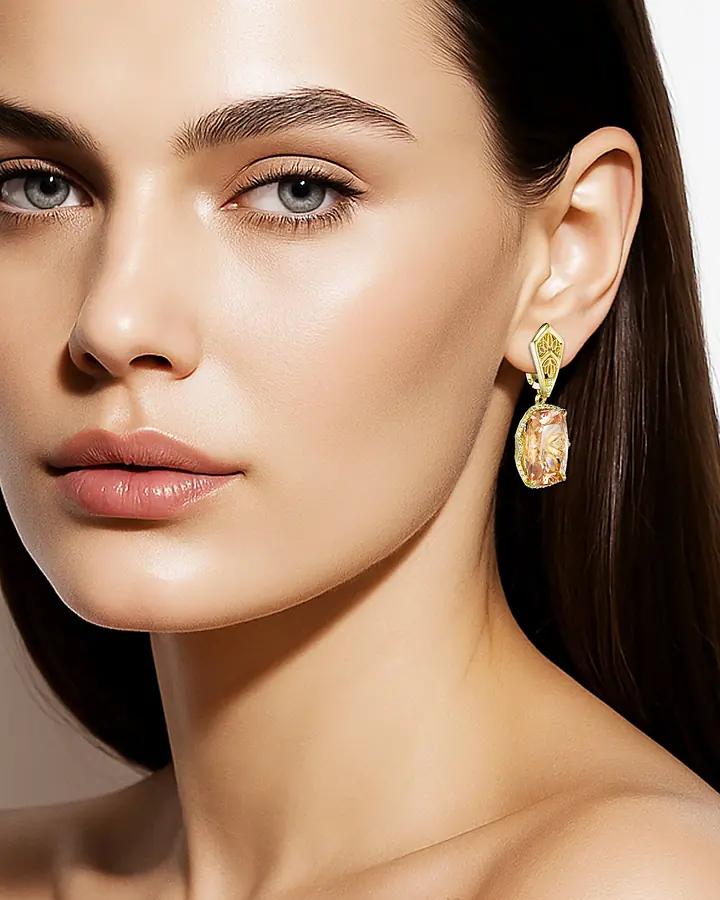
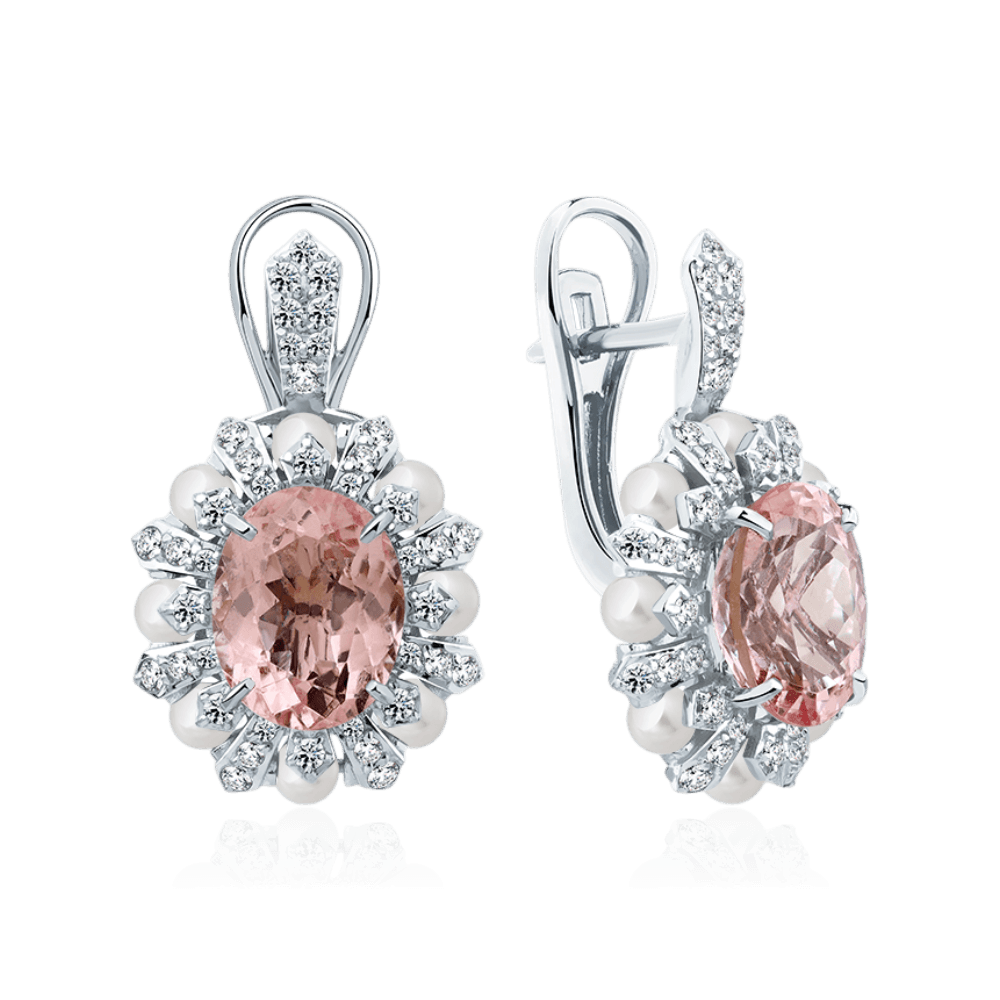
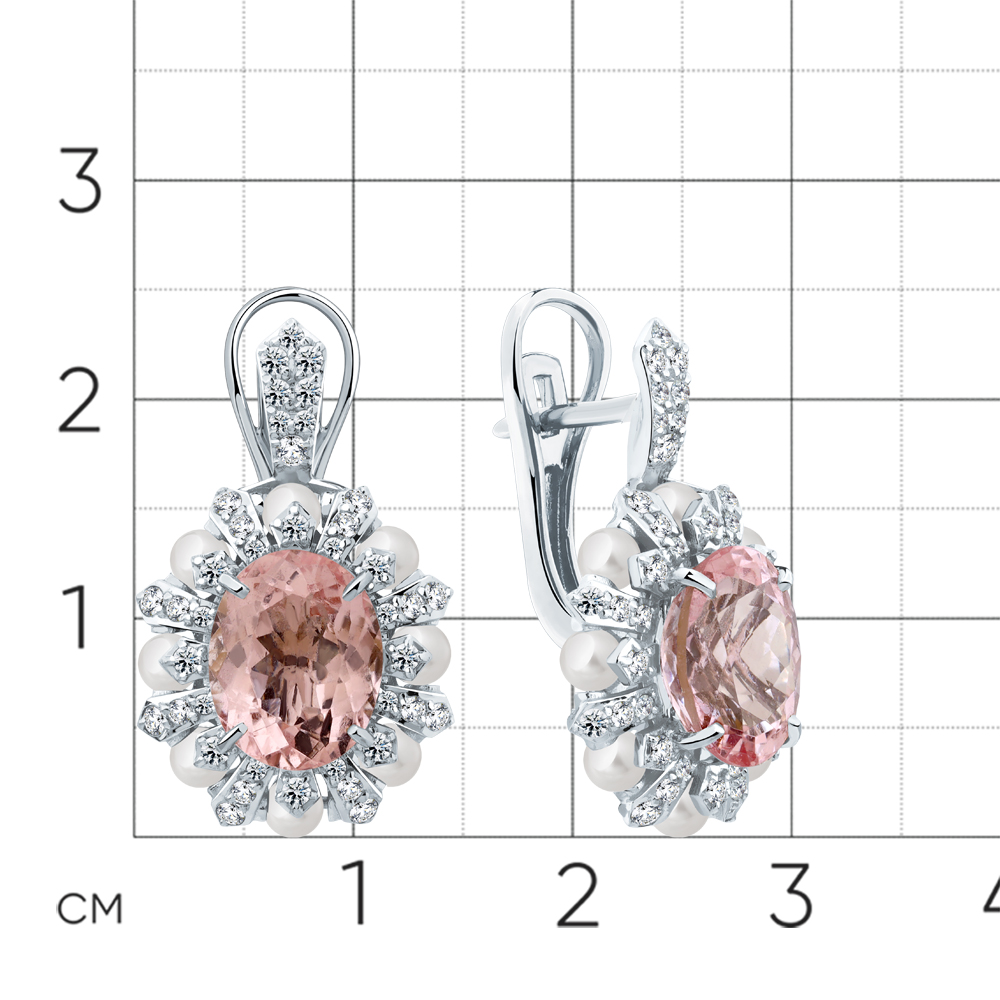

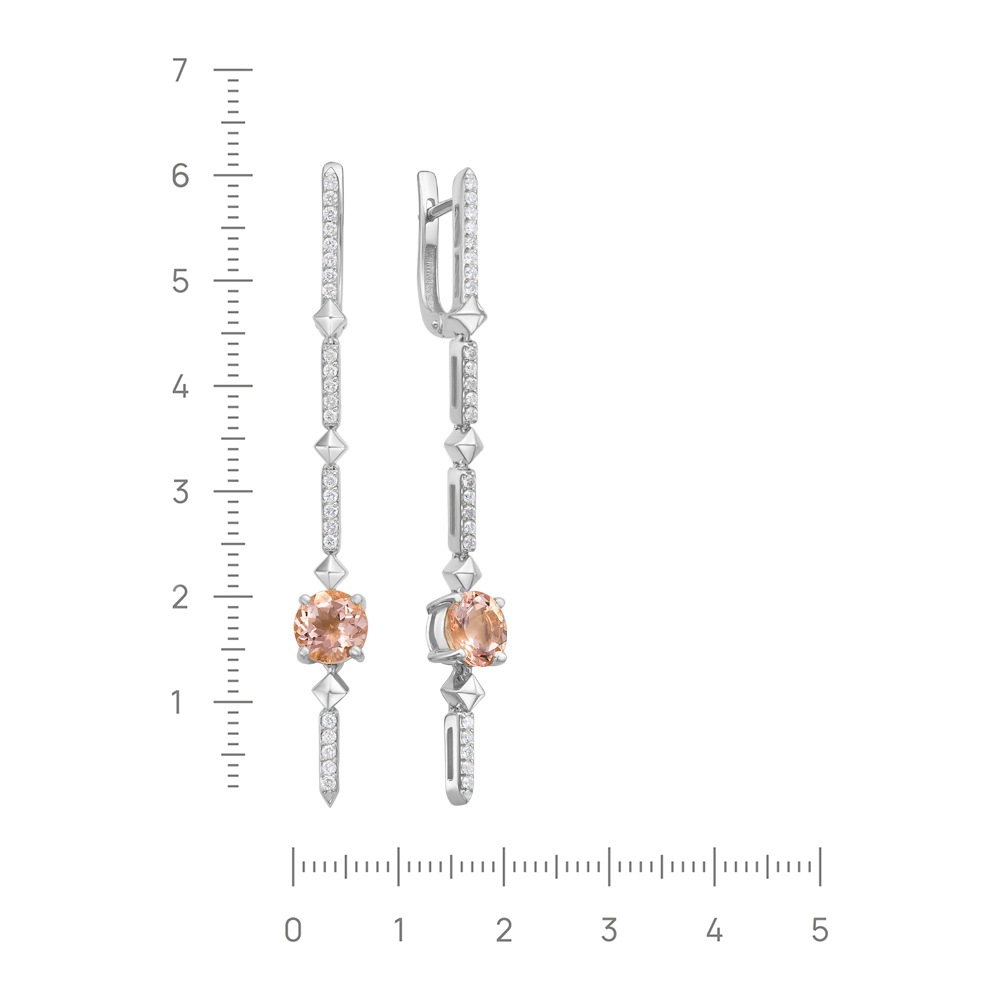
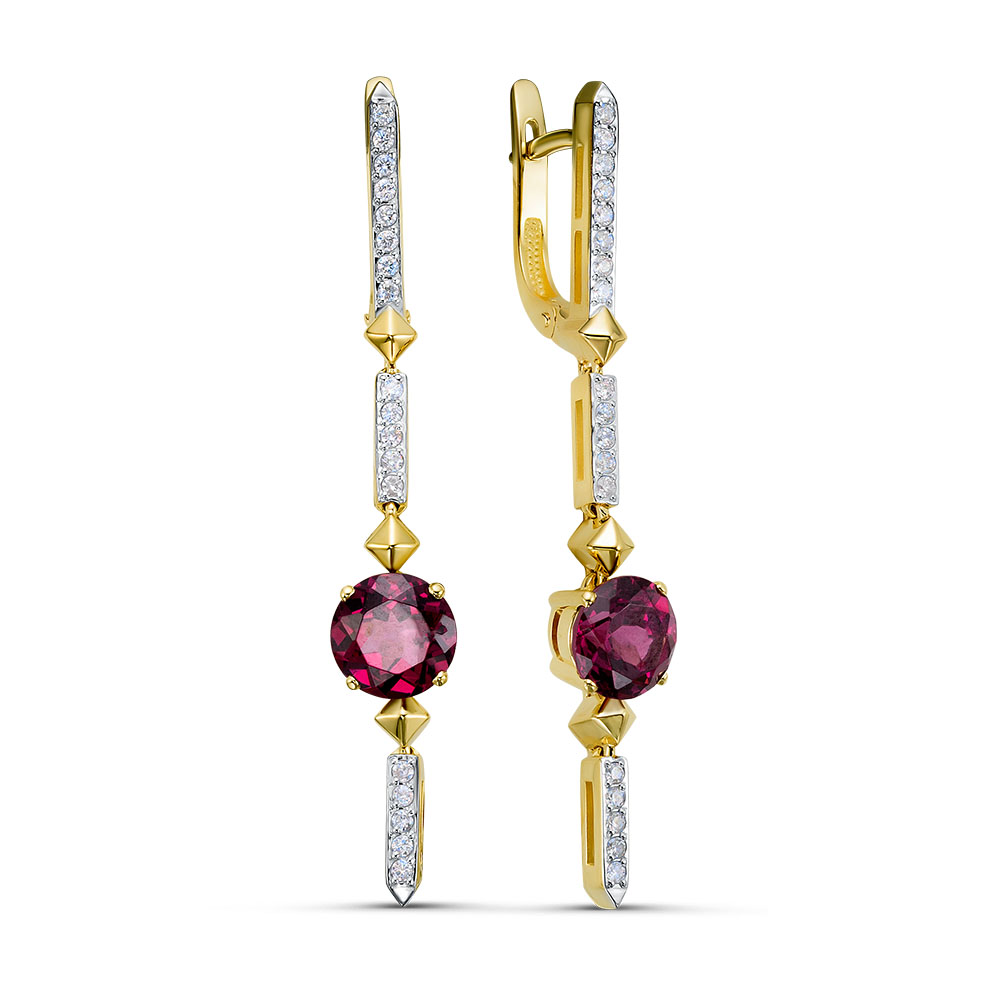
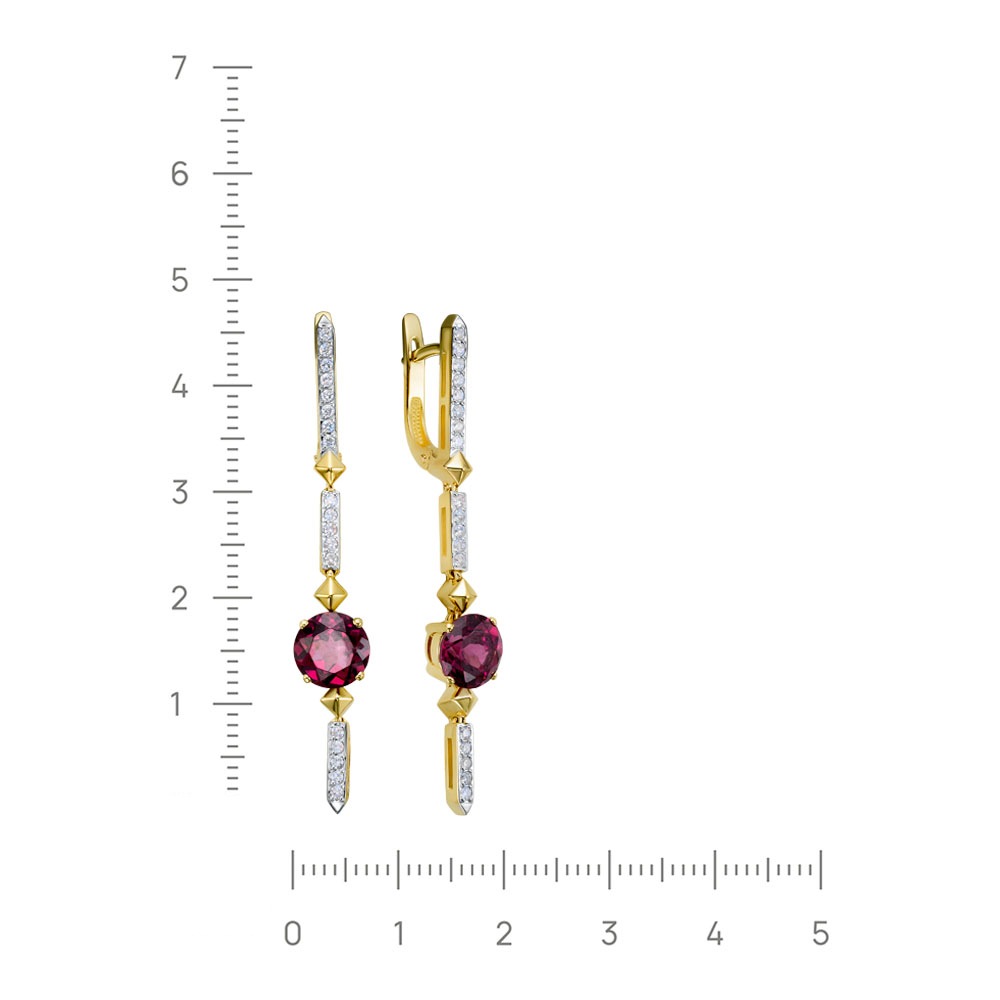
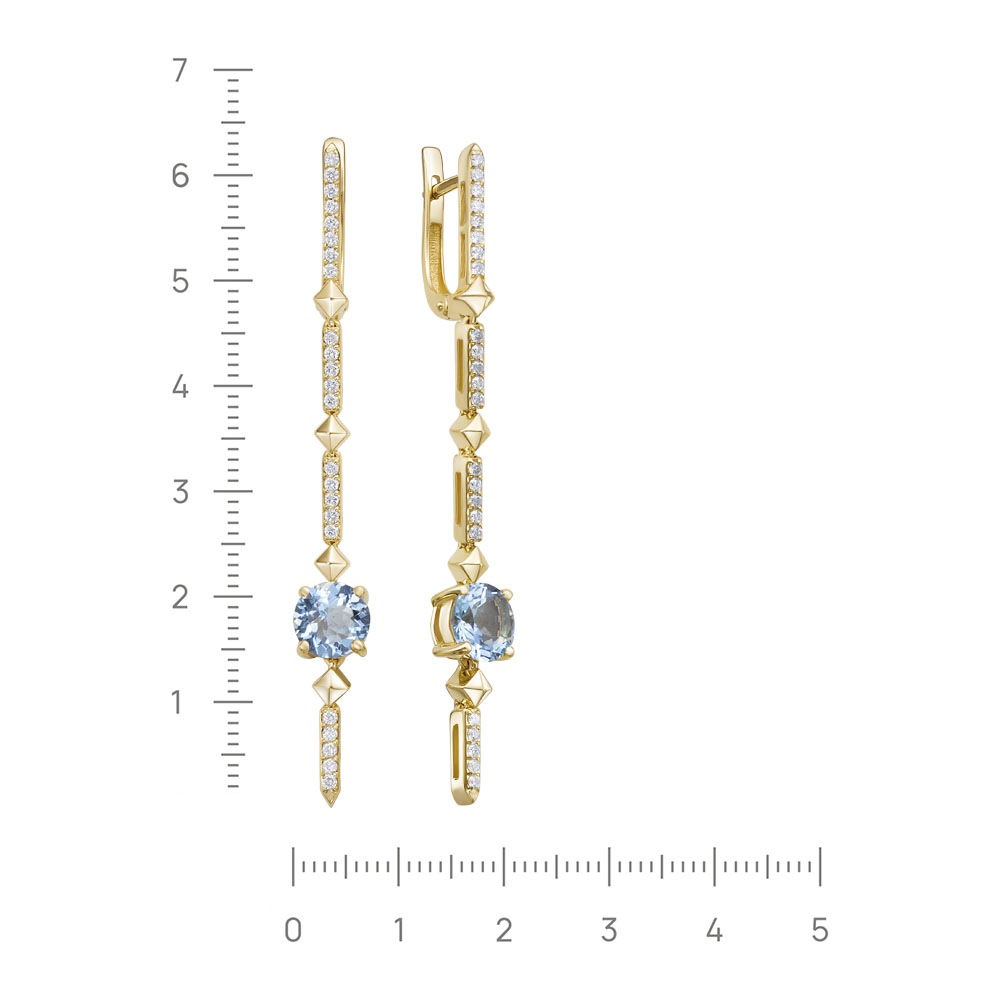
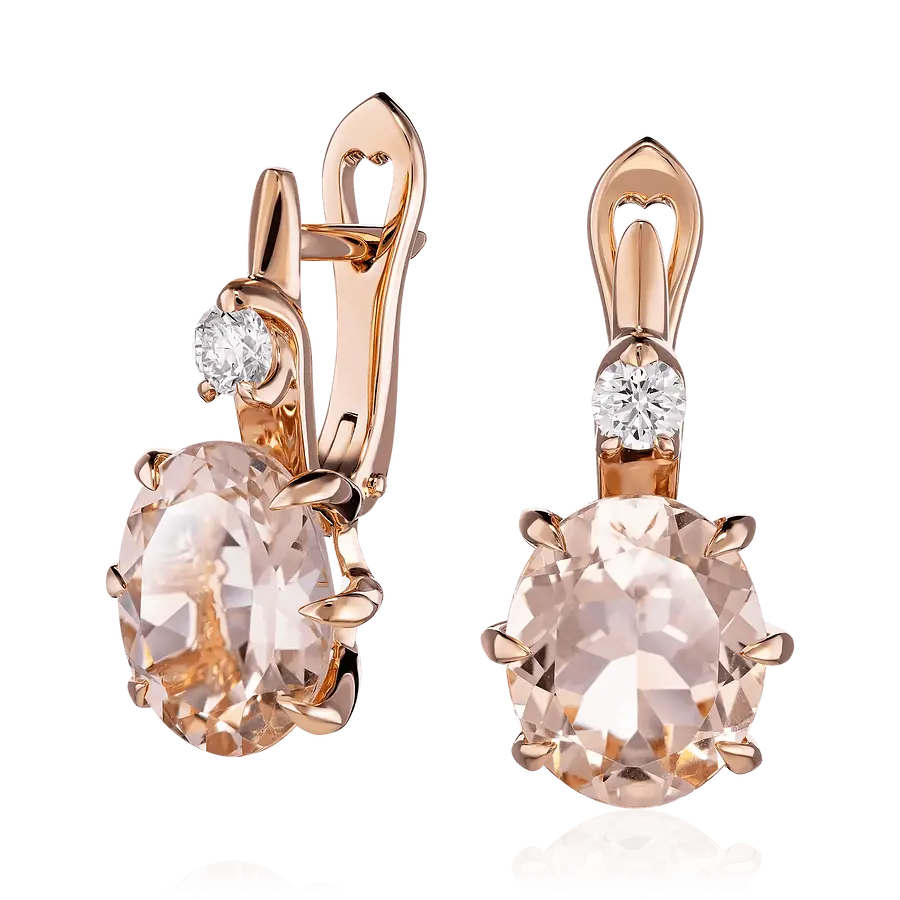
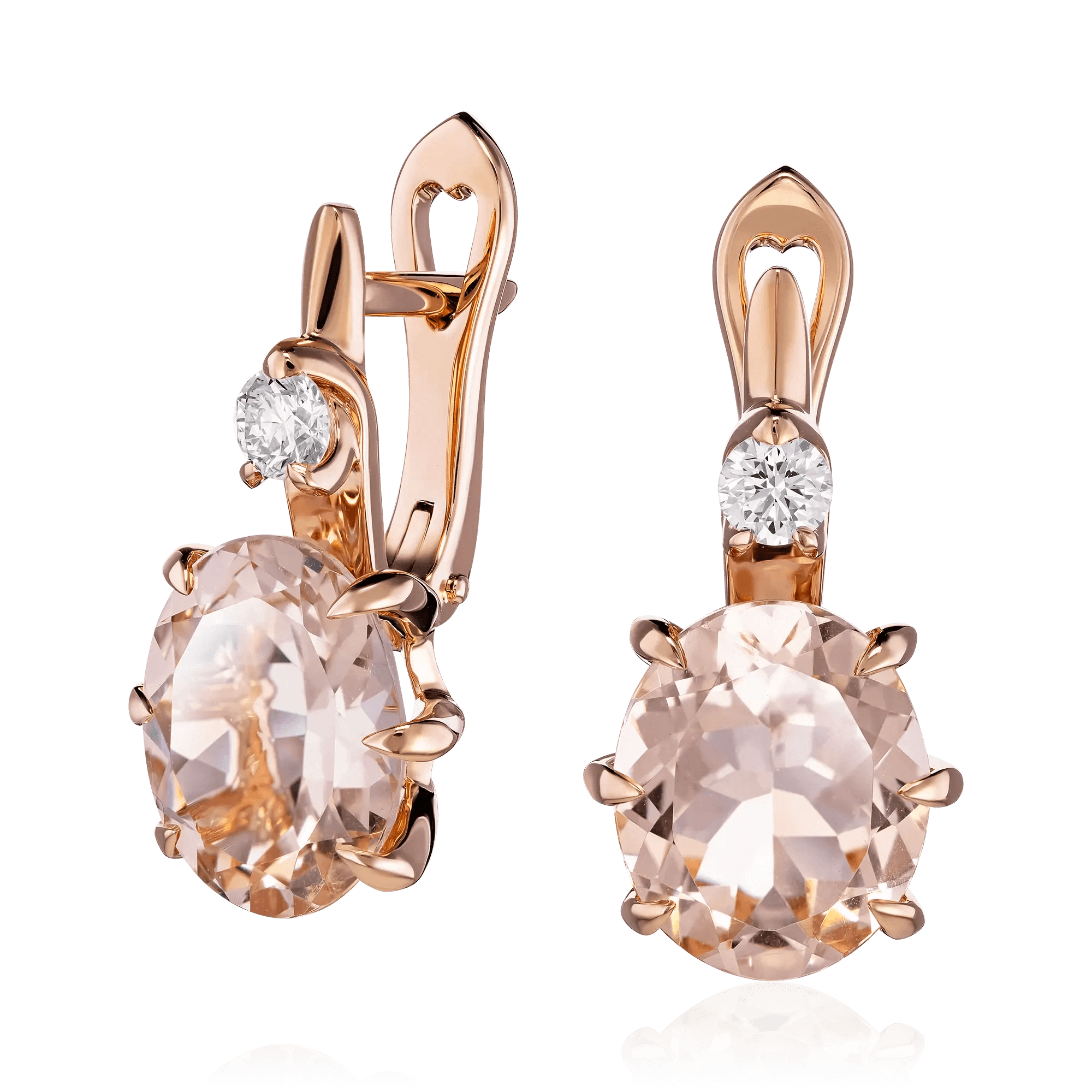

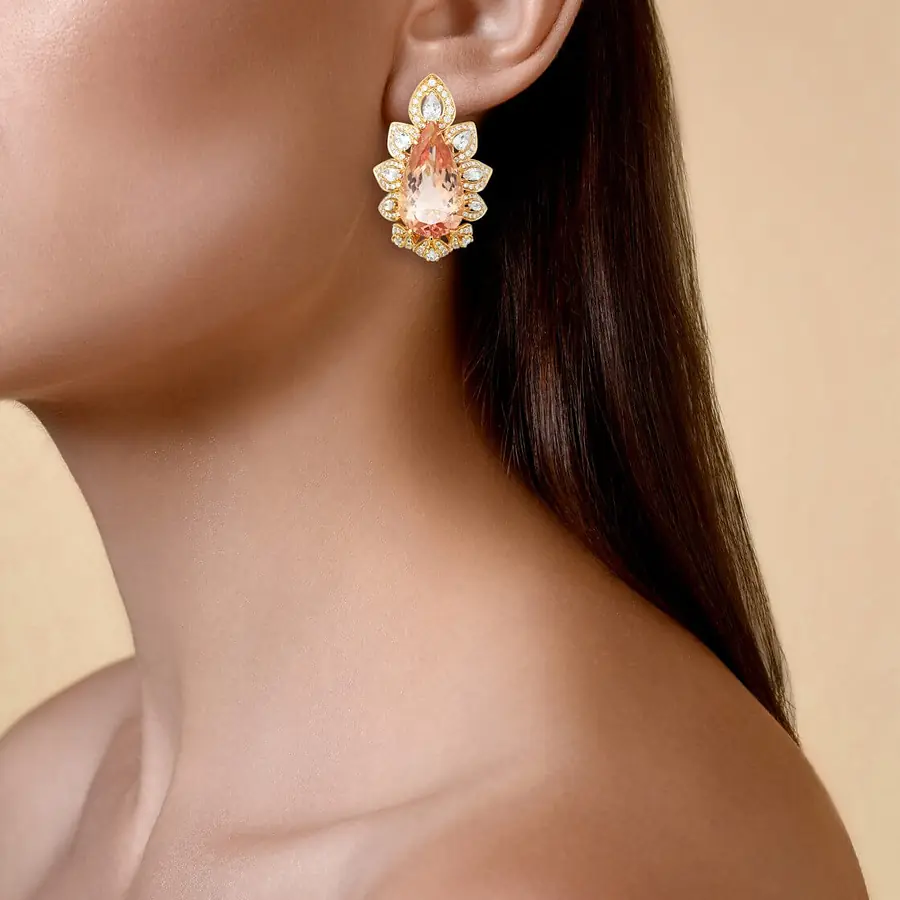
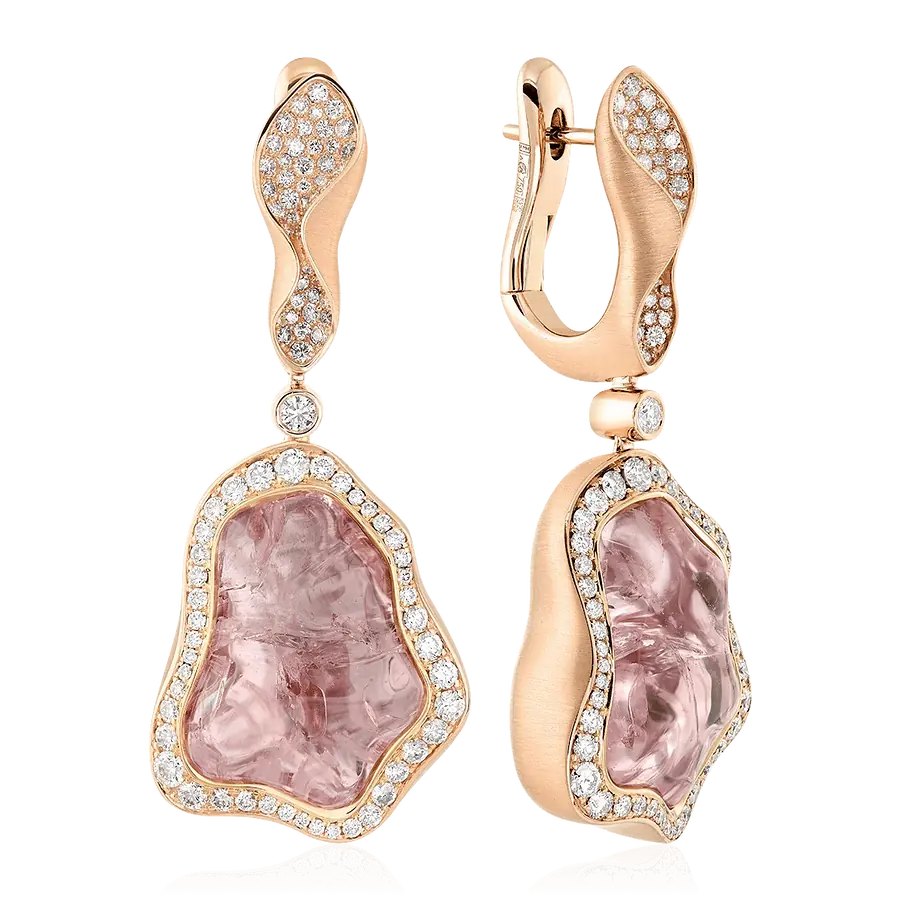
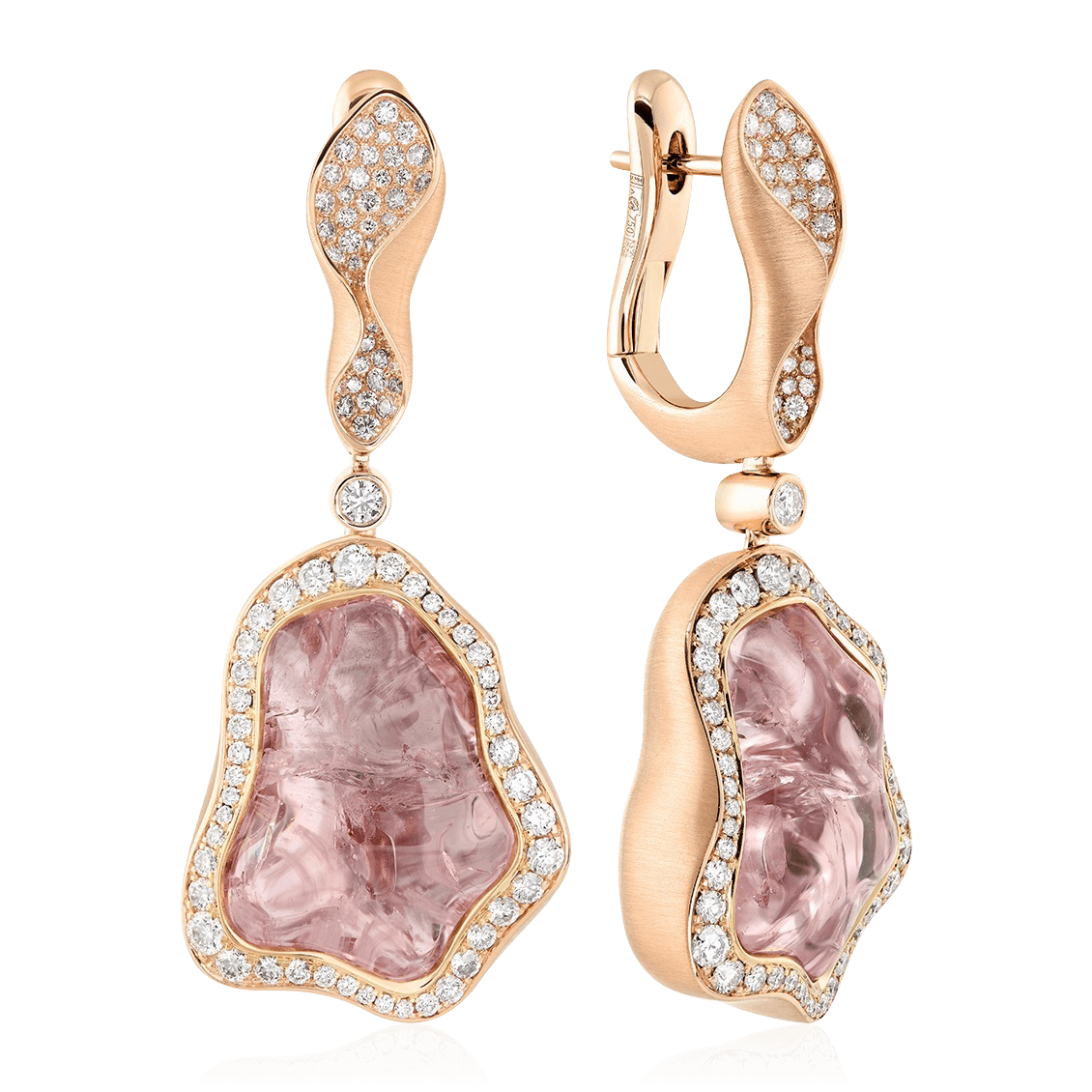
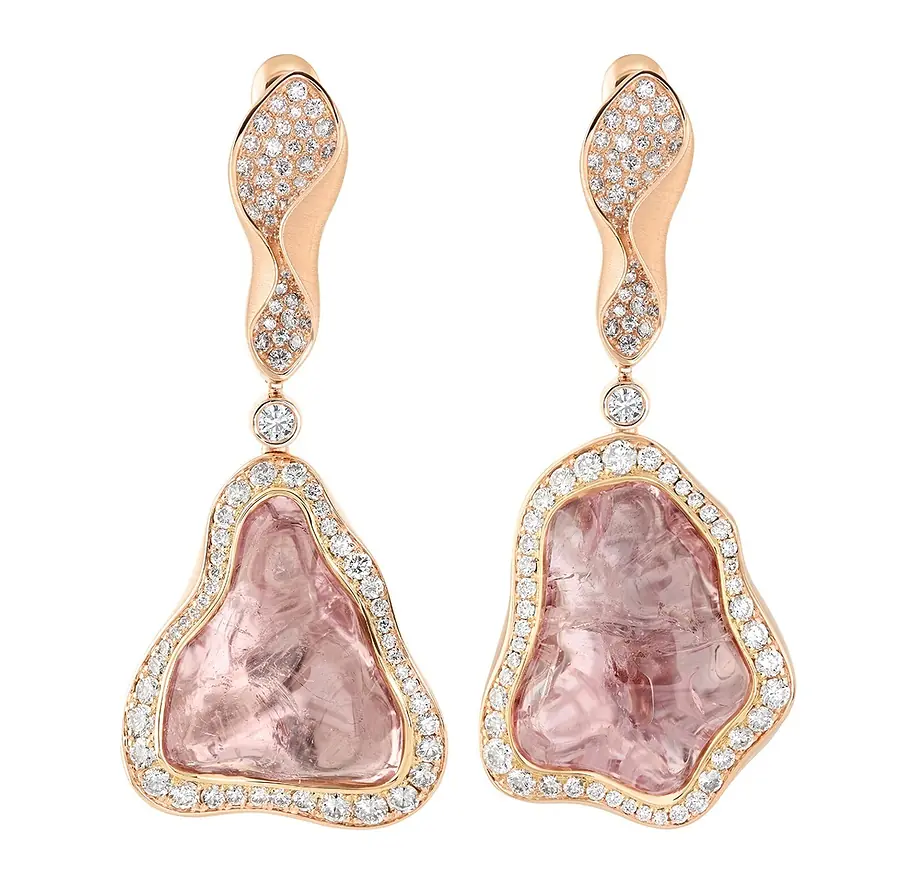
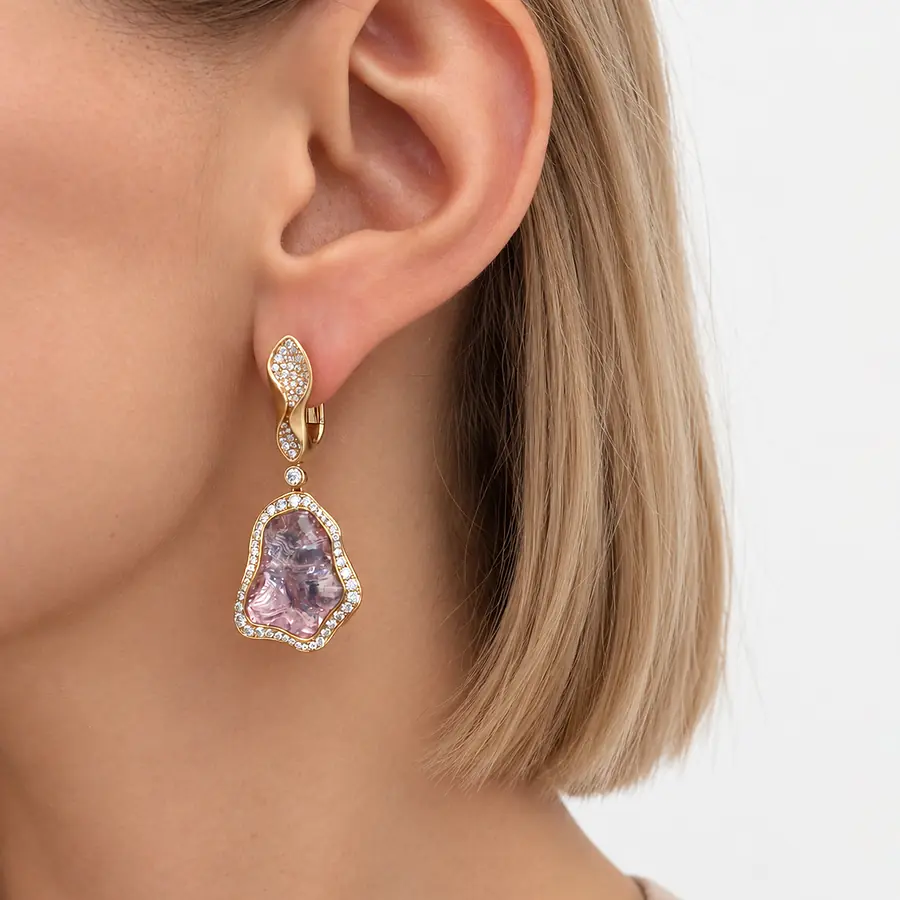


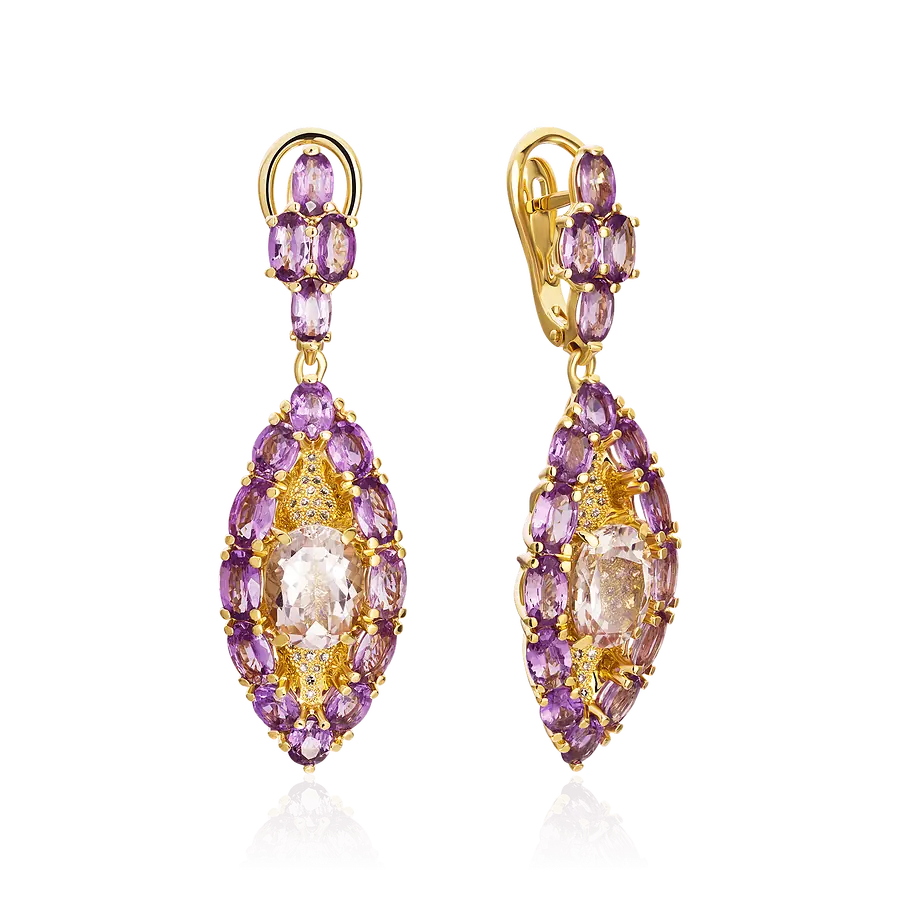

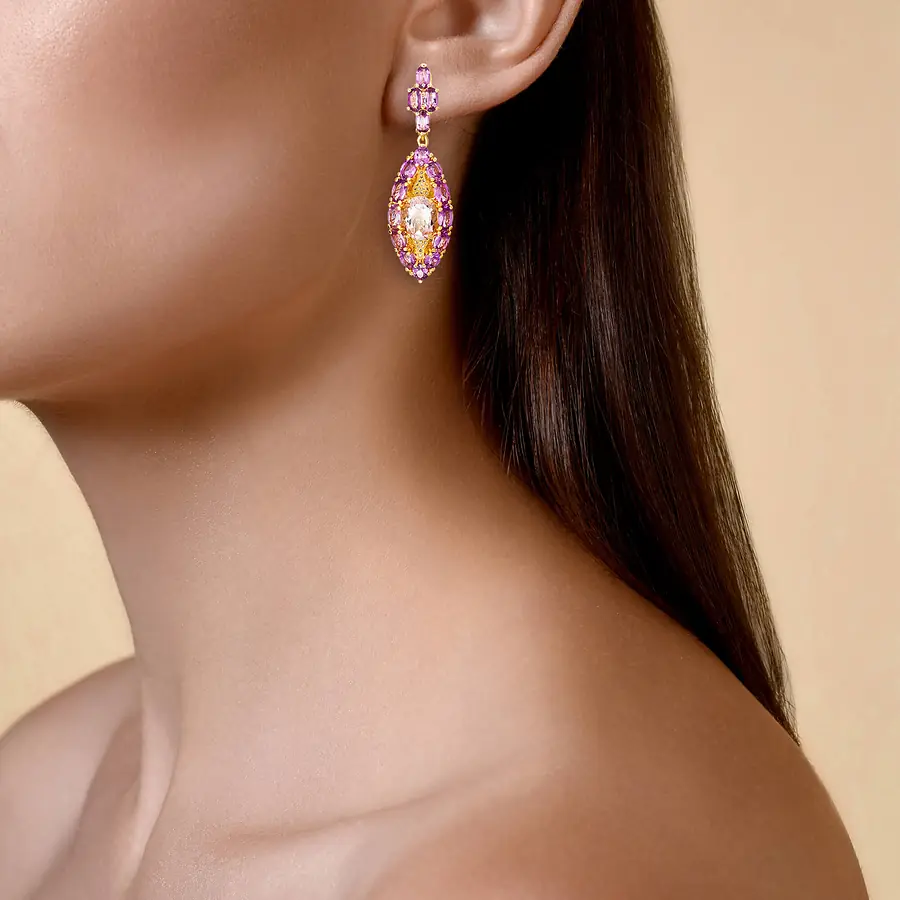

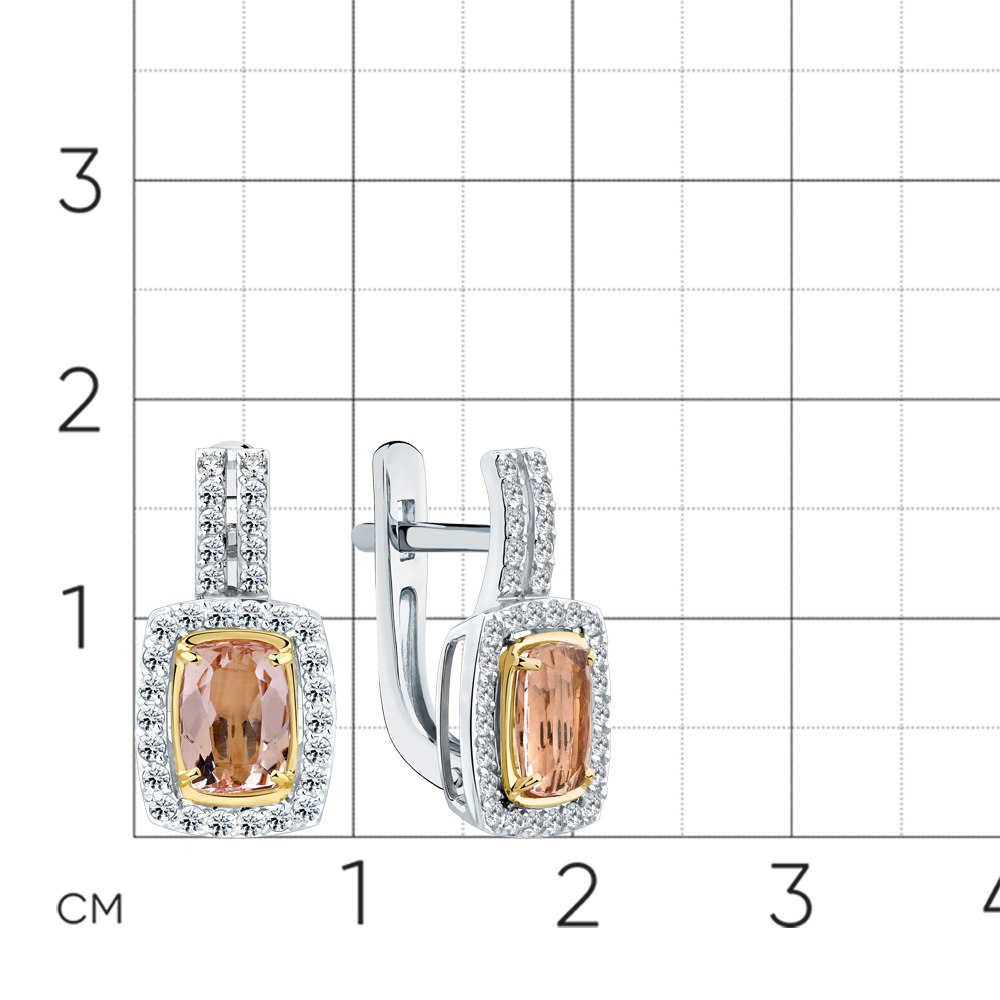
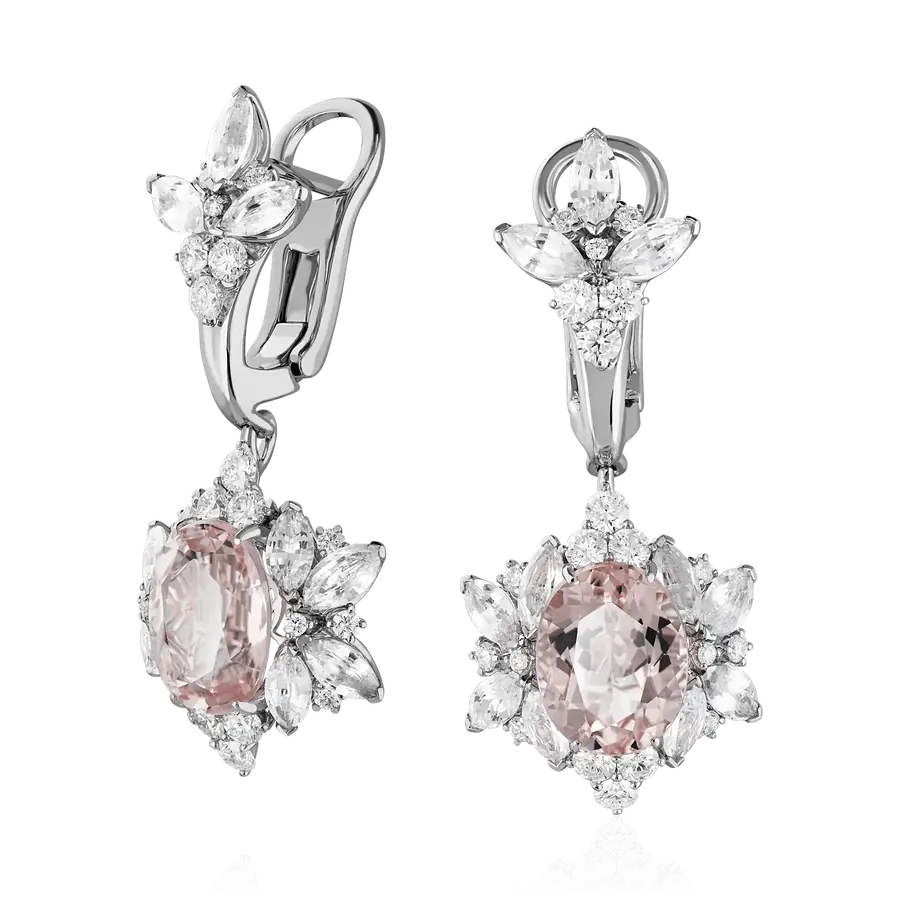
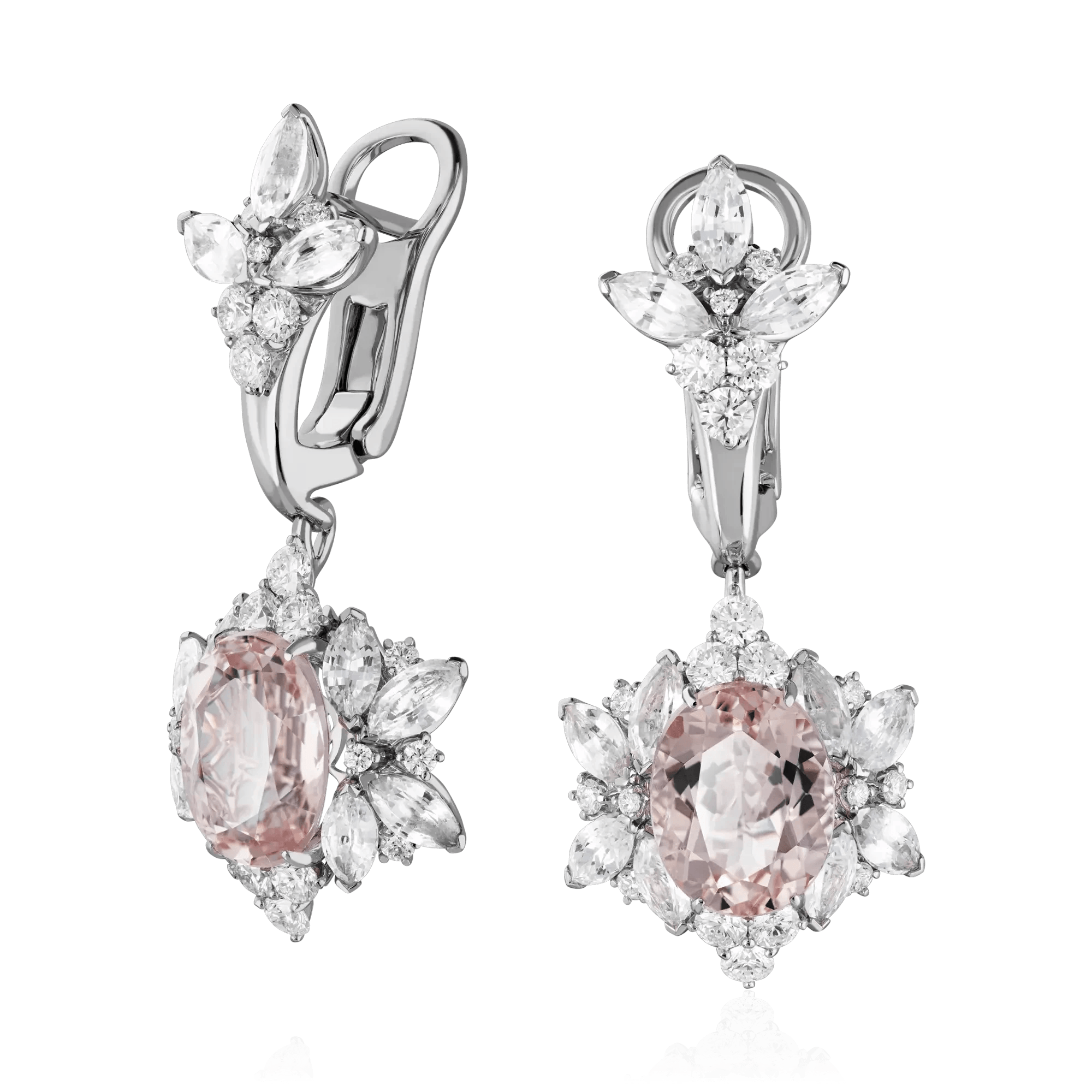
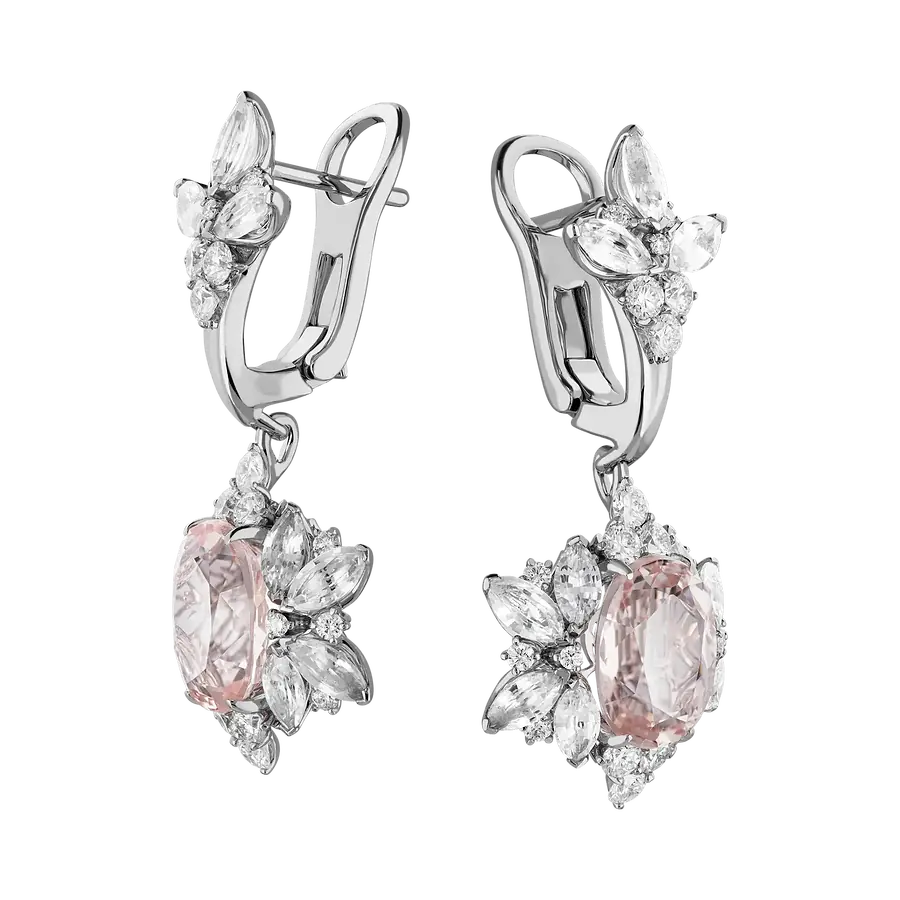
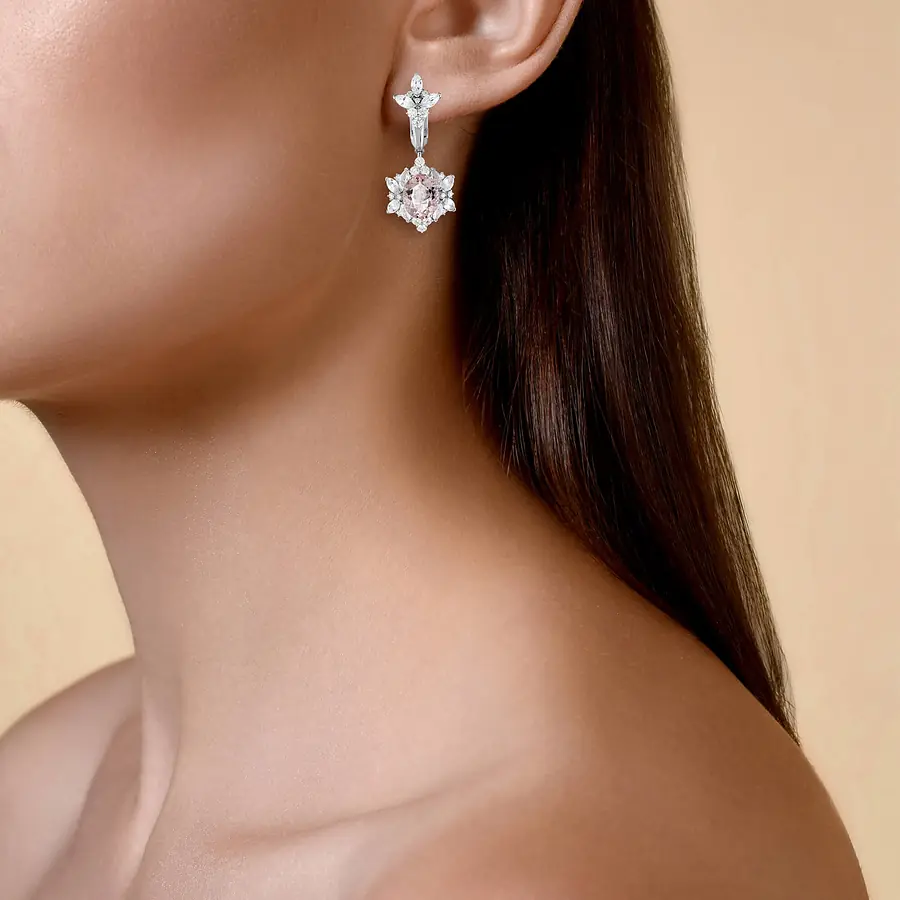
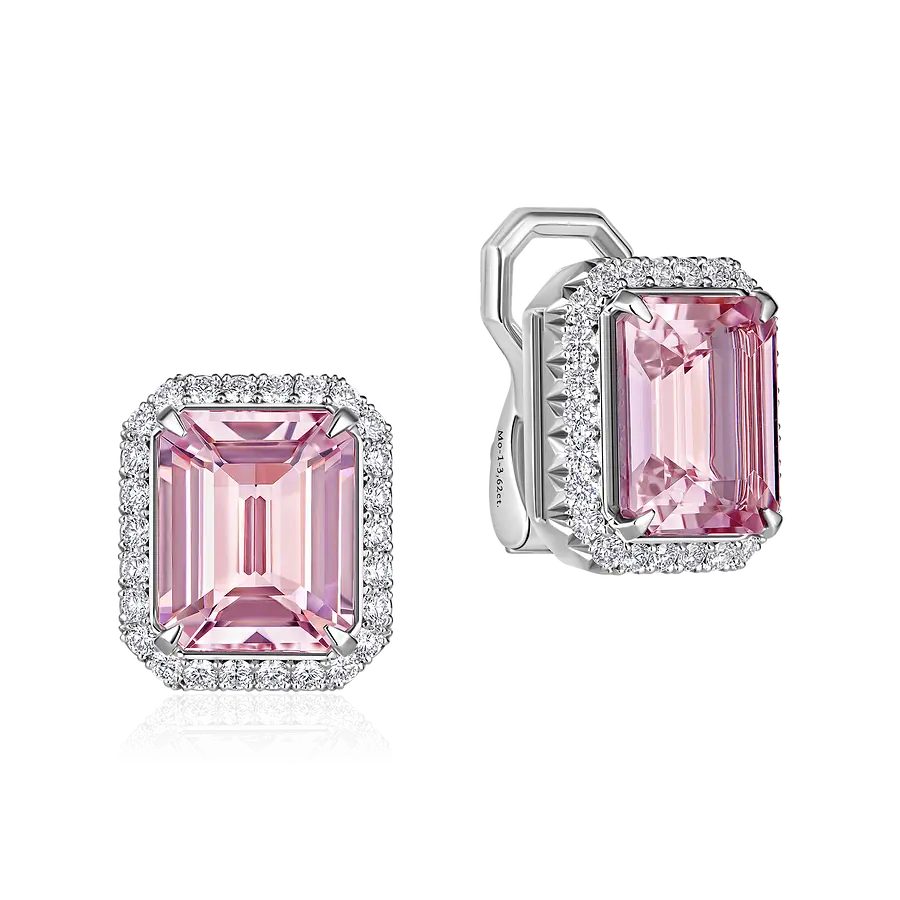
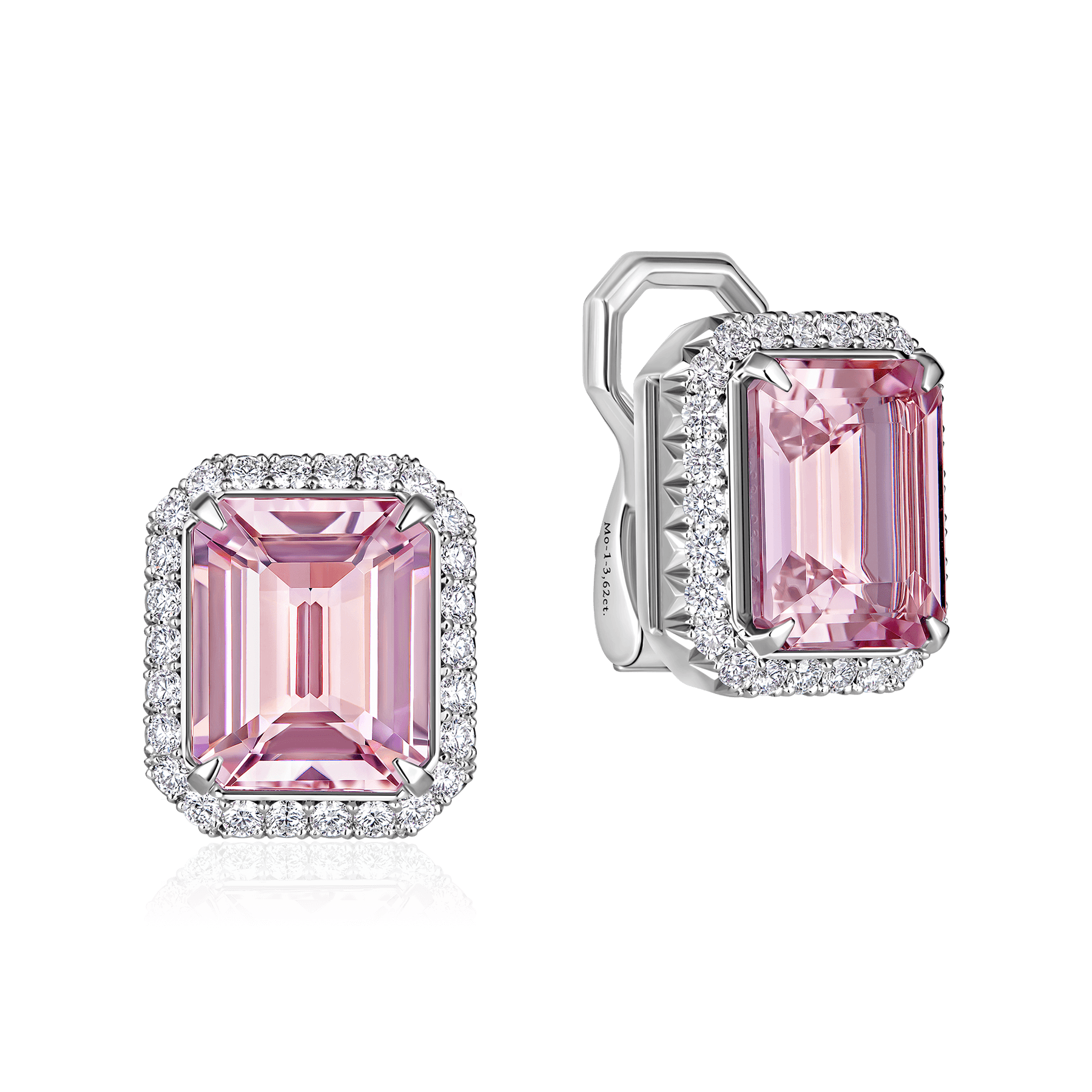


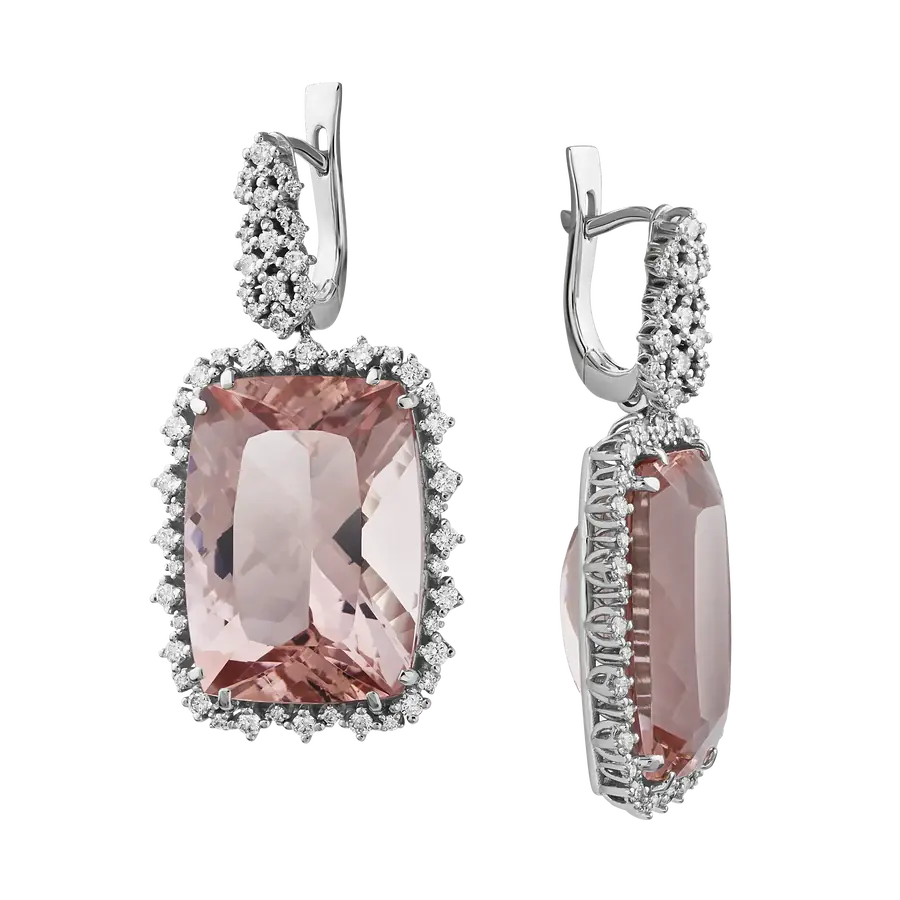
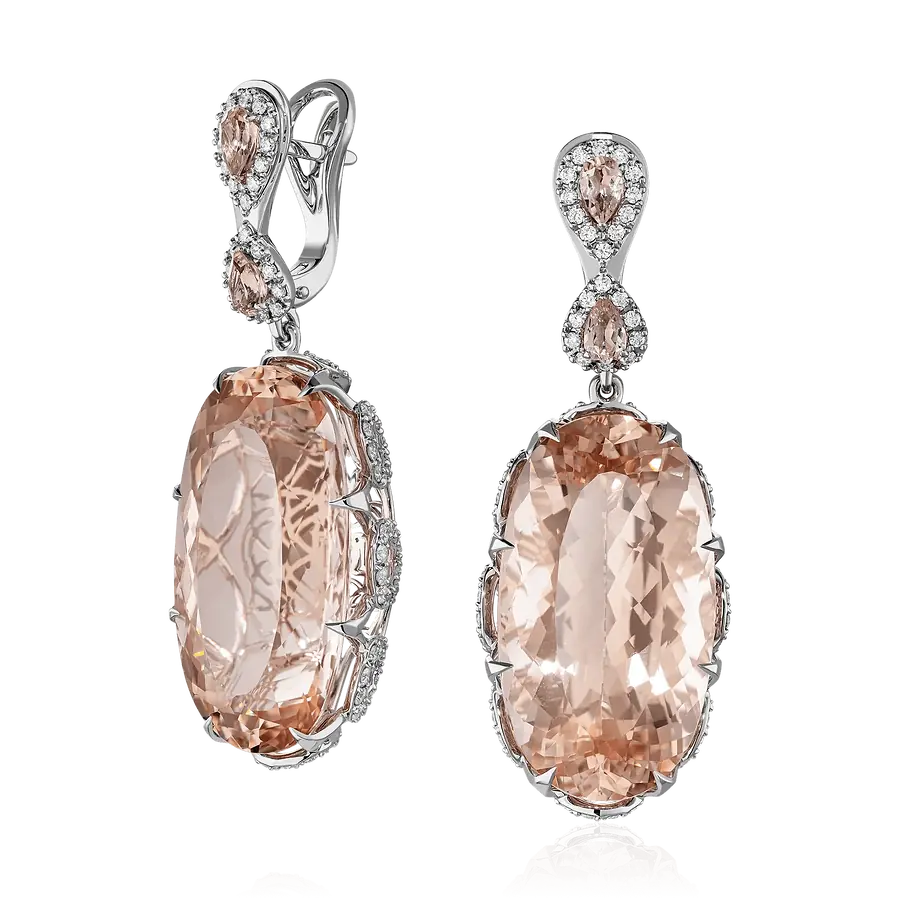

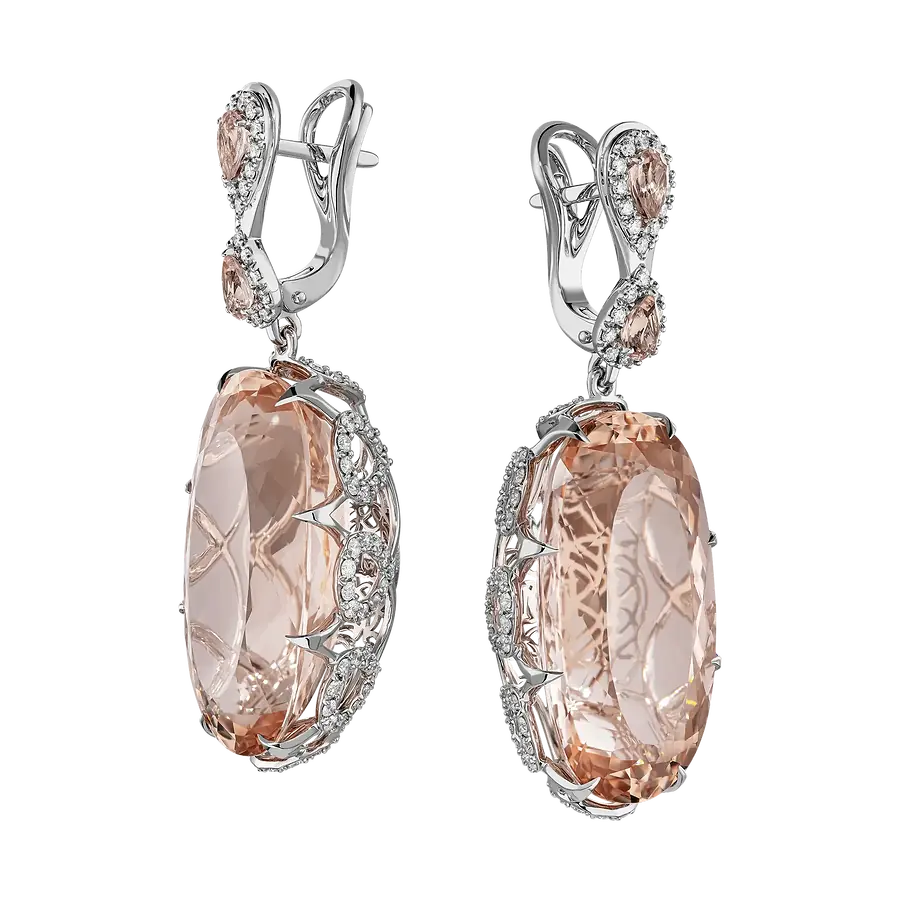
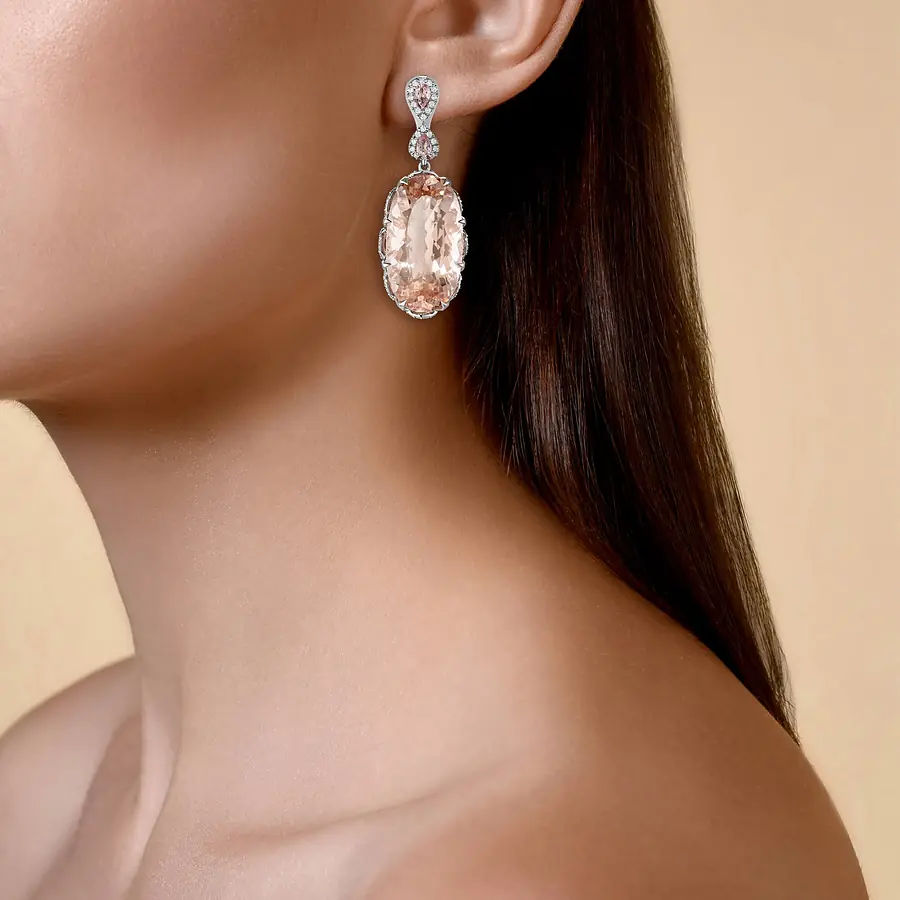
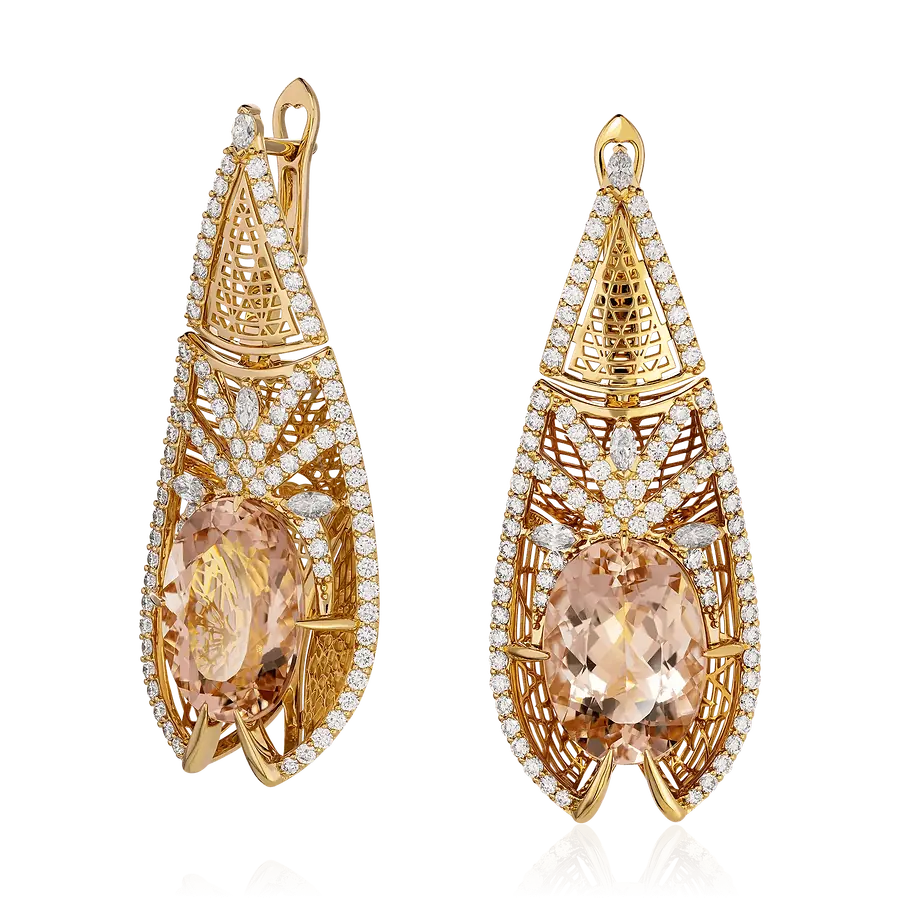
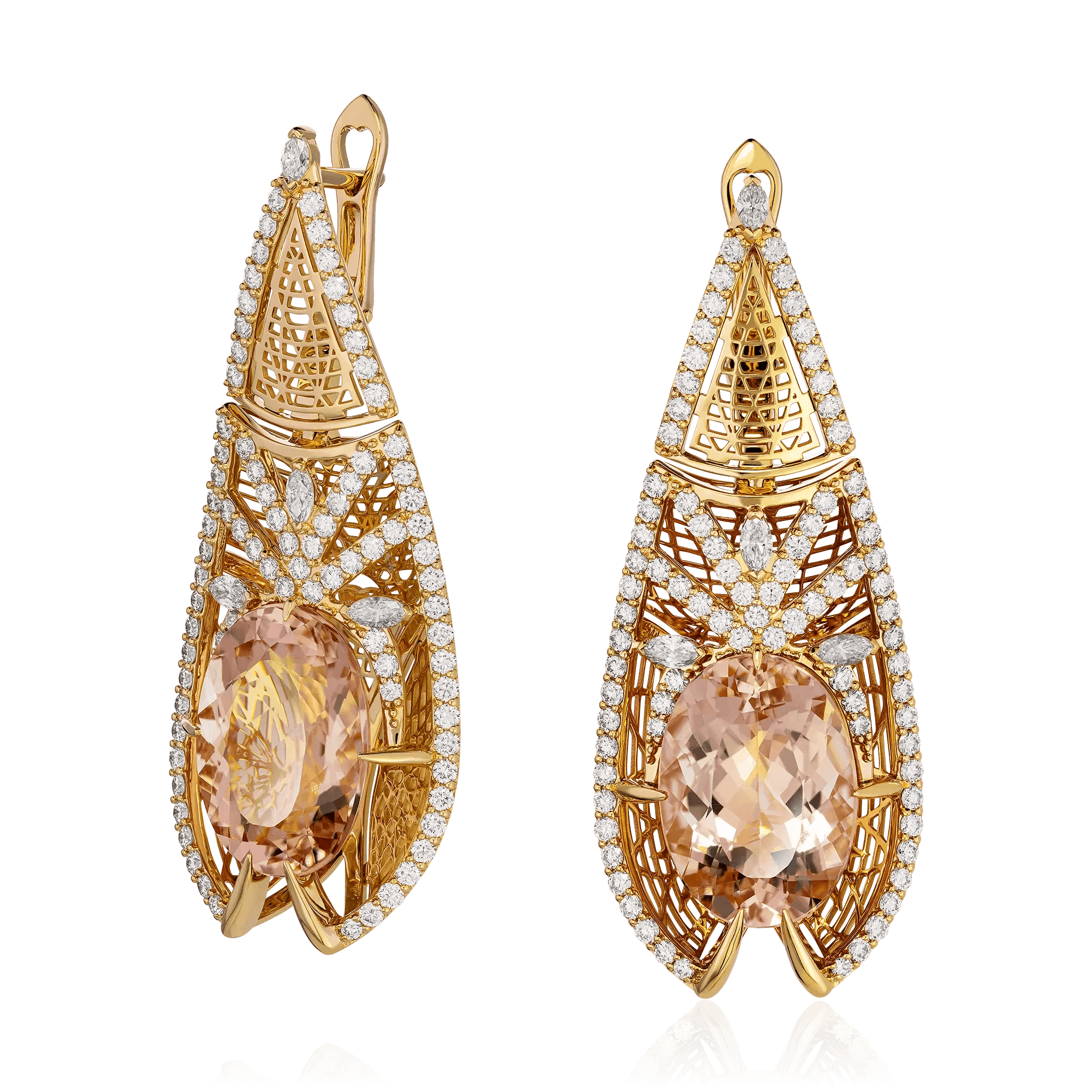
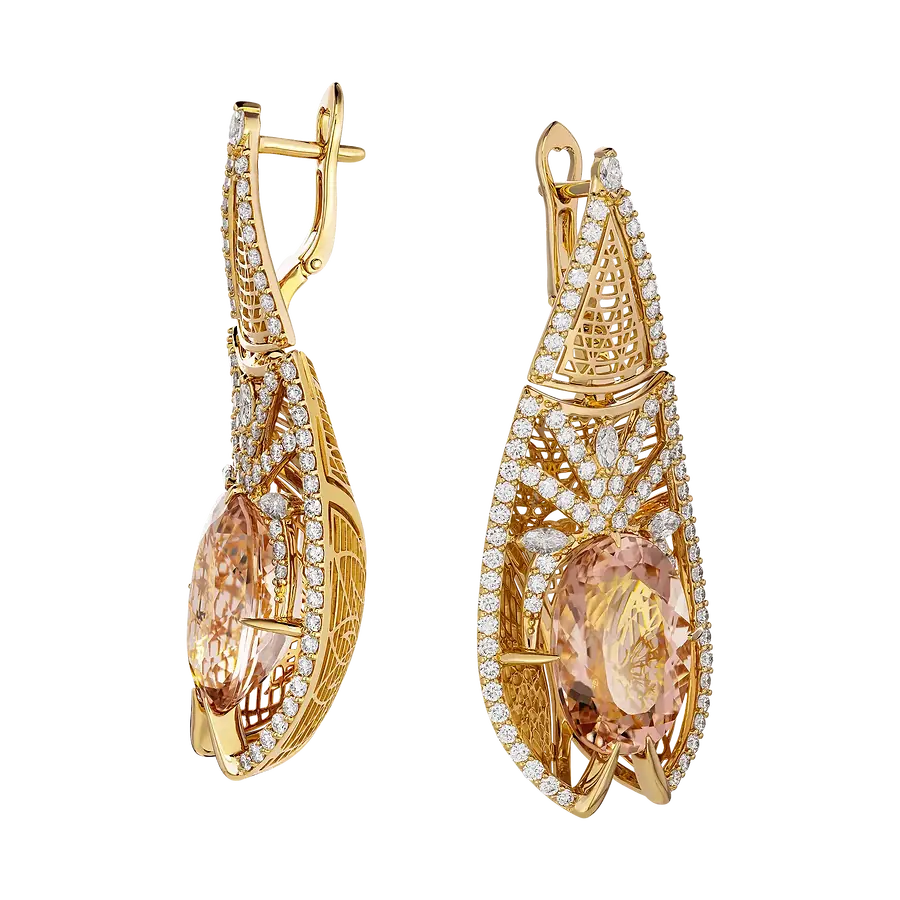
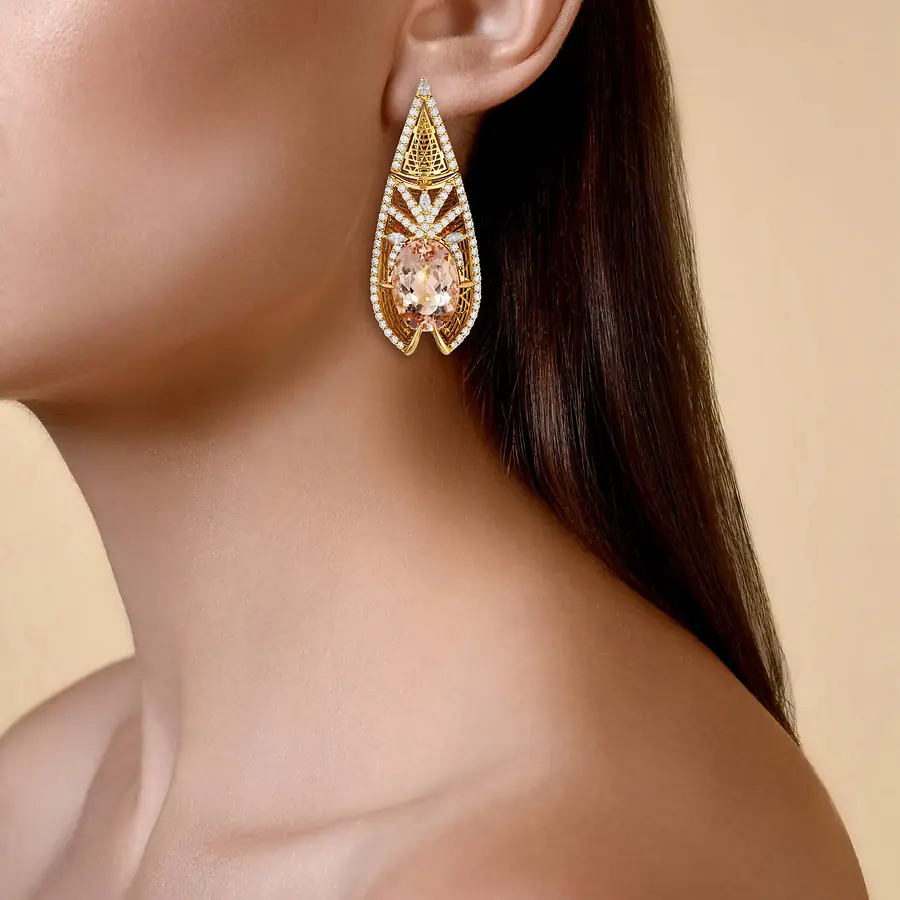
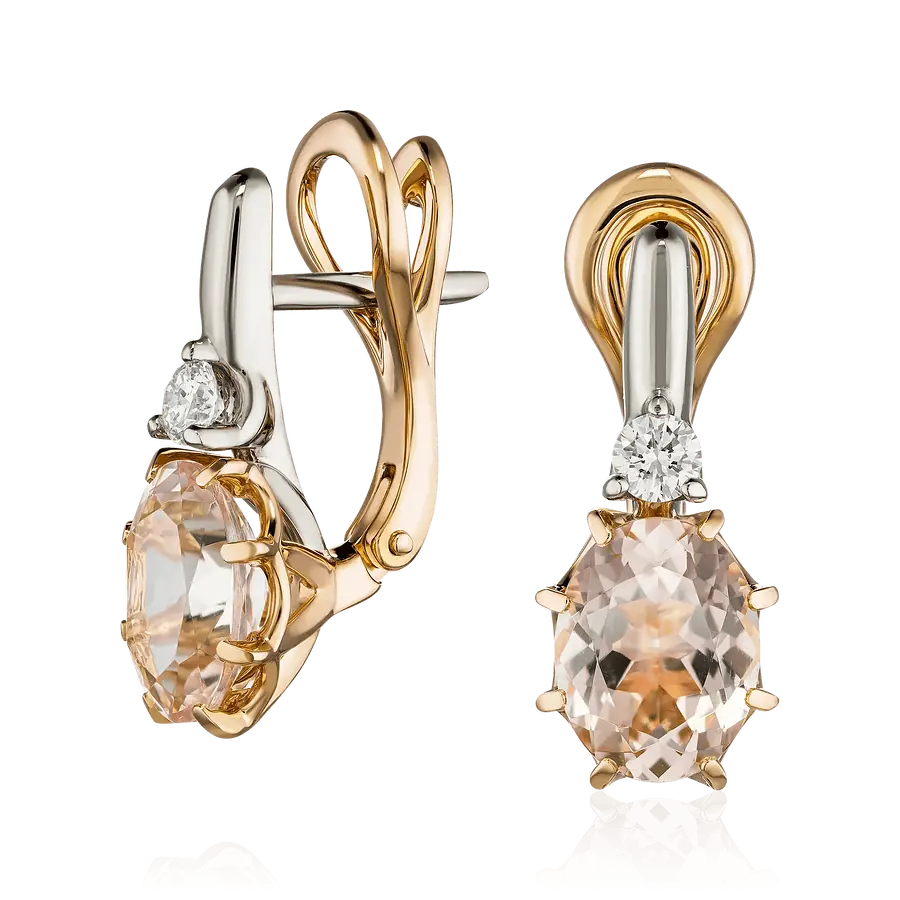
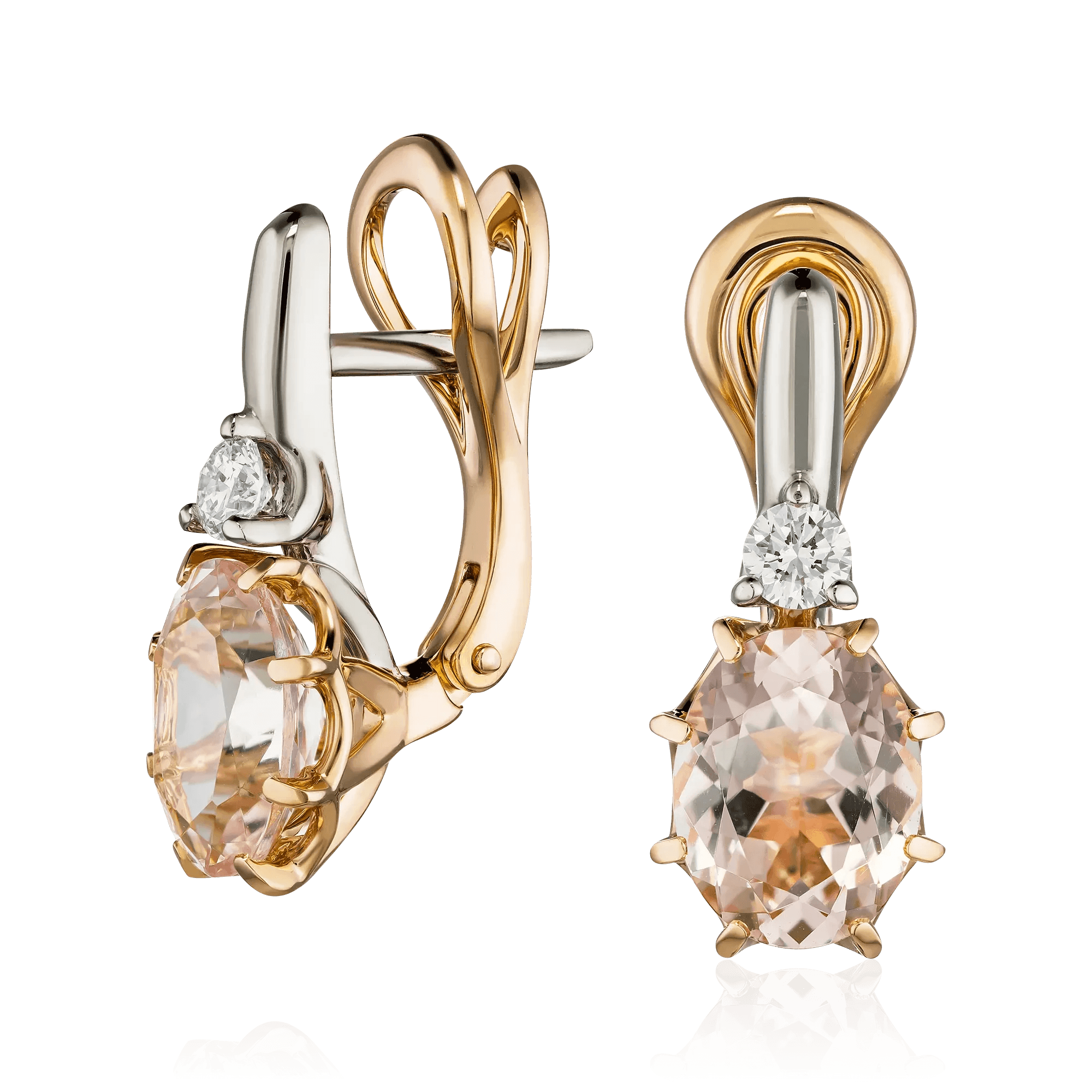
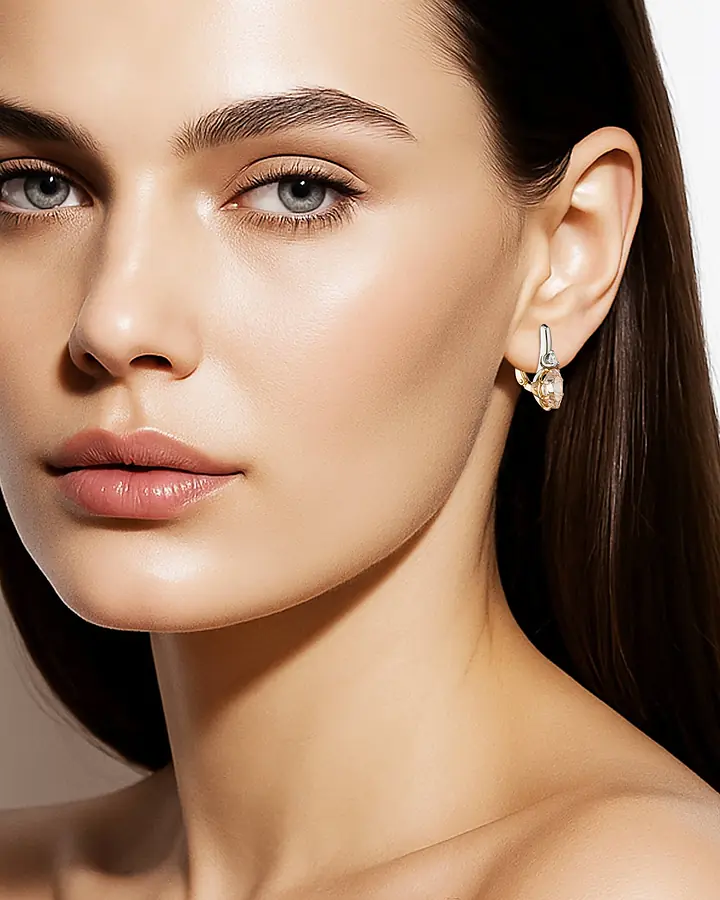

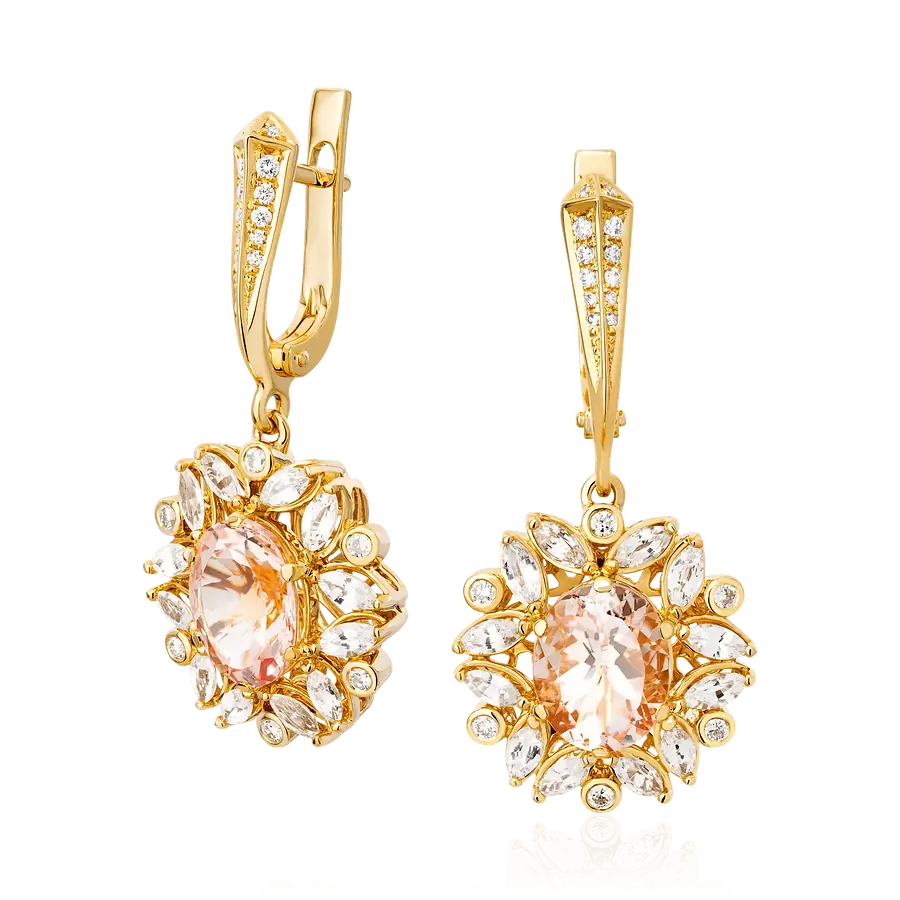
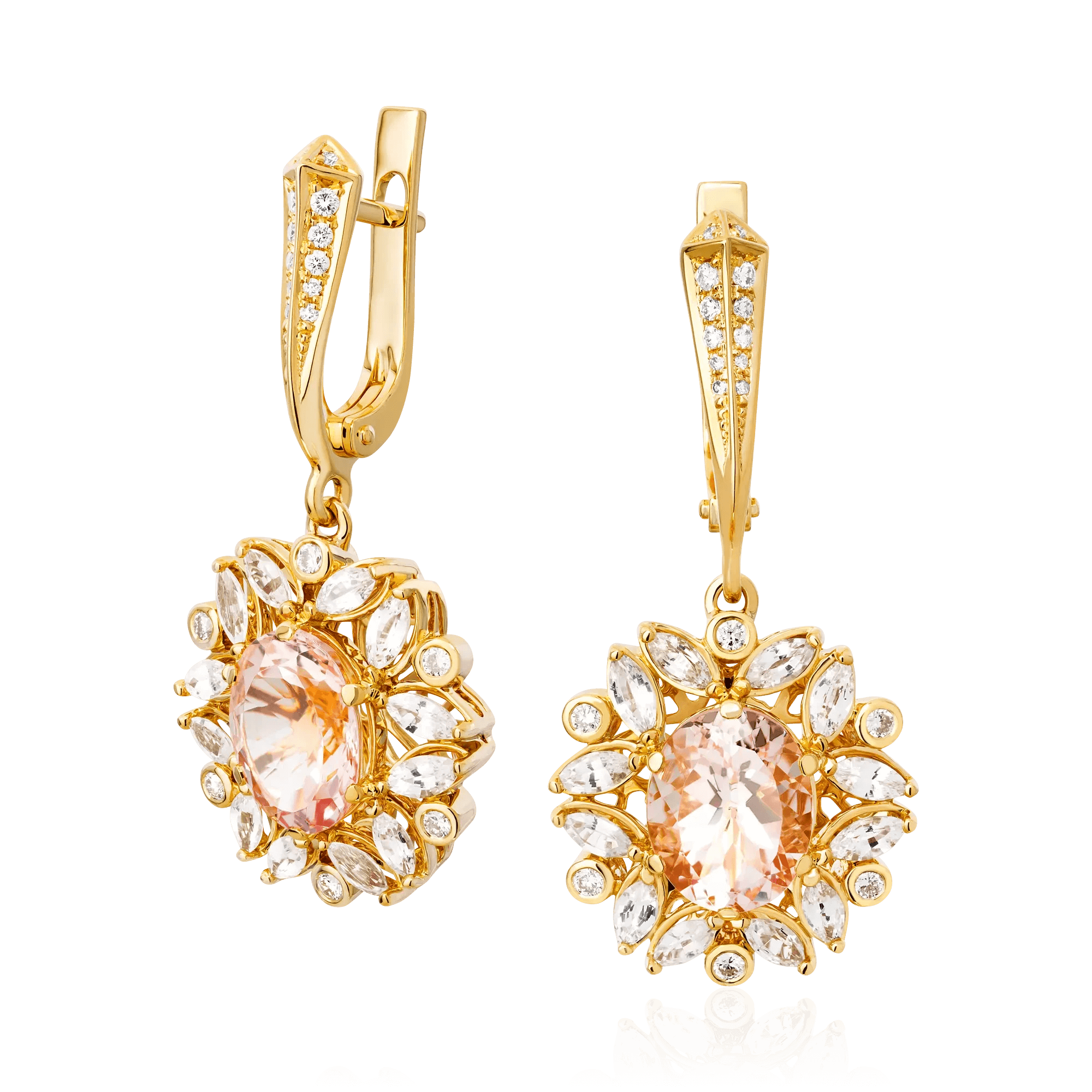
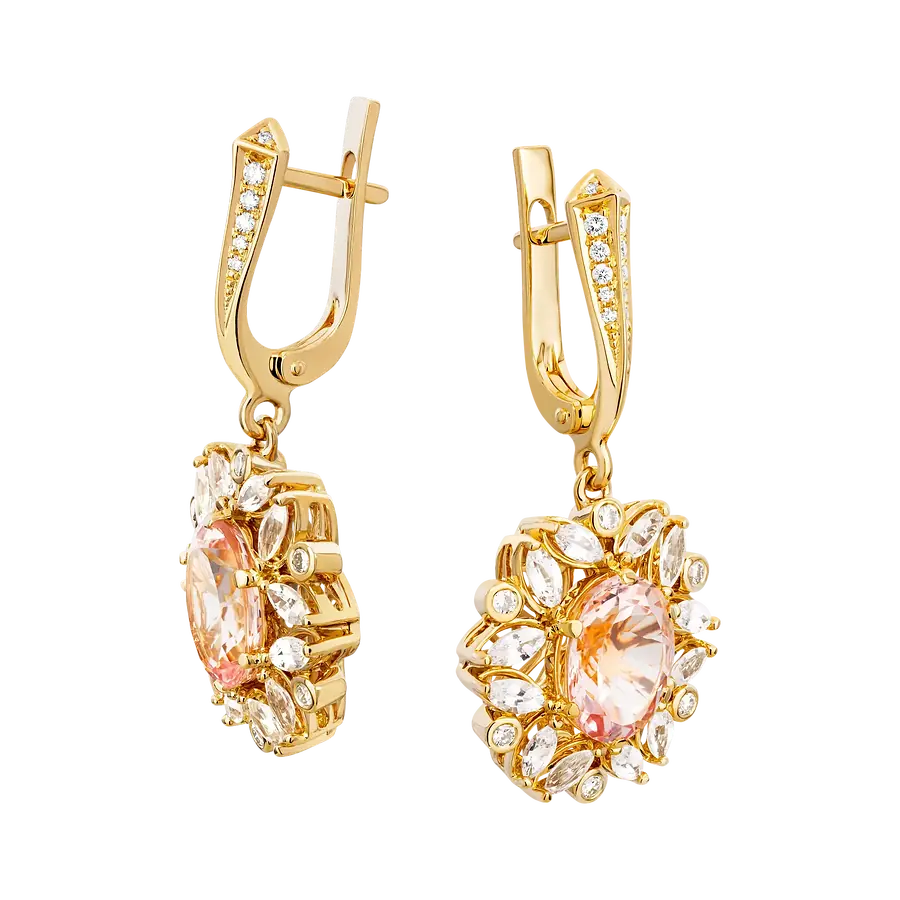
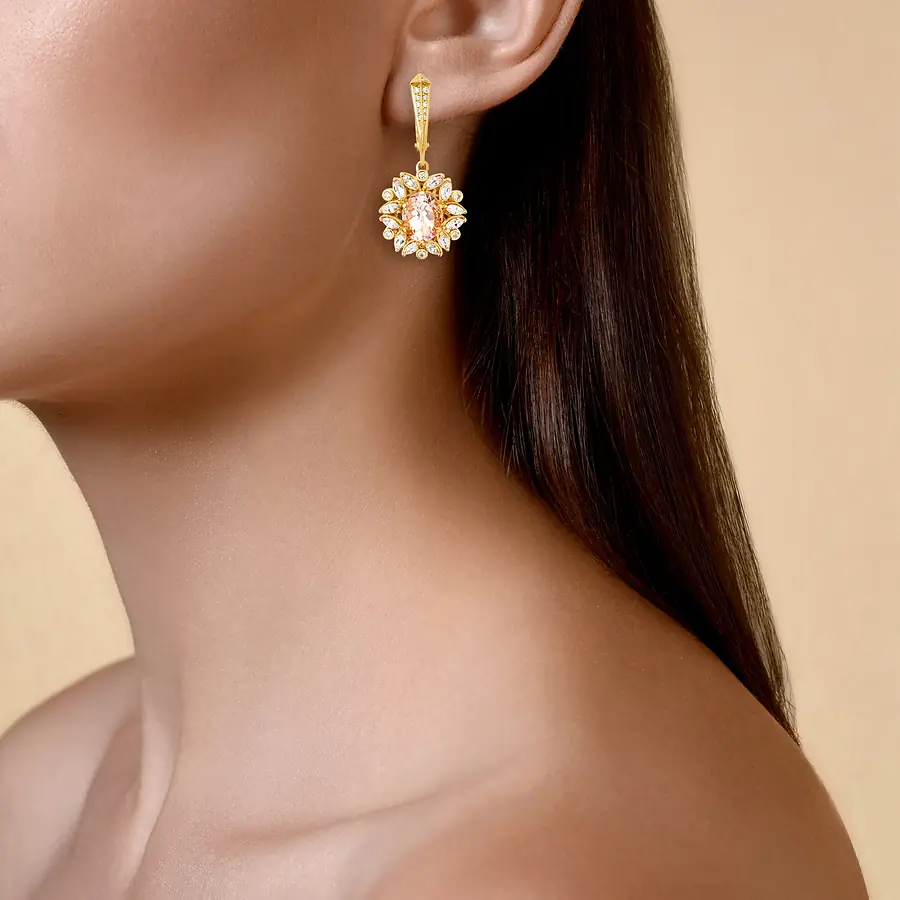
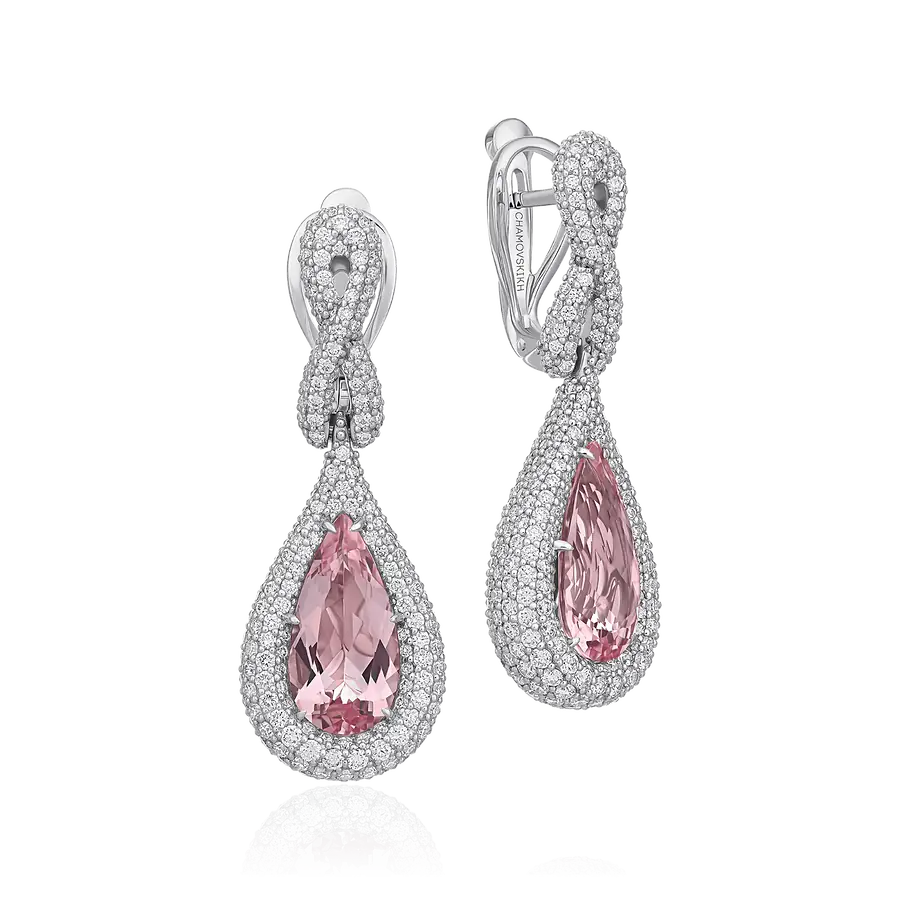
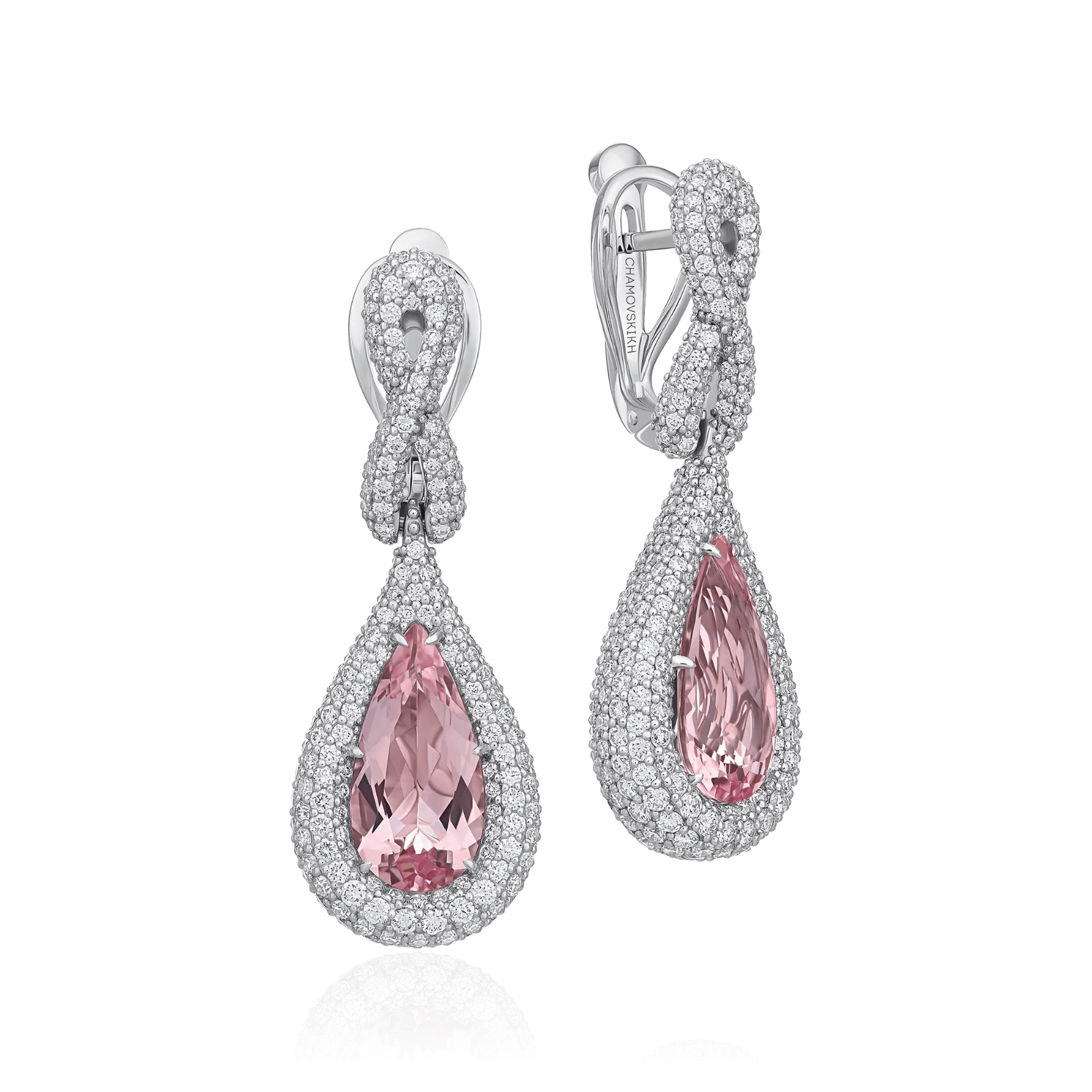
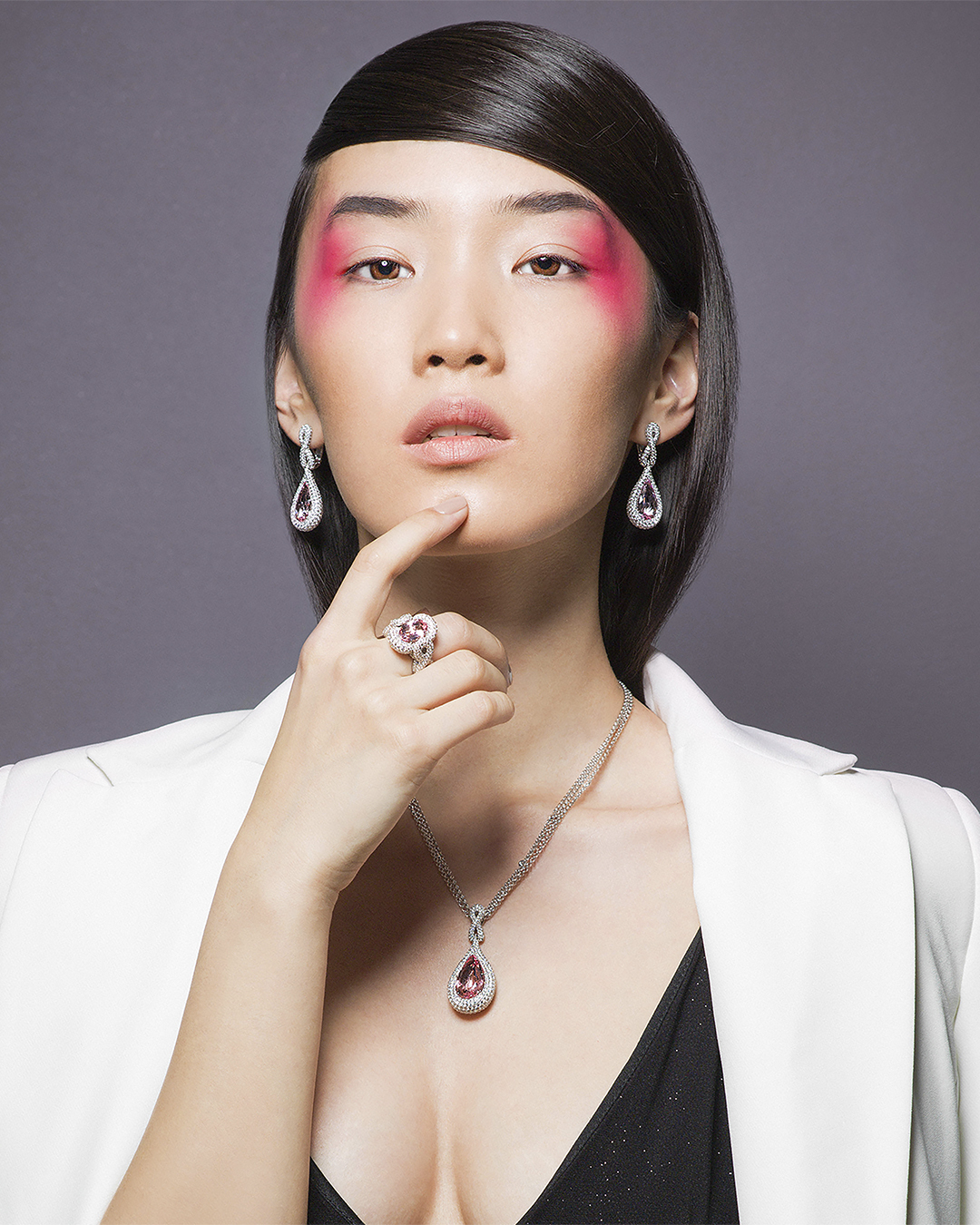
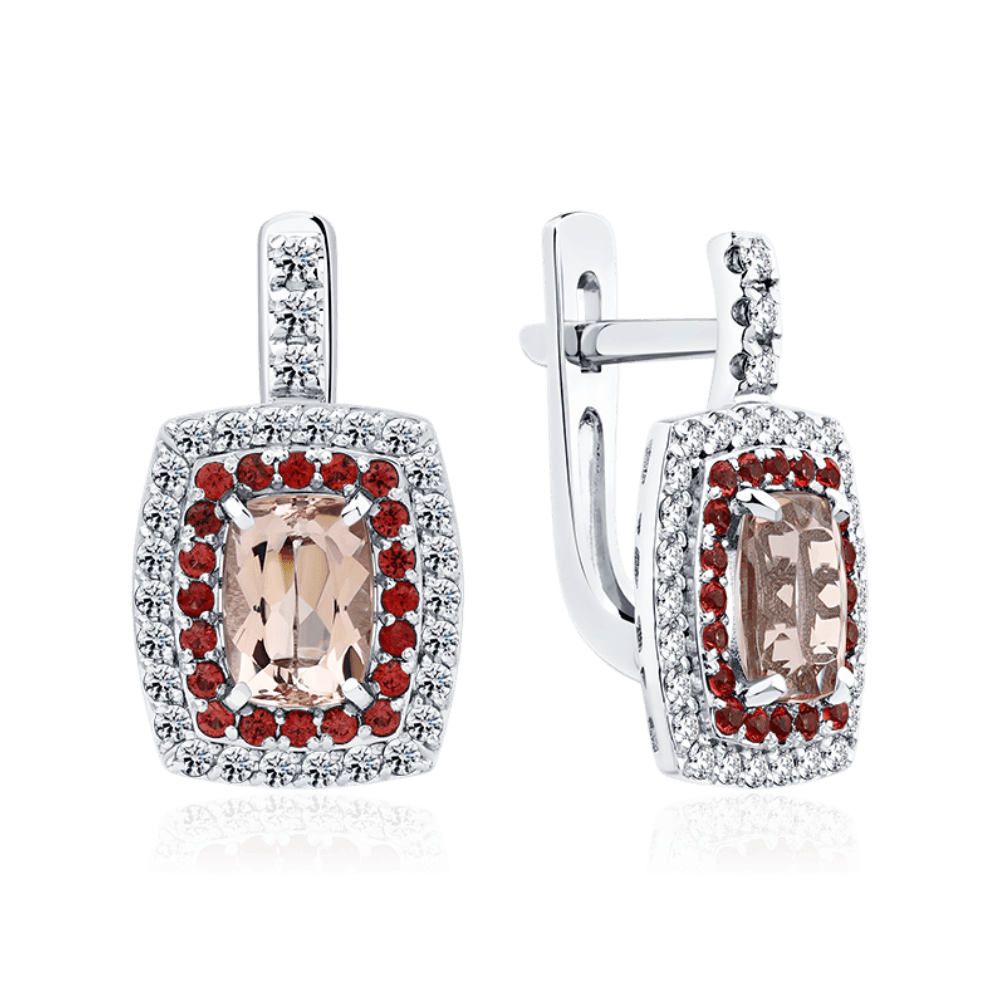


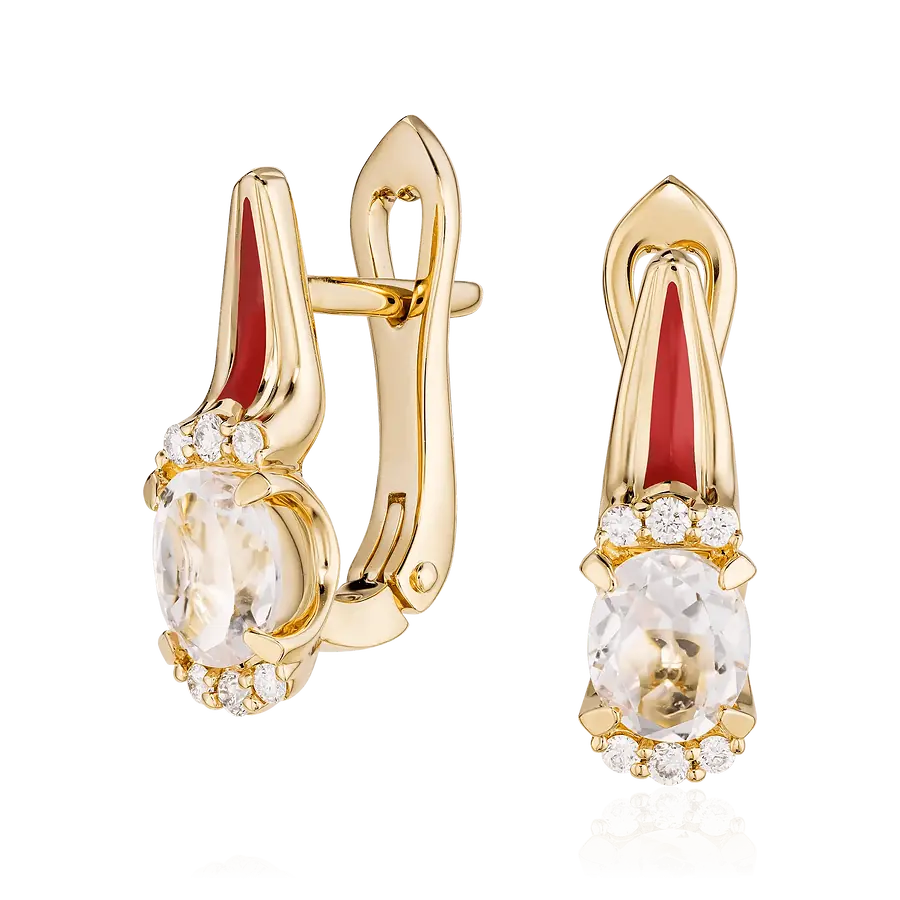
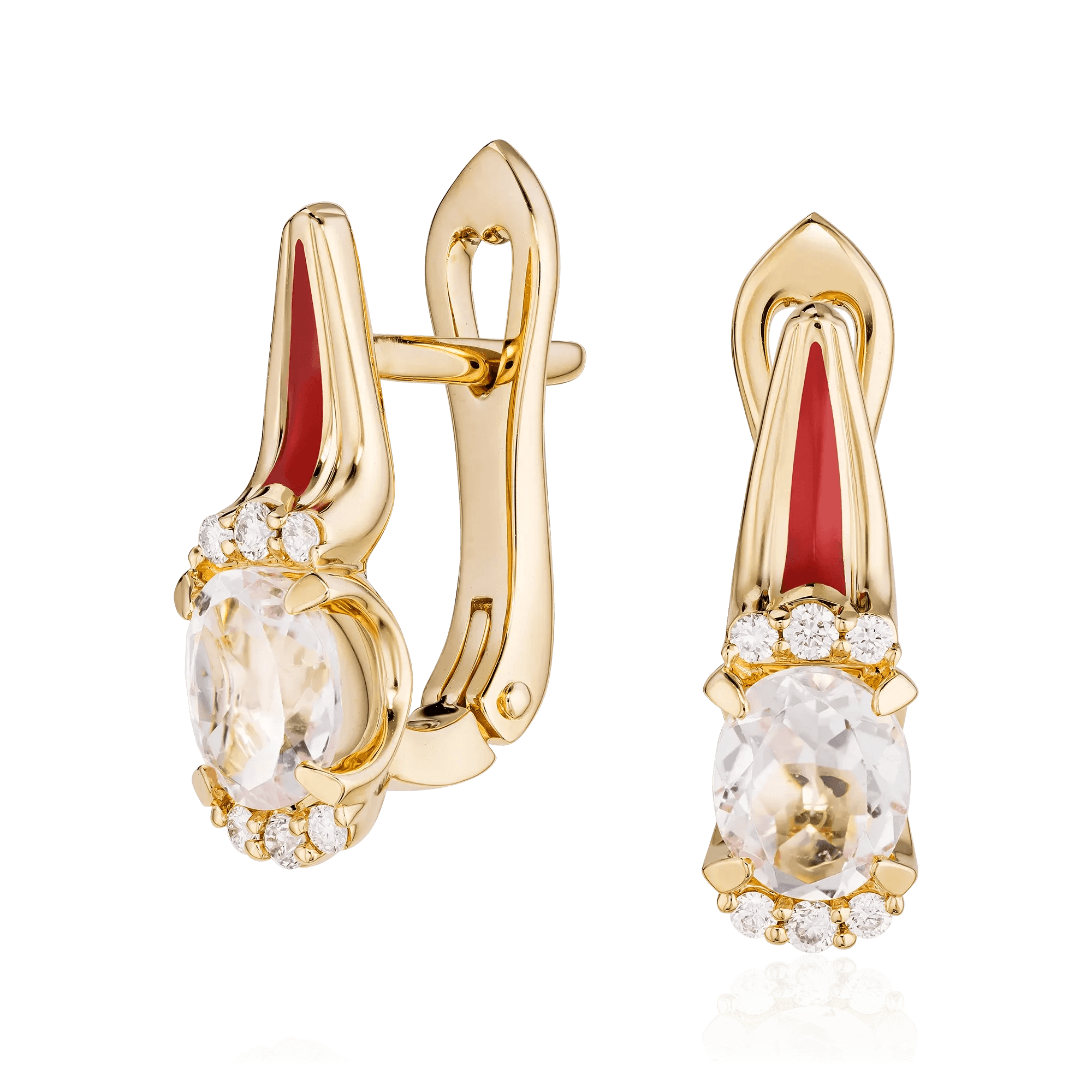
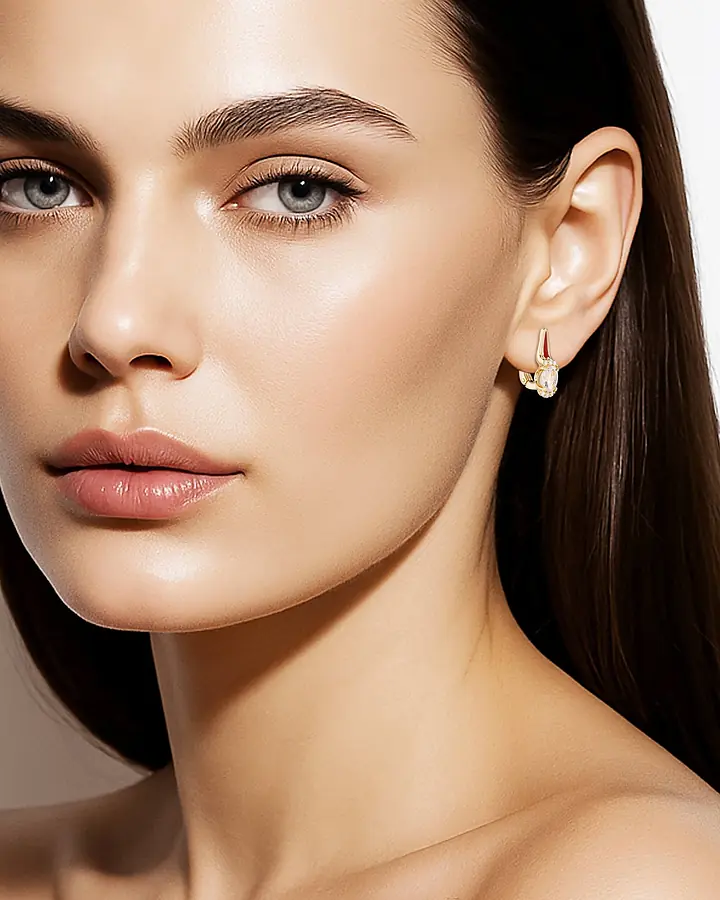
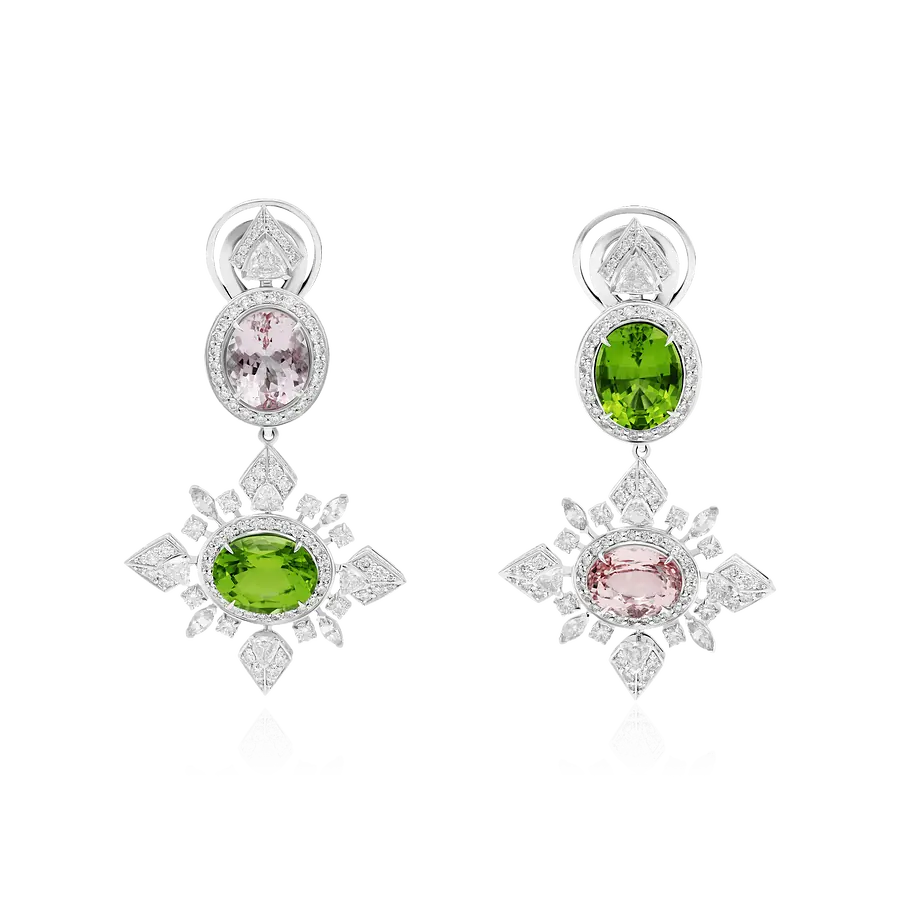
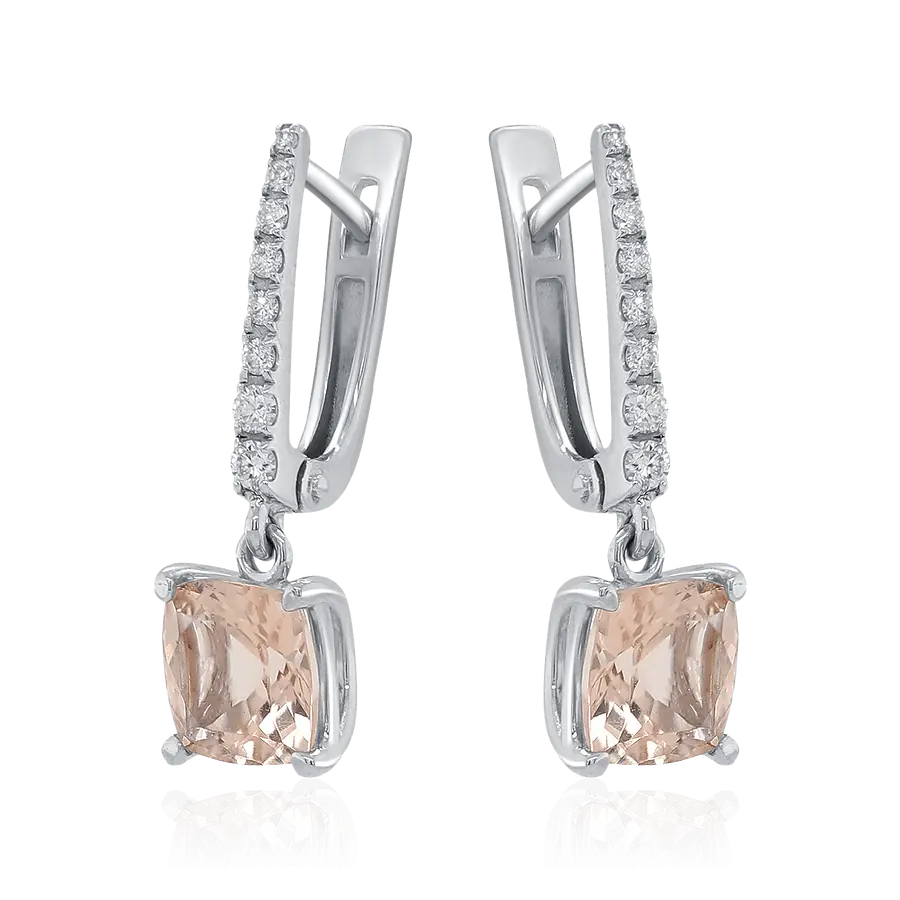
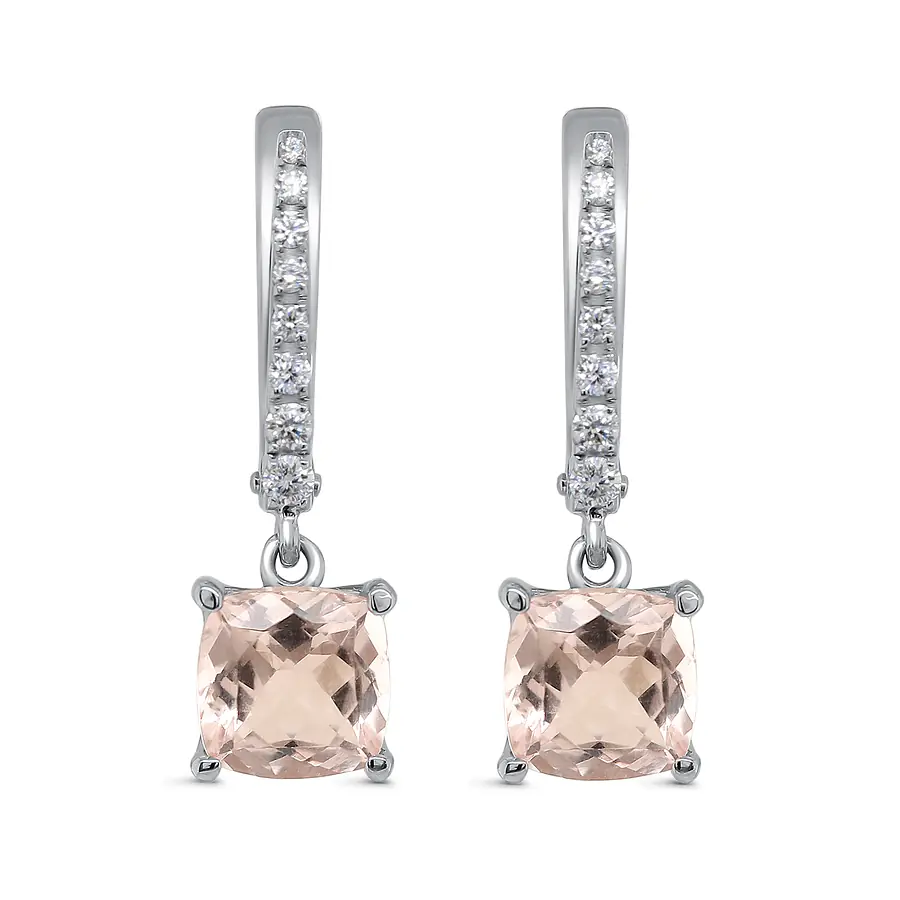
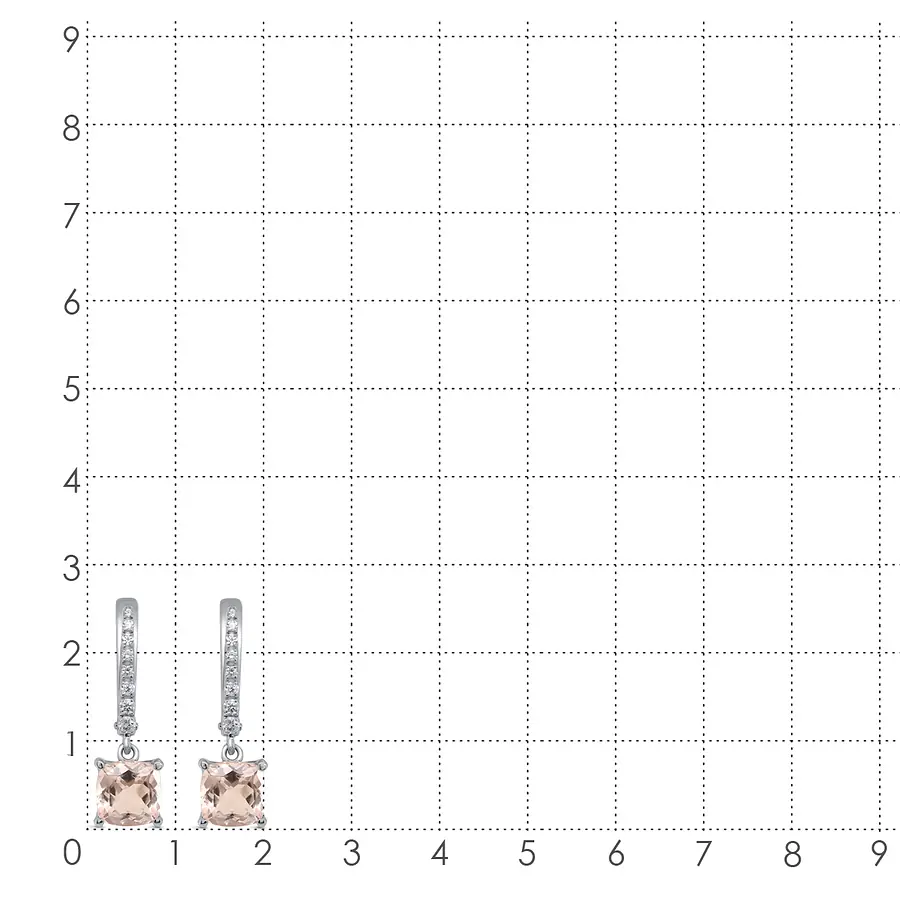
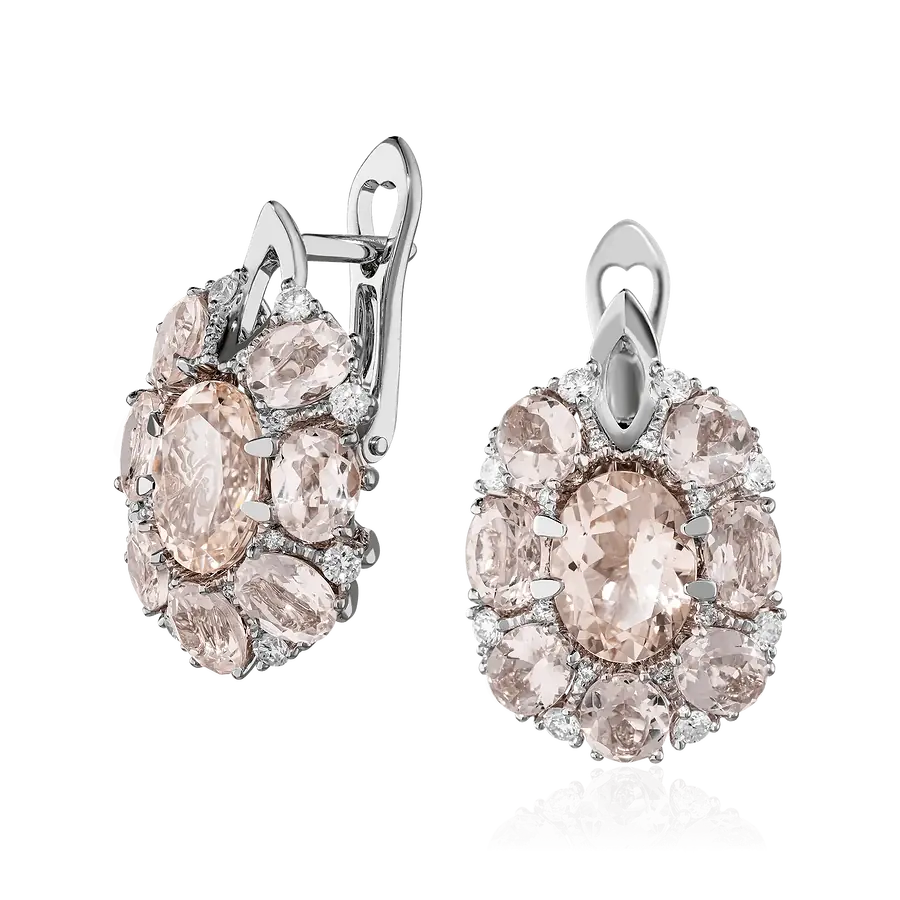
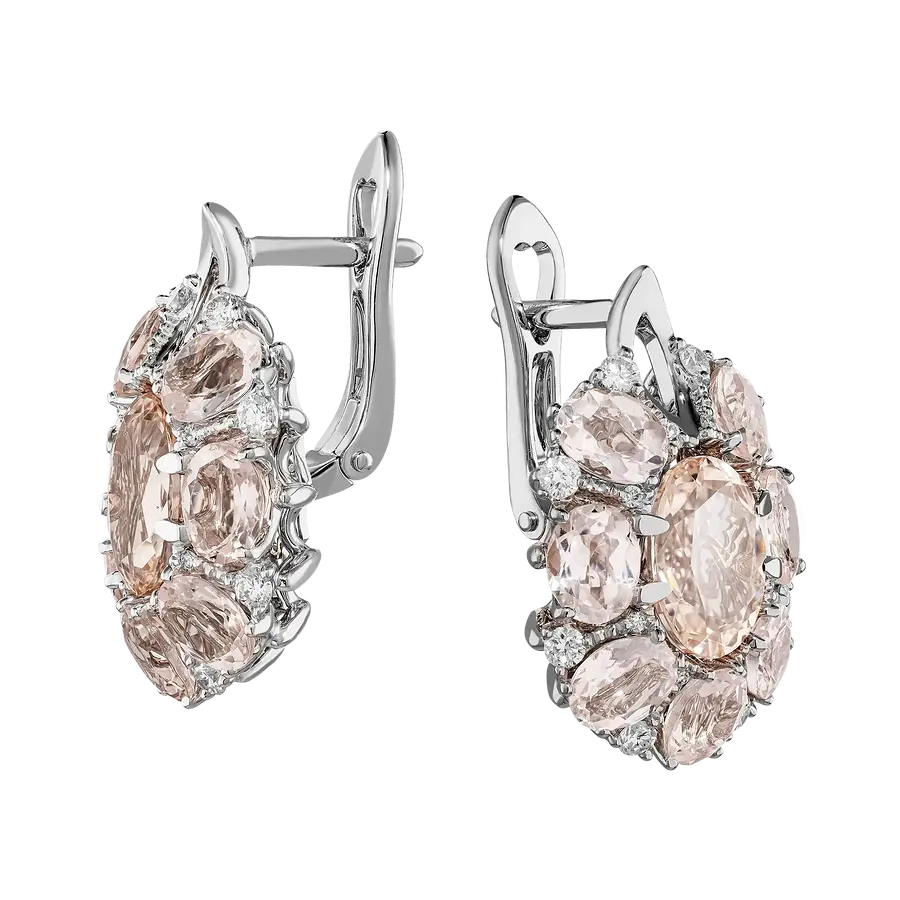
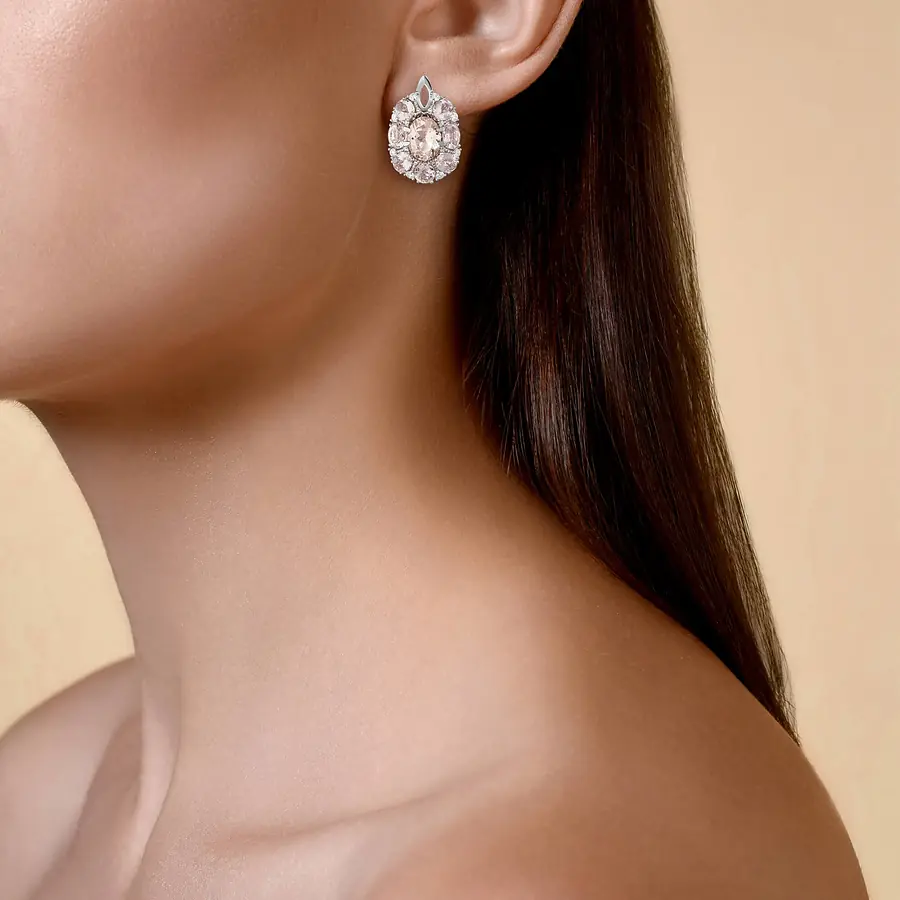
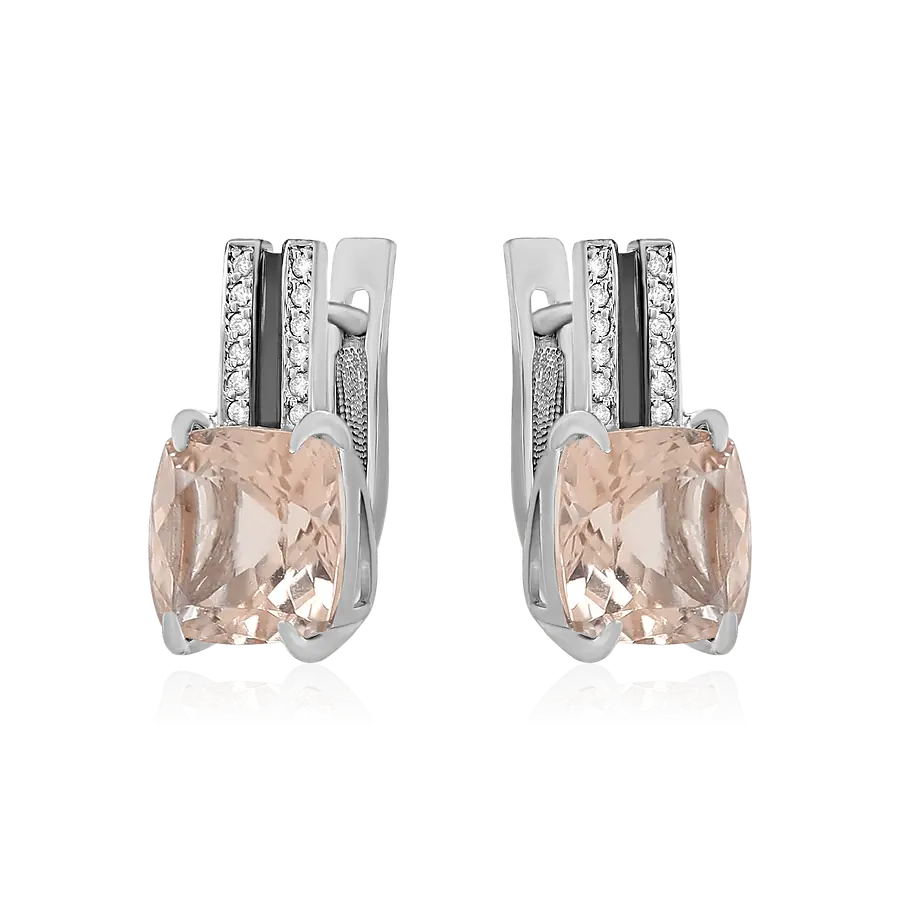
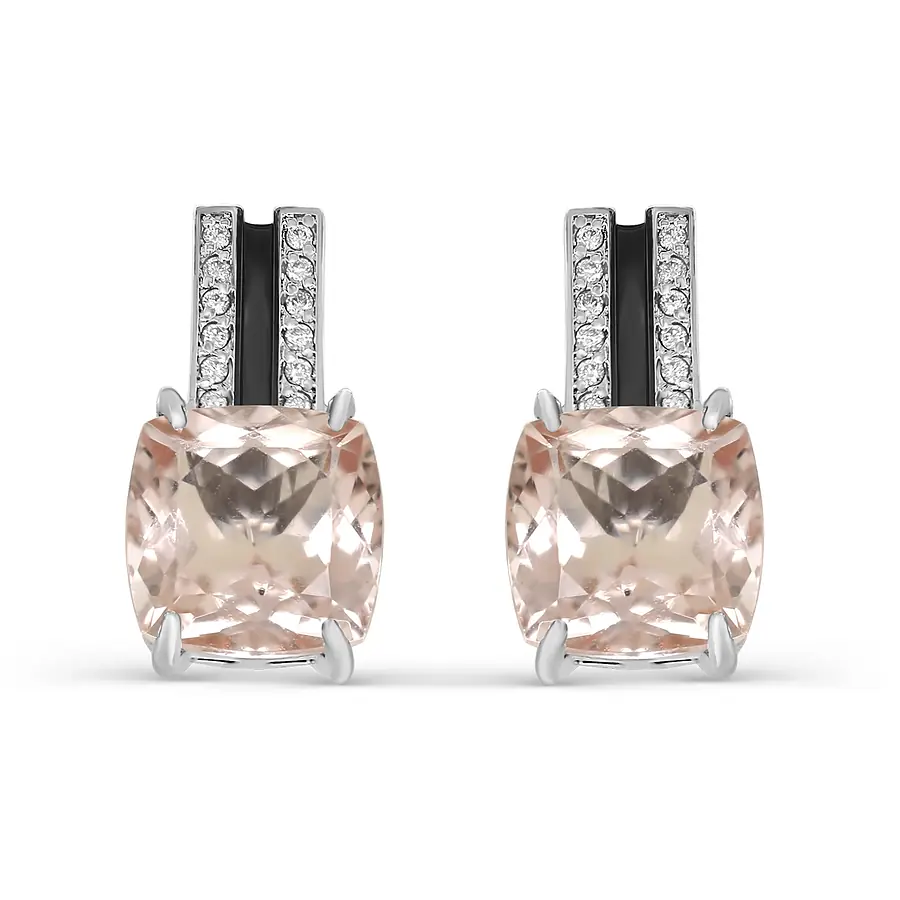
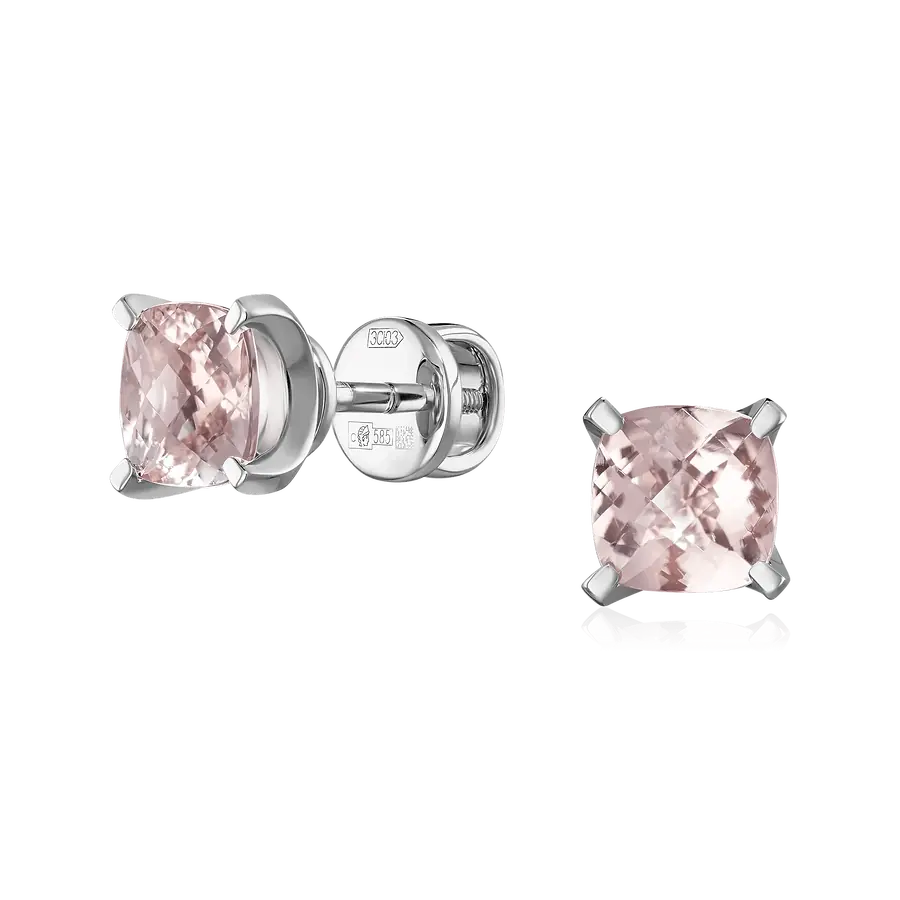
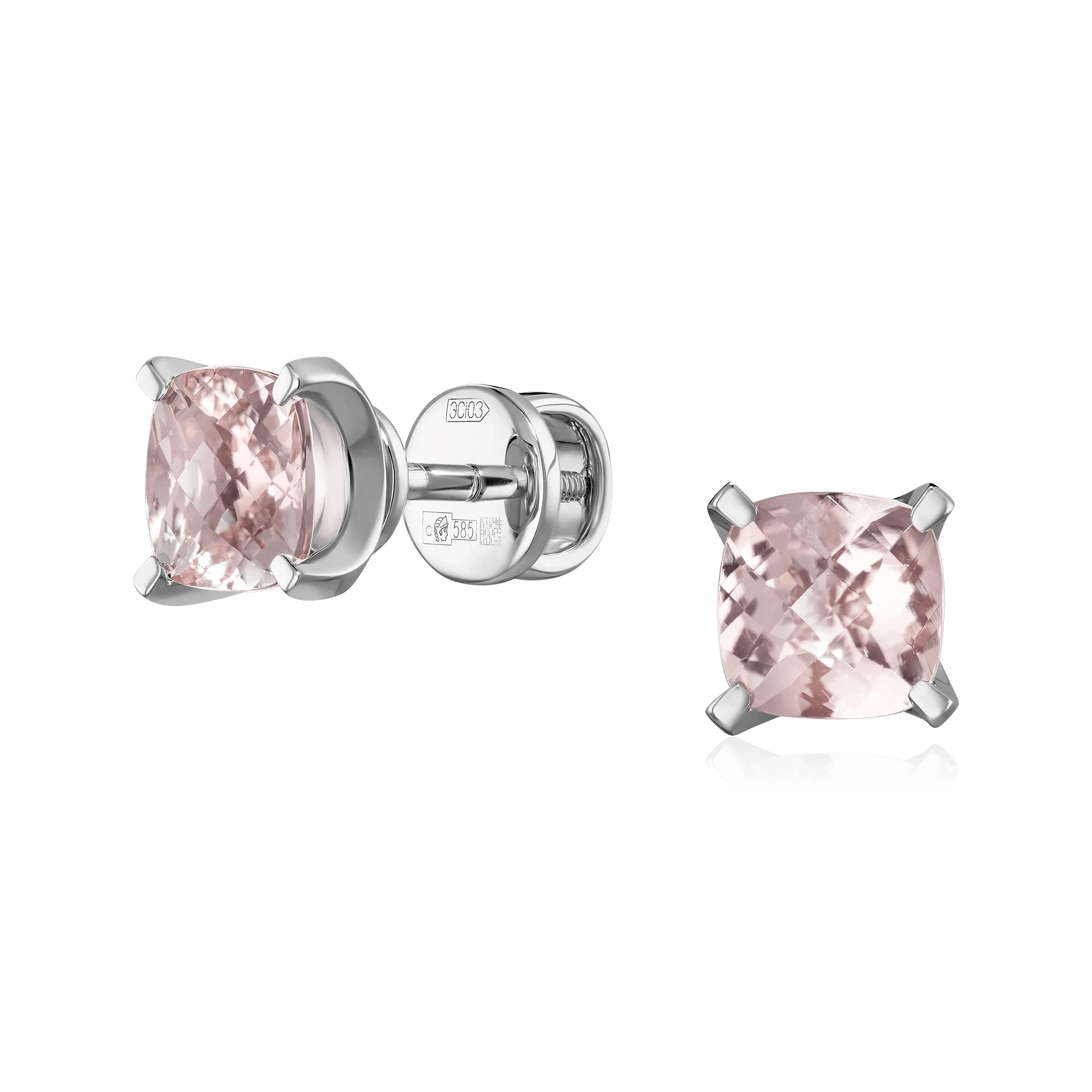
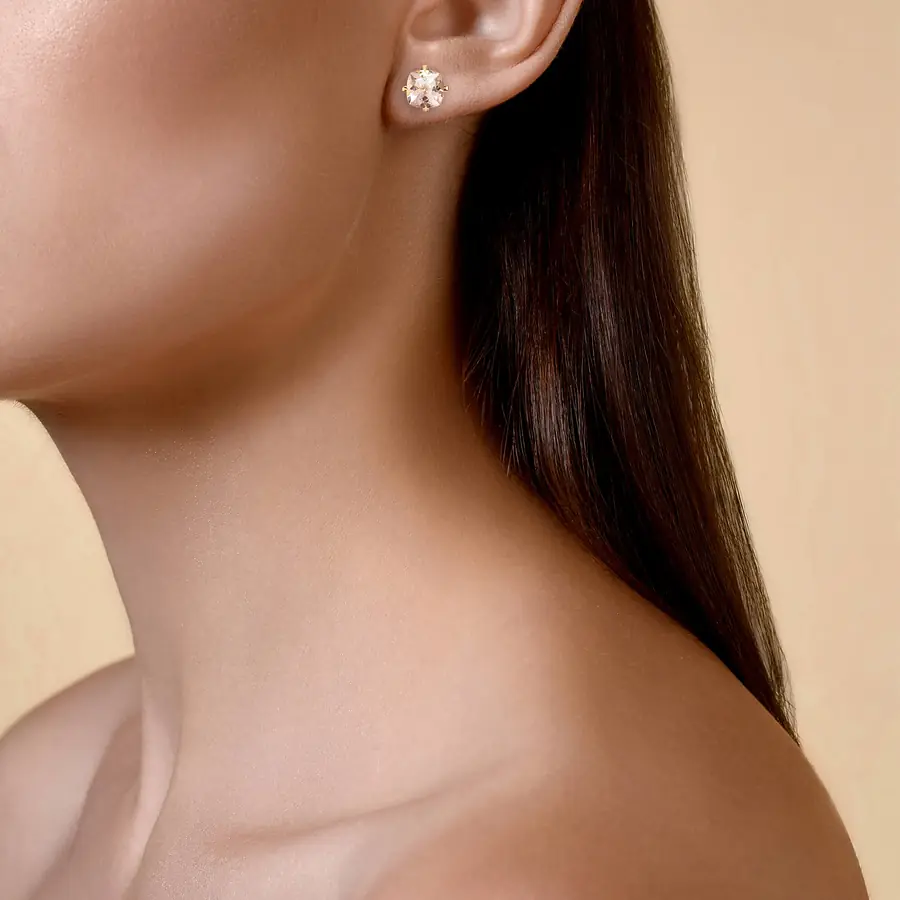
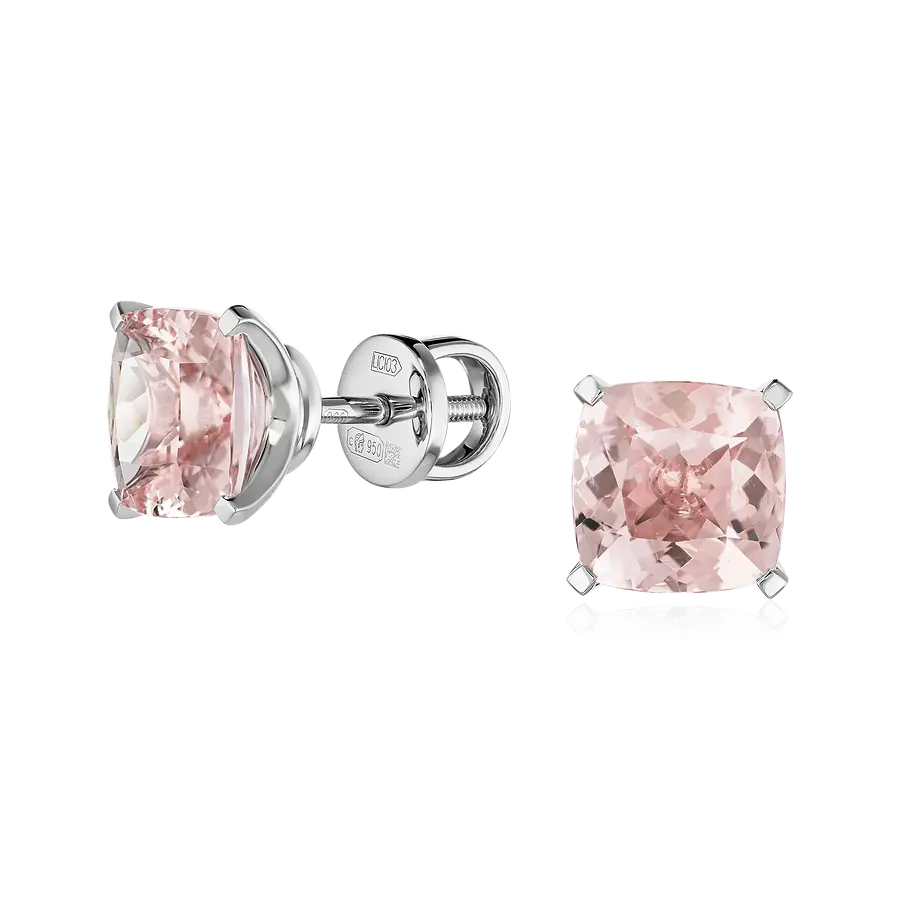
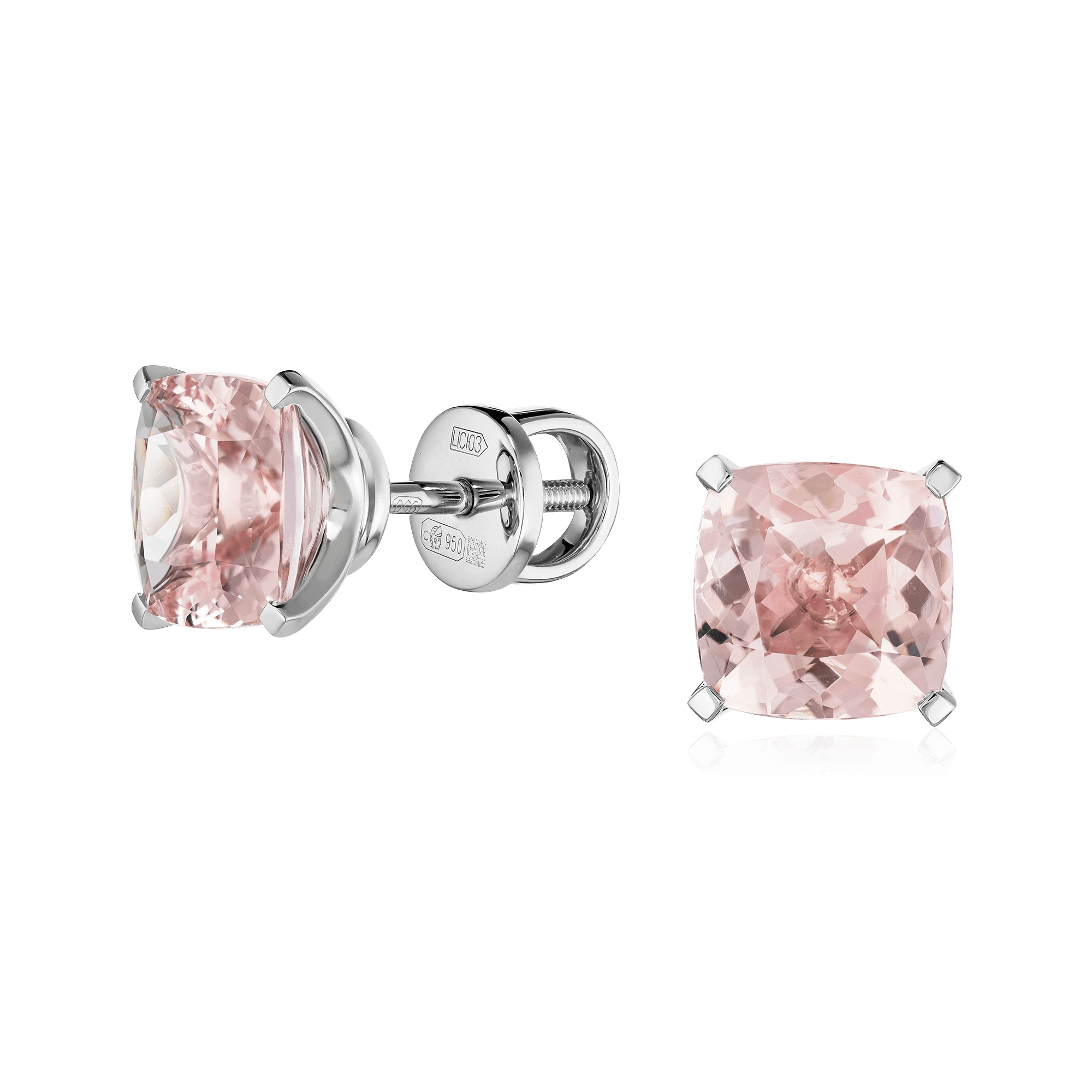
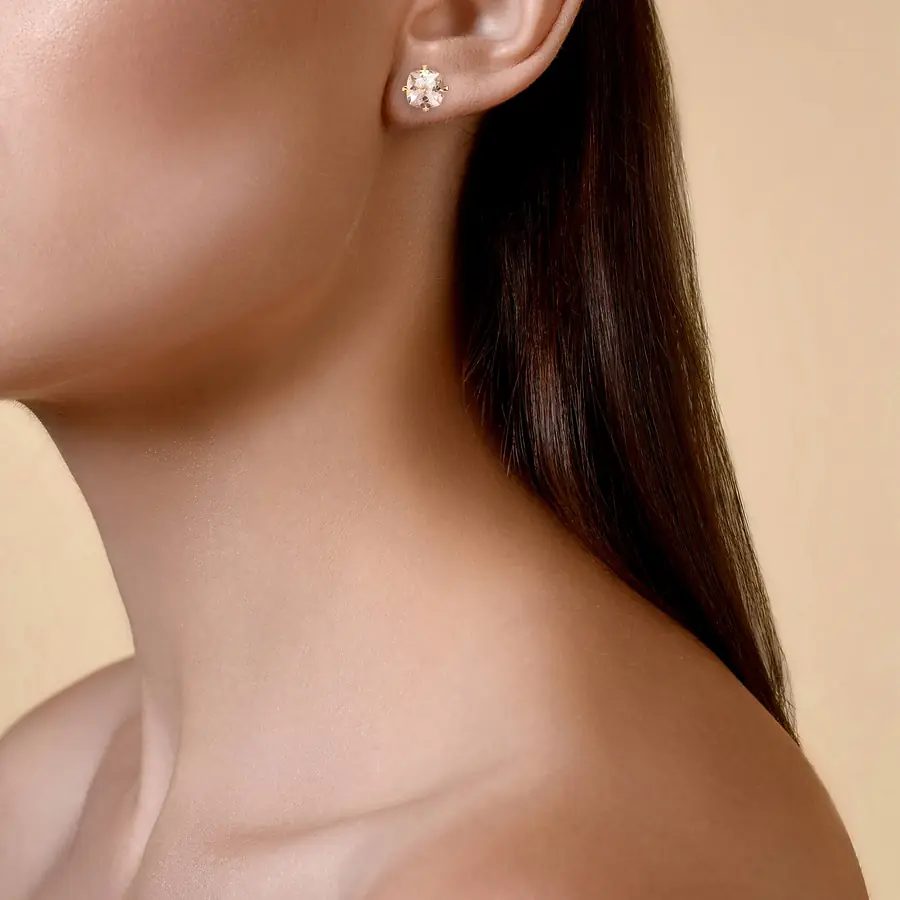
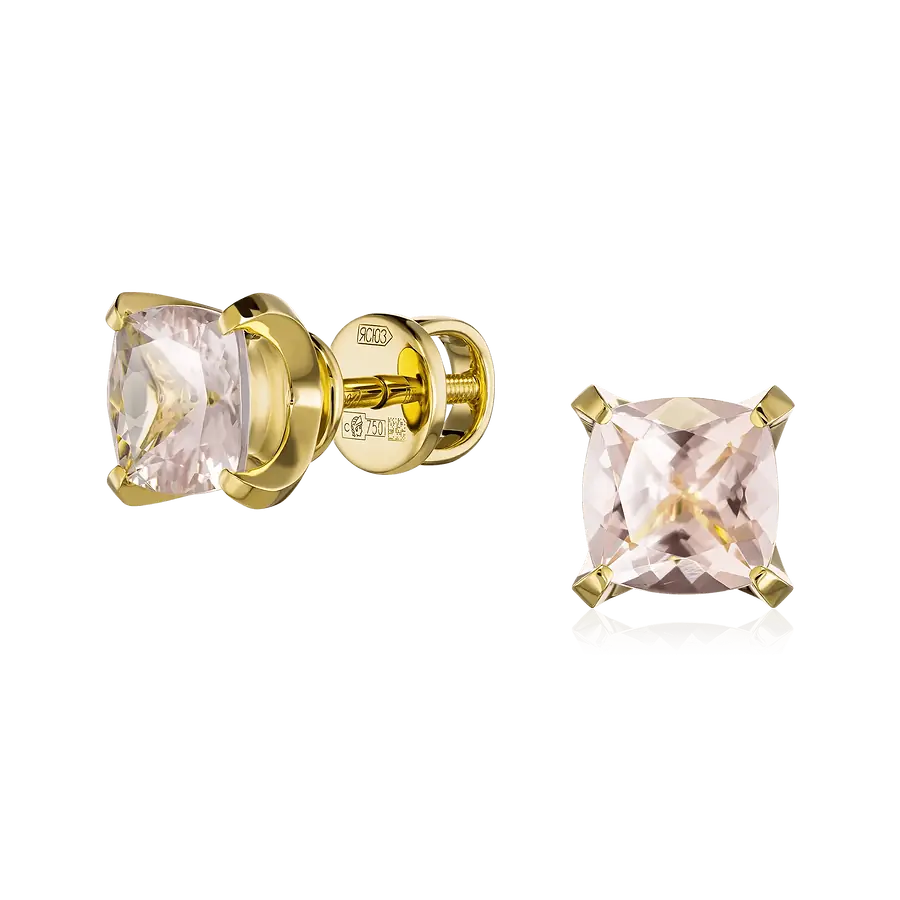
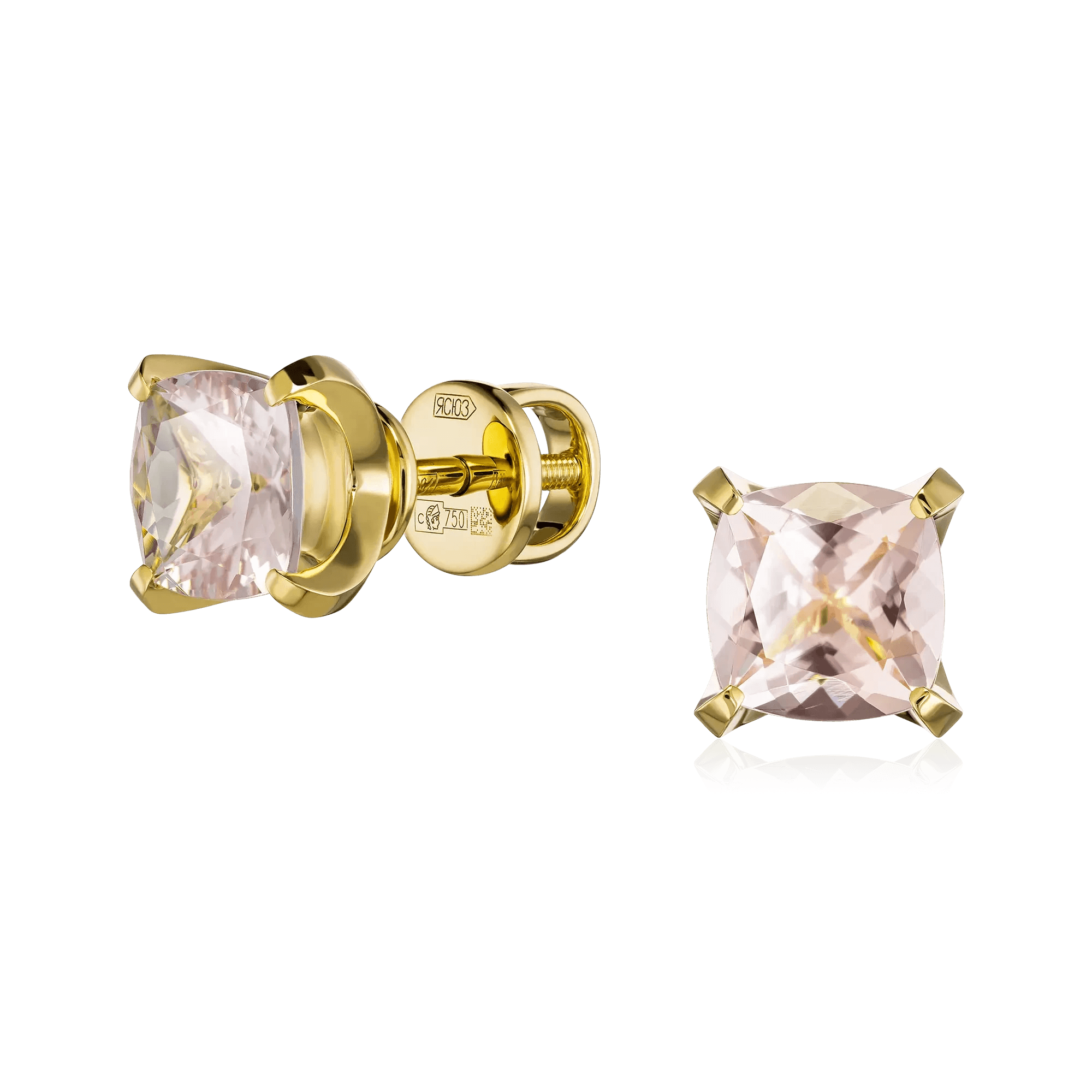
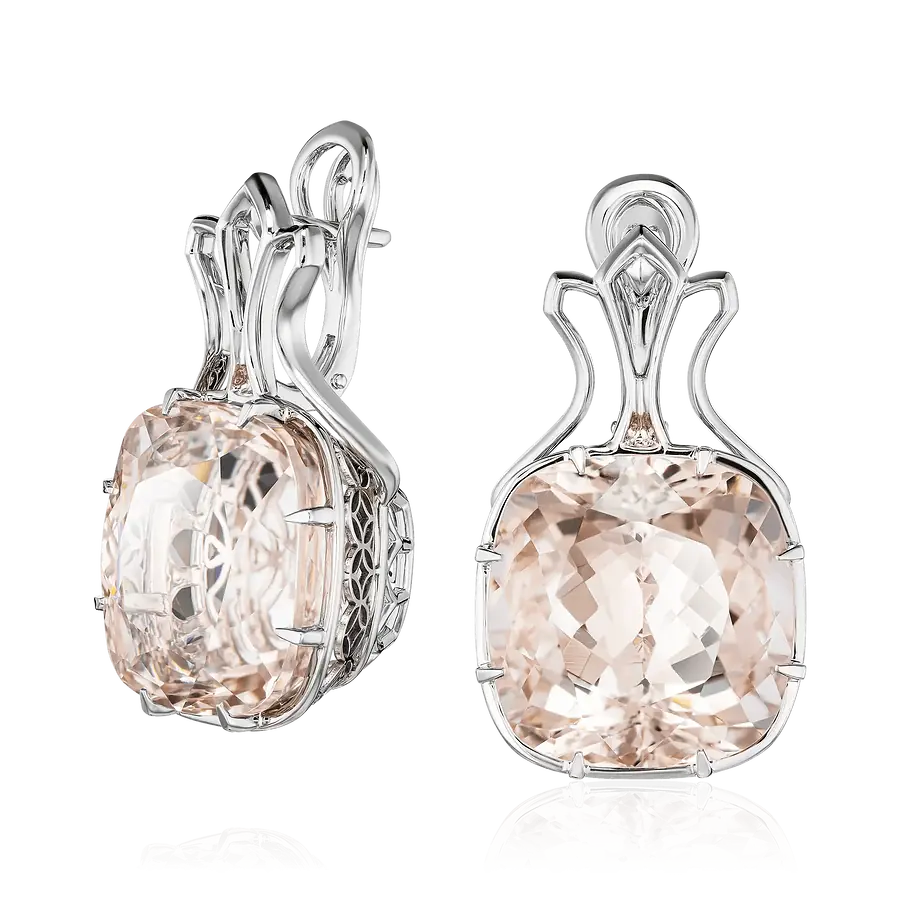
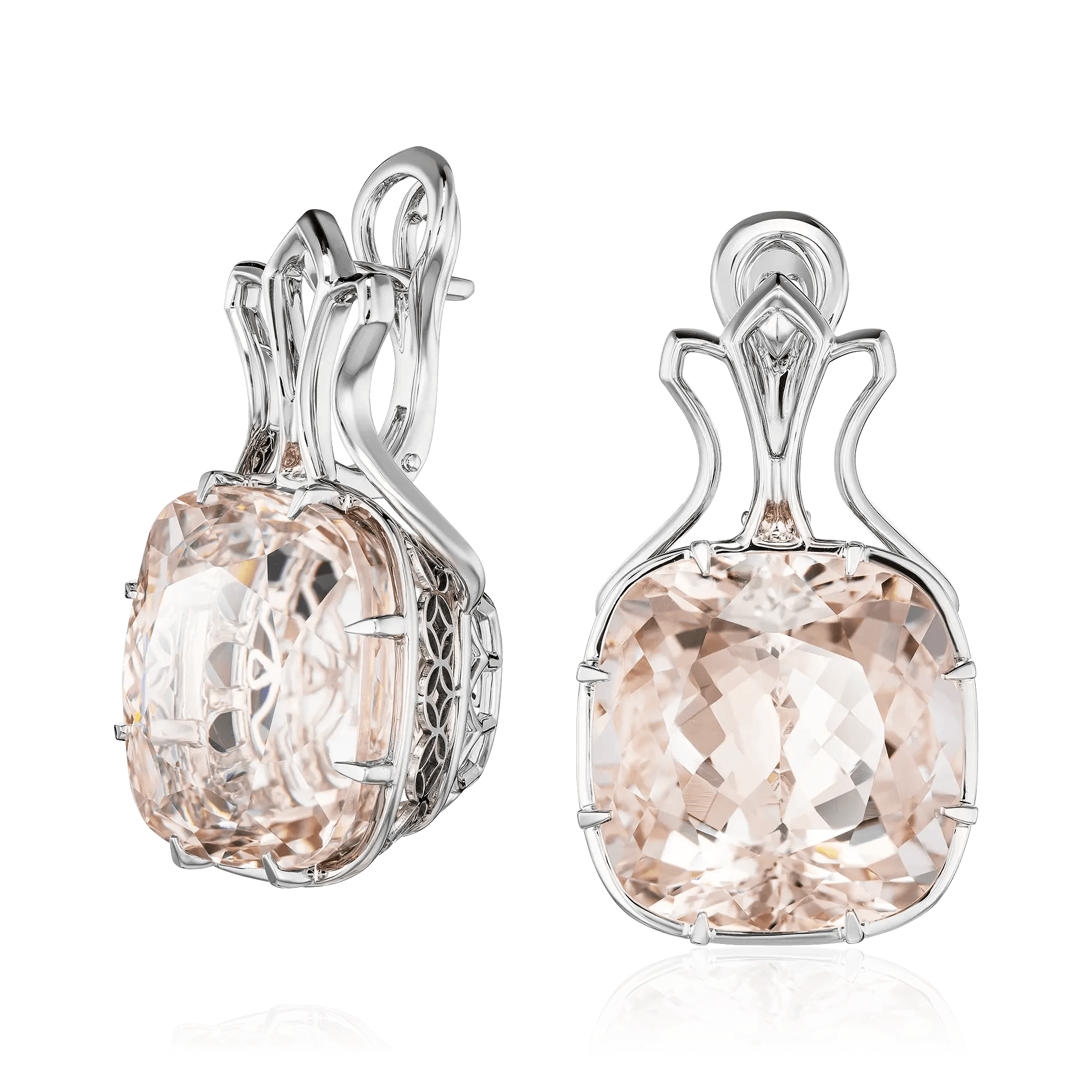
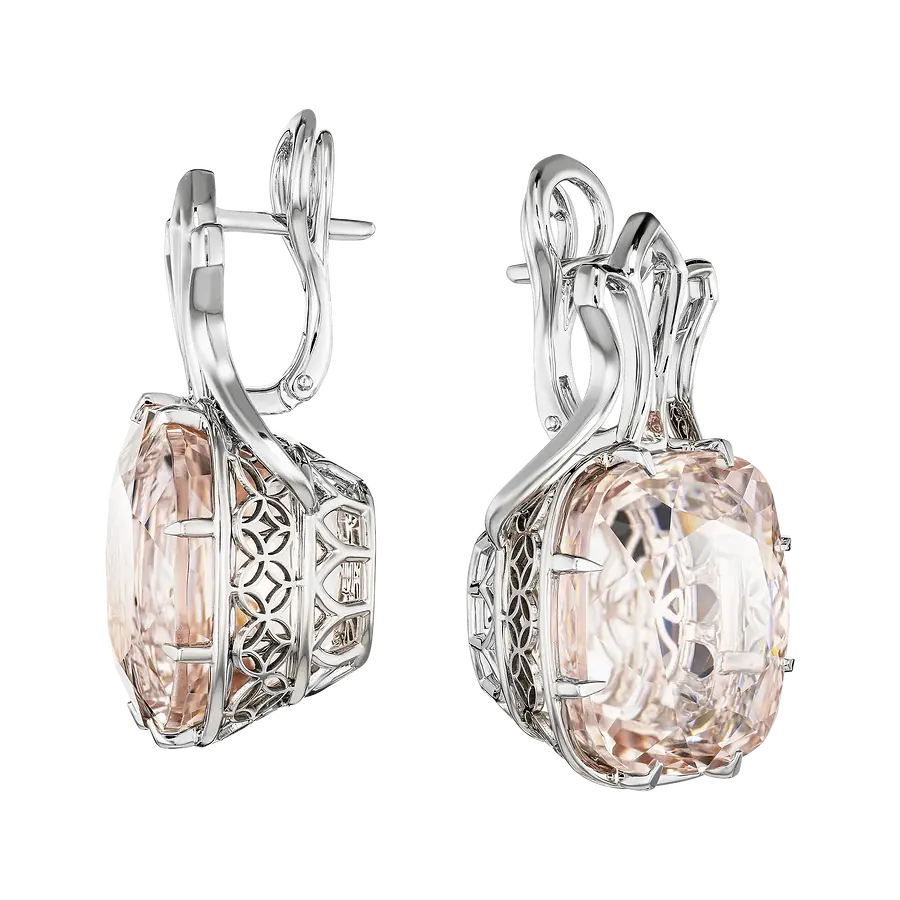
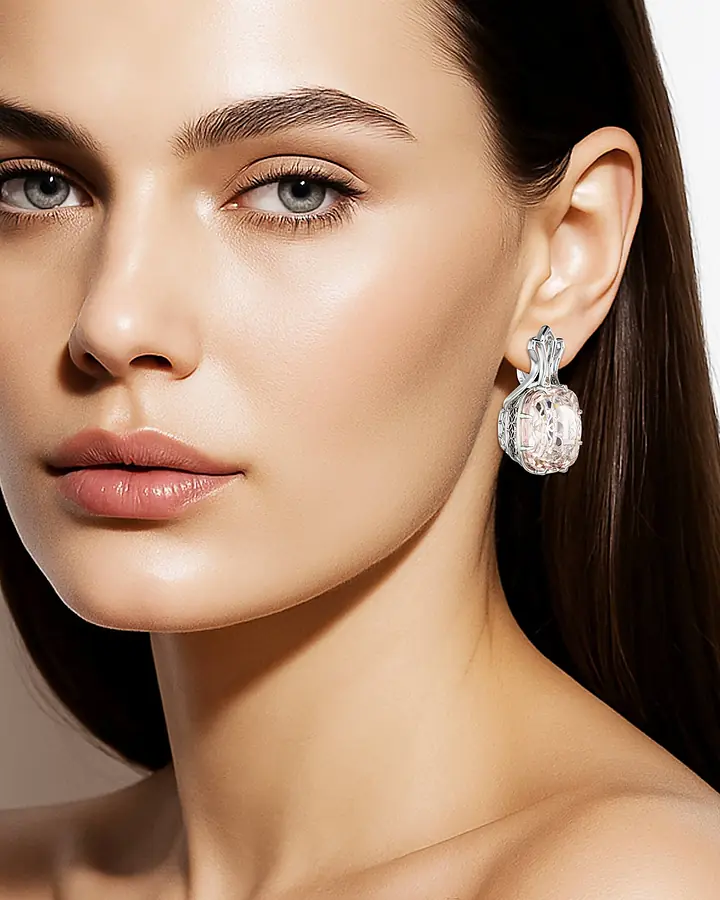
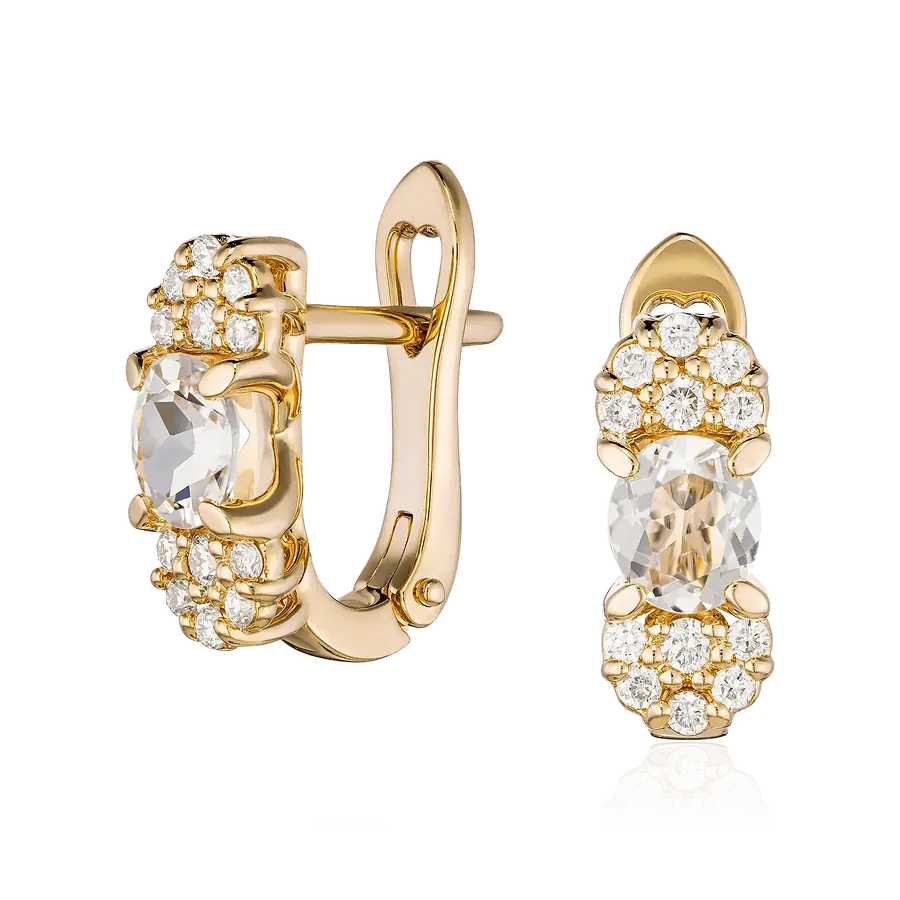
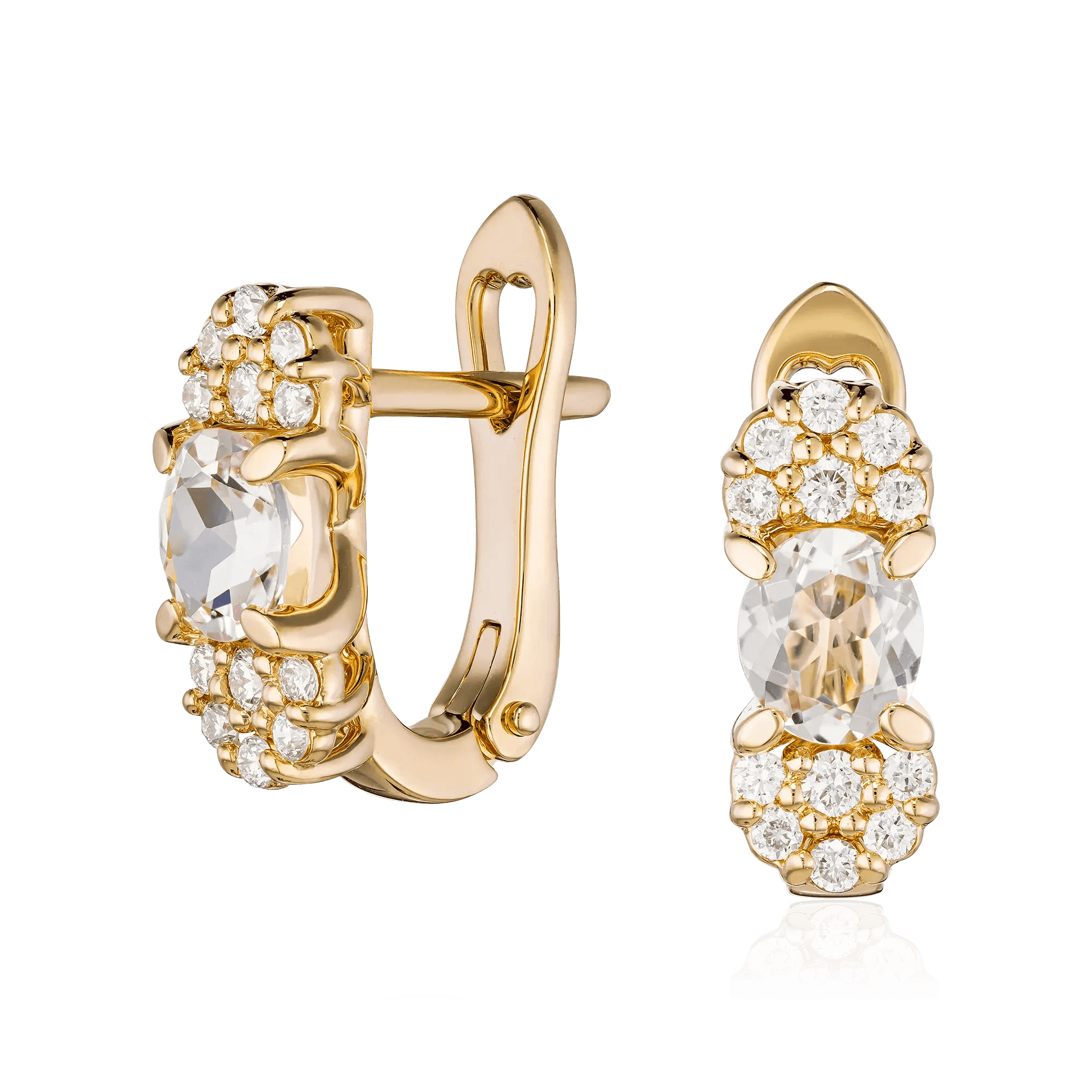
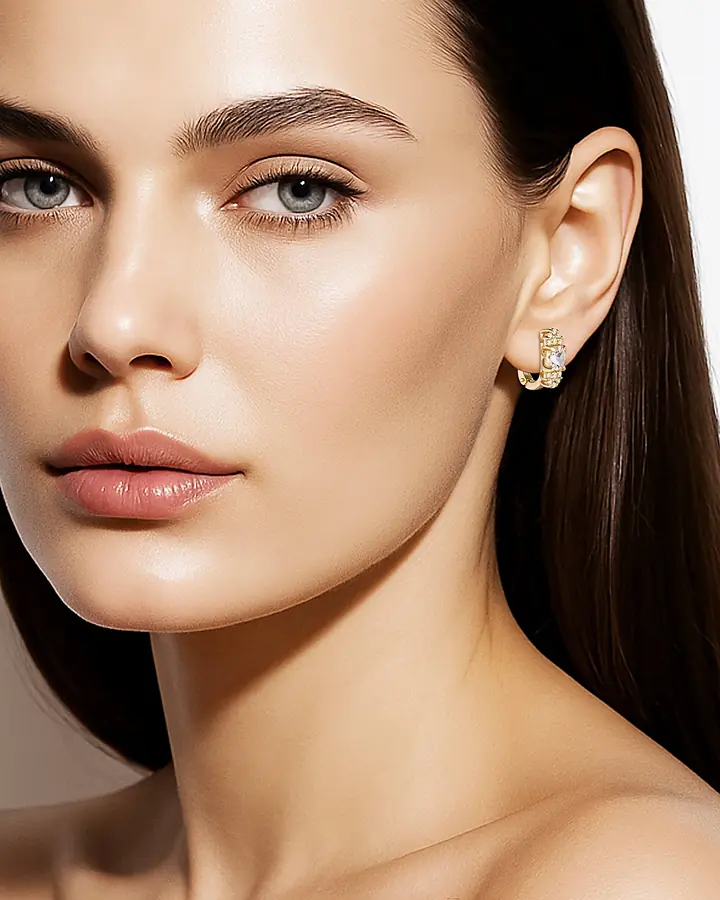
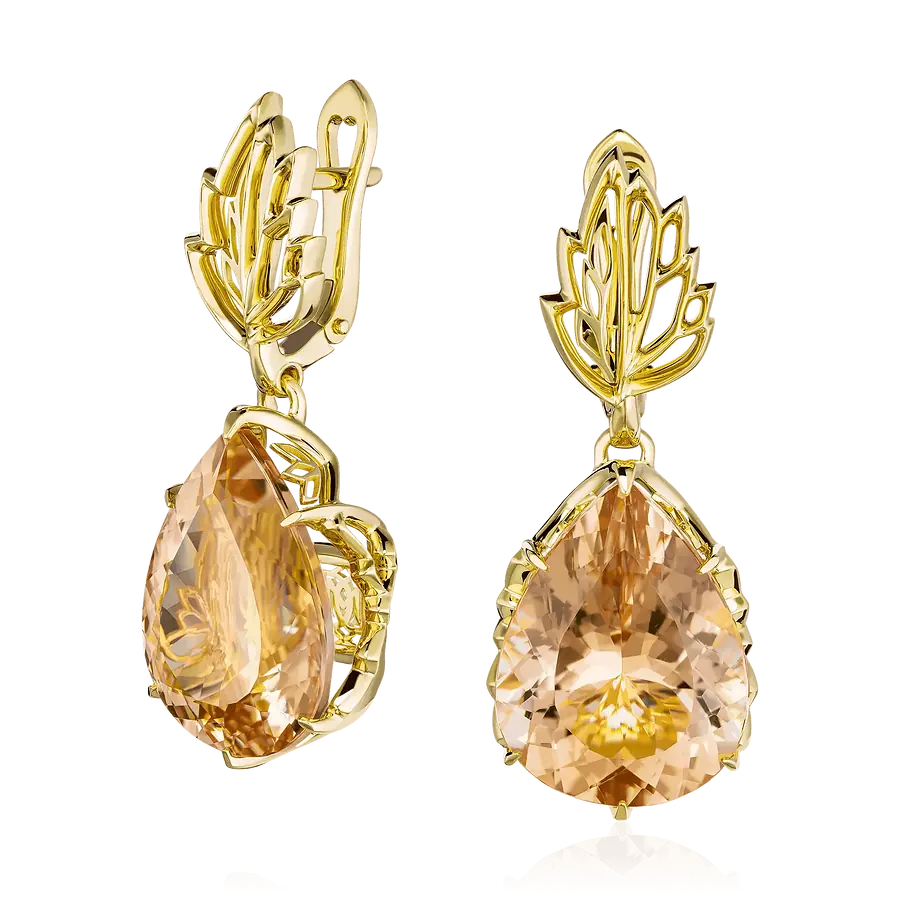
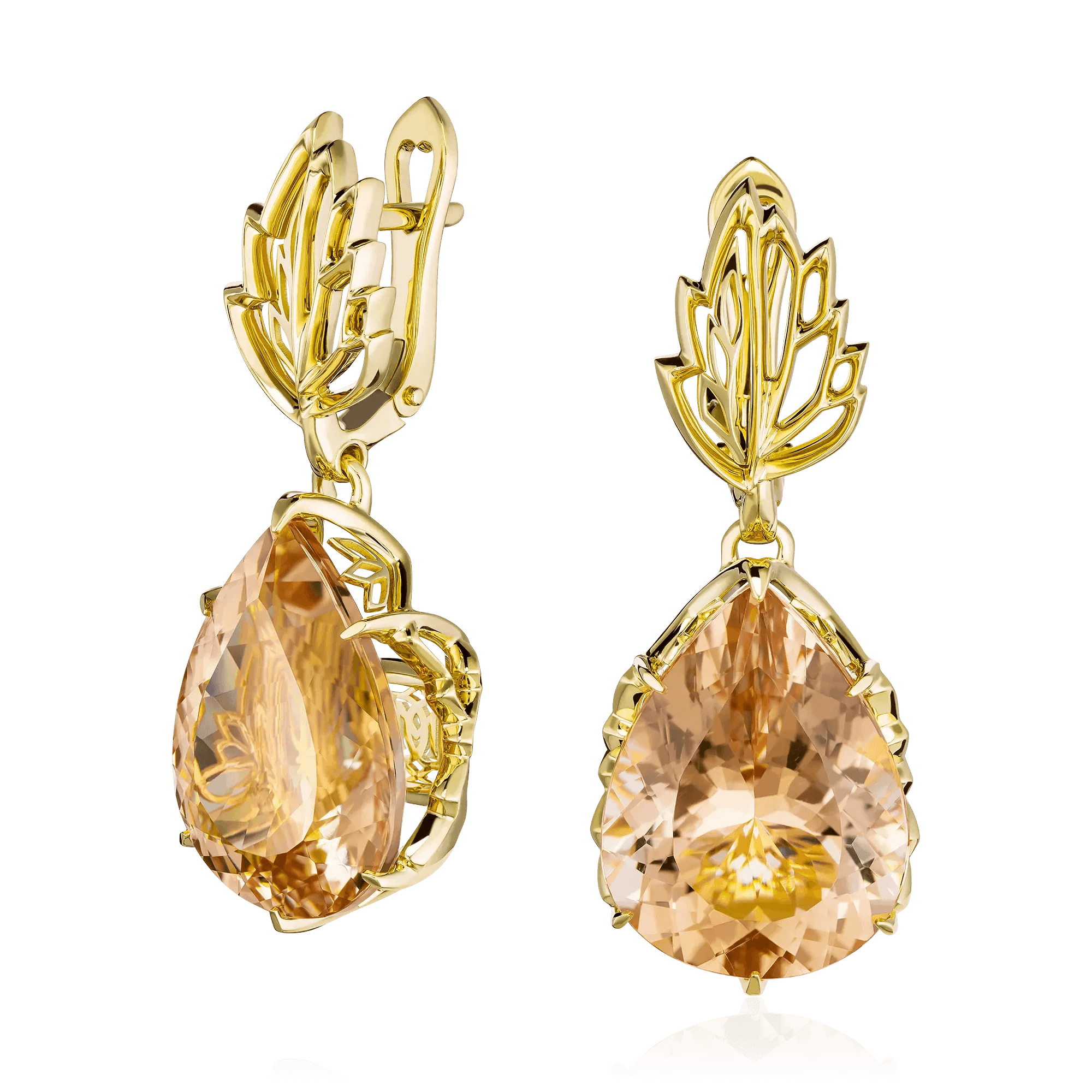
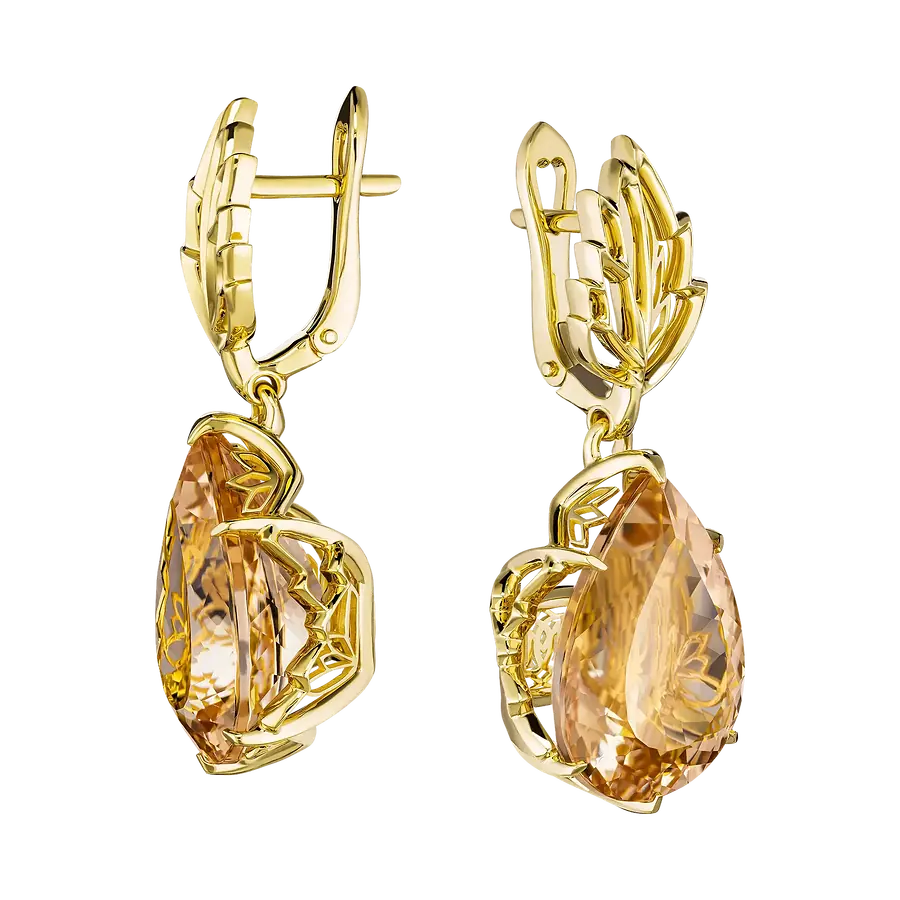
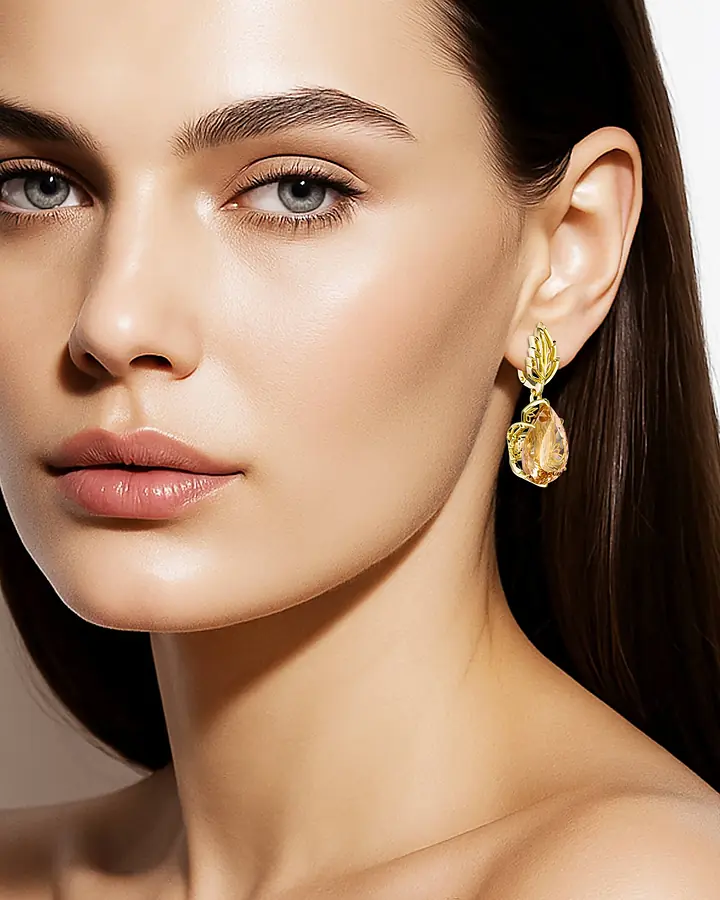
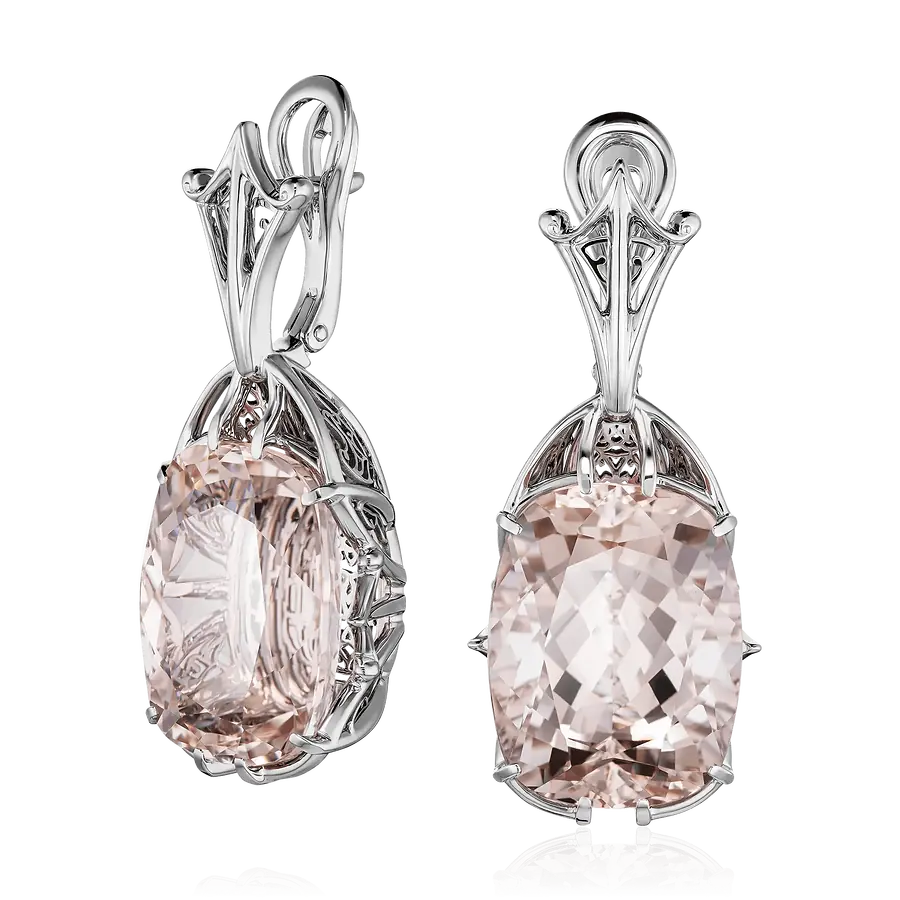
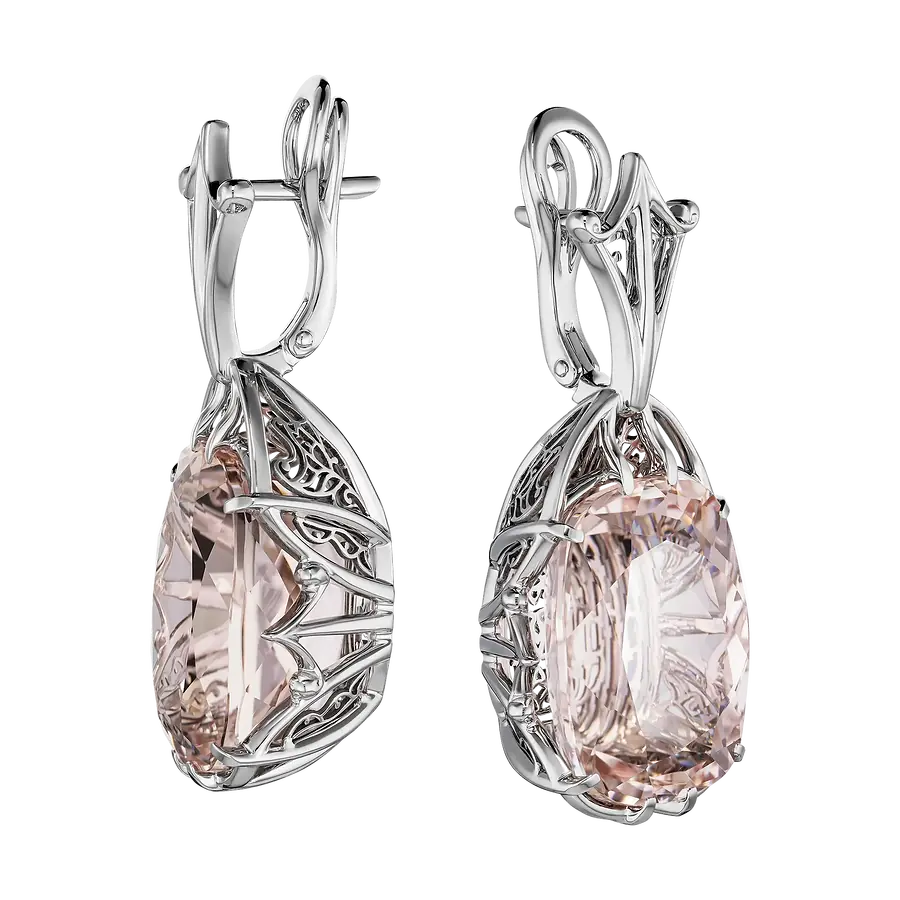
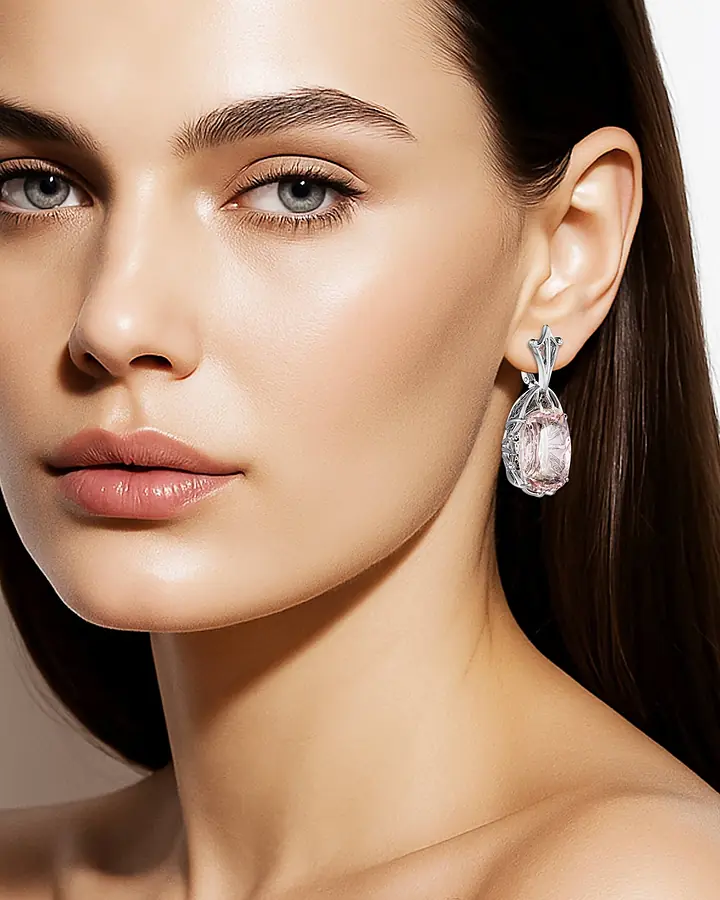
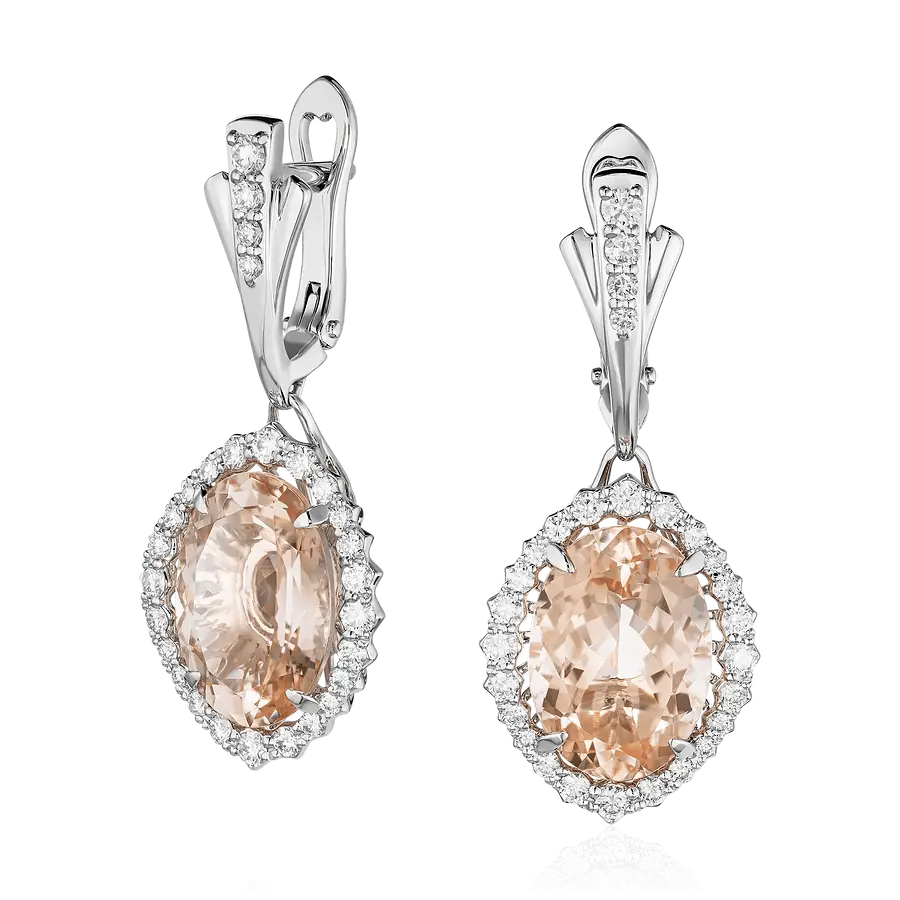
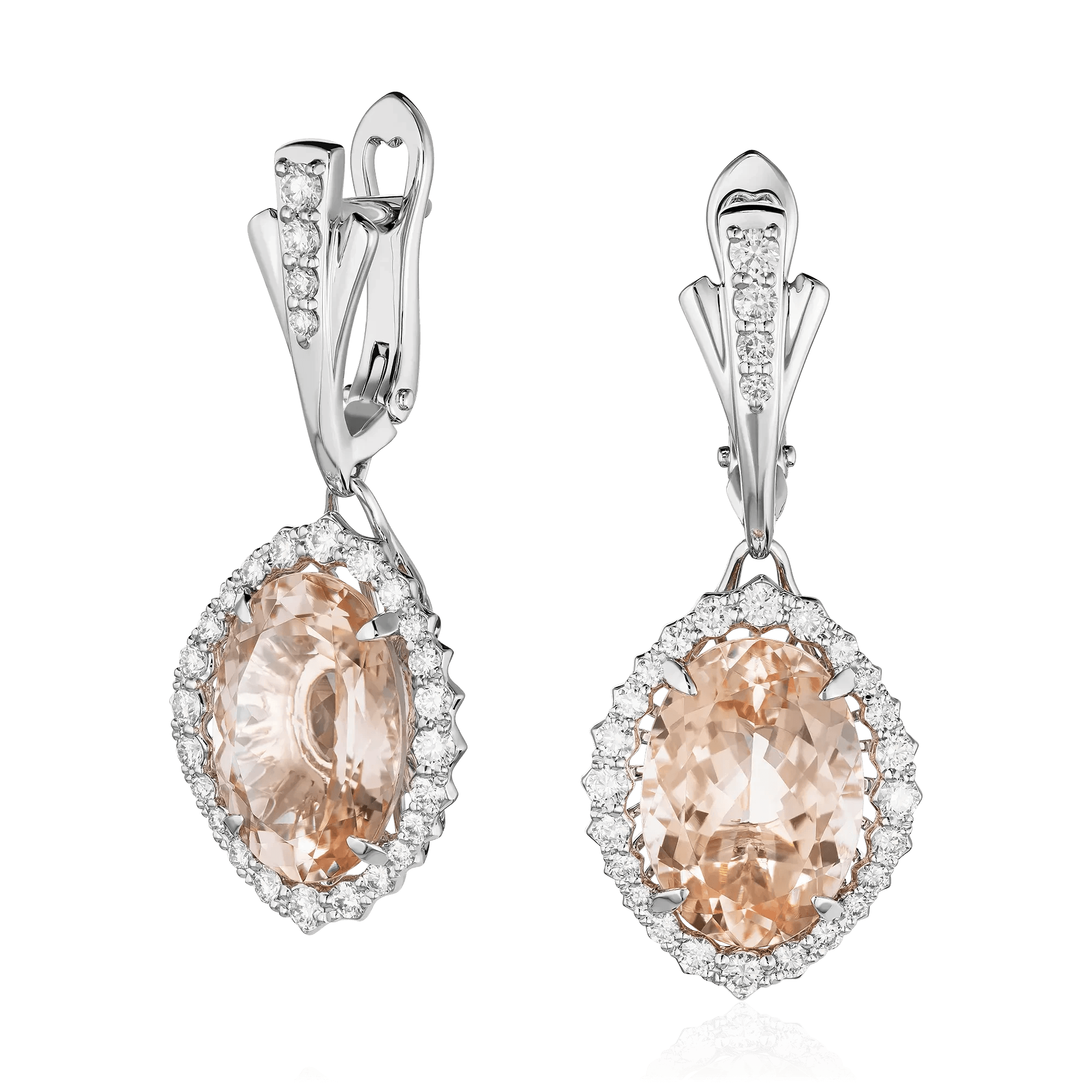
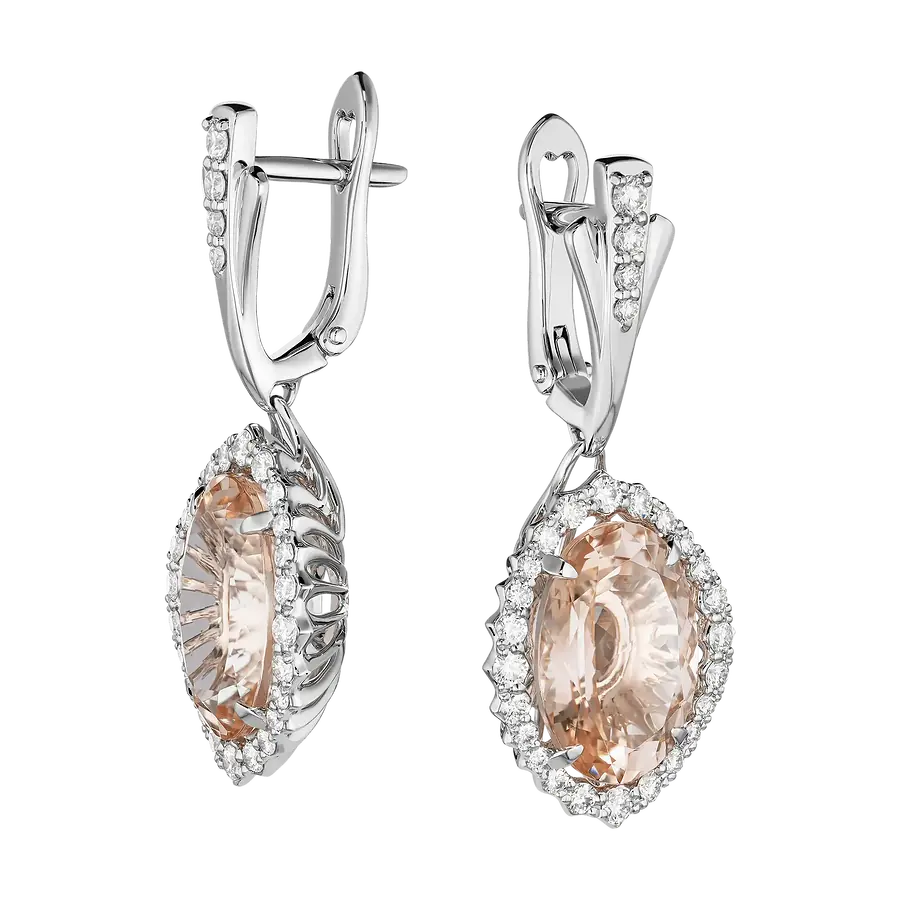
Earrings with sapphire, diamonds, chrysolite and morganite in 18K white gold (750) ( 120361)
In stock

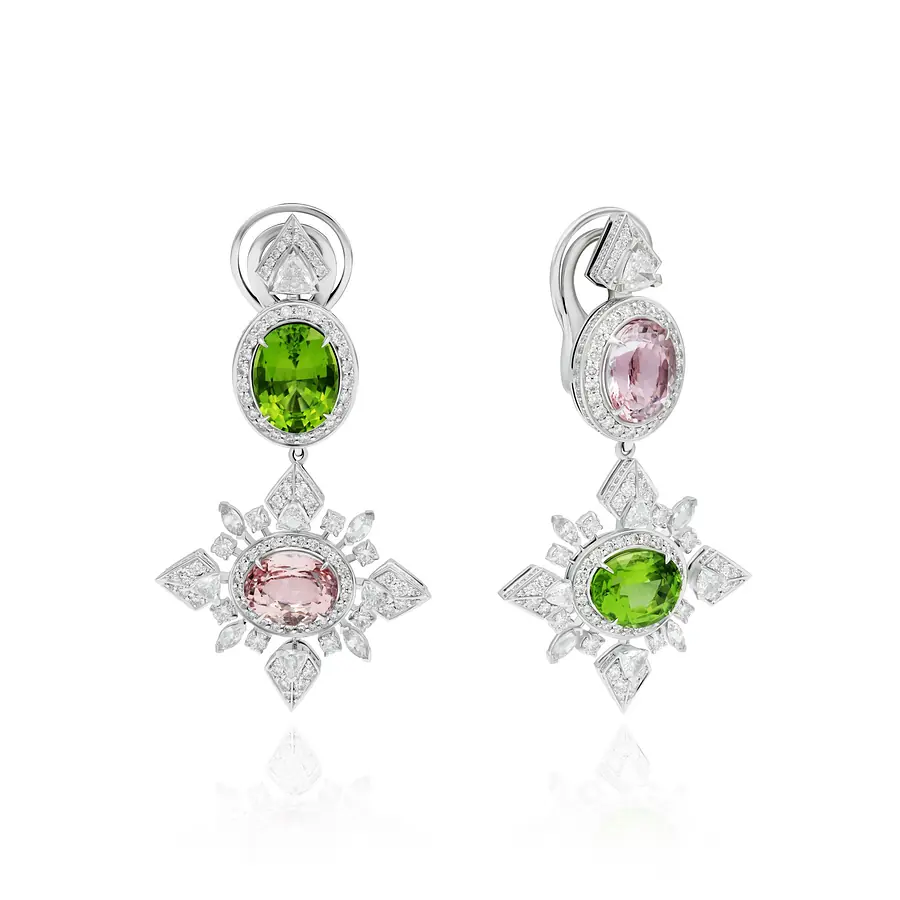
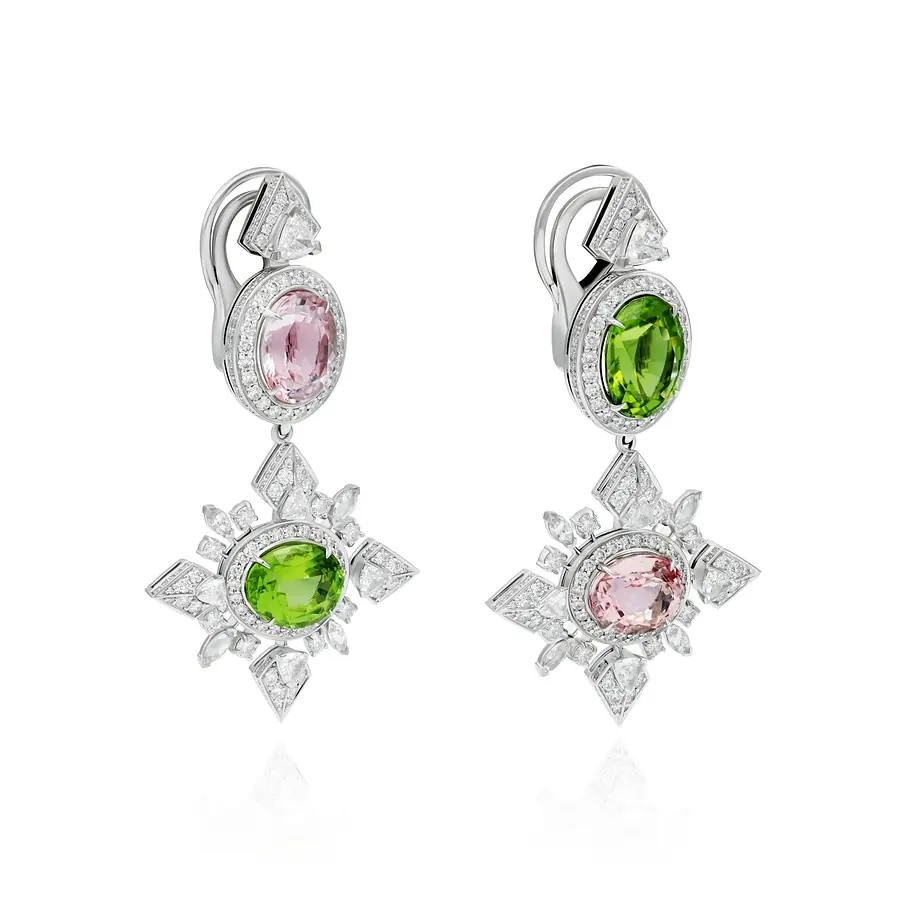
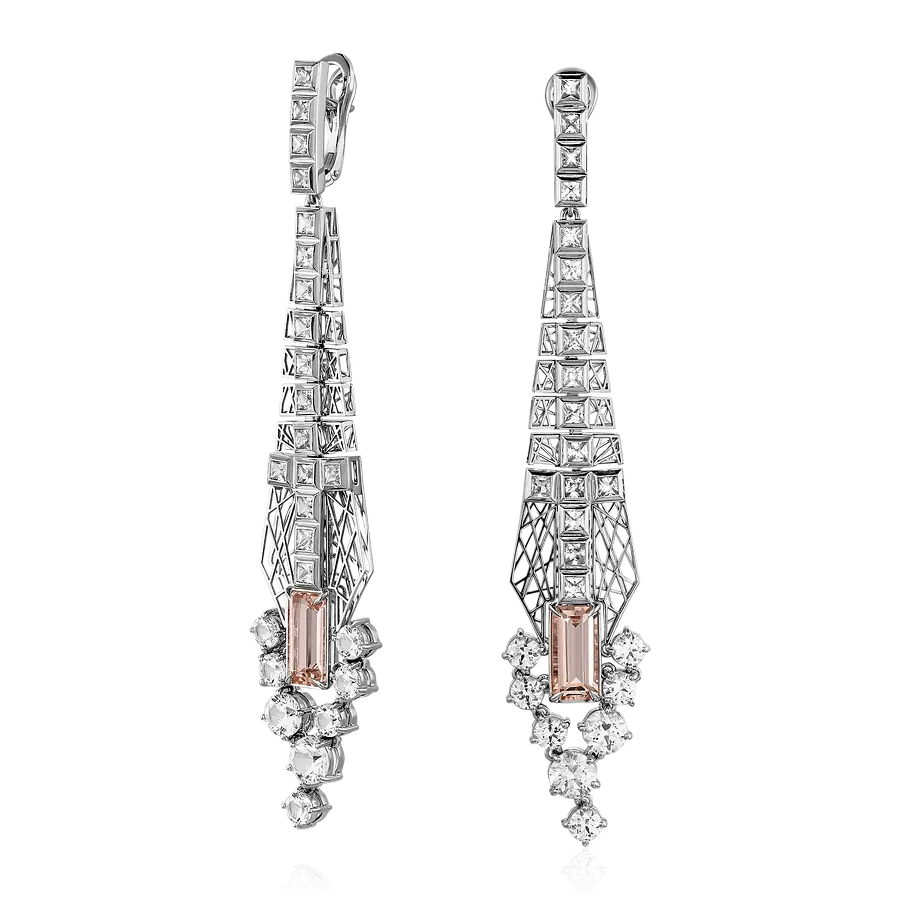

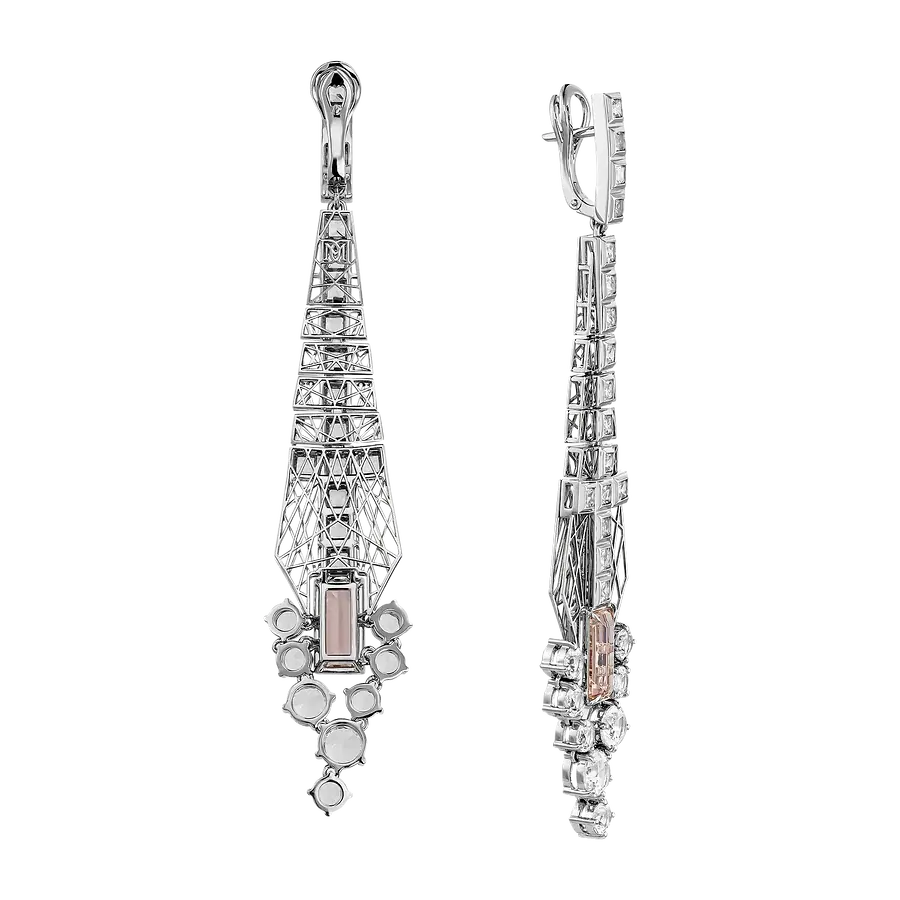
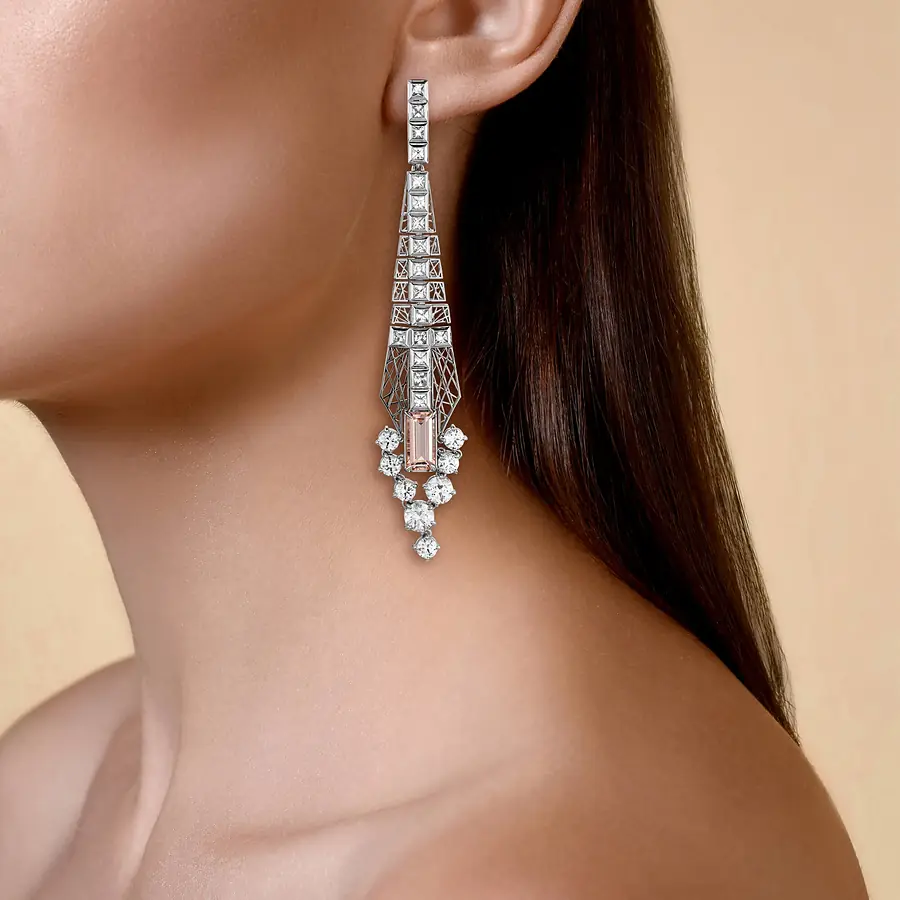
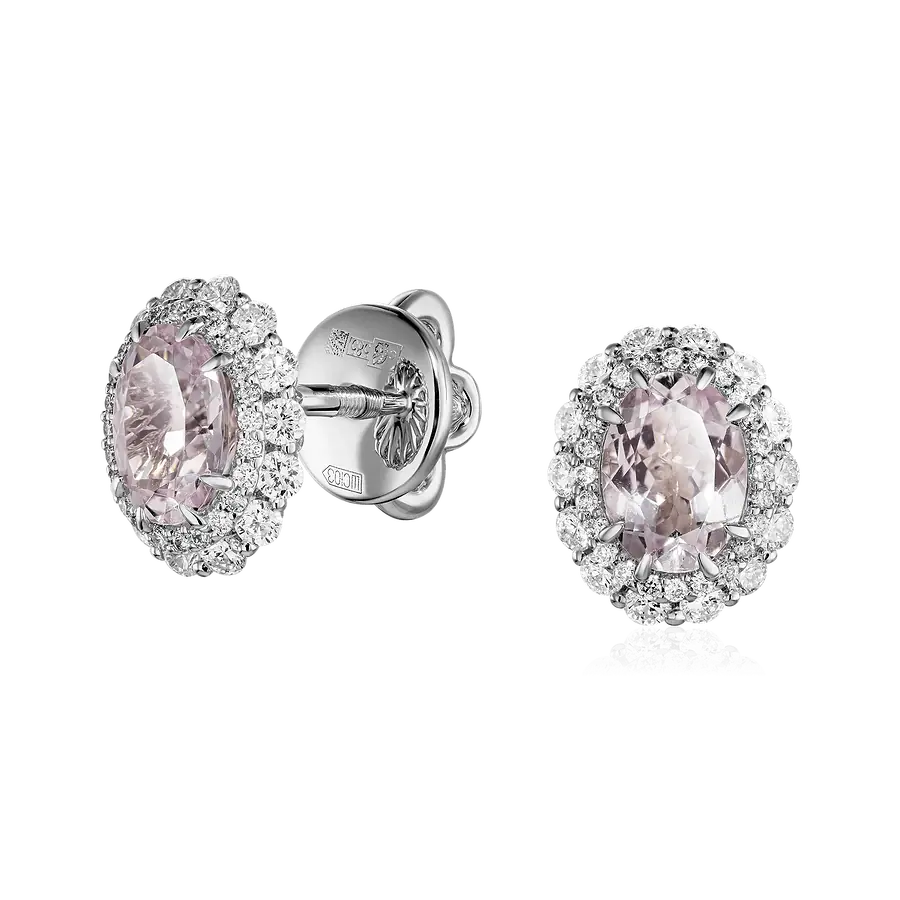
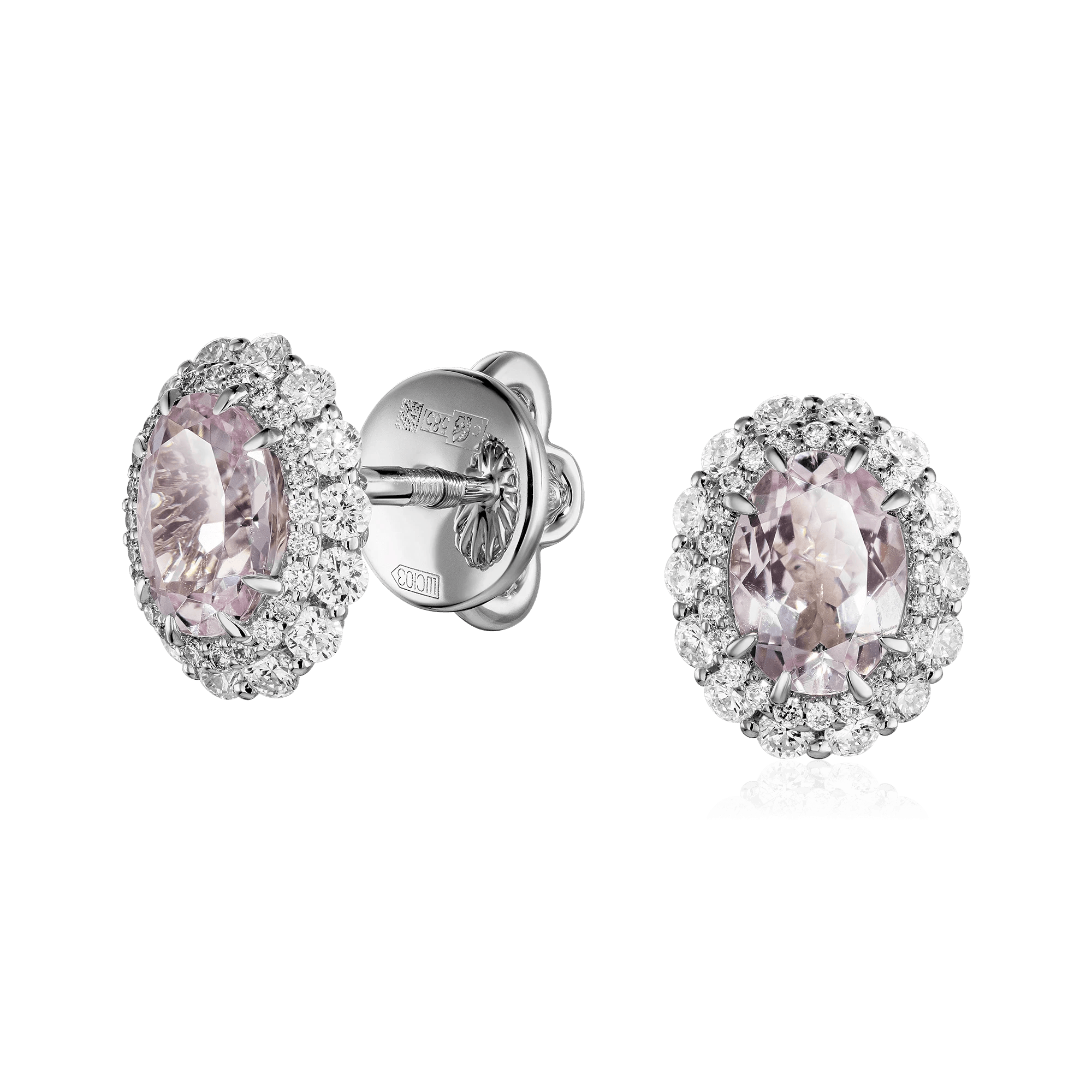
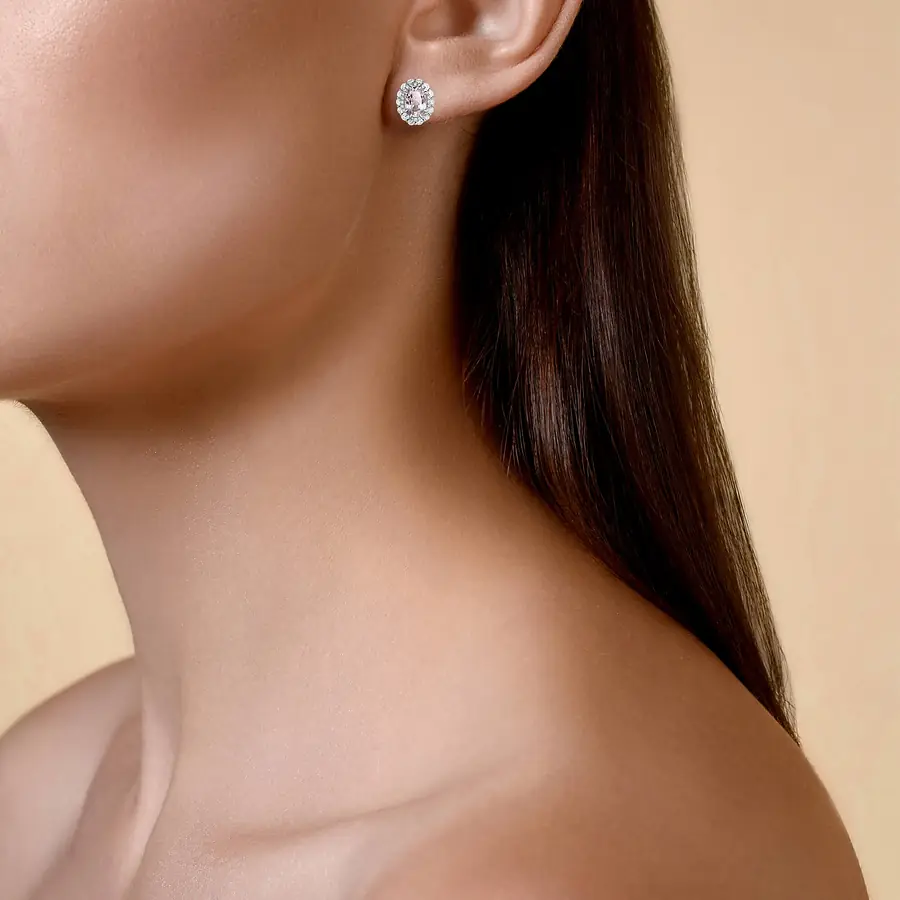

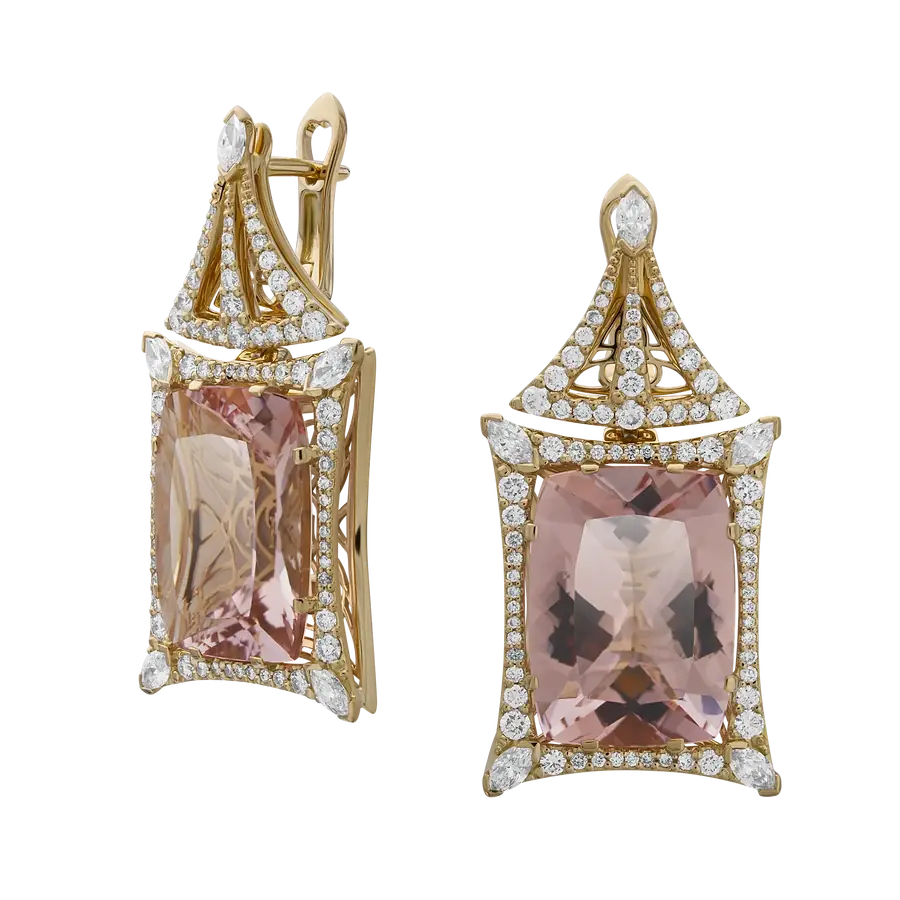
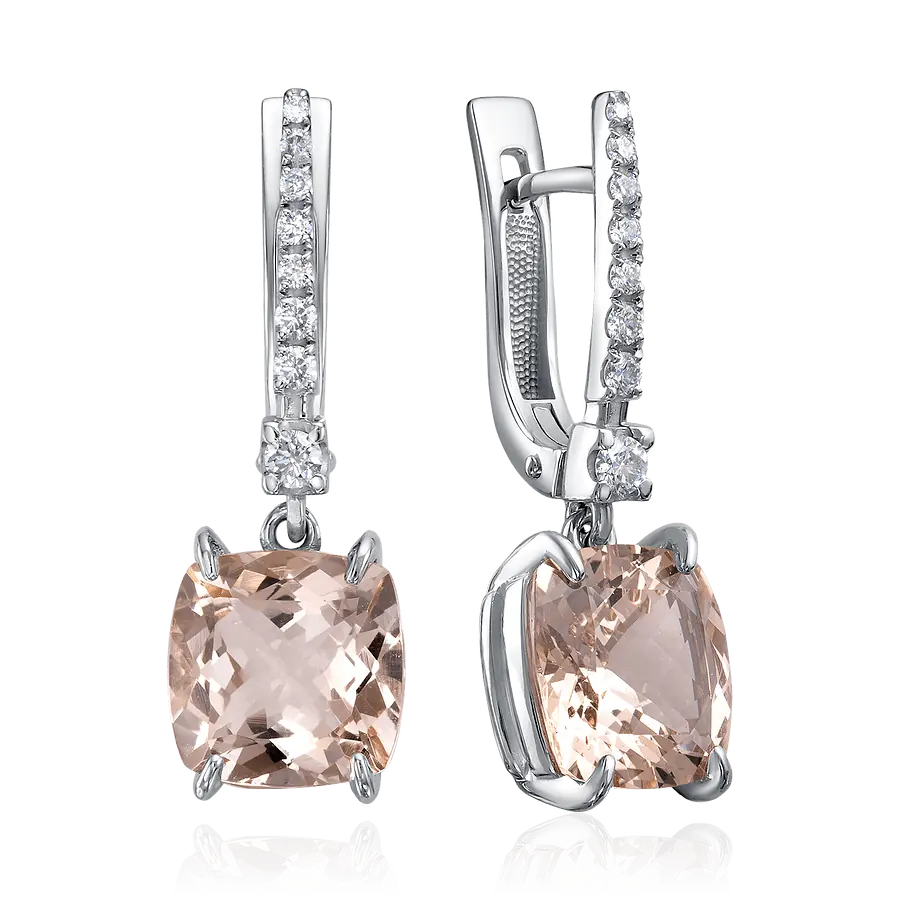

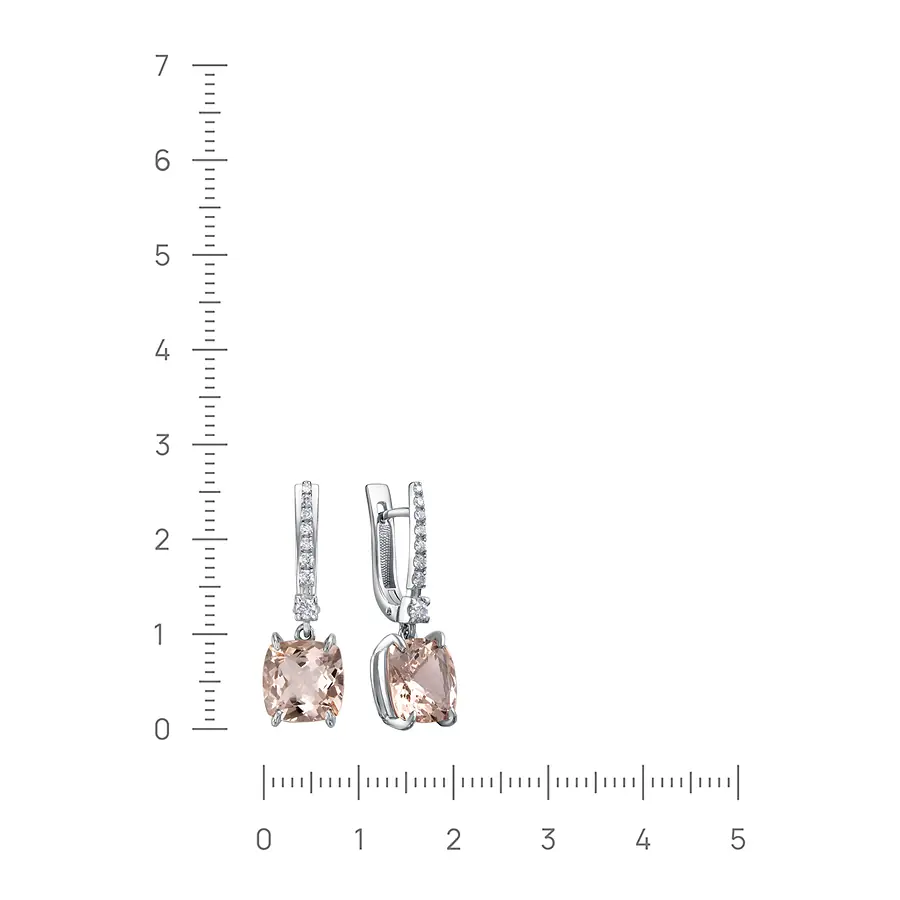
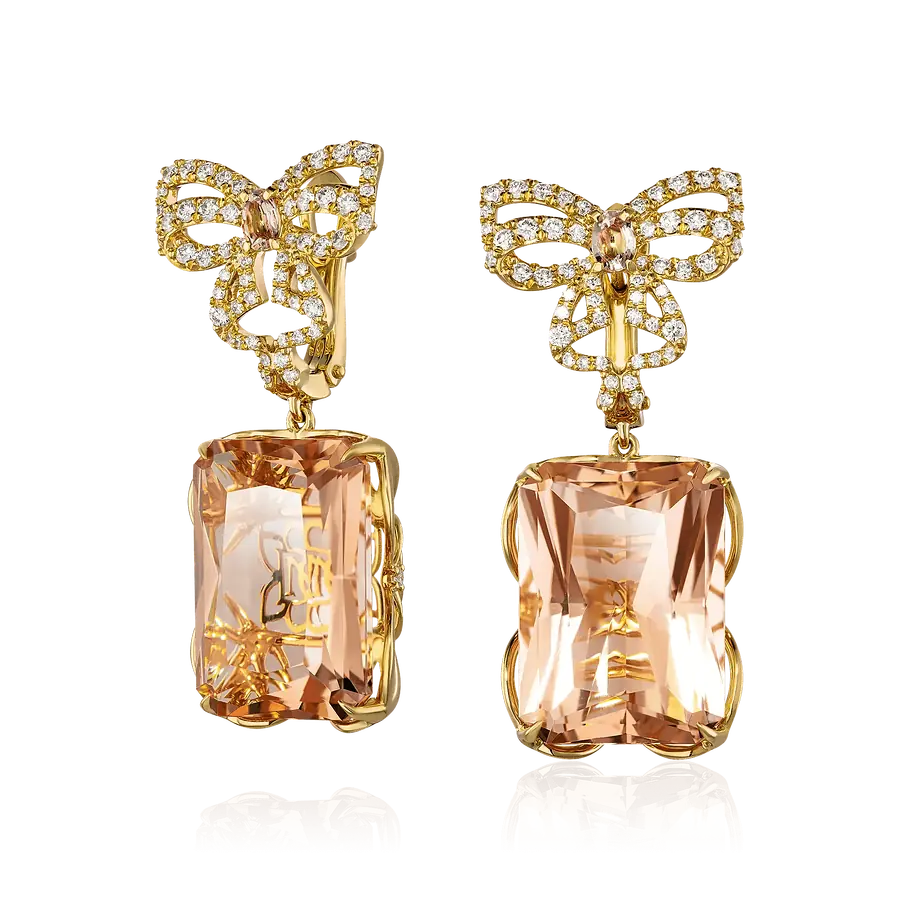

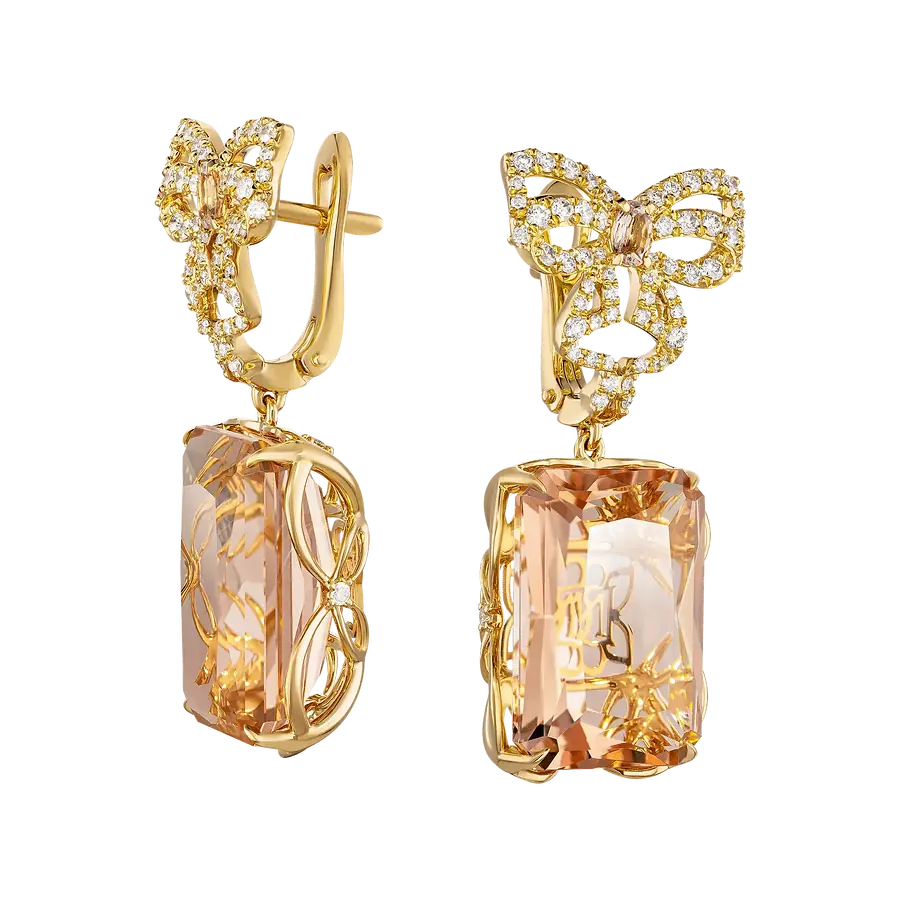
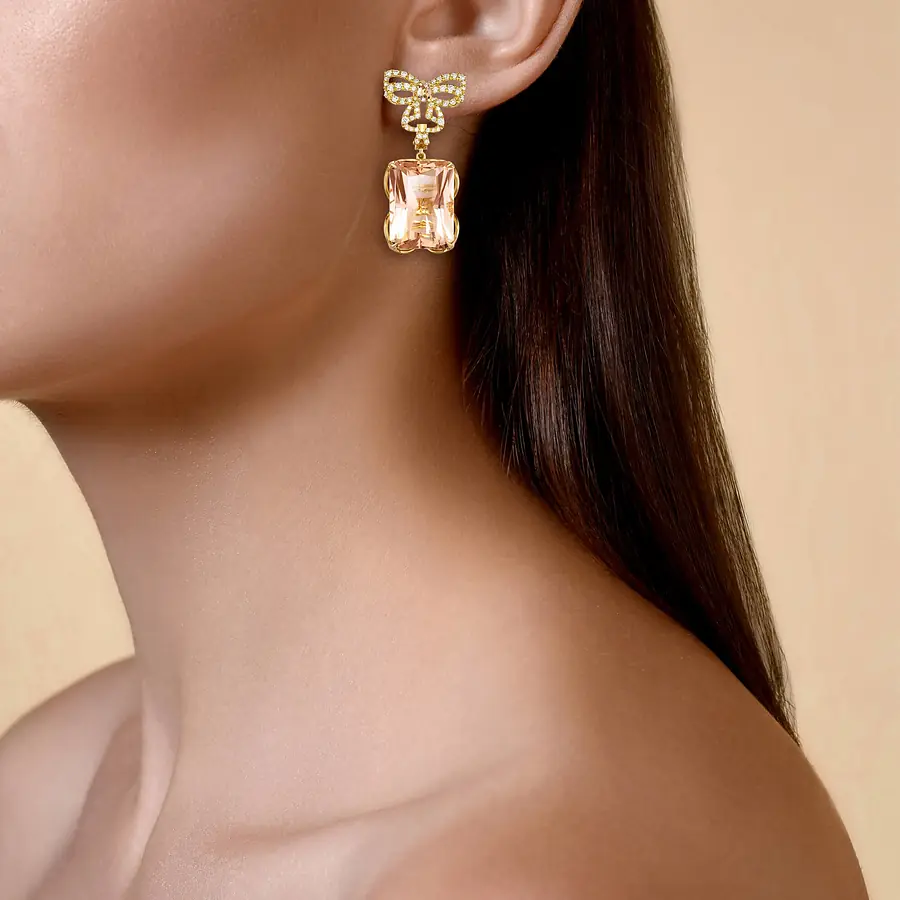
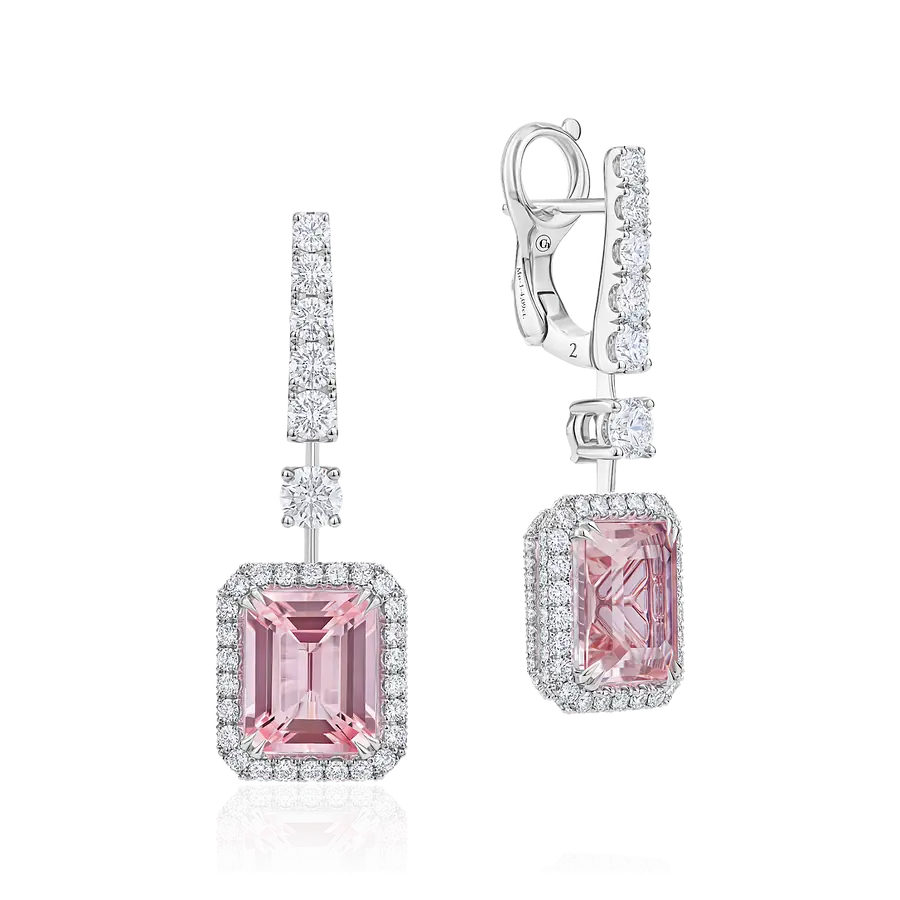
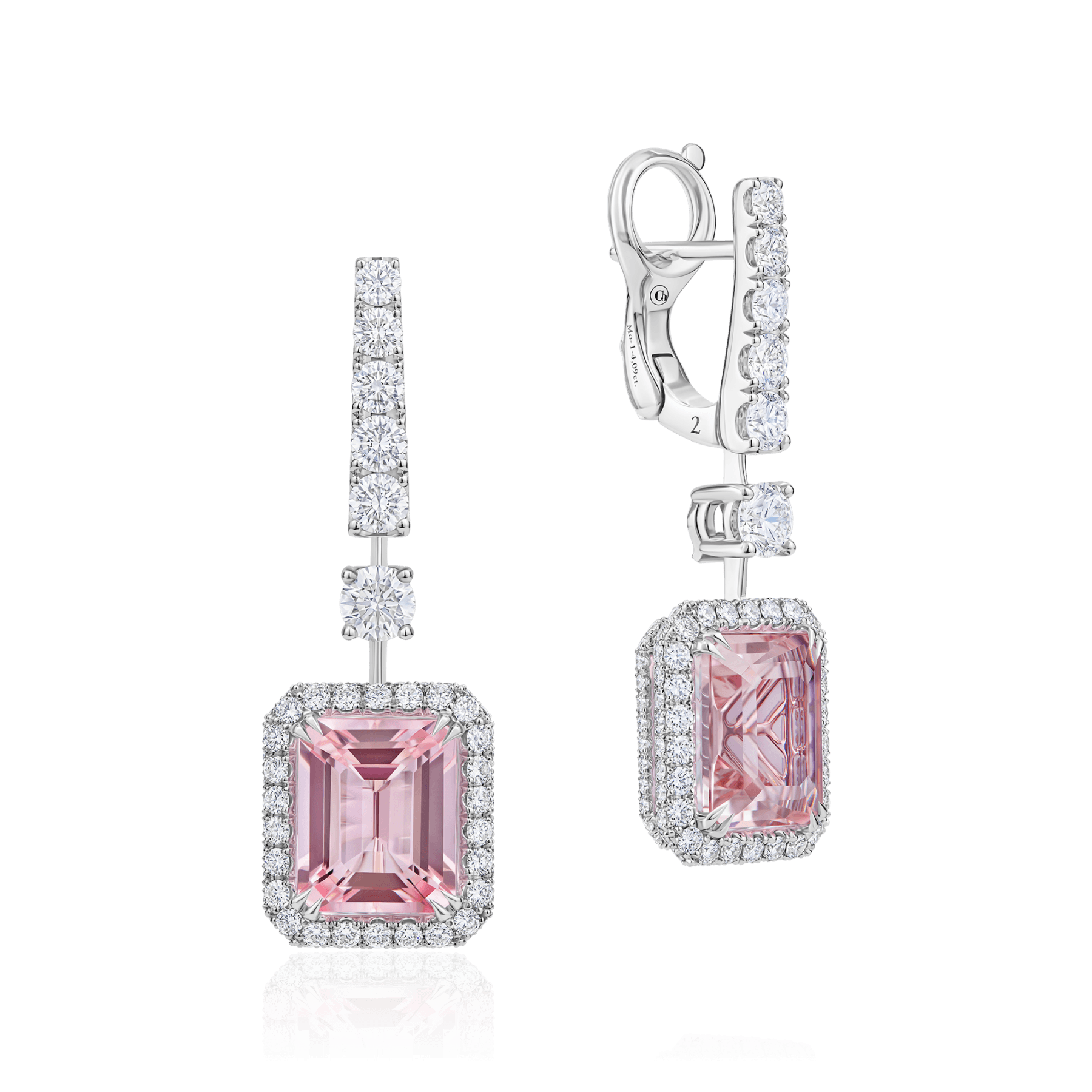
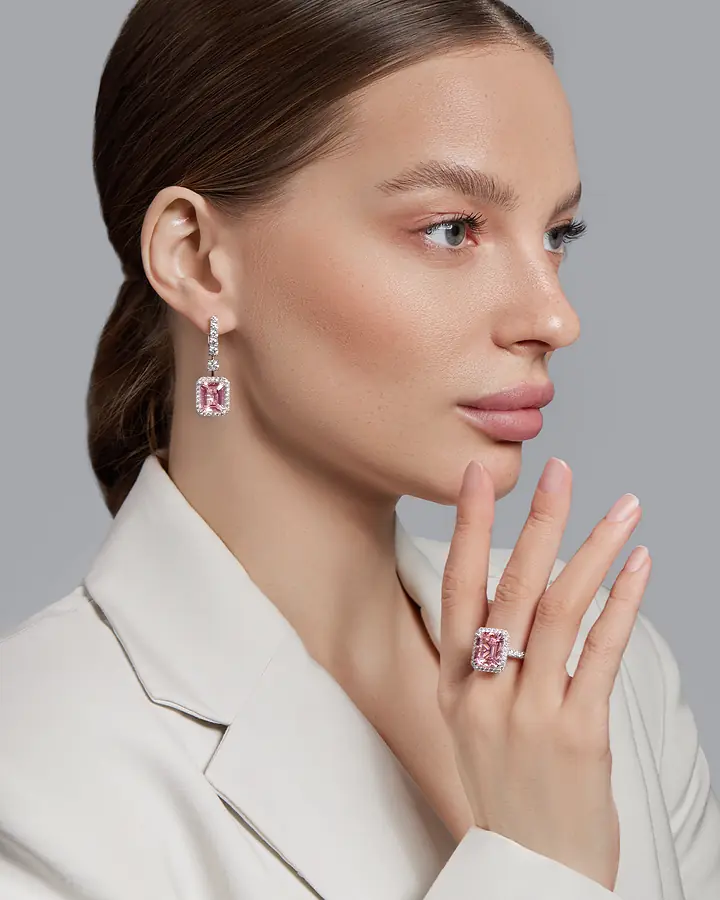
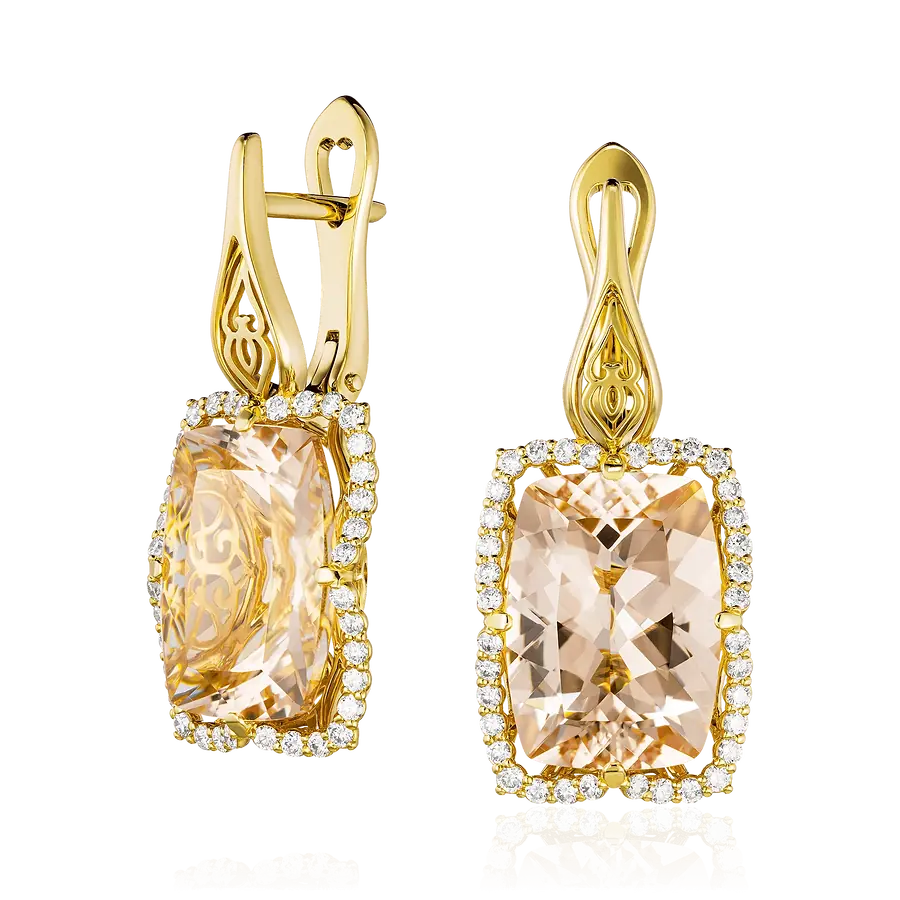
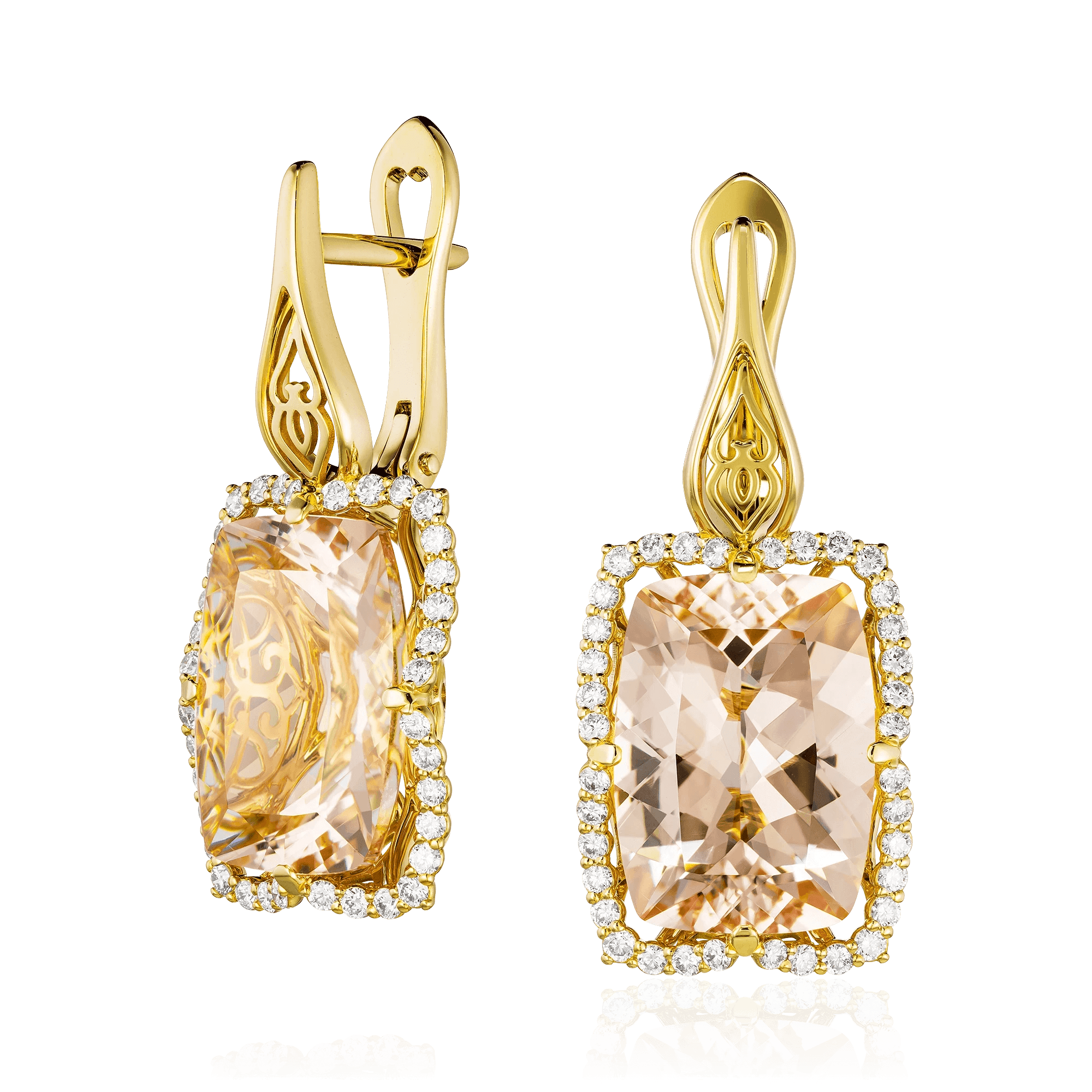
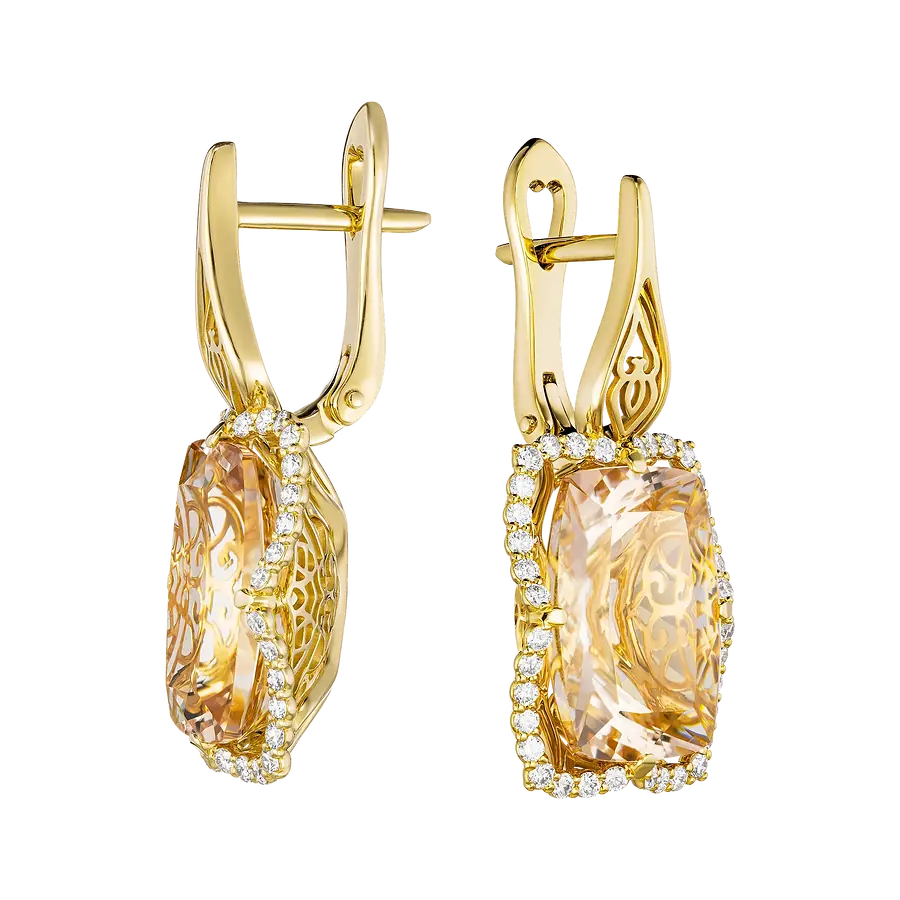
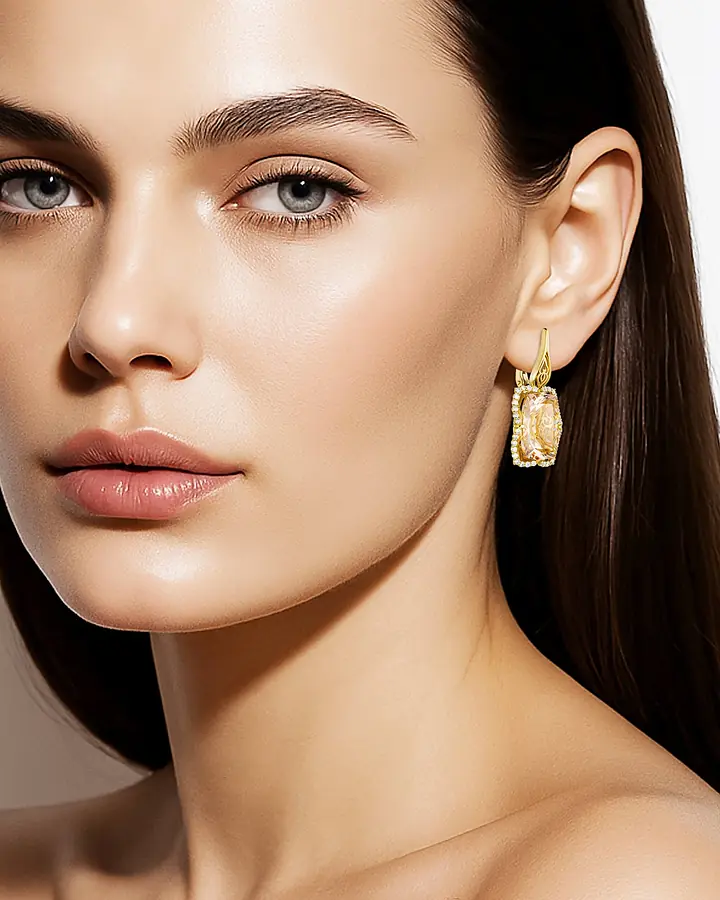
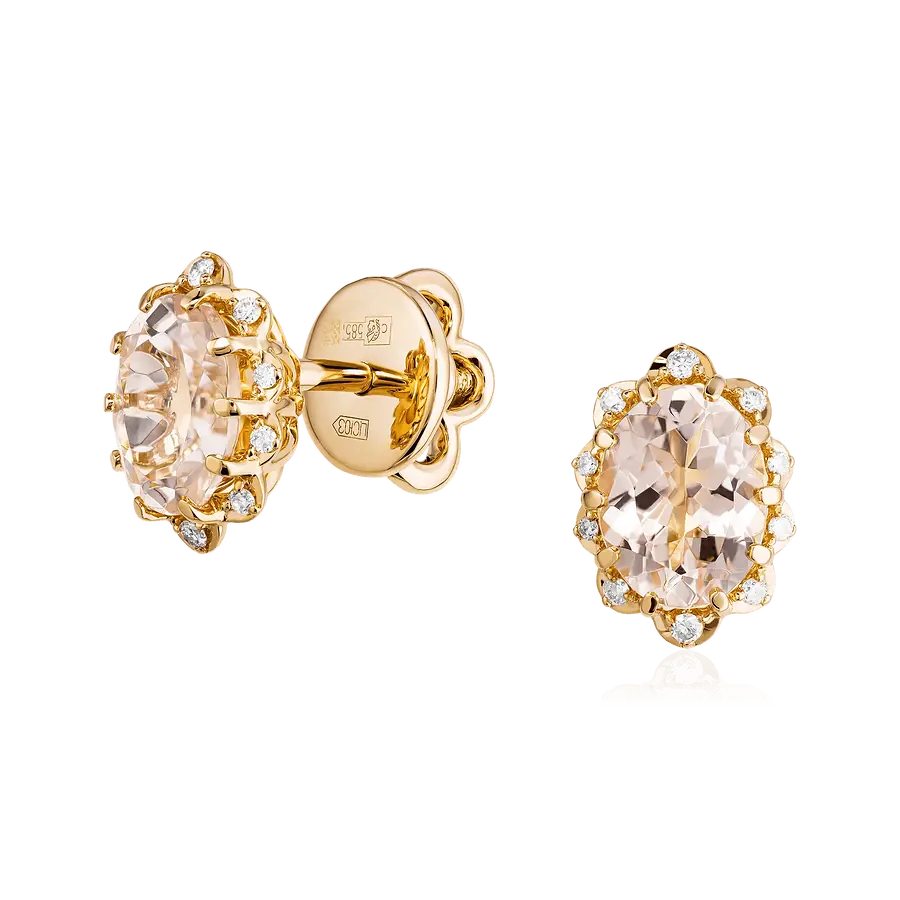
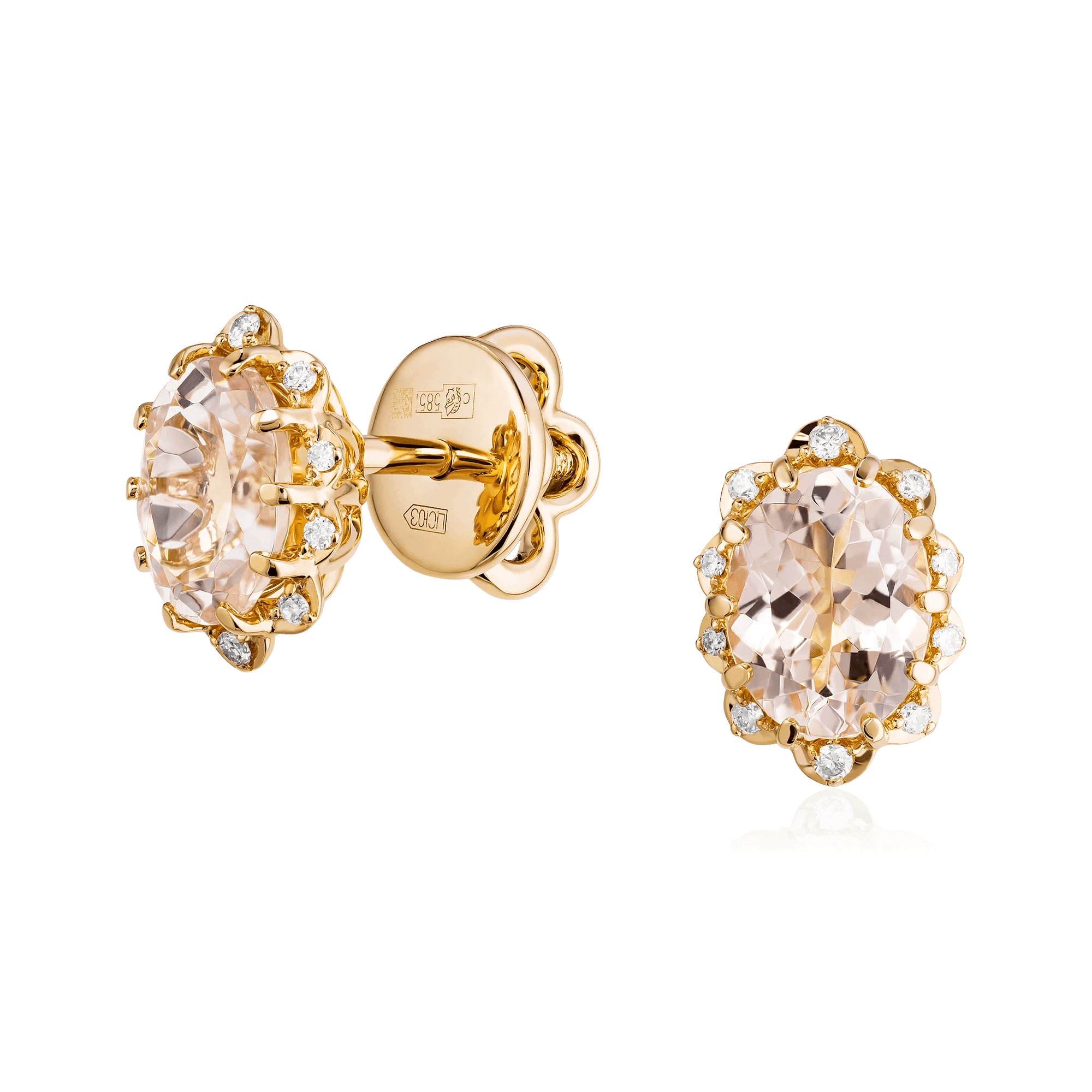
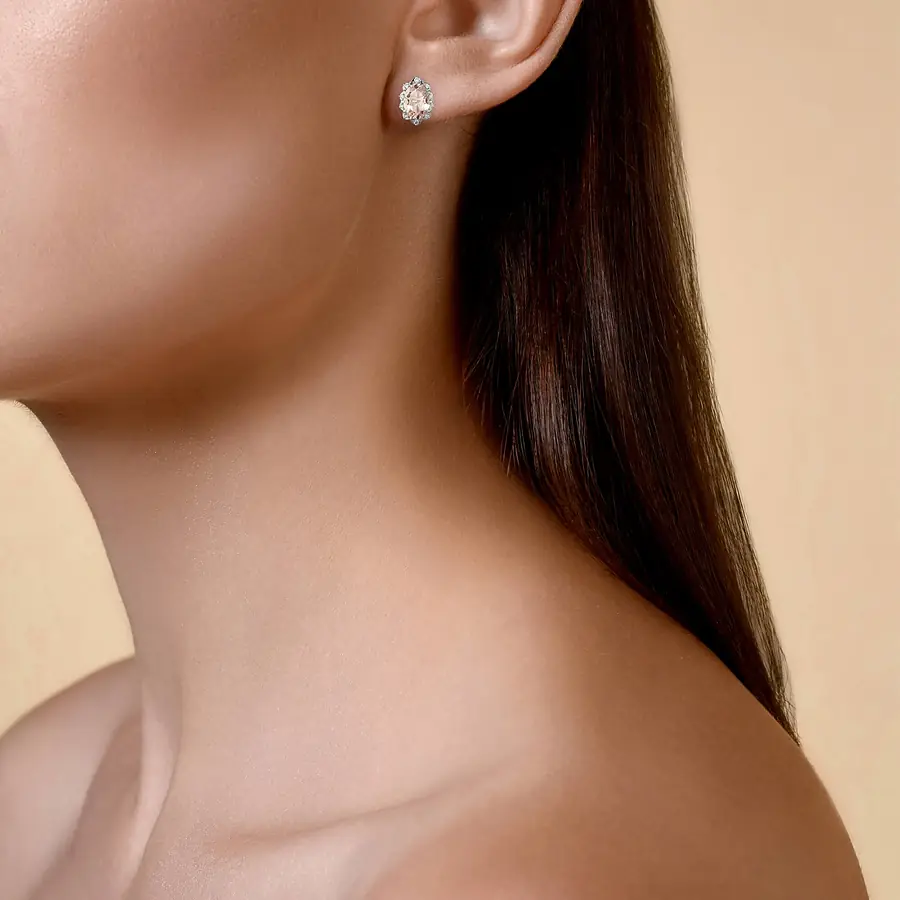
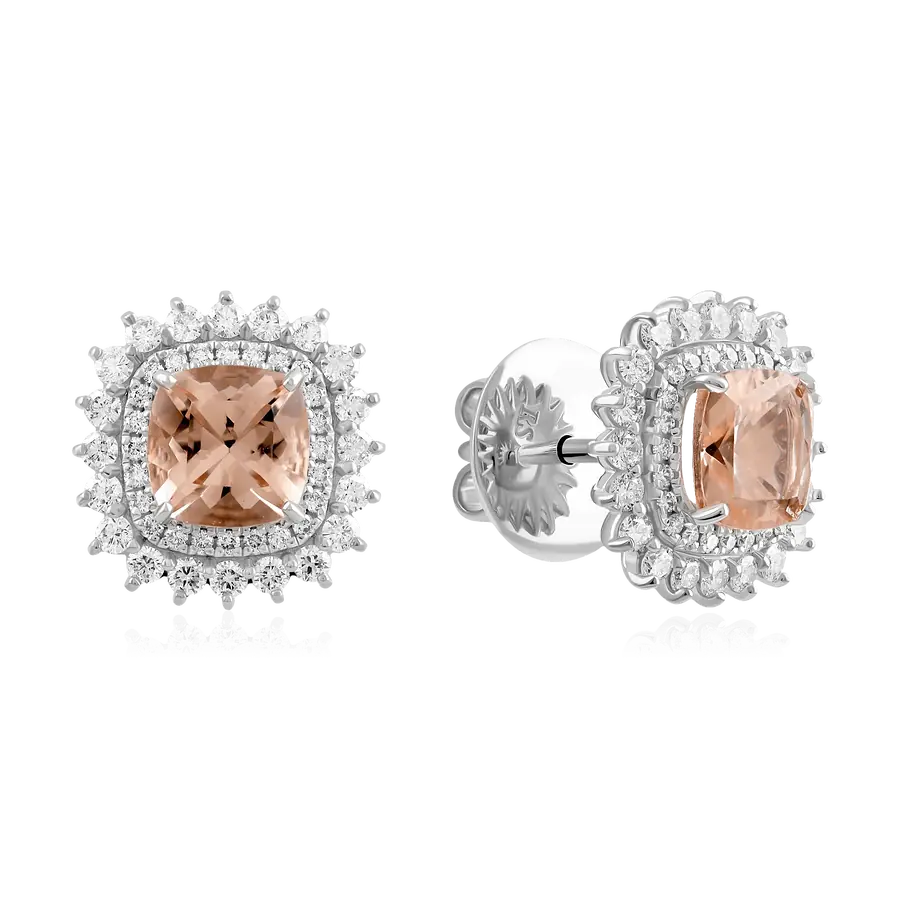

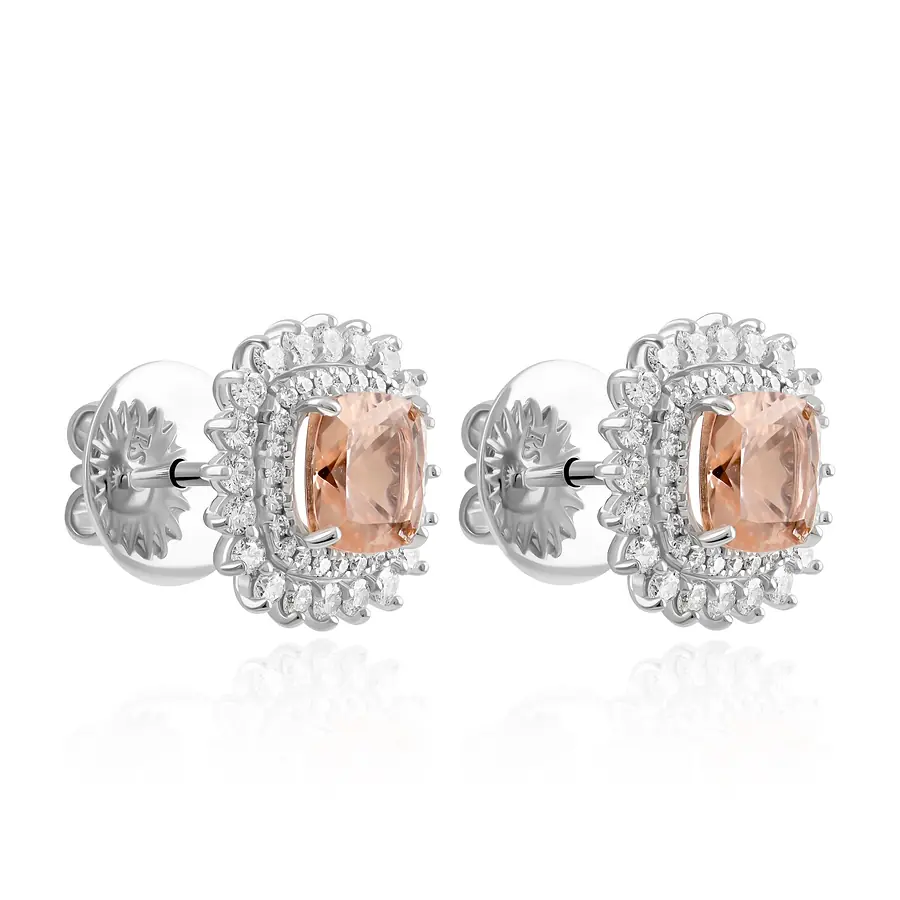
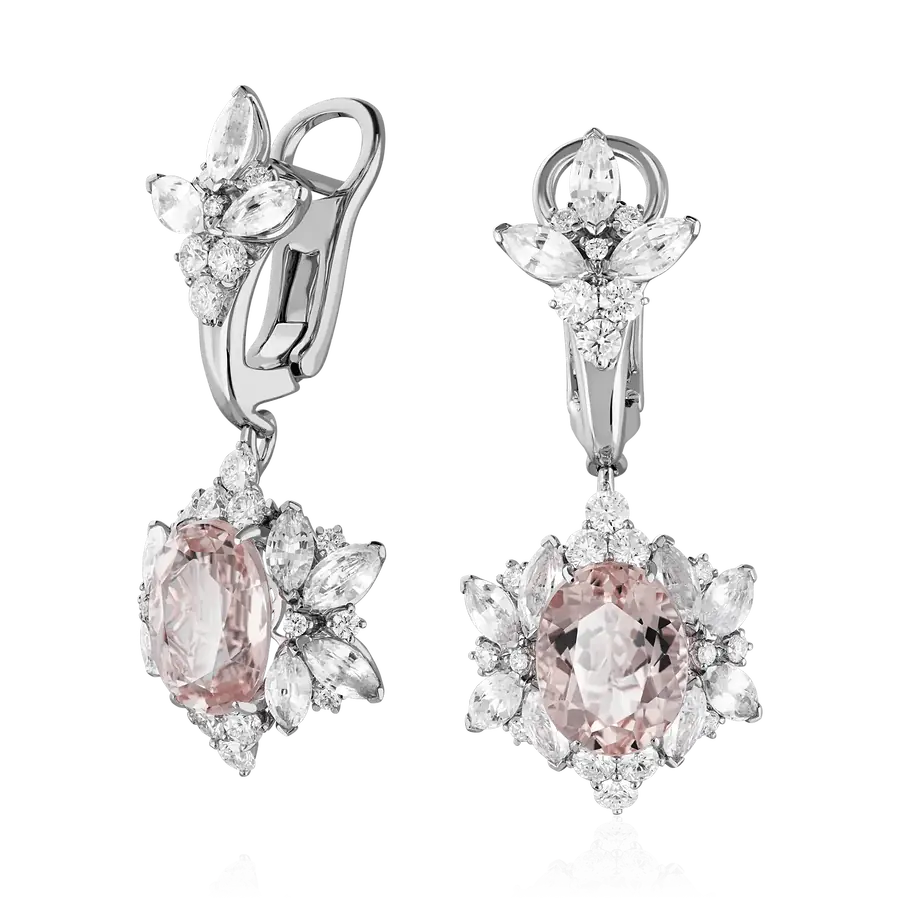

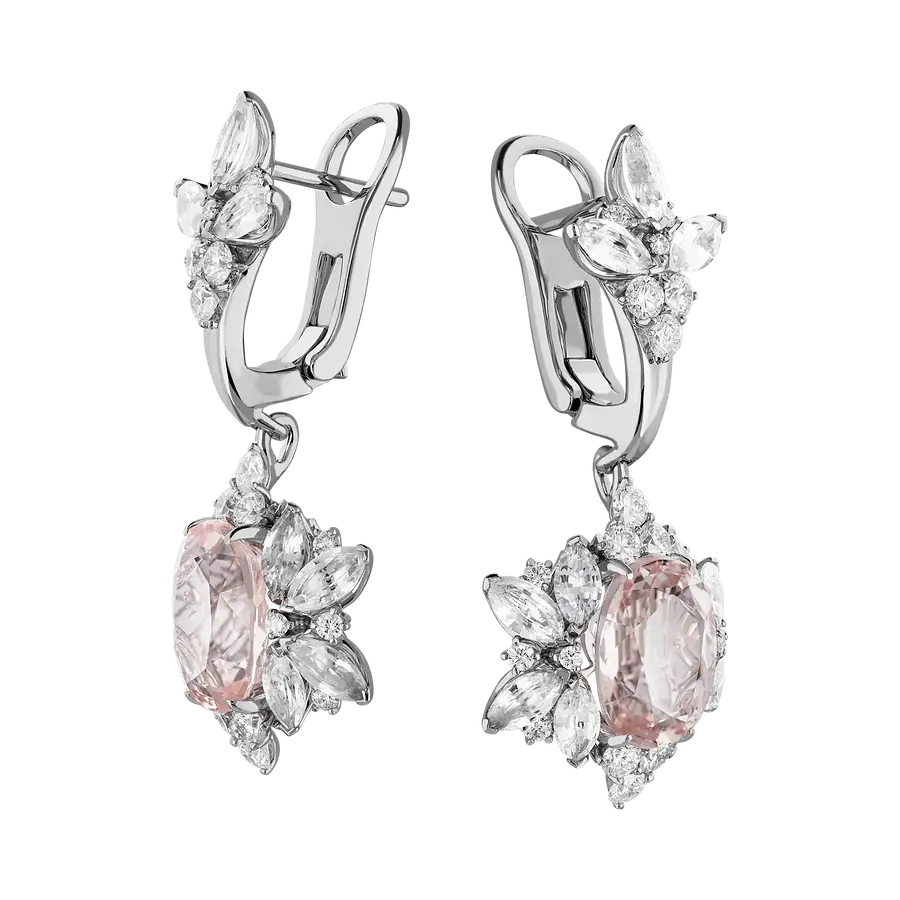
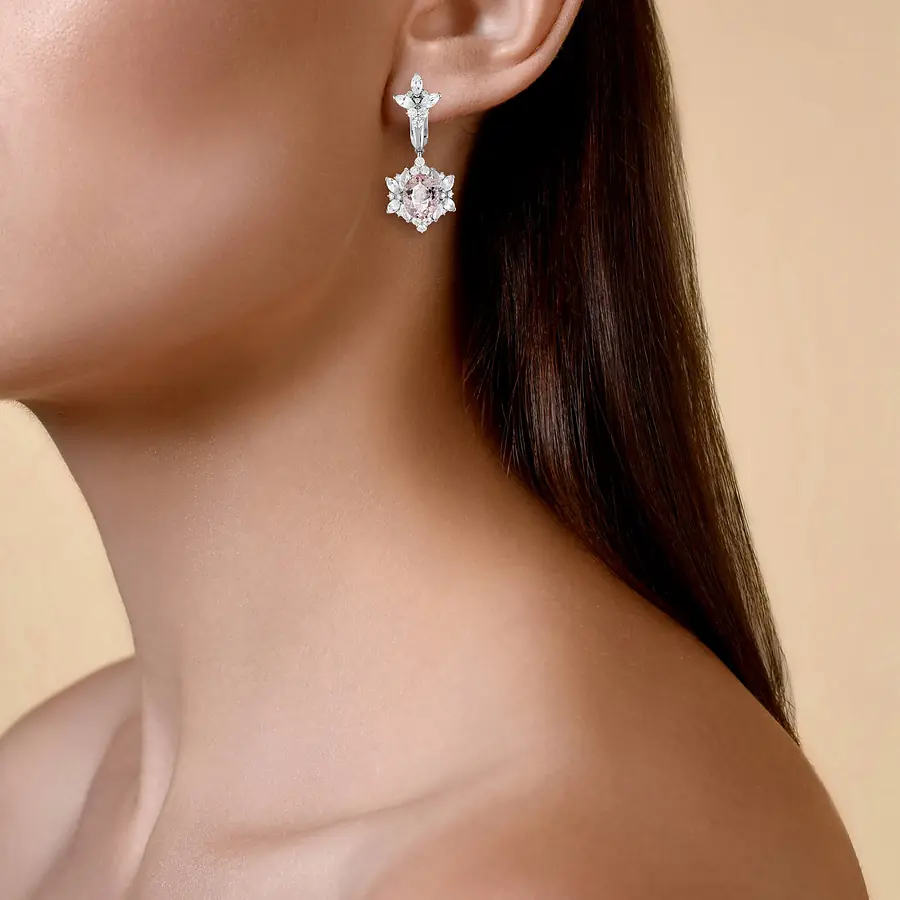
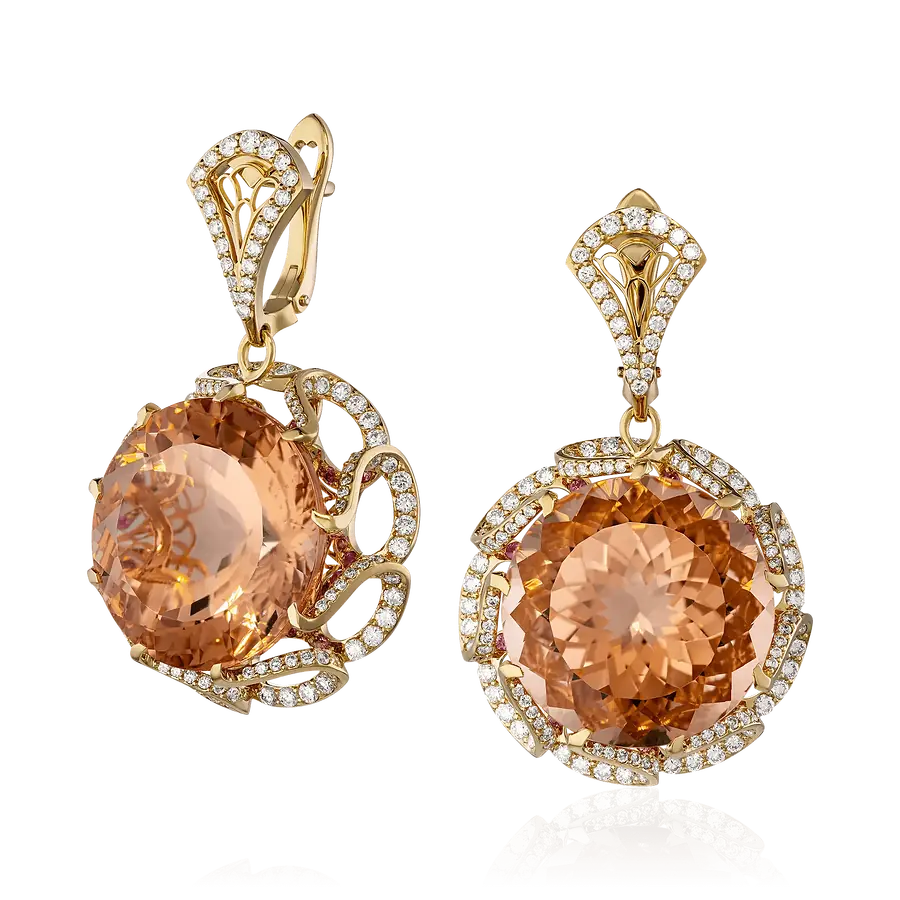

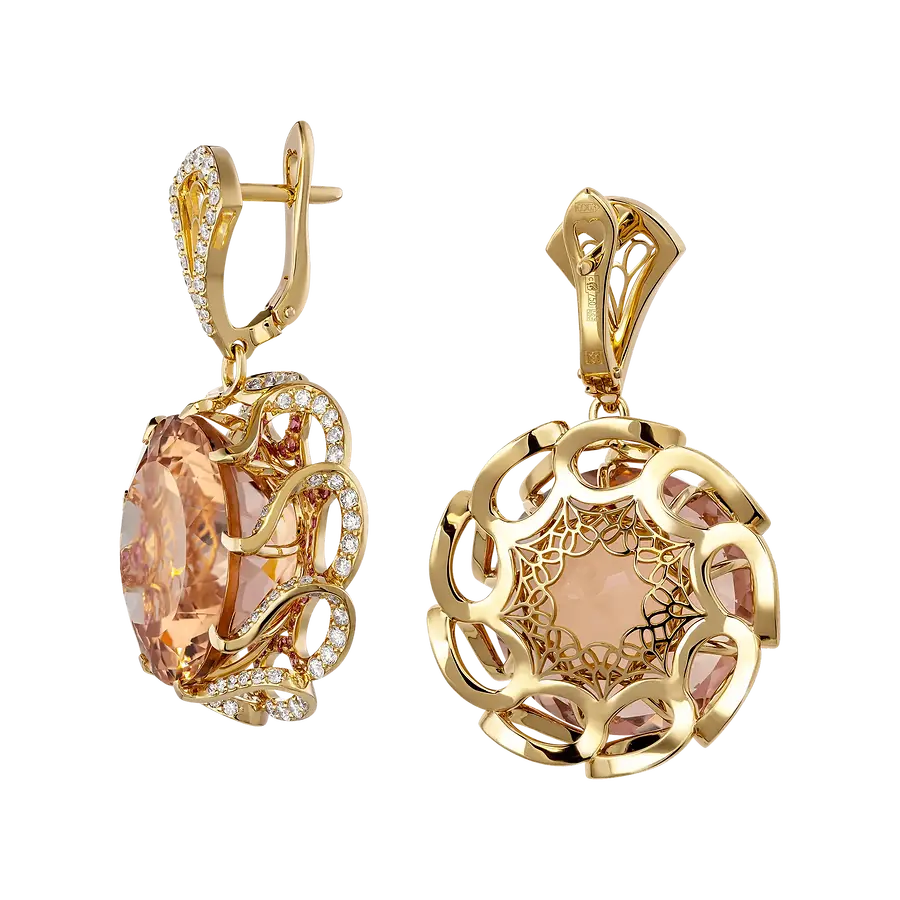
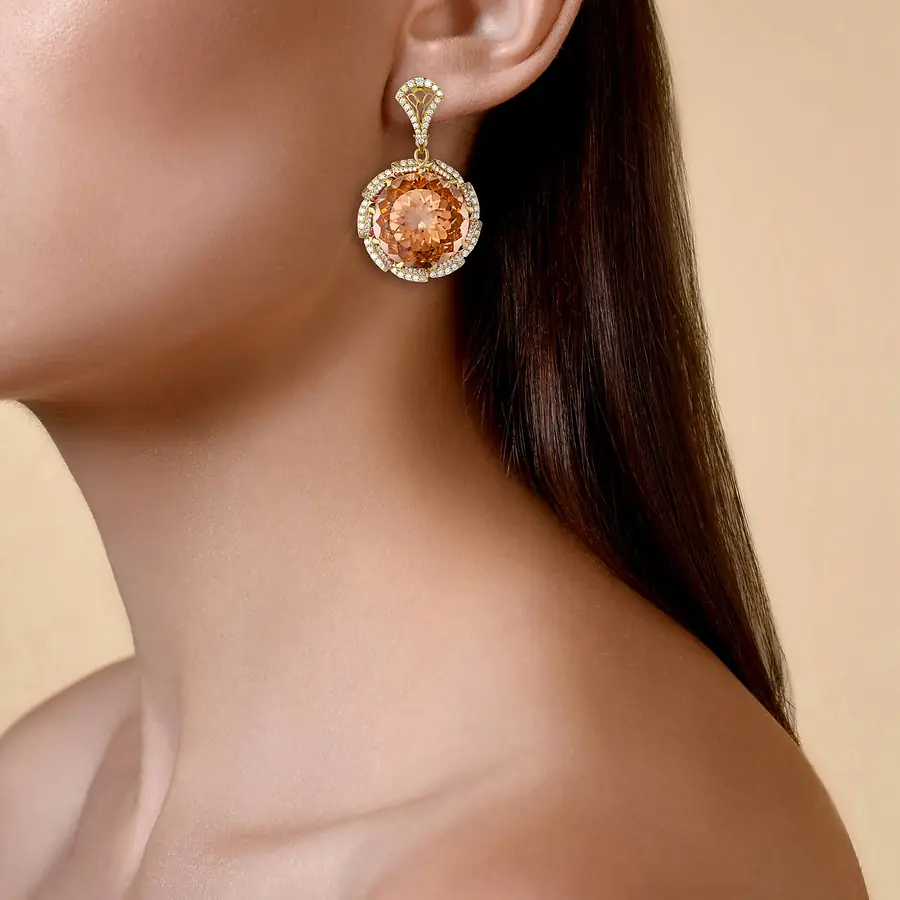


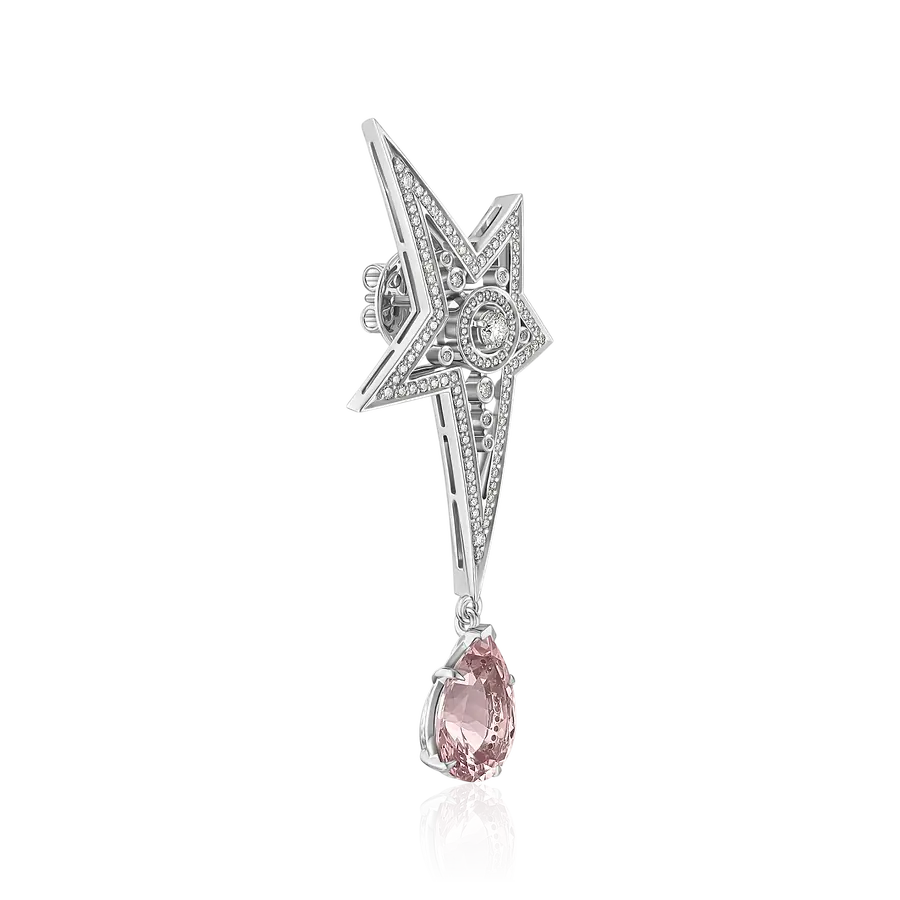
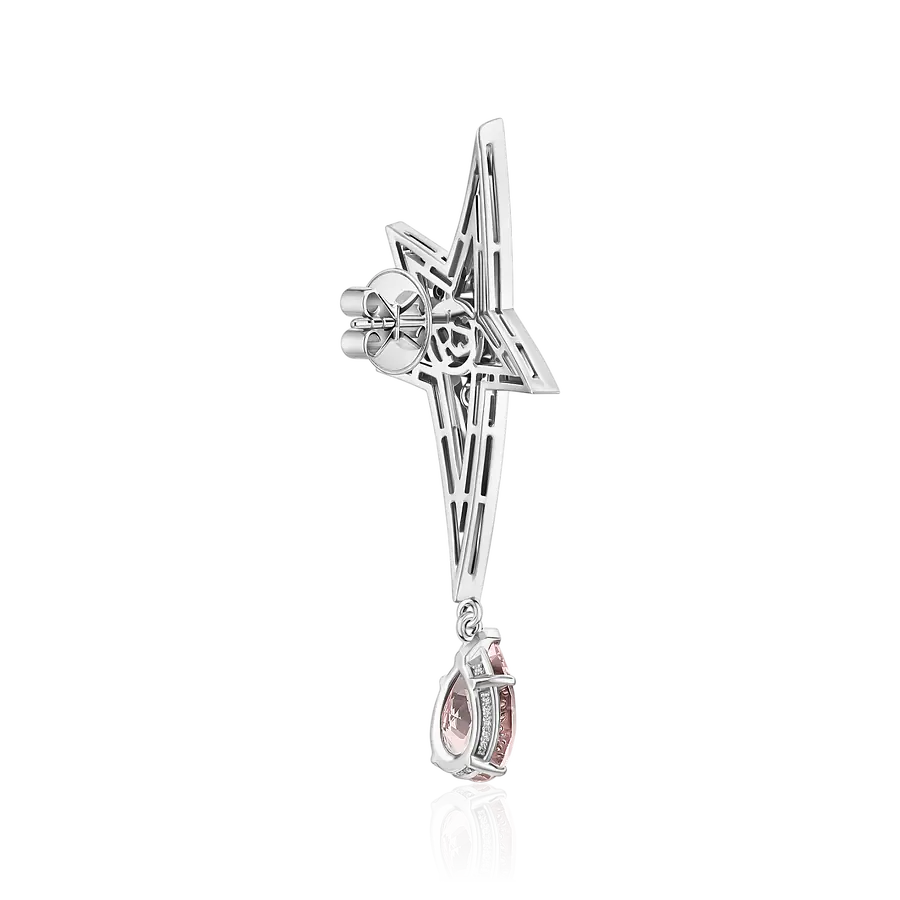
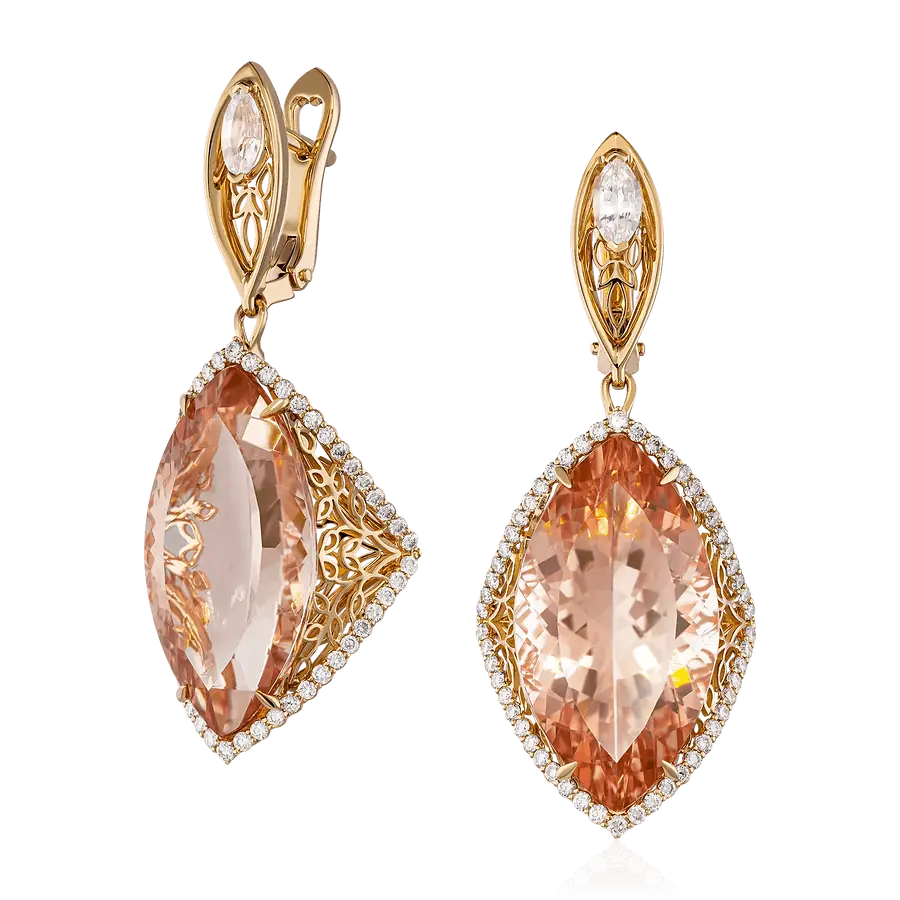
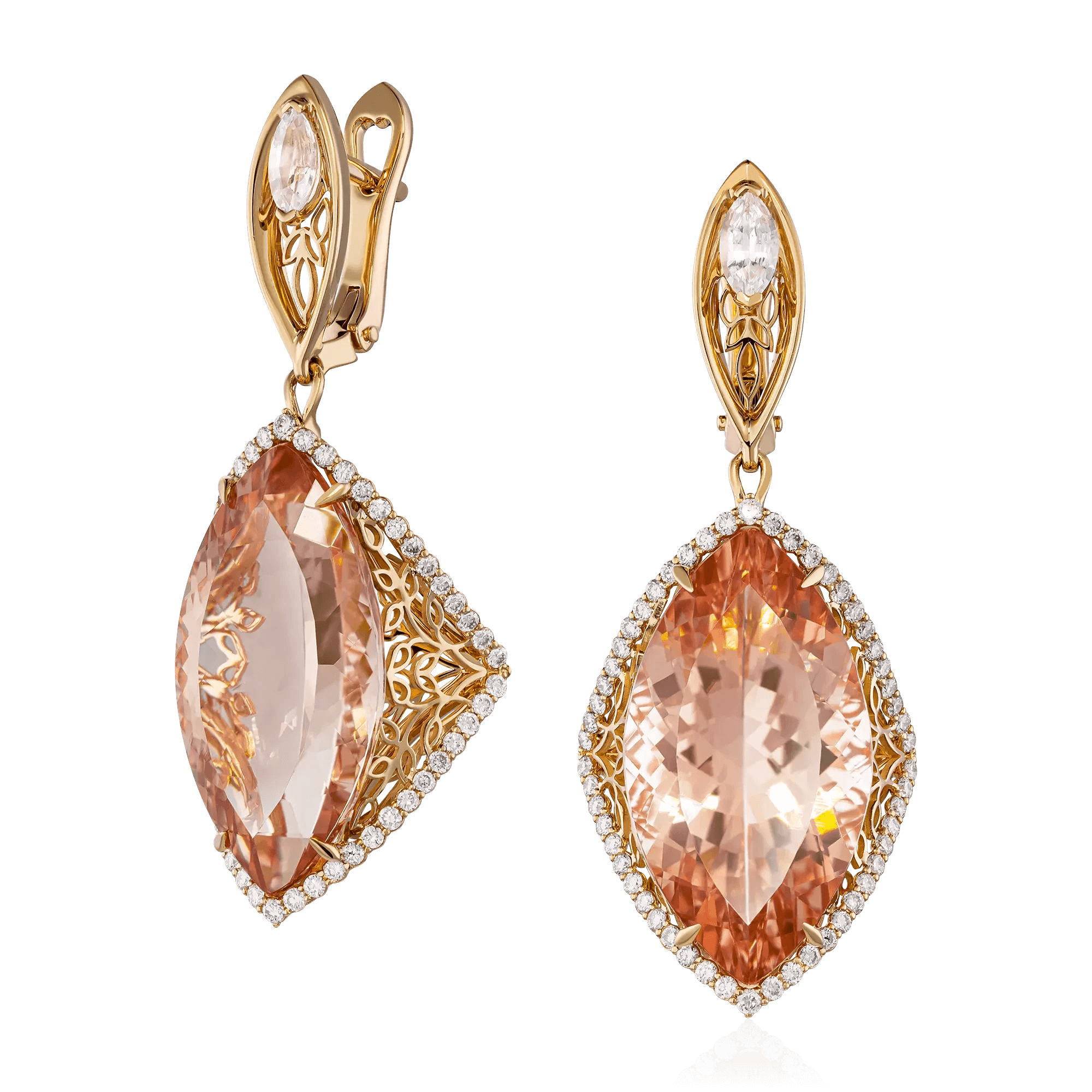
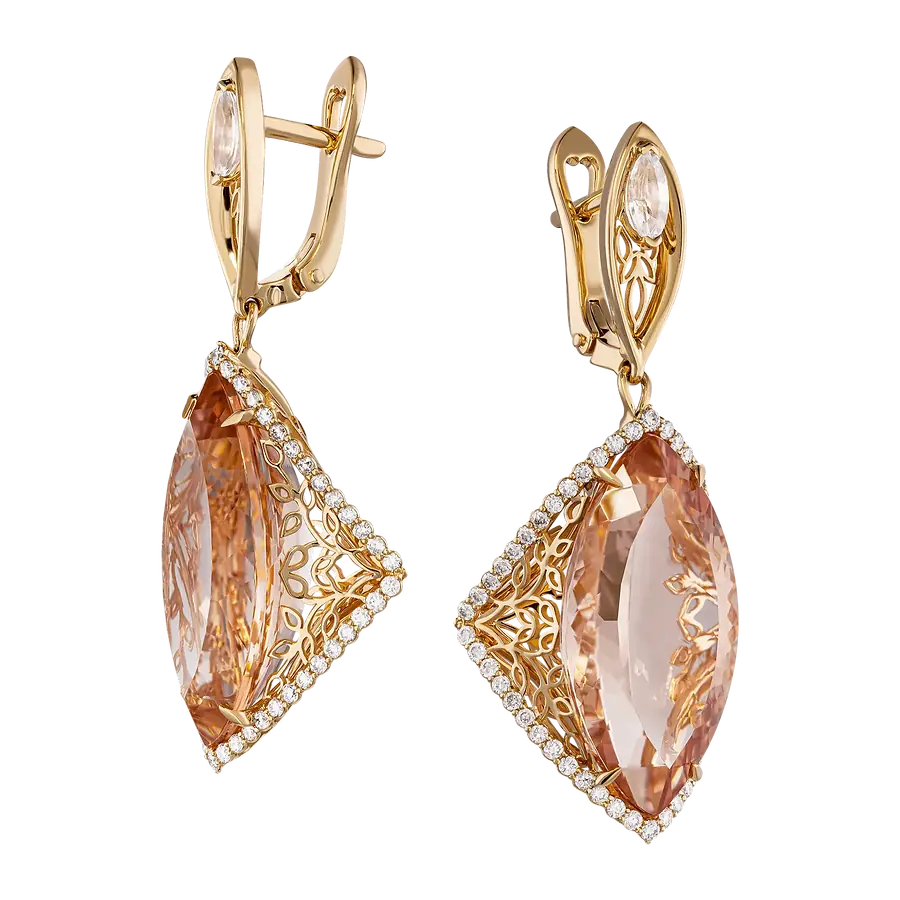
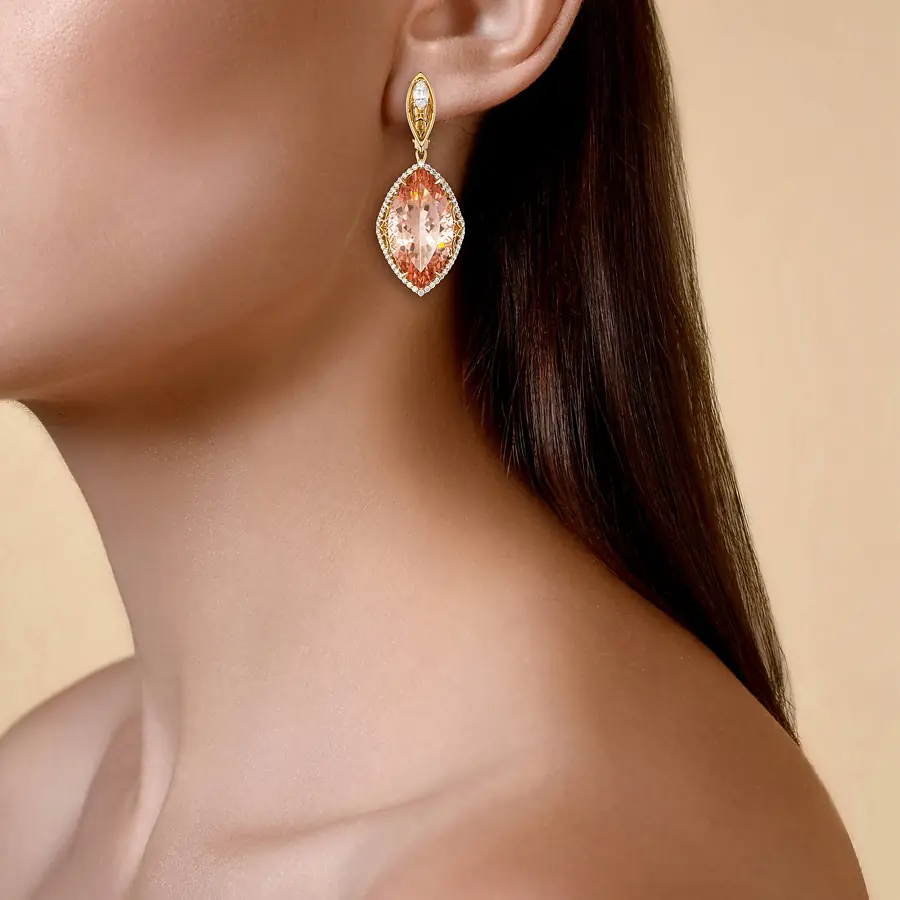

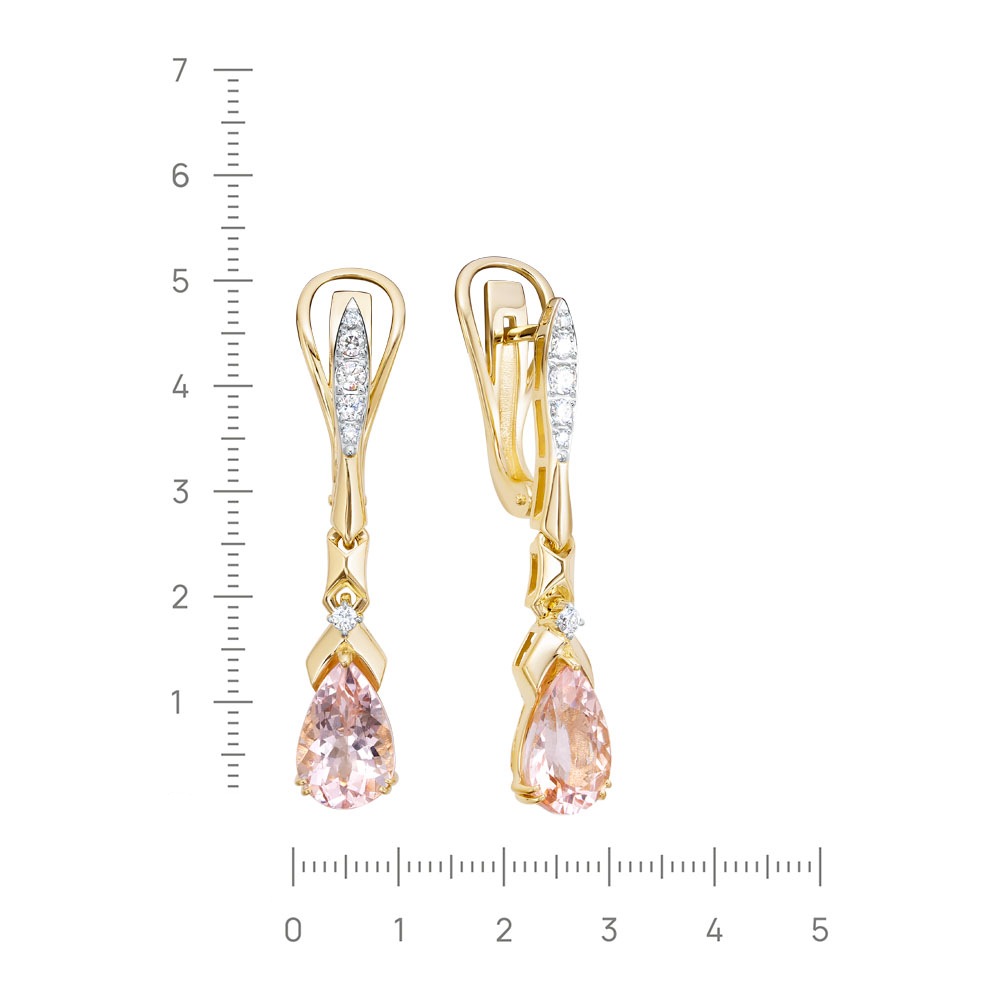
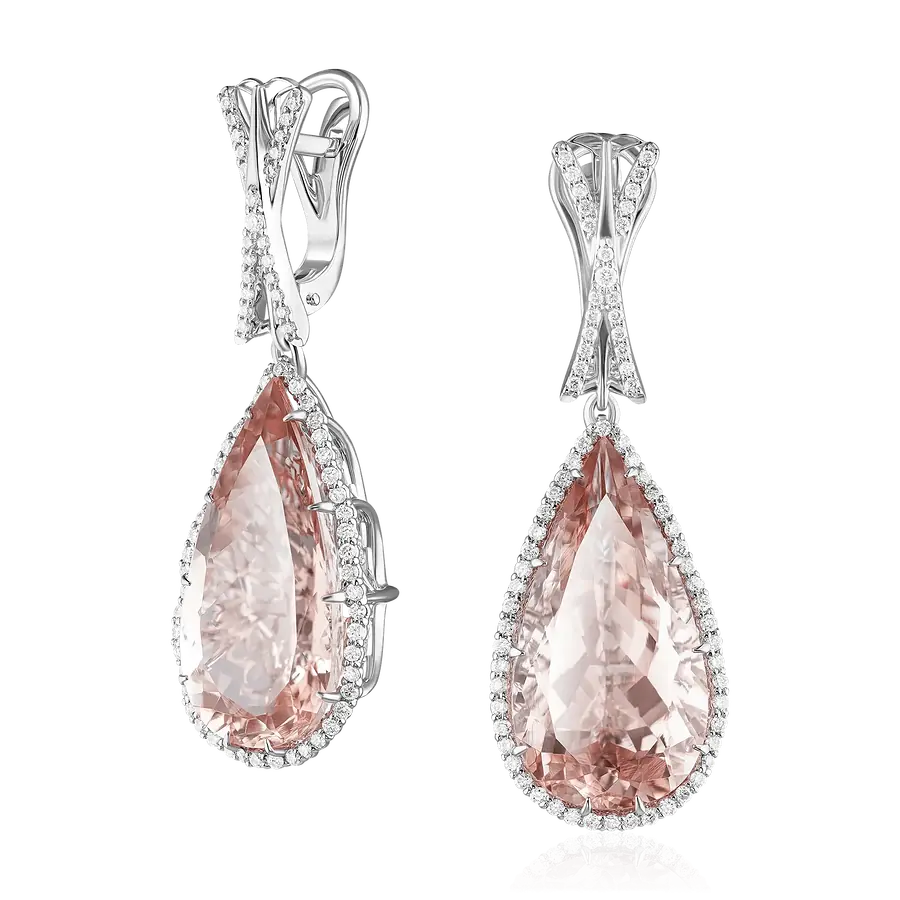

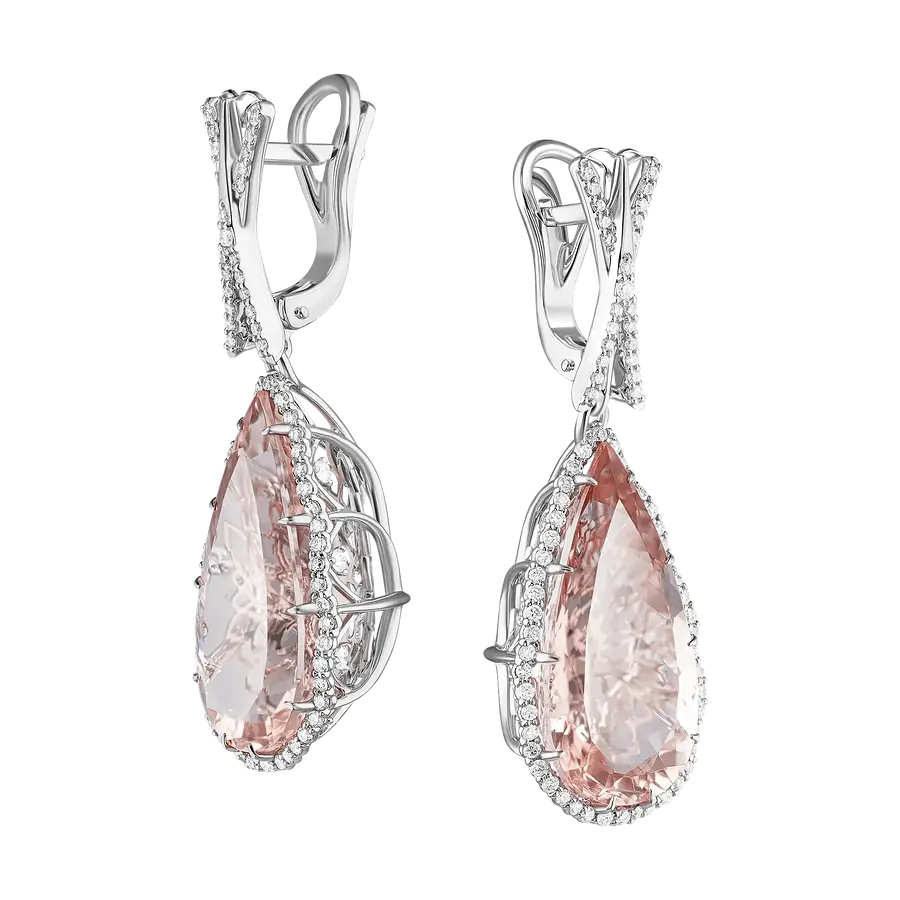
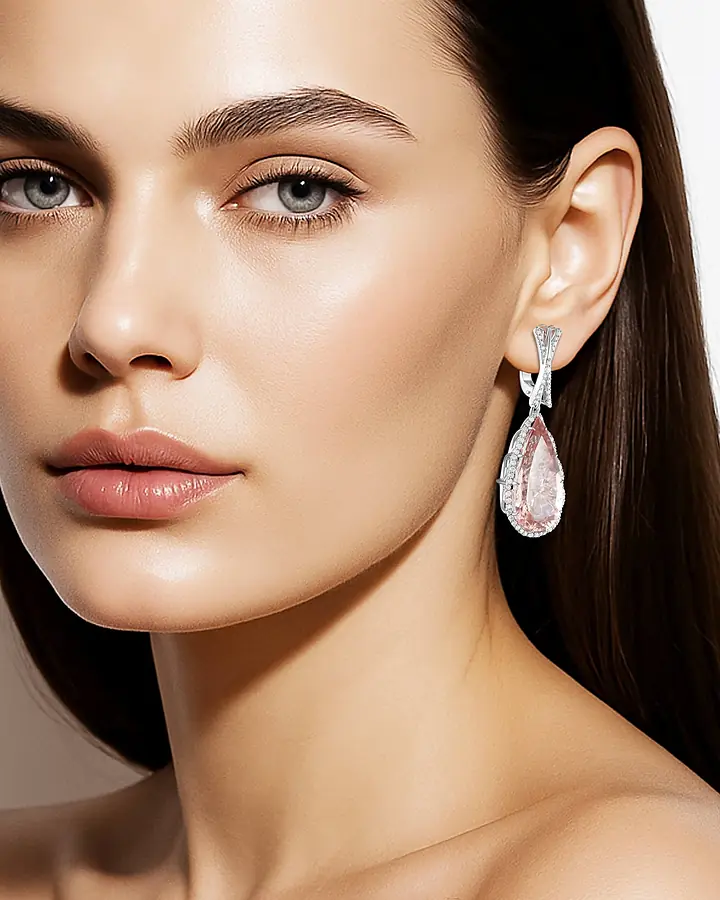
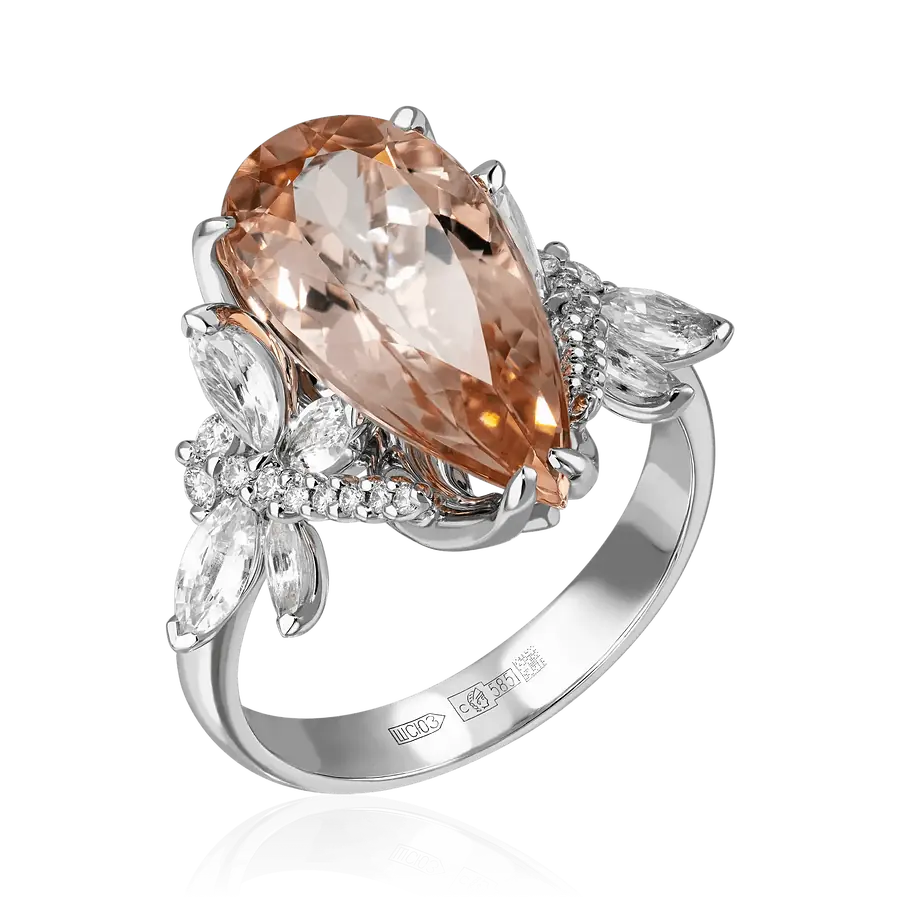

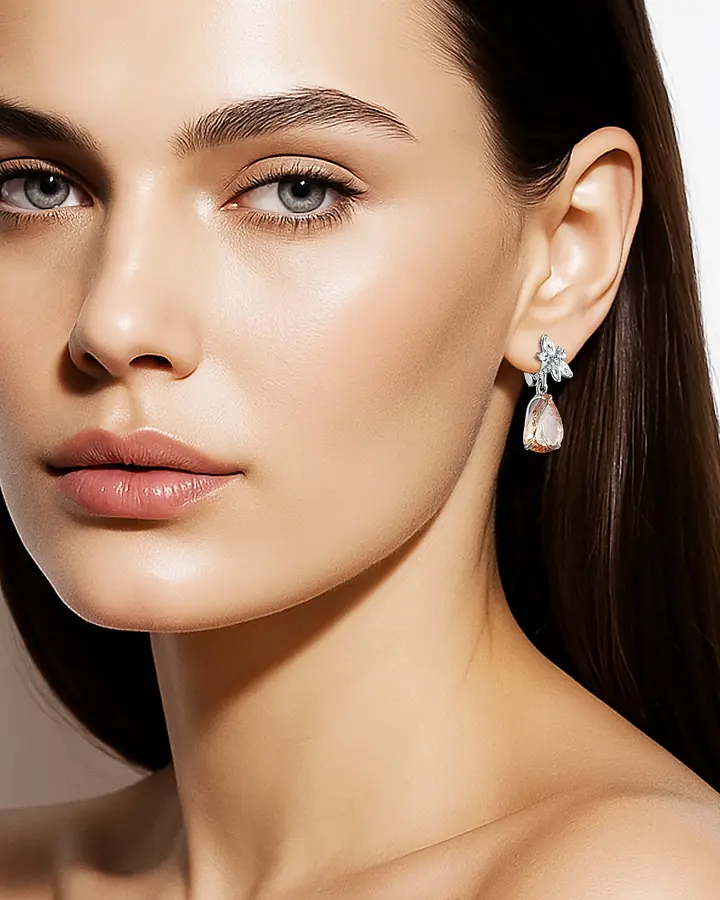
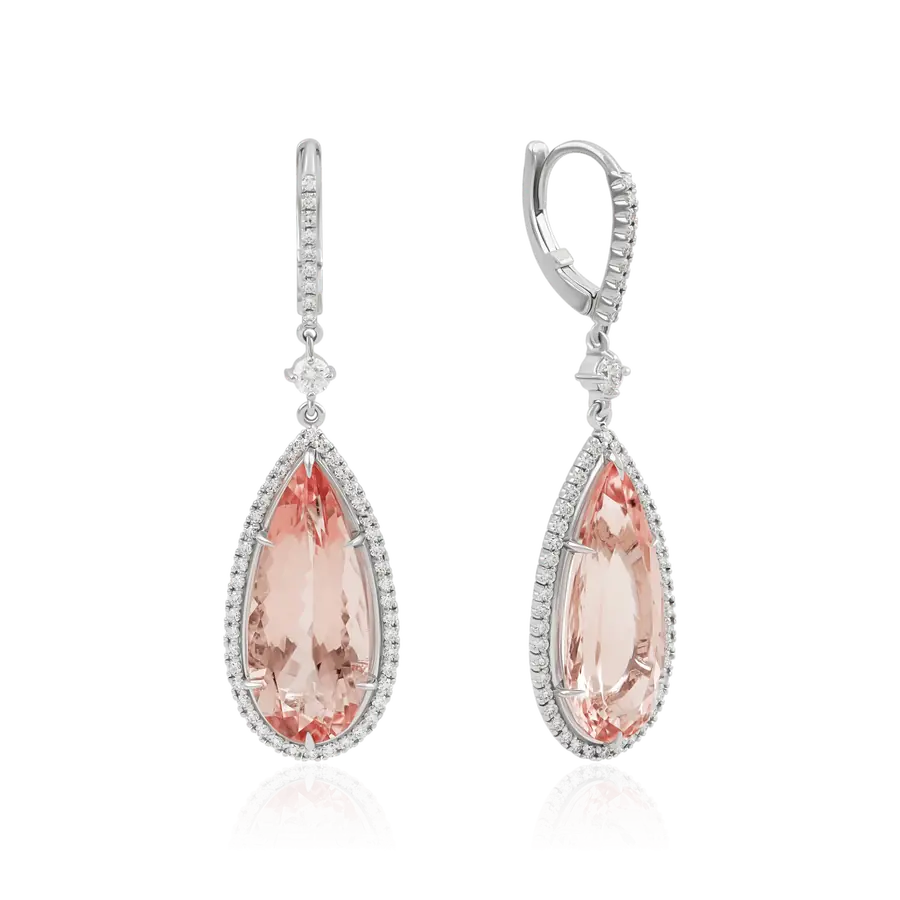

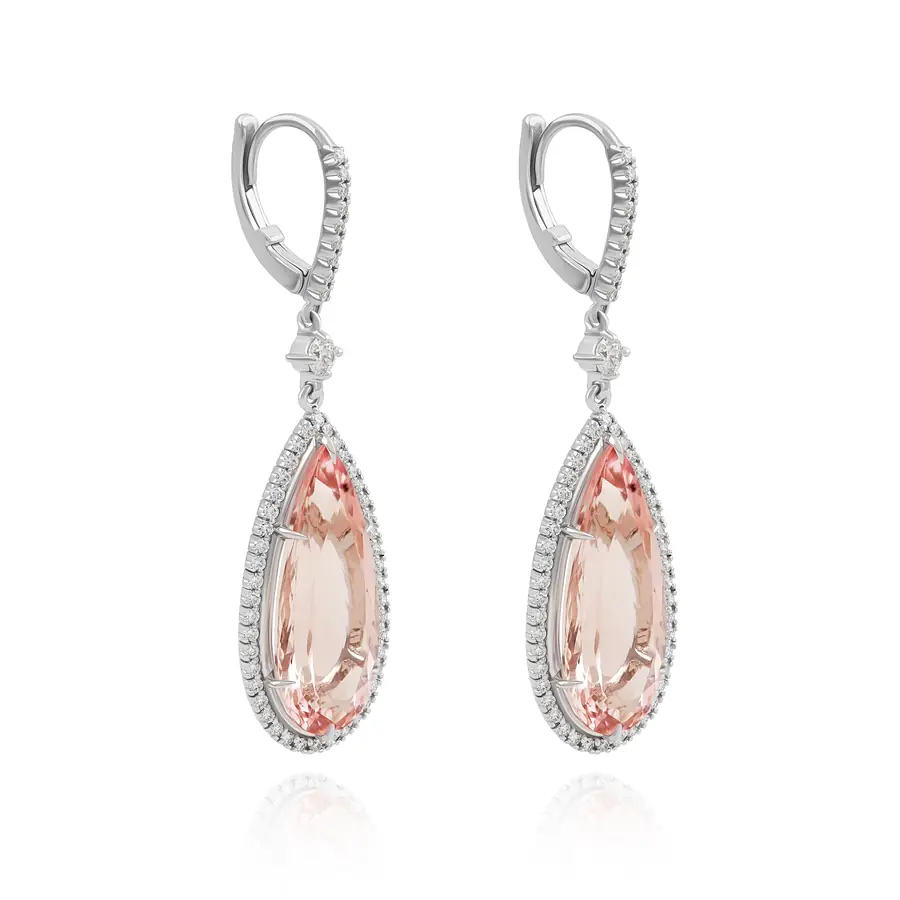

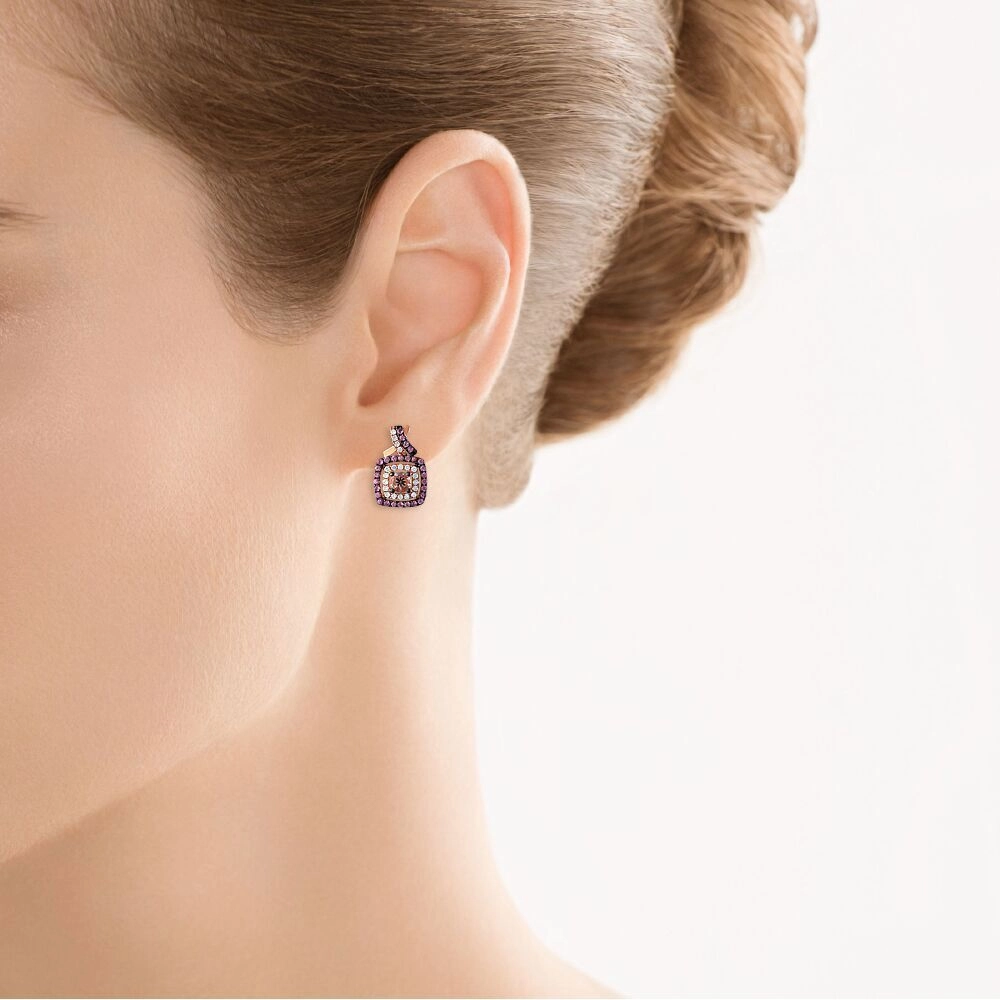
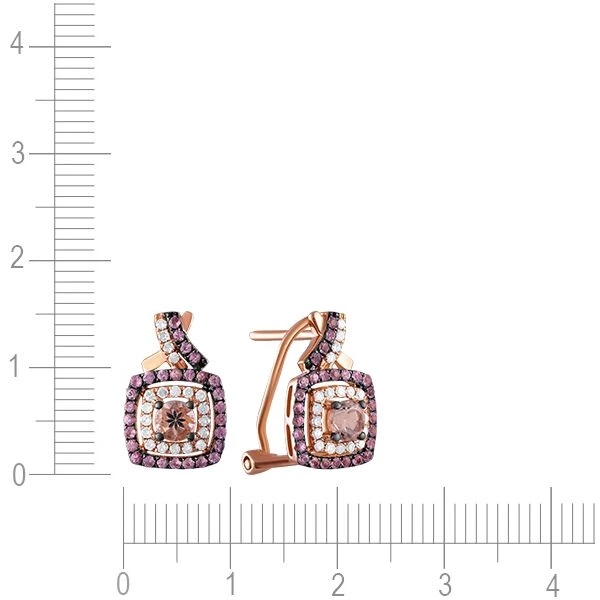

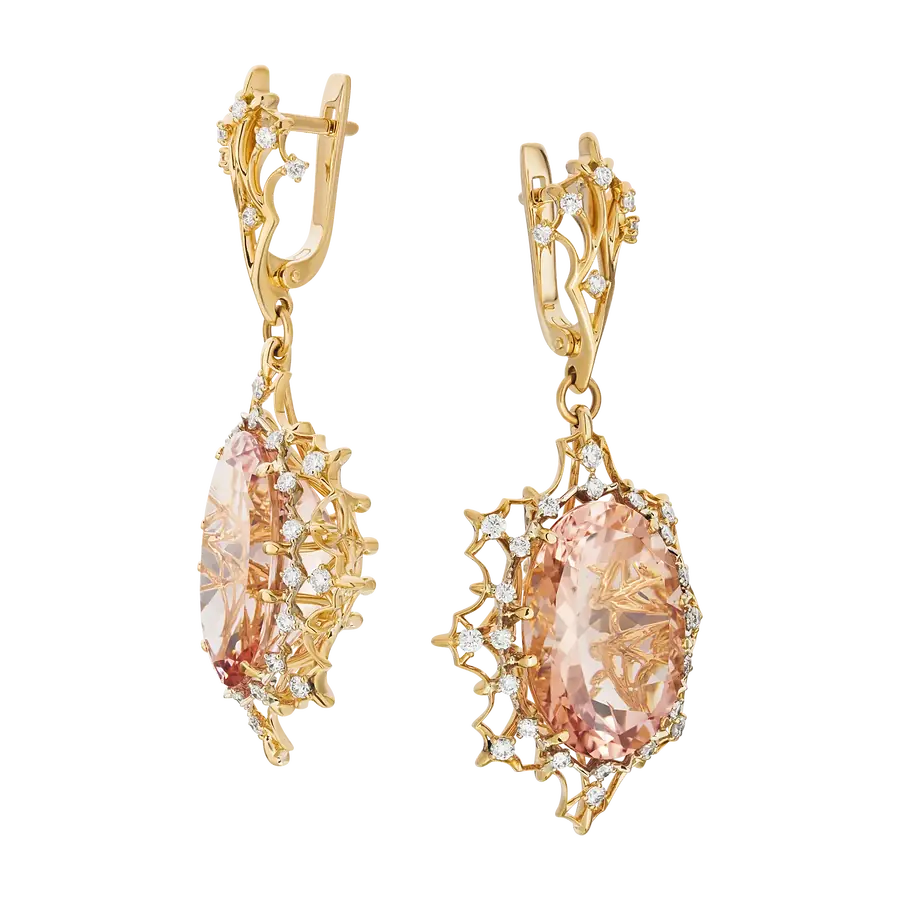
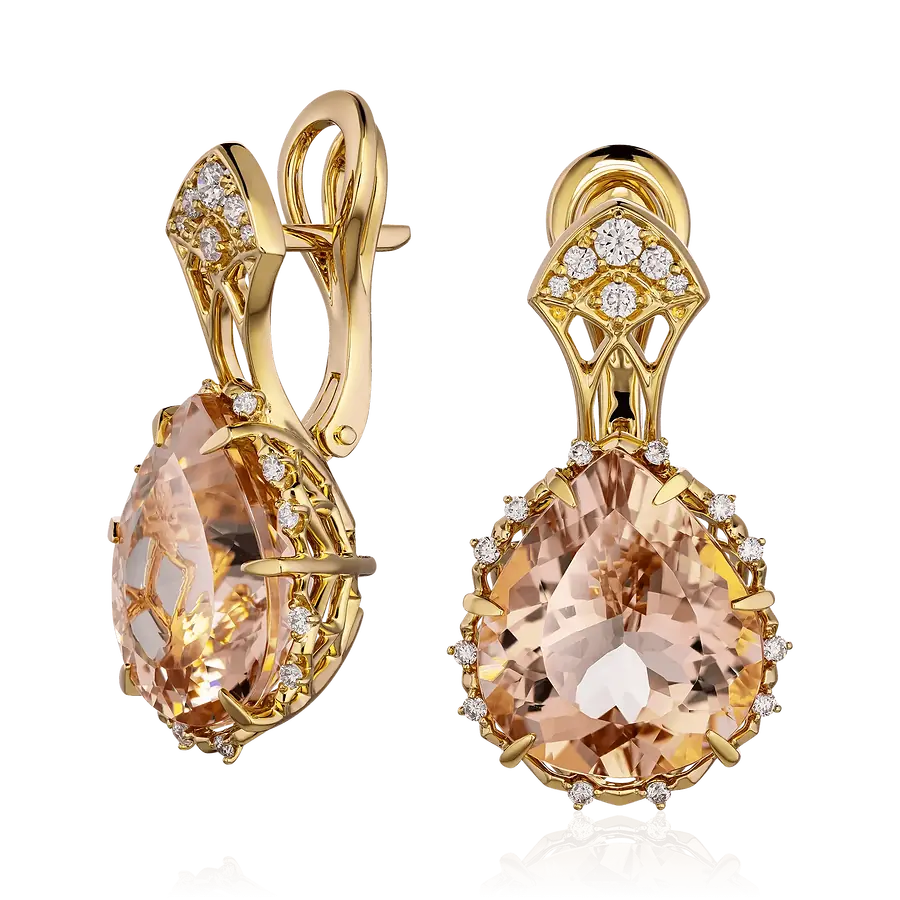
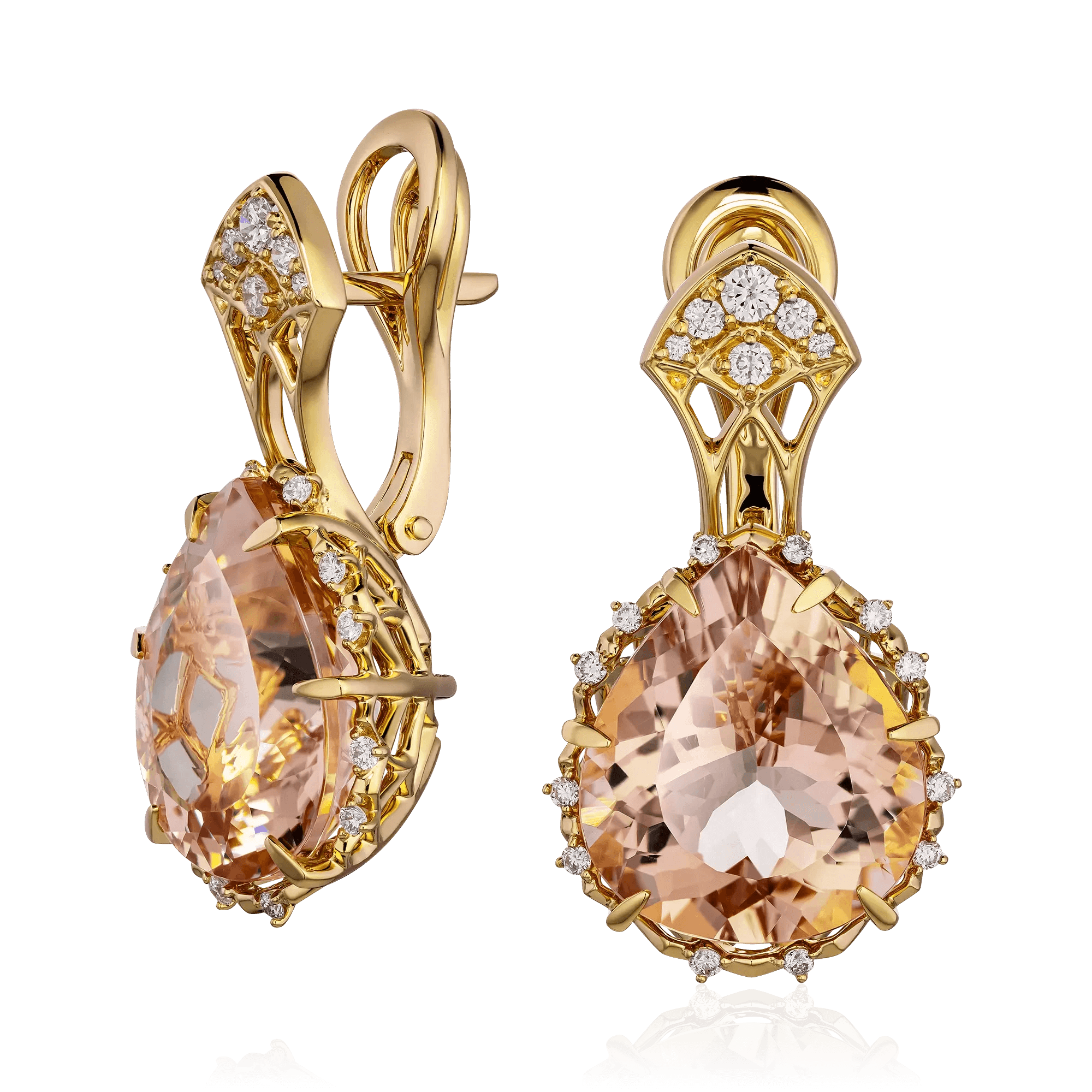
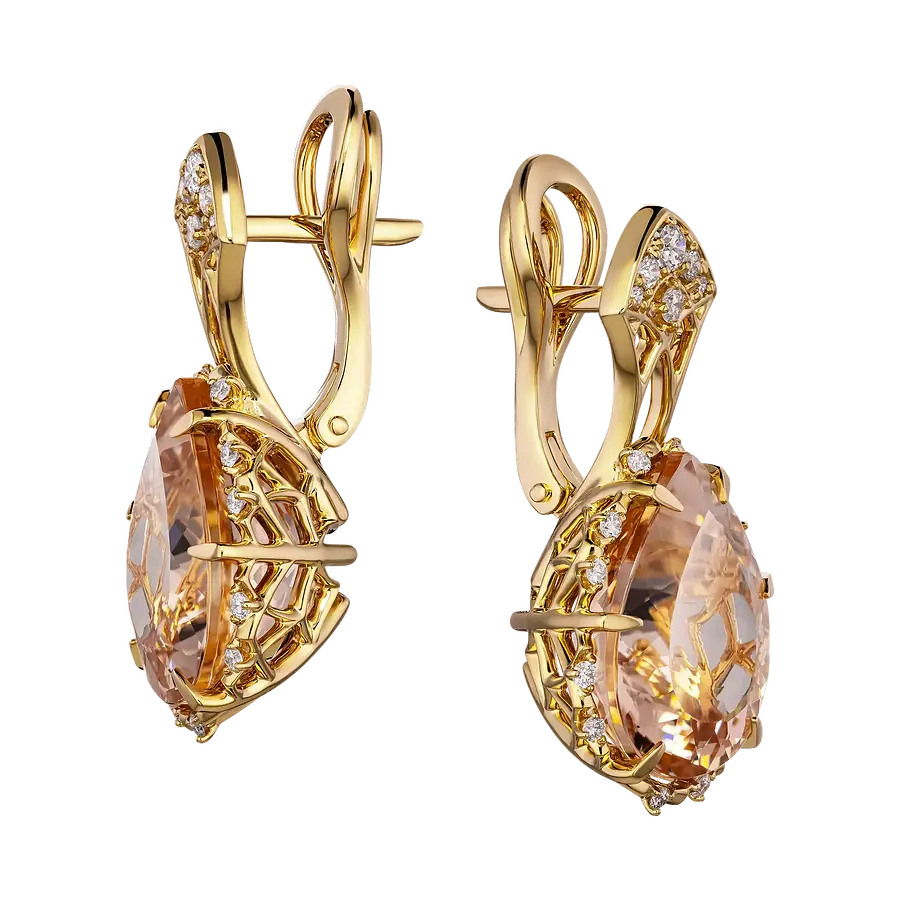
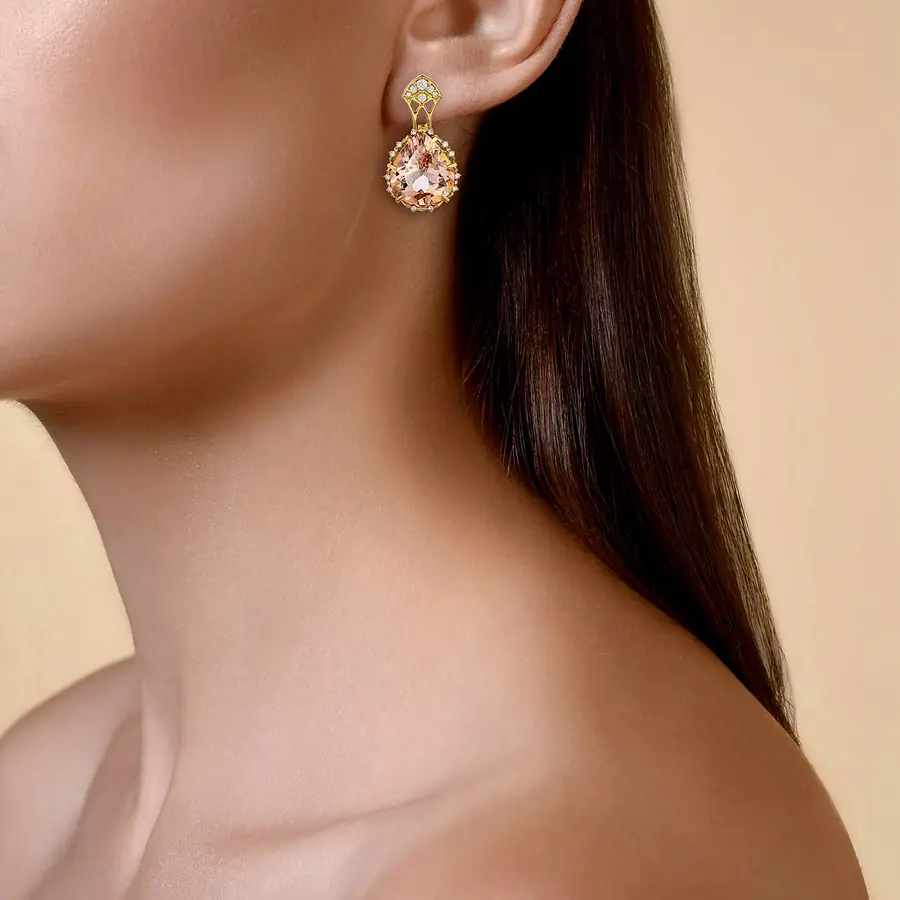
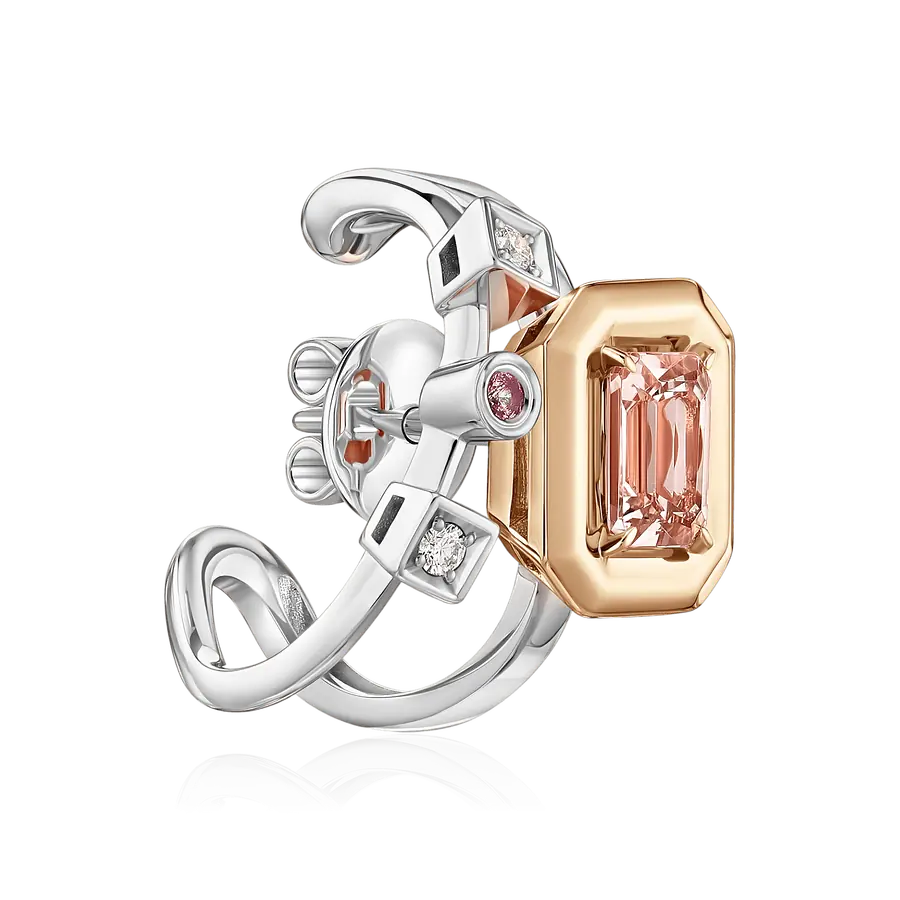
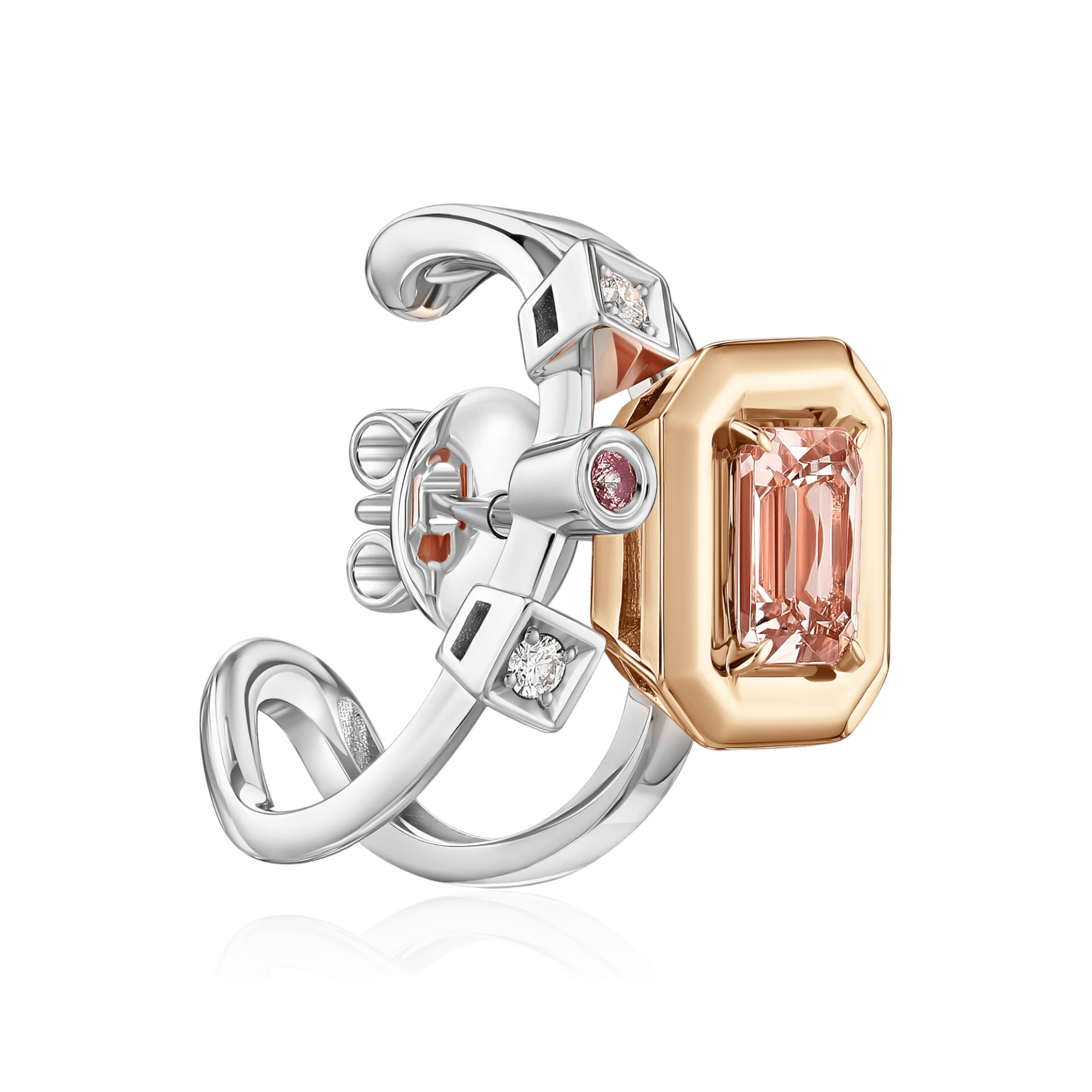
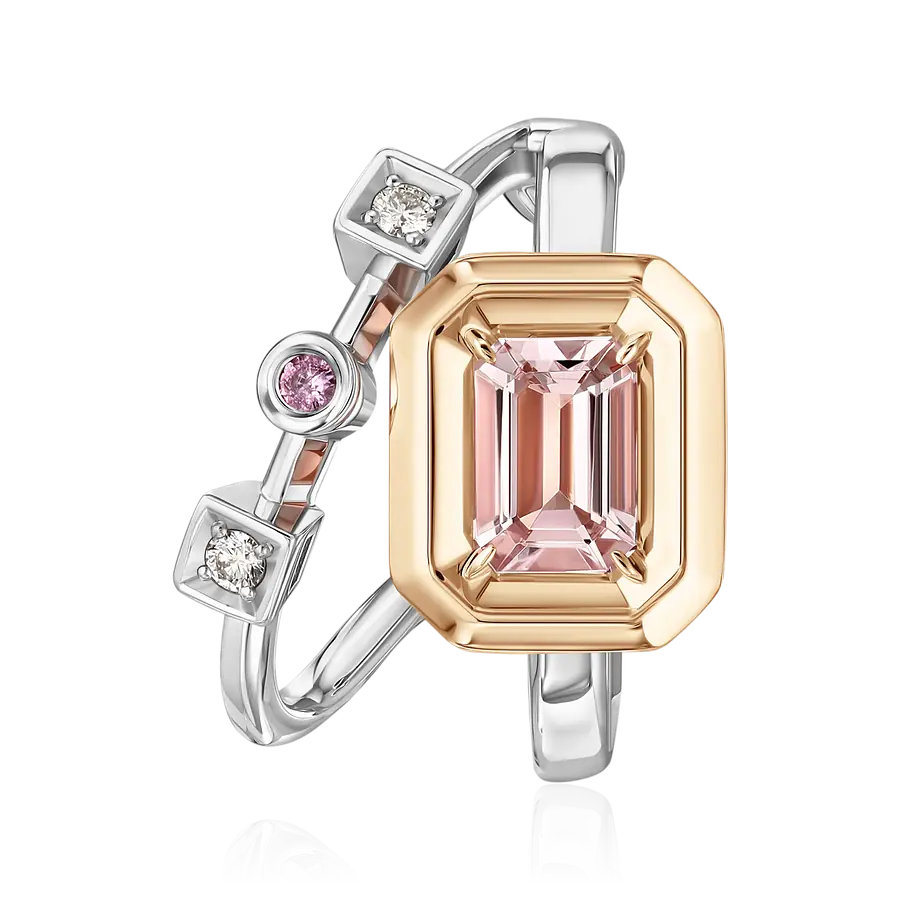
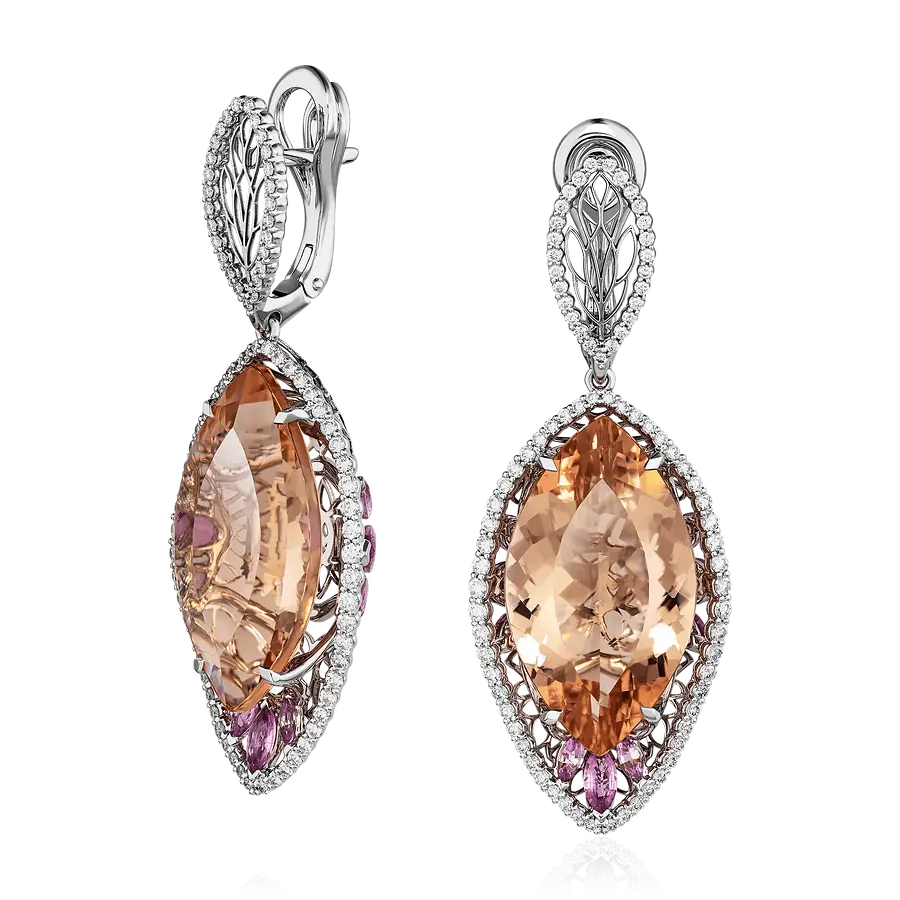

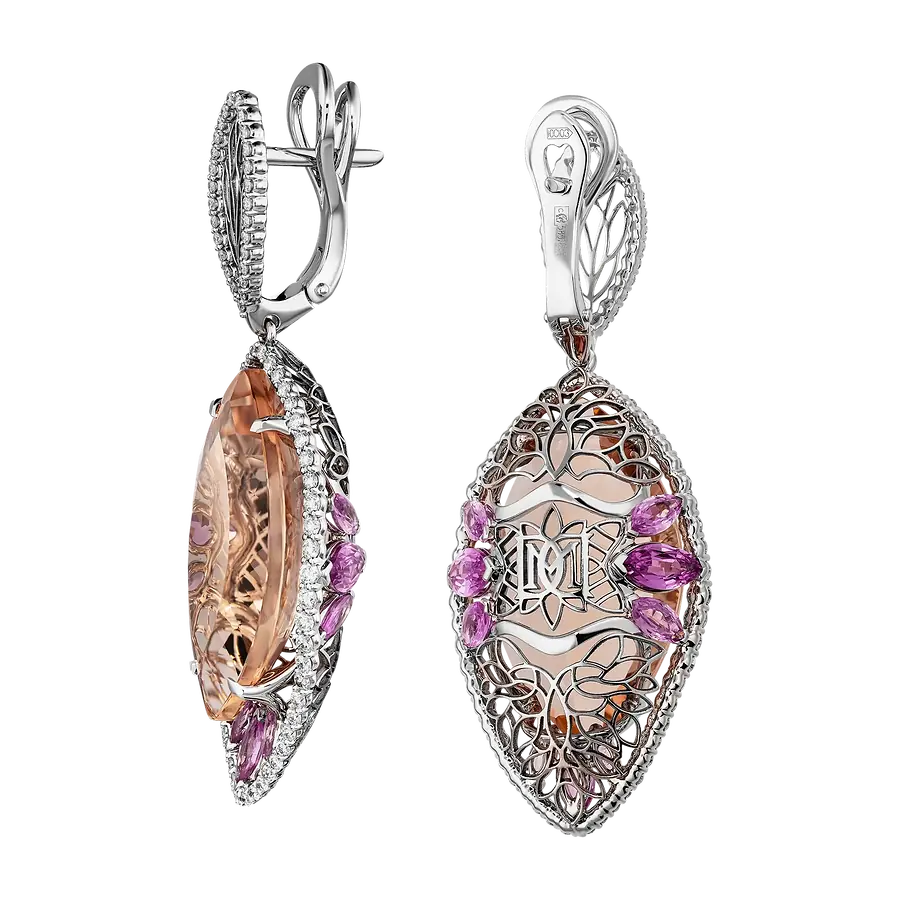
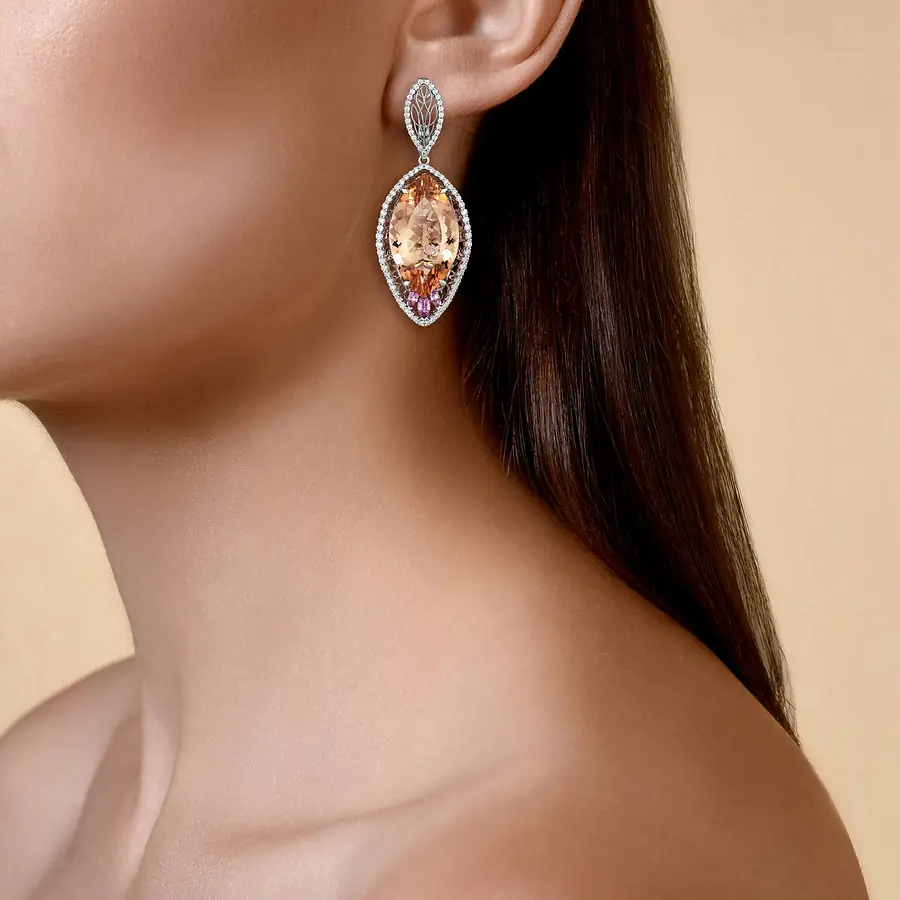
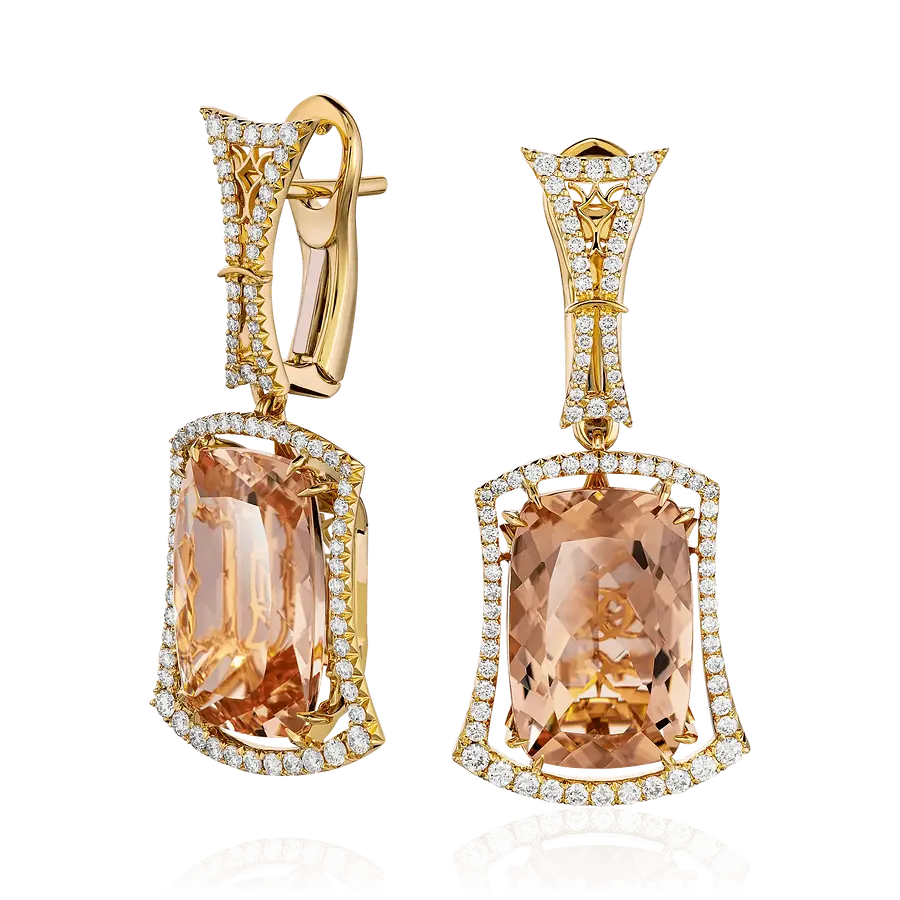
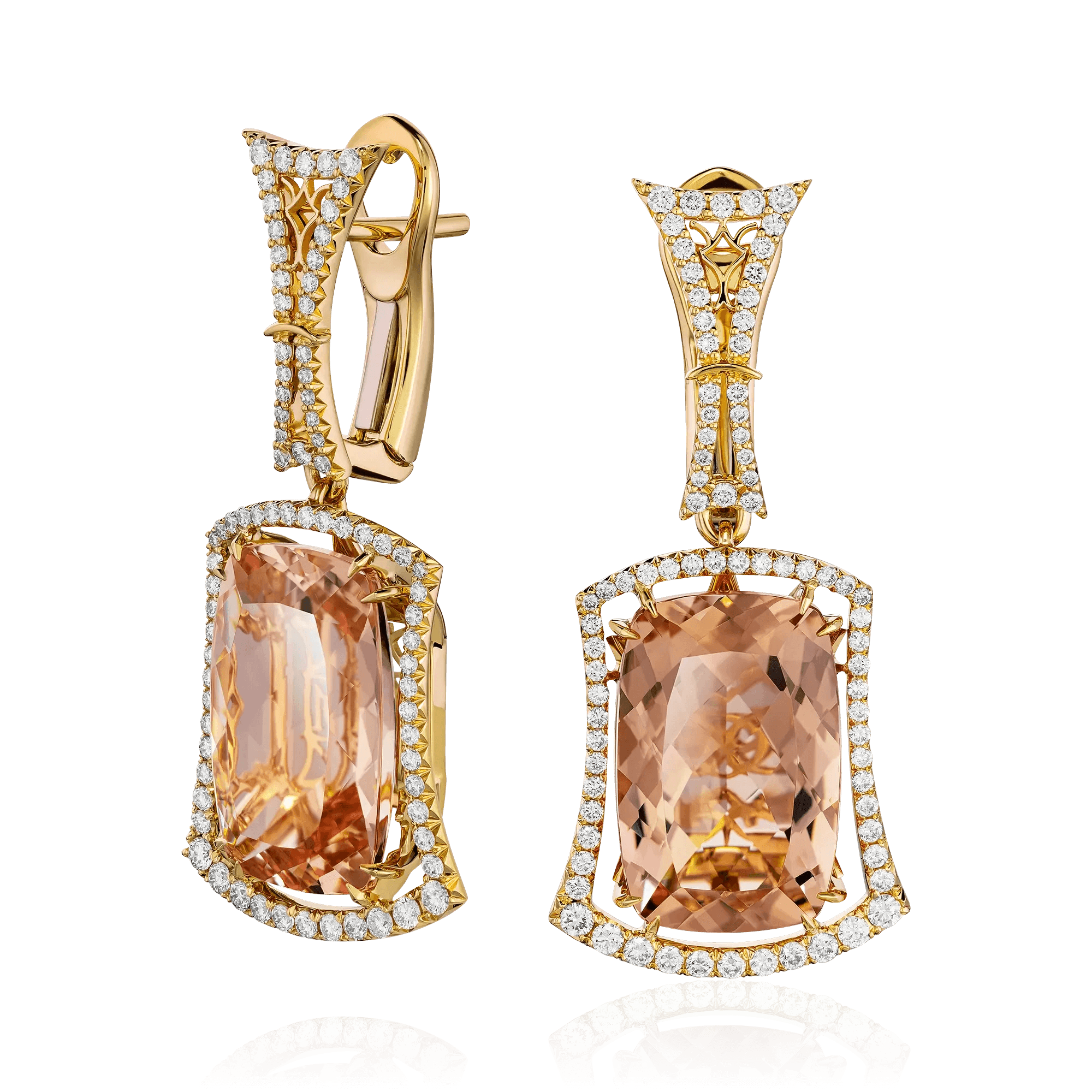
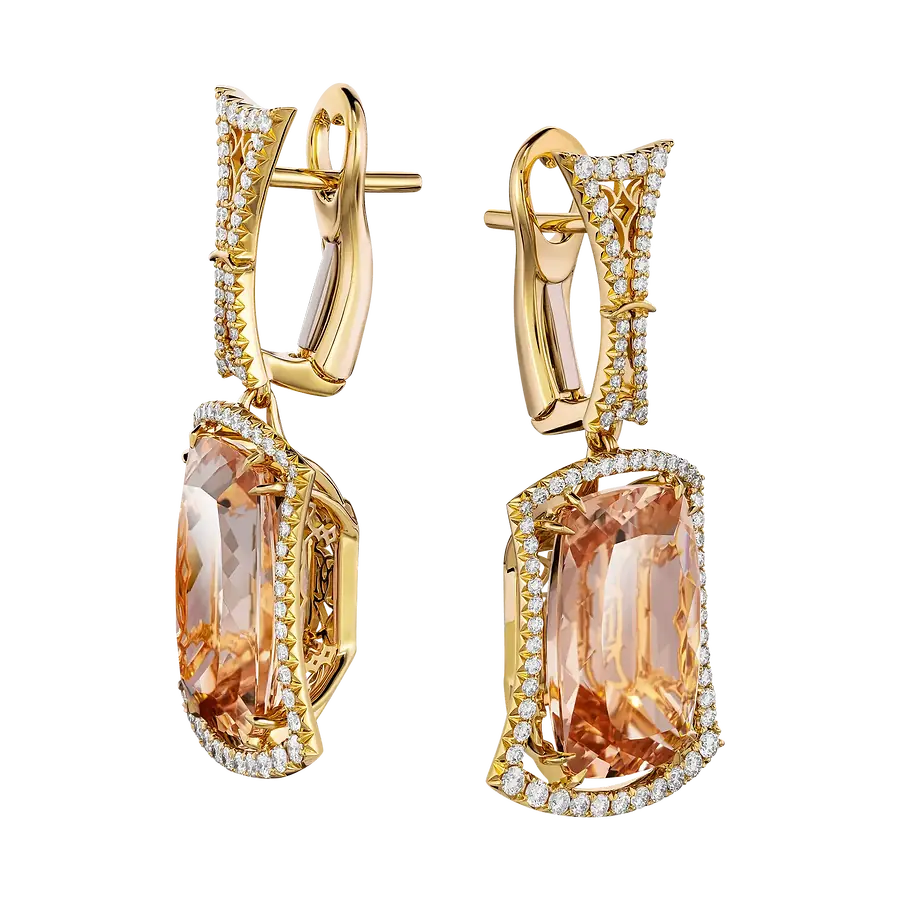
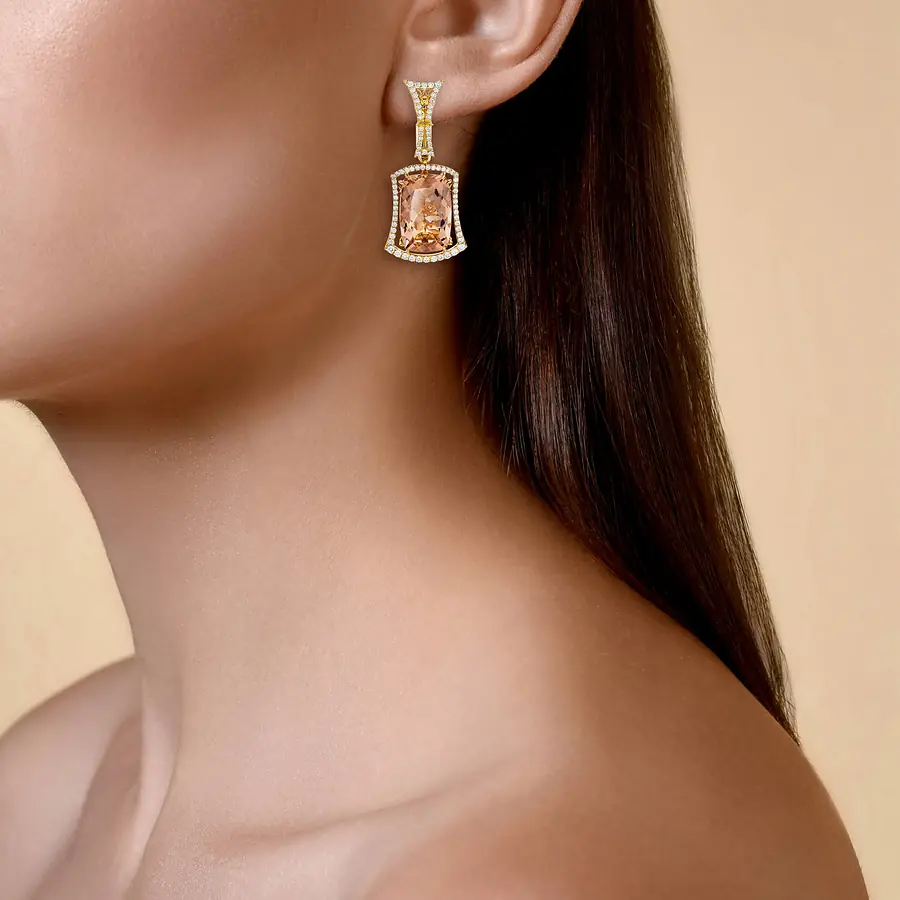
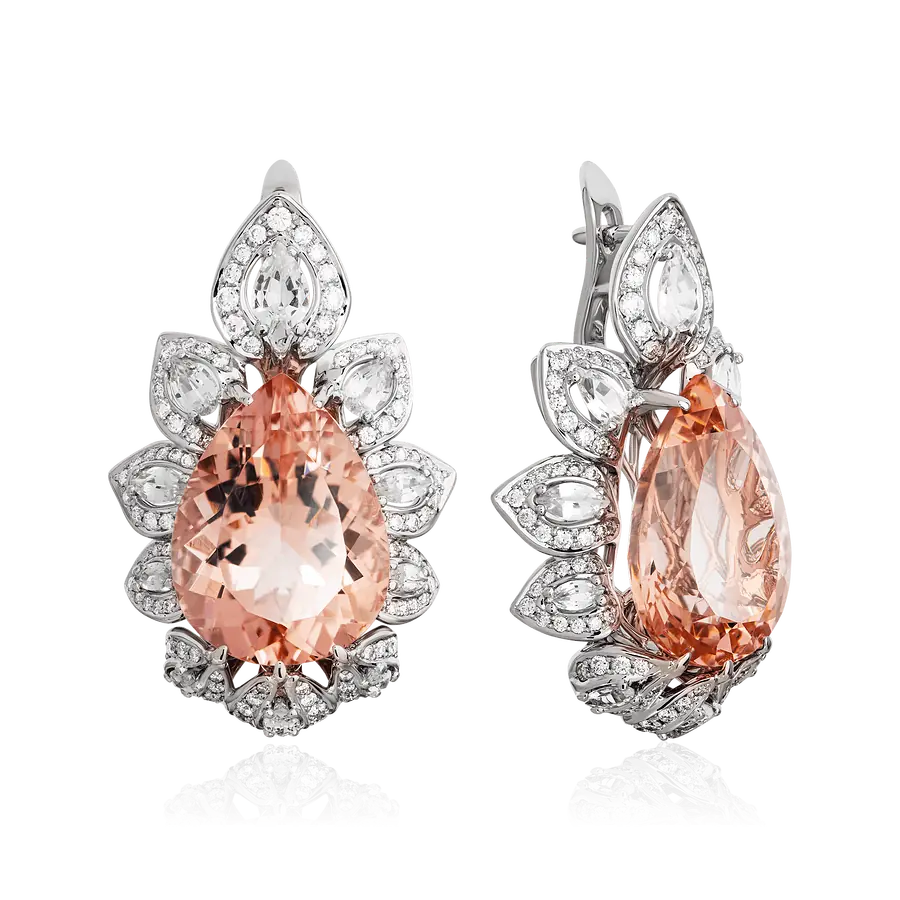

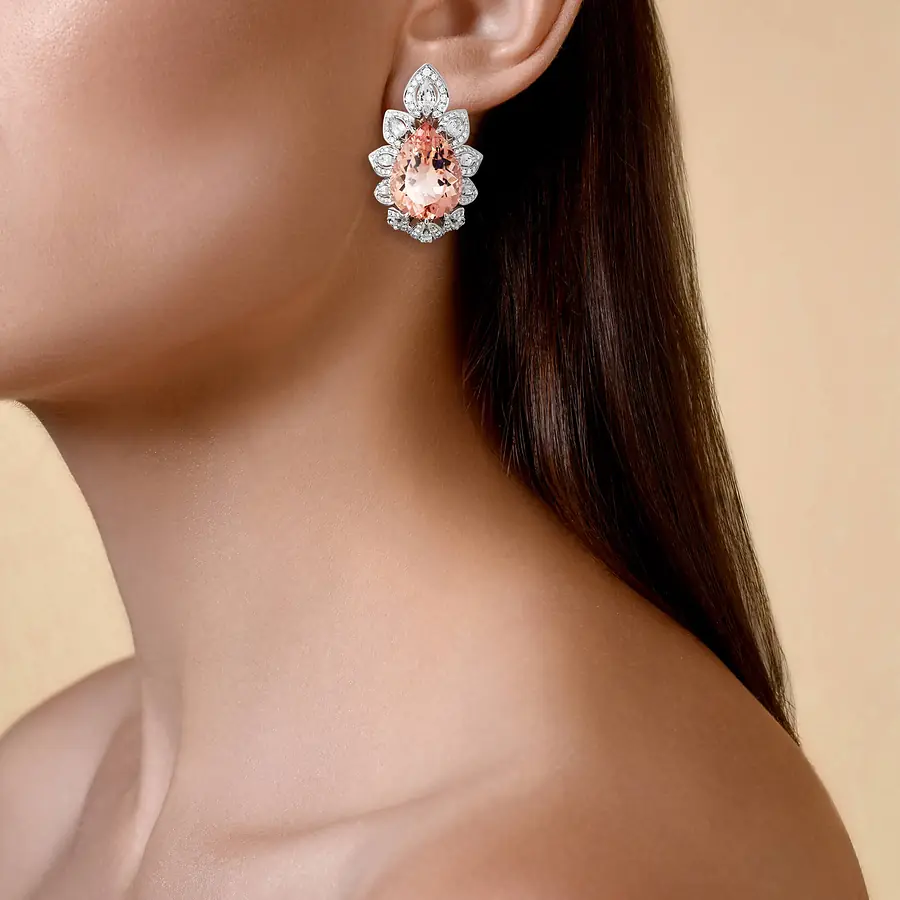

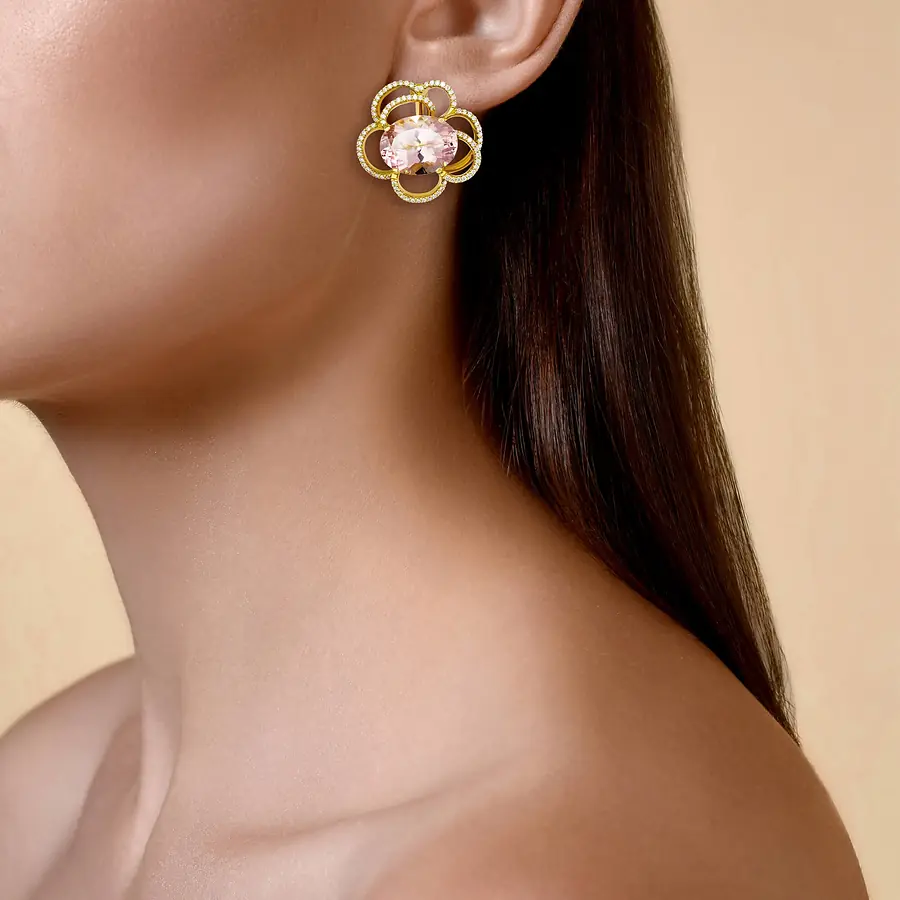
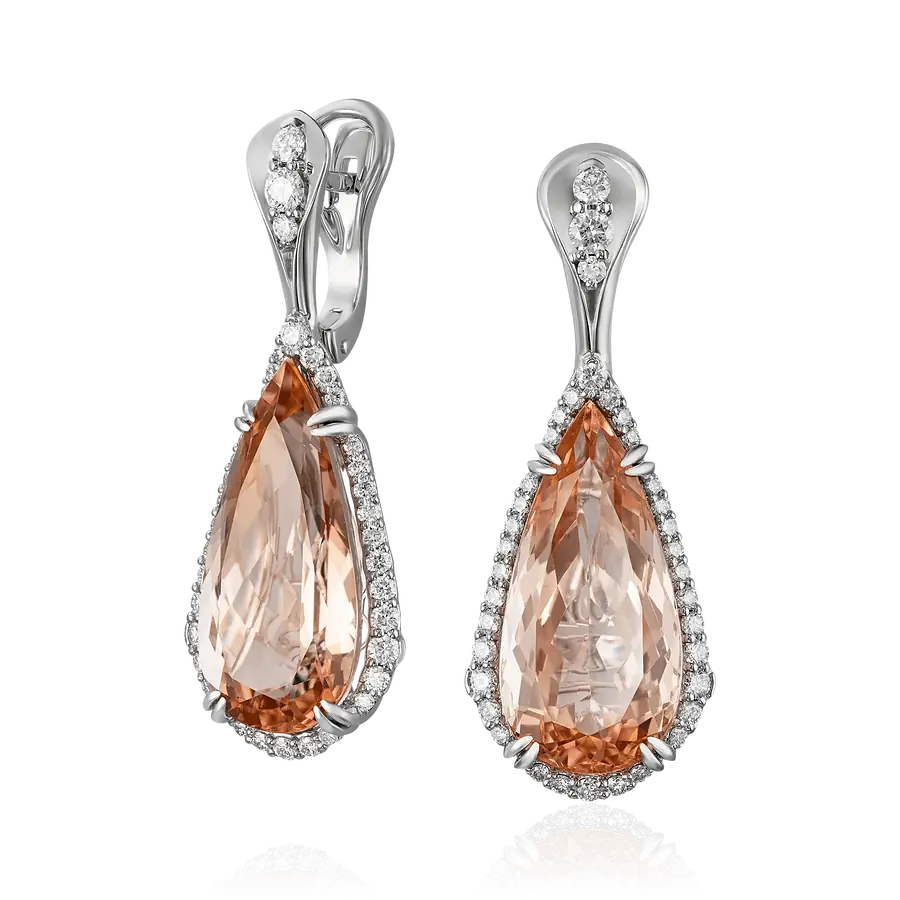

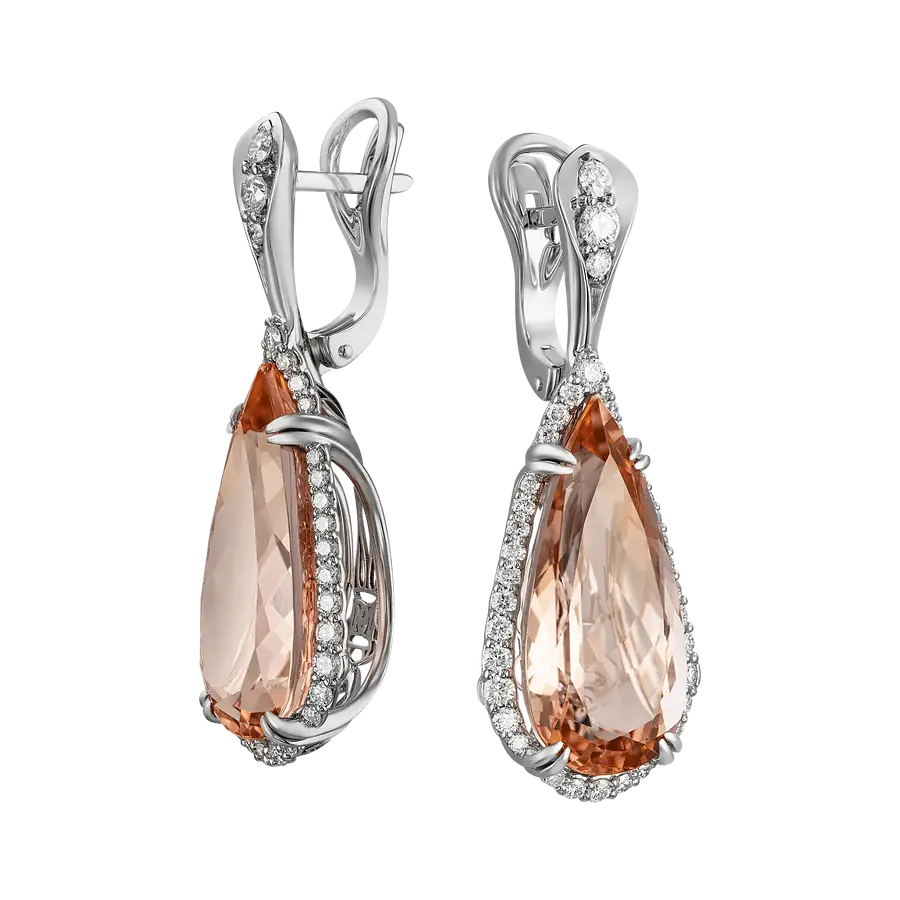
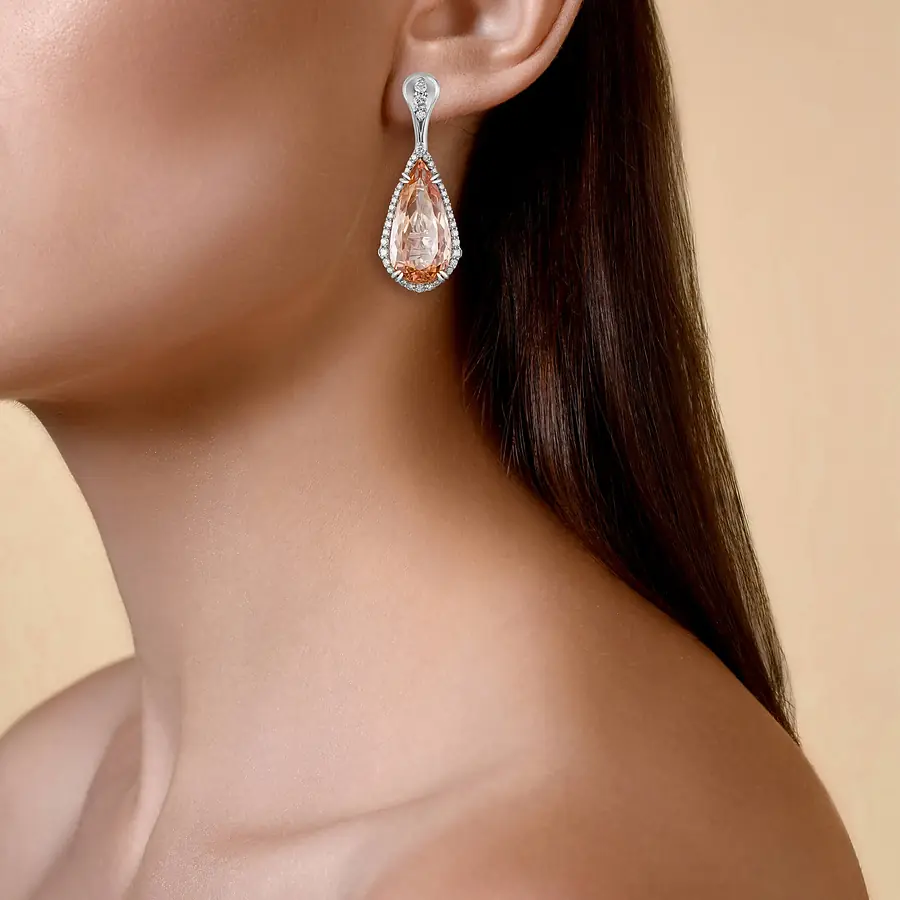
A pink stone in a display case can cost five thousand or a million and a half, and the difference is barely visible to the eye. Morganite, rose quartz, kunzite and pink tourmaline look so alike that it is hard to tell them apart without experience, while their prices differ tenfold. The DAF catalog has 89 such models starting at 122,950 ₽, and ninety-three percent of them are set with diamonds as well. The earrings with morganite here are made only with natural stones.
Gold morganite earrings start at ₽122,950, and half of the section costs more than ₽986,700. There is only one piece under one hundred thousand. Morganite earrings under two hundred thousand are seven pairs out of eighty-nine, and they sell faster than the rest.
Price distribution: 50,000 to 100,000 ₽, one design; 100,000 to 200,000 ₽, six; 200,000 to 500,000 ₽, twenty-nine; the remaining fifty-four cost more than half a million. Morganite earrings in our catalog are a collector's segment, not a mass-market one, and the price reflects the raw material, not a markup.
The reason is the stone. Large morganites of rich pink color are rare: most of the mined material is pale, almost colorless, and that is what goes into inexpensive jewelry. The difference between a dull two-carat specimen and a clean, saturated one of the same weight can reach twentyfold.
The main stones mistaken for morganite are rose quartz, kunzite, pink tourmaline and pink sapphire. The difference between them is significant in both price and properties, and morganite earrings look almost identical to kunzite ones.
Rose quartz the cheapest and most common: cloudy, rarely transparent, hardness 7. Earrings with morganite and with rose quartz on the shelf are hard to tell apart for any jeweler without a loupe. Kunzite closest in appearance to morganite, but it has a critical flaw: it fades in light, and after several years of active wear the pink fades almost completely. Pink tourmaline, also known as rubellite, costs more than quartz and less than morganite, and its color is usually brighter and cooler. Pink sapphire — a corundum with a hardness of 9, several times more expensive than morganite.
Against this background morganite holds the middle ground: hardness 7.5–8, a soft, warm color that is light-resistant and does not fade. A piece with it will outlast one with kunzite for exactly this reason: the color stays as it was at purchase.
The main signs of a natural stone are a soft, muted tone with a peach or salmon undertone, slight unevenness of color and no bubbles inside. A color that is too bright, a “doll-like” pink, is almost always glass or dyed quartz. Earrings with natural morganite look calmer than most buyers expect.
The second sign is pleochroism. Like all beryls, the stone shifts its shade slightly as you turn it, from pink to almost colorless. Glass and synthetics don't do this; their color is the same from every angle. You can check it right in your hands: just turn morganite earrings under a lamp.
All the stones in our jewelry are natural. There are no synthetic stones, doublets or dyed quartz in the catalog. Heat treatment is a widely accepted practice worldwide: heating removes a yellow undertone and makes pink cleaner, and it does not affect the stone's durability.
Fineness is the share of pure gold in the alloy: 585 means 58.5%, 750 means three quarters. Both are available in this section. Morganite earrings in 18K gold (750) cost more because of the gold content, but the alloy there is softer.
White gold 44 pieces, yellow gold 33, red gold 8. The choice of metal for a pink stone is less obvious than for a blue or green one: white gold emphasizes the cool part of the spectrum and makes the stone more restrained, while yellow gold strengthens the peach undertone and adds warmth.
Red gold is rarely paired with a pink stone, and only by those who do it deliberately: it blends with the stone in tone, and the whole piece reads as a single patch of color. Morganite earrings in red gold are one-of-a-kind in our catalog. The effect is sometimes just what you want, but it is not for everyone. This combination is worth seeing in person, because the nuance does not come across in a photo.
White gold is plated with rhodium, and the plating wears off over time – it is renewed periodically, and the procedure is included in the store’s service.
Color intensity is the main price factor, and the range is enormous. Pale, almost transparent stones are inexpensive and make up most of what is mined. A rich, pure pink is rare, and the price rises non-linearly: doubling the intensity of the tone can mean a fivefold difference in cost. Pieces with deeply colored stones are few in the catalog.
Peach and salmon shades are a category of their own. They appear when a warm yellow undertone is mixed into the pink, and they are valued separately: such stones pair better with warm skin tones and yellow gold.
Earrings with peach-toned morganite stand on equal footing with the classic pink ones; it is a matter of taste, not of grade. Look at the stone in daylight. The warm lamp of a display case adds a richness to pink that ordinary lighting will not show.
The main options in this section are studs, earrings with an English lock and dangling models on a movable hinge. Studs suit daily wear, dangling ones suit large stones. If you wear the piece all the time and take one earring off more often than the other, the wear on the pair will be uneven.
The cut is more often step or oval: morganite is transparent, and broad facets show the stone's clarity better than many small ones. A round cut is found on smaller stones.
For a paired piece, matching the stones by tone is critical. In an earring both stones are visible at once, and a difference in shade is more striking than in any other jewelry. When ordering, it is worth asking whether the stones come from the same batch: replacing a single earring later is almost impossible.
To keep the stone’s color, follow two rules: avoid sudden heat and don’t clean it with harsh chemicals. A hardness of 7.5–8 on the Mohs scale protects against everyday scratches, but beryls tolerate thermal shock poorly.
It is best to store the piece apart from items with sapphires, rubies and diamonds: they are harder and leave marks. Clean with a soft cloth, warm water and a drop of soap.
Ultrasonic cleaning is acceptable if the stone has no cracks, but when in doubt, hand cleaning is safer. In this respect, morganite earrings are less demanding than emerald ones: oil filling of fractures is not used for pink-toned beryl, so there is nothing to wash out.
A sharp change in temperature is more dangerous than any chemical. Don't step out into the cold in your jewelry from a warm room, and don't wash your hands in hot water right away: thermal shock causes internal cracks that can't be removed. Unlike kunzite, this stone isn't afraid of sunlight; its color is stable.
You can view the jewelry in this section at the DAF boutique on Nikolskaya or order it on the website with delivery across Russia, including to Kazan, Saint Petersburg and other cities.
For a pink stone, seeing it in person is especially useful: the shade depends heavily on the light, and the difference between display lighting and daylight is visible to the naked eye. If a visit is inconvenient, ask a manager to film it by a window.
Before ordering, check the weight of the stones in carats and how the stones are matched in the pair. Returns are possible within fourteen days.
122,950 ₽. There is one model under one hundred thousand in the section, and more than half of the selection costs over half a million. This is a collector's segment: large morganites of rich color are rare.
There you usually find pale low-grade stones or other pink minerals: quartz, kunzite, glass. The difference between a dull morganite and a clean, saturated one of the same weight reaches twentyfold.
Morganite is pink beryl, with a hardness of 7.5-8 and a color that is stable in light. Rose quartz is cloudier and cheaper. Kunzite looks similar, but it fades in light and loses its color after a few years.
Yes, all the stones are natural. There are no synthetic stones or dyed quartz in any model in the catalog.
No. The catalog features only 585 and 18K gold (750).
White makes the stone more restrained and emphasizes the cool part of its tone; yellow intensifies a peachy undertone. In white gold we have 44 pieces, in yellow 33.
We will contact you shortly.
Unfortunately, we cannot deliver to this locality. Please choose another city nearest to you.
How to get them. 3% of every order on the site. Sign in with your phone number to receive bonuses.
How to spend them. Sign in, add jewelry to your cart and specify at checkout how much to redeem. Bonuses can pay up to 10% of the price.
Confirm that you are not a robot
Unfortunately, this item is currently out of stock. We can make the jewelry individually to your requirements. Our consultant will contact you
Our consultant will contact you shortly
Refresh the page and send the message again
Specify the size of the jewelry and try again
Enter your number and our manager will contact you about the price calculation
Refresh the page and submit the order again