162 900 ₽543 000 ₽
We use cookies to improve the site and give you more options. By continuing to use the site, you agree to cookie usage terms.We use cookies. Learn more


By popularity
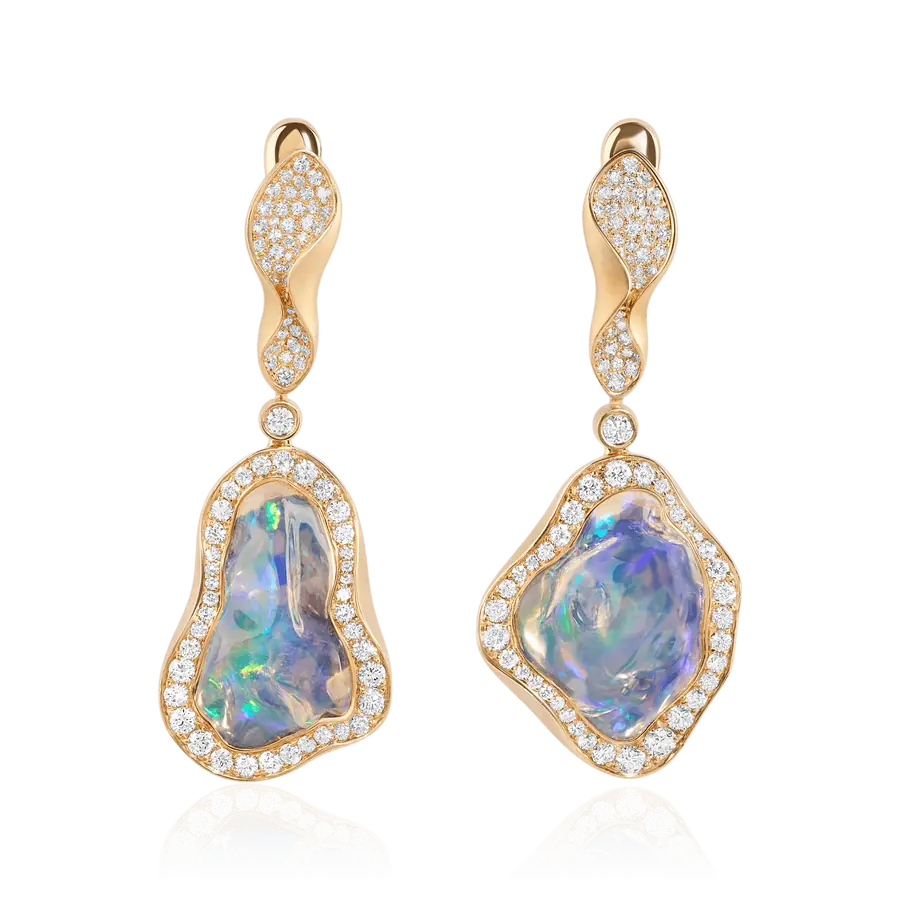
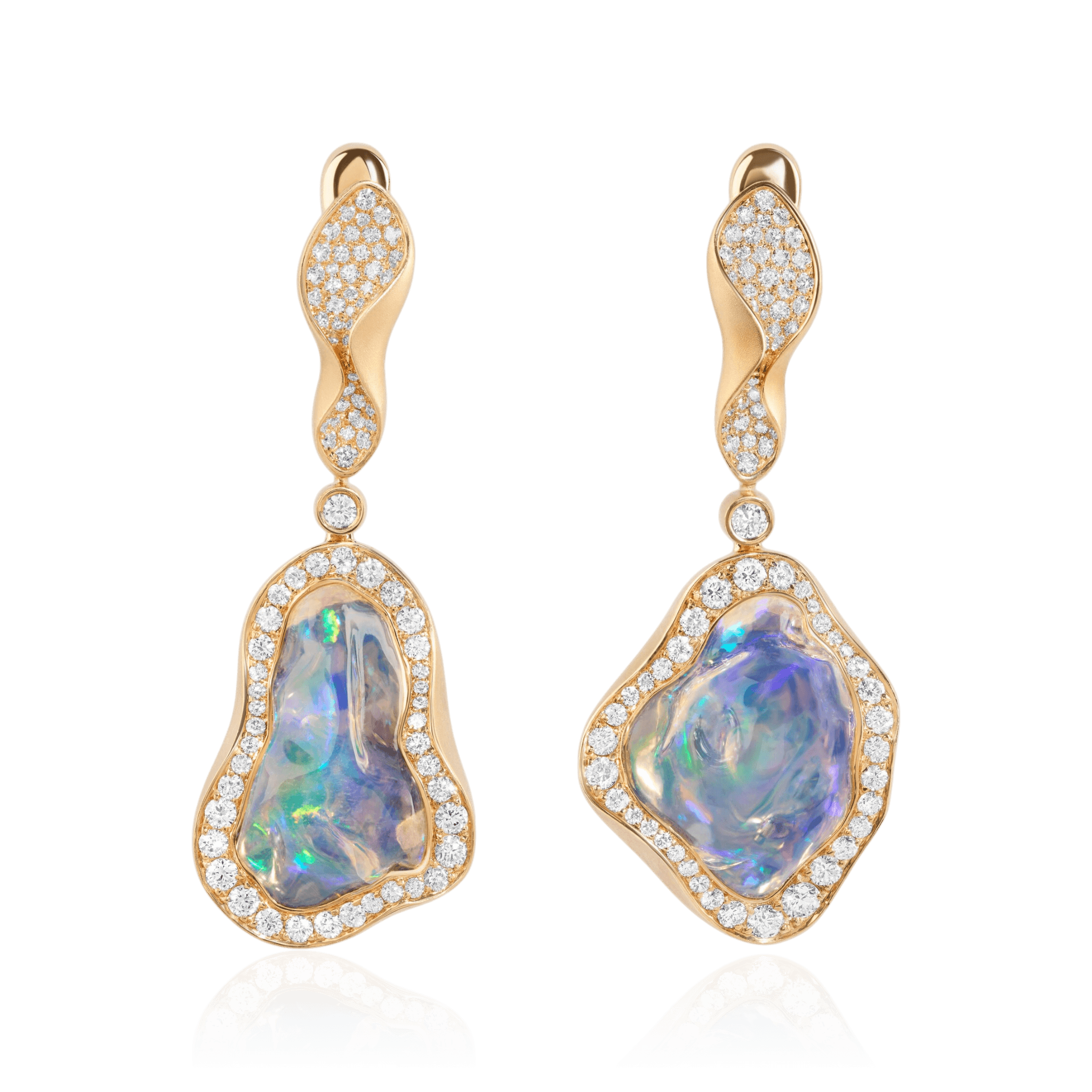
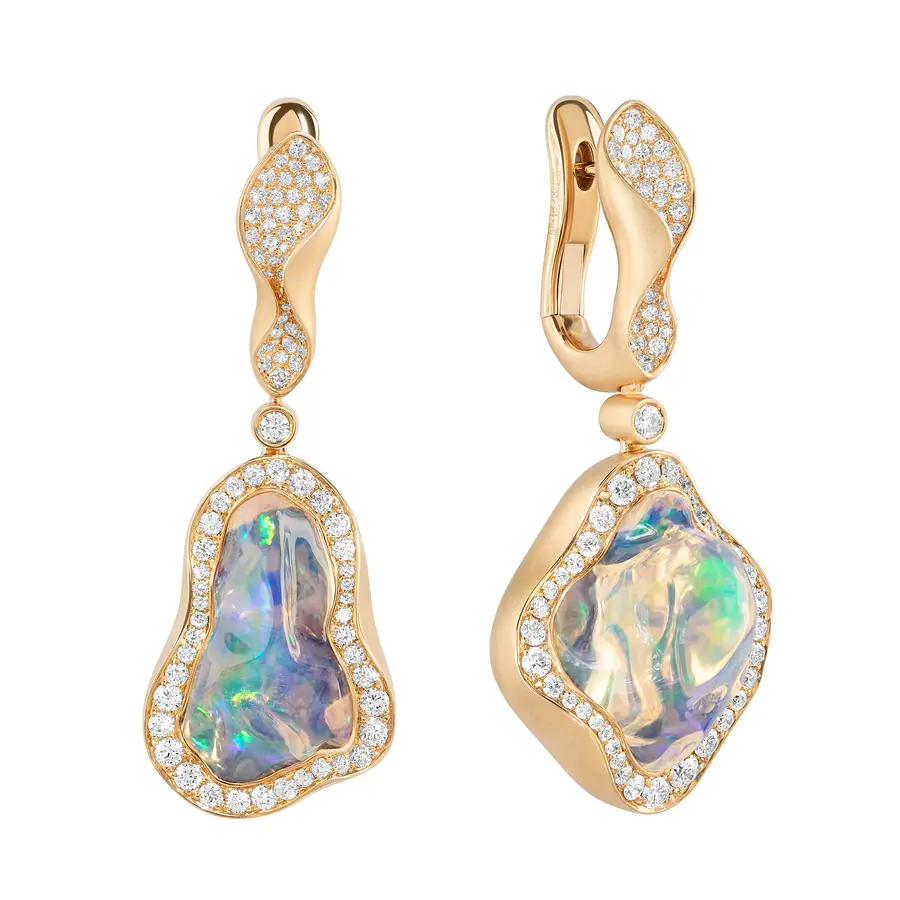

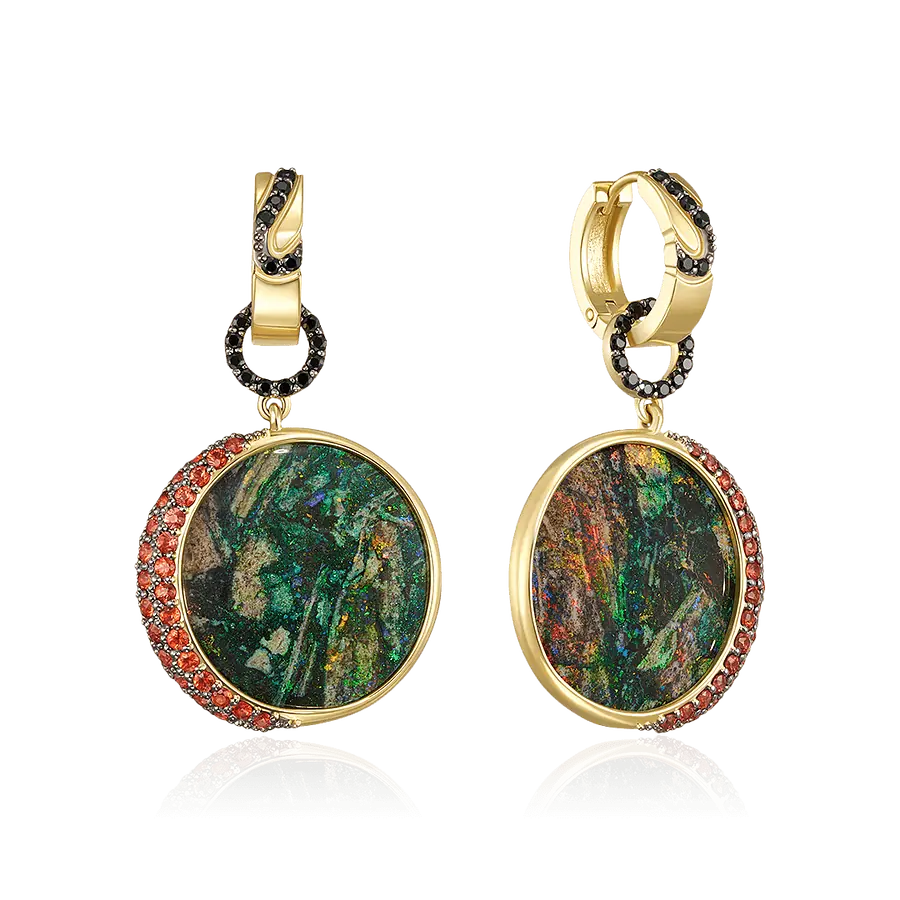
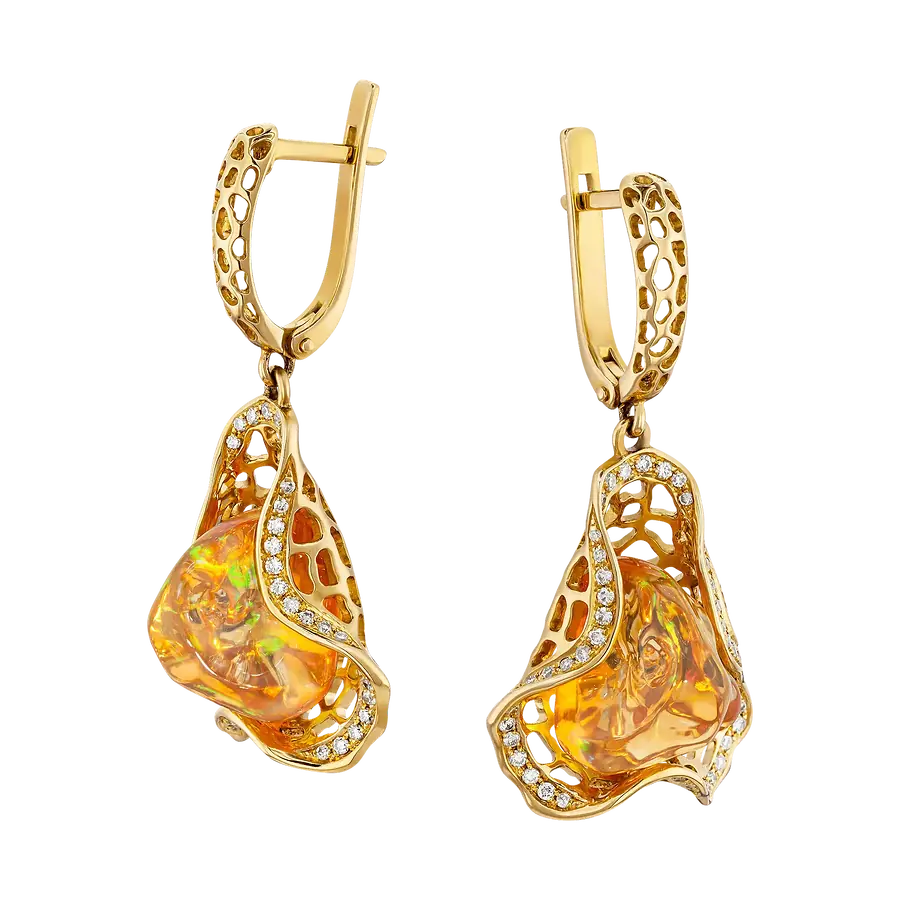
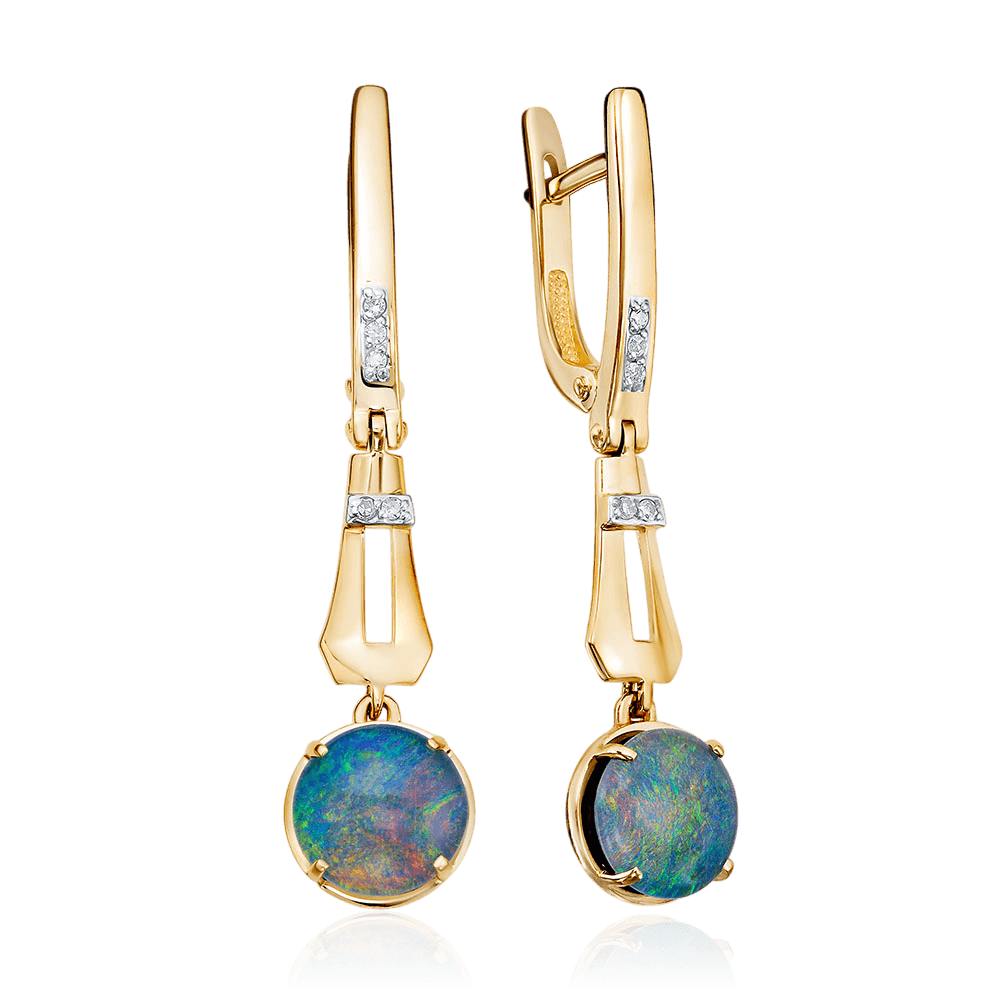
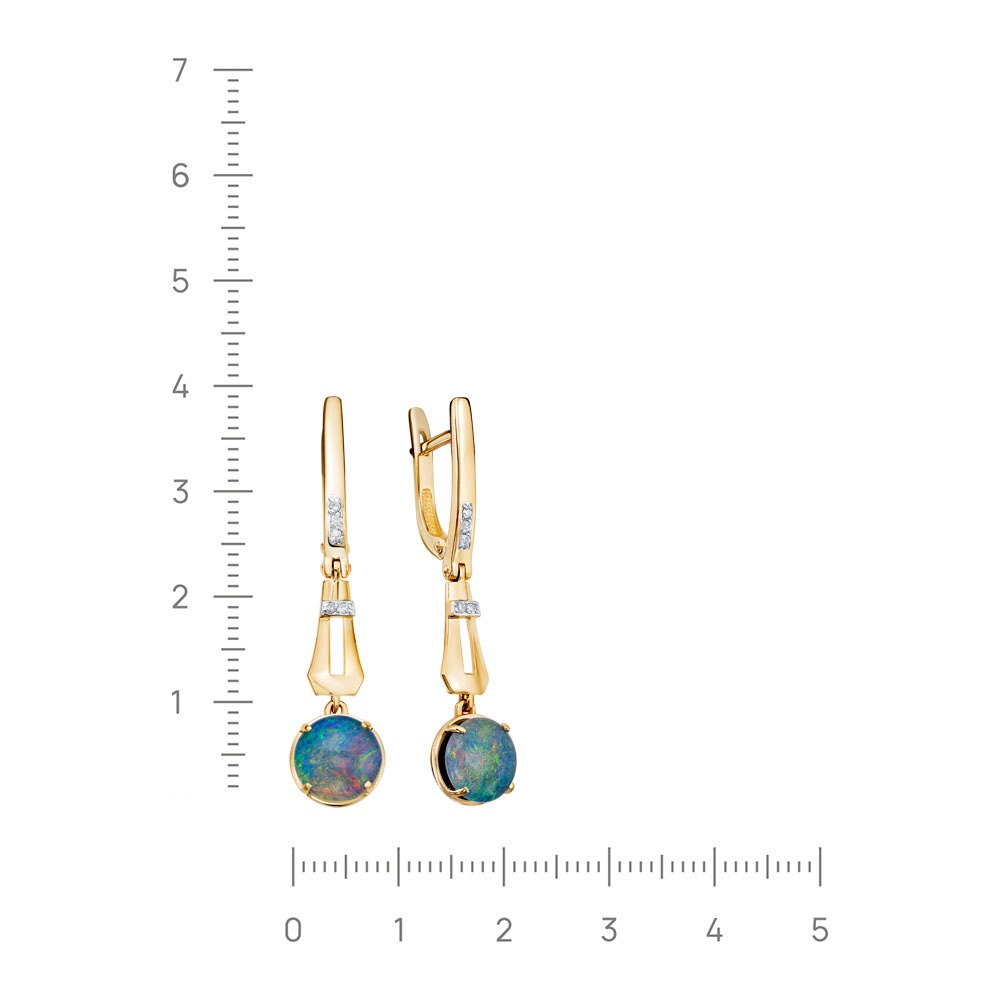
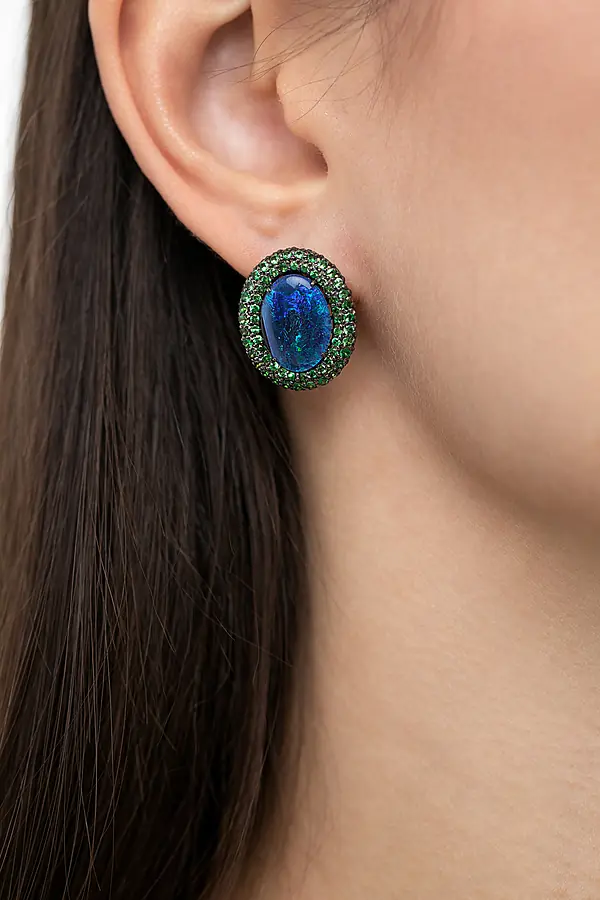
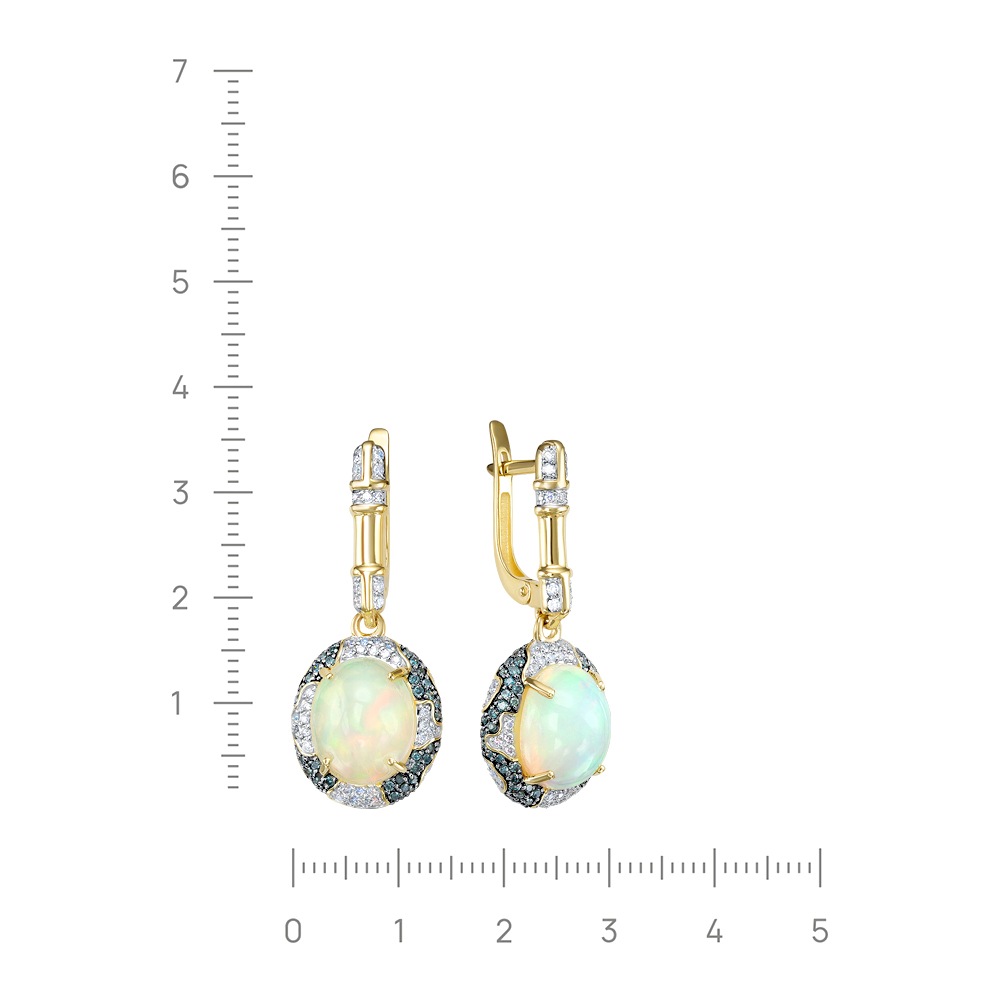
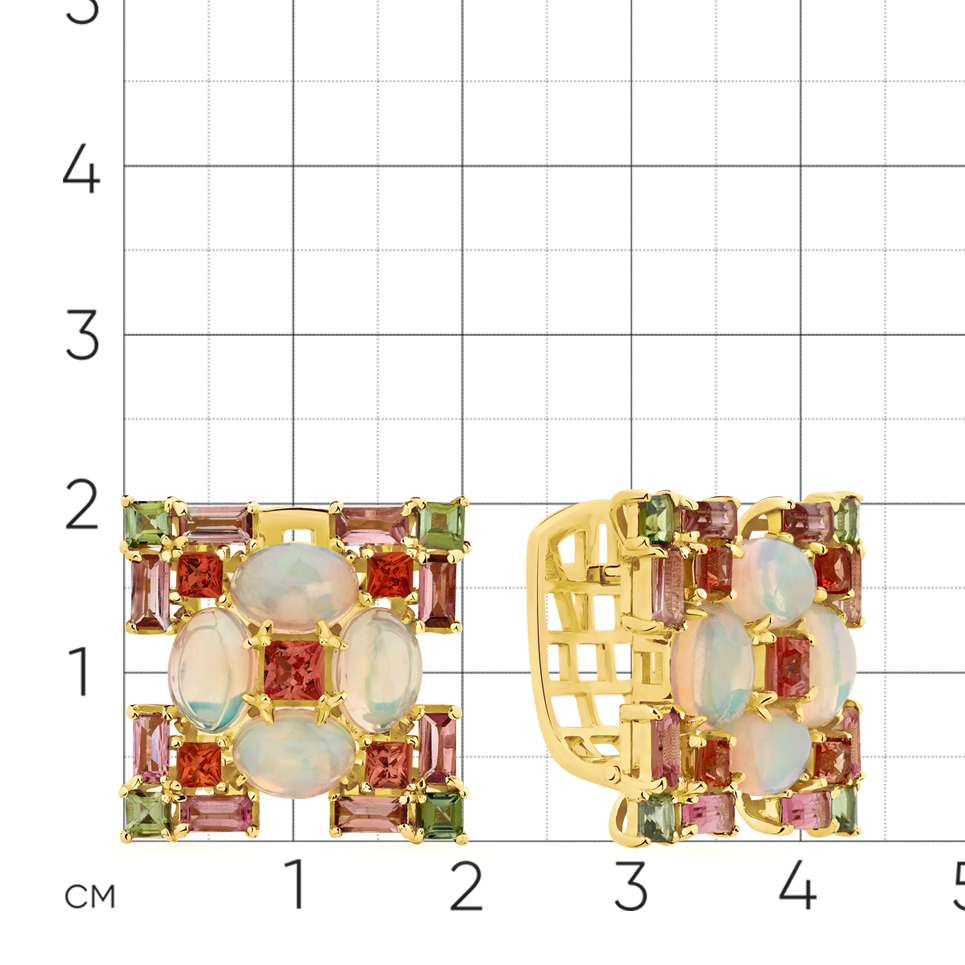
Earrings "Dreams of the Moon" with opal, sapphire and spinel in 14K yellow gold (585) ( 107806)
In stock
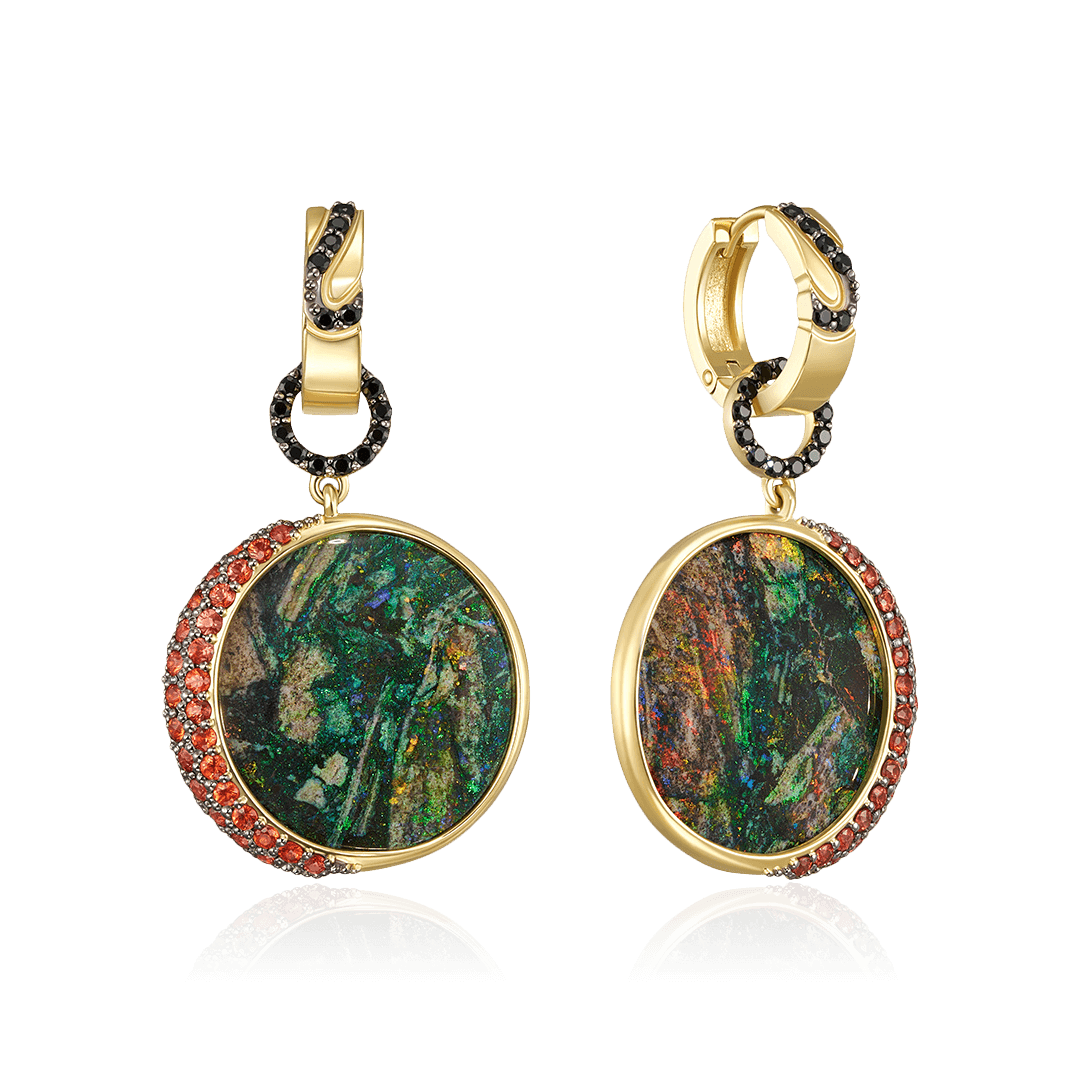
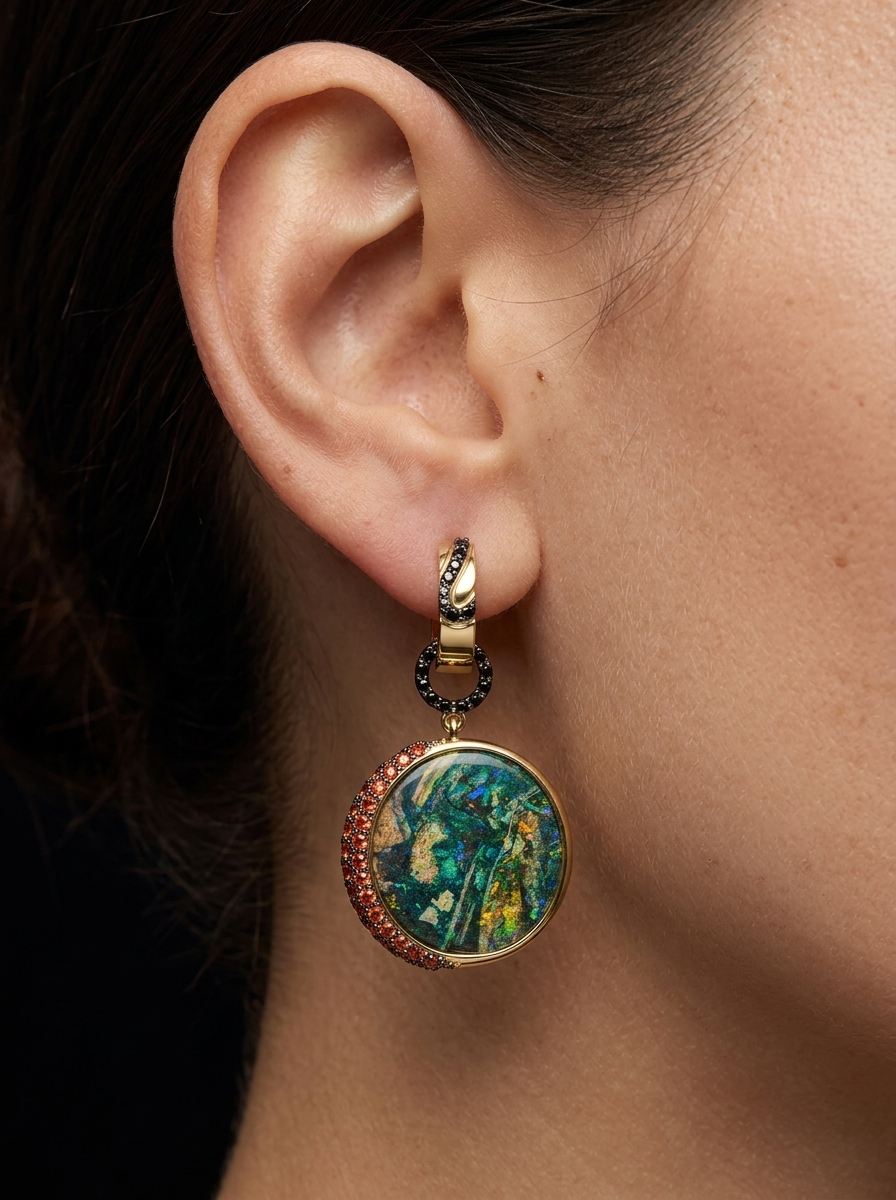


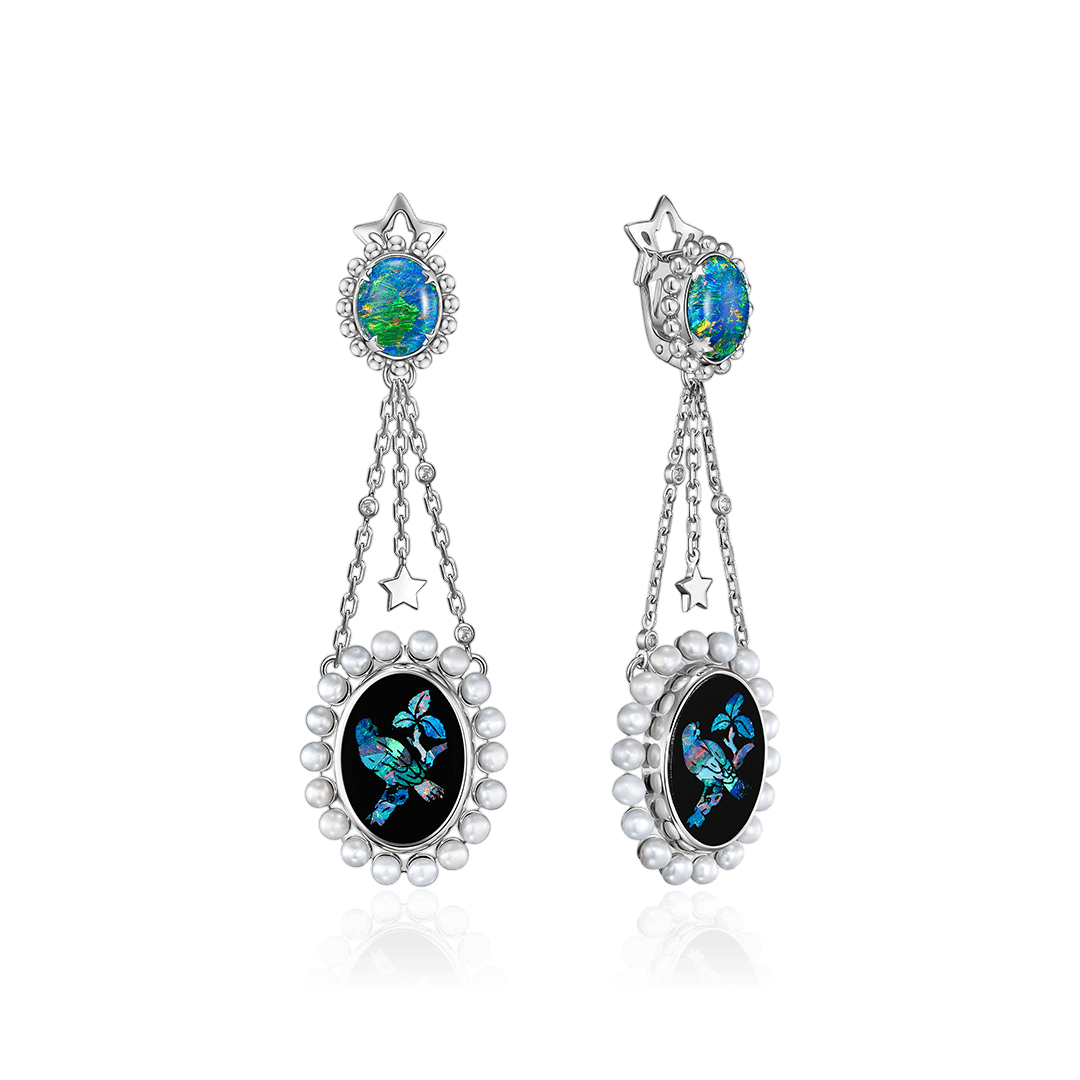
"Little Prince" Earrings with topaz, pearls, agate, quartz, opal in sterling silver (925) ( 128943)
In stock
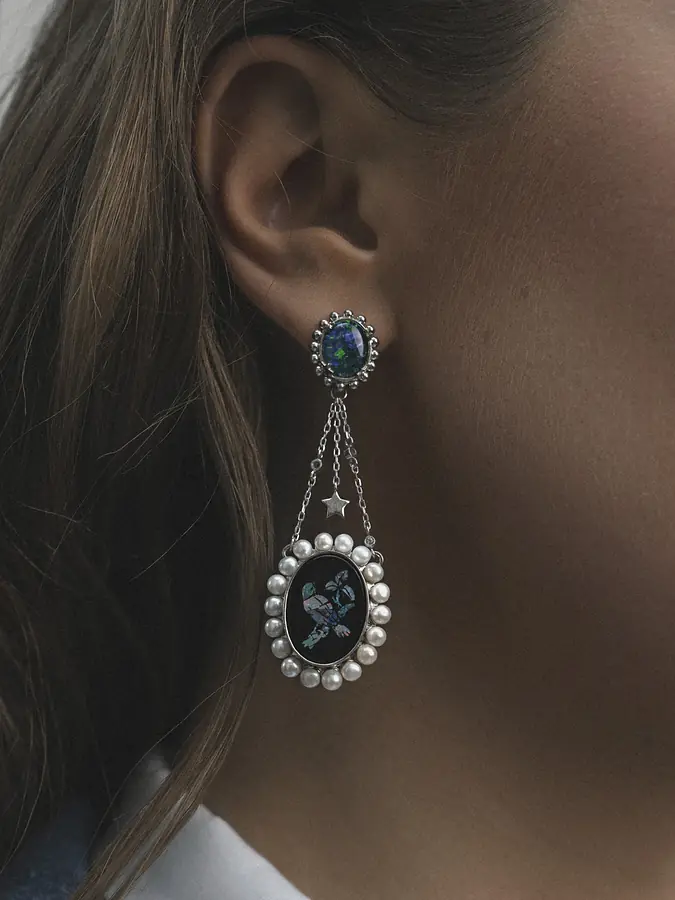


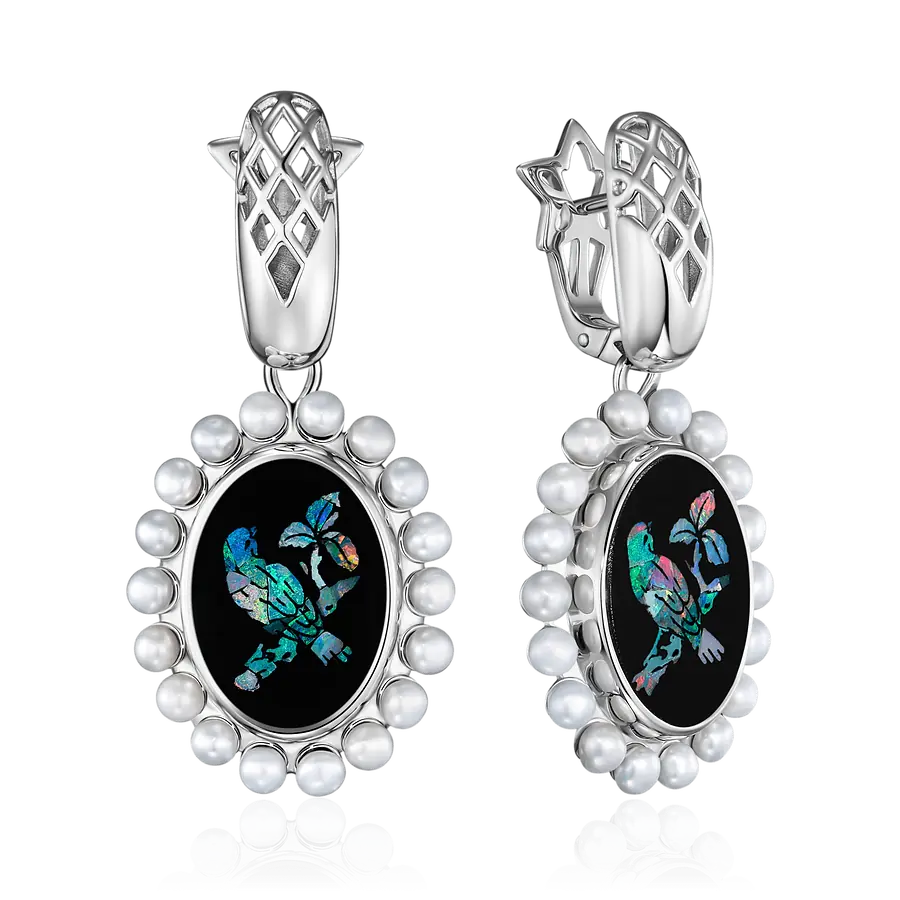
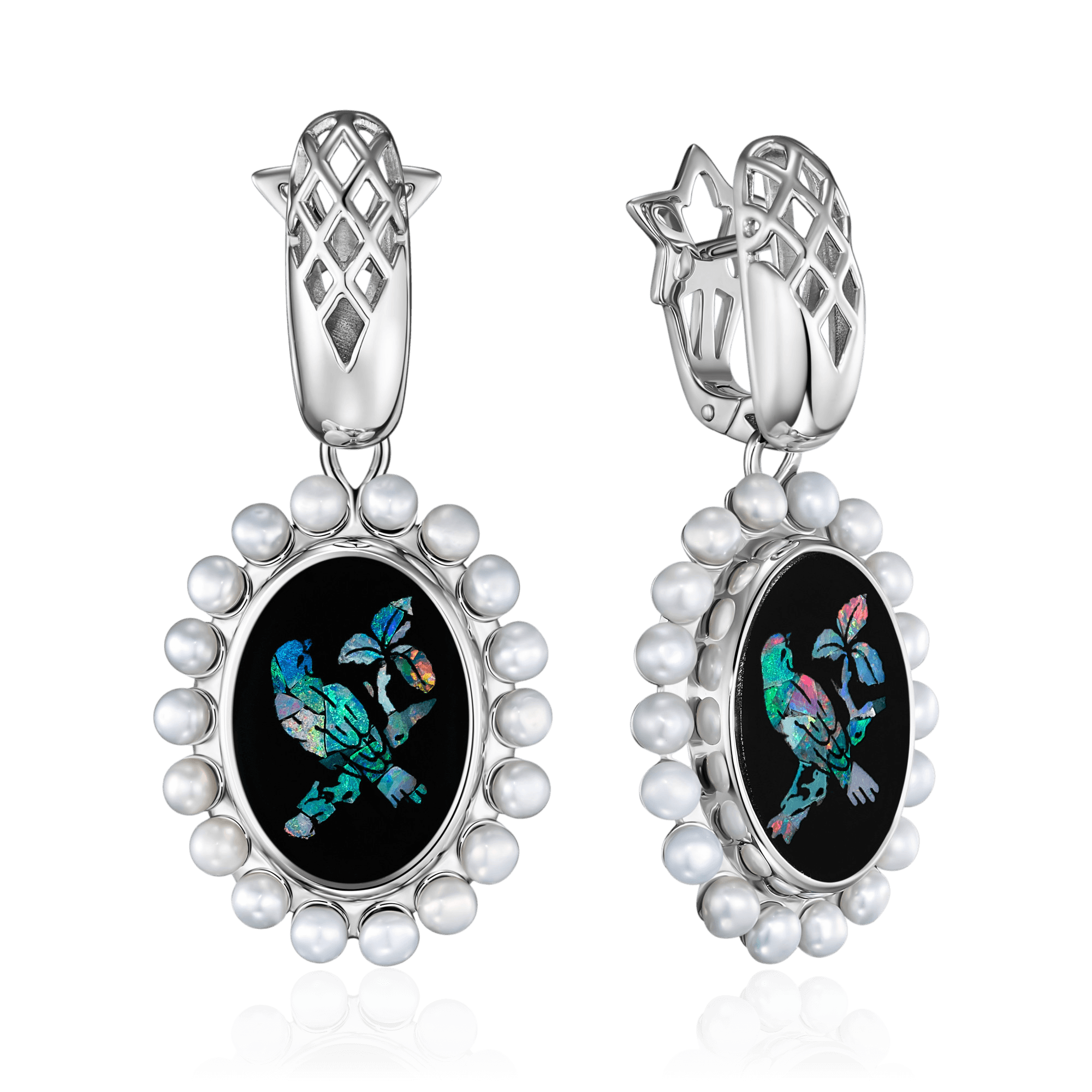
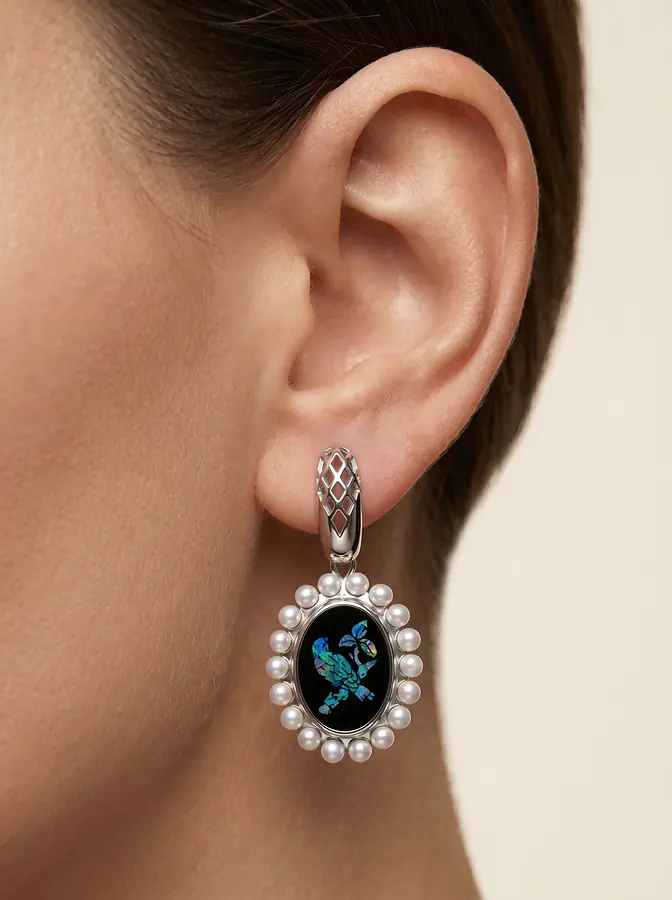
"Little Prince" Earrings with topaz, pearls, quartz, opal in sterling silver (925) ( 128940)
In stock
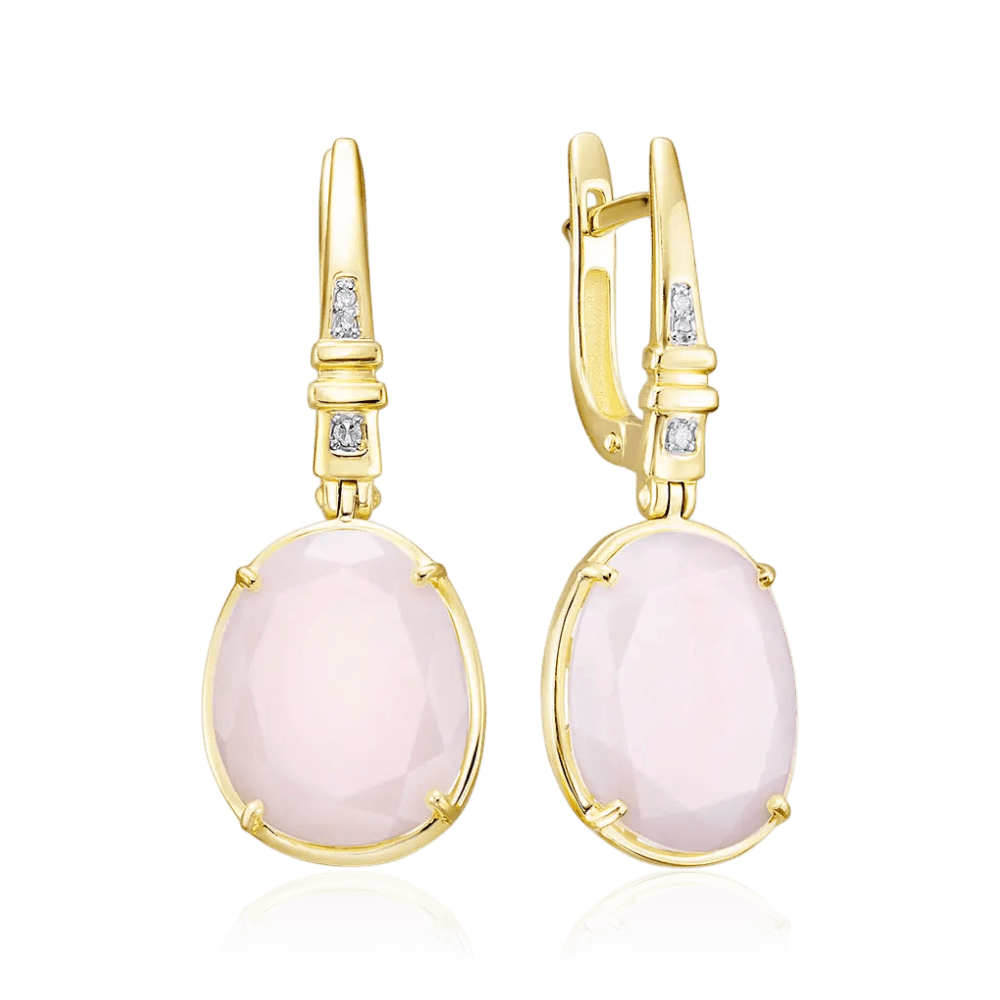
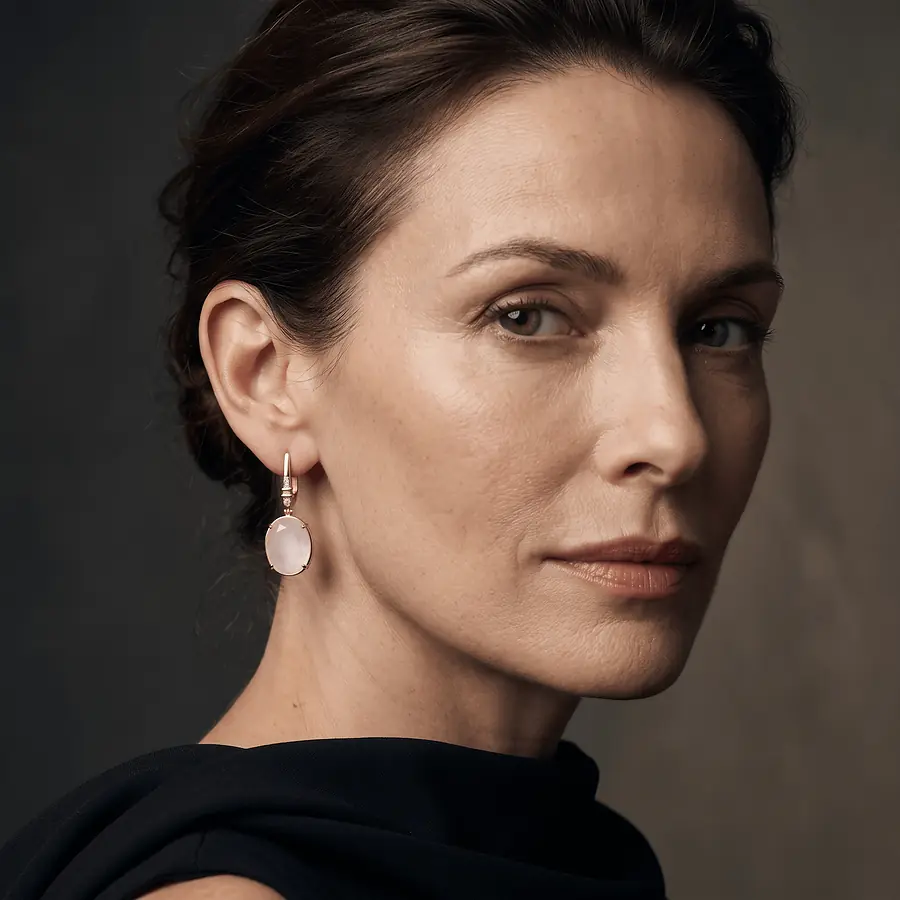

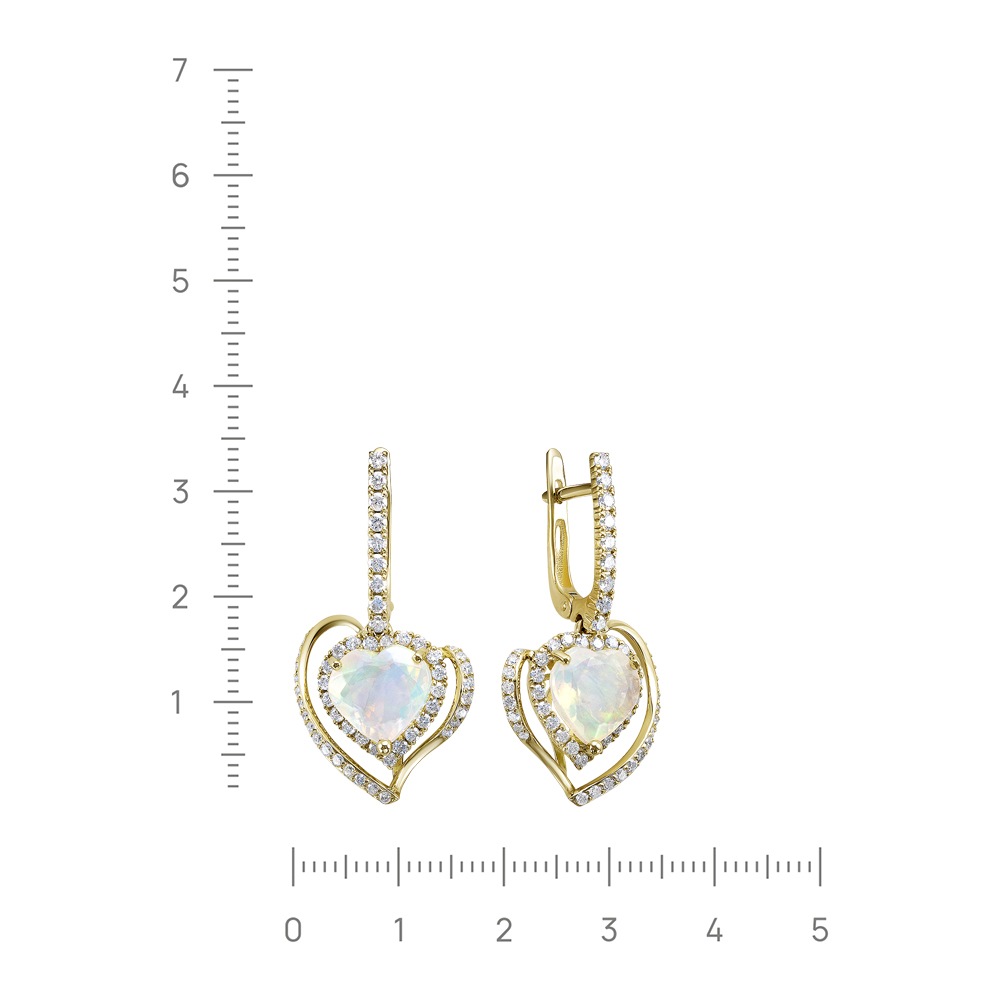

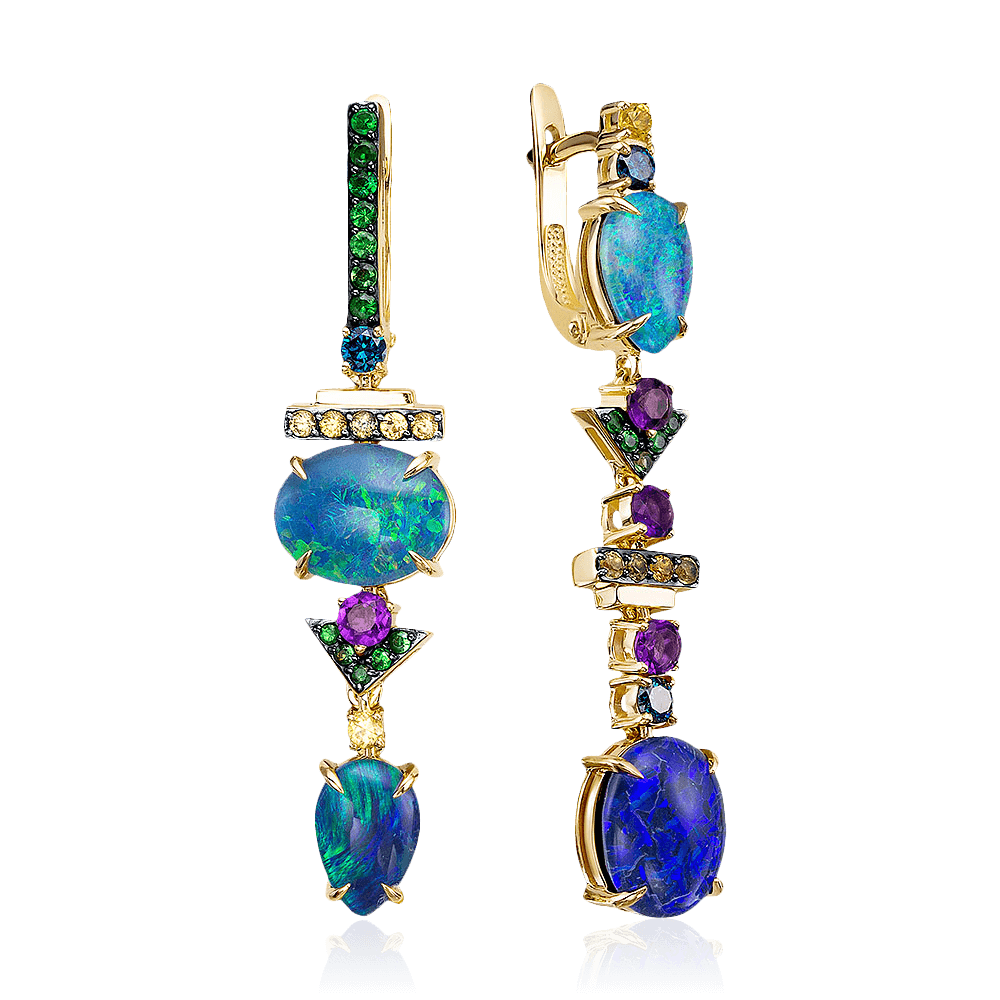
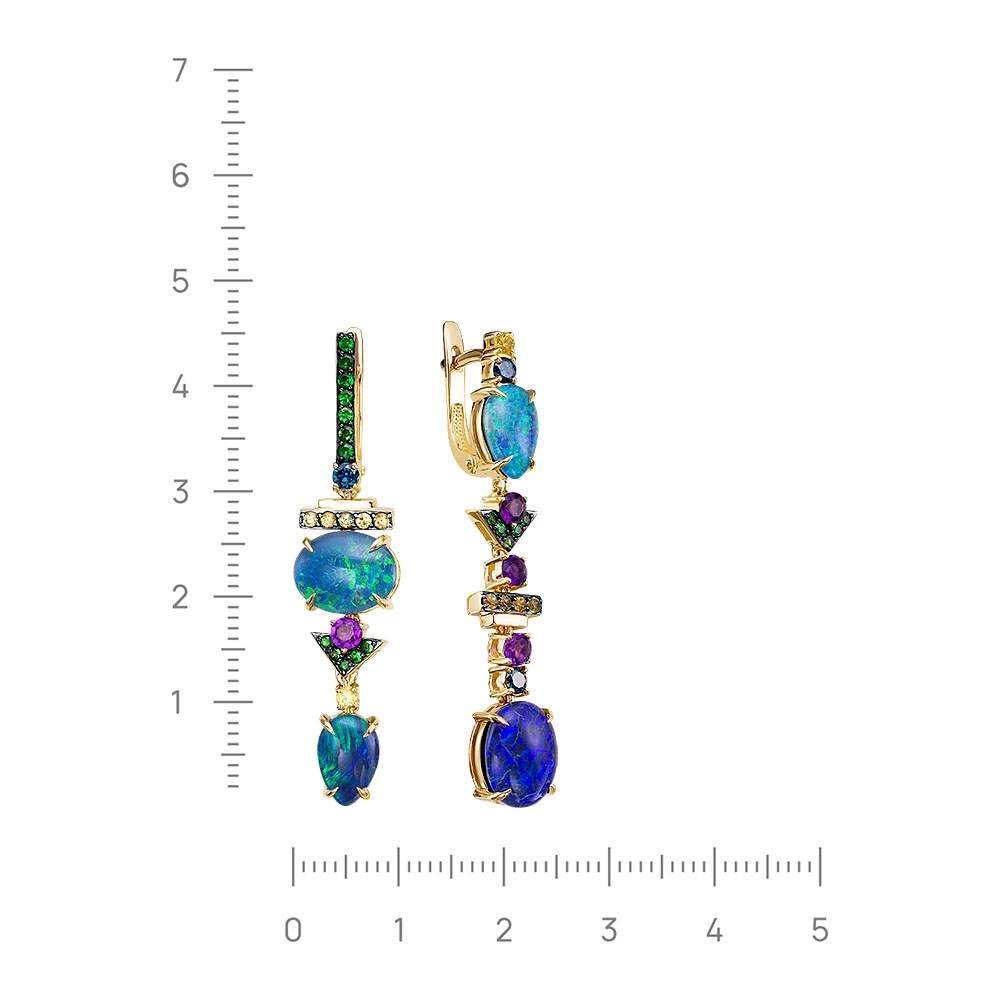

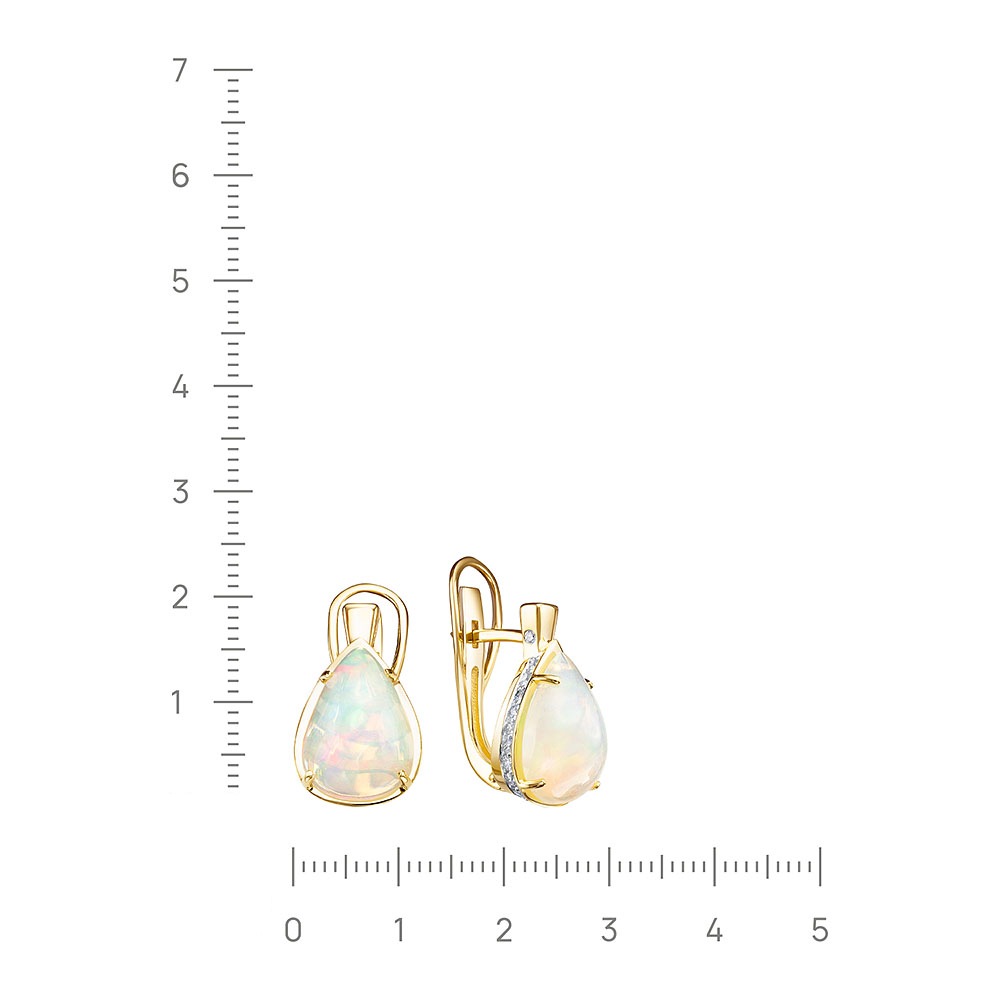

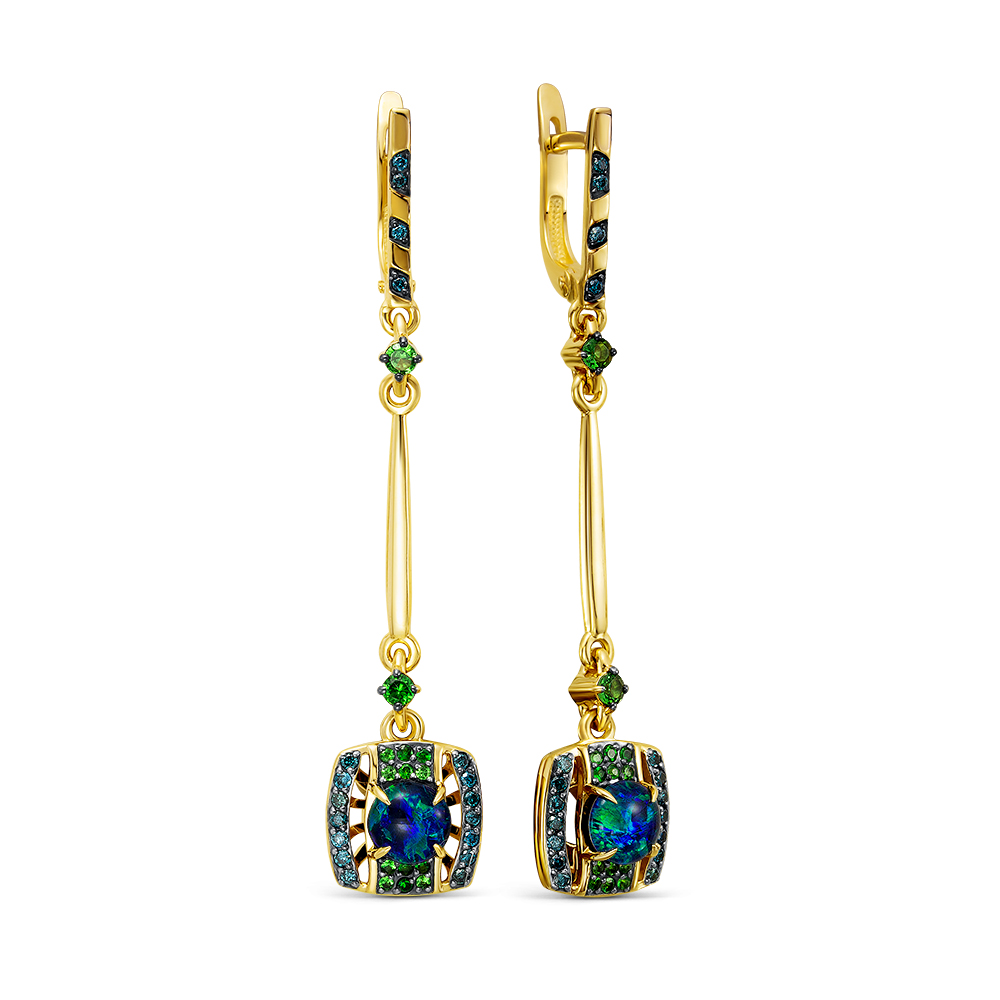
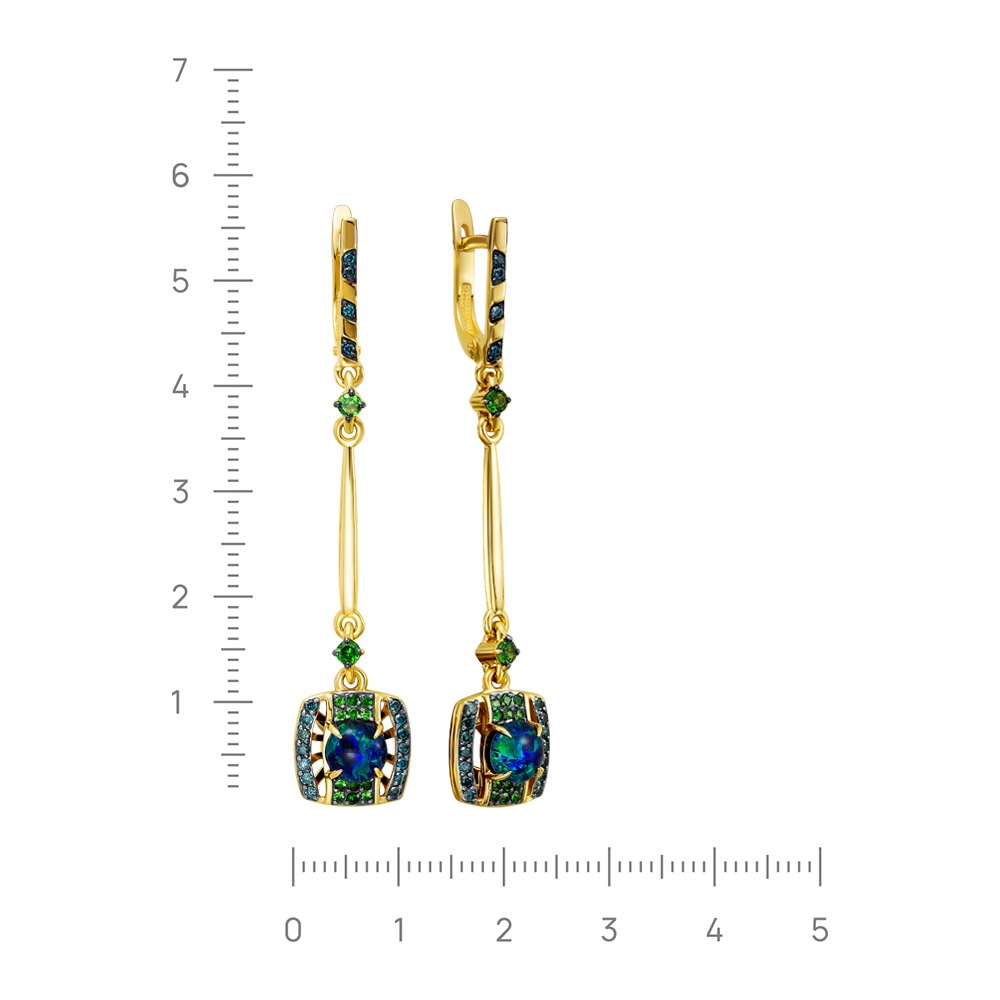
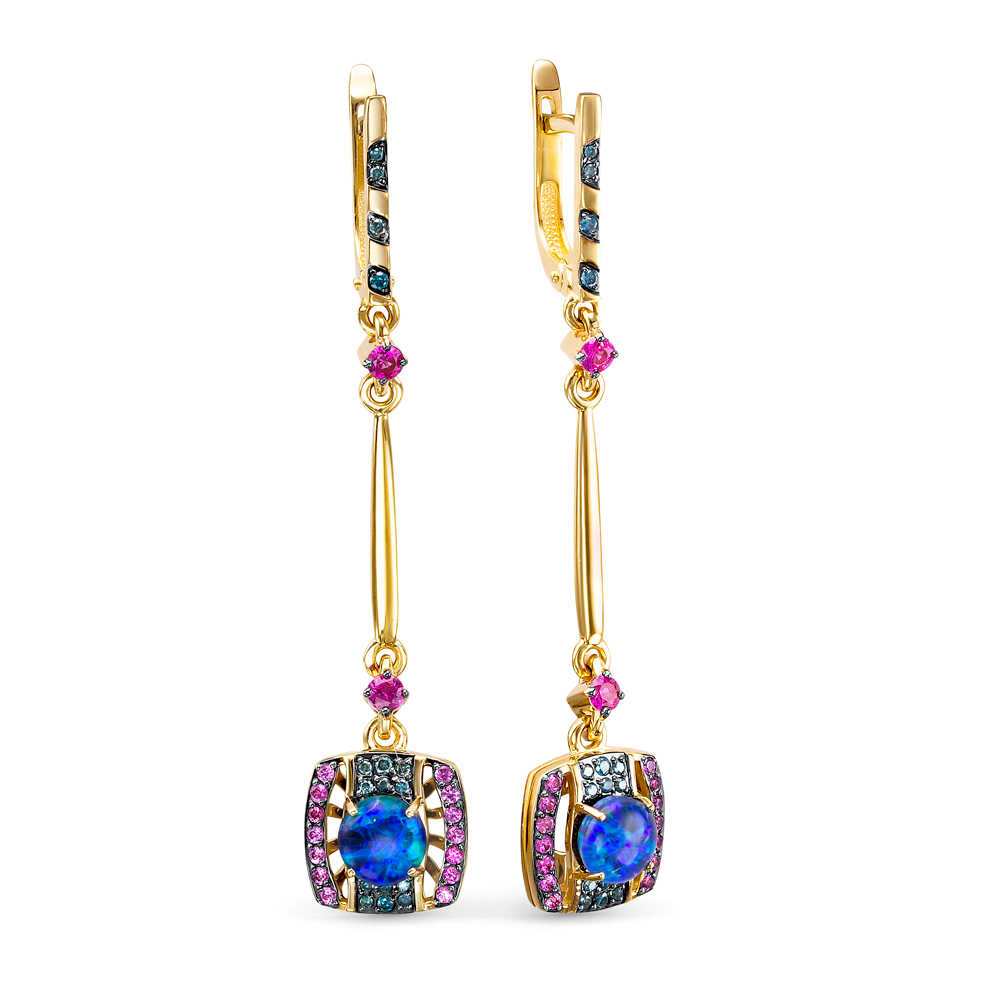
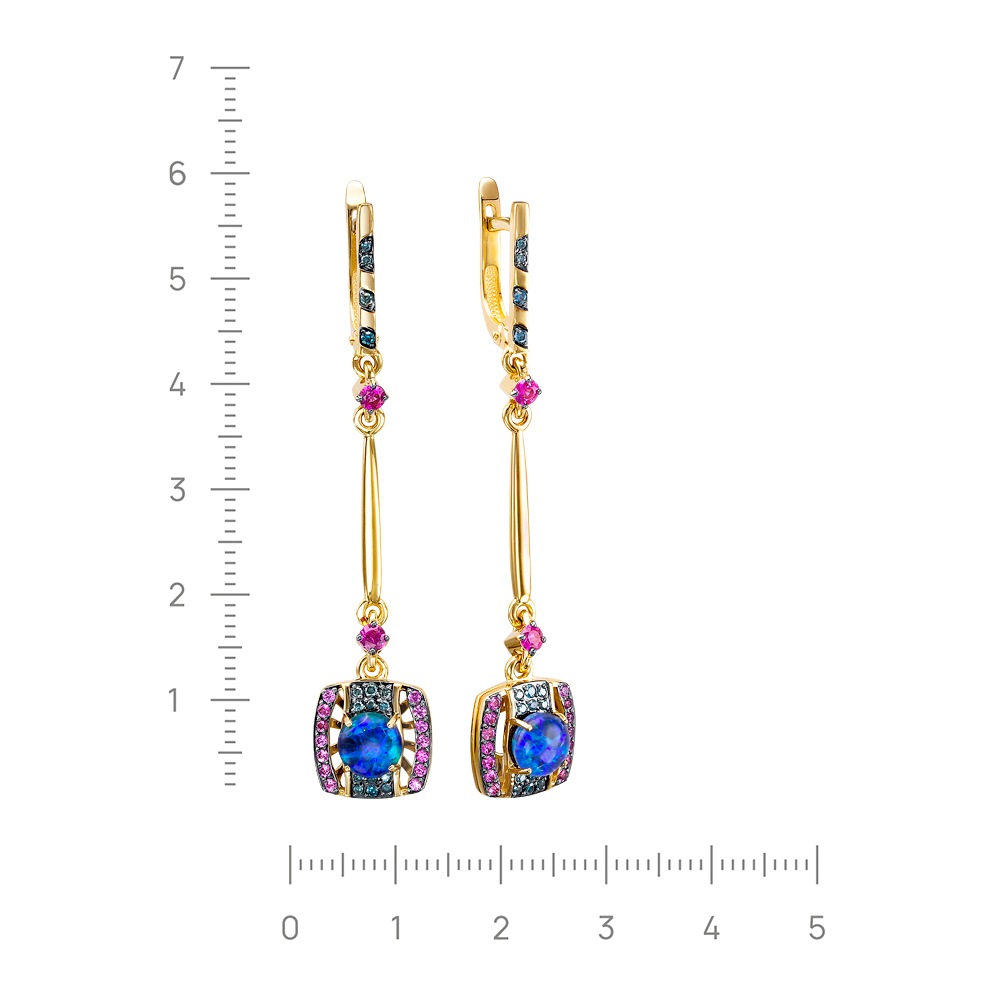

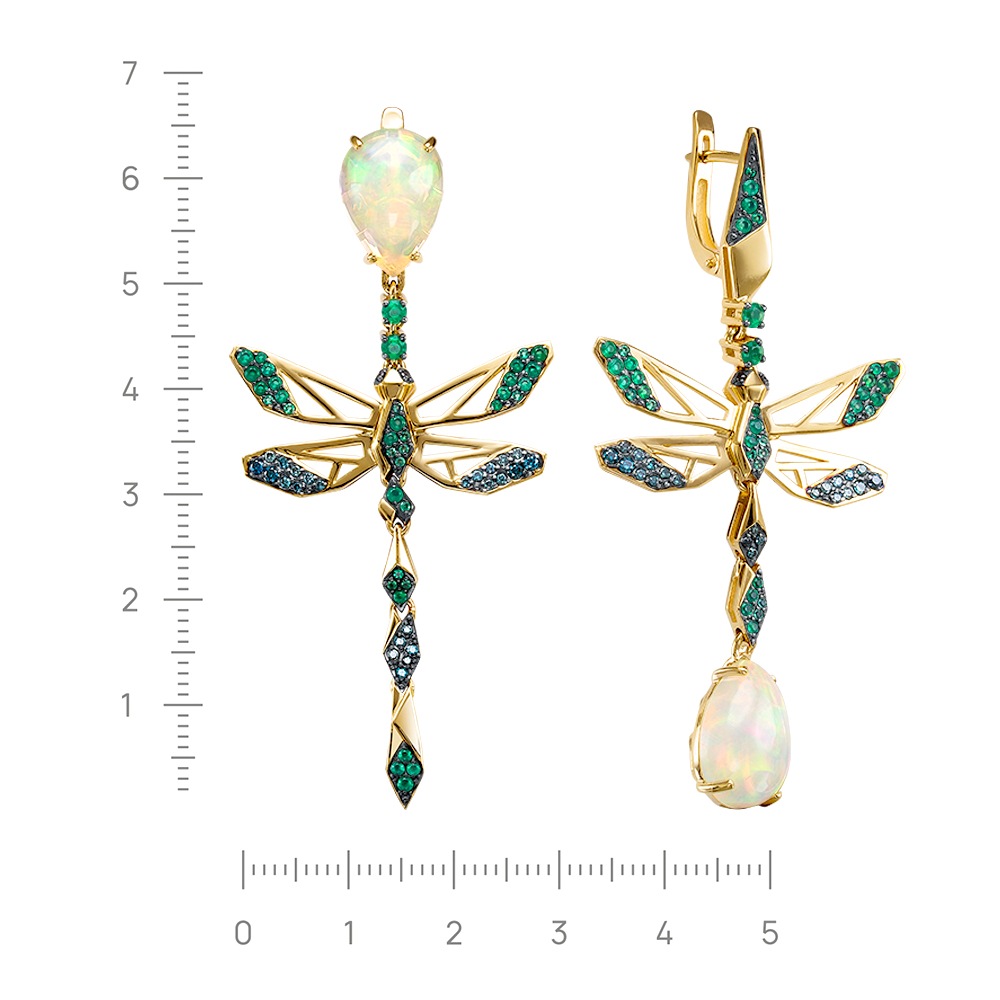

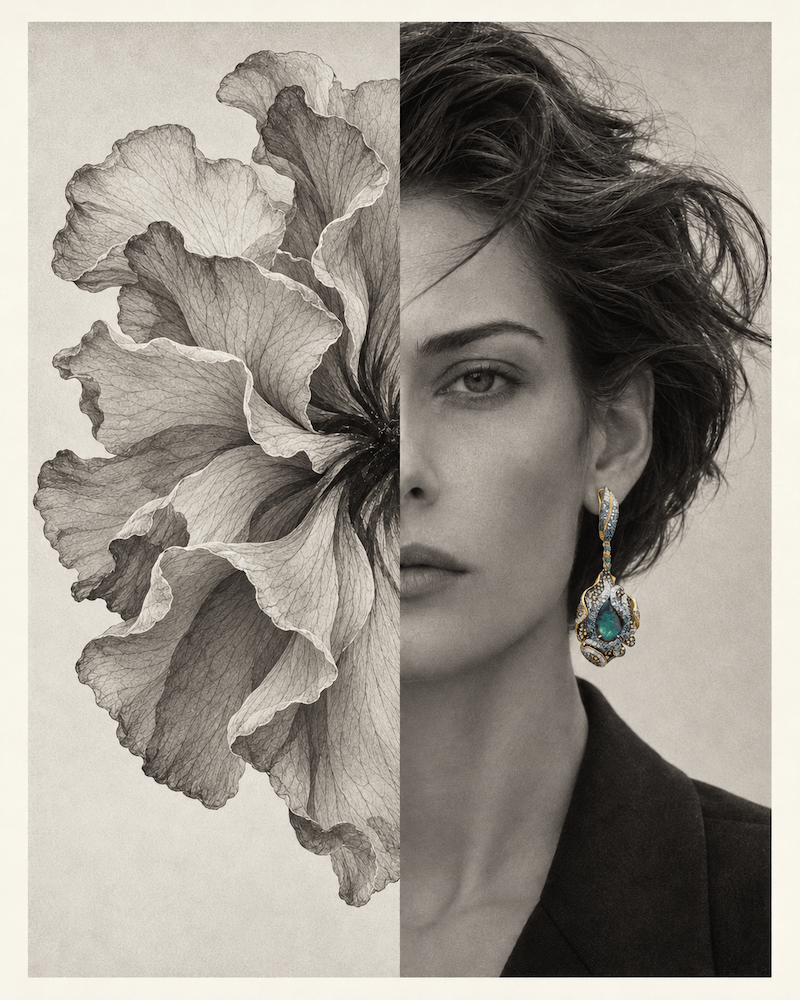
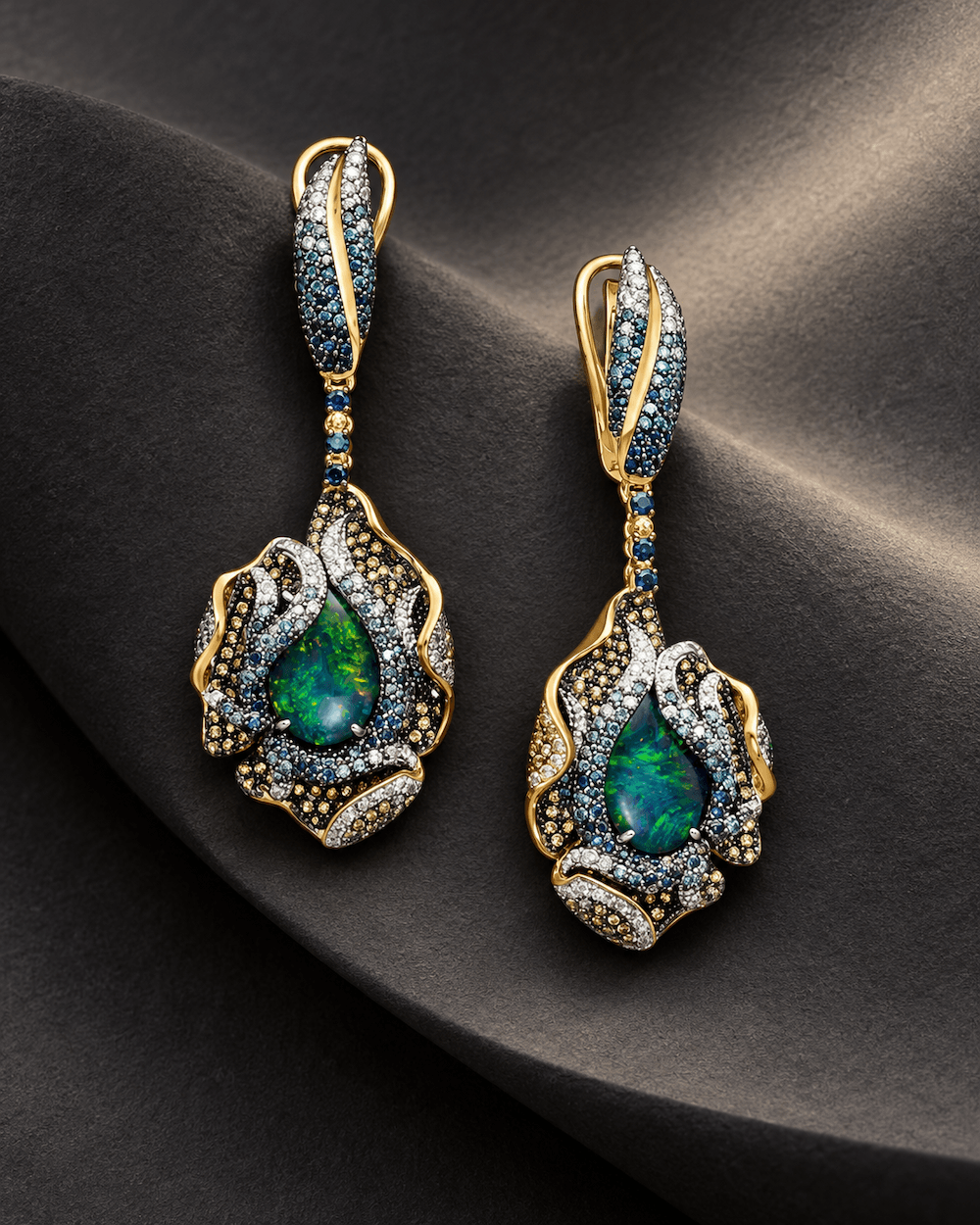
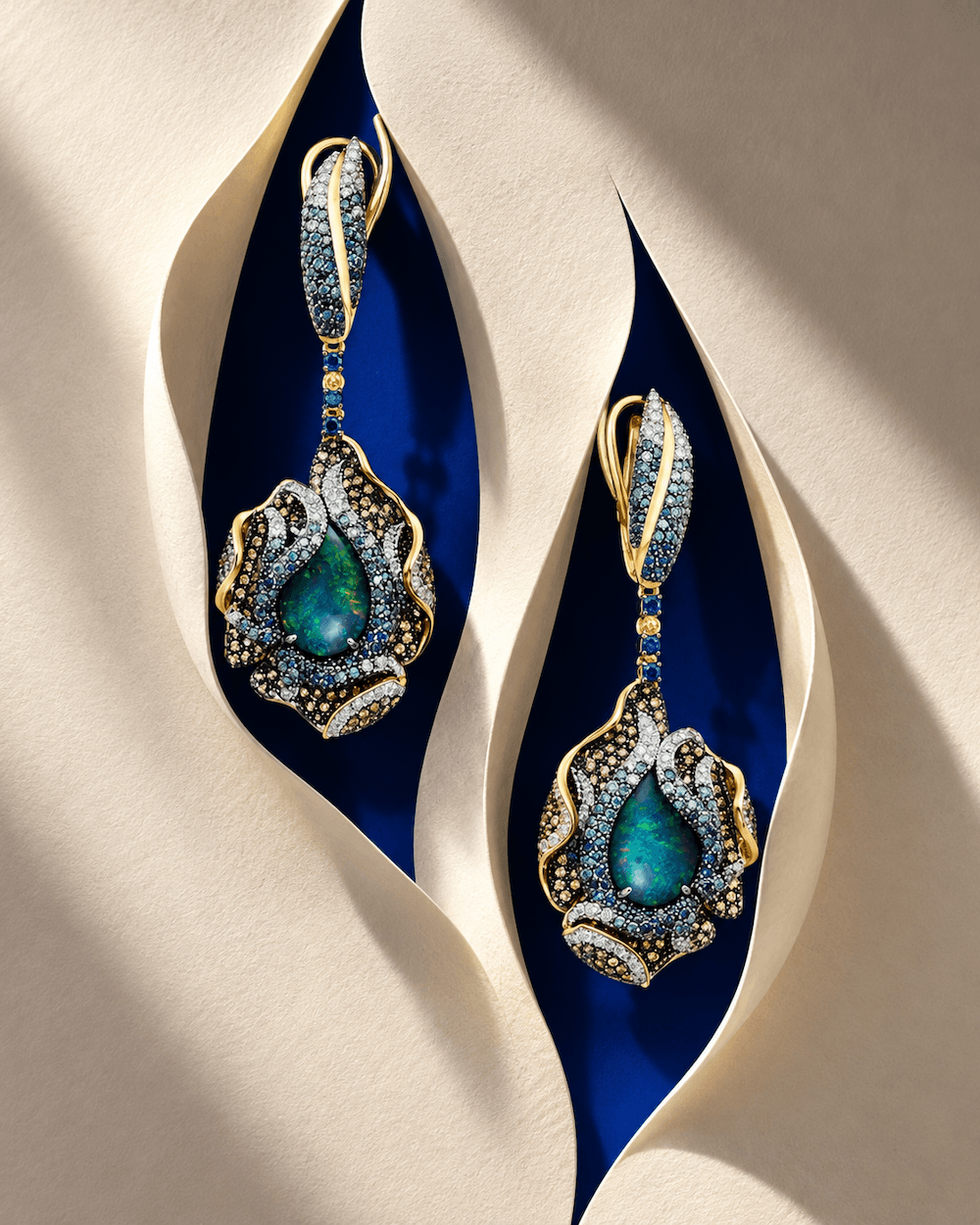
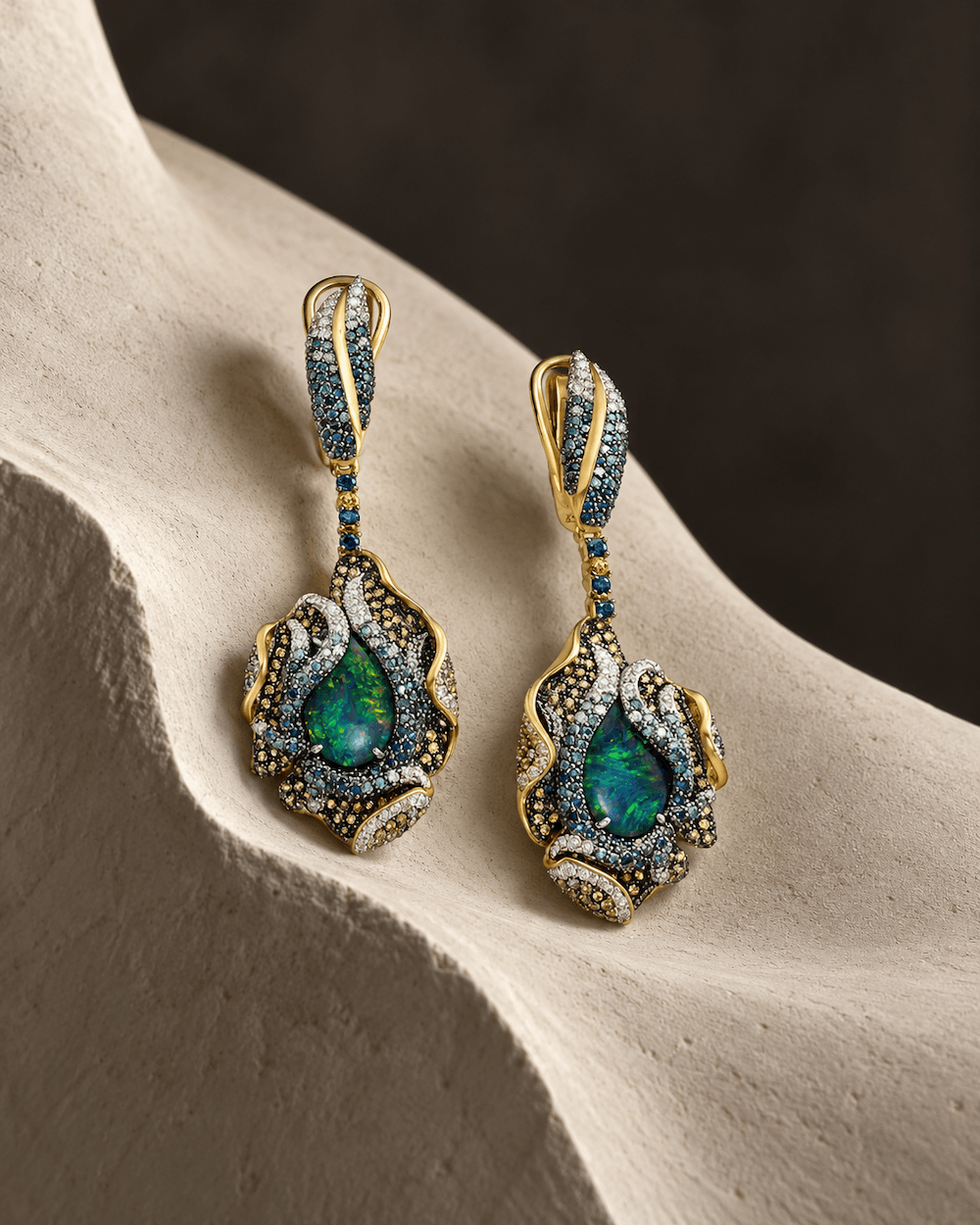
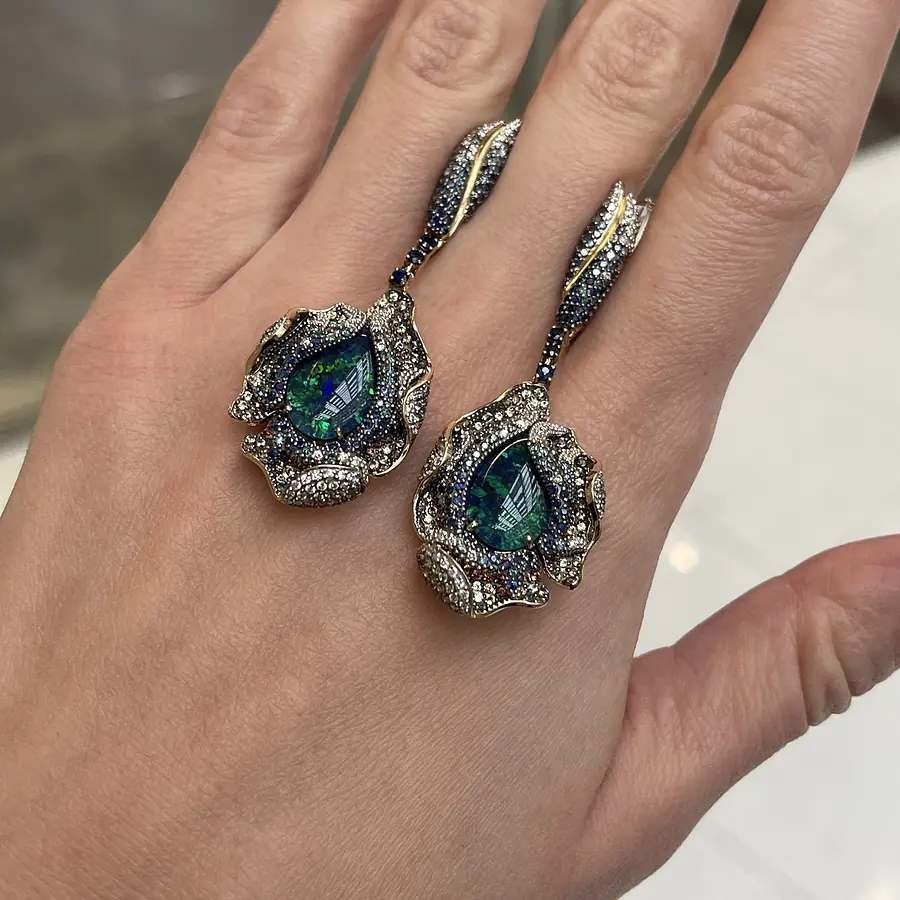

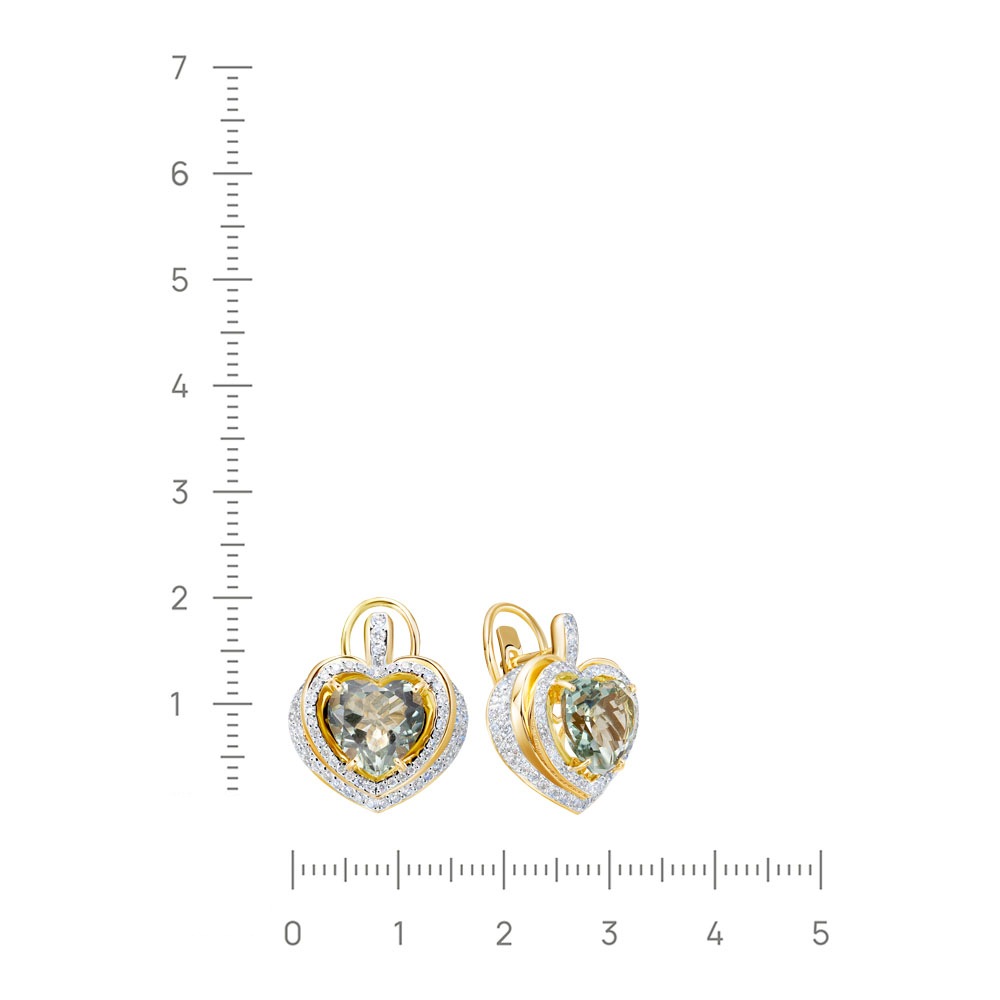
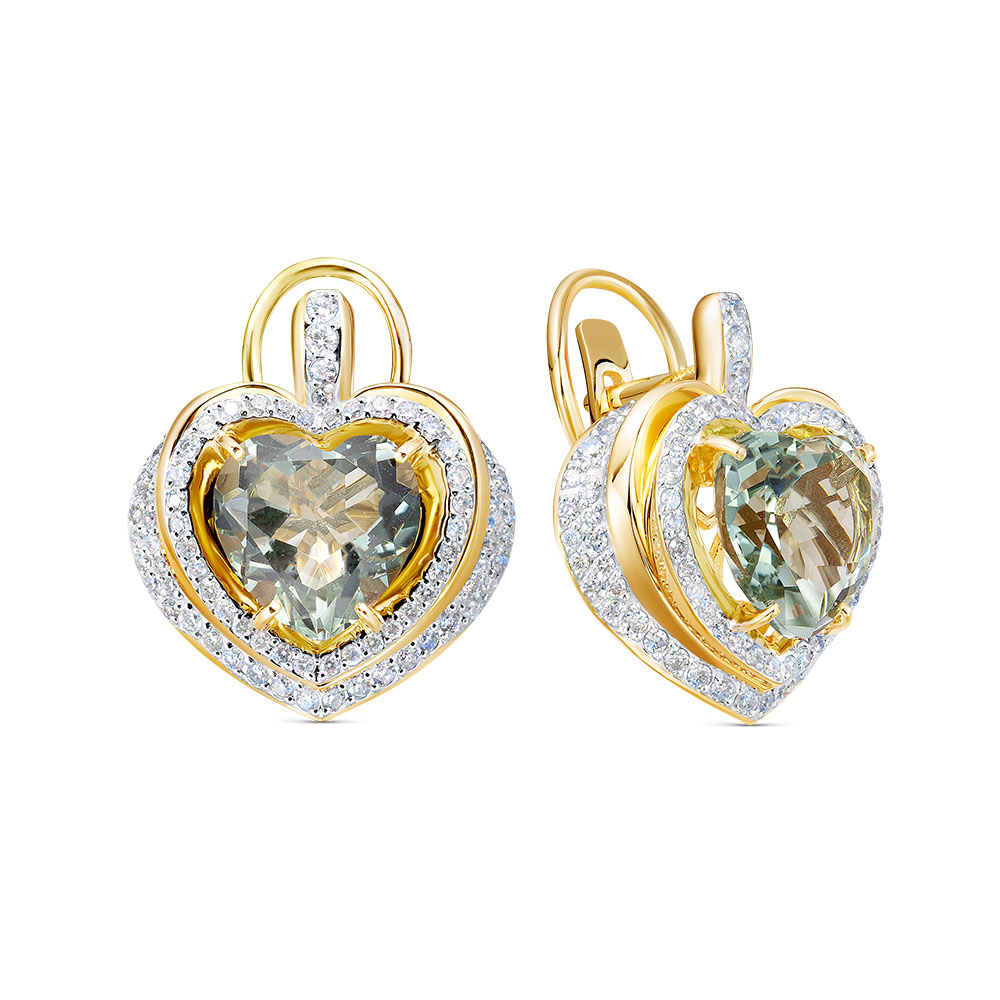
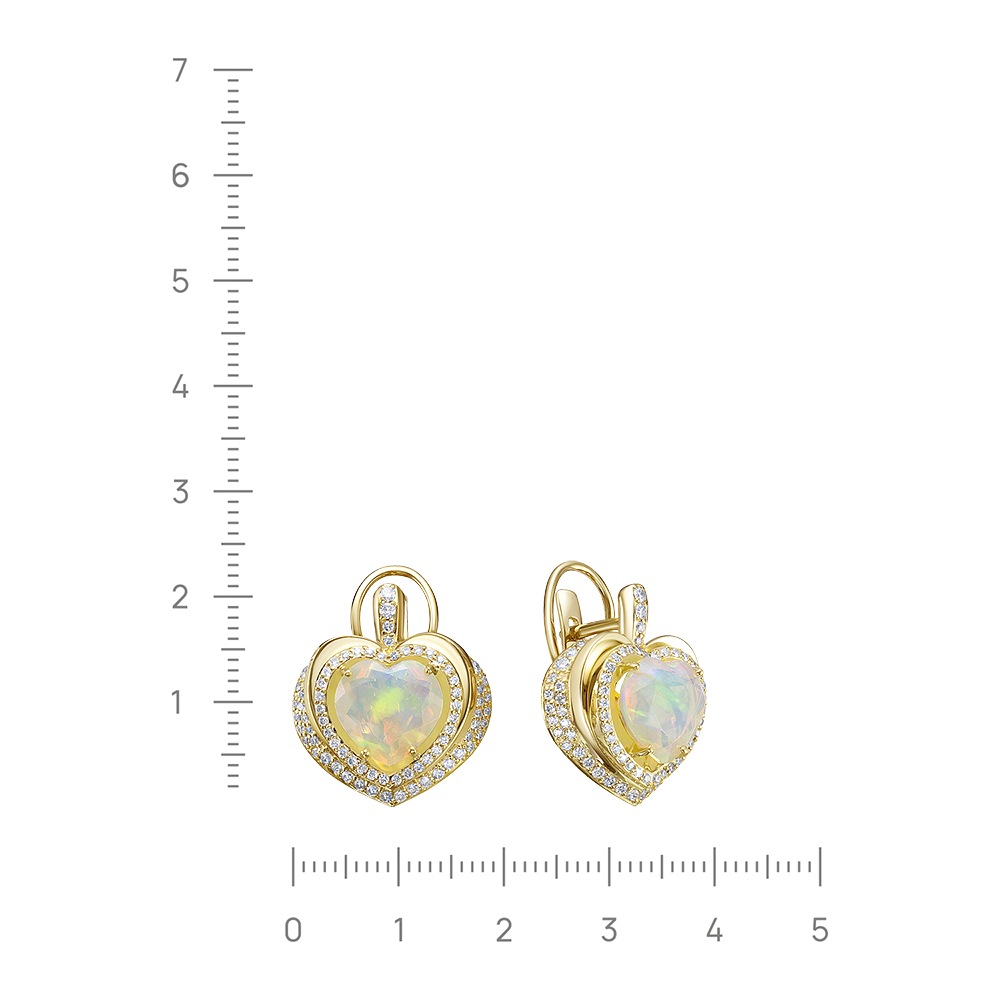
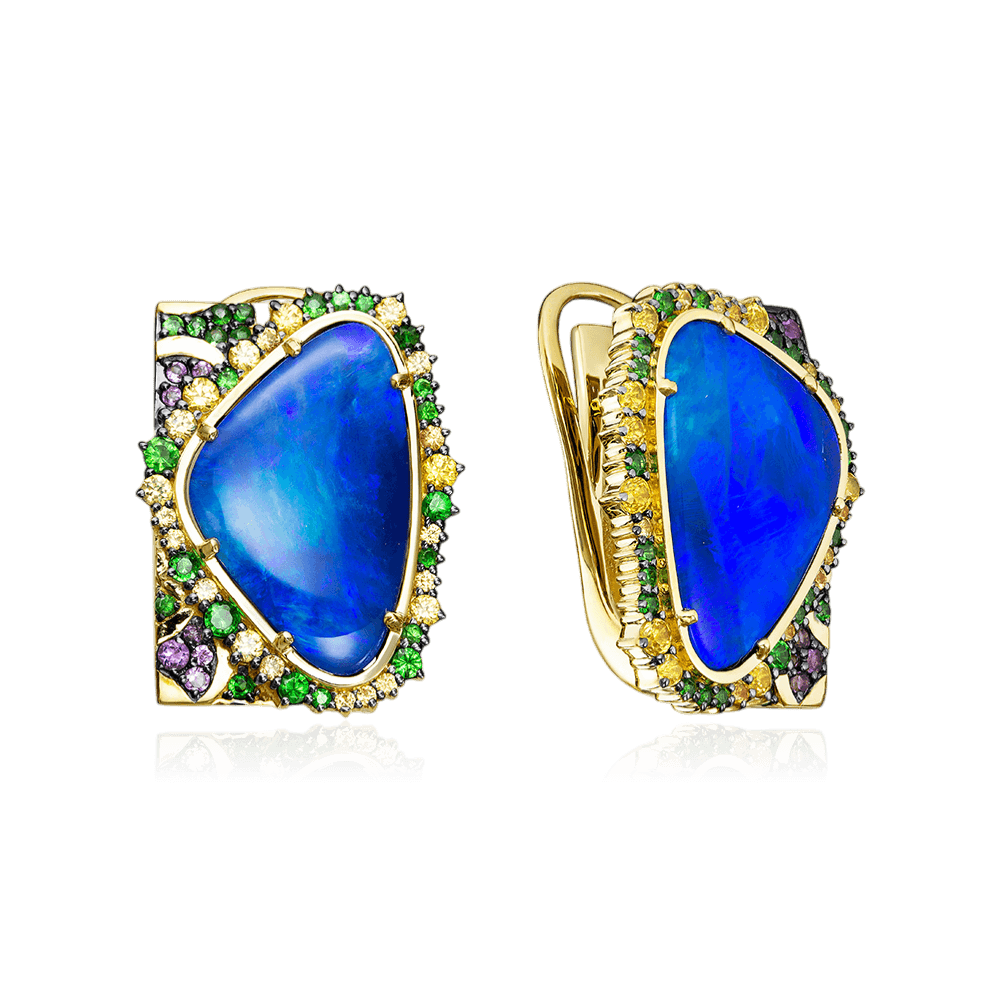
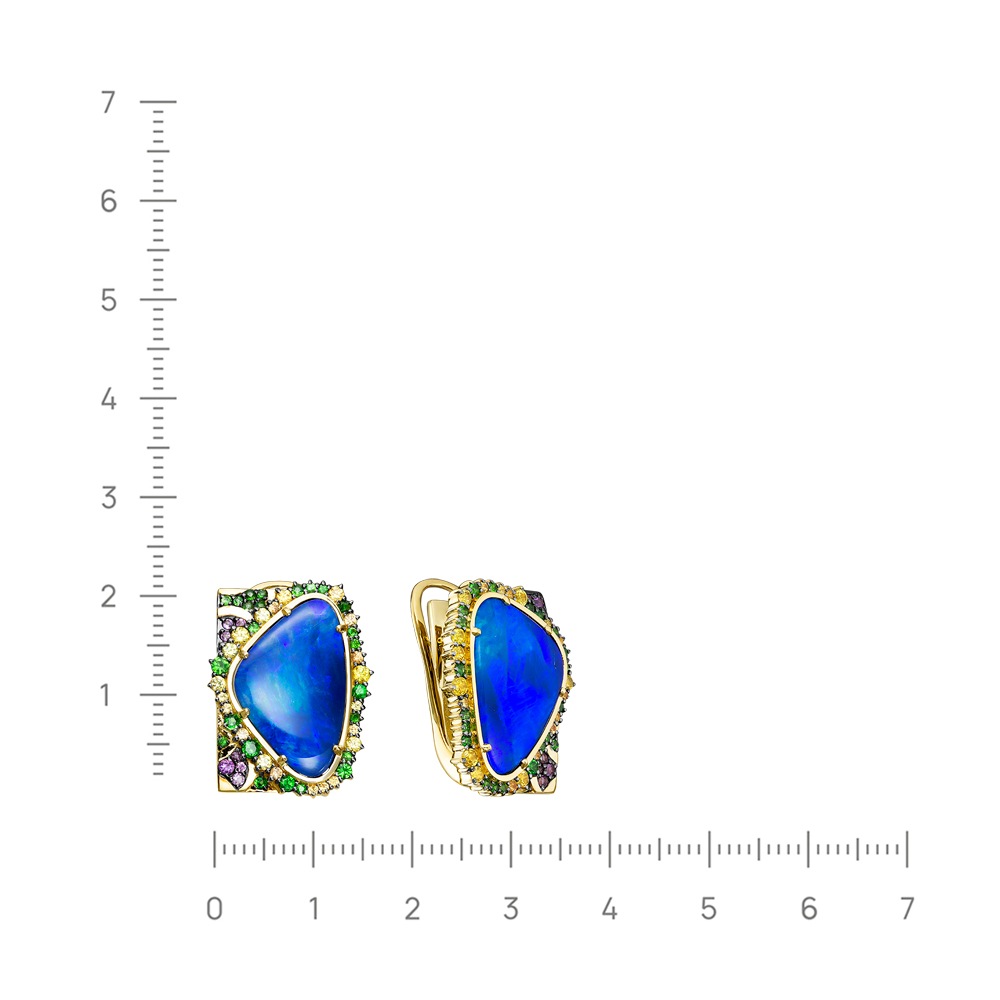

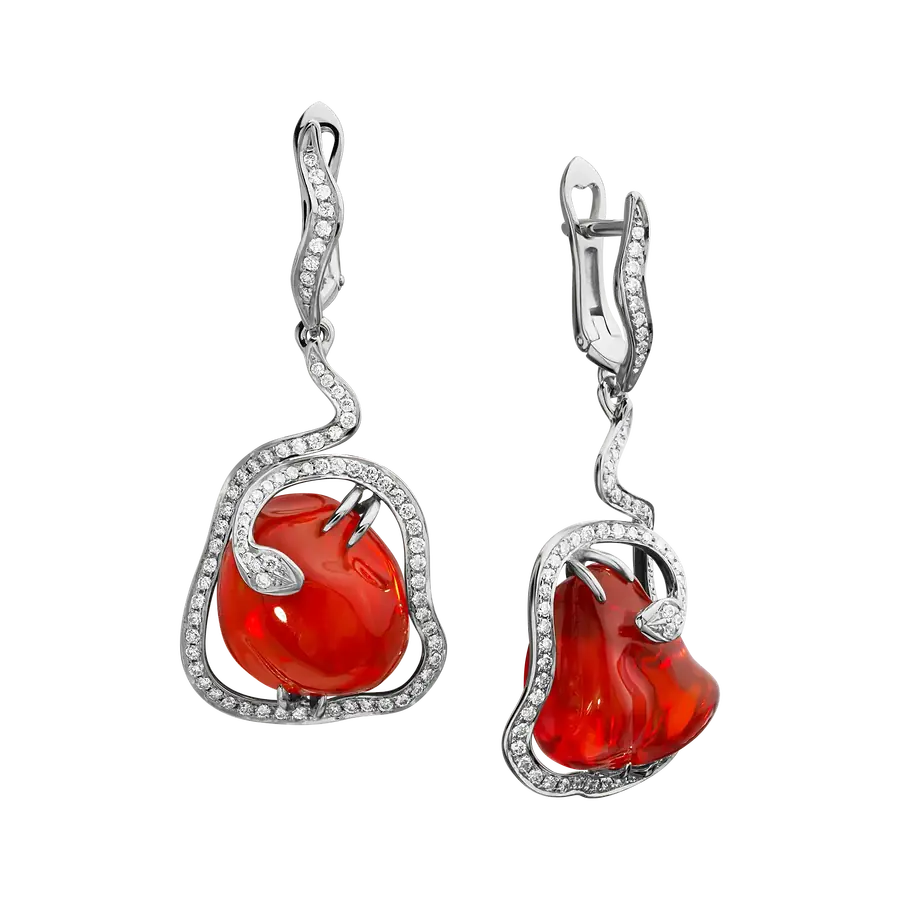
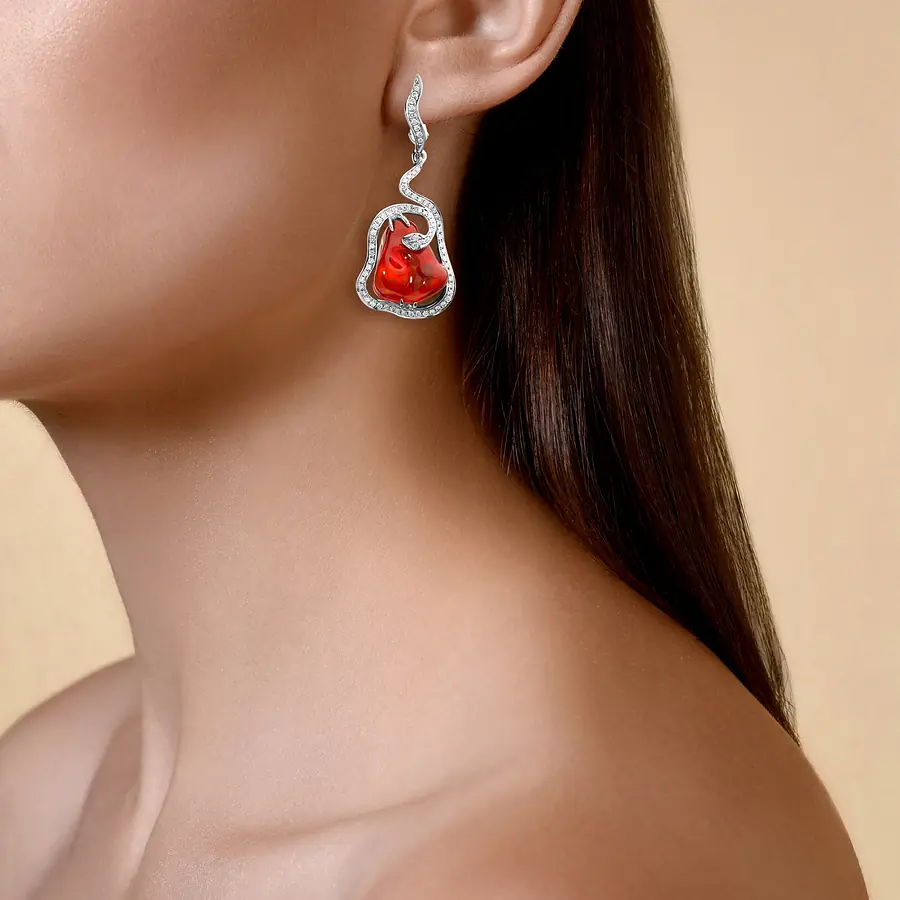


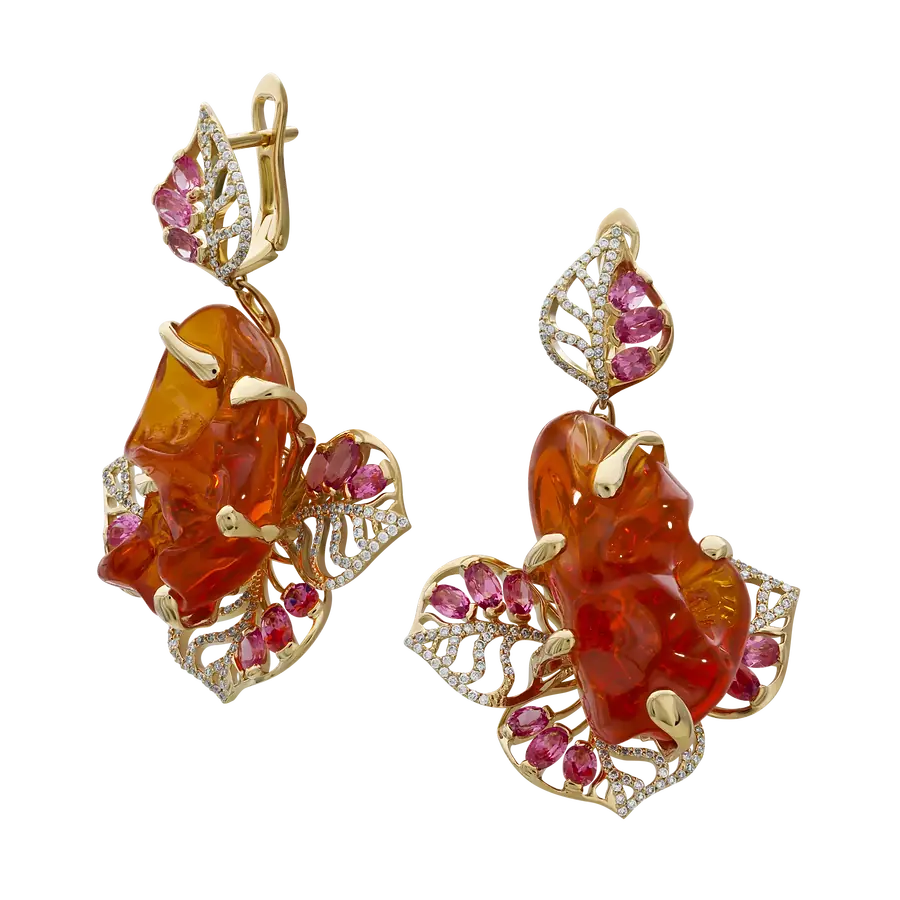
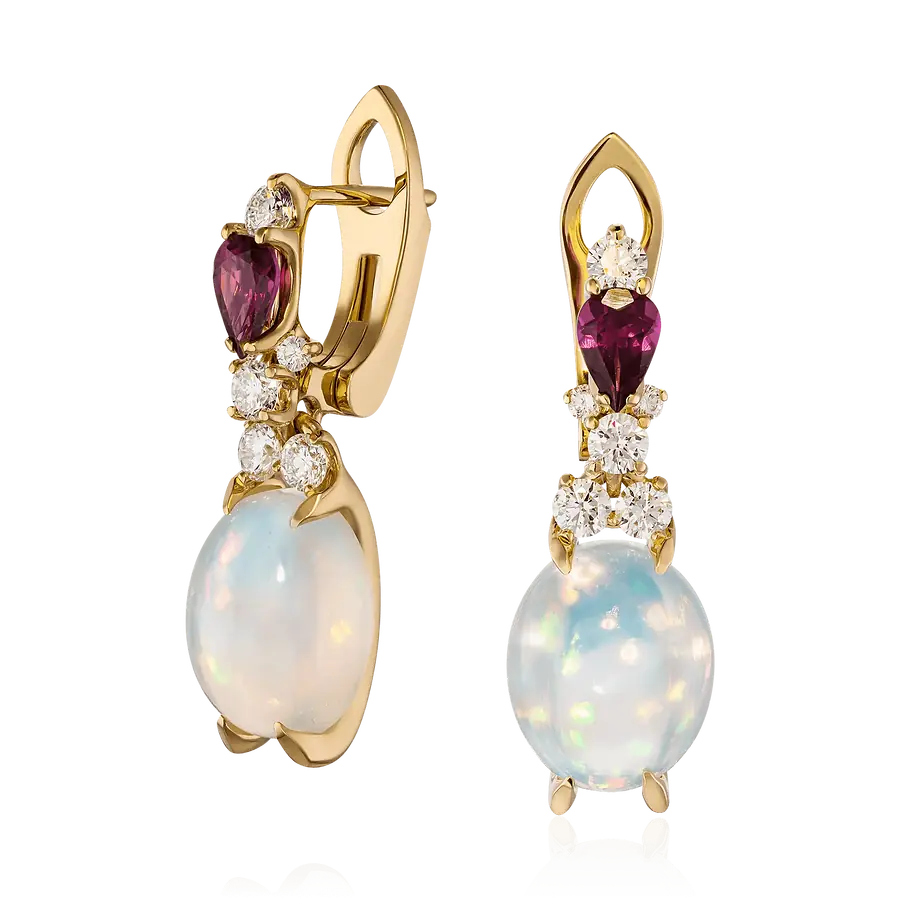

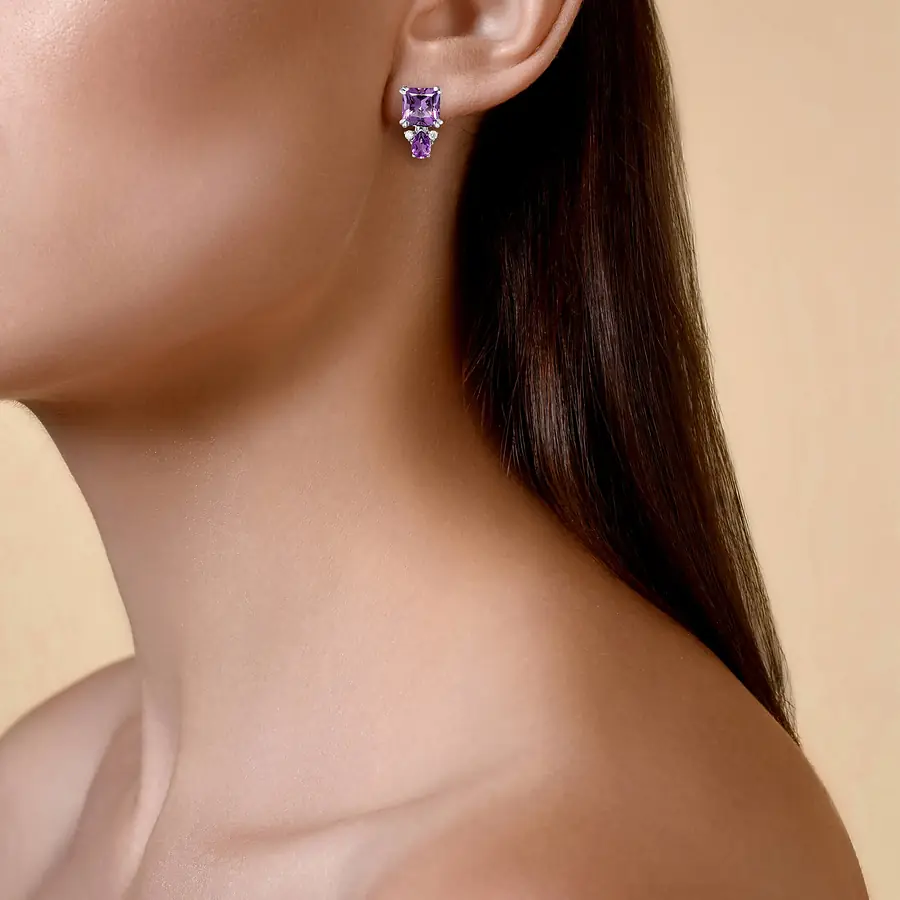
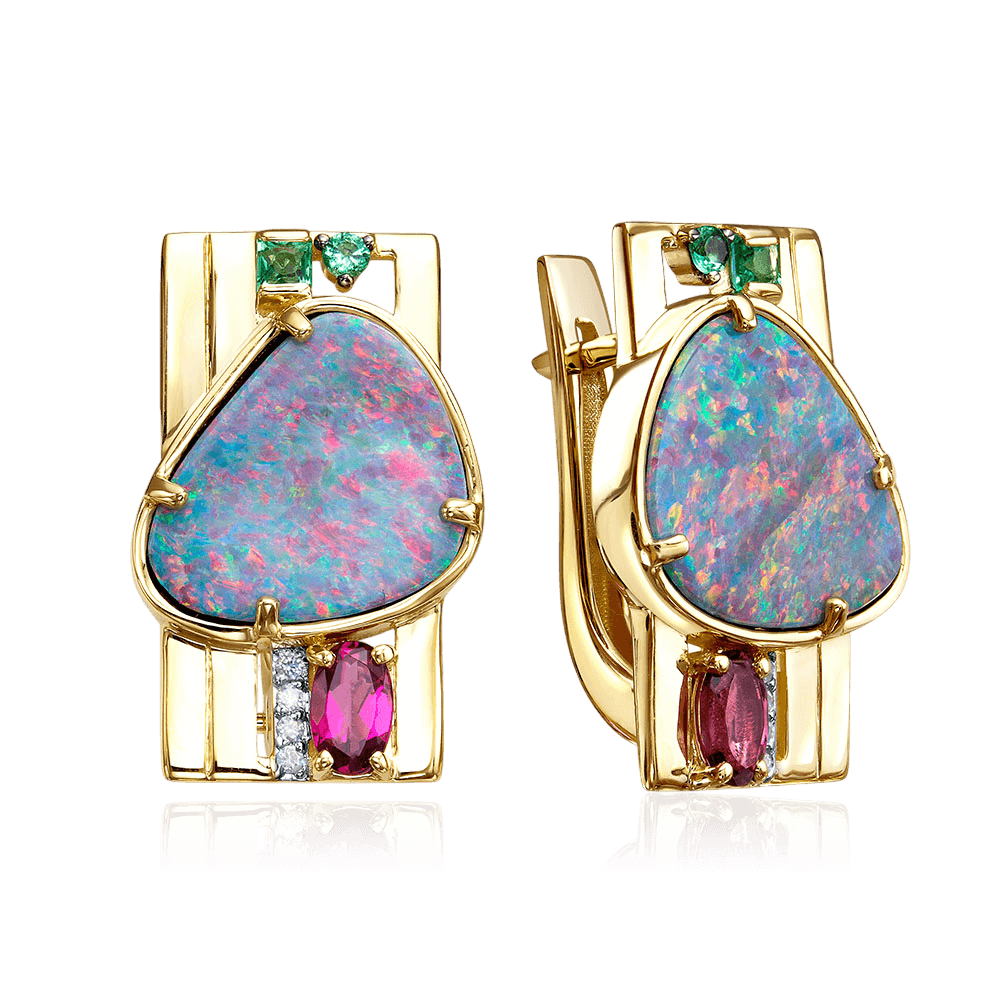
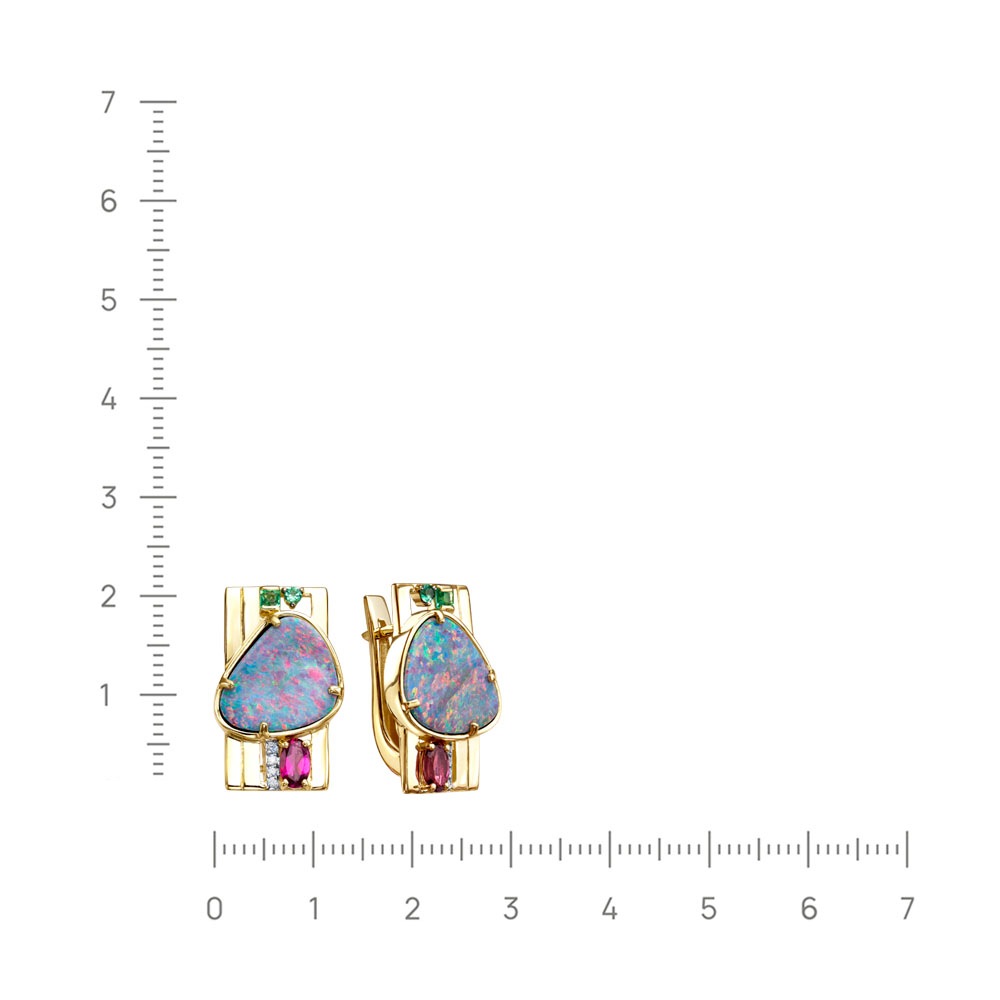
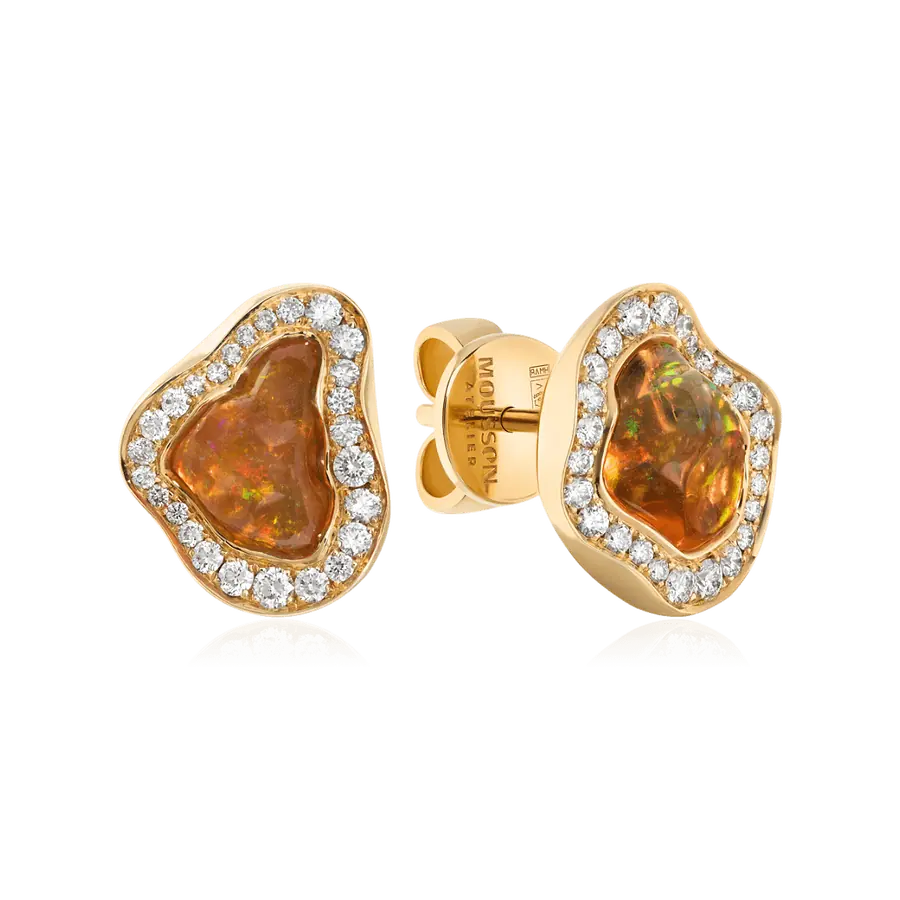
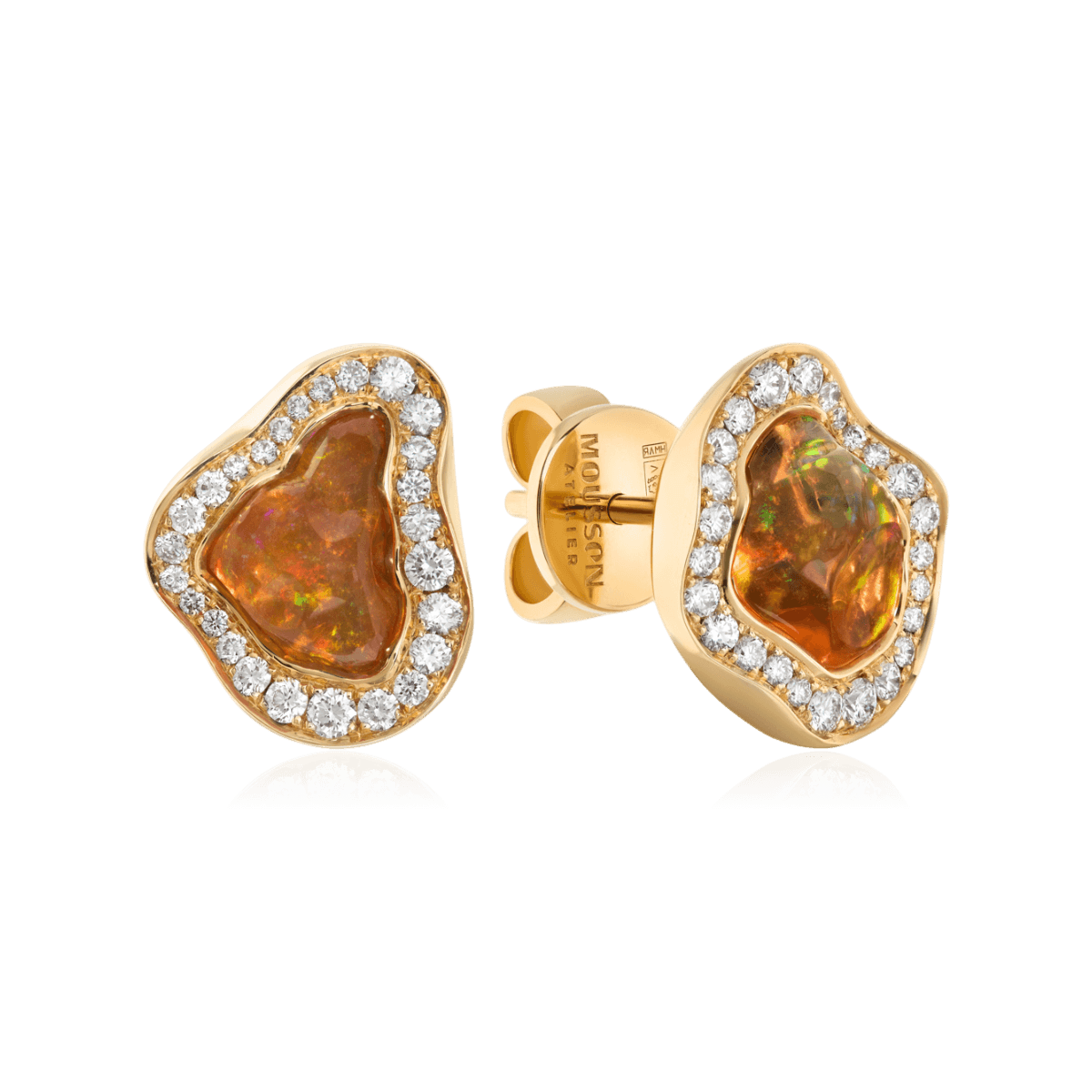
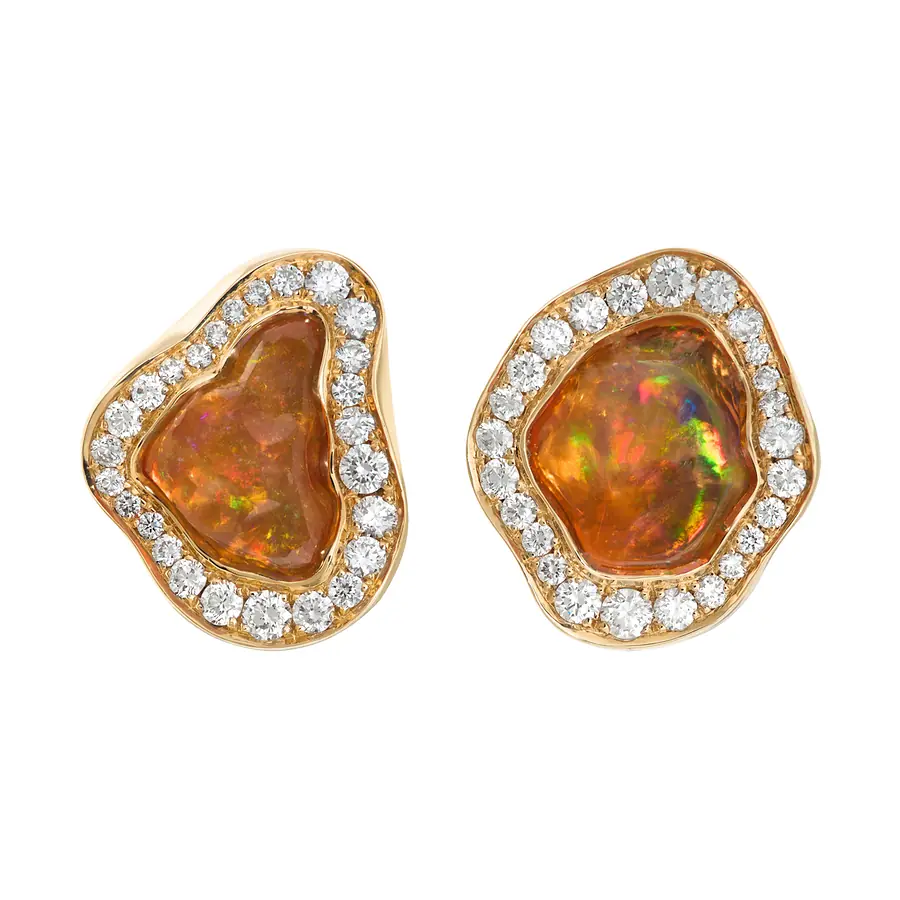

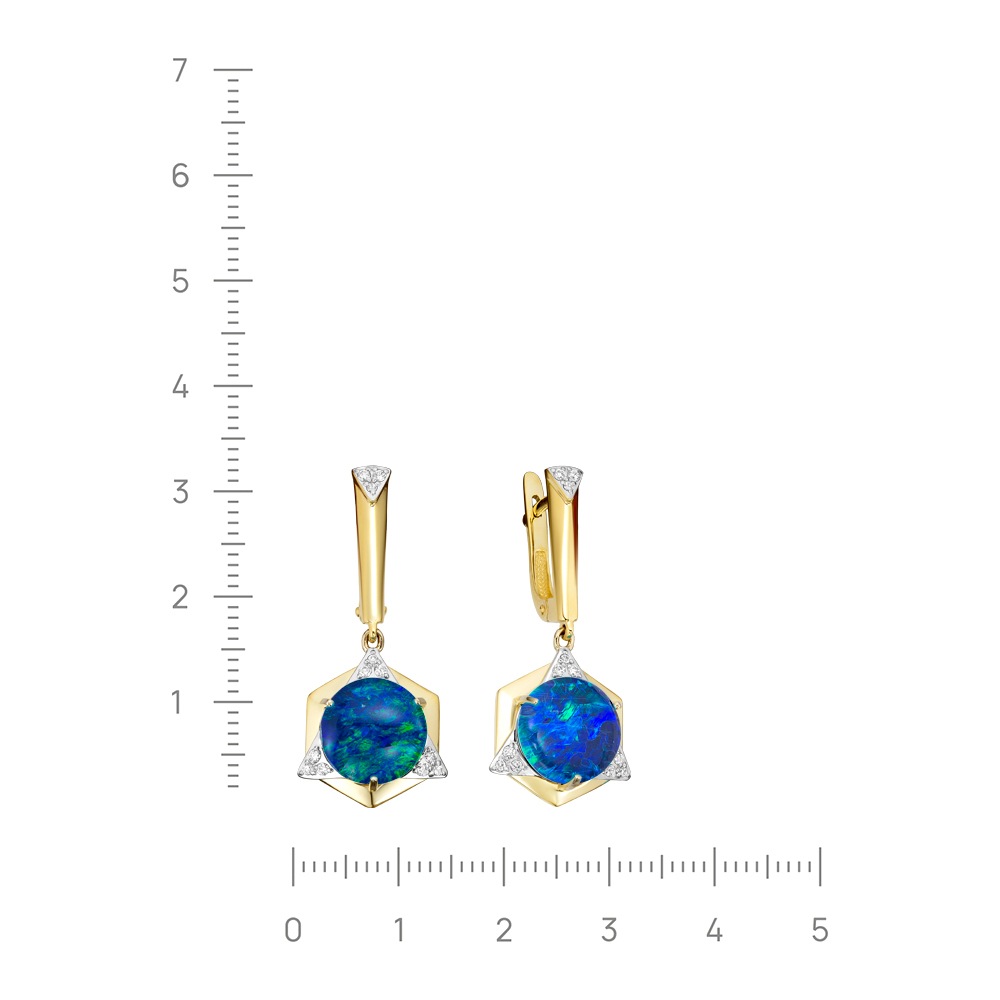
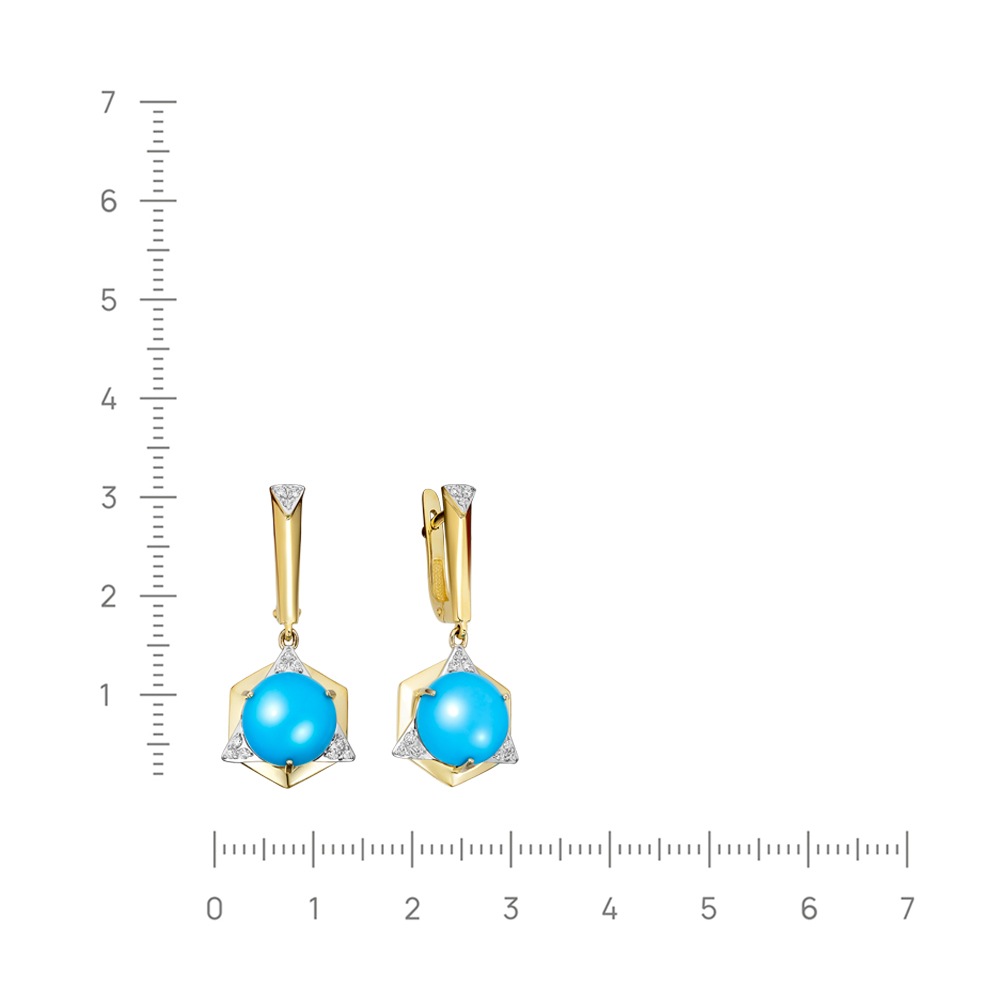
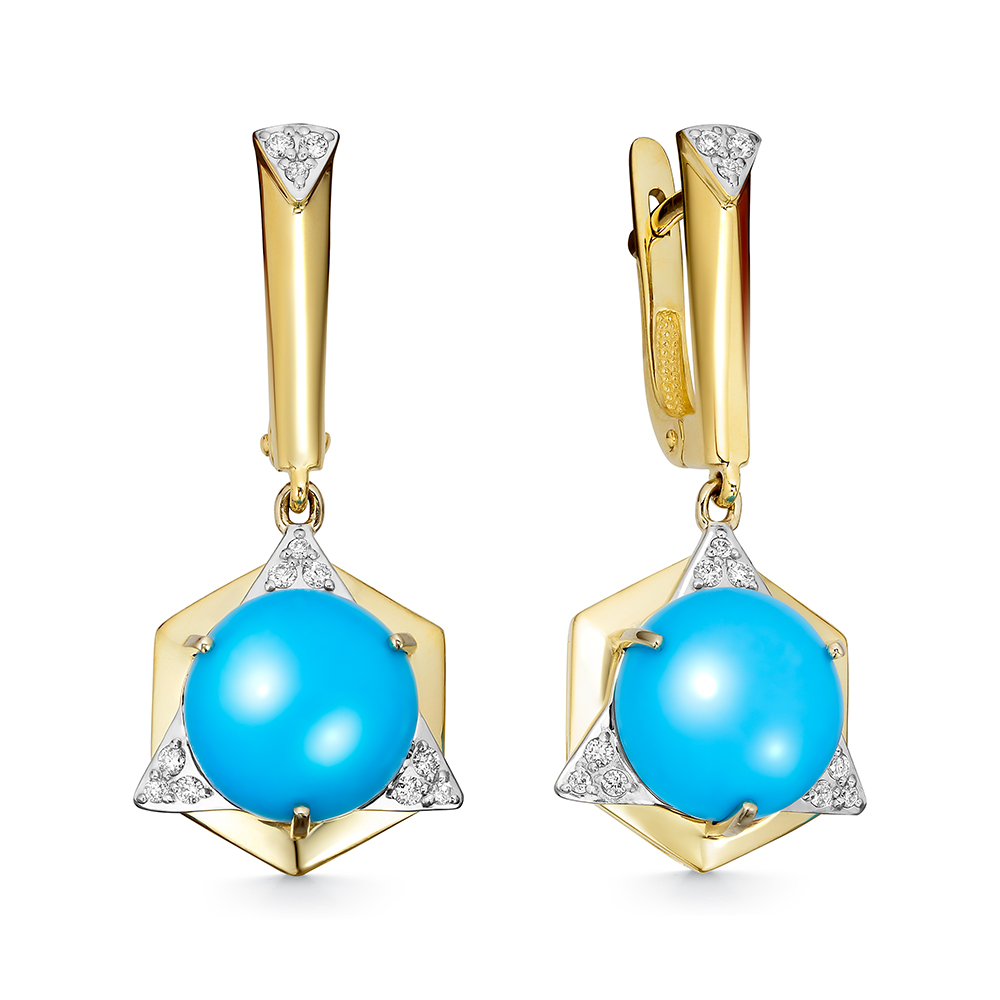
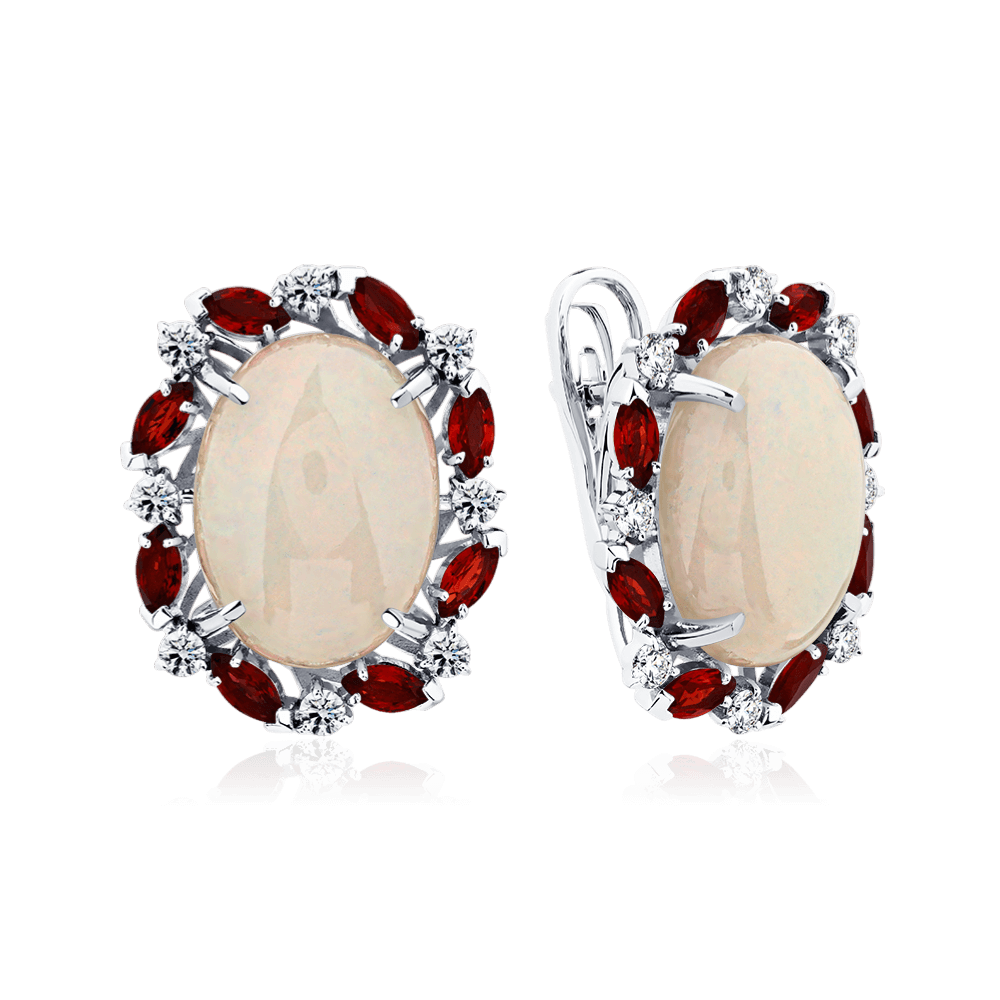
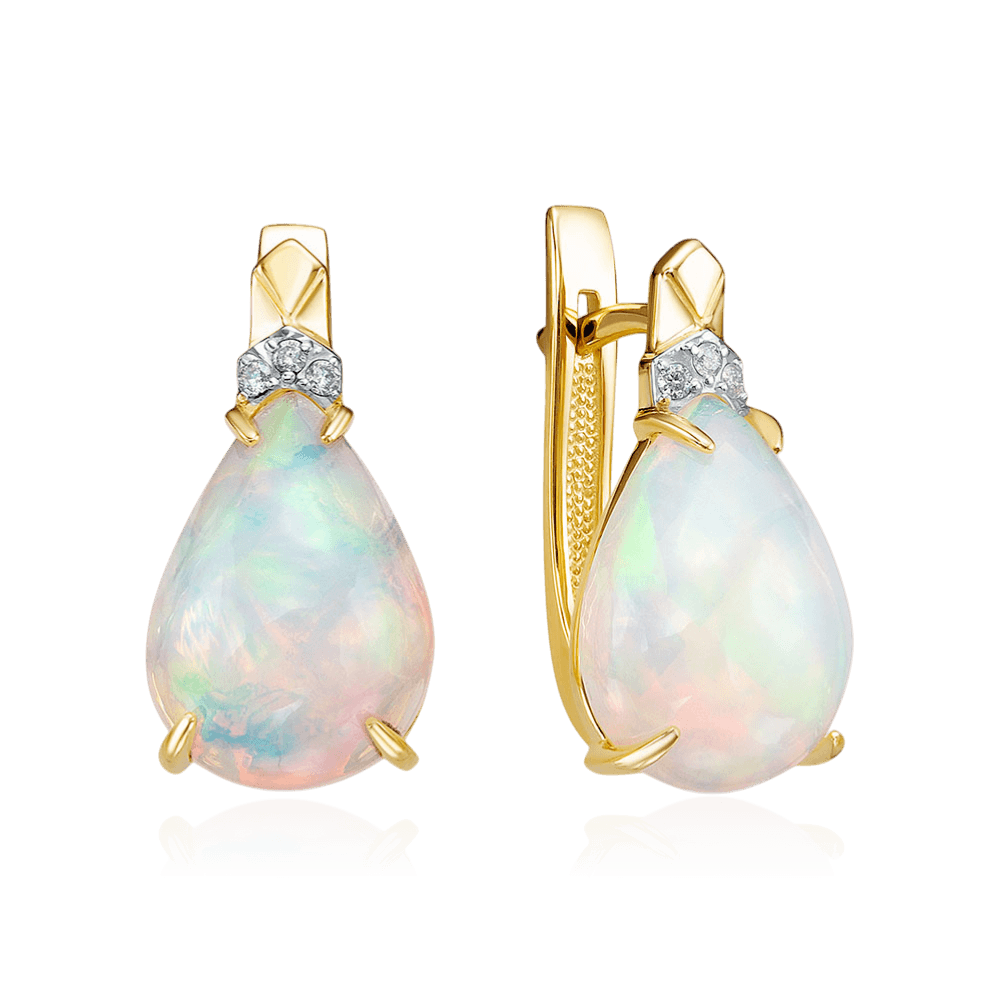
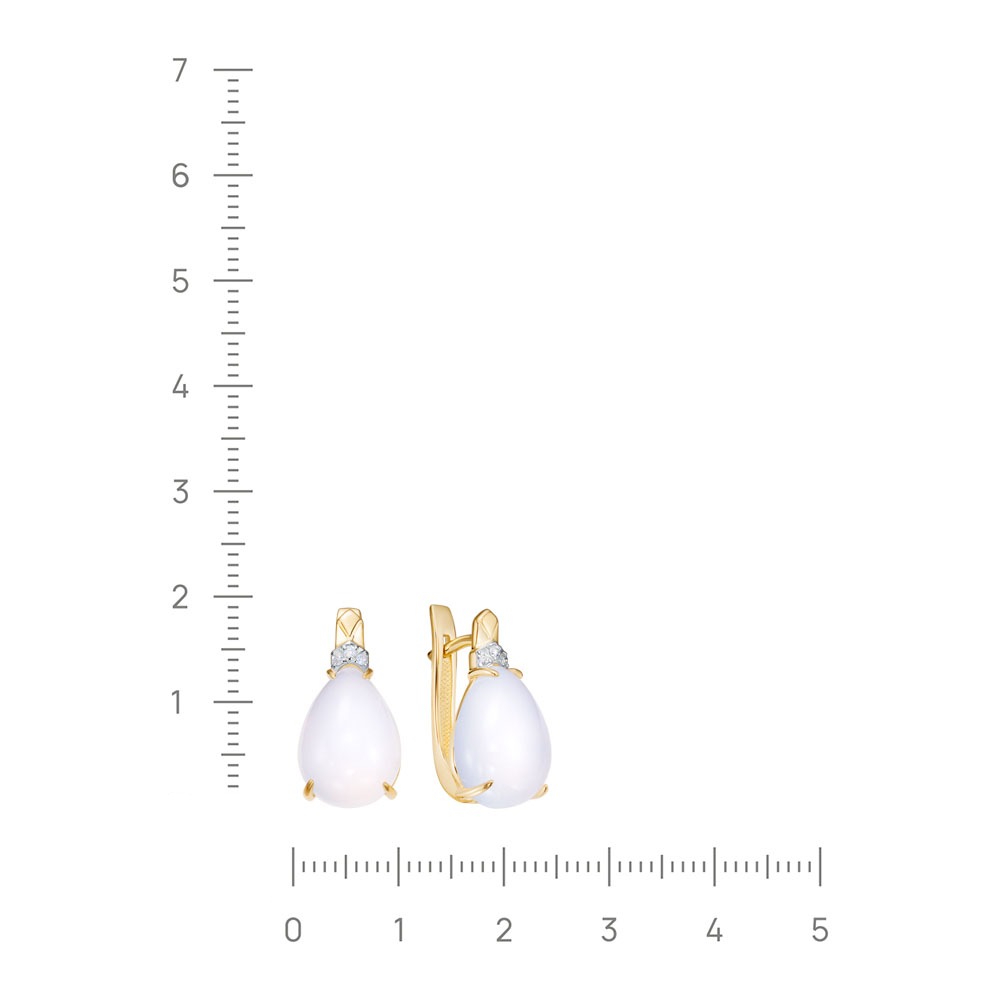
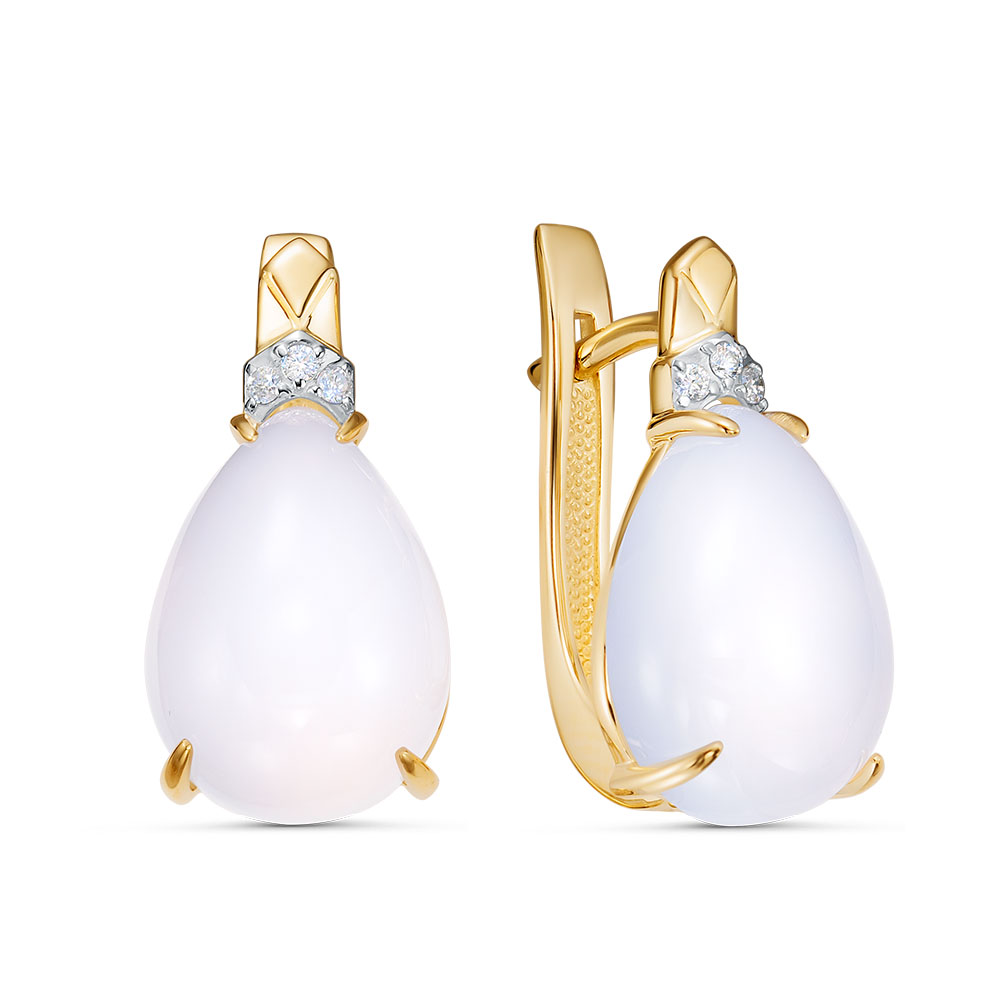
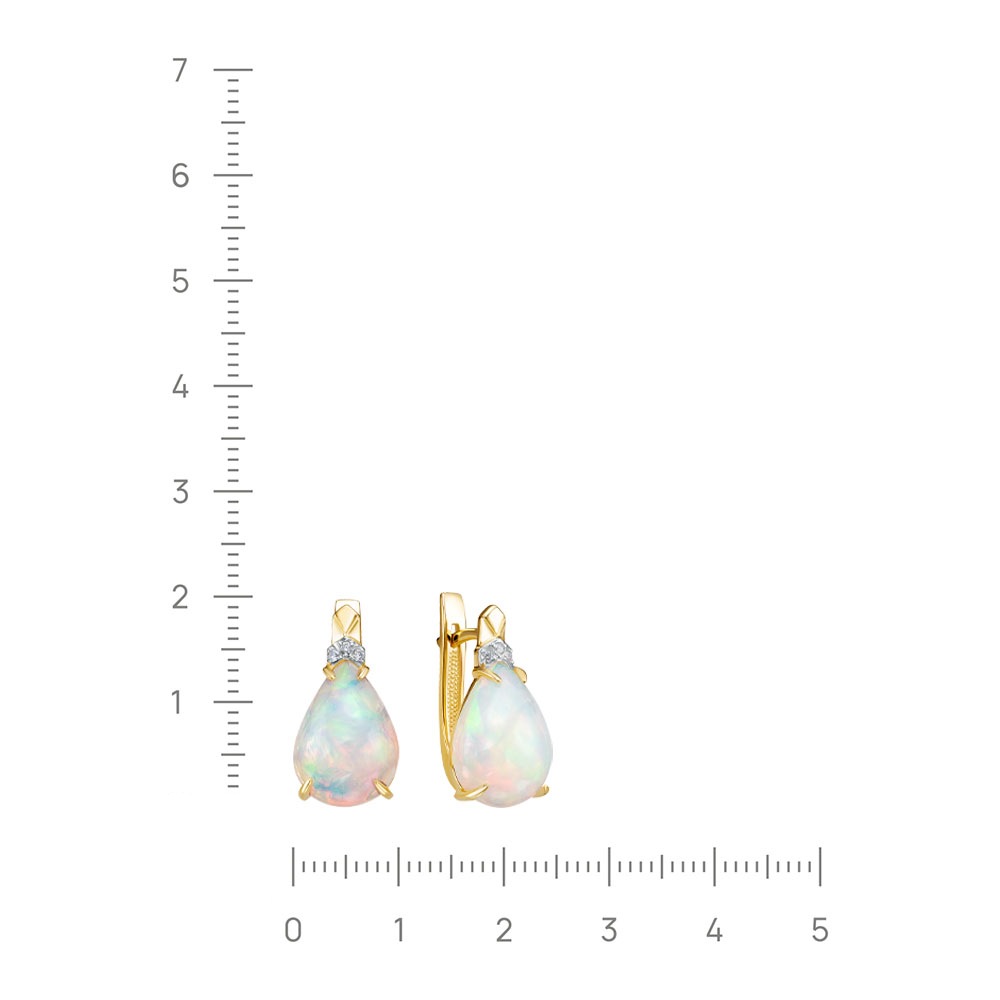
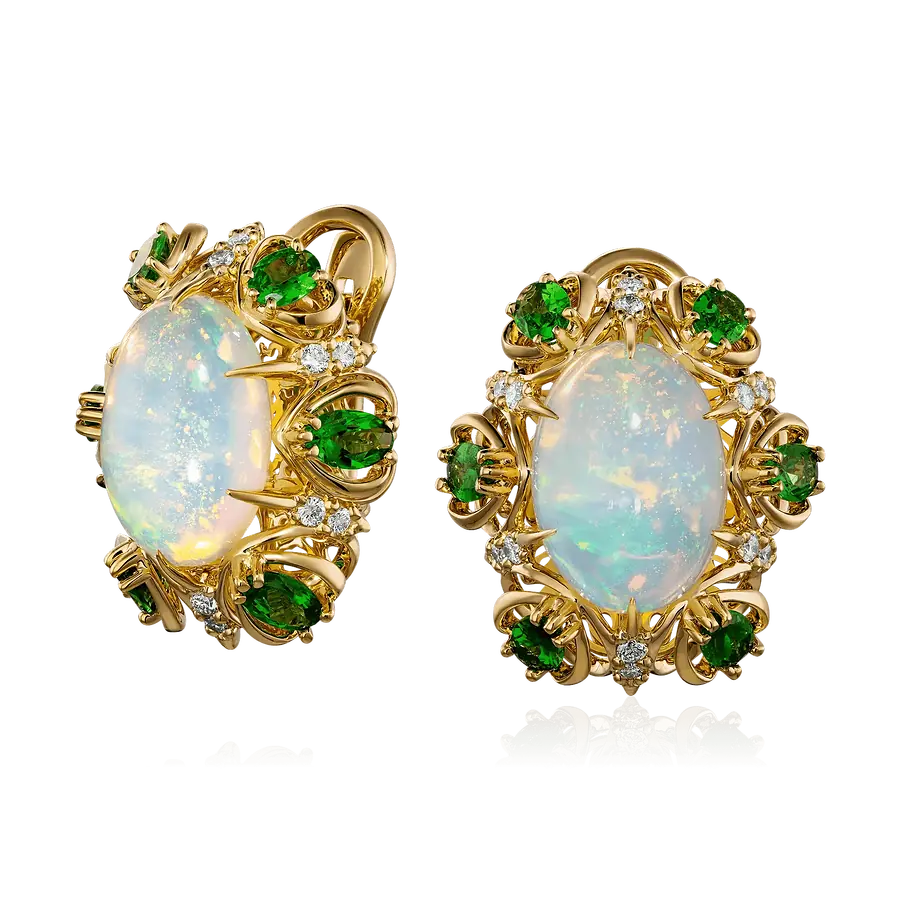
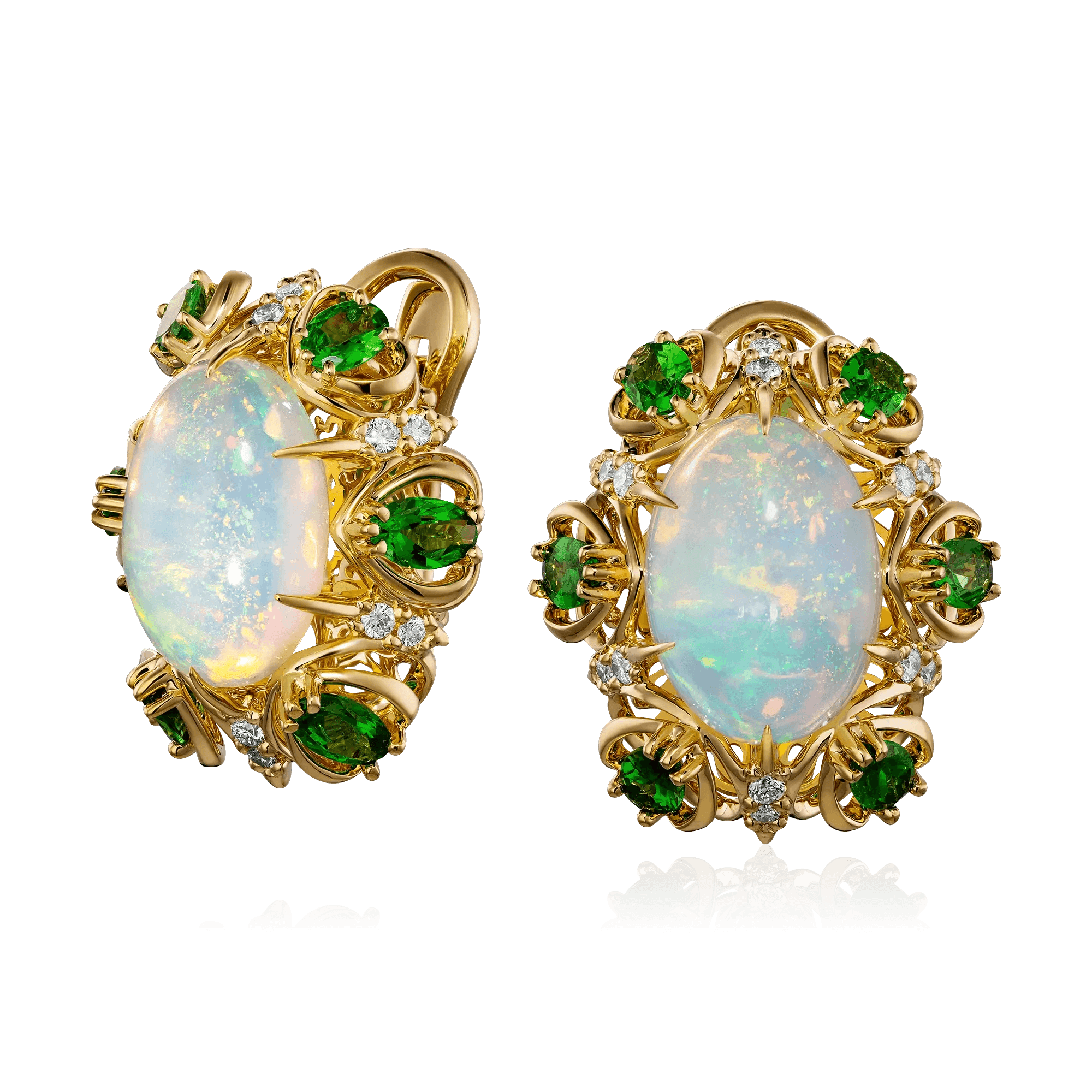
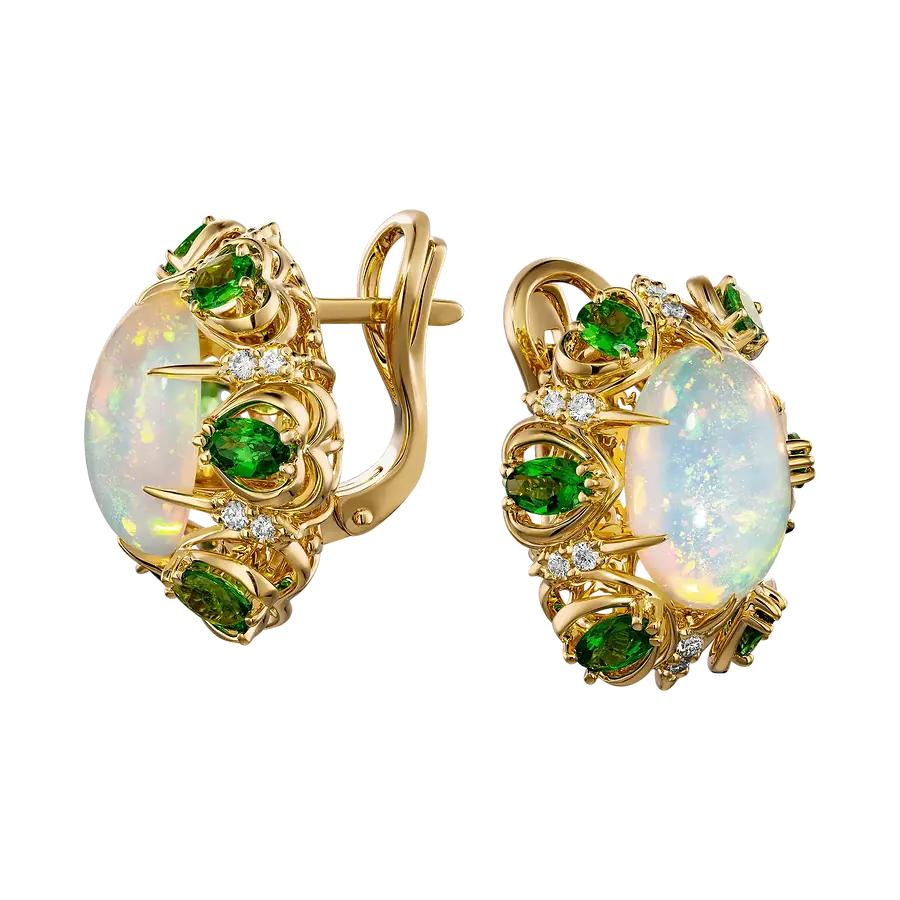
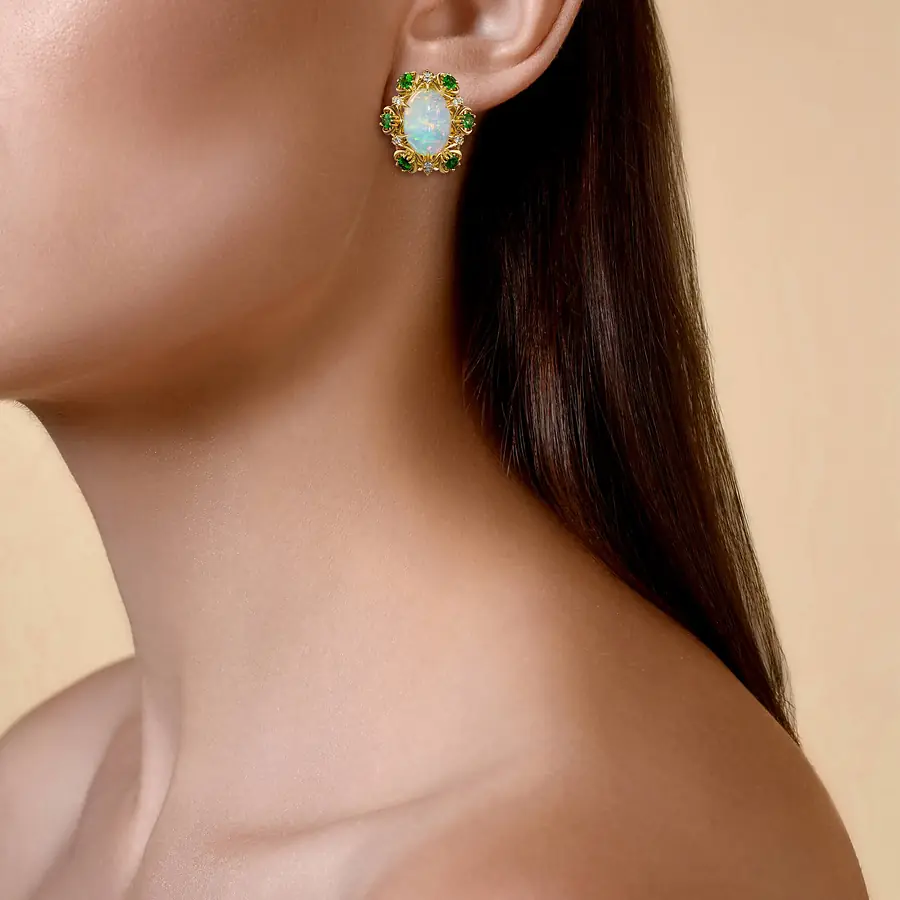
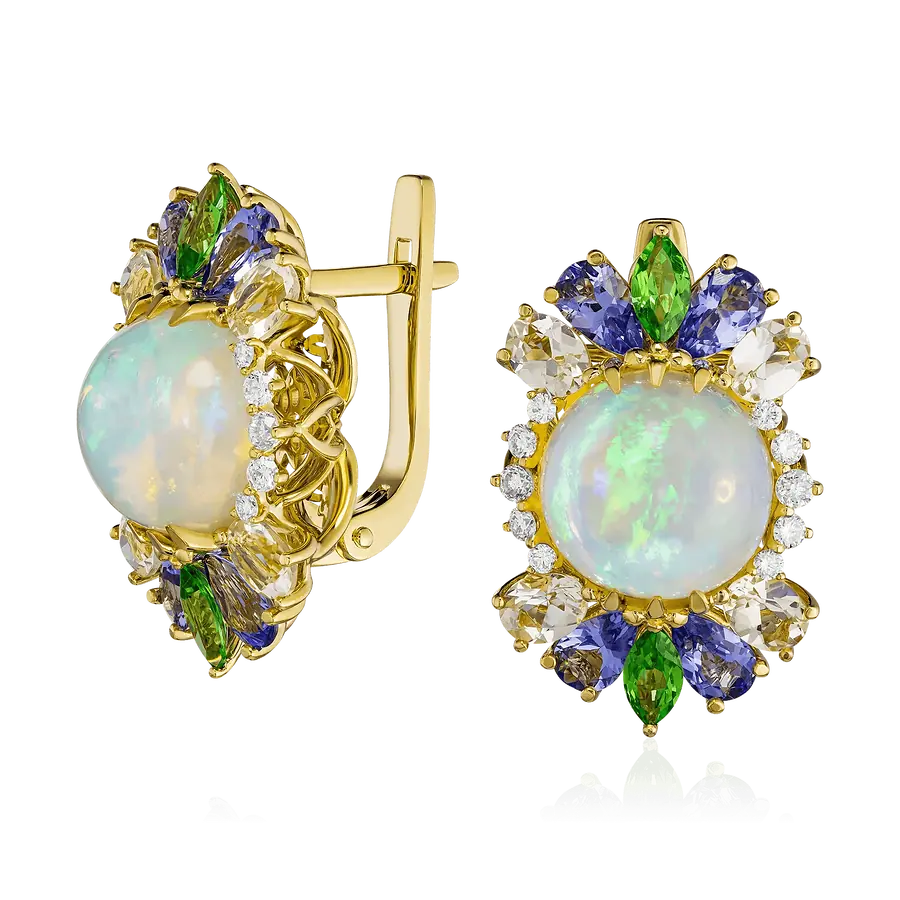
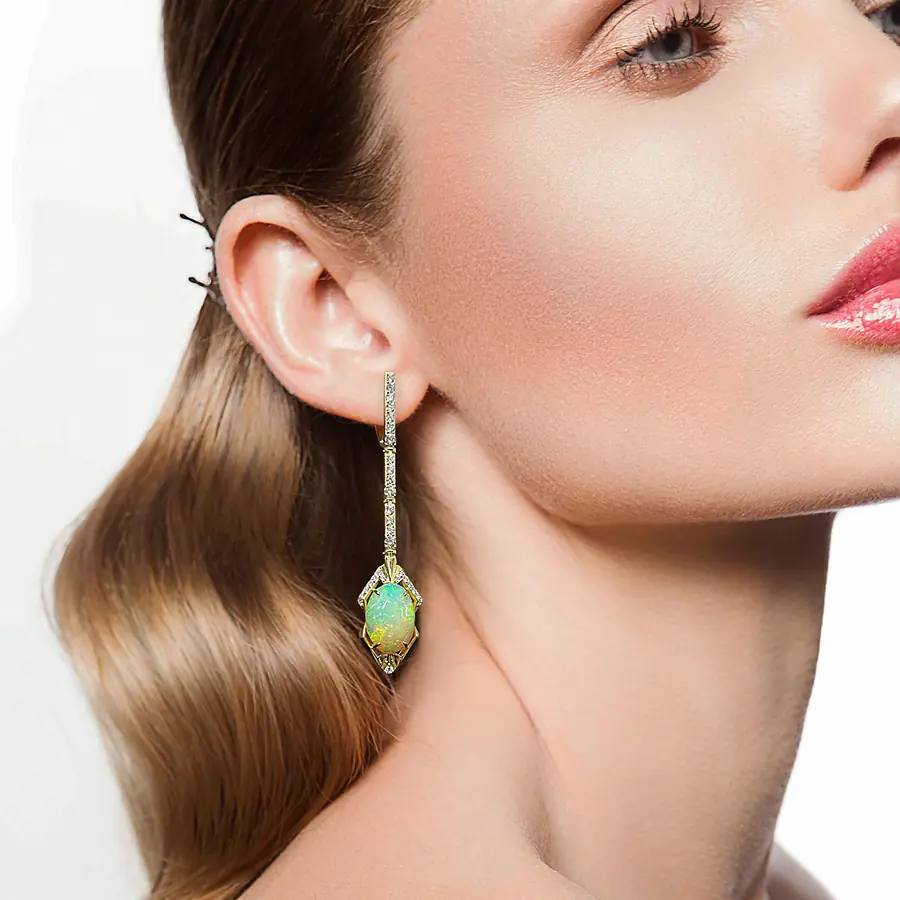
Earrings with tanzanite, diamonds, tsavorite, morganite and opal in 18K yellow gold (750) ( 128313)
In stock
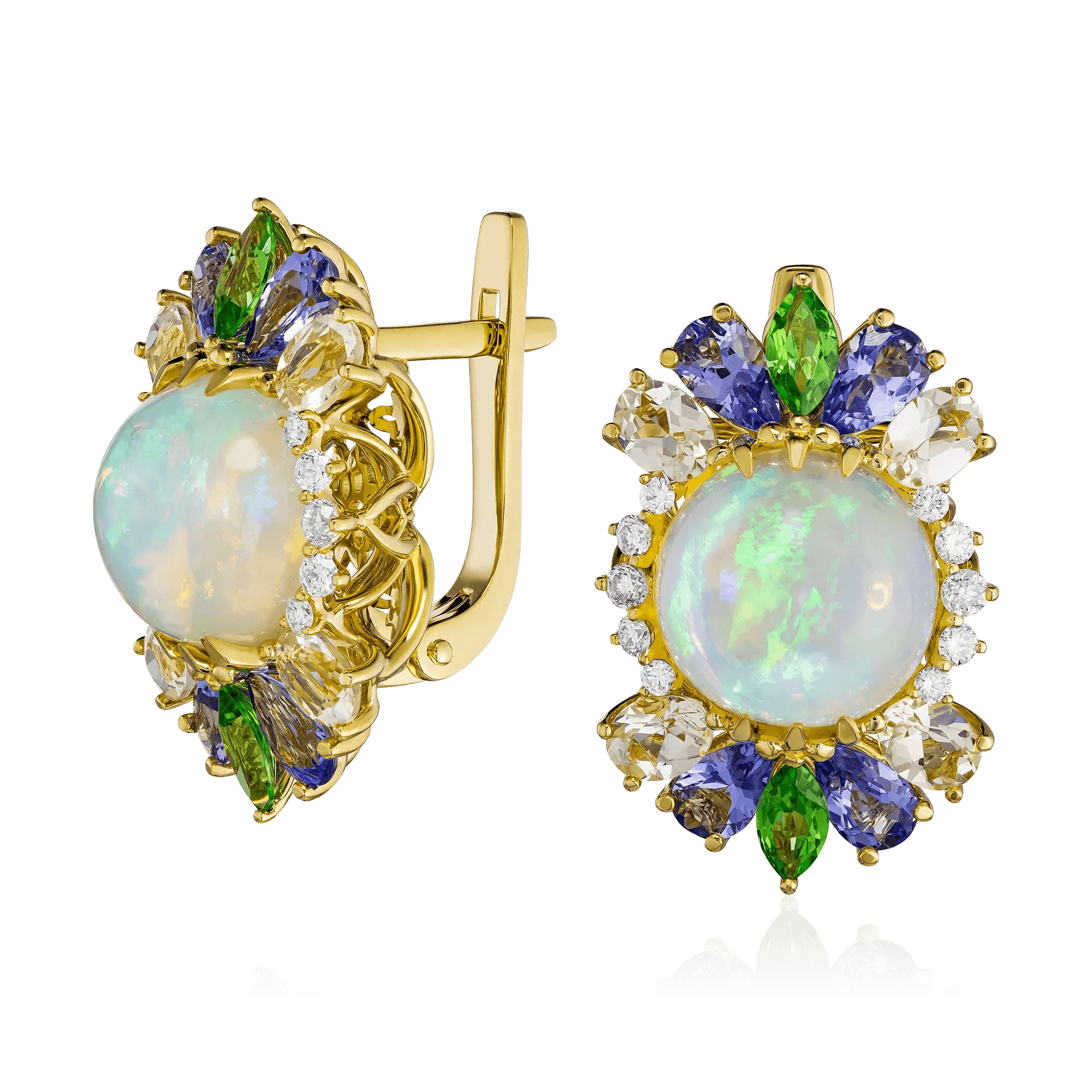
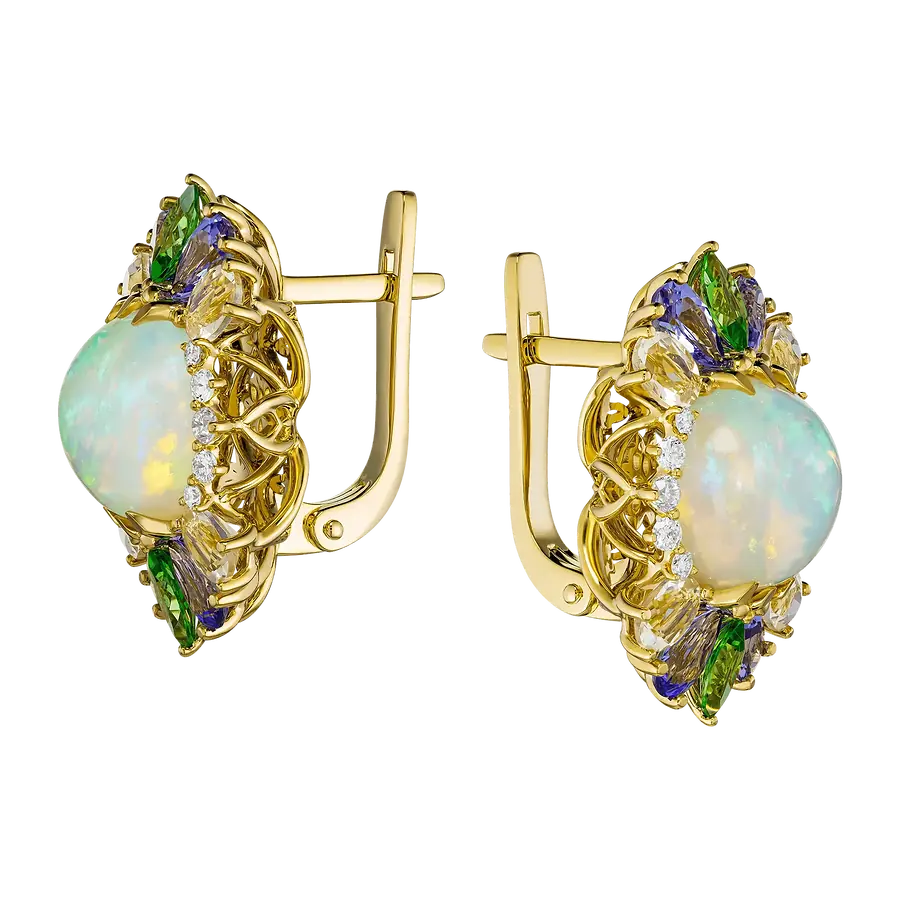
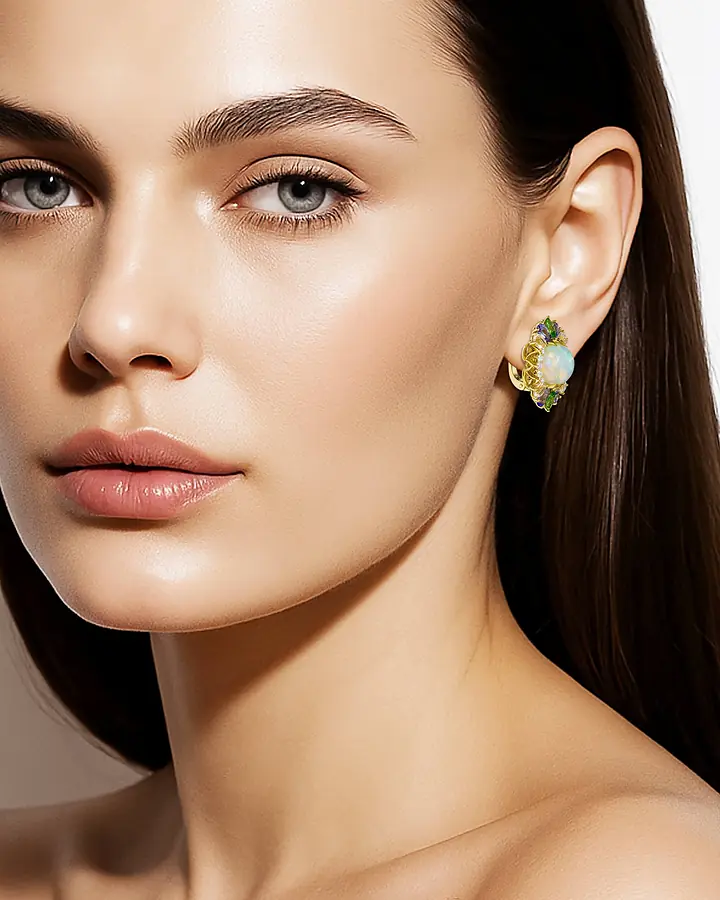



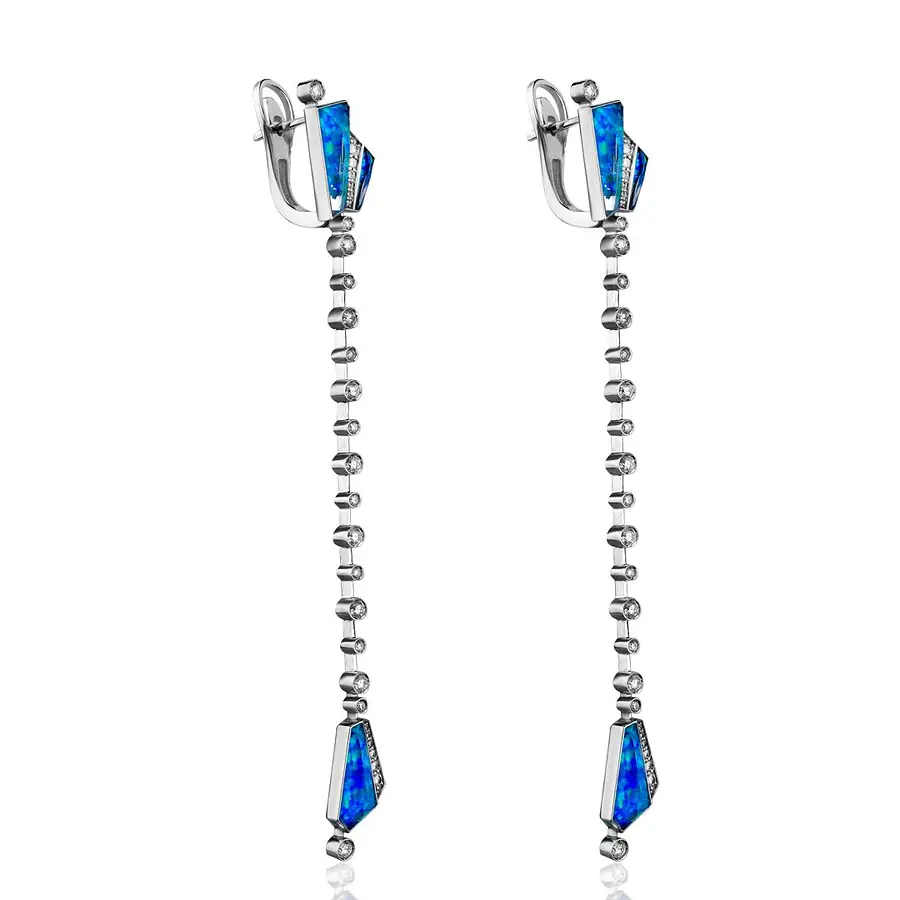
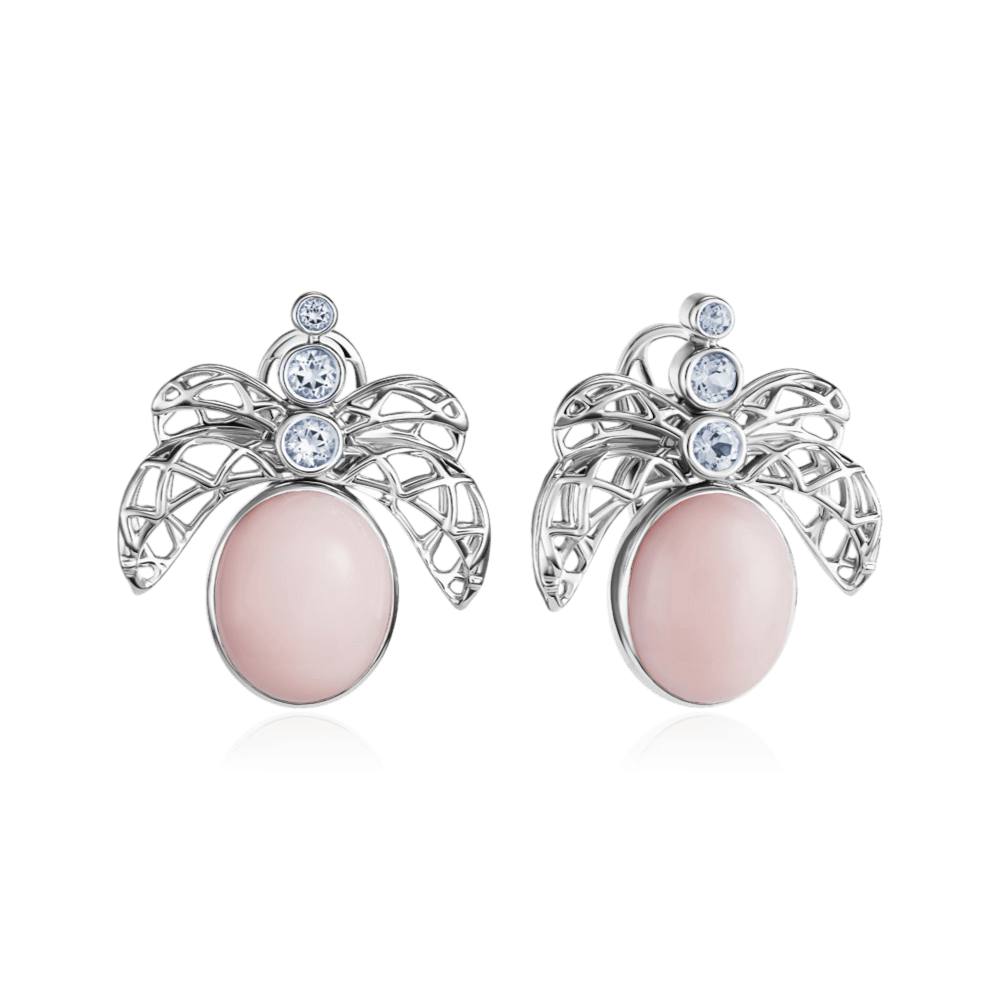
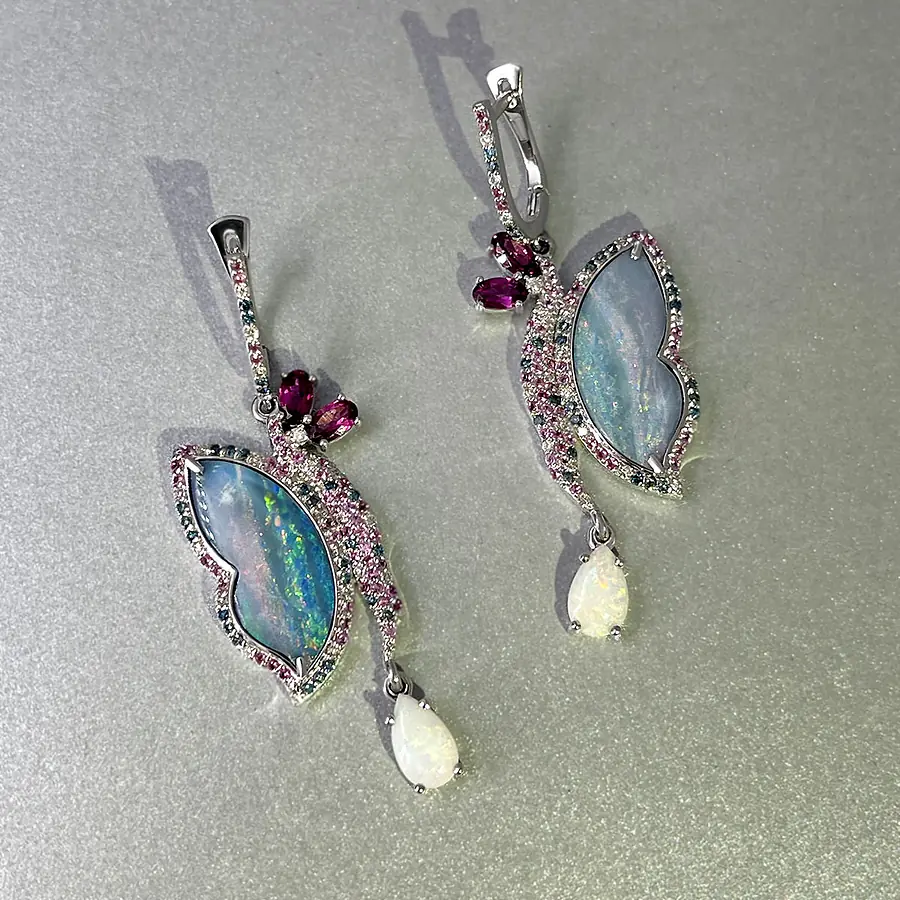
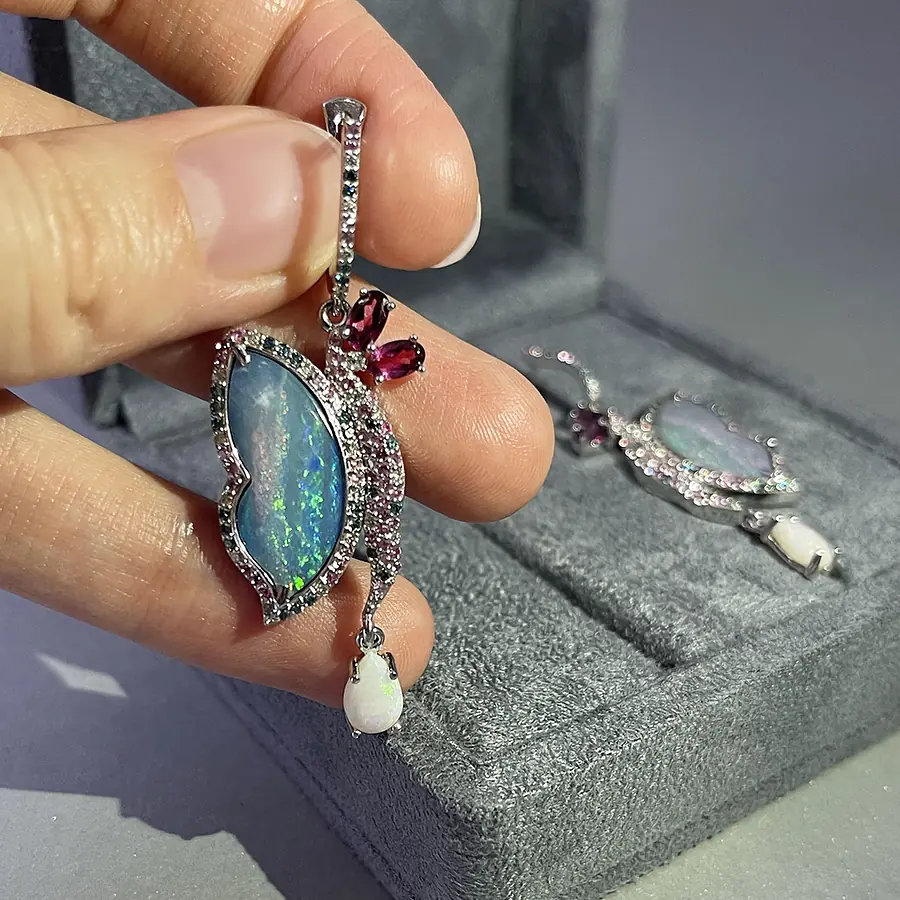
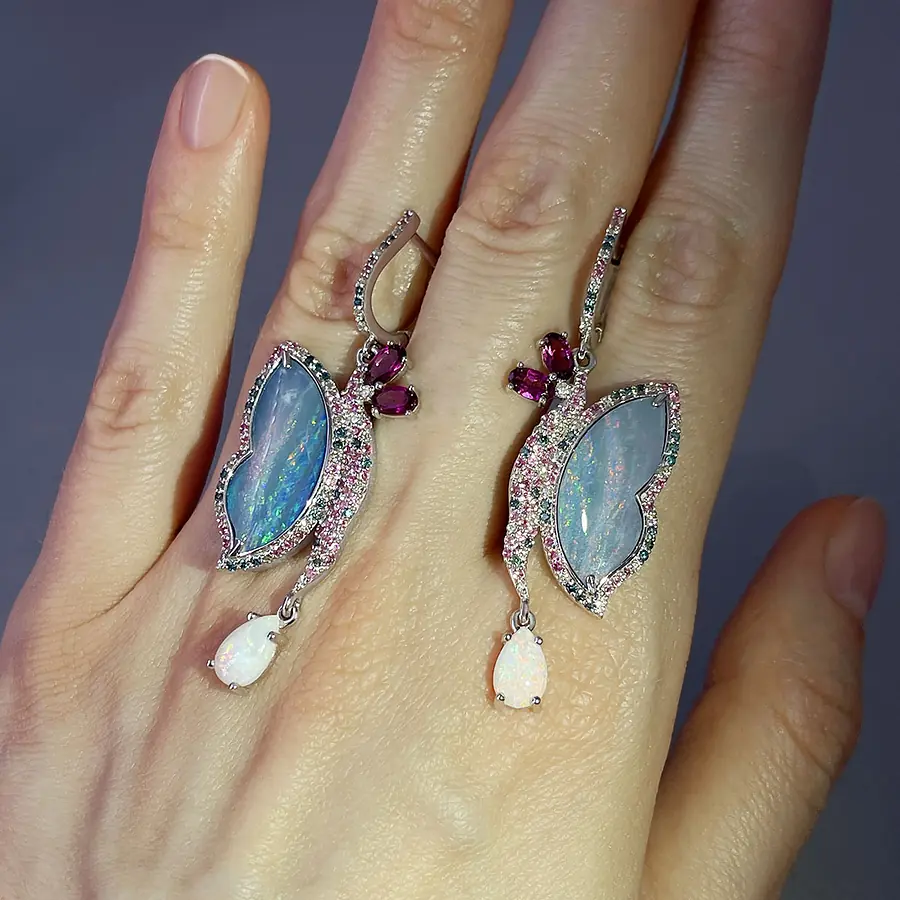
Earrings "butterflies" with opal, pink sapphires and diamonds in 14K white gold (585) ( 48834)
In stock
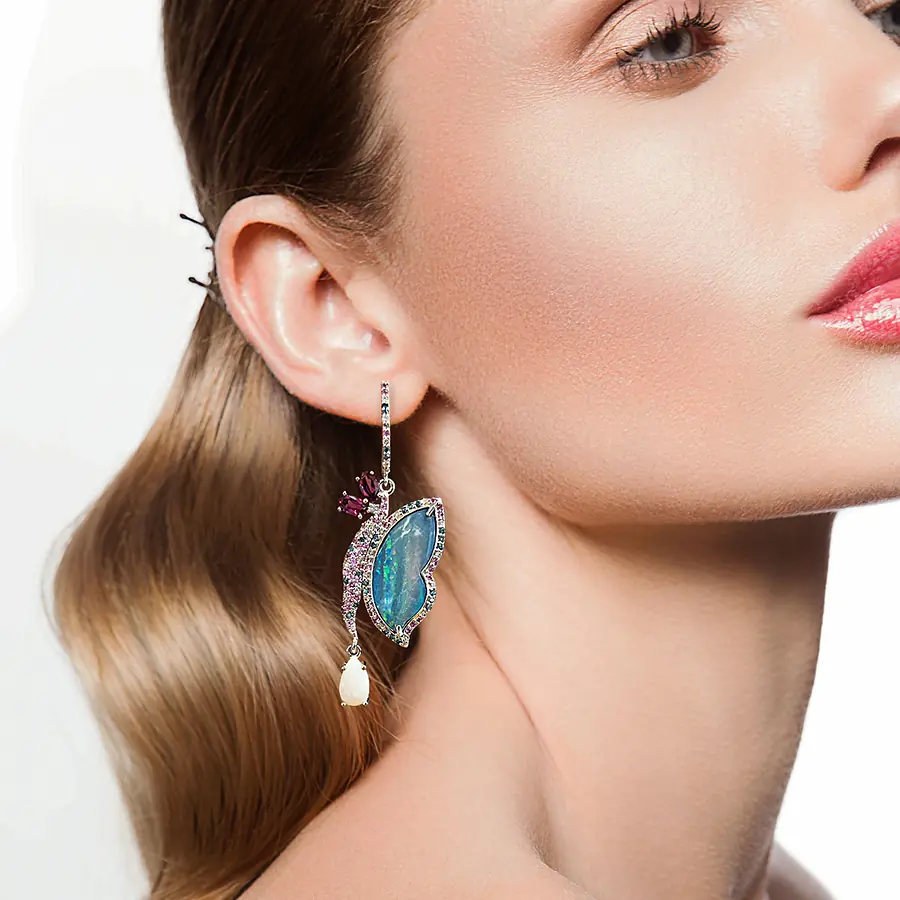

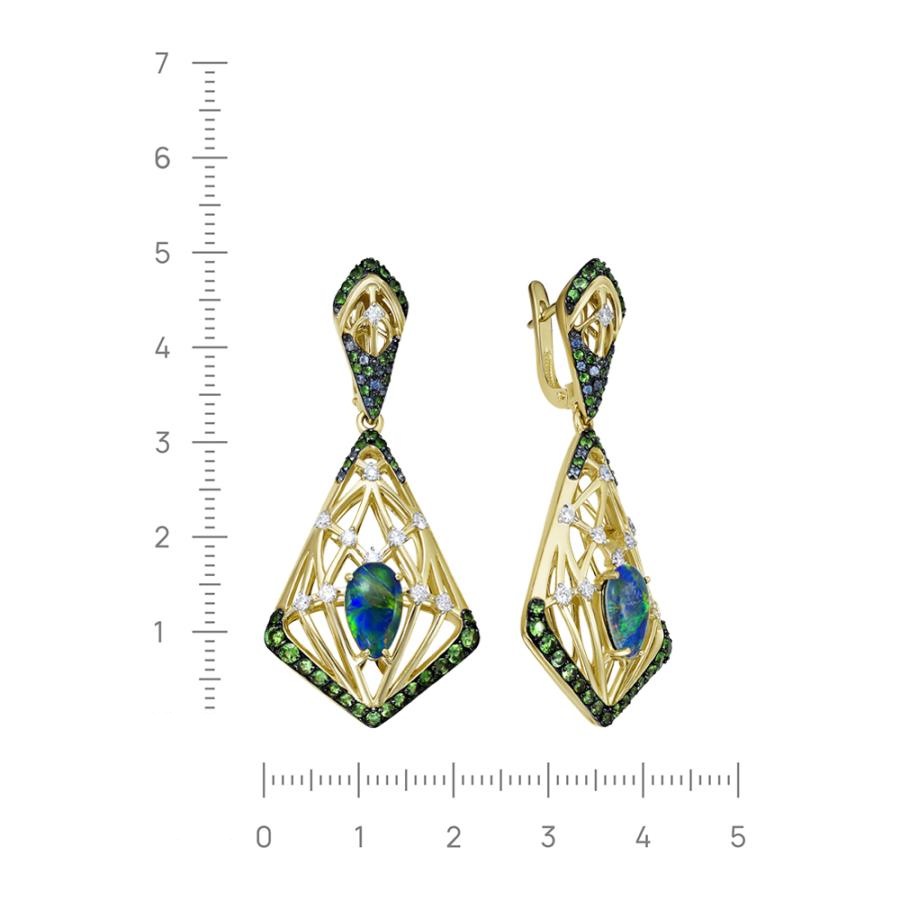

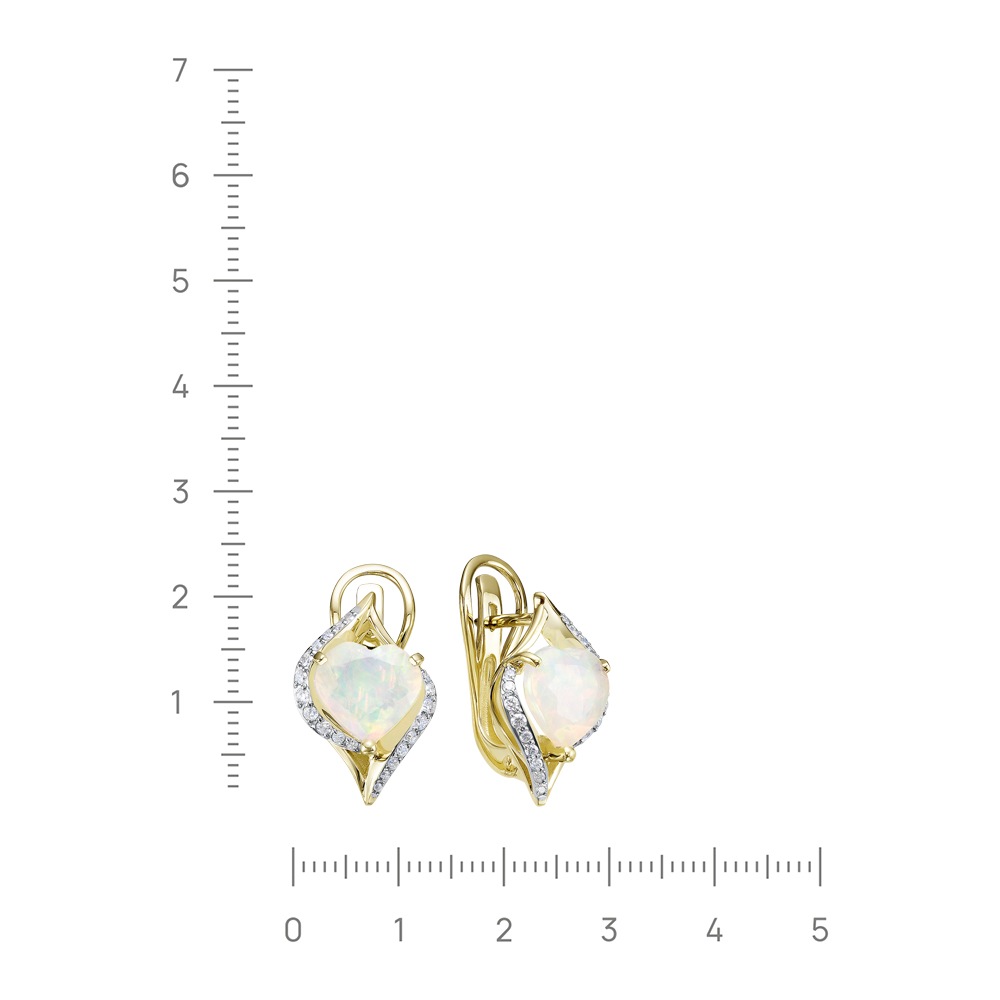

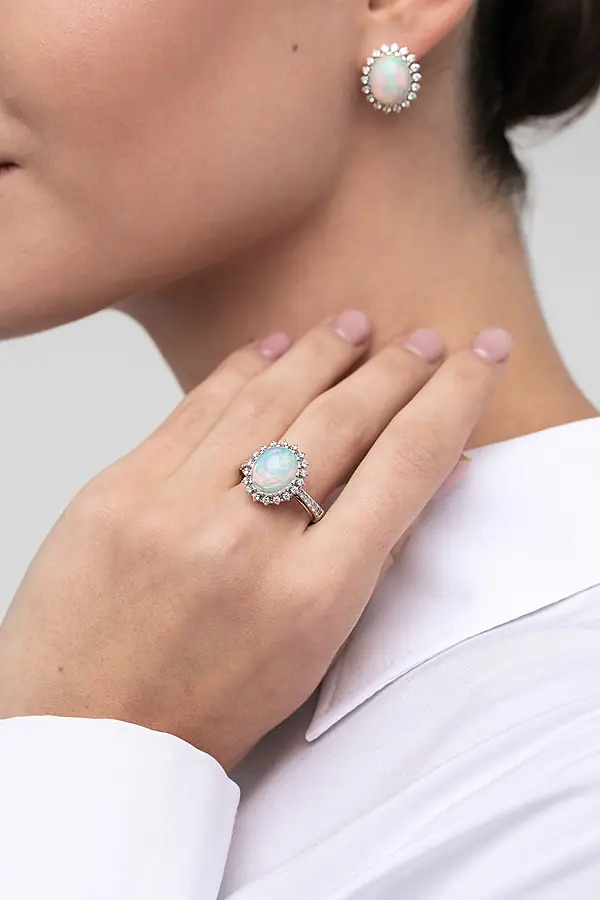
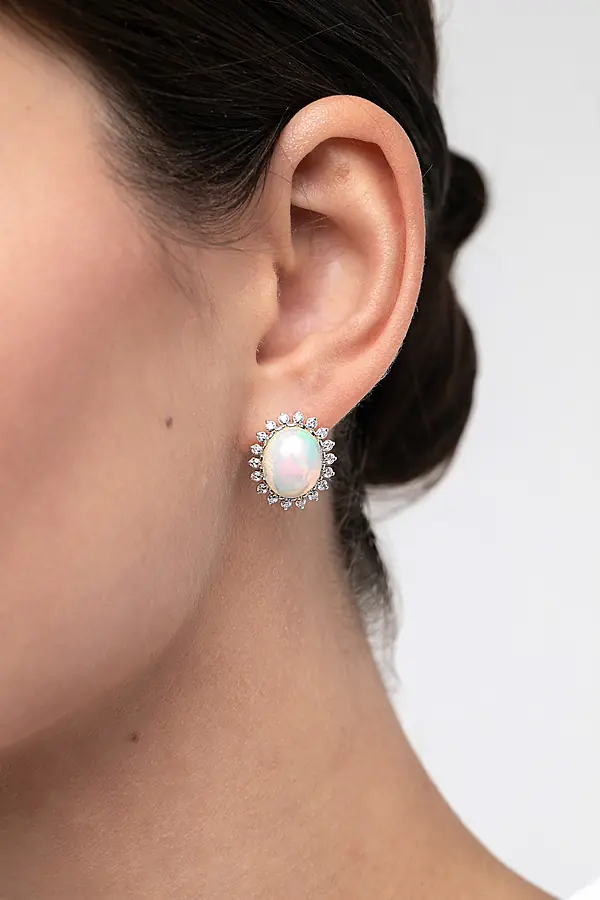

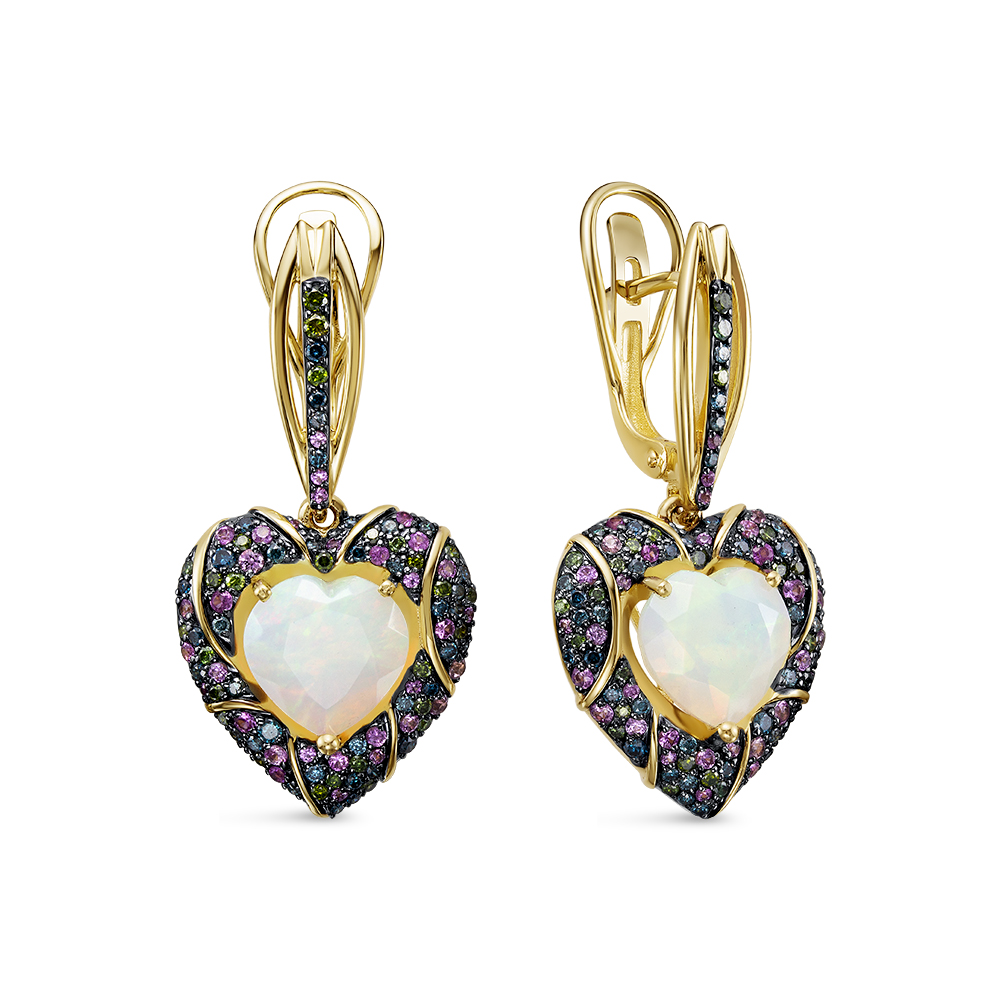
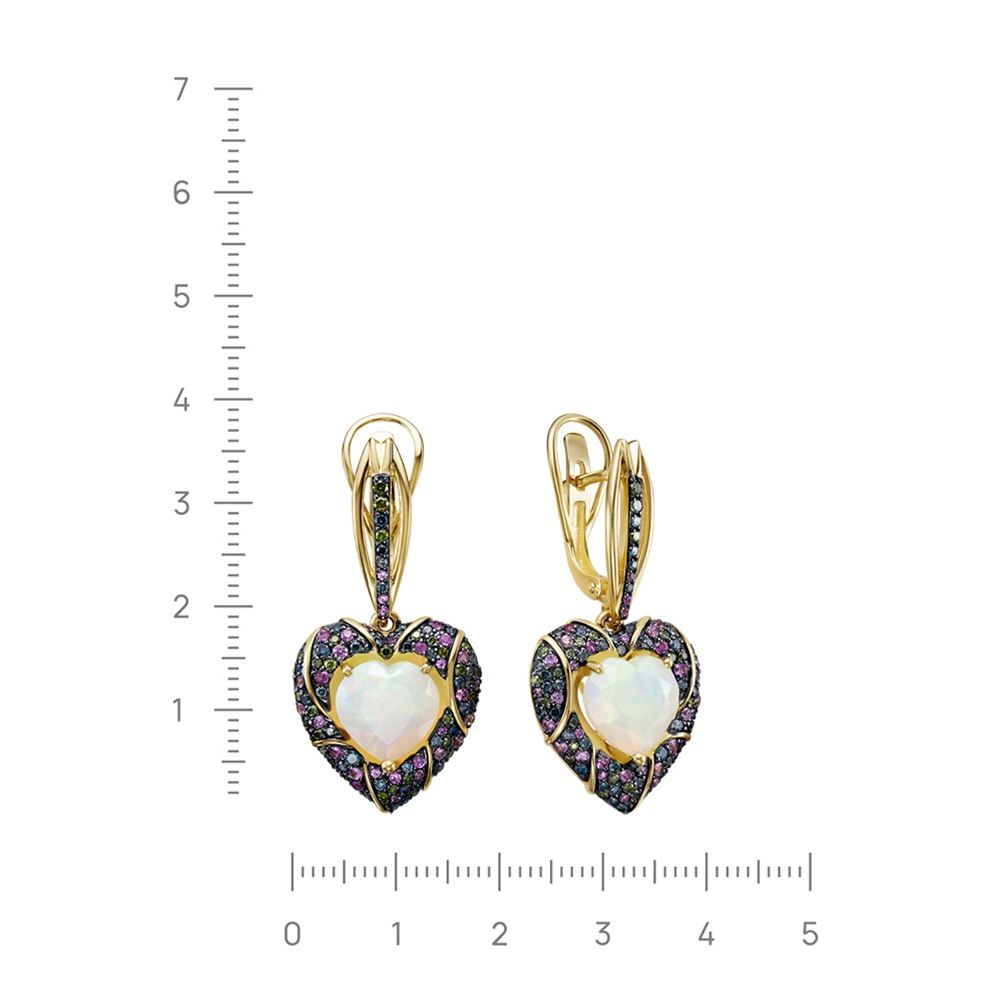
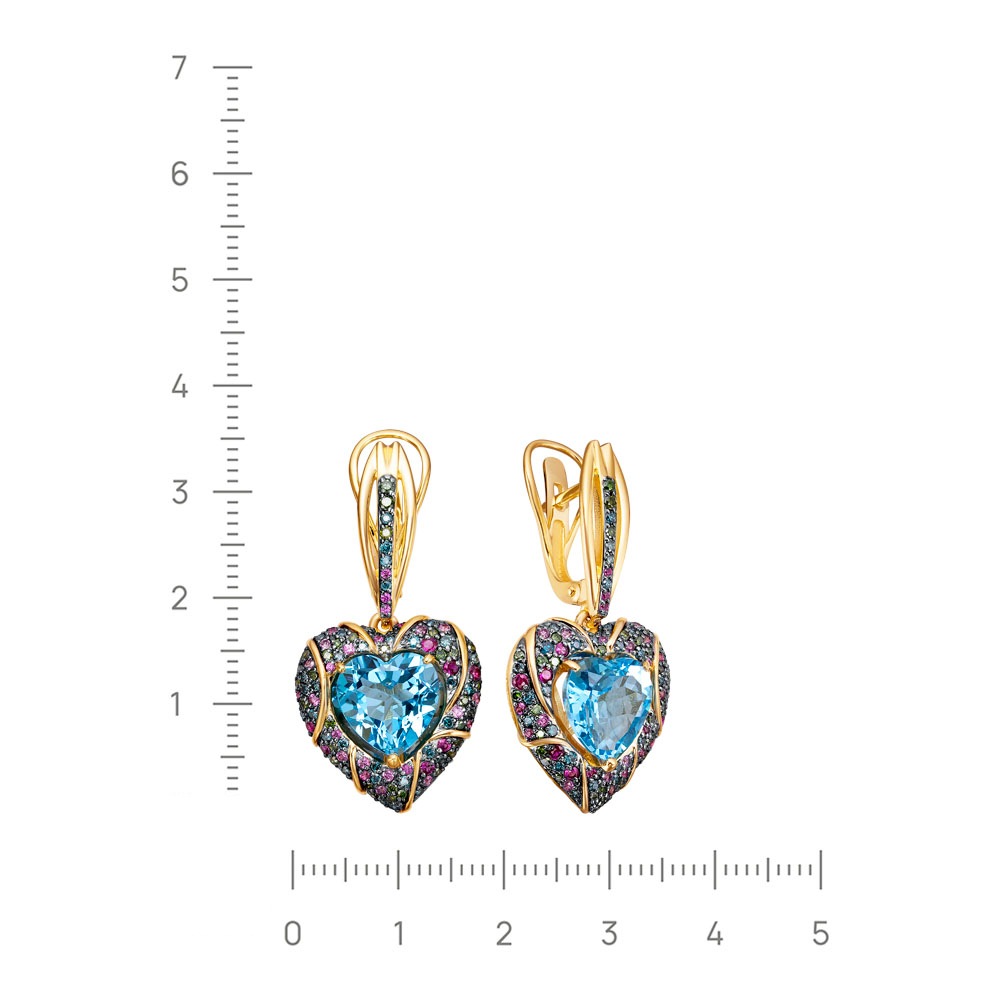

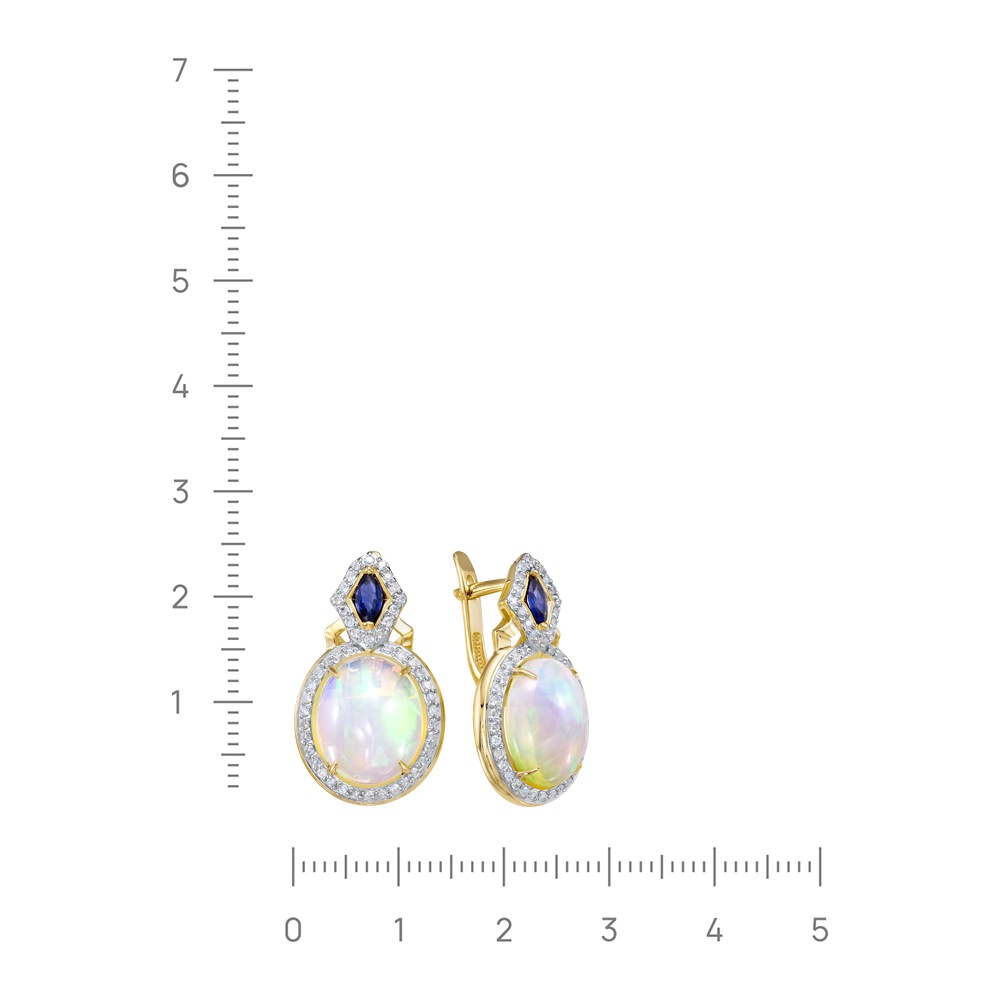

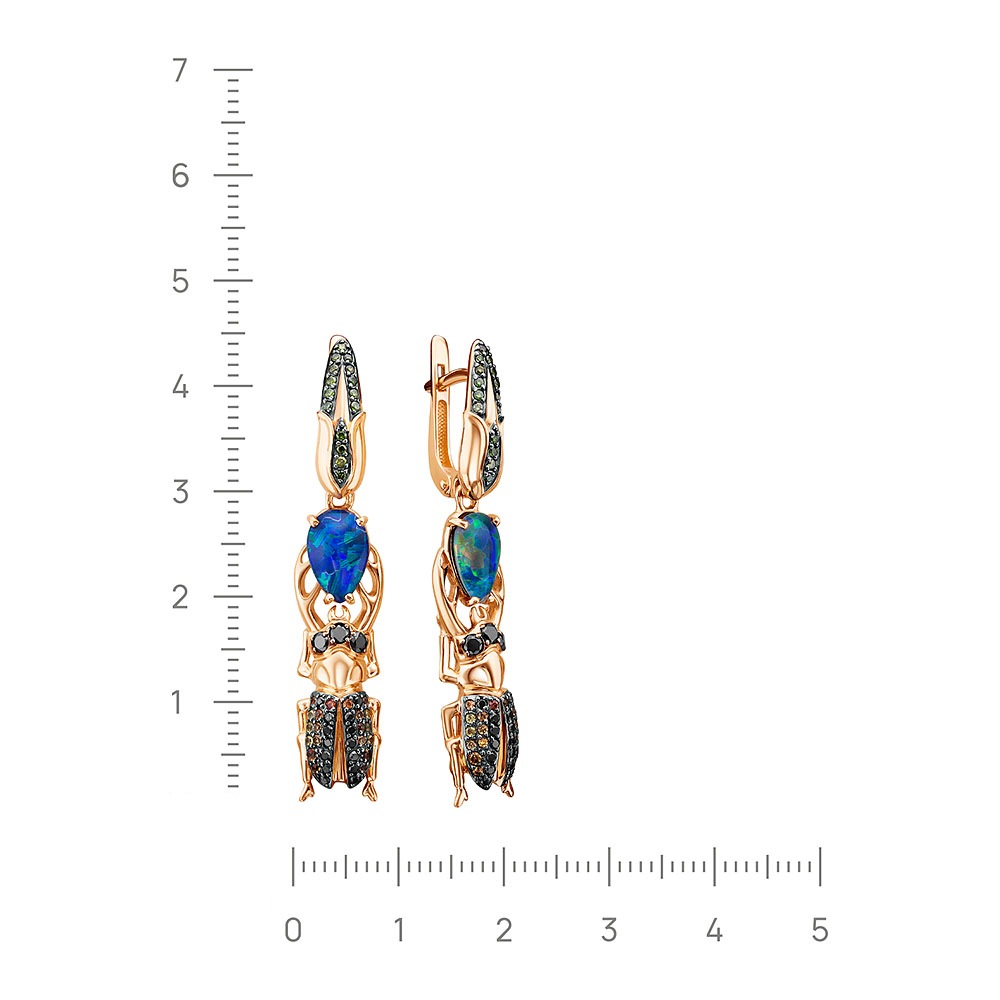

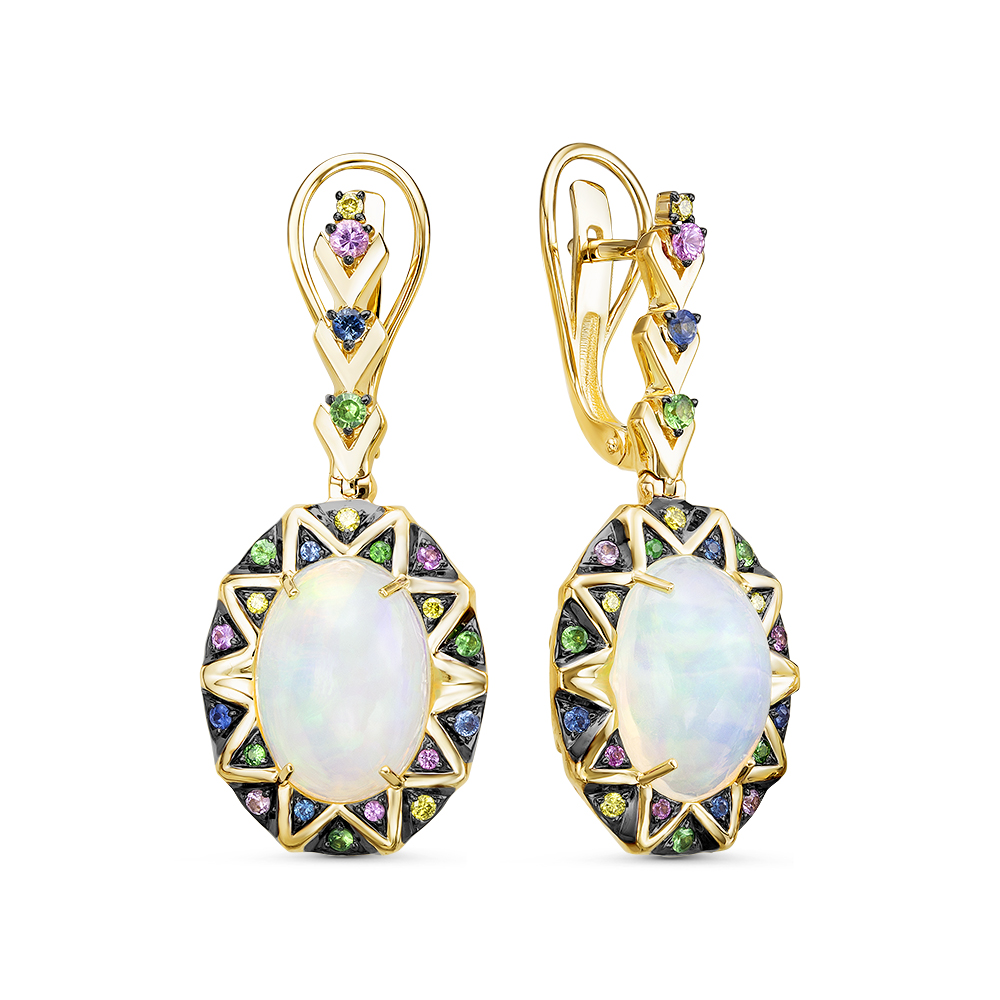
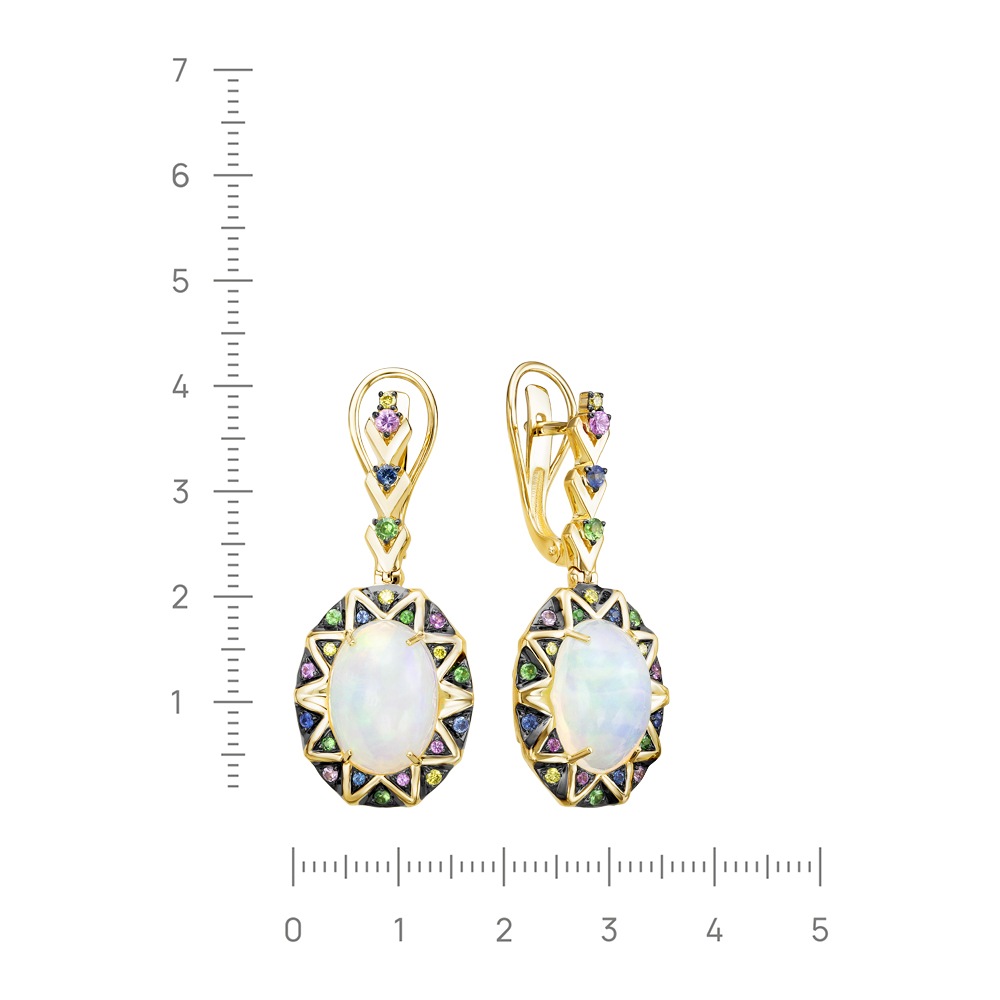
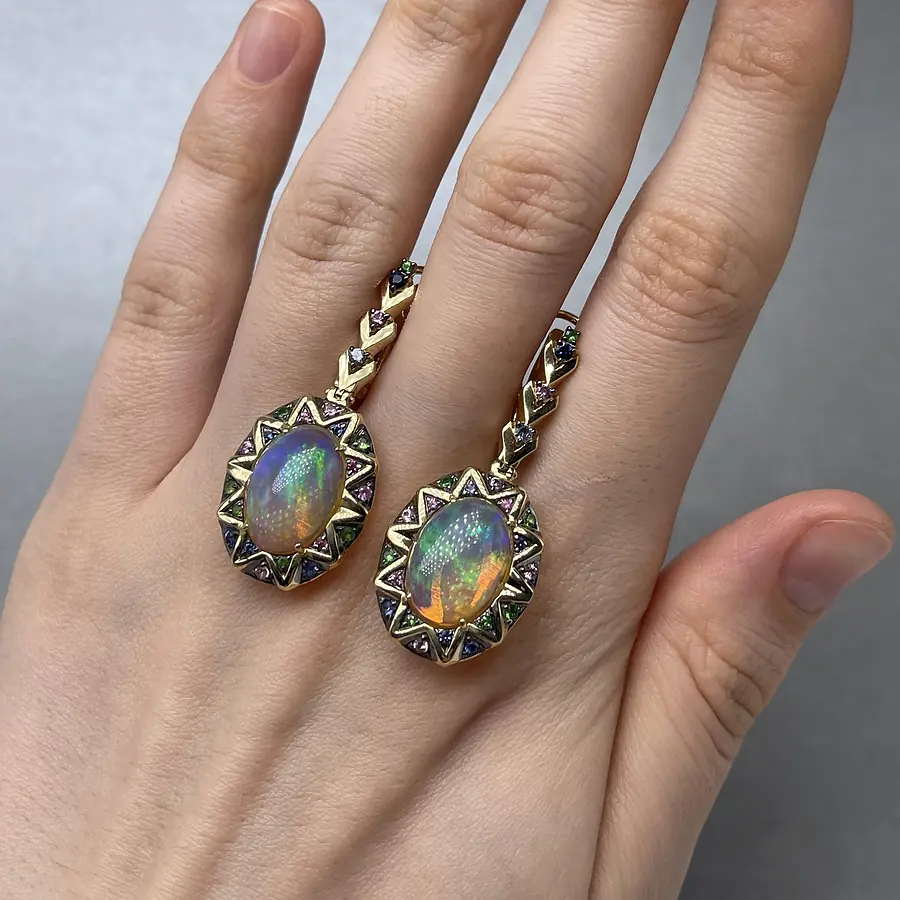
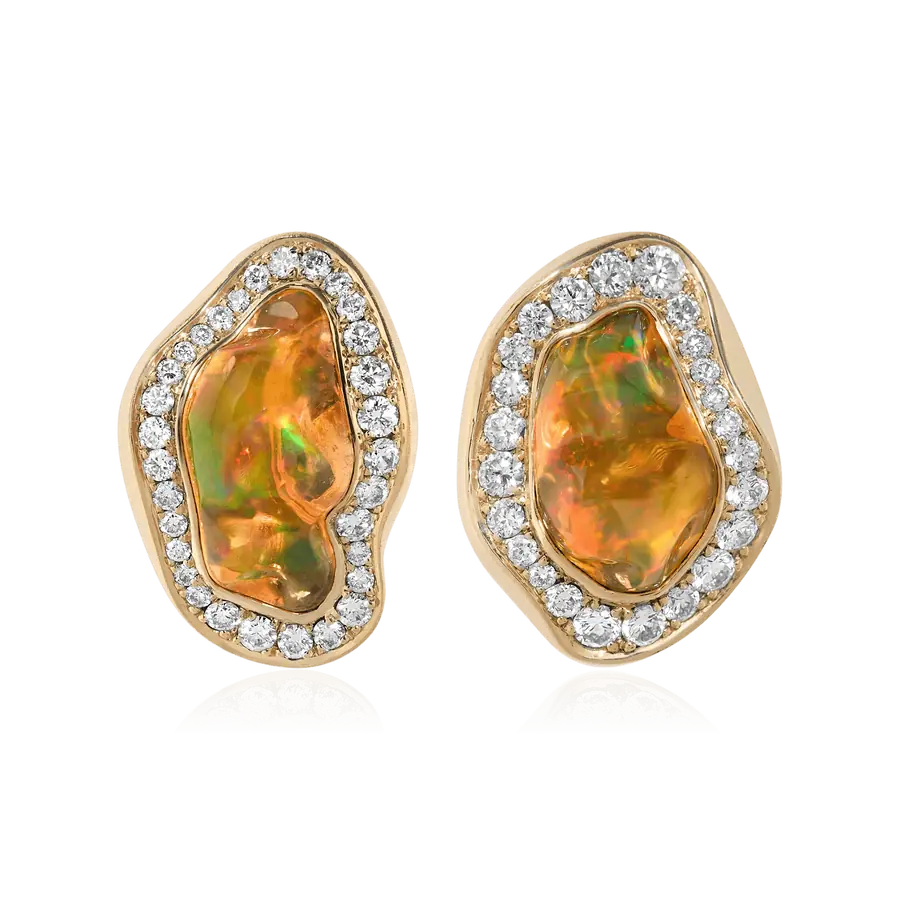
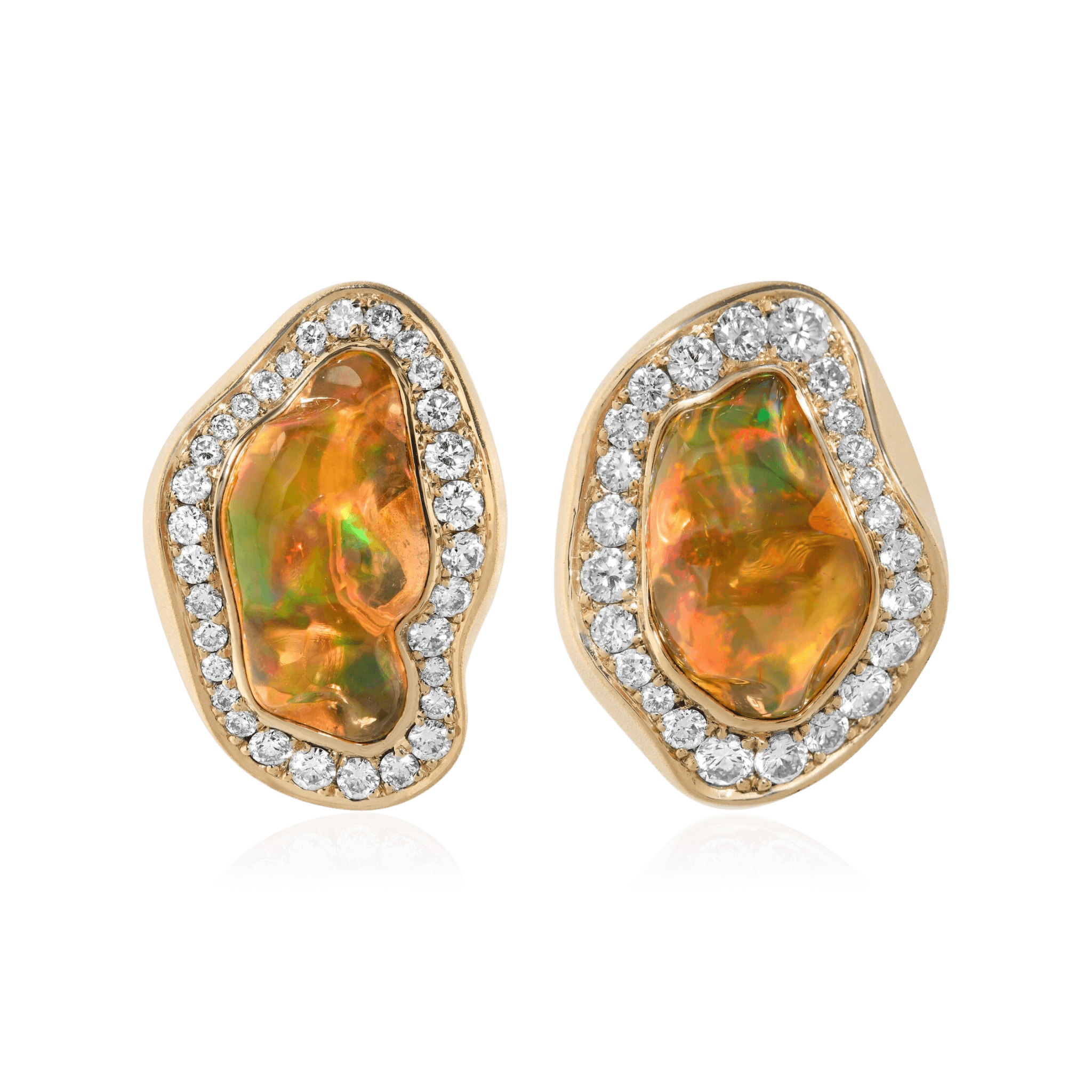
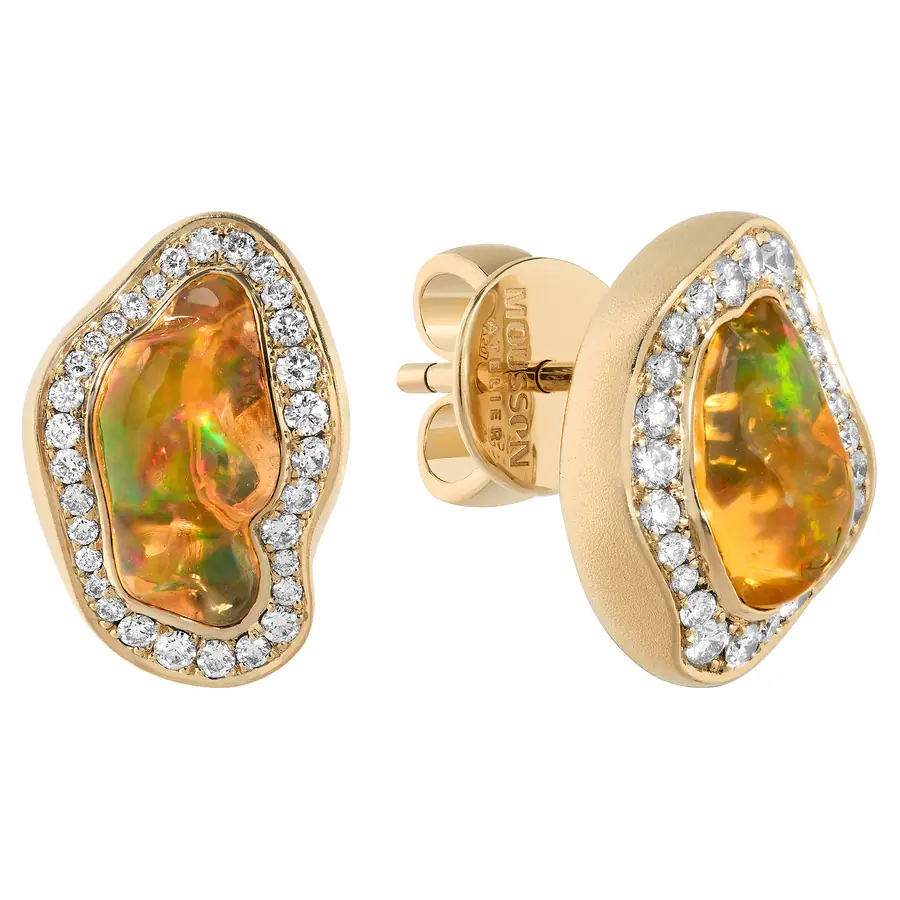
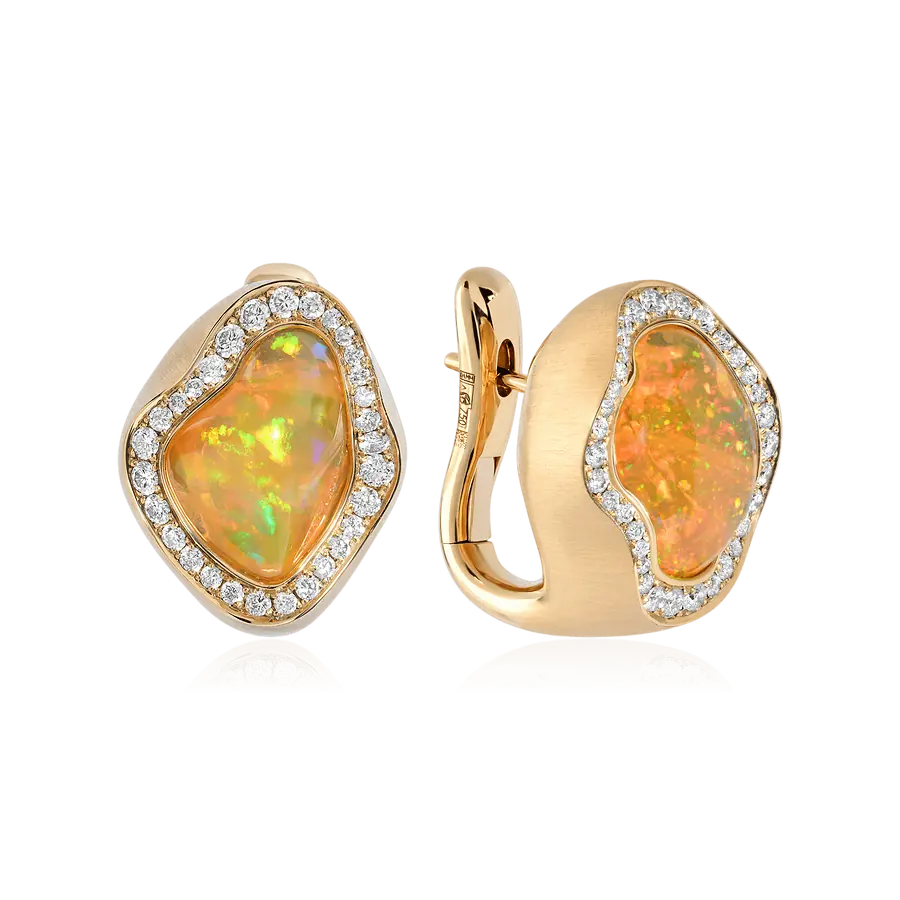
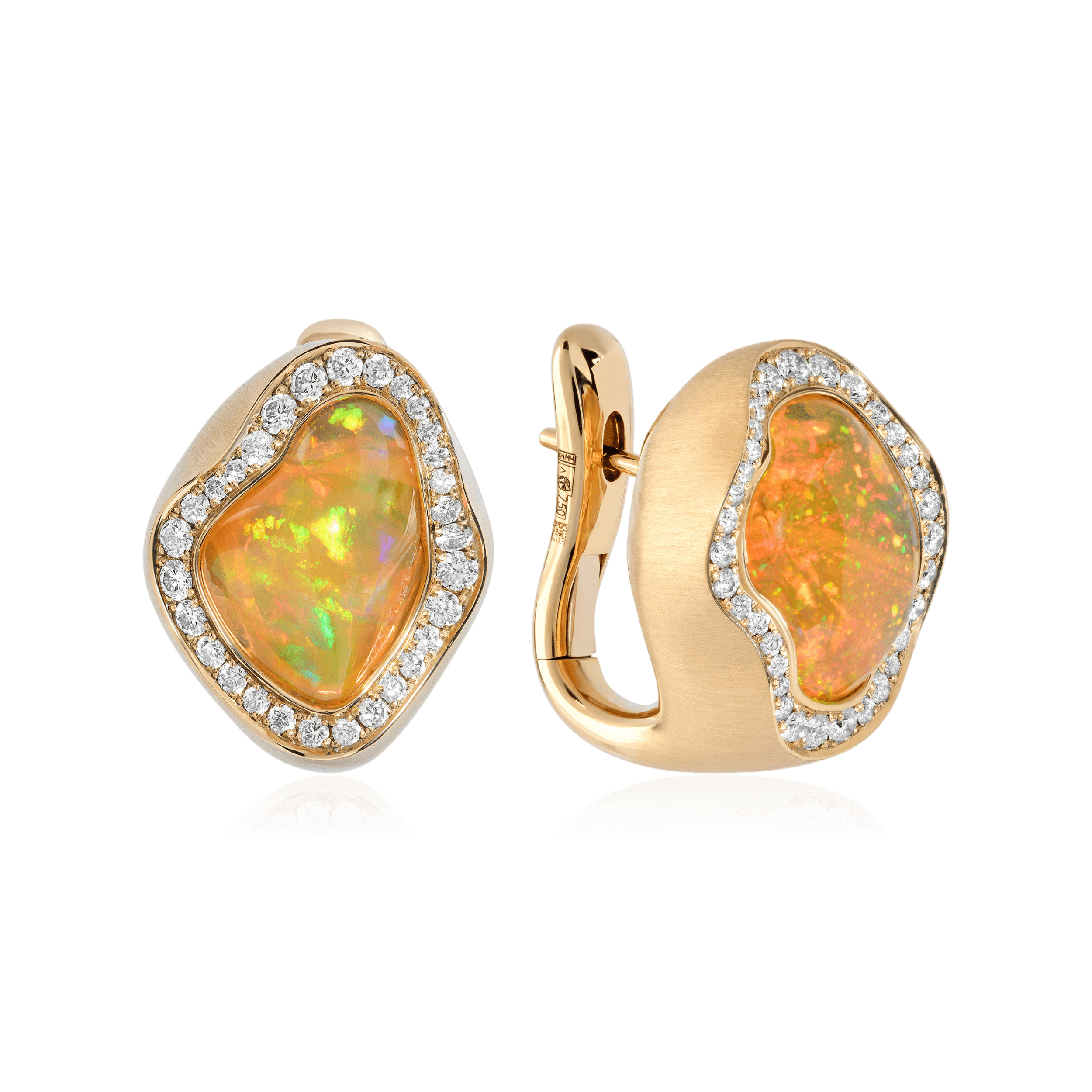
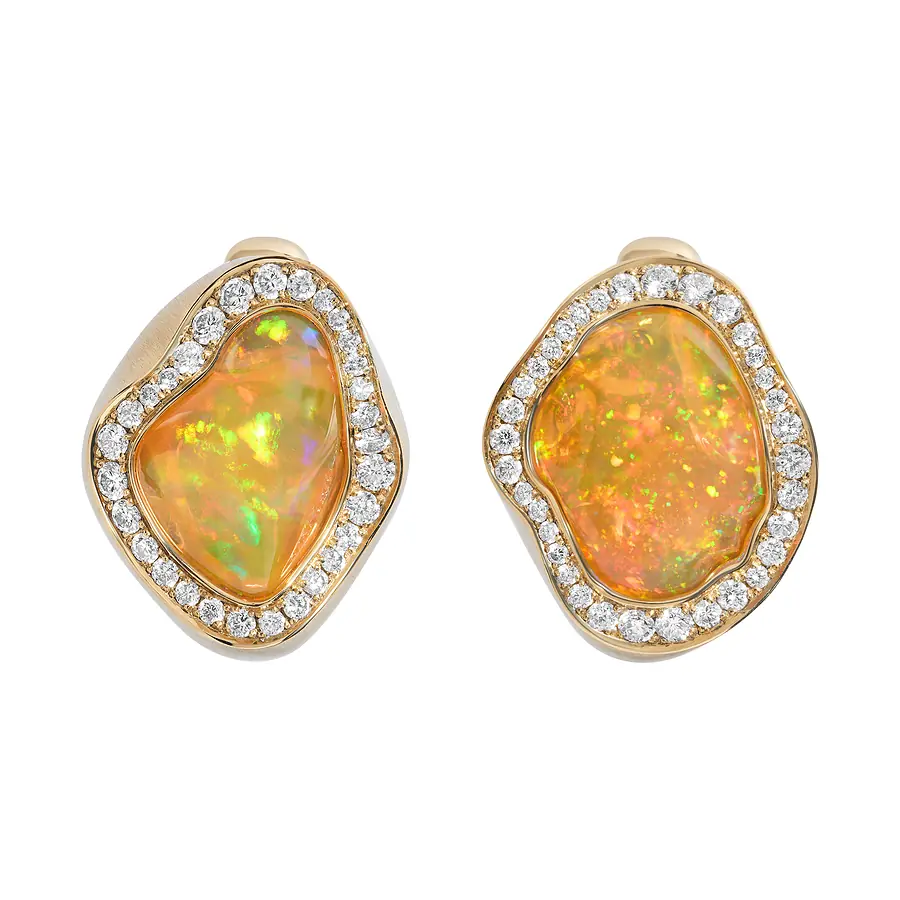

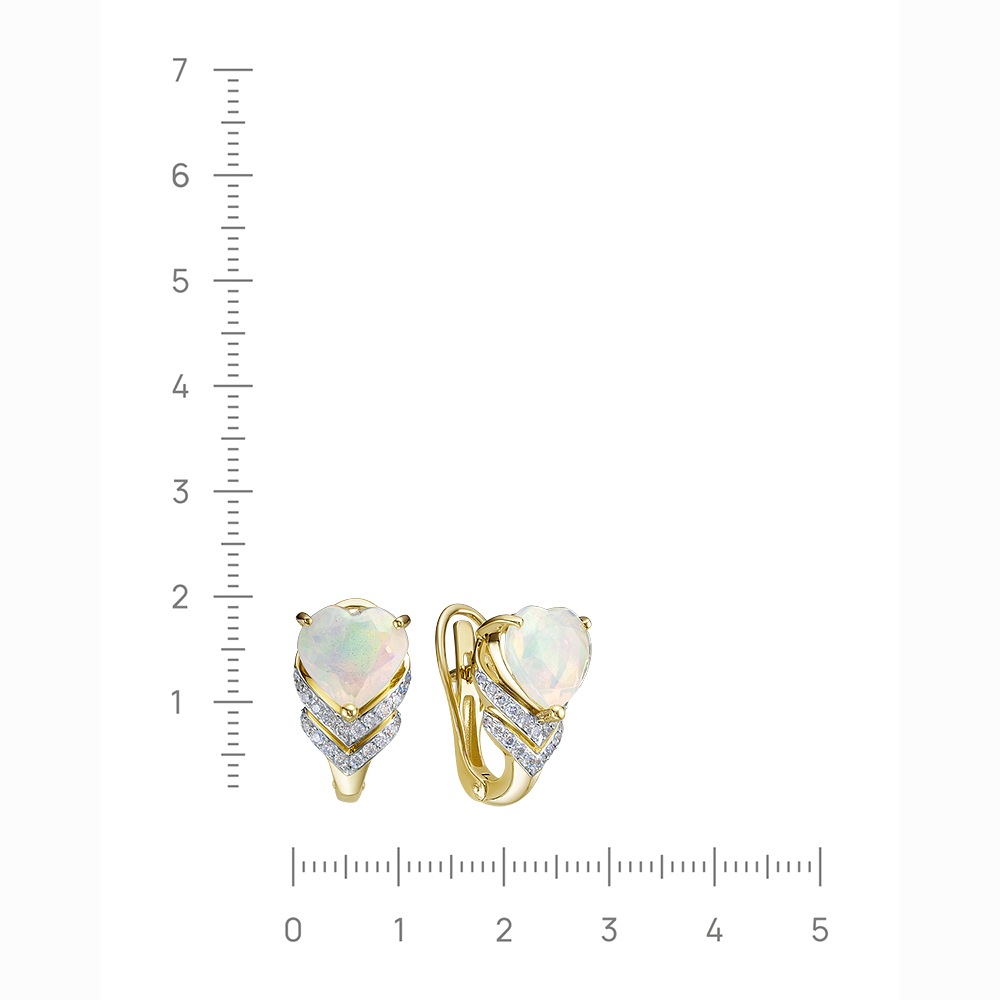

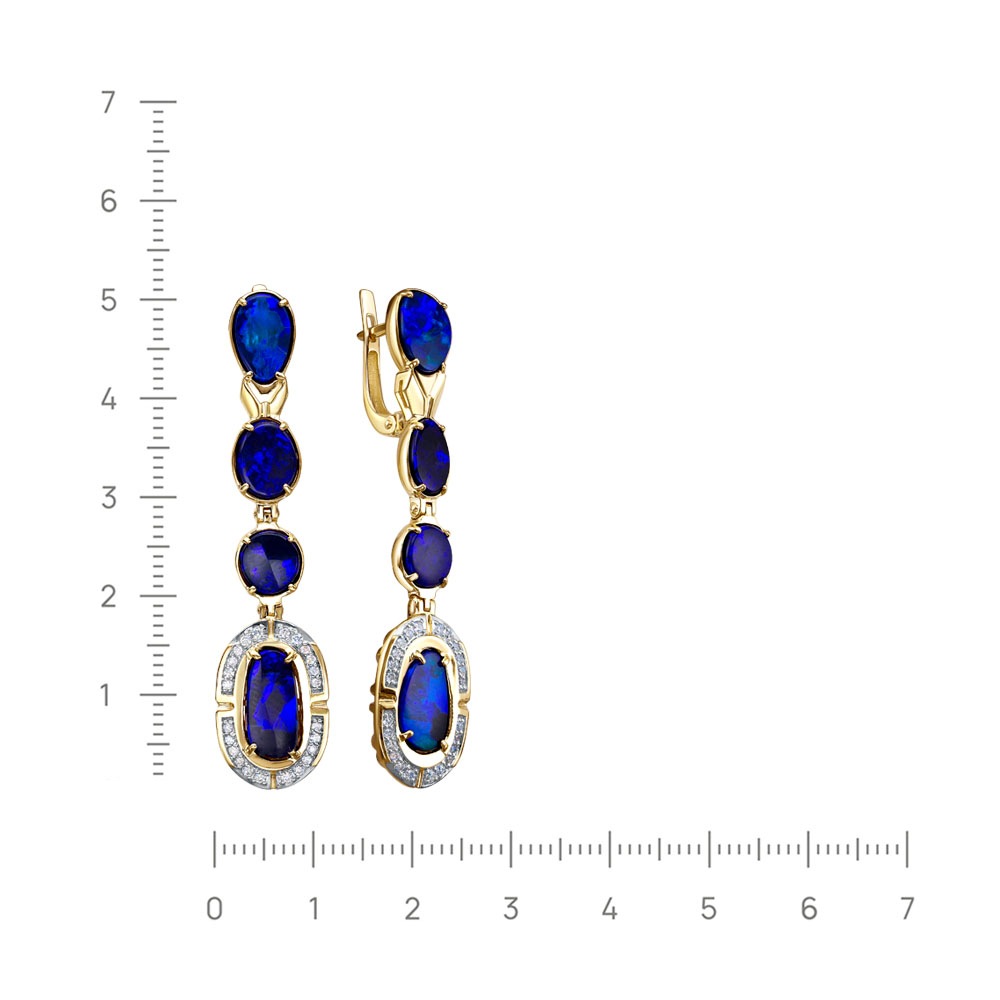
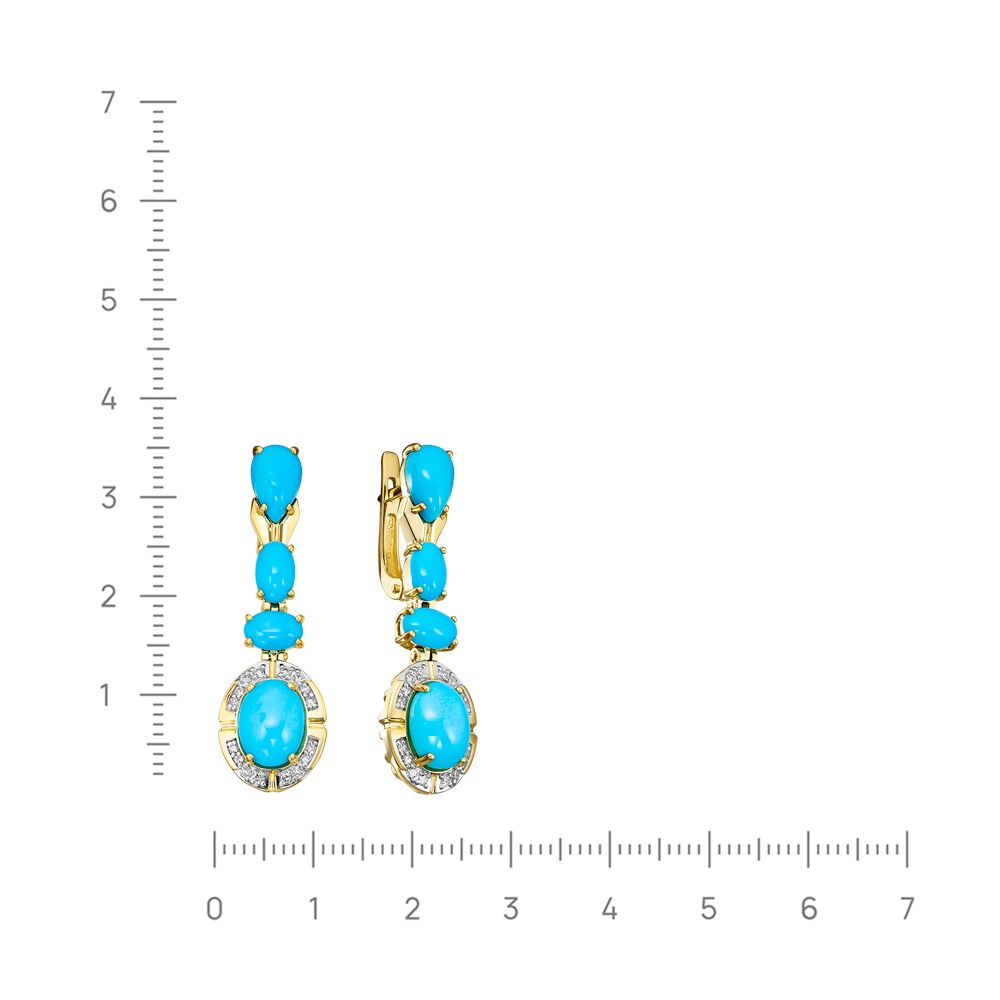
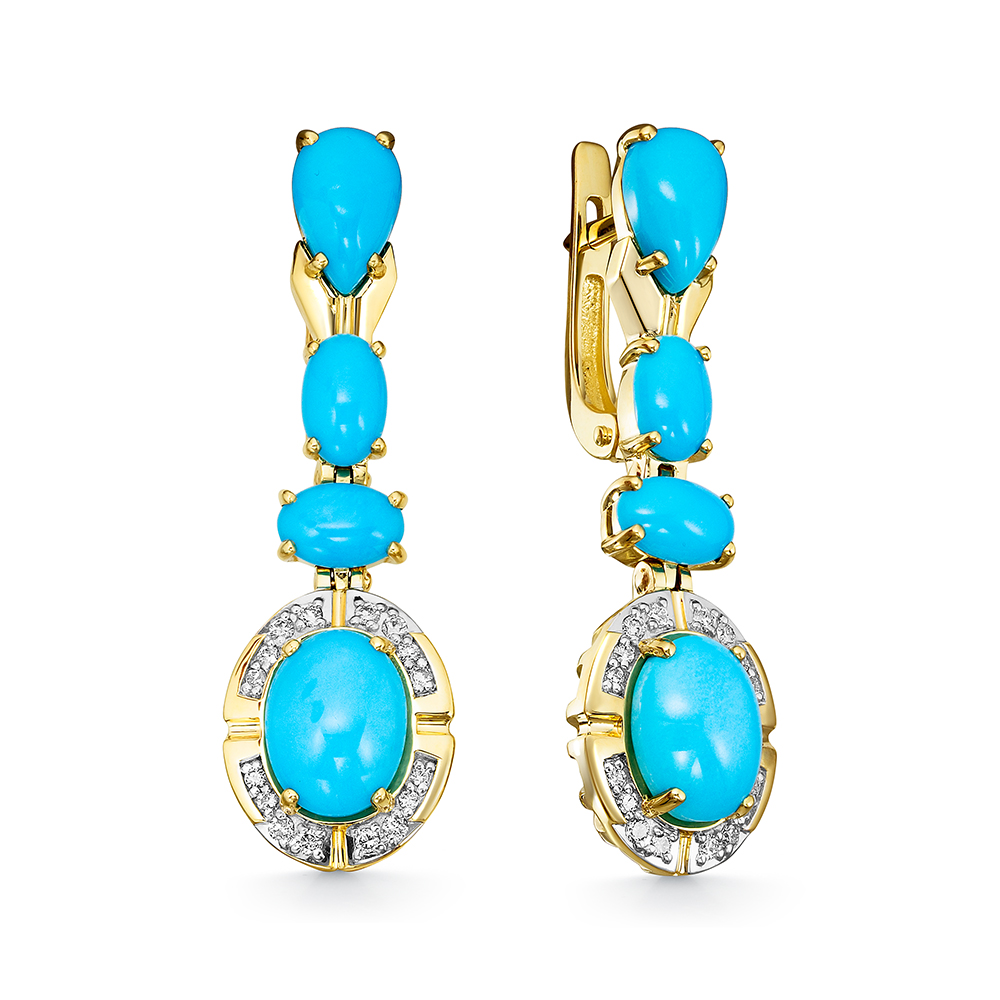

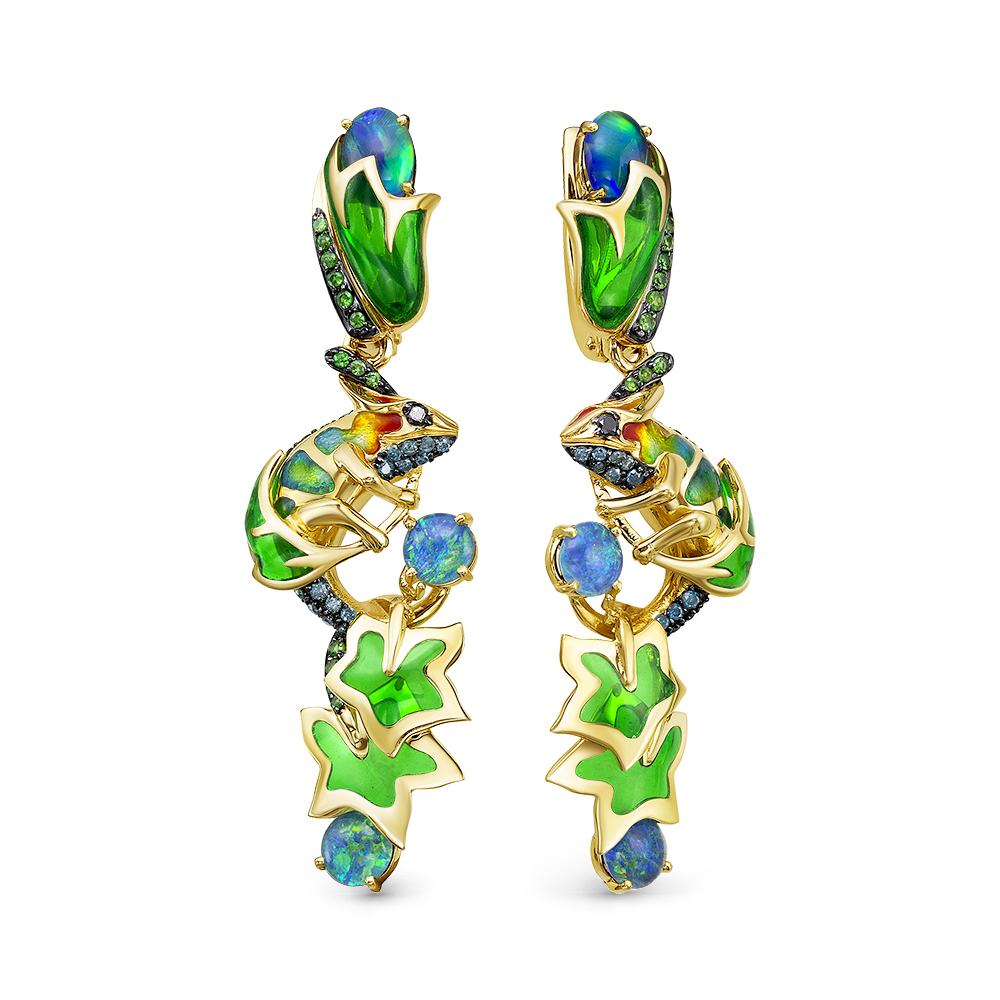
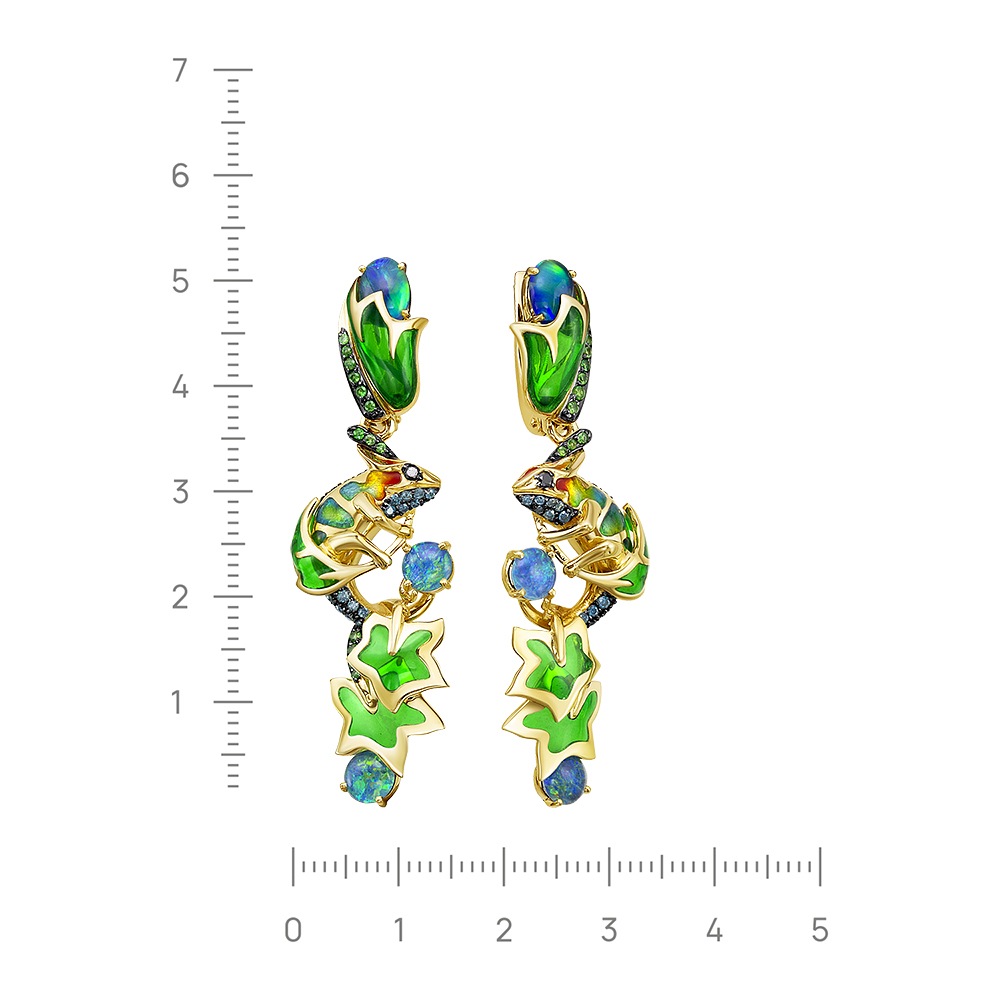

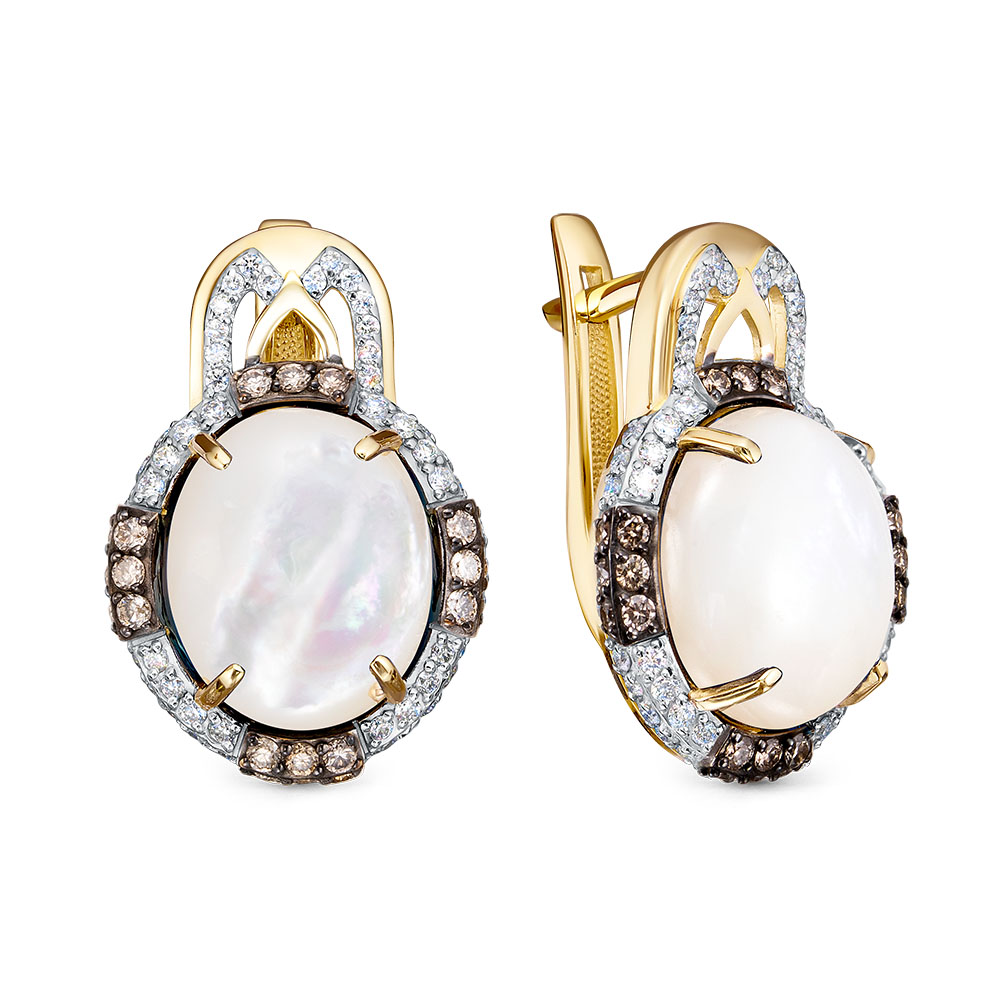
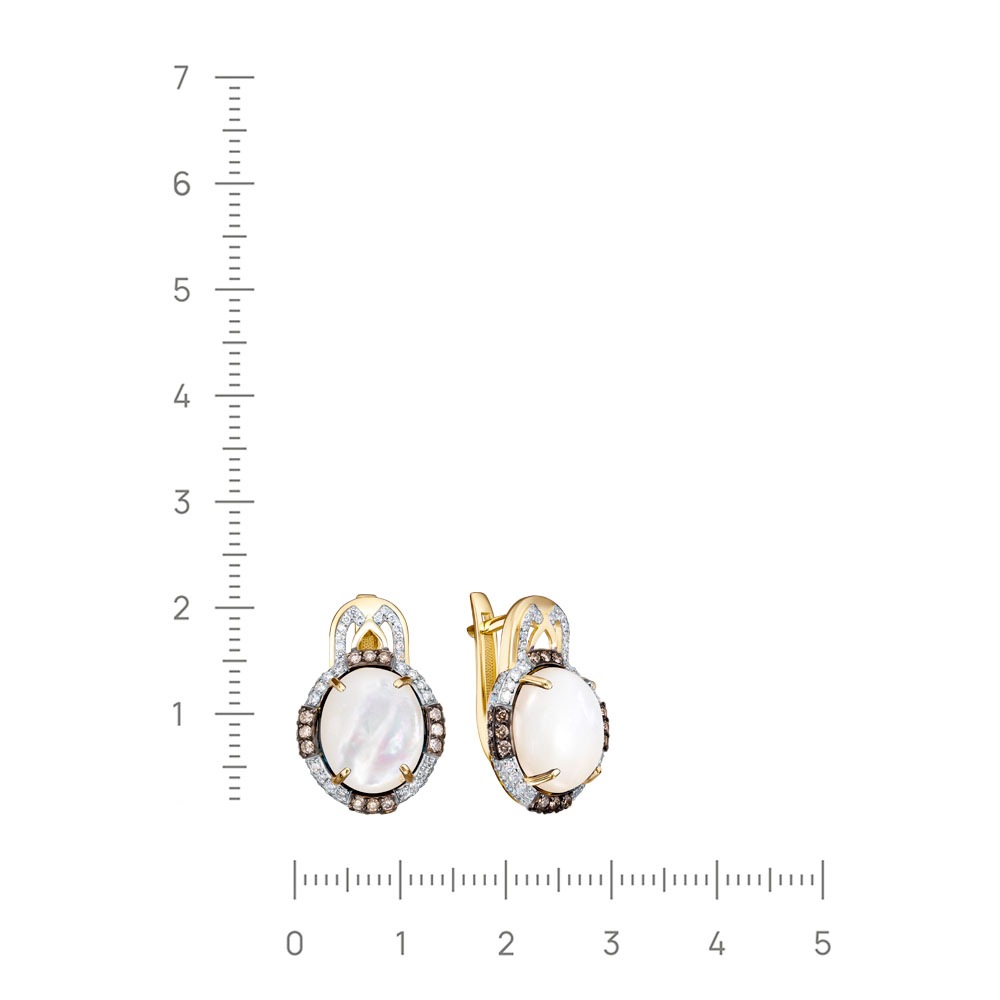
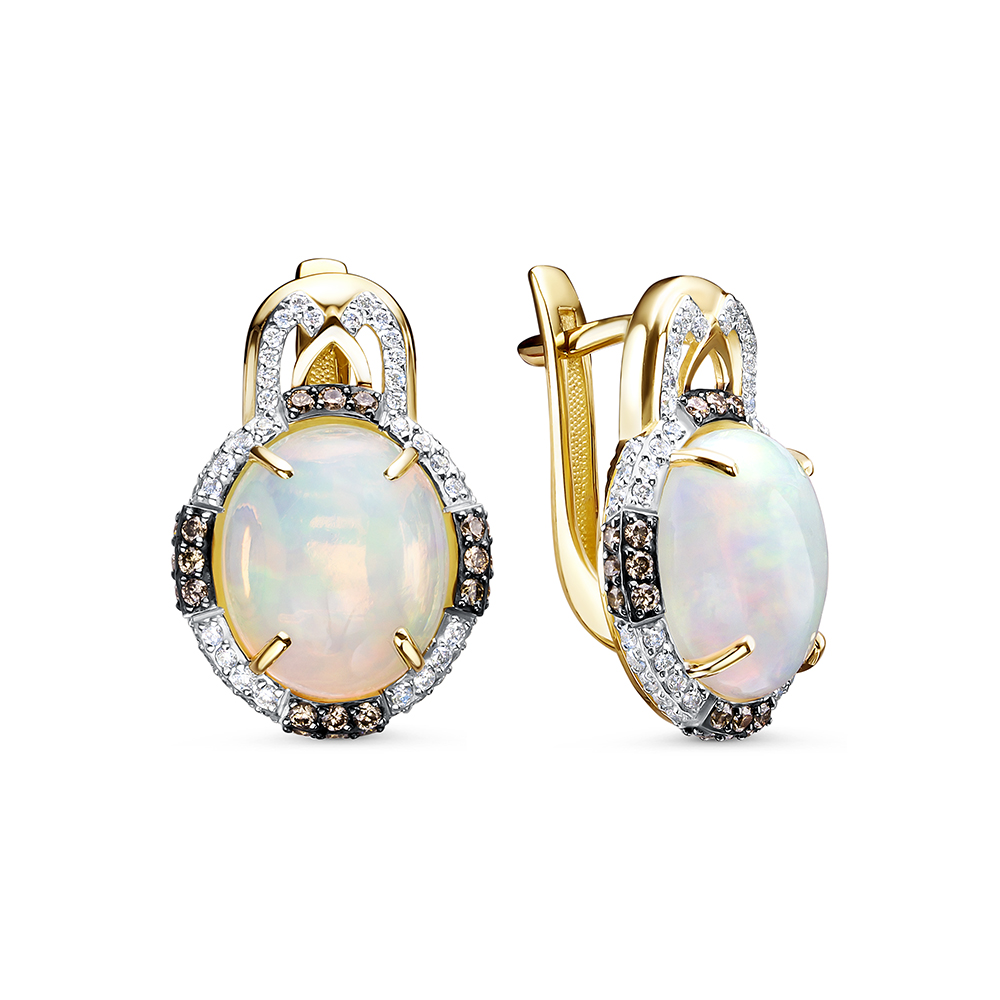
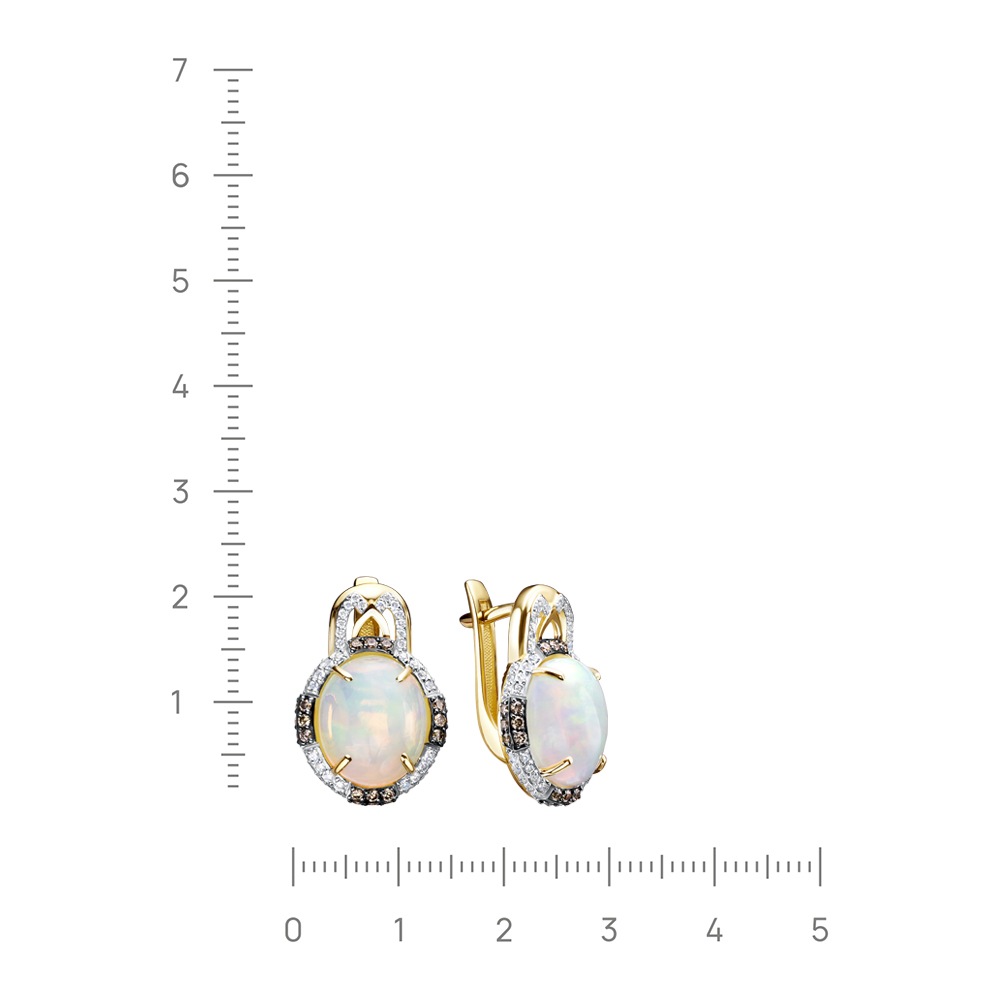

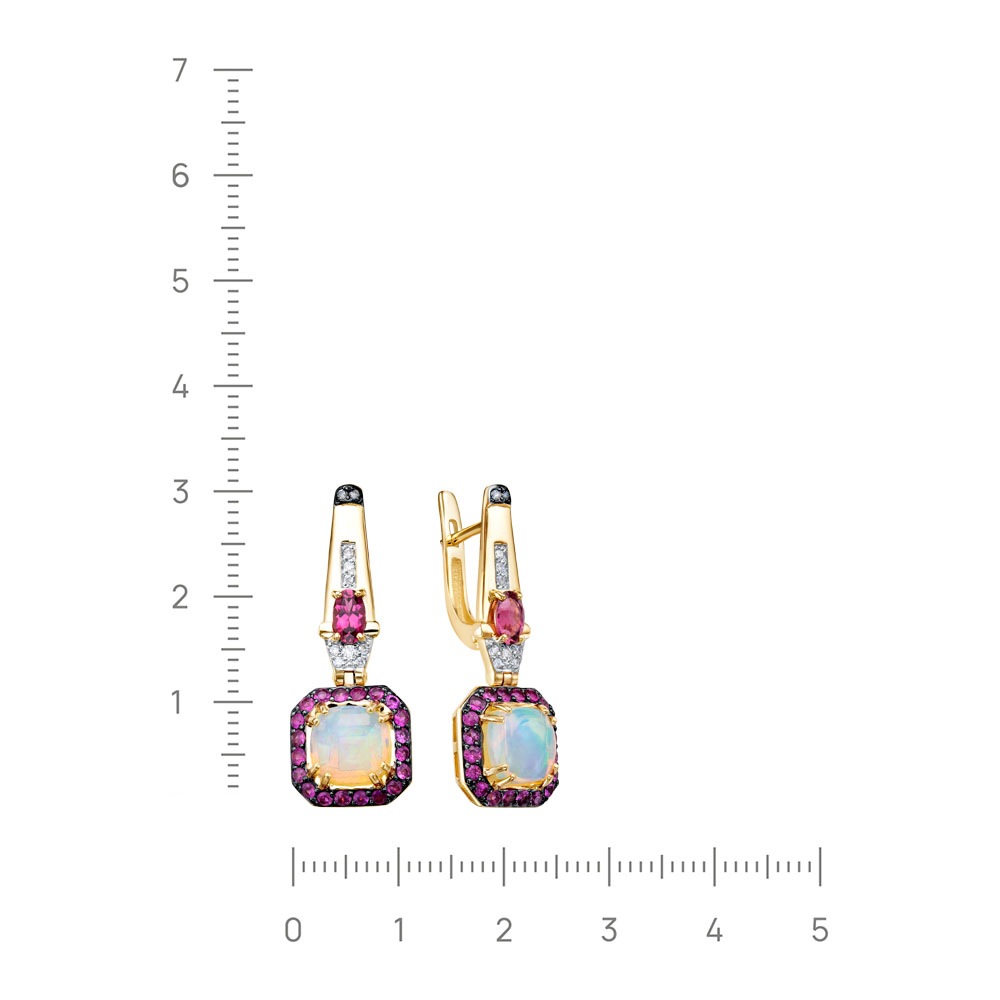

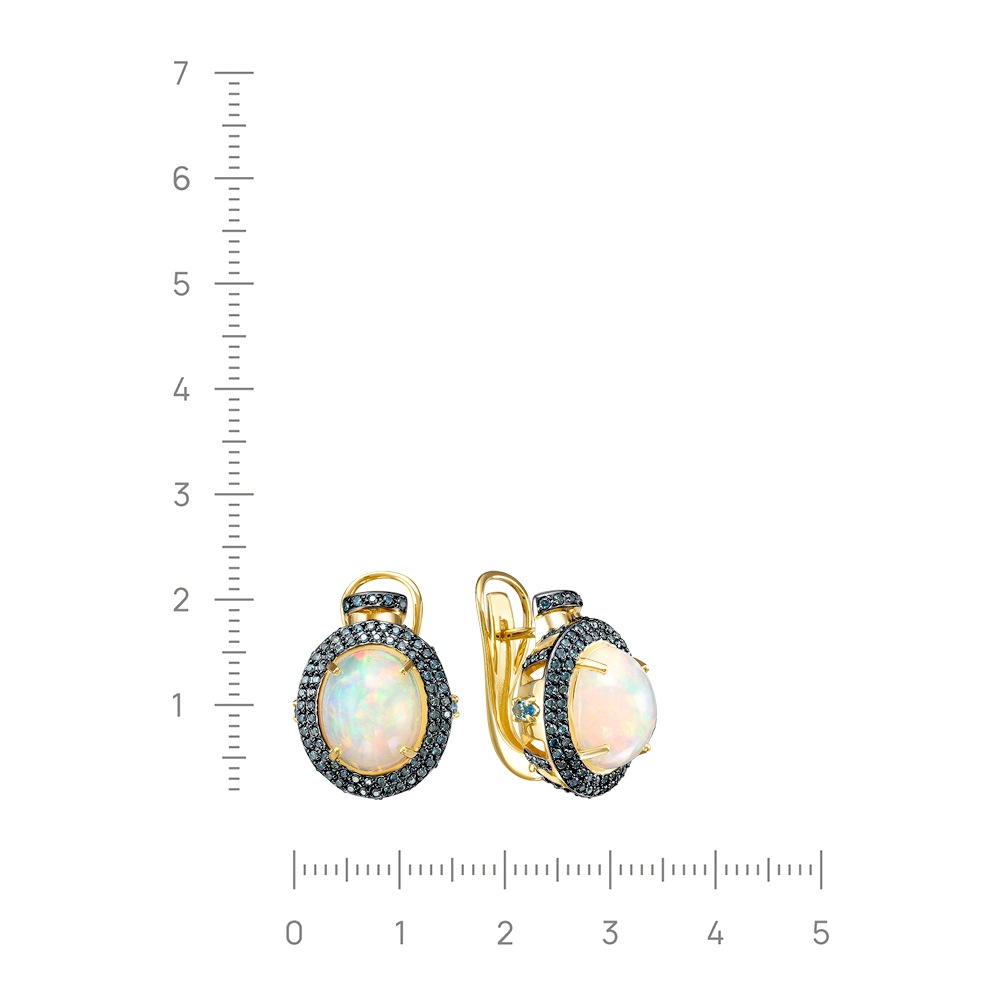
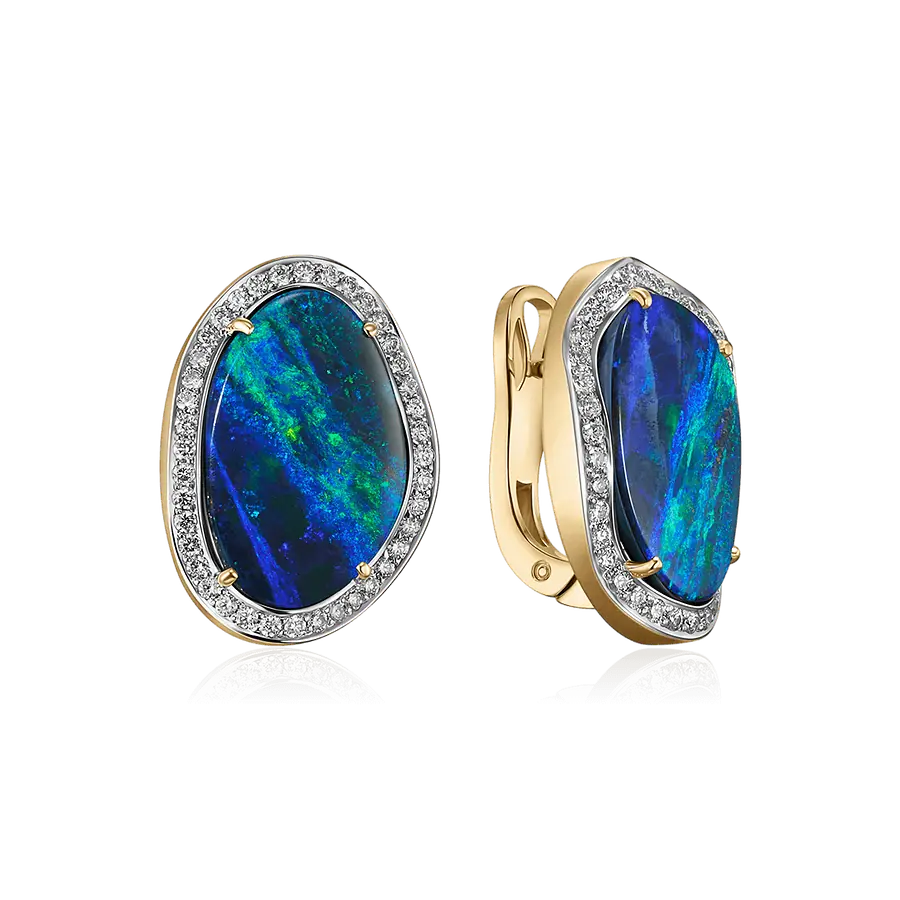
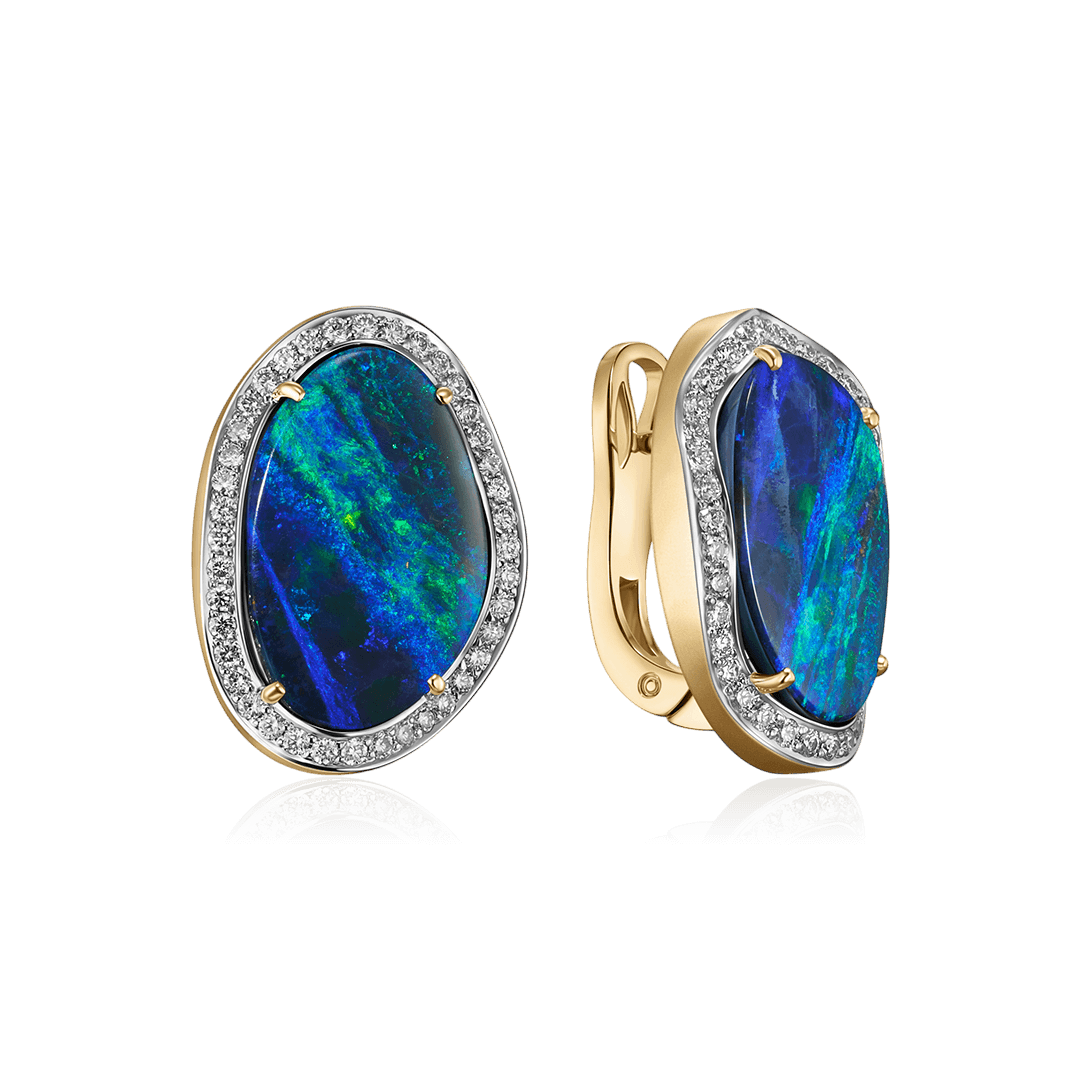
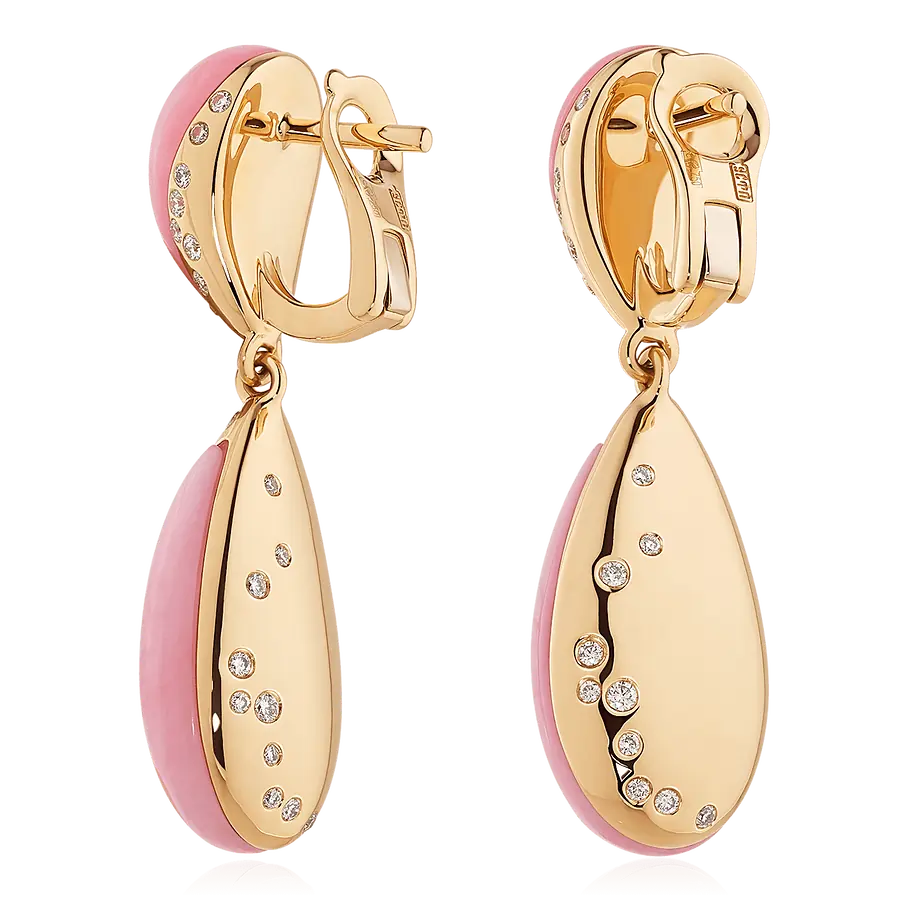
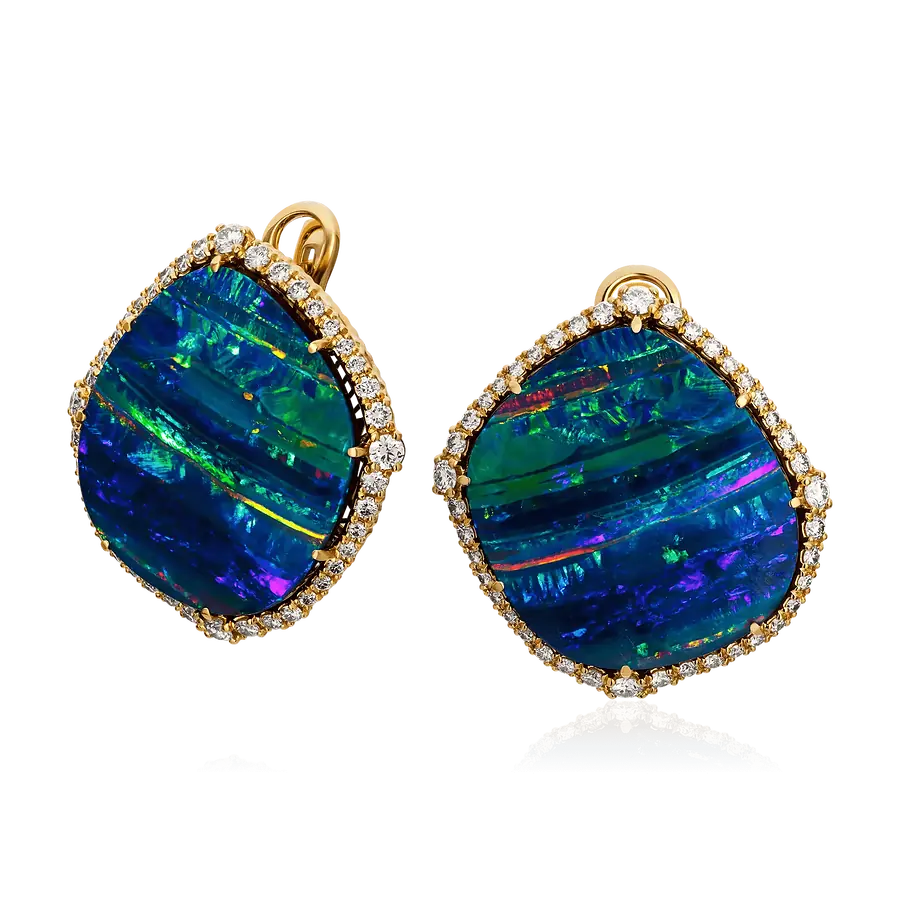
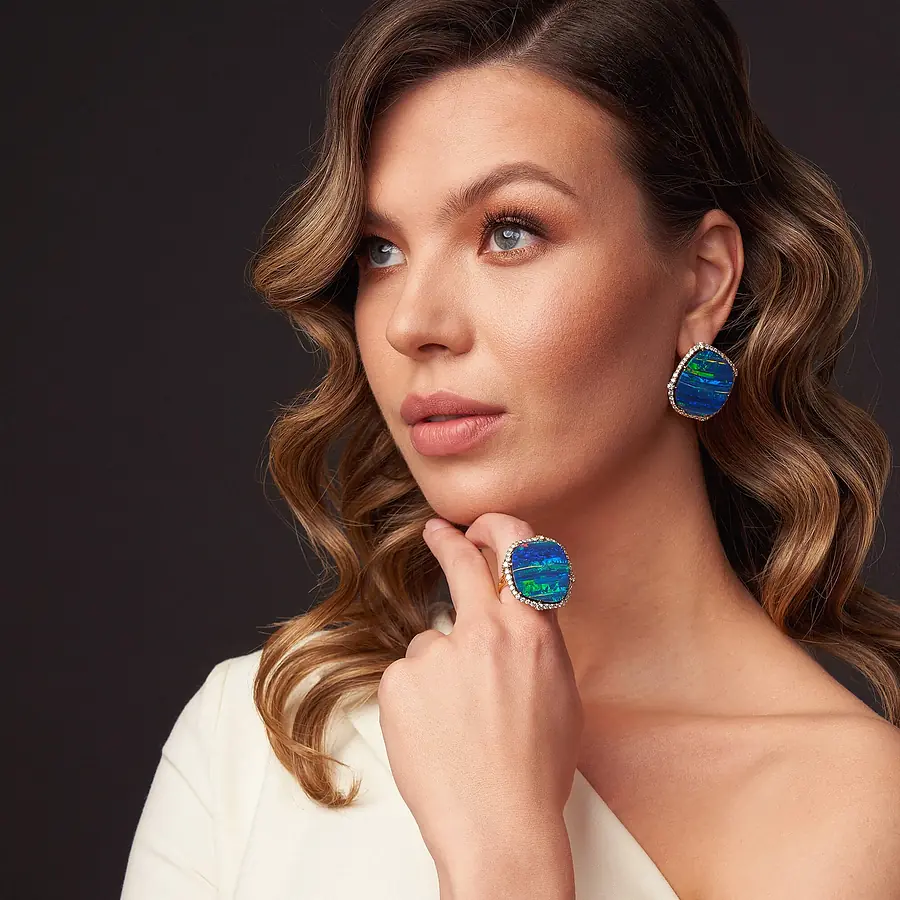
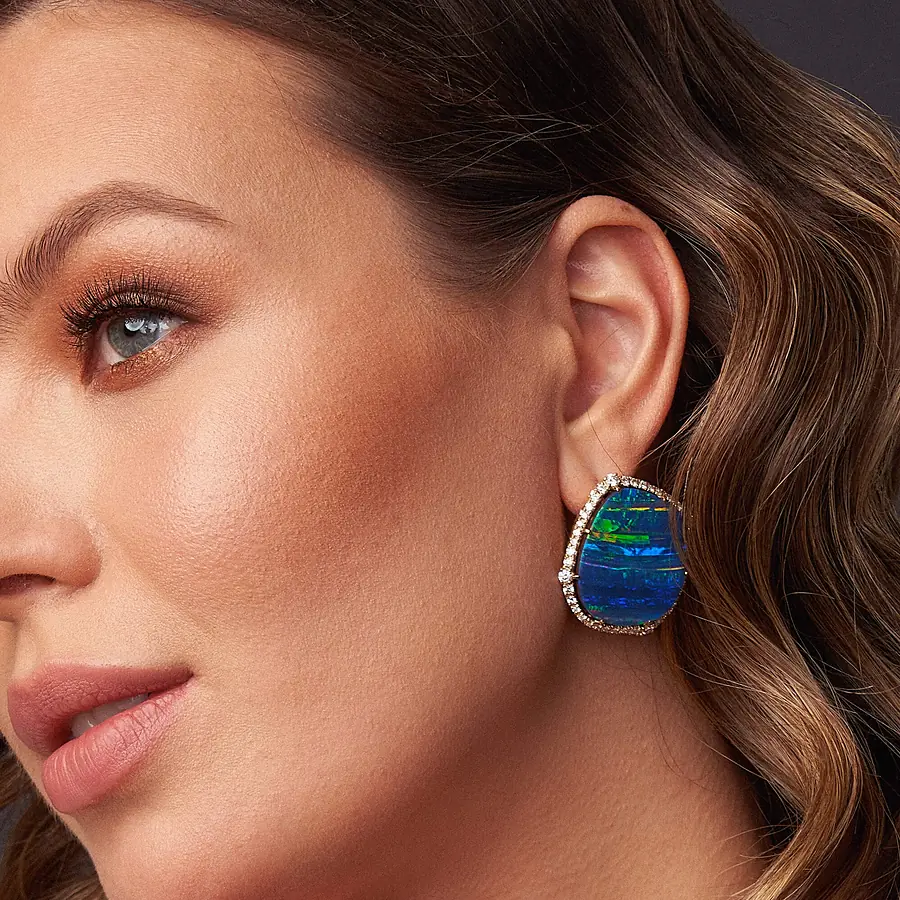
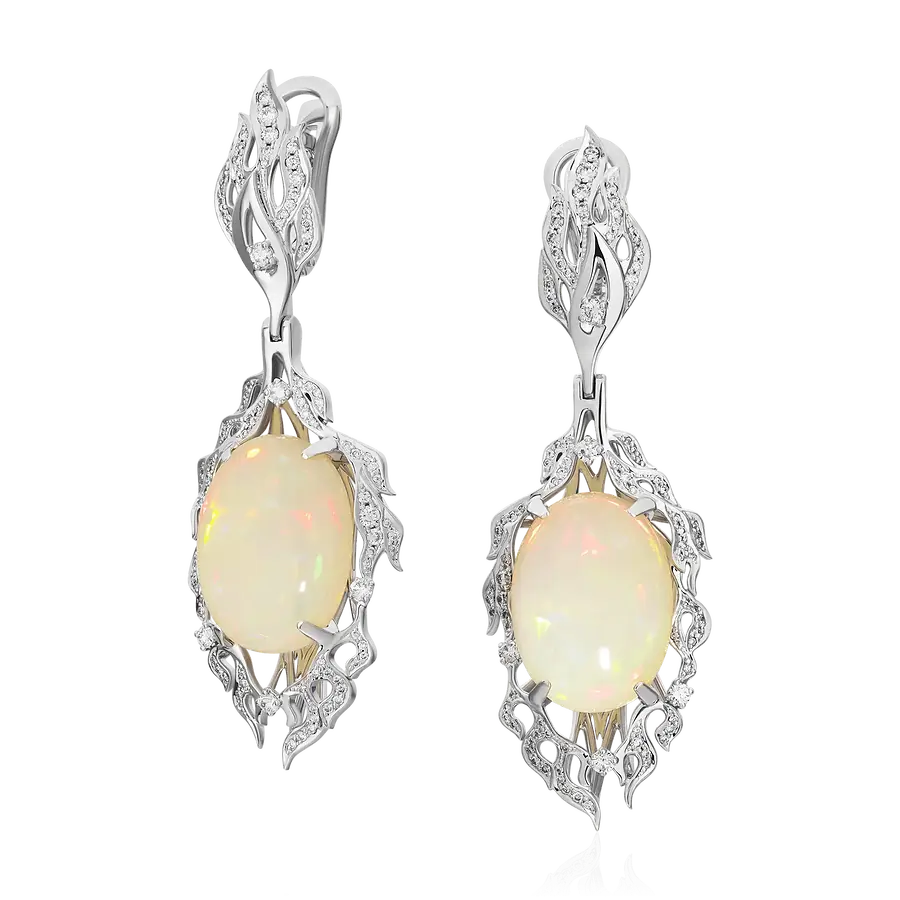
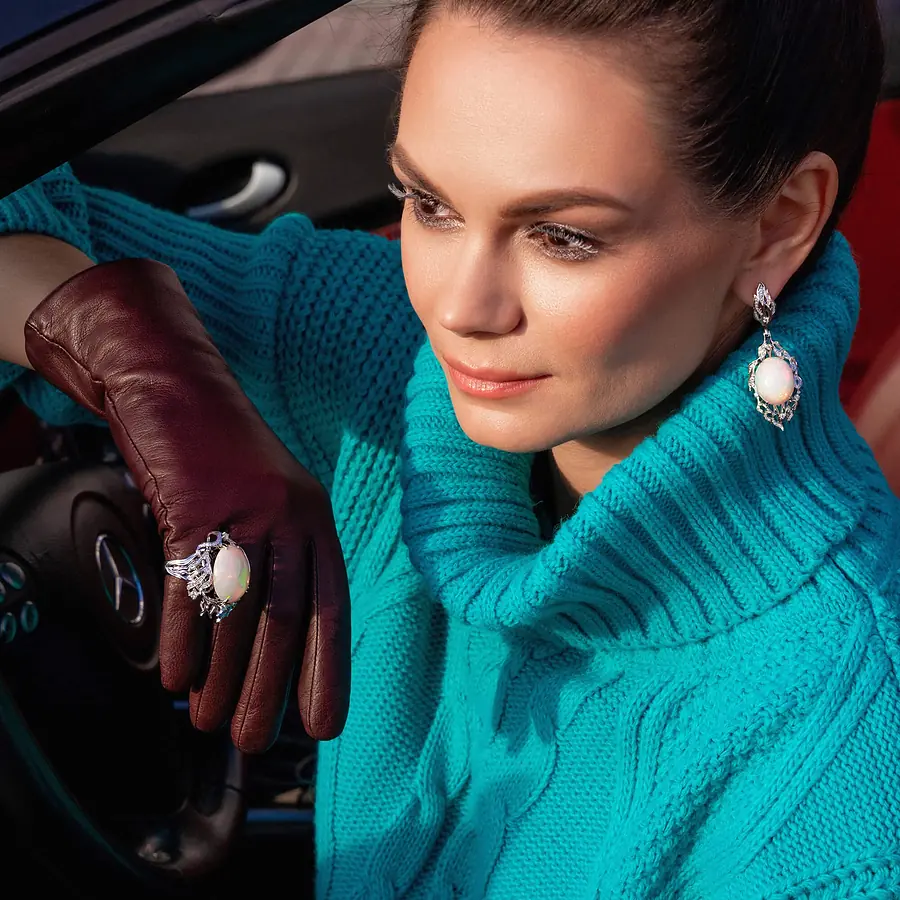
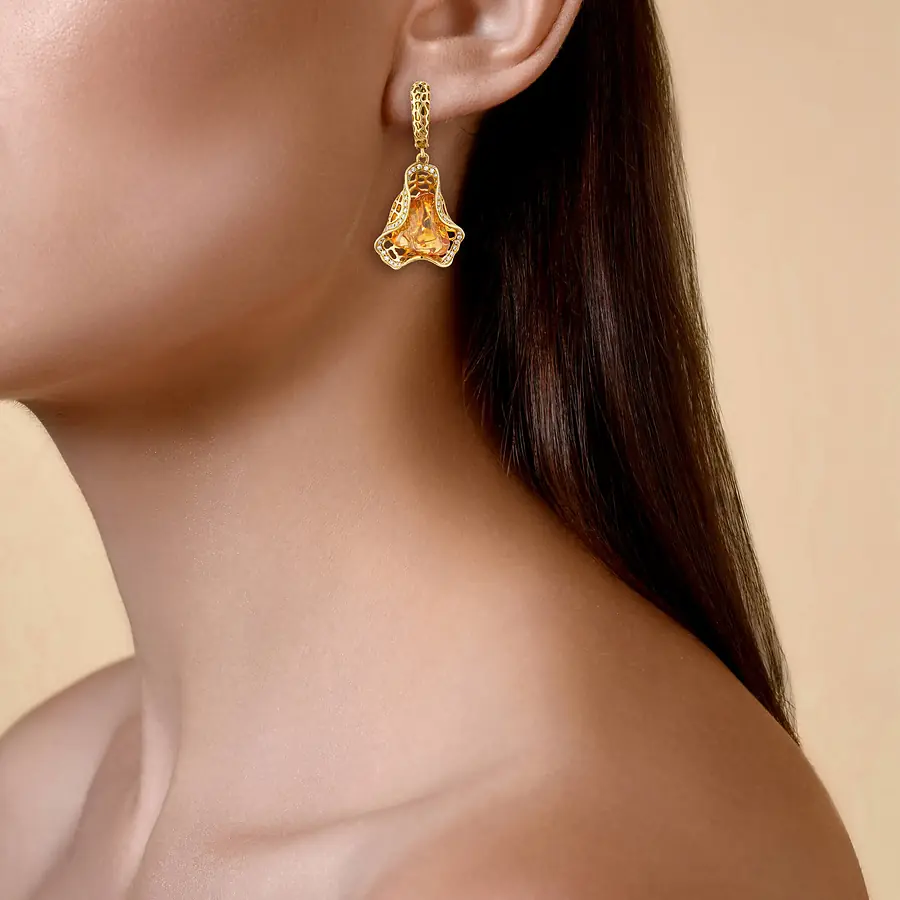
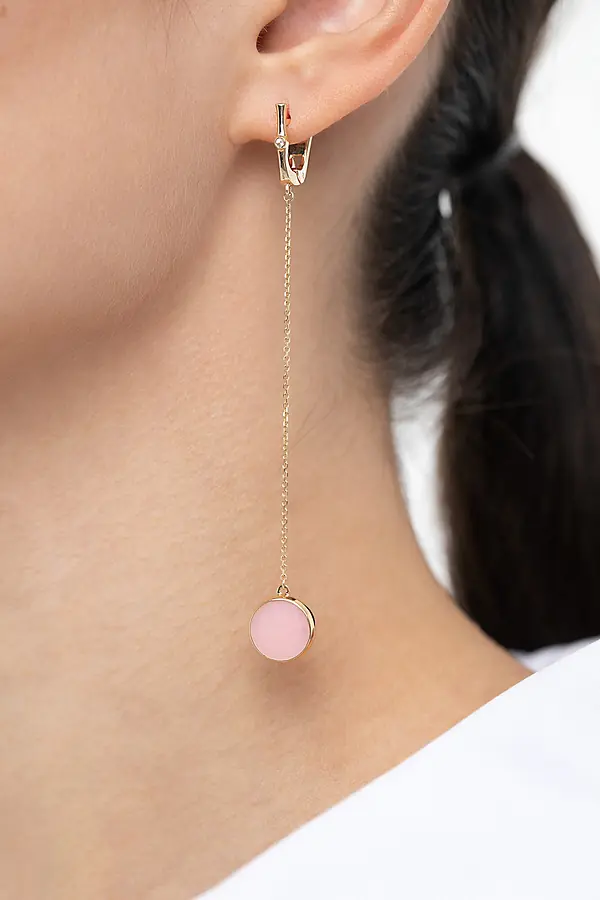
Opal earrings here almost always carry more than one stone: in 46% of the pieces, a sapphire, tsavorite, or topaz sits alongside. There are 54 designs, mostly in yellow gold, with a diamond surround on 72%.
Opal earrings here start at 134,950 ₽, the section median is 887,000 ₽. This is the highest median among earrings in the catalog, and the price is not set by the opal.
Opal on its own is not an expensive stone, and this is the main misunderstanding about this section. Opal earrings become more expensive for three reasons: the diamond surround (72% of pieces), accompanying colored stones and the complexity of designer work.
Section highlights:
There are no pieces under 100,000 ₽ in the section. If you are looking for opal earrings on a budget of up to a hundred thousand, this section won't suit you, and it is better to say so up front.
The share of pieces where opal sits alongside other colored stones is 46%. That is what sets this section apart: earrings with opal here are built around a composition, not around a single stone.
Most often the companion stone is sapphire, found in 41% of pieces. Tsavorite, topaz, amethyst and tourmaline also appear; a single pair of earrings may combine three or four kinds at once. The names speak for themselves: “Orchid earrings with opal, diamonds, tourmaline, ruby and colored sapphires” and “Earrings with sapphire, diamonds, tsavorite and opal.”
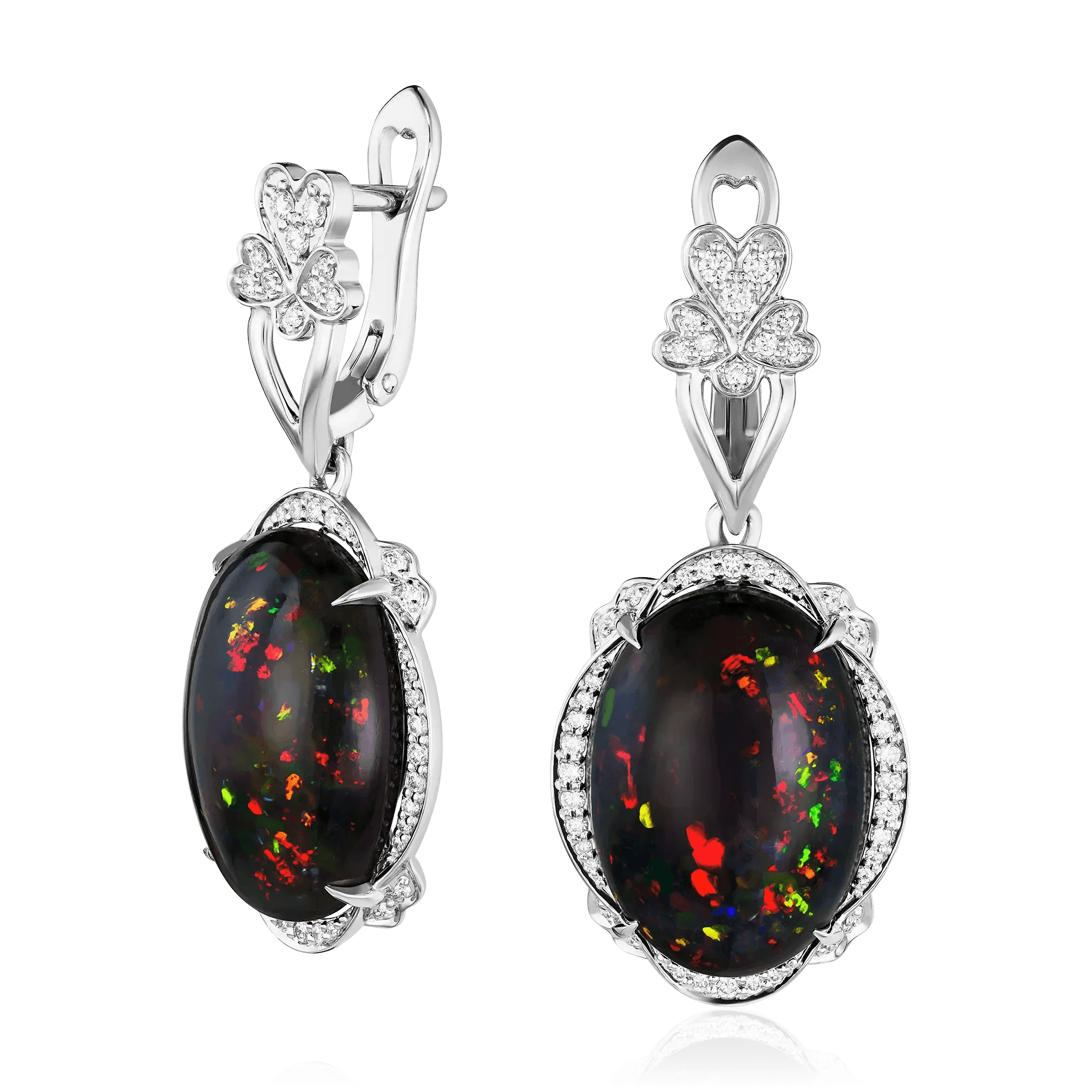
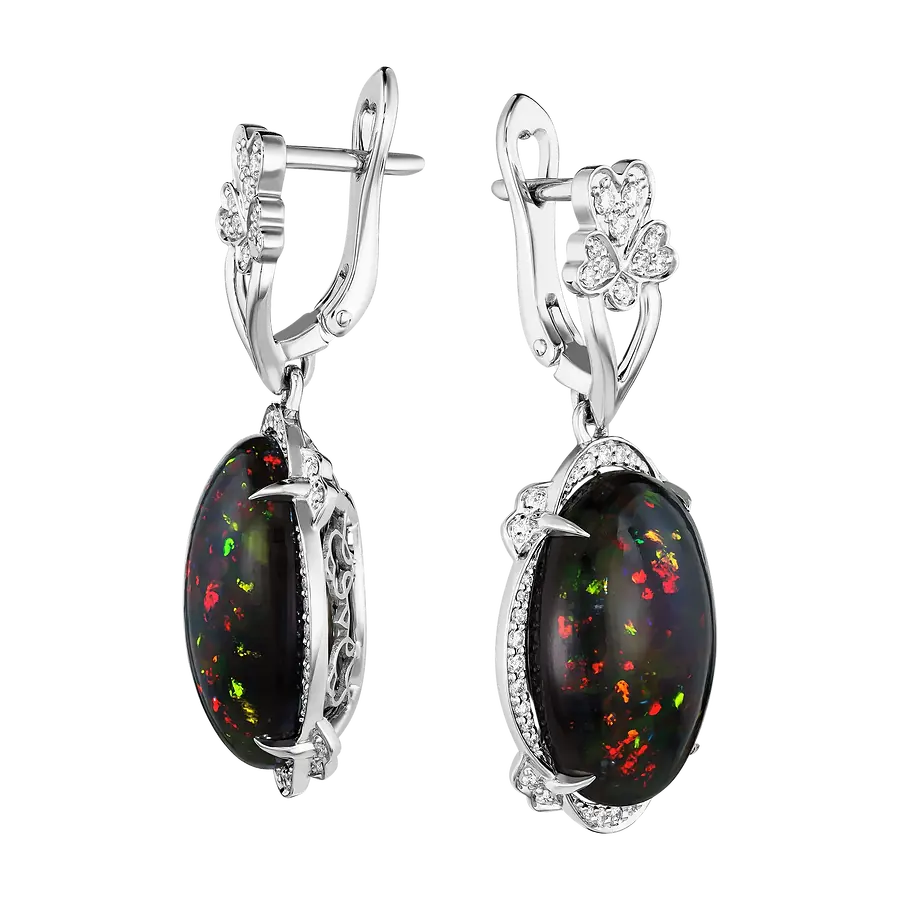
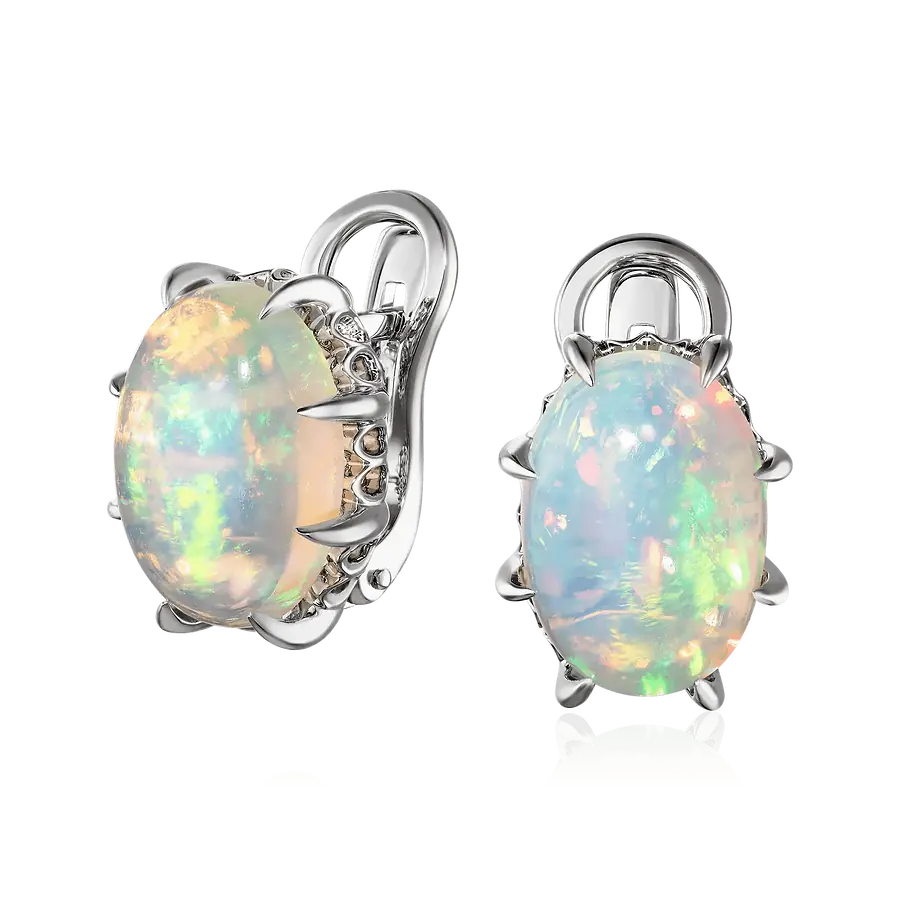
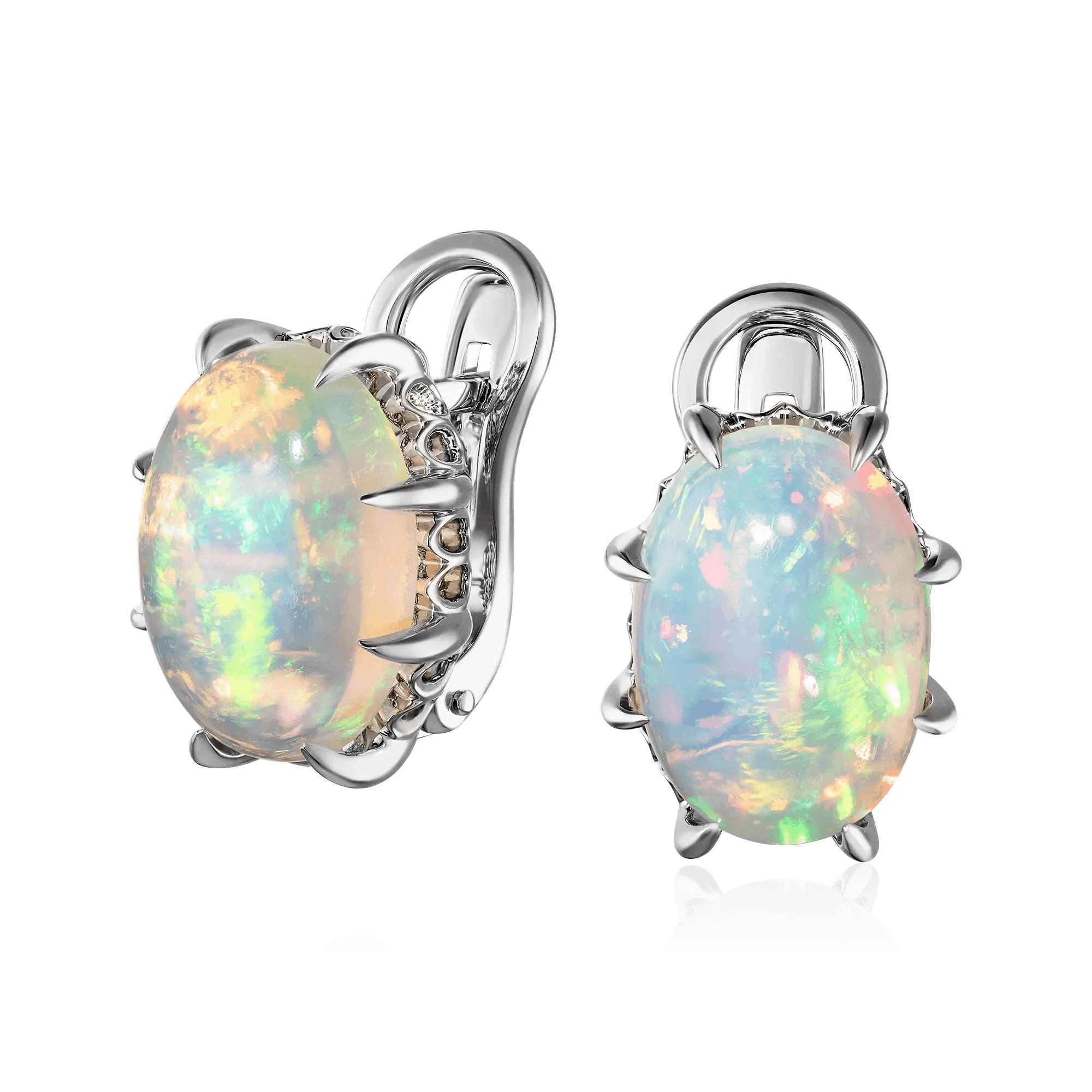
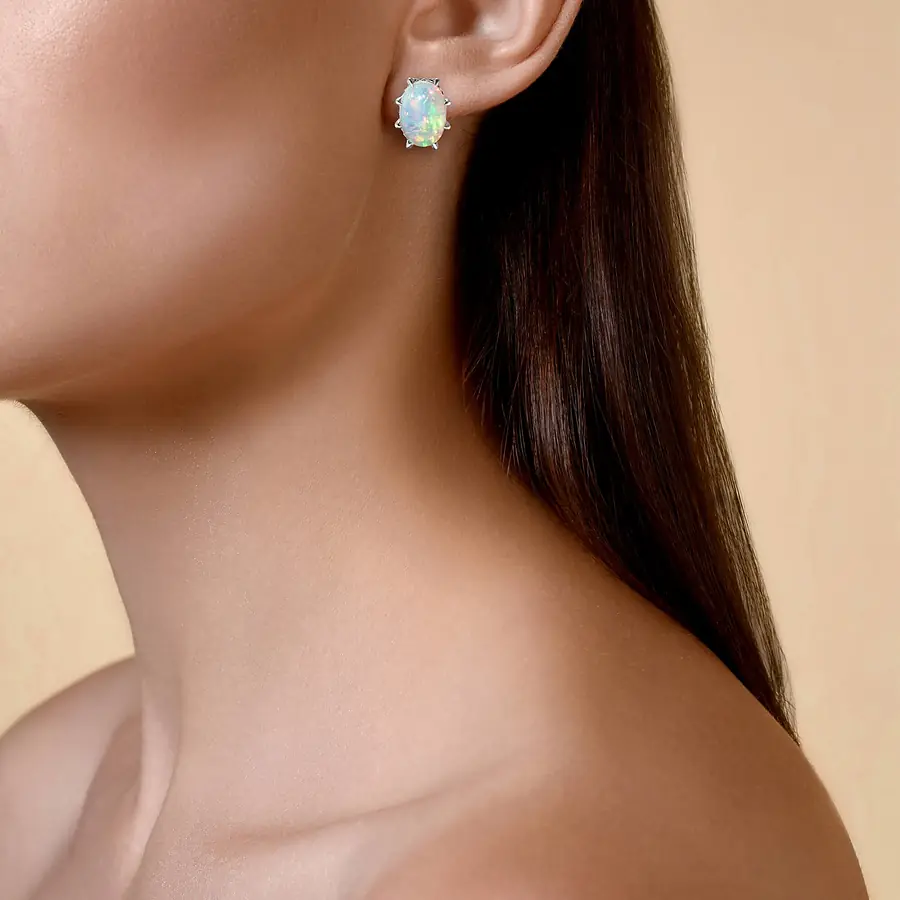
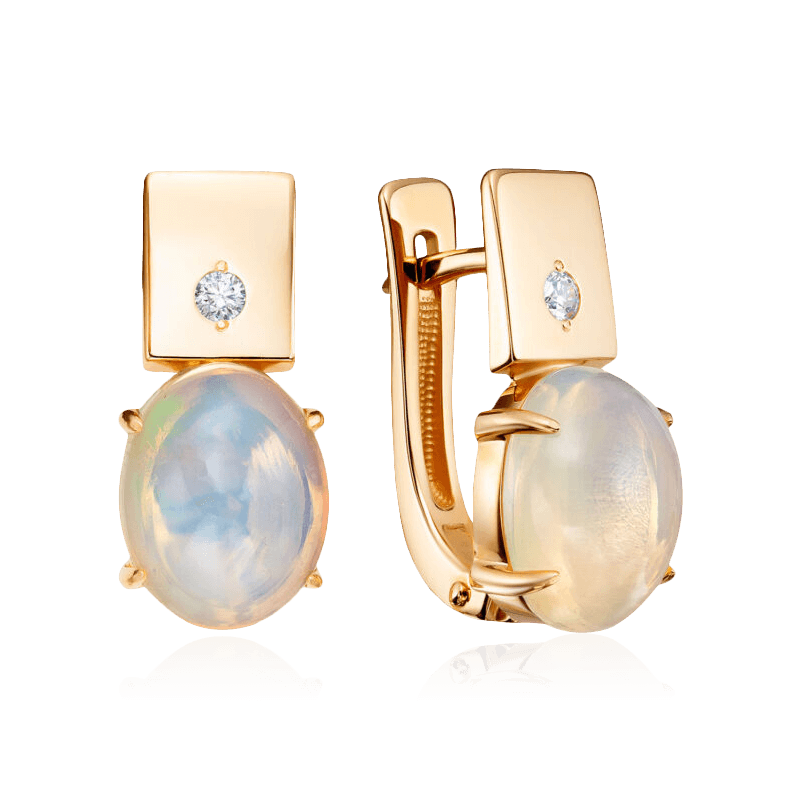
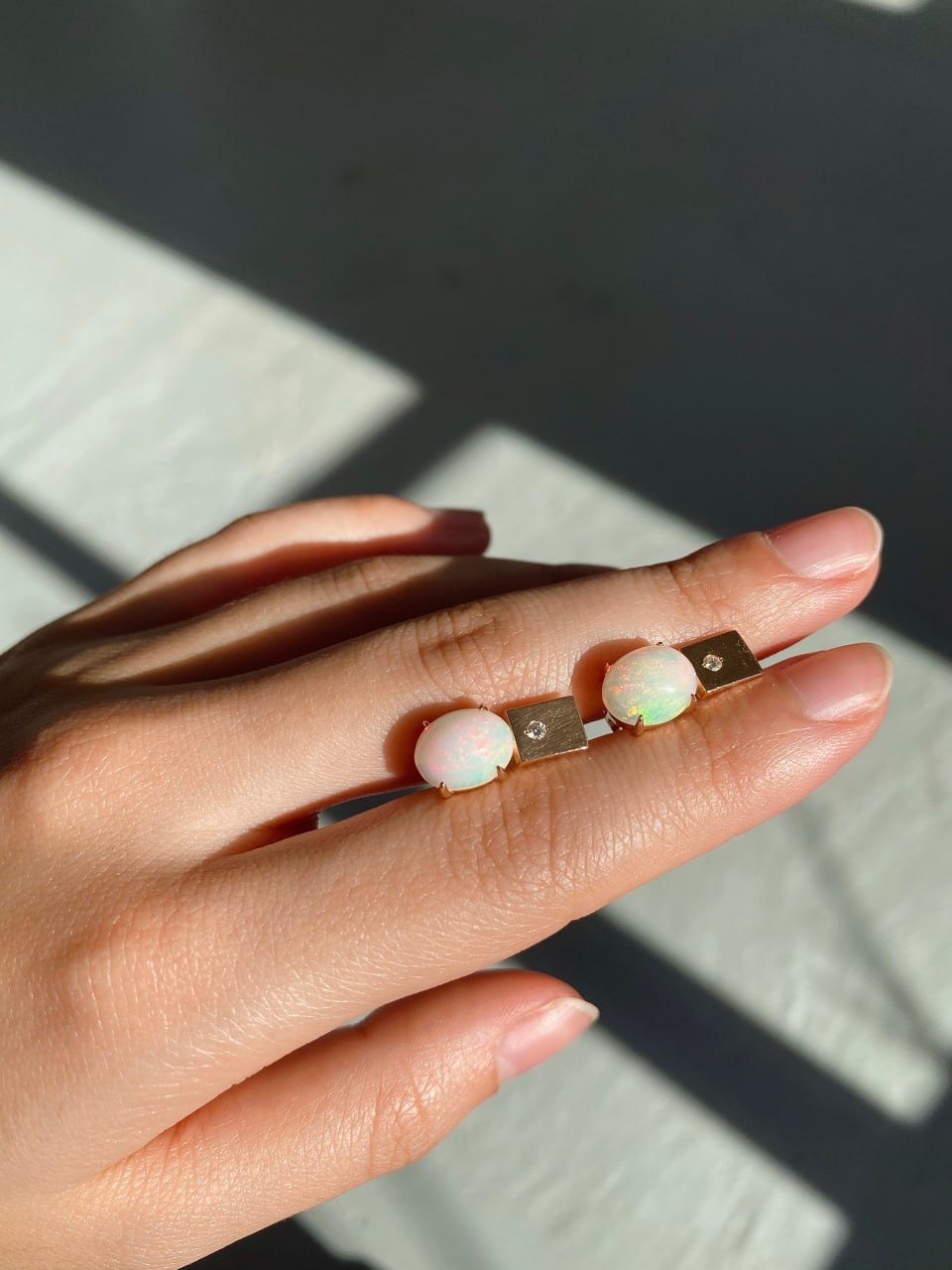
The reason for this approach lies in the stone itself. Opal is not faceted: because of its amorphous structure it has no facets, and it reflects light not with edges but through its inner play of color. Next to faceted stones this works as a contrast: diamonds give sharp flashes, opal a soft shimmer. Opal earrings without such company look modest, while in a composition the stone comes into its own.
Hence the price: the buyer pays not for the opal but for the craftsmanship and the other stones.
Opal is not a crystal but a hardened hydrated silica, an amorphous mineraloid with no crystal lattice. It contains from 3 to 21% water. That is why opal earrings need different handling than jewelry with corundum or beryl.
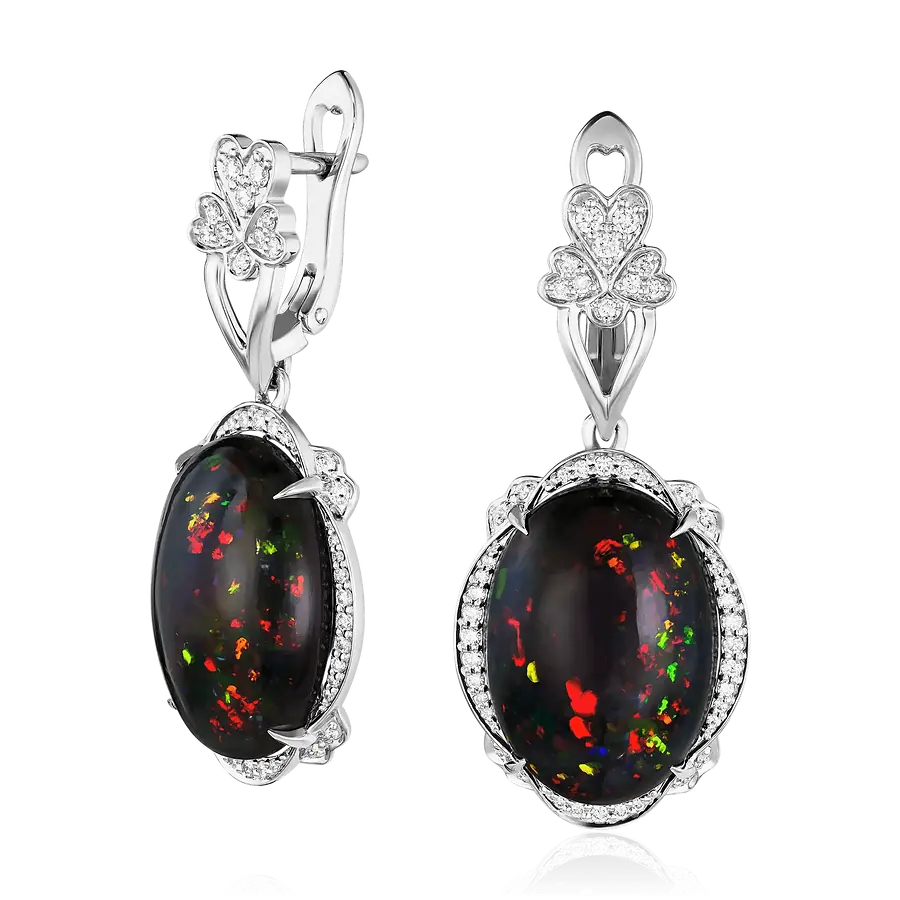
The play of color, known as opalescence, comes from the diffraction of light on ordered microspheres of silica. The size of these spheres determines which colors are visible: small ones give blue and violet, large ones give red. That is why red play of color is rarer and more highly valued.
Precious opal is the name for opal that shows this play of color; common opal lacks it and costs incomparably less. All earrings with opal in this section feature precious opal. Collected separately are light blue and pink — 60 items in each subsection.
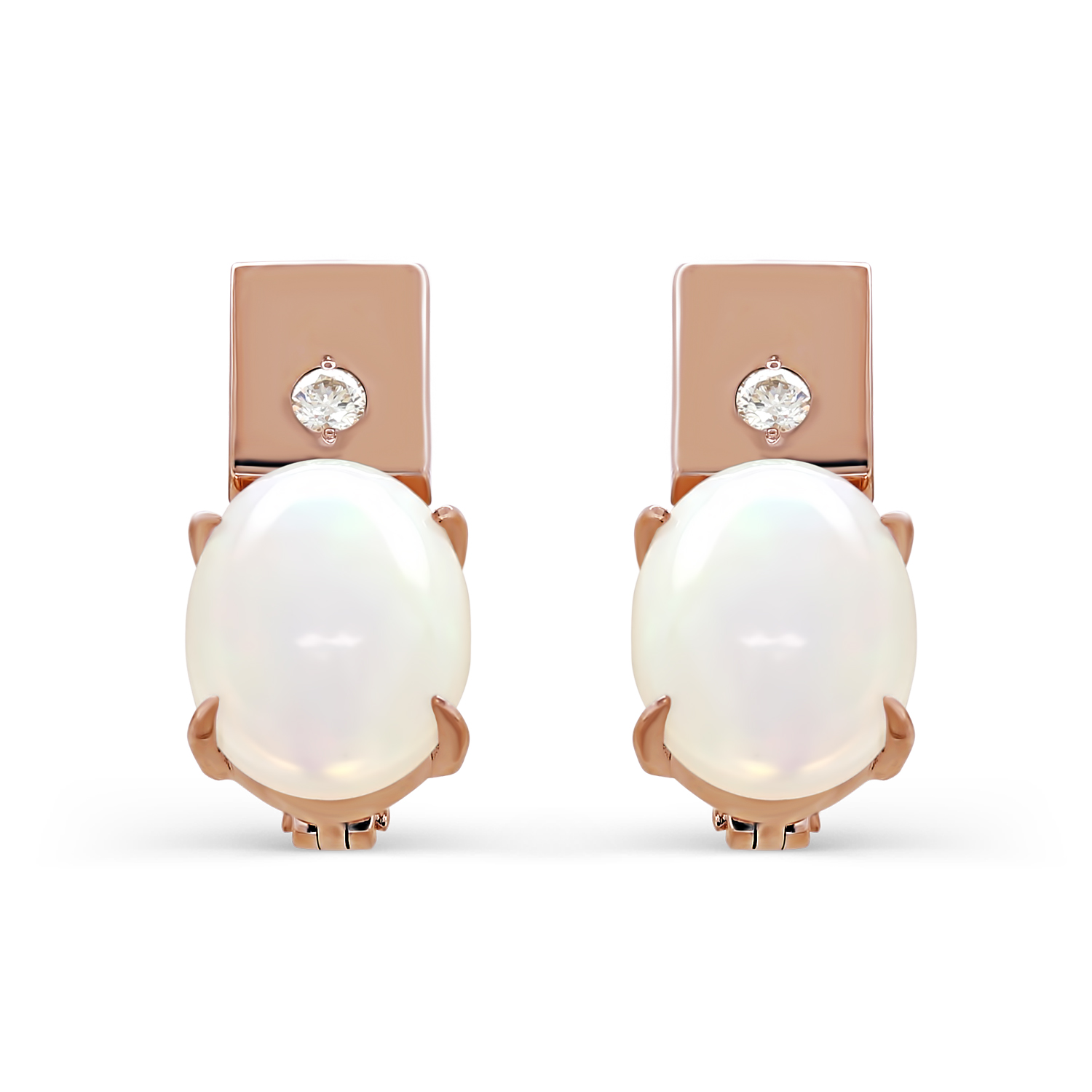
Opal is cut only as a cabochon, a smooth dome. Faceting makes no sense on it: the play of color comes from within, and facets do not enhance it but destroy the pattern.
Fineness is the share of gold in the alloy: 14K gold (585) is 58.5%, 18K gold (750) is 75%. In this section, 63% of pieces are 14K gold (585) and almost 30% are 750, a share of high-karat gold four times higher than in the diamond sections.
The section stands out most sharply by metal color: yellow gold takes up 68.5%, white is 17%, and red is represented by a single piece. There is no such imbalance anywhere else in the catalog.
The reason is aesthetic. Opal gives a warm, milky glow with shifting colors, and yellow metal supports it, while cool white metal competes with it, making the stone look dull beside it. That's why opal earrings in white gold are chosen when the design includes diamonds and a single cool metal tone is needed.
The section has four pieces, all silver, from the Little Prince collection, with opal, pearl and quartz.
A doublet is a thin slice of natural opal glued onto a dark backing; a triplet is the same, but topped with a transparent dome of quartz or glass. The method is common and not fraudulent in itself, but such a piece costs several times less than one made of a solid stone.
You can tell by the edge: a doublet shows a glue line, while in a solid opal the color transition is continuous. In a piece with a closed setting the edge cannot be seen, so you should ask before buying. The opal earrings in this section are all made with solid stones.
The main deposits are in Australia (about 90% of the world's precious opal), Ethiopia and Mexico. Ethiopian opals are less expensive than Australian ones but hydrophane: they absorb water and temporarily lose their play of color, which returns once they dry. This is not a defect, but it's something worth knowing.
Synthetic opal is manufactured, and its structure replicates natural opal. Only a gemologist can recognize it, by the characteristic "lizard skin" pattern on a cut section. In earrings with closed settings this check is impossible altogether, so you have to rely on the seller's reputation and the documents.
Opal's hardness is 5.5–6.5 on the Mohs scale, making it the softest stone in the entire catalog. For comparison, sapphire is 9 and emerald is 7.5–8. Opal earrings can be scratched even by grains of sand in household dust, and this is no exaggeration.
This leads to strict rules:
Even in earrings where the stone is sunk into a closed setting, these rules apply in full: the setting protects only against side impacts.
Drying out is a separate danger. Opal earrings lose water when stored for a long time in a dry, hot place, and the stone becomes covered in a network of fine cracks: this is called crazing and cannot be cured. Do not keep the piece in direct sunlight or near a radiator.
Once a year, have a master check the setting: a complete service costs 4,990 ₽.
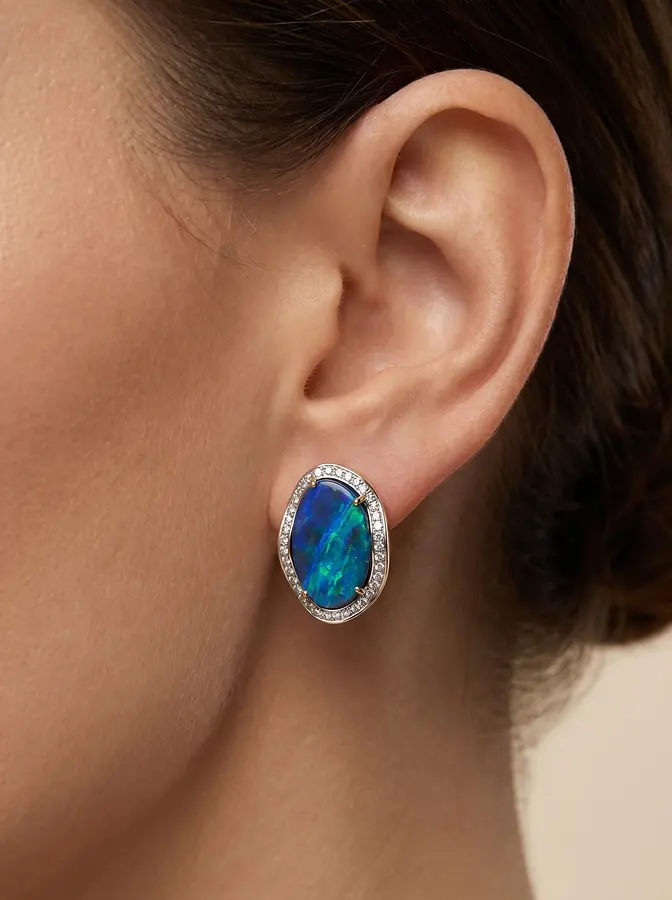
You can try on earrings with opal in Moscow at our boutique at Nikolskaya 10, near Lubyanka metro station, in the Nikolskaya Plaza shopping center, 2nd floor. In this respect opal is different from all other stones: its play of color simply cannot be judged from a photograph. A photo captures one angle and one kind of light, while the whole point of the stone is how the pattern shifts as you turn it. Take an earring in your hand and turn it toward the window: that is how you will see what you are paying for.
In Moscow, our courier delivers your order free of charge within 1-3 days, with a fitting on the spot: you pay only after trying it on, and you may decline the order. Across Russia we deliver via CDEK and Spetssvyaz in 1-9 days, free on orders over 50,000 ₽; parcels are sealed and insured.
The store has been open since 2008 and has won the industry award three times, in 2015, 2017 and 2020. The boutique is registered with the Assay Chamber of Russia: every piece bears the hallmark and the manufacturer's maker's mark. Stones and metal carry the store's lifetime warranty. Exchange is possible within 7 days if the piece is complete with all its packaging. Engraving is 3,190 ₽.
From 134,950 ₽, with a section median of 887,000 ₽. The price is set not by the opal but by the diamond surround, accompanying stones and the complexity of the work: there are no pieces under 100,000 ₽ in this section.
Opal is not faceted: it reflects light through its inner play of color, not its edges. Alongside faceted stones this works as a contrast: diamonds give sharp flashes, opal a soft shimmer. In 46% of the pieces there is a second or third colored stone alongside.
A doublet is a thin slice of opal on a dark backing, and a triplet is the same plus a transparent dome on top. Such pieces cost several times less than solid stone. You can tell by the glue line on the edge, but with a closed setting it cannot be seen, so ask before buying.
Absolutely not. Opal is the softest stone in the catalog, 5.5–6.5 on the Mohs scale, and cracks from vibration. Only a soft damp cloth, no brush and no alcohol.
If it dries out, yes. The stone contains up to 21% water, and in a dry, hot place it escapes, leaving a network of cracks. Don't store the piece in the sun or near a radiator.
You may also be interested in:
We will contact you shortly.
Unfortunately, we cannot deliver to this locality. Please choose another city nearest to you.
How to get them. 3% of every order on the site. Sign in with your phone number to receive bonuses.
How to spend them. Sign in, add jewelry to your cart and specify at checkout how much to redeem. Bonuses can pay up to 10% of the price.
Confirm that you are not a robot
Unfortunately, this item is currently out of stock. We can make the jewelry individually to your requirements. Our consultant will contact you
Our consultant will contact you shortly
Refresh the page and send the message again
Specify the size of the jewelry and try again
Enter your number and our manager will contact you about the price calculation
Refresh the page and submit the order again