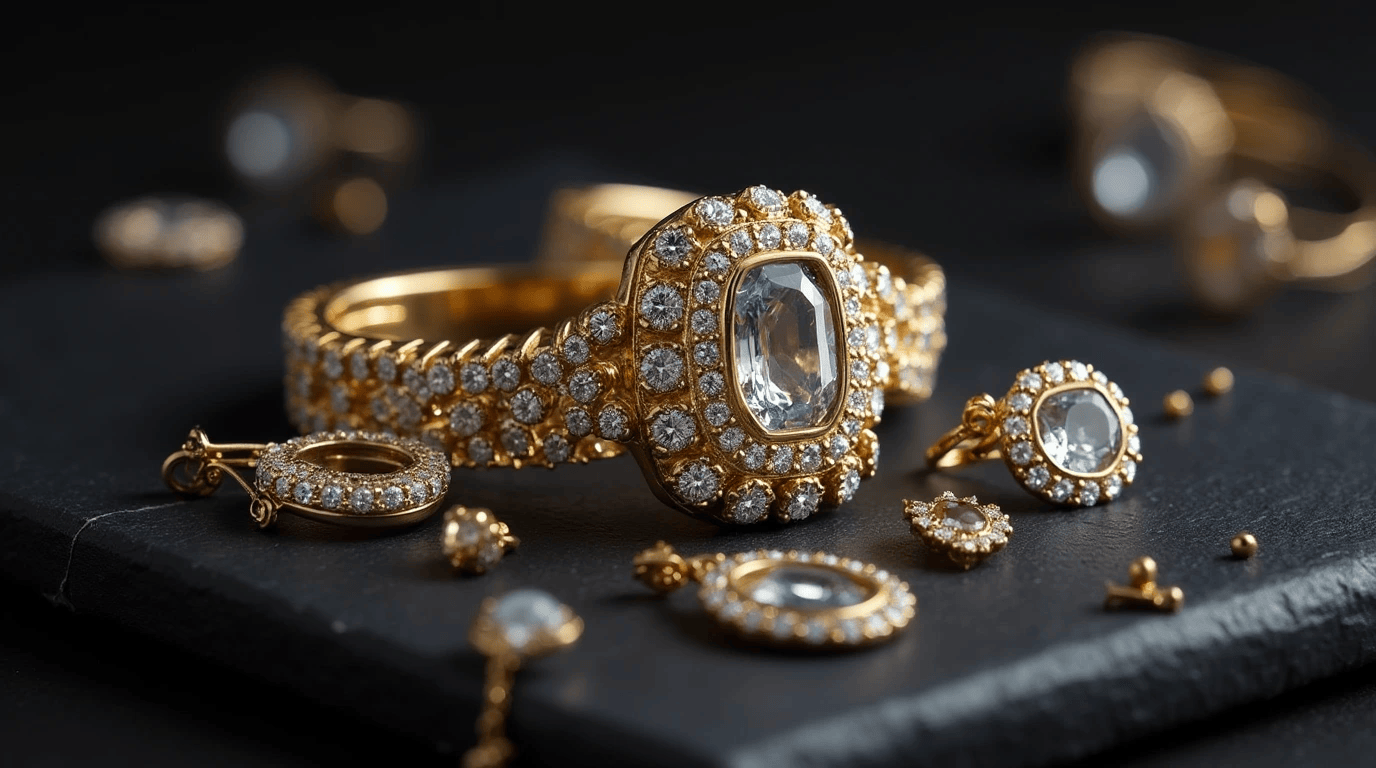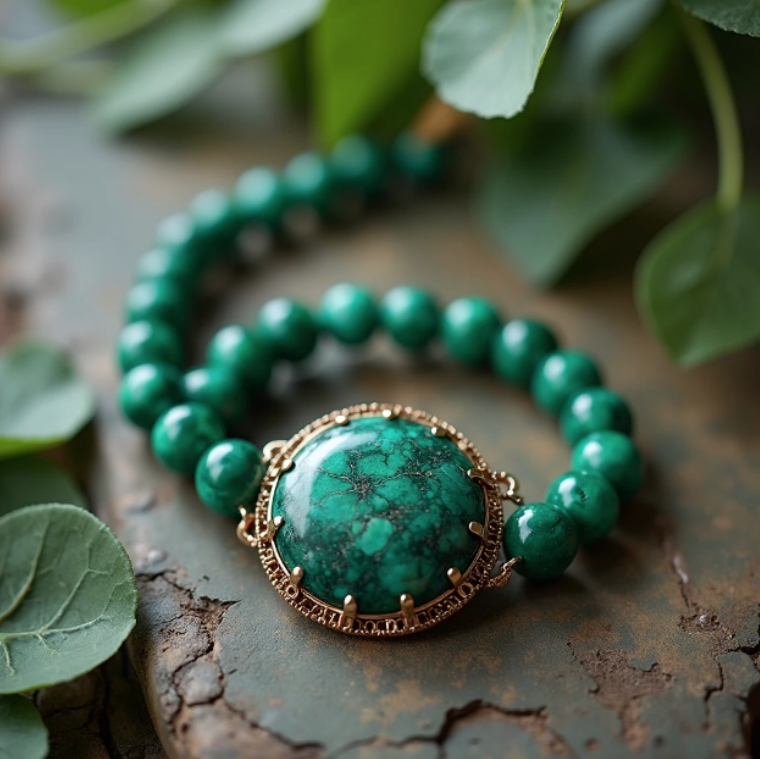

Blue gemstones are one of the most beautiful and sought-after categories of precious stones. They have a deep, saturated shade that is sure to catch the eye. They come in a variety of shapes and sizes, which allows jewelers to create unique and impressive pieces.
A great many minerals of this shade can be found in nature, and each specimen found is a real miracle, brought to life in the skilled hands of jewelry masters. Unfortunately, there are fewer and fewer of them, but this only increases the price of blue stones. Imagine becoming the owner of a piece of jewelry with a gem of which only 5–10 years of supply remain: isn't that a reason to show off your purchase to your friends? Today we will tell you about the main kinds of stones that come in various shades of blue. Surely among them you will find the gem you will want to add to your collection.
Contents
Sapphire
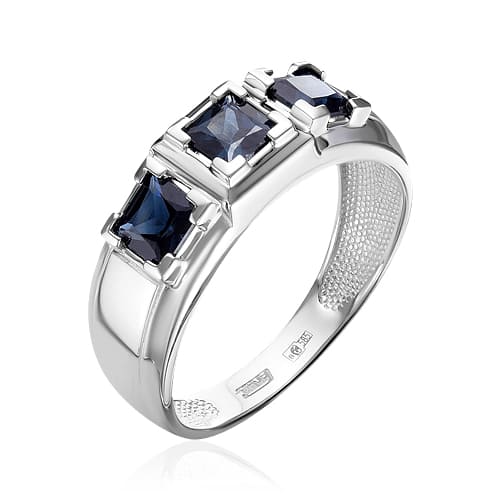
One of the best-known and most popular blue stones is the sapphire. This precious gemstone is famous for its deep blue color, although it can also come in other shades: pink, yellow and green. Sapphires are mined in many parts of the world, but the most famous deposits are in Sri Lanka, Myanmar and Thailand.
Sapphires are among the most expensive blue minerals. The price of gemstones depends on their color, clarity, weight and size. For example, a sapphire with a deep blue color and high clarity can cost several thousand dollars per carat. Sapphire is also a traditional stone for wedding rings, so demand for it will always remain high.
Sapphires are a variety of corundum that comes in different shades. When they contain a small amount of chromium and iron, they take on the deep blue color so prized in jewelry.
Turquoise
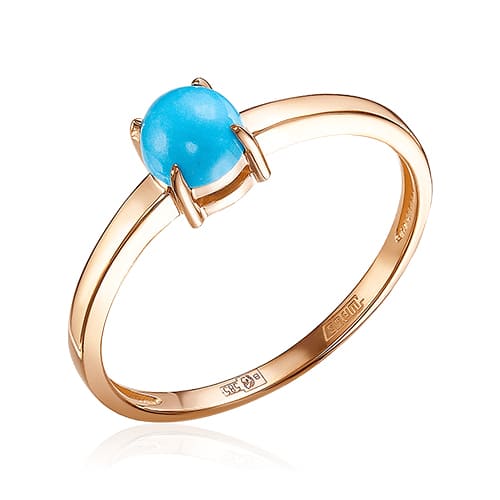
Turquoise is one of the best-known and most popular gemstones in the world of jewelry. It is known for its soft blue color, which catches the eye and can transform any piece of jewelry. Turquoise is mined in many parts of the world, but the most famous deposits are in Iran, the USA and Mexico.
Turquoise is a phosphate mineral that contains aluminum and copper. It comes in different shades, from soft blue to green and gray-blue. It has a microporous structure, which lets it absorb liquids and take on colored pigments. During its formation the stone can contain different impurities, which results in a variety of shades and textures.
Turquoise occurs in nature as gemstones of various shapes and sizes. Large stones are considered a true rarity, so their price can be very high.
The price of turquoise depends on color, clarity, weight and size. Turquoise with a rich blue color and high clarity can cost several thousand dollars per carat.
Turquoise is a stone often used in jewelry making, and it is also very popular in the ethnic and jewelry culture of the American Southwest. It is often used to make rings, bracelets, earrings, necklaces, and other jewelry. Turquoise is also suitable for making objects used to decorate interiors: figurines, cutlery, and so on.
Tanzanite
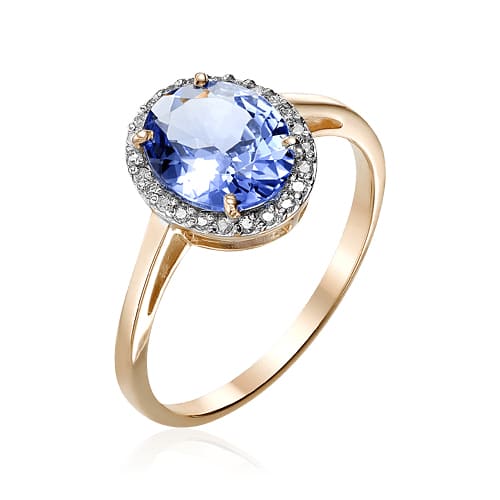
Tanzanite is a rare gemstone first discovered in Tanzania in 1967. It is a variety of the mineral zoisite with a bluish-violet color. It quickly became popular in jewelry thanks to its attractive color and its rarity.
Tanzanite is found in only one place on Earth, the Merelani Hills in Tanzania. The stones are mined there by hand from deep shafts. The Tanzanite deposit is considered limited, which adds extra value to this stone.
Tanzanite comes in a variety of shades, from light blue to dark violet. Stones with a deep blue-violet color are the most prized. However, as with most gemstones, the quality and clarity of the stone also affect its price.
On the whole, tanzanite is considered one of the most valuable gemstones, sometimes surpassing in price even well-known and valuable stones such as emerald and sapphire.
Tanzanite is often used in jewelry making to create rings, necklaces, various kinds of earrings and bracelets. Besides its beauty and value, tanzanite also has cultural significance. In Tanzanian mythology it is considered a symbol of a deep spiritual connection with nature and the cosmos. Other countries also have their own legends about its magical power, so it is a very strong talisman that helps its owner cope with various life problems.
Lapis lazuli
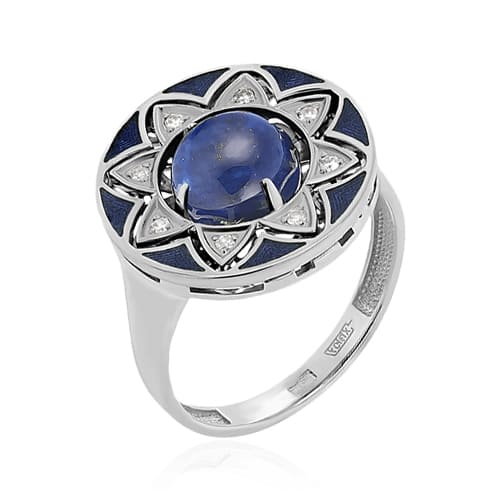
Lapis lazuli is one of the best-known gemstones, drawing attention with its vivid blue color and centuries of use in jewelry. It is a mineral of the silicate group and is considered a relative of other popular stones such as sapphire and emerald.
Lapis lazuli got its name from the Latin word "lapis," meaning "stone," and the word "lazuli," meaning "blue." The stone has been known since the ancient civilizations, which used it to make jewelry, statues, and other works of art.
The main deposit of lapis lazuli is Afghanistan, where it has been mined for more than 6,000 years. The stone is also found in several other countries: Chile, Myanmar, Russia, Tajikistan, Uzbekistan, and the USA. But Afghan lapis lazuli is valued higher than others and draws attention with its high price on the world gemstone market.
The price of lapis lazuli depends heavily on the quality of the stone. The mineral is blue, sometimes with a greenish tint, and may contain white flecks or golden-yellow flecks of pyrite. The most valuable stones are those with a deep blue color, no visible inclusions and high transparency.
Lapis lazuli is often used in jewelry to make necklaces, earrings, bracelets and other jewelry. It can also be used to create decor and to adorn interiors. Because of its high price and the limited number of deposits, lapis lazuli is often considered a symbol of luxury and wealth.
Indicolite
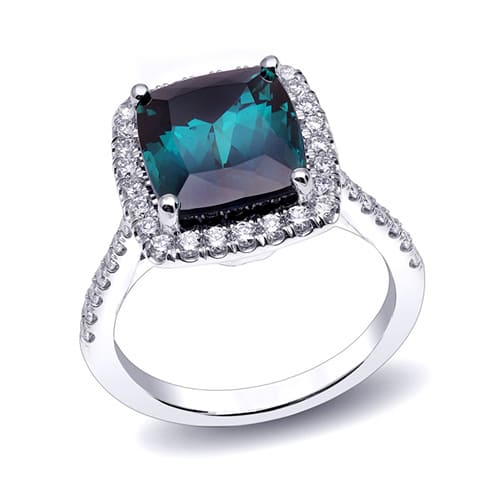
Indicolite is a beautiful blue gemstone widely used in jewelry. This stone is also known as Indian sapphire or Indian iolite, but unlike sapphire and iolite, indicolite has its own chemical composition and properties.
Indicolite was discovered in the 19th century in the province of Orissa in India, where it was mined together with other minerals. It is a blue stone of varying shades, from light blue to blue with a violet tint. It has high transparency and luster, which makes it attractive for jewelry.
It has other features too:
- The chemical composition of indicolite contains aluminum, magnesium, silicon, oxygen and other elements. It belongs to the group of cryptocrystalline silica minerals that usually form in granite rocks and volcanic deposits.
- Indicolite is one of the hardest and most durable minerals, which makes it resistant to damage and scratches. The stone can also change color at different viewing angles, which adds to its interest and appeal.
- Indicolite is widely used in jewelry making to create a great variety of pieces, from rings and earrings to bracelets. Because of its beautiful blue color, indicolite is often combined with other stones such as diamonds, topaz and amethyst.
It was once believed that indicolite could influence a person's emotional and physical state. It is regarded as a mineral that helps improve communication, conversation, and interpersonal relationships.
Aquamarine

Aquamarine is a precious blue stone of the third order, a member of the beryl family. Its name comes from the Latin “aqua marina,” meaning “sea water.” It is considered one of the most popular gemstones for jewelry thanks to its beauty, hardness and resistance to environmental influences.
Aquamarine comes in light blue, blue and bluish-green. Its color depends on the amount of iron in the crystals and on traces of manganese. Jewelry craftsmen show great imagination in cutting this mineral in different shapes: round, oval, marquise, princess and many others.
Aquamarine is found in many countries around the world, including Brazil, Colombia, Mexico, China, Pakistan and others. It forms in granitic rocks and volcanic deposits. The mineral's chemical composition includes beryllium, aluminum, silicon and oxygen.
The mineral has a Mohs hardness of 7.5–8, which makes it fairly strong and resistant to scratches and damage. Aquamarine also keeps its color and brilliance for a long time, which makes it a good choice for jewelry settings.
This gemstone is often combined with other precious stones, such as diamond, pearl, amethyst and topaz, to create striking and attractive jewelry. But aquamarine also looks good as a stand-alone mineral, so it can do without "neighbors".
Blue diamond
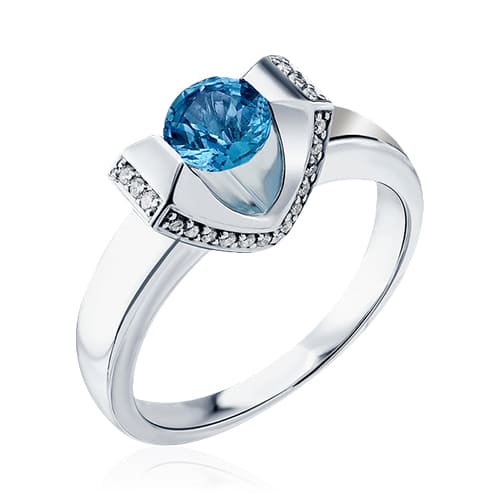
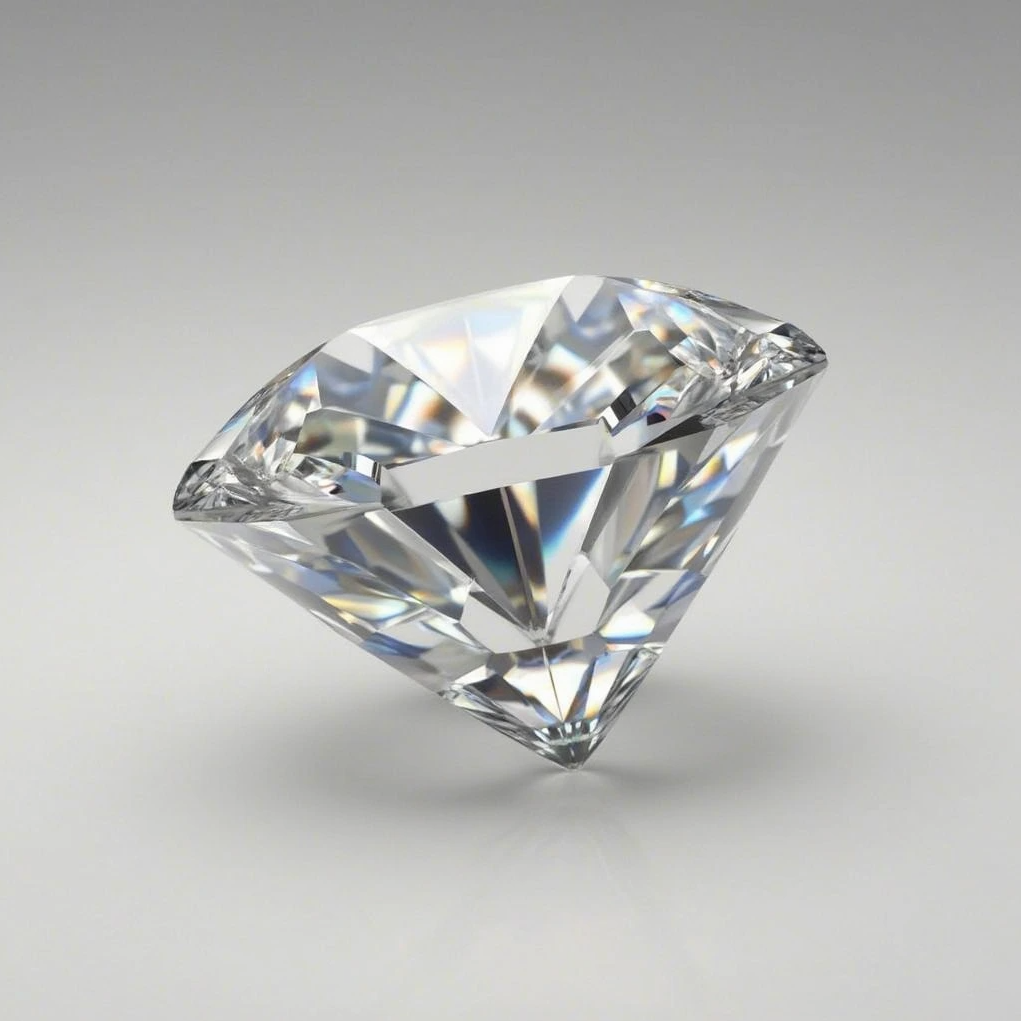
The blue diamond is one of the rarest and most expensive kinds of precious stones in the world. In price it is surpassed only by another fancy-color stone, the red diamond.
This gemstone has incredible brilliance and brightness, created by the special structure of the crystal. Its color ranges from light blue to deep blue, depending on the various impurities in the crystal. But the most valuable are diamonds of a deep blue color, which are very rare and are used to create only one-of-a-kind jewelry that often goes straight into private collections.
The high price of the blue diamond is due to the fact that diamonds with this fancy color are mined in only one place, a diamond mine in South Africa. This shade can also be produced artificially, but we all understand that such a mineral loses all its exclusivity, although it can still cost quite a lot of money.
Here are a few features of this mineral:
- This shade is explained by the presence of boron in the chemical composition. The intensity of the shade depends on the size of the diamond: the larger it is, the richer and more attractive the color.
- It is often used as an amulet because of its magical properties. A blue diamond is believed to help its owner succeed in any undertaking, making them self-assured and more attractive to the opposite sex.
- In its physical properties it does not differ from colorless diamonds, i.e. it also has the highest hardness of all minerals: 10 on the Mohs scale.
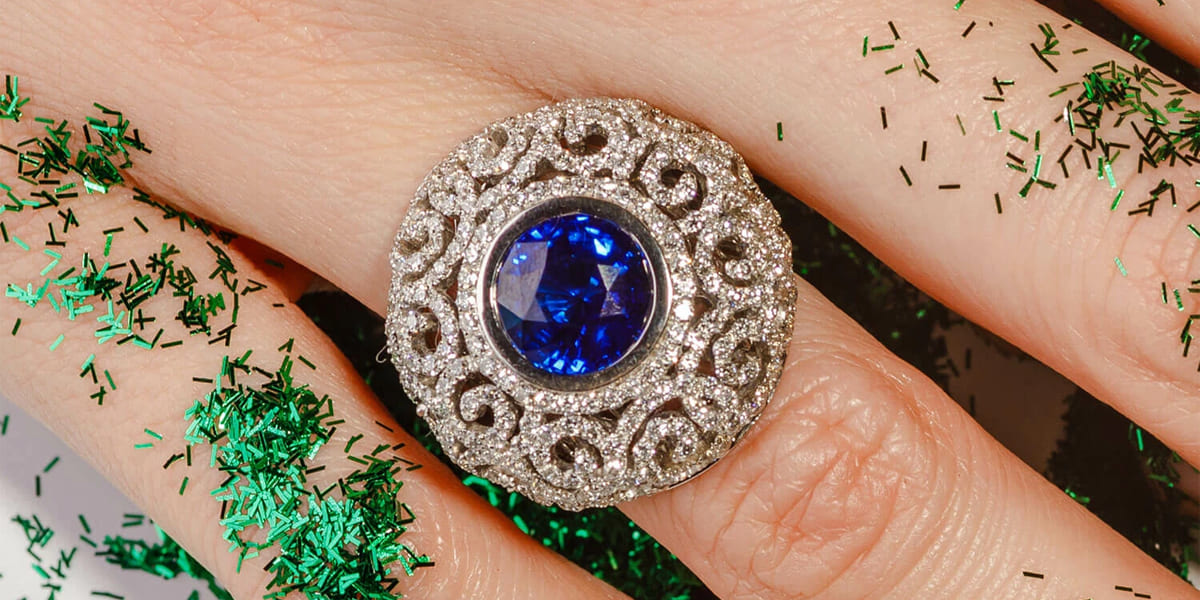
This is far from a complete list of the blue gemstones used in jewelry making. All of them look exceptionally elegant, delighting the eye with their color and a certain mysterious depth.
Blue minerals make a good amulet, influencing the life of their owner in a positive way. They suit expressive people especially well, helping them tame a fiery temper and improve relationships with loved ones. They also suit people who want to achieve financial independence and fully unlock their creative potential. A huge number of people fall into this category, so jewelry with sapphires, tanzanites and other blue stones is sure to become a unique highlight of your collection too.