292 800 ₽976 000 ₽
We use cookies to improve the site and give you more options. By continuing to use the site, you agree to cookie usage terms.We use cookies. Learn more


By popularity
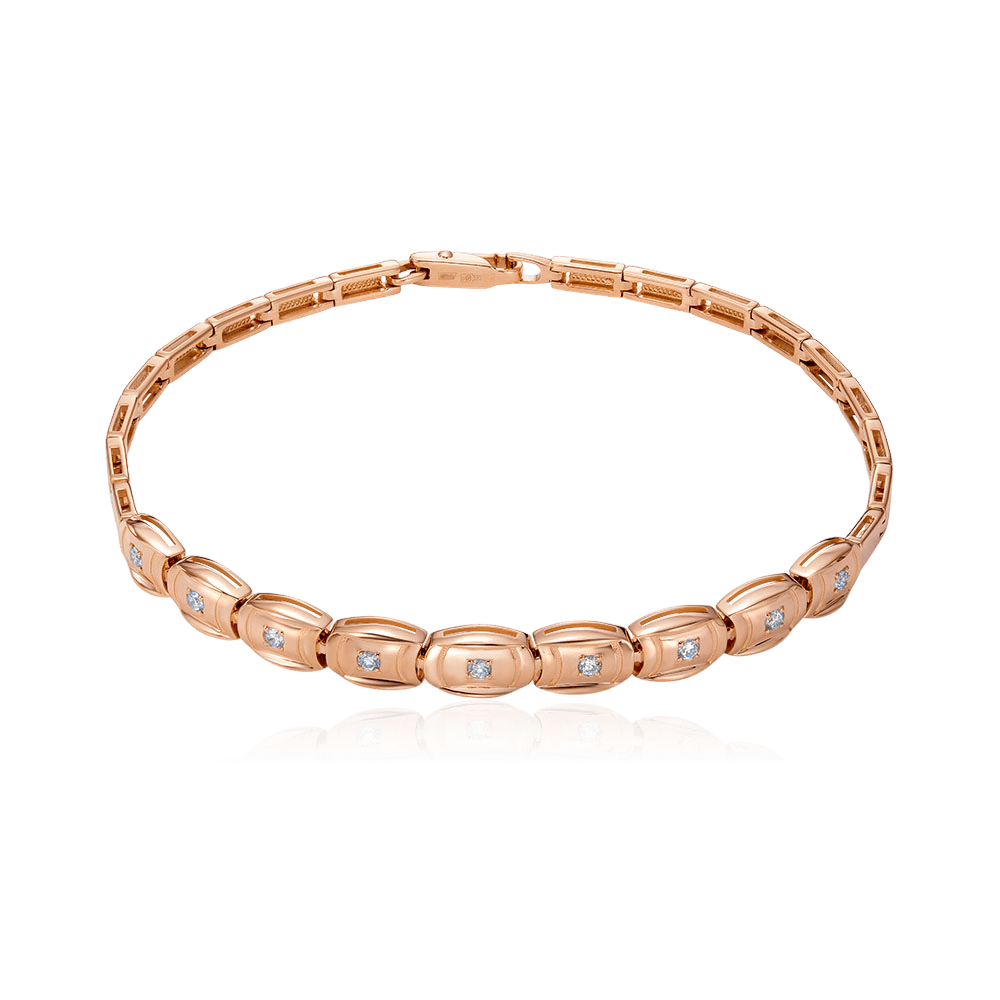
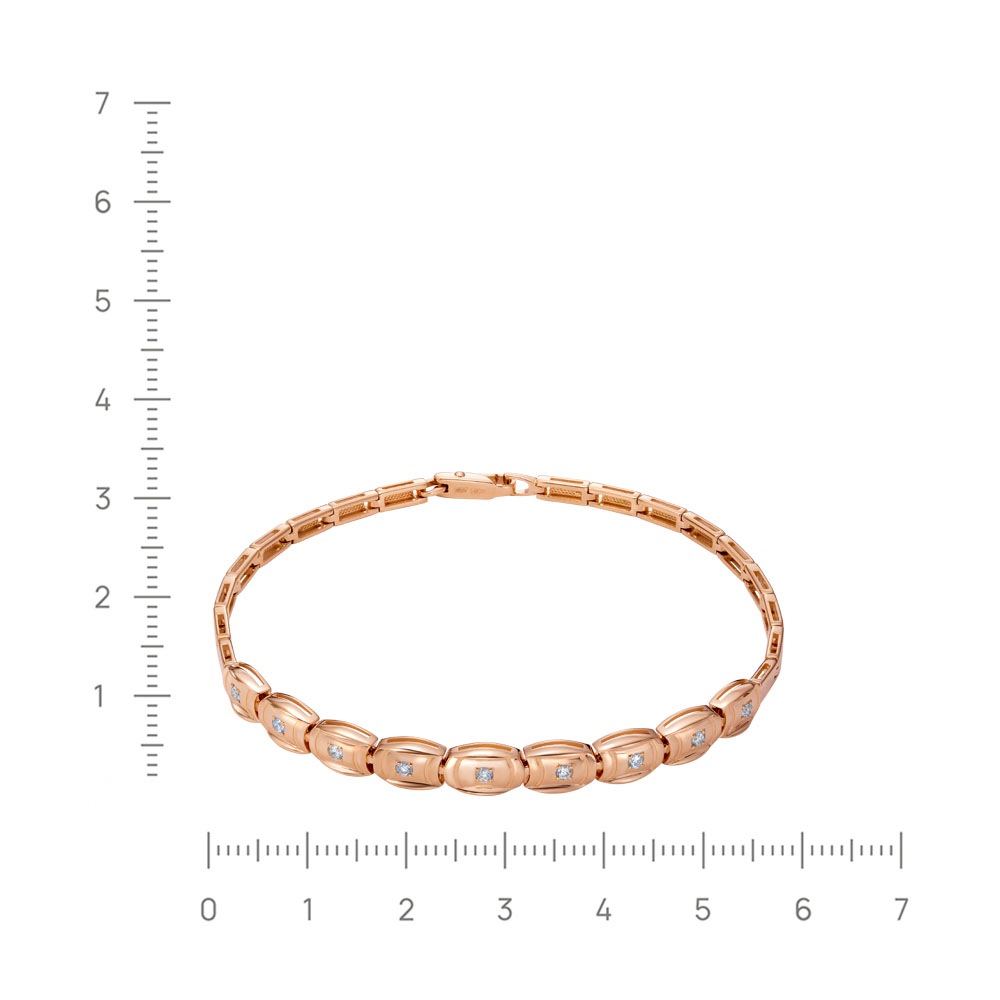


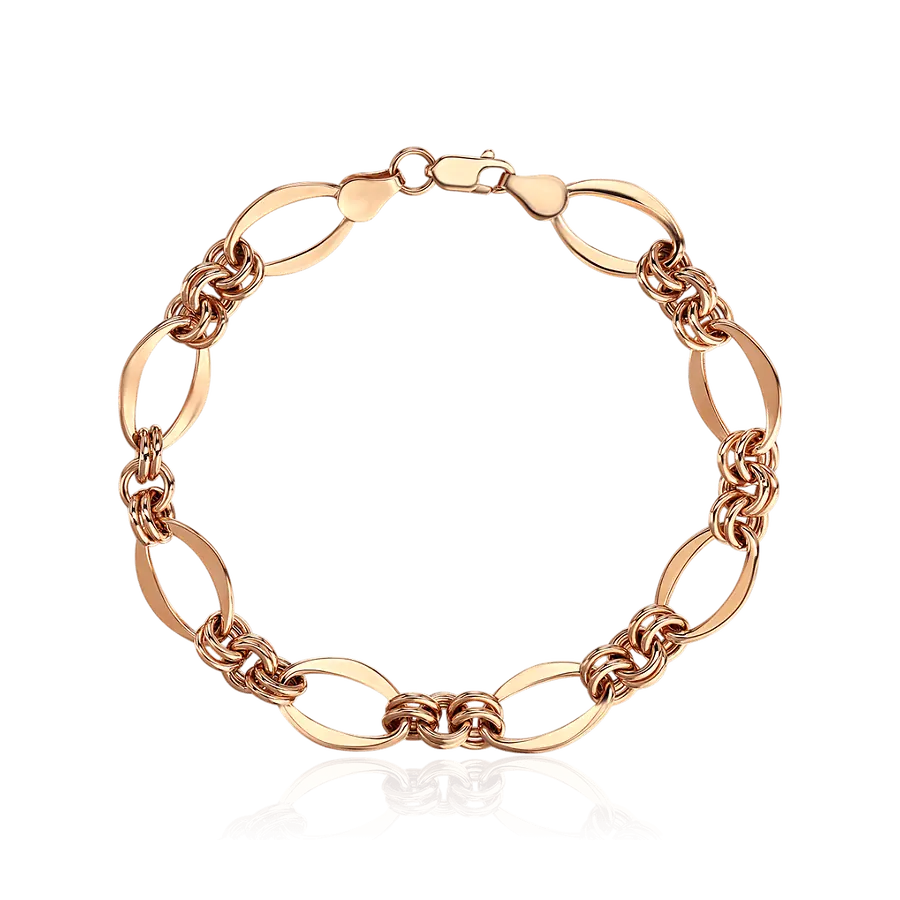
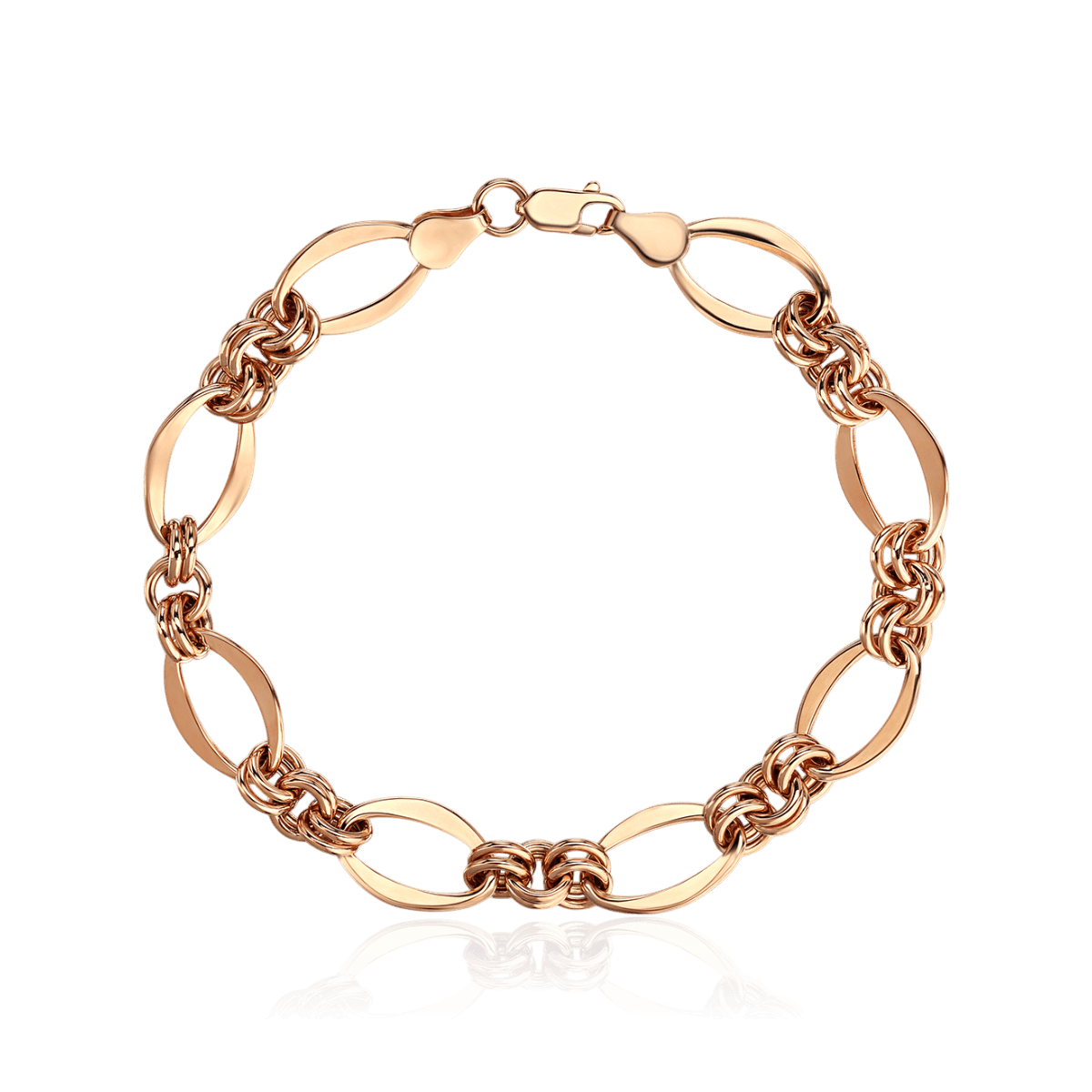


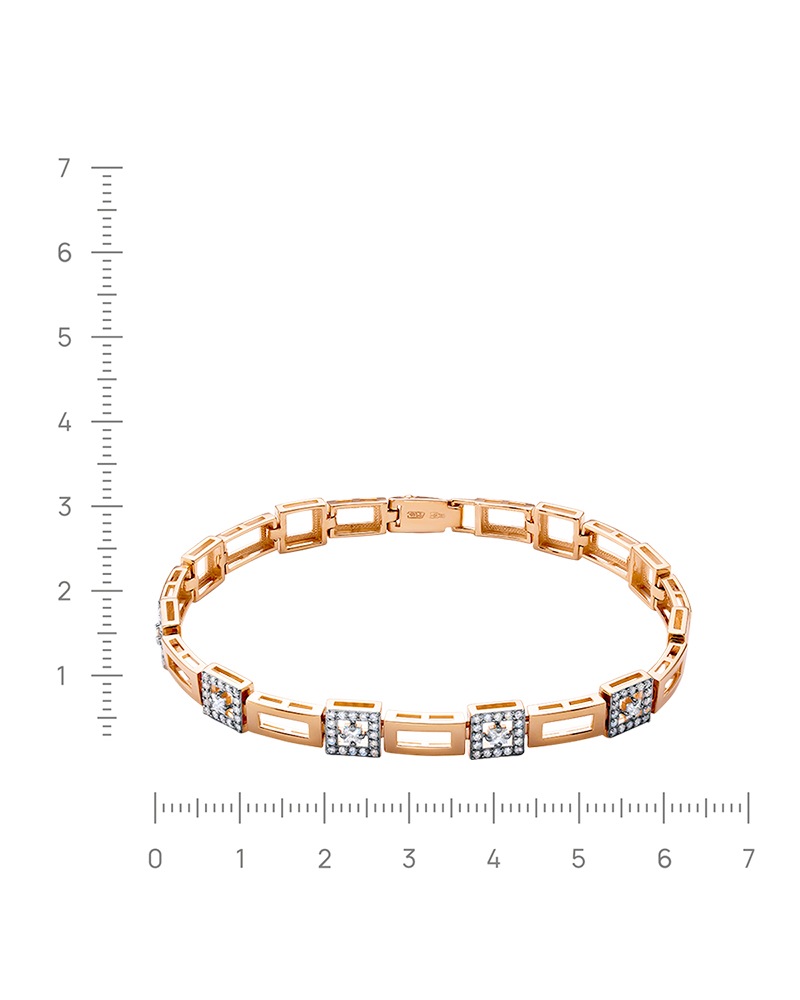


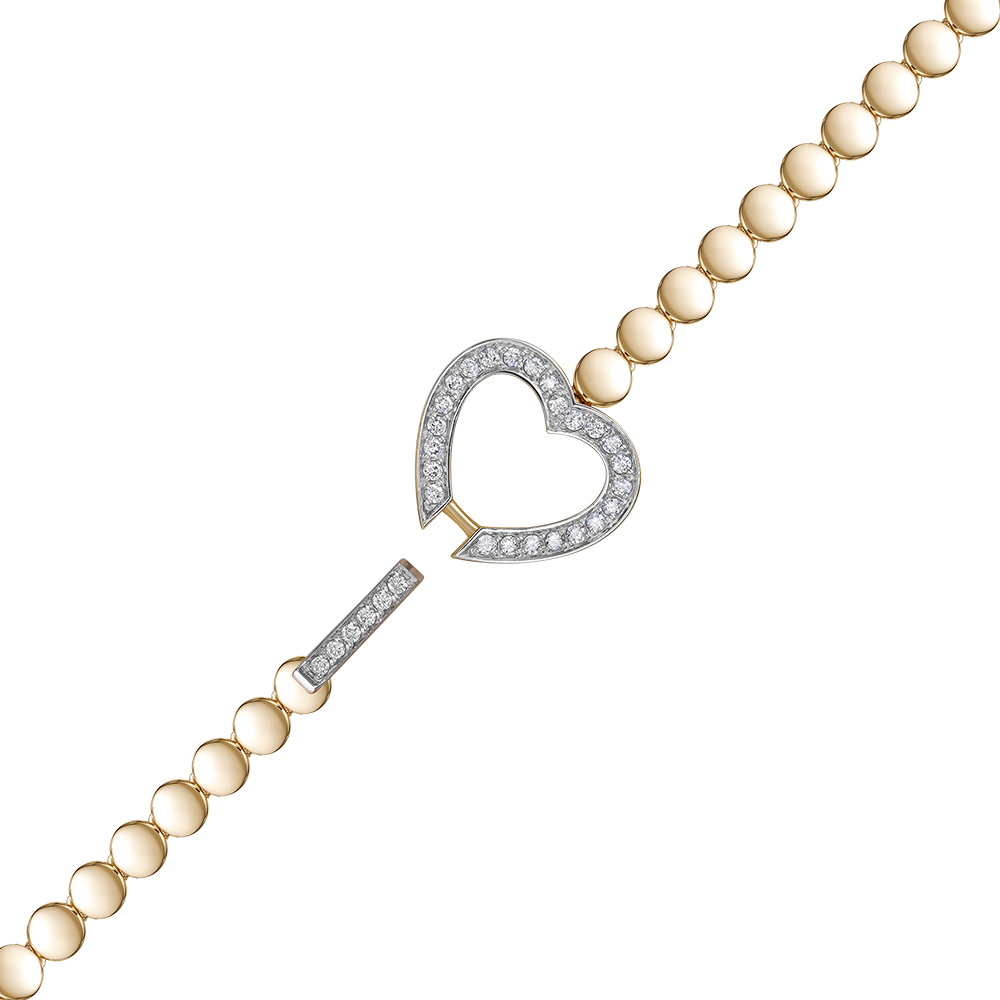
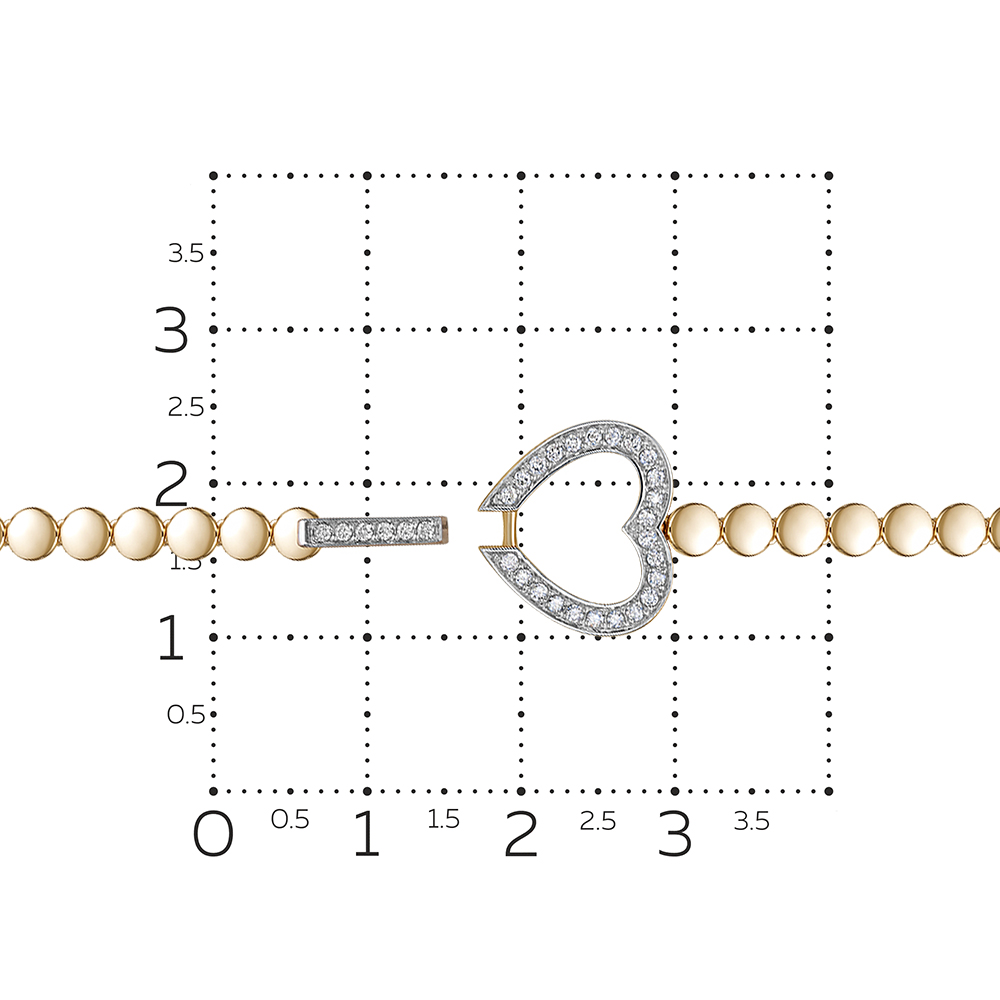

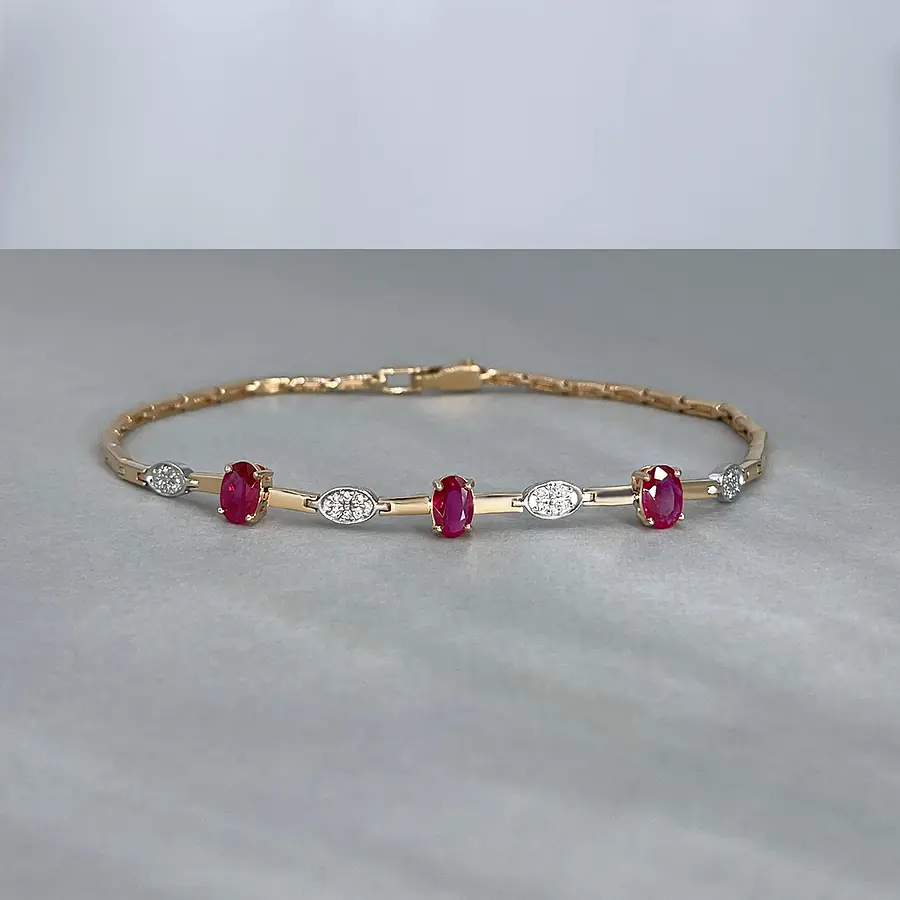

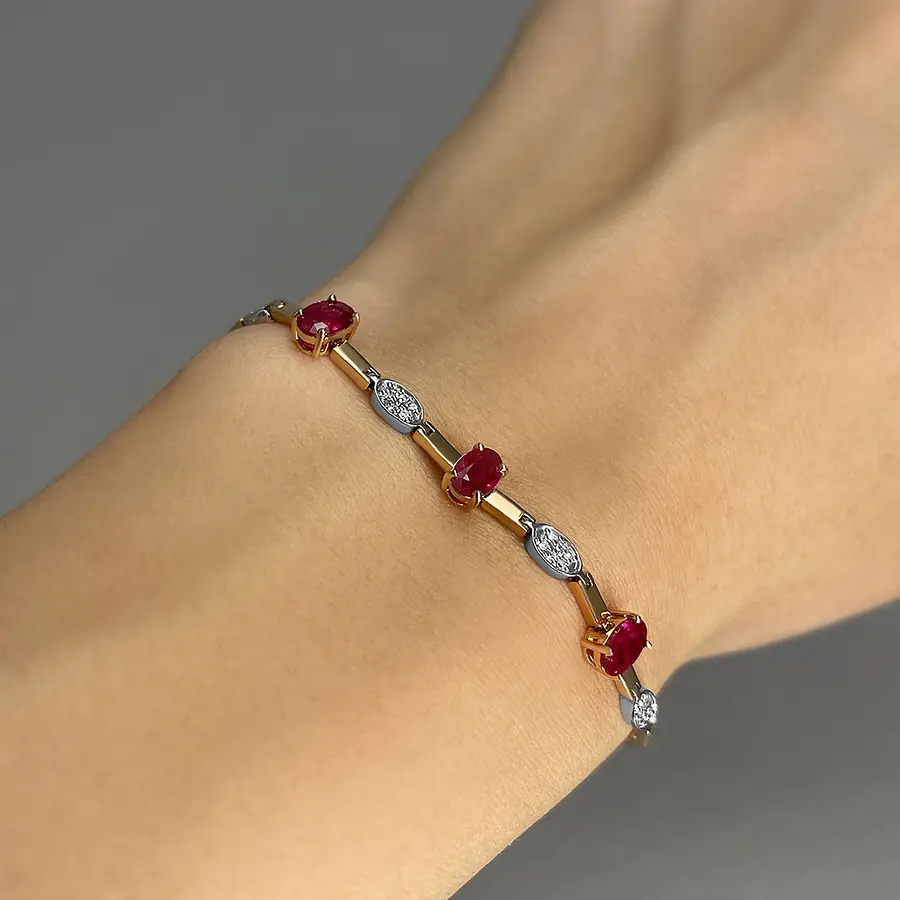

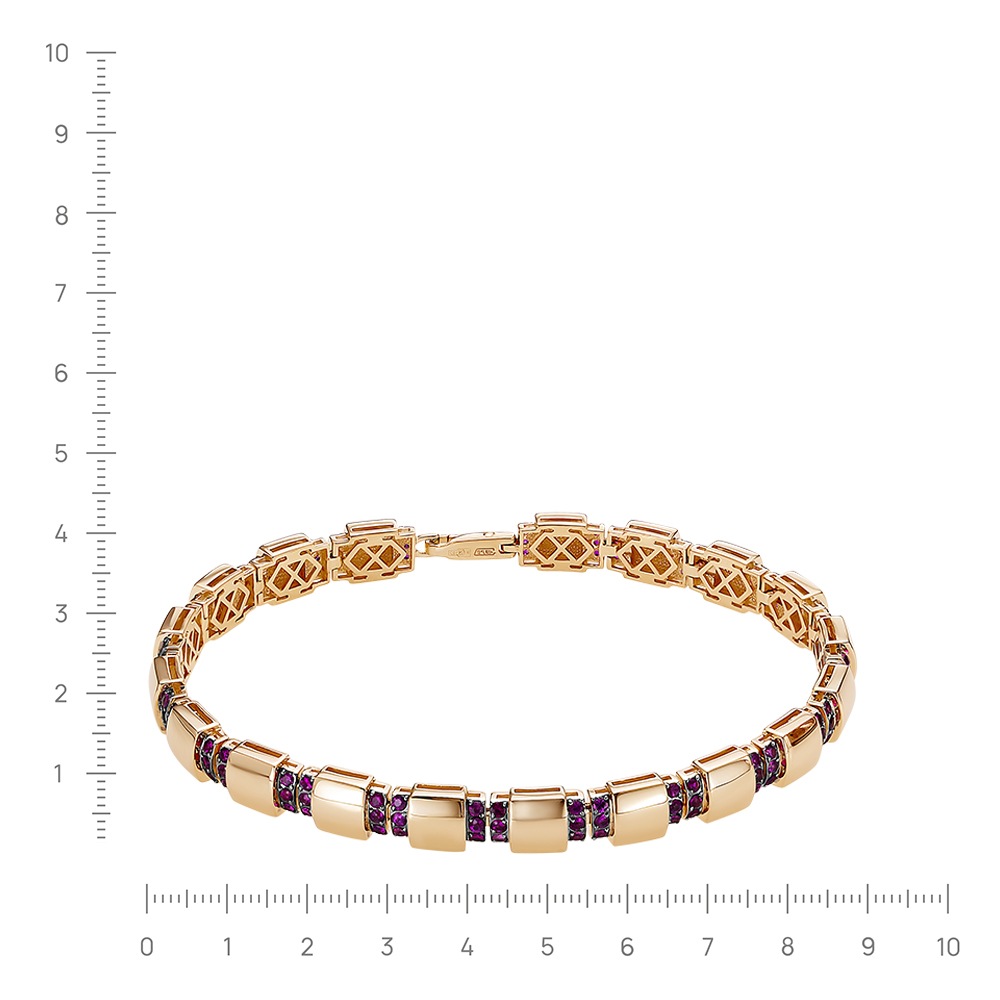


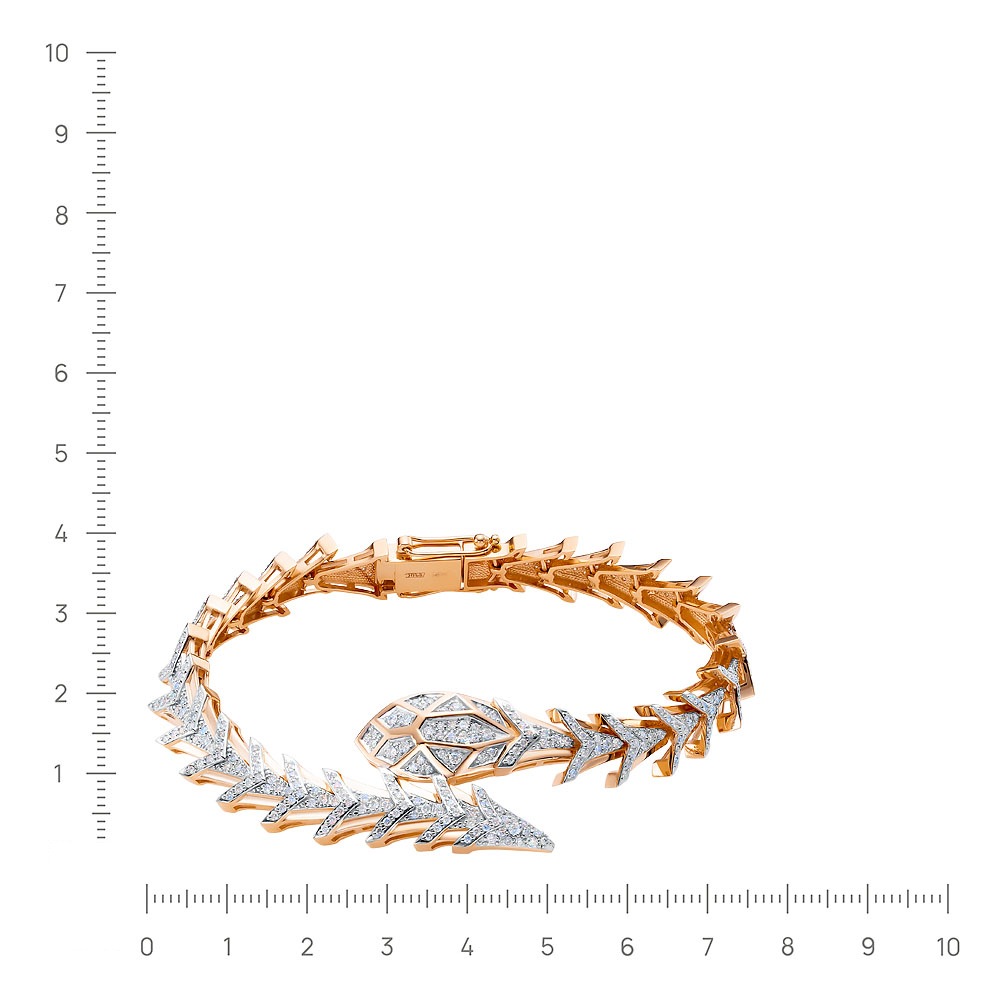

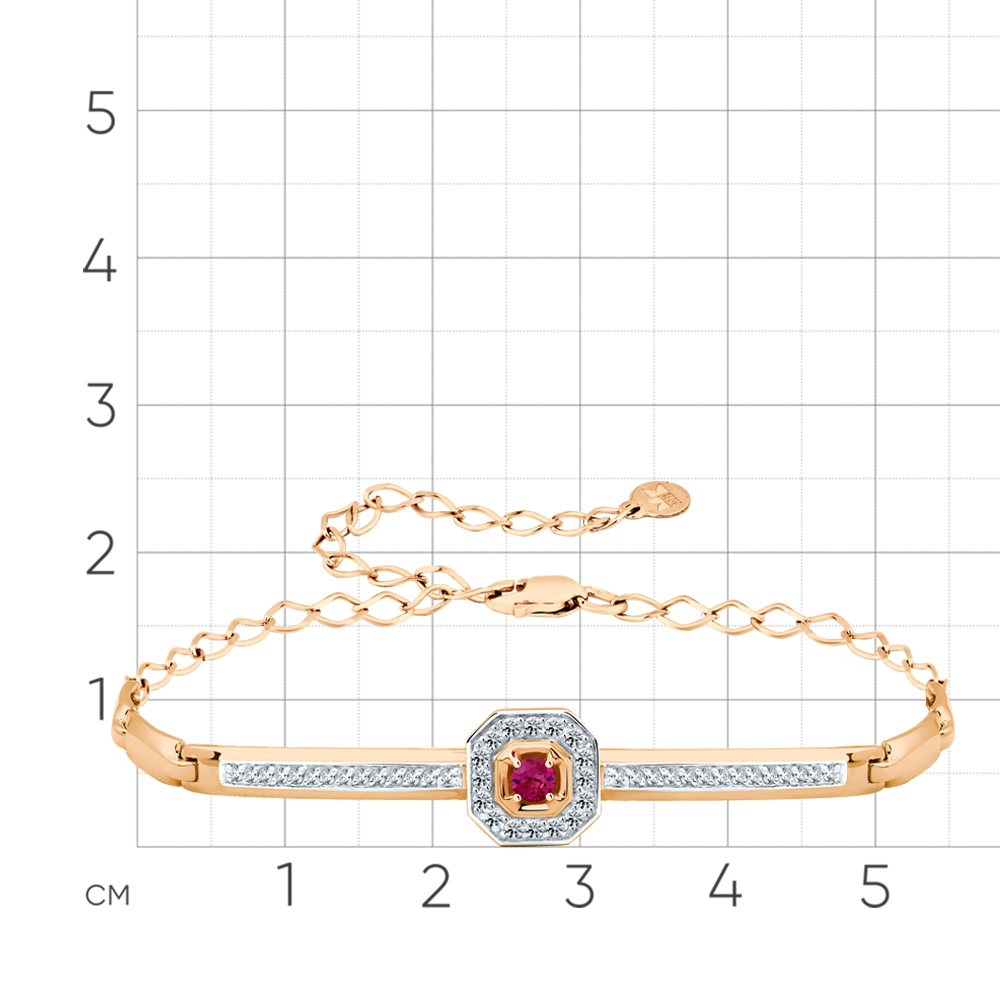


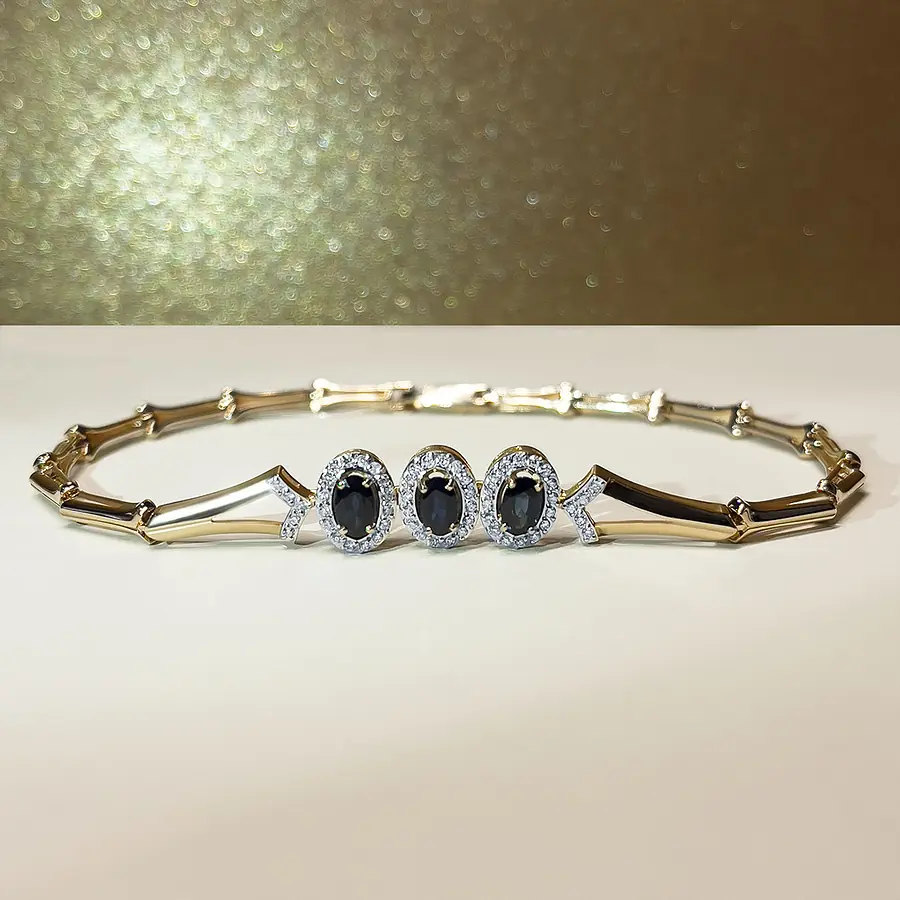
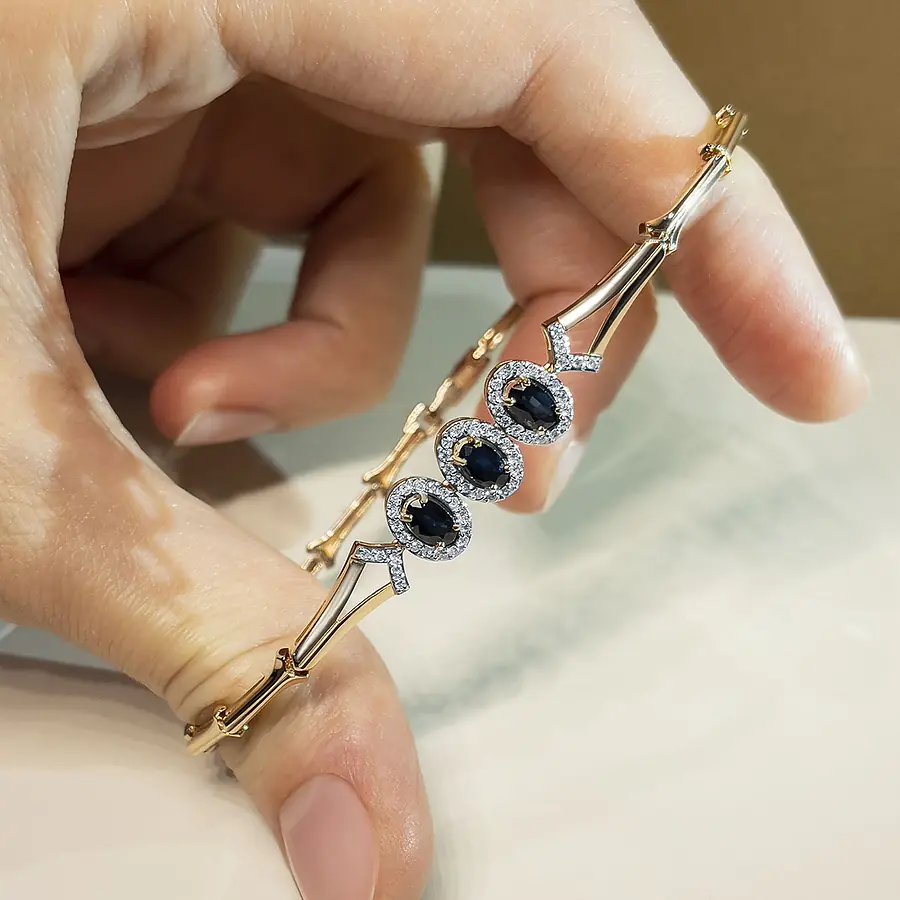
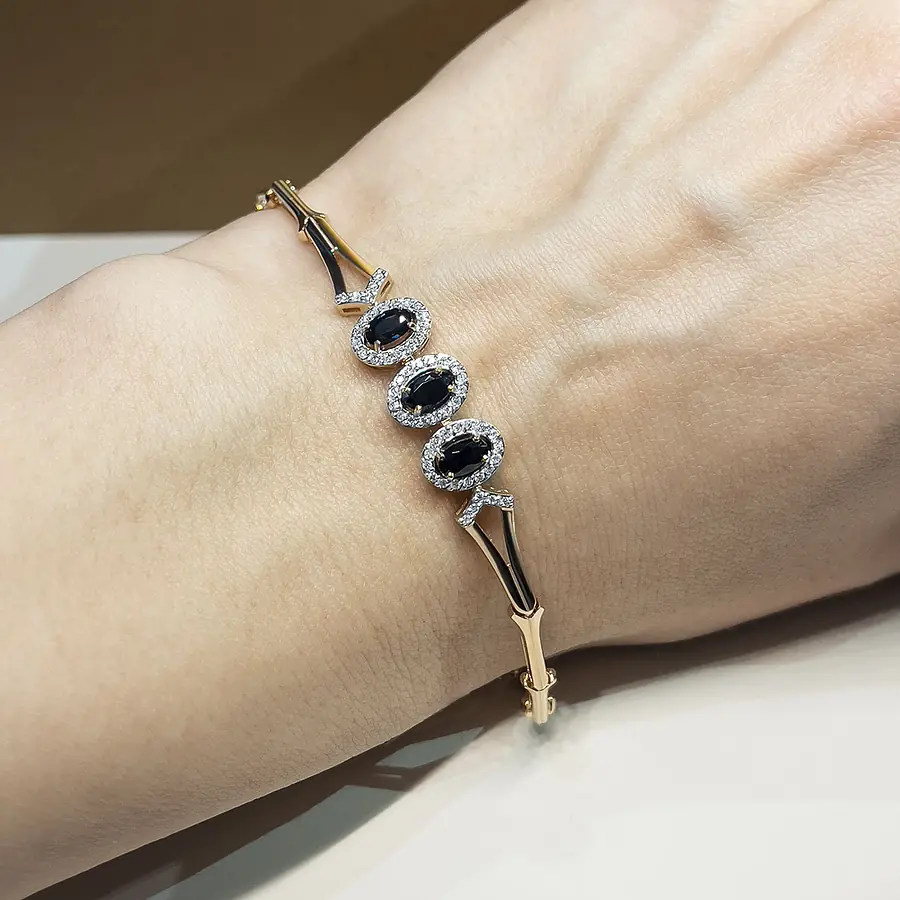
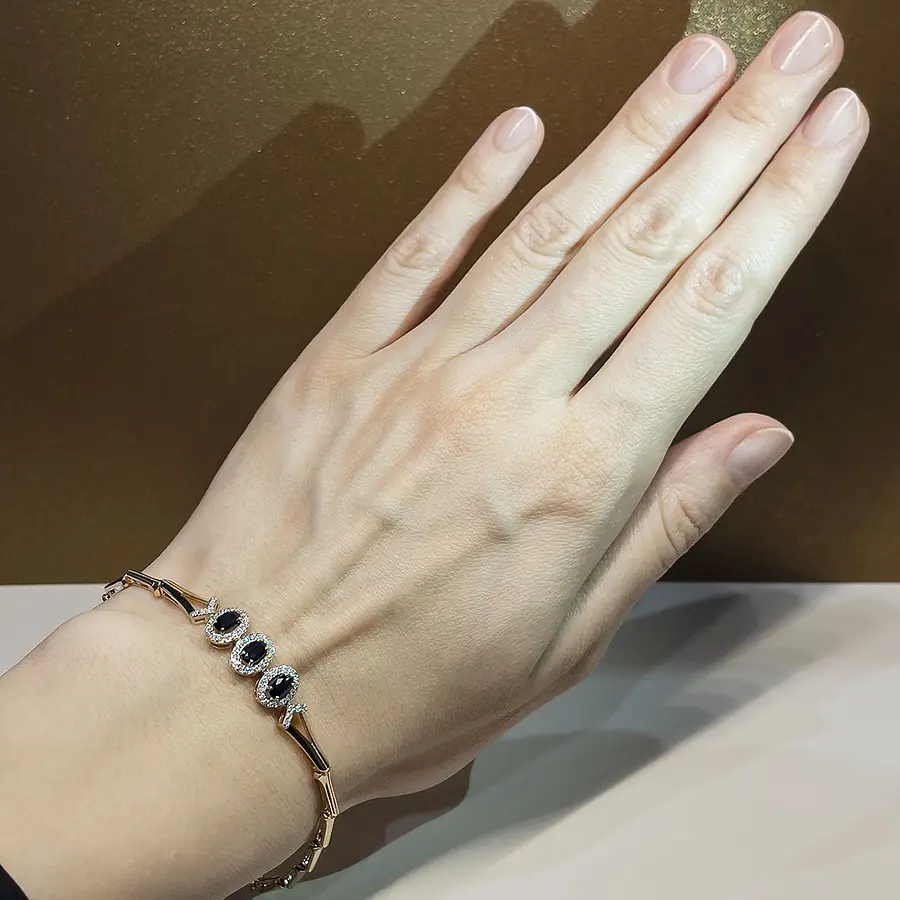


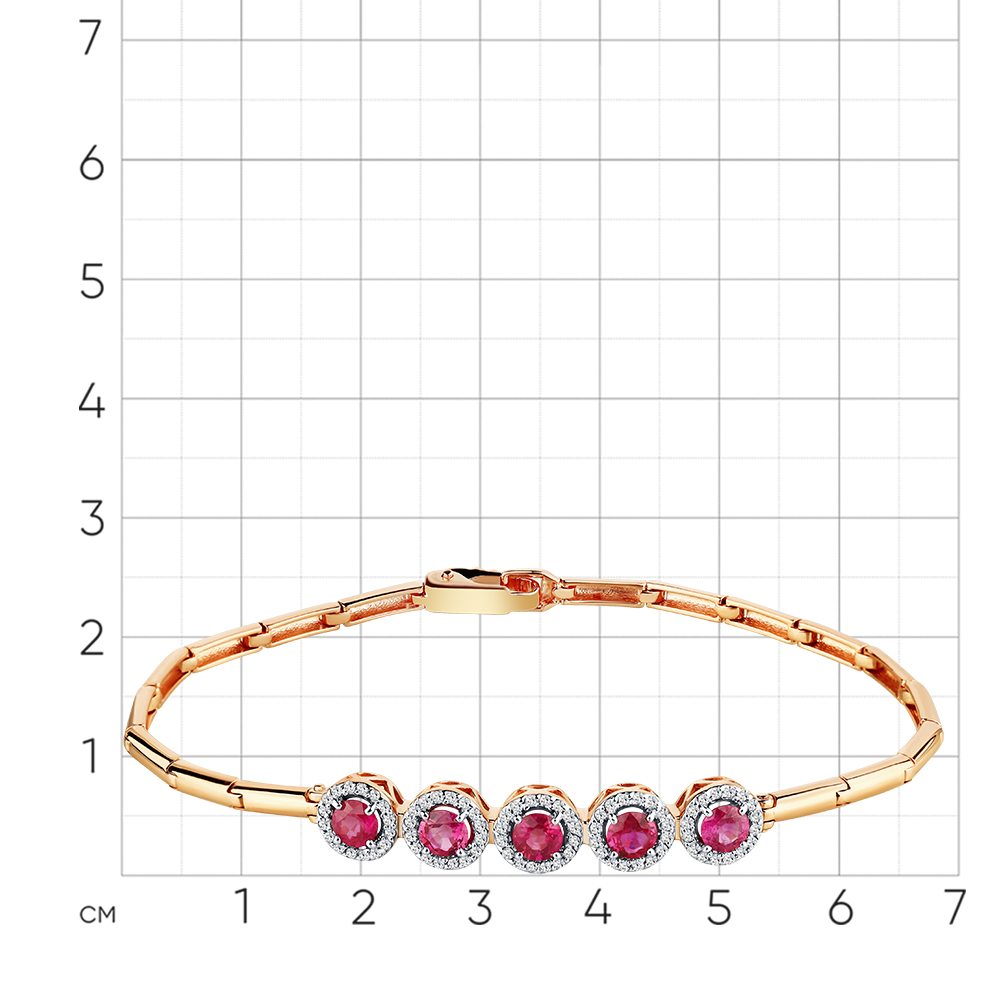
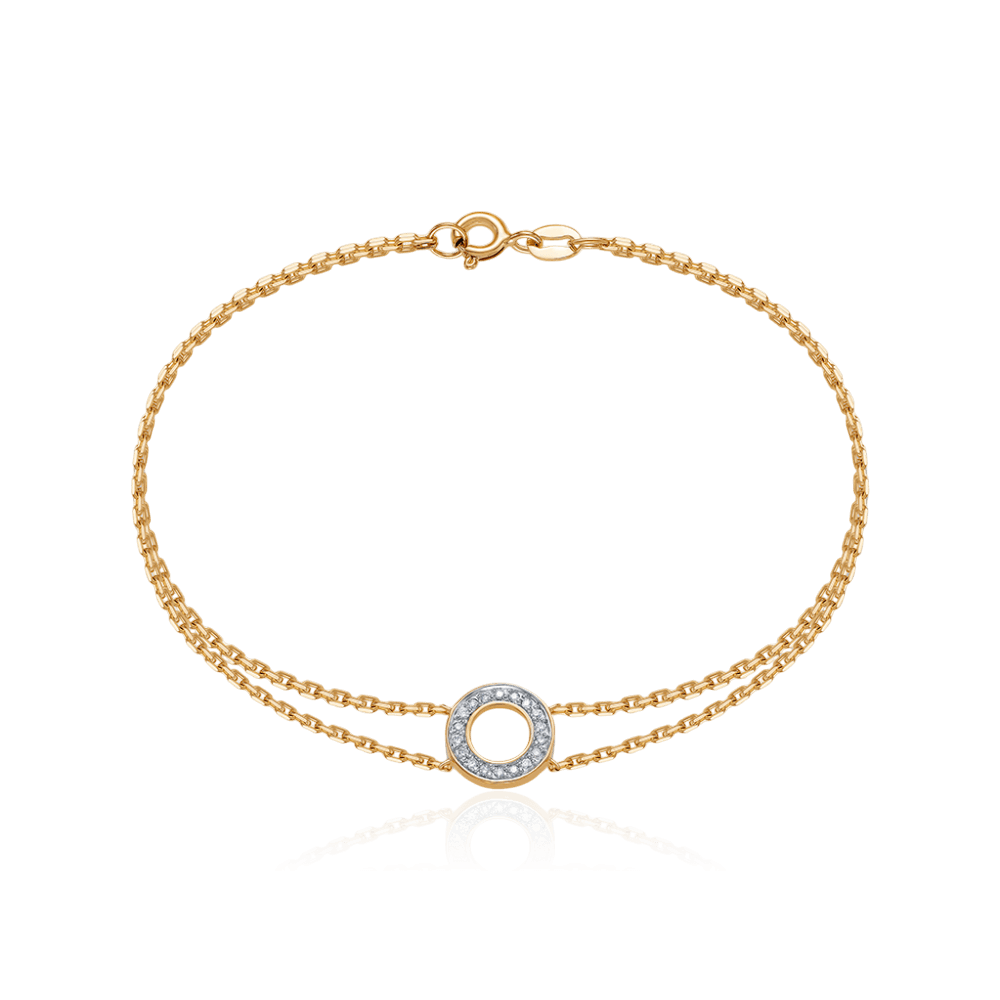
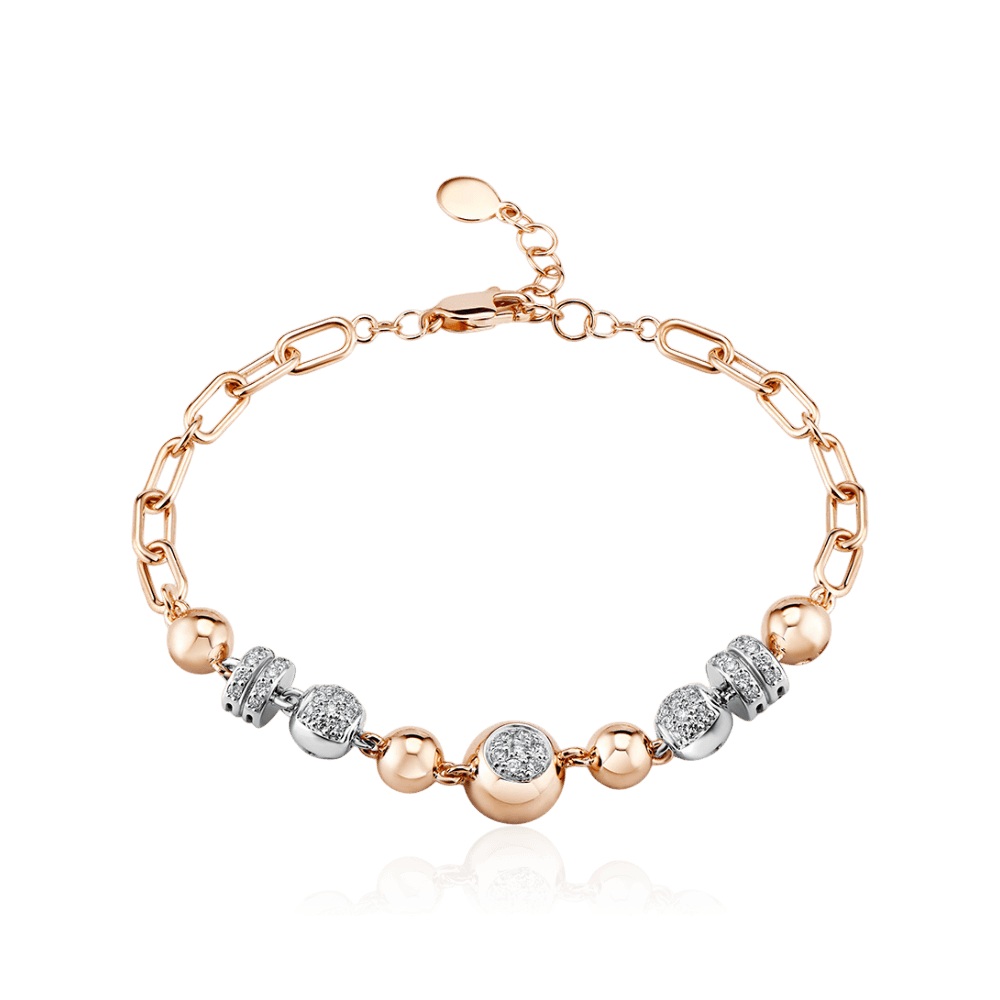

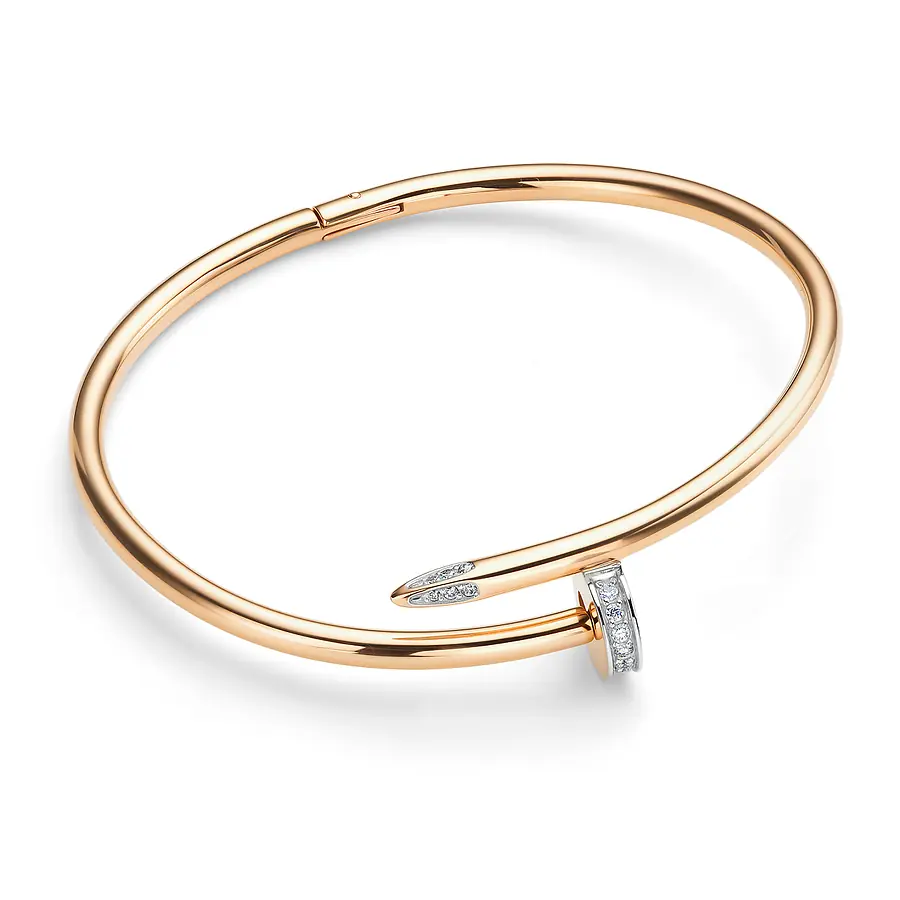
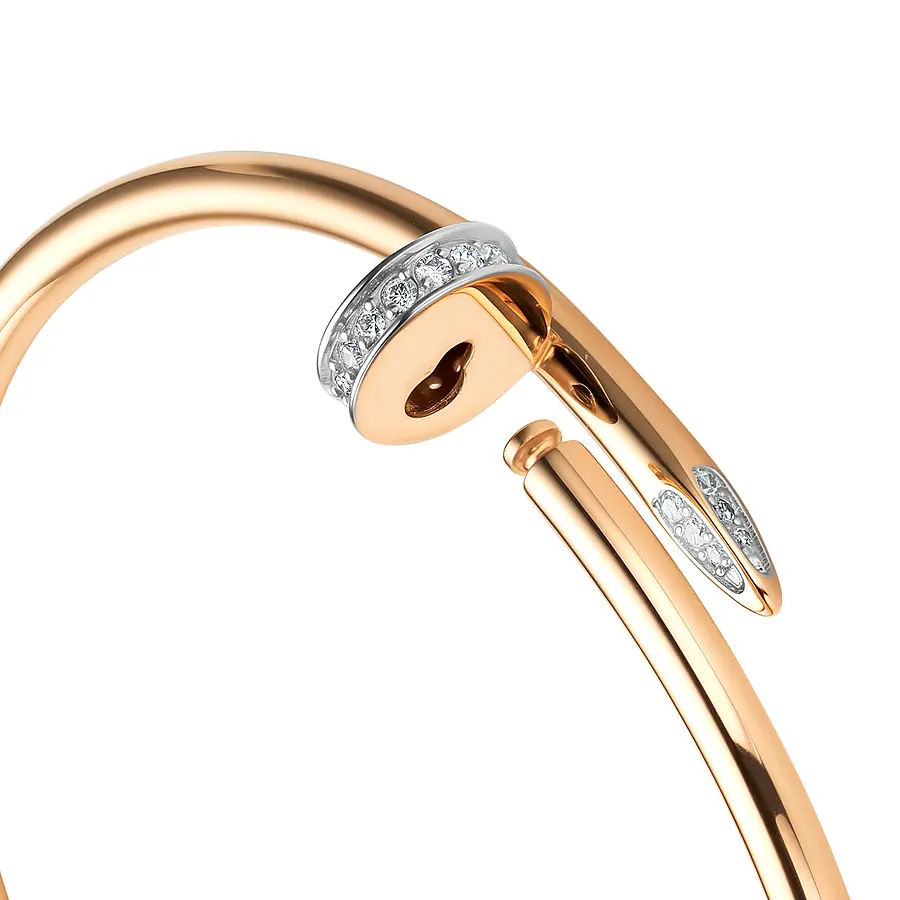
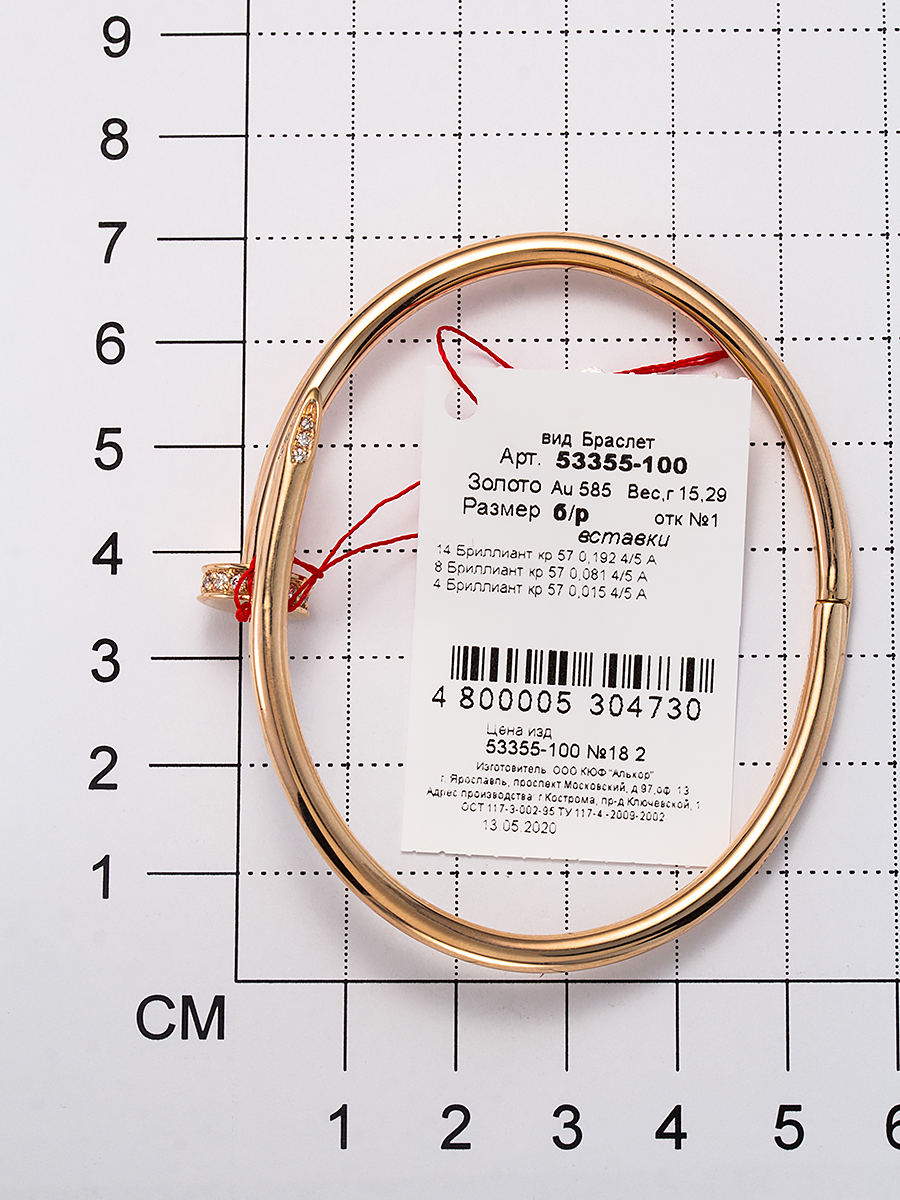
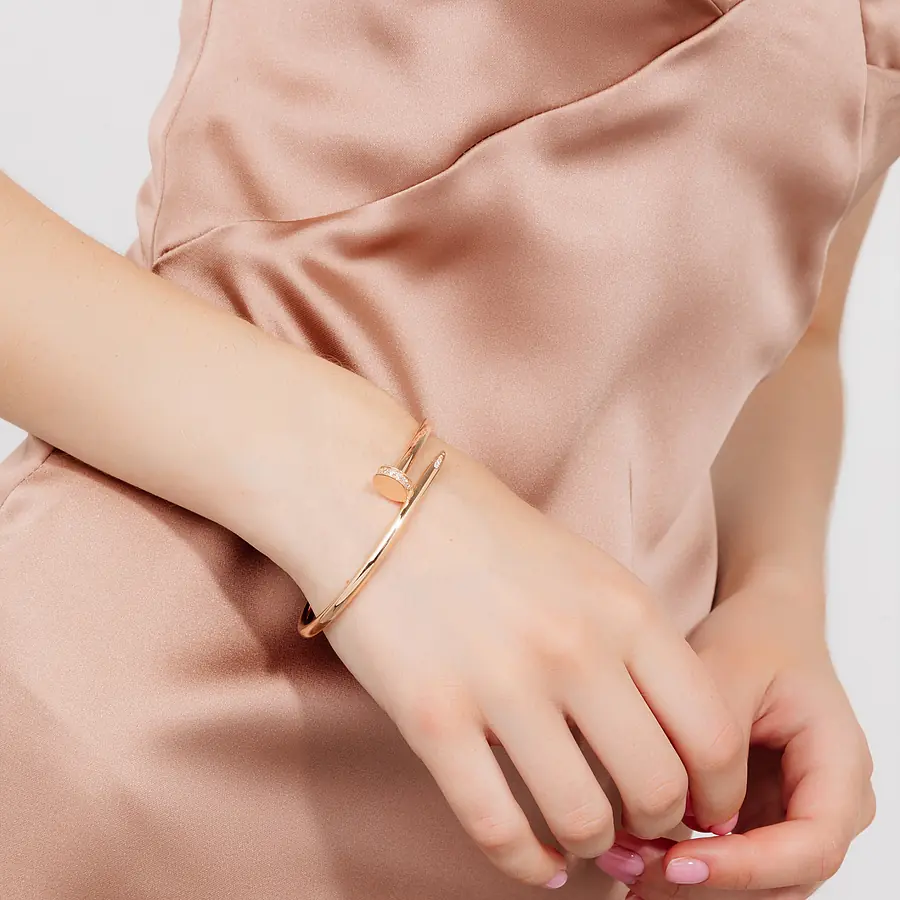
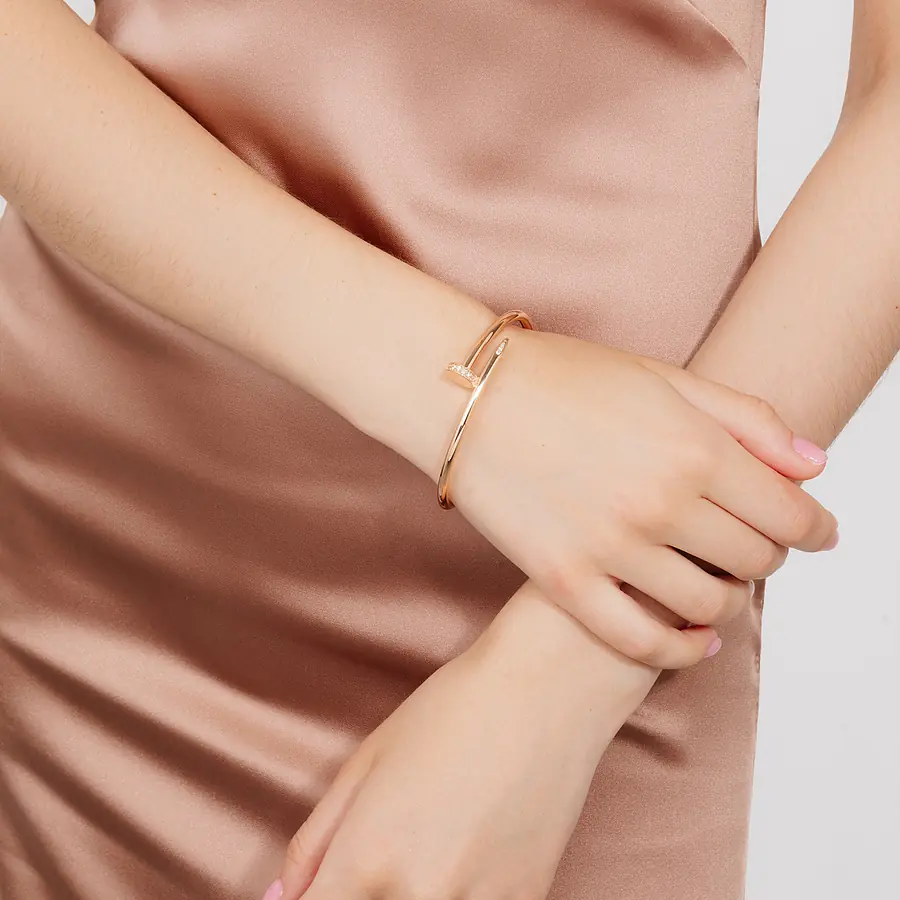
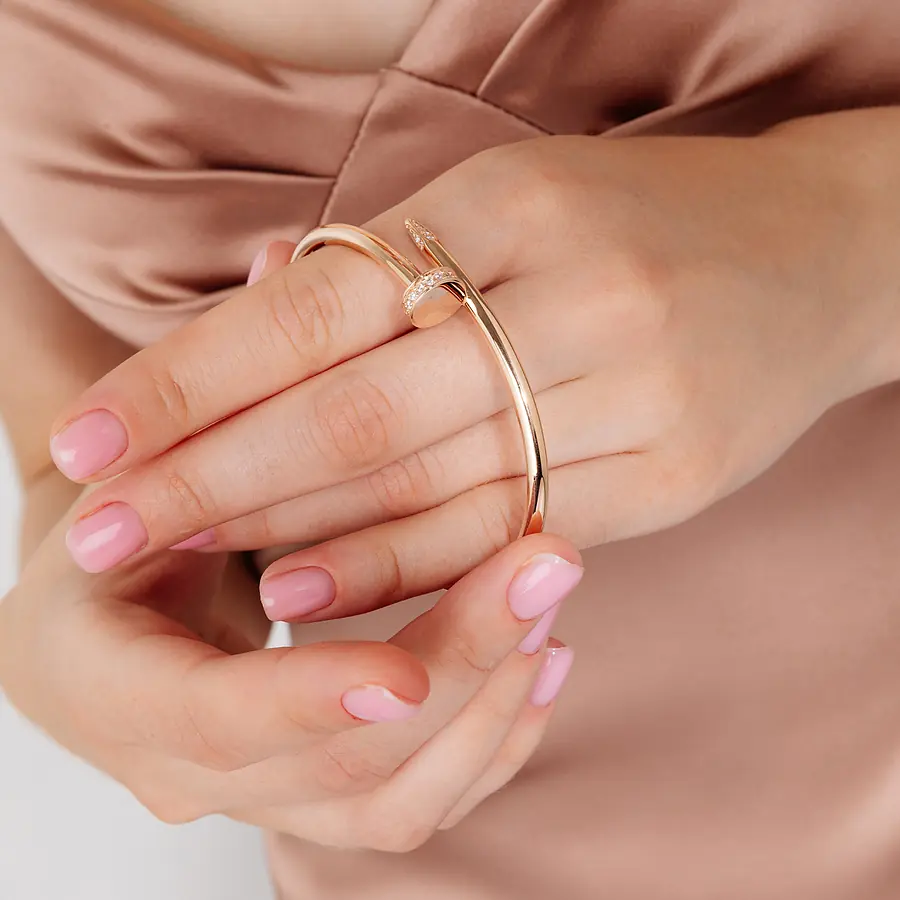
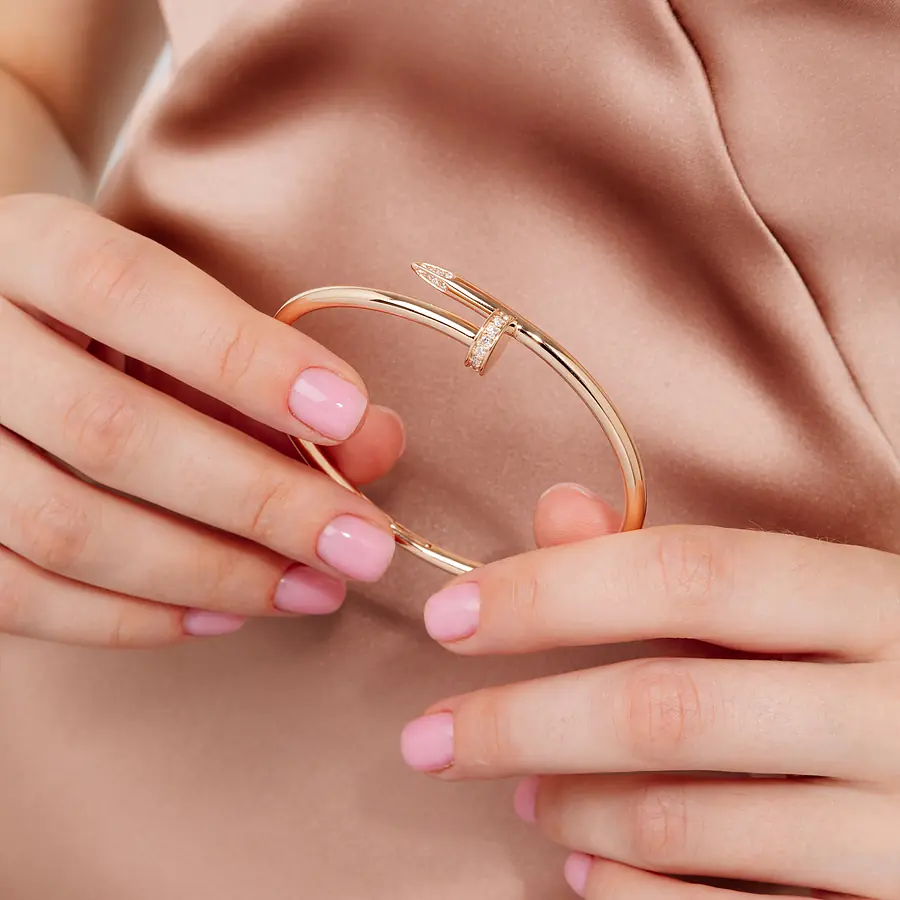

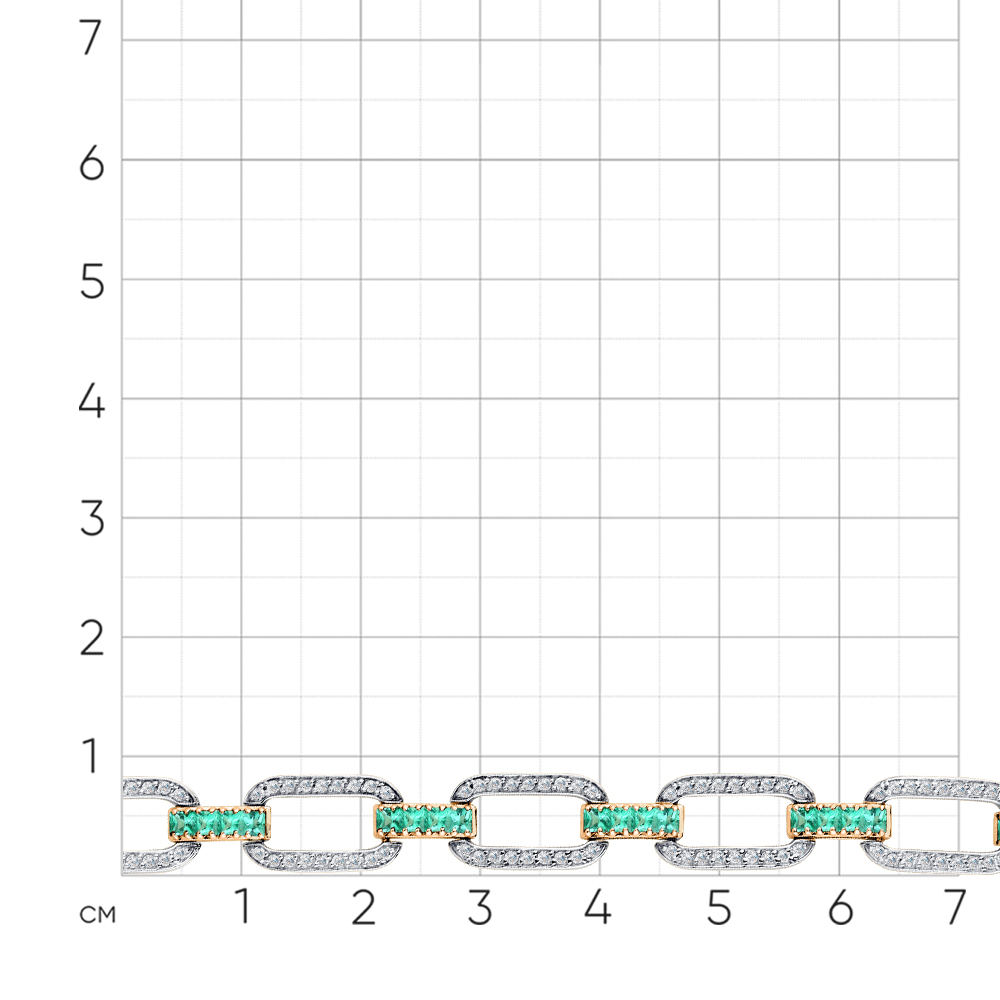


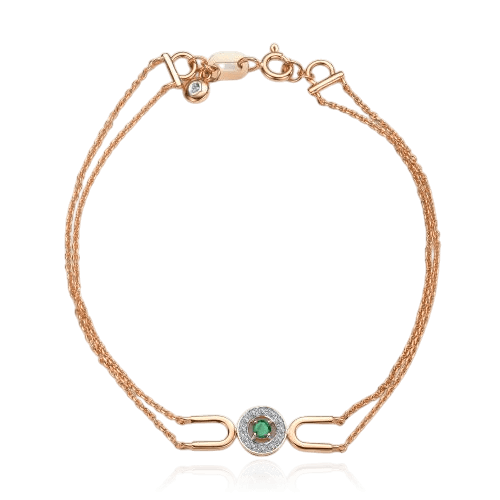
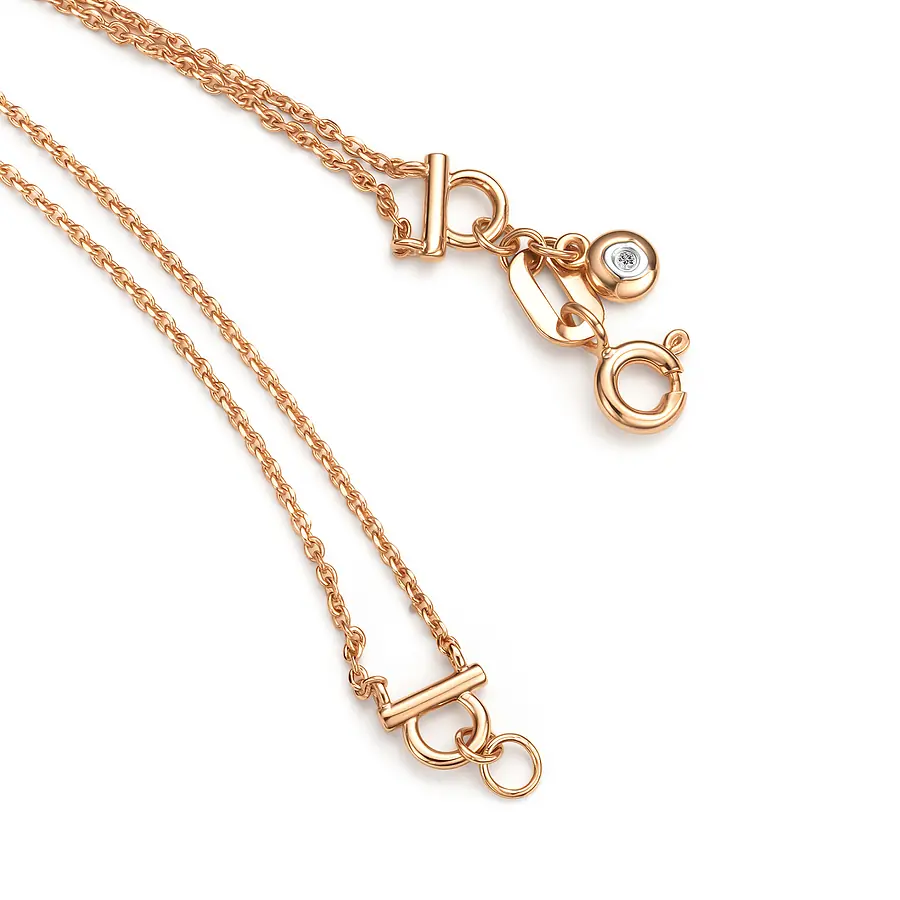
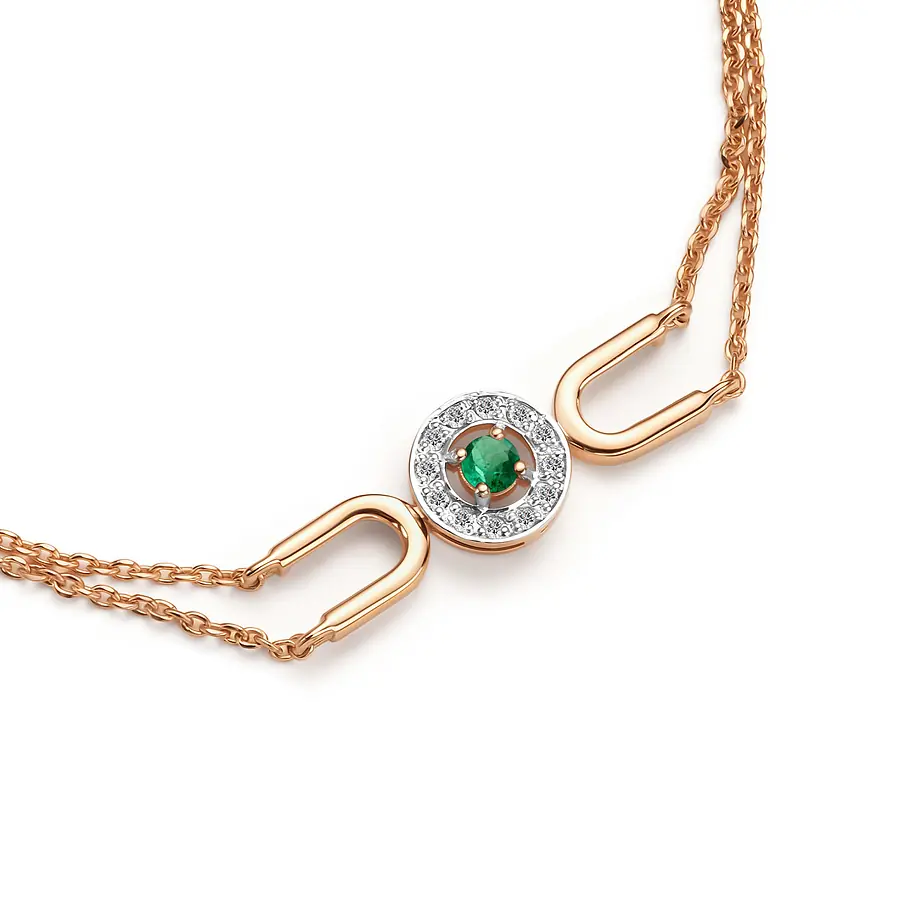
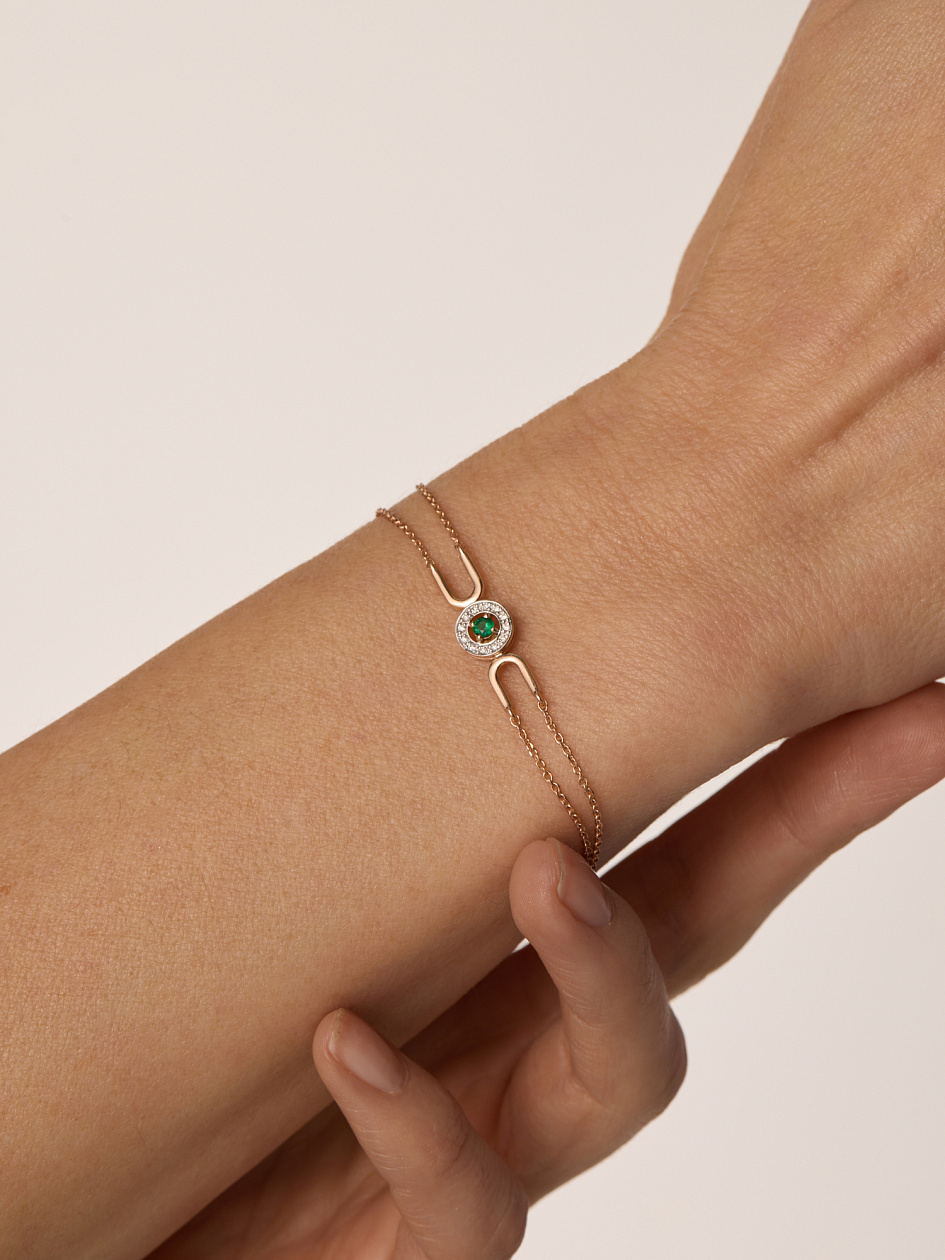
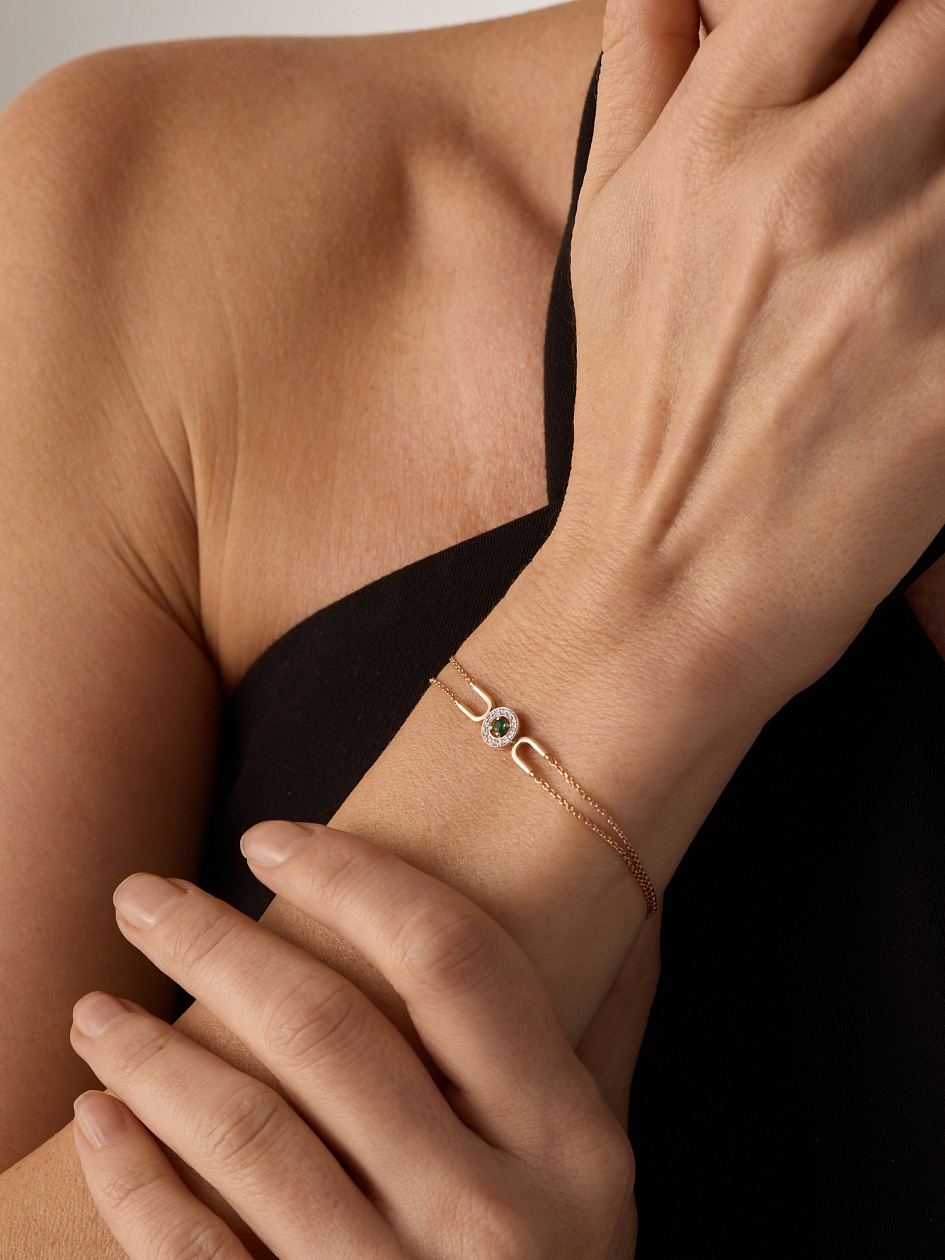
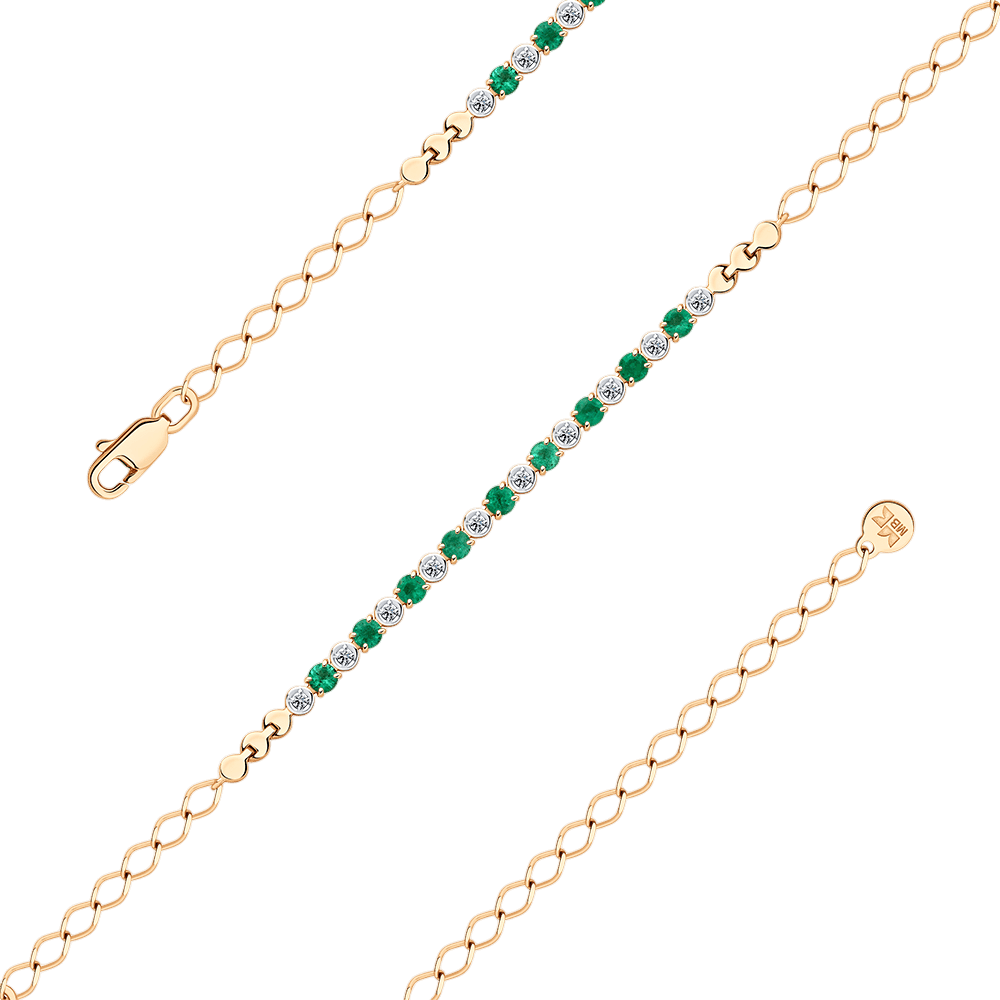


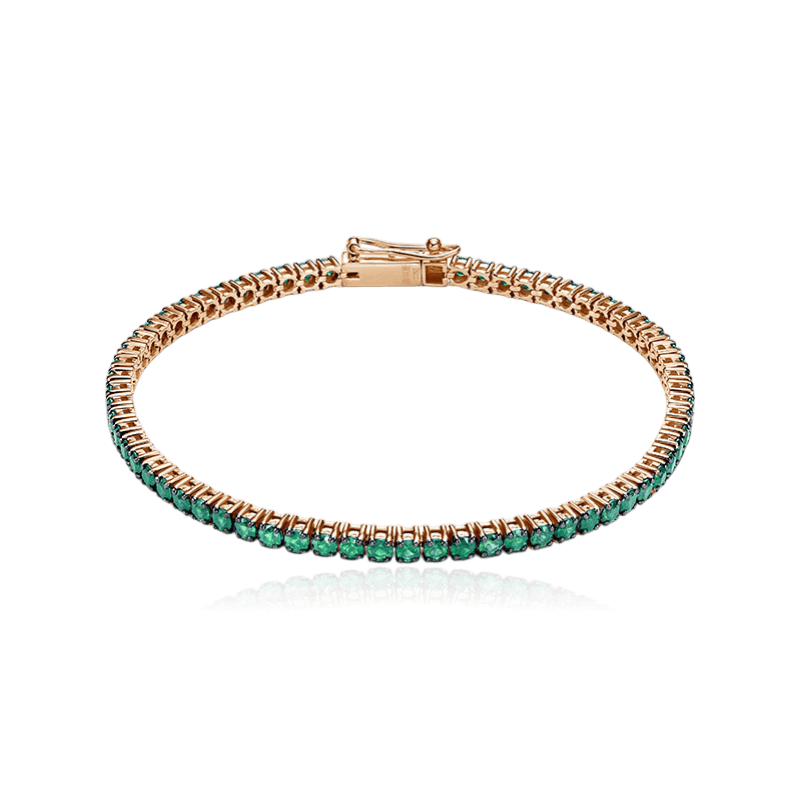
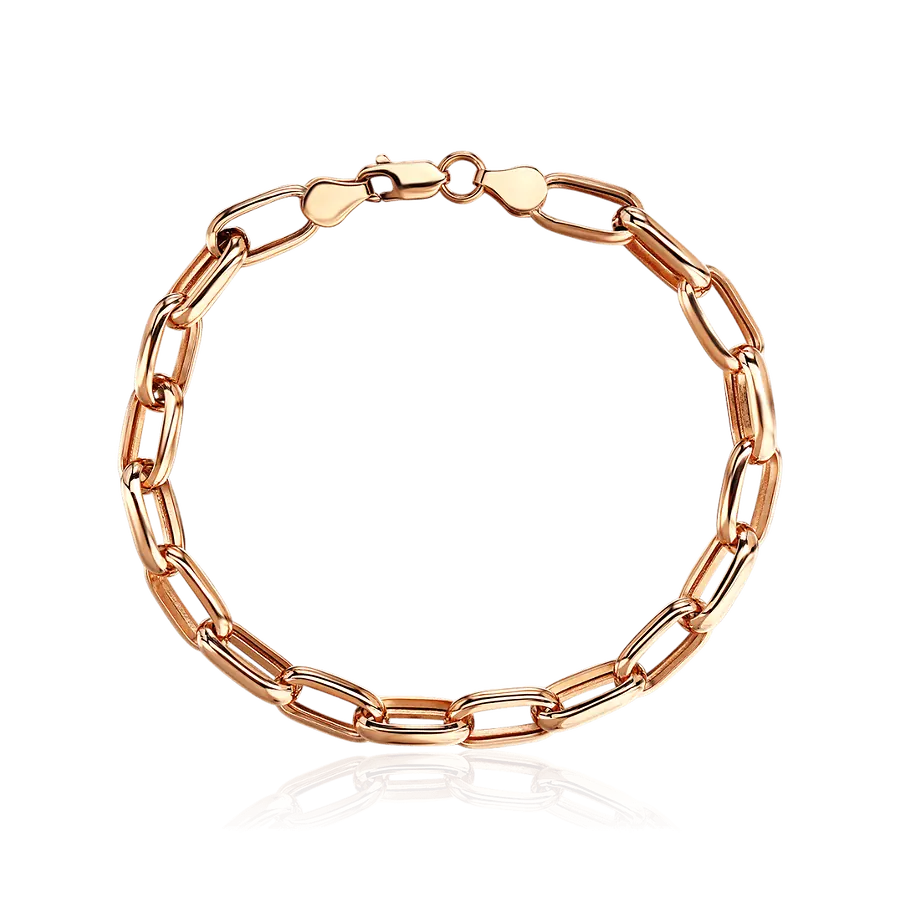
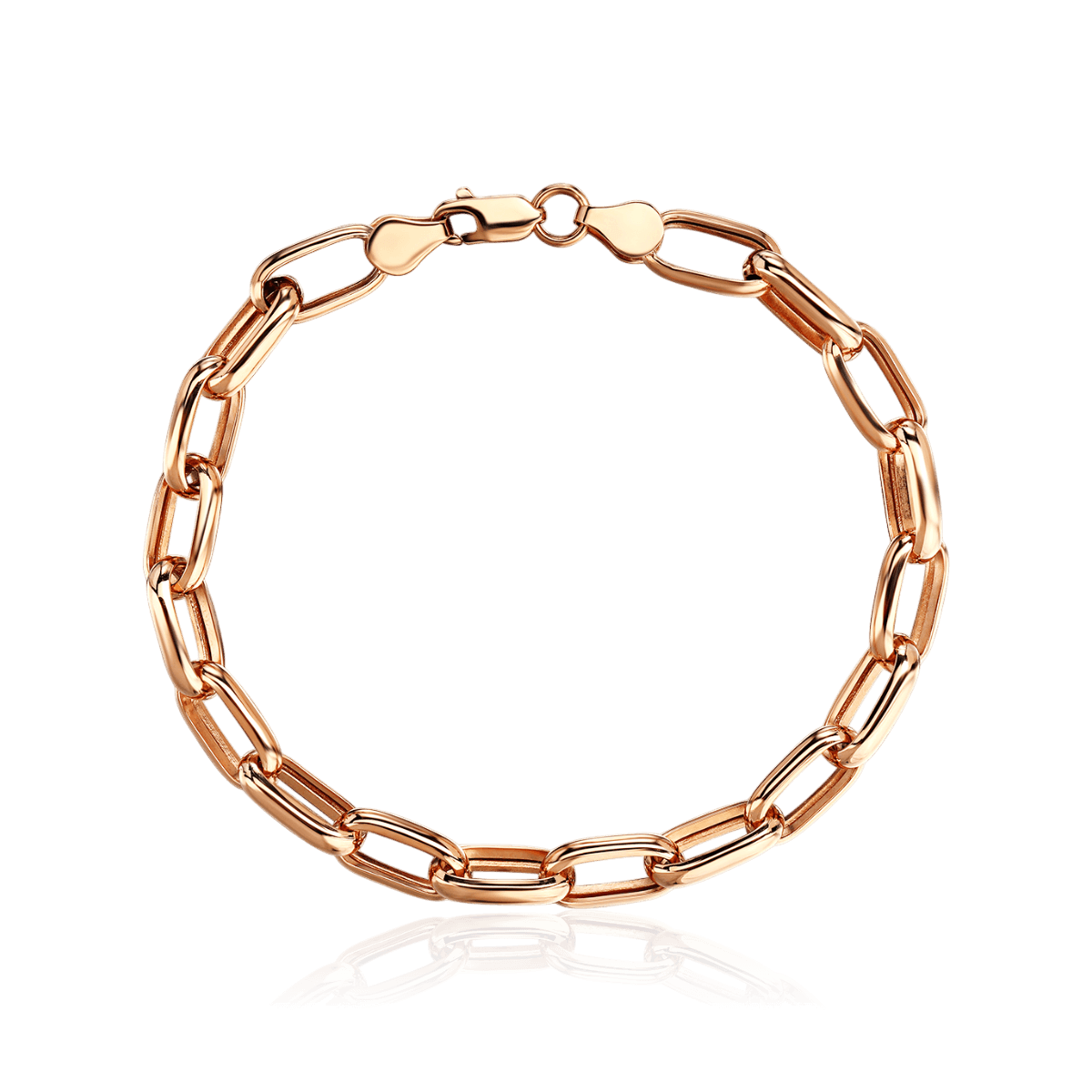

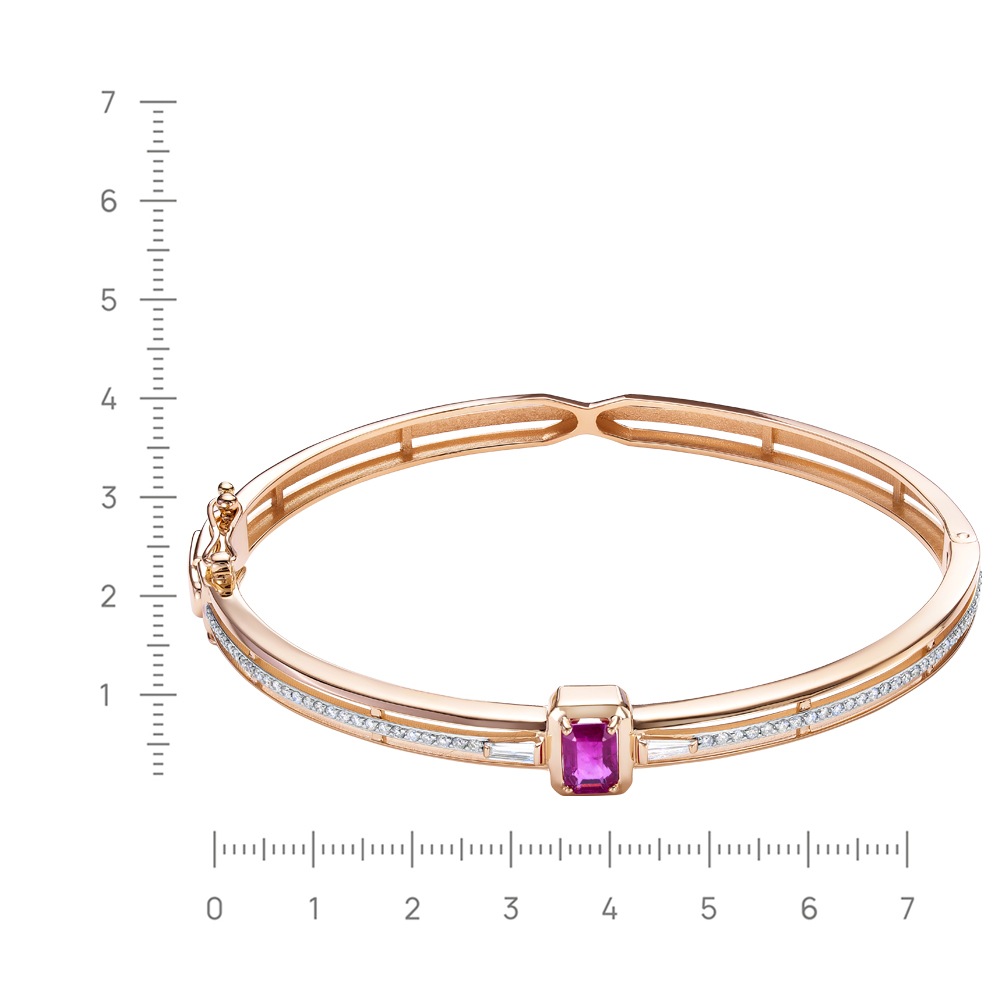
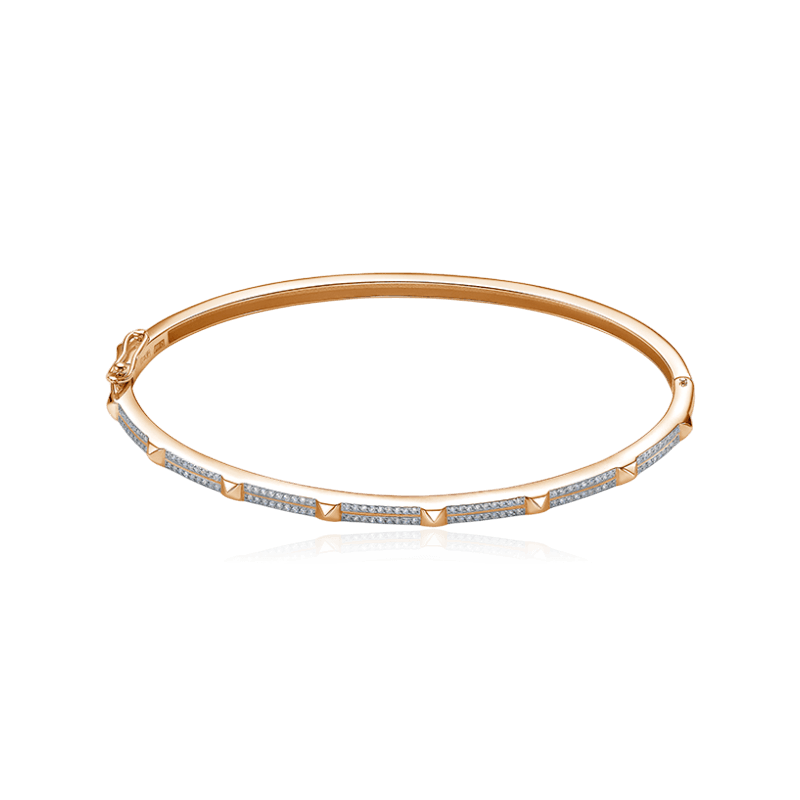

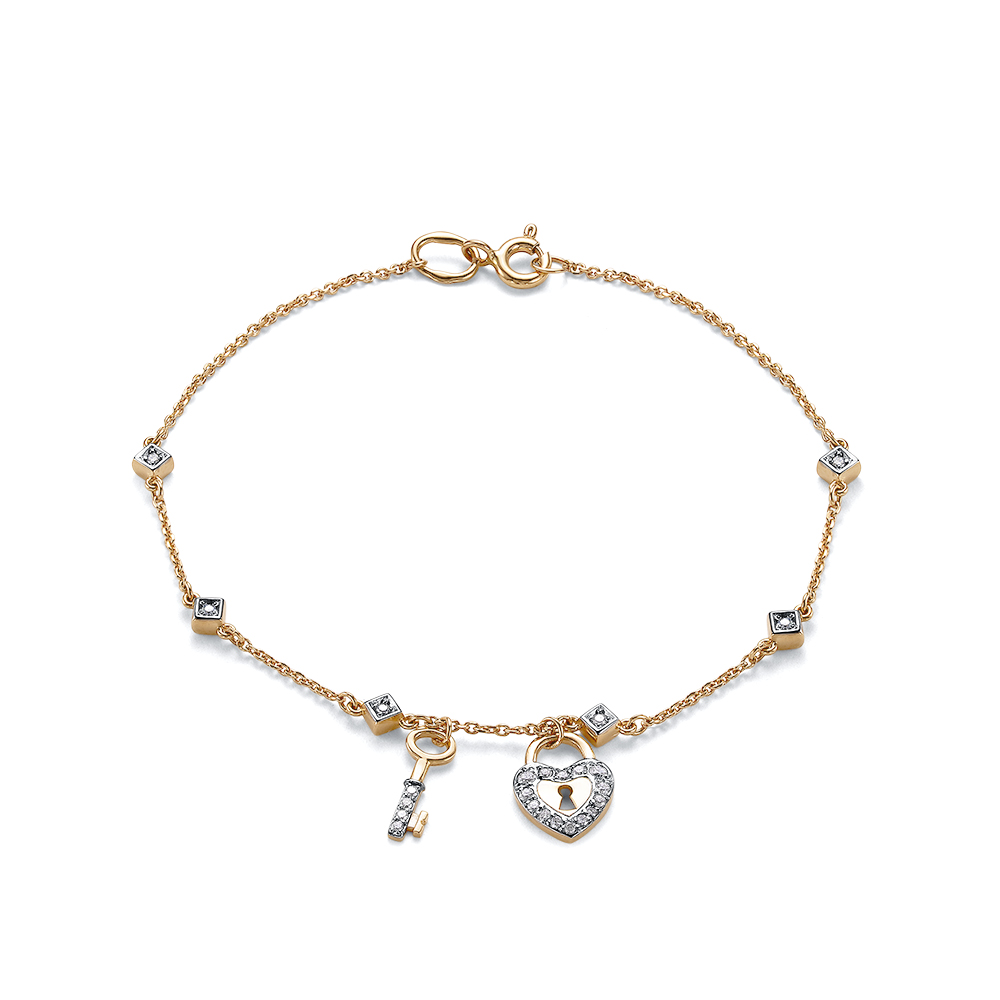
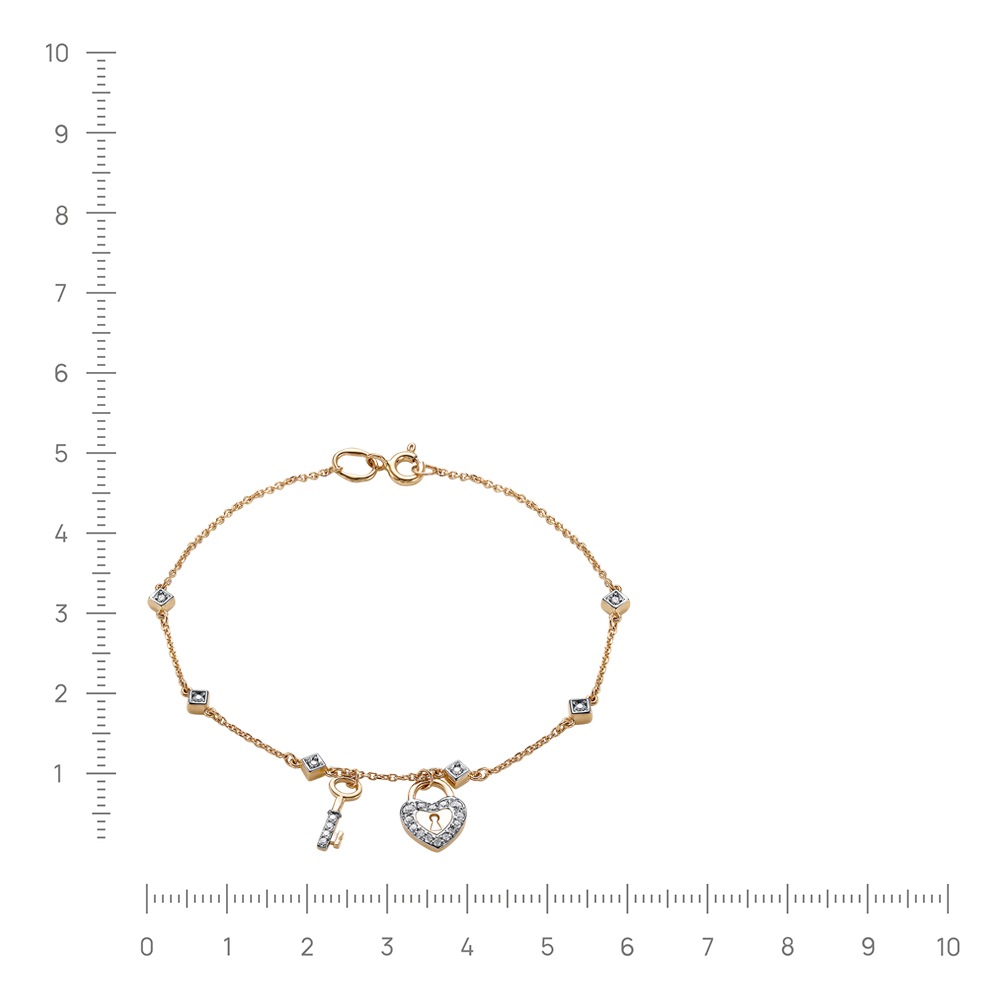
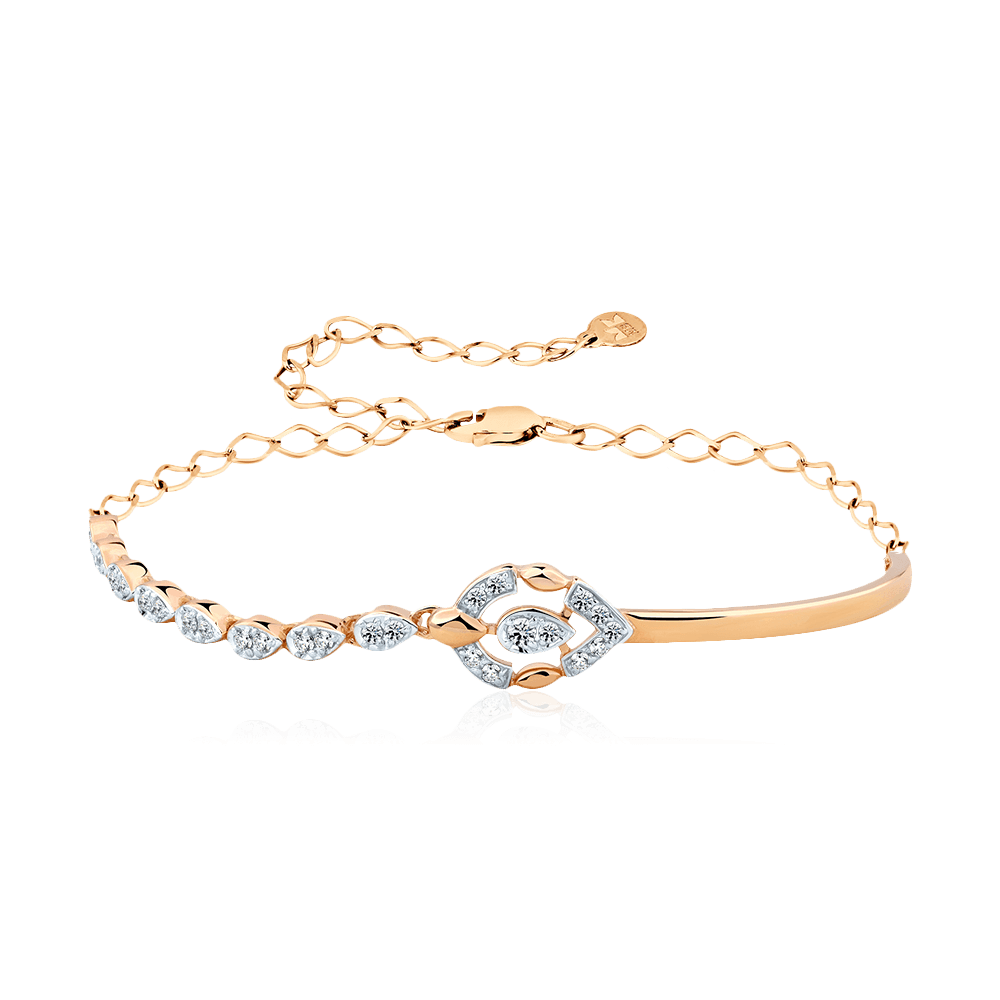
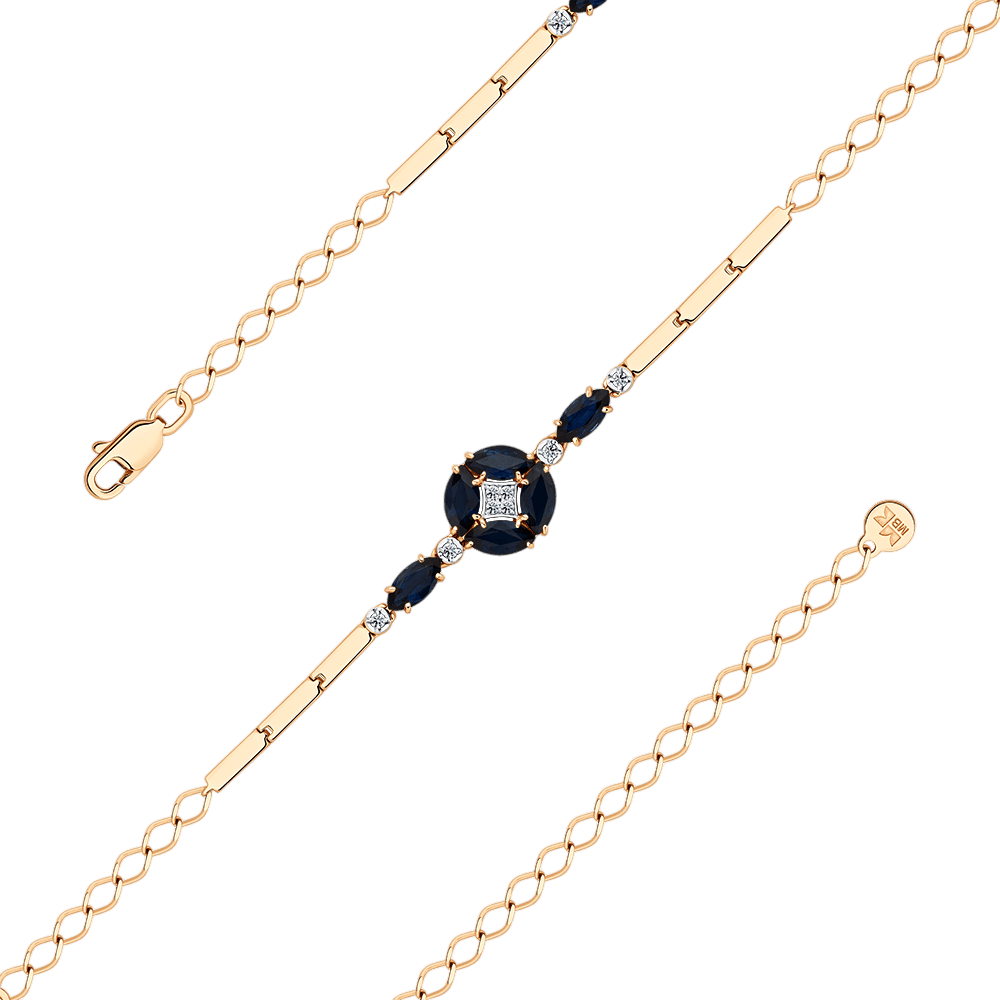
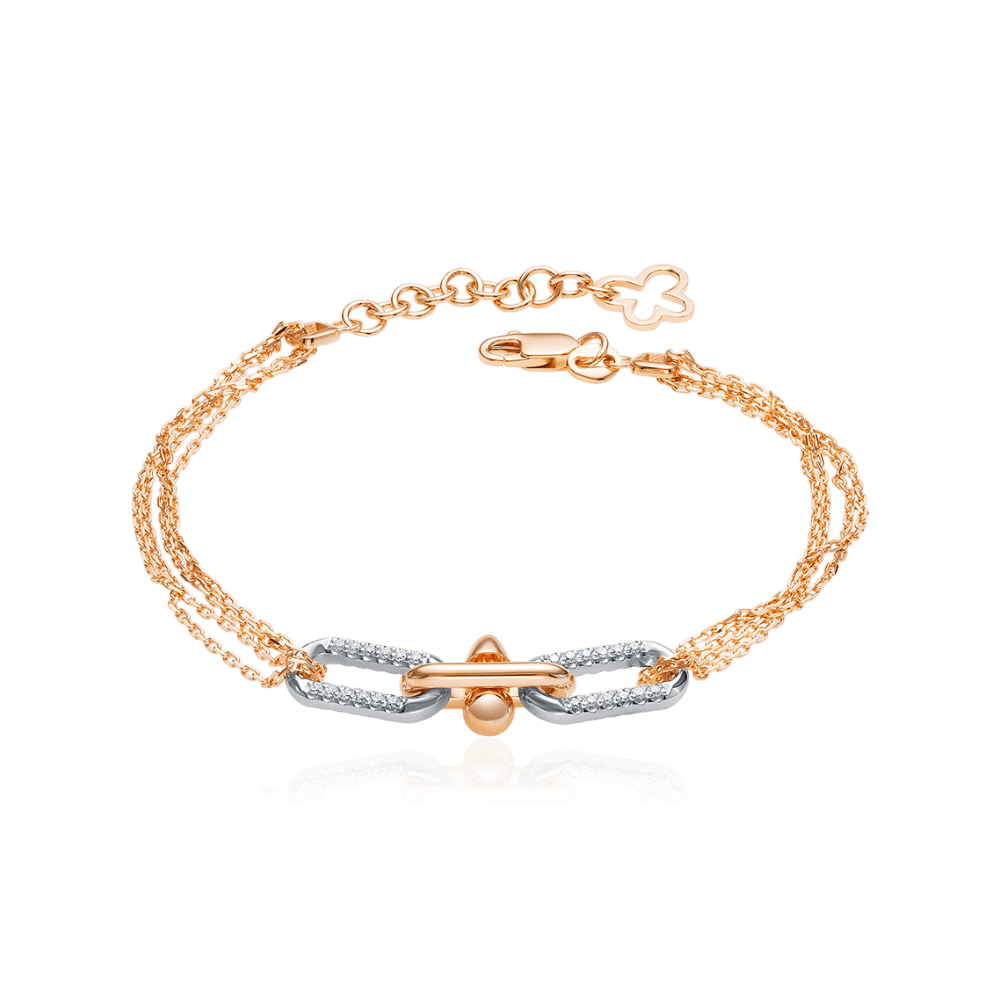
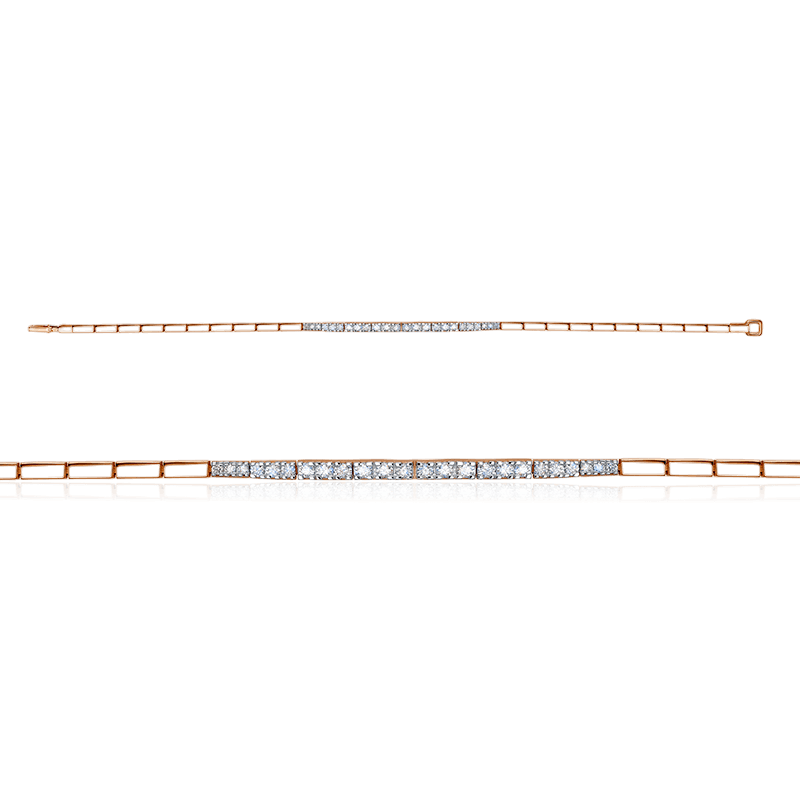

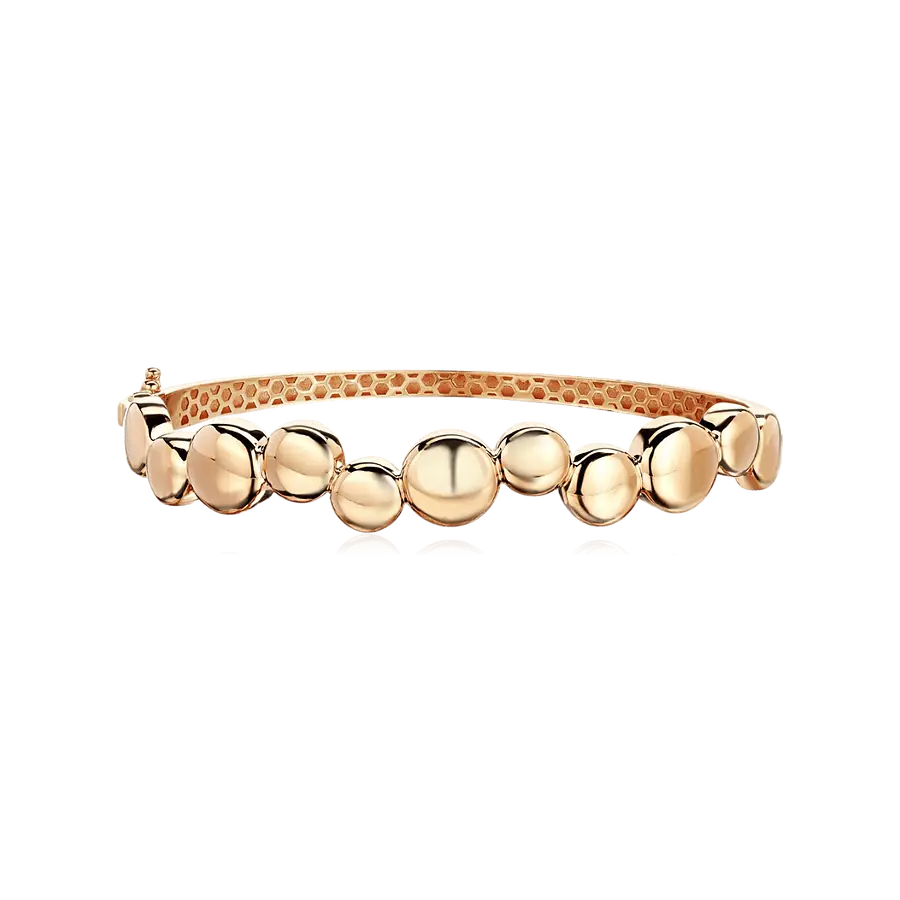
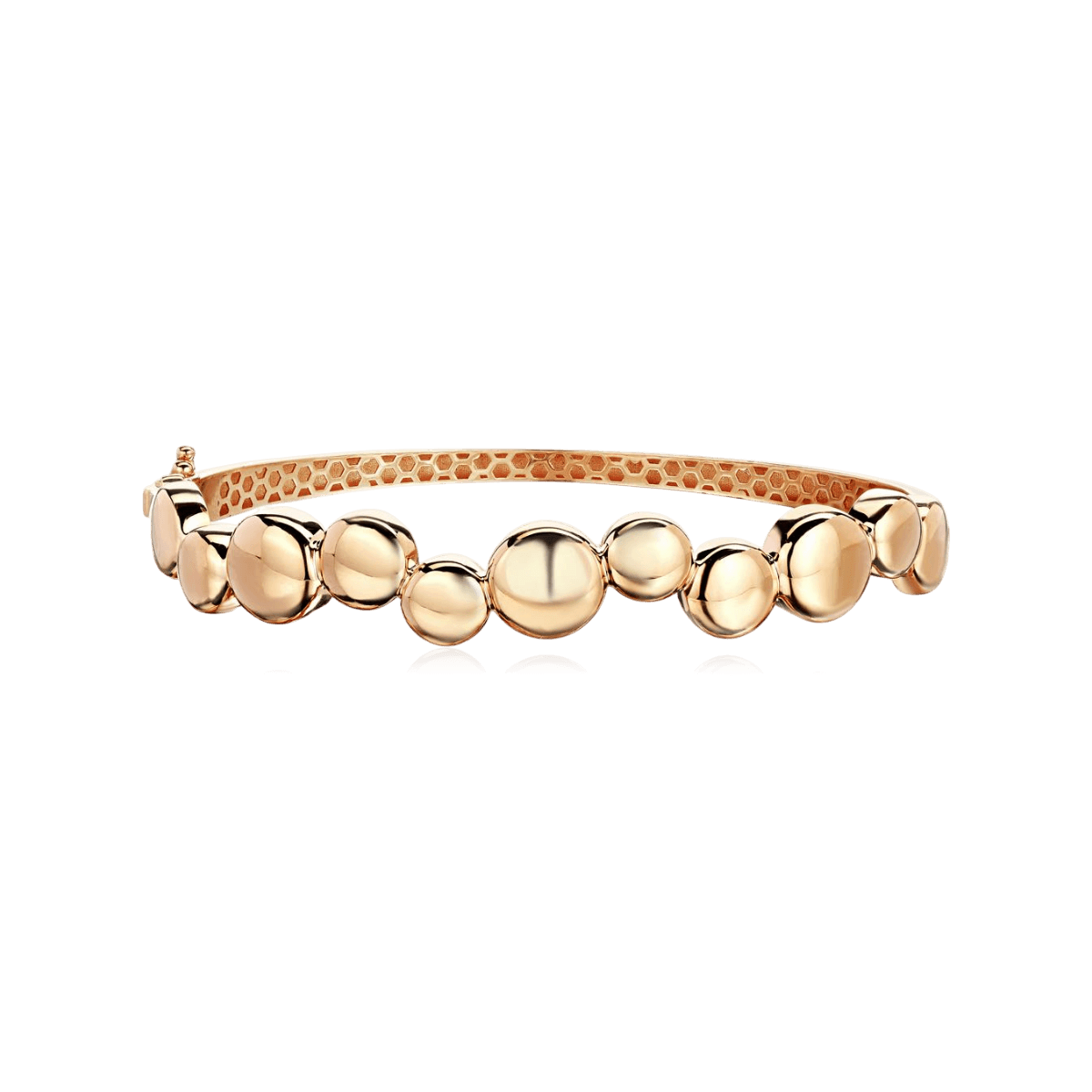


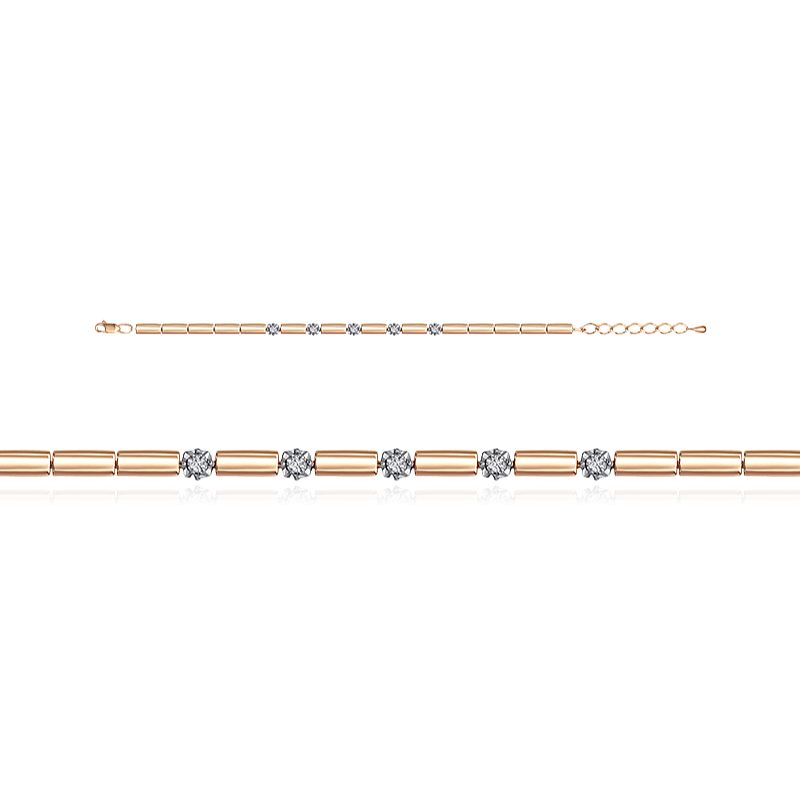
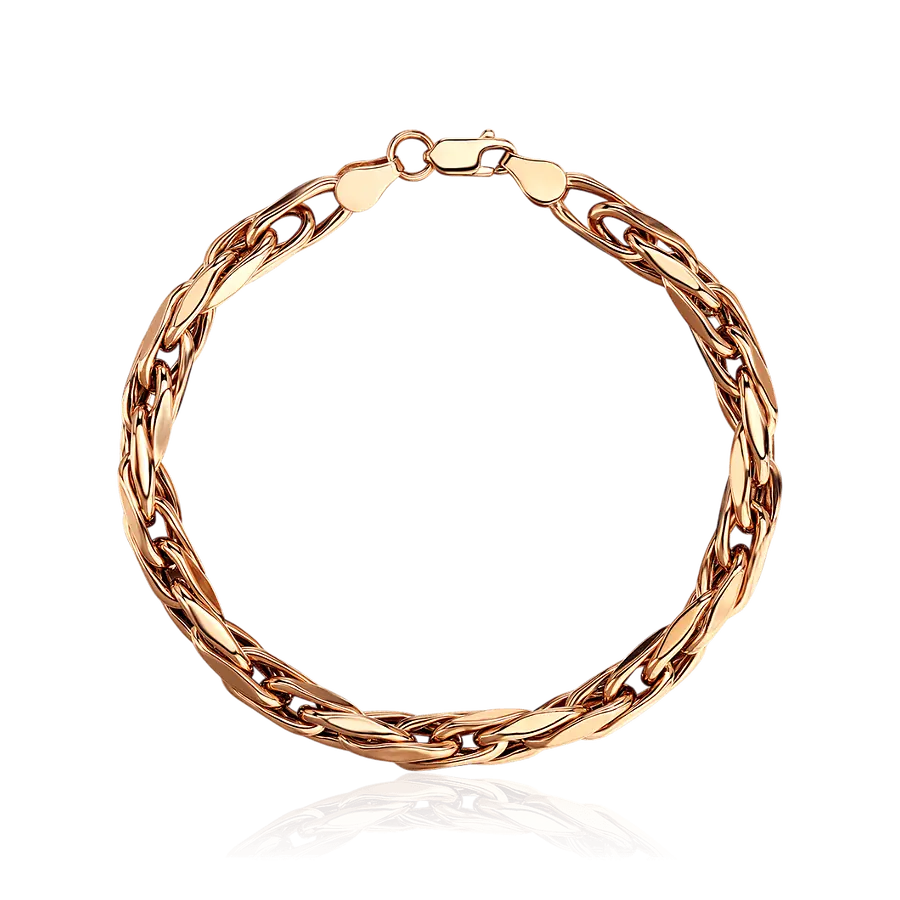
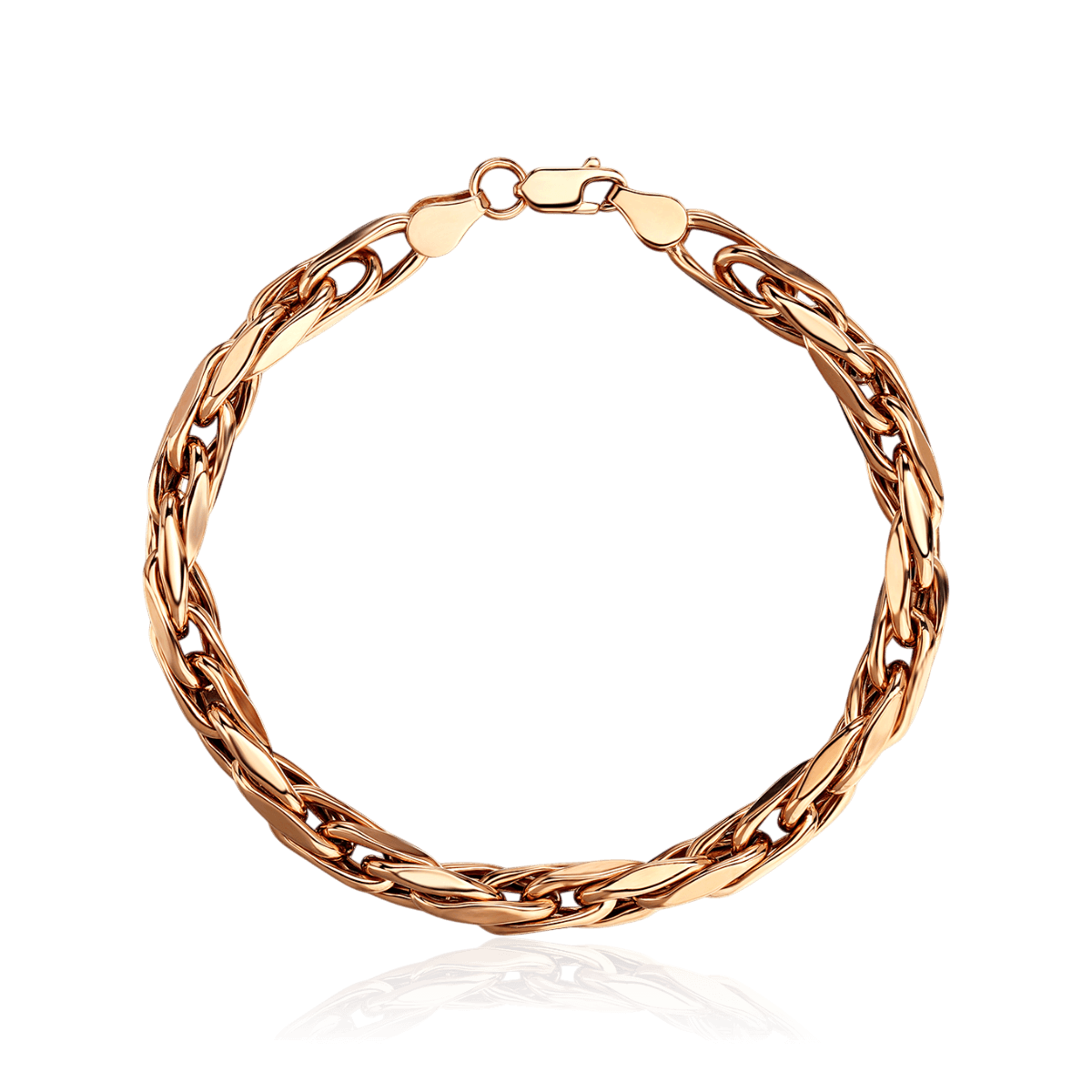
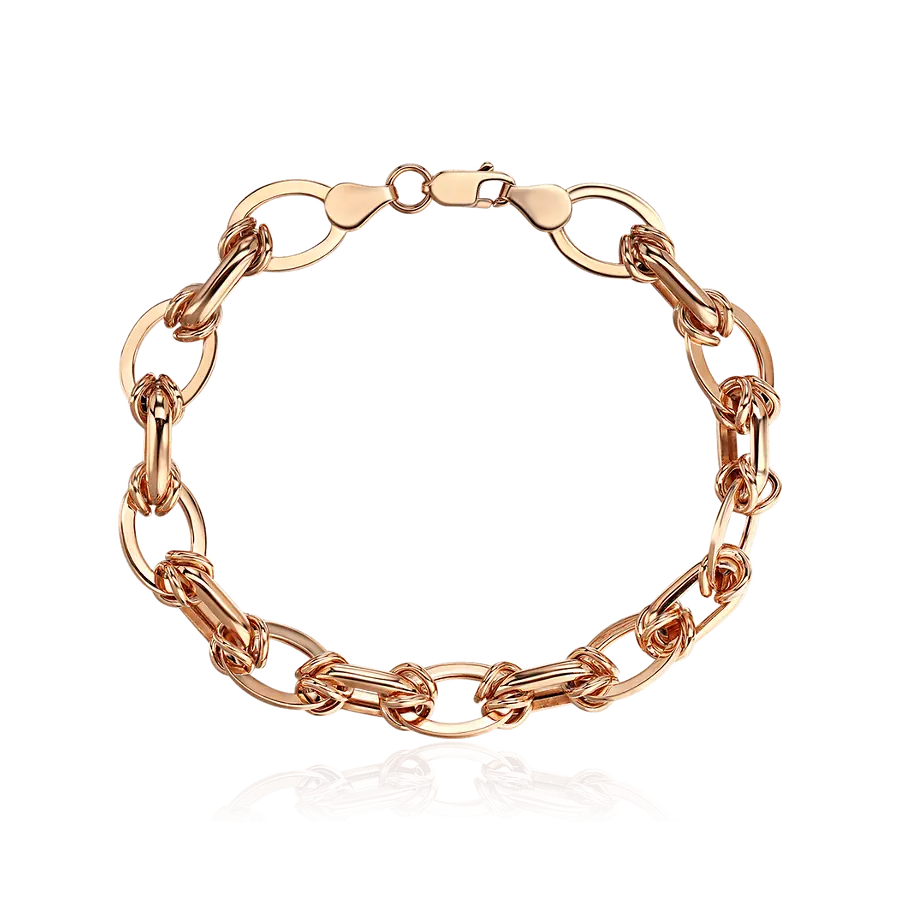
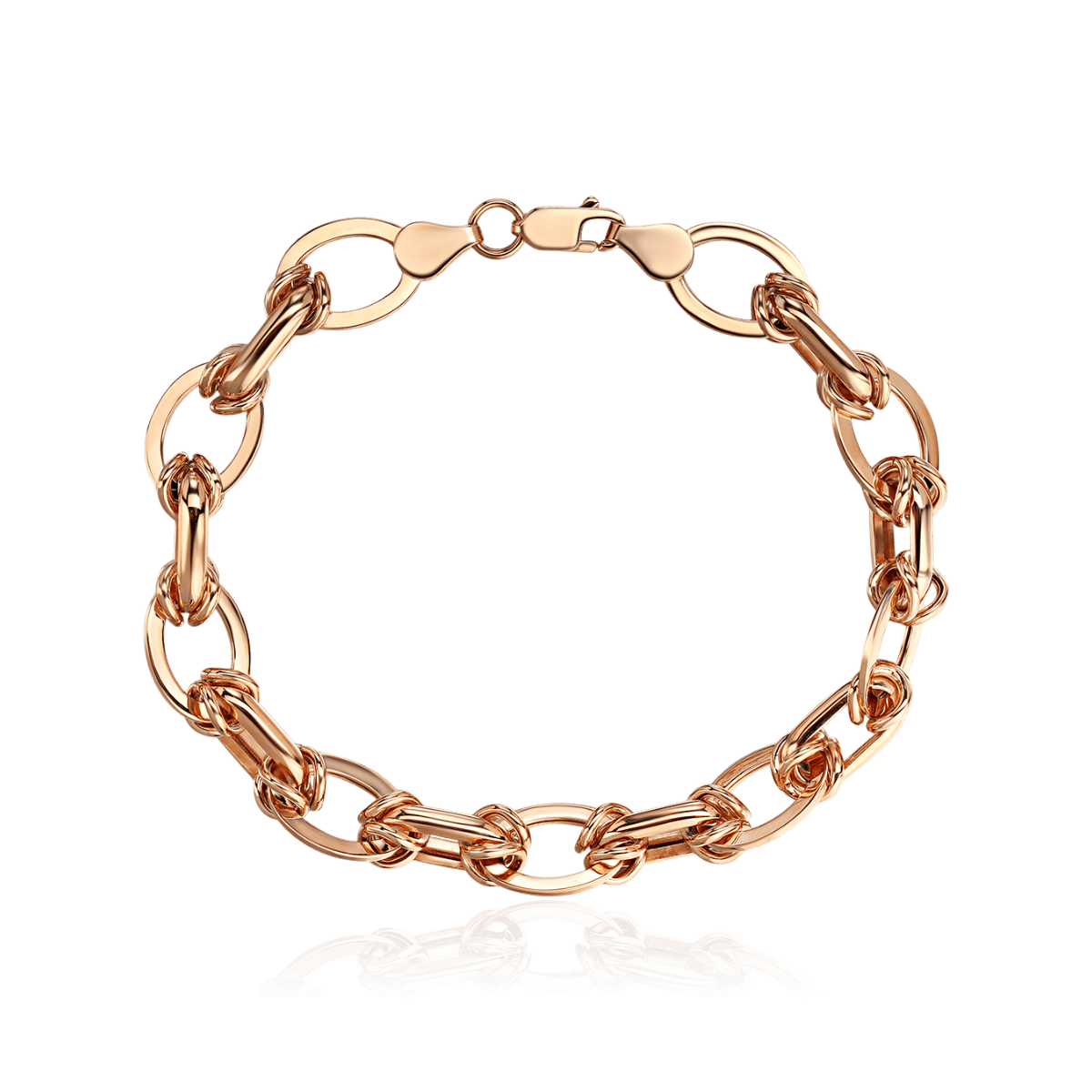


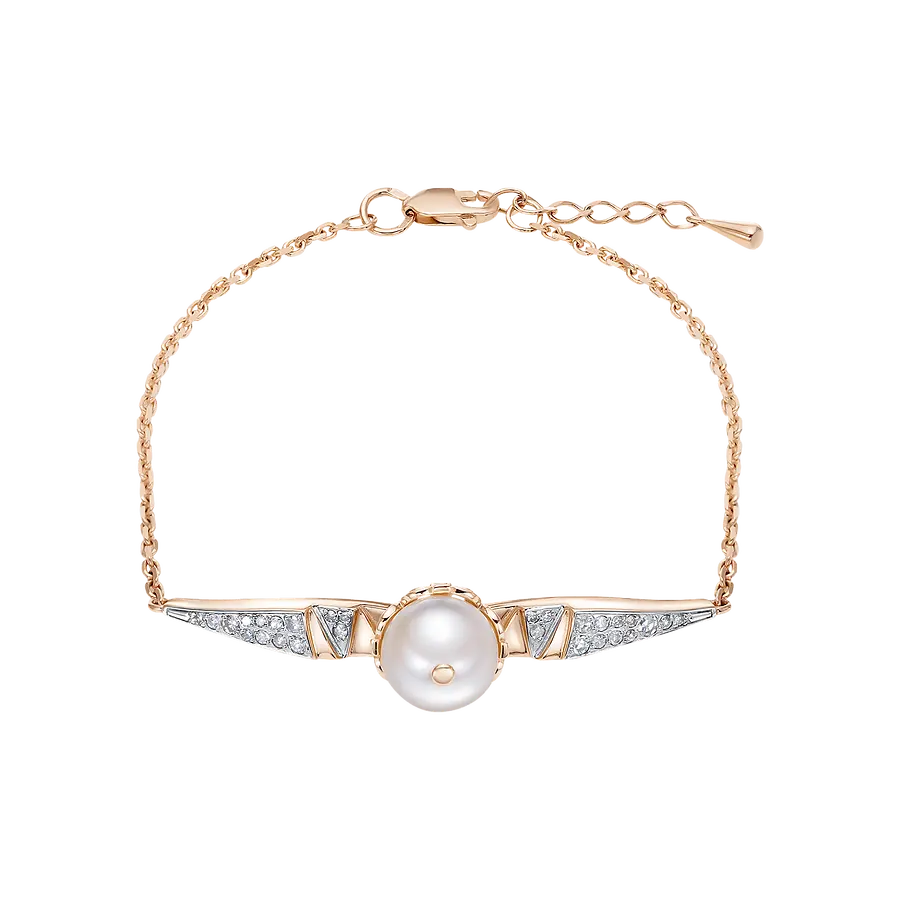

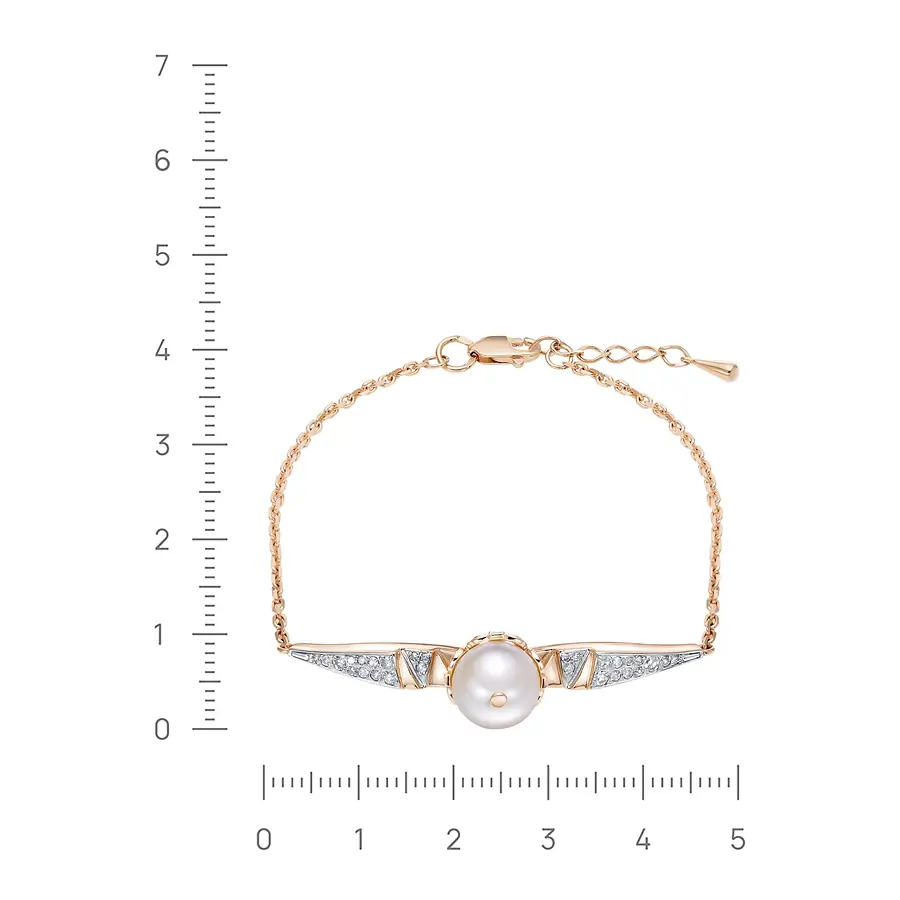

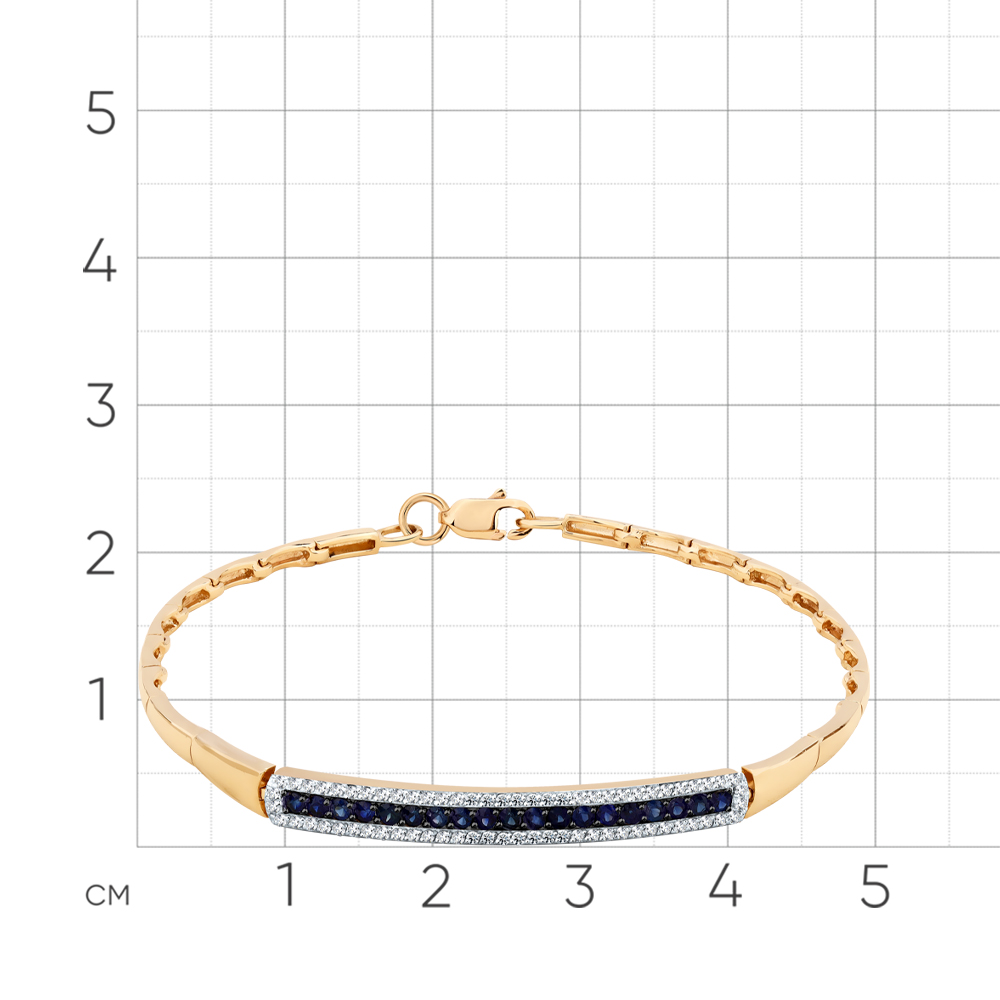


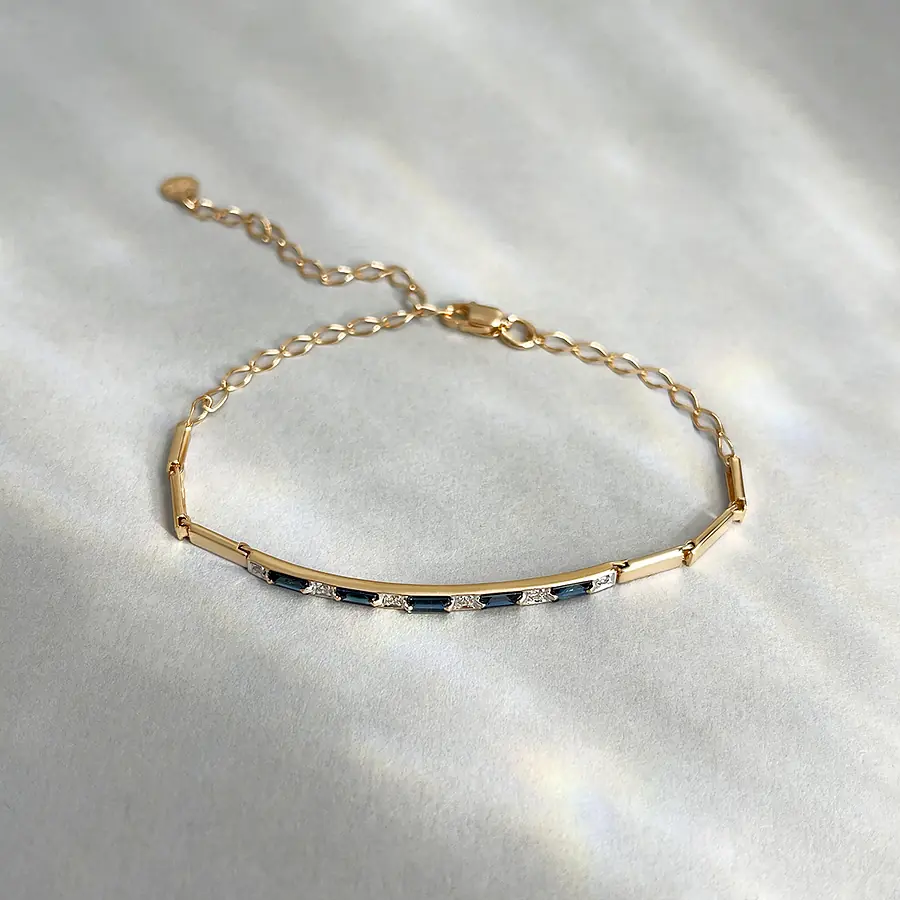

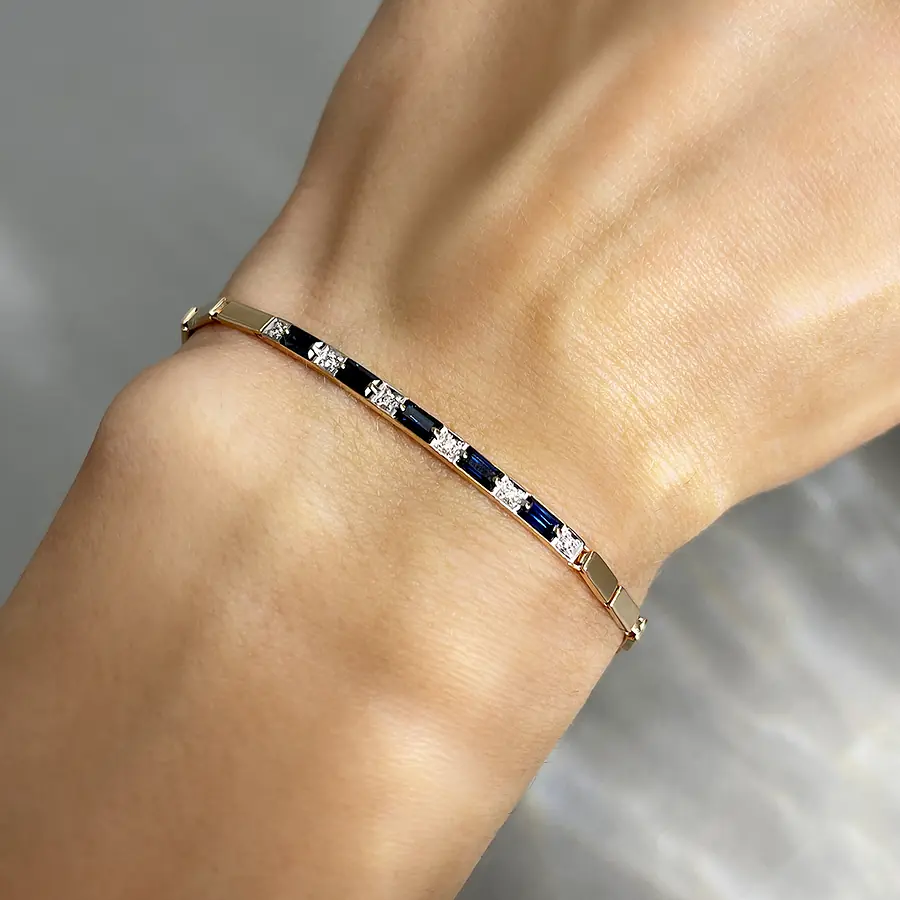

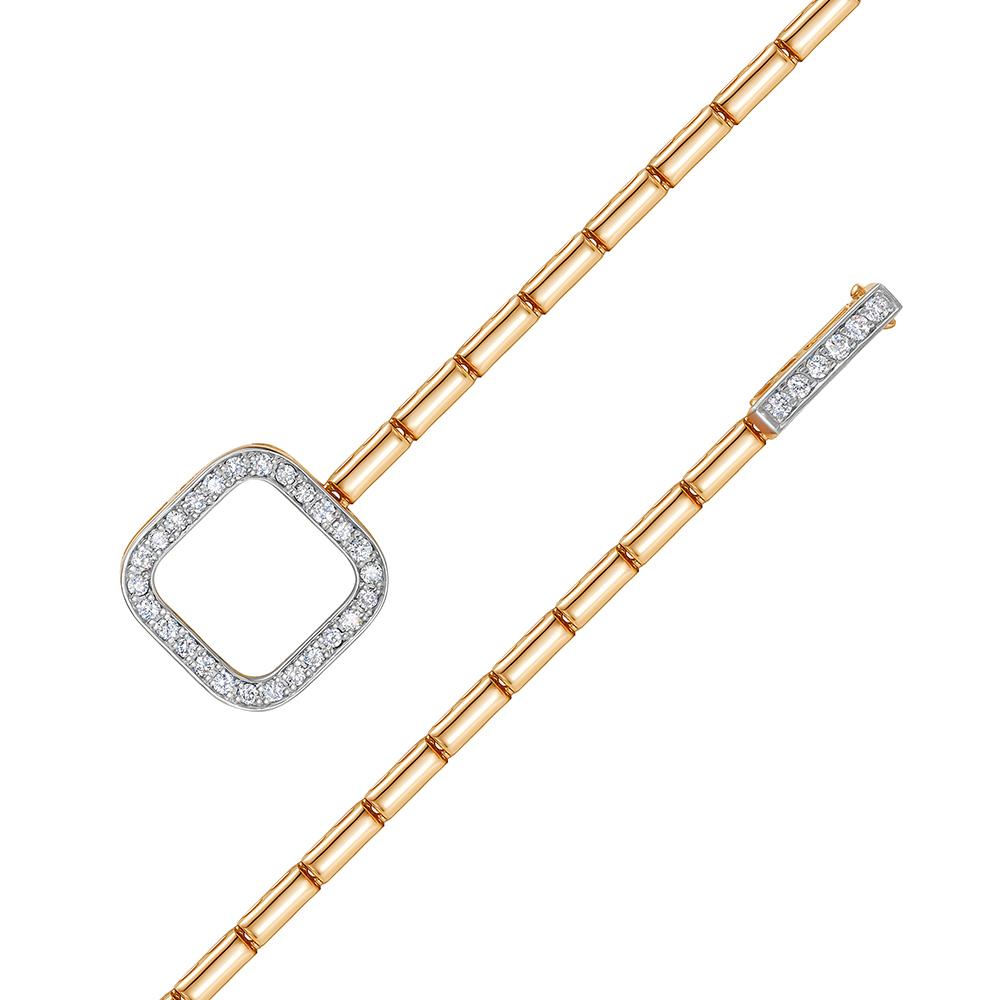
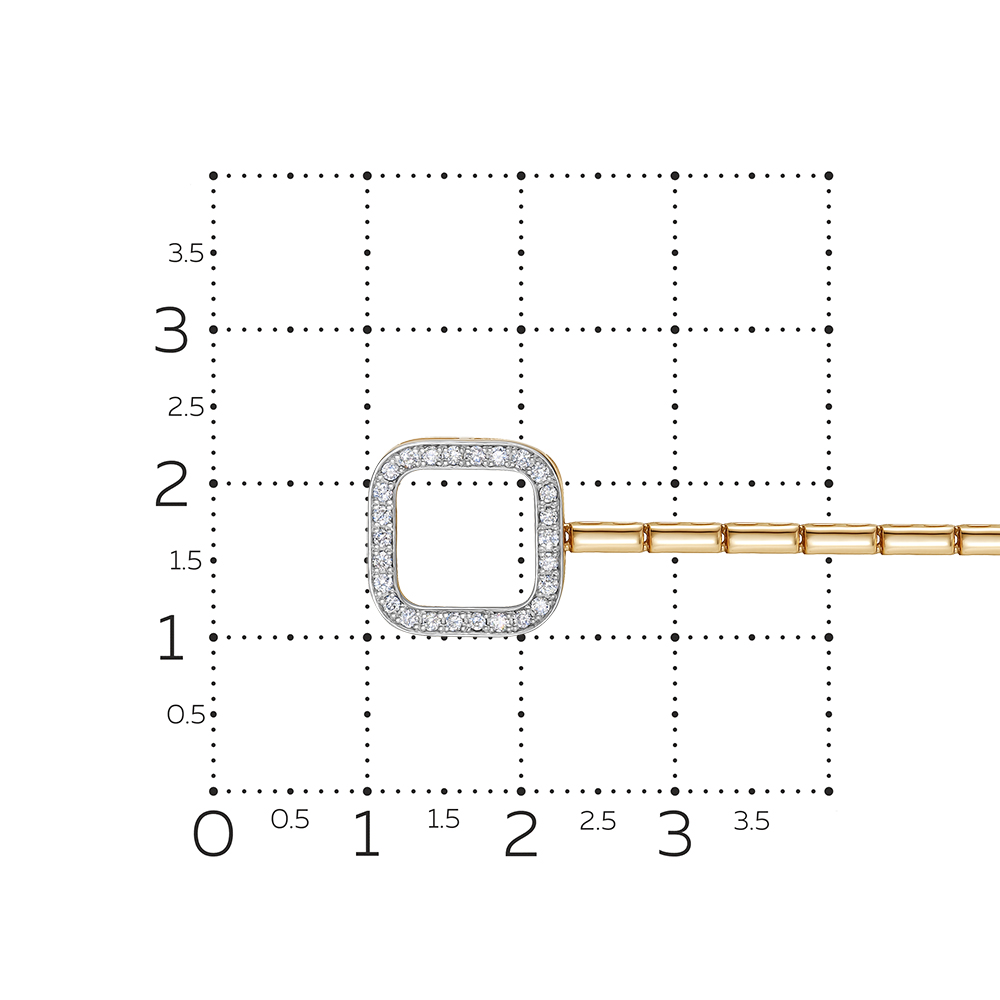


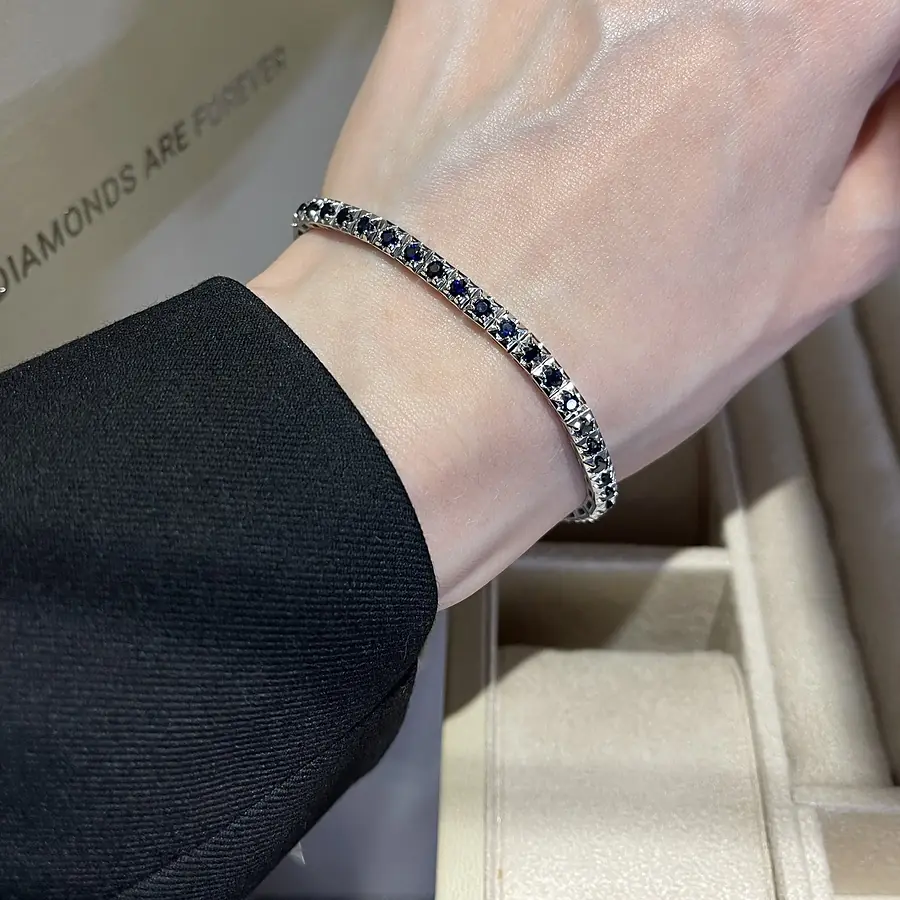

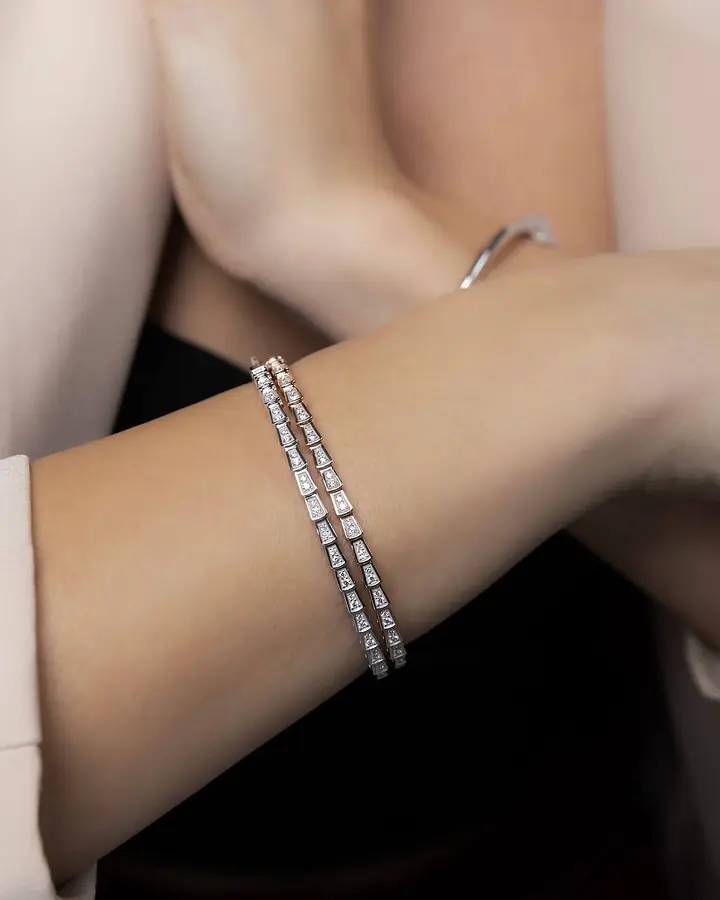
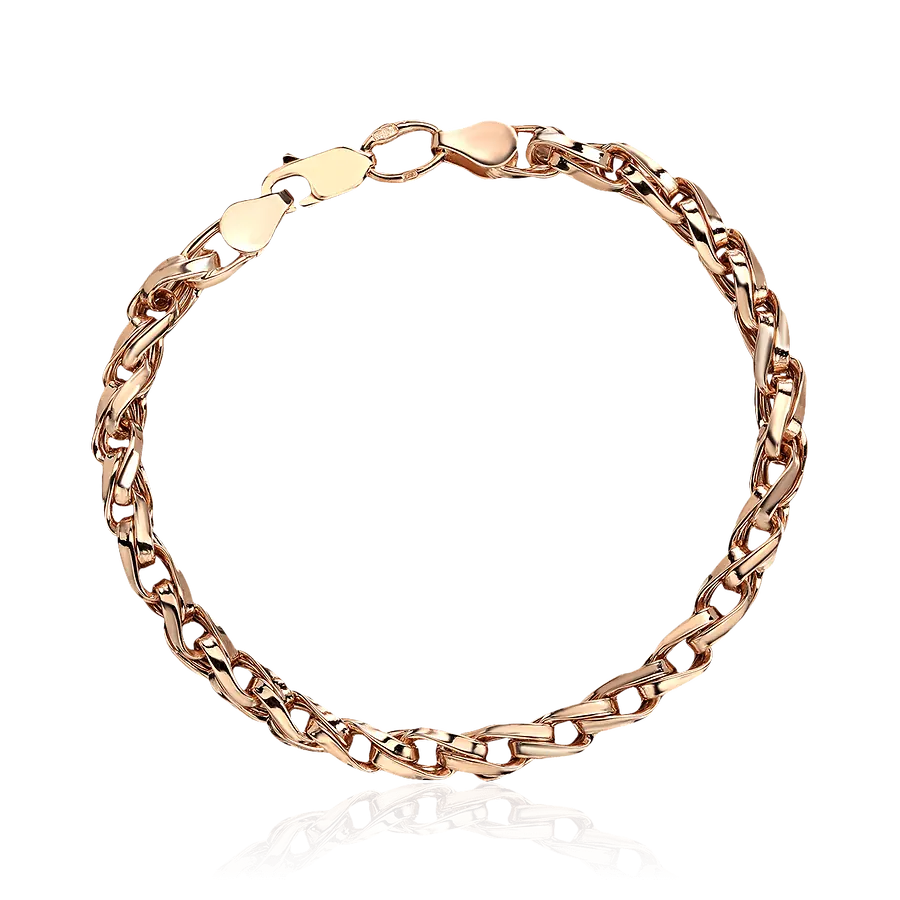
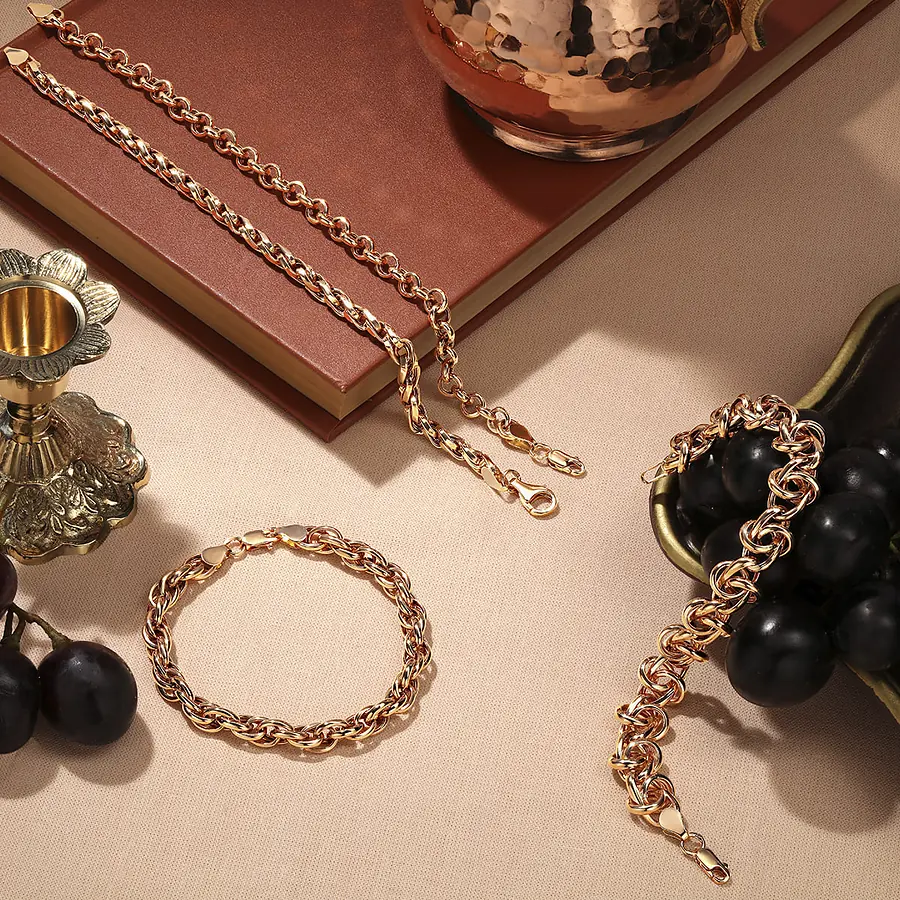
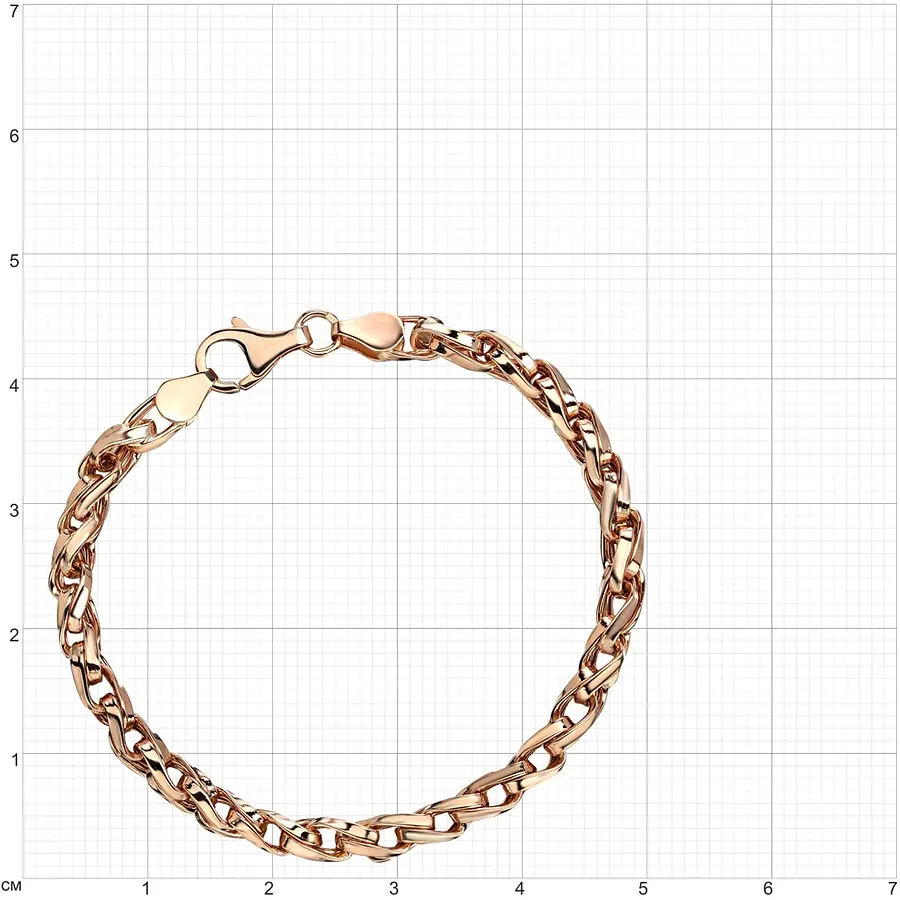
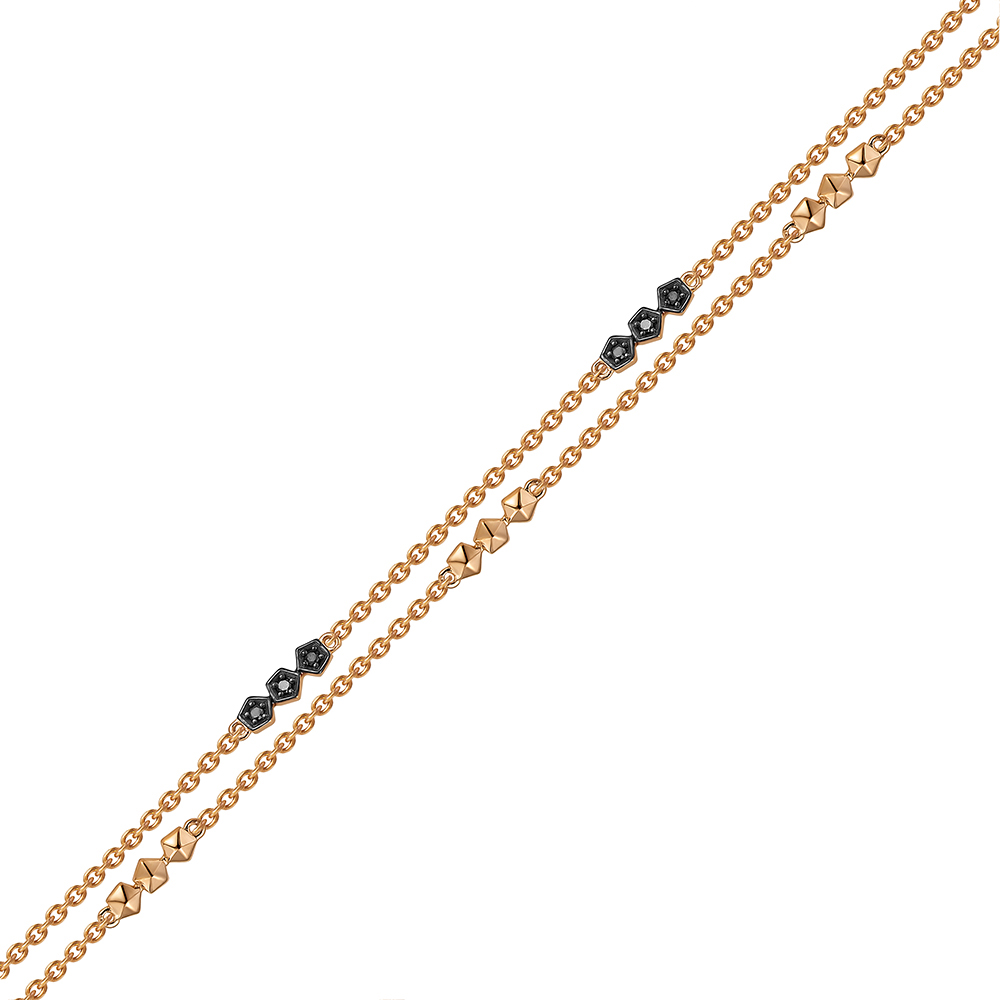
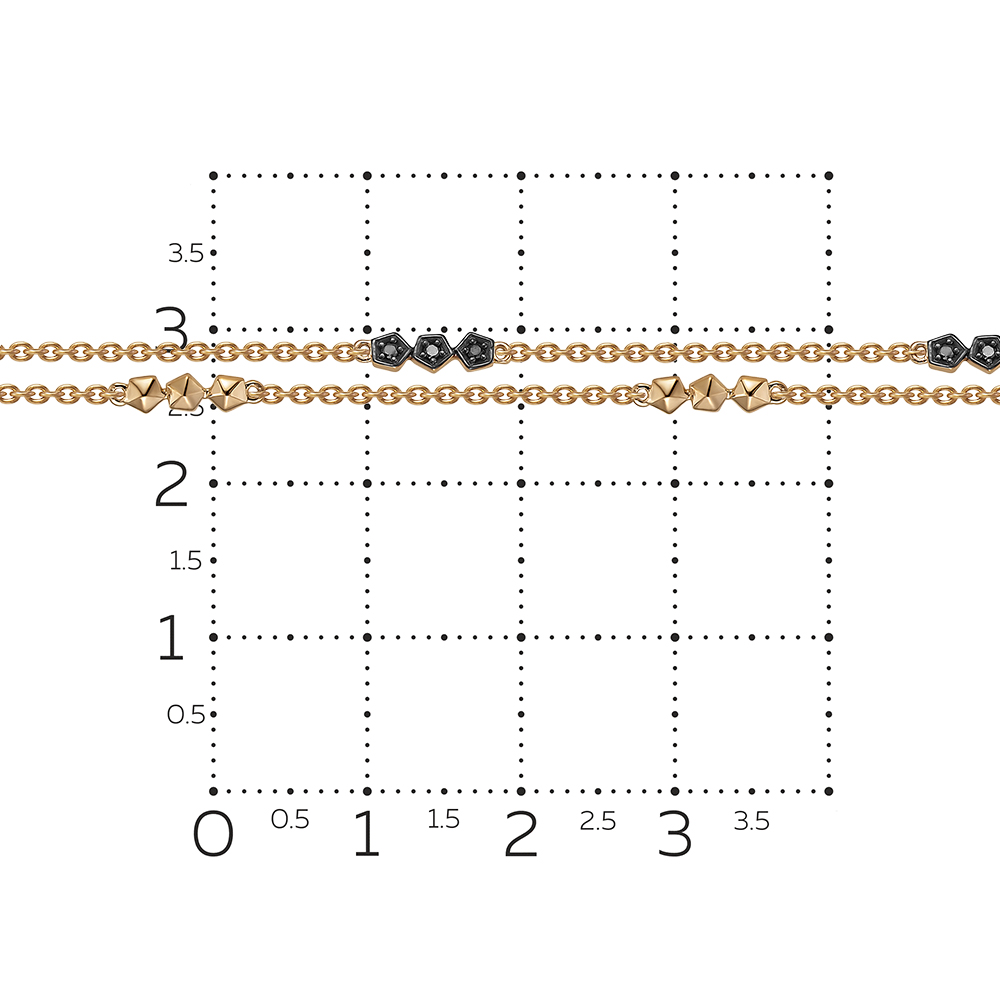
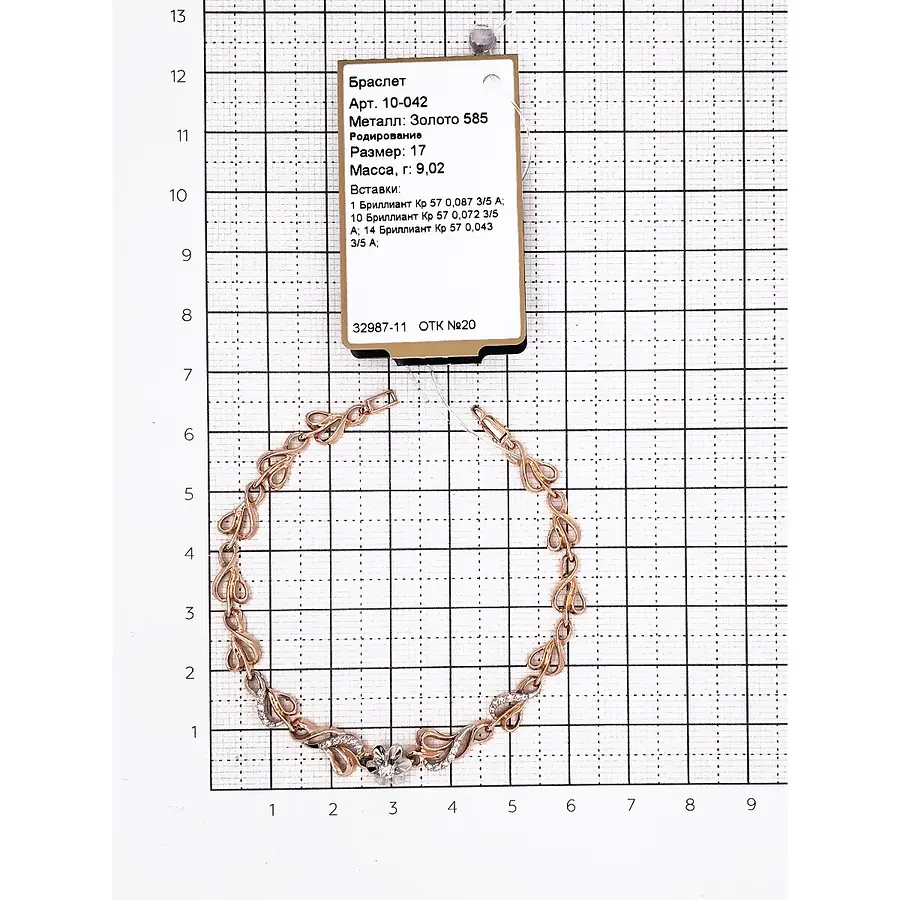
A red gold bracelet is a piece made from an alloy in which copper makes up most of the alloying metals. Here, red gold bracelets come in 522 models, and almost half of them fall in the range of 200,000–500,000 RUB. The copper in the alloy is responsible not only for the color: it makes the metal harder, and for a bracelet this matters more than shade. At the same fineness, a red gold bracelet turns out to be stronger than white or yellow ones; this is a consequence of composition, not of workmanship quality.
The price of a red gold bracelet starts at 58,900 ₽ and goes up to 999,000 ₽ and beyond for diamond-paved pieces. Red gold bracelets under 100,000 ₽ do exist in the catalog, but such models make up less than a tenth of the section.
You can choose a red gold bracelet across five price brackets, distributed very unevenly:
| Cart | Pieces | Share |
|---|---|---|
| Up to 50,000 ₽ | 5 | 1% |
| 50 000–100 000 ₽ | 44 | 8% |
| 100 000–200 000 ₽ | 165 | 32% |
| 200 000–500 000 ₽ | 253 | 48% |
| From 500,000 ₽ | 55 | 11% |
Almost half of the range consists of pieces from 200 000 ₽. A red gold bracelet in this selection almost always has stones. The reason is what they are made of: a red gold bracelet in this catalog most often comes with diamonds, and a diamond track along the entire length of the piece costs more than the metal itself.
Pure 999 gold is yellow and too soft for jewelry. An alloying metal is added to the jewelry alloy, and it is what sets the color. A red gold bracelet gets its shade not from a coating but from the composition of the metal.
A fineness of 585 means 58.5% gold; the remaining 41.5% is alloying metals. When copper makes up the main part of this share, the alloy takes on a reddish tone. That is why a red gold bracelet and a white gold bracelet of the same fineness contain exactly the same amount of pure gold — only the alloy differs. The higher the copper content, the richer the color.
To see why a red gold bracelet is a practical choice, look not at the color but at the copper. This argument is rarely heard in product descriptions, yet it is the only measurable one.
A red gold bracelet outperforms comparable pieces on one measurable parameter. Copper increases the alloy's hardness. At the same 585 standard, red gold is harder than white and yellow because its alloy has the most copper. The difference is small in numbers but significant in use.
A red gold bracelet, like any other, is the second most worn jewelry after the ring. It lies on the wrist, so it is in constant contact with the desk, keyboard, bag handle and clothing sleeve. No other jewelry apart from the ring gets as many accidental touches in a day. A red gold bracelet spends the same hours on the wrist as any other; the only difference is how the metal handles it.
Of the three gold colors, red handles this kind of wear best, and a red gold bracelet benefits from it more than earrings or a pendant:
Red, pink, and yellow gold bracelets differ in alloy composition, not in fineness. The main differences:
| Parameter | Red | Pink | Yellow |
|---|---|---|---|
| The base of the alloy | copper | copper + silver | silver + copper |
| Tone | rich, warm | soft, muted | classic gold |
| Hardness | the highest | medium | medium |
| Needs rhodium plating | no | no | no |
Rose gold follows the same principle, but with a larger share of silver: it softens the tone and makes the alloy slightly more pliable. By choosing a red gold bracelet over a rose gold one, you get a richer color and a harder metal at the same time. At equal fineness, a red gold bracelet will be harder than a rose gold one.
Every advantage has a price. The copper that gives red gold its strength and color also oxidizes. The metal inherits this property along with the strength; you cannot have one without the other.
In practice, this means that a red gold bracelet may darken where it comes into contact with harsh substances, such as when it regularly meets cosmetics, perfume, household chemicals or sweat. The darkening is superficial and comes off with cleaning, but white and yellow gold are less prone to this effect.
The conclusion is not that copper is a flaw. The conclusion is that a red gold bracelet needs not more complicated, but more regular care.
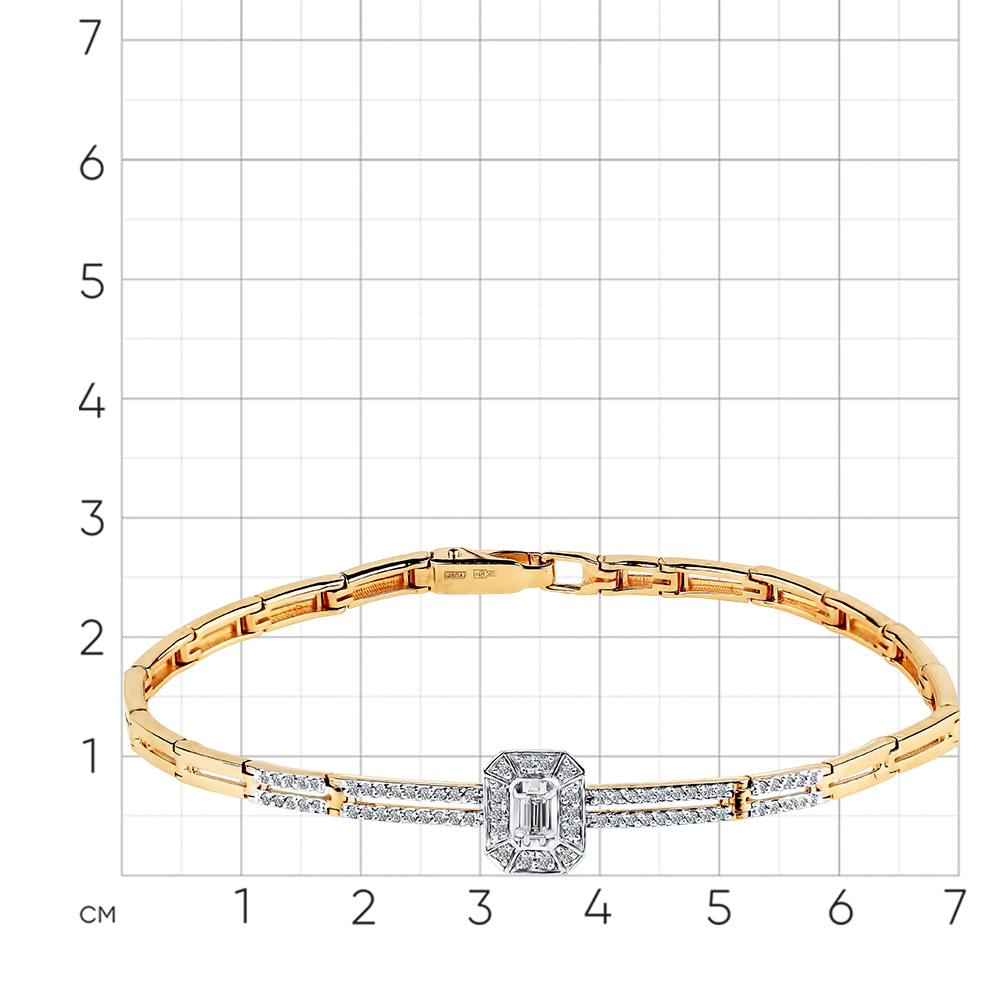
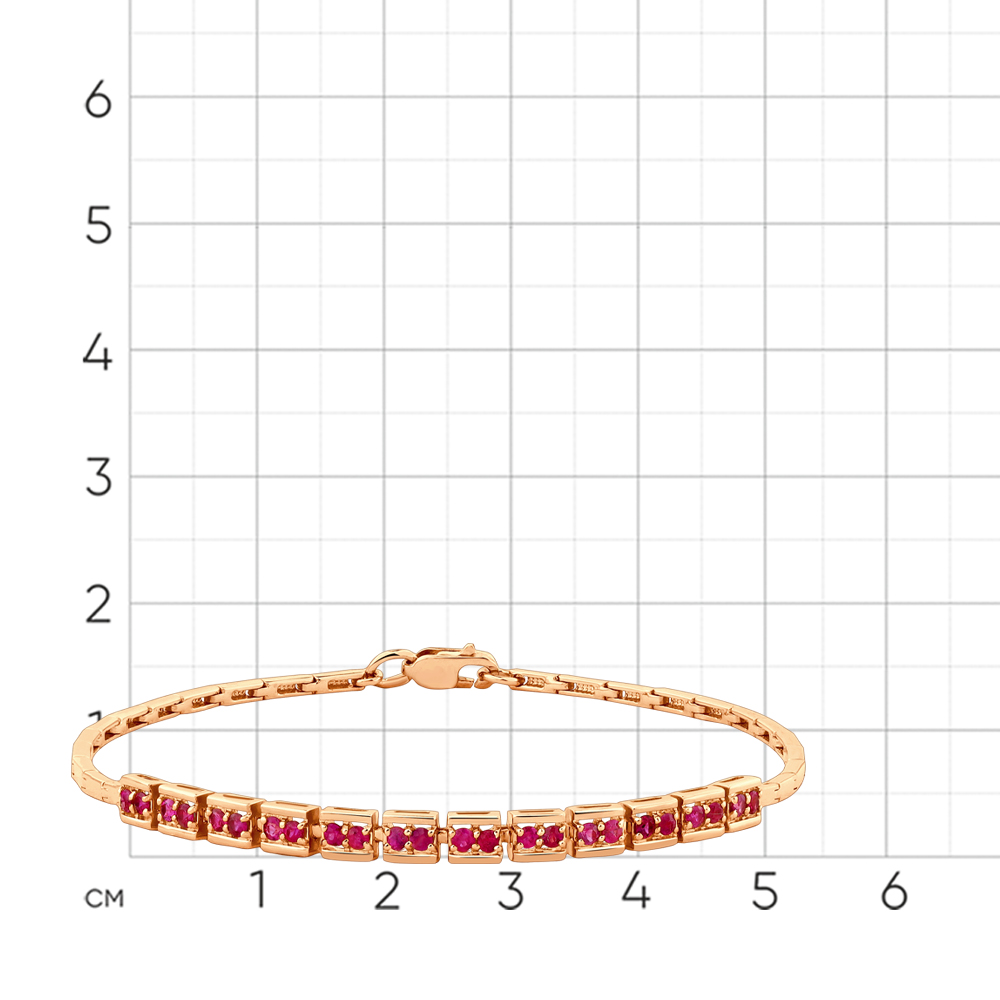
Diamond pieces predominate in the section — of the sixty cards on the first page, forty-nine include diamonds. Models without stones are more the exception than the rule. Among colored stones, emerald and ruby are the most common.
The pairing with ruby is especially logical here: a warm setting and a red stone sit in the same part of the spectrum, and together they give depth rather than contrast. Emerald works the other way around: a cool green on a warm metal makes the most striking combination.
White gold is an alloy of a grayish shade covered with rhodium, and the coating wears off over time. Red gold has no such layer: the color comes from the metal itself through the full thickness of the piece.
The practical upshot: such a piece doesn't need its coating renewed from time to time. Even when scratches appear, the color beneath is exactly the same — a notable difference from white gold, where worn plating reveals a grayish alloy.
A women's red gold bracelet differs from a men's one not in the metal but in fit and proportions. The main differences:
The women's model is no less durable: hardness comes from the alloy, not the thickness of the piece. A slim piece lasts as well as a massive one if the link construction is calculated correctly.
To keep the piece's color, wipe it with a soft cloth, warm water and a drop of soap, then dry it thoroughly.
Main limitations:
You can see red gold bracelets at the boutique at Nikolskaya, 10, on the 2nd floor of the Nikolskaya Plaza shopping center in central Moscow. A bracelet is a piece worth trying on: how it fits on the wrist matters more than it seems from a photo. The shade of red gold also changes noticeably under different light.
At the same fineness, yes. Its alloy contains more copper, and copper increases the hardness of the alloy.
No. Pink gold contains more silver, the tone is softer and the alloy is slightly more malleable.
Because of the copper: it oxidizes on contact with cosmetics, household chemicals and sweat. The tarnish is only on the surface and comes off with cleaning.
No. Red gold has no rhodium layer: the color comes from the alloy itself, throughout the whole thickness of the piece.
58,900 ₽. There are only five pieces in the section under 50,000 ₽.
We will contact you shortly.
Unfortunately, we cannot deliver to this locality. Please choose another city nearest to you.
How to get them. 3% of every order on the site. Sign in with your phone number to receive bonuses.
How to spend them. Sign in, add jewelry to your cart and specify at checkout how much to redeem. Bonuses can pay up to 10% of the price.
Confirm that you are not a robot
Unfortunately, this item is currently out of stock. We can make the jewelry individually to your requirements. Our consultant will contact you
Our consultant will contact you shortly
Refresh the page and send the message again
Specify the size of the jewelry and try again
Enter your number and our manager will contact you about the price calculation
Refresh the page and submit the order again