
119 100 ₽397 000 ₽
We use cookies to improve the site and give you more options. By continuing to use the site, you agree to cookie usage terms.We use cookies. Learn more


By popularity
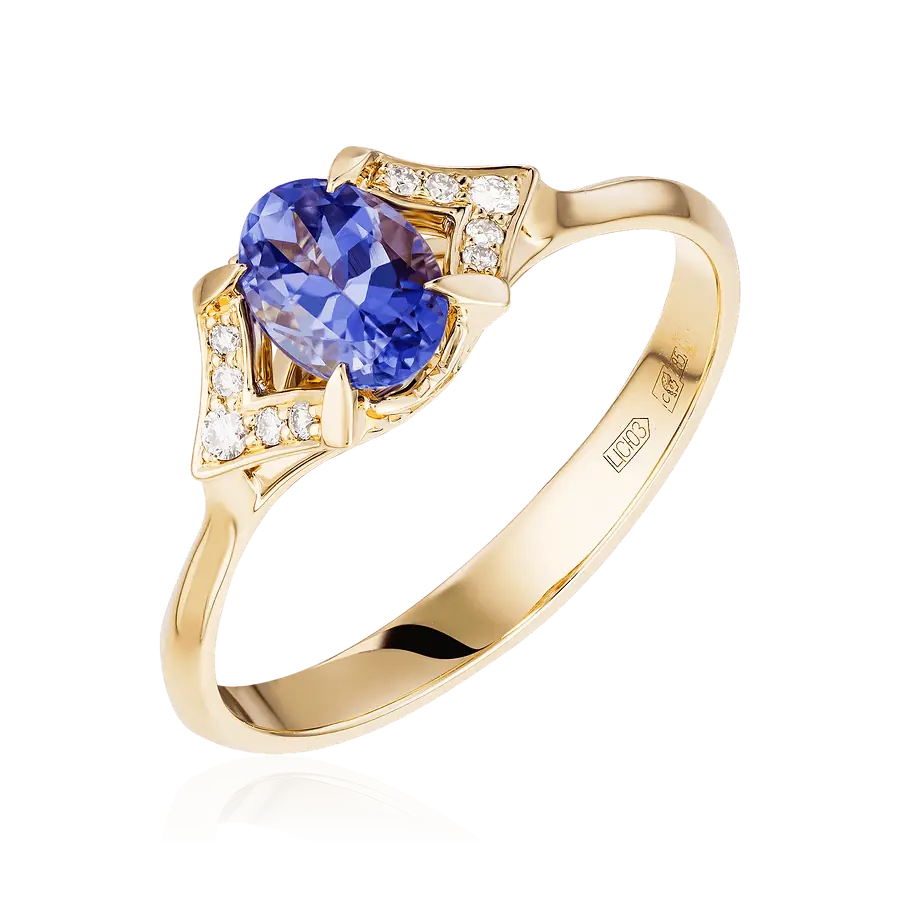
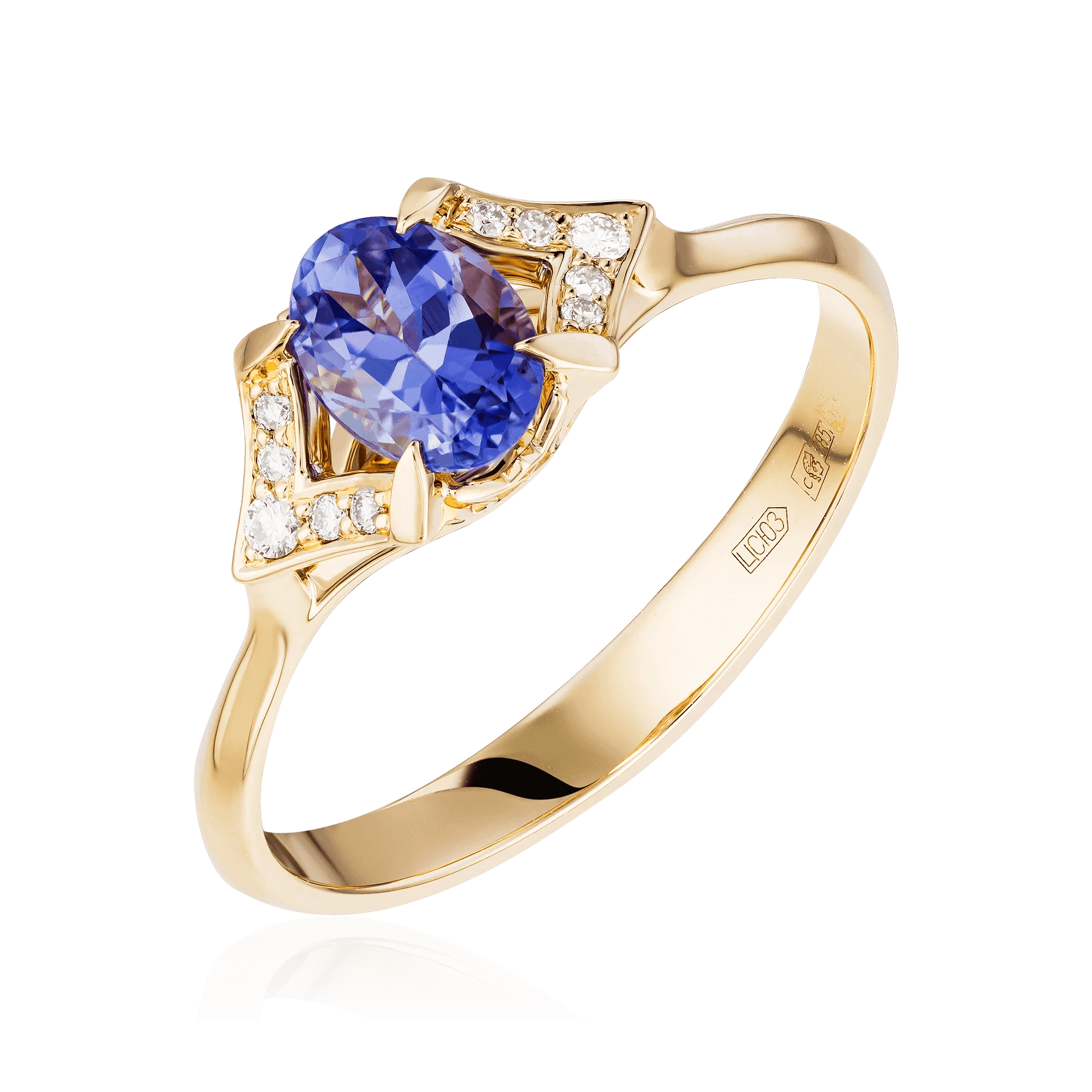
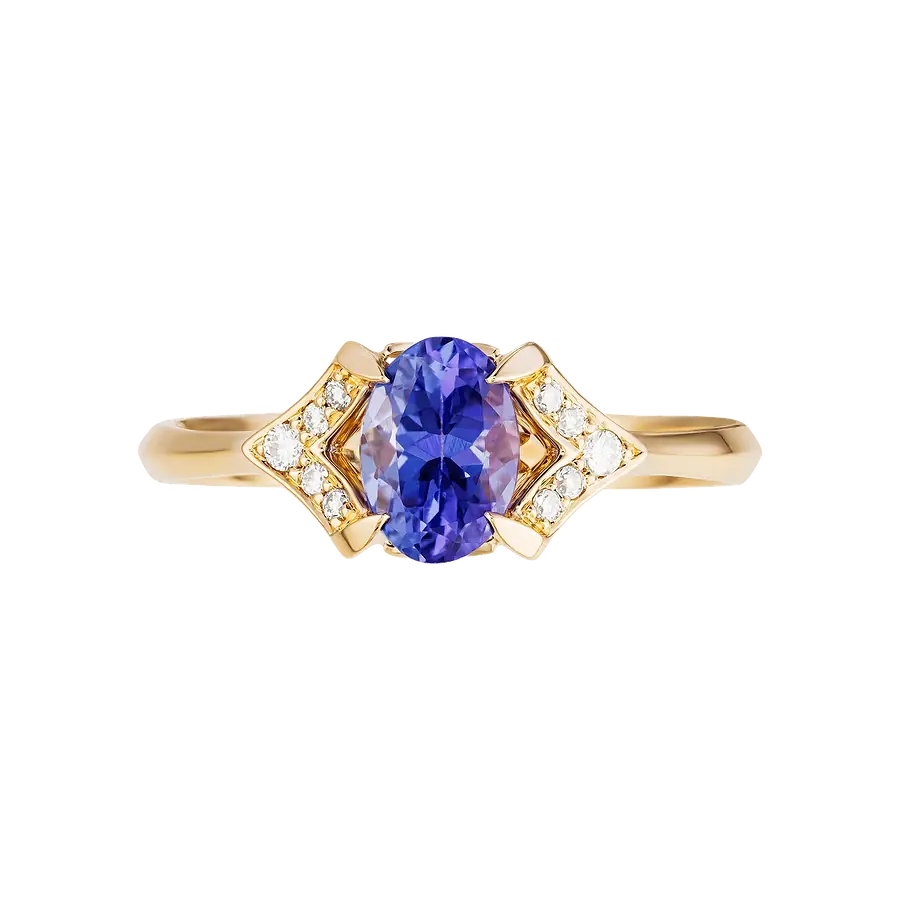
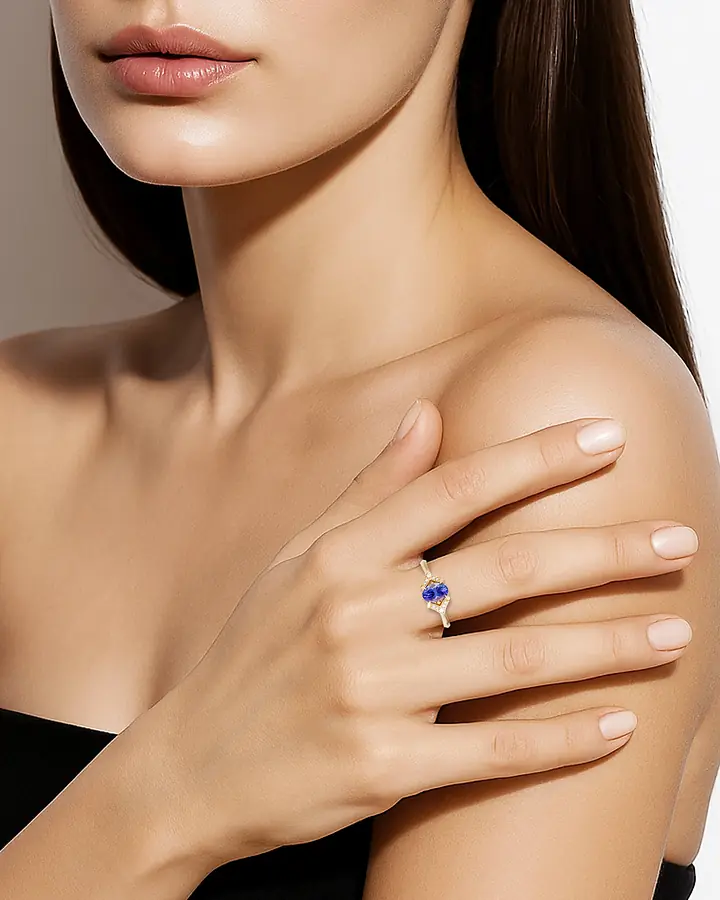


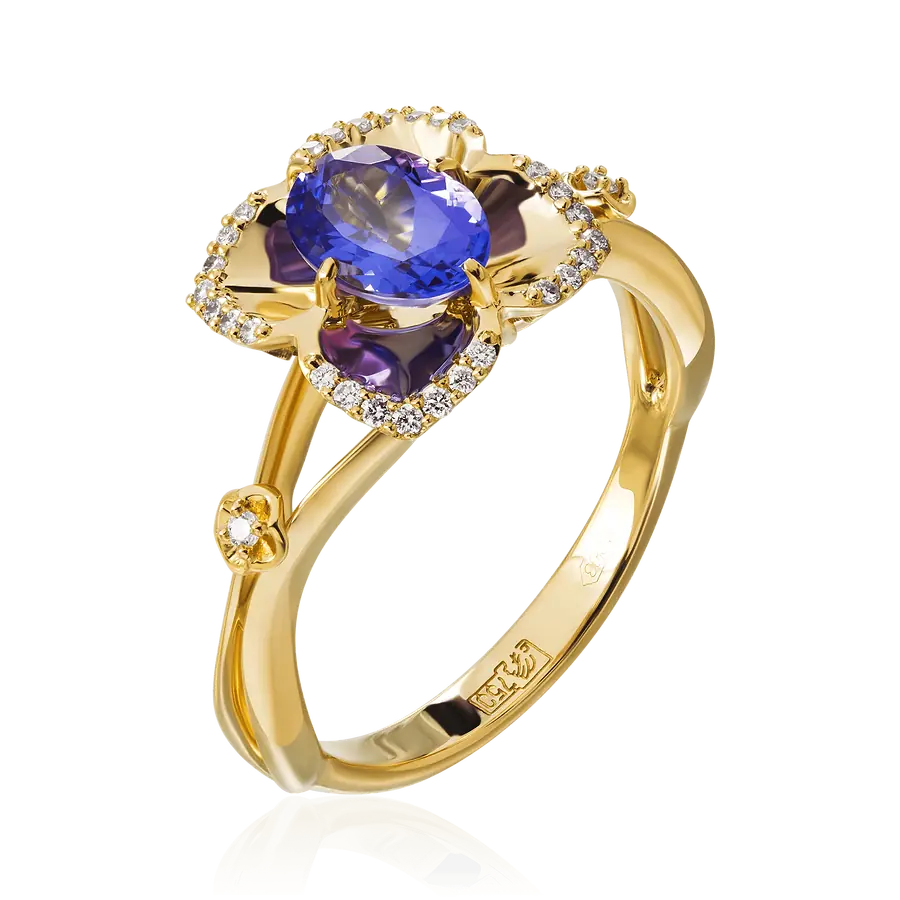
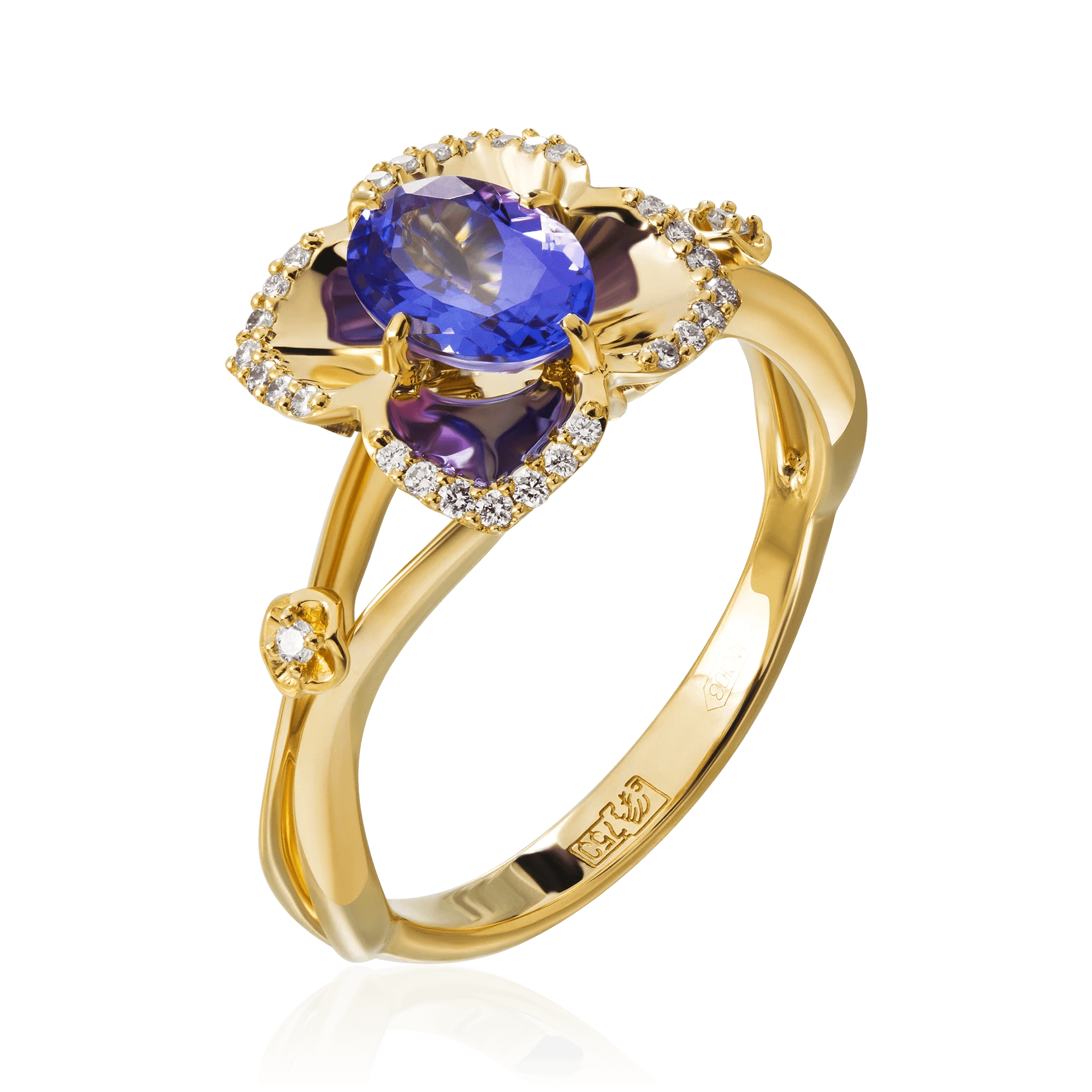

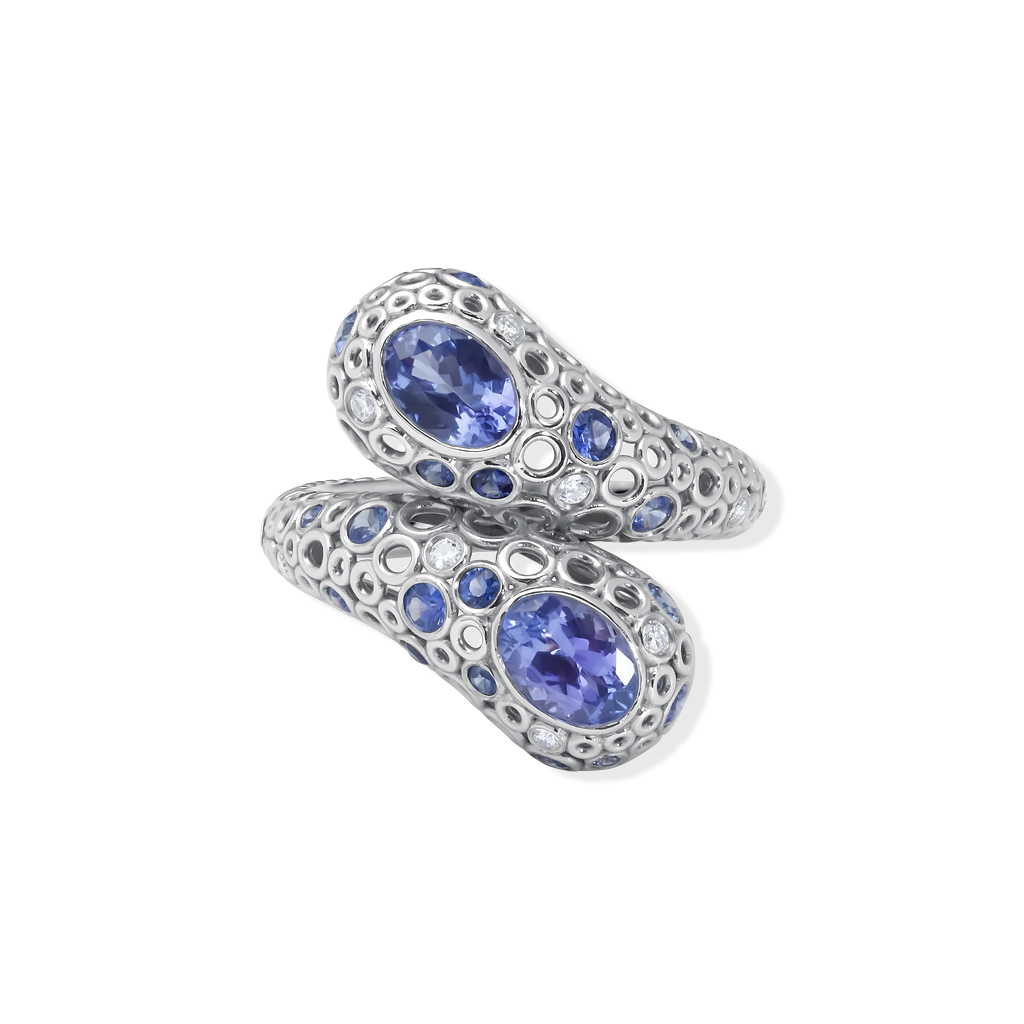

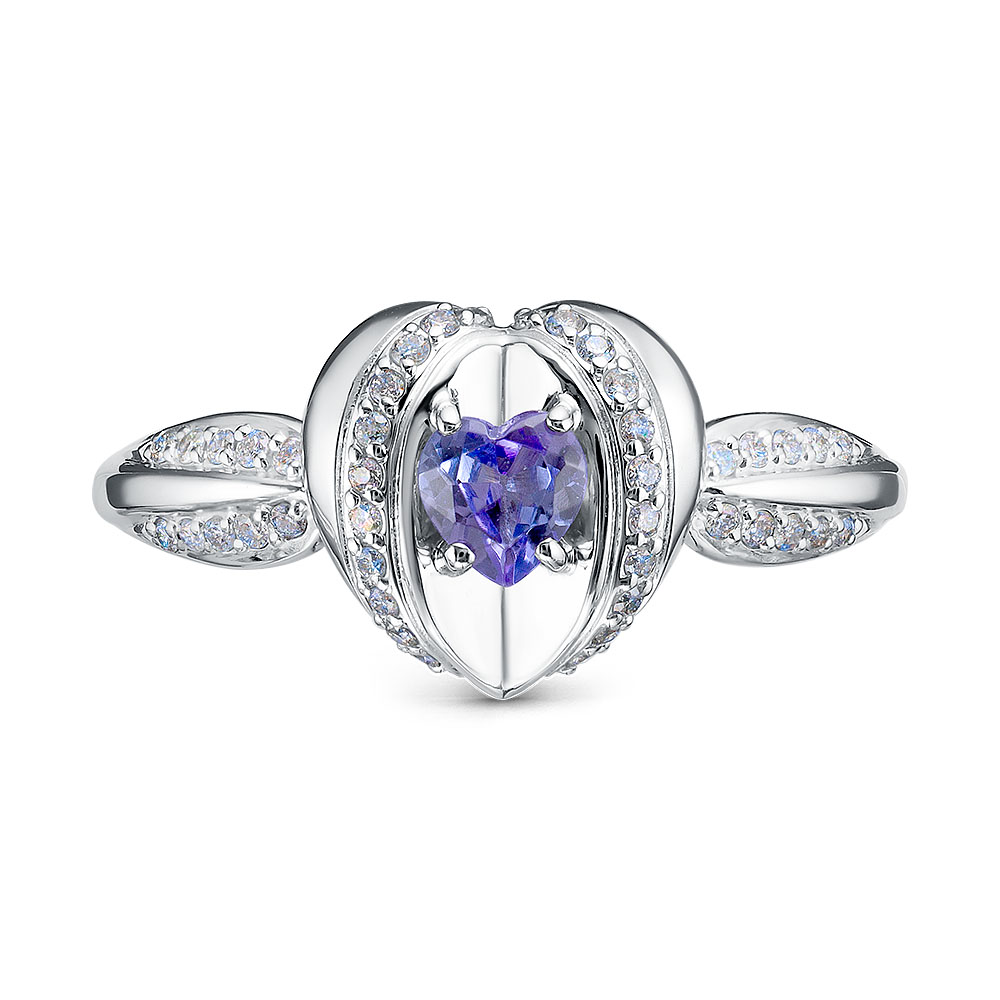

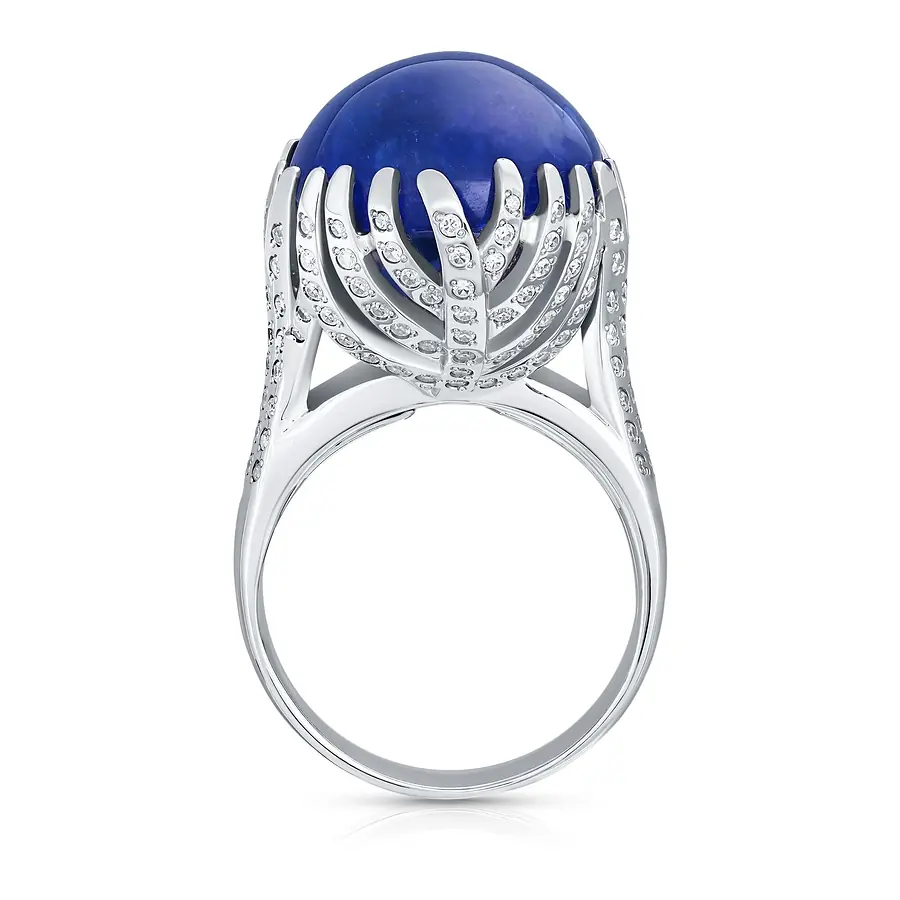
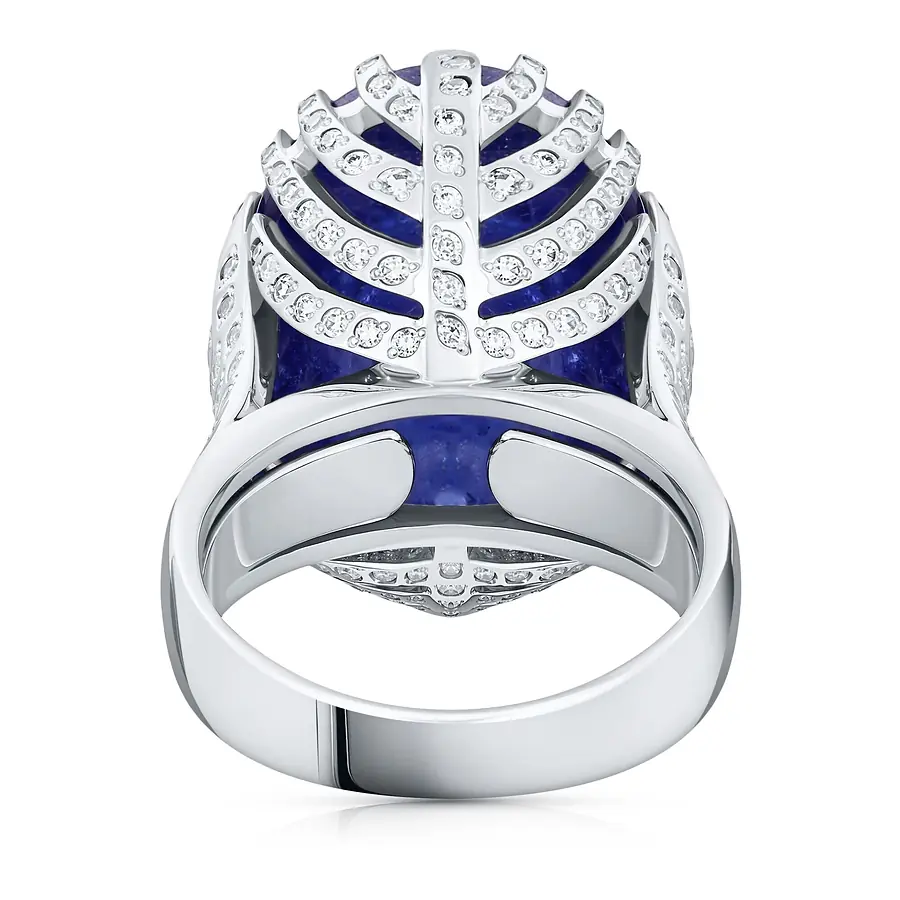
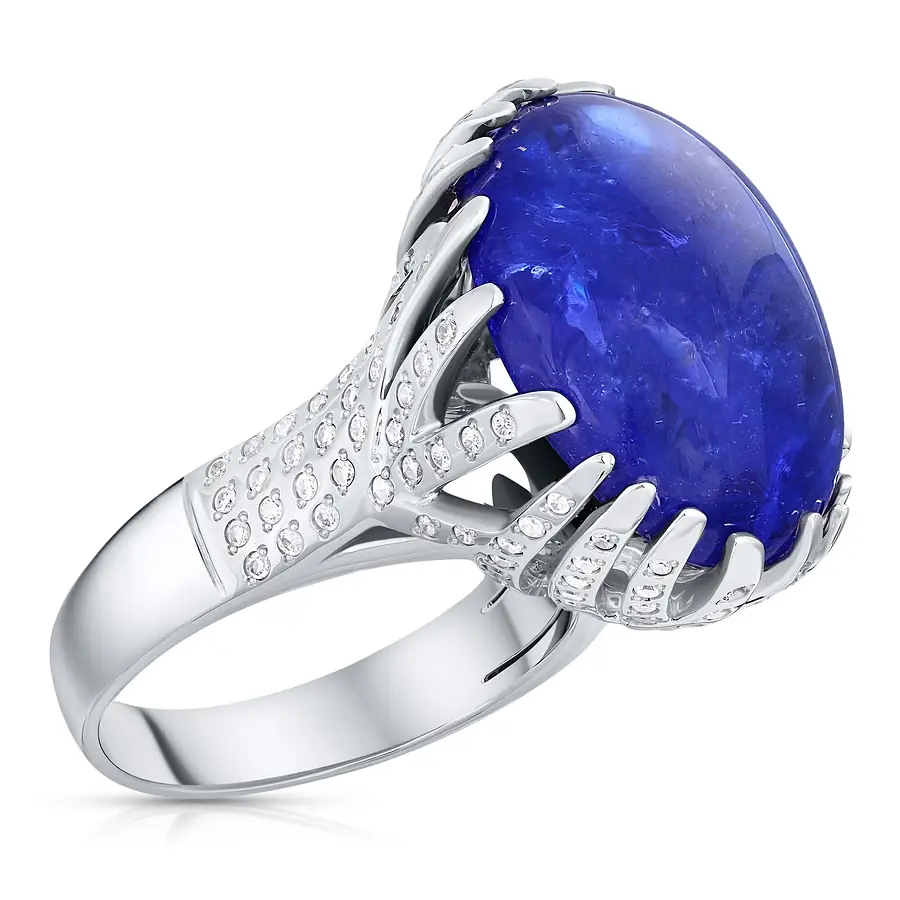
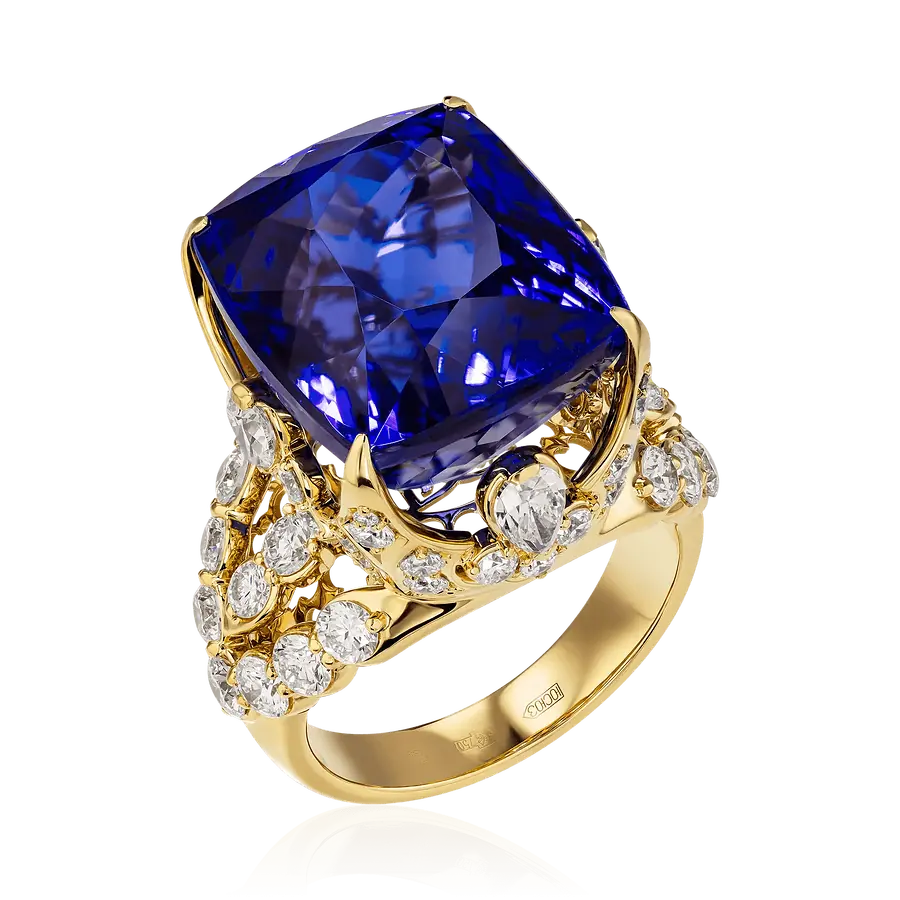

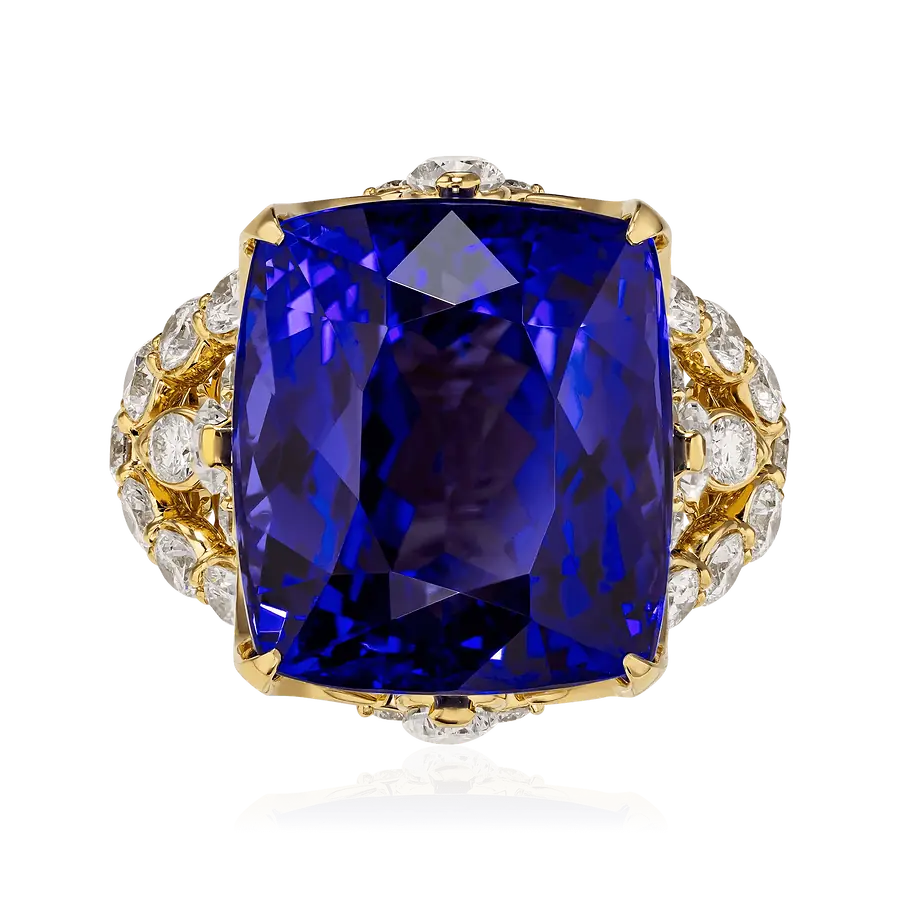

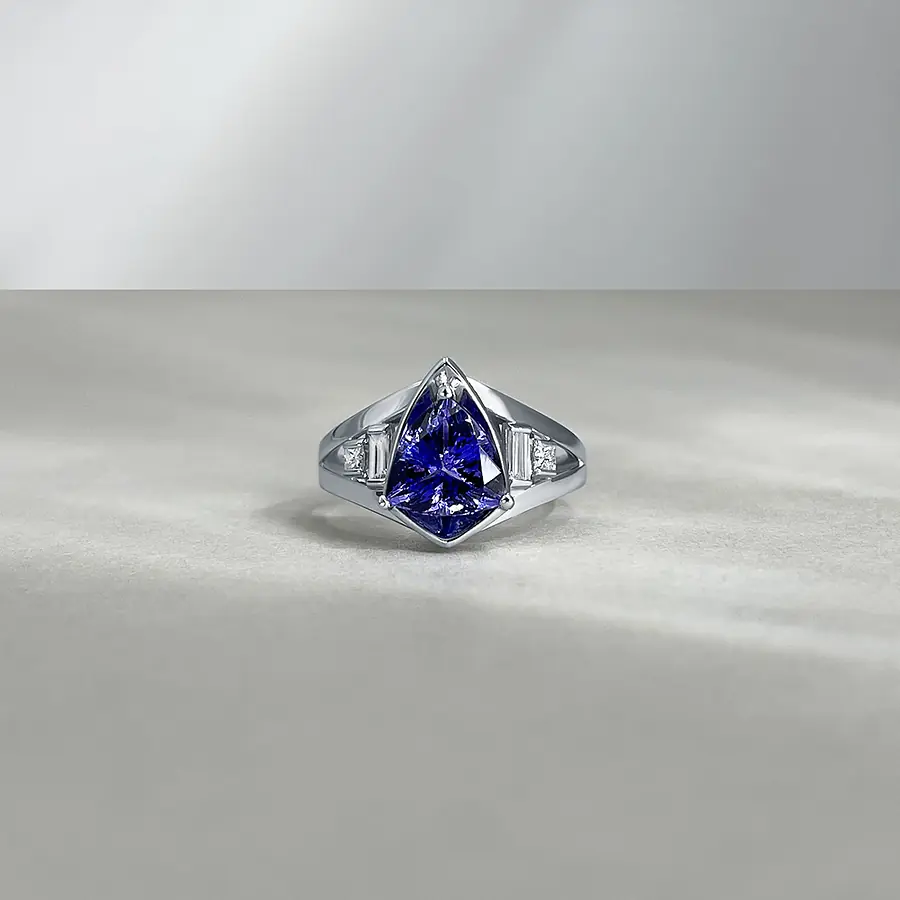
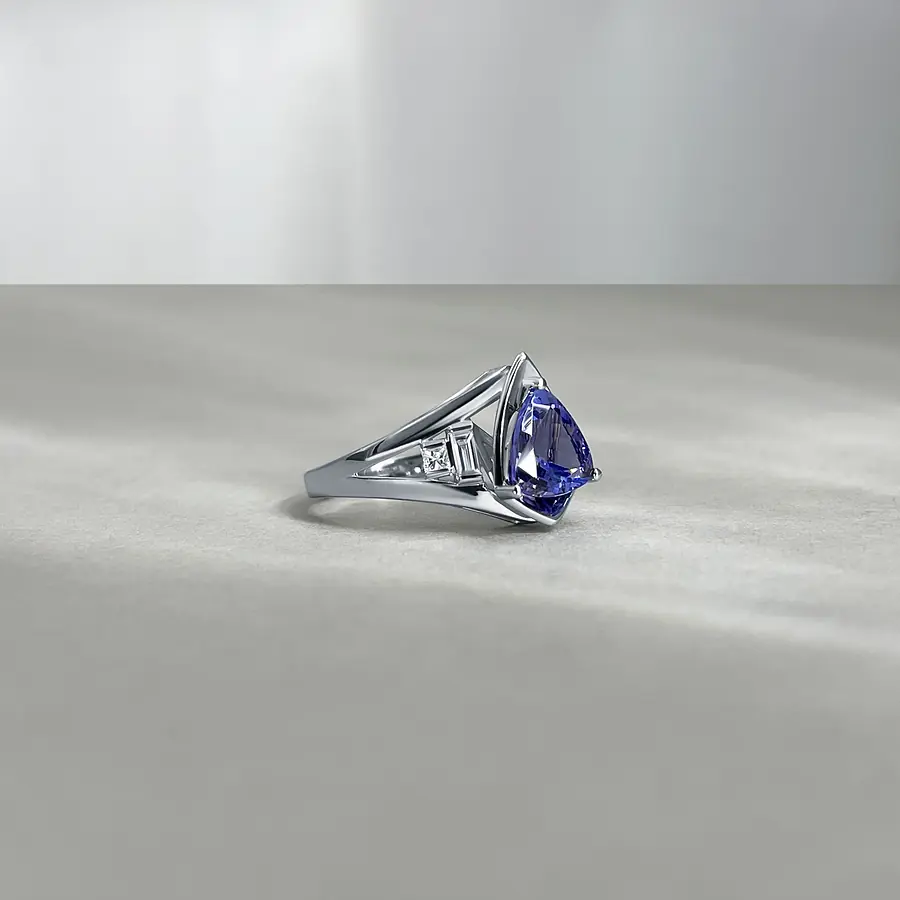
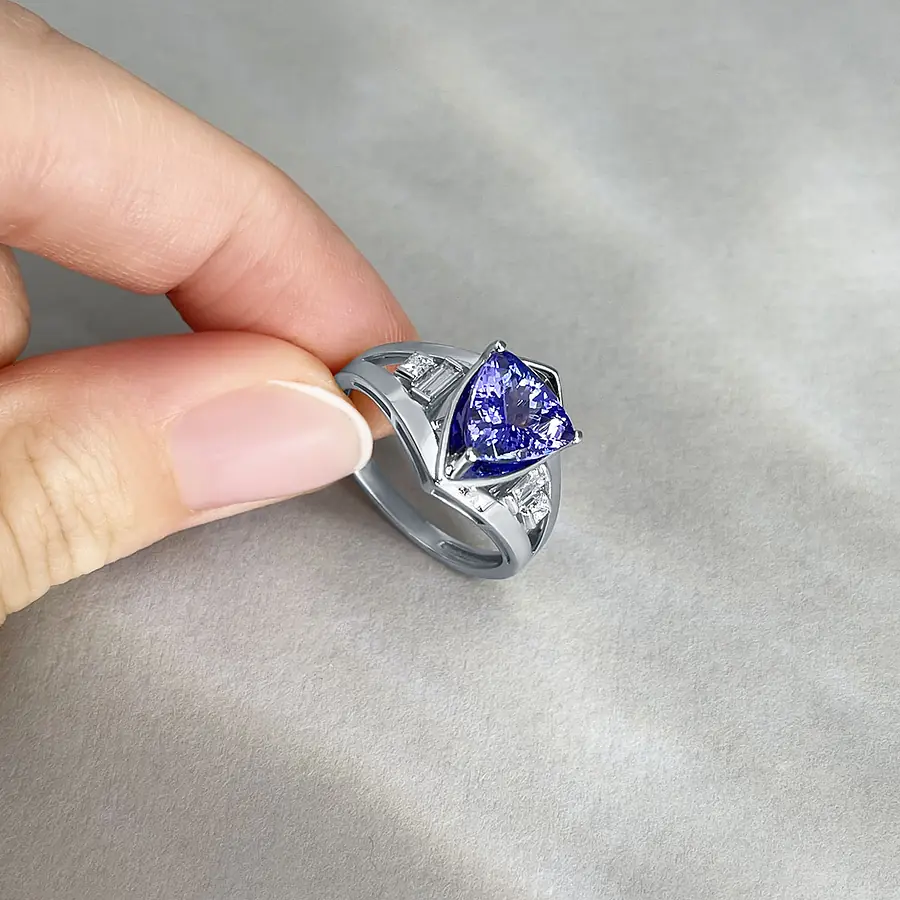
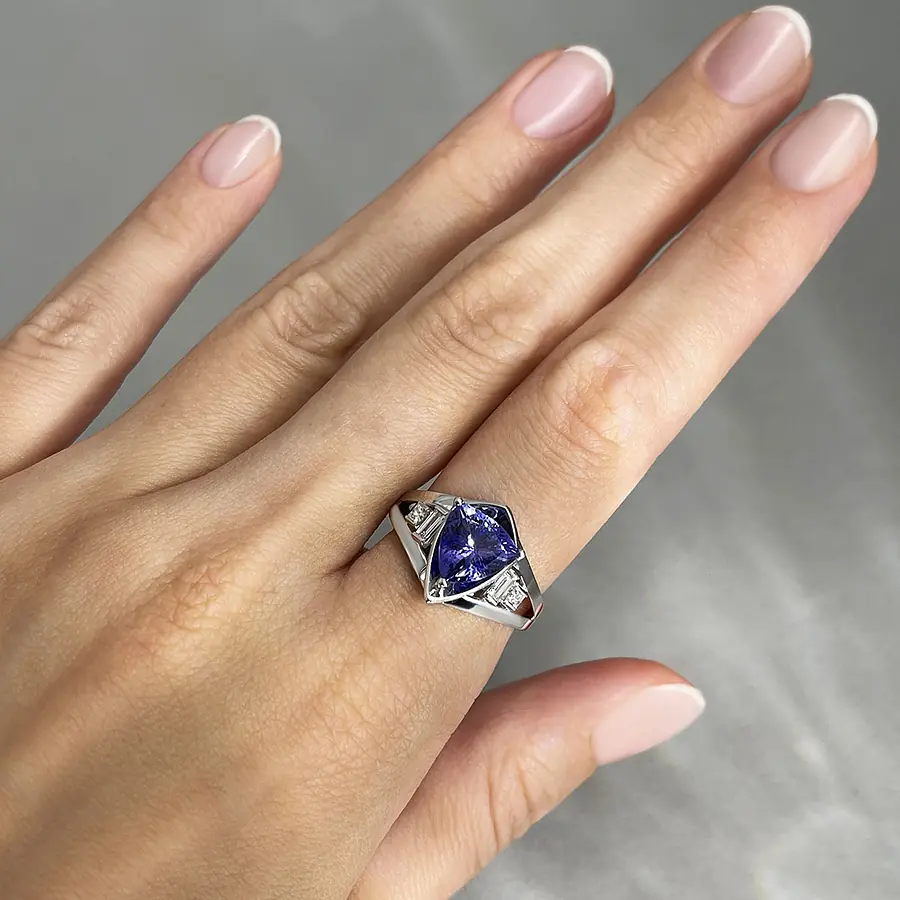
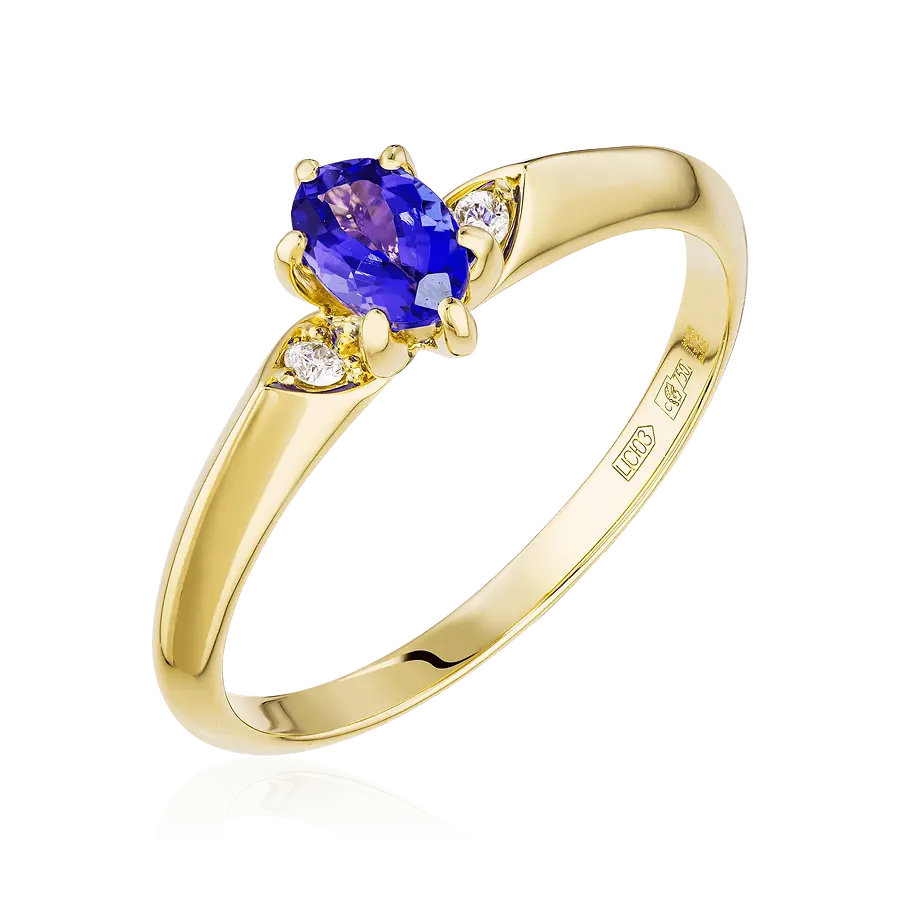
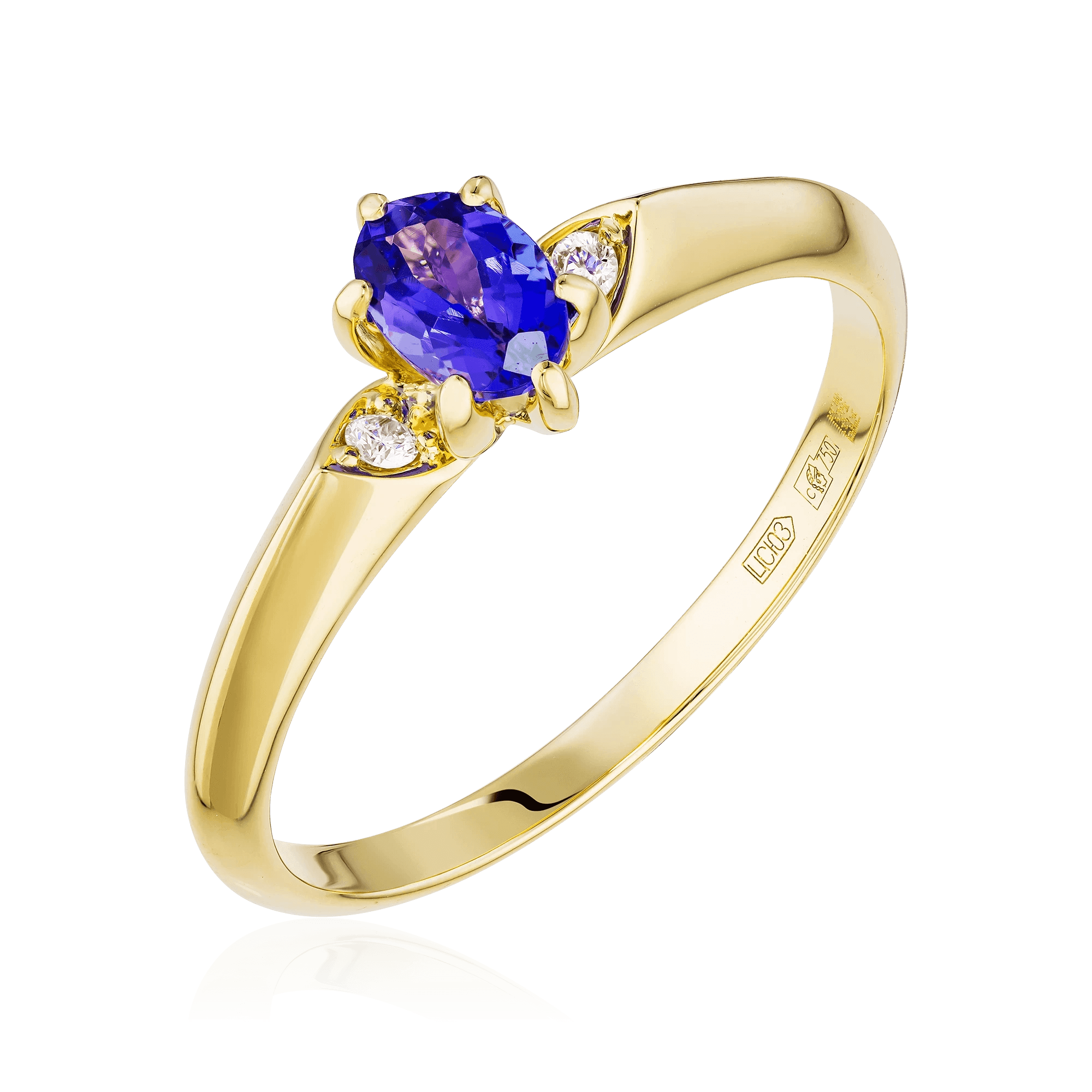
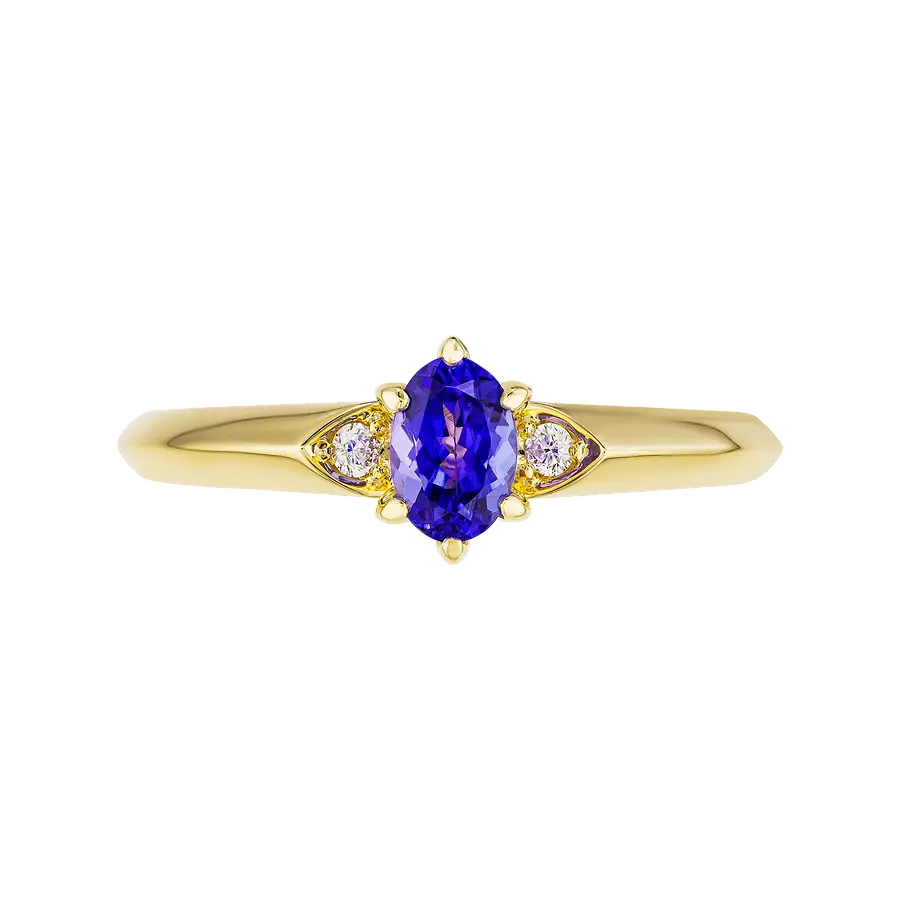
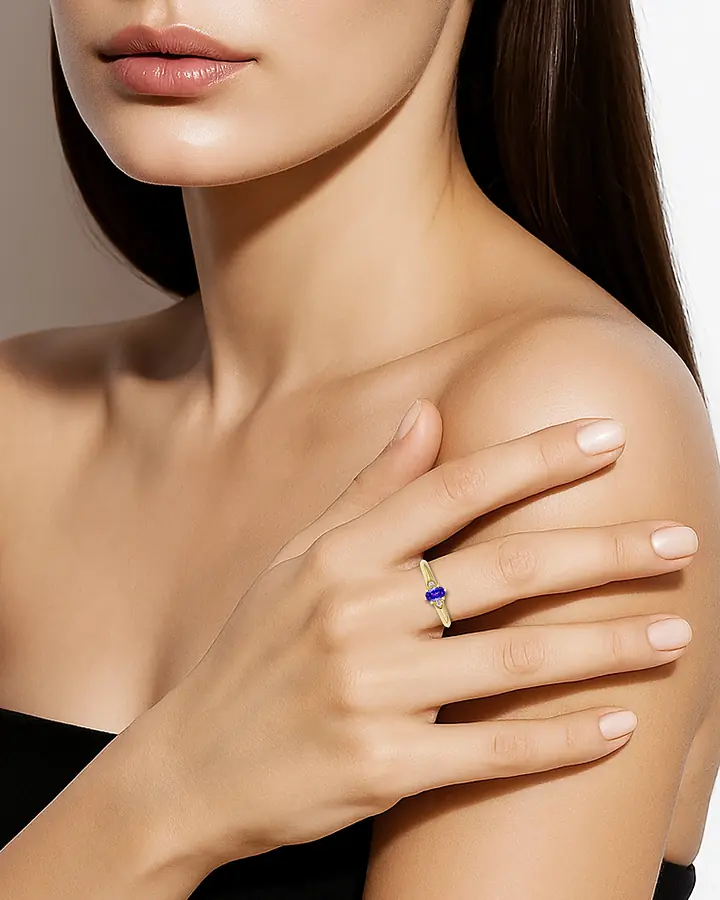

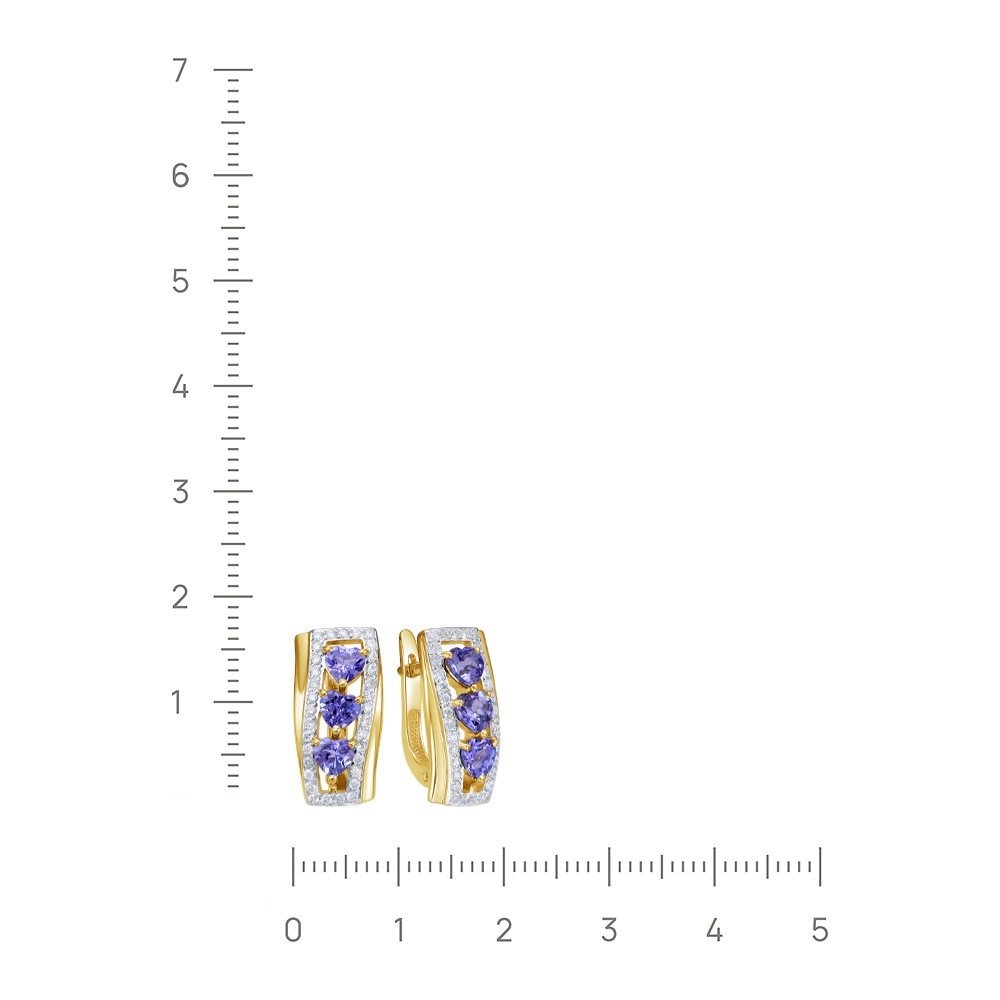
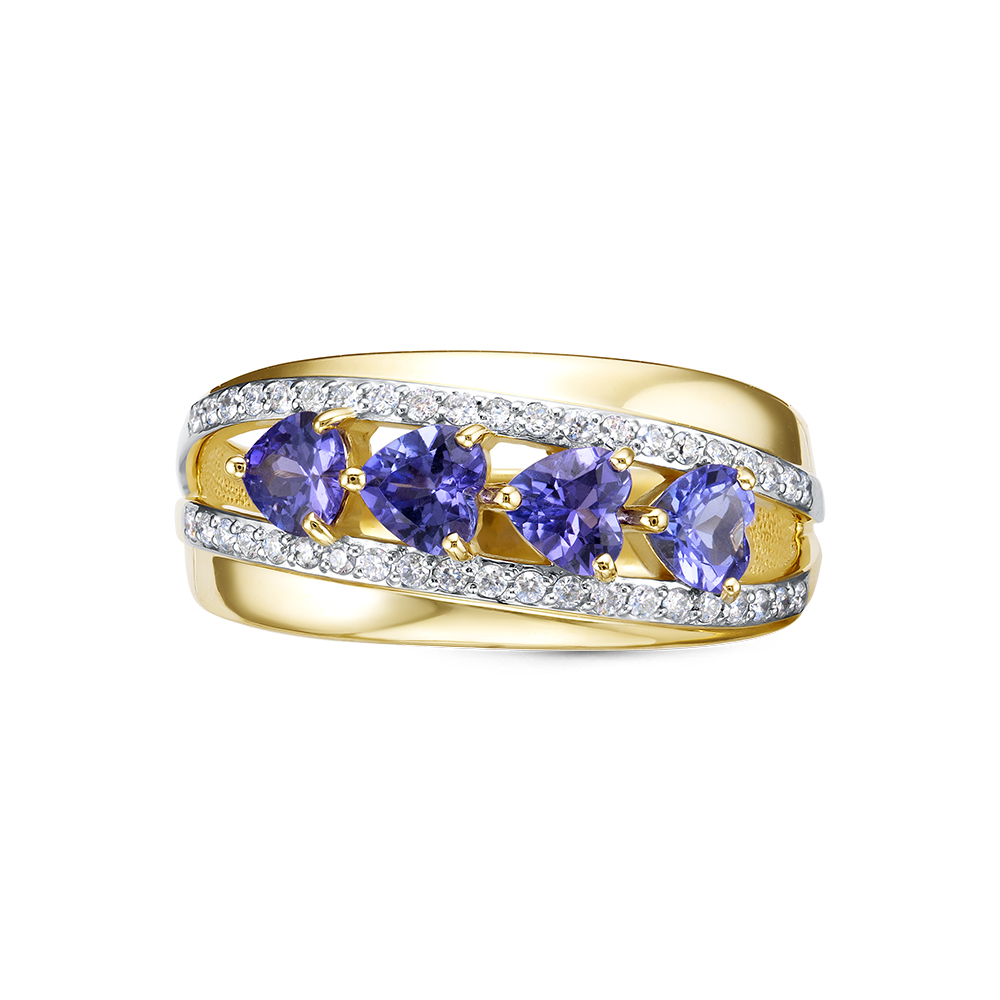
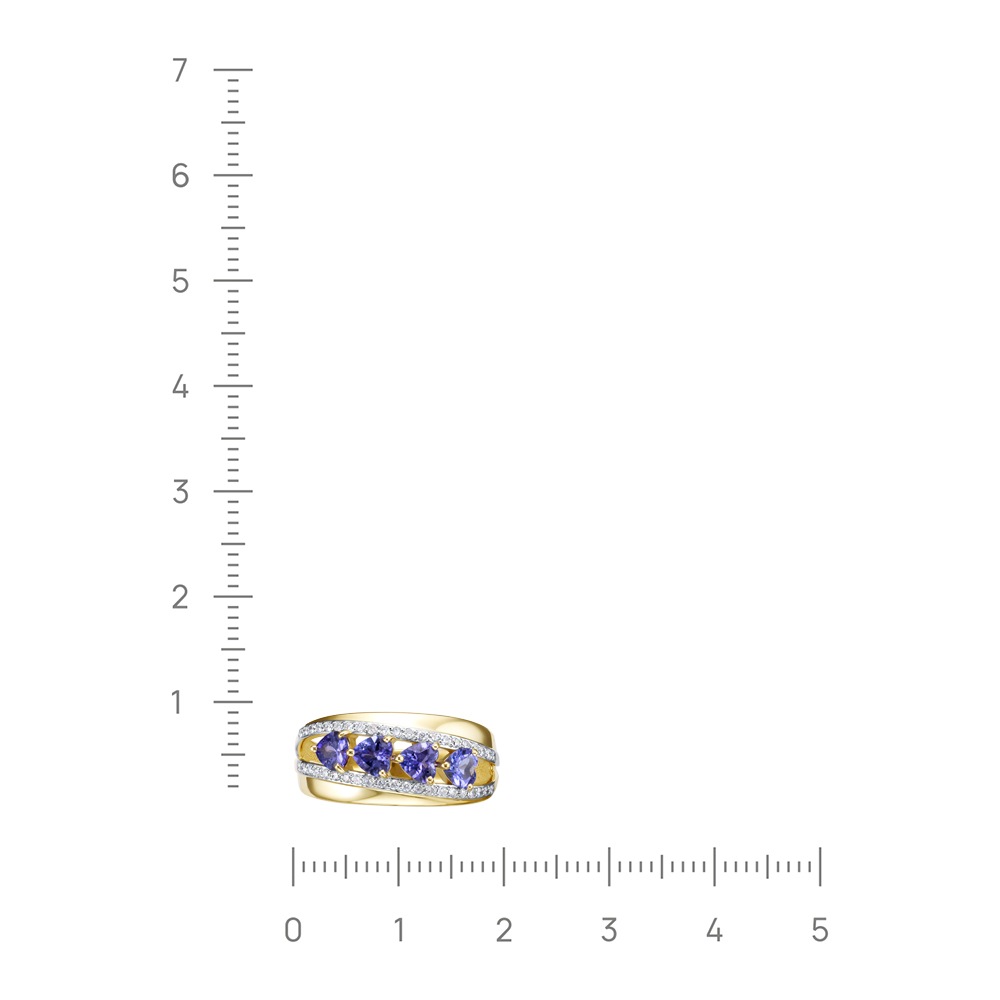

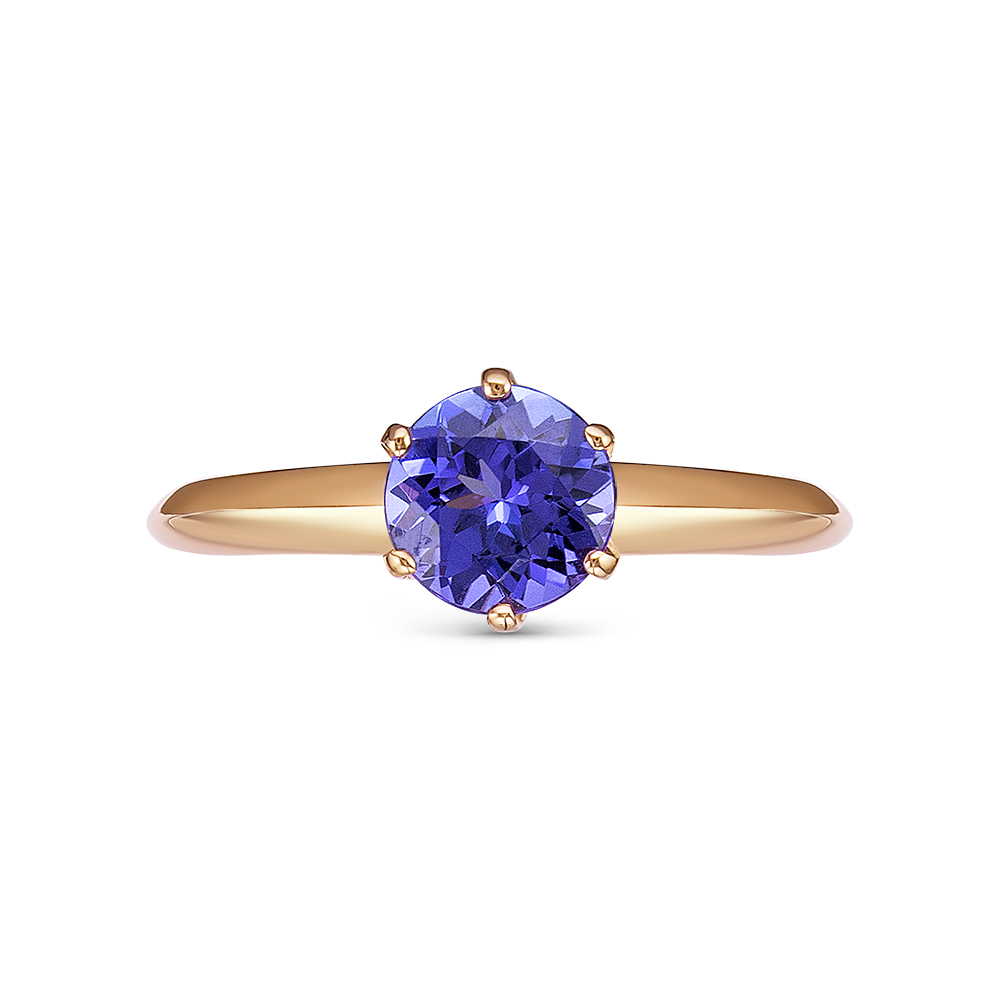
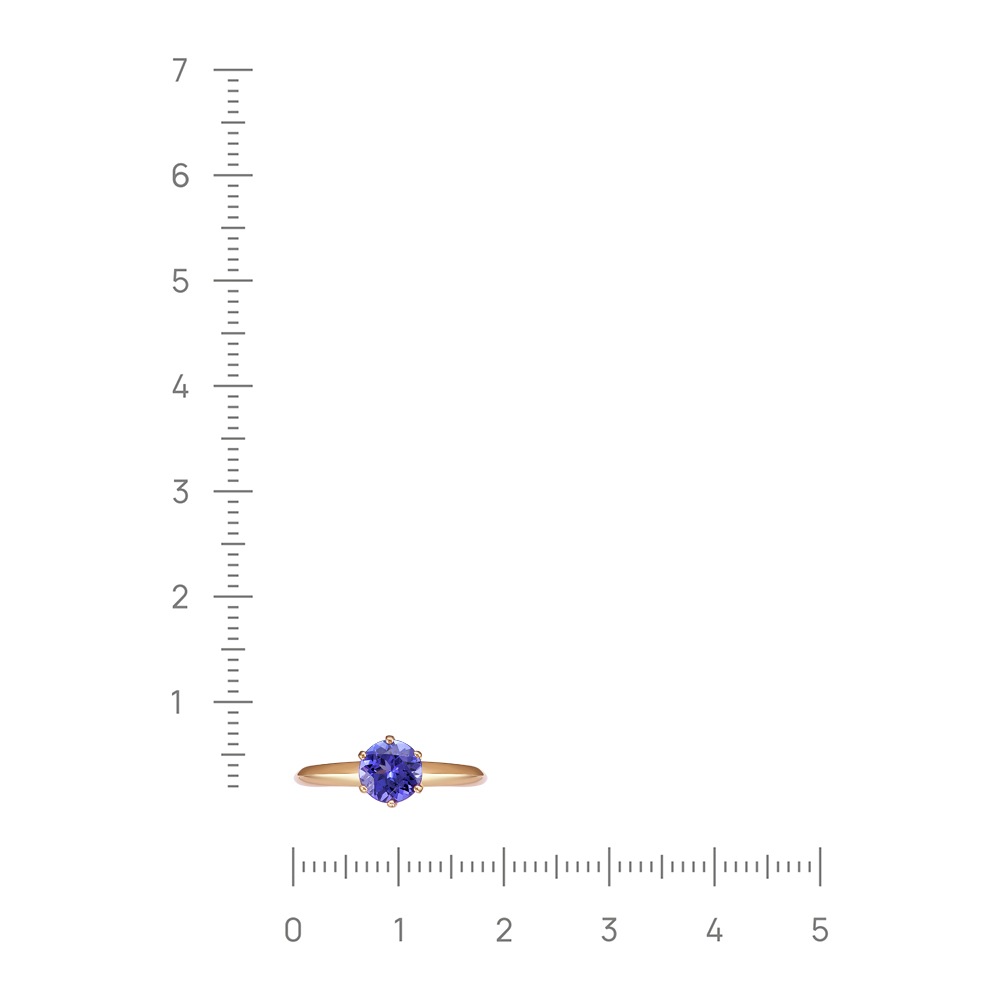
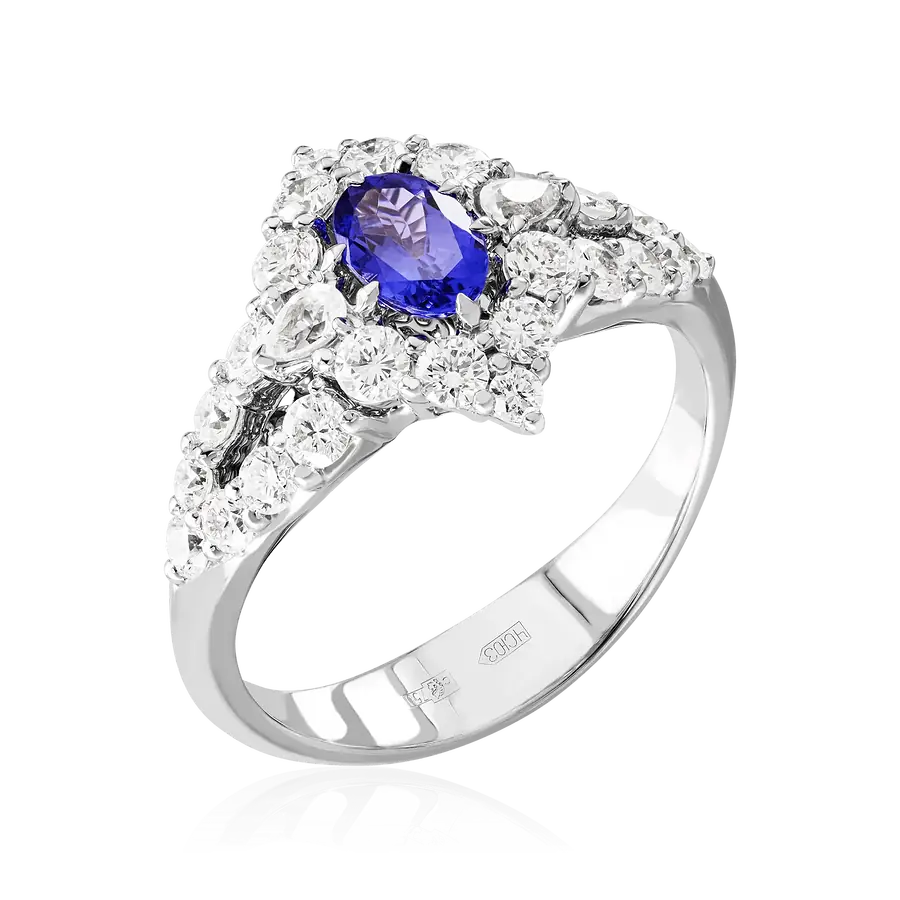
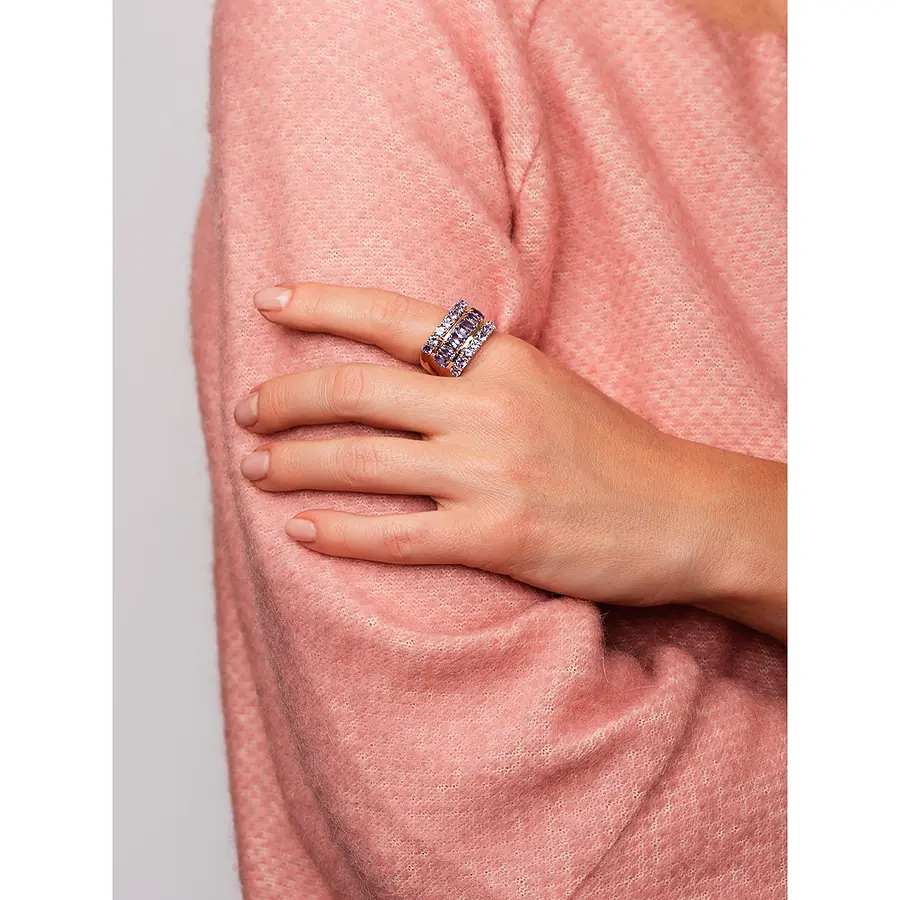
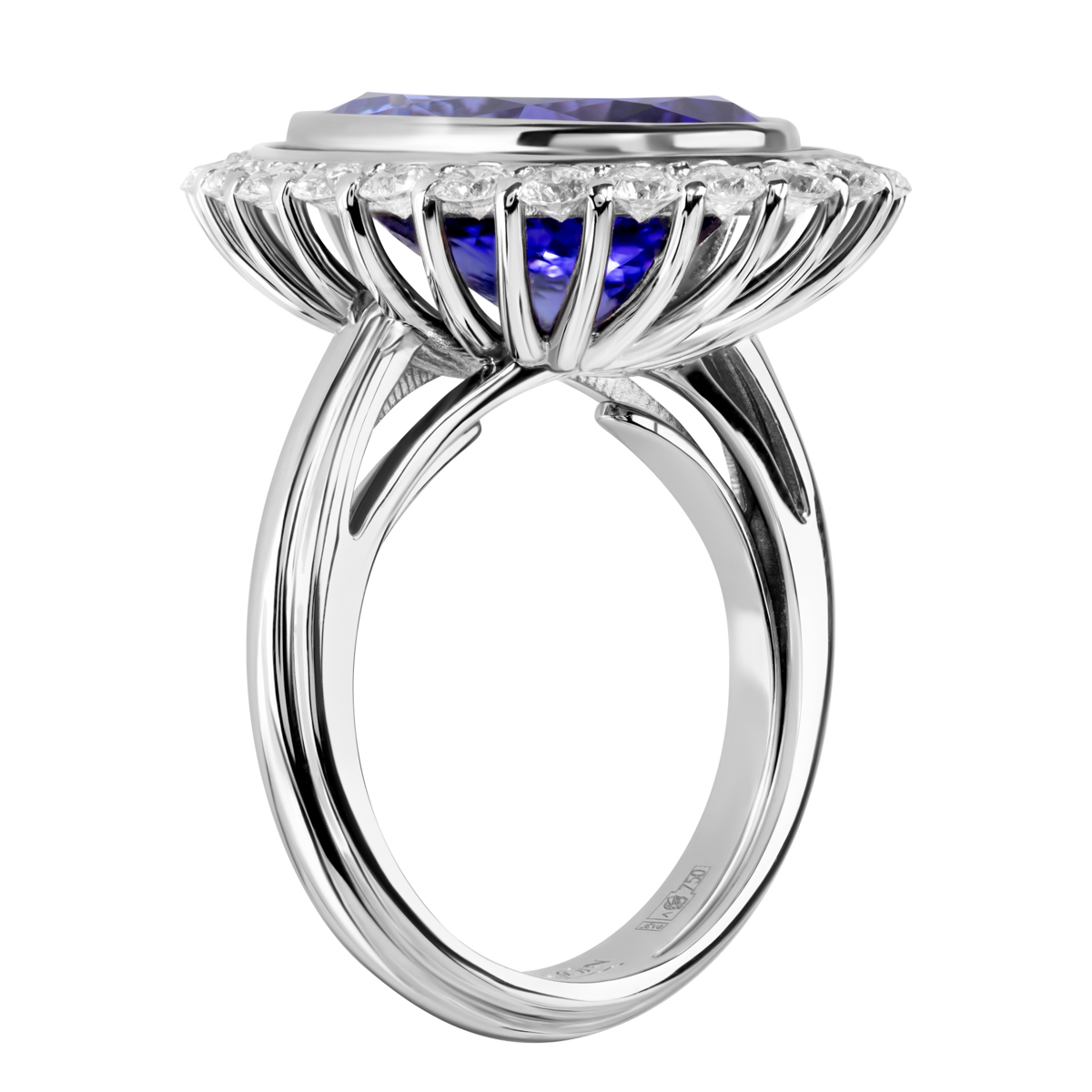
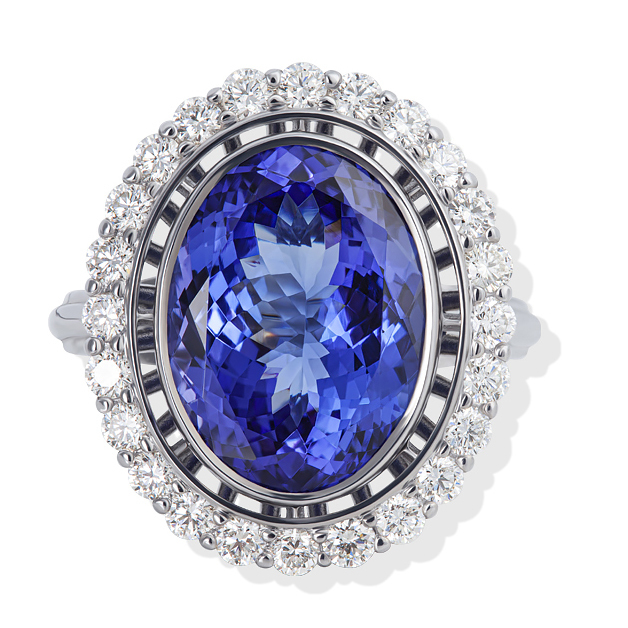
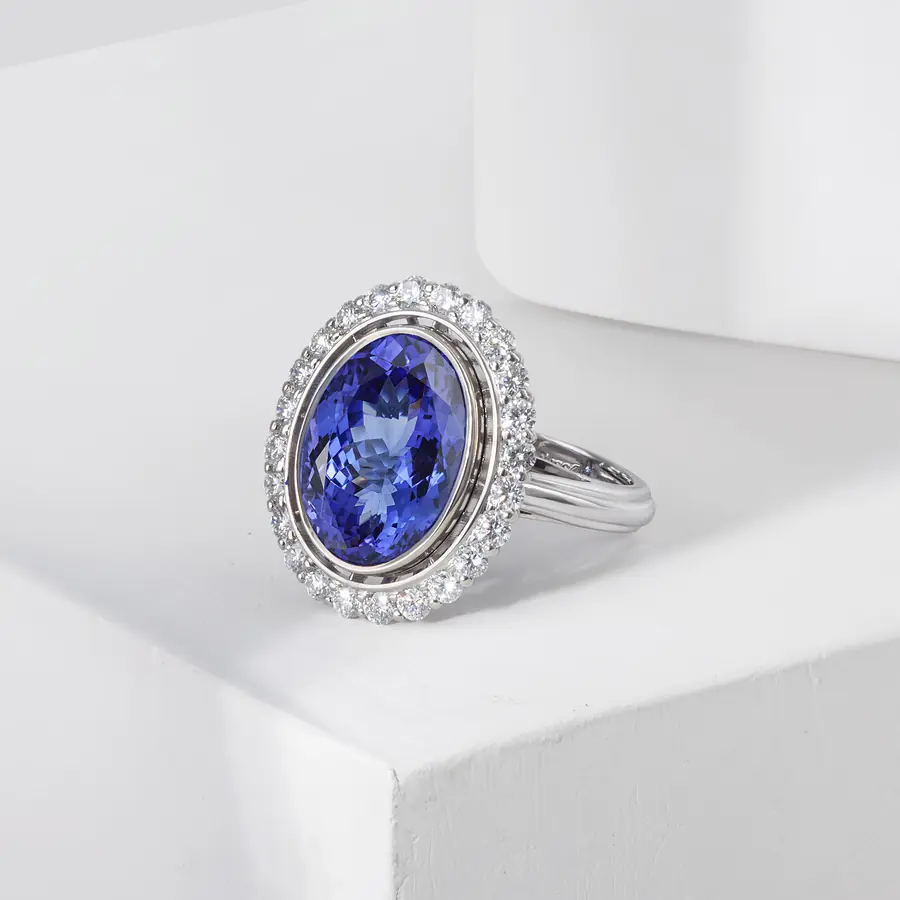
Ring with tanzanite, sapphire and diamonds in 18K white gold (750) ( 128338)
In stock
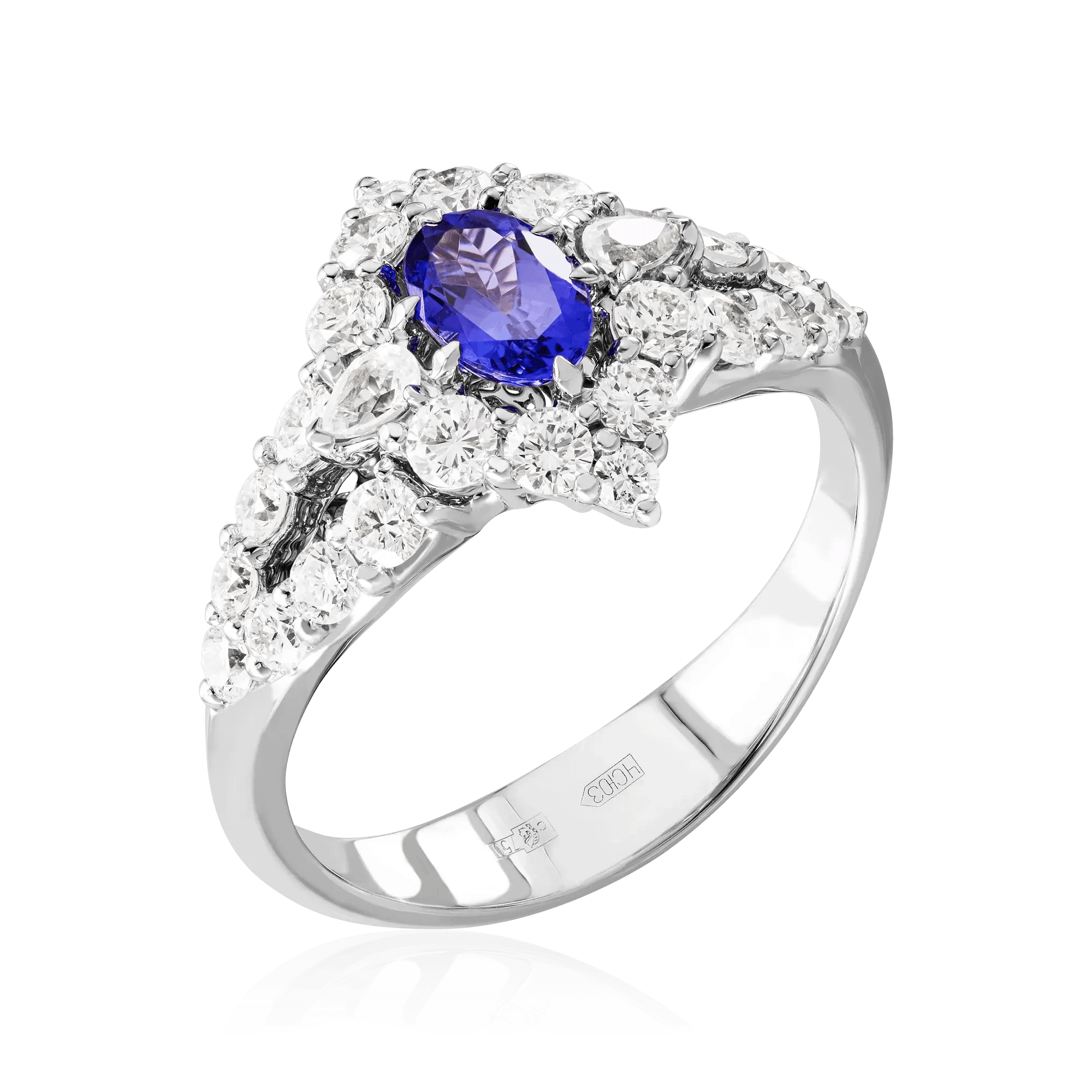
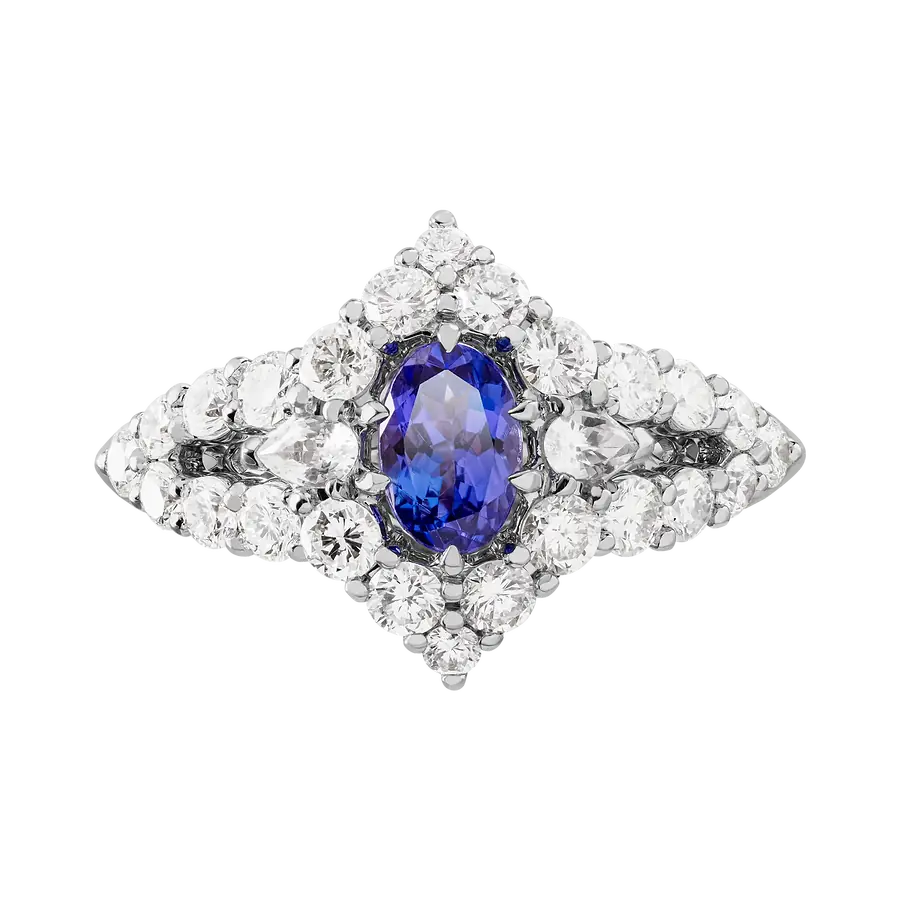
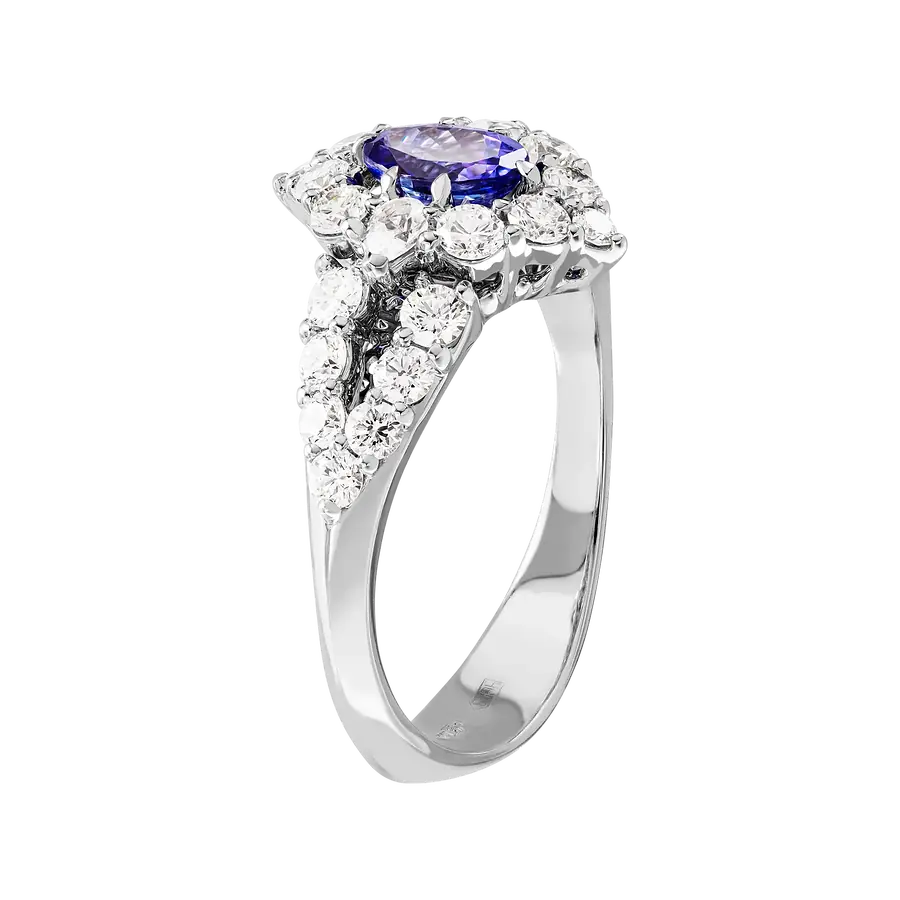
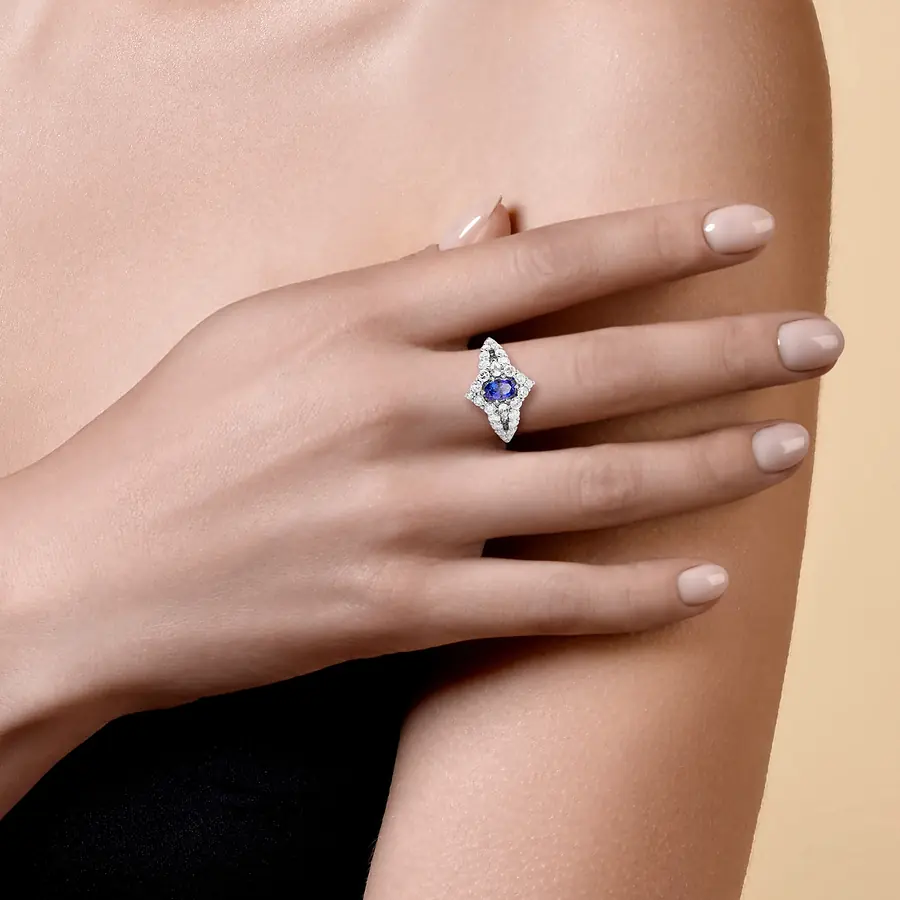
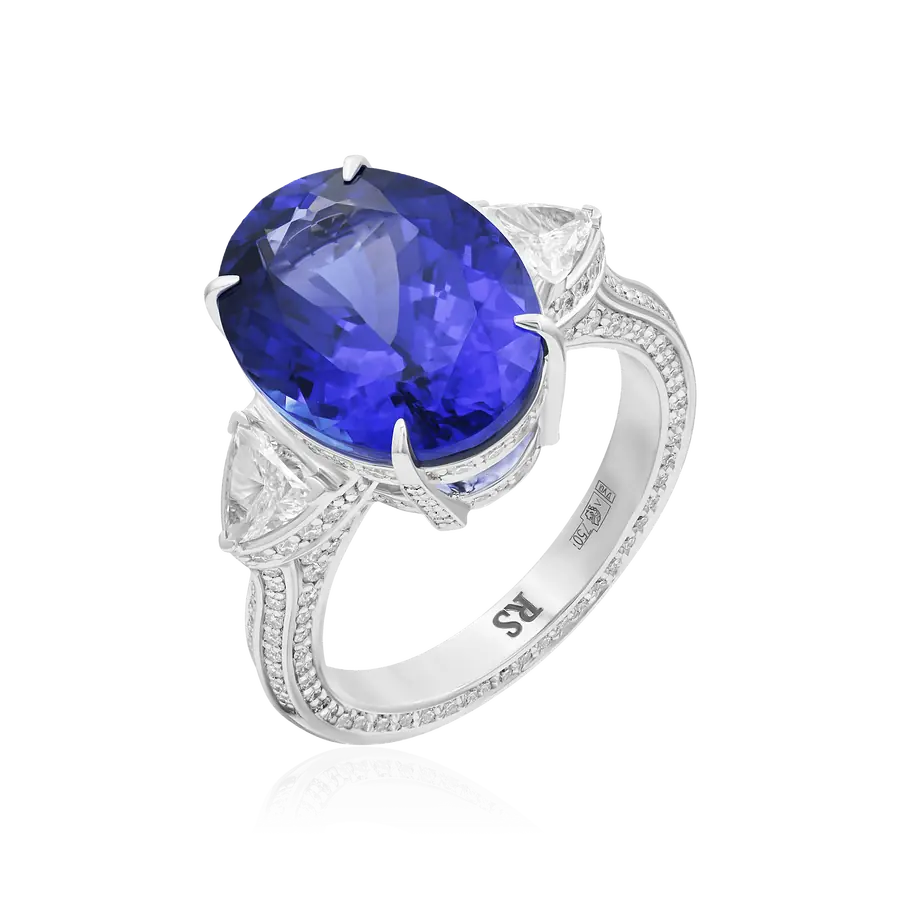
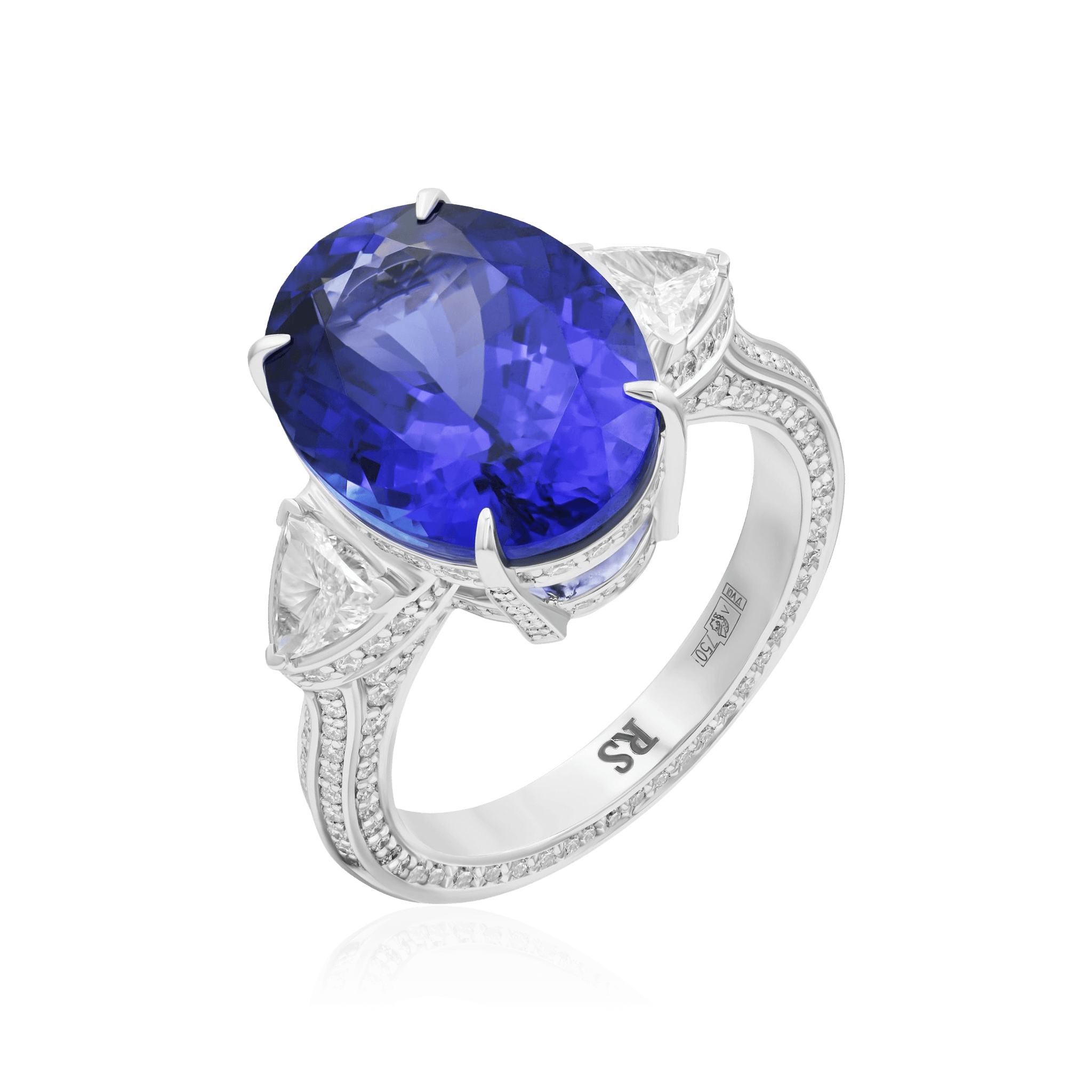
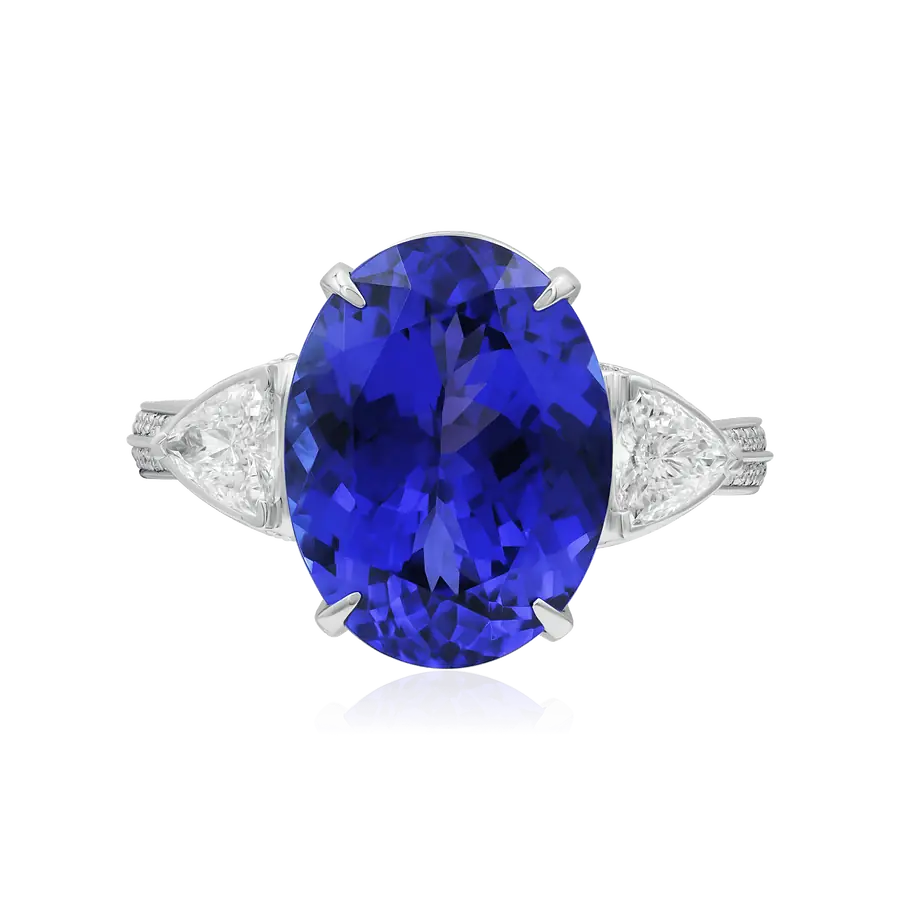
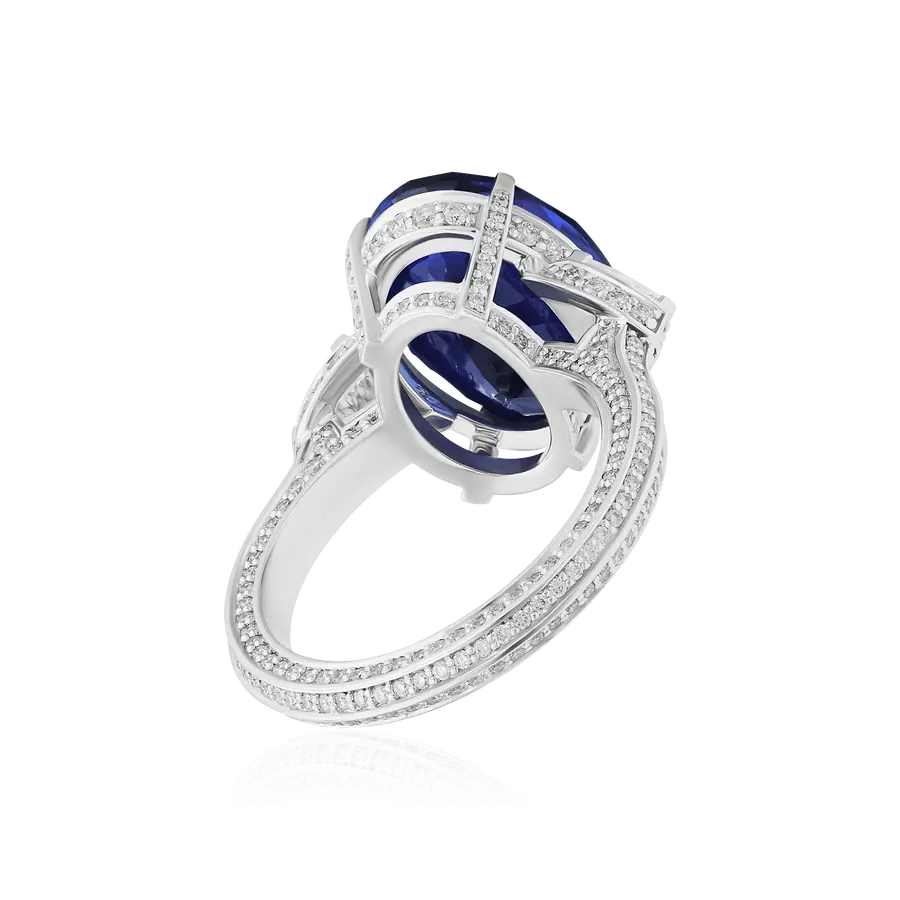

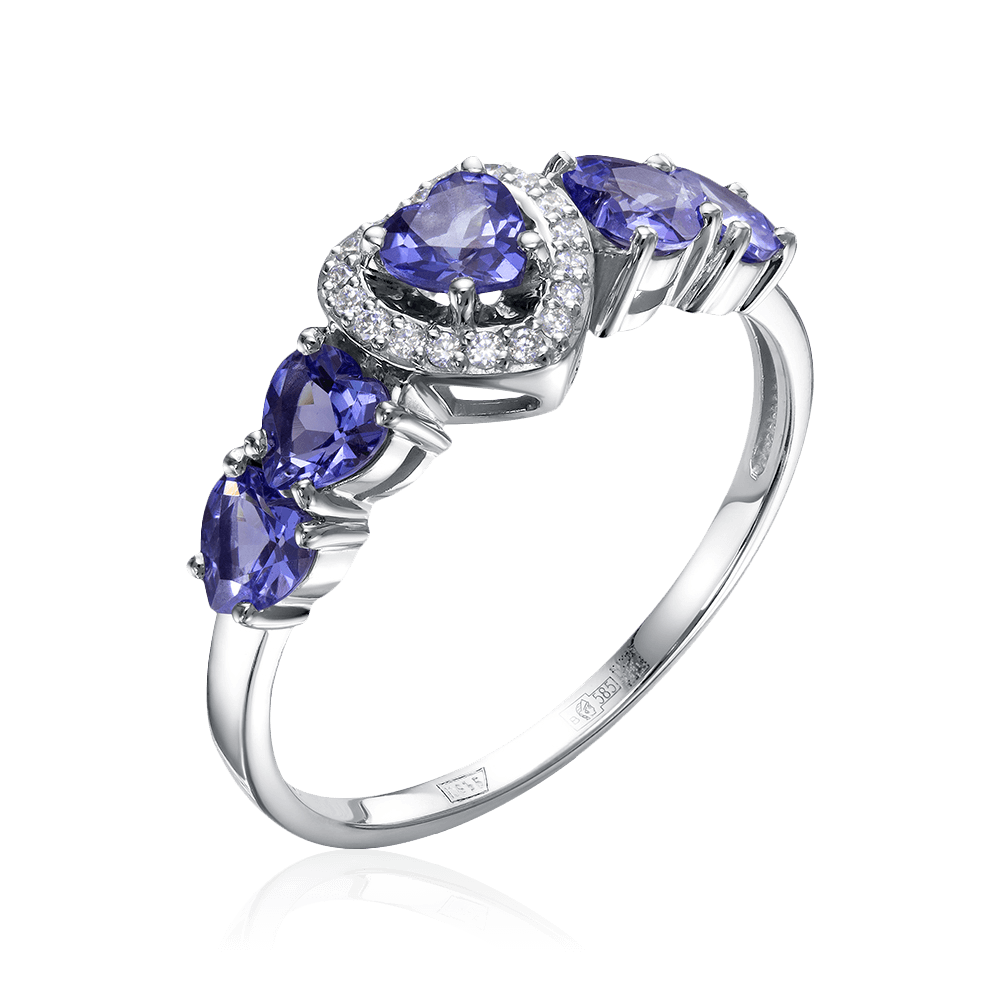
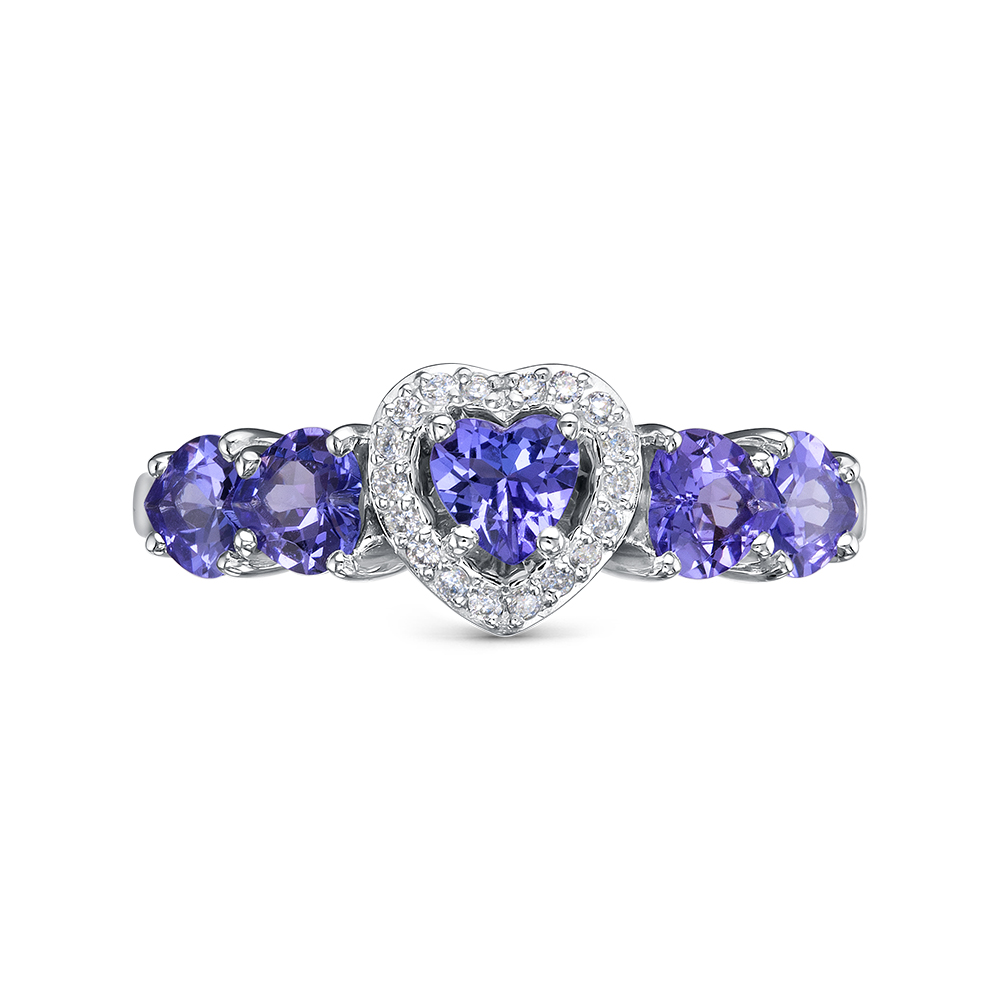
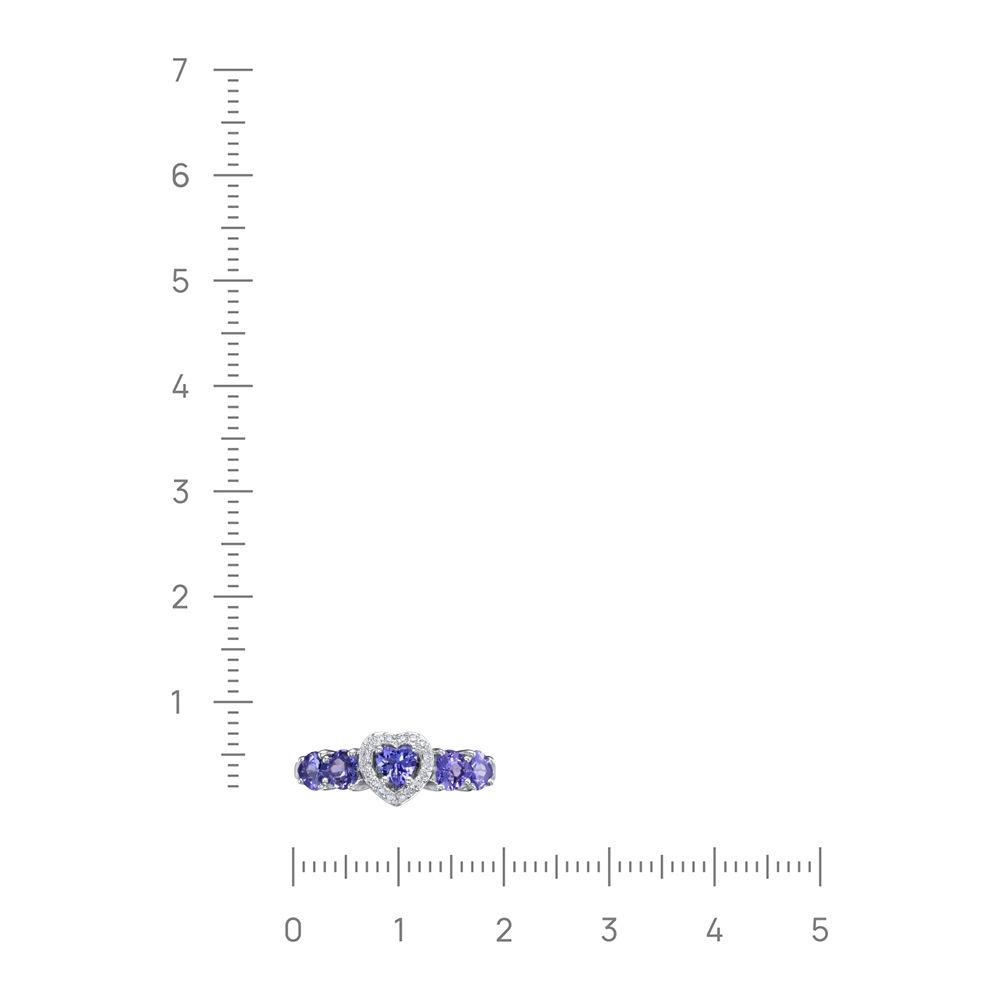
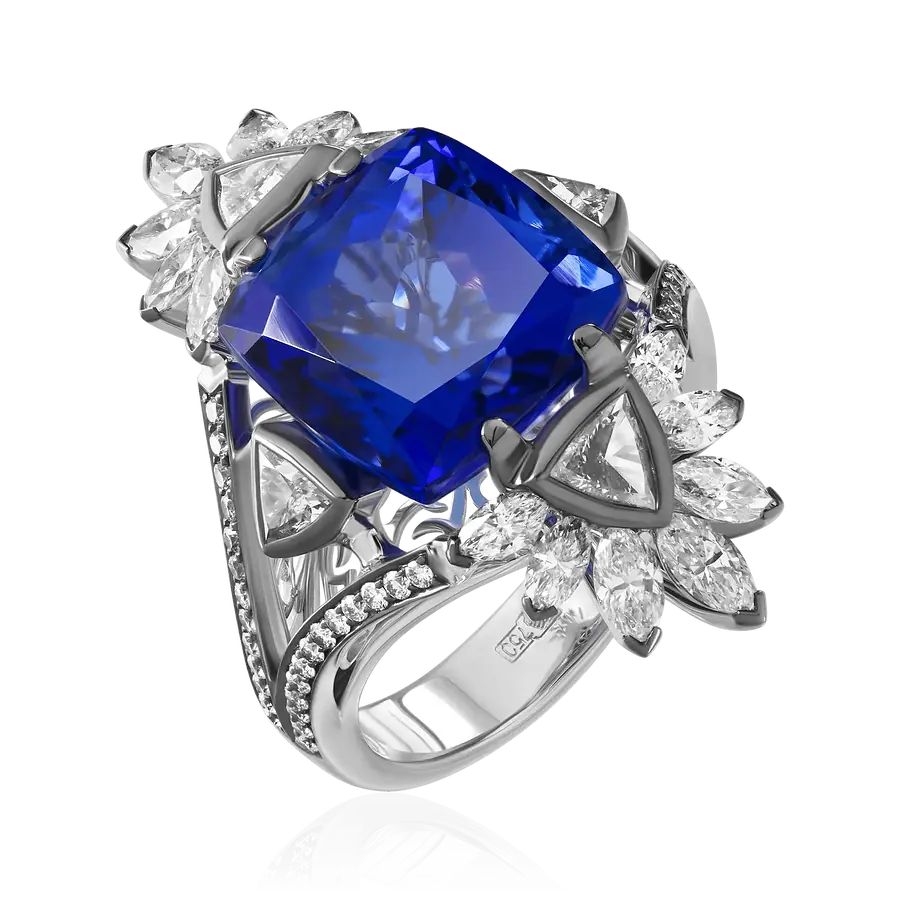
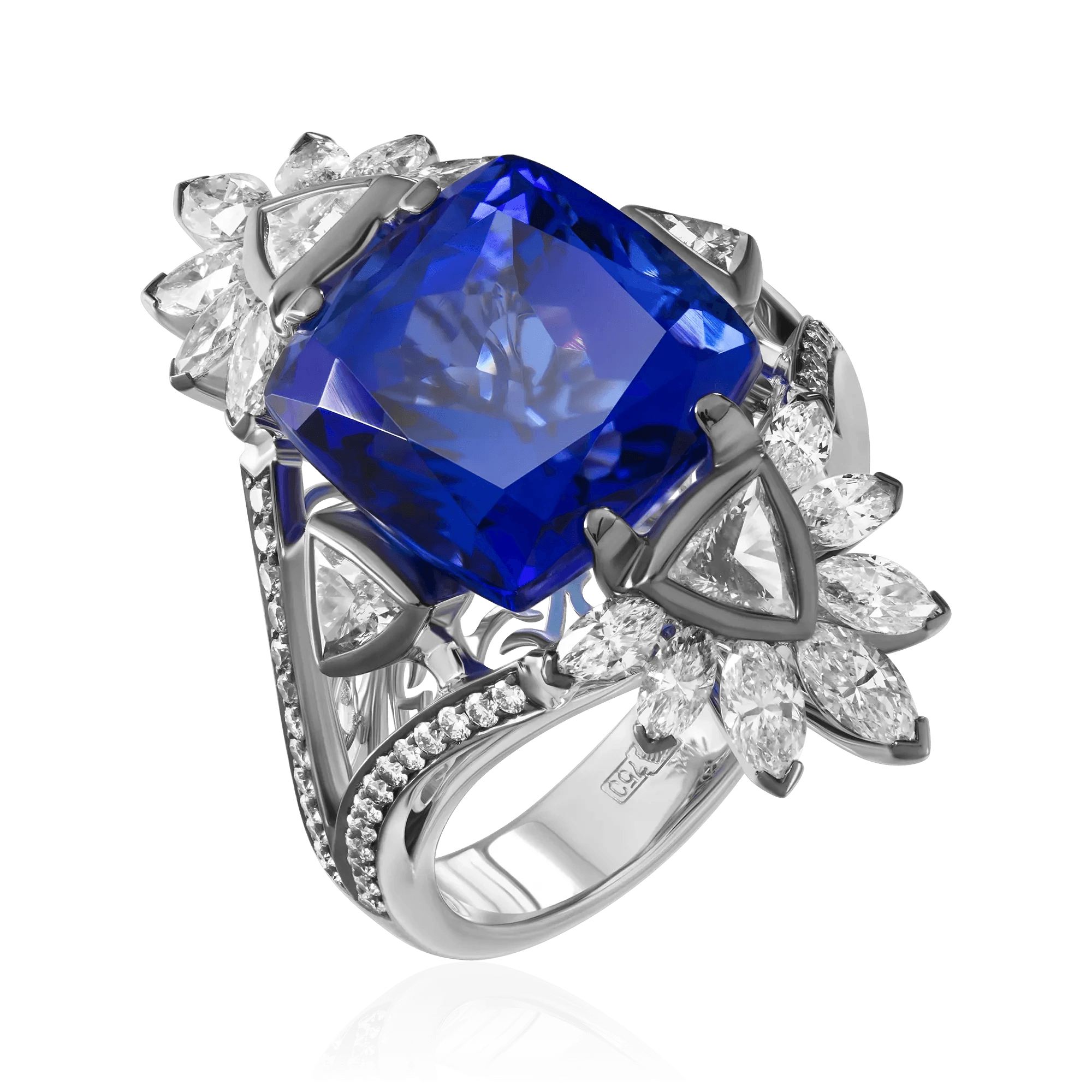
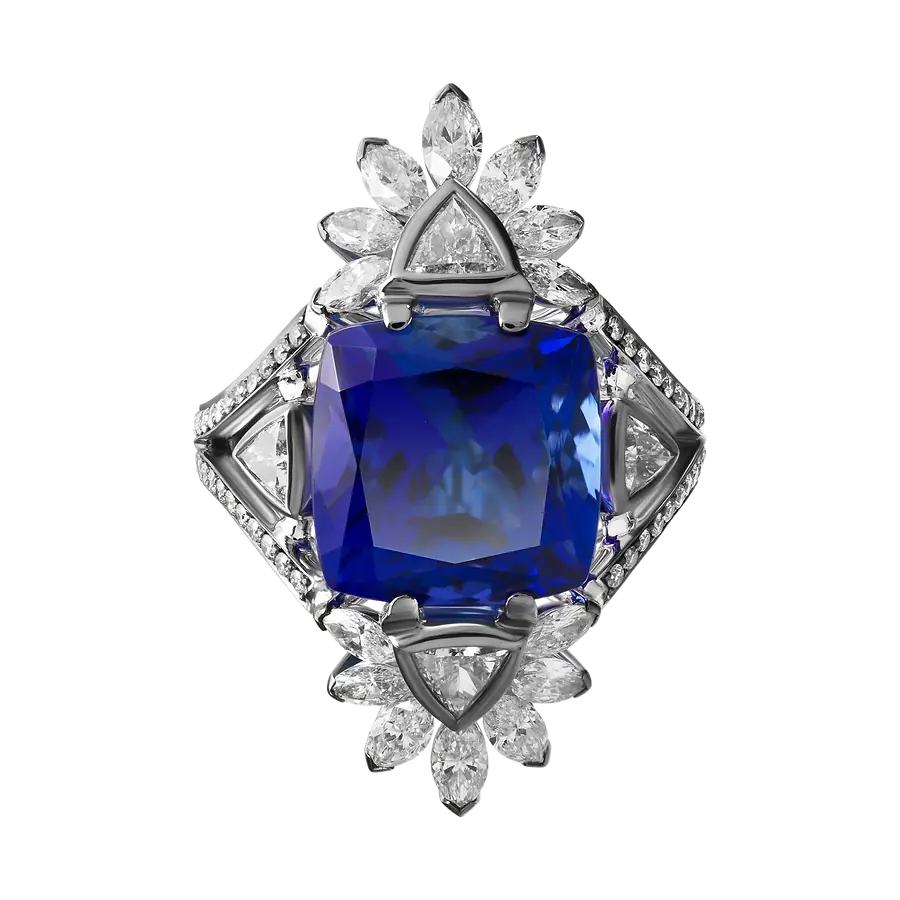
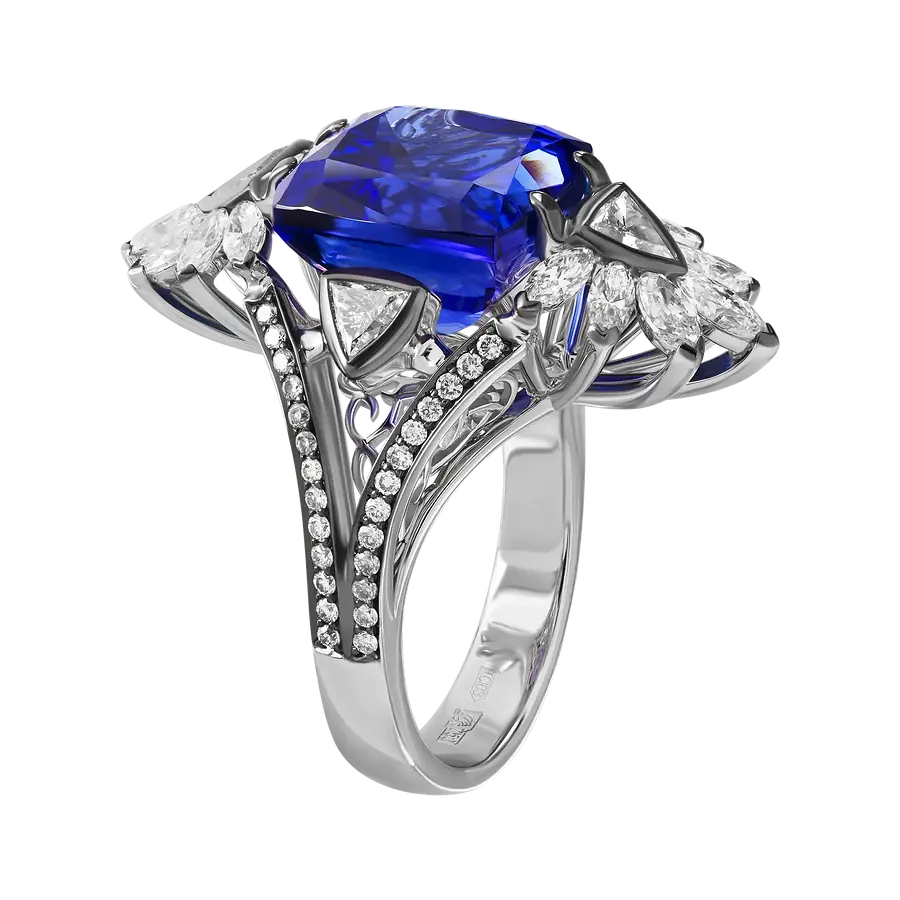
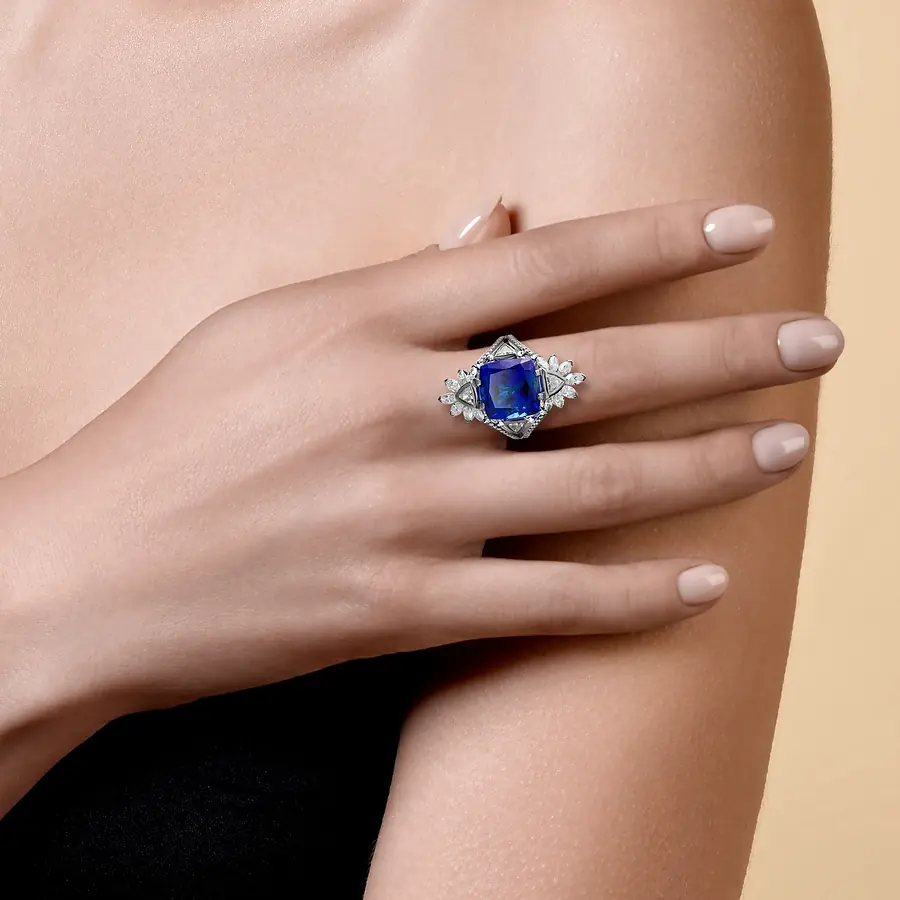
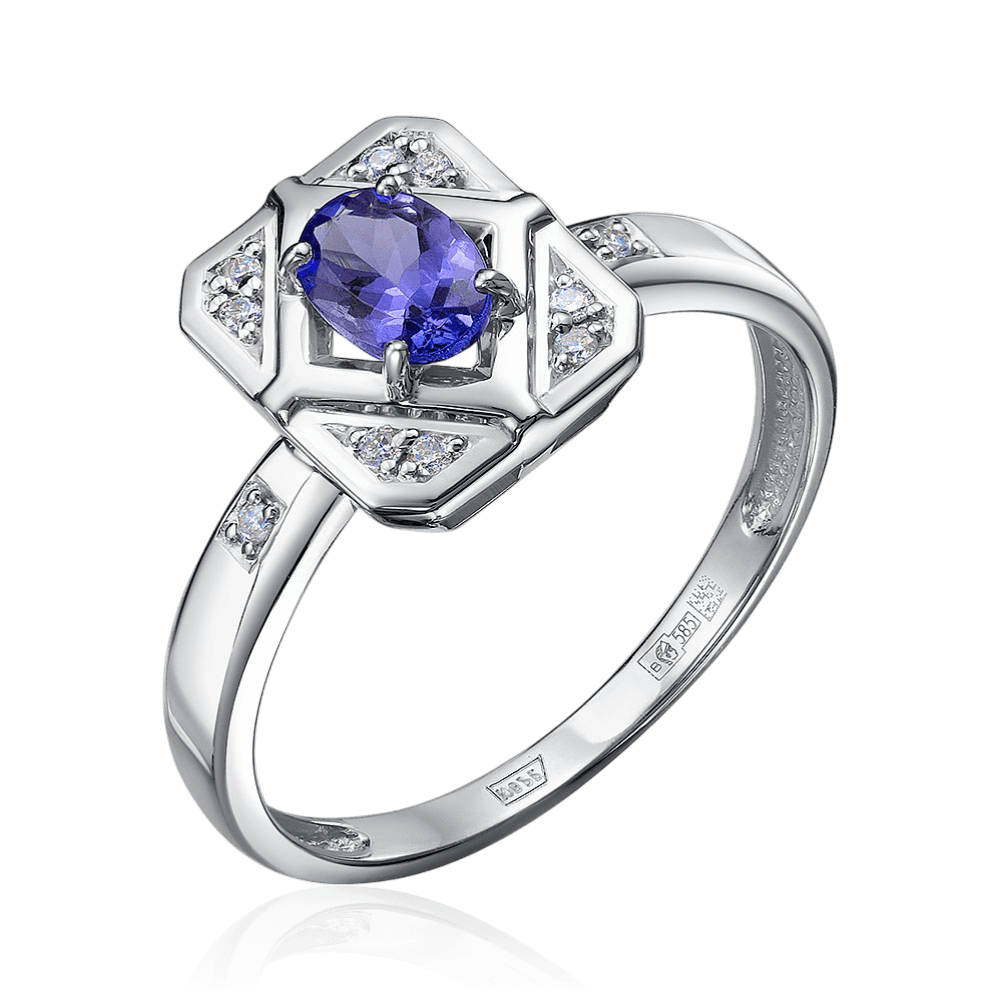
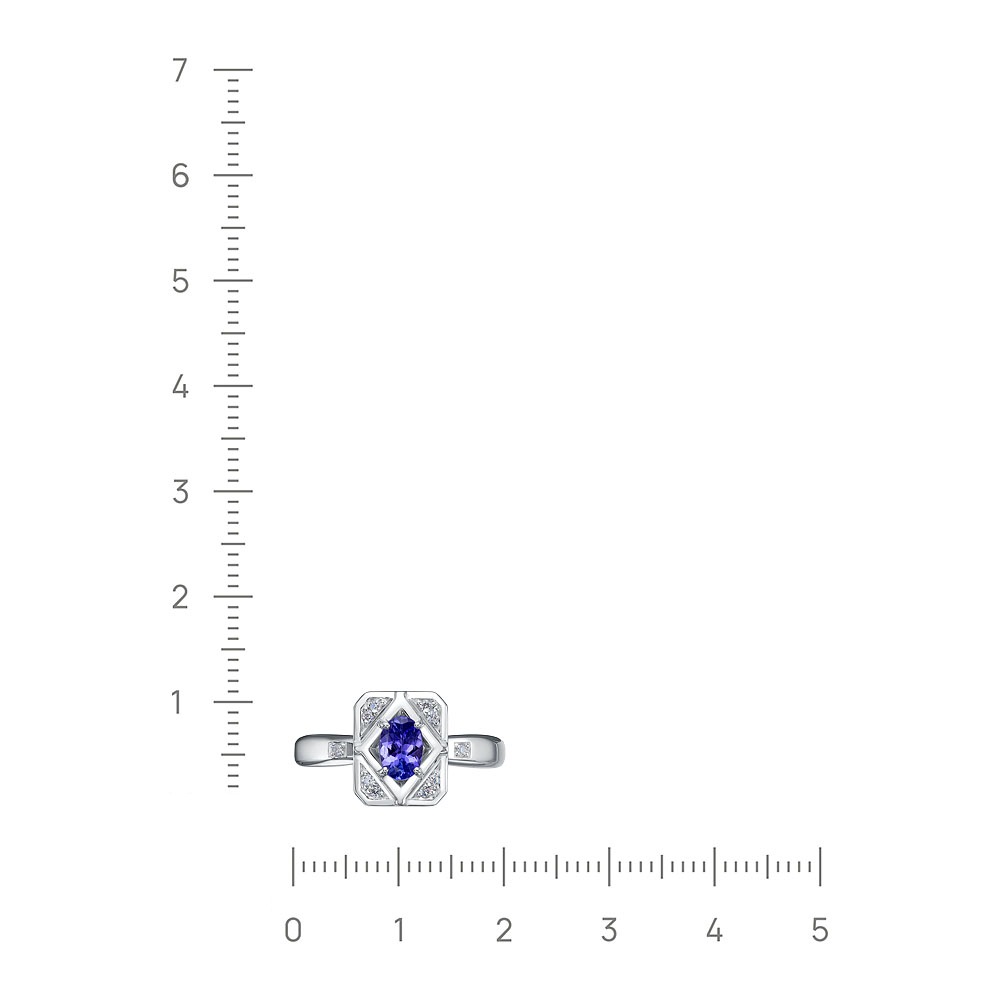
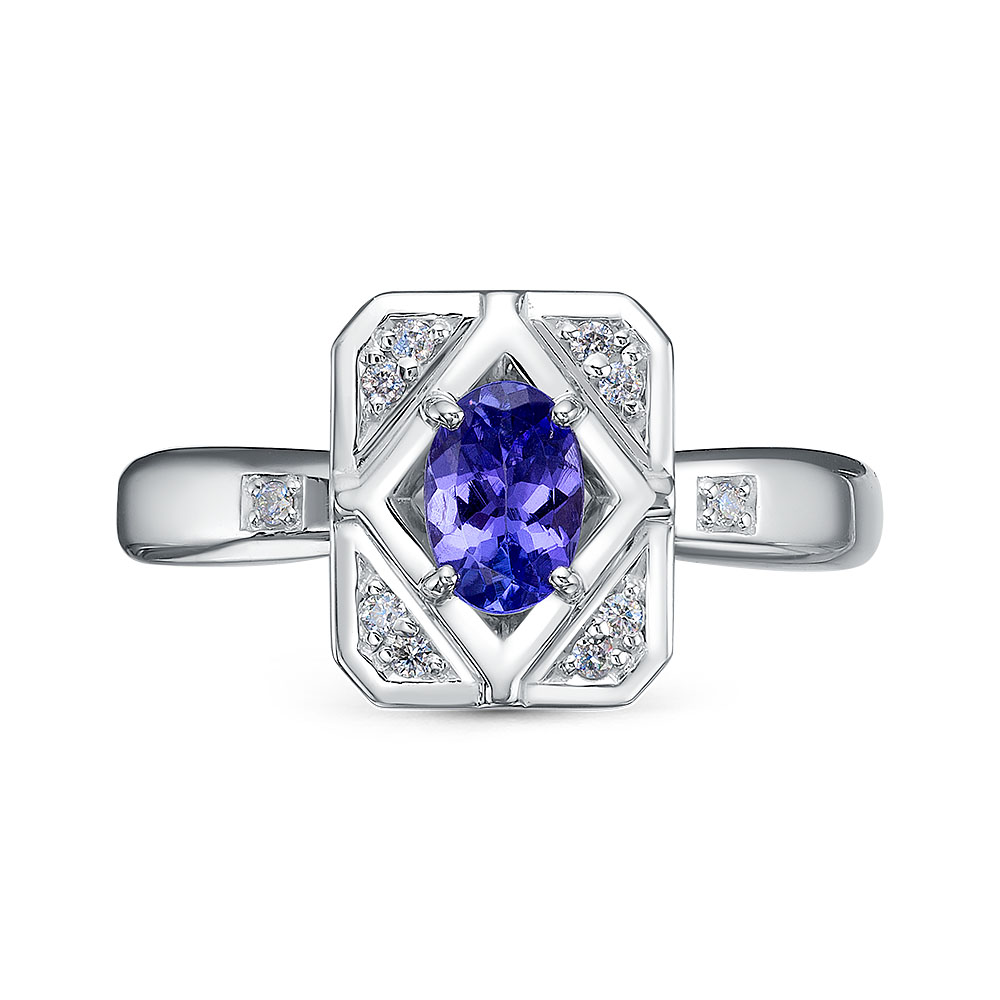

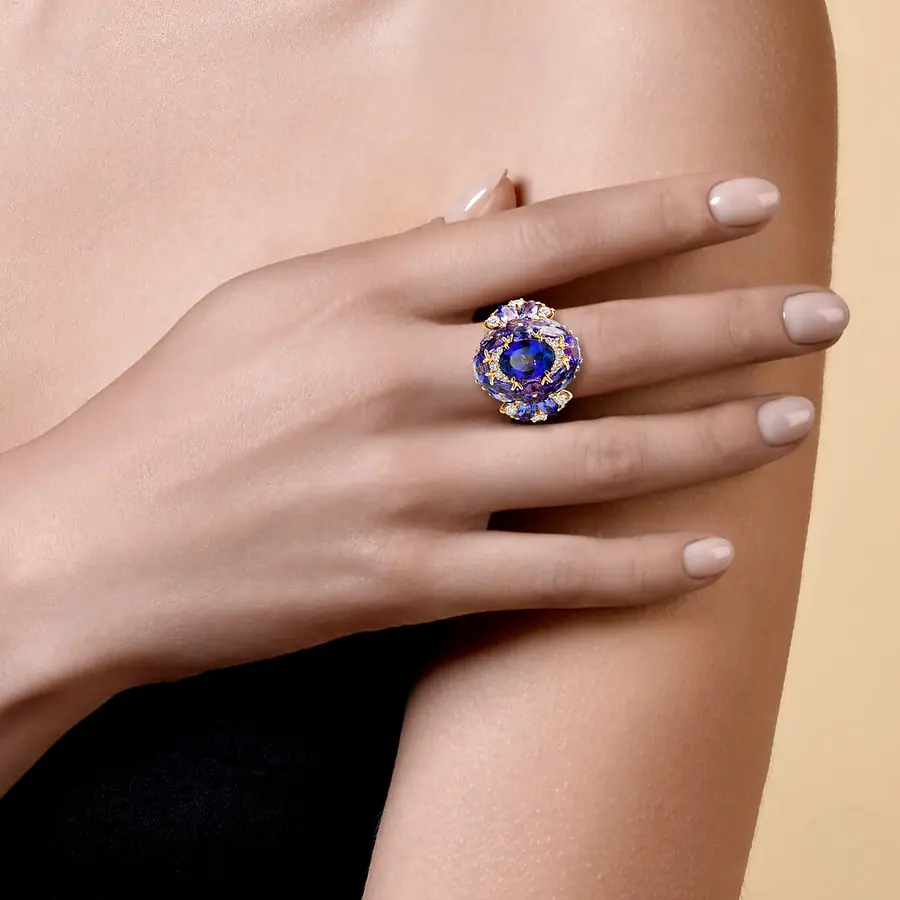

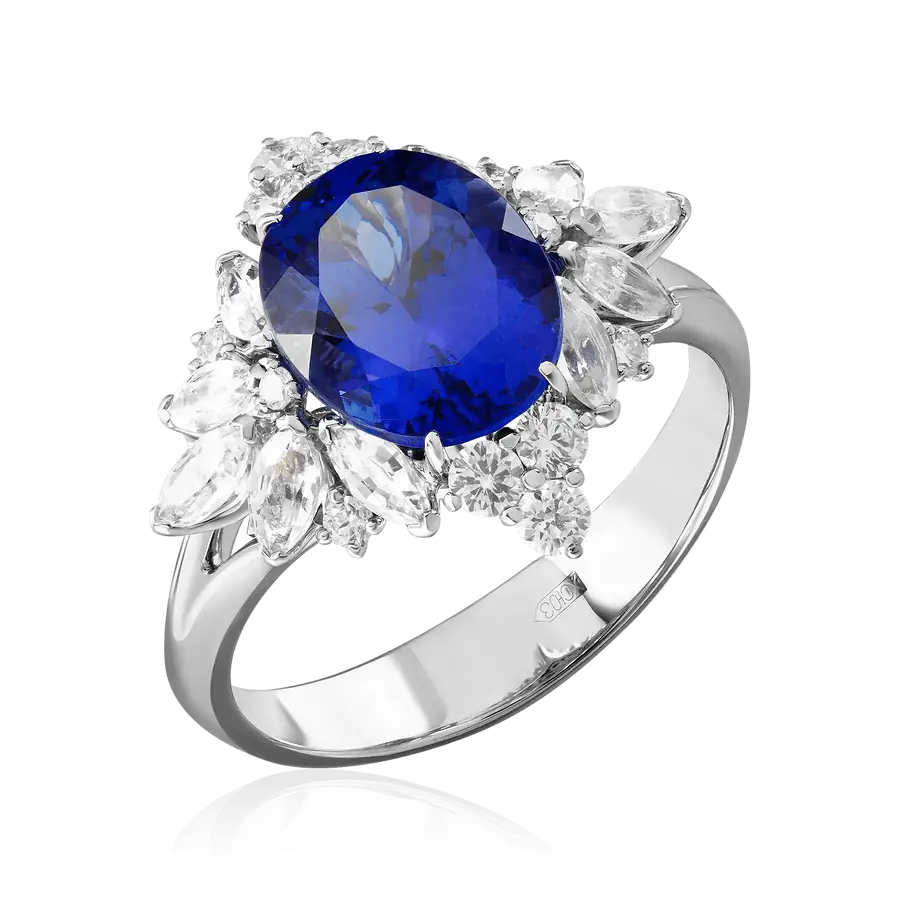
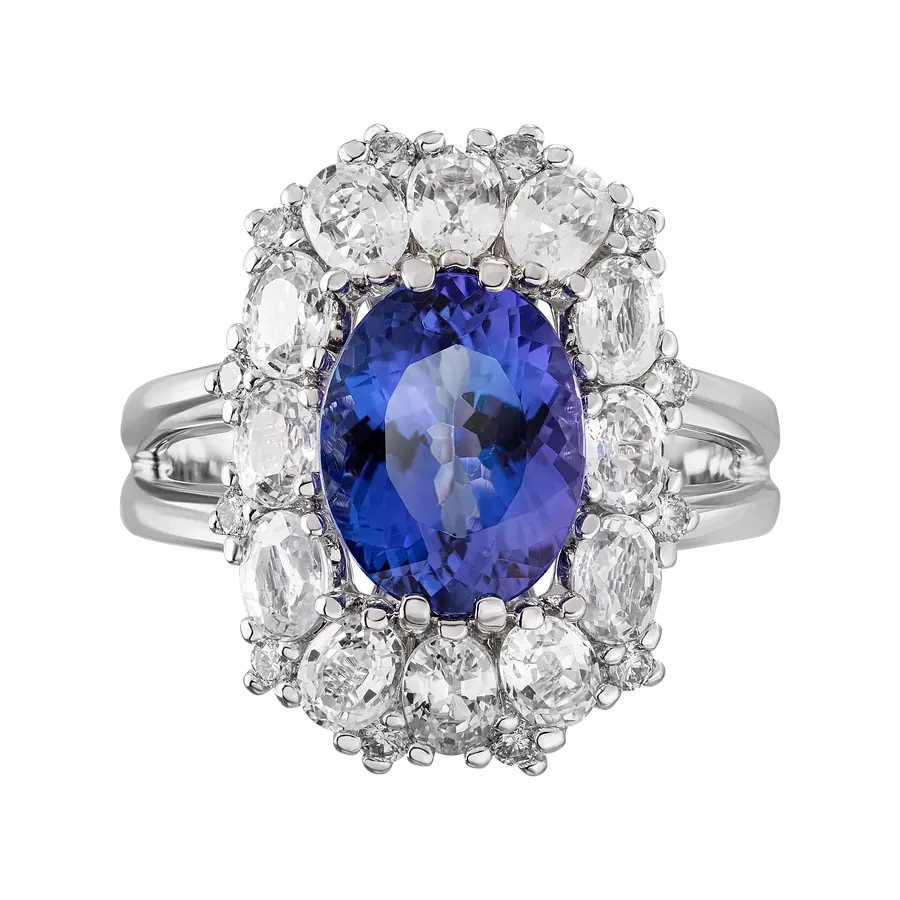
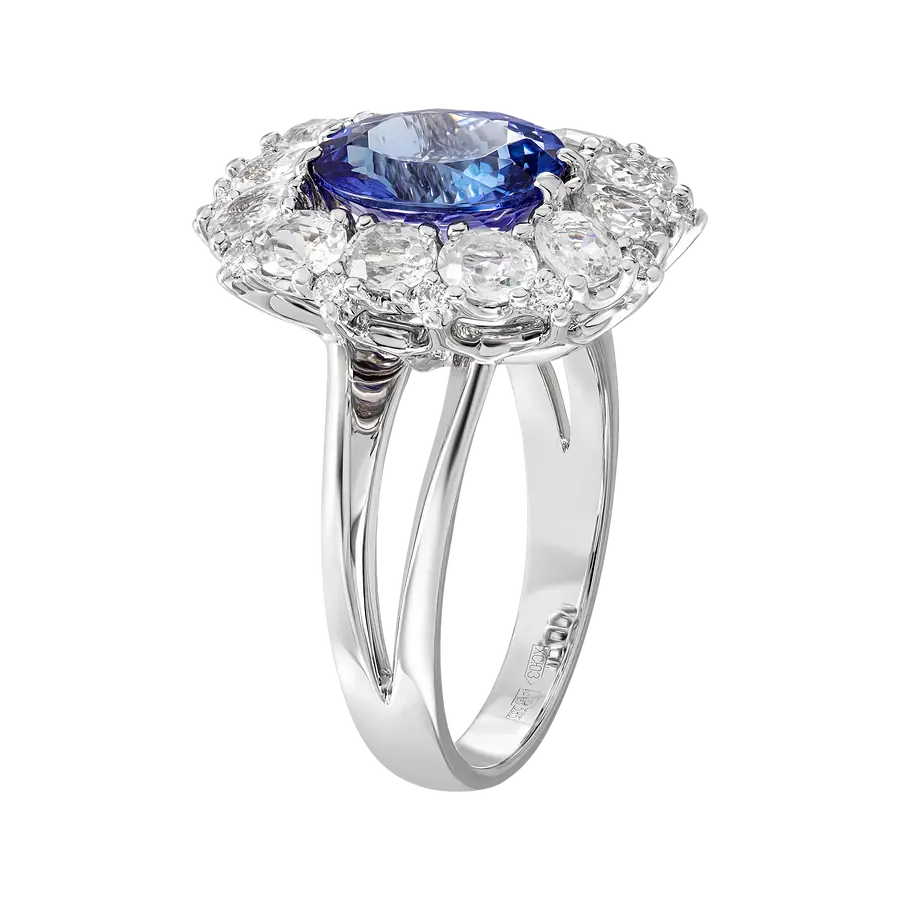
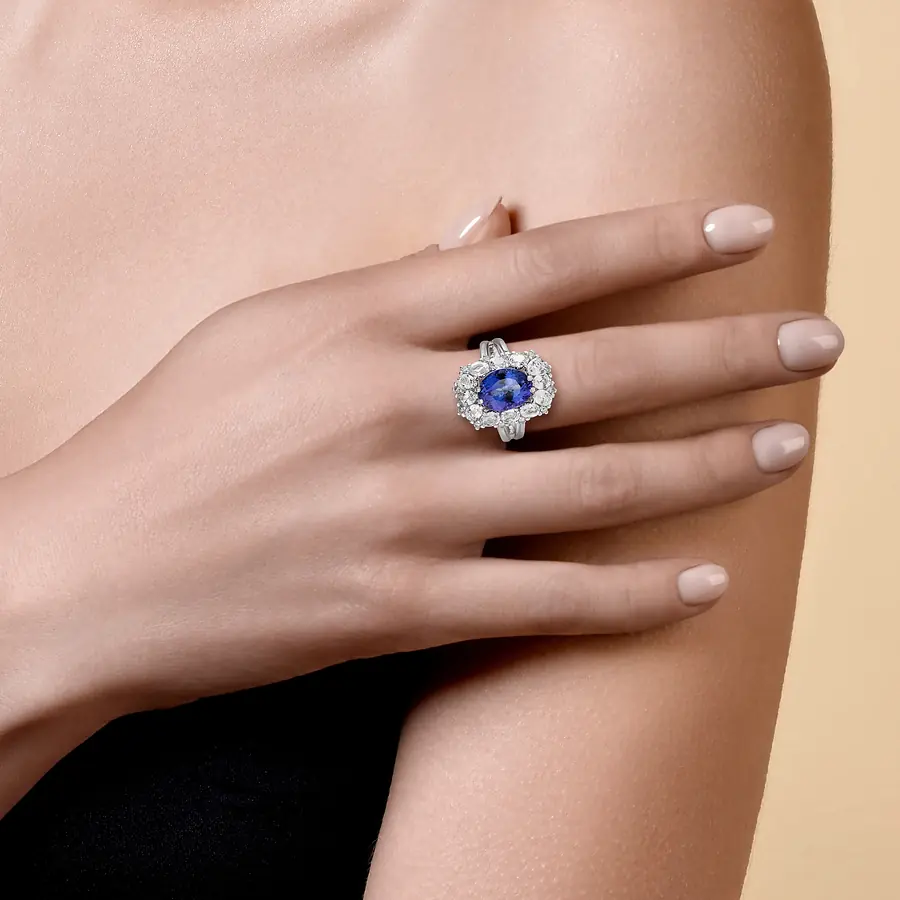
Ring with tanzanite, white sapphires and diamonds in 14K white gold (585) ( 130301)
In stock
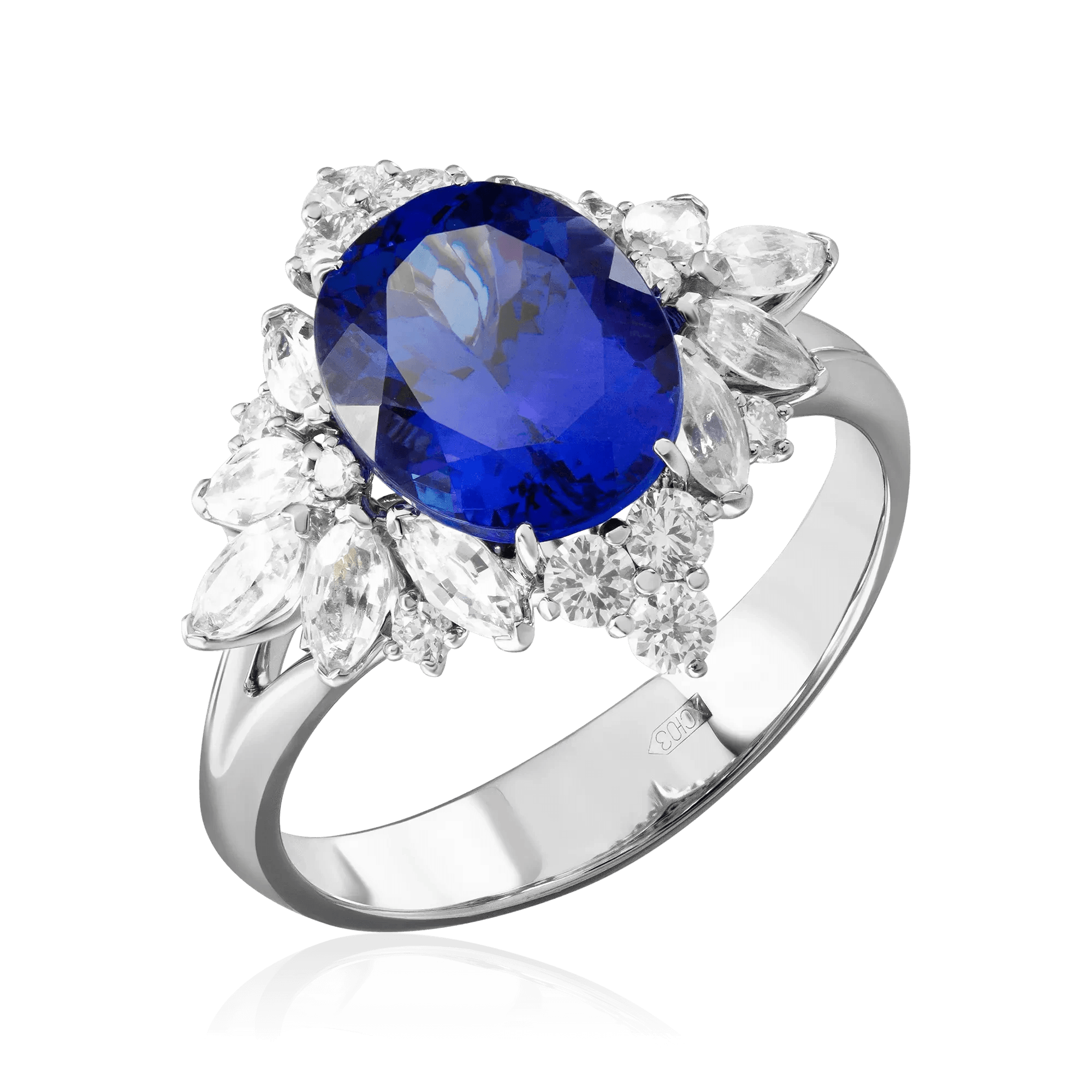
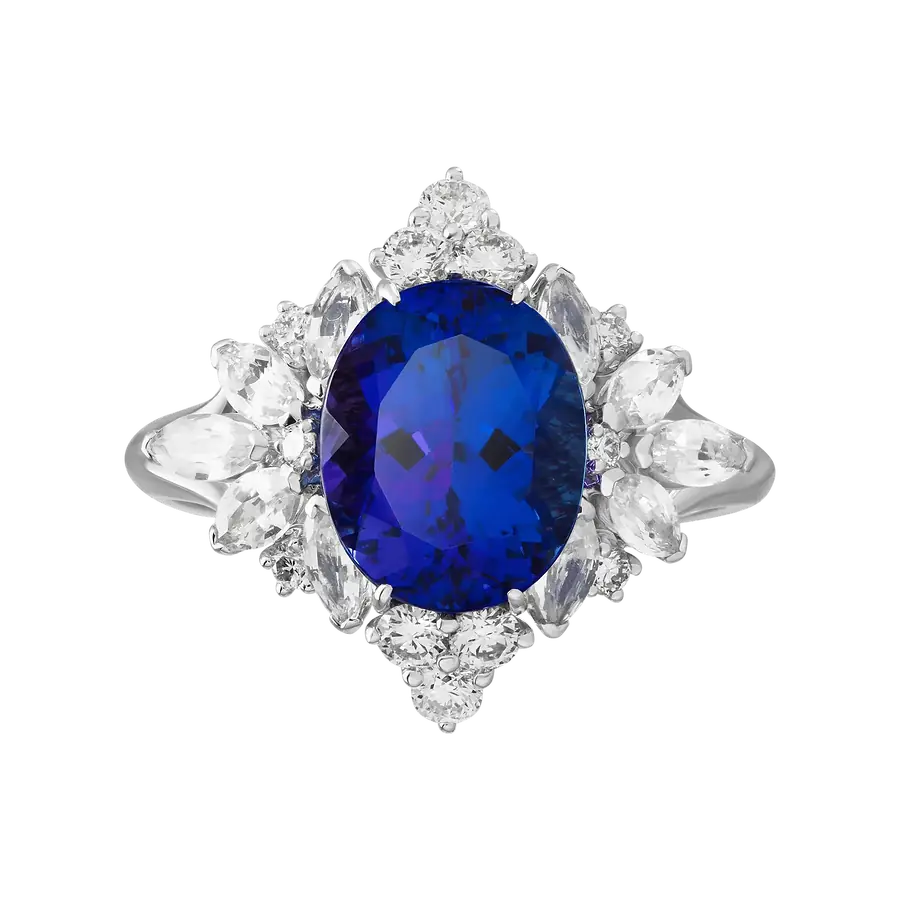
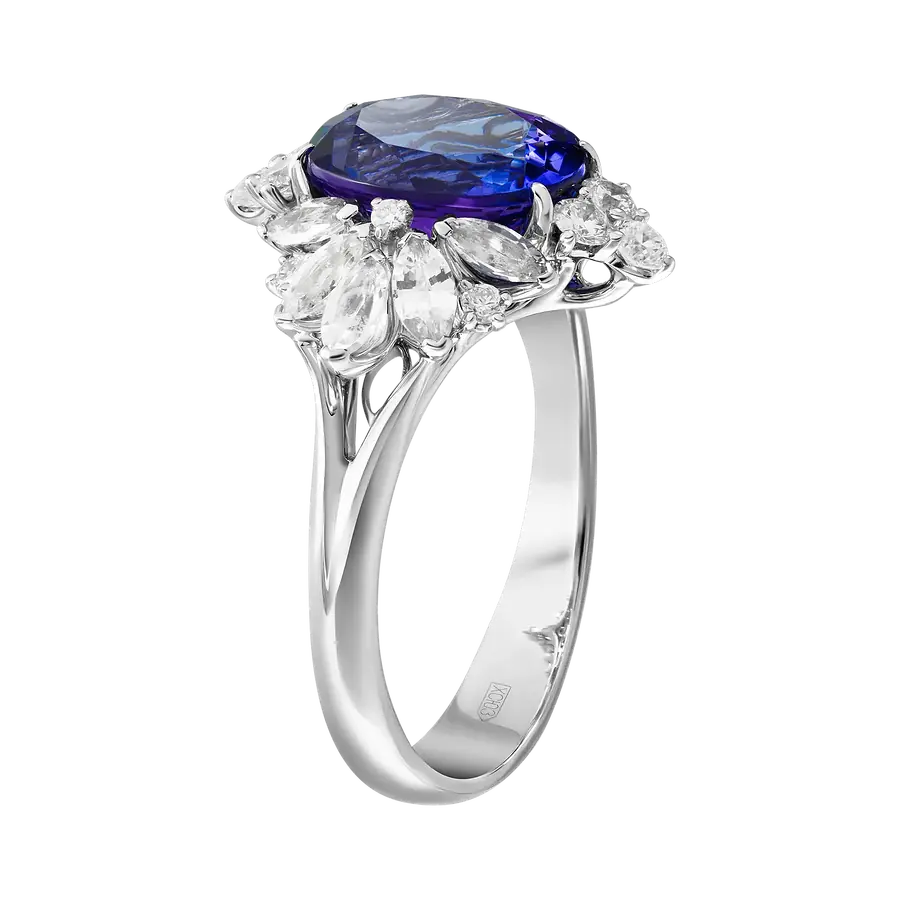
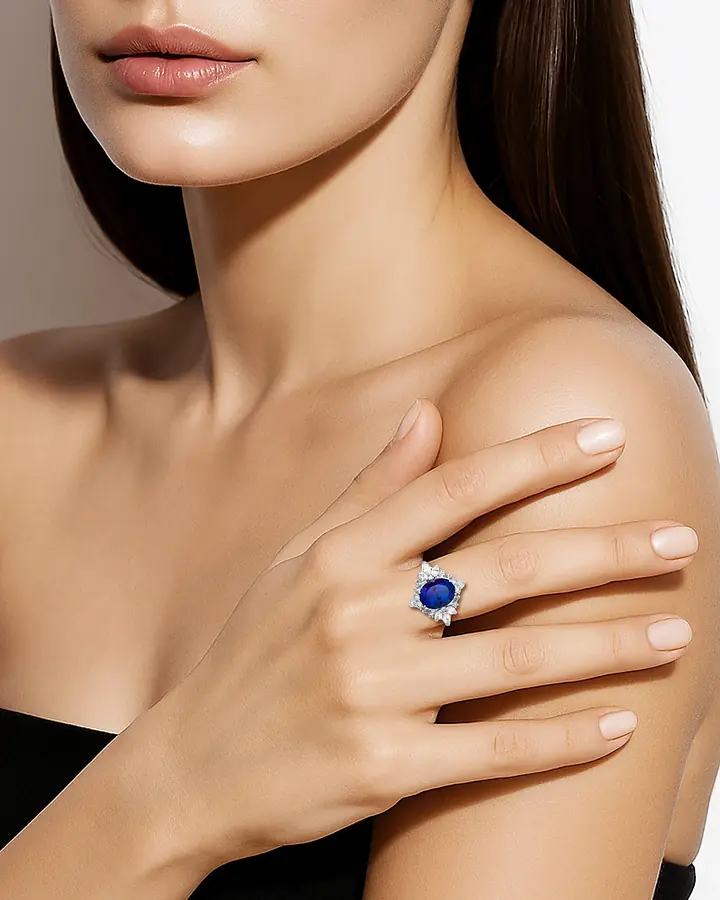
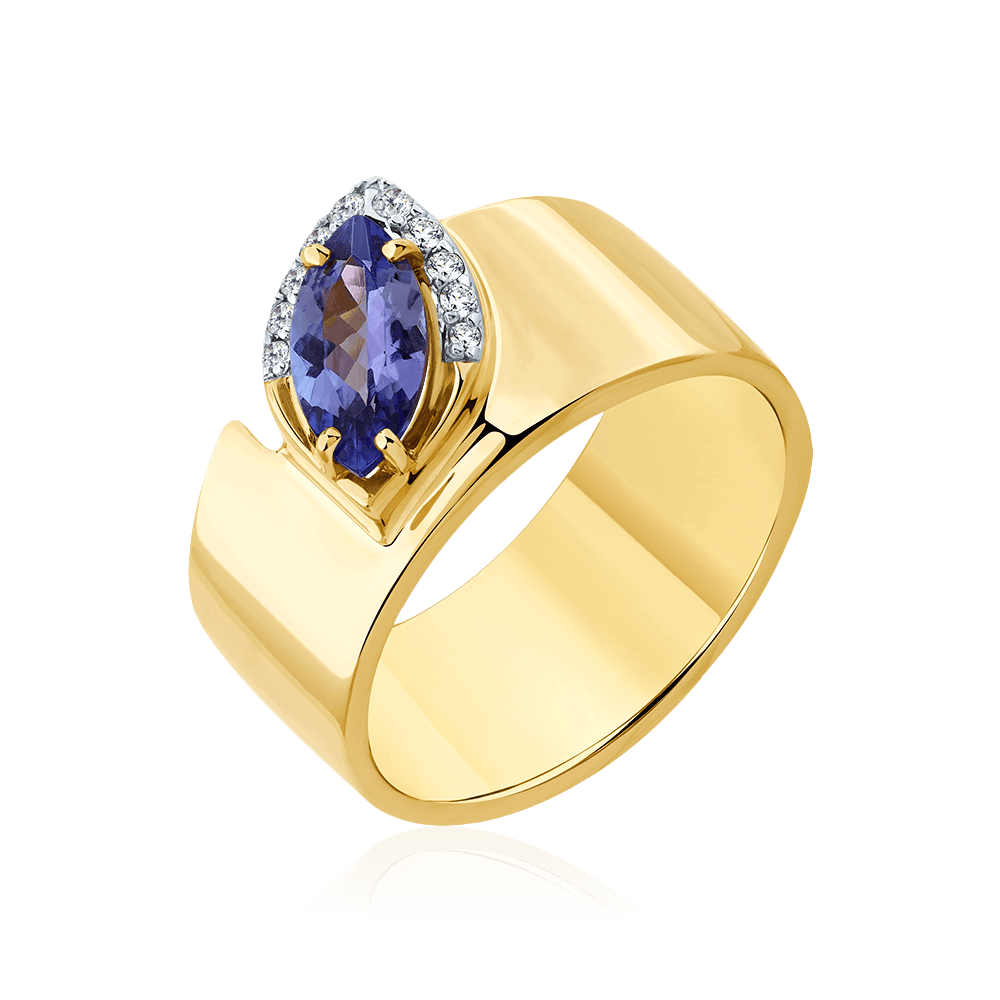
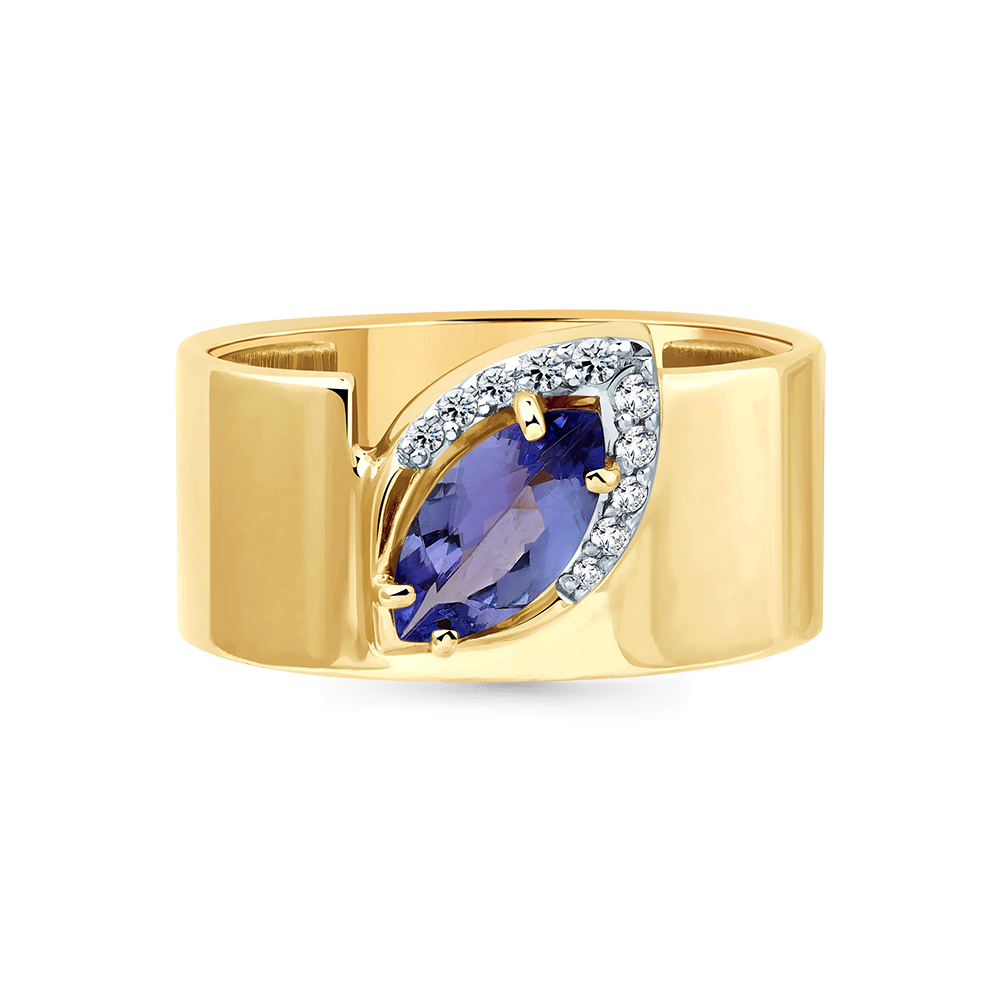
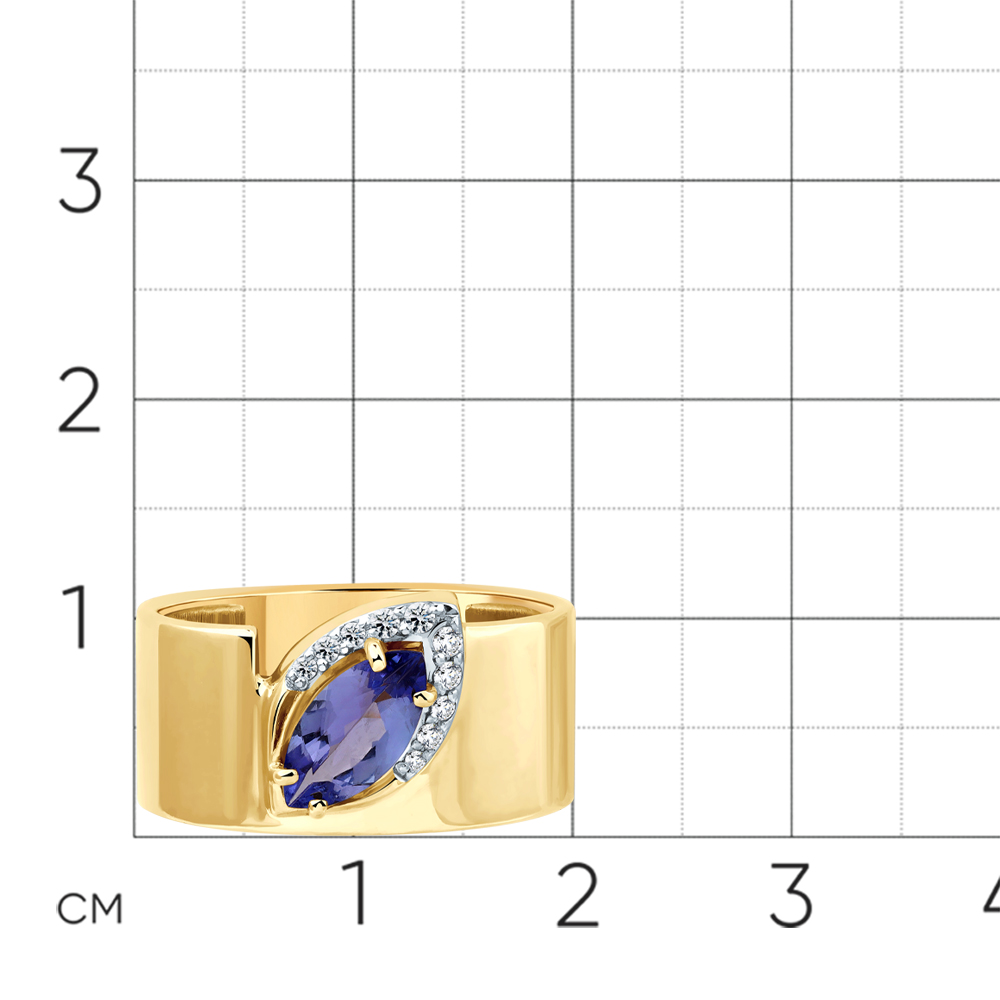
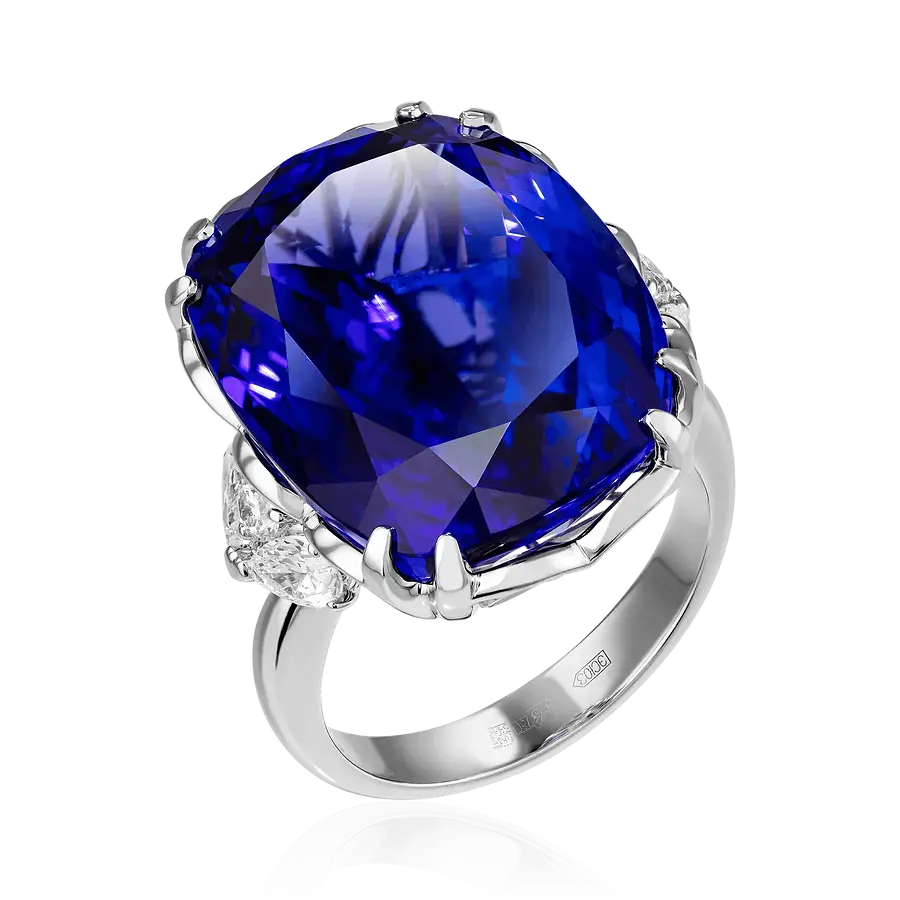
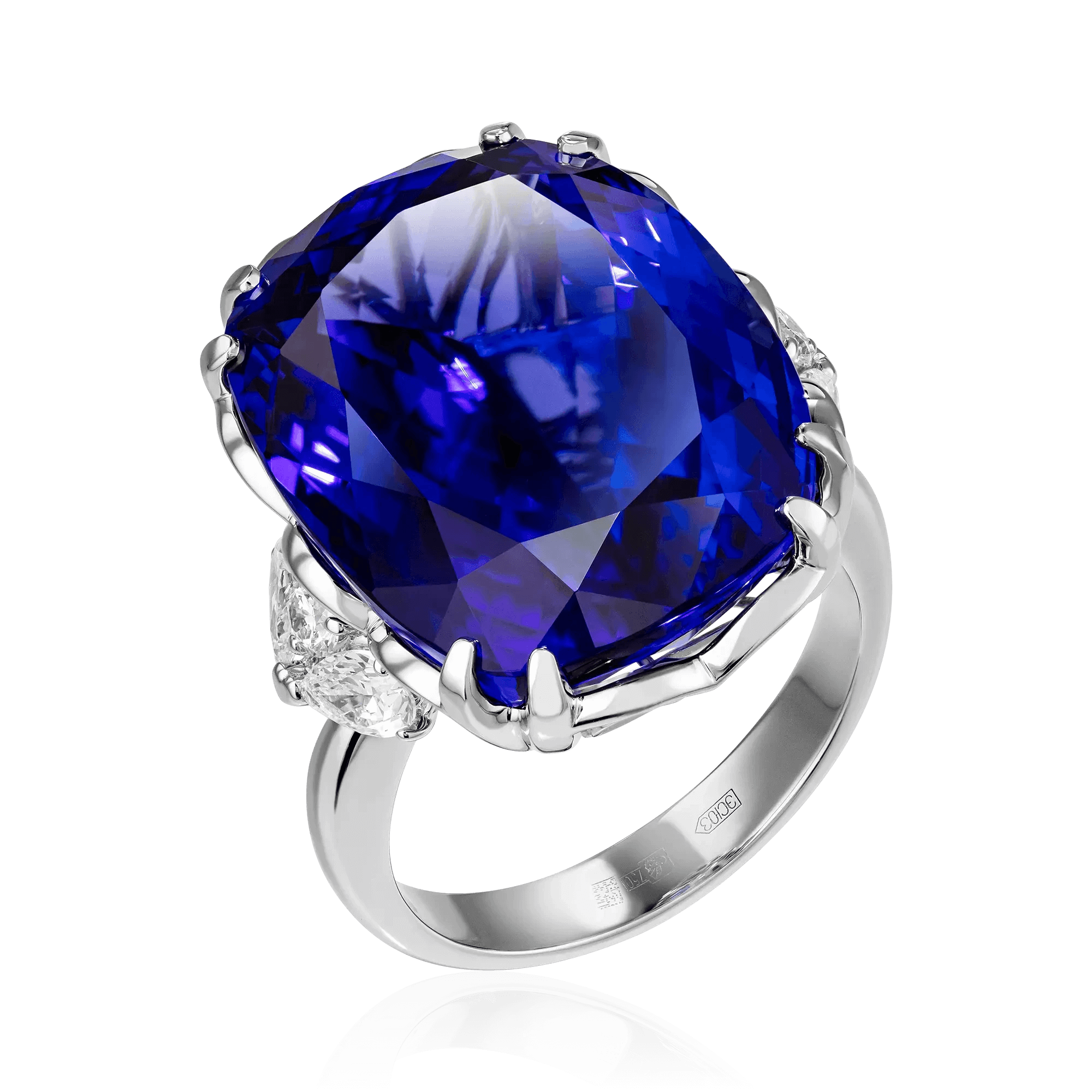
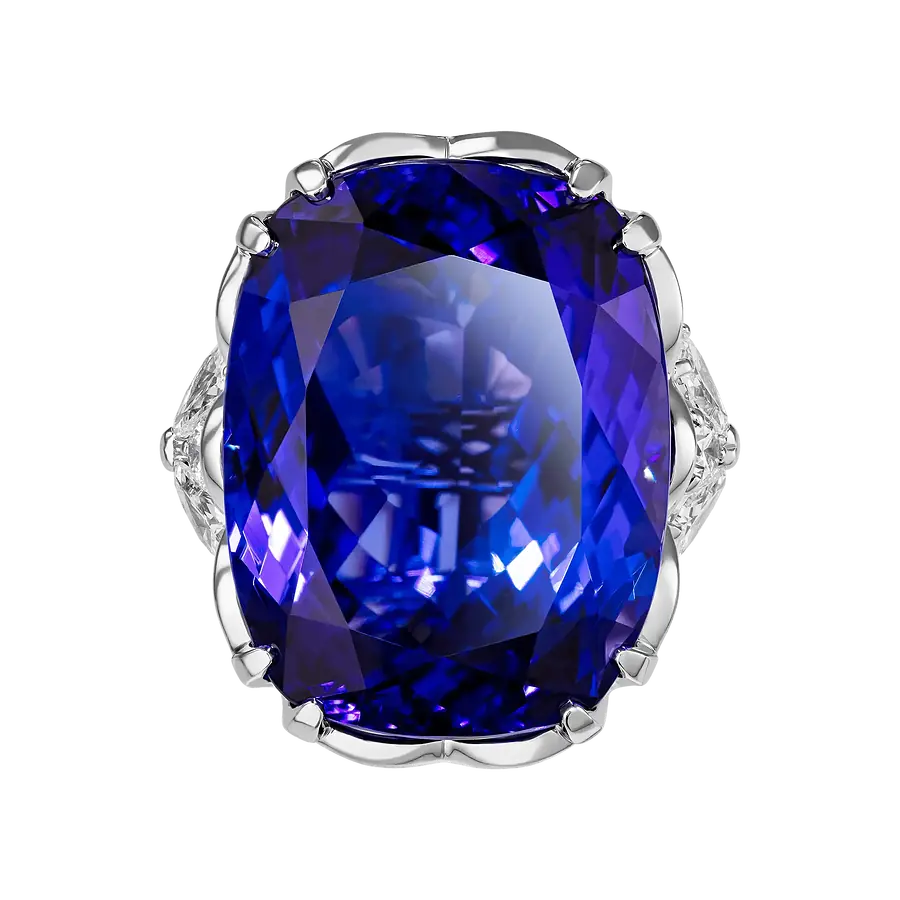
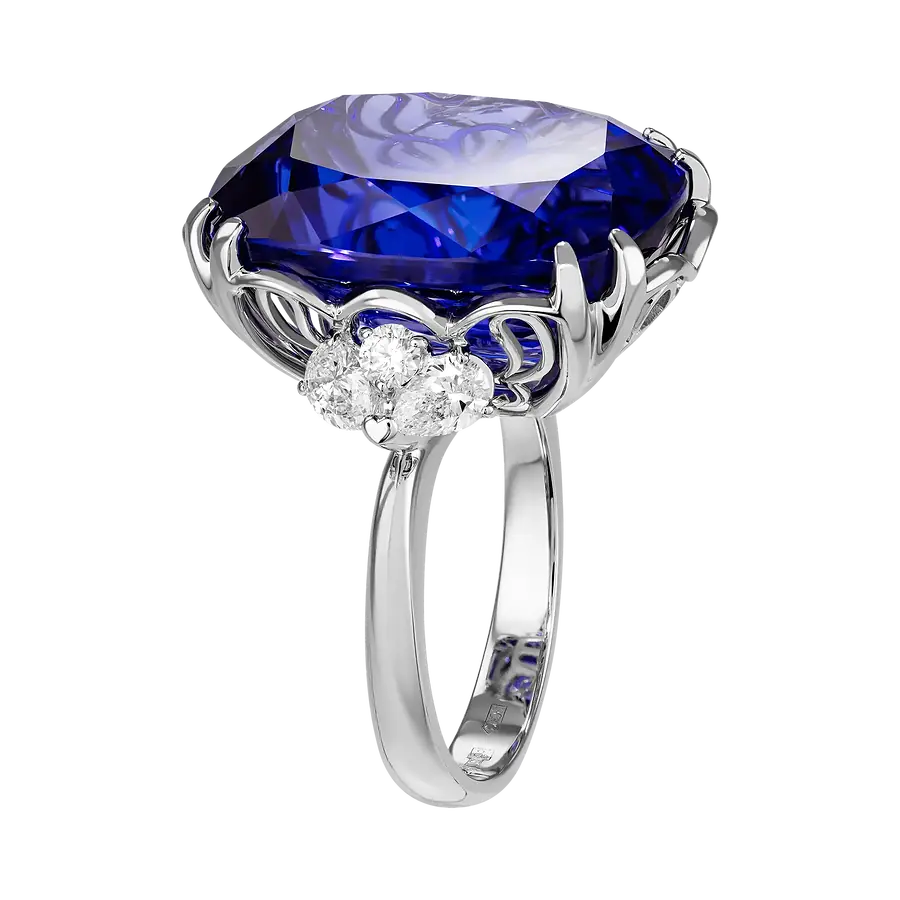
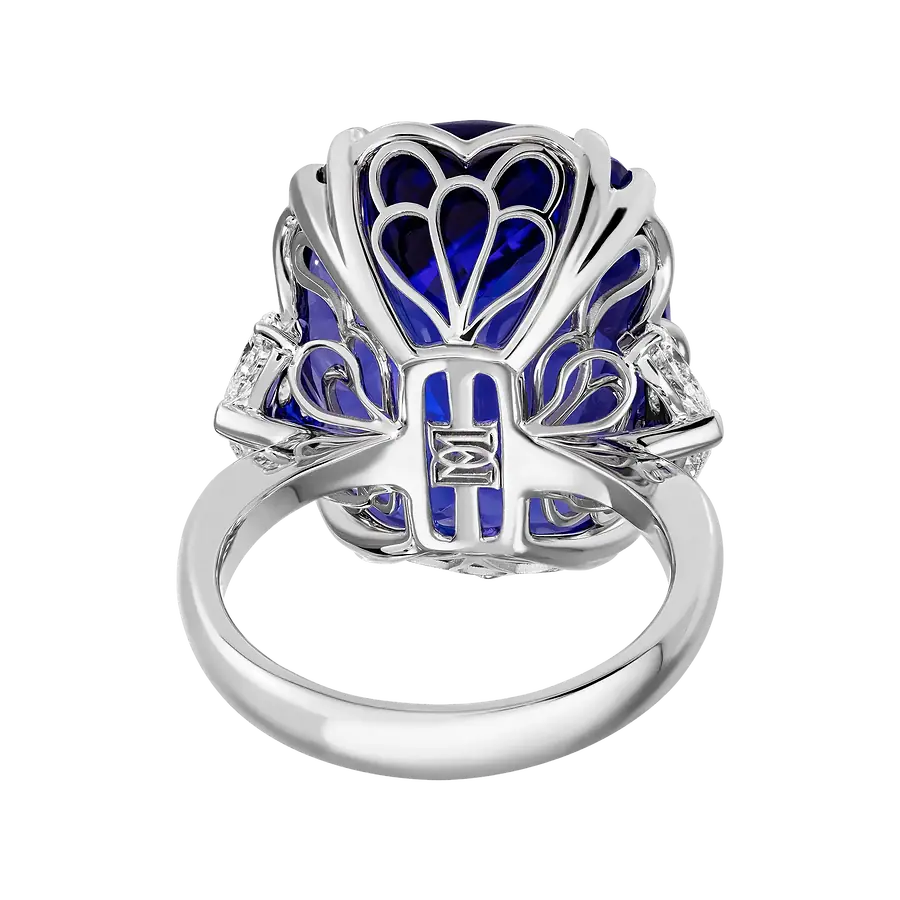
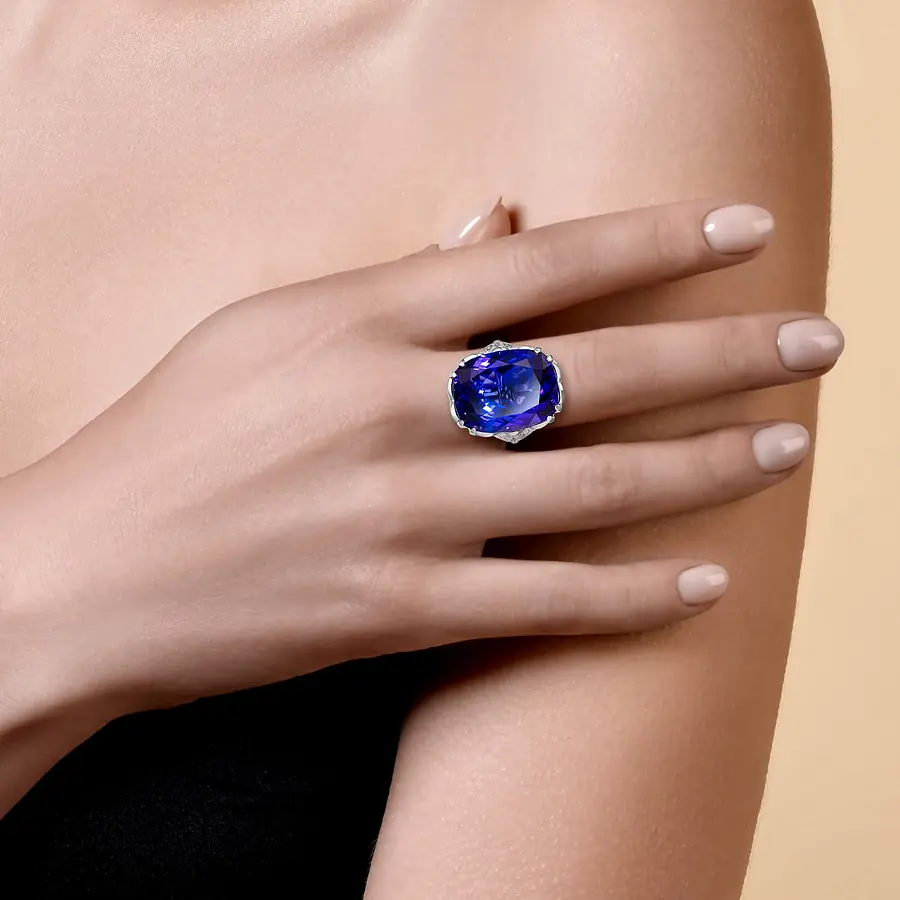

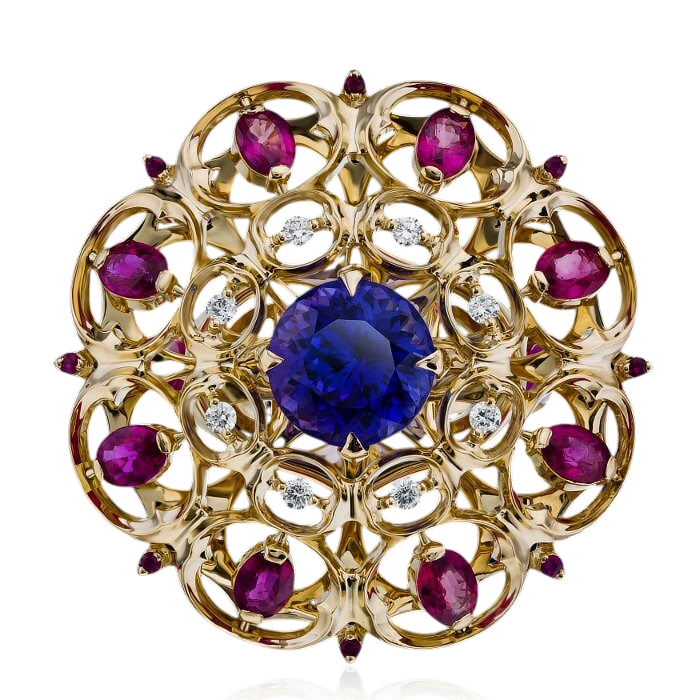
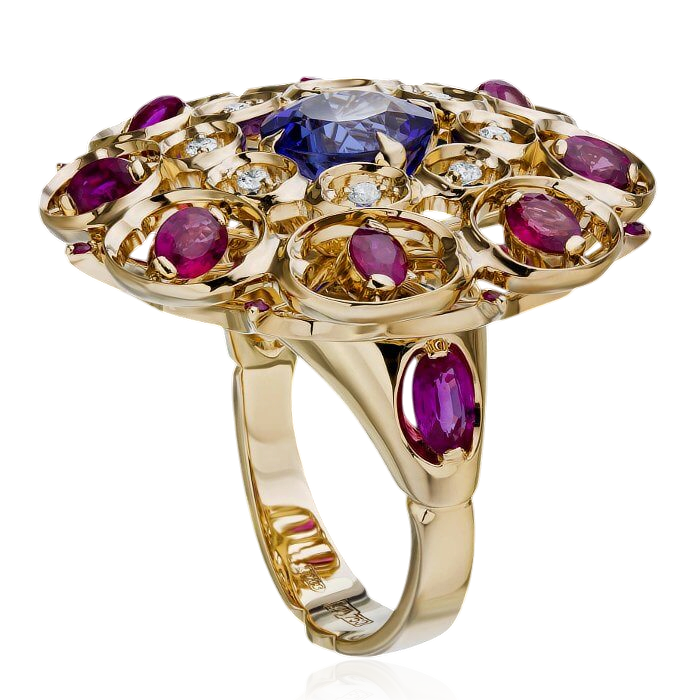
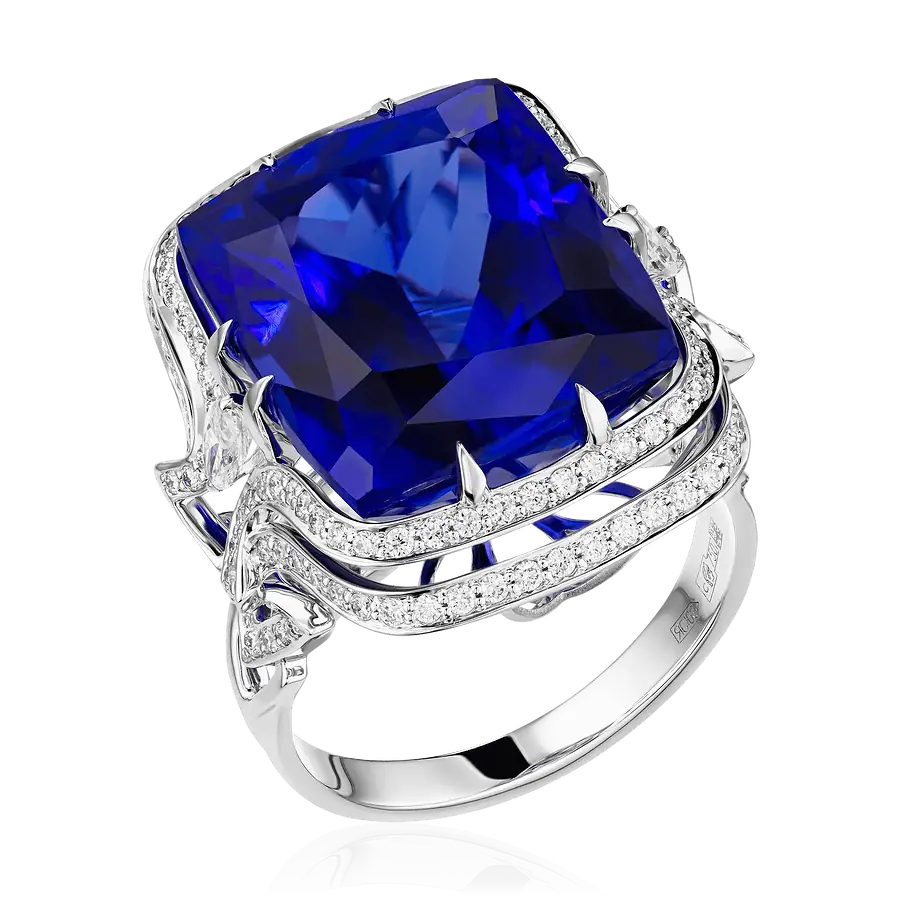
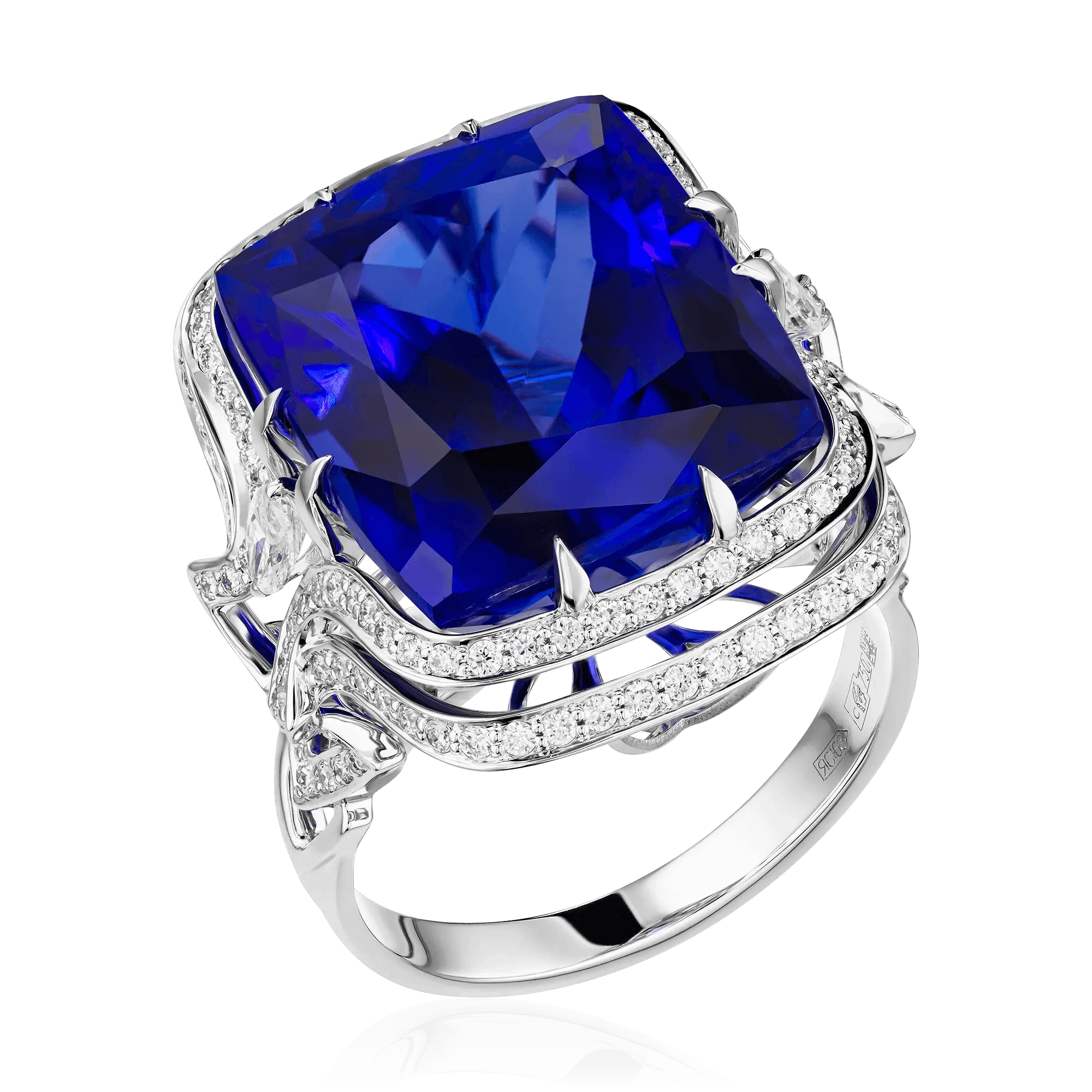
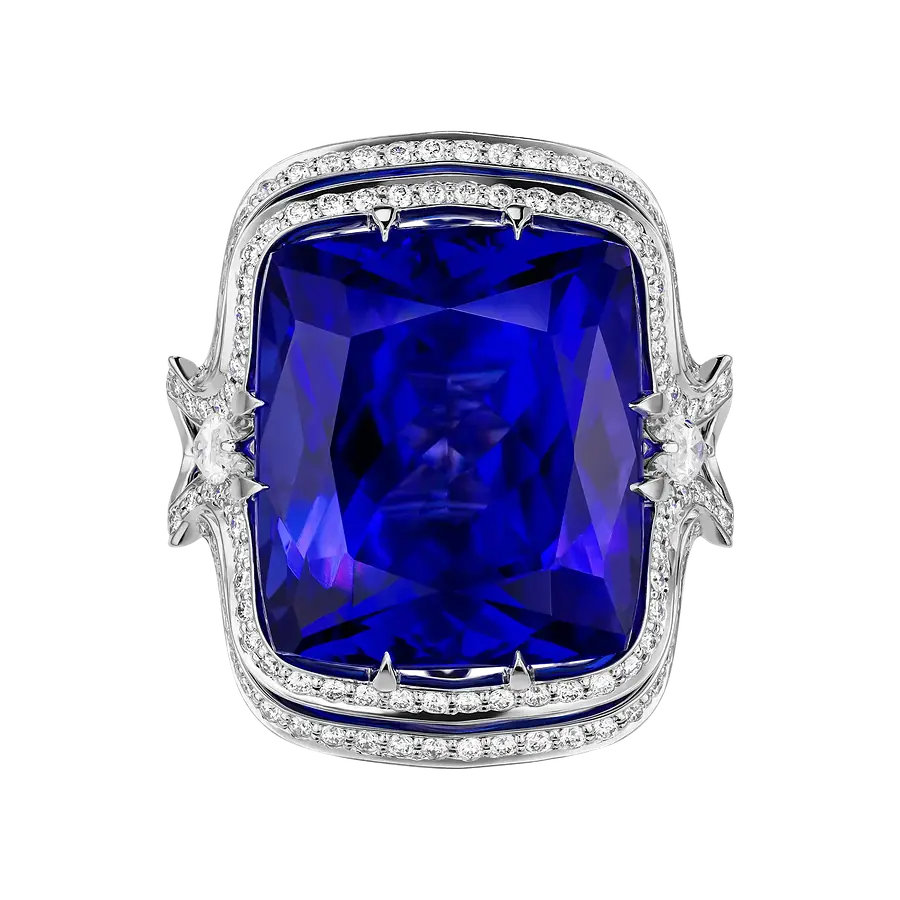
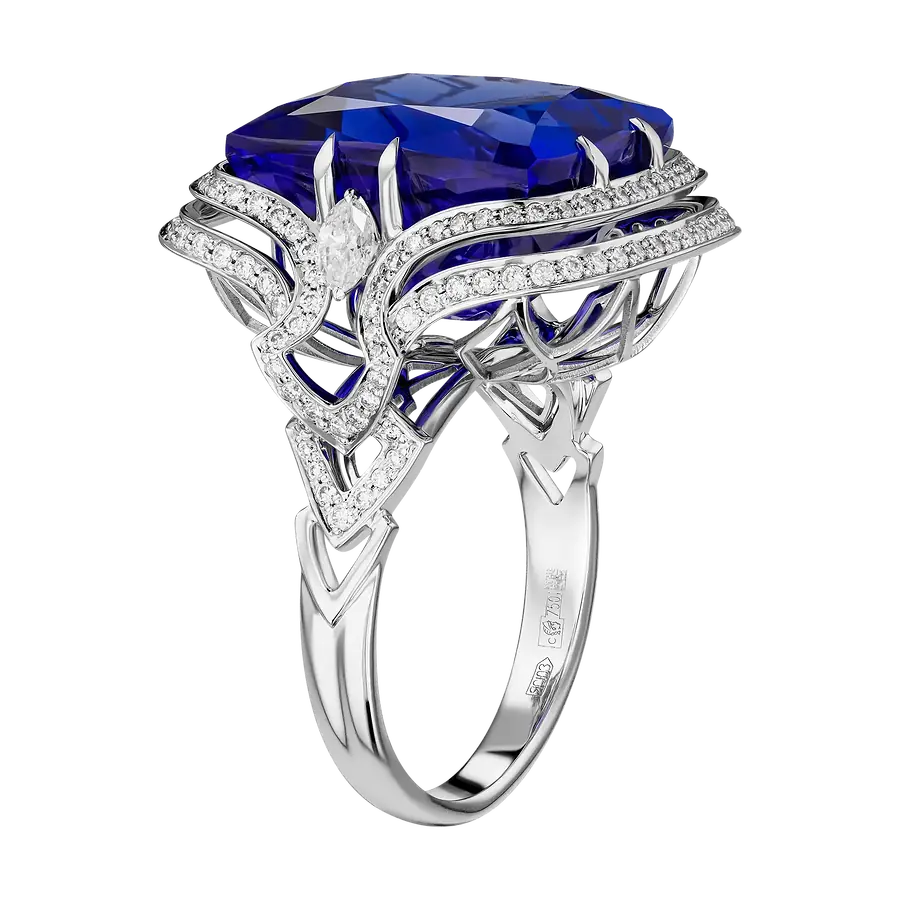
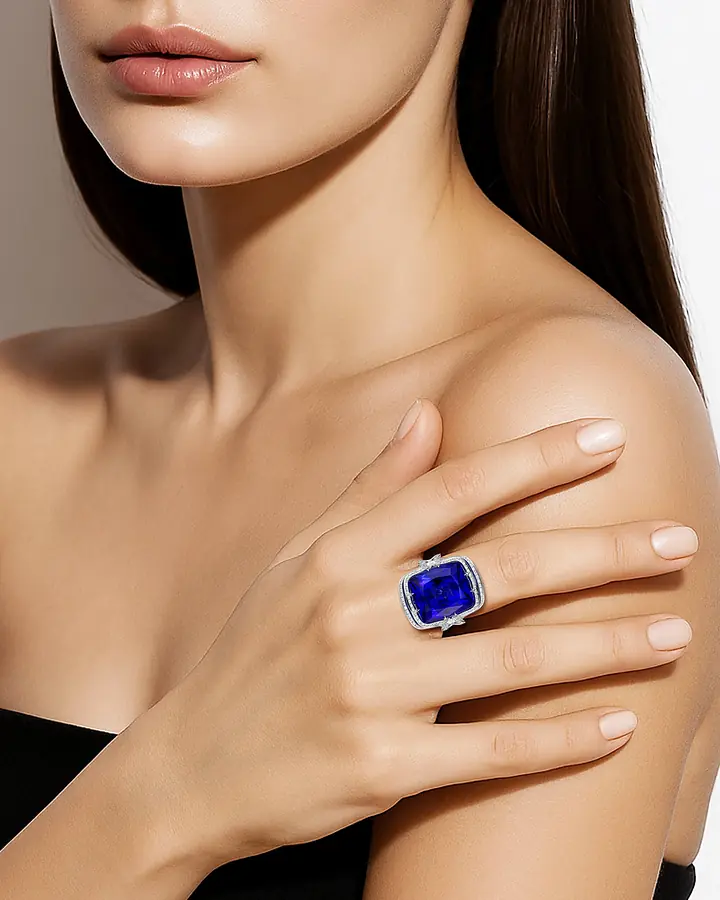

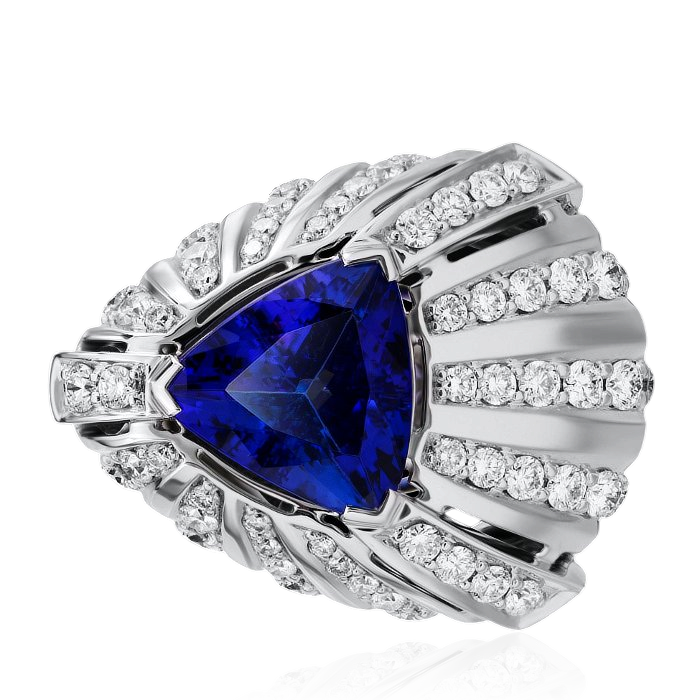
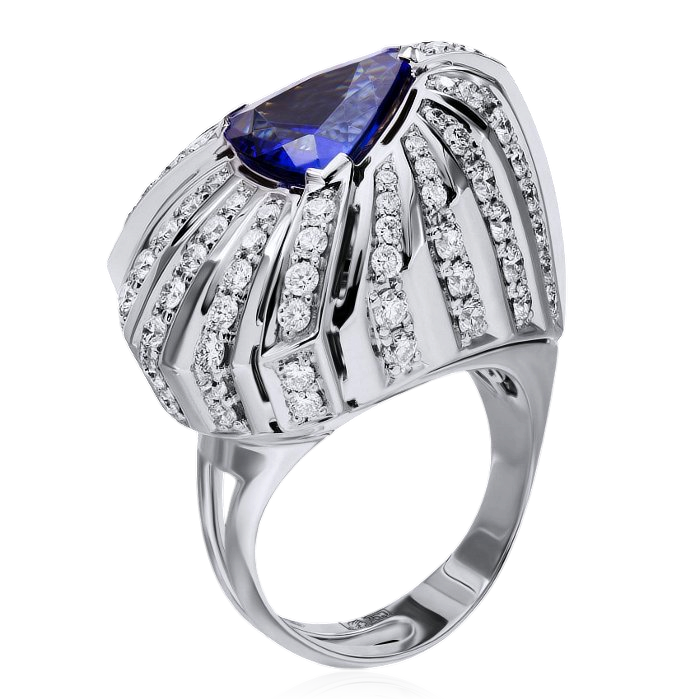

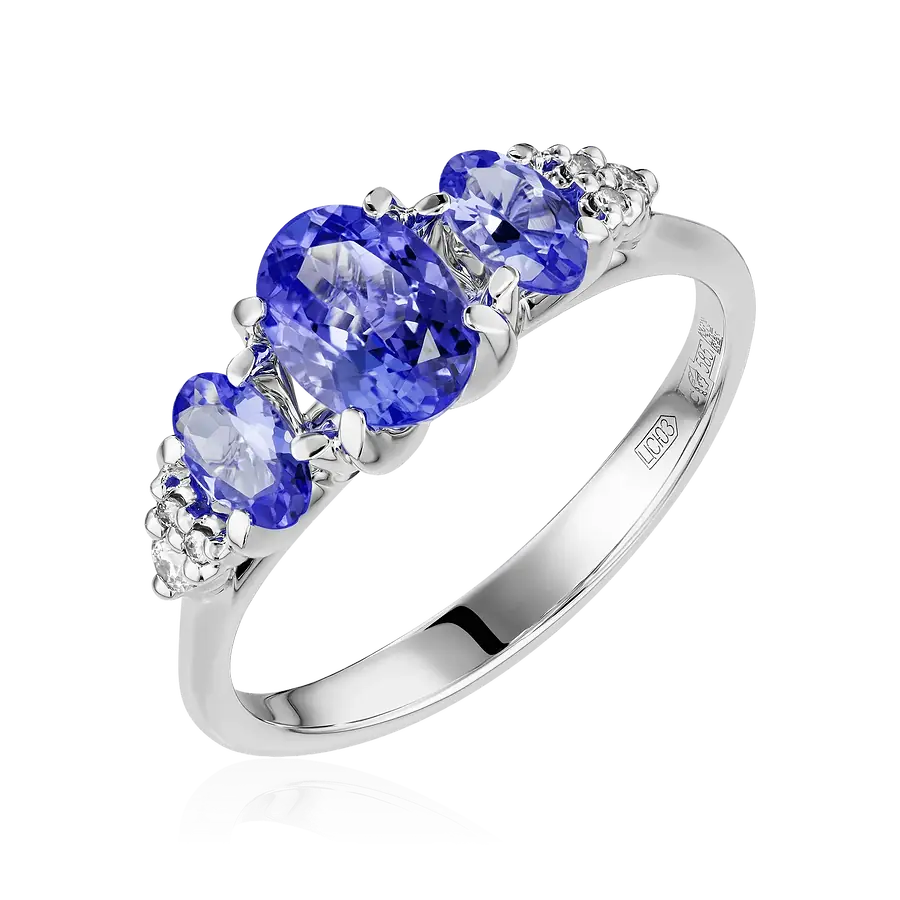
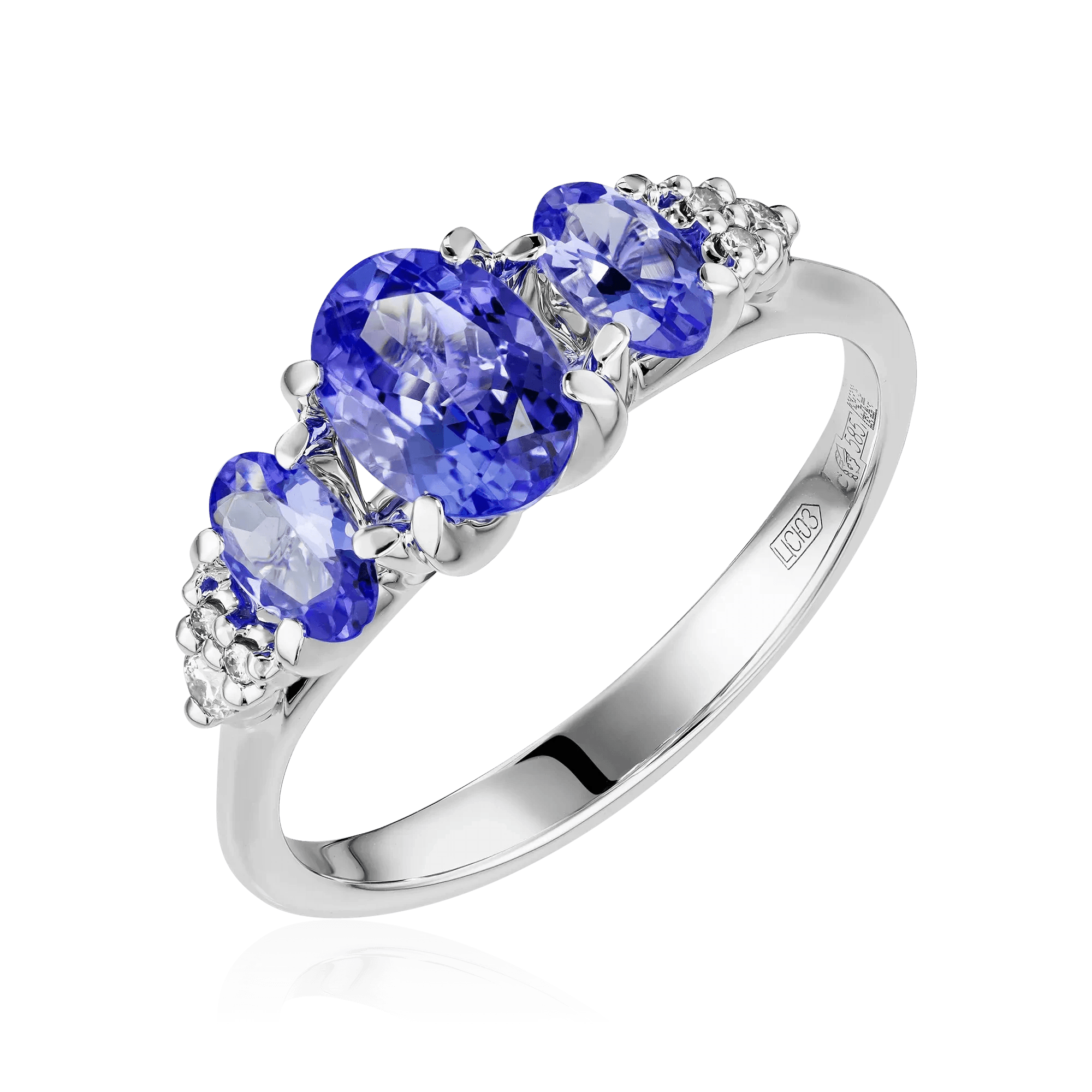
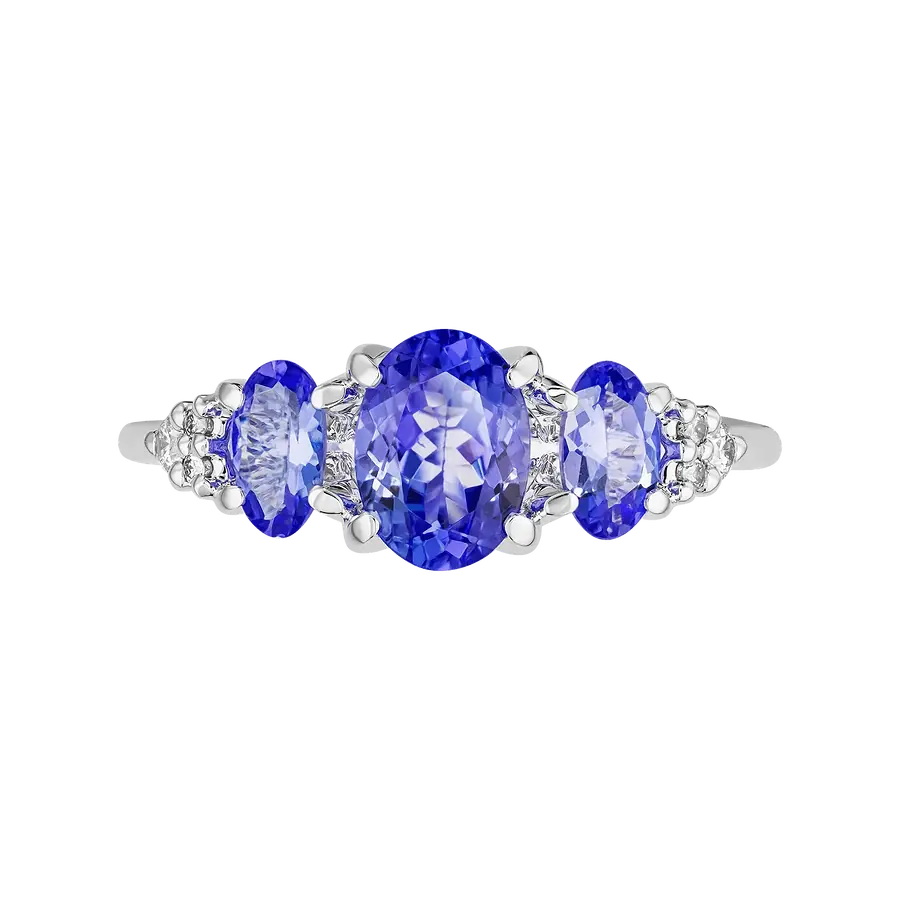
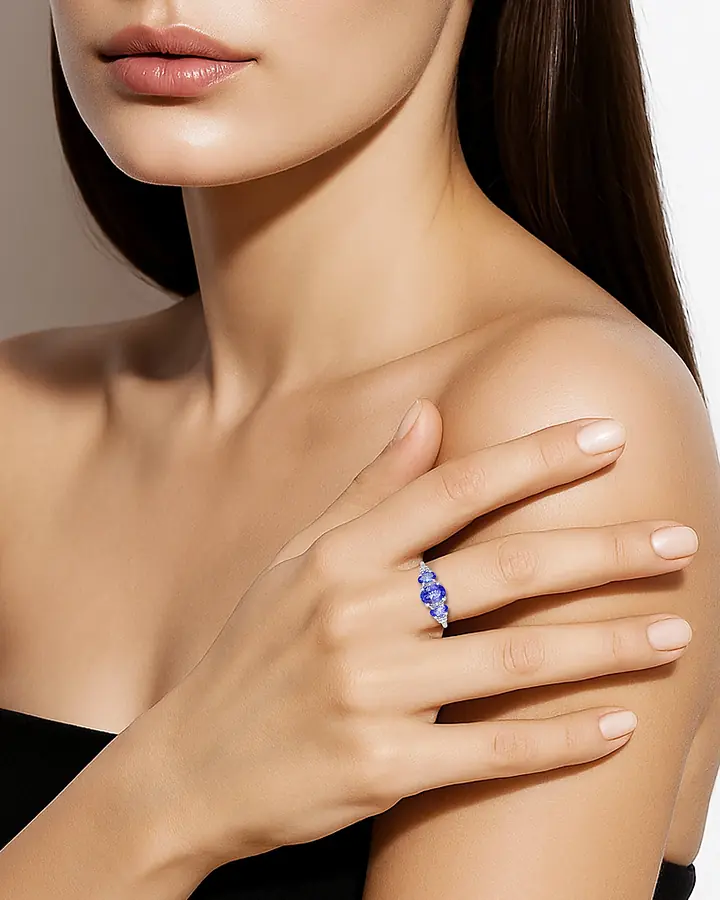


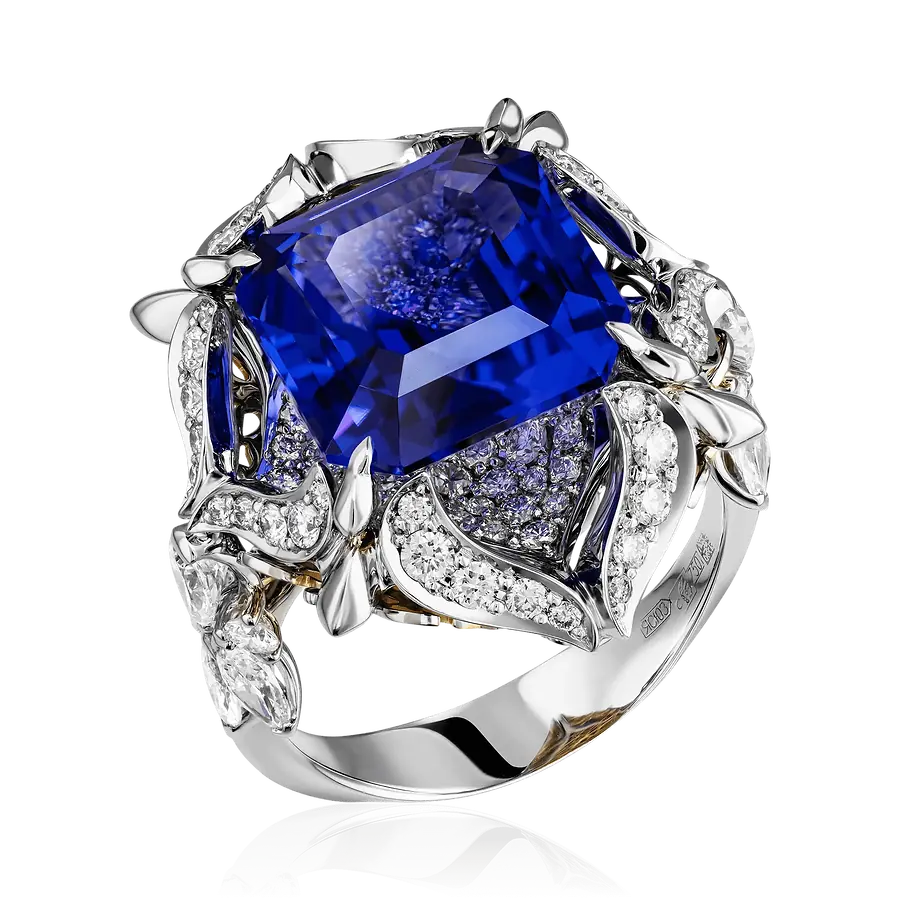
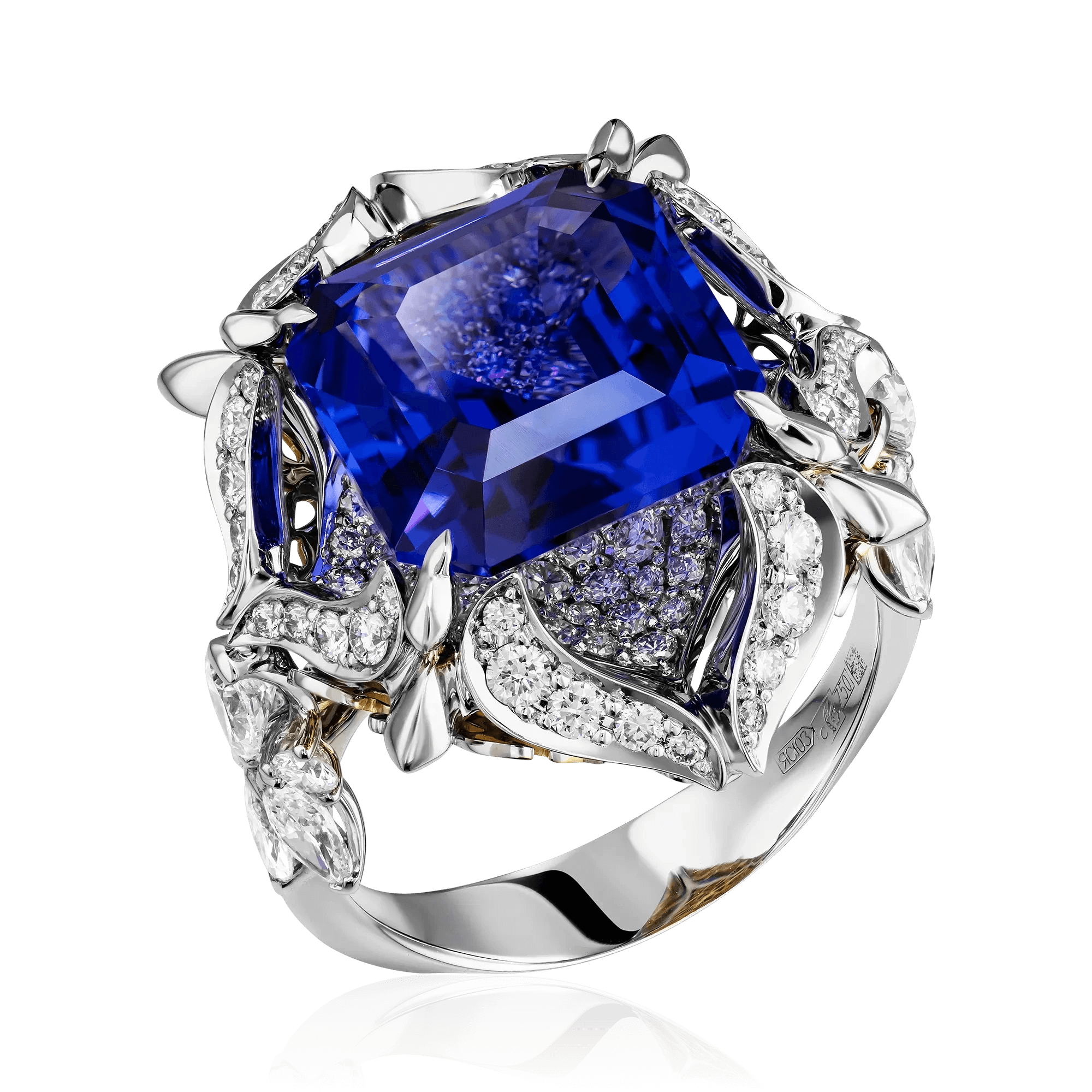
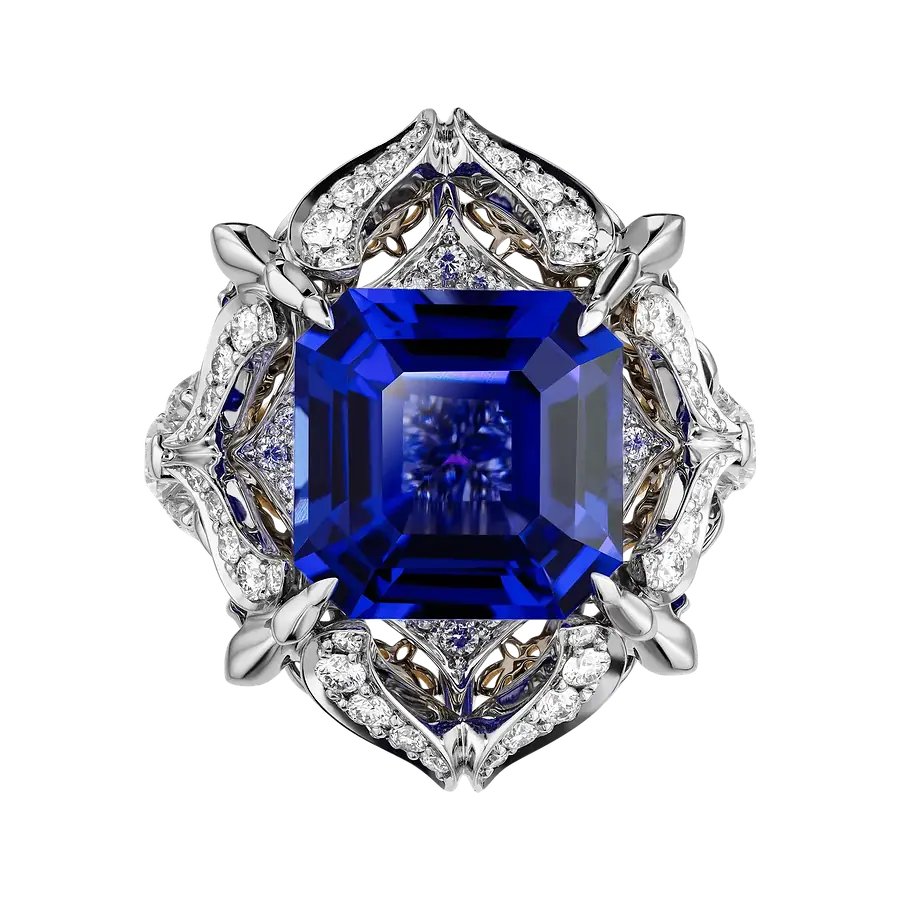
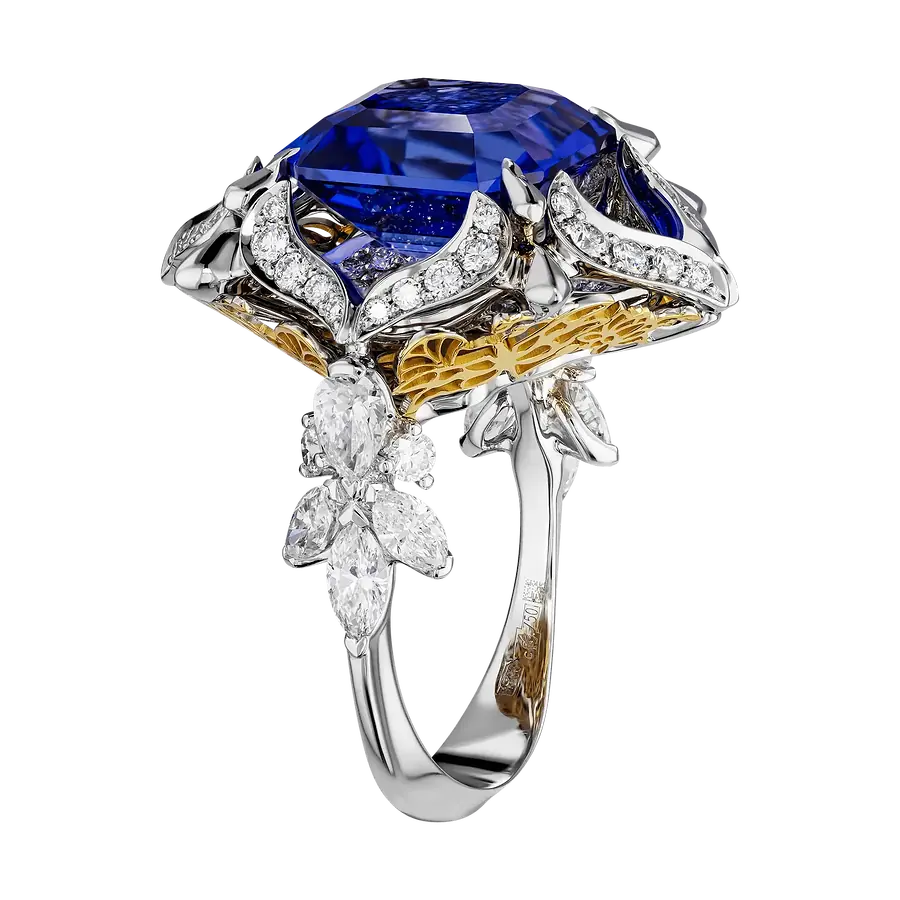
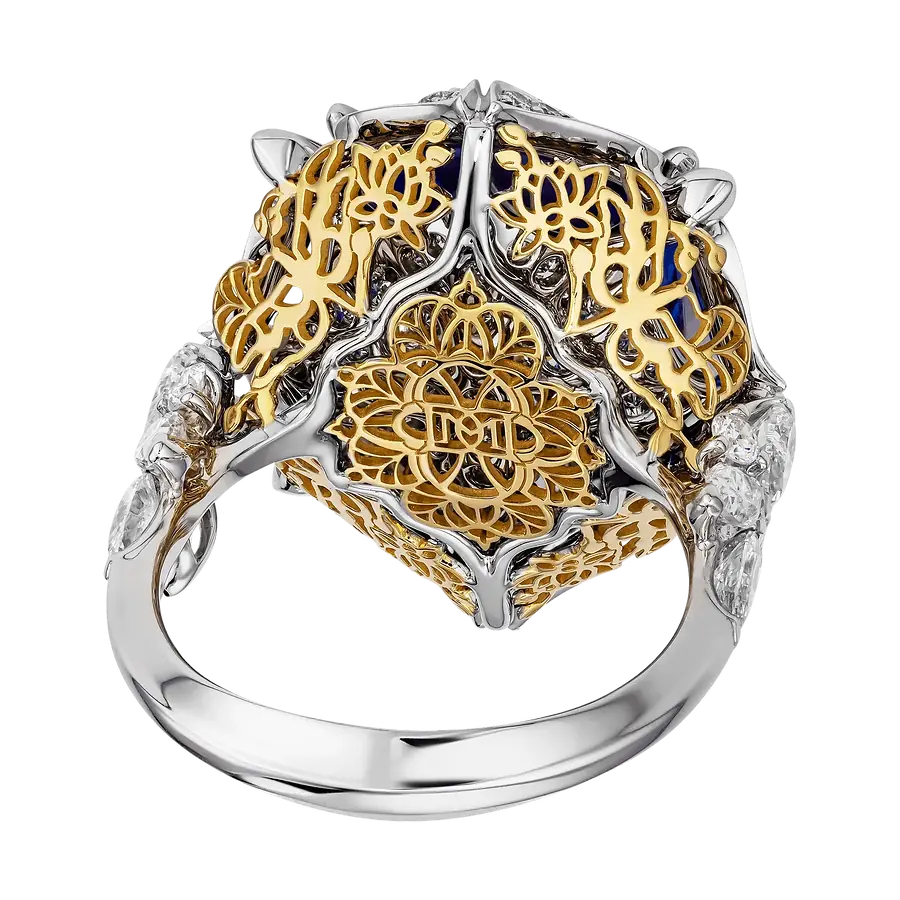
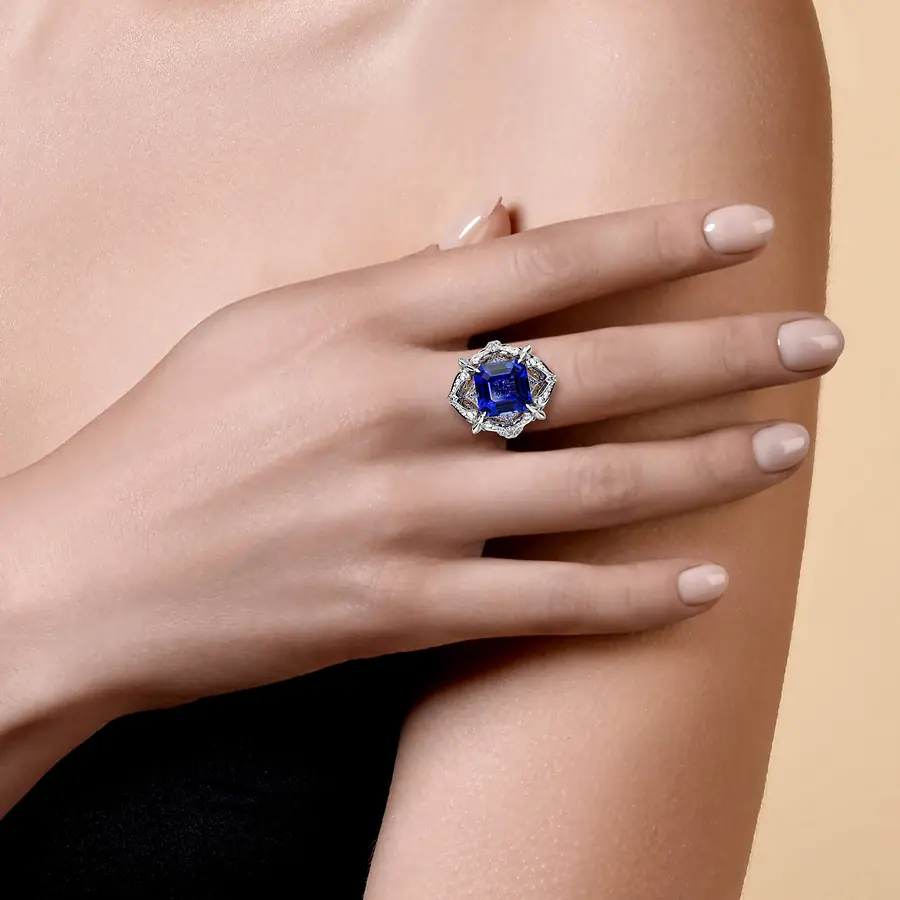


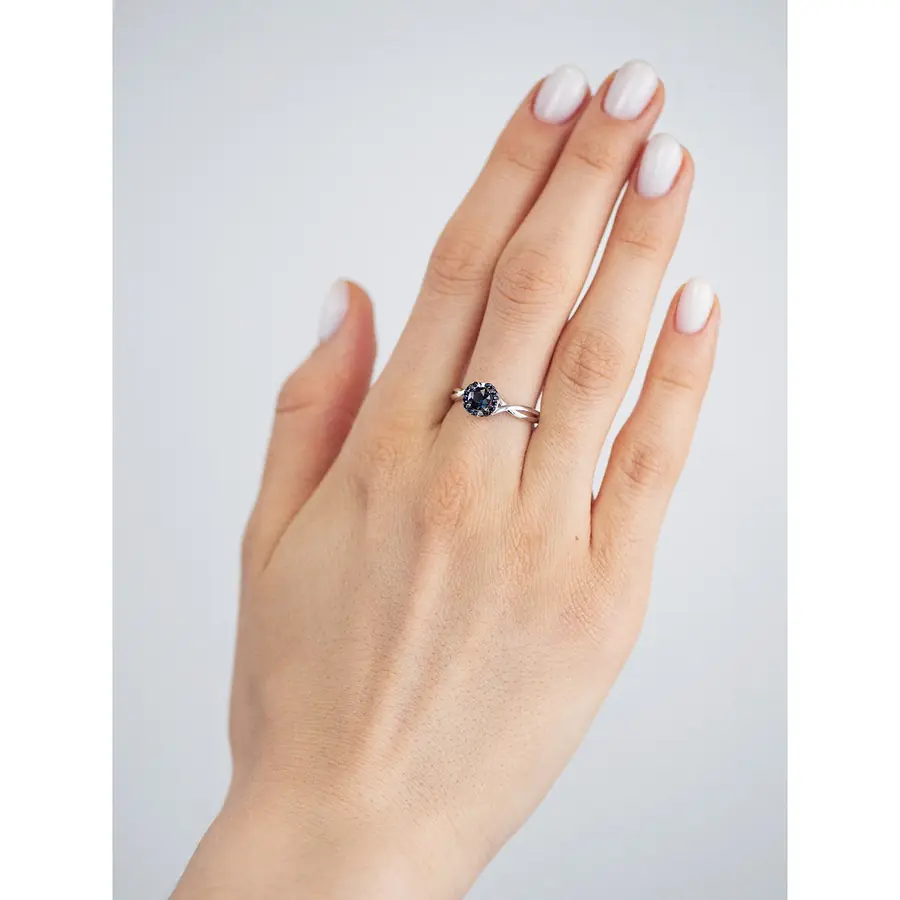
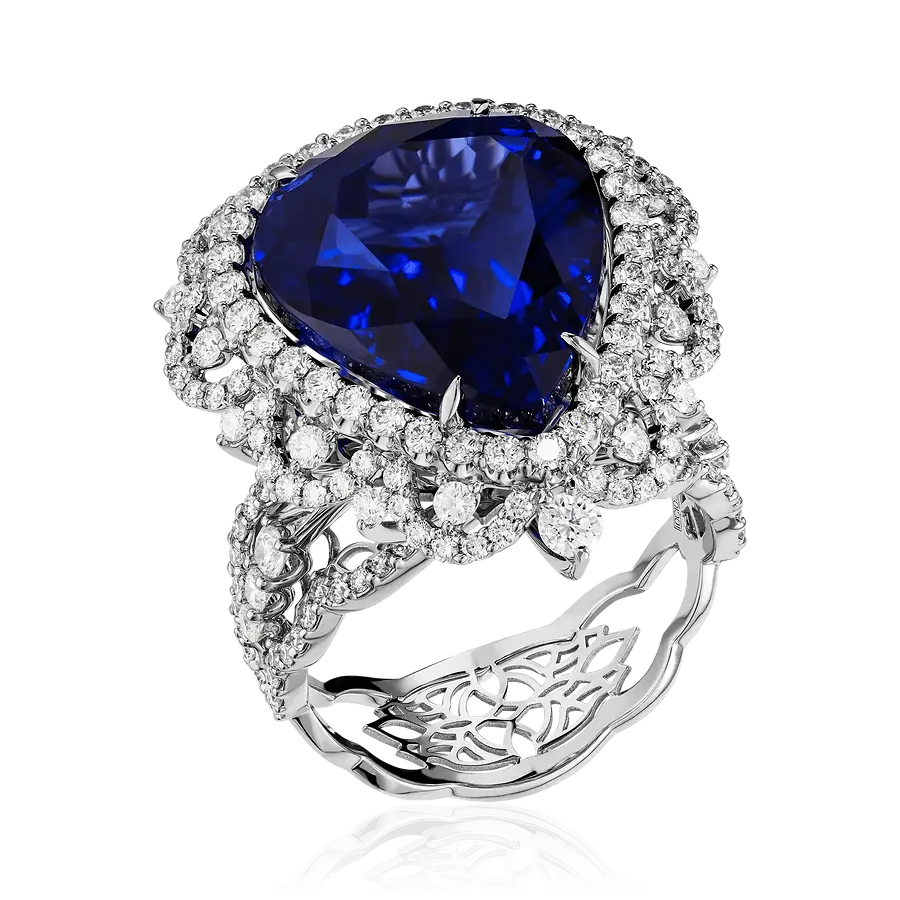
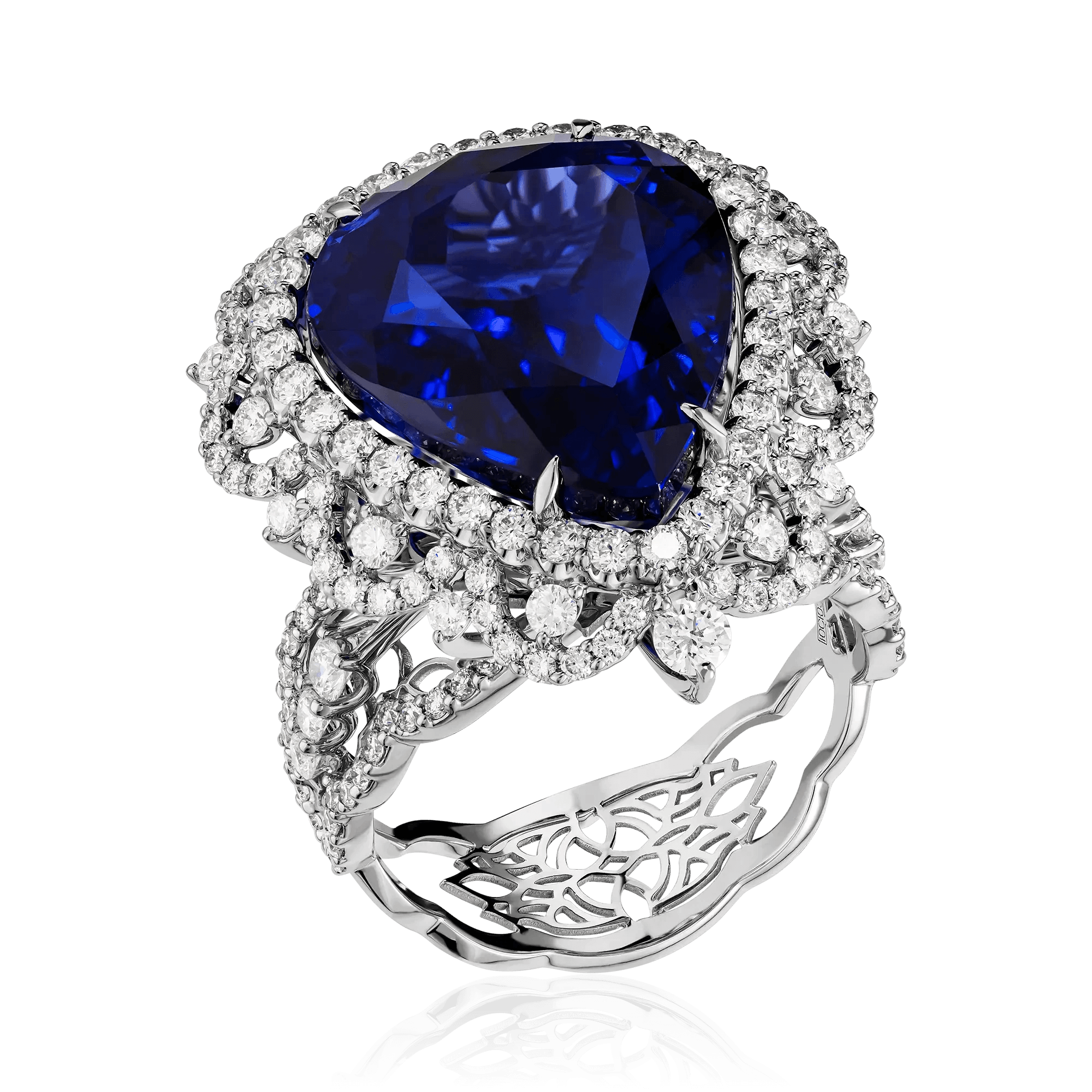
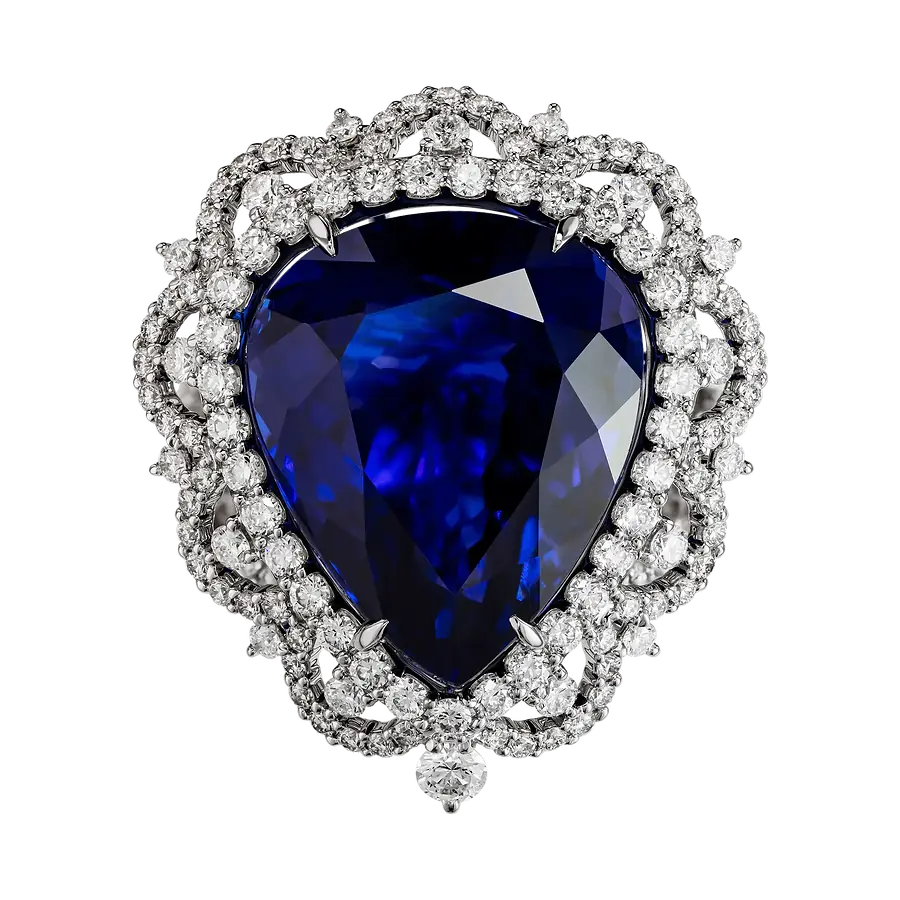
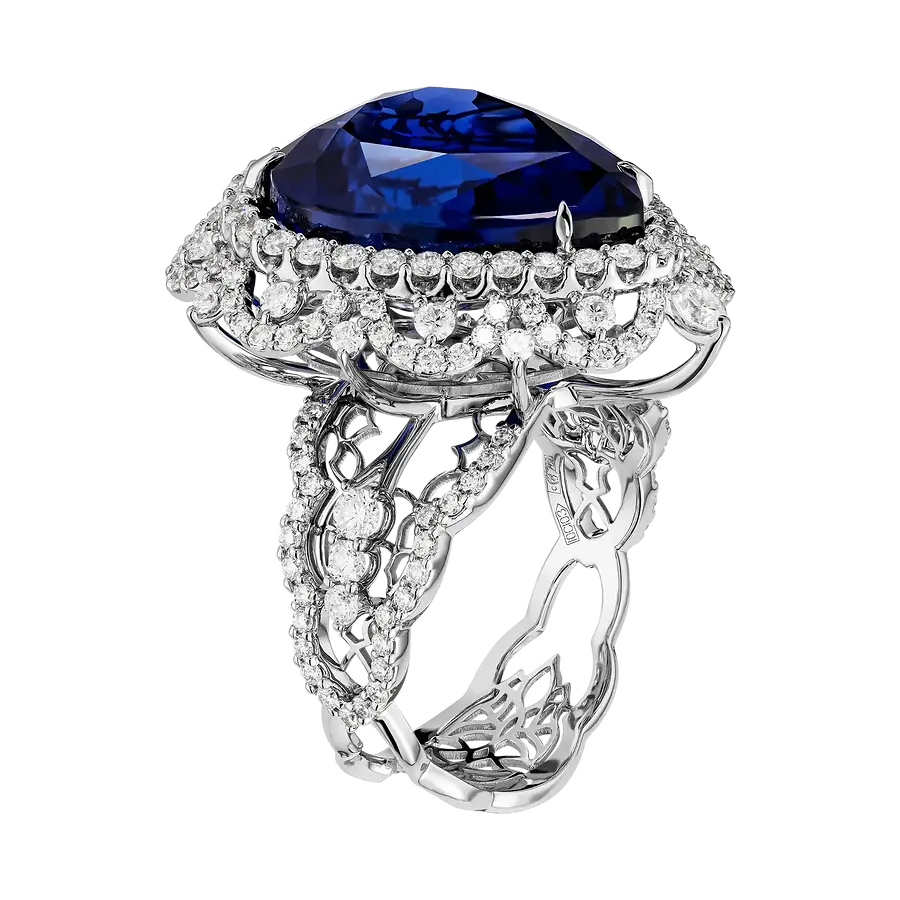
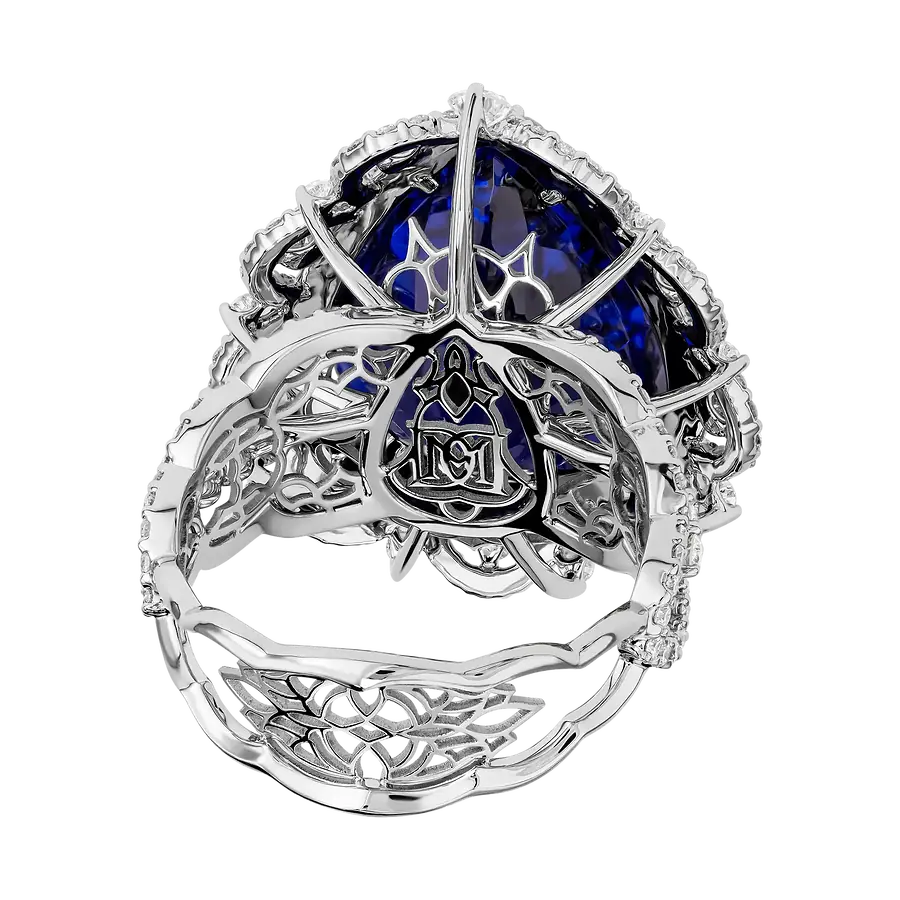
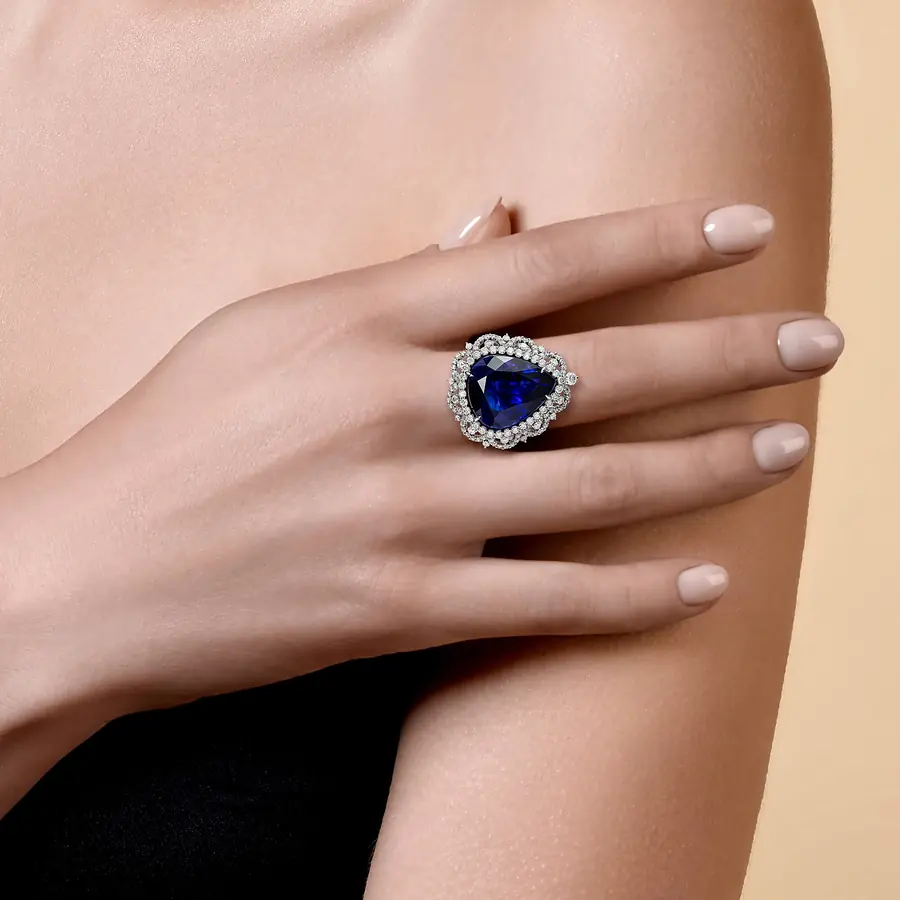

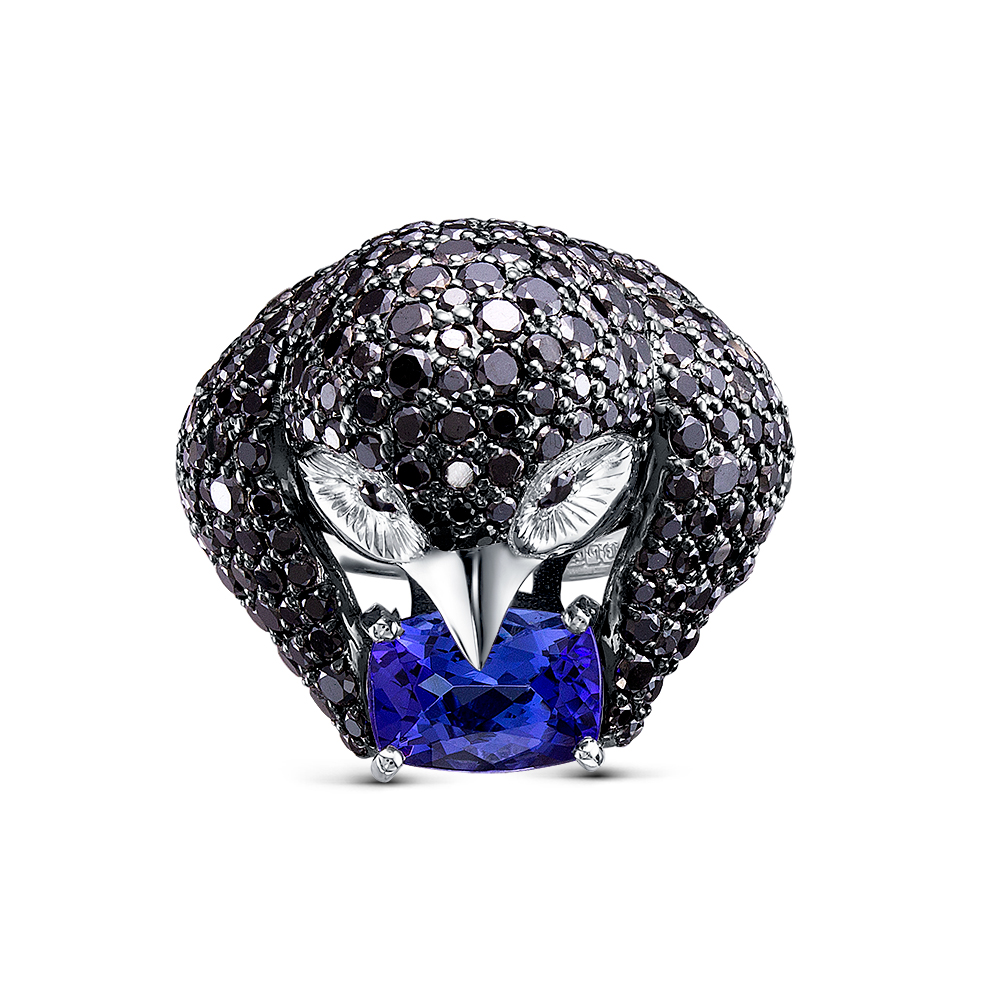
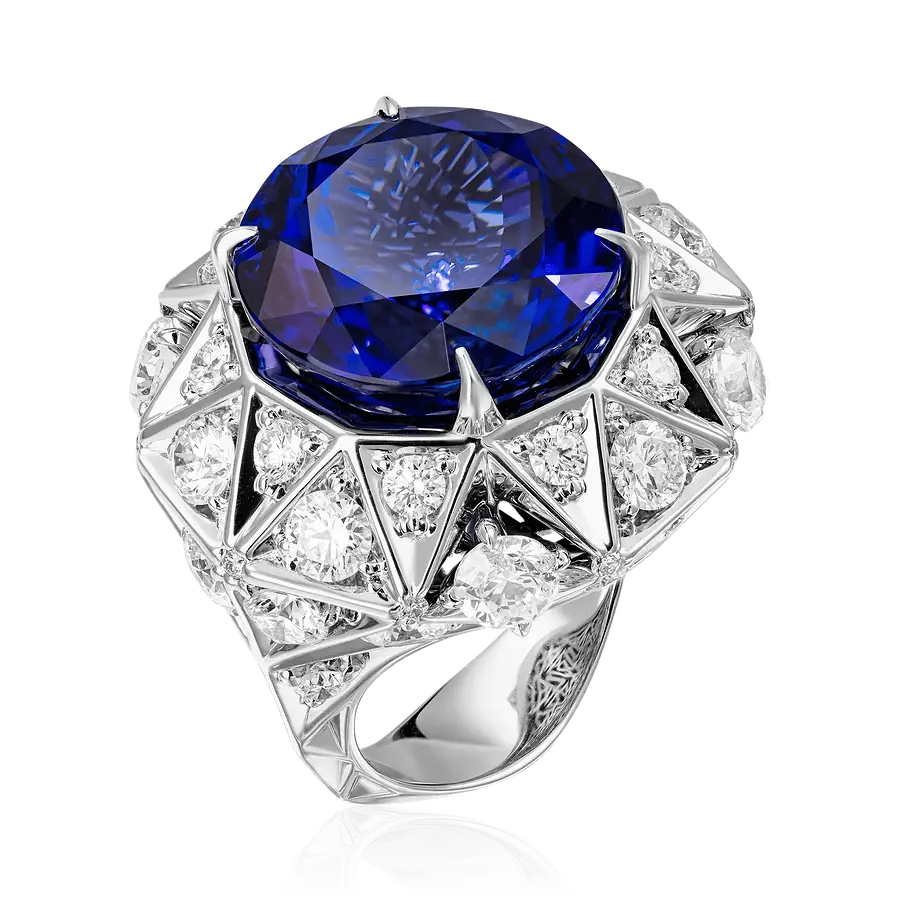
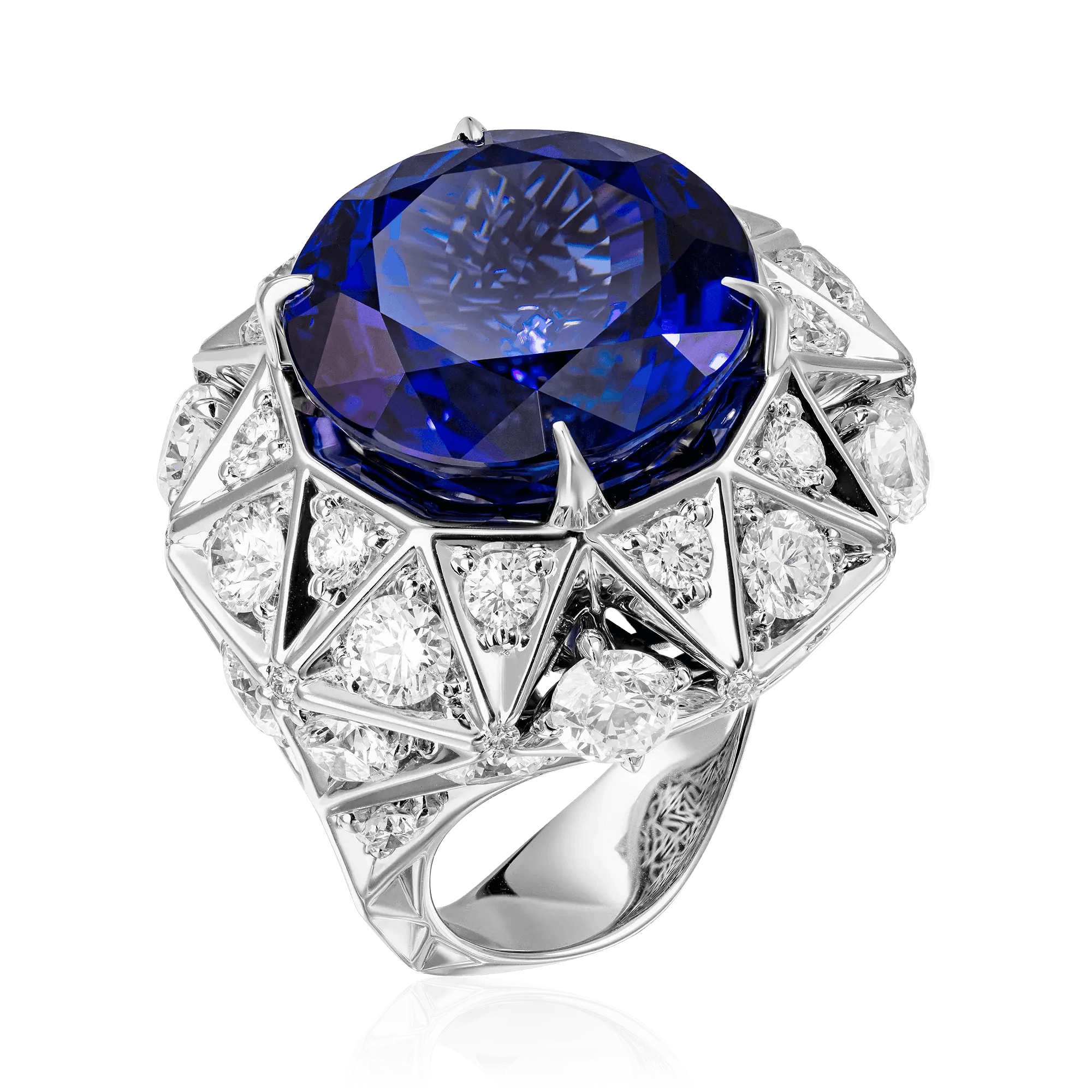
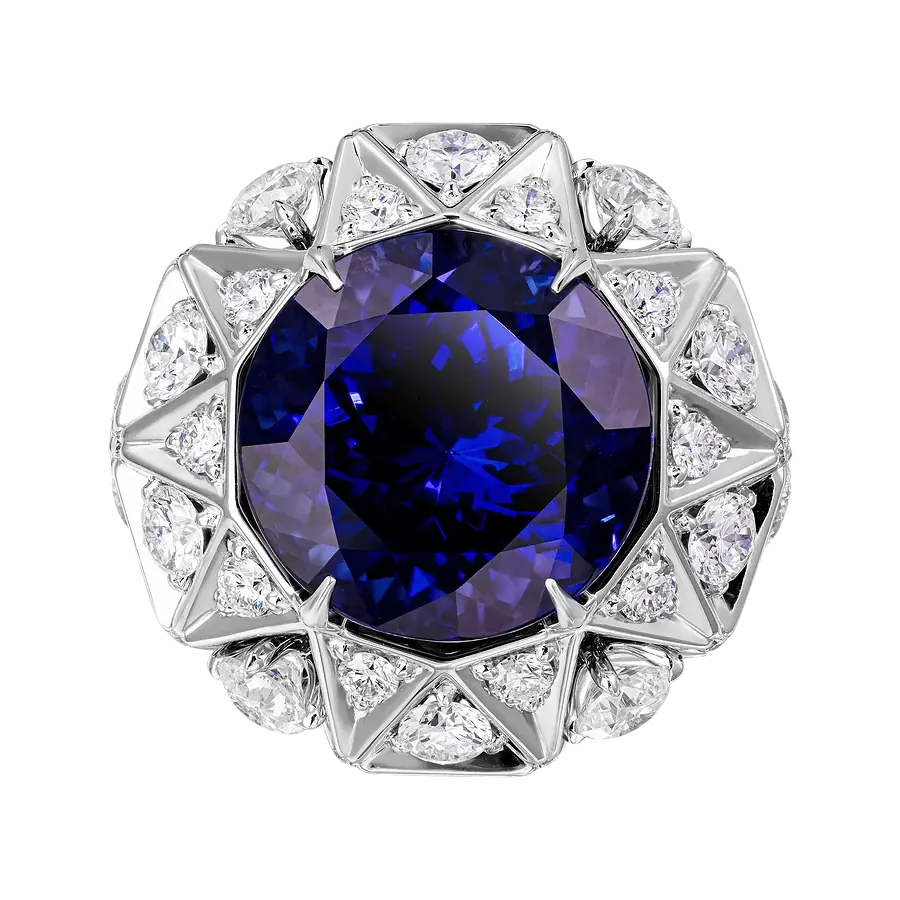
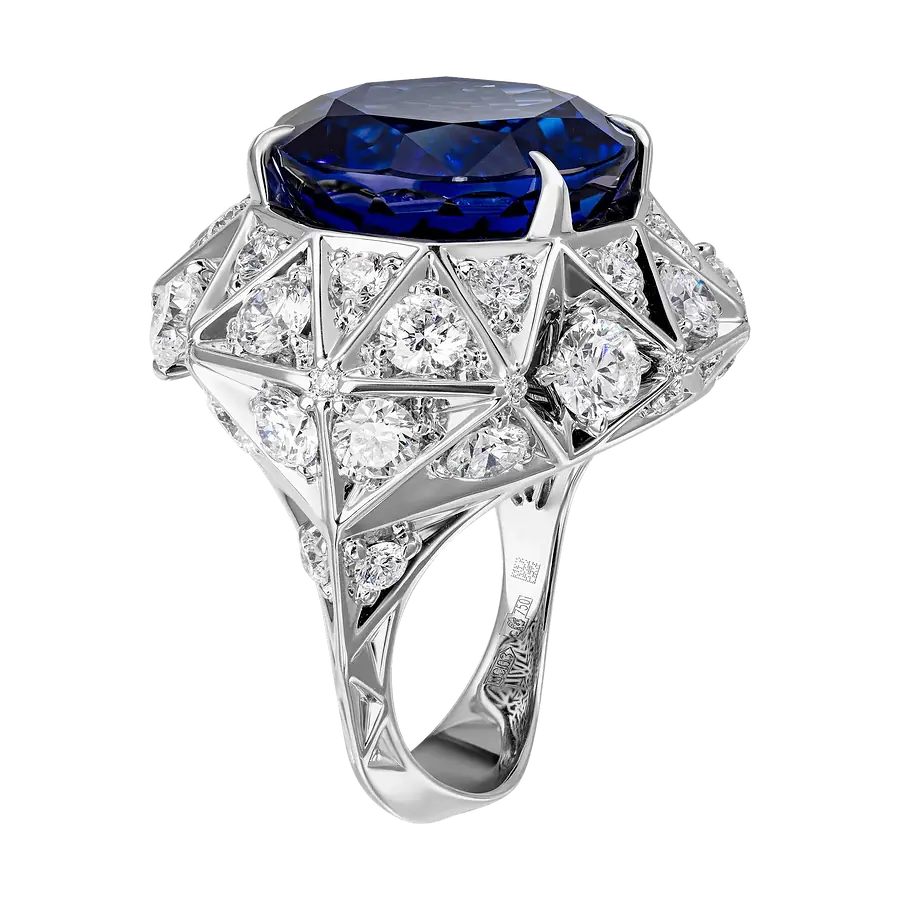
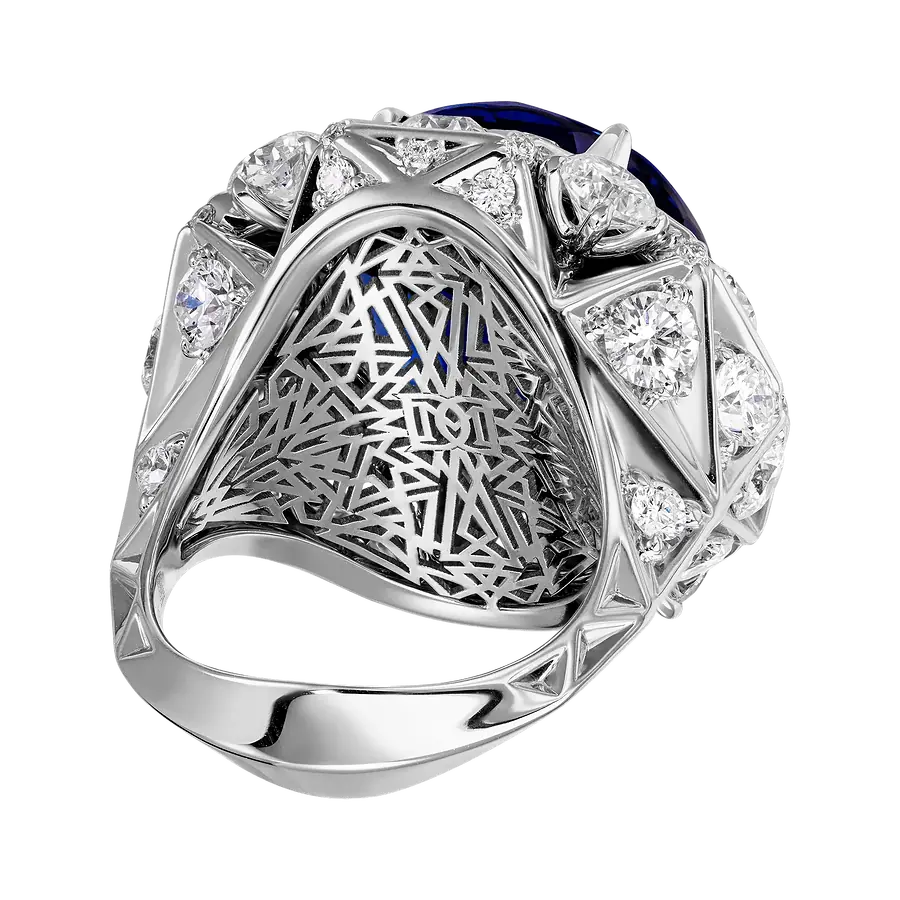
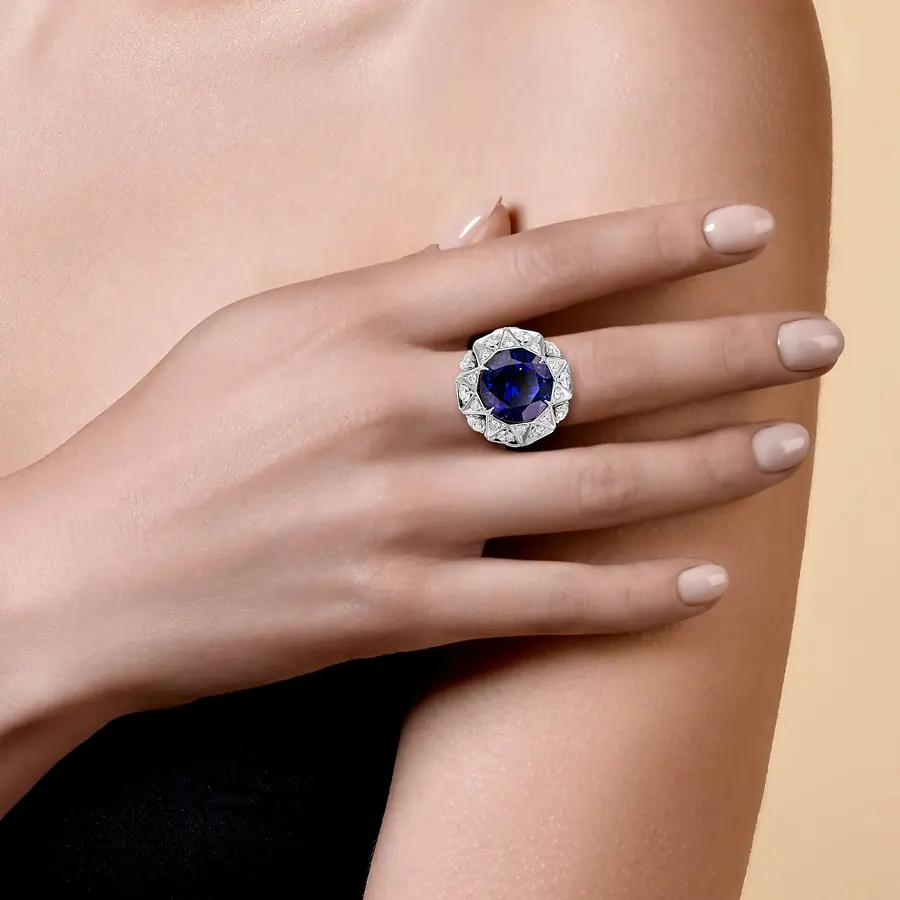


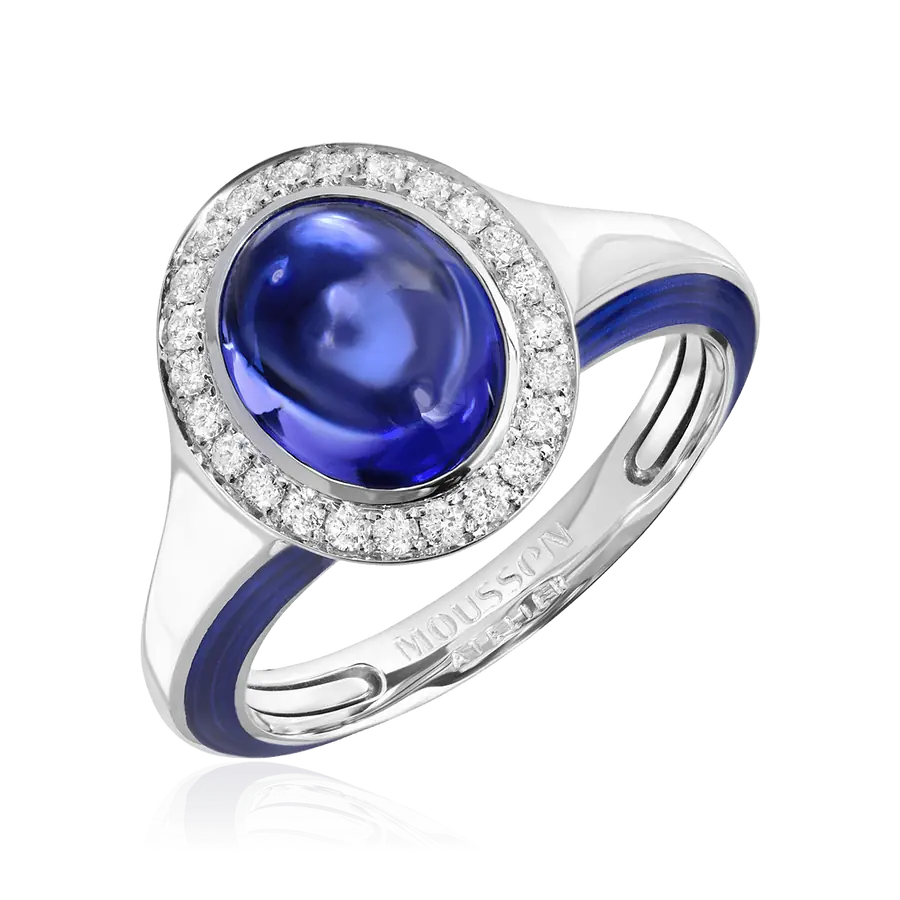

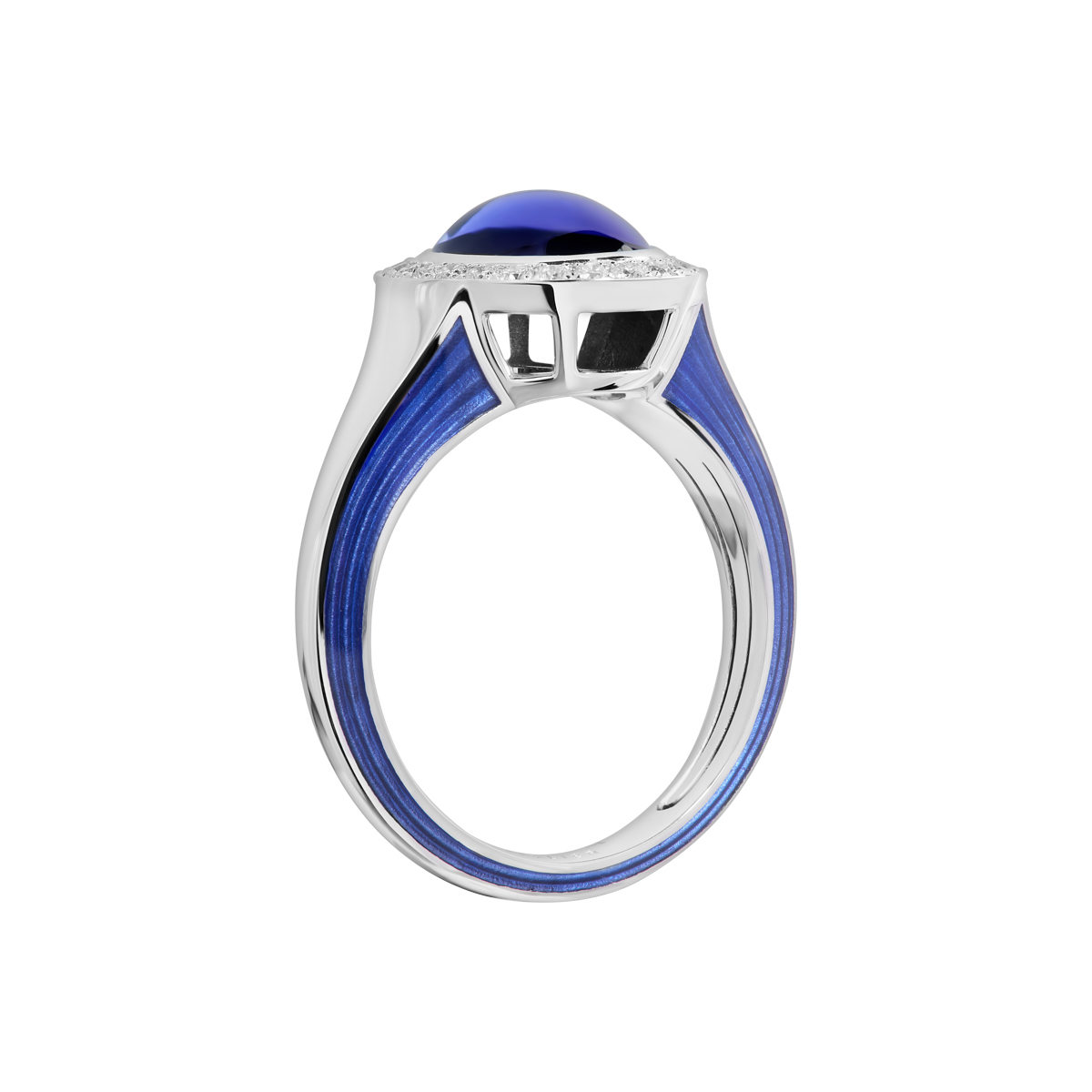
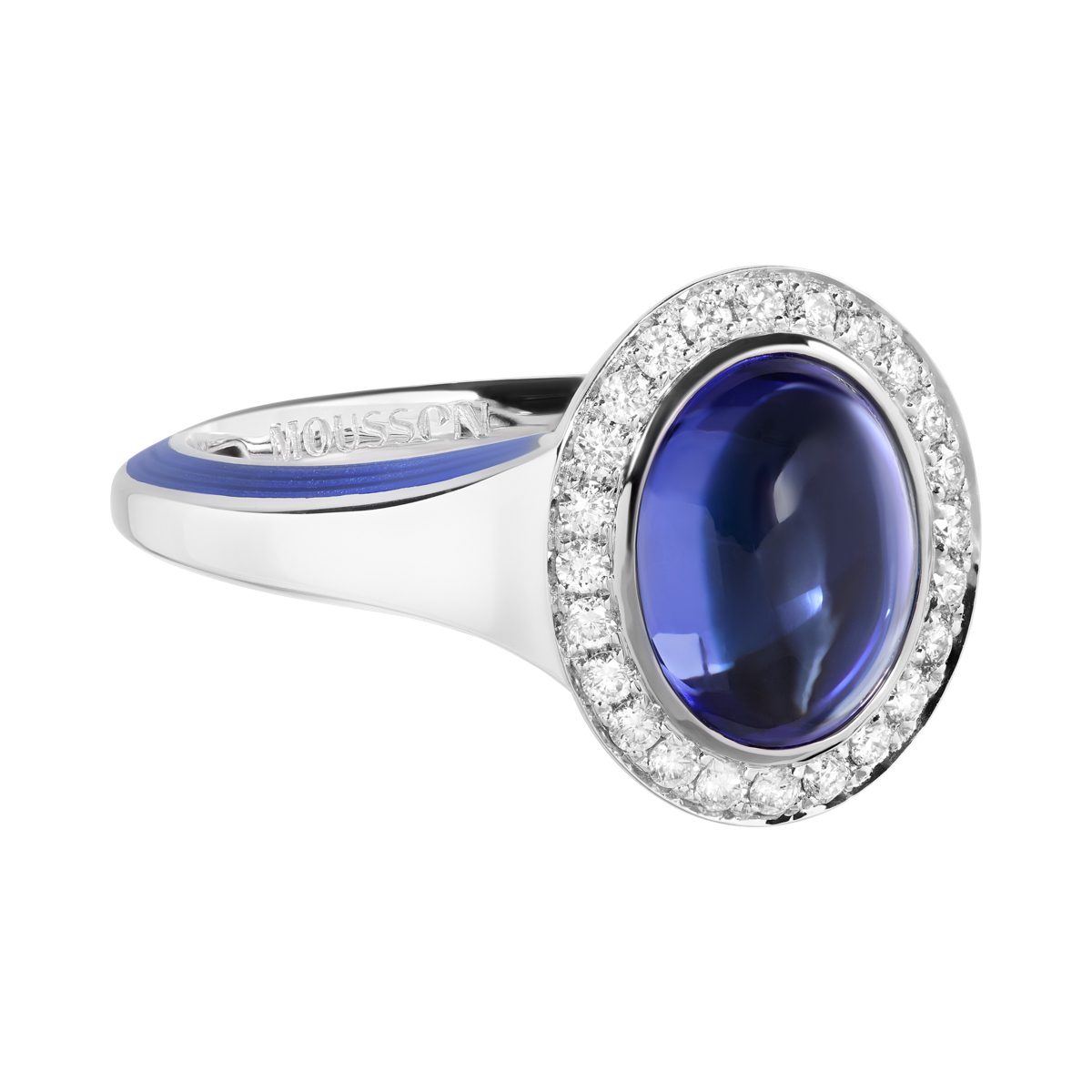
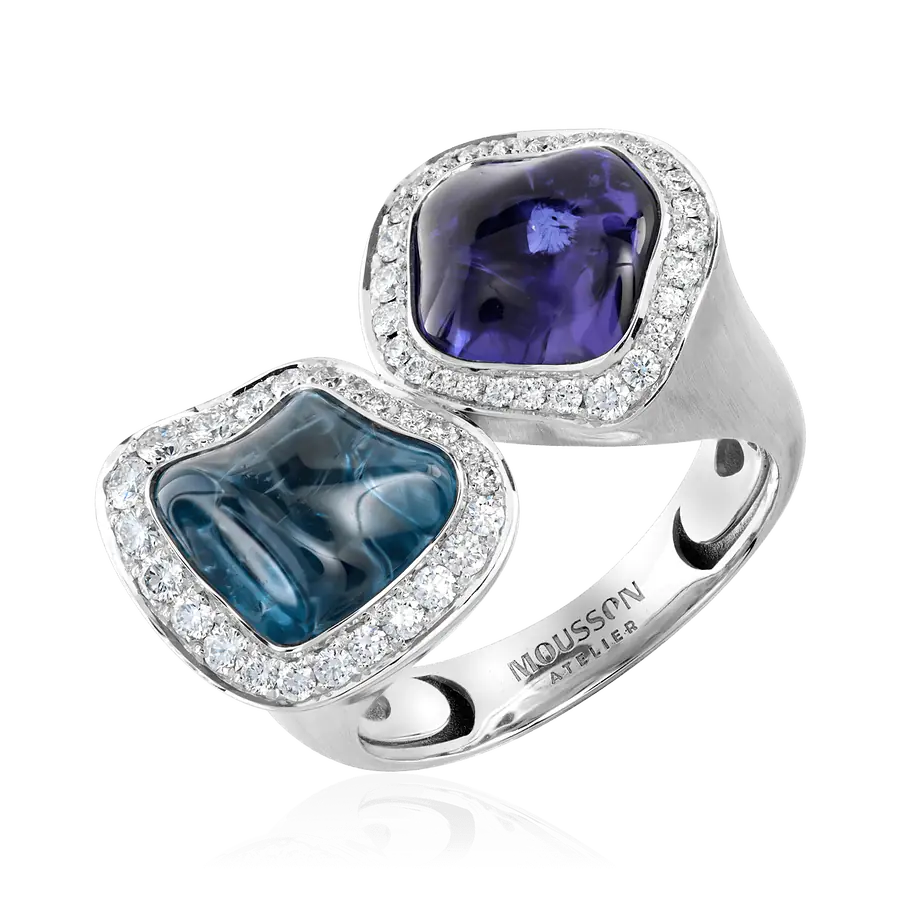
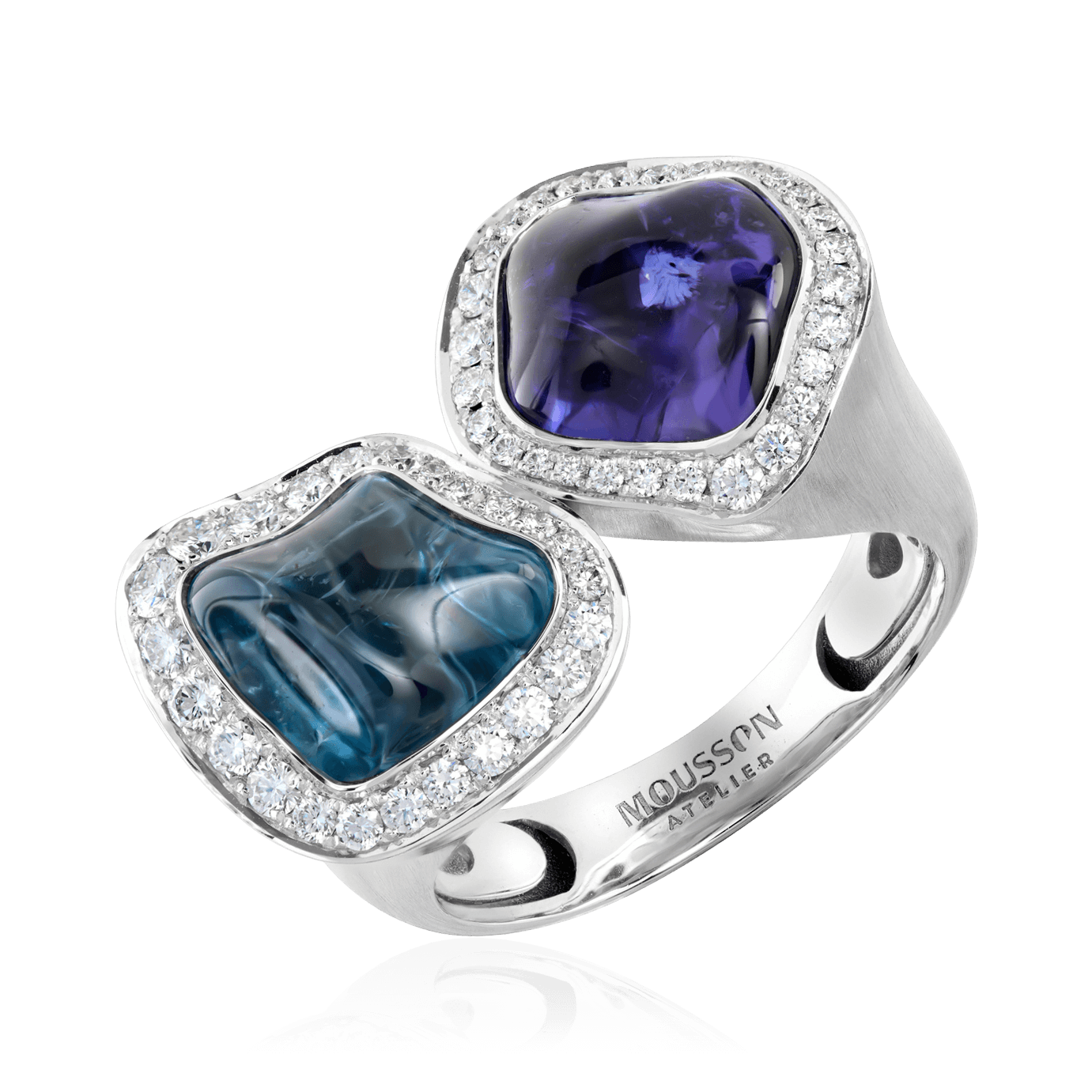
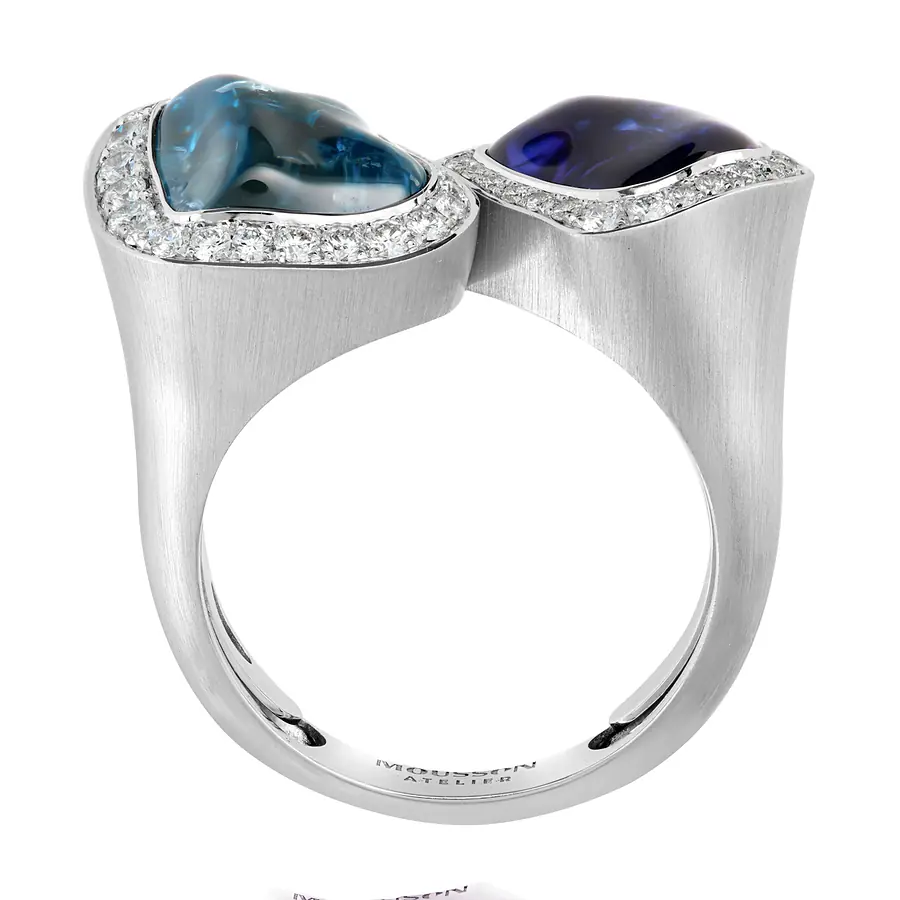
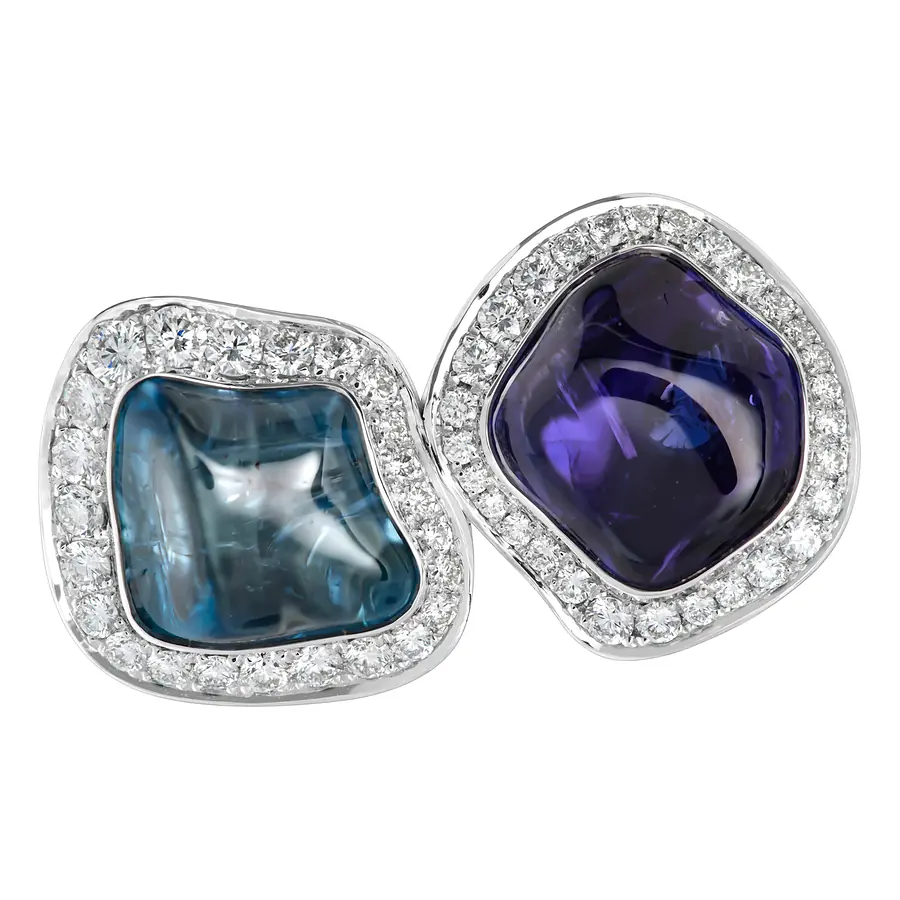
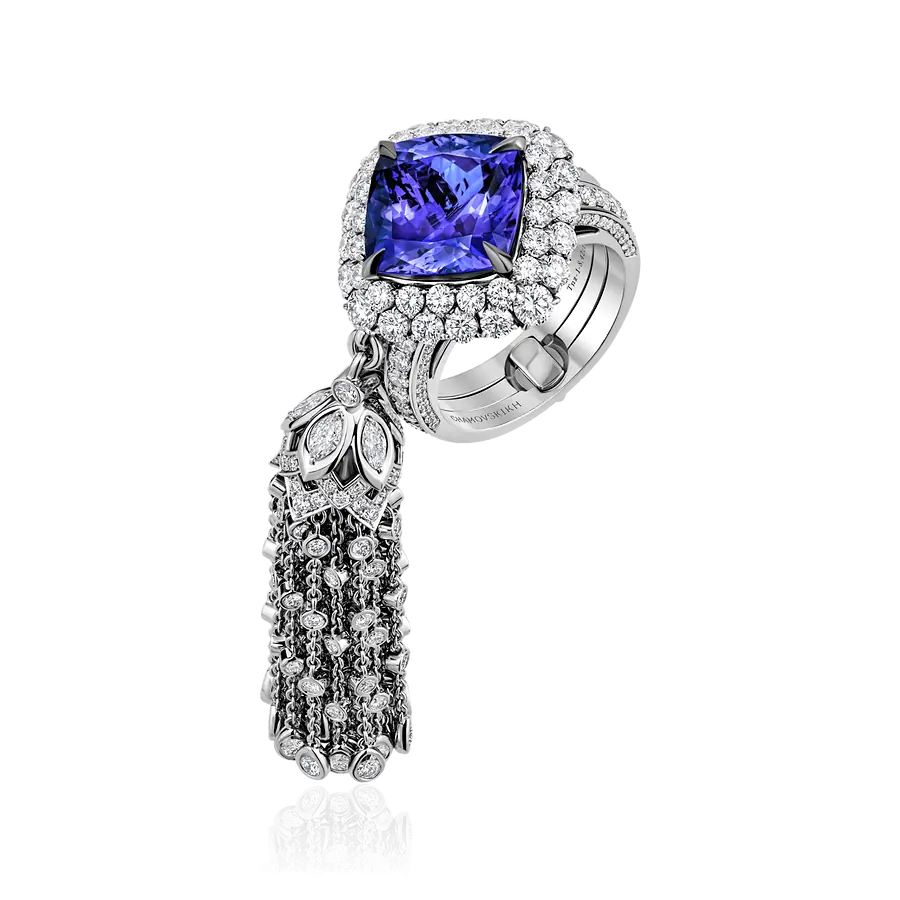
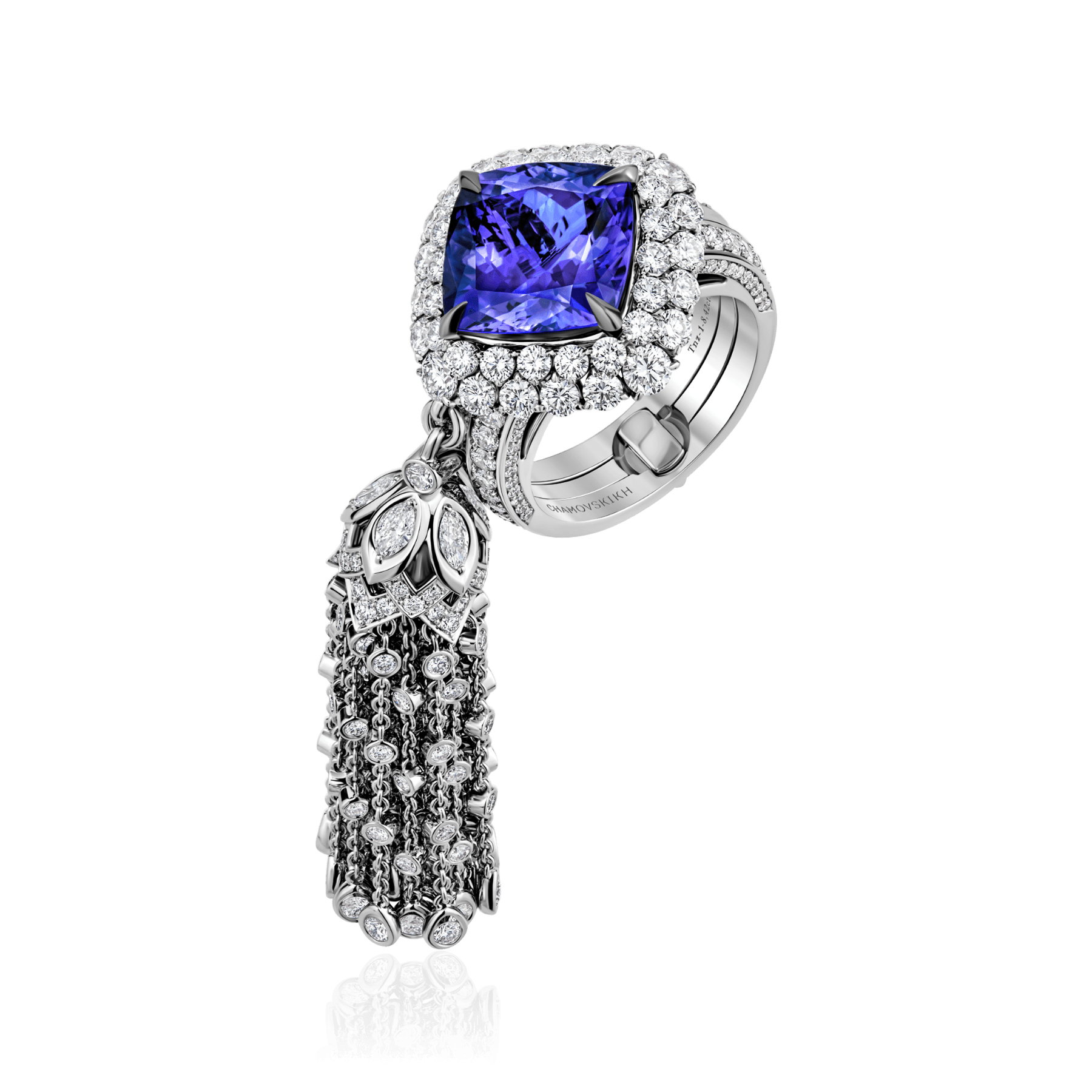
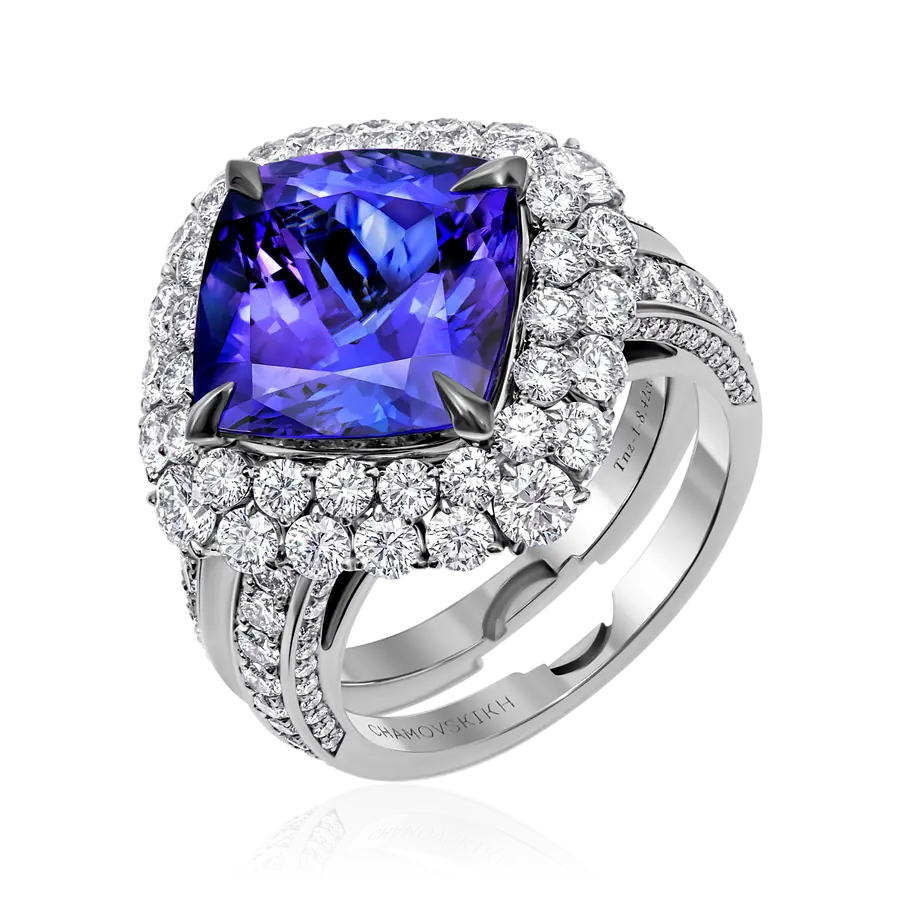
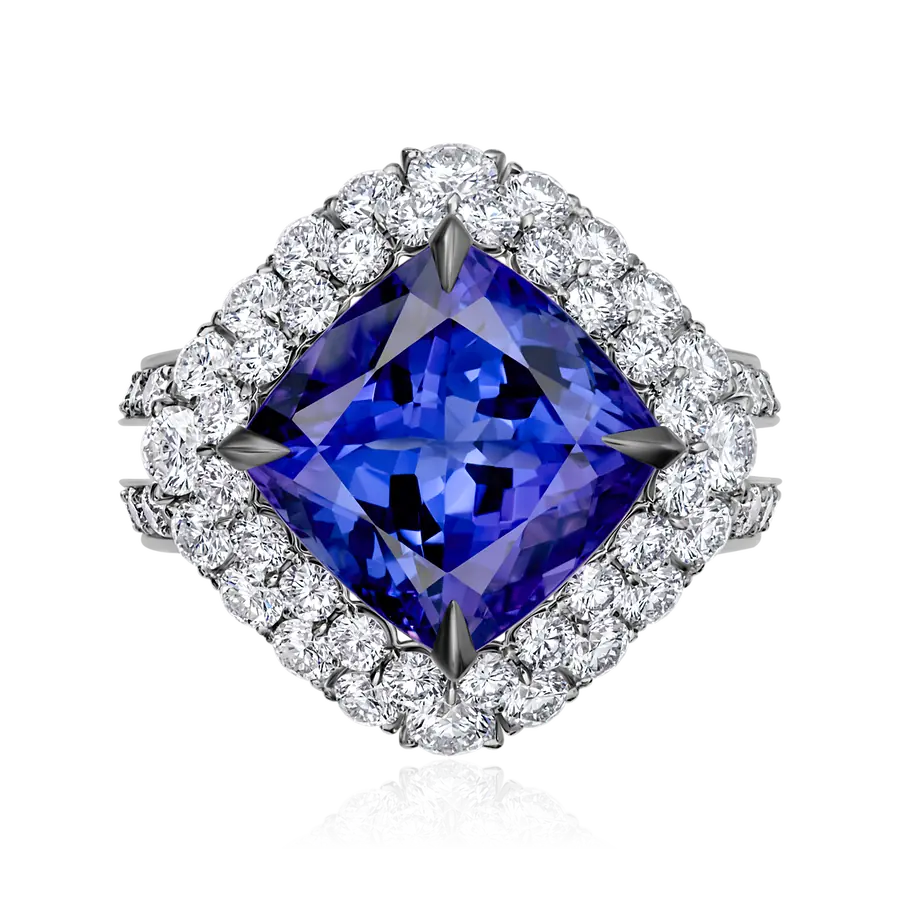
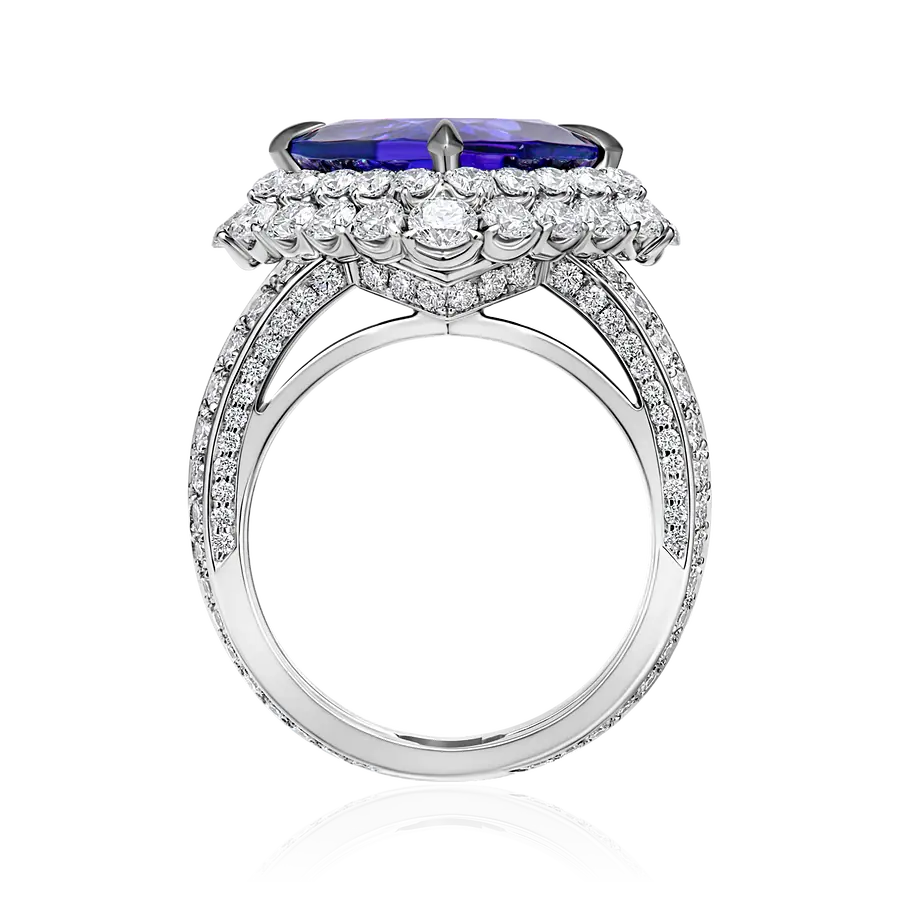

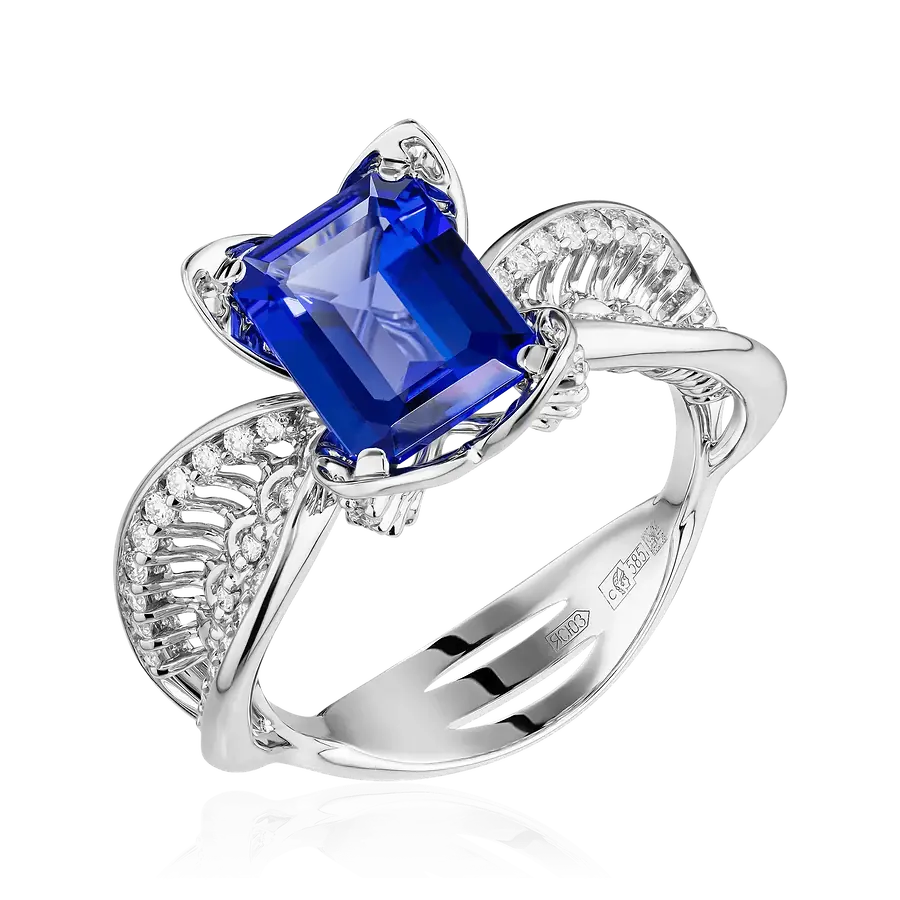
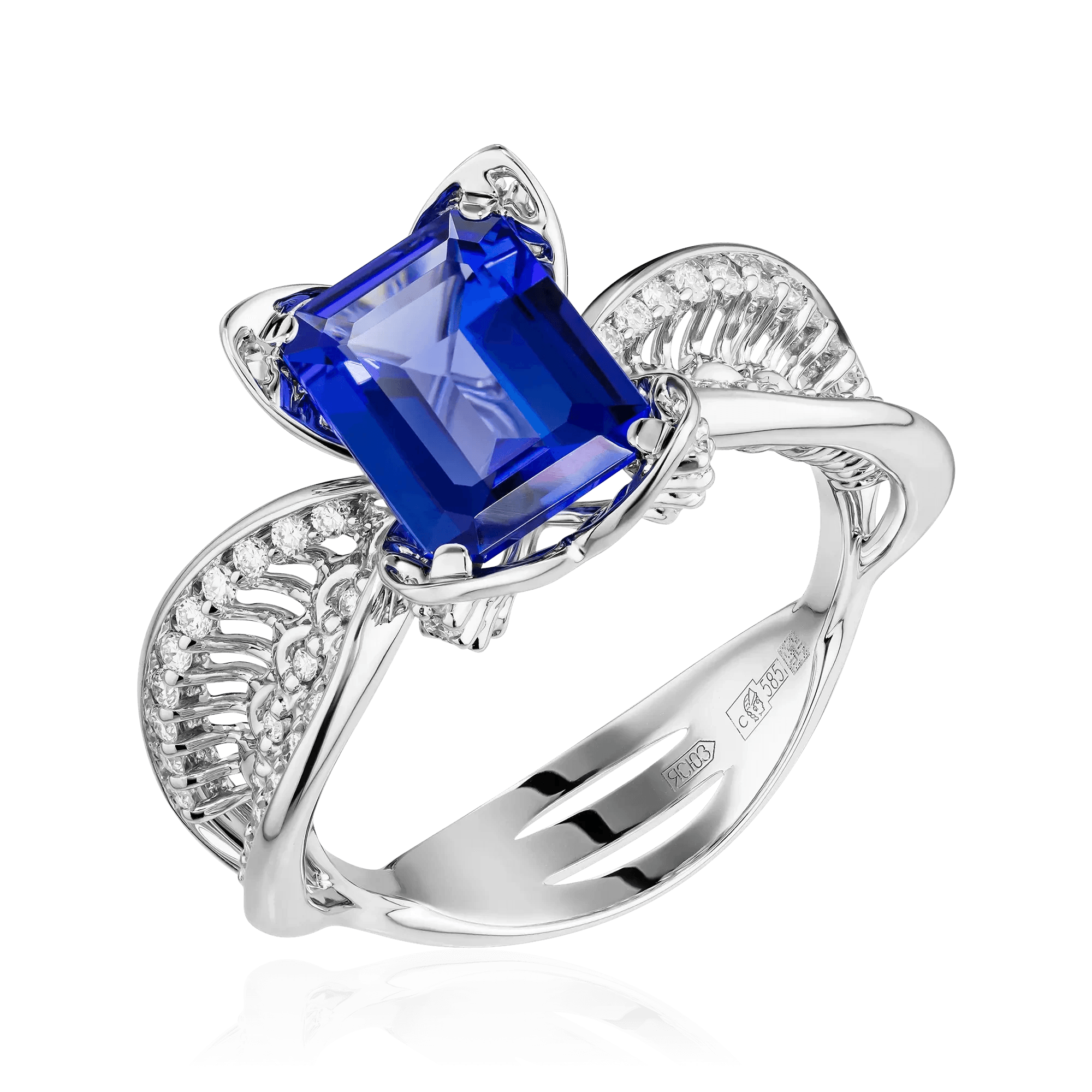
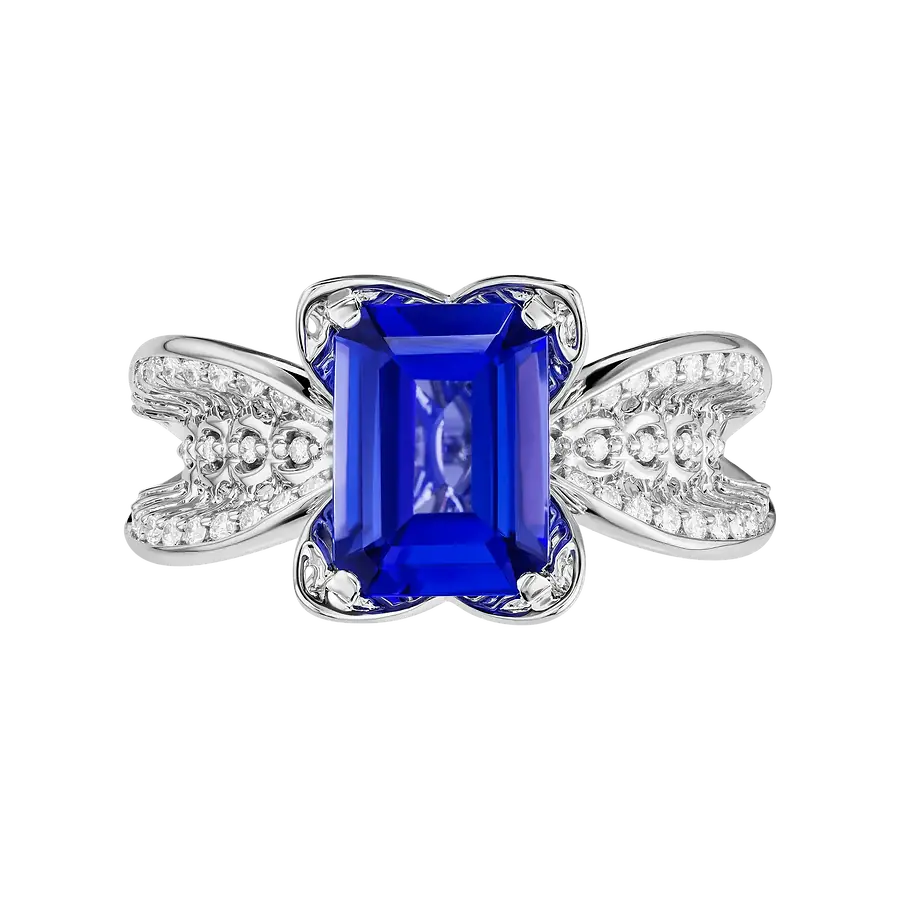
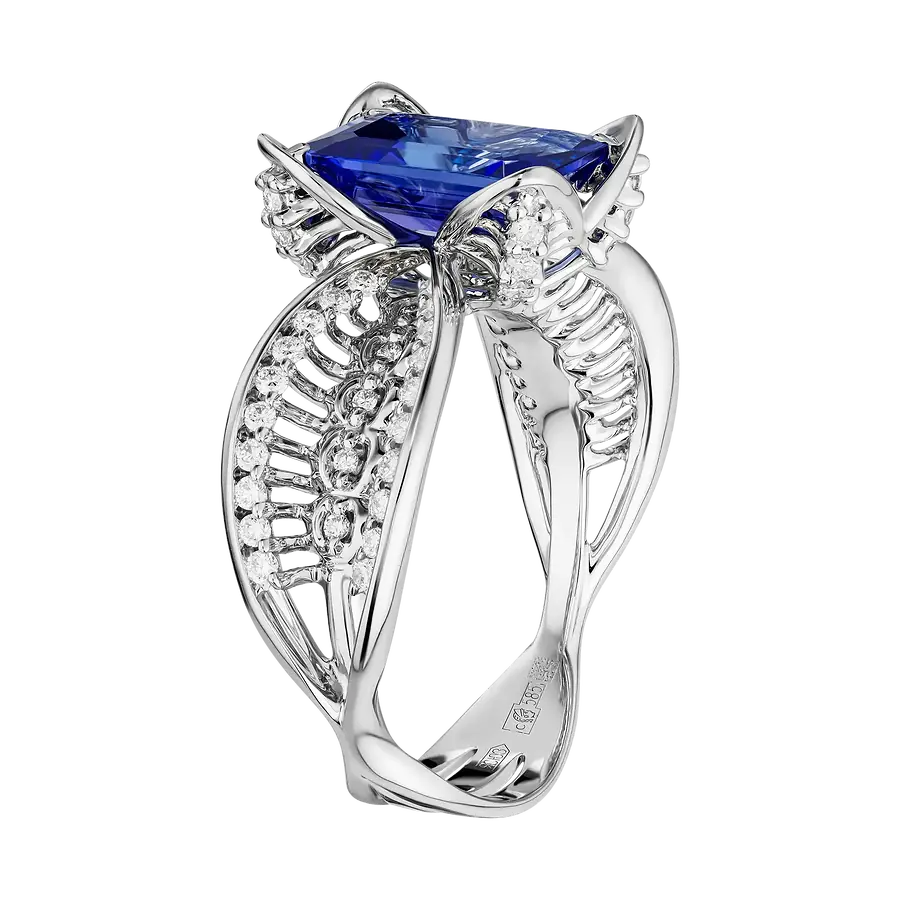
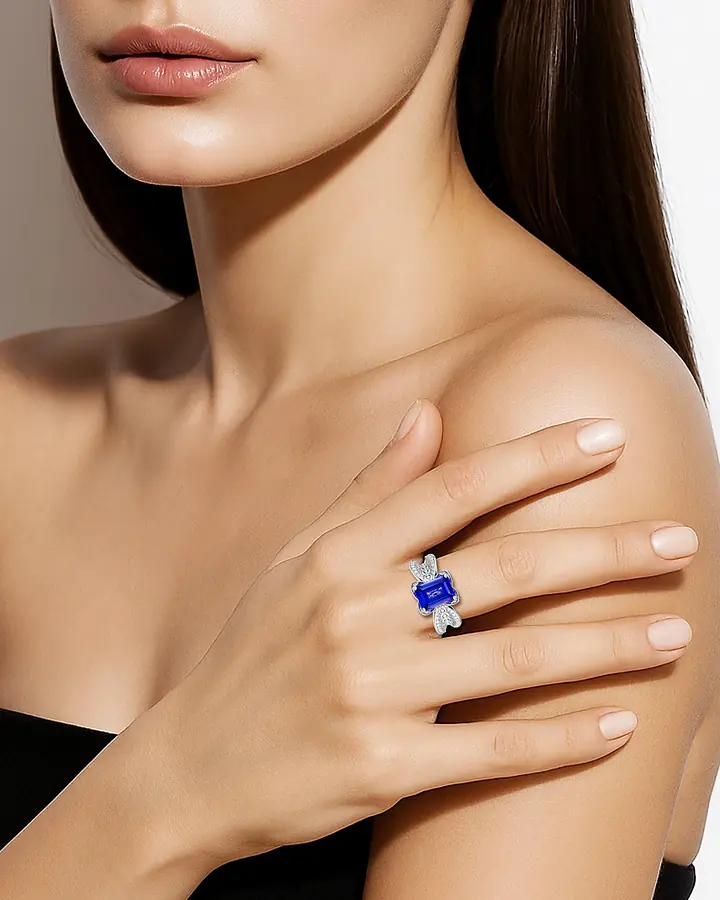
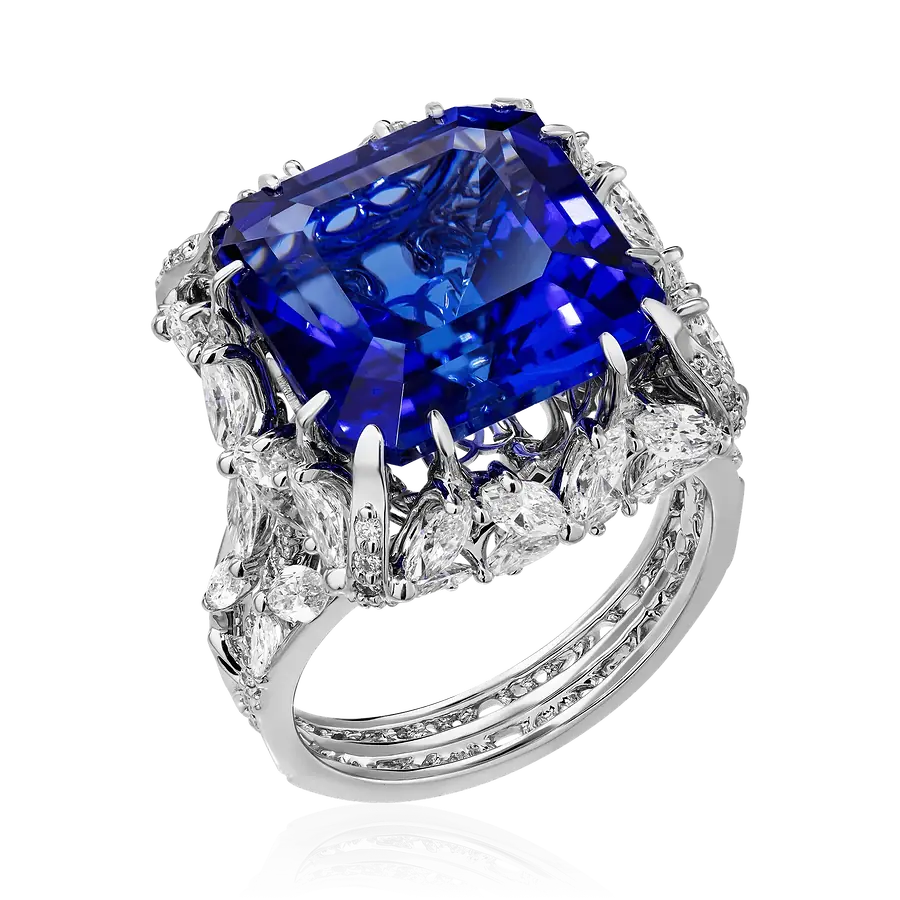

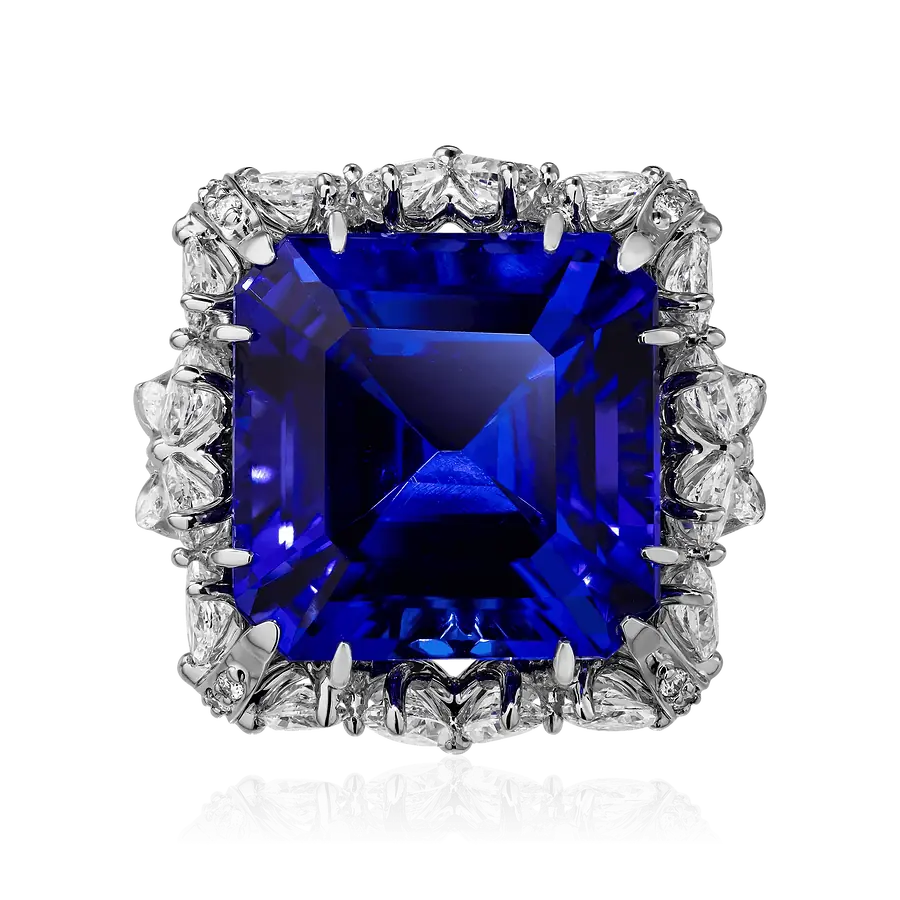
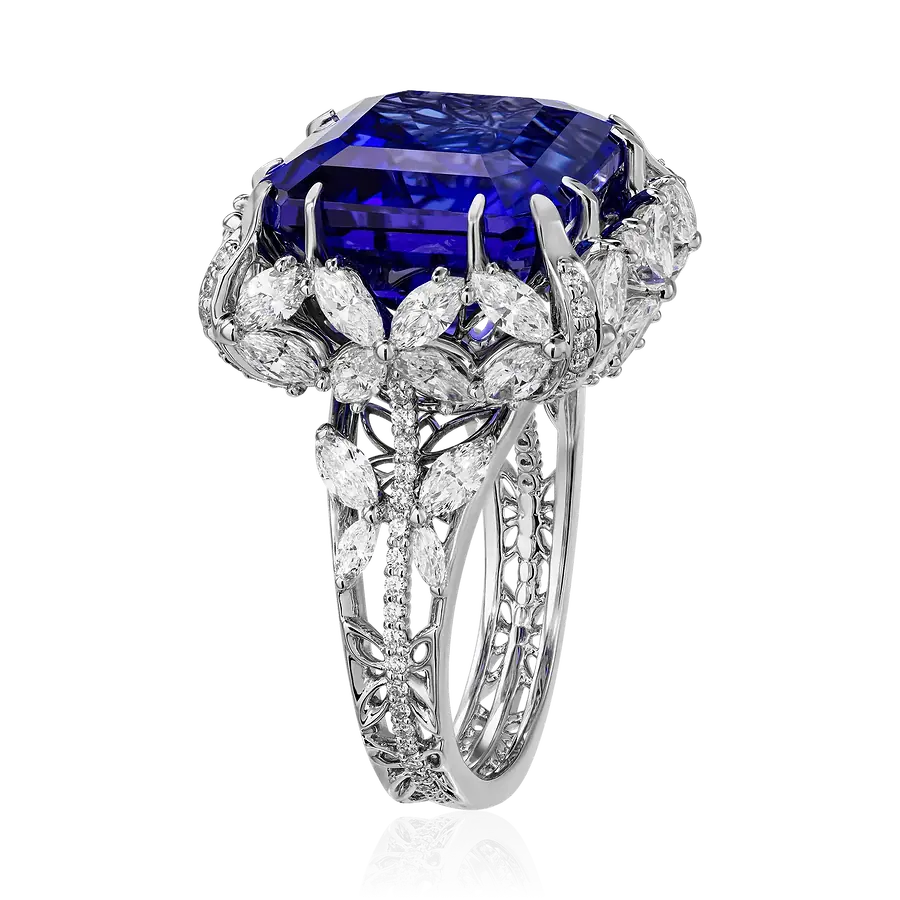


Ring with tanzanite, sapphire and diamonds in 18K white gold (750) ( 70623)
In stock


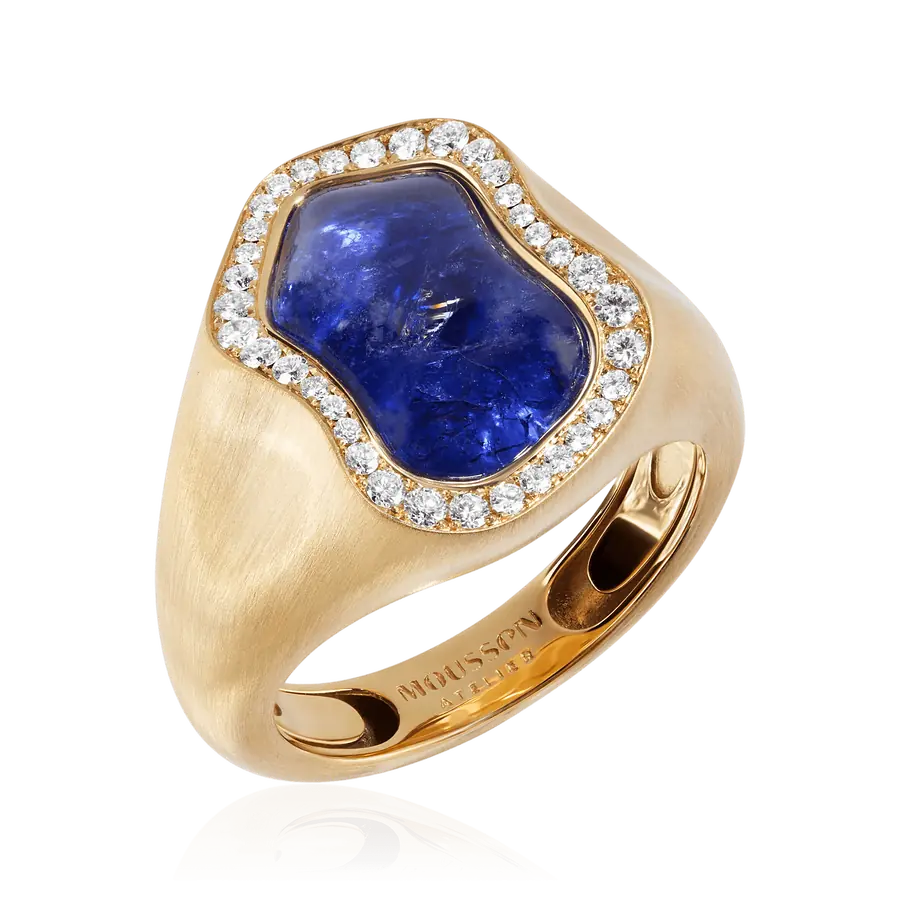
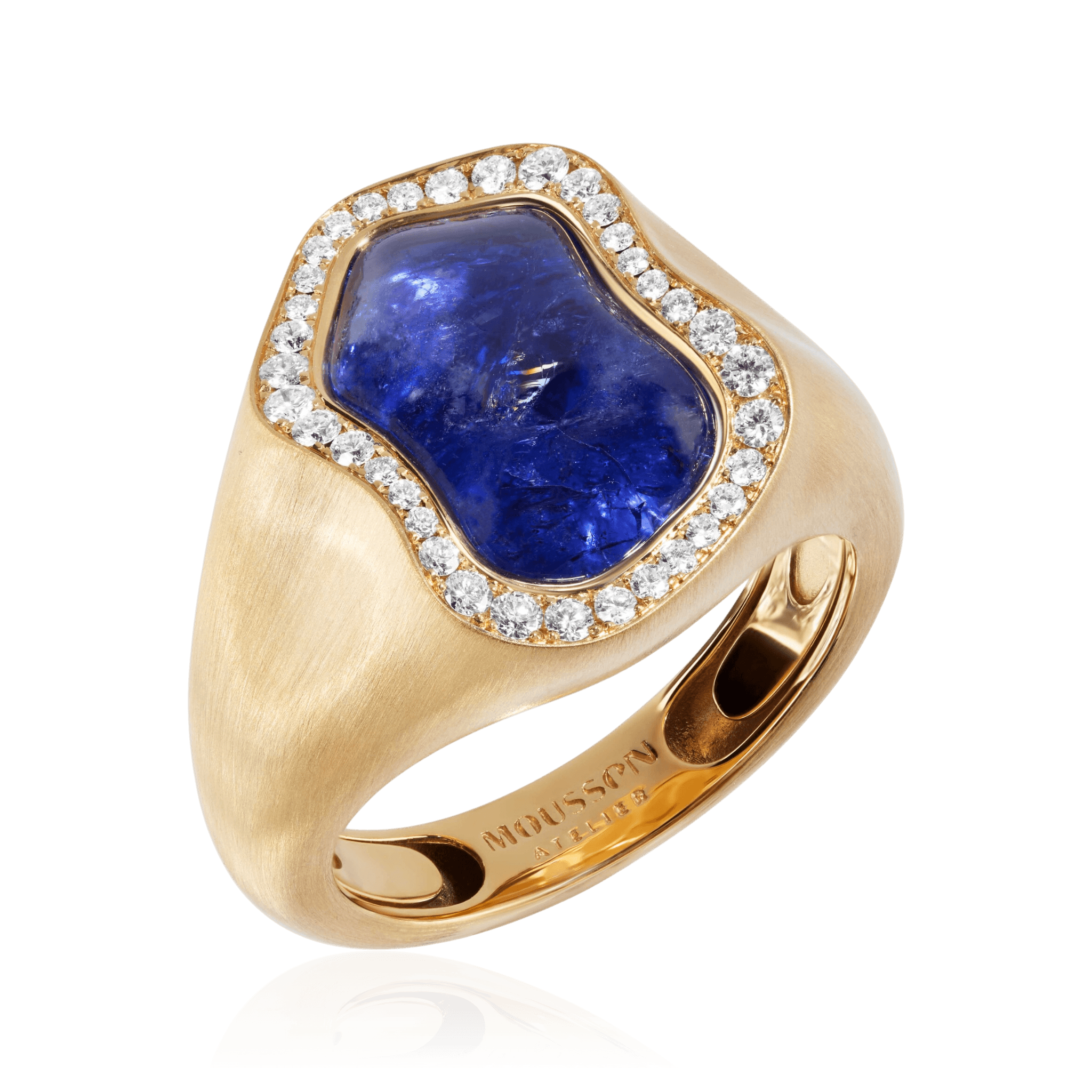
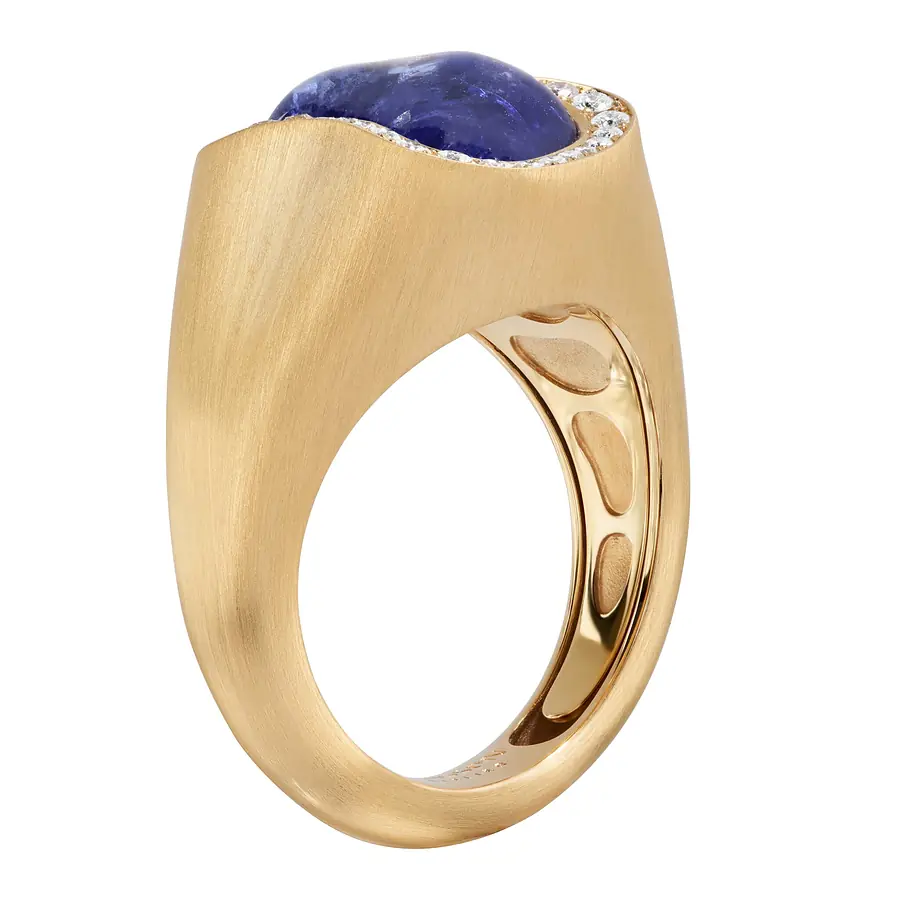
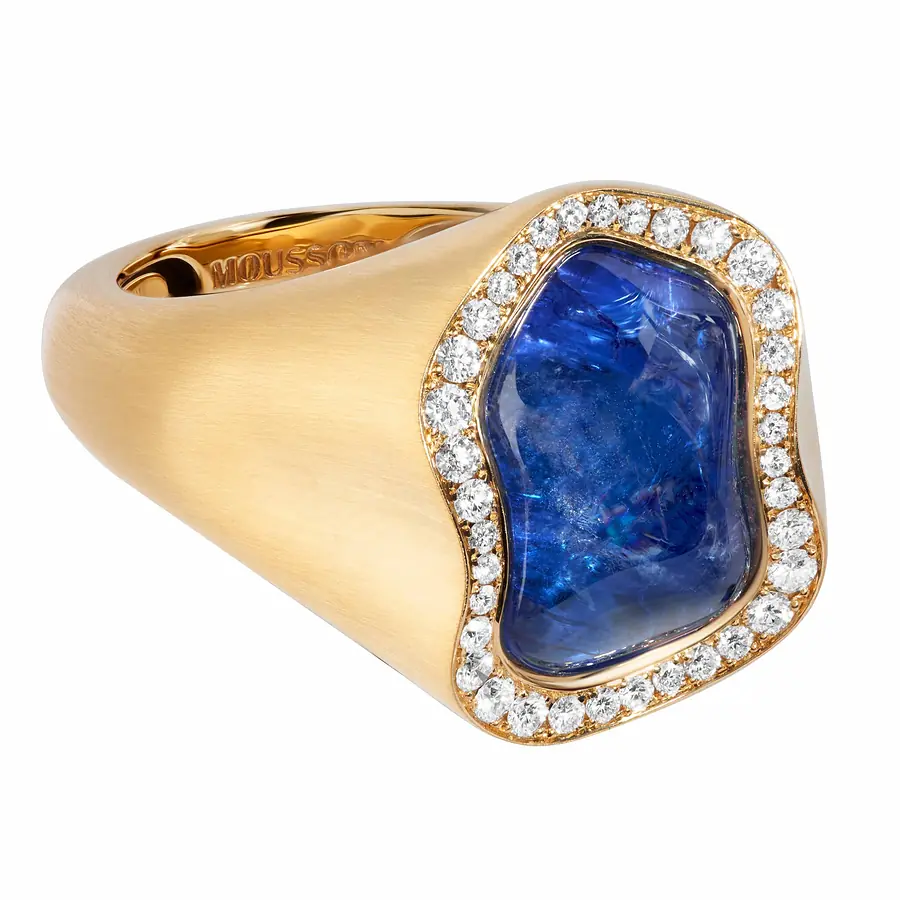
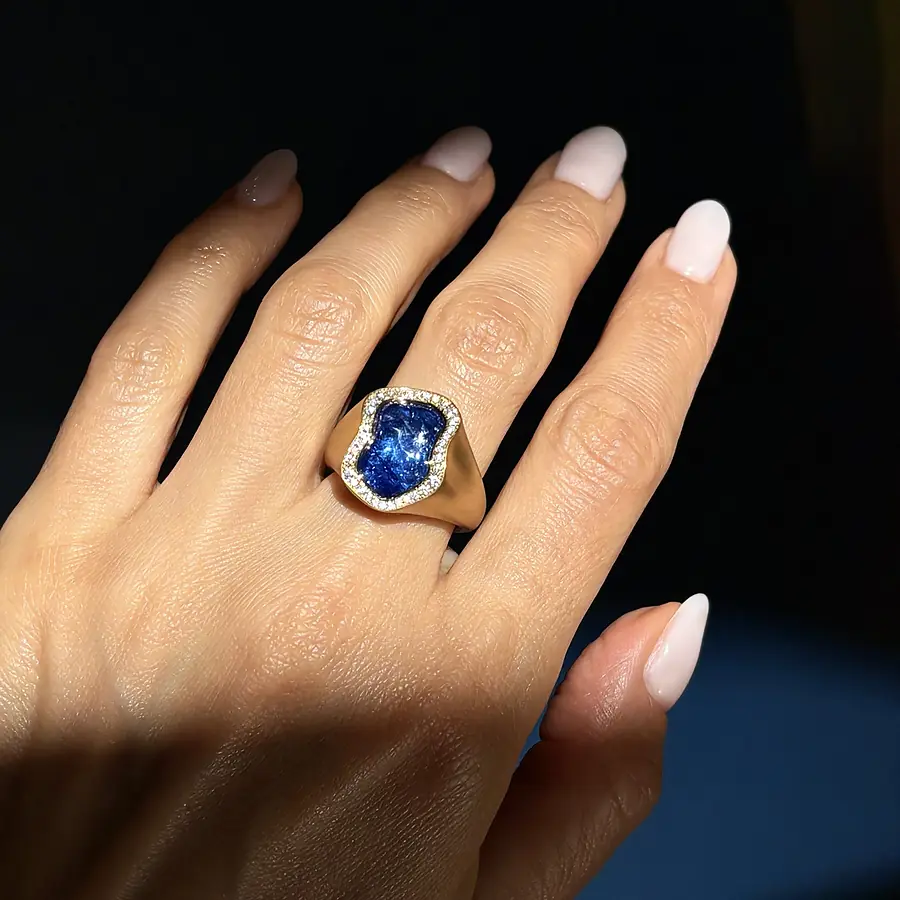
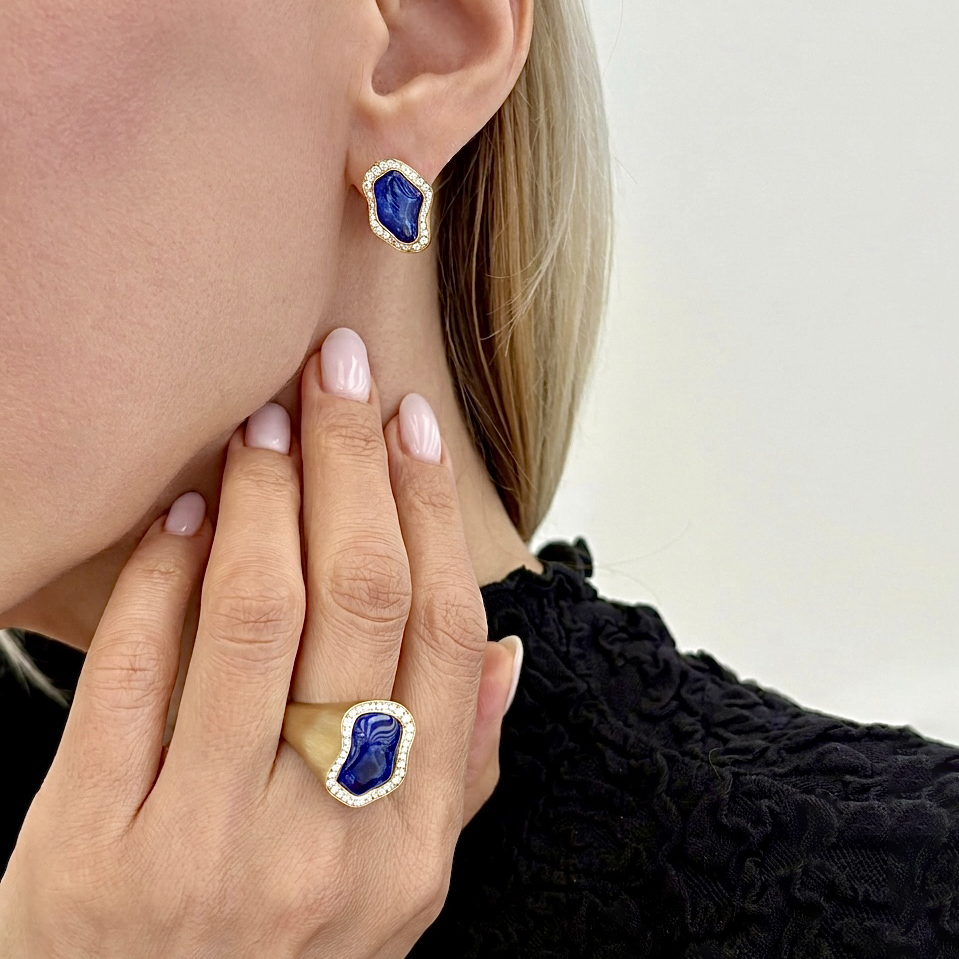


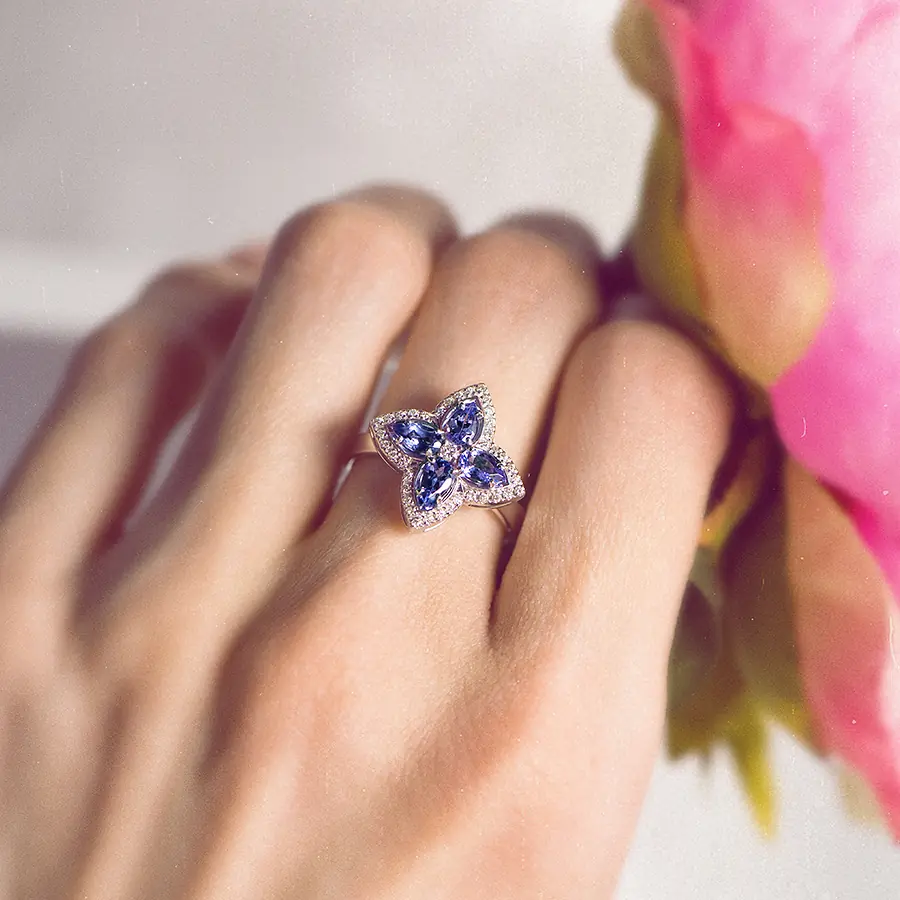


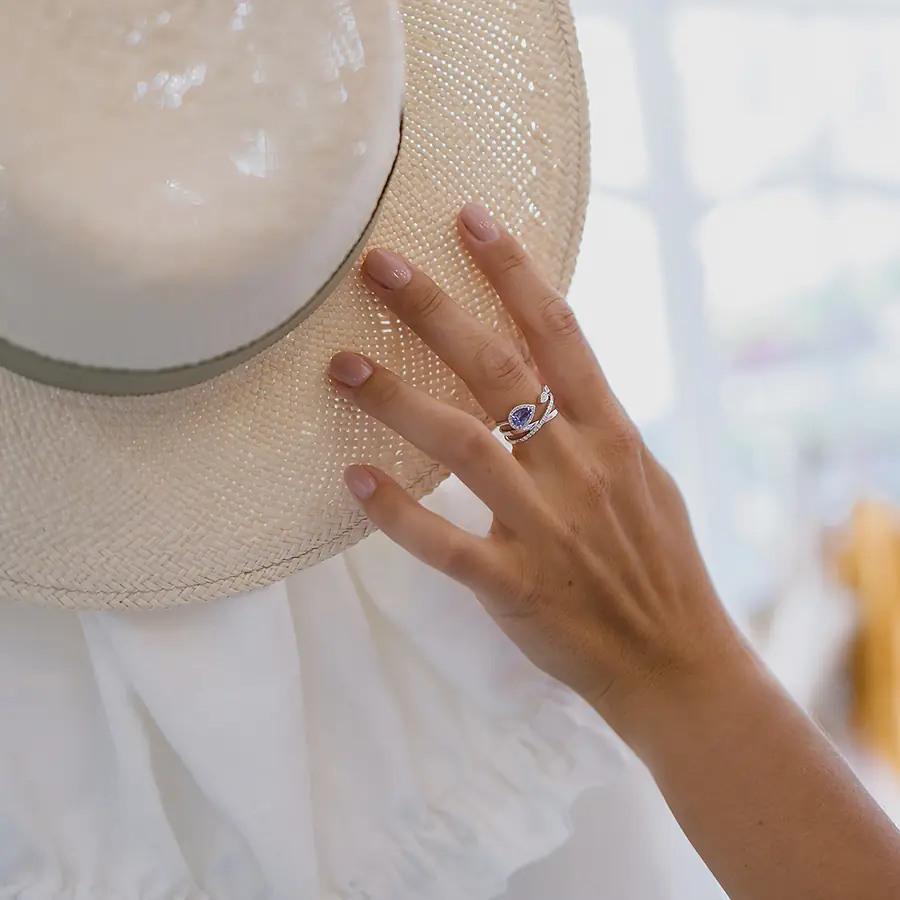
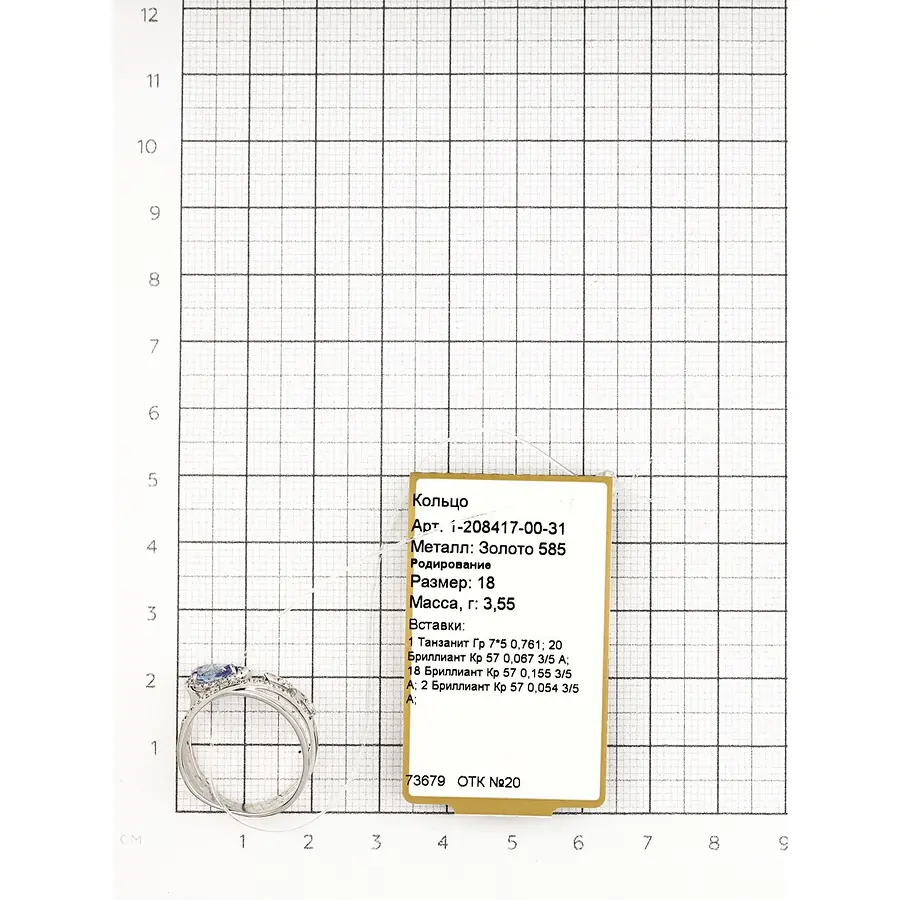


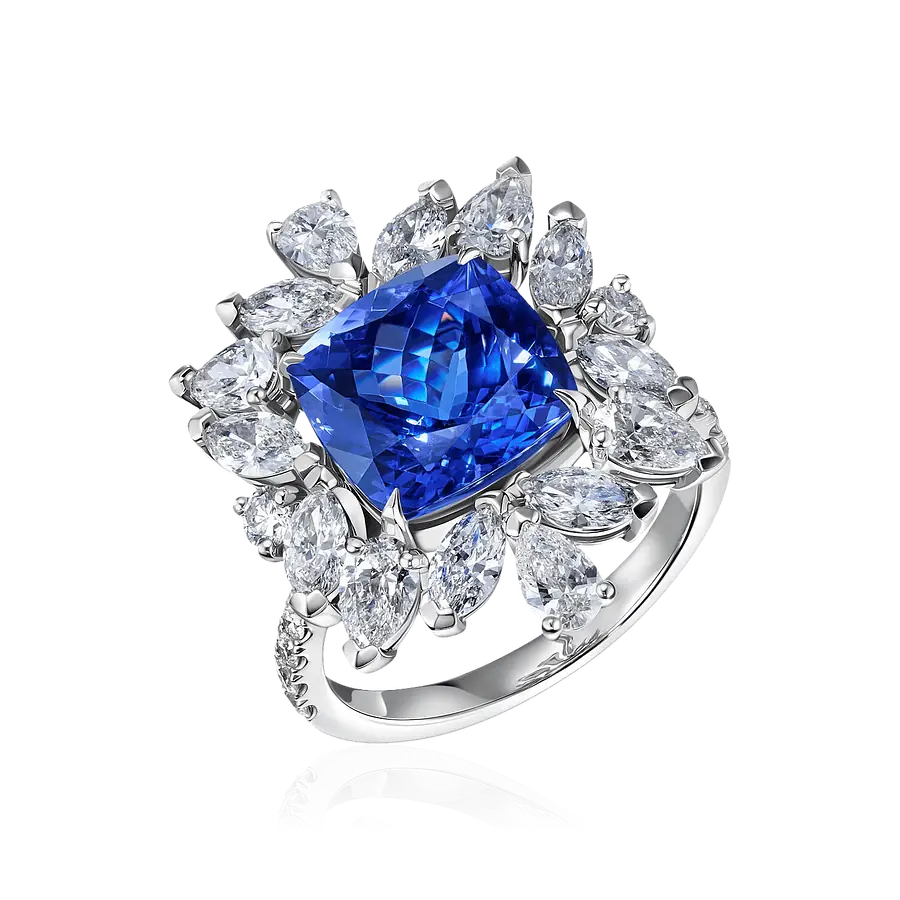

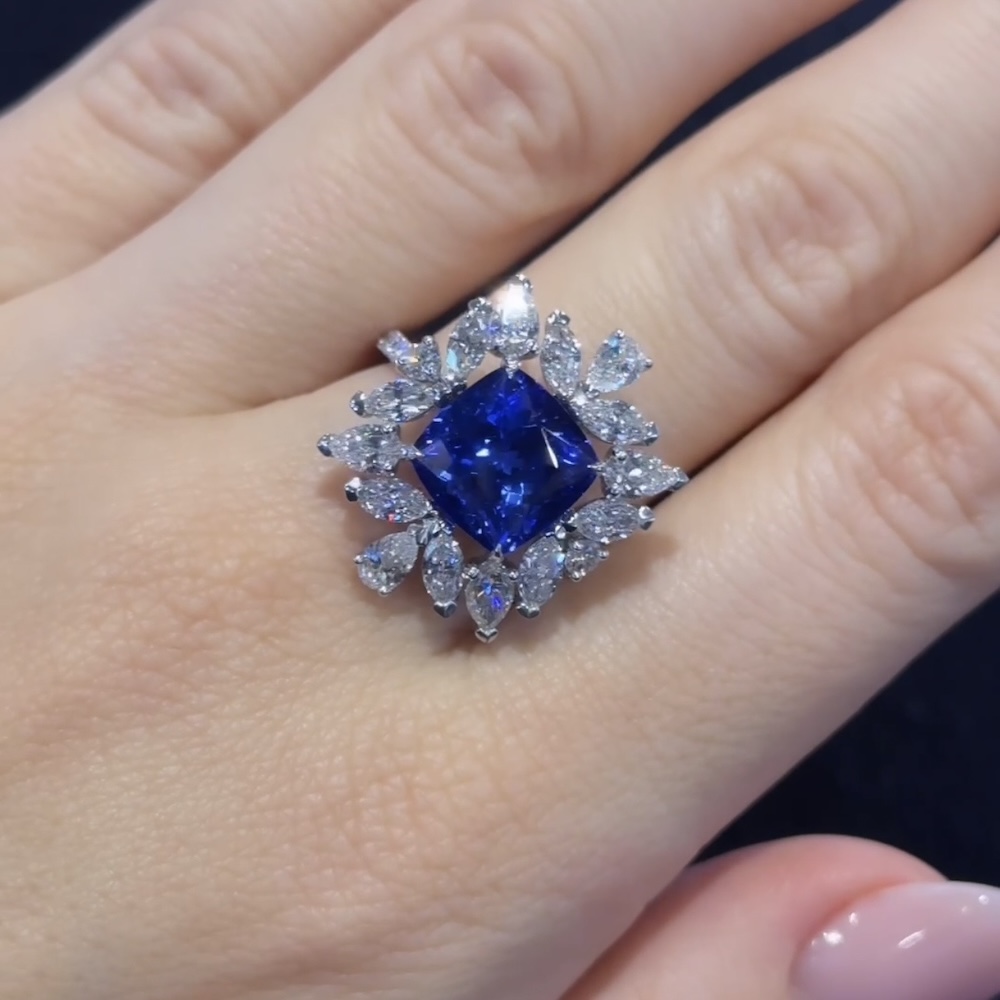
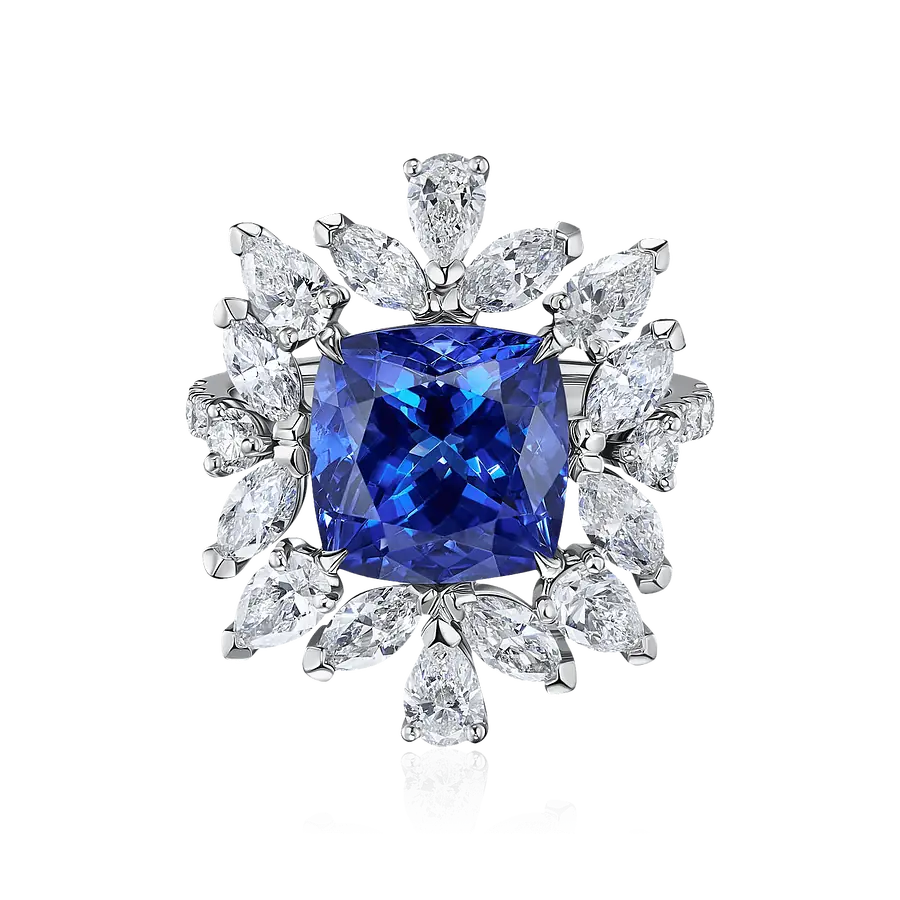
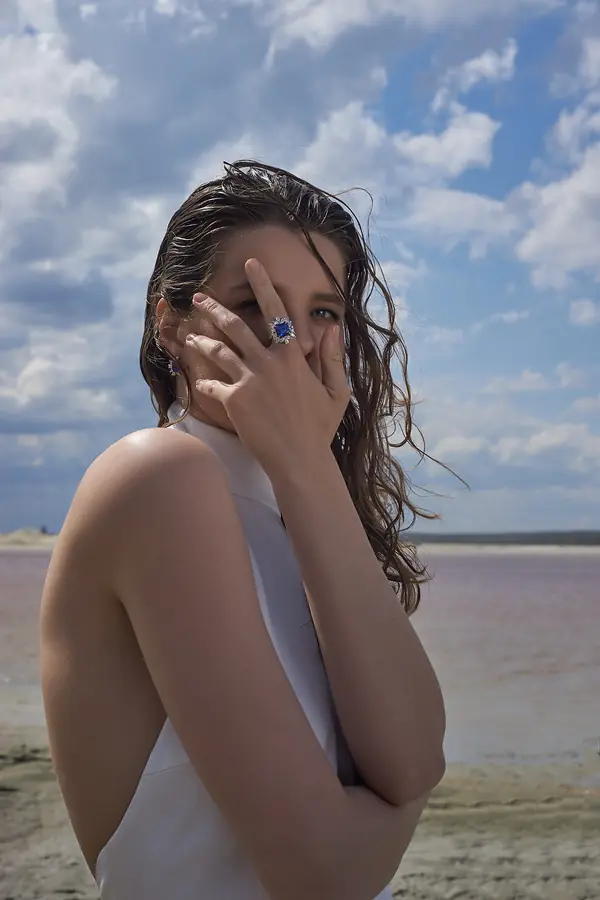
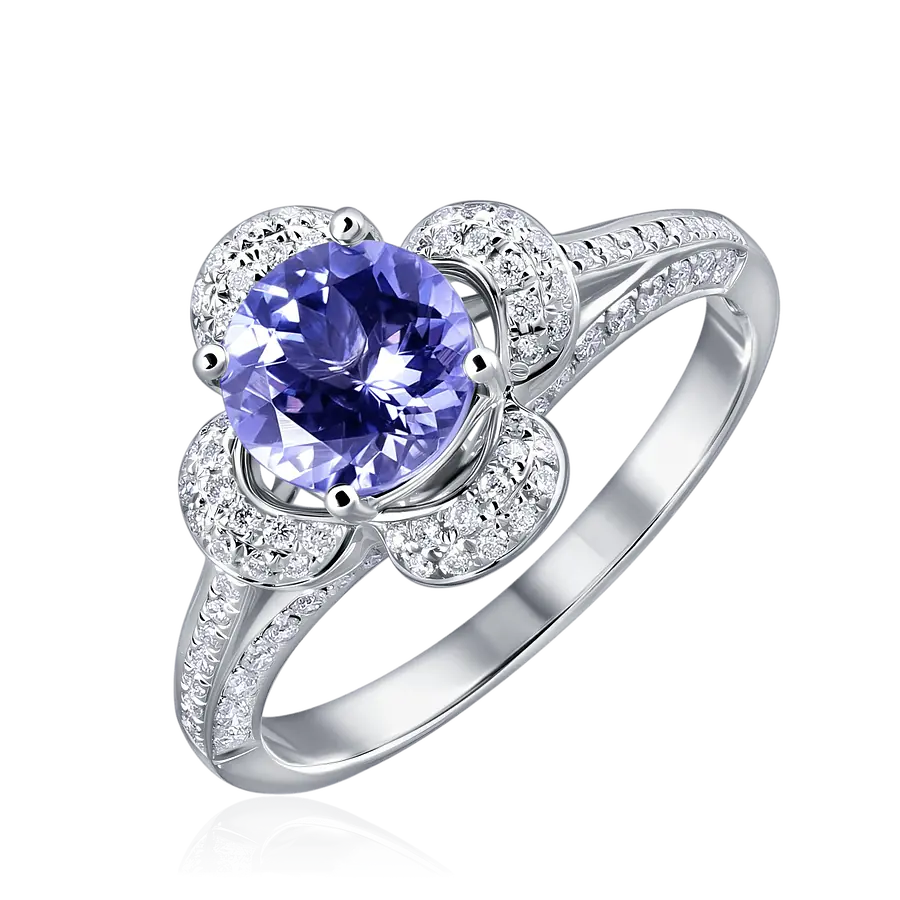
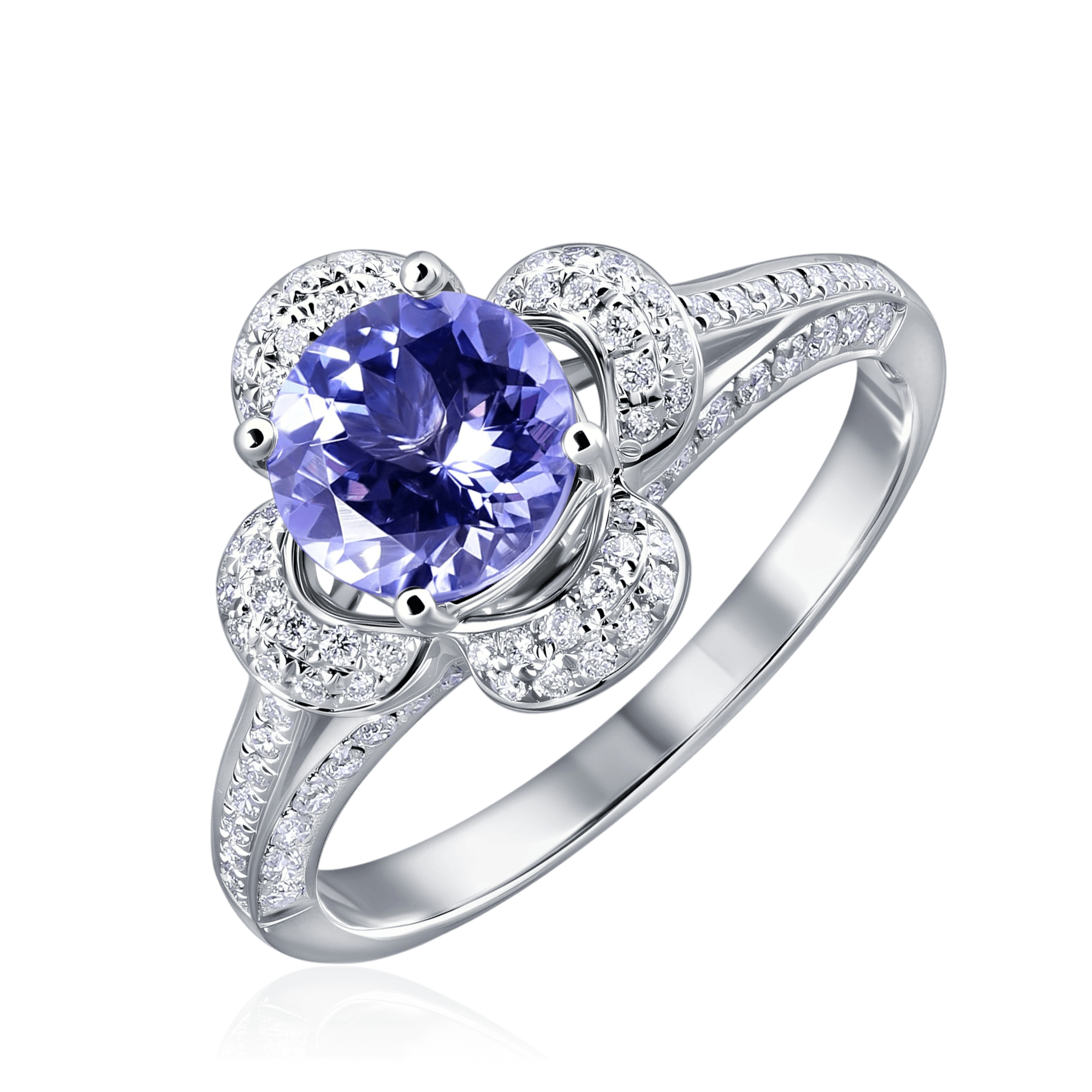
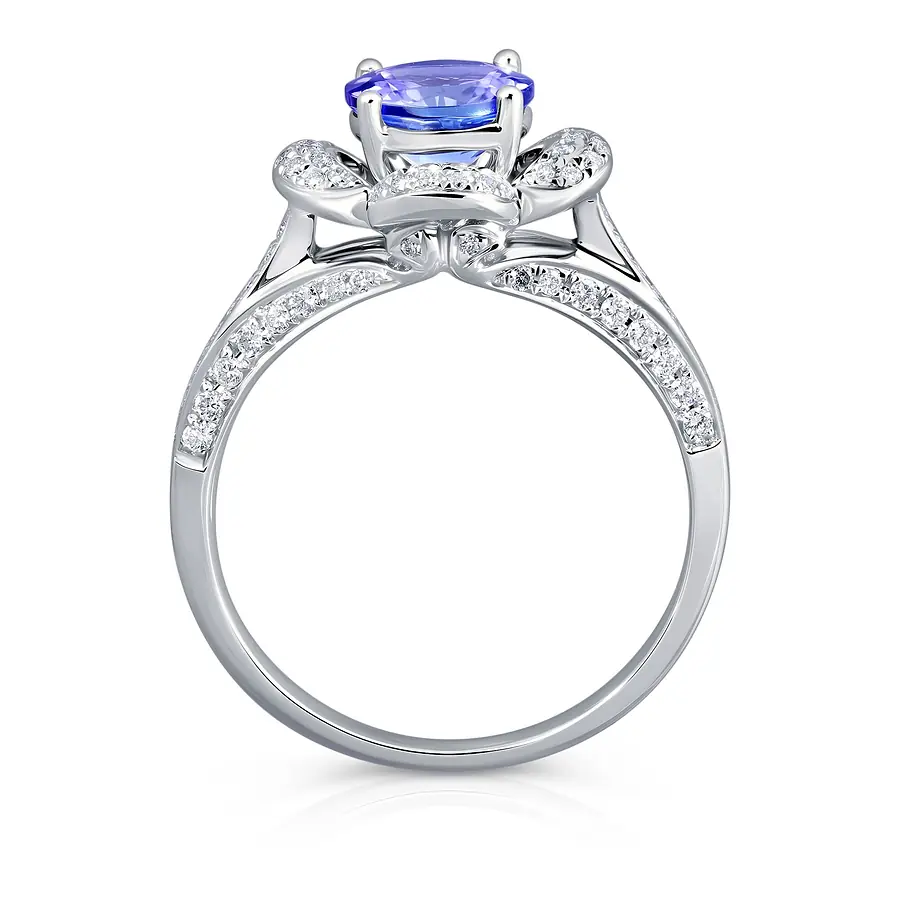
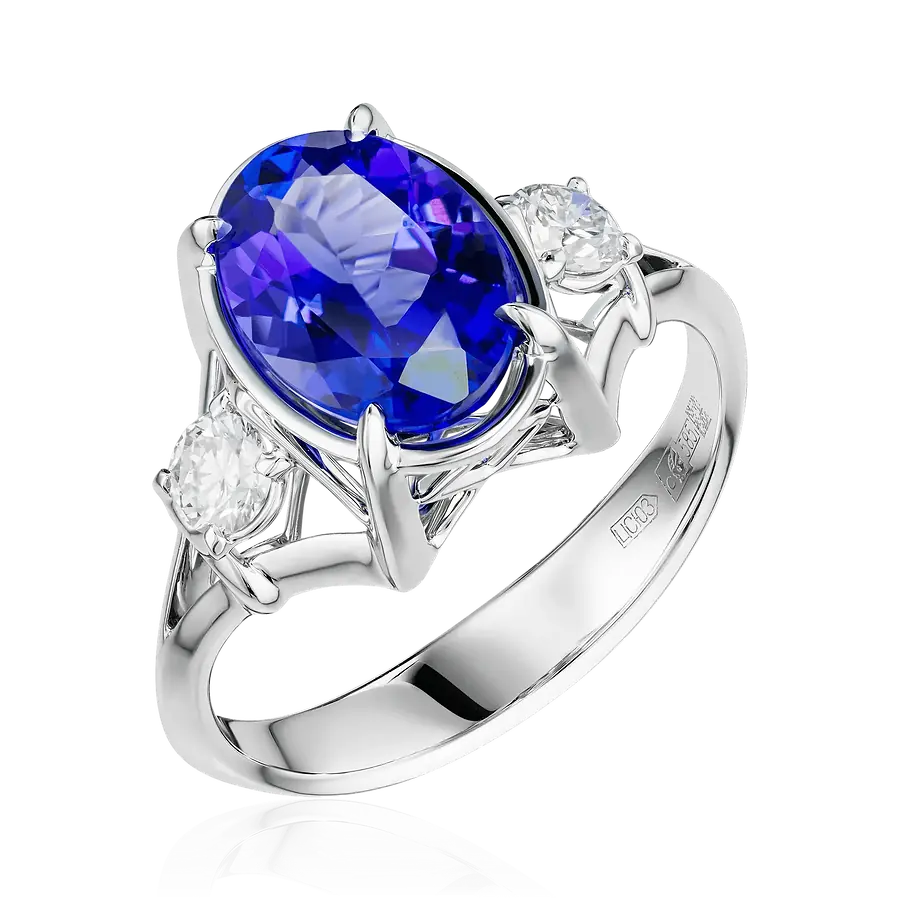
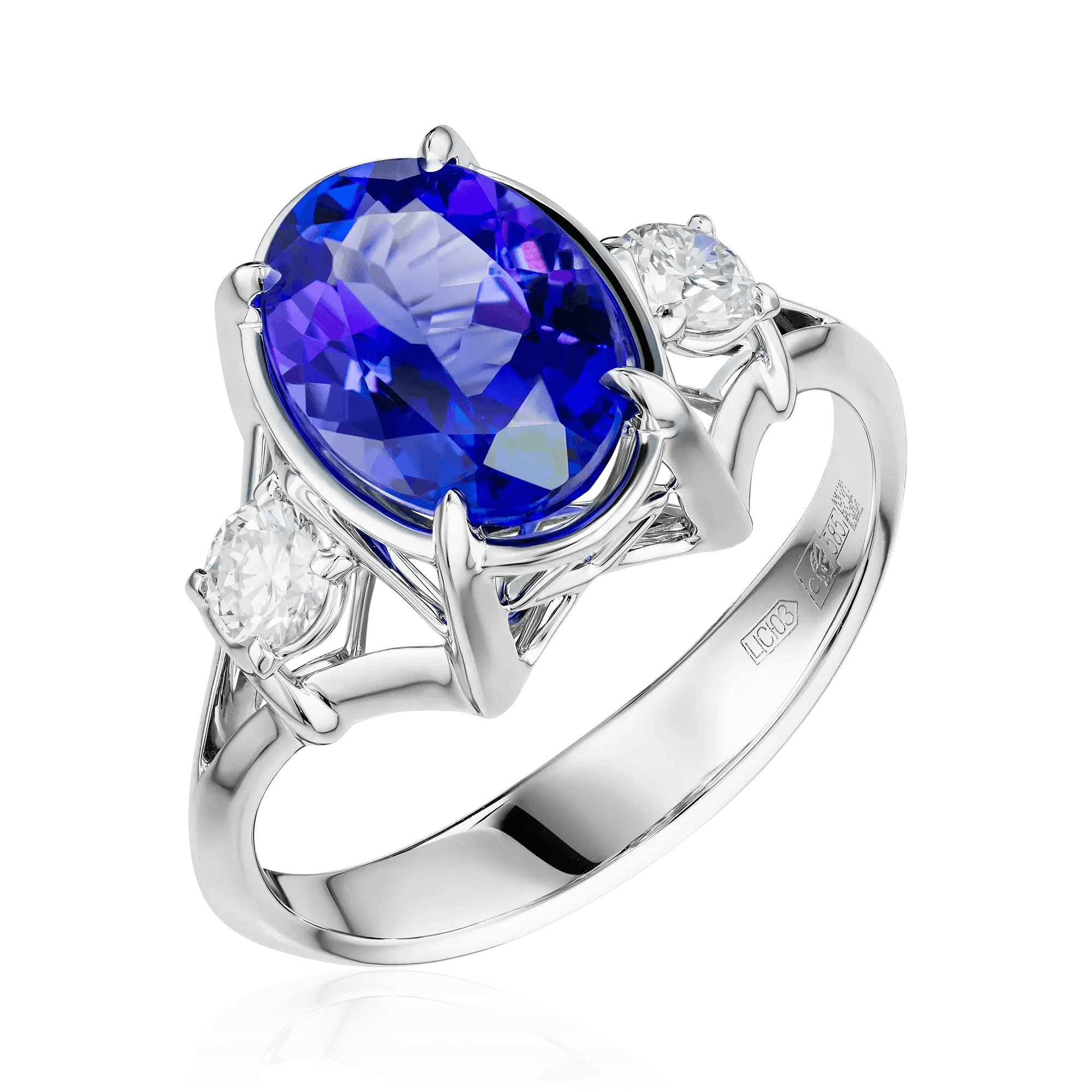
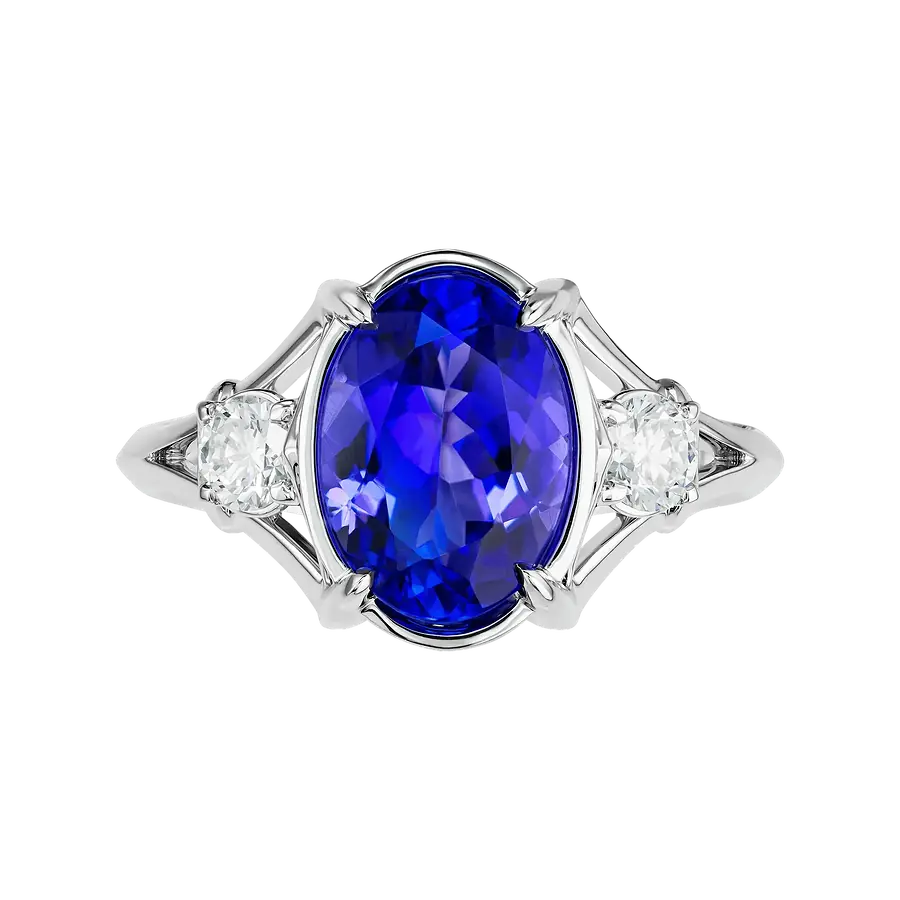
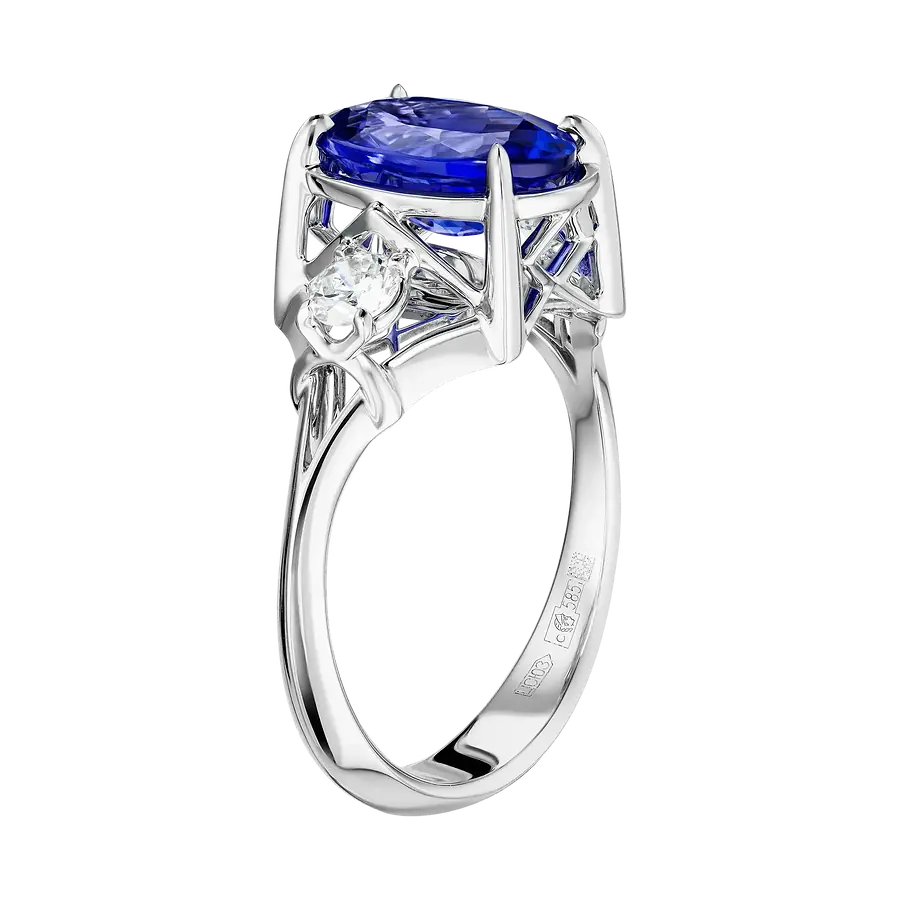
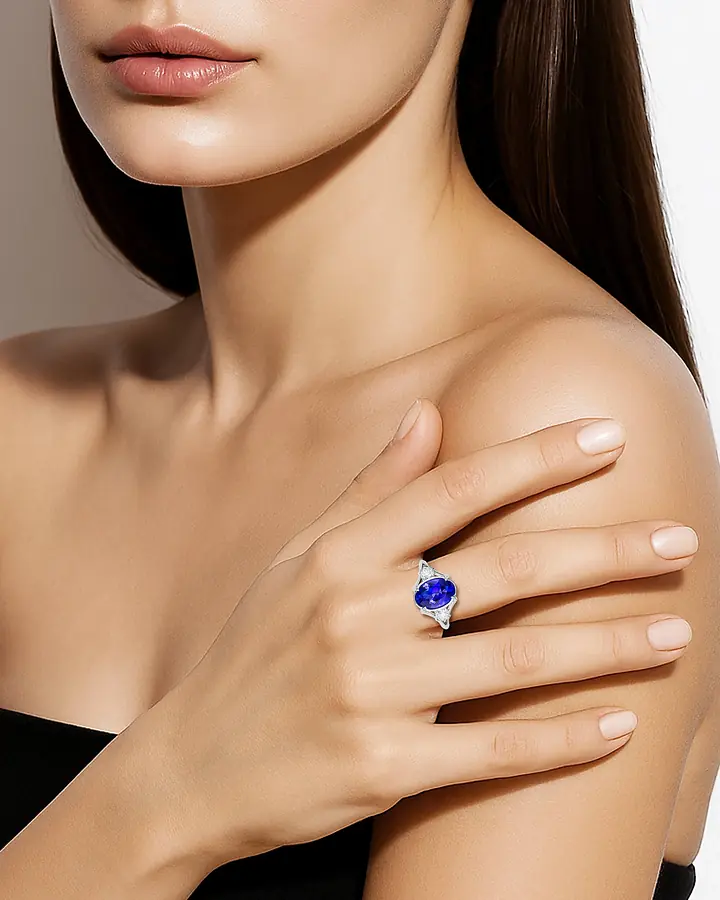
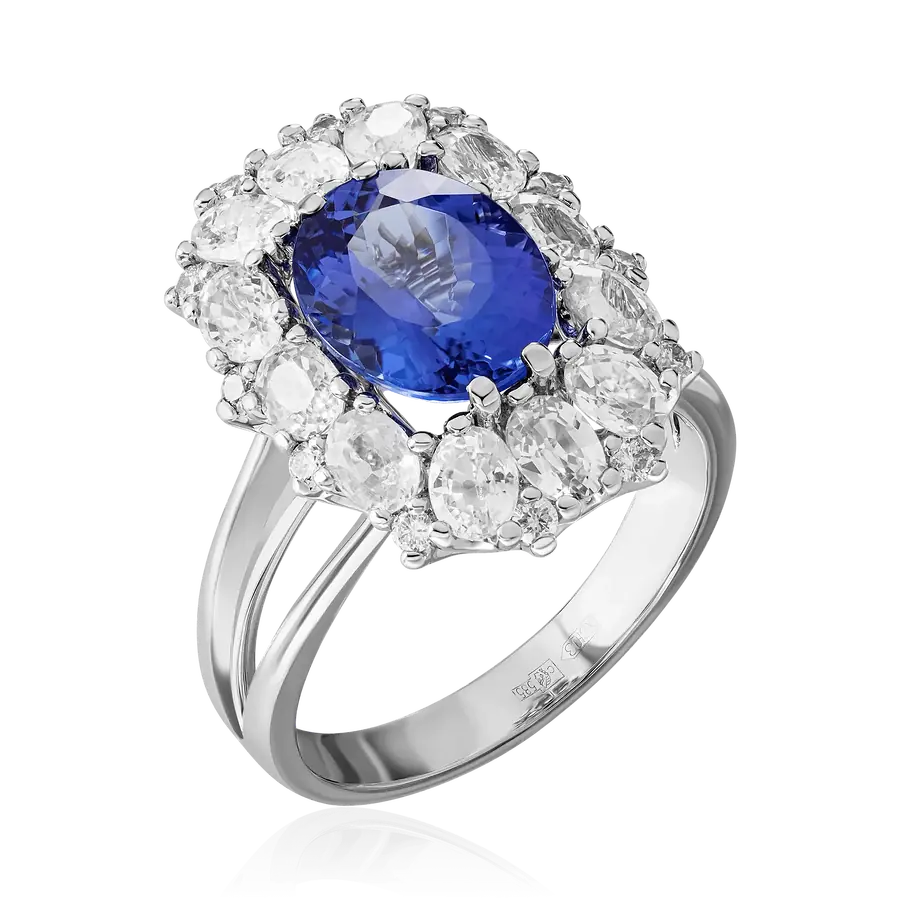
Ring with tanzanite, sapphire and diamonds in 14K white gold (585) ( 121982)
In stock
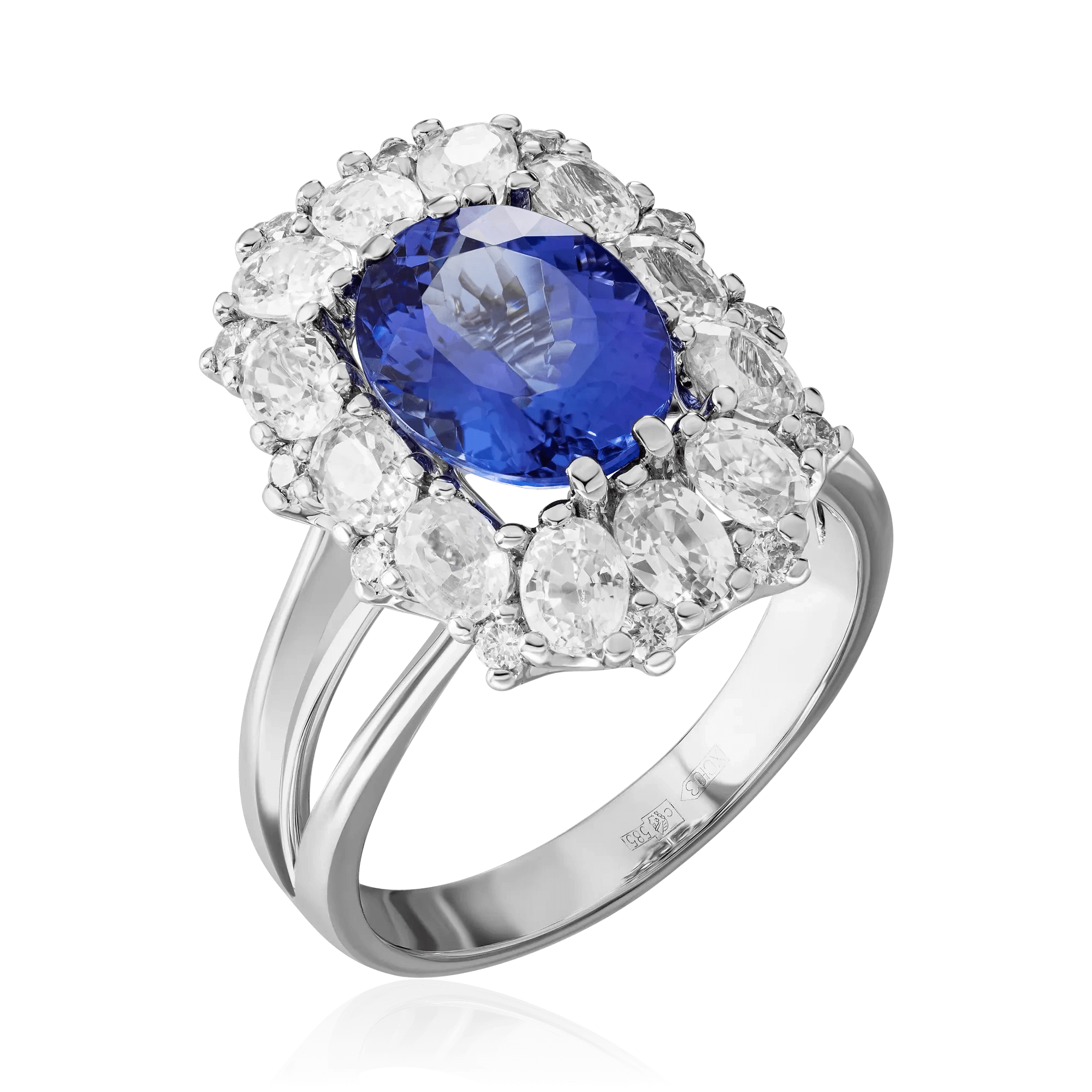

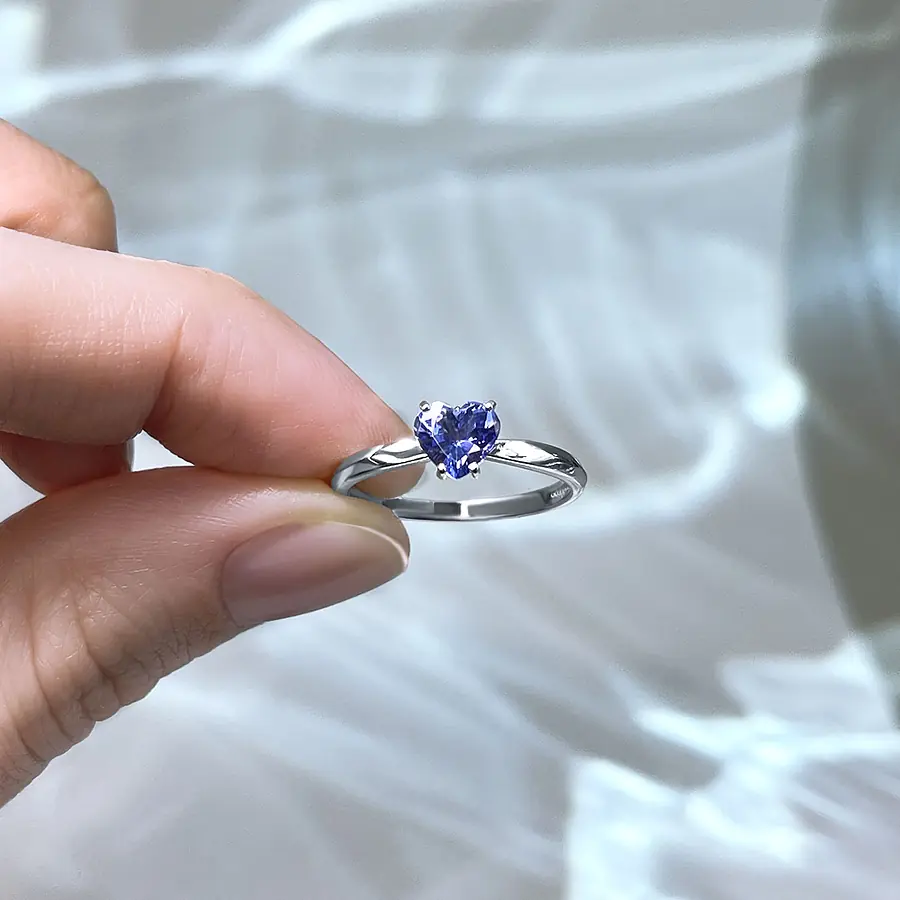
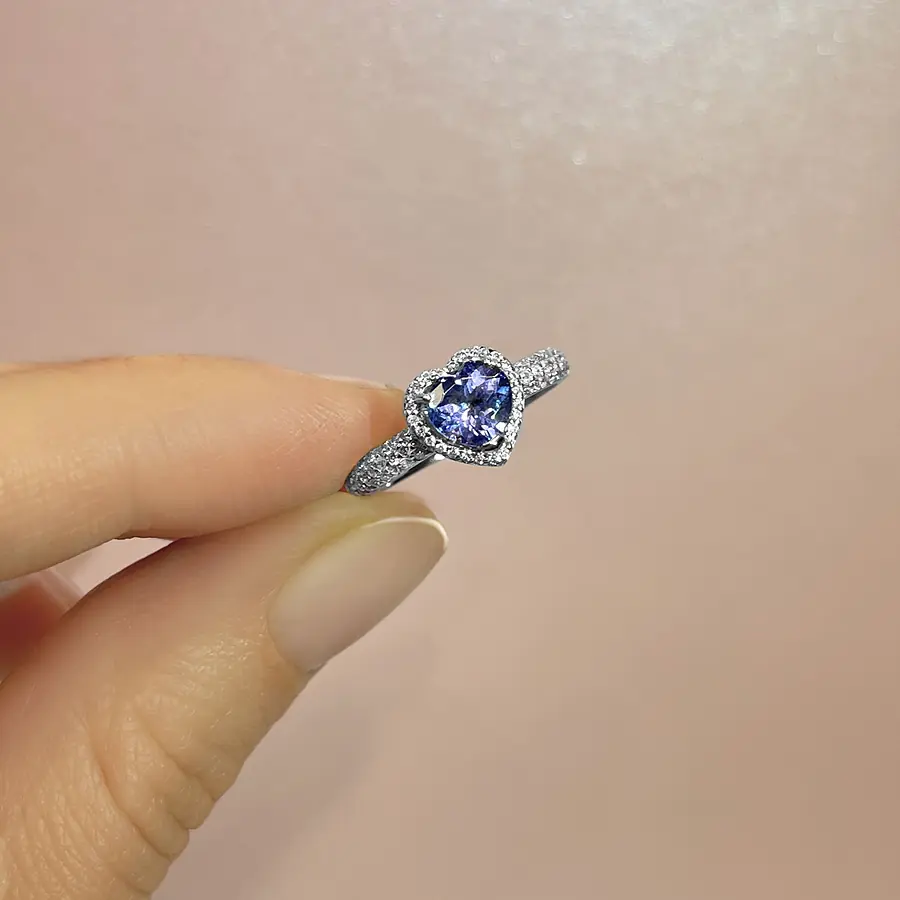
Ring shaped like heart with tanzanite and diamonds in 14K white gold (585) ( 92781)
In stock

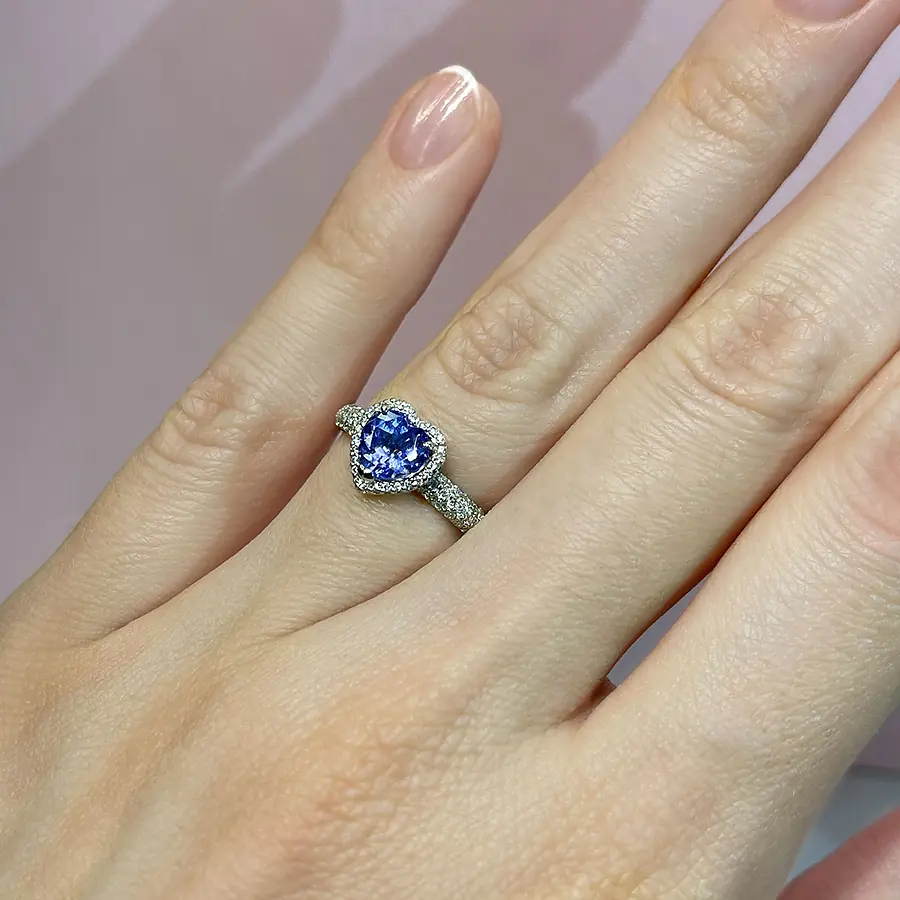
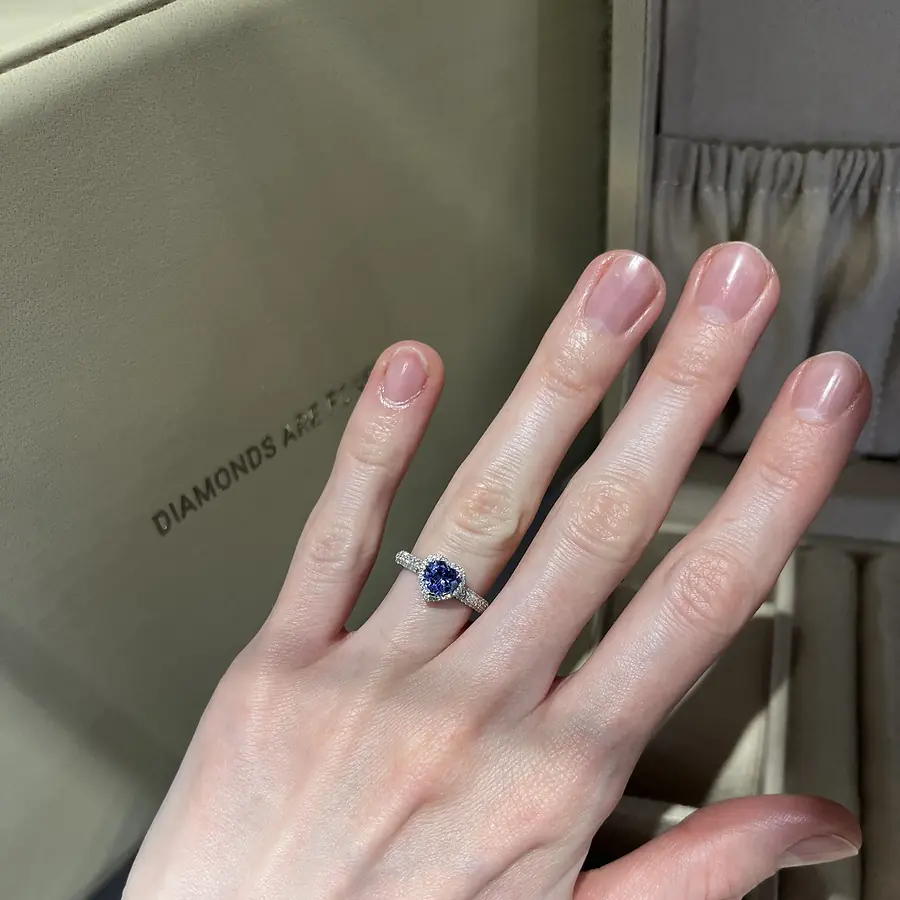


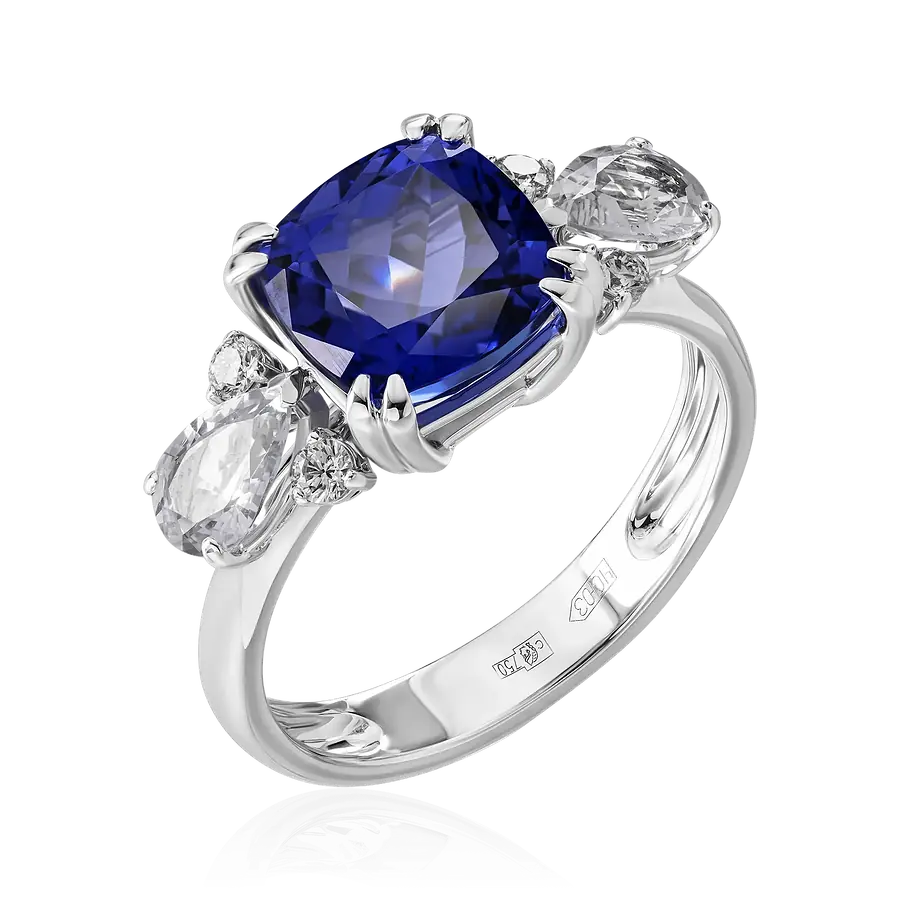
Ring with tanzanite, sapphire and diamonds in 18K white gold (750) ( 127132)
In stock
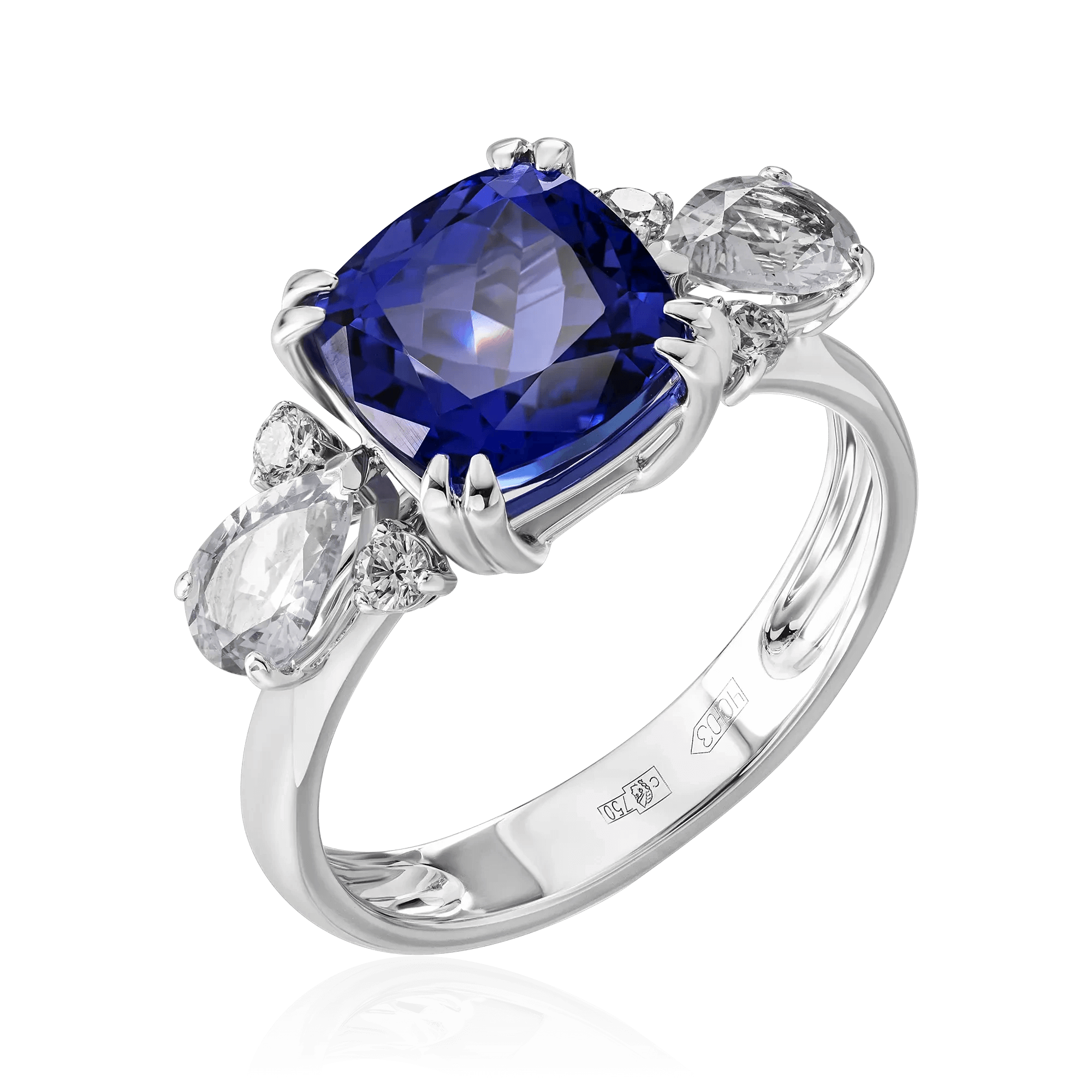
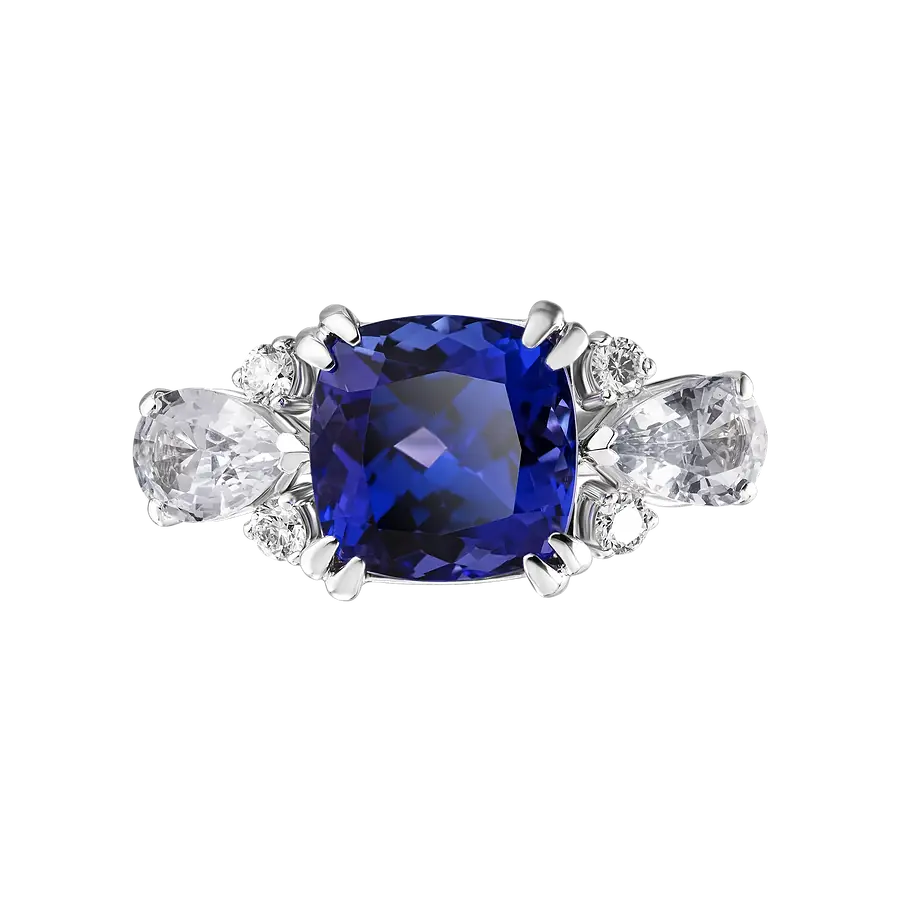
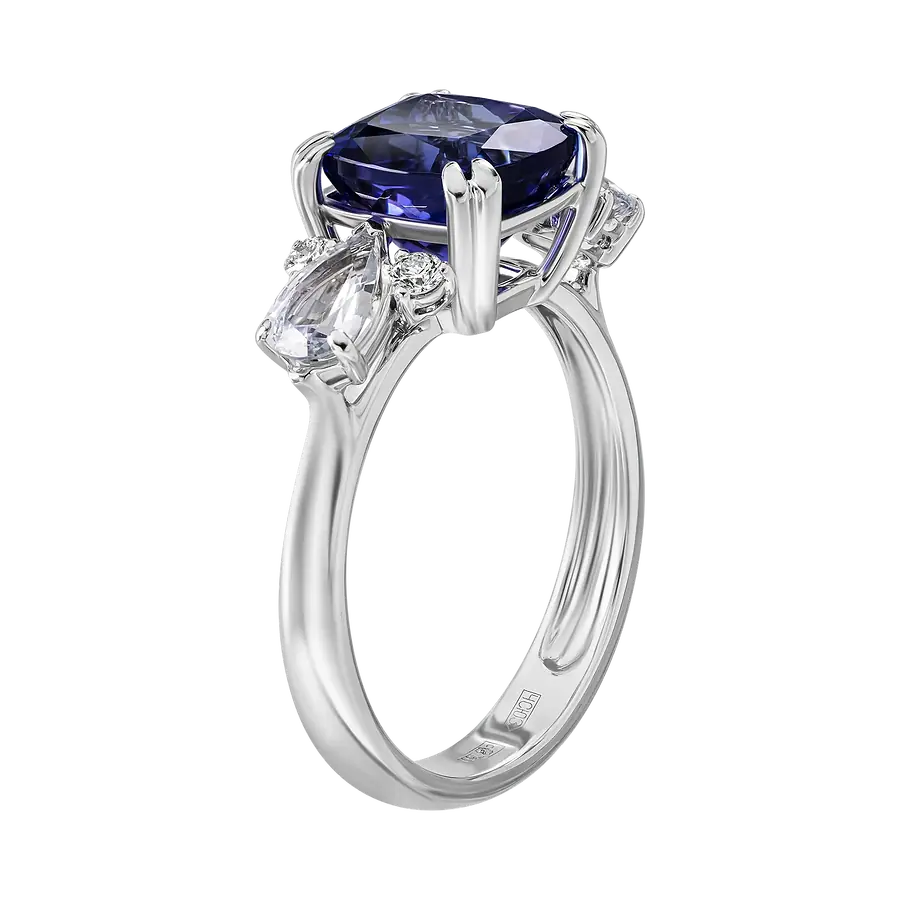
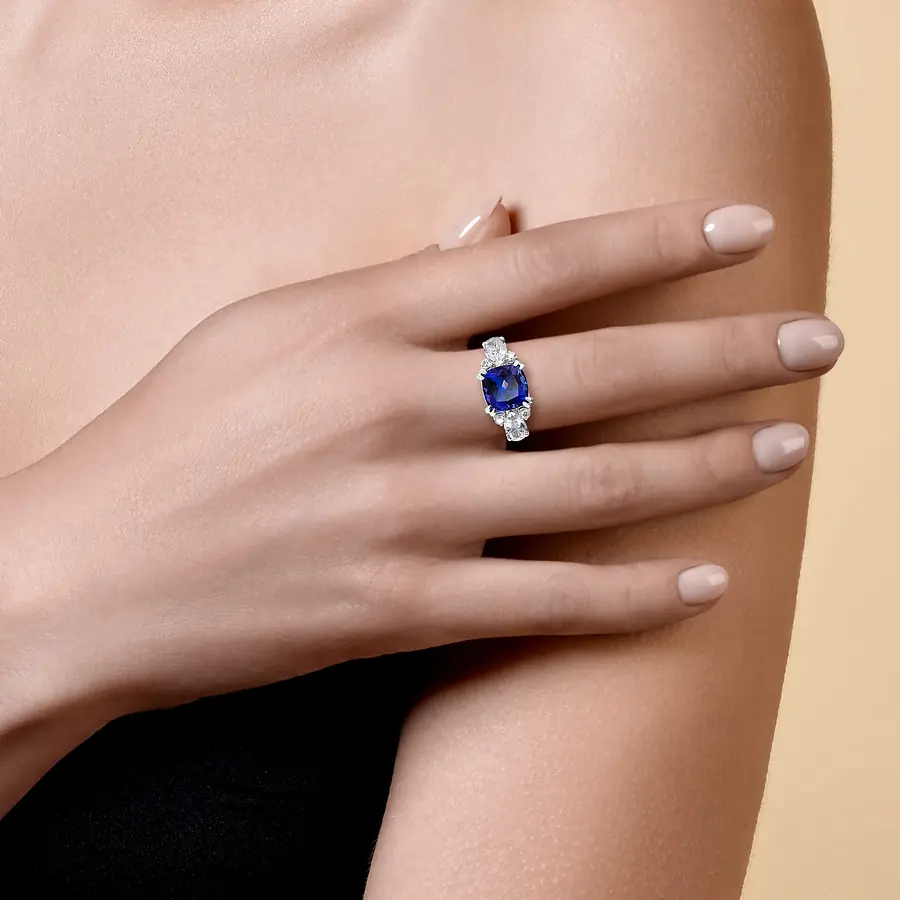
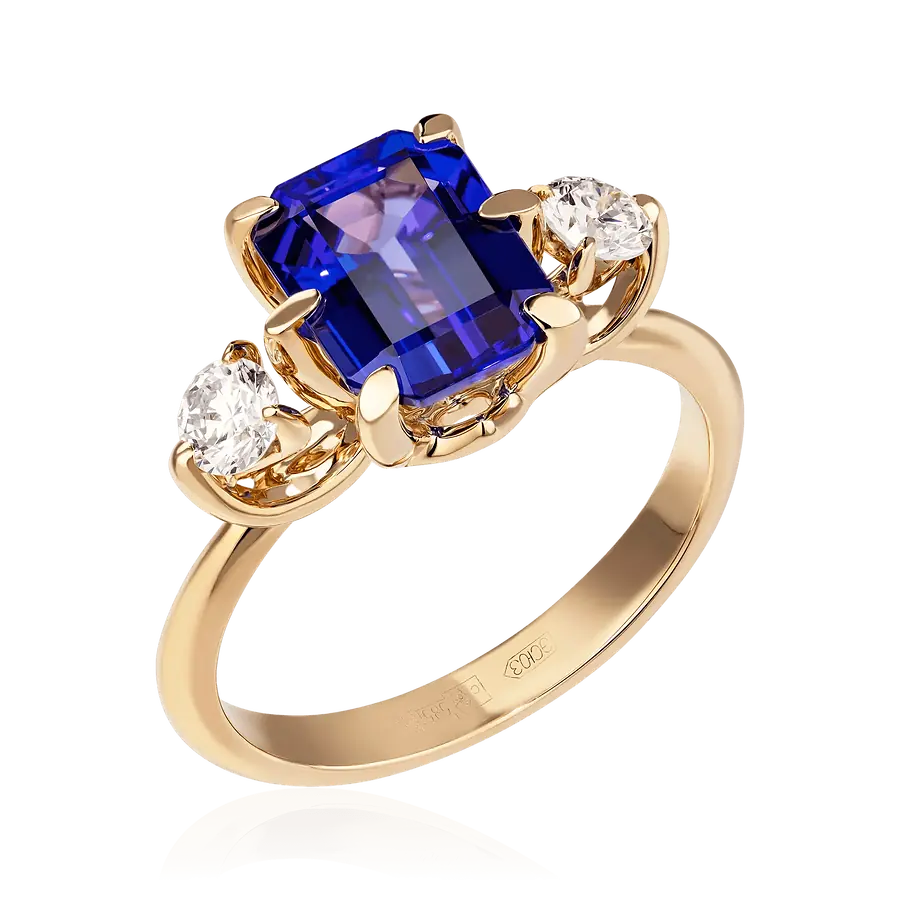
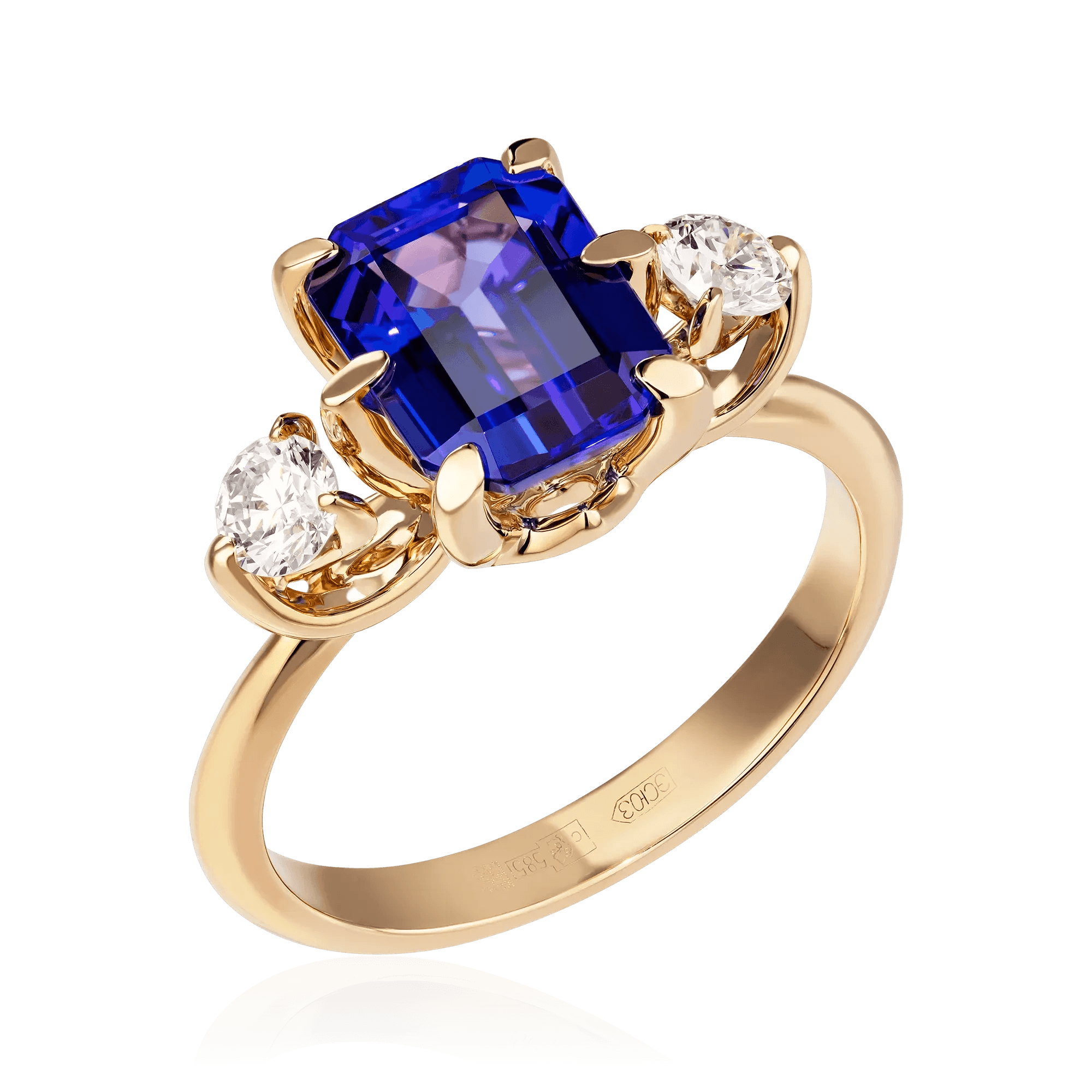
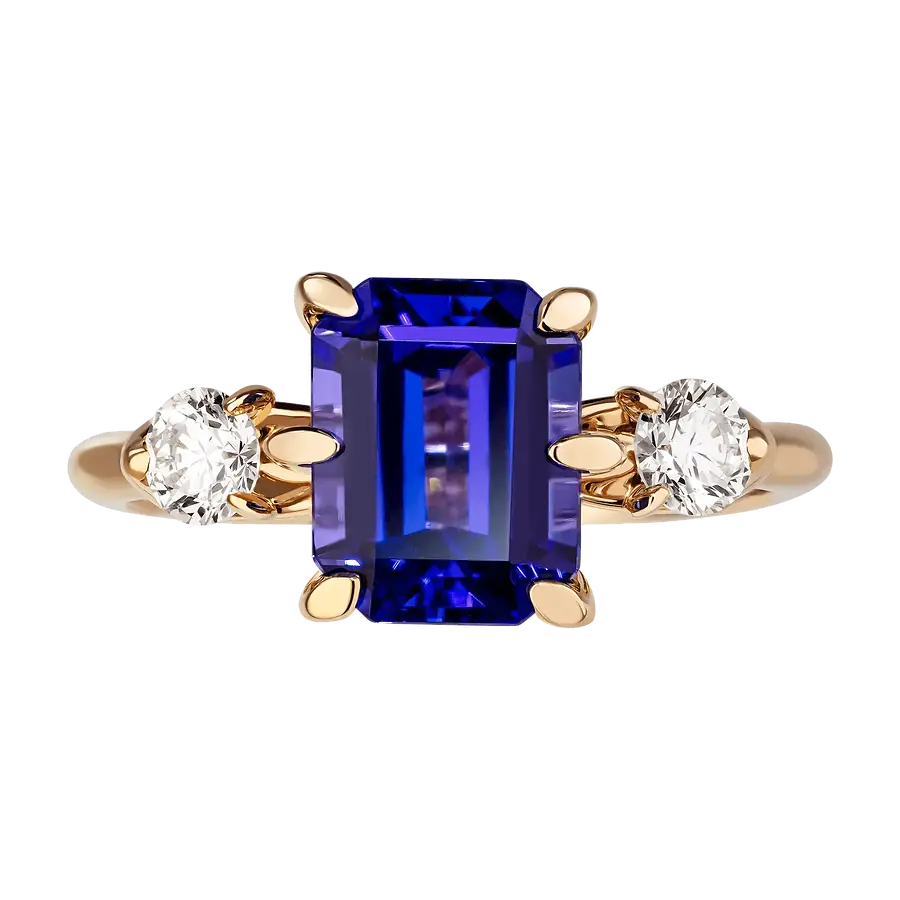
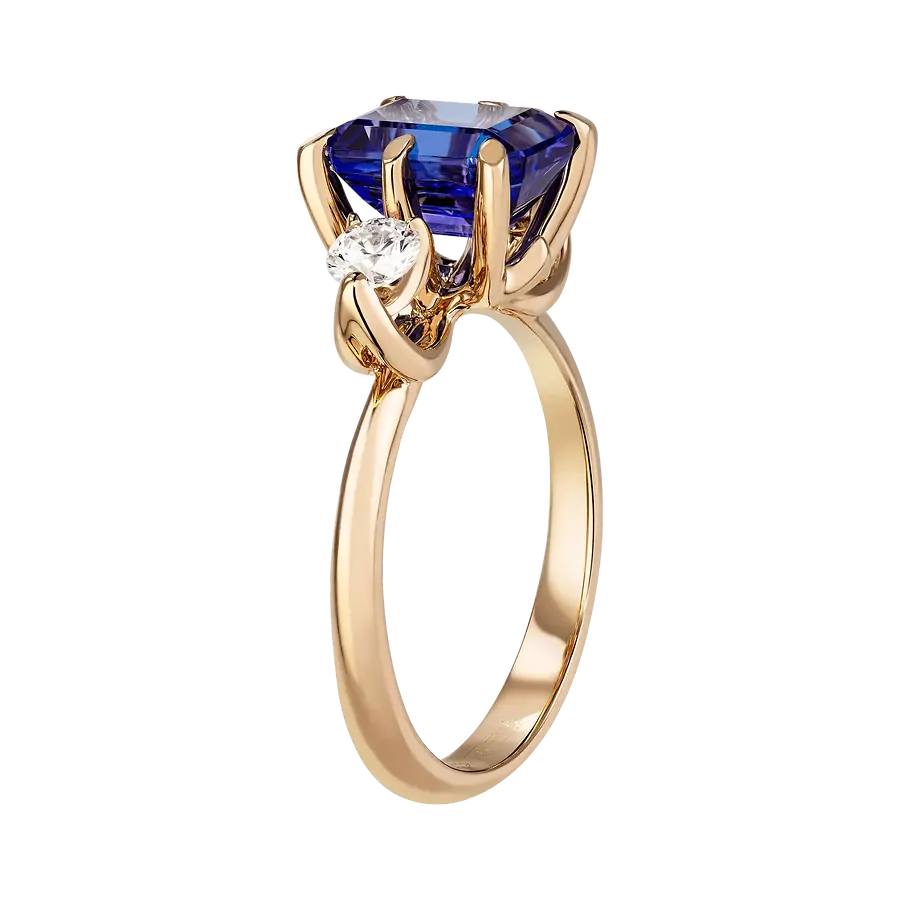
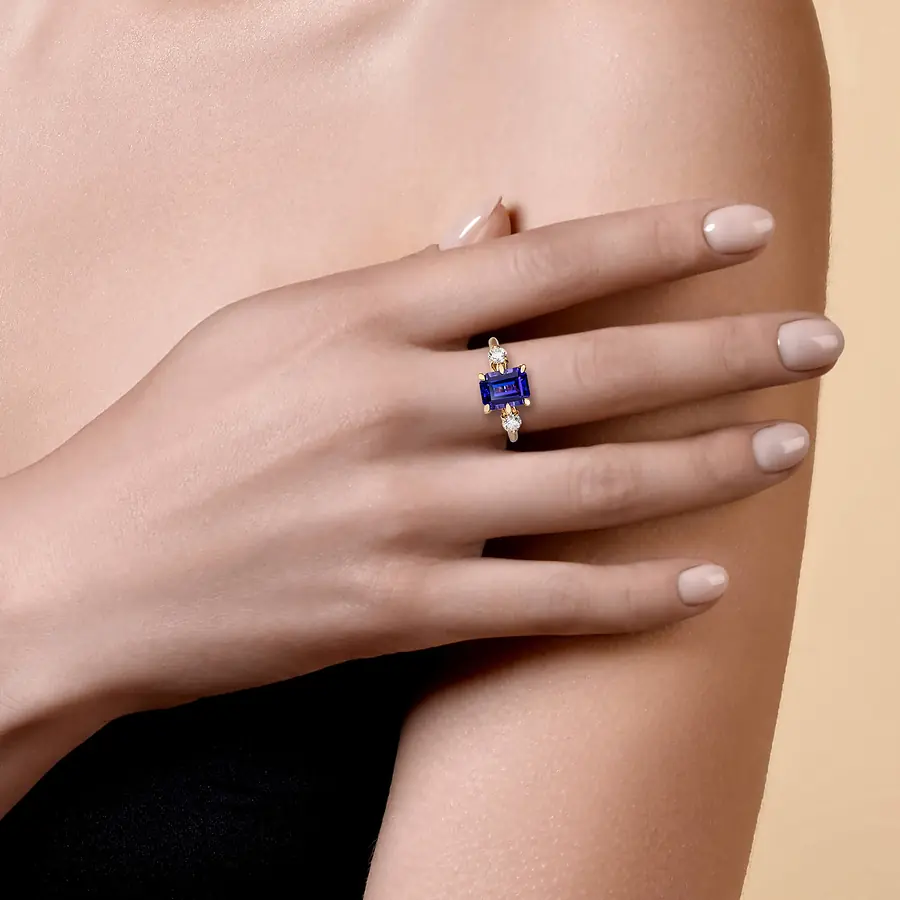
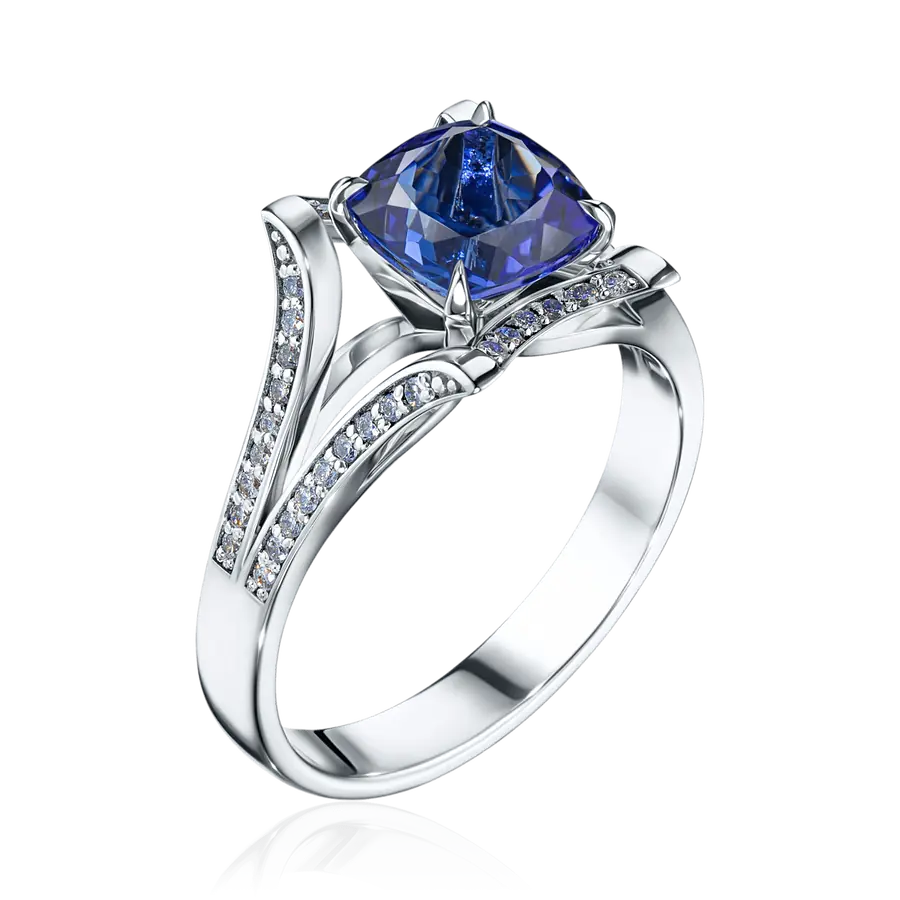
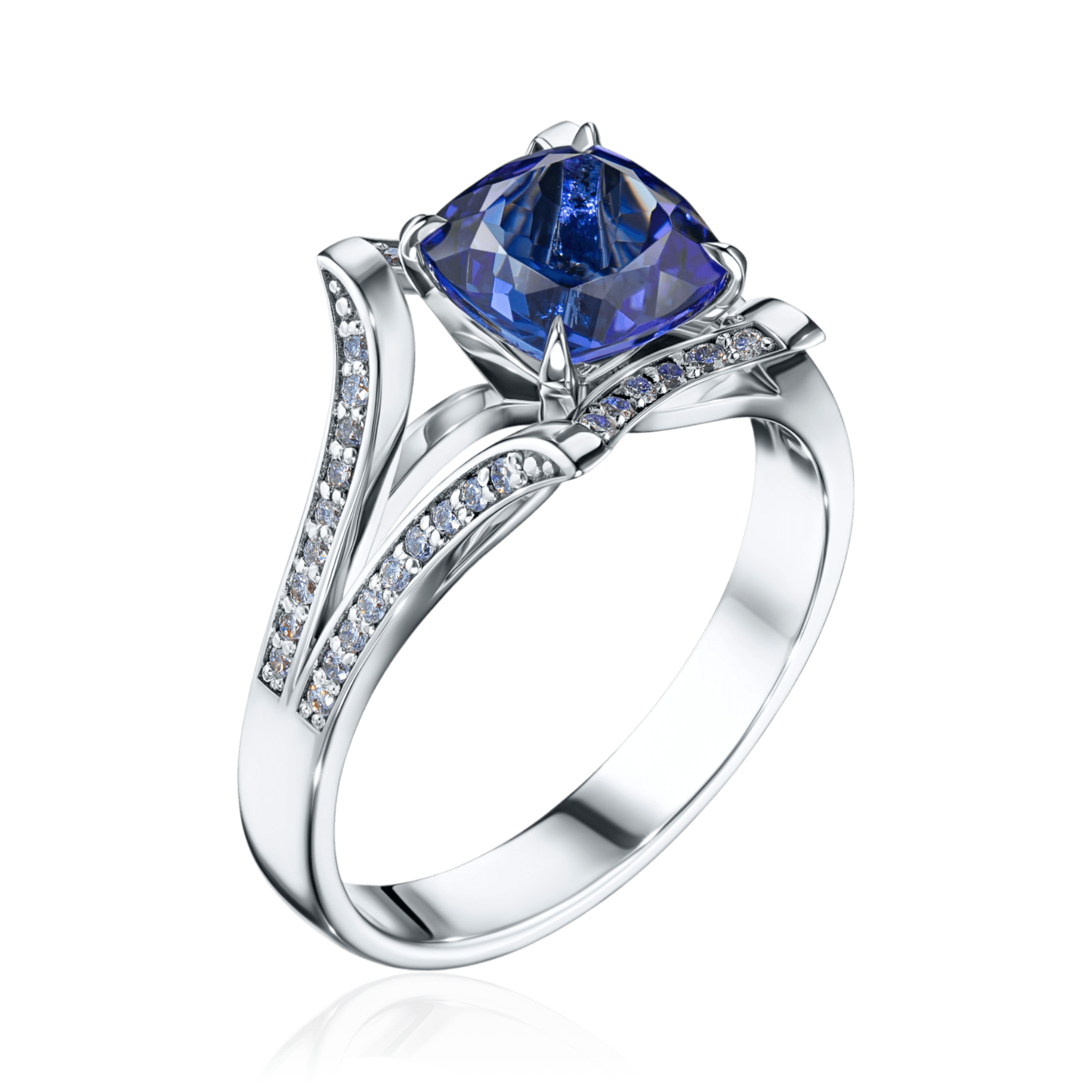

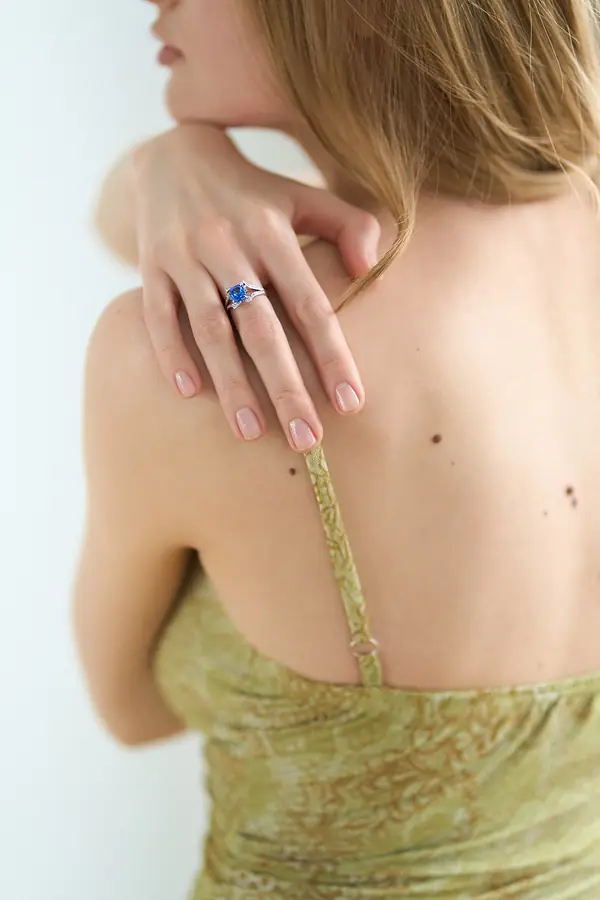
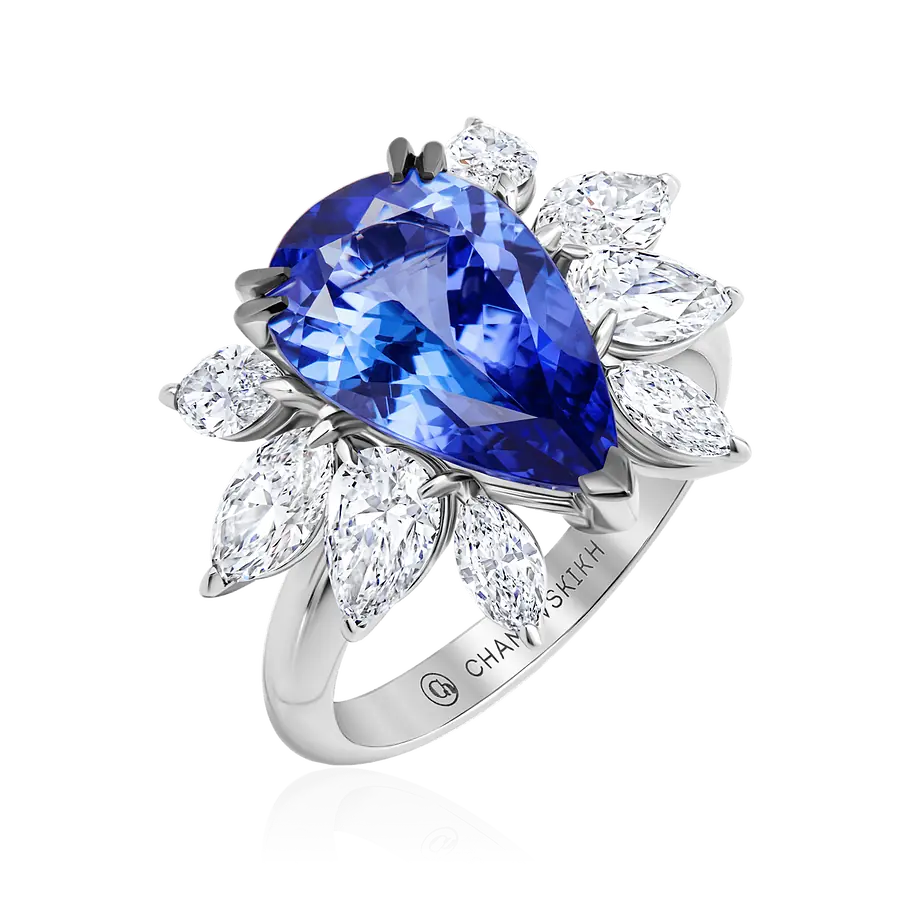
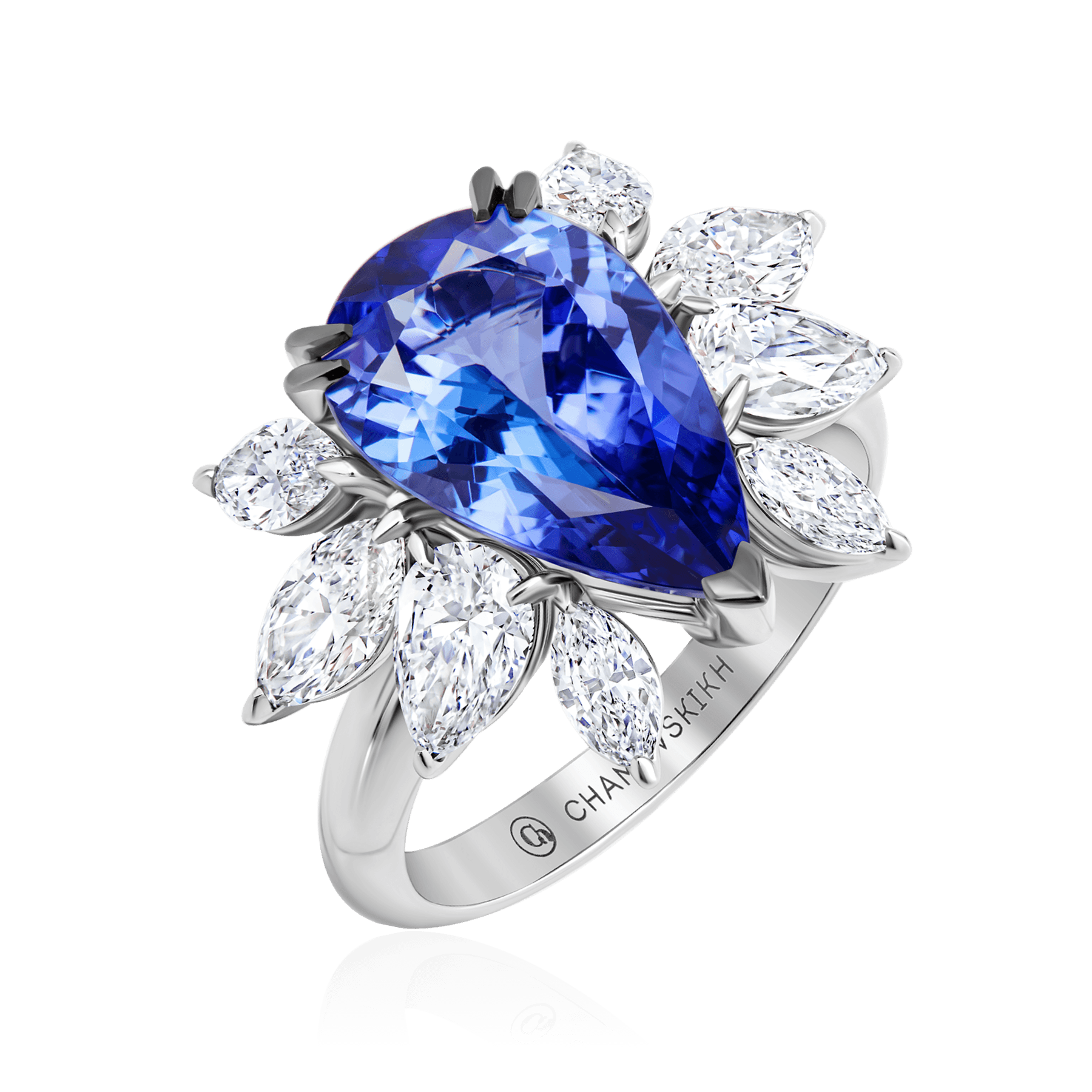
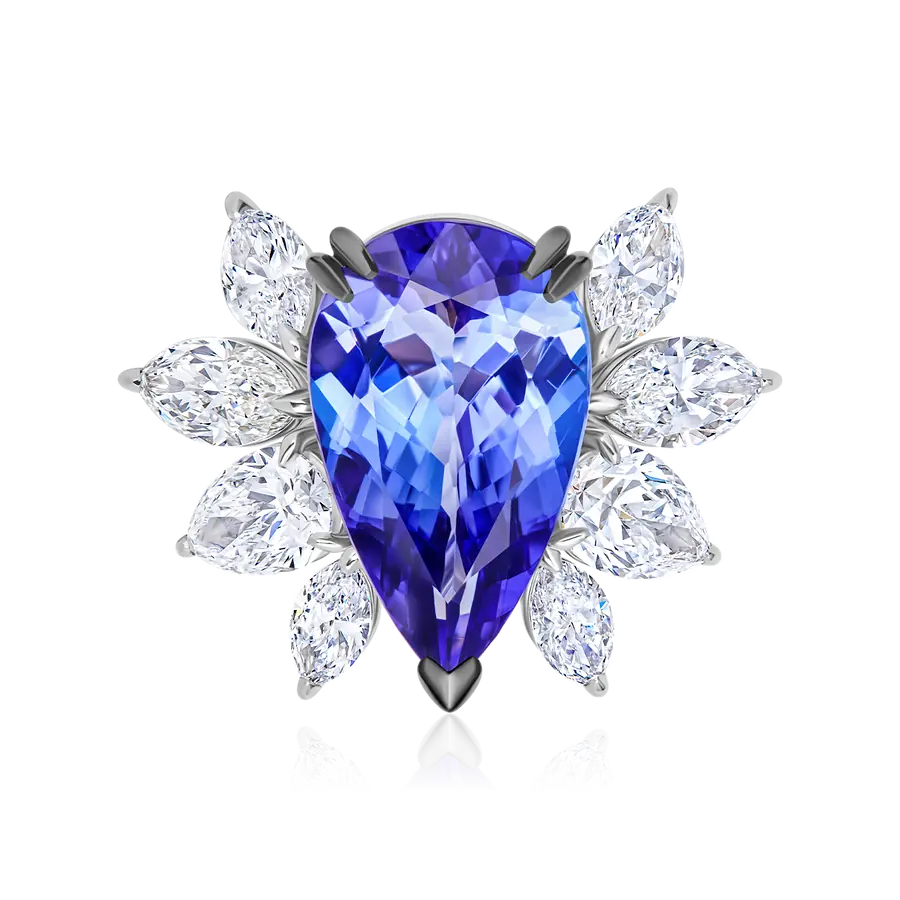
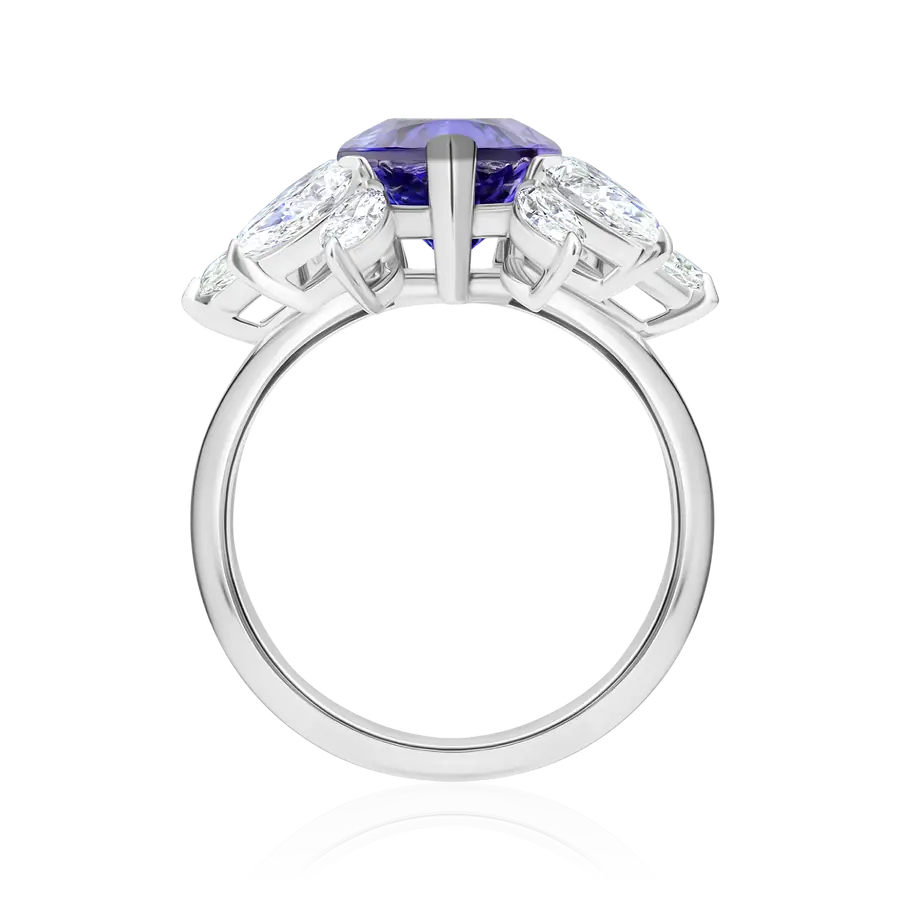
Tanzanite is mined in only one place on the planet, and this section features 579 rings with it. A tanzanite ring starts at ₽36,900, and 88% of the pieces come with a diamond halo. The metal is 585 and 18K gold (750), most often white.
Tanzanite rings start at 36,900 ₽, and the price is set by the intensity of the blue with violet. The upper end of the catalog is 10,438,000 ₽.
The logic is simple: the deeper and cleaner the color, the more expensive the tanzanite ring. A pale lilac tone costs several times less than a saturated blue-violet at the same weight, and at the same size the difference can reach five times. The second factor is size: large crystals are increasingly rare, as they come from a single deposit, so a tanzanite ring with a large stone rises in price faster than the weight of the stone grows.
Catalog guidelines:
You can sort the section by price with the filter in the left column. A 18K gold (750) tanzanite ring costs from 358,000 ₽, and this is where larger stones are gathered.
The stone is mined in only one place on Earth: the Merelani Hills in northern Tanzania, at the foot of Kilimanjaro. No other commercial sources have been found, as confirmed by the Gemological Institute of America (GIA), which means every tanzanite ring in the world contains a stone from a single point on the map.
Hence the name. The first tanzanite ring appeared very recently by jewelry standards: the crystals were found in 1967, and the stone was given the name "tanzanite" by Tiffany & Co. in 1968, after its country of origin. It turns out to be younger than most of its buyers: humanity has known ruby, sapphire and emerald for thousands of years, while this find is not even sixty.
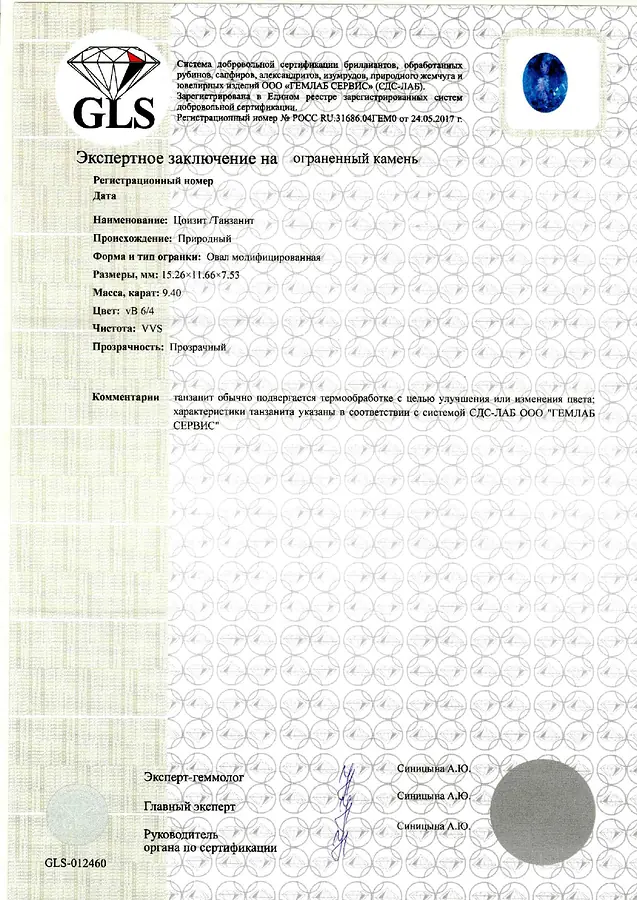
In mineralogy, it is the blue variety of zoisite, not a separate mineral. The mining area is small and supply is limited by geography; it can't be replenished from another source. That is why the price of a tanzanite ring behaves differently from pieces with common stones.
Tanzanite has strong pleochroism: in different directions of the crystal it shows blue, violet and brownish-red. This is not a flaw or a play of light on the facets, but a property of the mineral itself: it absorbs light differently along different axes. That is why a tanzanite ring looks different with every turn of the hand.
The practical consequence is important. The same piece looks cool blue at one turn of the hand and warm violet at another. A photograph captures only one angle, so in person a tanzanite ring almost always differs from the catalog image, and usually for the better.
The cutter chooses which color to bring out through the table. Turn the crystal toward the blue axis and the result is cooler and more expensive; toward the violet axis, warmer and softer in tone. This decision shapes both the look and the price of the finished piece.
Heating is a topic of its own. Most such stones on the market undergo heat treatment, which removes the brownish component and enhances the blue and violet. The stone is not dyed: heating only removes the unwanted tint present in the raw material.
Tanzanite is not set in silver: it is soft, and a silver setting deforms faster than a gold one. Our catalog has no silver pieces at all, only 585 and 18K gold (750), and this is a deliberate choice, not a gap in the range.
The reason is hardness. On the Mohs scale it is 6–7, against 9 for sapphire: the stone scratches and chips easily, so the setting has to hold it firmly and keep its shape. Silver is softer than gold and bends more, and silver prongs open up noticeably faster. For a vulnerable crystal, that is a poor combination.
One detail that people rarely think about when buying. A blue tone on white metal reads cooler than on warm metal, and this is not a photography effect but the physics of perception: the eye judges color relative to its surroundings. The same piece in a white and a yellow setting is perceived as two different shades, so it makes sense to choose the metal together with the piece, not separately.
By metal, the section is distributed as follows: white gold is 77% of pieces, yellow 13%, red 7%. No other section with colored stones is so skewed toward white, and the explanation is simple: cool metal supports the blue tone of the stone, while warm metal competes with it.
Fineness affects the setting: in 14K gold (585) the gold share is 58.5%, in 750 it is 75%, and the more gold, the softer the alloy. For a tanzanite ring, 14K gold (585) is preferable: the alloy is harder and holds the prongs more securely.
The hardness of tanzanite is 6–7 on the Mohs scale: it is softer than ruby, sapphire and emerald, and ultrasonic cleaning is not suitable for it. This is the main thing the owner of such a ring needs to know.
What this means in practice:
The setting matters too. For everyday jewelry, a bezel or half-bezel setting that covers the facets is safer. A tanzanite ring in tall, thin prongs is more beautiful but needs care.
The section contains only natural crystals. There is practically no synthetic material in jewelry trade; instead you find imitations made of other minerals and glass, which have nothing to do with zoisite.
In Moscow you can try on a ring with tanzanite at the boutique at Nikolskaya 10, near the Lubyanka metro station, Nikolskaya Plaza shopping center, 2nd floor. A fitting is more necessary here than with any other stone: because of pleochroism, the shade changes as you turn your hand, and it cannot be judged from a photo at all.
In Moscow, our courier delivers your order free of charge within 1-3 days, with a fitting on the spot: you pay only after trying it on, and you may decline the order. Across Russia we deliver via CDEK and Spetssvyaz in 1-9 days, free on orders over 50,000 ₽; parcels are sealed and insured.
The store has been in business since 2008 and has received an industry award three times, in 2015, 2017 and 2020. The boutique is registered with the Assay Chamber of the Russian Federation: every piece carries the hallmark and the manufacturer's maker's mark. The store's lifetime warranty covers the stones and the metal. Exchanges are possible within 7 days if the piece is returned complete with its original packaging. Engraving inside the band is 3,190 ₽, and resizing a ring with stones starts at 2,990 ₽.
A tanzanite ring costs from ₽36,900. The main group in the catalog runs from ₽60,000 to ₽150,000, with a stone of noticeable size and an even blue-violet color. Pieces in 18K gold (750) start from ₽358,000.
In only one place on Earth: the Merelani Hills in northern Tanzania, at the foot of Kilimanjaro. No other commercial sources have been found. The stone was discovered in 1967 and named by Tiffany & Co. in 1968.
This is pleochroism, the property of a mineral to show different colors along different axes of the crystal. Zoisite gives blue, violet, and brownish red. That is exactly why a photo in the catalog does not fully convey the stone.
Our catalog has none: only 585 and 750 fineness gold. The reason is hardness: 6-7 on the Mohs scale. A silver setting deforms faster than a gold one, and its prongs hold the stone less securely.
Not recommended: it is softer than ruby, sapphire and emerald, and it scratches and chips on impact. For everyday wear it is better to choose a closed setting and clean only with warm soapy water, since ultrasonic cleaning is not suitable for such a stone.
We will contact you shortly.
Unfortunately, we cannot deliver to this locality. Please choose another city nearest to you.
How to get them. 3% of every order on the site. Sign in with your phone number to receive bonuses.
How to spend them. Sign in, add jewelry to your cart and specify at checkout how much to redeem. Bonuses can pay up to 10% of the price.
Confirm that you are not a robot
Unfortunately, this item is currently out of stock. We can make the jewelry individually to your requirements. Our consultant will contact you
Our consultant will contact you shortly
Refresh the page and send the message again
Specify the size of the jewelry and try again
Enter your number and our manager will contact you about the price calculation
Refresh the page and submit the order again