319 200 ₽1 064 000 ₽
We use cookies to improve the site and give you more options. By continuing to use the site, you agree to cookie usage terms.We use cookies. Learn more


By popularity

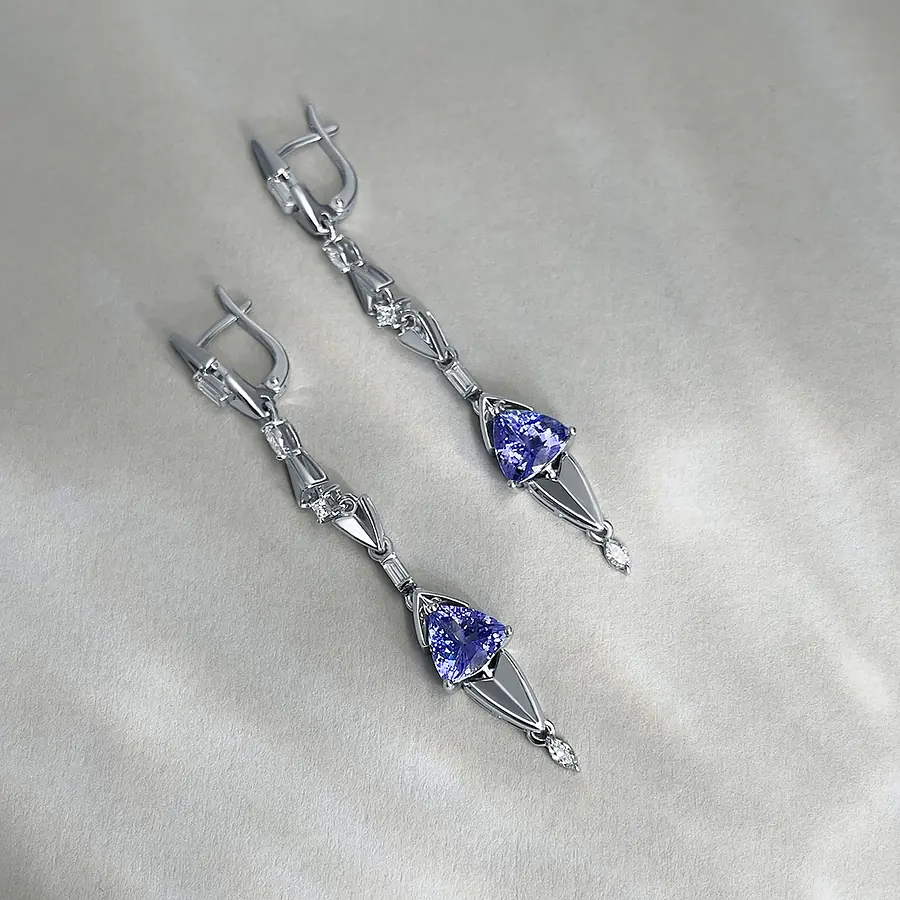
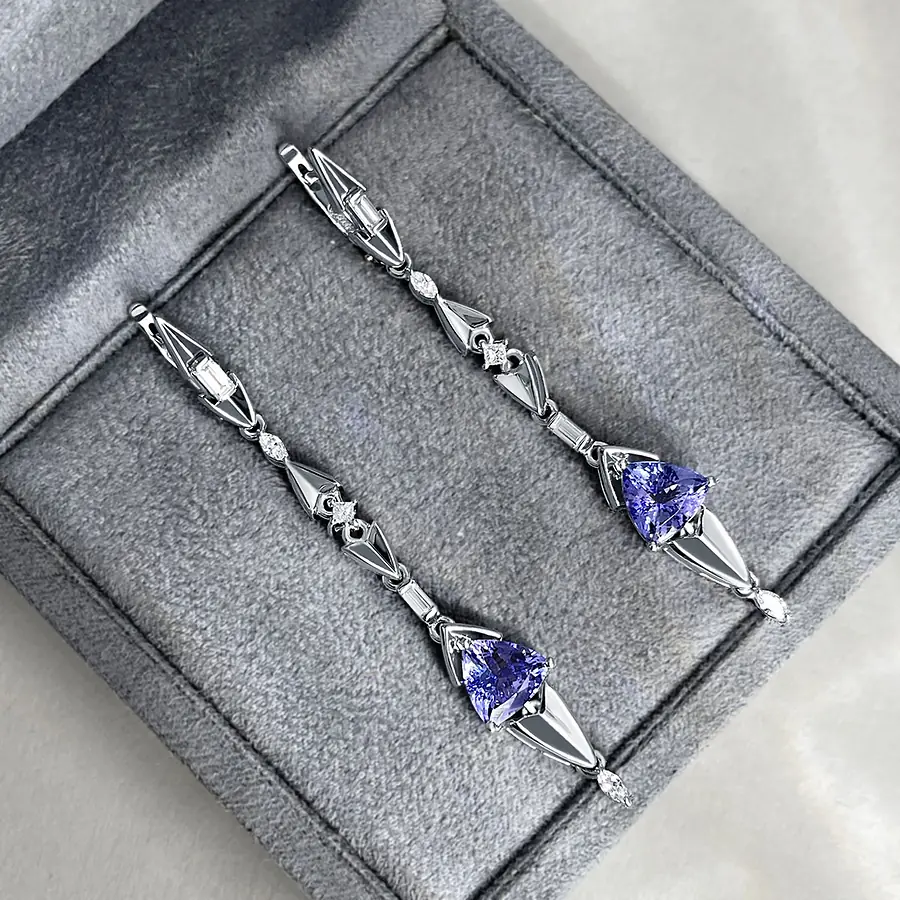
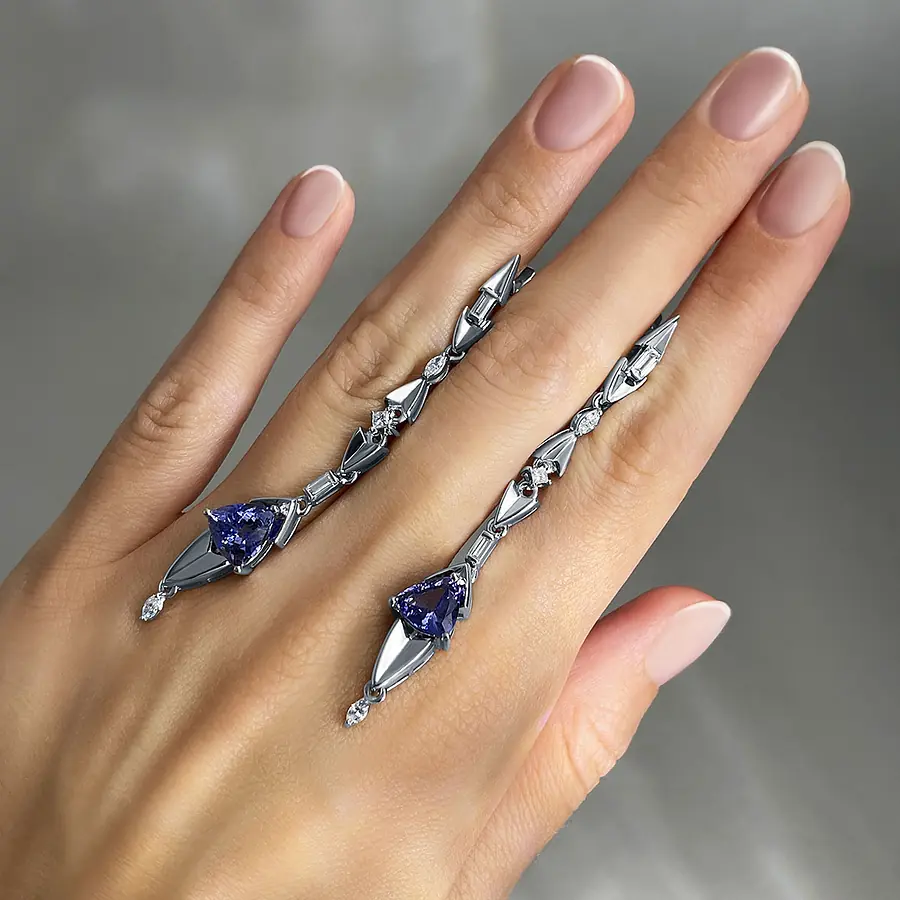
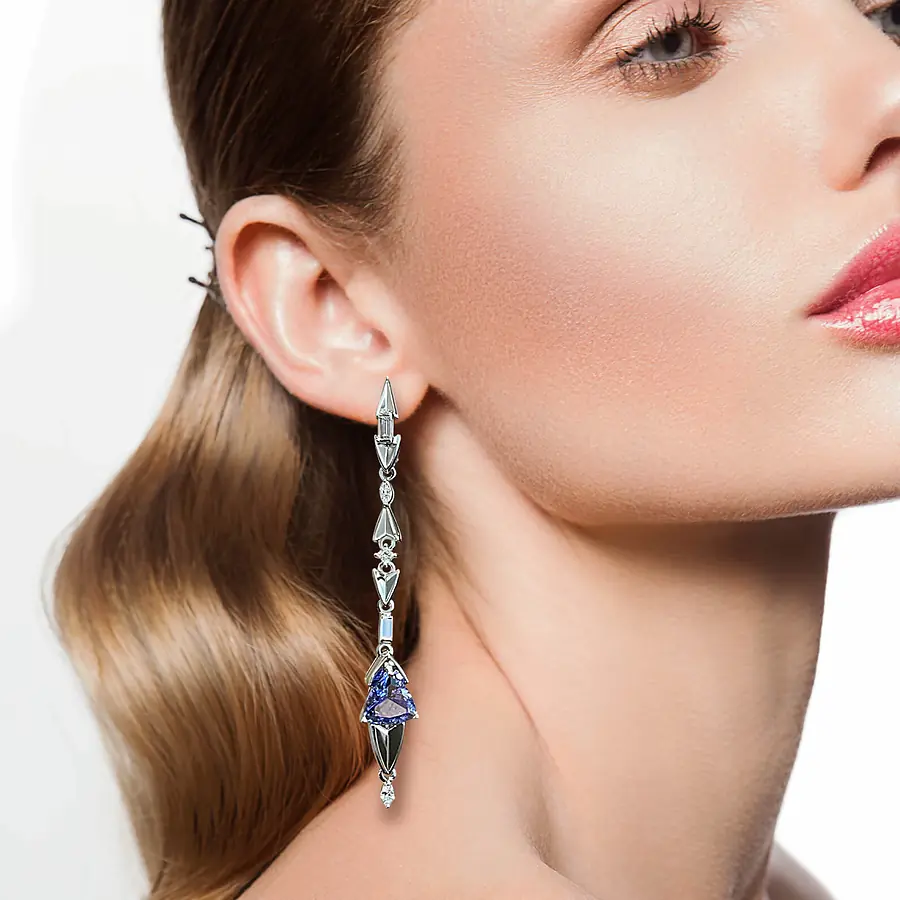

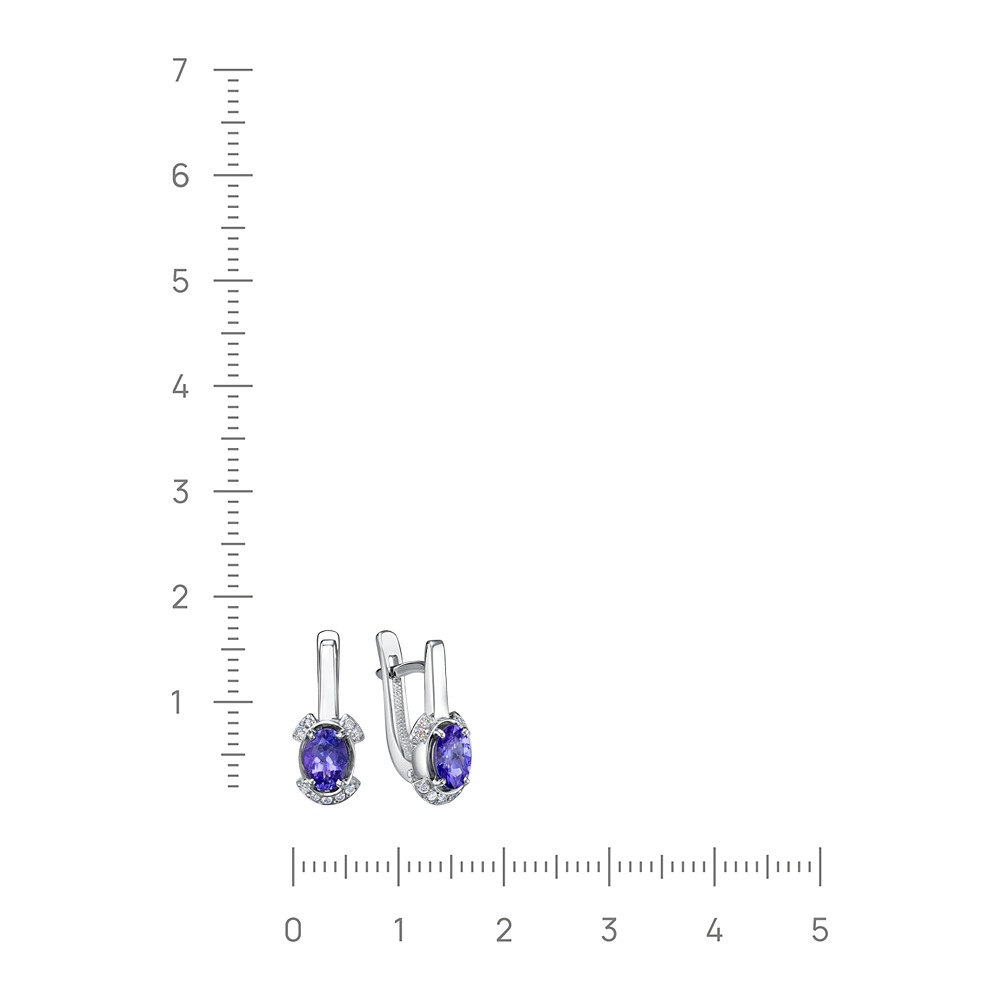
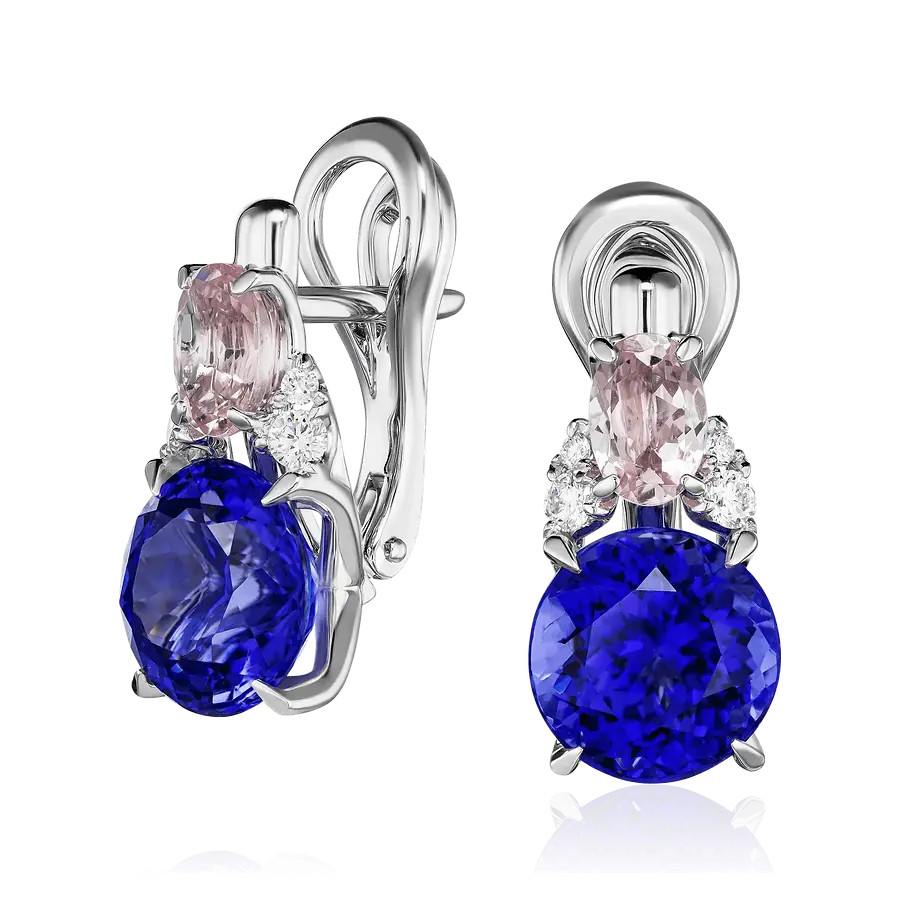
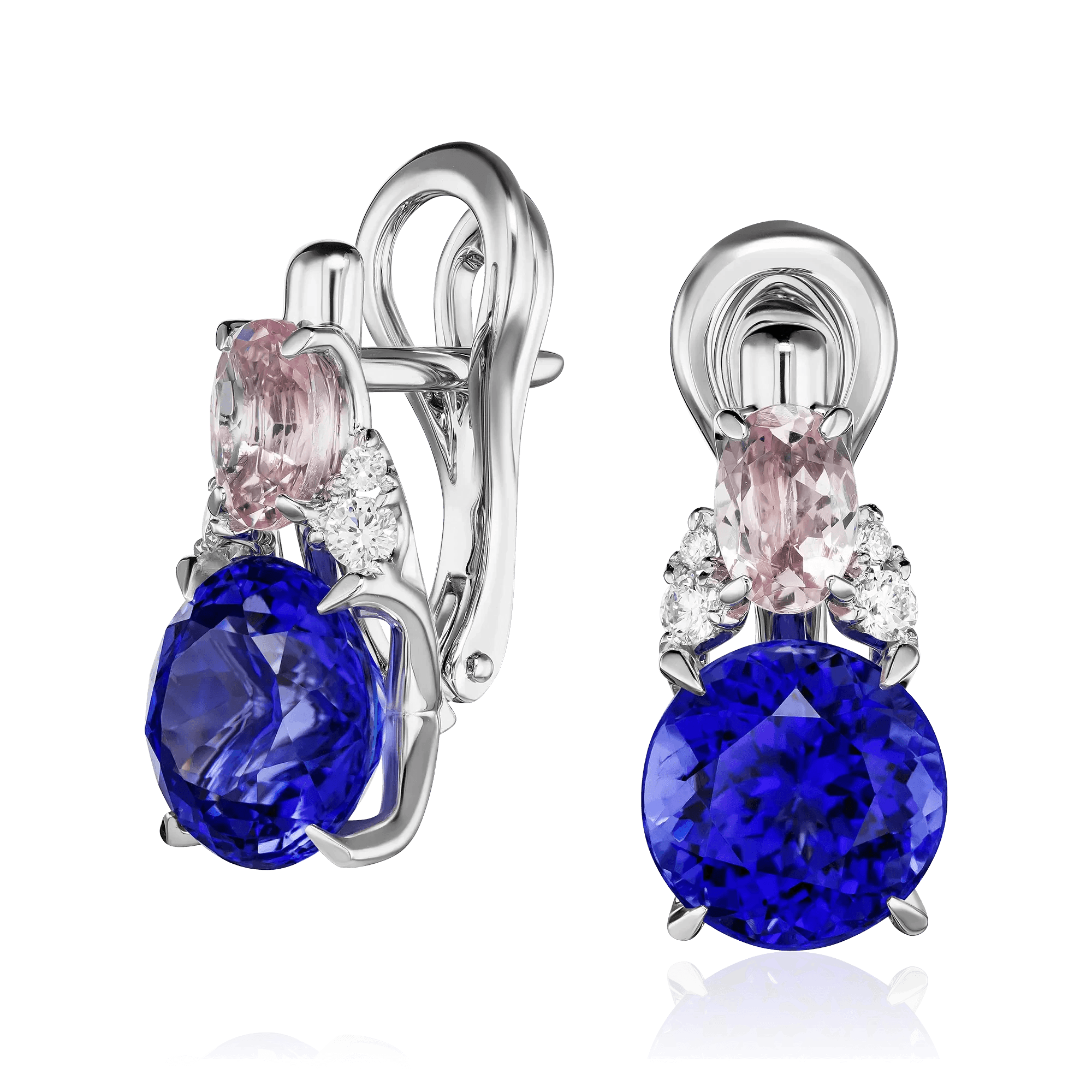
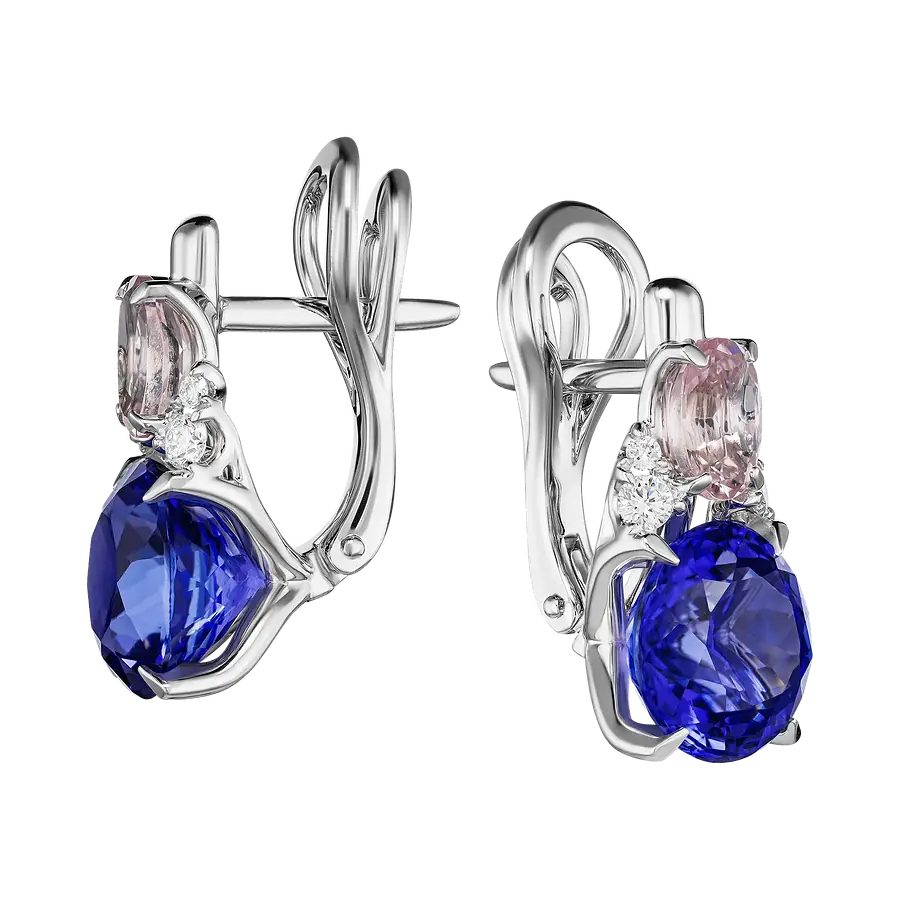
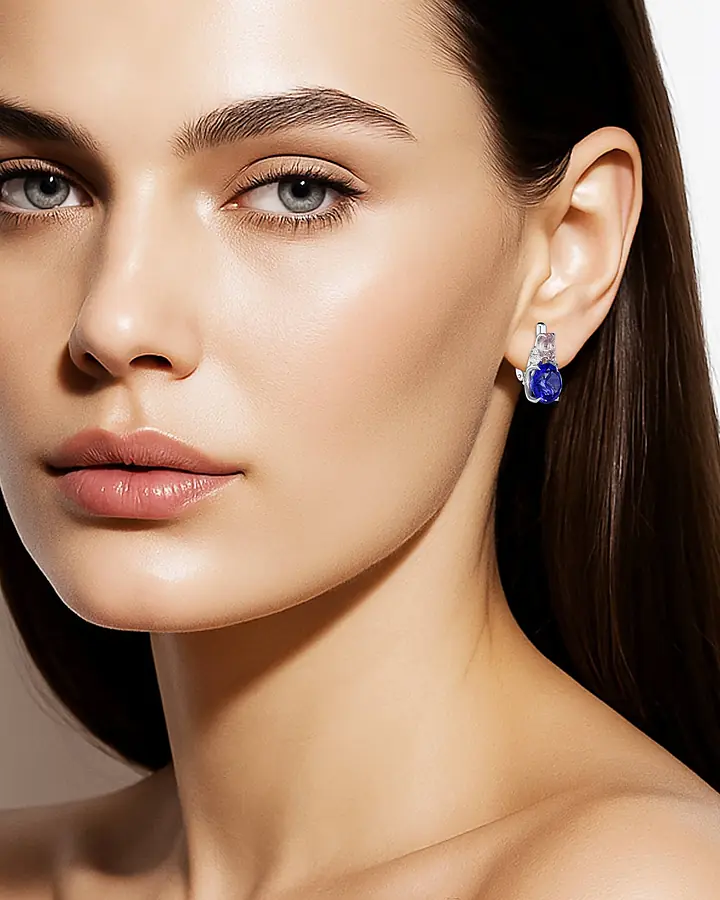
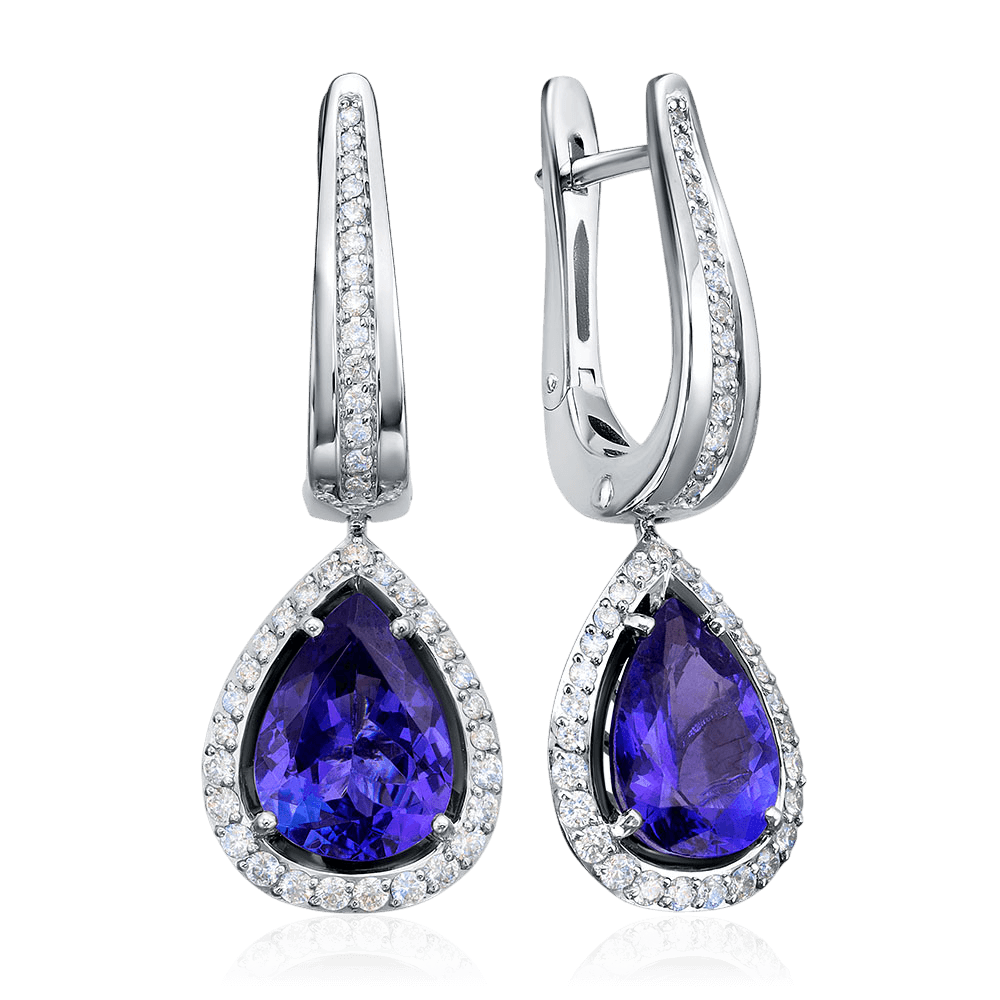
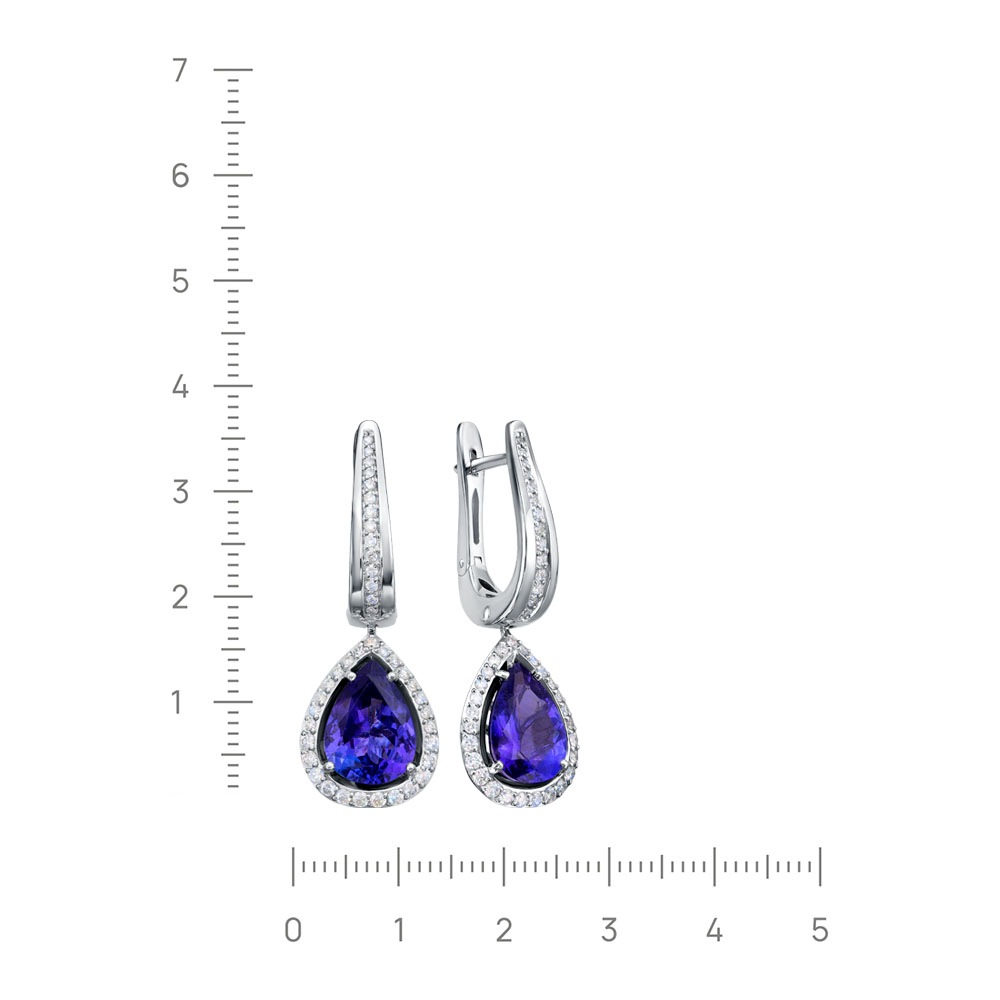
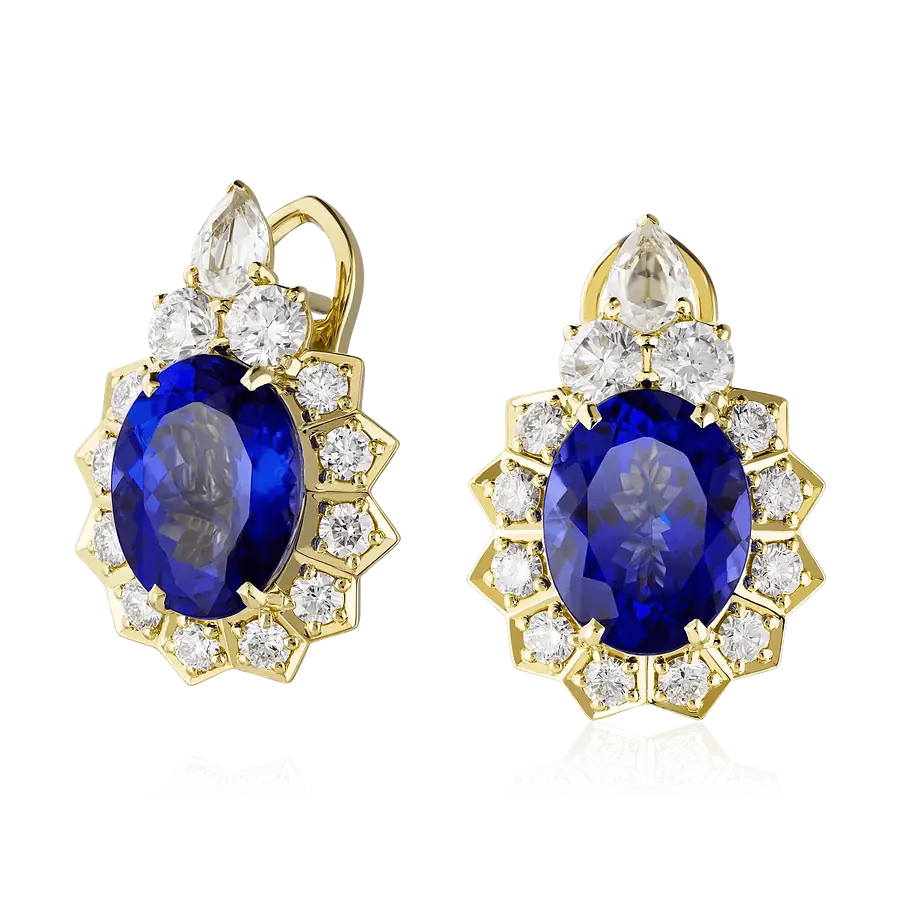
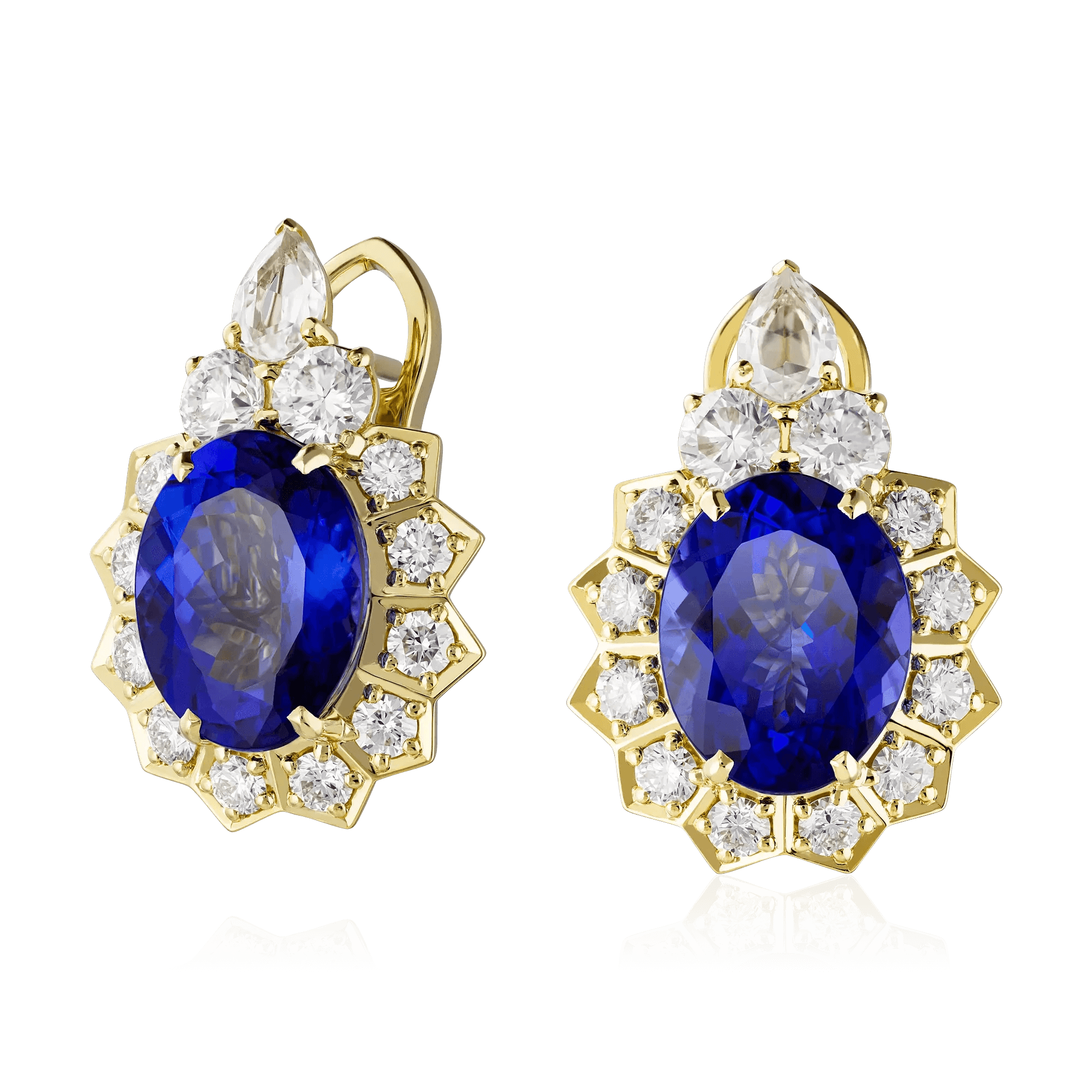
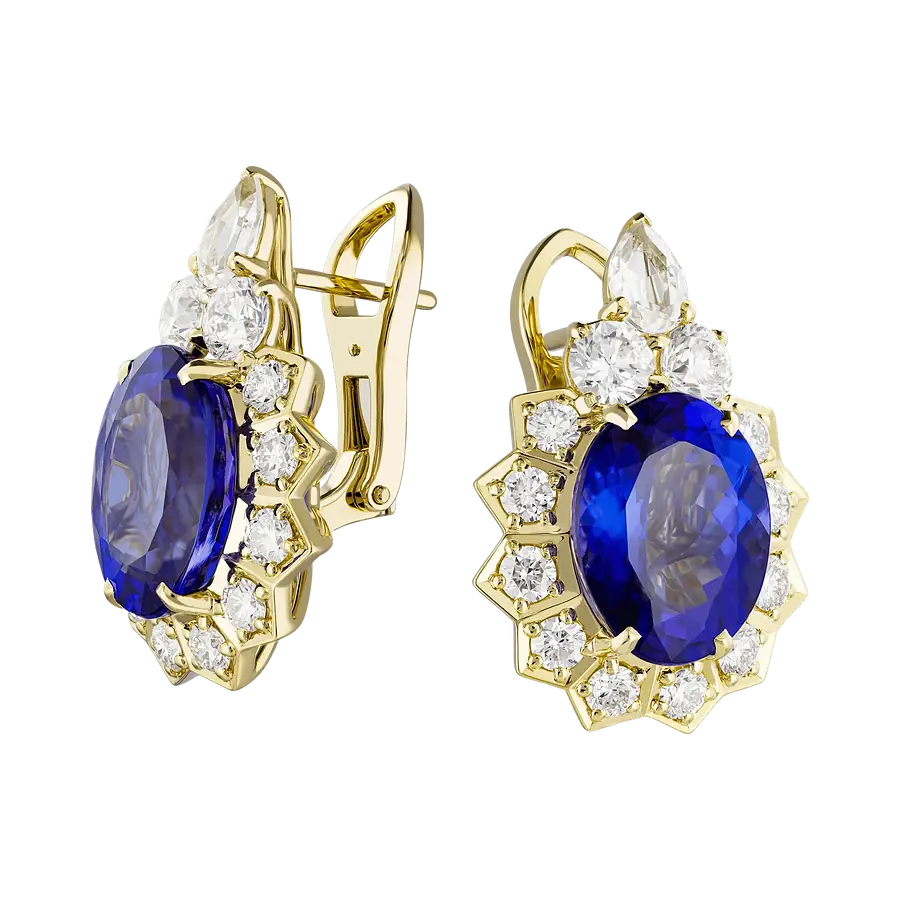
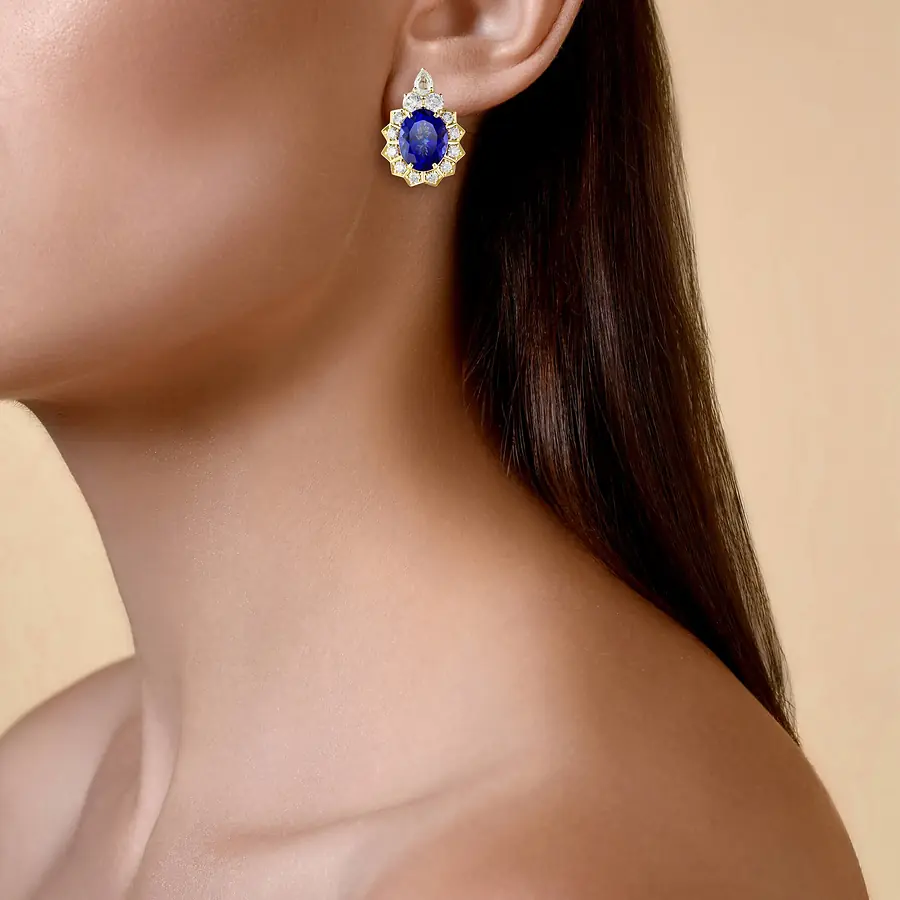


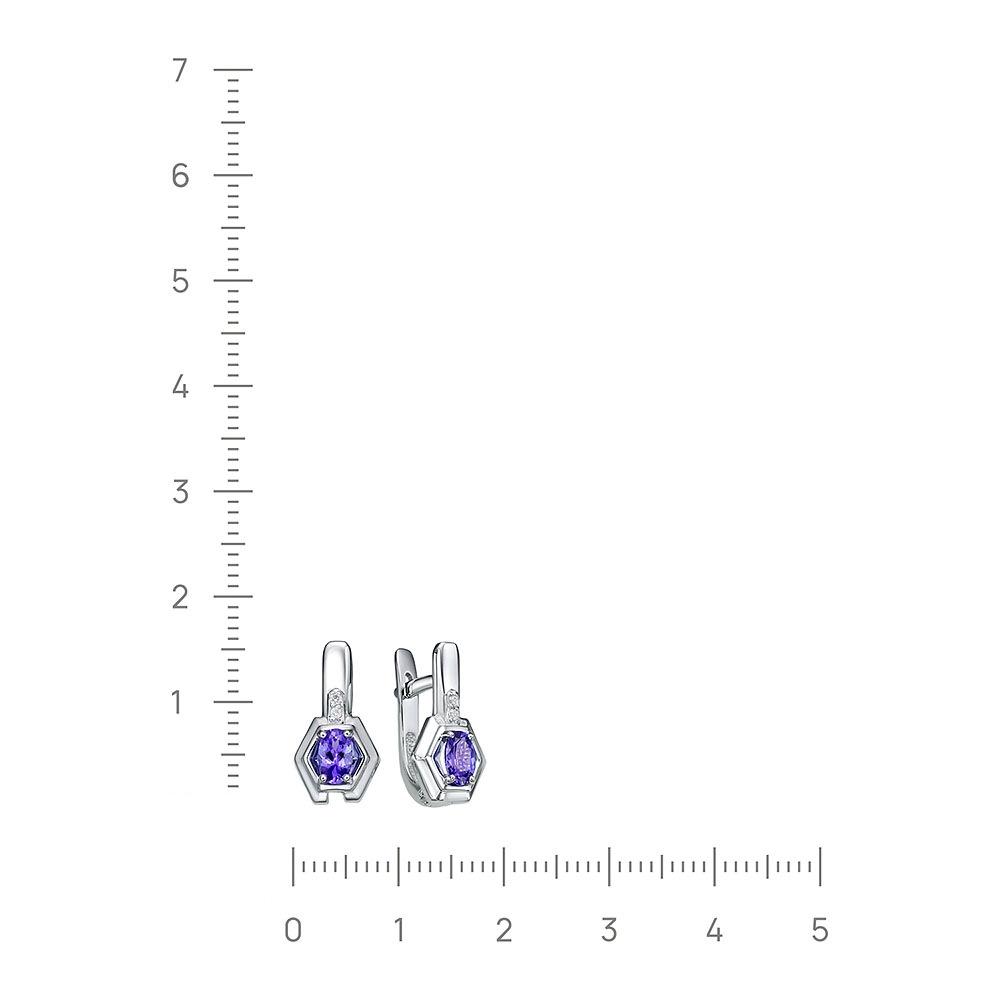

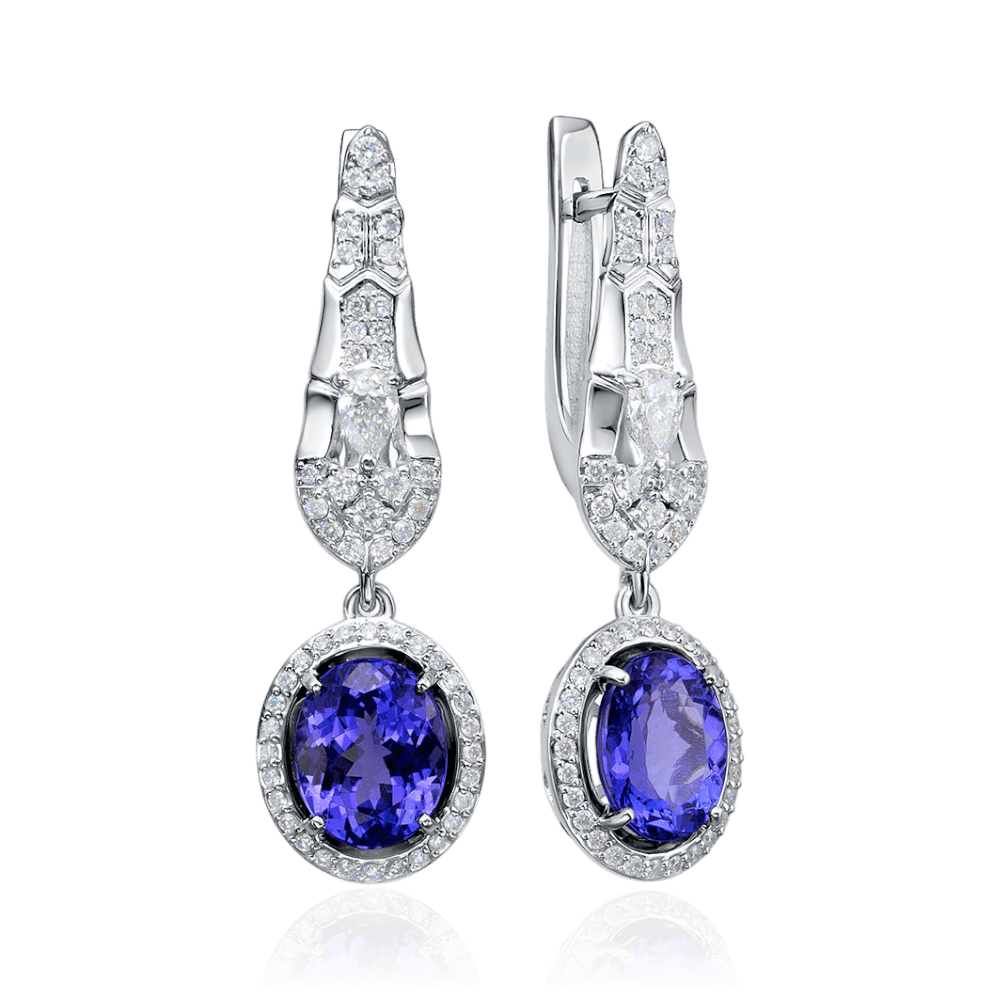
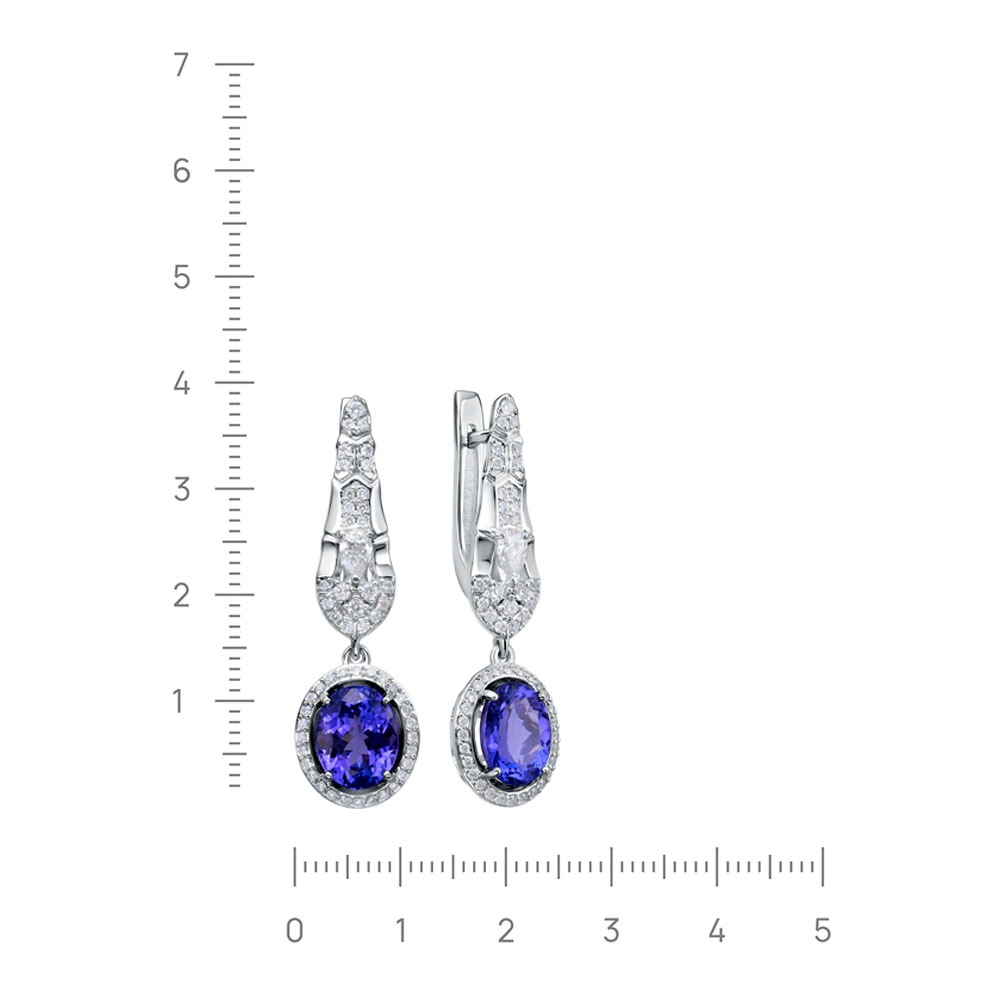


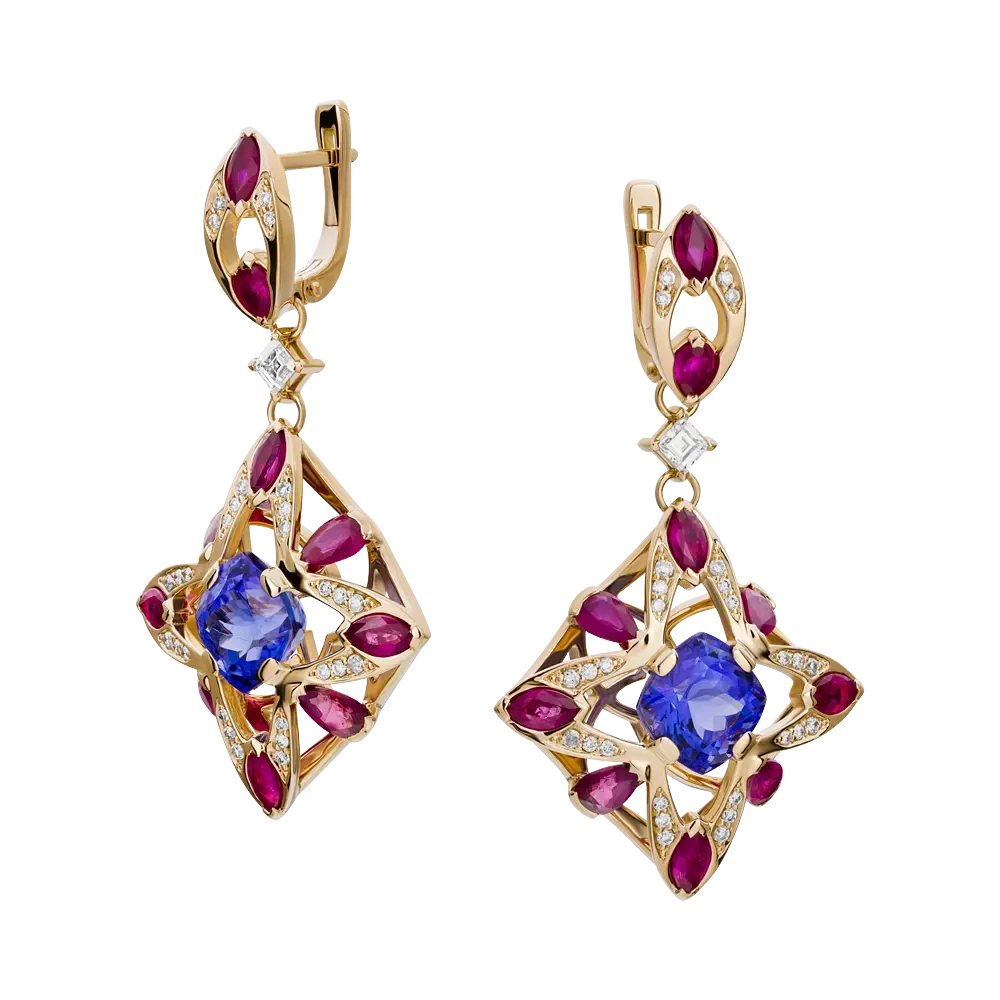
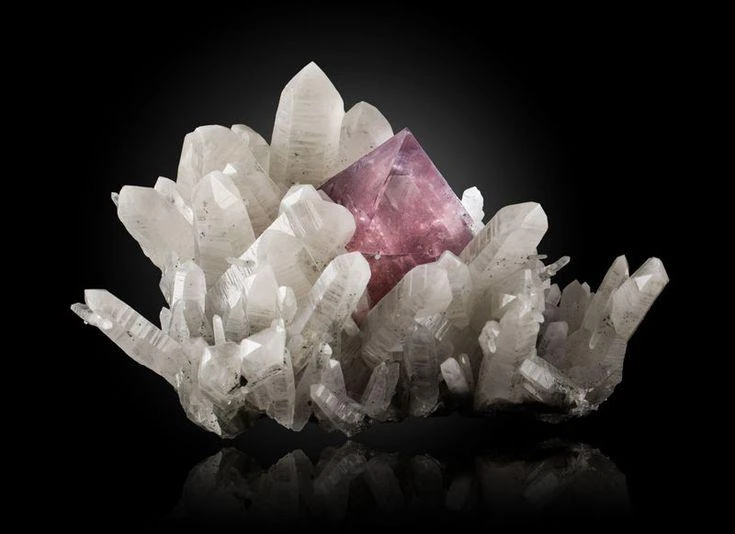
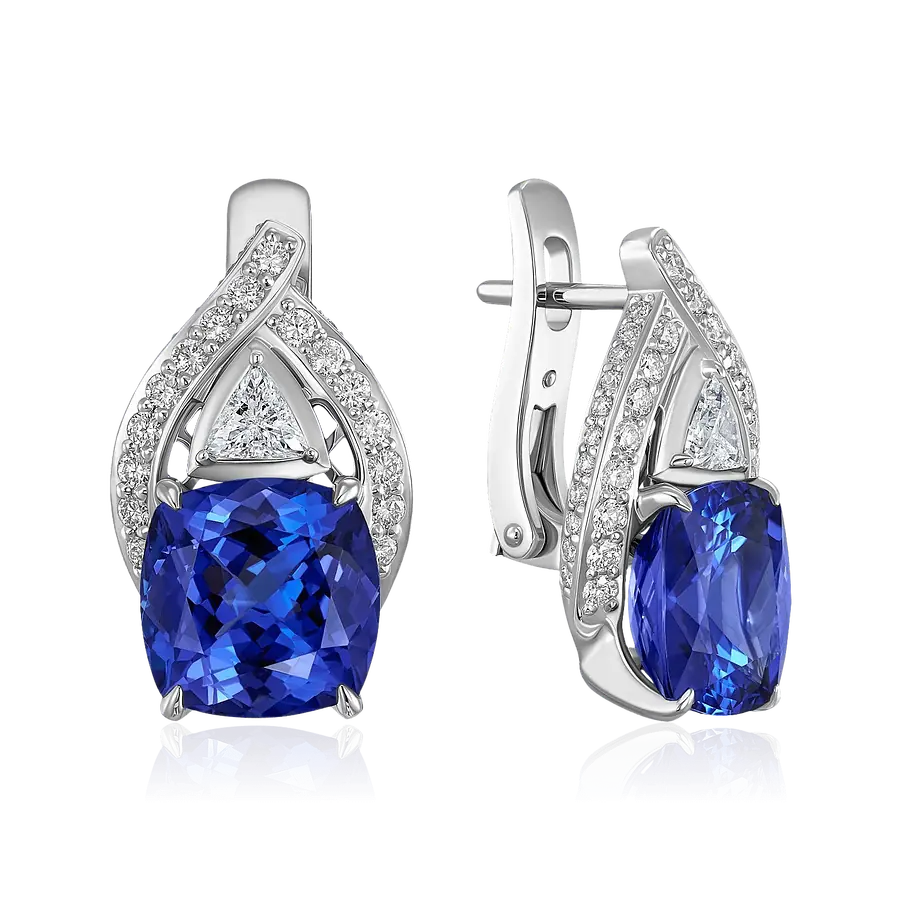
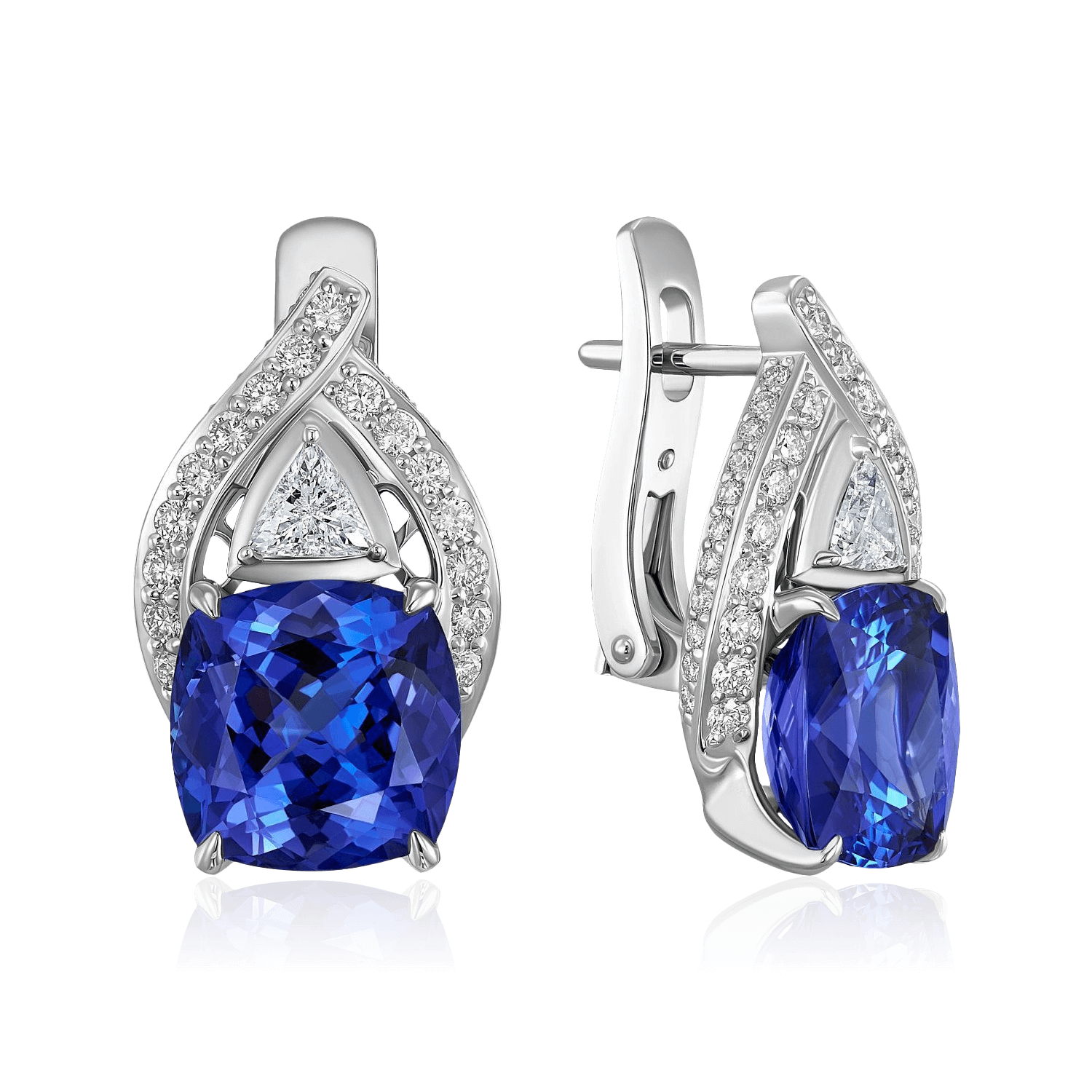


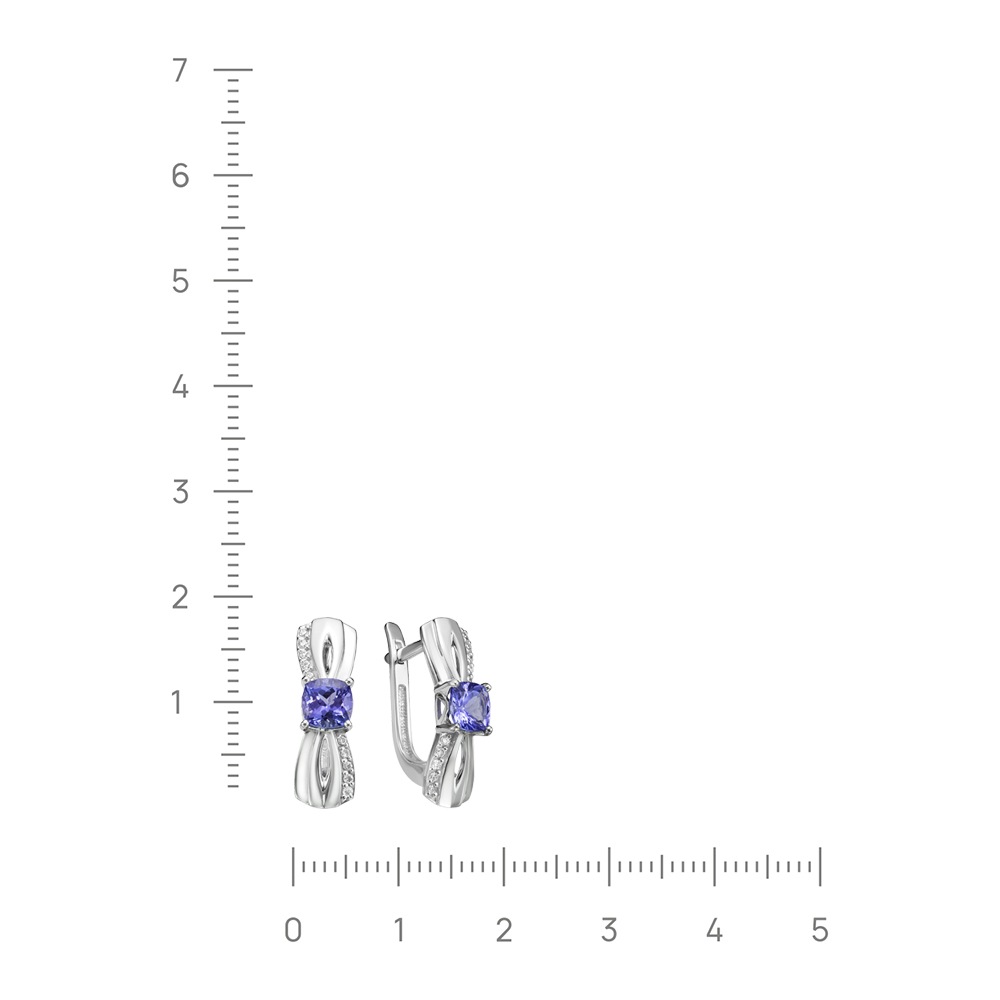

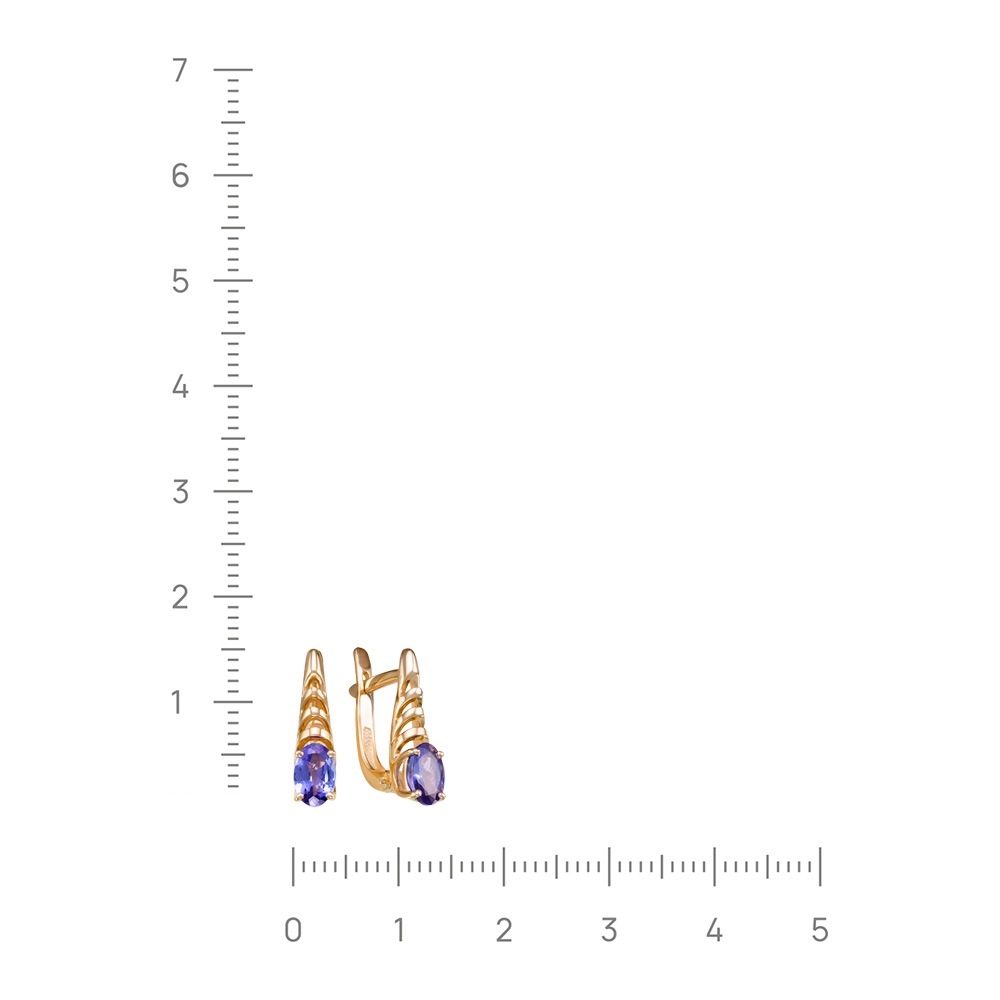

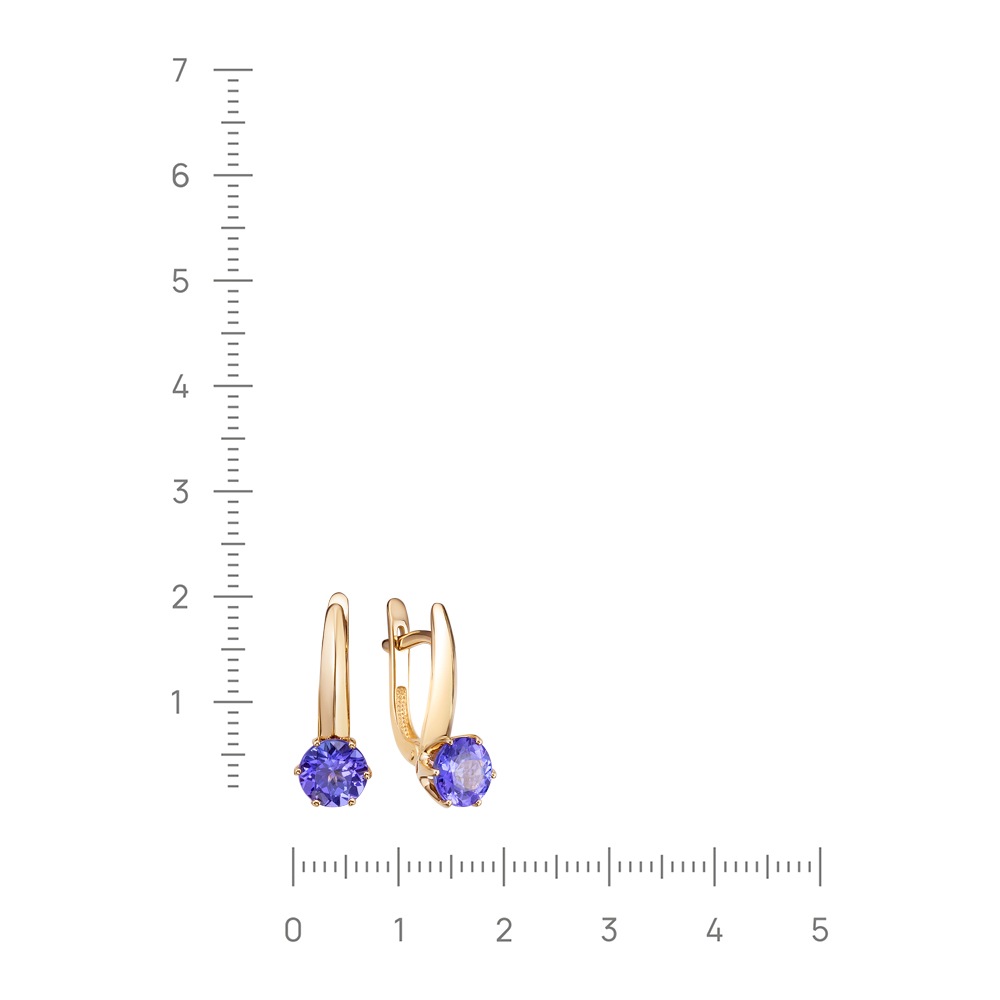
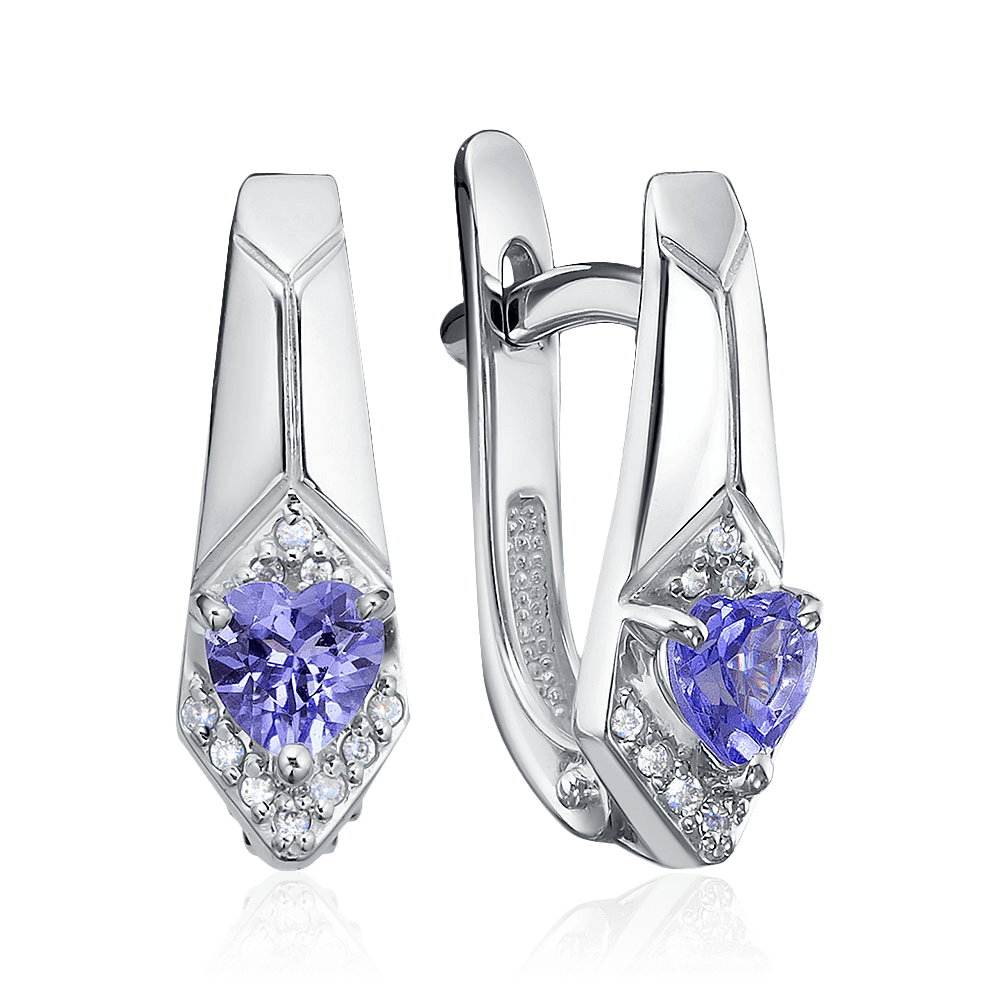
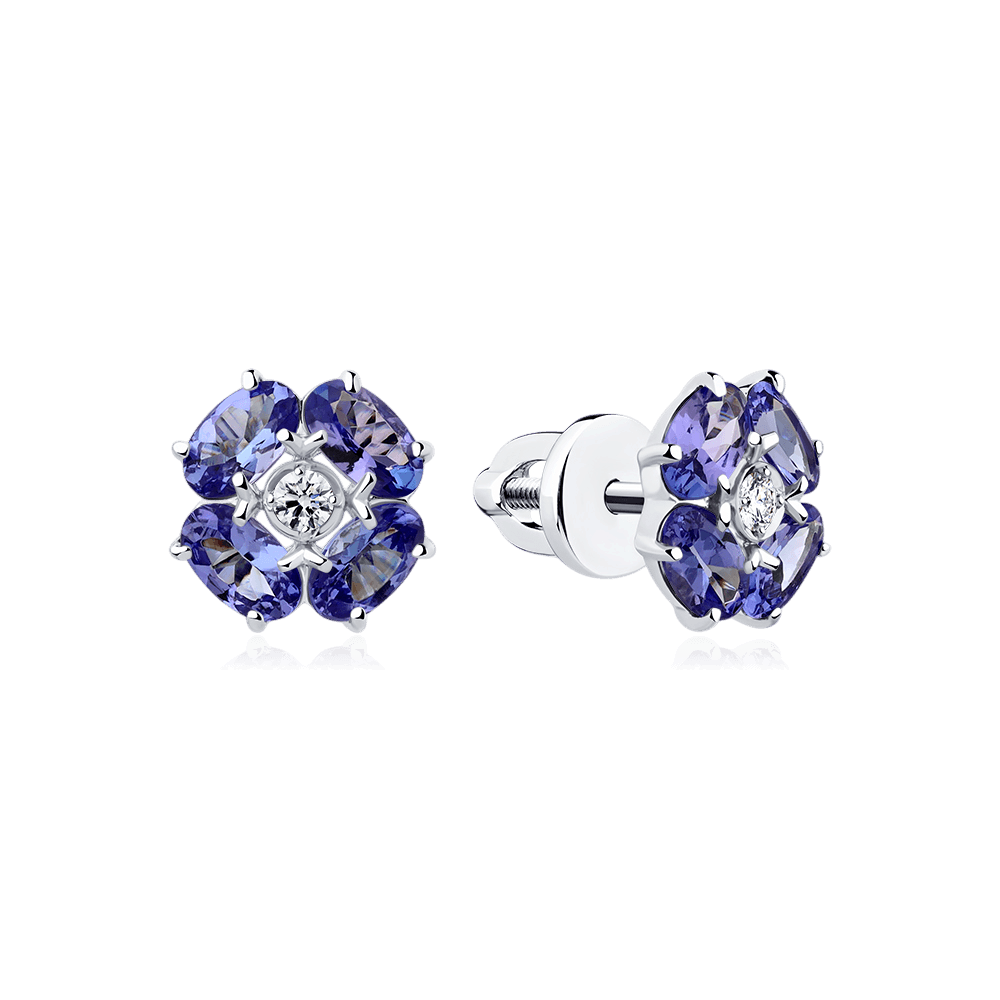

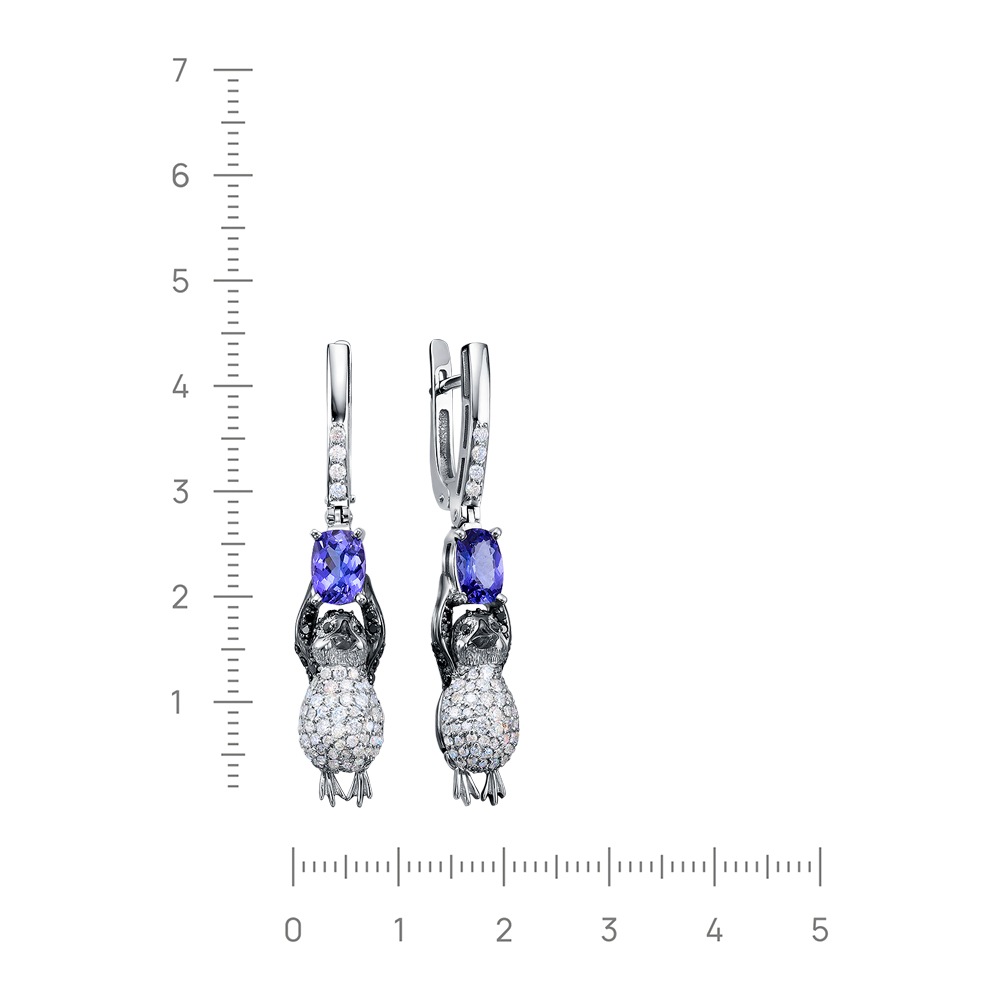
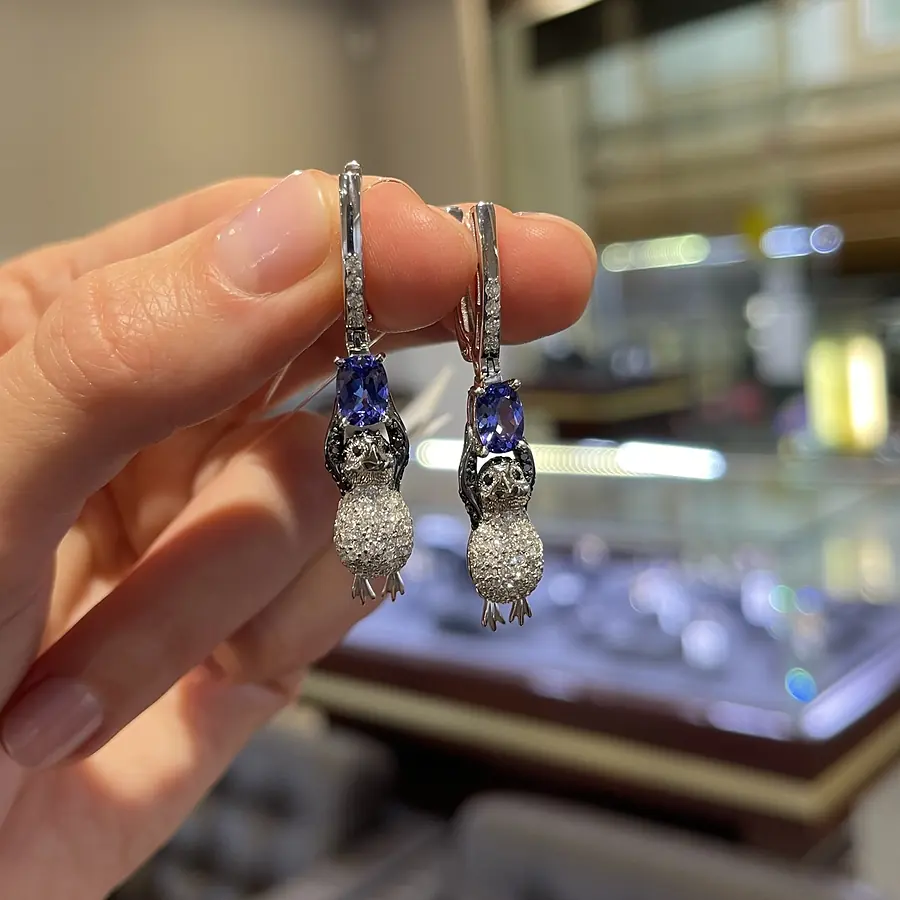
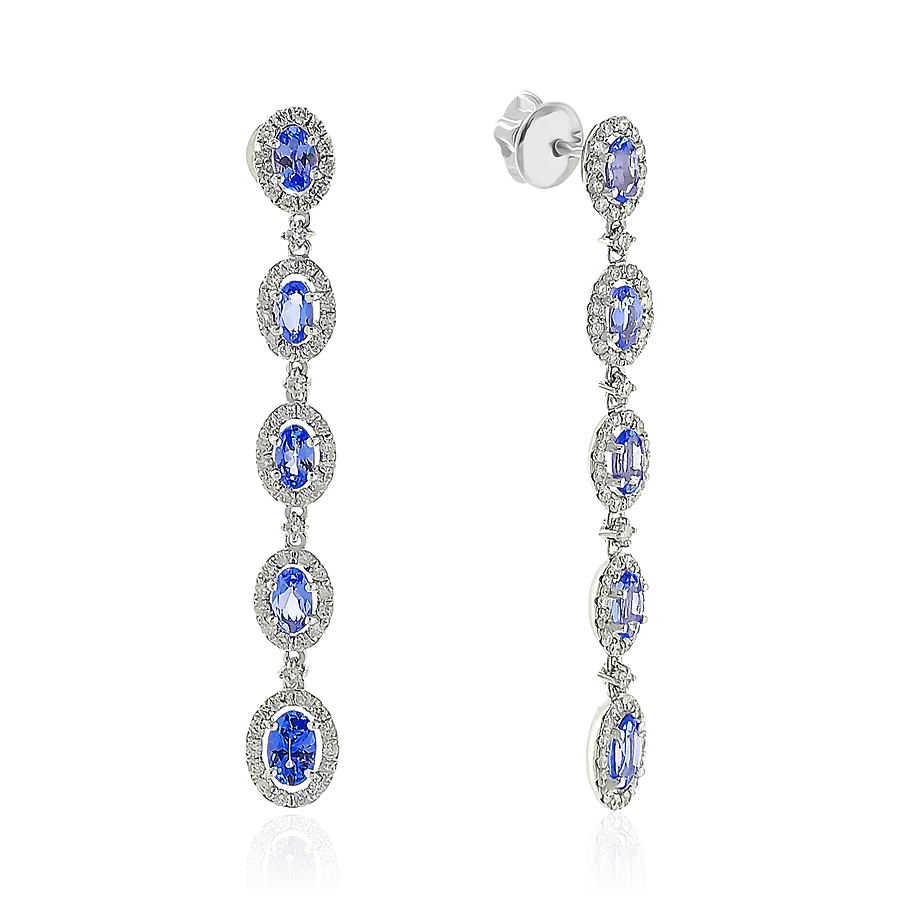

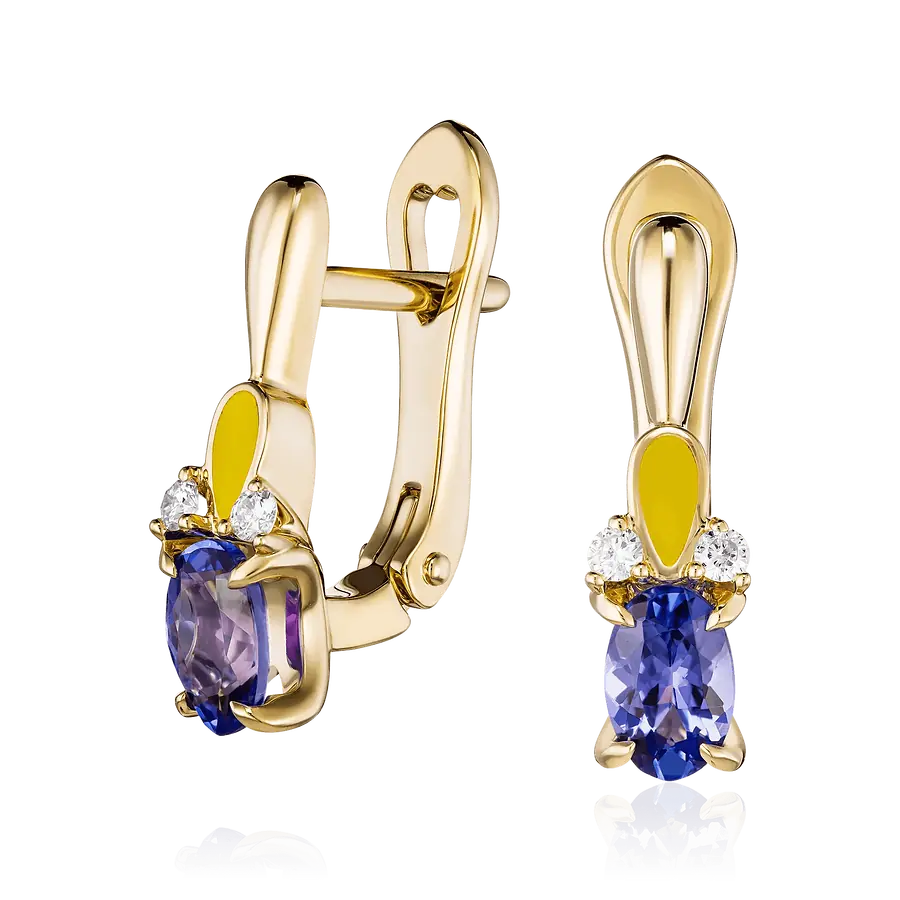
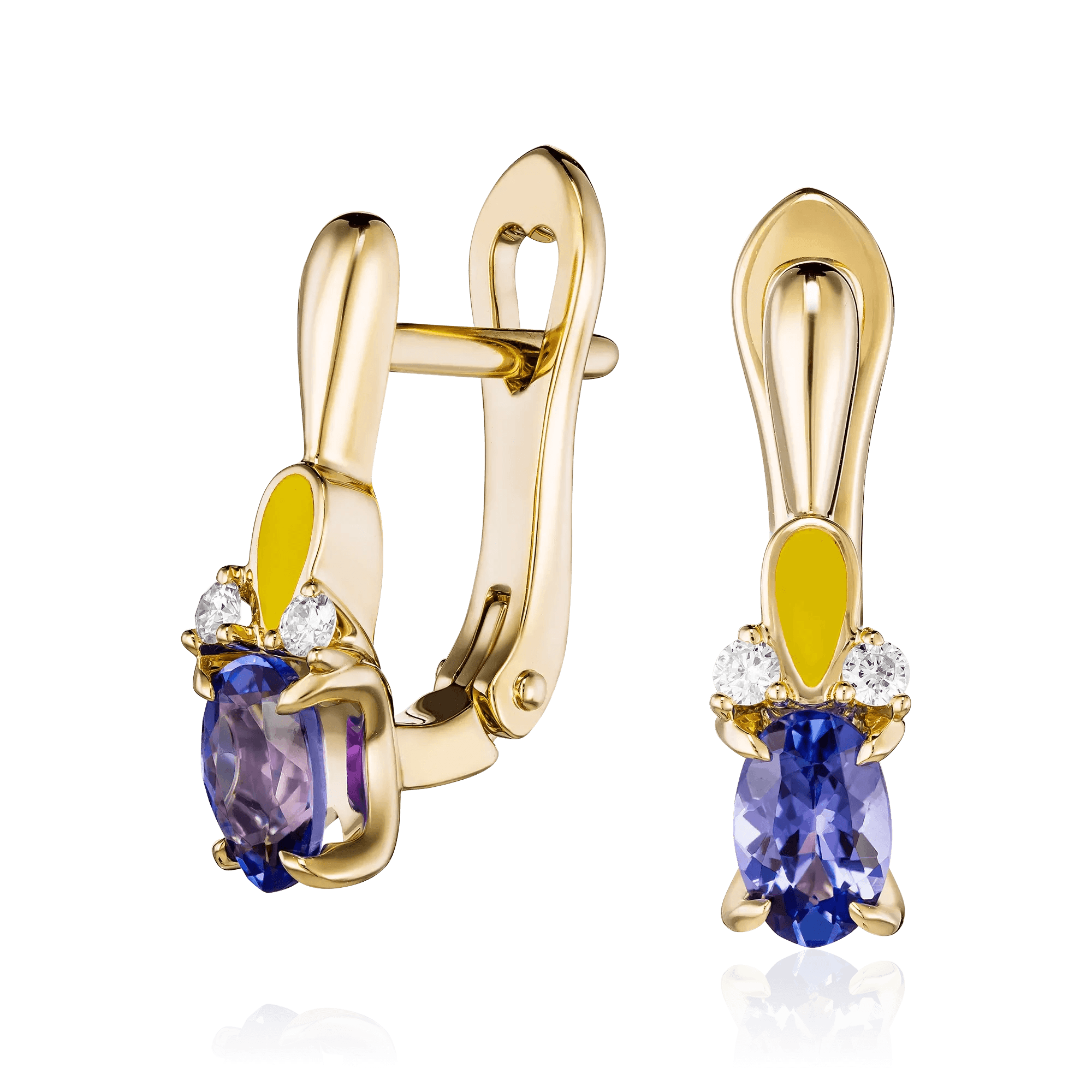

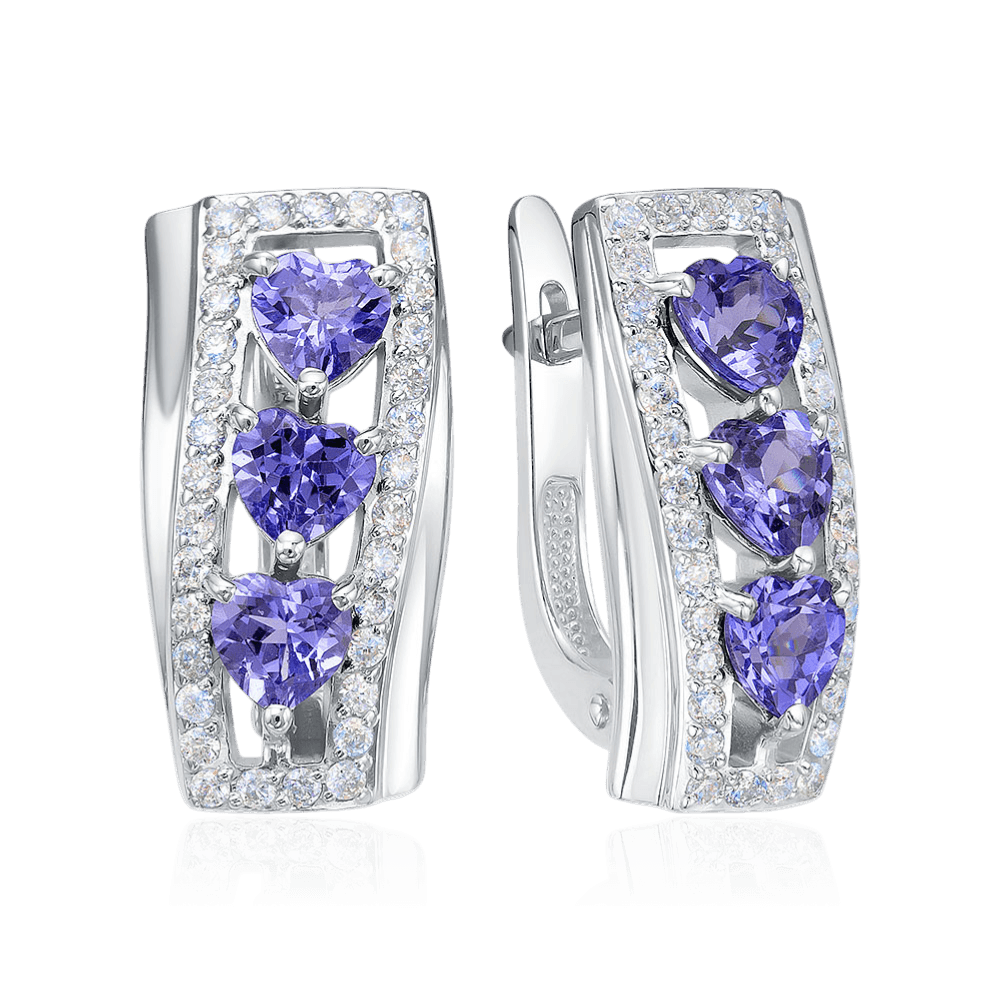
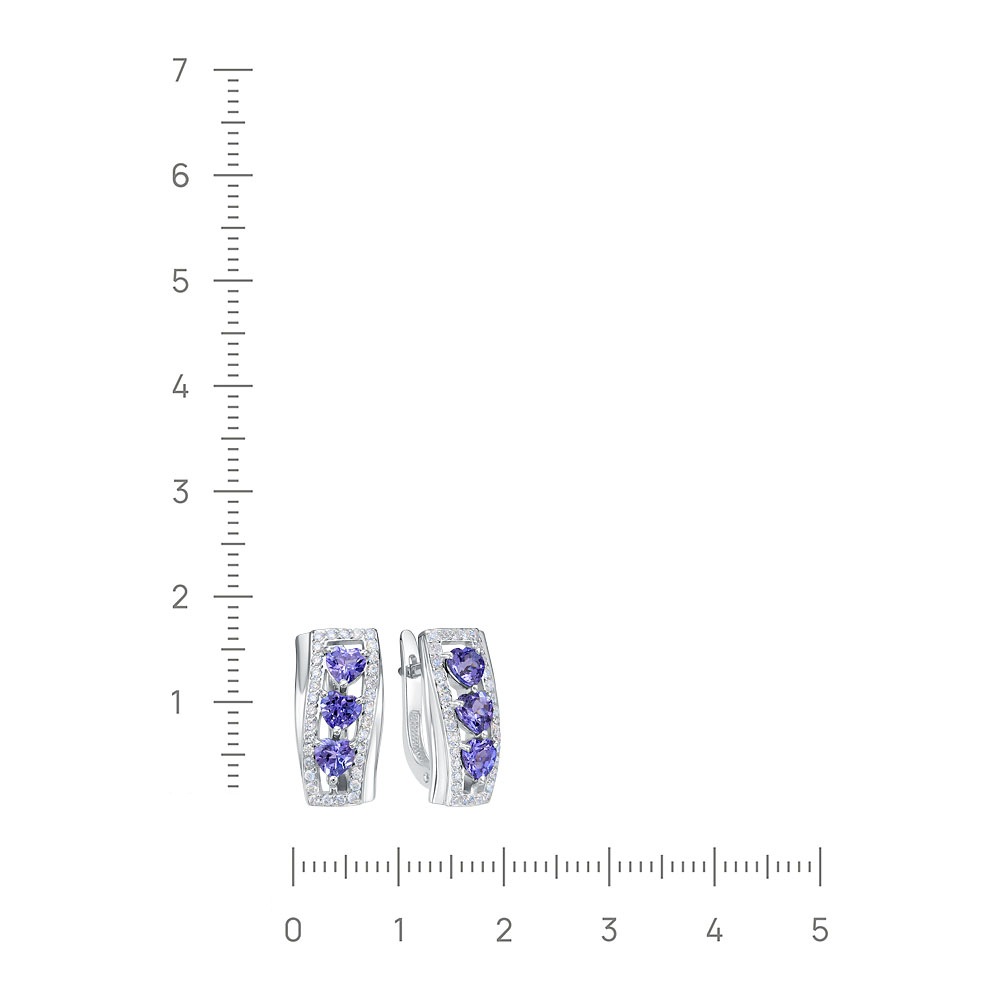

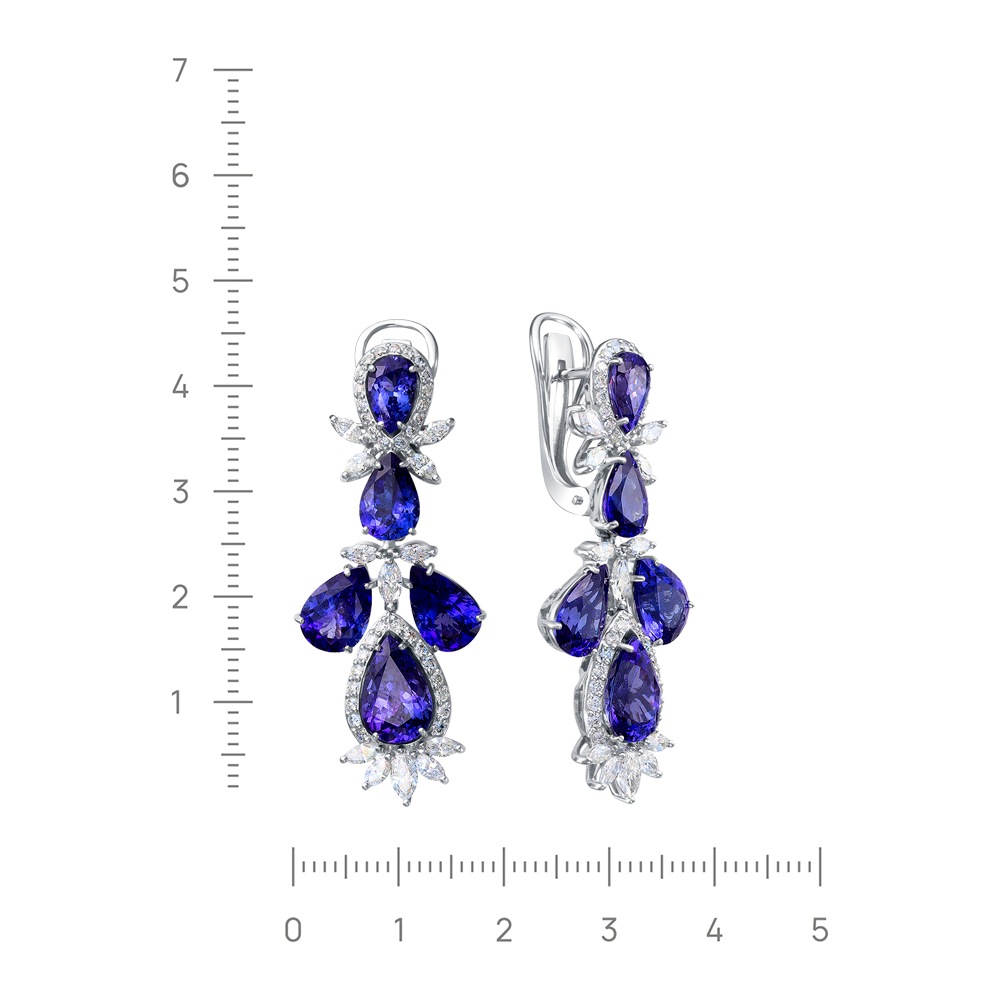


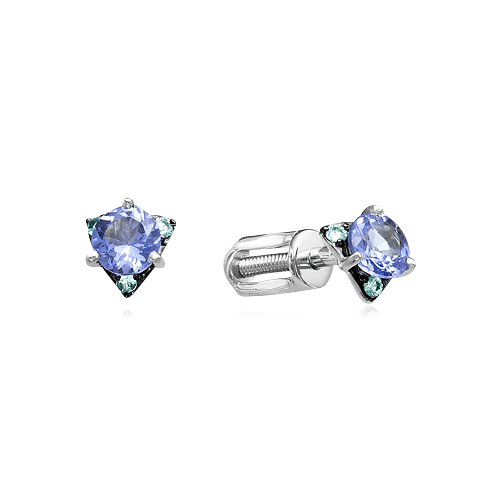

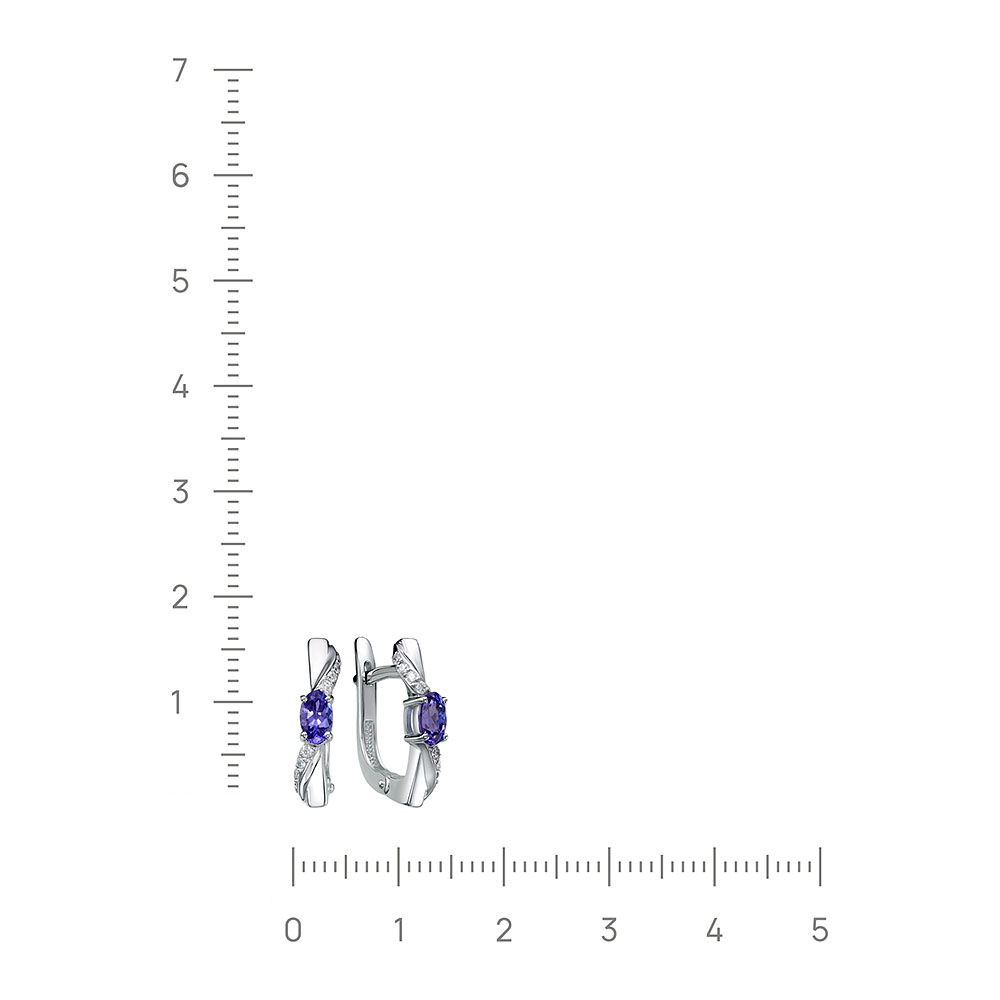
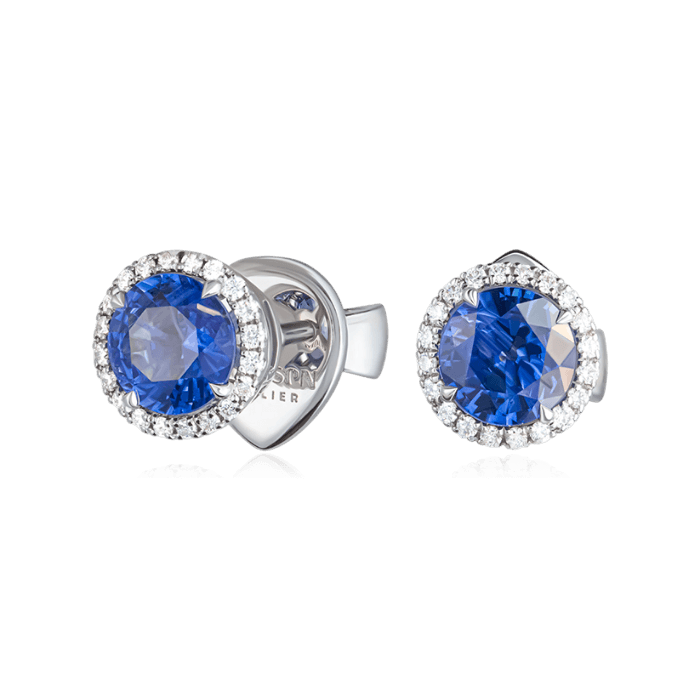
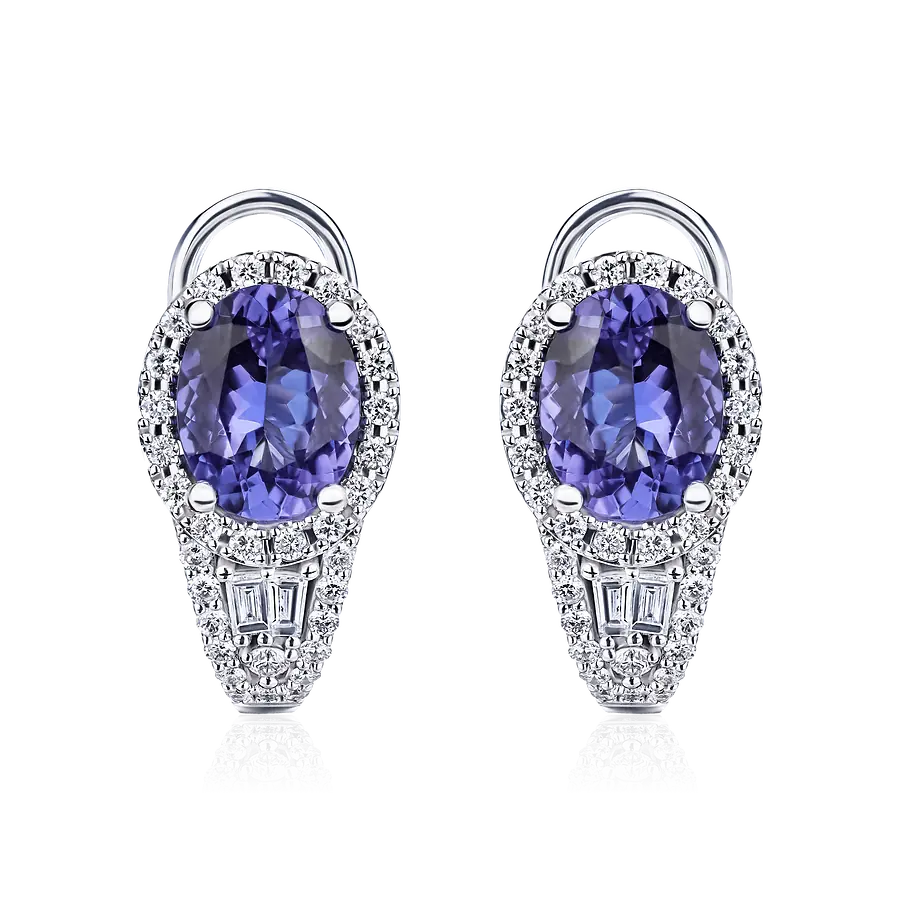

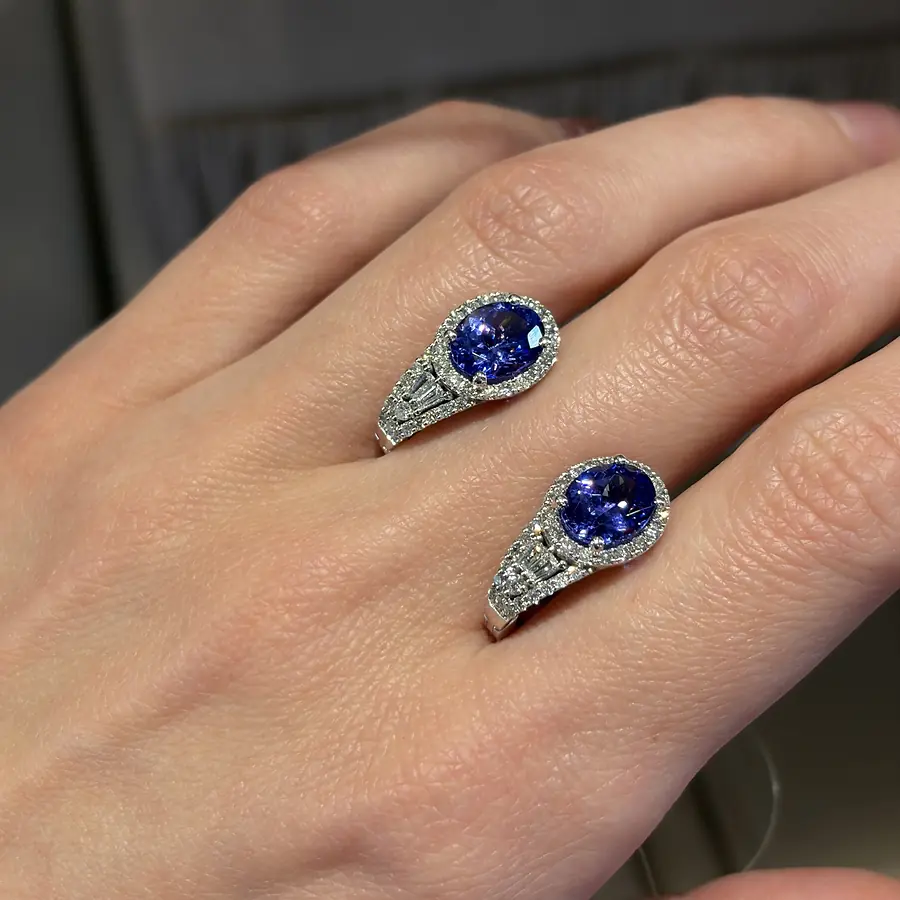
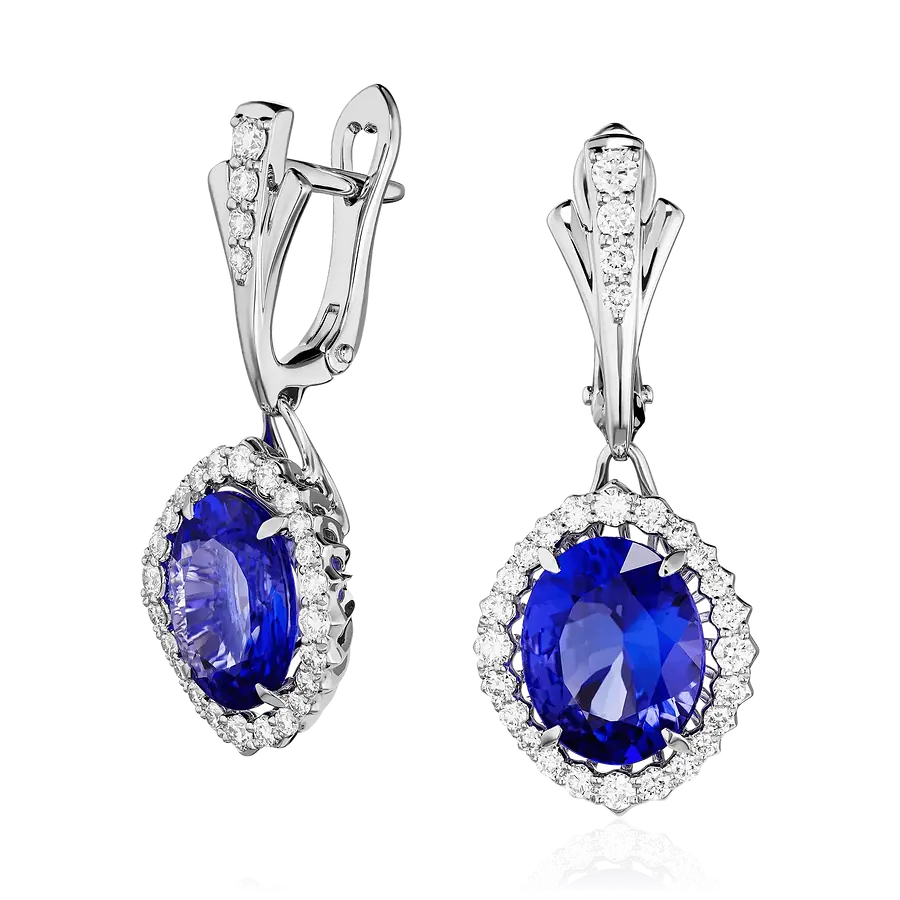
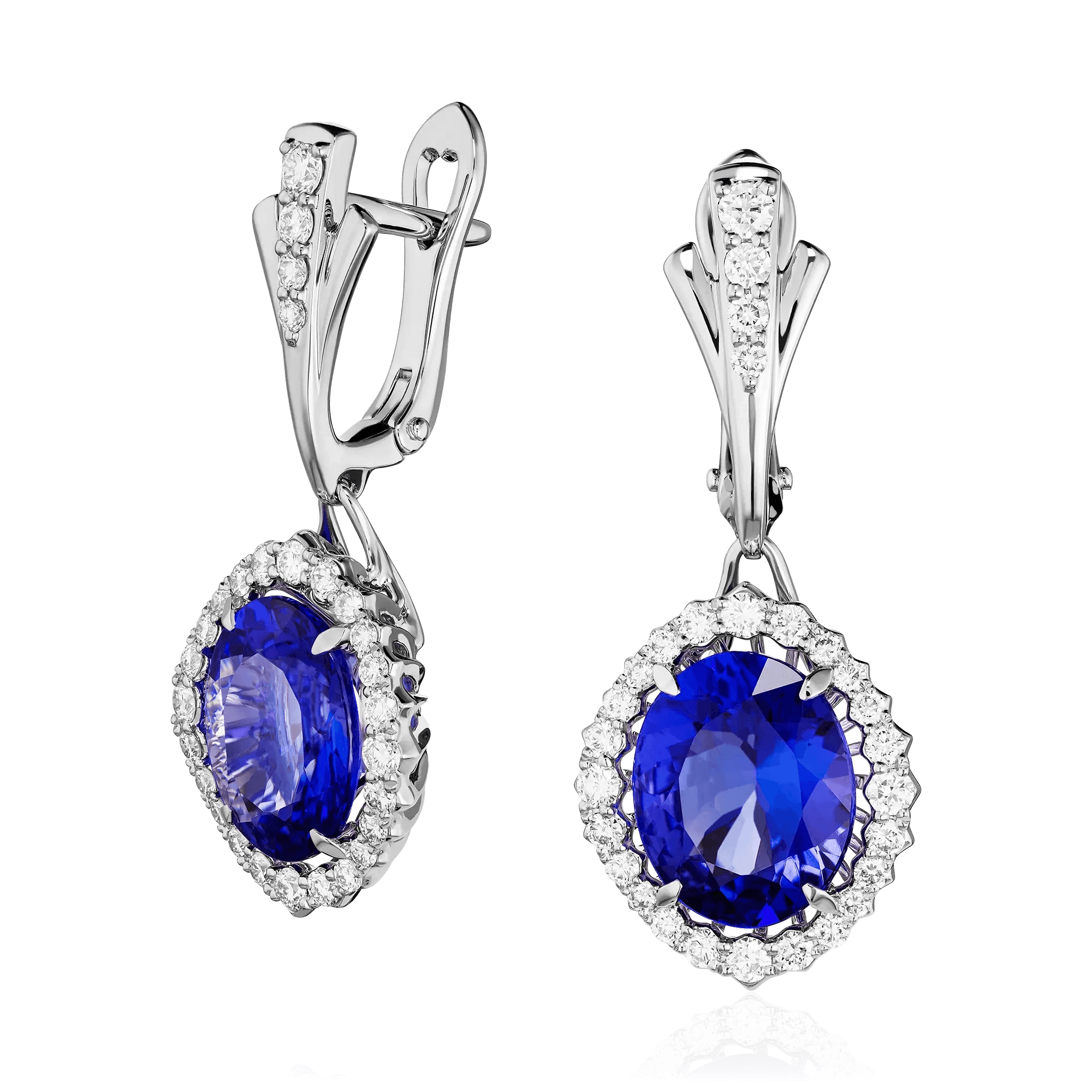
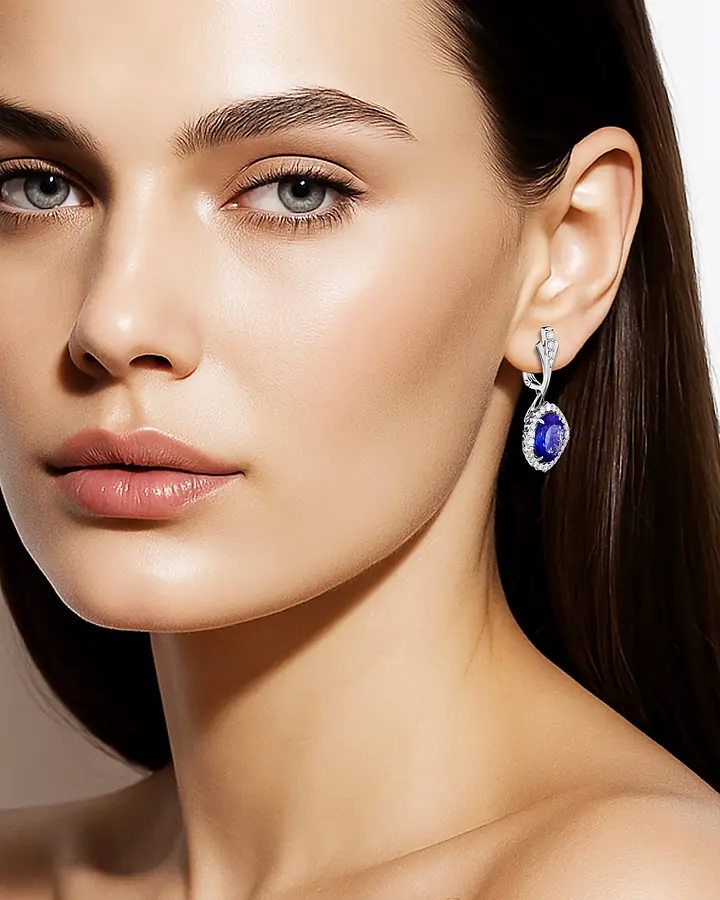


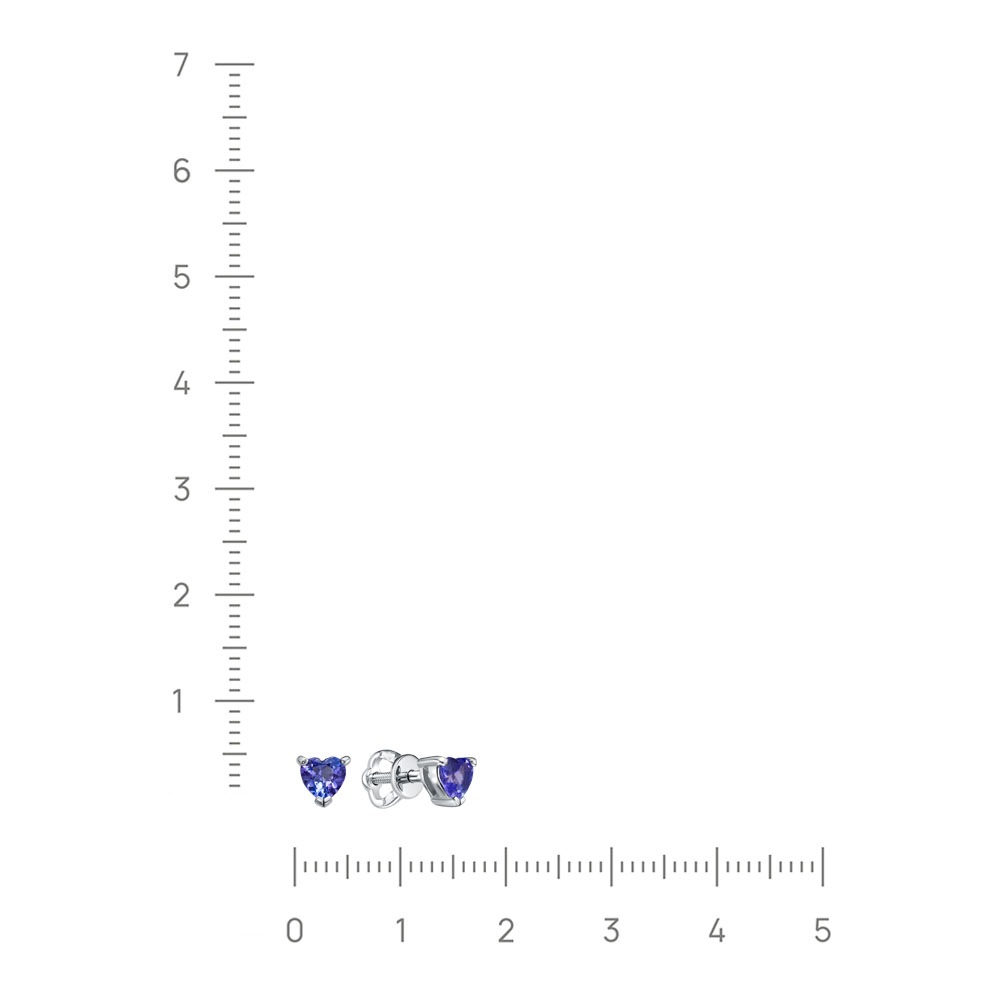

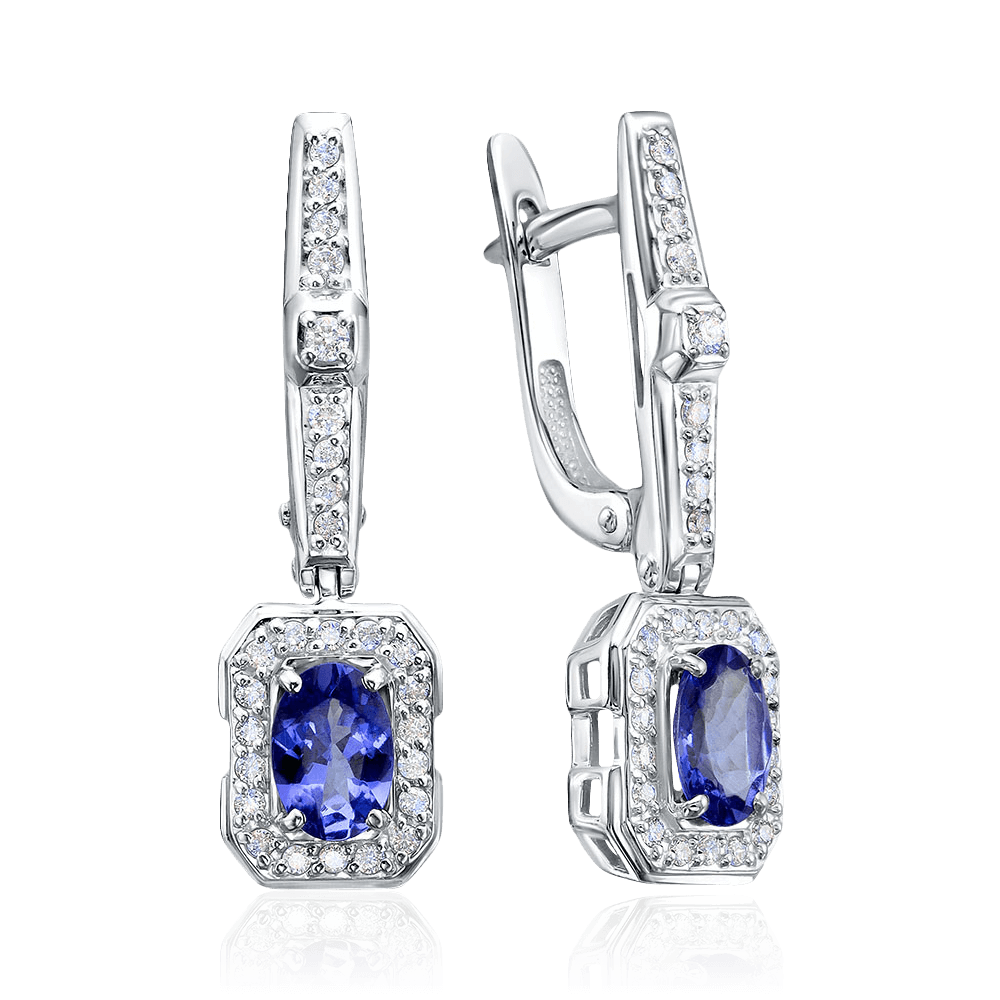
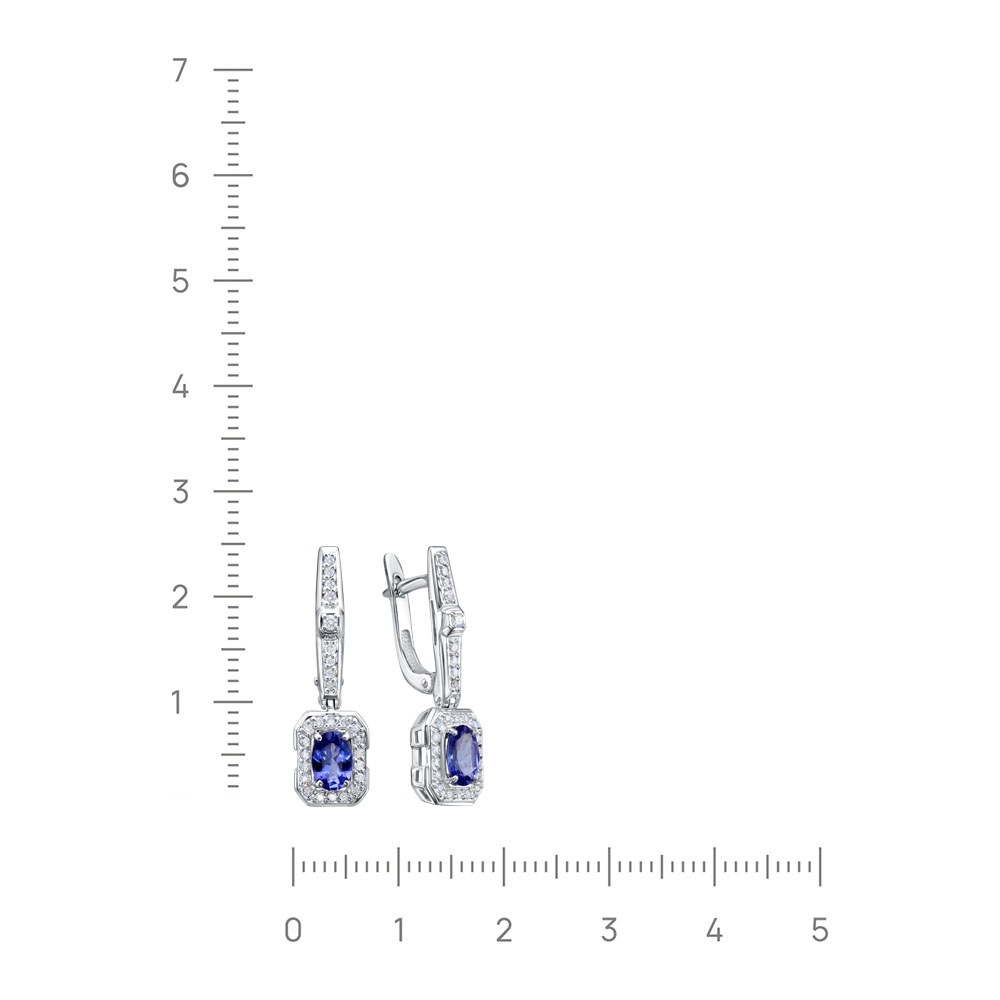

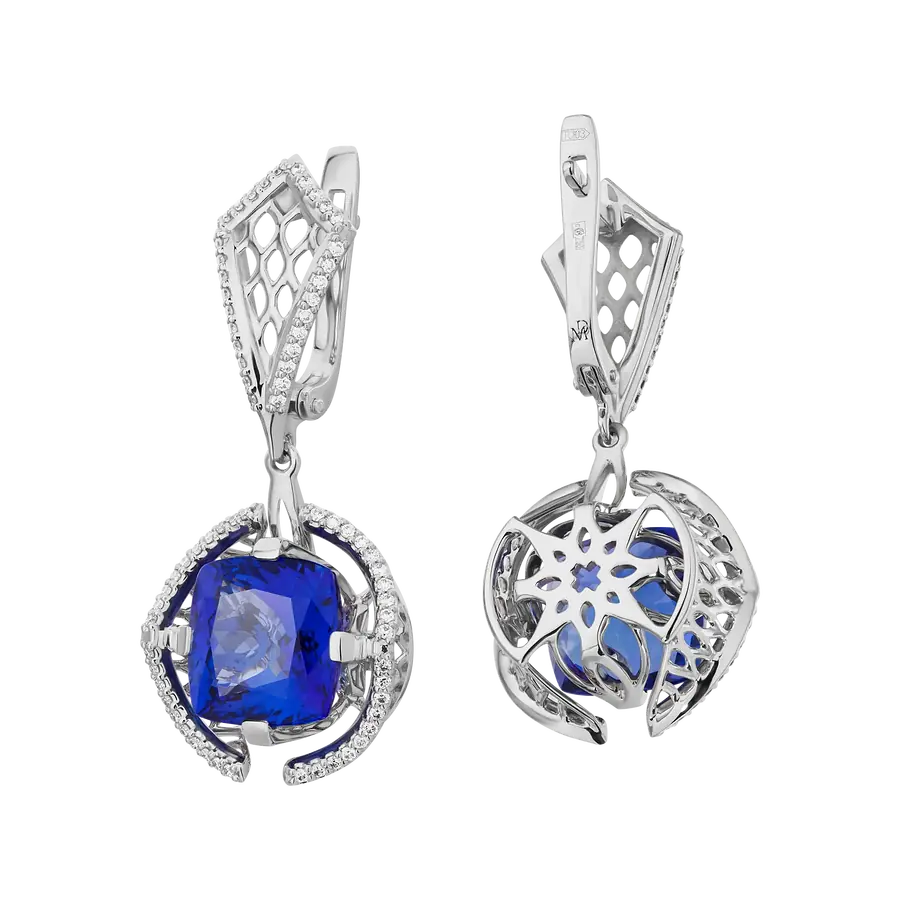
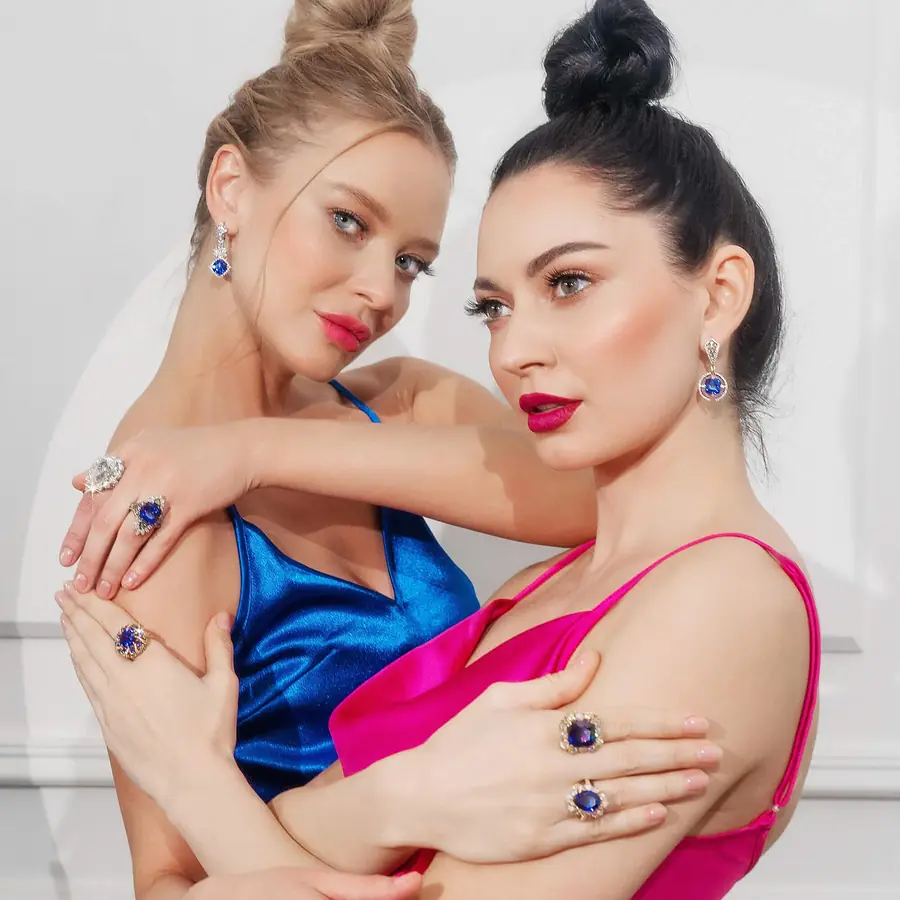
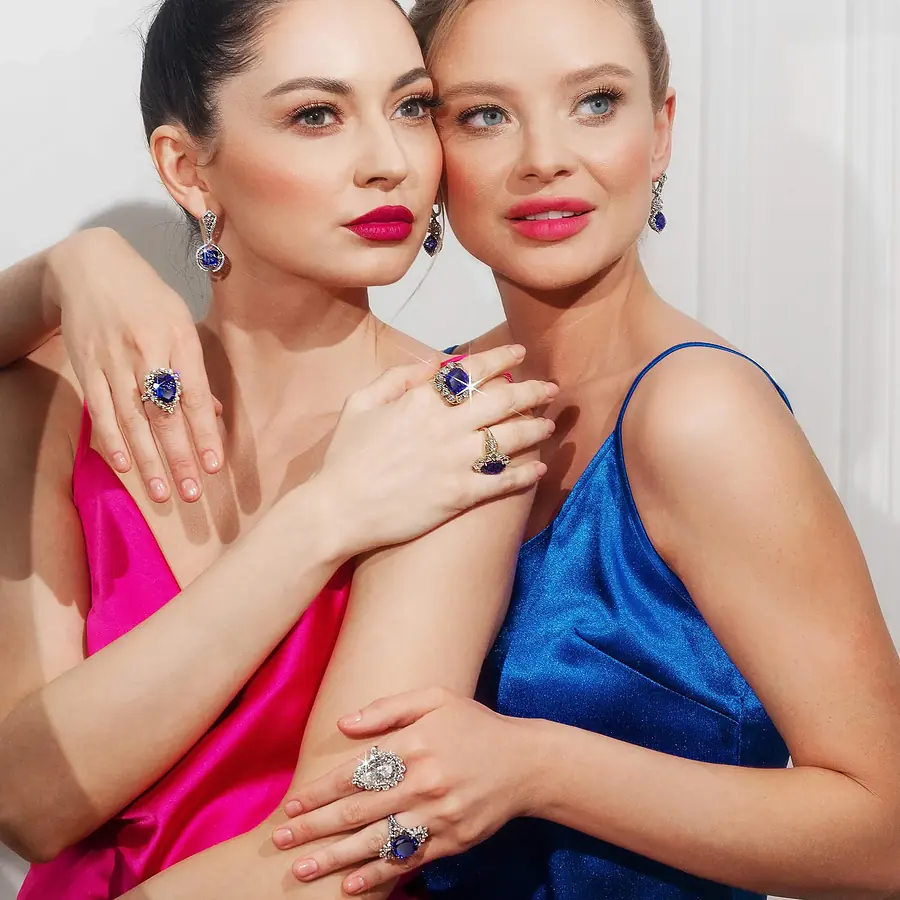
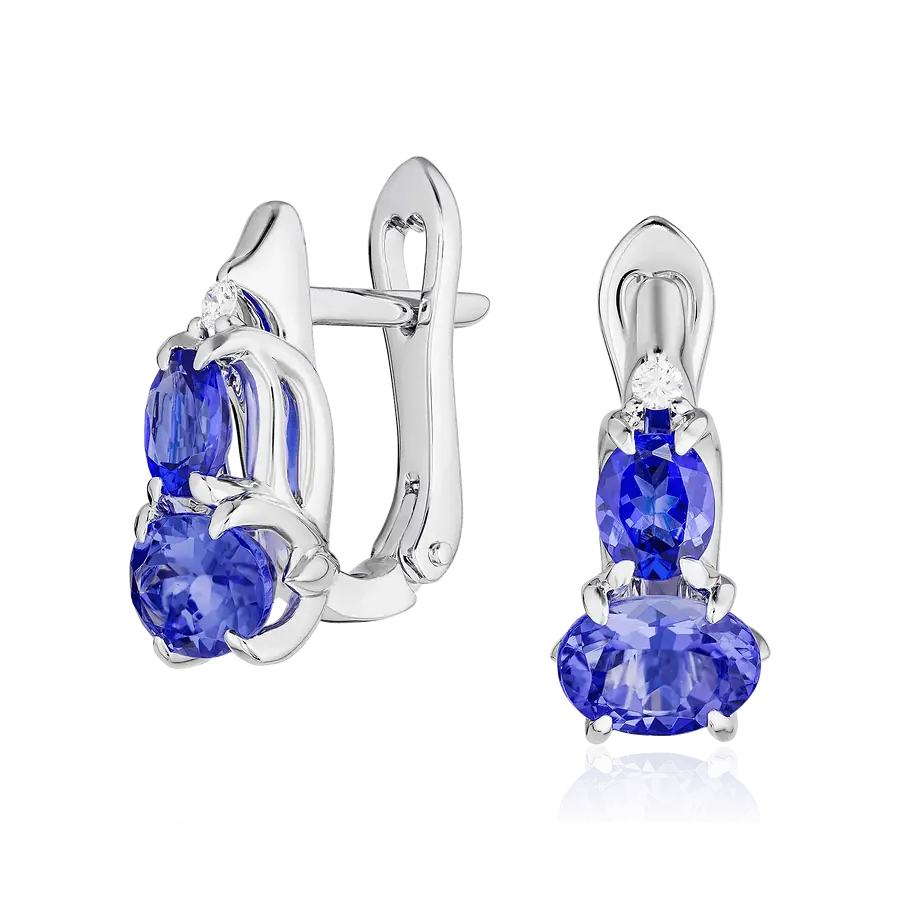
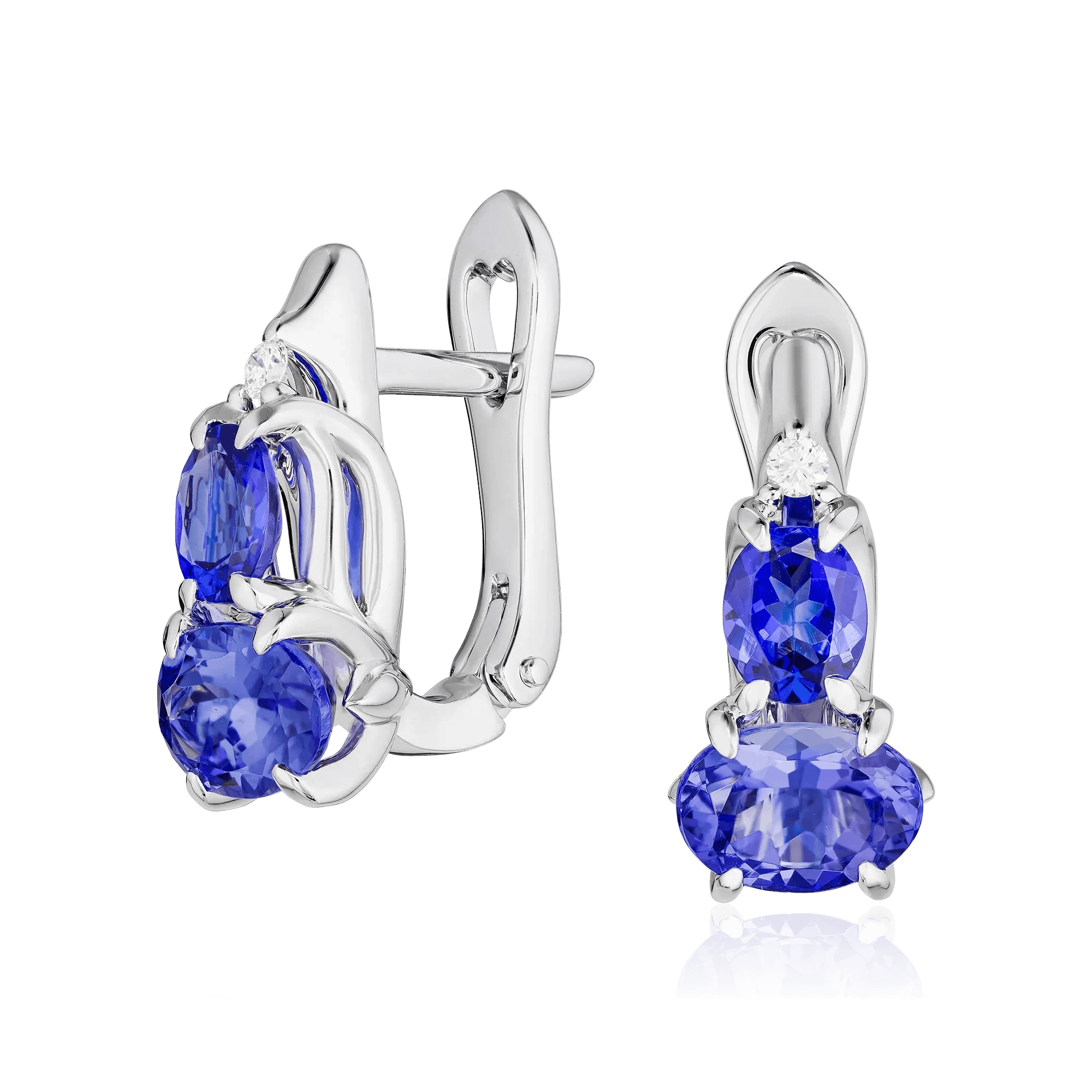

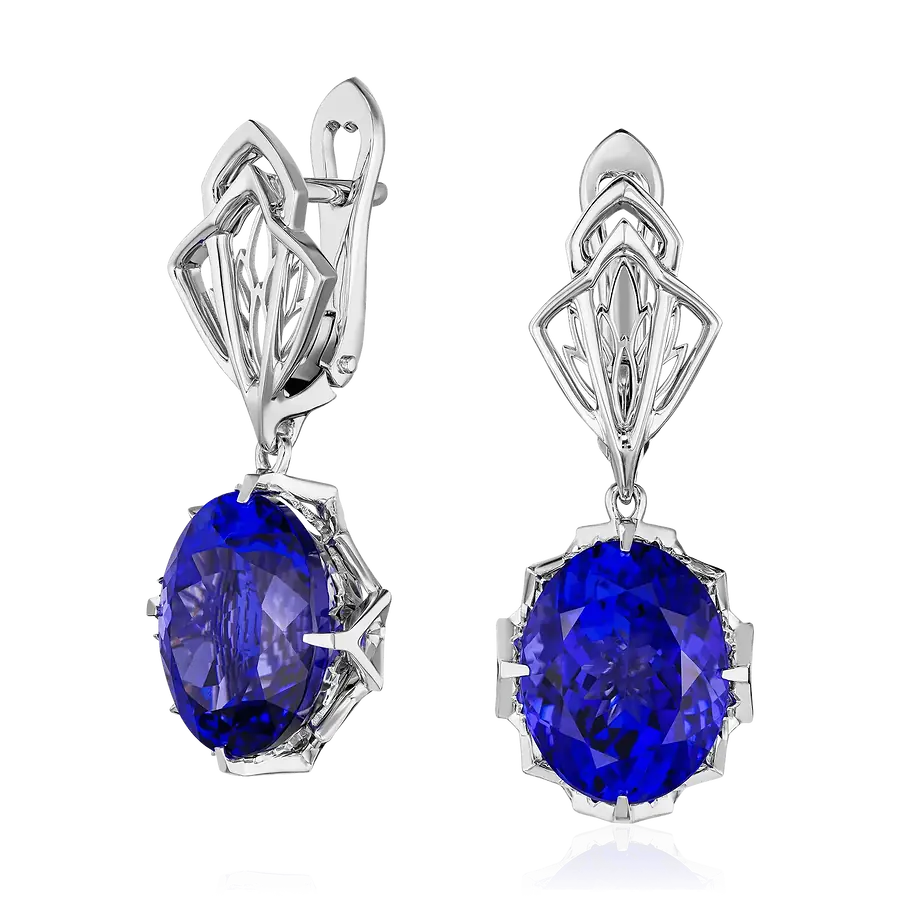
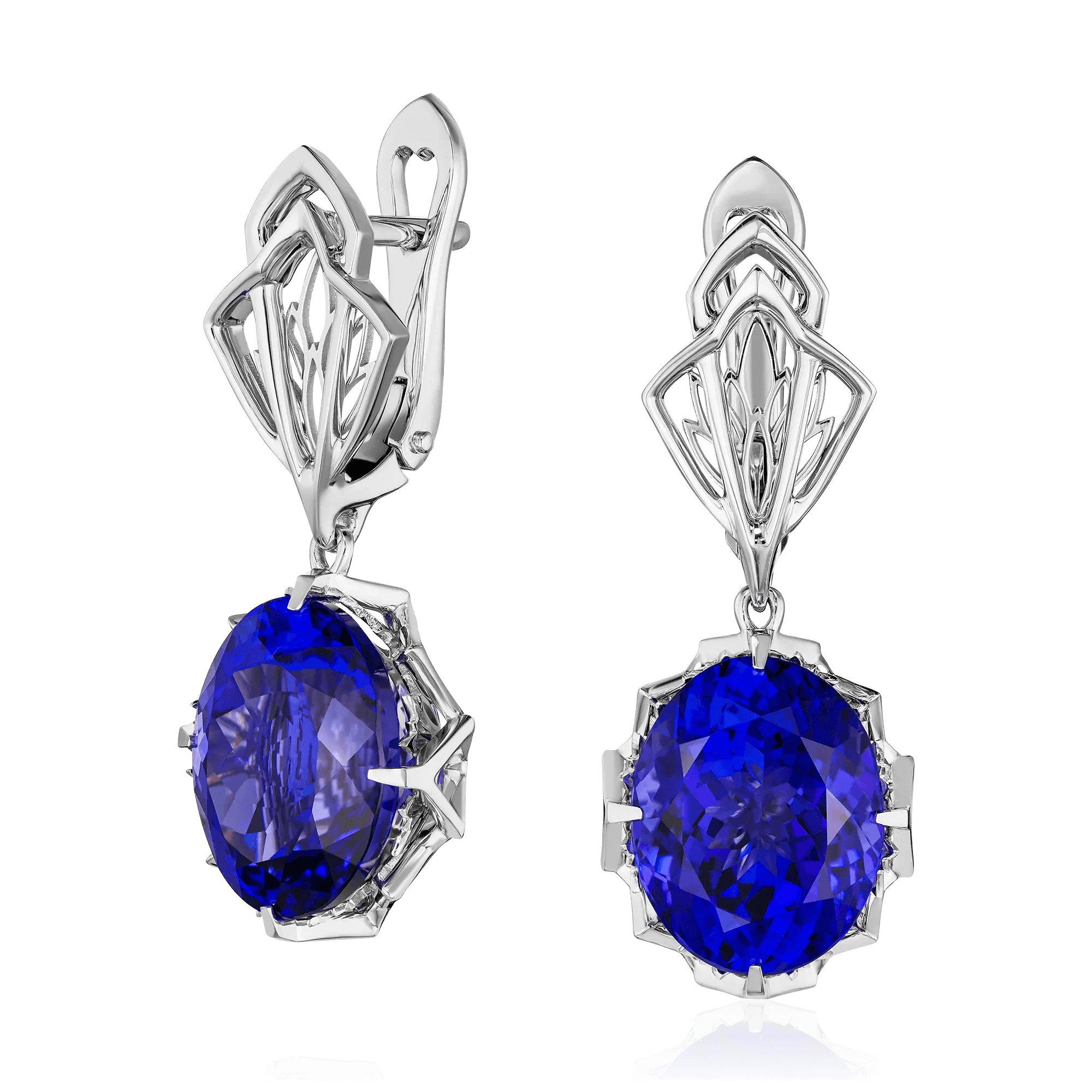
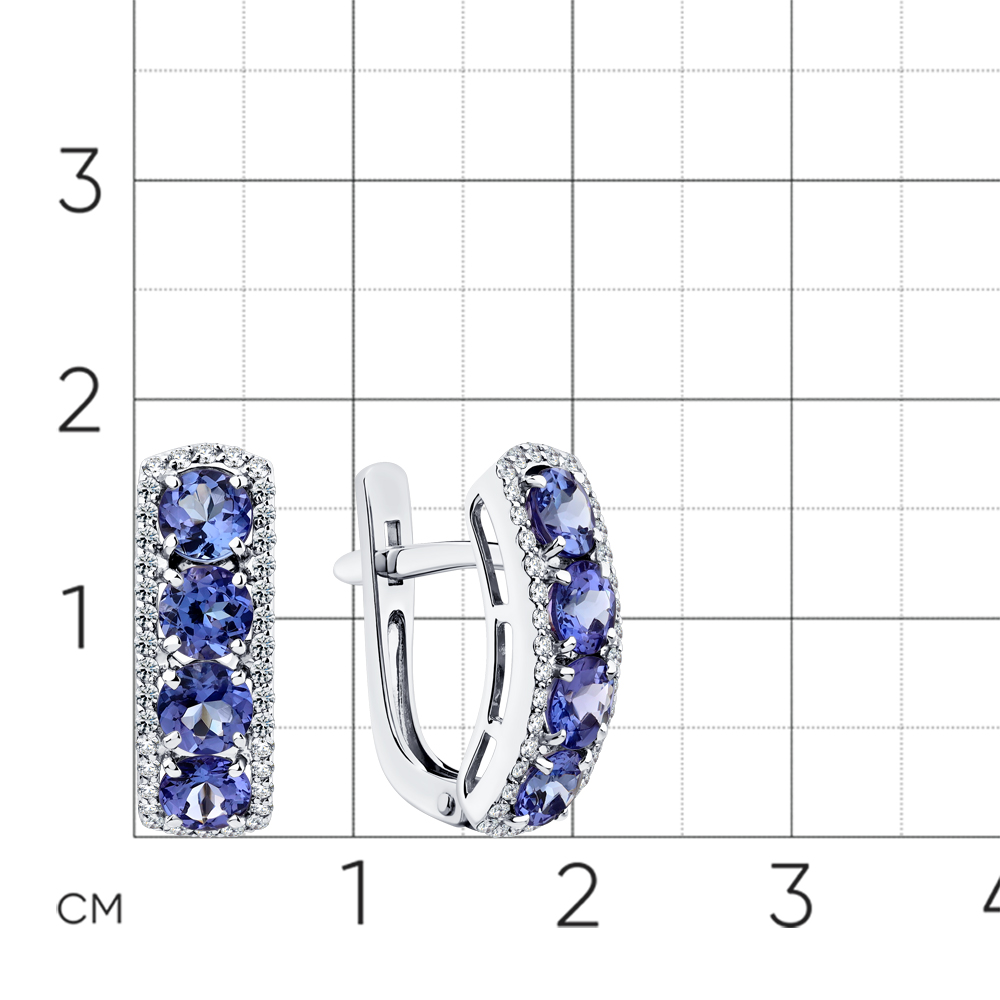
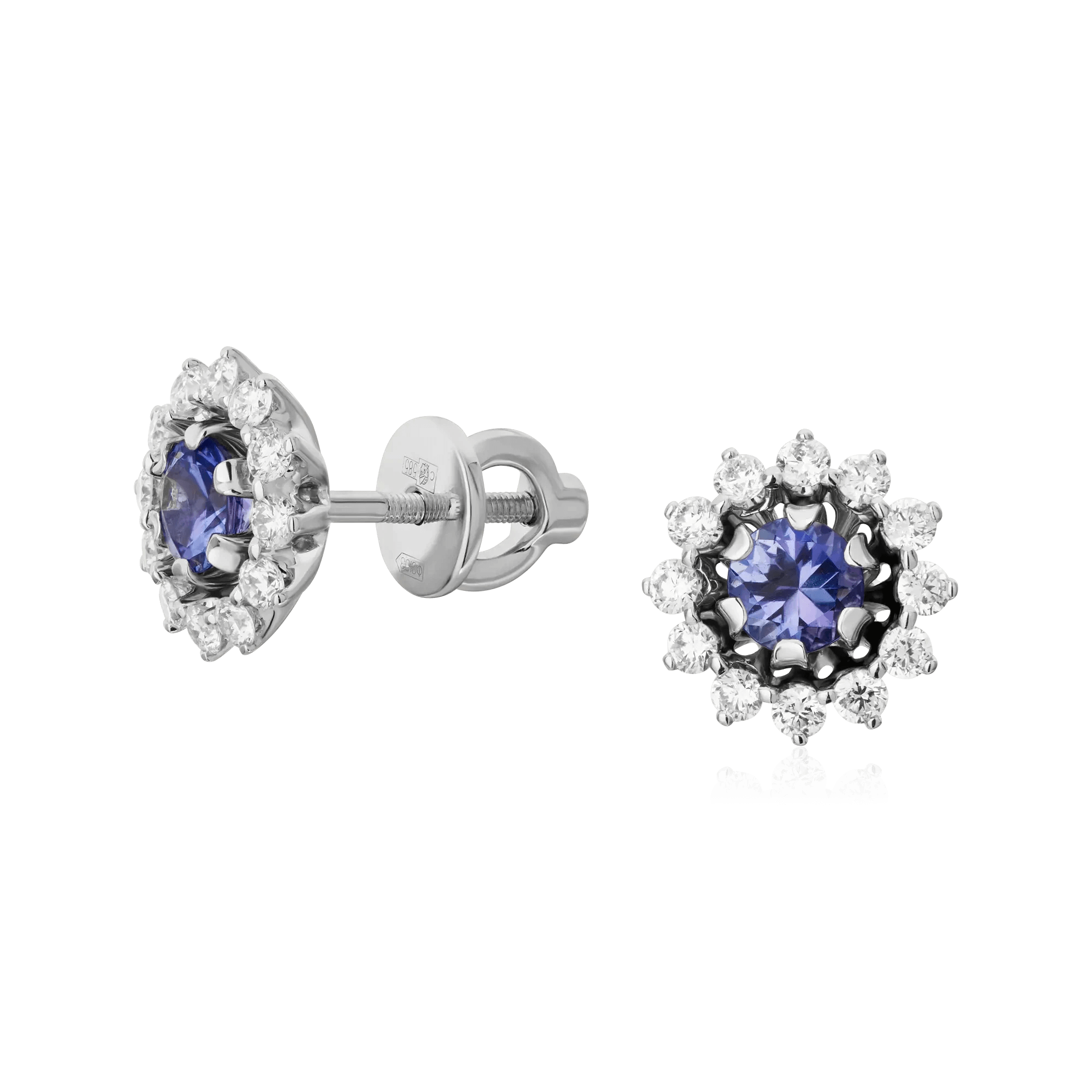
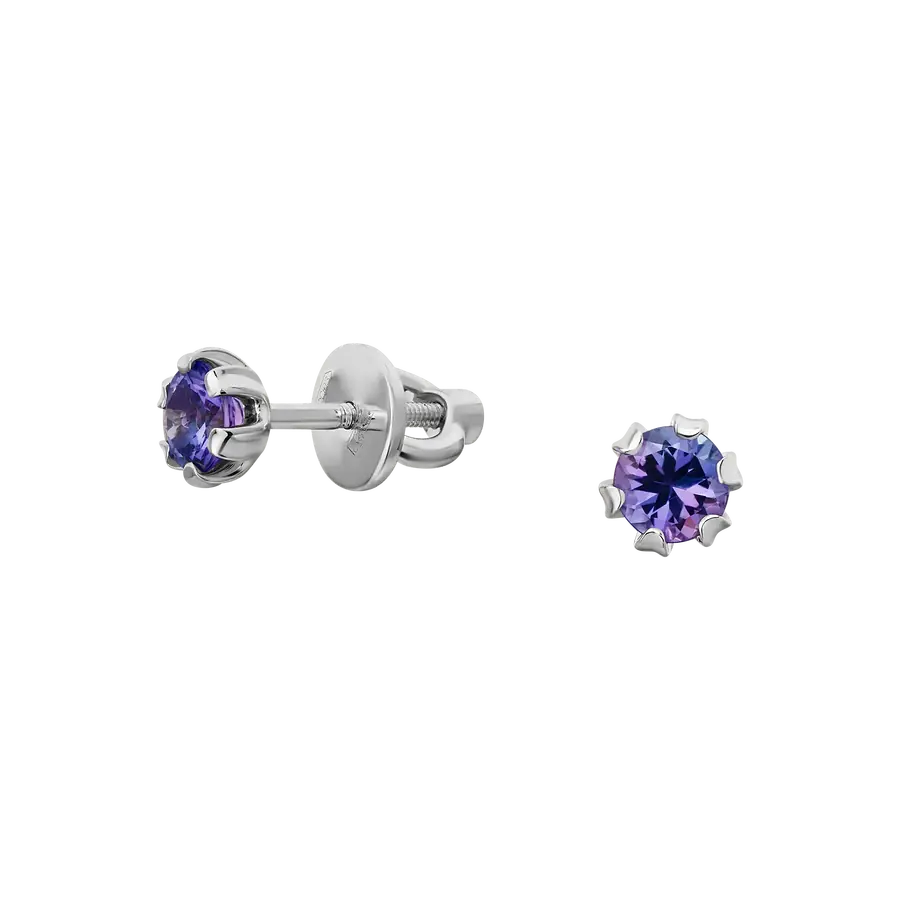
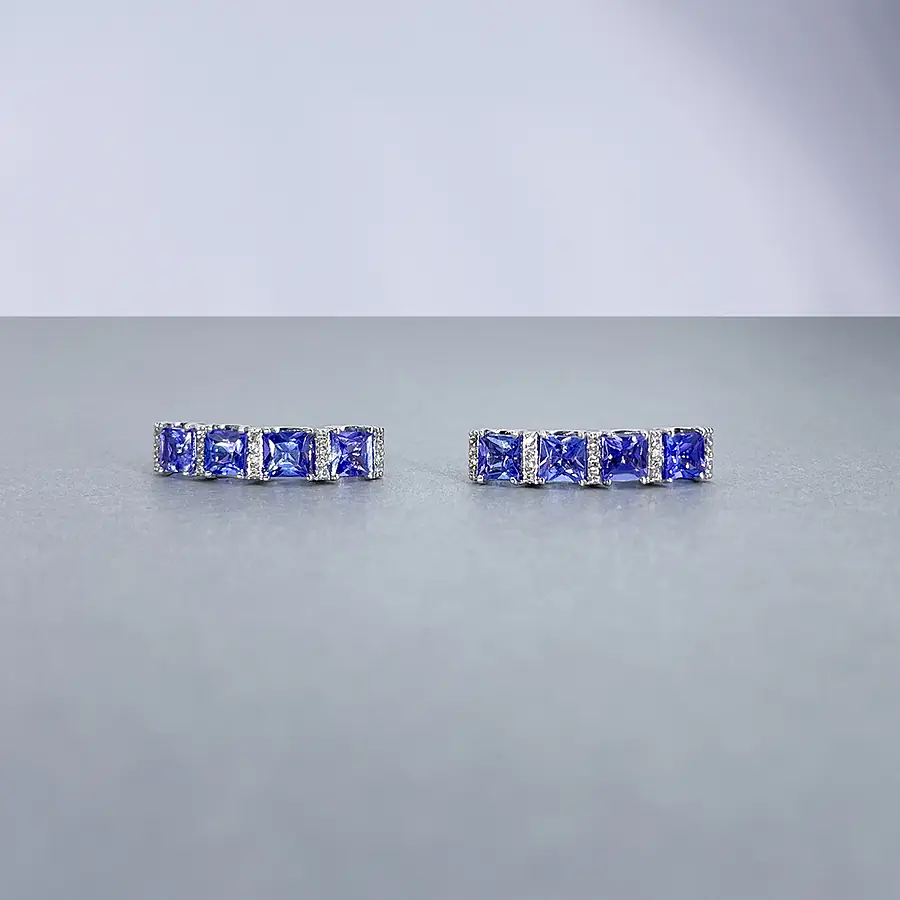
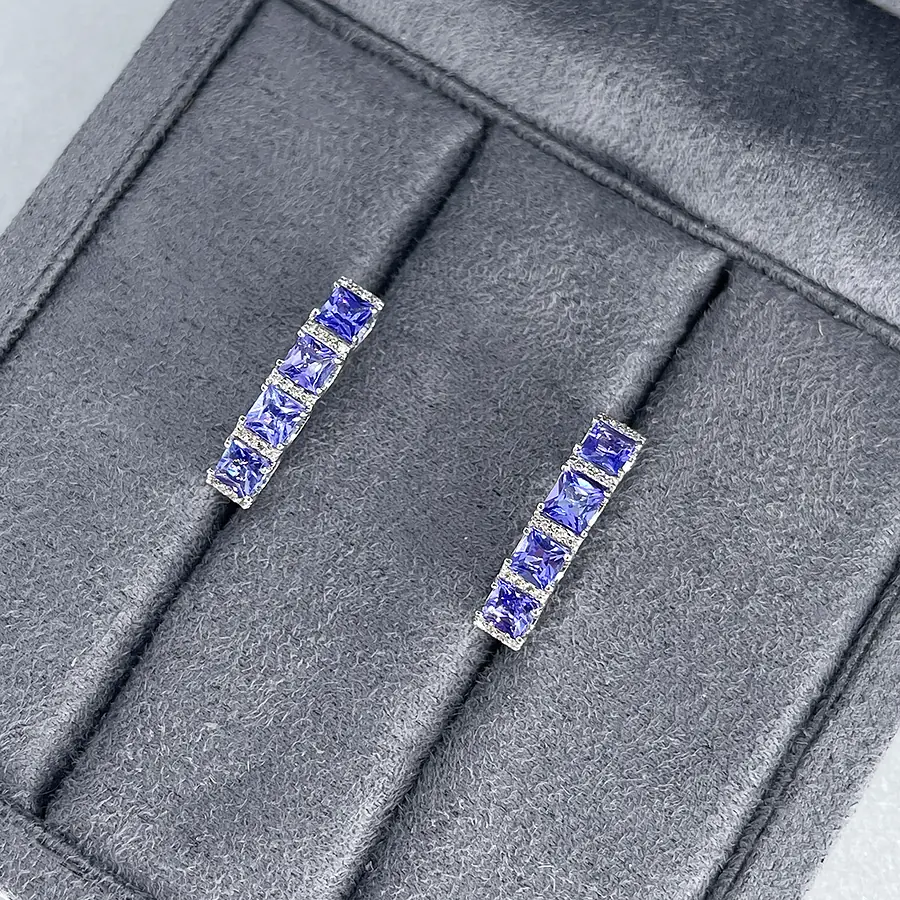
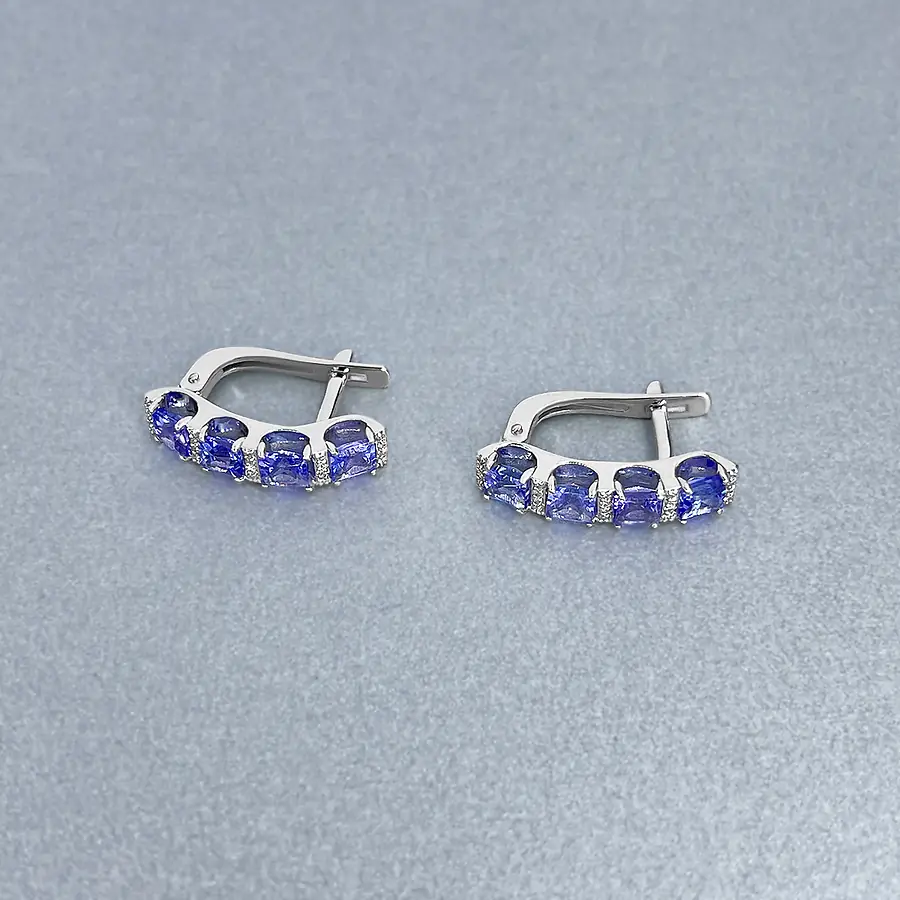
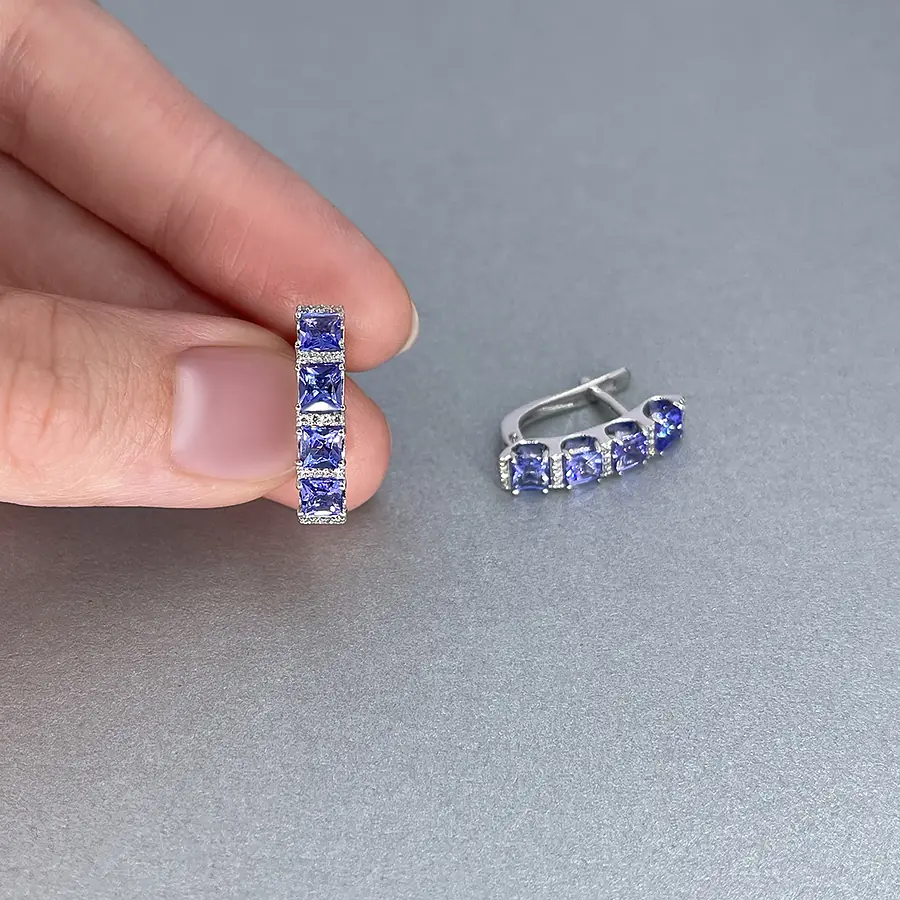
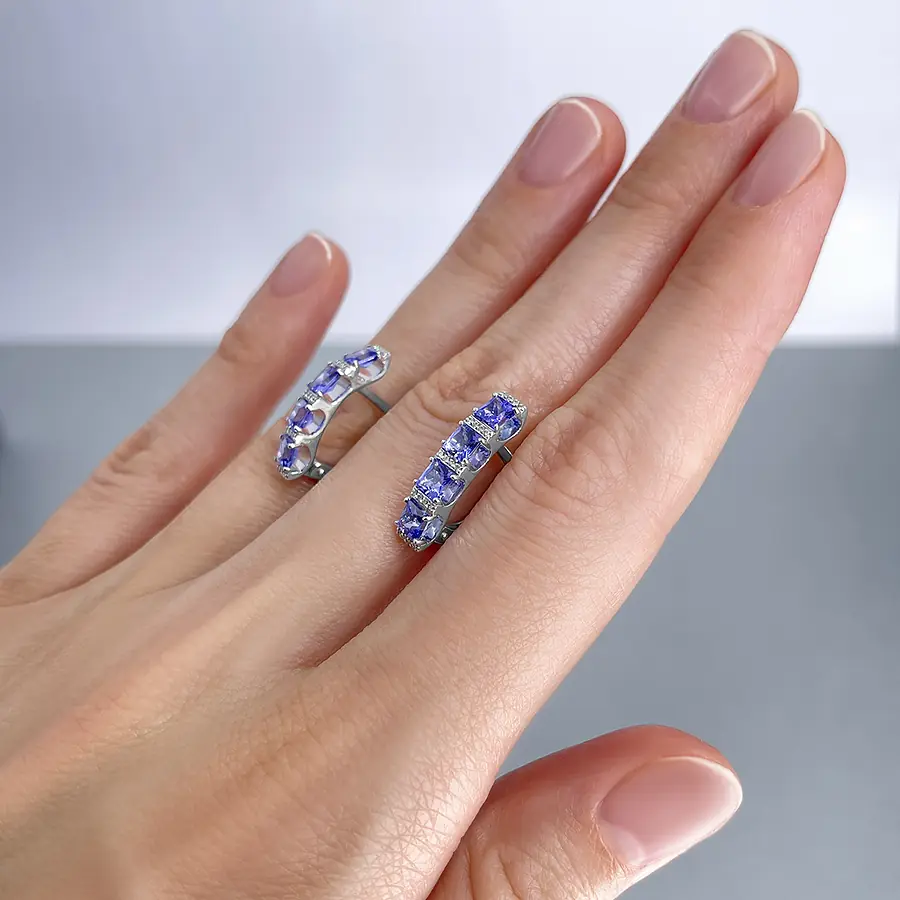
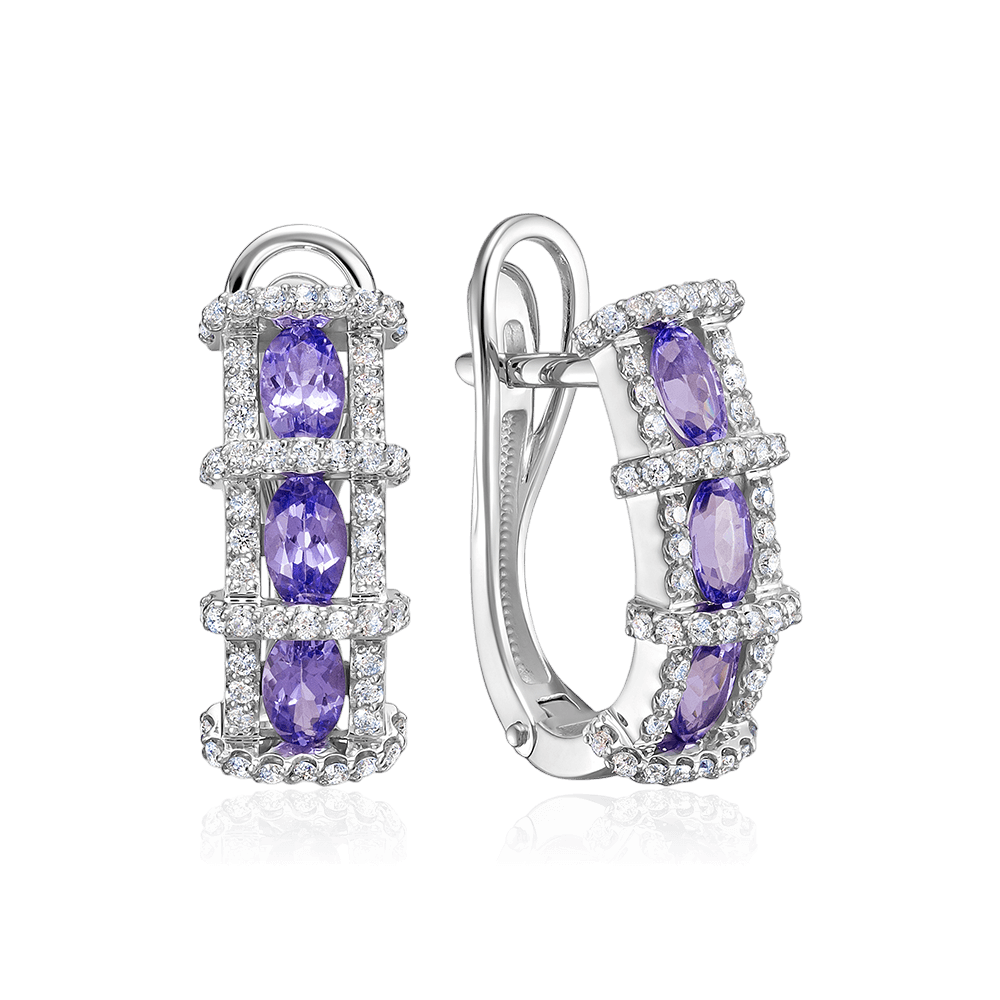
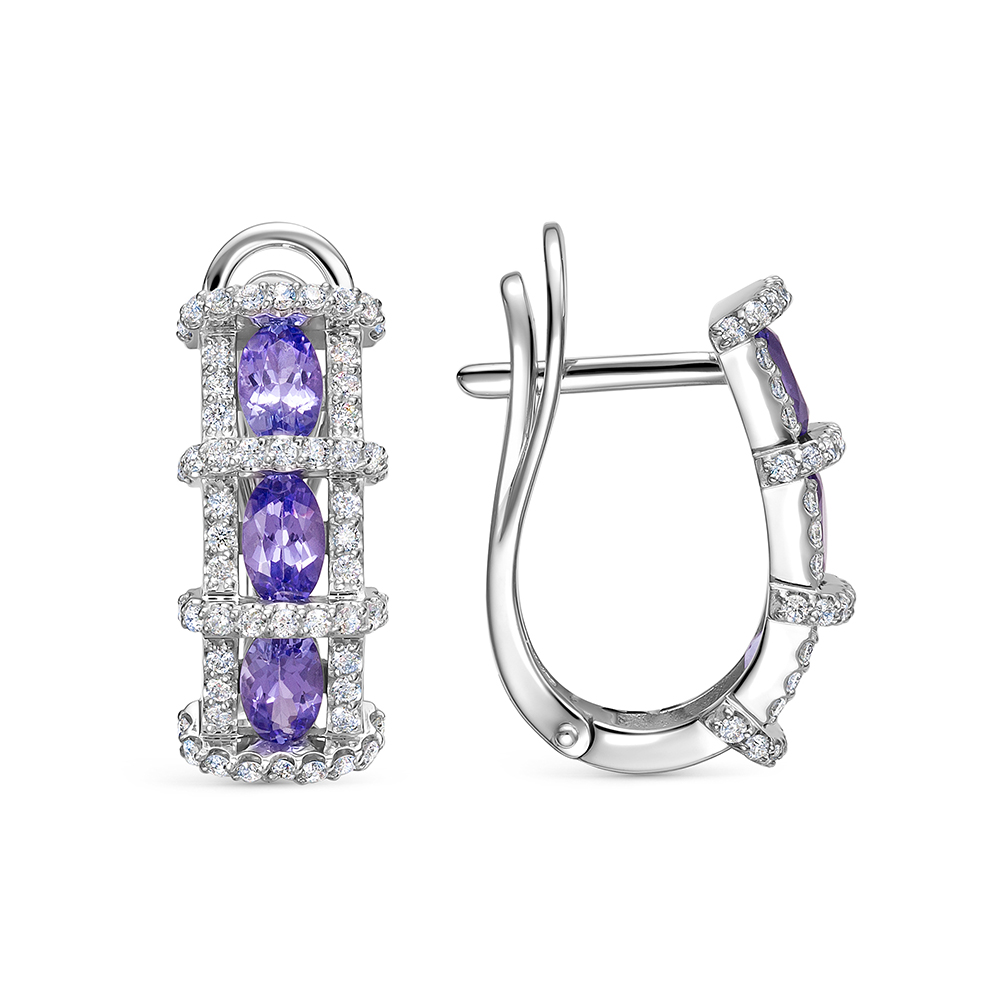
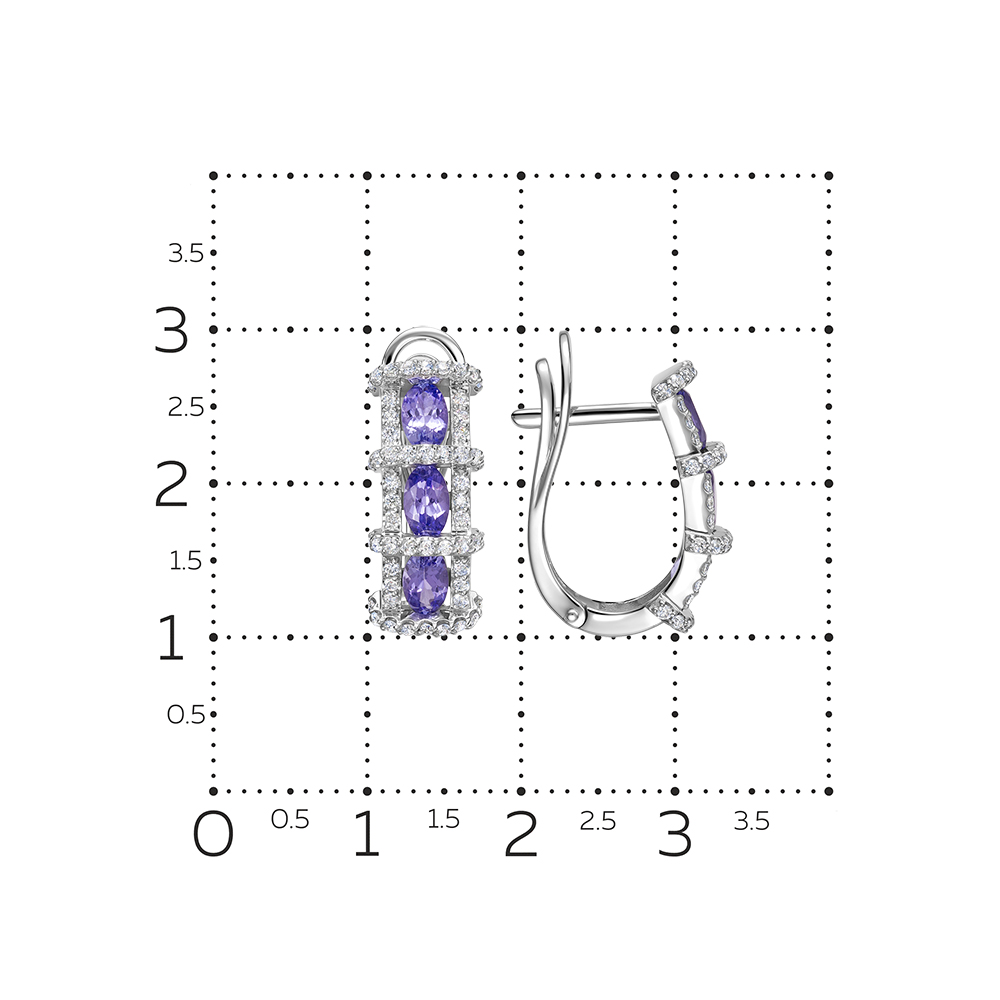
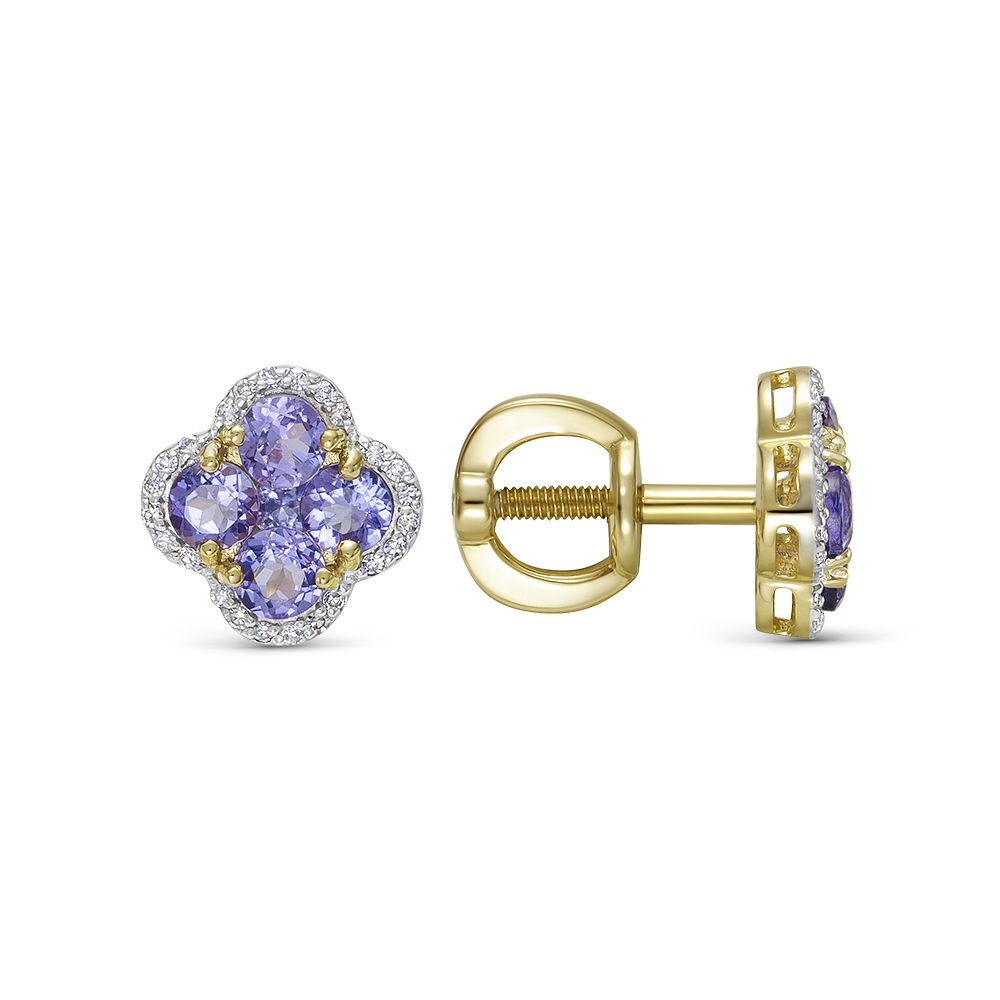
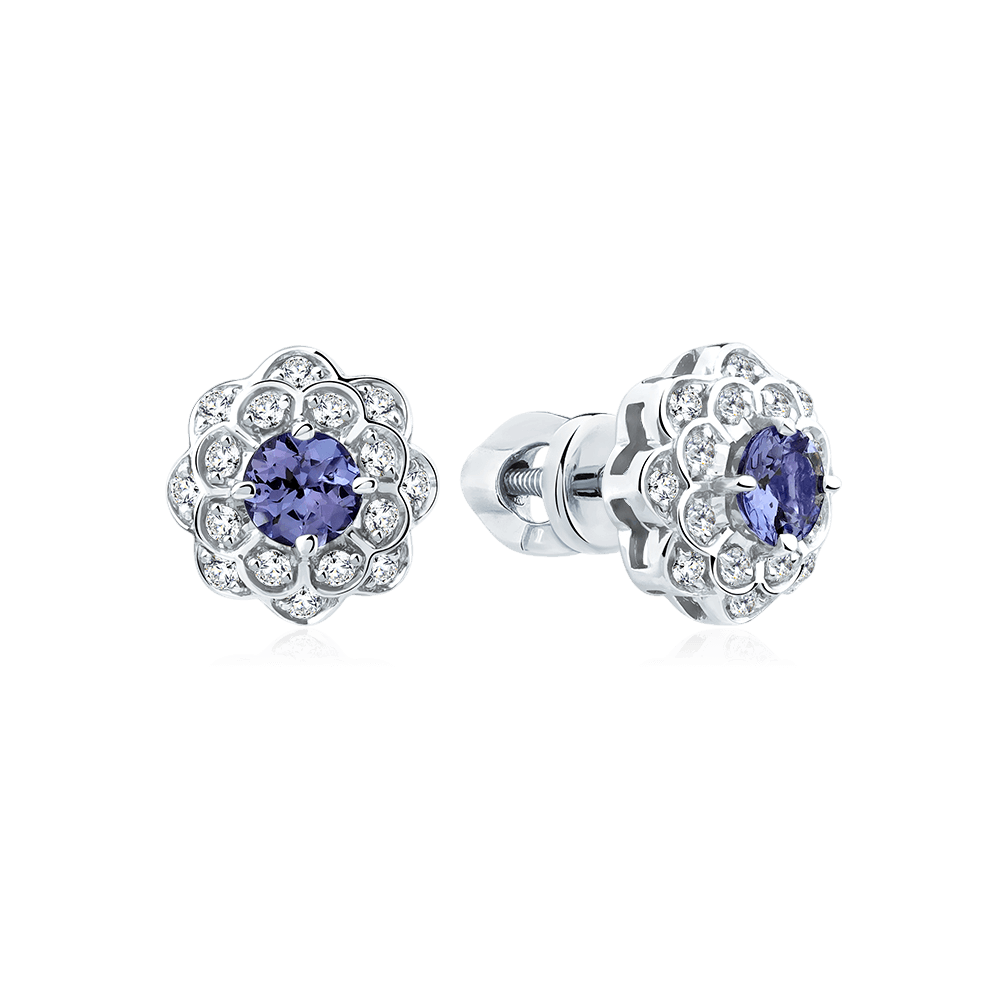
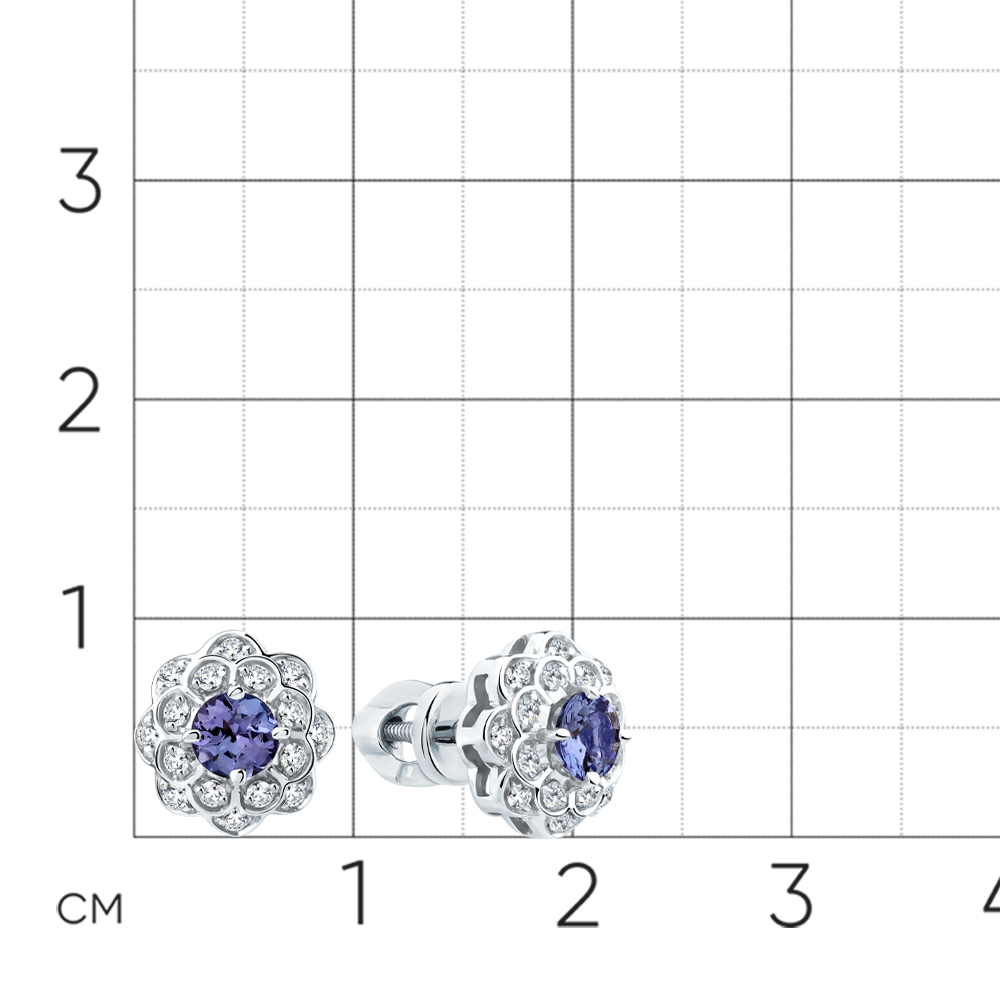
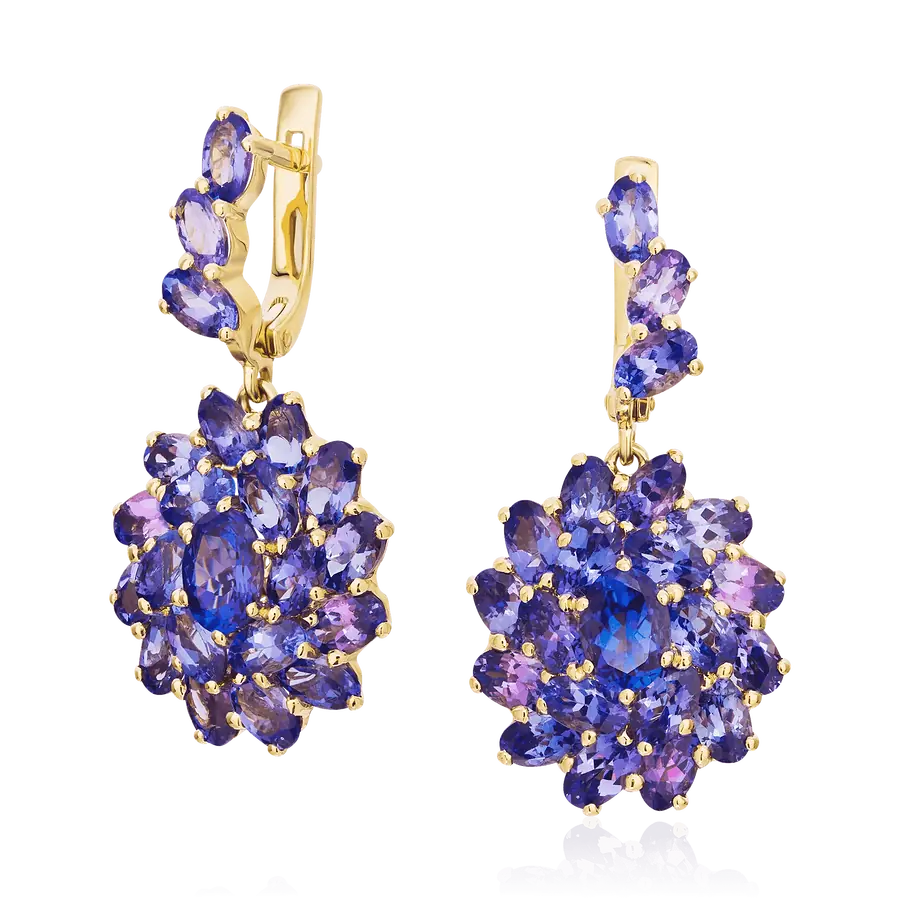
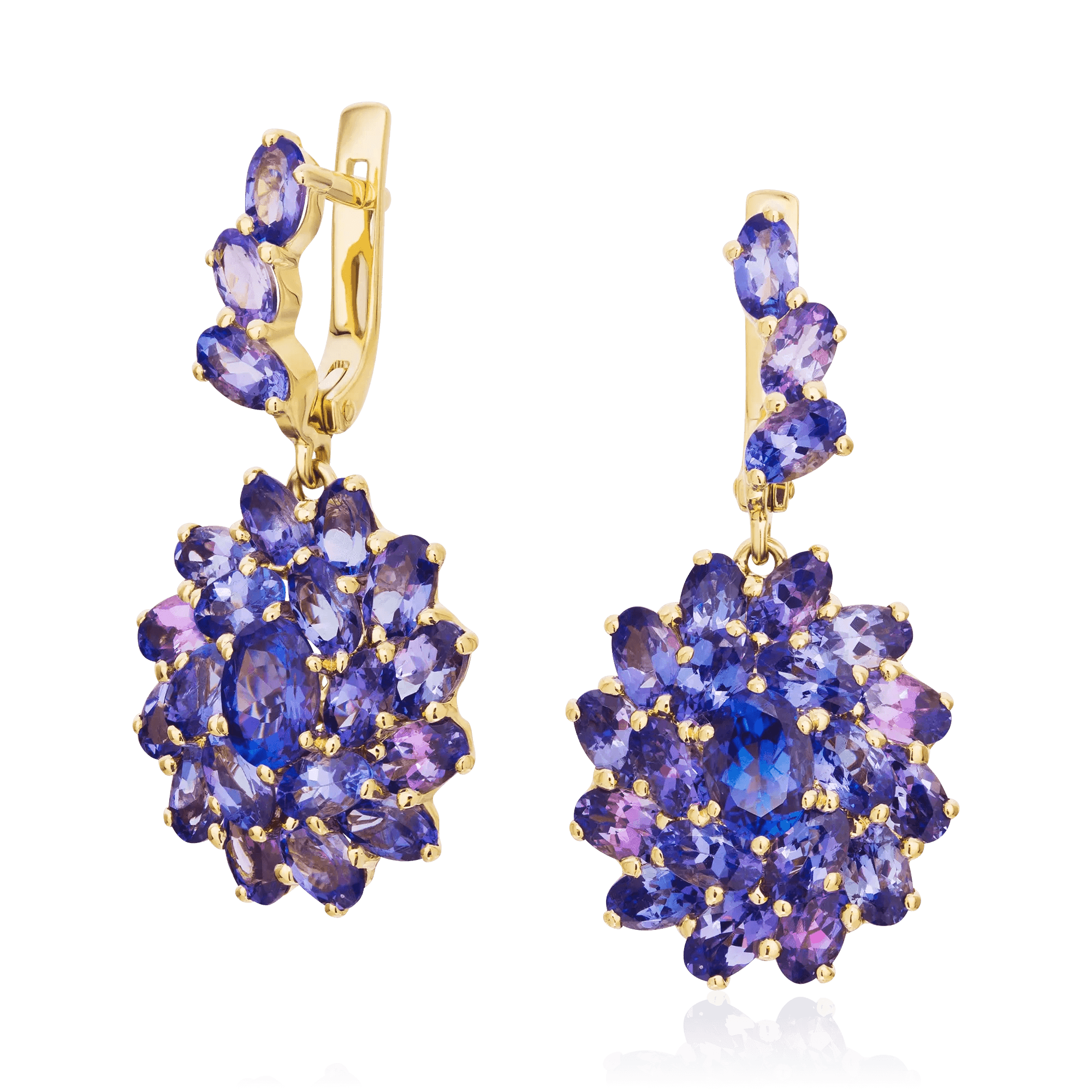
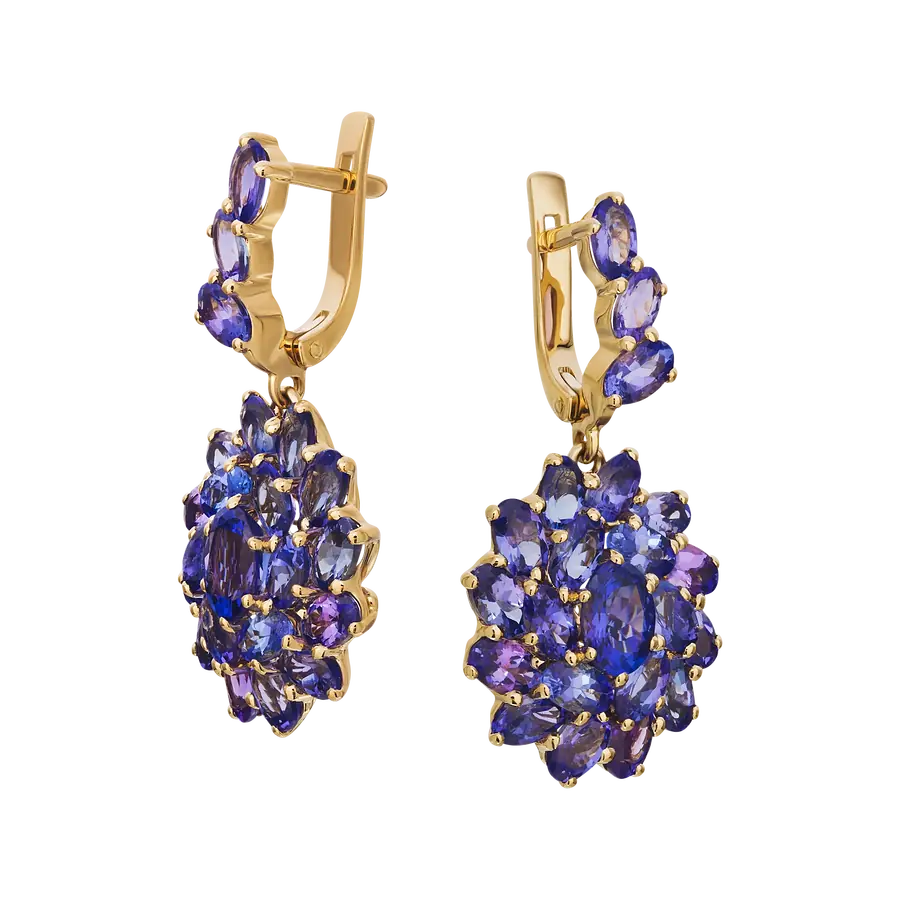
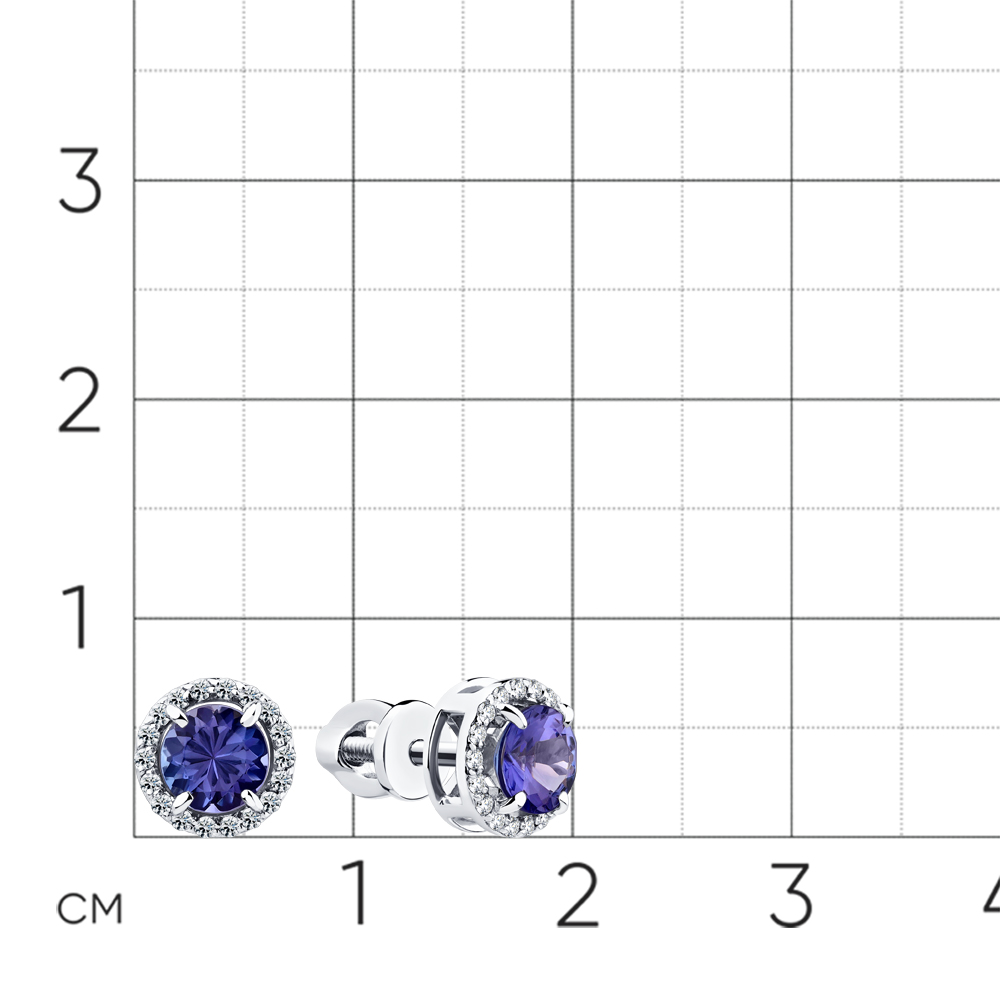
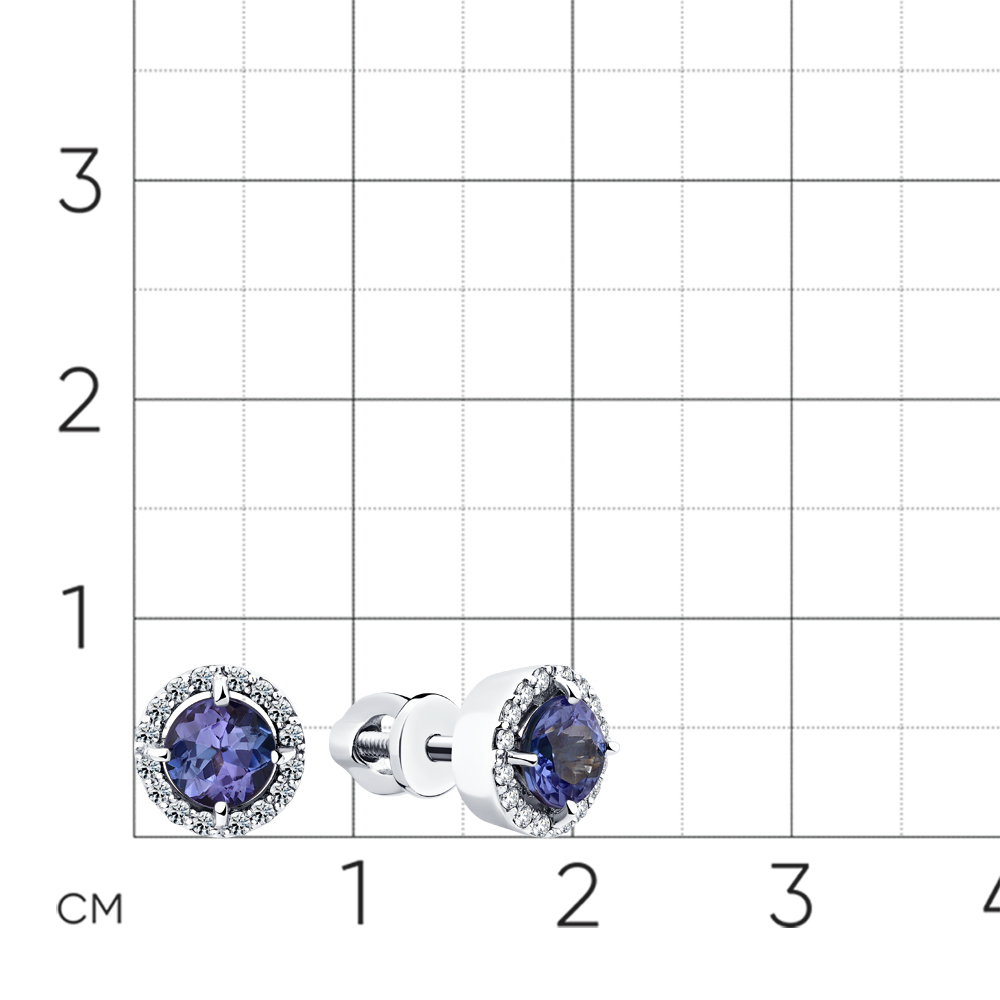
The catalog offers 464 models of earrings with tanzanite, starting at 36,900 ₽. The stone is mined in only one place on the planet, the Merelani Hills in Tanzania, an area of about seven square kilometers. The mineral was discovered in 1967, and in the decades since, no second deposit has been found. Hence the price, and the fact that there is no such thing as cheap earrings with a genuine stone: even a single earring with a small natural stone costs a noticeable sum.
This section is more unbalanced than any other in the catalog: earrings with tanzanite for under one hundred thousand rubles are five pieces, over half a million - 142. This is not an error in the display but a property of the mineral. A specimen larger than two carats is found noticeably less often than a small one, and color deepens with weight, so large stones go into a different price class.
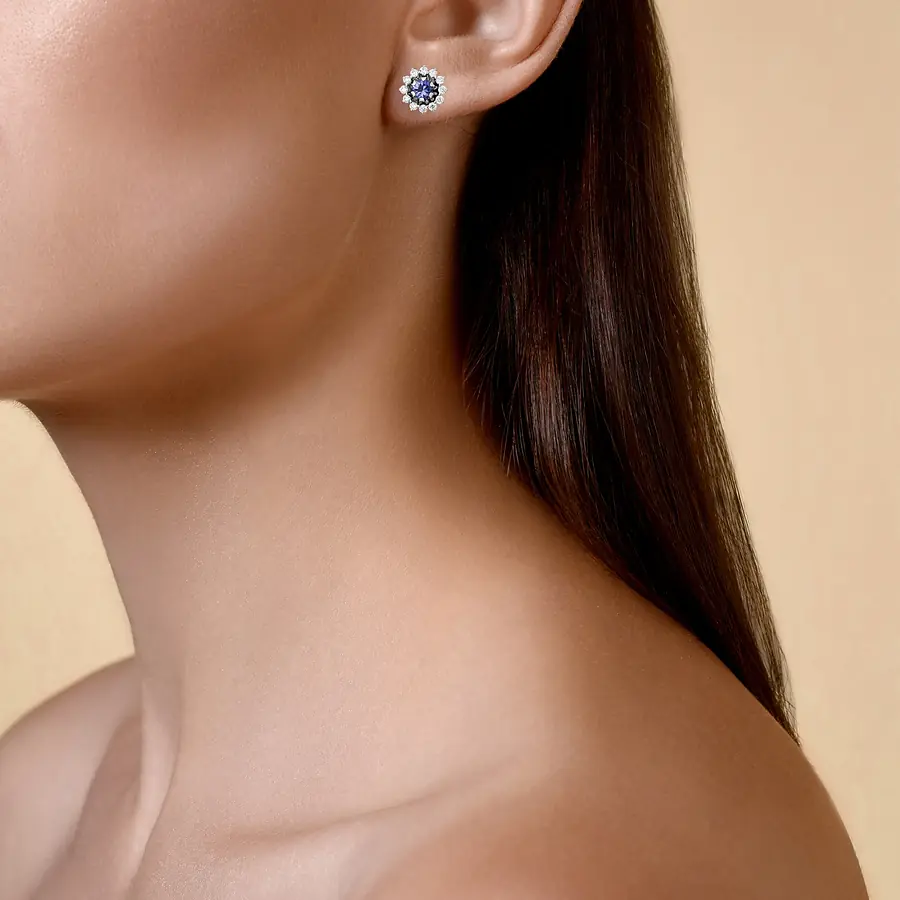
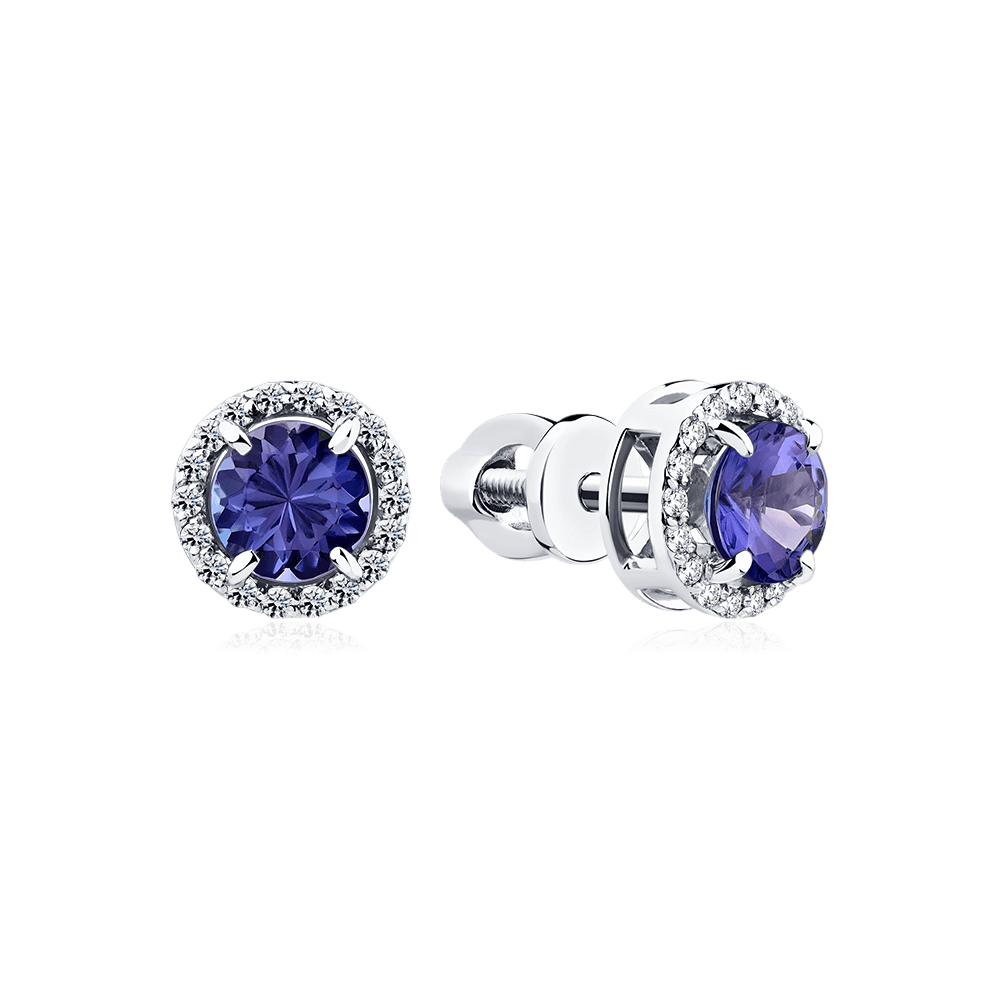
Three things affect the price of tanzanite earrings. The first is the depth of the blue: a pale lilac stone and a deep violet-blue one of the same weight differ in price several times over. The second is the weight of the stone: tanzanite earrings of two carats or more move into a different price class. The third is diamond accents: 83% of the pieces in this section have a diamond halo, and its weight is included in the price. At the low end of the range are earrings with a small tanzanite and minimal setting; at the high end, pieces with a large stone of pure blue tone.
This property is called pleochroism: the crystal transmits light differently along three axes and shows blue, violet and burgundy-brown. Every pair of earrings with tanzanite has it, regardless of the size of the stone and its price. The cutter orients the rough so that blue reads from above, but when you turn the earring the violet undertone still shows through. Neither glass, nor cubic zirconia, nor blue topaz behaves this way, so the check takes a few seconds right in your hands.
The second marker is price. The mineral is not grown in industrial volumes: there is no synthetic analogue on the market, and glass and forsterite are sold in its place. So earrings with tanzanite for five thousand rubles are almost always not tanzanite, and there is no point in checking such an offer.
Heat treatment here is the norm, not a fake. Stones usually come out of the ground with a brownish tone, and heating removes it. This is done with the vast majority of stones on the market and does not affect the price; the certificate lists such treatment on a separate line.
There is demand for silver earrings with tanzanite, and we address it head on. It comes down to three things. Silver is softer than gold and deforms under everyday wear, so the setting loosens, and a stone with perfect cleavage does not forgive such treatment. Silver tarnishes from contact with air and cosmetics, and cleaning blackened metal next to a soft stone is inconvenient, and tanzanite earrings have to be cleaned according to their weakest element. Finally, a silver setting for a stone worth several hundred thousand rubles makes no economic sense: the metal is hundreds of times cheaper than the stone it holds.
The practical consequence for the buyer: if a retailer offers large silver tanzanite earrings for little money, it is usually not tanzanite but glass, forsterite or irradiated topaz. The price difference between such a pair and a gold one can reach fiftyfold.
| Stone | Hardness | What sets it apart | |---|---|---| | Tanzanite | 6–7 | strong pleochroism, a single deposit | | Blue sapphire | 9 | corundum, noticeably harder, weak pleochroism | | Iolite | 7–7.5 | pleochroism is also strong, but the stone is cheaper | | Blue topaz | 8 | color from irradiation, even, with no change of shade | | Forsterite | 7 | synthetic material, a direct imitation |
At retail, topaz and forsterite are what most often pass as tanzanite: the first because of a similar shade, the second because of the name “tanzanite-colored.”
Closest in behavior iolite — it also plays with color as you turn it. The difference is in tone: in iolite it shifts to a gray-violet, while in our stone it stays pure. Blue topaz is easiest to tell apart: its color does not change at any angle. That is why tanzanite earrings should be viewed under two light sources, not judged from a single photo.
White metal is the most popular choice, and not only because of fashion: the cool tone of the setting intensifies the blue of the stone, while a warm one mutes it and brings out a violet undertone. This is exactly the case where the metal changes the visible color of the stone, which is why tanzanite earrings in white gold and in yellow gold look like pieces with different stones.
585 means 58.5% pure gold, 750 means 75%. In the catalog 386 pieces in 14K gold (585) and 76 in 750. 18K gold (750) is softer, so on pieces with large stones the setting is made more substantial. Red gold is the least common in the section, with 32 pieces, and it is usually chosen to match jewelry the customer already owns. If you need a replacement for a lost earring, the metal and fineness are matched from the tag of the remaining one.
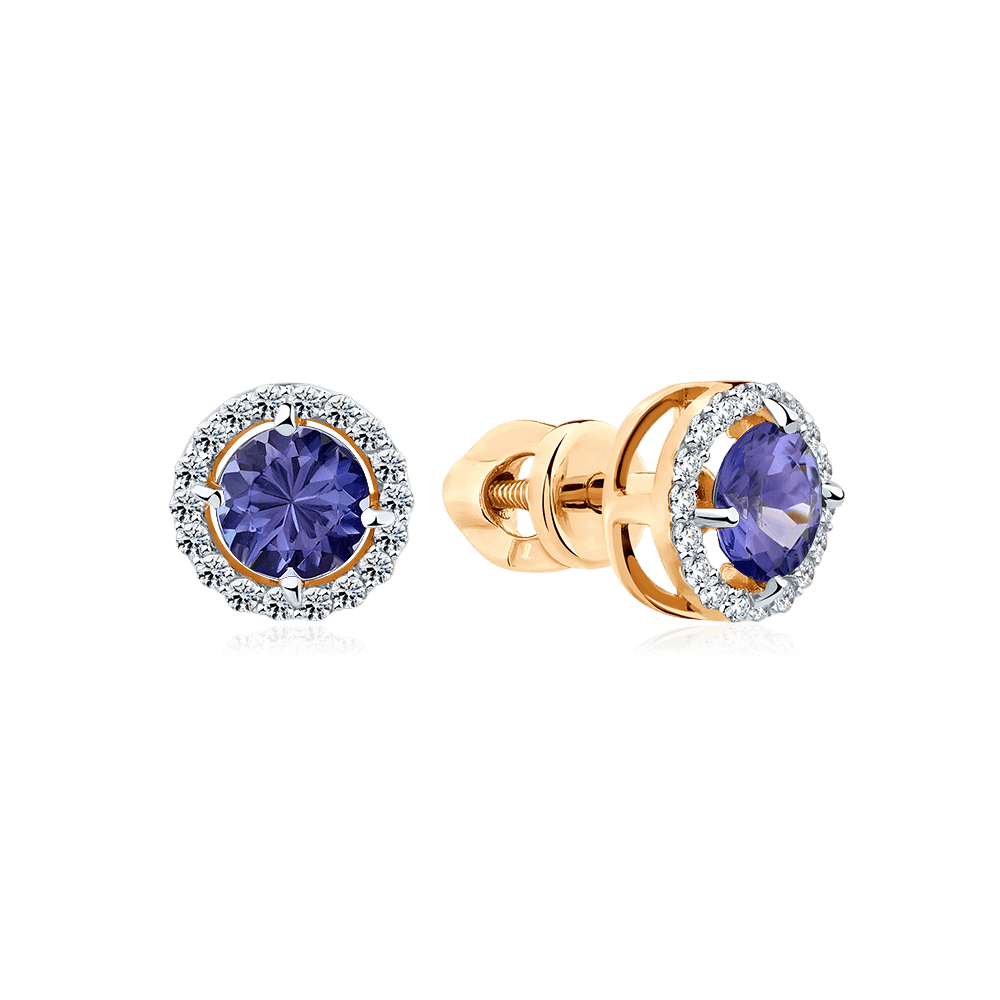
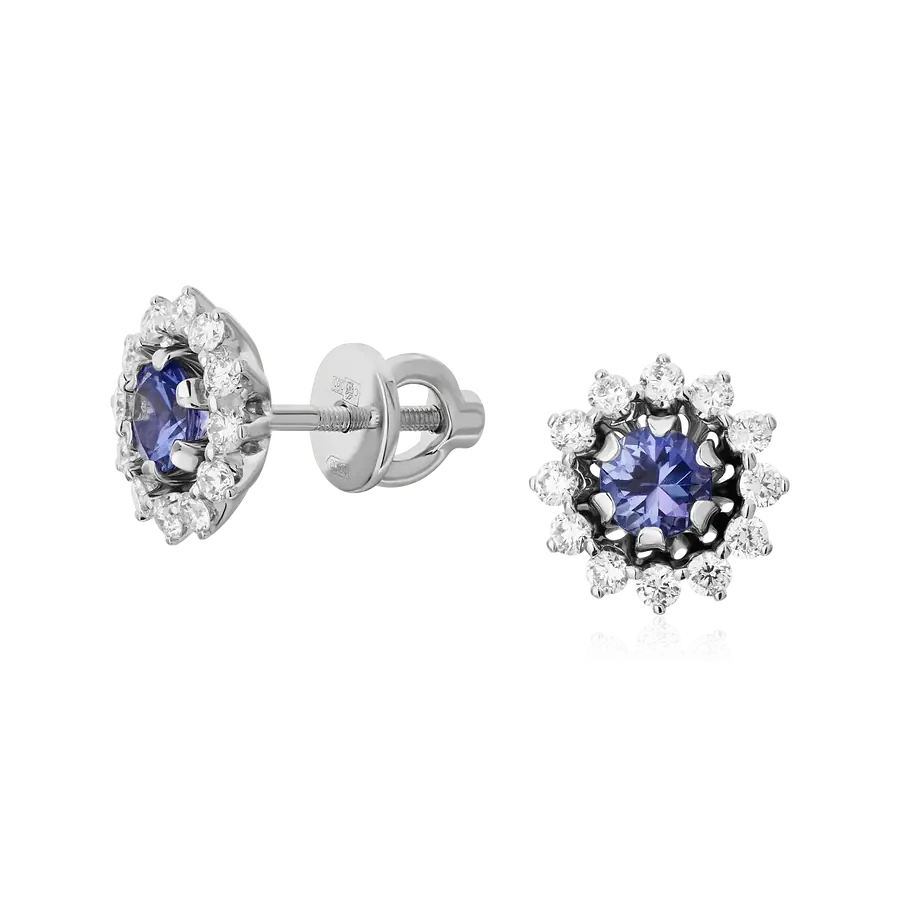
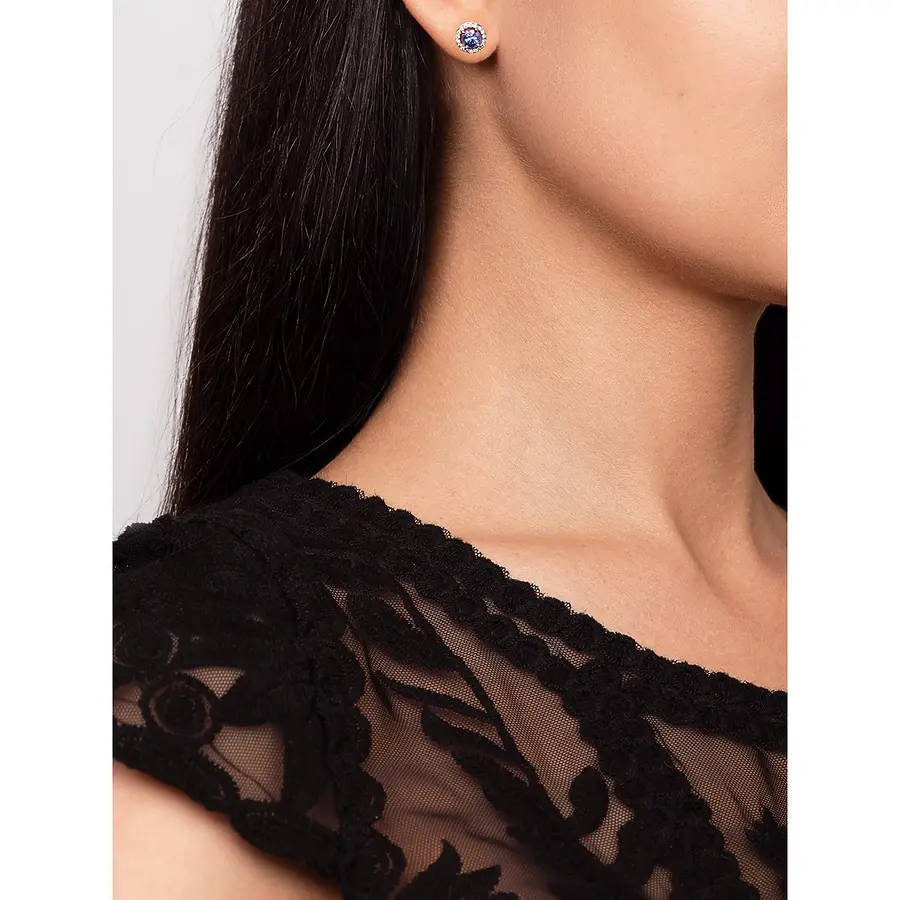
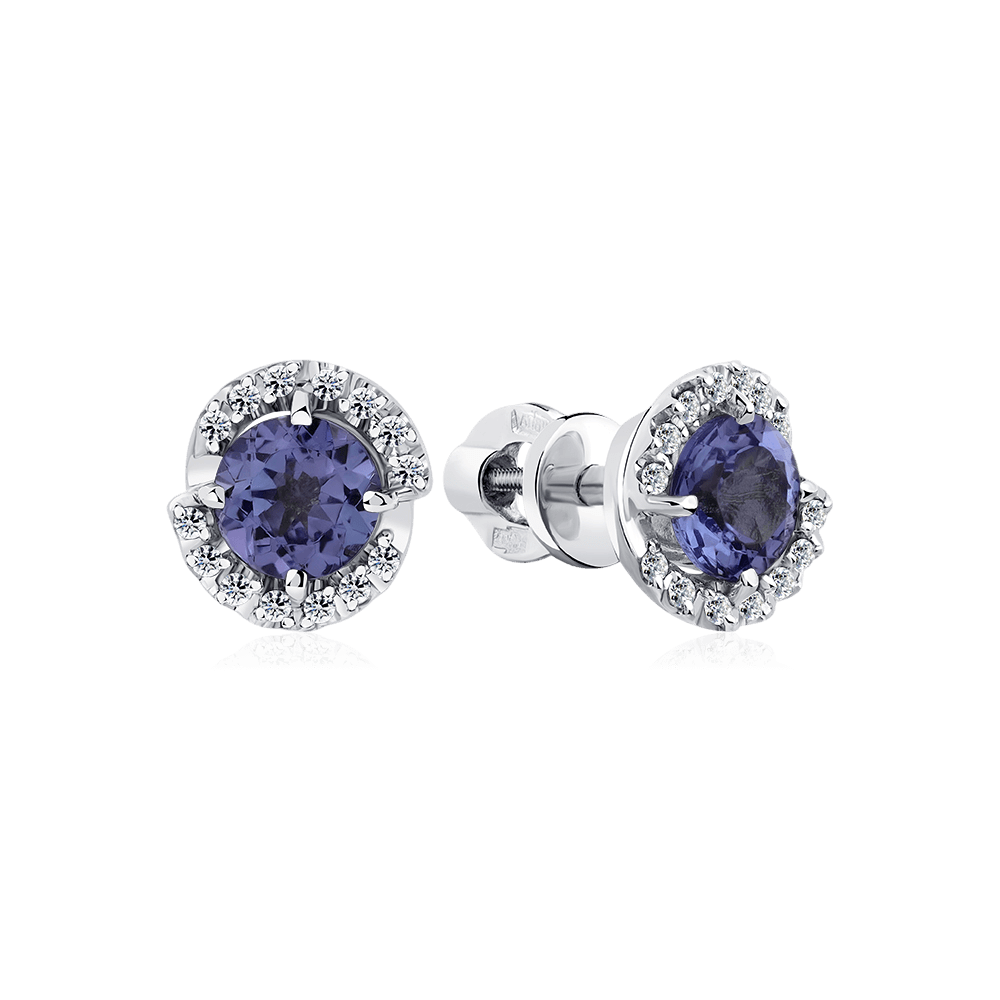
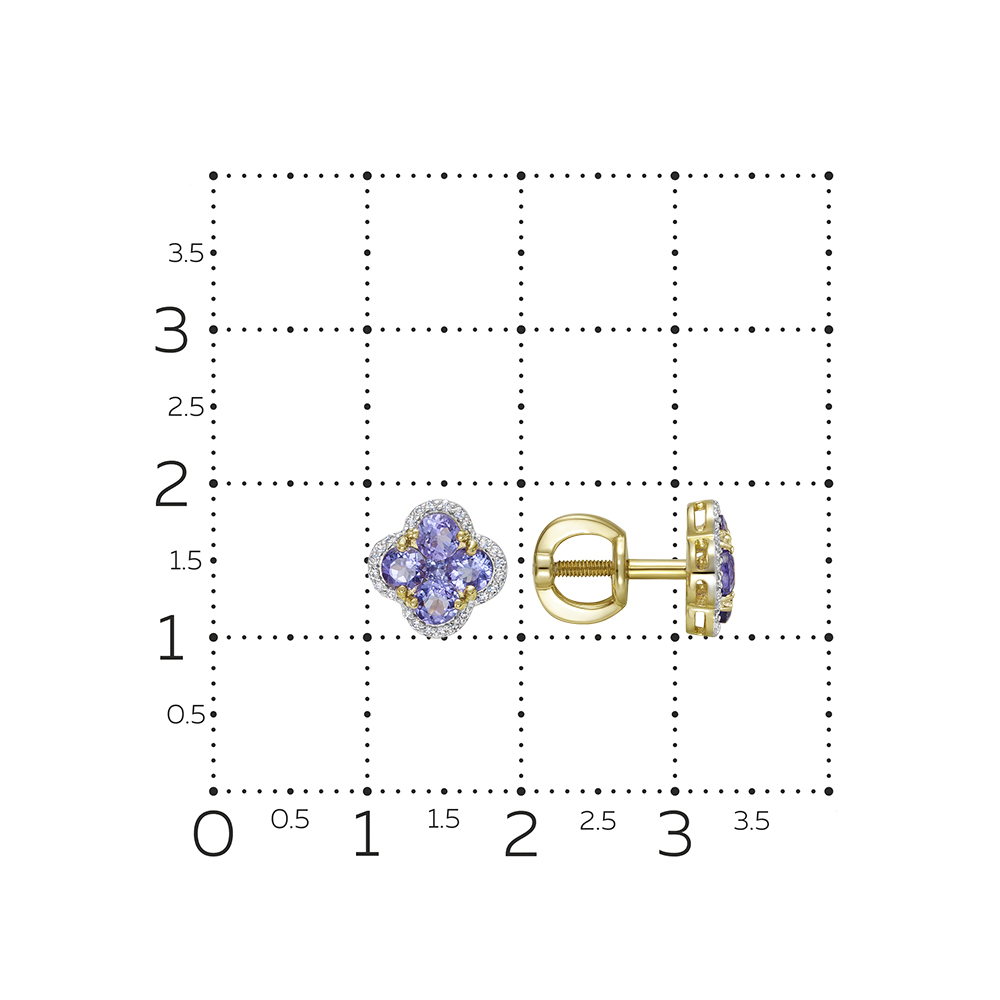
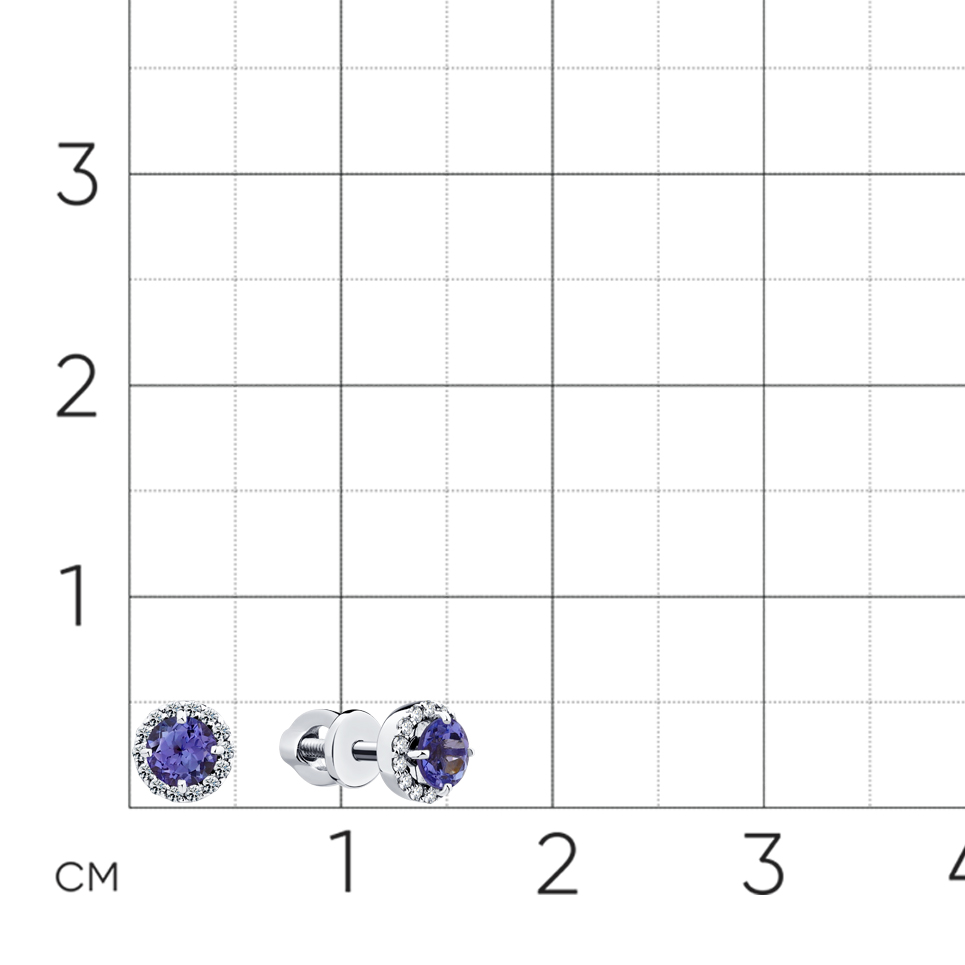
Stud earring with tanzanite in the catalog 70. The format makes sense for exactly this stone: a stud sits snugly against the earlobe and takes almost no side impacts, while a stone with a hardness of 6–7 and perfect cleavage splits from a point impact more easily than sapphire or diamond.
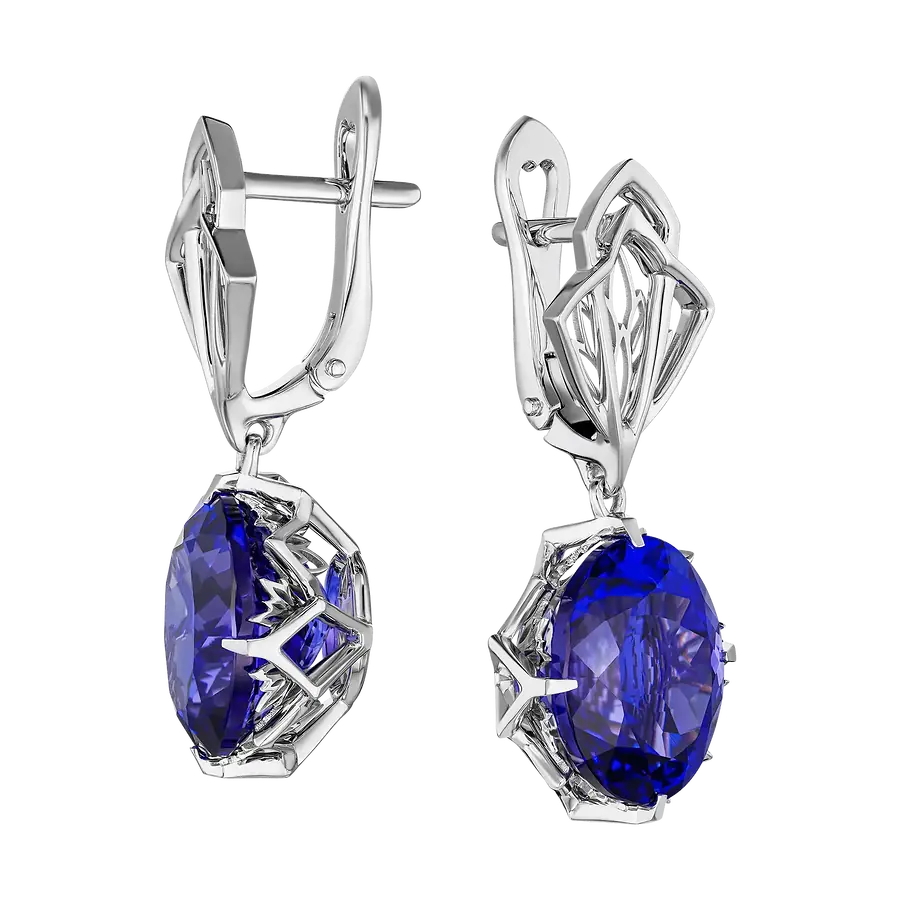
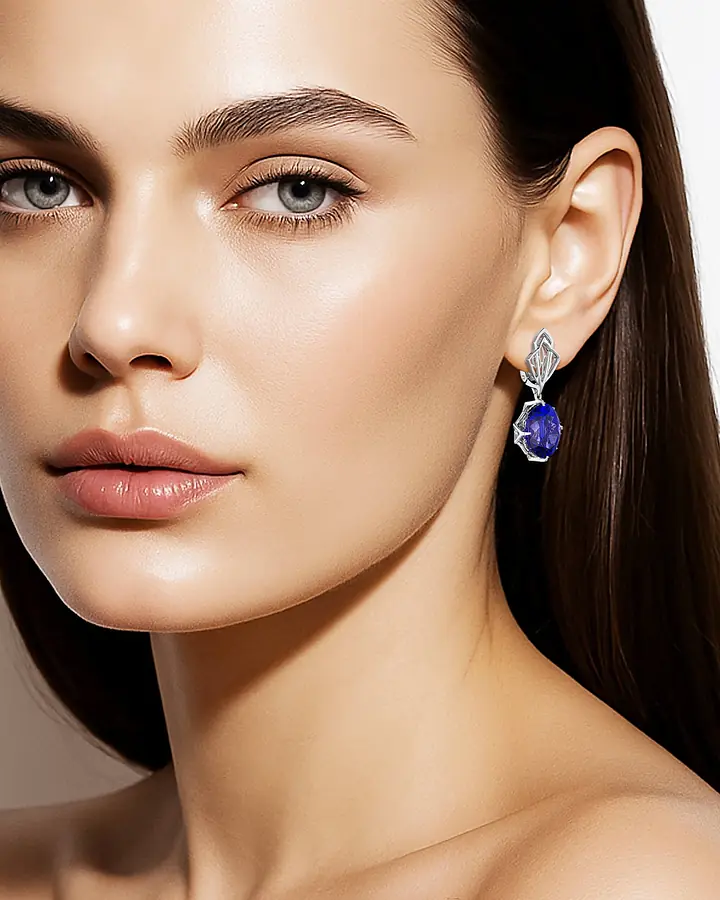
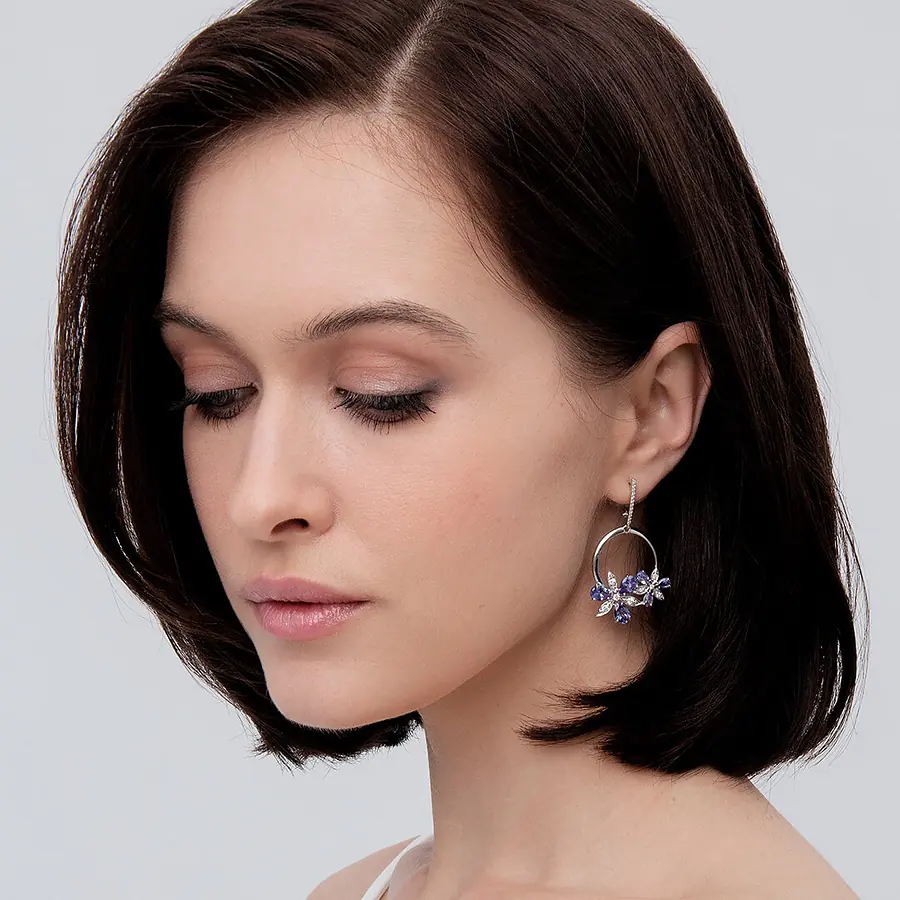
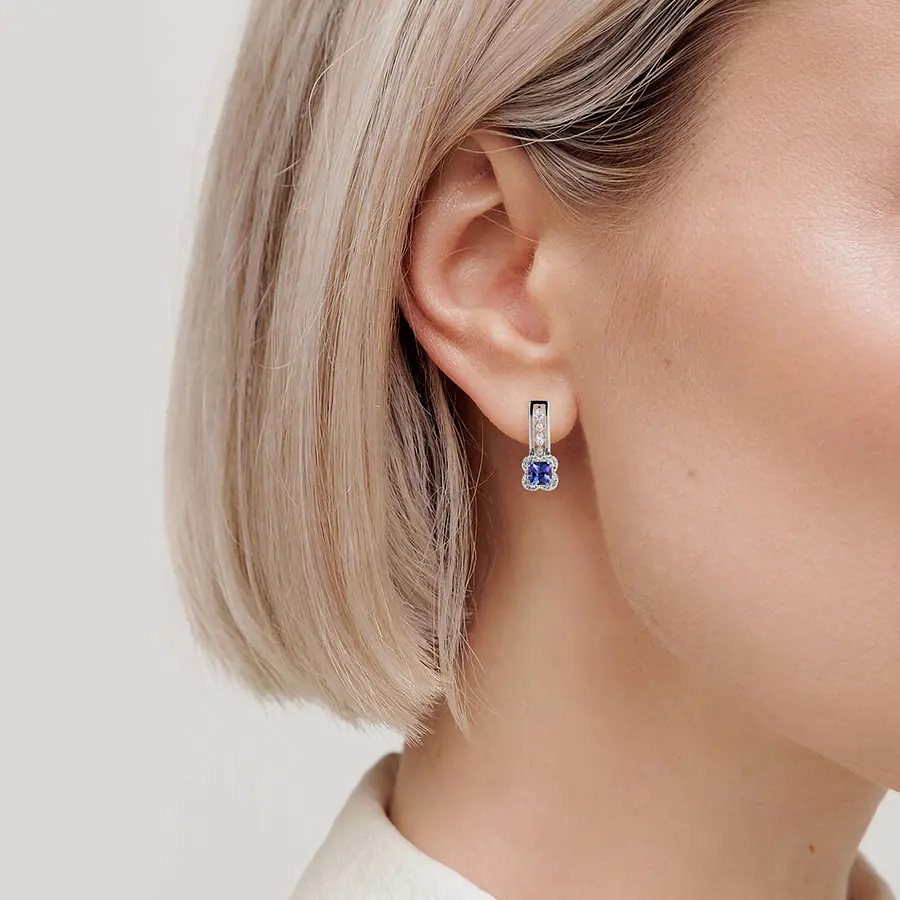
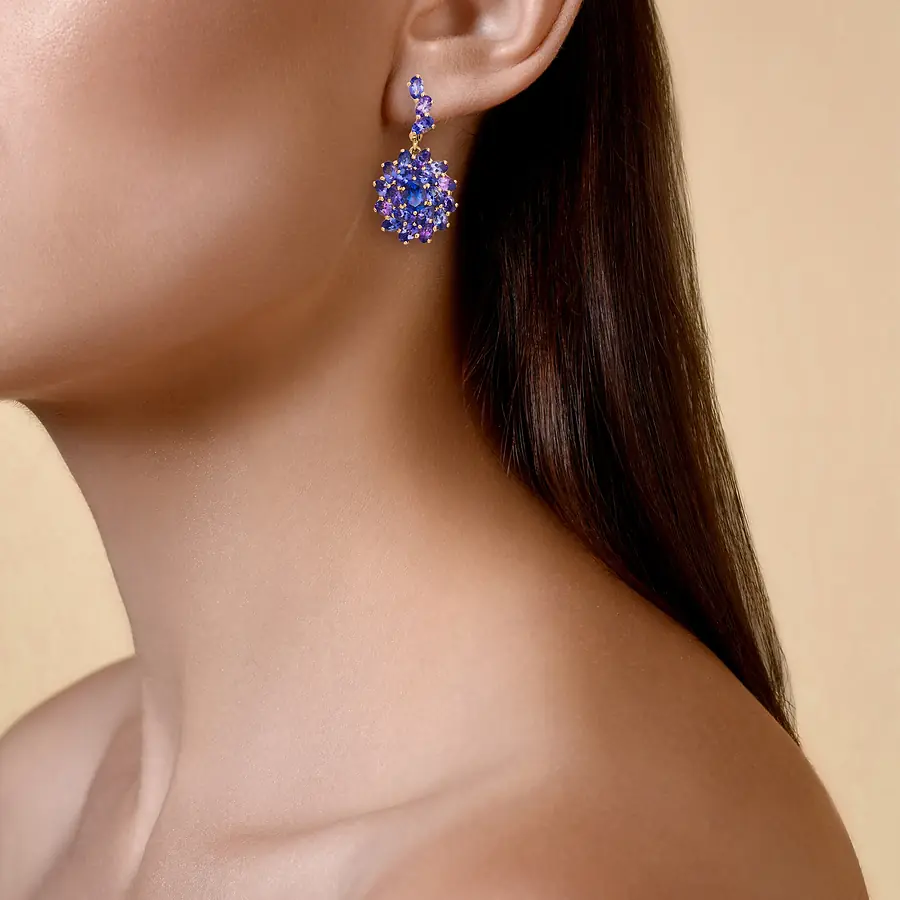
Drop earrings with tanzanite present the stone more dramatically: it plays as you move, and pleochroism is more noticeable. The price of this is the risk of catching the earring on hair, a scarf or a car door.
For a soft stone, a bezel or half-bezel setting is preferable: it covers the girdle, the most vulnerable part of the stone. Matching a single earring from a pair later is almost impossible, since batches of stones differ in tone, so the pair is bought as a whole.
An ultrasonic bath creates vibration that opens existing micro-fractures along the cleavage plane. Steam adds thermal shock. Both methods are safe for diamond and sapphire but not for our mineral, and in a finished piece these stones sit side by side, so you have to clean for the most delicate one.
Store your jewelry separately from pieces with diamonds, sapphires and rubies: they are harder and leave scratches on the surface of the stone. Harsh household chemicals, chlorinated pool water and sudden temperature changes are also not good for the stone.
You can see tanzanite earrings at the boutique at Nikolskaya 10, on the second floor of the Nikolskaya Plaza mall. This stone is worth seeing in person: under a warm display lamp it looks different than in daylight, and this is not a flaw but a property of the mineral.
Delivery within Moscow is free, 1-3 days, with a try-on and payment after it. Within Russia we ship via CDEK and Spetssvyaz, 1-9 days, free on orders over 50,000 ₽, and parcels are insured. You can try a piece on before buying. Stones and metal are covered by the store's lifetime warranty, and every piece is registered with the Russian Assay Chamber and carries a hallmark and a maker's mark.
If you are buying remotely, ask the manager to shoot a short video by a window: the change of shade is visible in it just as in person, but not in a studio photograph.
No. All tanzanite earrings in the catalog are made of 585 and 18K gold (750). Silver is softer and holds a setting worse for a stone with perfect cleavage, so a gem of this class is never set in it.
This is pleochroism, the natural property of the mineral to transmit light differently along three axes. The crystal shows blue, violet and burgundy-brown. Imitations don’t have this, so the shift in shade confirms authenticity.
No. Ultrasound and steam are harmful to this stone: vibration opens microcracks along the cleavage plane. A soft cloth, warm water, and a drop of soap are the right choice.
Almost all of the output on the market is heat-treated, which removes the brown tone. This is an industry standard, not a fake, and it does not affect the value of the stone.
They are different minerals. Sapphire is corundum with a hardness of 9, while tanzanite is zoisite with a hardness of 6-7. The second stone is noticeably softer and needs gentle handling, but it offers a color shift that sapphire does not have.
White intensifies the blue of the stone, while yellow and red mute it and draw out a violet undertone. In white gold there are 359 pieces, in yellow 59, in red 32.
We will contact you shortly.
Unfortunately, we cannot deliver to this locality. Please choose another city nearest to you.
How to get them. 3% of every order on the site. Sign in with your phone number to receive bonuses.
How to spend them. Sign in, add jewelry to your cart and specify at checkout how much to redeem. Bonuses can pay up to 10% of the price.
Confirm that you are not a robot
Unfortunately, this item is currently out of stock. We can make the jewelry individually to your requirements. Our consultant will contact you
Our consultant will contact you shortly
Refresh the page and send the message again
Specify the size of the jewelry and try again
Enter your number and our manager will contact you about the price calculation
Refresh the page and submit the order again